Schneider Shorts 23.10.2026 – Responsibility in the Conduct of Science
Schneider Shorts 23.10.2026 - a steaming turd wins defamation lawsuit, a mass resignation in Ulm, an AI tool from Harvard to predict your death, a Norwegian expert in AI ethics, with misinformed cell lines, a corrected retraction, and finally, with demented dementia research in Portugal.
Schneider Shorts of 23 October 2026 – a steaming turd wins defamation lawsuit, a mass resignation in Ulm, an AI tool from Harvard to predict your death, a Norwegian expert in AI ethics, with misinformed cell lines, a corrected retraction, and finally, with demented dementia research in Portugal.
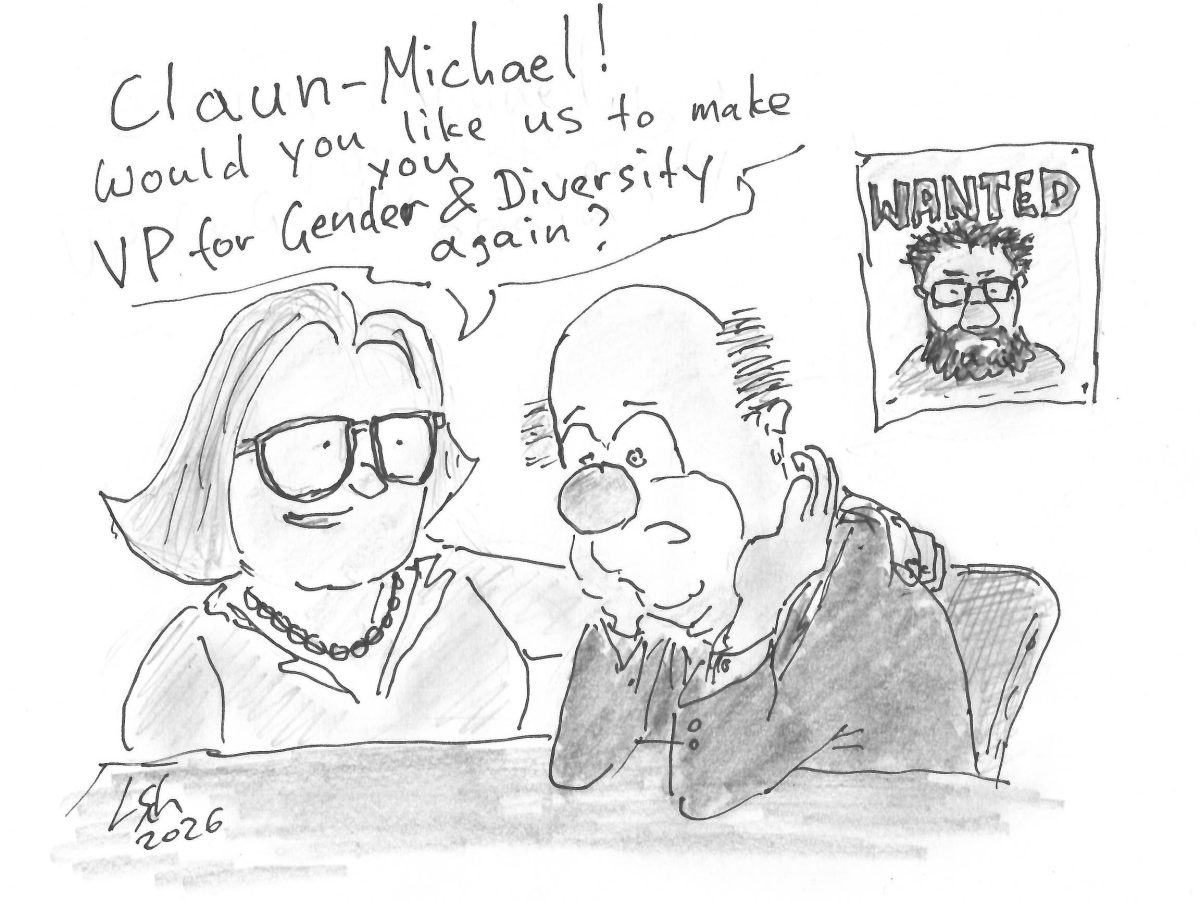
Big shake-up at the University of Ulm! Things are not exactly going according to its leadership’s cunning plan after they reported me to the police for slandering their venerable German institution. Read here:
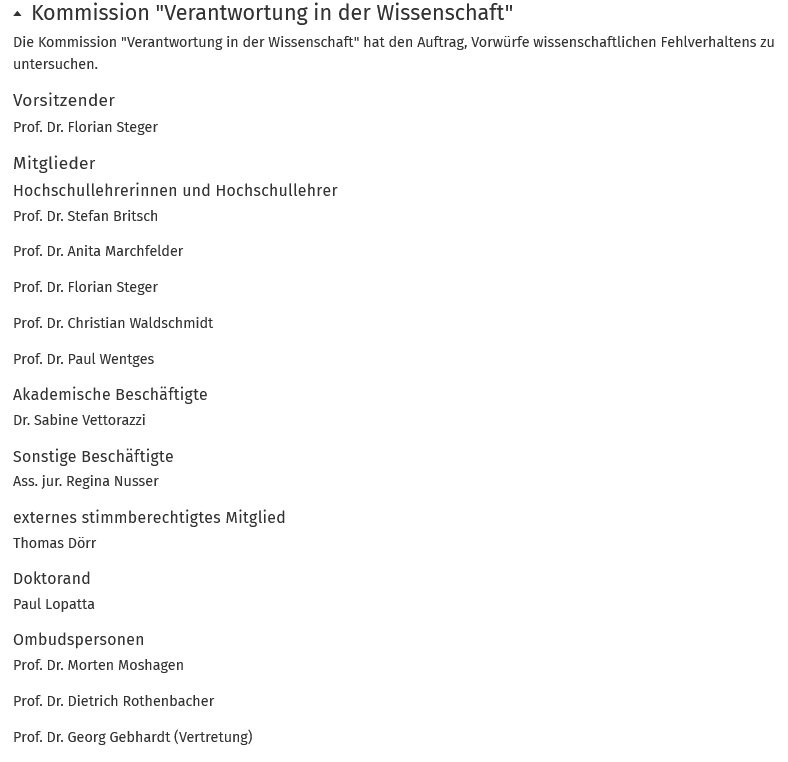
On 19 October 2026, the entire Commission “‘Responsibility in the Conduct of Science“, which investigates accusations of research misconduct, has resigned in protest.
They protested against the refusal of the President of the University of Ulm Michael Weber to accept the commission’s findings of research misconduct against this university’s former Vice-President Klaus-Michael Debatin and his former mentee Simone Fulda, and to implement the decision of the Commission.
In July 2026, the entire leadership of the university was replaced, the new university President is Michael Kühl, he didn’t reply to my email, which I understand. Why should he talk to a criminal: the new Chancellor Heidi Krolopp already reported me to the police.
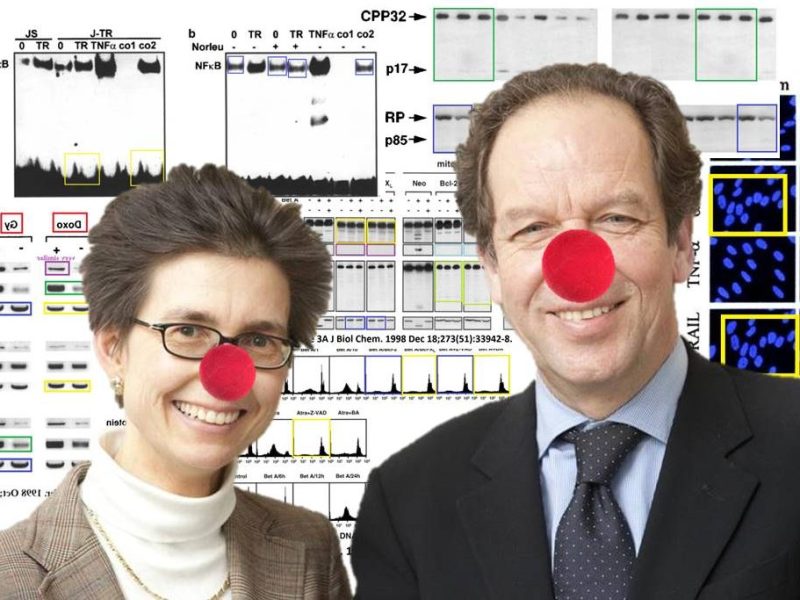
Weber departed on 1 October 2026, after 11 years at the helm of his university. When Weber took over the presidency in 2015, Debatin was immediately appointed as his his deputy and stayed on until 2021 – you see why Weber disagreed with those investigations. Debatin retired in April 2024, and became founding director of the new children’s hospital in Ulm, called DZKJ. Just in November last year, Weber joined his dear friend Debatin at the opening of a exhibition aimed at children and organised by DZKJ at the Ulm city council. The exhibition was opened by sports and TV personalities and was chaired by Debatin’s right hand man Mike-Andrew Westhoff, who also has bad papers on PubPeer and whom Weber also doesn’t want to see investigated. I guess children will learn to cut and paste gel bands in Photoshop to design new exciting cures for cancer?
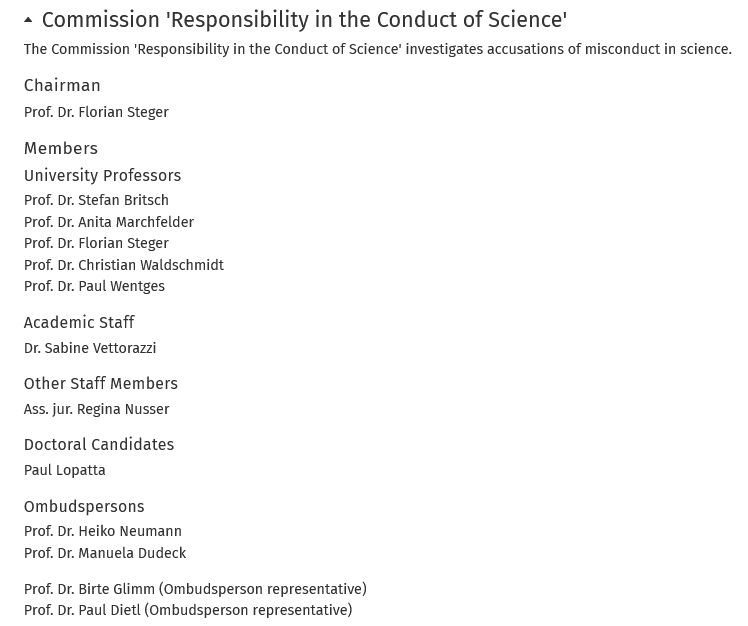
Not everyone finds this Debatin clown show in the Ulm circus funny, and indeed the whole research integrity commission stepped down: Chair Florian Steger, academic members Stefan Britsch, Anita Marchfelder, Christian Waldschmidt, Paul Wentges, plus a representative of the faculty and a representative of PhD students, plus the external members: the lawyer Regina Nusser and the emeritus president of the Ulm district court, Thomas Dörr. However, Ombudspersons Morten Moshagen, Dietrich Rothenbacher and Georg Gebhardt remained in their office, they were recently appointed. The previous Ombudsman team is still named in the English version of this Commission website, one of them was Paul Dietl, another was Birte Glimm (now university’s Vice President), in 2024 both expressed their utter dissatisfaction with my attempts to report Debatin’s fake science.
Meanwhile, Debatin’s faithful friend and Dean of Medicine in Ulm, Thomas Wirth, continues with whatever they did all these years. But now they get caught up in their own lies.
I had these two papers in my previous article, Wirth’s coauthors are his lab head Alexey Ushmorov, and the retired head of pathology of the University Clinic Ulm, Peter Möller. The lead author Olga Ritz was group leader in Wirth’s institute until 2014, and works in pharma industry since.
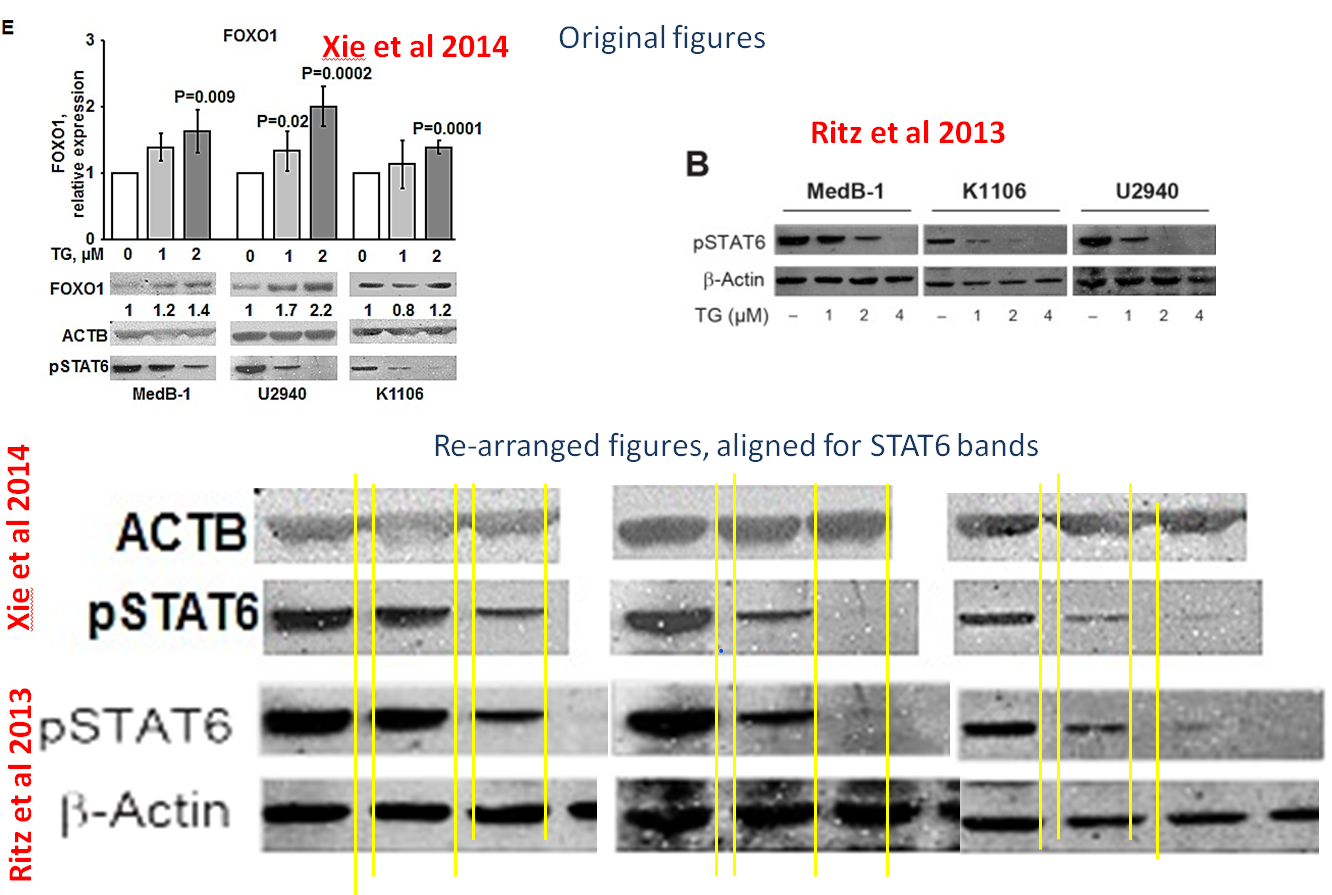
Fig 4E of Xie et al 2014 vs Fig 3B of Ritz et al 2013
You see the reused western blots, although apparently showing the same experiment. Ushmorov, a hot-blooded russian, angrily retorted on PubPeer: “Exactly, as we already commented on this, the same membrane was probed by FOXO1 antibody by O. Ritz who is co-author of both articles.” So I asked why the β-Actin (also called Actin-B or ActB) blots were different then. Ushmorov could have stopped digging and changed his story, but something drove him to continue with bullshit:
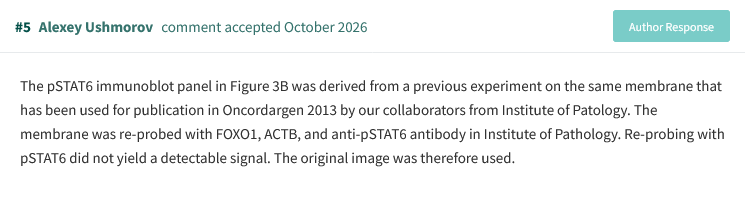
He wrote that they took that year-old “same membrane that has been used for publication in Oncordargen 2013 by our collaborators from Institute of Patology” and had it “re-probed with FOXO1, ACTB, and anti-pSTAT6 antibody“, yet because it was too old, only the first two worked, while pSTAT6 “did not yield a detectable signal“. So they recycled the old picture of pSTAT6.
That is already insane enough, but I can also show that Ushmorov must be lying. Here it goes.
First of all, assuming Ushmorov did not lie, and they recovered that one old blot membrane from Ritz et al 2013 and re-stained it for their later study, Xie et al 2014. Look at the full Figure 4E of Xie et al 2024. It shows quantification of the western blot signal, with error bars and p-values. This signals to naive readers that the authors must have had at least three different experiments and three different western blots for which they then quantified the band intensities.
What Ushmorov is however saying, is that he and his friends managed to fabricate a quantification, with error bars, p-values and all, out of one single blot membrane. Thus, the Figure 4E is already proven as fraudulent.
But that’s not all. See, I aligned the recycled pSTAT6 images from both papers next to each other and aligned next to them the “corresponding” ActB blots. We see that none of these ActB signals aligns with the pSTAT6 bands. This means, what we look at are at least three different gels/western blots: Nr 1 is pSTAT6, Nr 2 is ActB from Xie et al 2014 and Nr 3 is β-Actin from Ritz et al 2013. In fact, the latter clearly look like deriving from three different gels themselves, and I am also not sure about Nr 1 and Nr 2 being from the same gel each either. We look here at anything between three and nine different gels, and who knows what these bands originally showed.
Oh, and also: Ushmorov’s claim that they reused the old pSTAT6 image is not true either. Those are two not-identical images of the same thing, the signal intensity is different. Actually I think those are two different exposures of the same western blot.
Wait, Ushmonov posted another lie on Ritz et al 2013:
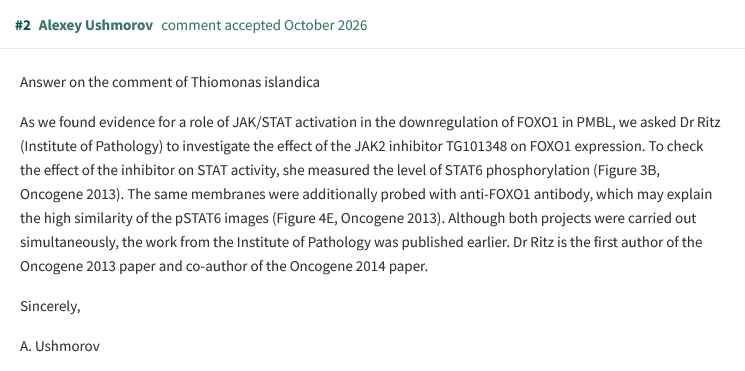
Ushmovov presented on that thread a different history of that same western blot membrane. He wrote that Ritz “measured the level of STAT6 phosphorylation” for Ritz et al 2013, then “additionally probed with anti-FOXO1 antibody” for Xie et al 2014. Here Ushmorov however claimed that “both projects were carried out simultaneously“, as opposed to his contradicting claim above that the membrane was re-used only much later.
Ushmorov can bullshit better though. In a similar situation, he took a very different approach:
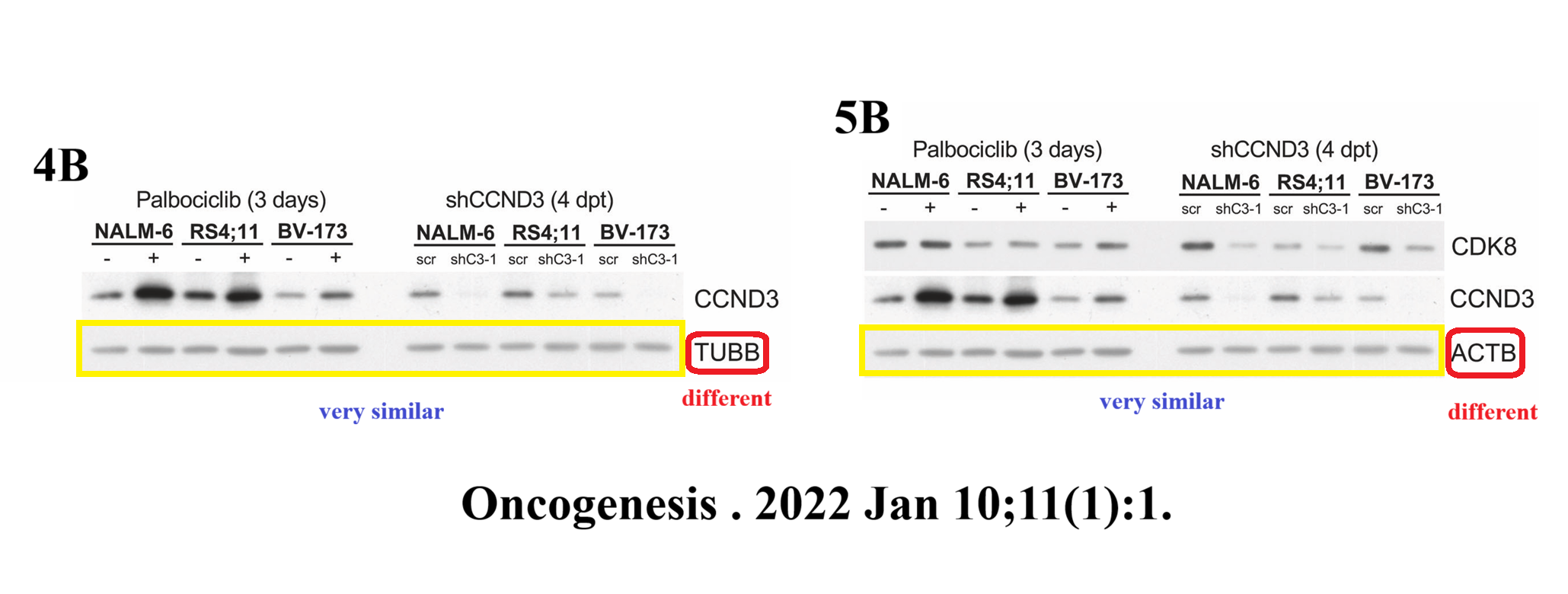
Fig 4B and 5B. While those seem to be the same experiment presented twice, with a renamed loading control(!), I wonder why the authors didn’t use their other experiments. After all they wrote: for Fig 4B and 5B: “ Image is representative of n = 3″* and “n = 3, image representative.“, respectively.
Here, Ushmorov must have asked for advice before shitposting:
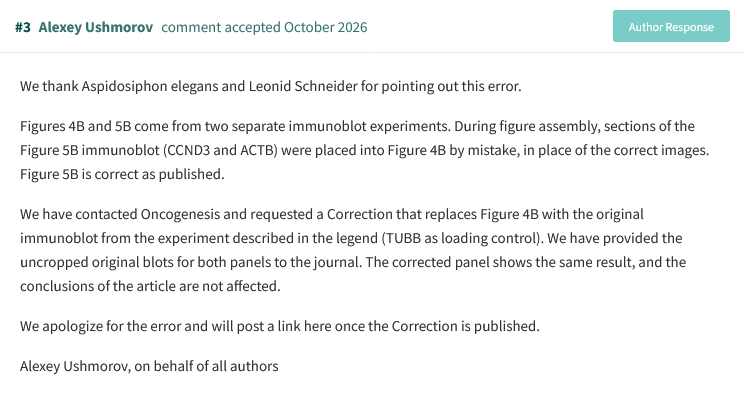
Instead of defending the reuse Ushmorov admitted that “sections of the Figure 5B immunoblot (CCND3 and ACTB) were placed into Figure 4B by mistake” and announced to “have contacted Oncogenesis and requested a Correction that replaces Figure 4B with the original immunoblot“. He and his colleagues “provided the uncropped original blots for both panels” to prove that “the conclusions of the article are not affected“.
Wirth has much more on PubPeer, be aware that a few bad papers refer to a different Thomas Wirth, a professor at Hannover Medical School (MHH), these also feature MHH’s President, the late Michael Manns. This is our Wirth in Ulm though:
I don’t think Ushmorov or even his boss are in danger of investigation. Wirth is the Dean. He alone will decide who will be investigated and who won’t.
Anyway, there is now no commission to investigate anything. The press officer of the University of Ulm promised to give me a statement, but then returned with this:
“After a thorough legal review, we are unable to answer the specific questions you have raised due to the legal obligation of professional confidentiality. Thank you for your understanding.”
After I pointed out that their legal obligation is to have a functional research integrity commission, I got this:
“Pursuant to Section 9(2), fourth sentence, of the LHG, the members of the “Responsibility in Science” Commission remain in office until their successors are elected.“
What all this implies: also the new leadership of the university (who set the police upon me) have no plans to address the root cause of the mass-resignation. They will eventually appoint more pliant people, I guess.
Dreaming about this moment
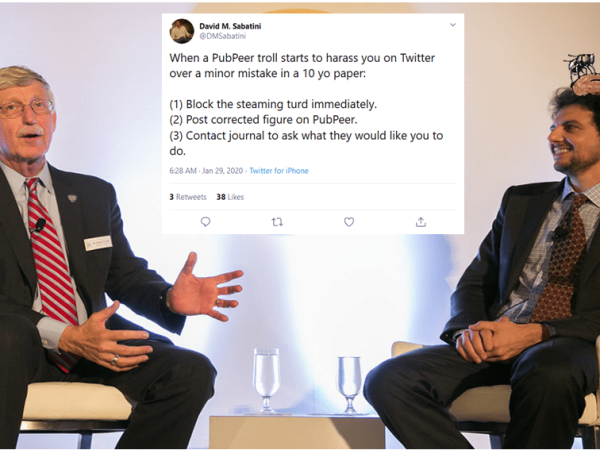
David Sabatini won $6 Million damage lawsuit against the whistleblower and victim of his sexual harassment, for which he was sacked by the MIT. Read here for background:
“The Plaintiff is Professor Sabatini […] the self-described powerful senior scientist, who had demanded sex of her when she was a graduate student ending her studies and about to start a fellowship at the Whitehead, in a program Sabatini would direct. […] And it is the man who had made it clear – throughout her…
On 16 October 2026, The New York Timesreported about a great scientist whose career was destroyed by a lying woman:
“The biologist, David Sabatini, was among the most prominent scientists in his field, and ran a research lab at the Whitehead Institute, in Cambridge, for 24 years. His lab studied cellular biology to better understand neurodegenerative diseases, cancer, diabetes, and aging.
He was forced out of his lab in 2021 after an internal Whitehead investigation concluded he had a past sexual relationship with a younger and less experienced colleague, Kristin Knouse, over whom he had a career-influencing role. The investigation also found that his lab had maintained a sexualized atmosphere. Dr. Knouse said that the relationship was coerced.[…]
“It’s surreal,” Dr. Sabatini, 58, said in a phone interview after the verdict. “I’ve been dreaming about this moment for all this time, but often thinking I might not make it, financially, emotionally or physically.”
Nearly five years to the day after he filed his defamation lawsuit, a Suffolk County jury agreed with him, finding that Dr. Sabatini had proved in court that Dr. Knouse had defamed him and interfered with his ability to work.
The jury rejected Dr. Knouse’s counterclaims that Dr. Sabatini had harassed and retaliated against her.”
NYT then laments how “Dr. Sabatini’s career was derailed by the allegations“, how after the sacking from MIT’s Whitehead Institute he was denied the agreed job at New York University because of a woke mob (“staff members and students protested in the streets against his hiring“). But, NYT tells us, three years ago the hounded genius “was hired by the Institute of Organic Chemistry and Biochemistry, in Prague, and later opened a Boston-area branch of that institute“, without saying that the institute consists of Sabatini alone, drinking bourbon on the sofa.
Not mentioned by NYT is that Sabatini has been sponsored by the billionaire Bill Ackman, who pays this “institute” and likely also Sabatini’s lawsuit.
Think about this: Sabatini’s lawsuit against MIT was dismissed. Thus, their sacking of Sabatini for sexually harassing Knouse and other women was legal and correct. Even their public exposure of Sabatini as sexual harasser was legally unassailable. But Knouse was now sentenced in court and must pay Sabatini $6 Million damage for having confidentially reported this same sexual harassment to the MIT authorities.
This is not just insane. This sets a legal precedent which means that a professor in USA is free to sexually harass women. If a victim dares to confidentially report him to the university, he will sue her for defamation and bankrupt her, citing Sabatini vs Knouse, 2026. She will pay him damages for his sexual abuse against her. This is a court-issued licence to “Grab them by the p***y”, perfectly reflecting Trump’s America.
The NYT writer must have had tears in his eyes when he wrote this:
“Dr. Sabatini said he hopes the verdict is a step toward regaining his reputation. “Before, I was judged as having a great lab and for providing great mentoring,” he said. “For the most part my trainees have been there for me through this.” “I hope that I can get back to being judged by my science and my training,” he said.”
Ah yes, Sabatini is a massive science cheater, his science is likely all fake. His PubPeer record is actually one of the reason why he didn’t get a new job, at least not in a real research institution. Sabatini and his Swiss friend Michael Hall (PubPeer record) discovered the protein around mTOR and invented an entire research field around it, which then became populated and expanded by other cheaters:
David Sabatini, remember that story? Well, it seems the conclusions were not affected. I take an ill-informed look at the mTOR signalling research field, to understand how photoshopped data gets to be independently verified by other labs.
I assume mTOR and other proteins in this pathway really exist, although… What with the antibody datasheet fraud discovered by Sholto David and Reese Richardson, that whole mTOR kerfuffle might be an artefact of faulty antibodies.
Antibodies mischievously binding proteins
In this regard, Sholto David issued a new blog post and a preprint. This time, about cell lines which forgot they they were actually suppsoed to be gene-deficient!
This is the preprint:
Sholto David .Erroneous Reports of Protein Expression in Cell Lines With Genetic Deletions and Mutations. (2026) Zenodo, doi: 10.5281/zenodo.23498482
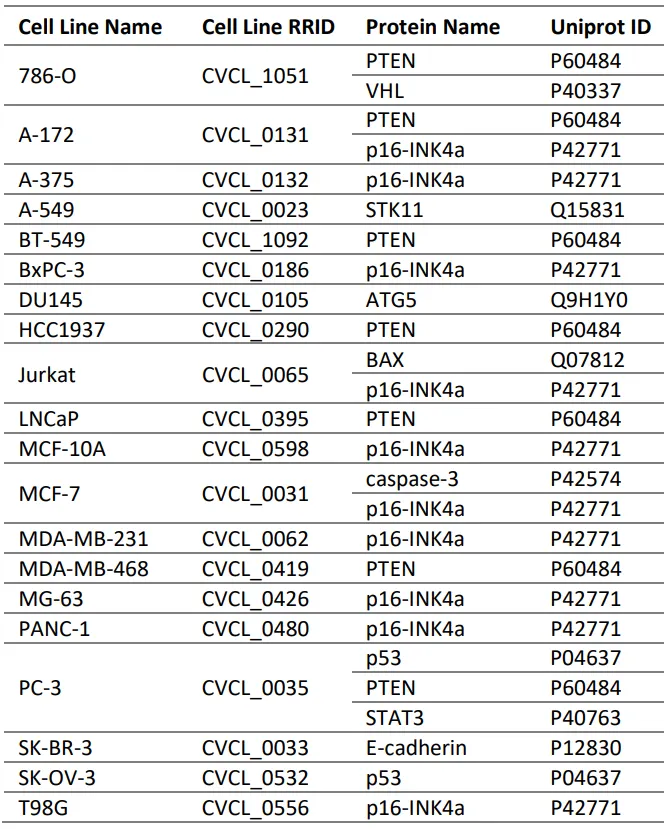
“A literature search and database review were performed to select a list of cell lines with clearly demonstrated protein deficiencies caused by genetic deletions and mutations. A further literature search was performed to identify papers that report western blot experiments showing erroneous claims of protein expression from this selected list of cell lines. Twenty cell lines with known deficiencies were selected and 230 erroneous reports of protein expression by western blot were found in 221 papers.”
“Once again I am left wondering what to make of these research teams that cheerfully go on generating impossible results, either they don’t write the methods truthfully or they don’t write the results truthfully and neither one is better than the other.” – Sholto David
And this is the blog post from 21 October 2026, where Sholto explains that the problem might lie either in mismatched cell lines or in faulty antibodies:
“There are now hundreds of distinct cell lines in frequent use (thousands more in less frequent use), but probably ever since there has been more than one cell line in the same lab, they have been getting mixed up1. Since you mostly can’t tell which cell line is which just by looking at them, it isn’t always easy to spot. The solution is genetic testing to ensure that the correct cell lines are being used. The solution is not widely implemented. […]
But not all antibodies actually bind to their intended target, with some antibodies mischievously binding proteins that are of a similar size instead, leading to false results that can go undiscovered for years. For example, the supposedly BAX specific antibody sc-7480 was used in well over a thousand papers, but has subsequently been shown to bind a different protein with a similar size2.”
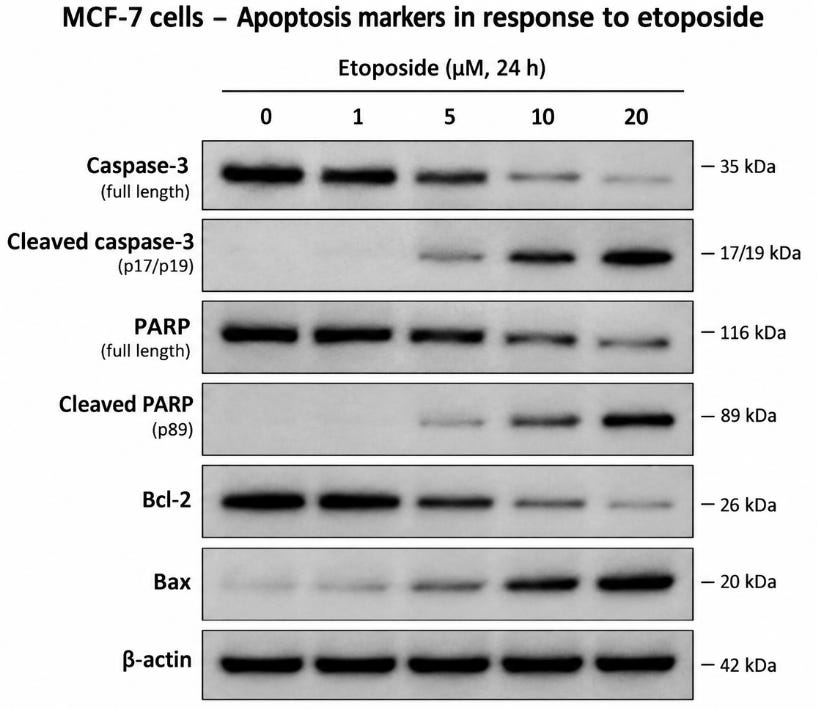
Sholto David : “Figure 3(A): Caspase-3 western blotting is shown in MCF-7 cells, […] The authors uncritically discuss their findings”
As Sholto points out, MCF-7 cells are well known to not express caspase-3, as demonstrated by Jänicke et al 1998 and reviewed in Jänicke 2009 (I personally knew Reiner Jänicke from my PhD work in Düsseldorf). The findings of total absence of Caspase-3 protein in MCF-7 cells was independently proven by many other labs, e.g. Kottke et al 2002. Sholto flagged that Nizamutdinova et al paper in March 2026, in August 2026 the publisher Spandidos corrected it, informing us that the authors proved “the authenticity of the MCF‑7 cells used in this study” and that “other studies in the research literature have reported identical caspase‑3‑like immunoreactivity patterns in MCF‑7 cells using the same antibodies, reflecting caspase‑7 cross‑reactivity“. The study’s text was accordingly changed to replace Caspase-3 with Caspase-7.
The MCF7/Caspase-3 problem extends even to Nature. The key author here is Inder Verma, former director of the Salk Institute in San Diego and former Editor-in-Chief of PNAS, who in 2018 fell deep after he was exposed as sexual harasser:
Sholto David: “Figure 1, Extended Data Figure 1, Extended Data Figure 3: Cleaved caspase-3 staining is presented for MCF-7 cells.”
Sholto writes: “The authors have declined my several attempts to discuss this issue with them.”
As it happens, I know the first author very well, we worked for years in the same IFOM lab in Milan and had our lab benches next to each other. Like my other successful colleagues there, Gabriele Sulli always had the right results. After an academic career in California he now has his own pharma company, Stealth Mode Biotech, “developing novel therapeutic approaches for highly validated but historically undruggable targets in oncology and beyond“.
Sholto also discusses the cell line PC-3 which completely lacks the STAT3 gene, and yet here the authors reported “Interestingly, no constitutive or IL-6-induced STAT3 phosphorylation could be detected in PC3 cells”, while presenting perfectly normal levels of the total STAT3 protein:
Sholto David: “Figure 3: Western blot of STAT3 in the PC-3 cell line is shown. This is unexpected, as this cell line has been convincingly shown to have lost the gene for this protein entirely, see here and here for example.”
Presumably their STAT3 antibody is wrong? Of course, the third possibility for gene-deficient cells expressing the absent protein can be the good old fraud. Sholto writes:
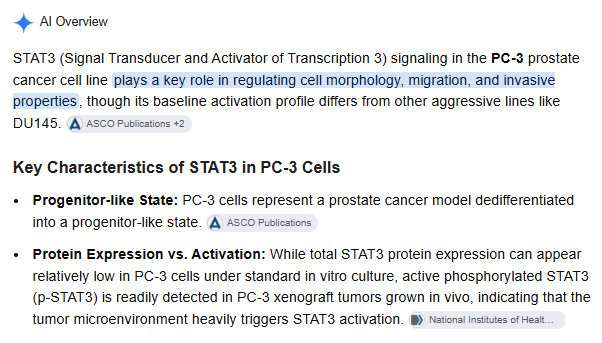
“While researching for this project I discovered parallel worlds of scientific research into biological mechanisms that are provably false. Esfandiar Heidarian’s lab seems to have published perhaps dozens of papers detailing the various impacts of different chemicals on STAT3 signalling in the PC-3 cell line, which (as mentioned above) has a deletion of the entire gene. These results have been laundered into review papers such as “STAT3 signaling in prostate cancer progression and therapy resistance: An oncogenic pathway with diverse functions”15 and “STAT3 and Its Pathways’ Dysregulation—Underestimated Role in Urological Tumors”16. These reviews uncritically discuss results from the research papers. Through the combined effort of this silliness Googles AI overview now serve up nonsense like this:
AI overview by Google Search 20 October 2026
Perhaps this is the fabled “Super Intelligence” per executive order 14434?”
Heidarian’s papers from Shahrekord University of Medical Sciences in Iran can be found on PubPeer, and no, this is unlikely to be an Iranian papermills. The western blots are of abysmally bad quality, while papermills always produce nicely looking data. Here an example, clearly artisan fudgery:
Sholto David: “Figure 5: Western blot of STAT3 in the PC-3 cell line is shown.”
Sholto also listed cases where cell lines deficient for the CDKN2A gene still happily expressed p16-INK4a, which was probably due to the use of a totally wrong antibody targetting a protein with a similar name, p16-ARC, as Sholto described in his earlier blog post.
“I considered whether I should email Abcam and ask them to change the name of the ab51243 antibody on their website to reduce confusion, but […] I will instead continue to watch the carnage, perhaps it has only just started!” – Sholto David
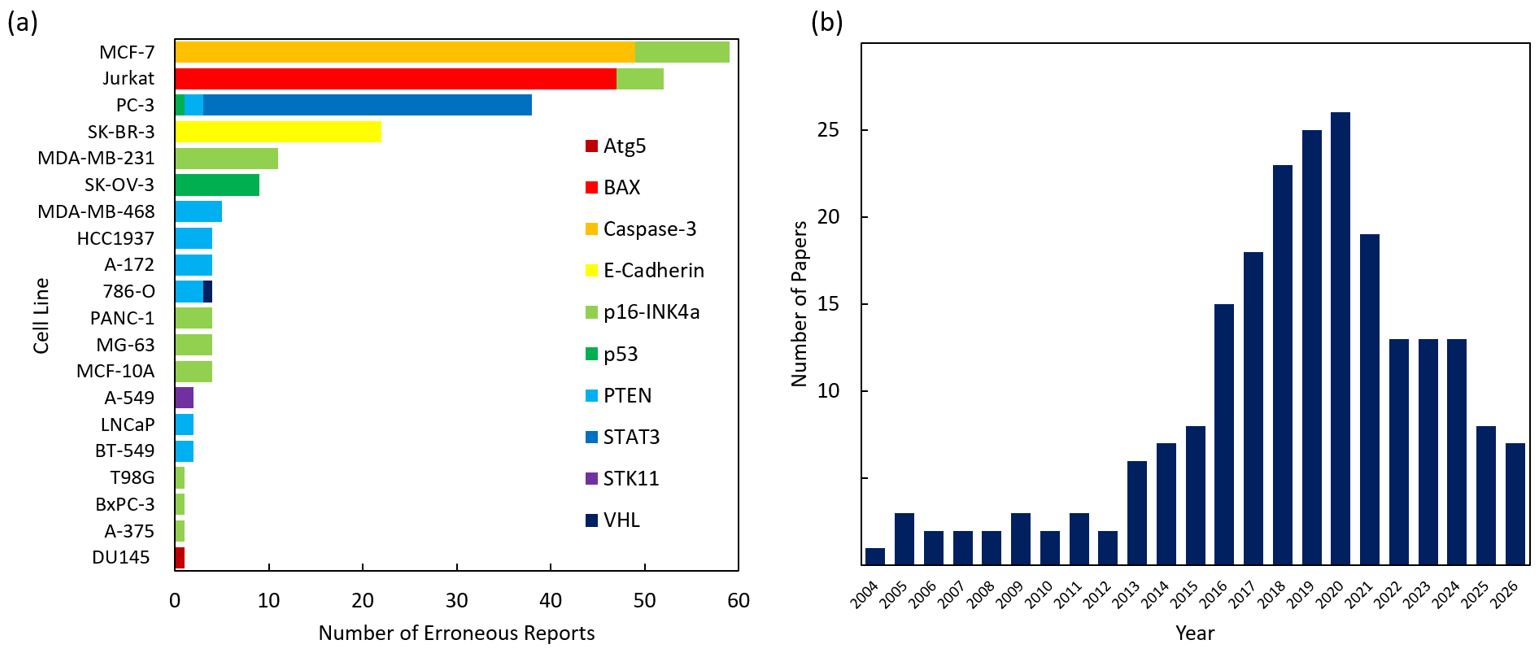
And here is the figure from the preprint showing how many papers “discovered” an absent protein in these cell lines:
“Figure 1: (a) Erroneous reports of protein expression per cell line, with different proteins coloured separately (n = 230 reports). (b) Papers with erroneous reports of protein expression by publication year (n = 221 papers).“
Upon Sholto’s request, ChatGPT generated a beautiful and extremely convincing western blot figure showing Caspase-3 activation in MCF-7 cells:
“Generated by ChatGPT 20 October 2026”
This, reader, is the future of science.
Retraction Watchdogging
Teaching citation in the age of generative AI: Rethinking research literacy, academic integrity, and epistemic responsibility
The paper was a citation-delivery vehicle, yet retracted on 25 May 2026 for authorship changes:
“Following publication, concerns were raised regarding the contributions of the authors of the article. Our investigation, conducted in accordance with Frontiers policies, confirmed a serious breach of our authorship policies and of publication ethics; the article is therefore retracted.
This retraction was approved by the Chief Executive Editor of Frontiers. The authors received a communication regarding the retraction and had a chance to respond. This communication is recorded by the publisher.”
Madsen has much more of this kind on PubPeer, where Smut Clyde found those familiar “citation magnets”, i.e., blocks of references which appear in totally unrelated studies outside any context, simply because someone paid a papermill broker to cite them.
This one for example, with colleagues from Saudi Arabia, Pakistan, Iraq and Korea, is full of citation magnets, plus citations to papers of a reviewer:
Cricula timorensis: “Some 14 references to works by Mohammad Alibakhshikenari are crammed into the intro section of the article, never to be discussed again. Mohammad Alibakhshikenari also is a reviewer.”
Madsen corrected this paper in MDPI, with colleagues from India, Saudi Arabia, Korea and Yemen:
“There were errors in the original publication [1]. Some references cited in the feature selection subsection were not directly relevant to the algorithmic description.
[…]
References 1, 2 and 14 have been replaced by the following references:
[…]
References 30 and 31 have been removed. With this correction, the order of some references has been adjusted accordingly.
The authors state that the scientific conclusions are unaffected. This correction was approved by the Academic Editor. The original publication has also been updated.”
“On one side: late-career scientists resorting to purchased promotion of their early-career papers. On the other side: whole new genres of paper-shaped artifacts that are little more than packaging for ever-larger citation cargoes, and papermillers no longer bothering to find buyers for naming rights on their products.” – Smut Clyde
“Post-publication, an investigation conducted by Elsevier’s Research Integrity & Publishing Ethics team on behalf of the journal identified references that are irrelevant to the article. The authors were asked to comment upon the presence of these references in their work but did not respond. Consequently, the Editor no longer has confidence in the integrity and the findings of the article and has decided to retract it. The scientific community takes a very strong view on this matter and apologies are offered to readers of the journal that this was not detected during the submission process.
The authors have not responded to the retraction notice.”
“BatDolphin-based sparse fuzzy algorithm, cat swarm optimization, honey bees optimization, moth amalgamated elephant herding optimization, fitness sorted moth search algorithm, improved tunicate swarm optimization, lion algorithm, deer hunting optimization, various rider optimization schemes, grey wolf optimization, cuckoo search, and finally a bat algorithm. Such a zoo of names immediately raises suspicion, and for a good…
So yes, Madsen is an expert in AI slop. I wrote to him and his university. Madsen explained:
“There are unfortunately some issues related to a few of these papers. I have spoked to USN about this in the past. I have since ended these collaborations.“
Interesting attitude. I also advised Madsen to study his own paper:
Dag Øivind Madsen , Emmanuel Sirimal Silva Teaching citation in the age of generative AI: Rethinking research literacy, academic integrity, and epistemic responsibilityThe Journal of Academic Librarianship (2026) doi: 10.1016/j.acalib.2026.103267
“Drawing on scholarship in information literacy, academic integrity, and the sociology of knowledge, the article identifies key risks associated with Gen-AI, including fabricated references, citation without reading, misattribution, and the amplification of existing visibility biases.”
Now visit the PubPeer threads to appreciate the citation payola travesty in Madsen’s papers like Elfizon et al 2023 or Tiang et al 2024. And guess what? Madsen openly admitted to me that he uses AI to write papers about the dangers of using AI. Including for that Madsen & Silva piece above:
“When it comes to the linked paper, I would like to point out that the use of AI as a support tool is quite transparently declared in the paper and, as I see it, in line with journal policies.”
American leadership in scientific research and innovation
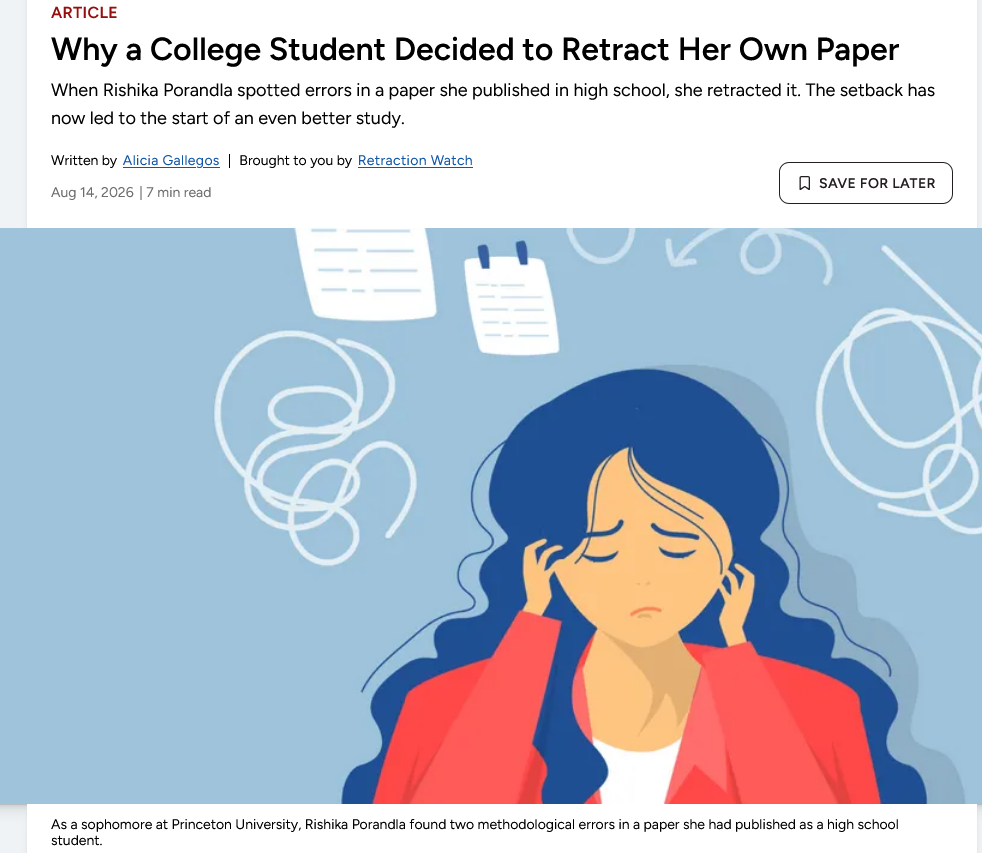
In August 2026 Shorts, I wrote about Rishika Porandla, an undergraduate student in Princeton and failed role model of scientific ethics and integrity, whom Retraction Watchalmost awarded with their coveted “CTRL-Z award”, for heroically retracting her own paper:
“The author notified Wiley’s Research Integrity department that after conducting a follow-up study, she discovered that the original experiments contain significant methodological errors that affect the accuracy and reliability of the results. These errors are related to the calibration of the electron beam exposure time and the distribution of gold nanoparticles, both of which are crucial to the accuracy of the results. Because of the major methodological errors, the article must be retracted. A revised version of this article is forthcoming.”
This heart-warming story of a young female prodigy who overlooked a mistake in her highly complex high-technology astrophysics research, also made it into The Scientist:
Problems started when the sleuth Cheshire aka Actinopolyspora biskrensis found evidence that Porandla’s paper a) was written by LLM and b) contained data fabricated by a human. Also the only other two papers she published proved to be AI-written.
It also turned out that Porandla owns an essay mill, “Counseling by Rishika“.
Thus, on 19 October 2026 her retraction now received a correction!
“Following the original retraction, the author contacted Wiley’s Research Integrity department to report additional information about the original article and the initial retraction statement. The author confirmed that most of the physical experimentation described in the original article did not take place. Conditions, data, and conclusions reported in the article were not tested or obtained experimentally.
Therefore, the journal’s editor and publisher, and the author, have agreed to issue this erratum to the original retraction statement in order to correct the retraction rationale in the May 2026 version of the retraction, which was based on errors that took place during a physical lab experiment.”
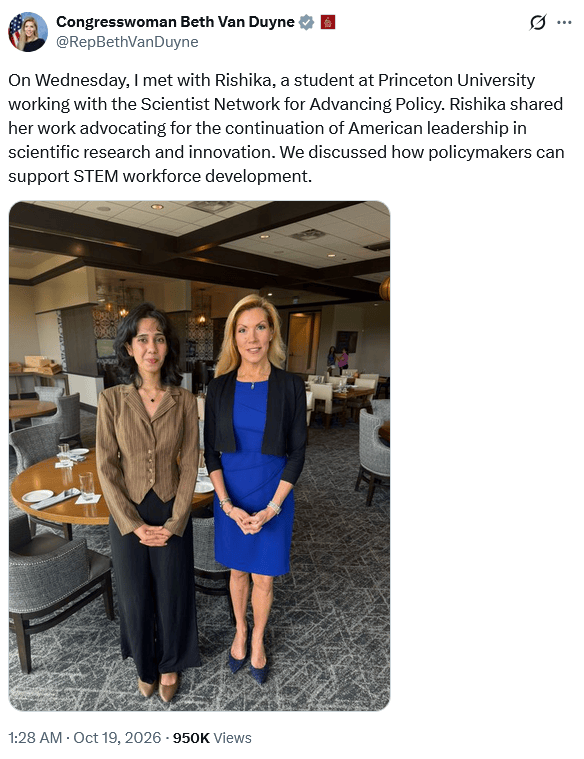
You might think we are mean people hounding a young woman who made mistakes and now repents and regrets, but nope. Porandla continues lying and playing the hero of science. This X post by the Republican congresswoman Beth Van Duyne is from 19 October 2026:
Congresswoman Beth Van Duyne: “On Wednesday, I met with Rishika, a student at Princeton University working with the Scientist Network for Advancing Policy. Rishika shared her work advocating for the continuation of American leadership in scientific research and innovation. We discussed how policymakers can support STEM workforce development.”
Van Duyne later deleted her tweet, maybe because The Times of India (and others) made fun of it. But why?
Porandla is exactly the kind of scientists America needs! Sack all others, let her and Super Intelligence run US science! Thank you for your attention to this matter!
Science Breakthroughs
Stool samples from three people with schizophrenia
Schizophrenia is infectious, say Portuguese scientists. Here a press release from 13 October 2026:
“Researchers at the University of Coimbra in Portugal recently investigated whether gut microbes from people with schizophrenia could affect behavior and immune activity in mice. […]
In their new study, the team collected stool samples from three people with schizophrenia and three healthy donors. They then fed young mice gelatin portions containing material from individual donors repeatedly over a period of five weeks.”
It then turned out that mice fed stools from schizophrenics became mentally ill themselves! Their “short-term working memory and the ability to switch between choices” was impaired, they also became disinterested in “investigating the unfamiliar animal“. And the Portuguese scholars soon discovered the reasons: schizophrenic stools caused in mice “changes in the relative abundance of several bacterial groups, alongside increases in intestinal inflammatory markers“! And not just that, also “a weakened intestinal barrier“, measured by “lower levels of occludin, a protein that helps seal gaps between intestinal lining cells“! And not just that, even ” higher levels of two immune signaling proteins, interferon-gamma and interleukin-17“, although admittedly “not statistically significant “. And yes, all this affected the mouse brains! The microglia in the prefrontal cortex displayed “less complex” “branching extensions […], while molecular measurements indicated a more reactive immune state“!
And now guess what!
“The team examined a separate collection of brain tissue obtained after death from four people with schizophrenia and three people without it. These samples showed some overlapping changes in microglial and inflammatory markers”
This is the groundbreaking study from the lab of Sandra Morais Cardoso, associate professor at University of Coimbra:
Ana Raquel Pereira-Santos , Emanuel Candeias , Ana Maranha , Ana Raquel Esteves , Susana Alarico , Igor Tiago , Miguel Bajouco , Nuno Madeira , Nuno Empadinhas , Sandra Morais Cardoso Unveiling the gut microbiome-immune-brain axis in schizophreniaTranslational Psychiatry (2026) doi: 10.1038/s41398-026-04497-2
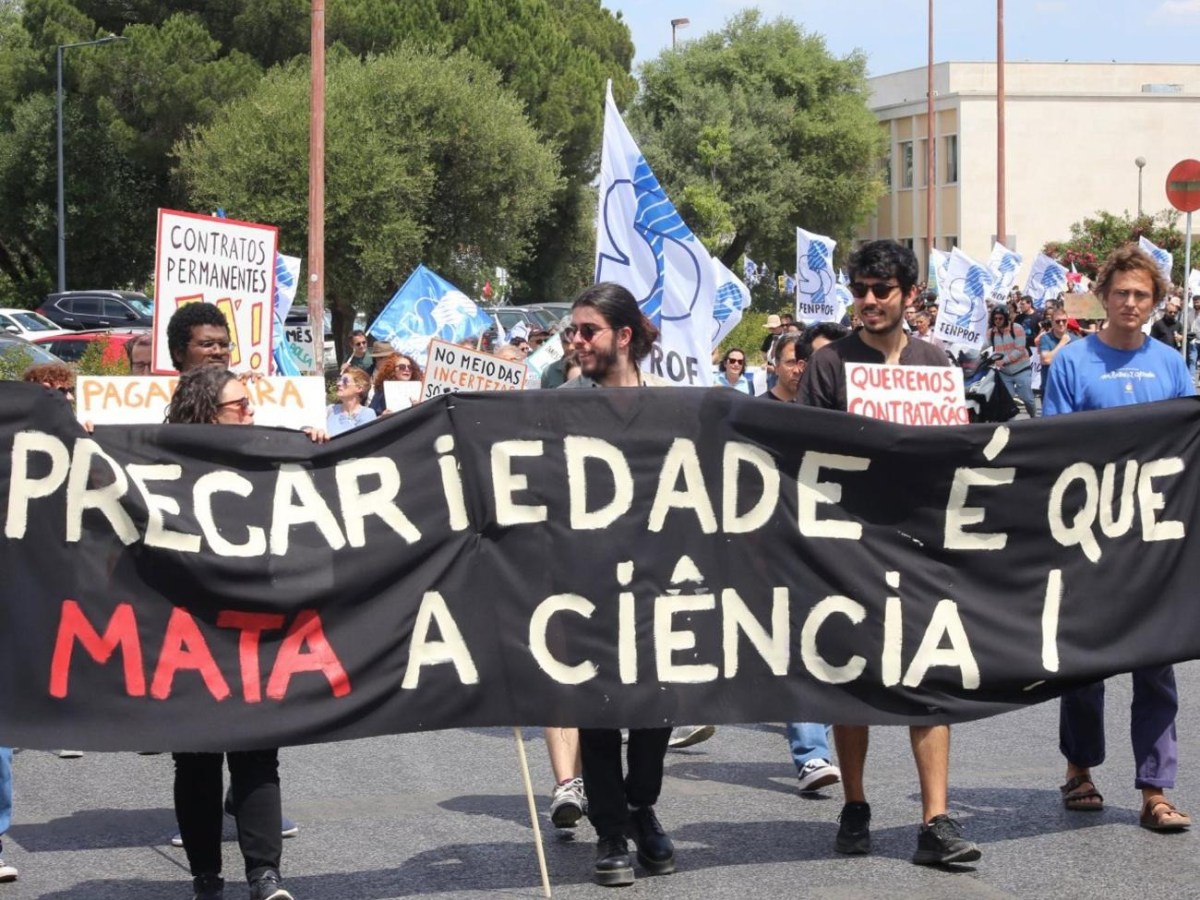
“In Portugal more than 95% of all research activities are carried out under precarious labour conditions, by undergraduate and PhD researchers employed under a variety of temporary contracts, often with limited or no benefits, and no access to a career.” –
Cardoso’s institutional profile informs us that she won “the Medal of Merit from the Ministry of Health (2013), the Janssen Neuroscience Award (2014), the Mantero Belard Award (2016) by SCML, and the Pfizer Award for Basic Science (2023).” Allow me now to celebrate her previous research.
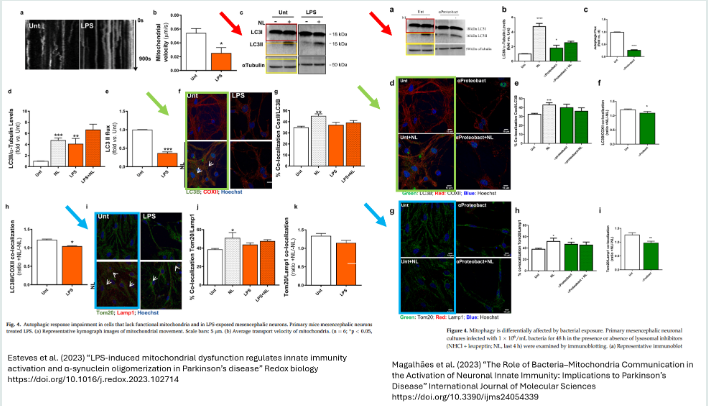
Here some newer findings by a colleague, again we meet Cardoso’s lab member Ana Raquel Esteves and her colelague and 2023 Pfizer Prize co-recepient Nuno Empadinhas. It is again about Parkinson’s, which according to Cardoso is also caused by gut bacteria:
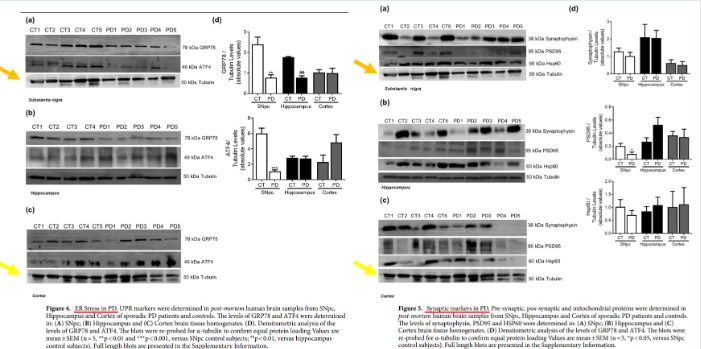
Cladonia maxima: “There are intriguing similarities […] (indicated by arrows and boxes of the same color). These similarities appear unexpected, given that the two papers address different research questions and hypotheses and that the figures presumably represent different experimental settings.” Fig 4 vs Fig 4
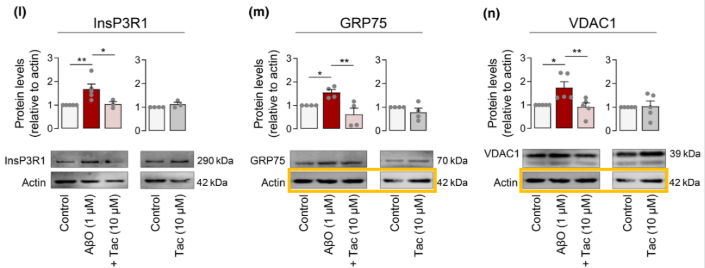
Cladonia maxima: “In Figure 3, the actin loading controls in panels (m) and (n) appear identical, whereas the actin control in panel (I) differs.”
The authors might protest that this was the same western blot membrane probed for both GRP75 and VDAC1, but according to their figure legend, this data stems from “3–6 independent experiments, run in triplicates to quadruplicates.” So why the image reuse then, if there were anything between 9 and 24 of such western blots to choose from?
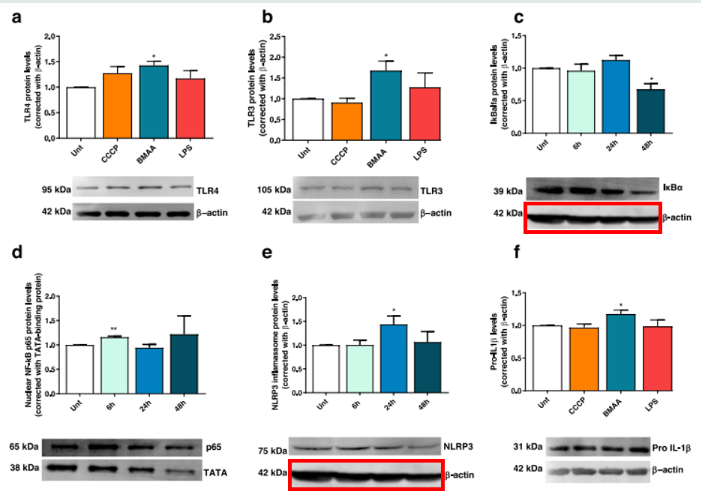
Similar issue here, a reused loading control despite the data allegedly being “derived from four to six independent determinations“:
Cladonia maxima: “The B-actin bands presented in Fig. 6c and Fig. 6e appear to be identical, whereas those shown in panels Aa, b and f differ.”
Naturally, like Parkinson’s and schizophrenia, also Alzheimer’s is an infectious disease caused by gut microbes and can be caught from a dirty toilet seat.
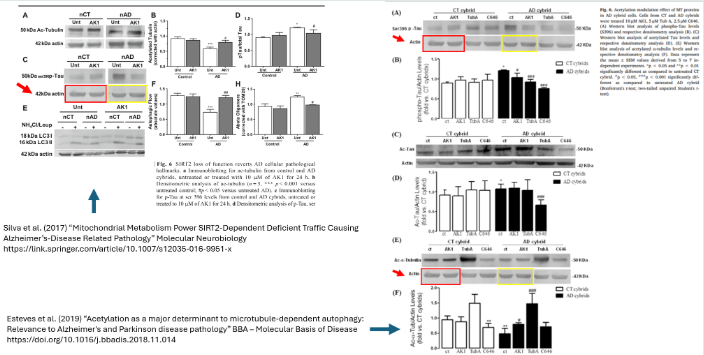
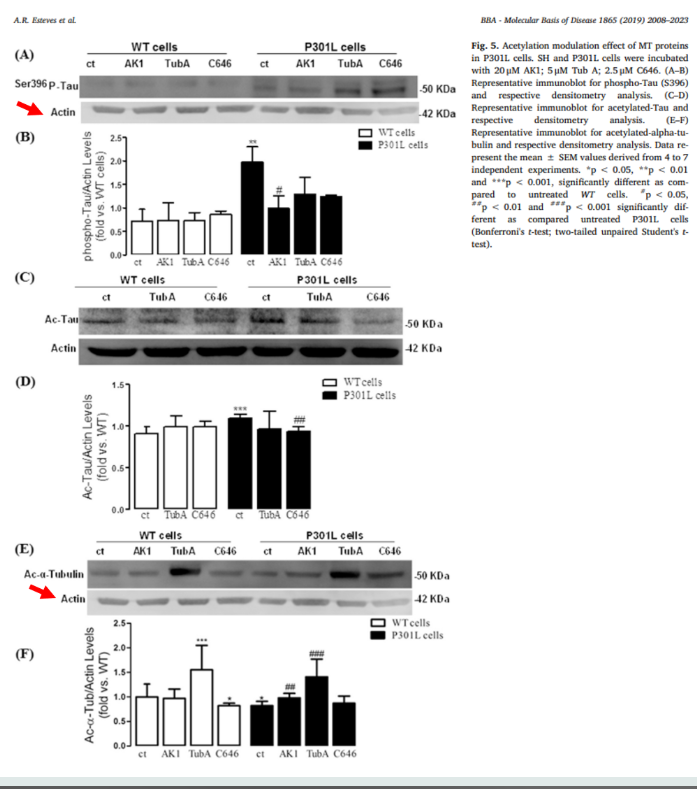
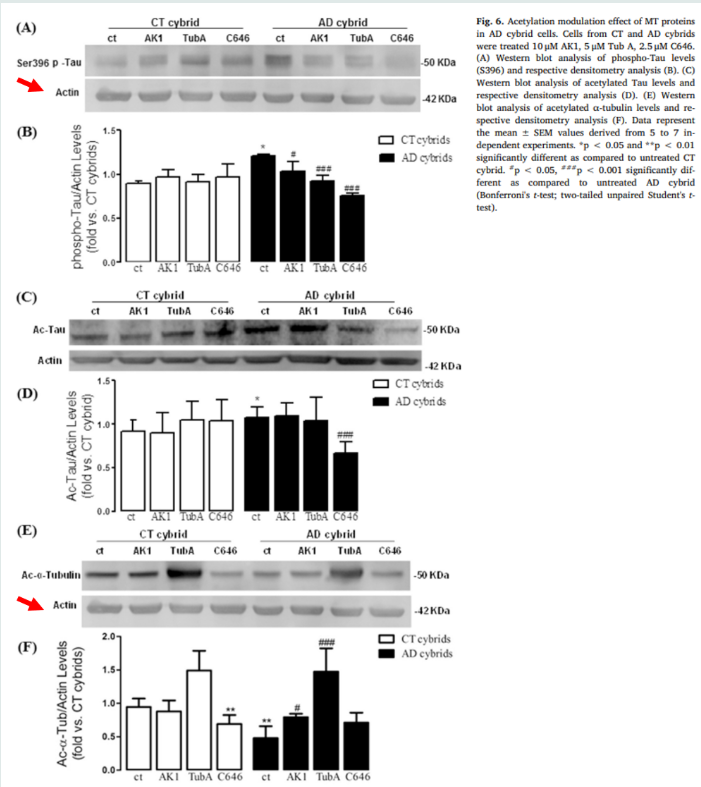
Cladonia maxima: “The actin control in Fig. 6A of a paper published in Molecular Neurobiology in 2017 appears to be more similar than expected to the actin controls in Fig. 6A and GE of another paper published in BBA – Molecular Basis of Disease in 2019 (similar regions are highlighted with boxes of the same colour). This similarity is unexpected, given that the two papers address different research questions and hypotheses, and the figures supposedly represent different experimental settings”
Cladonia maxima: “In Figure 5, the actin loading controls appear to be shared between panels A and E, whereas a different actin control is used in panel C.”
Cladonia maxima: “In Figure 6, the actin loading controls appear to be shared between panels A and E, whereas a different actin control is used in panel C.”
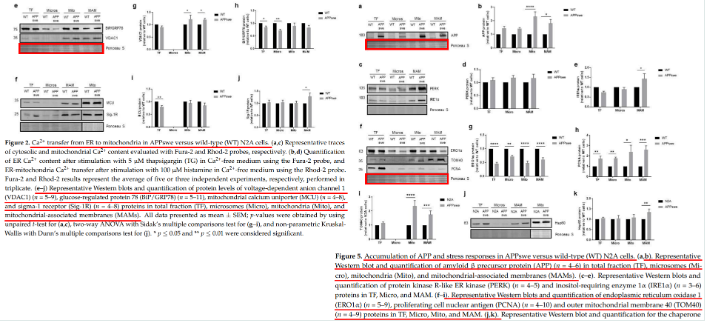
Cladonia maxima: “The Ponceau S bands presented in Fig. 2, Fig. 5a and Fig. 5f appear more similar than expected (red boxes), considering that these panels supposedly represent different experimental samples and show Western blots for different target proteins, with different sample sizes.”
Cladonia maxima: “The 50 kDa a-tubulin control bands presented in Fig. 4a and Fig. 5a, as well as those in Fig. 4c and Fig. 5¢, appear to be identical, whereas the corresponding bands in panels B of the two figures differ.[…] these figures present Western blots for different target proteins”
The more my colleague looked, the more they found. And it goes beyond Portugal, here is somethign with Russell Swerdlow, professor at the University of Kansas in USA:
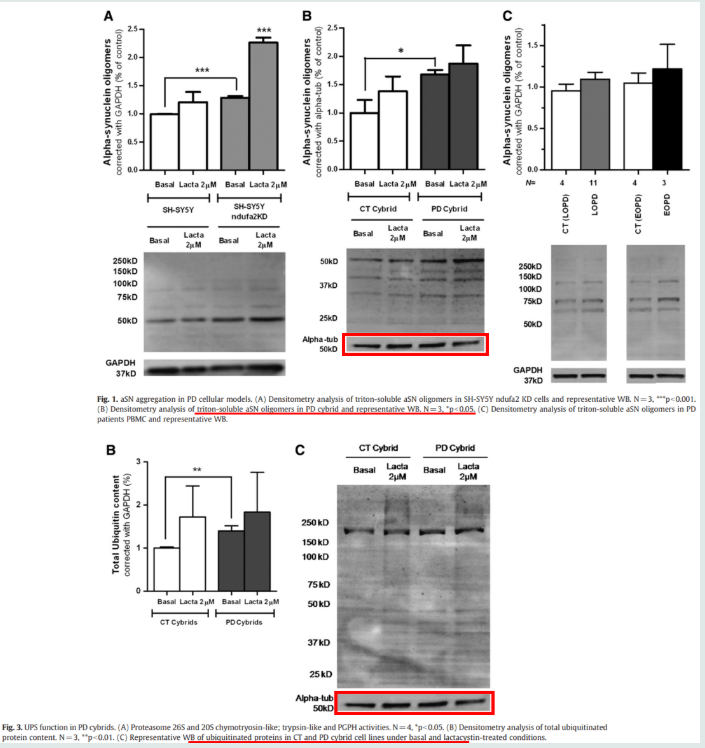
Cladonia maxima: “The a-tubulin (50 kDa) loading controls in Fig. 18 and Fig. 3C appear to be identical (red boxes), although the figures describe different experiments: a-synuclein oligomers in PD cybrids and ubiquitinated proteins in control and PD cybrids under basal and lactacystin-treated conditions, respectively.”
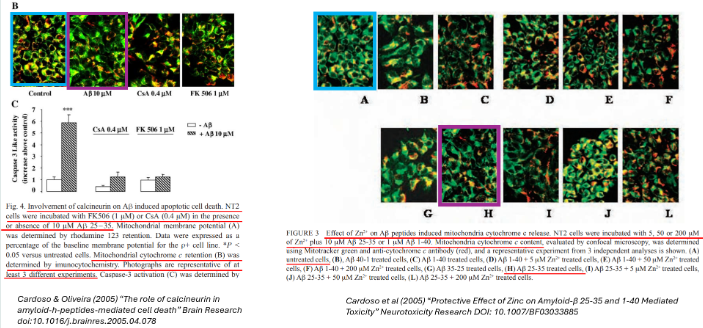
Cladonia maxima: “Two panels in Fig. 4B of this paper, published in Brain Research in 2005, appear unexpectedly similar to panels A and H of Fig. 3 in another paper published in Neurotoxicity Research in the same year (similarities are highlighted by boxes of the same color). This is unexpected given that the two papers address different research questions. and hypotheses, and the figures are presented as representing different experimental settings.”
Do you think that when Cardoso and her colleagues asked the families of the deceased donors for their brains to be used for dementia research, did she mention that the scientists might feel the need to trash the original research findings and replace them with duplications?
Better ways to estimate physical reserve and frailty
AI, pardon Super Intelligence, can tell when you’ll die by studying your face. This was reported by BBC (and other major outlets) on 20 October 2026:
“An AI tool may be able to help doctors judge how ill a patient is using a single photograph of their face, say US researchers.
Trained on millions of healthy faces, and 35,000 photos of cancer patients, the tool can make estimates on survival by looking closely at features near the eyes, the scientists say. […]
The ‘FaceSurvival’ AI tool suggests the area under the eyes and around the bridge of the nose are the most vital parts of the face to assess when estimating how long they might have left to live.
These metrics applied across many different types of cancers, varying in severity, including ones that had spread to the patient’s bones or brain. […]
Lead researcher Dr Raymond Mak, from Mass General Brigham in Boston, explained: “As the population ages, physicians need better ways to estimate physical reserve and frailty before recommending intensive treatments such as radiation, surgery or systemic therapy.
“Our goal is to make face photograph-based health assessment more quantitative, consistent and scalable so it can support personalised treatment decisions rather than replace physician judgment.””
The study is from Harvard and was published in a Lancet journal.
Fridolin Haugg , Grace Lee , John He , Leonard Nürnberg , Dennis Bontempi , Danielle S Bitterman , Paul Catalano , Vasco Prudente , Dmitrii Glubokov , Andrew Warrington , Suraj Pai , Dirk De Ruysscher , Christian Guthier , Benjamin H Kann , Vadim N Gladyshev , Hugo JWL Aerts, Raymond H Mak Foundation artificial intelligence models for health recognition by use of face photographs (FAHR-Face): a model development and validation studyThe Lancet Digital Health (2027) doi: 10.1016/j.landig.2026.101056
You might laugh, but this is not funny. The customers for this useless AI tool are the health, life and other insurances, who want to figure out how much on insurance premium to charge you, whether to insure you at all, or for other nasty decisions. All by making you answer their video call.
I recognised one of the authors, it is the russian anti-aging enthusiast in Harvard, Vadim Gladyshev, who briefly featured here:
“Imagine what effect might ensue from a young donor body (say, in her 20’s) nourishing with her young blood 24/24, 7/7 the head of an aging body recipient!” – Sergio Canavero
That explains why the authors also developed an AI version of “Mirror Mirror on the wall”:
“Mak and colleagues are also evaluating an AI tool for predicting biological age, or how old someone looks, as opposed to their birthday age.
The ‘FaceAge’ tool suggests the skin below the nose and near the mouth – the so-called nasolabial folds and marionette lines – plus the forehead (frown lines), temples (crows’ feet) and cheeks are a good indicator of how fast we age.
[…]
Mak says the tool was “surprisingly consistent” across common real-world photos despite variations in pose, lighting, facial expression and make-up.
“It was also stable across most tested plastic surgery procedures, with only a small shift observed after rhinoplasty”
Anyway, the AI, pardon, SI tech bro Raymond Mak is a radiation oncologist in his day job. In 2020, he corrected this paper, where an image “was inadvertently replaced with an inverted duplicate“:
Sholto David: “Figure 4: Unexpected similarity between images that should be derived from different animals.”
Donate!
If you are interested to support my work, you can leave here a small tip of $5. Or several of small tips, just increase the amount as you like (2x=€10; 5x=€25). Your generous patronage of my journalism will be most appreciated!




























0 comments on “Schneider Shorts 23.10.2026 – Responsibility in the Conduct of Science”