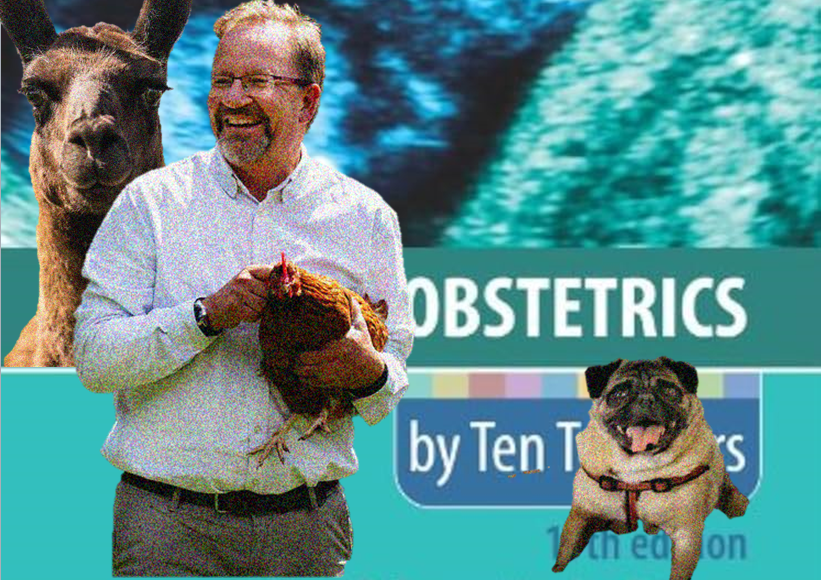

Meet the British obstetrician, Professor Philip Newton Baker BMedSci, BM, BS, DM, FRCOG, FRANZCOG, FMedSci, Pro-Vice Chancellor for Medicine and Health Sciences at the University of East Anglia in Norwich.
You can also meet Phil at the Fletland Mill, a luxury guest-house near Stamford, which he owns with his wife Melanie since at least 2019. Its website shows Phil petting dogs and chickens, you can stay at “The Mill”, “The Holt”, “The Warren”, “The Roost”, “The Den” or “The Sett”, where Phil promises:
“I look after the flock of chickens who provide you with eggs on your arrival and also our llamas (Youri and Shinje) who you will see on the other side of the river.”
What a nice man. Well, not at his day job.
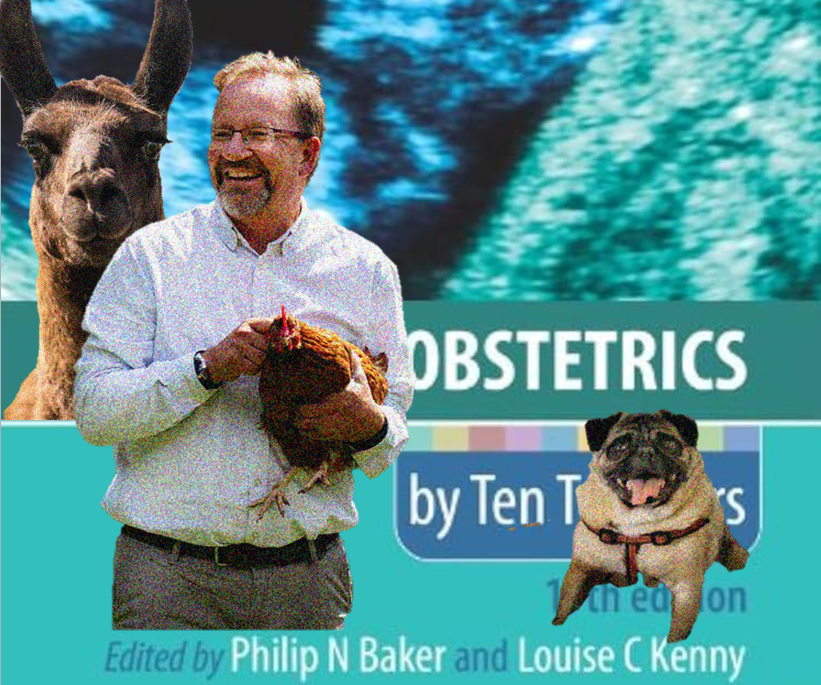
Phil first became famous when employed by the University of Nottingham, while also working as an obstetrician at the Nottingham City Hospital. In 2000, The Telegraph reported that a judge ruled Baker responsible for the death of an unborn baby and deemed him negligent for the “substandard and inappropriate” care of his patient. Apparently, the parents pleaded with Baker to perform an emergency Caesarean section but, as Baker himself put it, he “refused to be bullied” by a patient.
Yet despite or maybe even because of this medical malpractice, Baker’s academic career went from strength to strength. The more improprieties he committed, the more appealing he became to universities across the world. He was in such demand that he was often employed by more than one university simultaneously!
Baker first obtained a faculty job at the University of Manchester, and in 2009, he moved to the University of Alberta in Canada to become Dean of the Faculty of Medicine and Dentistry.
There, he was caught in June 2011 on plagiarism – he stole his convocation banquet speech from a talk given by Atul Gawande in Stanford the year before. The worst bit: Baker even appropriated to himself Gawande’s personal tragedies. A few days after the plagiarism was exposed, Baker resigned upon “the request of the provost” , he was put on “an immediate four-month leave of absence“, and an institutional investigation opened.
Right after he was kicked out in Canada, Baker travelled to China, giving talks everywhere to find a new job. He eventually succeeded at a low-ranking Chongqing Medical University, where he established the Chongqing Pregnancy Centre, supported under the Communist Party’s “1,000 Foreign Experts” scheme. Baker still is involved with this centre and was awarded the ‘Chongqing Friendship of the City Award”, which proves that he is never a Chinese asset.
In January 2012, New Zealand’s National Research Centre for Growth and Development (NRCGD, later renamed the “Gravida” Centre) announced that Professor Baker was to be appointed to the joint positions of Director of NRCGD and Professor of Maternal and Fetal Health at the Liggins Institute, University of Auckland. Baker started his employment in New Zealand on 1 June 2012, but didn’t stay long. That was because in March 2014, the once very successful Gravida Centre failed to get its governmental funding renewed – another major anti-achievement of Baker’s. The centre closed in 2015, it now only exists as a ghost website, last updated in March 2014. Baker needed a new job.
Luckily, the leadership of University of Leicester in UK felt felt that Baker must be recruited as their Pro-Vice Chancellor and Dean of Medicine. Leicester was back then a highly respected university, but since people like Baker took over in 2015, the university went downhill. Amid reports of appalling treatment of staff and plans to sack 145 employees, it was graylisted and boykotted by the University and College Union (UCU) :
“UCU general secretary Jo Grady said: ‘We will not stand back and allow the University of Leicester to be destroyed by dismal management. Nor will we allow staff and students to pay the price for catastrophic failures of governance.”
There were also public complaints of bullying. Despite his full-time salary as Pro-Vice Chancellor and Dean, Baker still felt that wasn’t enough money for a man of his standing. He made sure his New Zealand university continued paying him while he was employed in the UK. But from 2017 on, Baker chose to keep this additional remuneration from Auckland secret:
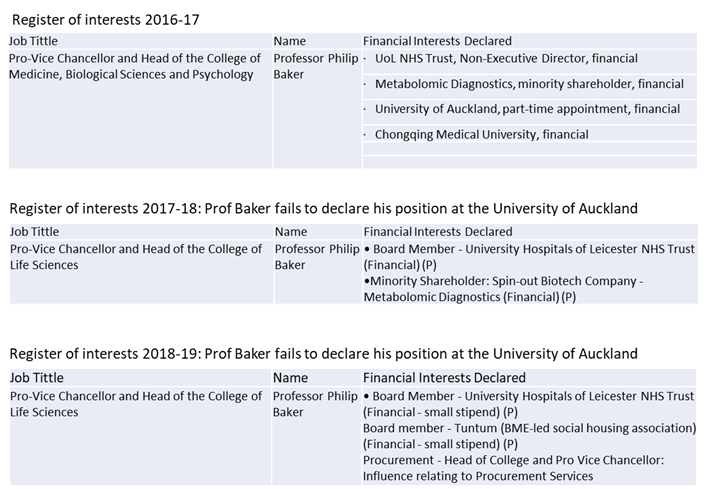
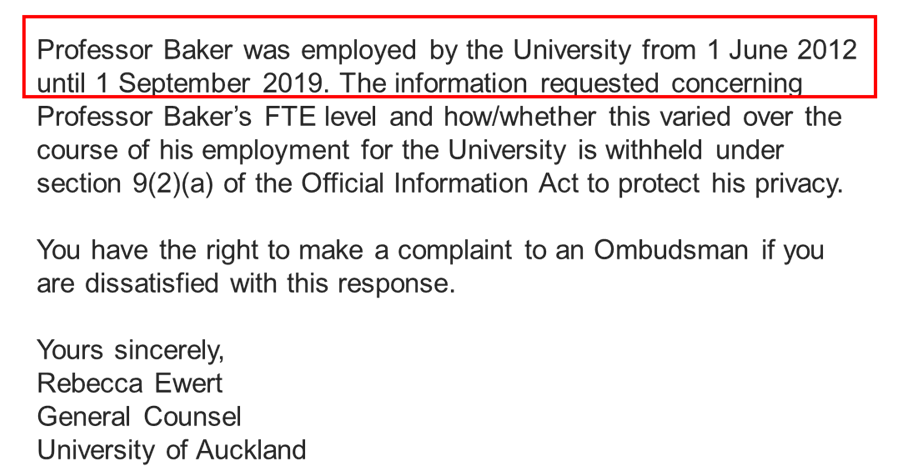
In reality, the Leicester Pro-Vice Chancellor was additionally paid part-time by the University of Auckland in New Zealand, until September 2019, and it is not clear what exactly he was remote-employed for:
In 2017, in his role as a Pro-Vice Chancellor at the University of Leicester, Baker was invited to a Ramadan dinner to speak on “Dialogue, Diversity and the Prevention of Extremism”. There, Baker plagiarised sections of this 2017 speech from Wikipedia, that’s why the university later deleted the website with the evidence (archived here).
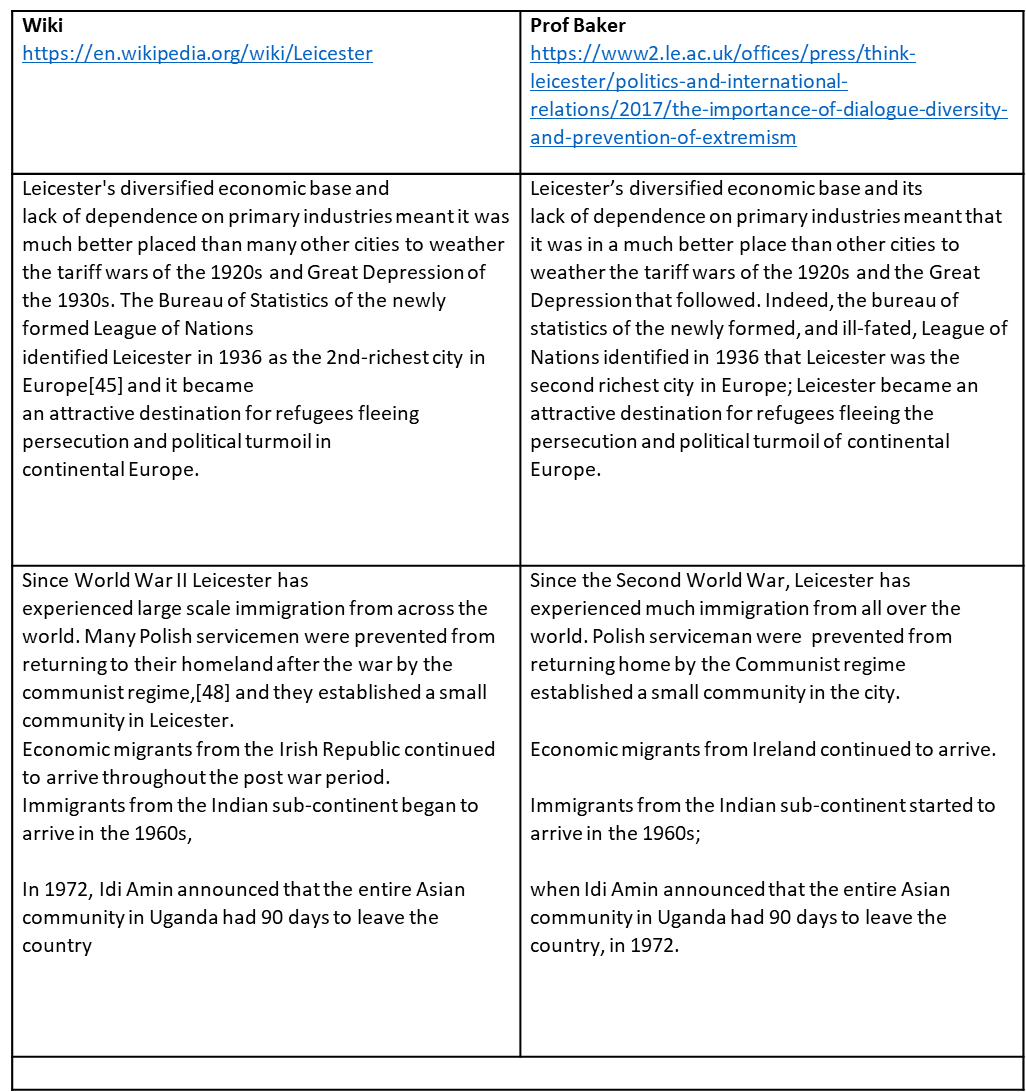
Naturally, having created maximum damage and destroyed the reputation of yet another research institution, Baker needed a new job, again. In November 2024, the University of Leicester announced Baker’s abrupt departure and an open call for his replacement. In February 2025, he became Pro-Vice Chancellor for Medicine and Health at University of East Anglia, we can safely trust Baker works hard on destroying that one, too.
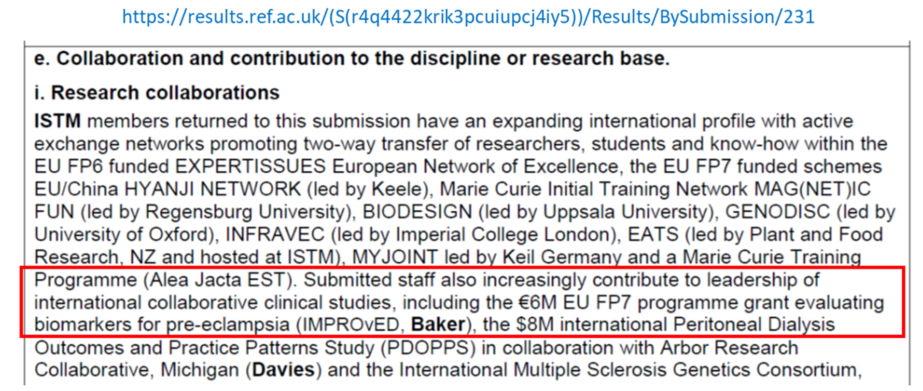
Let us briefly return to 2011, when Baker was kicked out in Canada. In parallel to his two new jobs in New Zealand and China, Baker was also secretly employed by Keele University in the UK. We can see this from Keele University’s 2014 REF returns:
It is also worth remembering that no matter with whom he runs his guest-house with chickens and llamas (“our first home together; we live in Fletland Manor (next door to the Mill), with our blended family and our various animals“), Baker always had a very special colleague and lady friend at his side: Louise Kenny.
Kenny followed Baker to Manchester, then to Canada, where she became adjunct professor at his University of Alberta, photos from 2010 show them together. On other photos, one can also see this couple visiting the Chongqing Pregnancy Centre. Kenny also became affiliated with the Gravida Centre in New Zealand.
In her man job, Kenny used to be professor at University College Cork in Ireland, where she was the founding Director of the Irish Centre for Fetal and Neonatal Translational Research (INFANT). In 2018, a newly appointed independent international review panel recommended to the Science Foundation Ireland to stop funding INFANT because “the science is not as strongly hypotheses-driven as would be ideal“. We all know what this means, right? Kenny complained of being a victim of gender discrimination, but she had to leave. She went to UK to become Pro Vice Chancellor of Health & Life Sciences at the University of Liverpool.
Kenny is married to the University College Cork gynaecologist Matthew Hewitt, both are fellows of the Royal College of Physicians of Ireland. In 2022, Kenny was awarded the title Commander of the Order of the British Empire (CBE), in the same year when she underwent breast cancer treatment. In his email to me, Baker did not deny that Kenny was his “life partner”, but from what I heard, they may have parted ways, also their business relationship soured.
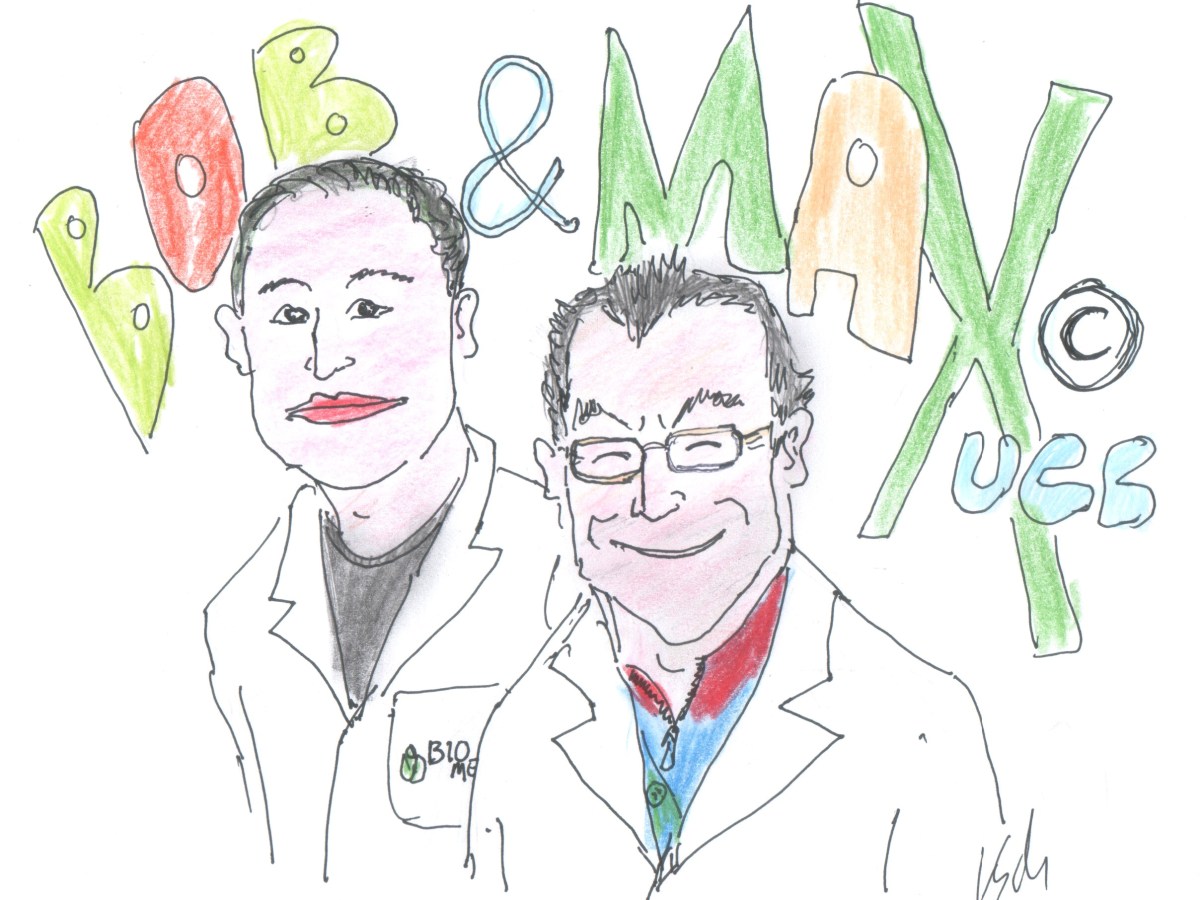
Ryan’s mentor Dow whitewashed after abusing copyright to combat my reporting
Robert Ryan’s mentor Maxwell Dow used the legal means of DMCA take-down to attack my reporting, pretending to act on behalf of his University College Cork. UCC remained silent and refused to apologise. Dow was later absolved of all suspicions of research misconduct.

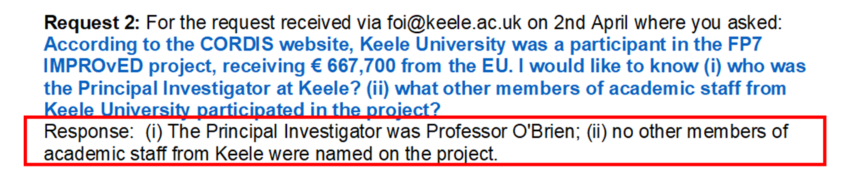
And the business had to do with a test for pregnancy complications. Baker was named as a co-investigator on the 2012 EU Commission-sponsored clinical trial ‘IMPROvED’ (“IMproved Pregnancy Outcomes by Early Detection; personalized medicine for pregnant women: novel metabolomic and proteomic biomarkers to detect pre-eclampsia and improve outcome“), which was run by Keele University in UK and University College Cork in Ireland and registered as NCT01891240. Yet in a Freedom of Information (FOI) inquiry, the Keele University falsely claimed that Baker never had anything to do with them:
Facts are: Baker applied for the IMPROvED trial’s ethics approval, which was issued in 2013. Under this same affiliation “Keele University School of Medicine”, Baker was coauthor of the published trial protocol Navaratham et al 2013, Kenny was another coauthor, in fact she was the trial’s named sponsor, and co-lead investigator next to Baker. At that time, she was still employed by University College Cork.
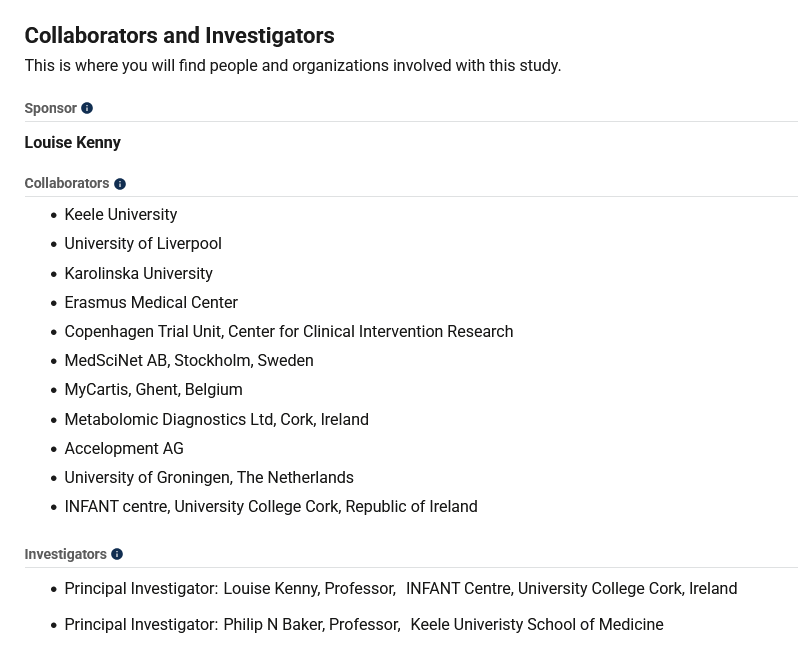
It was that Irish university which eventually revealed Baker’s secret employment as part-time professor at Keele University under a FOI inquiry:
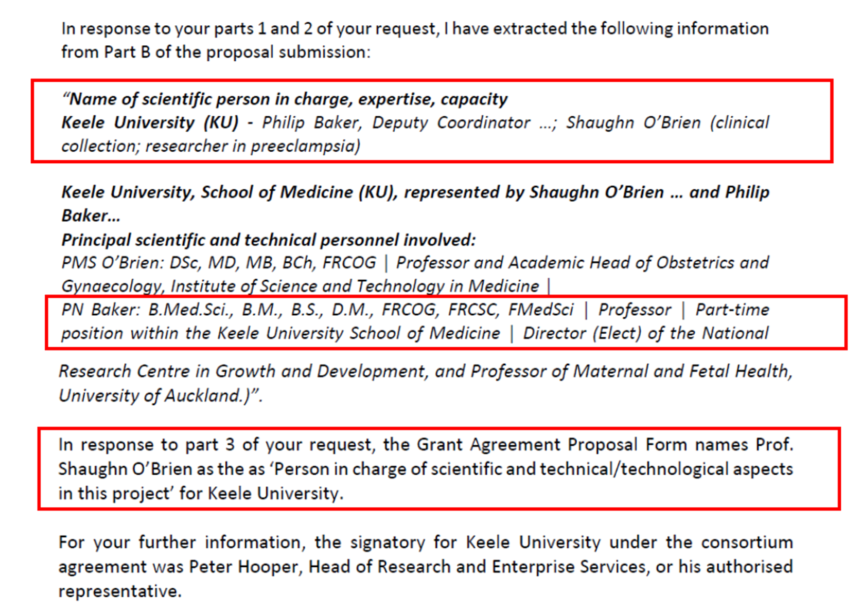
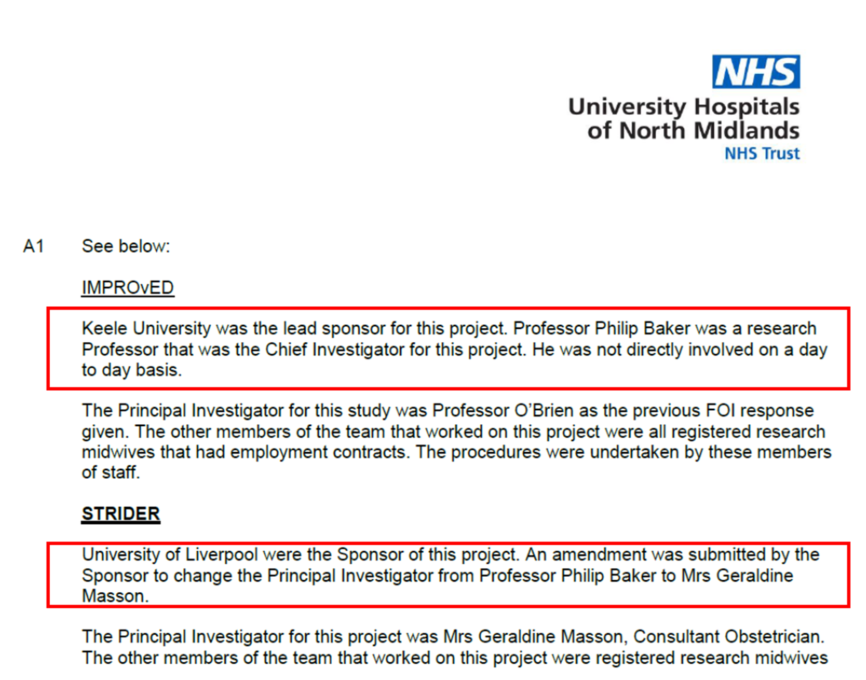
Also the trial site University Hospitals of the North Midlands (UHNM) betrayed under FOI the secret which Baker and Keele University kept under wraps. Baker was employed in Keele as “Research Professor”, which is not a normal faculty job. Rather, such temporary positions are funded from specific grant sources. The IMPROVED grant, perchance?
Eventually, the Keel University changed their version and admitted that Baker indeed was their employee from 2012 till 2015 (the year he became Pro.Vice-Chancellor in Leicester:
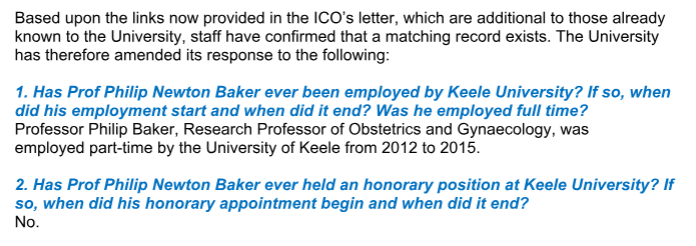
Yet Baker must have been affiliated in Keele before 2012, i.e. when the EU grant was applied for in the year 2011. And it wasn’t an unpaid honorary position. Baker knew that I know, so he wrote in his email to me:
“In order to be the lead Investigator/Coordinator of the application, a full time academic appointment in a European institution was required. Louise Kenny was working full time at the University of Cork, Ireland, whereas at this time I was largely based in Auckland, New Zealand; it was thus appropriate for Louise Kenny to be the lead Investigator/Coordinator (with myself as co-applicant). My involvement in the project was enabled through a part time appointment as a Research Professor (non-clinical) at Keele University, Staffordshire. There were two UK recruitment centres: Keele and Liverpool; each of these had a senior clinician leading the clinical study; Professor Shaughn O Brien (Keele) and Professor Zarko Alfirevic (Liverpool).”
To sum up: Baker had a full-time job in New Zealand, and another part-time job on the other side of the world in UK, for IMPROvED. “Officially” starting in 2012, after the EU grant money began to flow. It seems therefore Baker was paid by Keele University from 2011 until 2012 and from the the EU grant after 2012. Would that be in accordance to the rules of the EU Commission?
In 2015, Baker became a full-time Pro-Vice-Chancellor in Leicester. Yet it was only in 2016, that he was very quietly removed as IMPROvED trial’s investigator. Why so late?
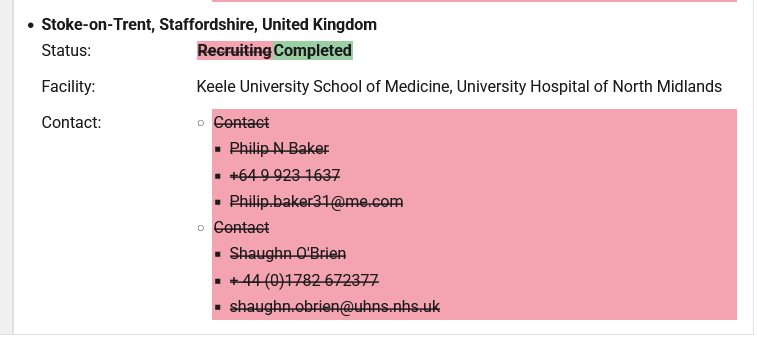
It looks like it from June 2015 to November 2016, Baker would have been receiving salaries from three universities: Auckland in new Zealand and Keele and Leicester in UK. However, Baker explained to me:
“Whilst I have held part-time roles simultaneously, whilst working overseas, at all times, all of my employing organisations have been aware of these arrangements, all income has been declared appropriately and all taxes paid.”
Actually, no, at least the Leicester job was full-time.
Ayurvedic nasal drop, dropped
How many English professors do you need to fake an Ayurvedic COVID-19 trial? At least 6, plus one Purdue Pharma exec!
Now to business, and another possible reason why Keele University was so keen on pretending that Baker was never there. The IMPROvED trial was funded by the EU Commission with €6 Million (out of total €7.8 Million); aside of the two universities, one central consortium partner, was an Irish company called Metabolomic Diagnostics. It receivied €850k and Baker was this company’s Chief Technology Officer. Like him, Kenny also sits on the board of Metabolomic Diagnostics and is another shareholder.
The business plan in early 2022 was to “deliver a novel preeclampsia risk screening test to the US market in late 2022“, based on biomarkers identified in the IMPROvED trial. It didn’t go exactly as planned – in September 2024, Metabolomics was sold to Trinity Biotech for $1.3 million, “to rapidly commercialise the PrePsia test in the U.S. market“. Baker’s PrePsia test however is still being “developed” today, 2 years later. Maybe the reason is the absence of any reliable preeclampsia biomarkers to test for, which would indeed be a snag in their otherwise mature and advanced rapid commercialisation plans. You see, Baker sold his company right after the outcome of the IMPROvED trial was published. The clinical report Maher et al 2024, coauthored by Baker and Kenny, admitted this spectacular failure:
“We evaluated a panel of metabolite biomarkers and a panel of protein biomarkers at 15 weeks and 20 weeks’ gestation for preeclampsia risk assessment. Their translation into tests with clinical application, as conducted by commercial entities, was hampered by technical issues and changes in test requirements. Work on the panel of proteins was abandoned, while work on the use of metabolite biomarkers for preeclampsia risk assessment is ongoing.”
(Maher et al 2024)
It reads like they trashed half of the trial’s results and refused to ever show the rest.

Imperial Piss-Take
“Having reviewed the Conflict of Interest disclosures made by Professor Frost, Professor Holmes and Dr Garcia-Perez, and having also reviewed additional information concerning their company, Melico, […] the College is satisfied that they have no undisclosed or unmanageable conflicts of interests” – Arts Bachelor (Honours)
The EU Commission knew that Baker, its academic chief investigator, had a massive financial conflict of interests. The IMPROvED documents released under FOI obscure the name of the Chief Investigator, but mention that he is Professor and Clinical Director of Obstetrics and Gynaecology at Keel University Medical School:
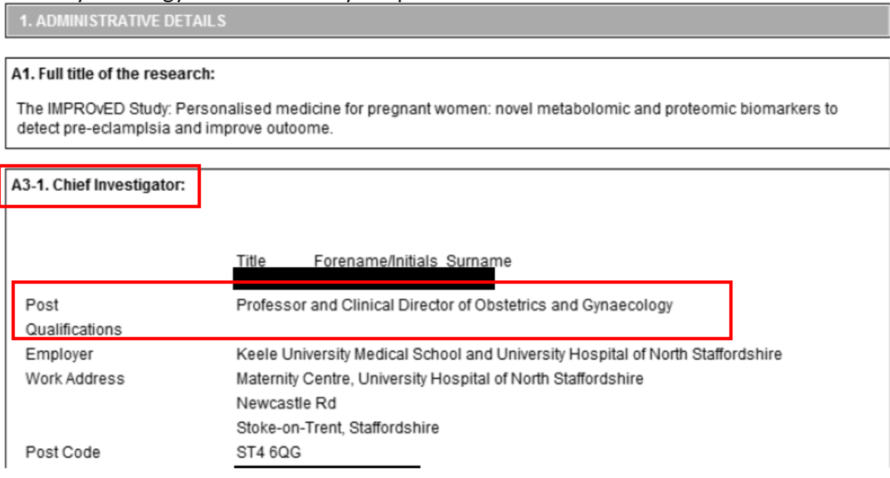
Gosh, who might he be. Here’s a clue, turns out this Chief Investigator holds a stake in Metabolomic Diagnostics:
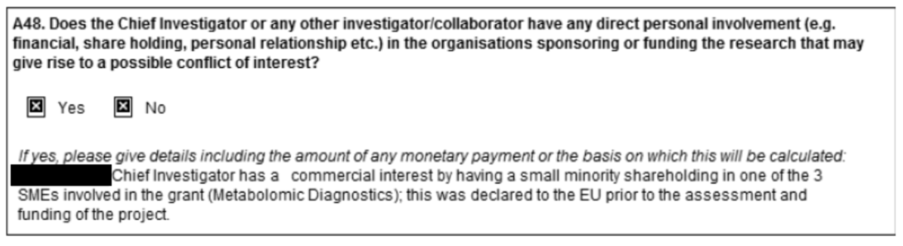
Baker explained to me that the idea for his company arose “Whilst working in Manchester, with clinical (Louise Kenny) and non-clinical (Douglas Kell) colleagues“, where they “generated preliminary data to support a hypothesis that analysis of the human metabolome could predict the subsequent clinical development of the serious pregnancy complication pre-eclampsia“. It was published as Kenny et al 2010,, and then Baker and Kenny “did help to “spin out” a company to develop the technology” and “were then asked to facilitate an SME-partnership application (with Metabolomic Diagnostics) for European Union Framework Programme 7 funding – to progress the development of screening tests for pre-eclampsia.“
Also while secretly in Keele but officially in New Zealand (and China), Baker was involved with yet another clinical trial, ‘STRIDER’ (“Sildenafil TheRapy in dismal prognosis early onset fetal growth restriction“). This Viagra trial started in March 2014 and was funded with over £1 Million by the British NIHR. Kenny was of course also on board. Baker’s Gravida Center was also part of the STRIDER trial, coordinating both the in New Zealand and the Australian branch.
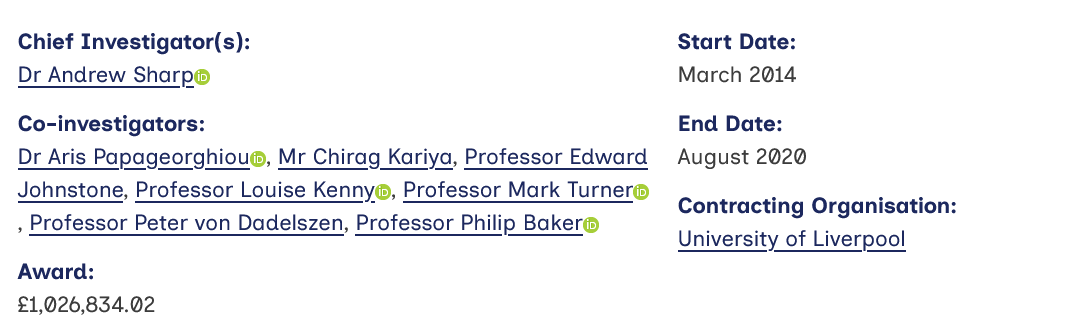
The STRIDER trial was stopped early by the trial site in The Netherlands due to concerns about excess infant mortality. In 2018, BMJ published a number of critical letters about this trial (e.g., Browne 2018), suggesting that it should never have taken place because there was already ample evidence to suggest that Sildenafil could be harmful to the fetus and to children. It is not clear why STRIDER applicants ignored all these warnings in the contemporary published medical literature, and instead went ahead with that trial. Kenny’s employer, the University College Cork, also withdraw from STRIDER, because the Irish Health Research Board terminated their funding:
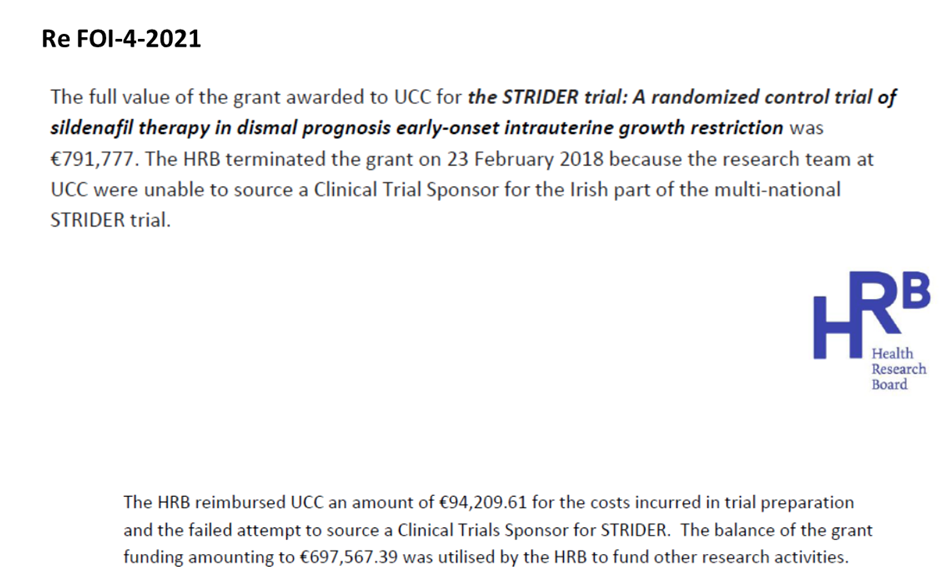
The trial was a total disaster. Baker however still feels there were no negative effects, merely lack of efficacy:
“The UK trial found that Sildenafil did not prolong pregnancy or improve pregnancy outcomes in severe early-onset fetal growth restriction and therefore it should not be prescribed for this indication outside of research studies with explicit participants’ consent. This conclusion was reiterated when the results of the different international studies were collated.”
Another confusing thing is how Baker could act as investigator on two British clinical trials if he had no licence to practice medicine in the UK between November 2009 and April 2020, according to the national medical authority GMC:
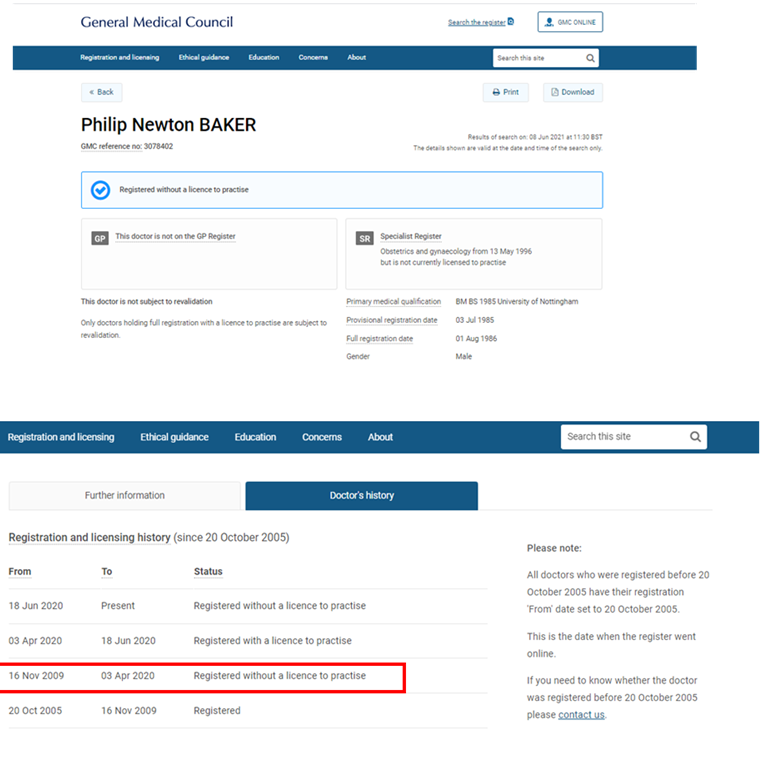
That was an archived copy from several years ago, Baker has relinquished his GMC registration since. What the hell was going on with IMPROvED and STRIDER? Baker explained to me:
“I have not practiced clinically in the UK since 2009, with the exception of a few months during the first Covid pandemic, when I renewed my GMC licence to work as an obstetrician during the national emergency.”
Baker also assured me that he “had no role as a clinician in the STRIDER […] trial.“, he didn’t make same denial about IMPROvED. His role consisted merely of participating in “regular communication via e-mail, teleconferencing, and face-to-face meetings“. Really? Why was he listed as investigator then?
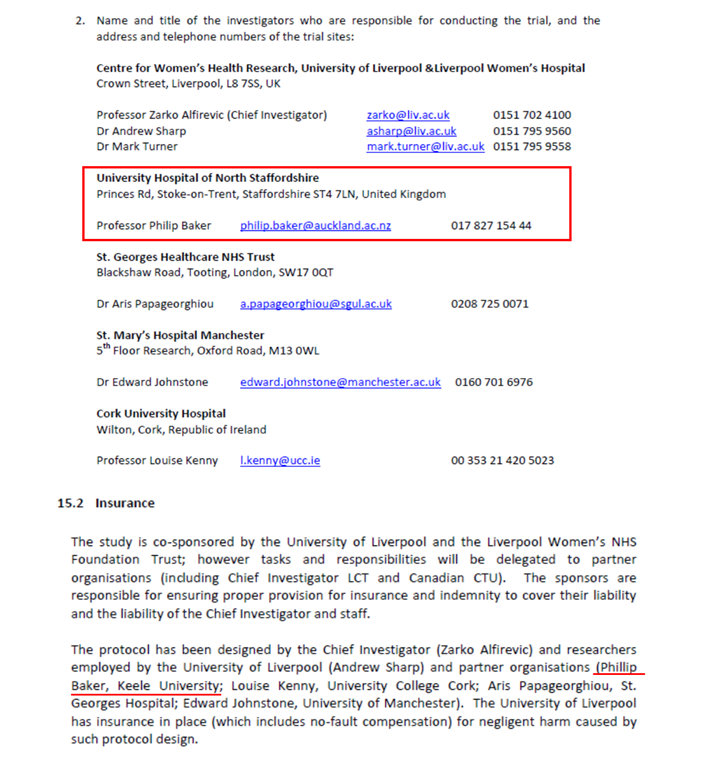
Instead, Baker suddenly became a lab scientist. Referring to the Viagra trial STRIDER, he wrote to me: “My research group performed animal and preclinical studies that supported this concept“.
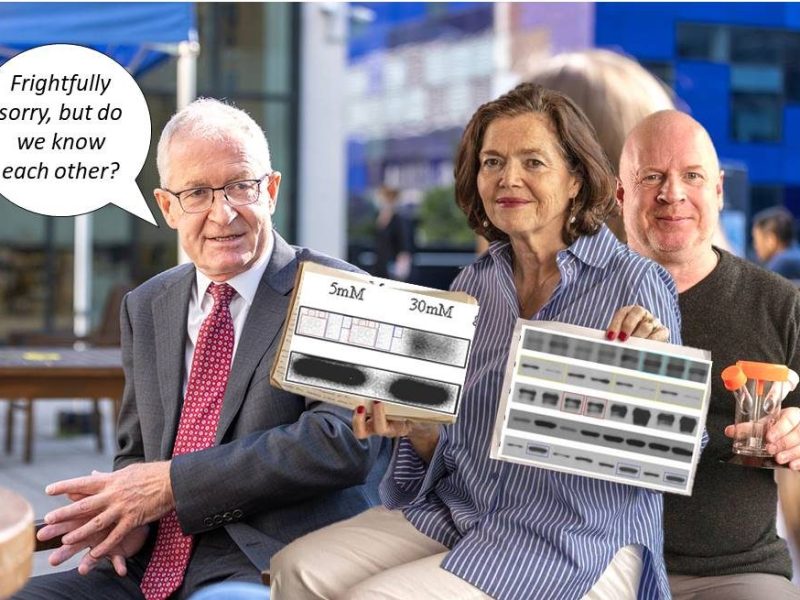
Imperial Irishman Hugh Brady (and his Dublin leprechauns)
When your Irish past catches up with your English future.
Now that you met Baker the doctor, Baker the academic leader, and Baker the businessman, meet Baker the scientist. The Pro-Vice Chancellor for Medicine and Health of University of East Anglia personally informs us:
“I am a Fellow of the Academy of Medical Sciences, have published 450 peer-reviewed research articles (H-index » 98), been awarded >£50M for my own research portfolio (institutional applications >£100M), and supervised over 40 PhD/MD theses.“
All quality science, as we can see on PubPeer, and the irony is that both in Leicester and Norwich our Pro-VC was his university’s prime responsible for all research integrity policies and investigations. Let’s start with Baker’s research at the University of Alberta in Canada, published after he left:
Rajan Poudel , Joanna L. Stanley , Christian F. Rueda-Clausen , Irene J. Andersson , Colin P. Sibley , Sandra T. Davidge , Philip N. Baker Effects of resveratrol in pregnancy using murine models with reduced blood supply to the uterus PLOS One (2013) doi: 10.1371/journal.pone.0064401


In the authors’ contributions, Baker is not listed at all, so why is he on the paper then? Baker in fact explained to me that he is “not a laboratory scientist“, apparently forgetting that in the same email he claimed to have done “performed animal and preclinical studies” with Viagra. Still, I suggest Baker gets the full credit. responsibility and shame for these papers of his.
The University of Leicester was immensely proud about Baker’s continued research in China. In 2016, it announced:
“Professor Philip Baker, Dean of Medicine and Pro-Vice-Chancellor at the University of Leicester, will lead a group of ten pregnancy researchers from around the world (Europe, North America, Asia, South America and Africa) as part of a 111 programme project with Chongqing Medical University. Funding is for six million RMB (approximately equivalent to £600,000) over five years. […]
Professor Baker is the Lead Overseas Applicant of the team which includes Professors David Olson (Roberta, Canada), Richard Saffery (Melbourne, Australia) and Mark Kilby (Birmingham, UK), as well as Tommy Mousa, also from the University of Leicester. Professor Baker will be coordinating each of the various projects with a partner in Chongqing.”
This is rather fresh, from Baker’s own “Canada-China-New Zealand Joint Laboratory of Maternal and Fetal Medicine” which he founded and presided over at the Chongqing Medical University:
Hao Chen , Shi-Han Wang , Hong-Li Li , Xiao-Bo Zhou , Lin-Wei Zhou , Chang Chen , Toby Mansell , Boris Novakovic , Richard Saffery , Philip N. Baker , Ting-Li Han, Hua Zhang The attenuation of gut microbiota-derived short-chain fatty acids elevates lipid transportation through suppression of the intestinal HDAC3-H3K27ac-PPAR-γ axis in gestational diabetes mellitus The Journal of Nutritional Biochemistry (2024) doi: 10.1016/j.jnutbio.2024.109708

In his email to me, Baker swiftly rejected responsibility for his Chongqing papers. He wrote:
“Unfortunately, in 2018, I became seriously ill which led to time away from academic duties and limited my subsequent air travel. This coincided with the appointment of Richard Saffery (Melbourne, Australia) to a Distinguished Professorship at CQMU; for the next 5 years until 2024, Richard took on many of the international leadership duties.“
As Baker explained, the main responsibility lies in particular with the Chongqing professor Hua Zhang, whom he instructed to investigate the matter. Here another one from Baker and Zhang in Chongqing:
Andi Wang , Baiyu Luo , Zhu Chen , Yinyin Xia , Chang Chen , Hongbo Qi , Philip N. Baker , Richard Saffery , Ting-Li Han, Hua Zhang Rodents on a high-fat diet born to mothers with gestational diabetes exhibit sex-specific lipidomic changes in reproductive organs Acta Biochimica et Biophysica Sinica (2022) doi: 10.3724/abbs.2022052


As Baker told me, Zhang assured him that her “group spent nearly more than a month thoroughly checking all articles“, and only “Minor flaws were indeed found in a few images“, she and her colleagues already “submitted corrigenda to the journals“. The fault was with a “software” which “was indeed inadequate in the past“.
Baker named another culprit: the Chongqing professor Chao Tong. Here a common paper:
Xiaofang Luo , Hong Zou , Ping Xu , Li Wen , Joanna L Stanley , Xiaoxue Jiang , Ting-Li Han , David Olson , Chuan Peng , Chen Zhang , Xiaoqiu Xiao, Chao Tong, Hongbo Qi, Philip N Baker Blunted Cardiac AMPK Response is Associated with Susceptibility to Ischemia/Reperfusion in Male Offspring of Gestational Diabetic Rats Cellular Physiology and Biochemistry (2019) doi: 10.33594/000000075

Another study by Baker and Tong, n the same journal, a duplicated FACS plot:
Bin Tan , Chao Tong, Yu Yuan , Ping Xu , Li Wen , Chen Zhang , Yangxi Zheng , Li Lin , Fangyu Zhu , Shunping Gui , Lianlian Wang , Rufei Gao , Jie Li , Hongbo Qi, Philip N Baker The Regulation of Trophoblastic p53 Homeostasis by the p38-Wip1 Feedback Loop is Disturbed in Placentas from Pregnancies Complicated by Preeclampsia Cellular Physiology and Biochemistry (2019) doi: 10.33594/000000023

In this preeclampsia study, we were told: “The authors declare to have no competing interests“. Baker explained that he “never run Metabolomic Diagnostics“, he however “did assist in the spinning out of the company which aimed to utilise metabolomic technologies to predict pregnancy complications such as pre-eclampsia“. Baker explained to me that as “a small minority shareholder“, he didn’t have to declare a conflict of interest because “There was no financial benefit“, and anyway, he “never attempted to hide my association with the company“, because he declared it in other papers and to the EU Commission with the IMPROvED trial.
Safer Sex with Cowboy Yan
“Hongji Yan presented four different versions of Figure 9 in the article and during the investigation as the “correct” figure. One version was published in the original article, one version was sent to the journal and published as a correction, and two more versions were shared with the Board”
Returning to Chinese data irregularities, here an image got brighter during the accidental duplication, with Mark Kilby, who apparently became the main foreign responsible next to Richard Saffery after Baker fell ill in 2018:
Xiaofang Luo , Biao Huang , Ping Xu , Hao Wang , Baozhen Zhang , Li Lin , Jiujiang Liao , Mingyu Hu , Xiyao Liu , Jiayu Huang , Yong Fu , Mark D. Kilby , Rodney E. Kellems , Xiujun Fan , Yang Xia , Philip N. Baker, Hongbo Qi , Chao Tong The Placenta Regulates Intrauterine Fetal Growth via Exosomal PPARγ Advanced Science (2025) doi: 10.1002/advs.202404983

I still suggest to blame the last author and Lead Overseas Applicant here:
Li Zhang , Xinyang Yu , Yue Wu , Huijia Fu , Ping Xu , Yangxi Zheng , Li Wen , Xiaotao Yang , Fumei Zhang , Mingyu Hu , Hao Wang , Xiyao Liu , Juan Qiao , Chuan Peng , Rufei Gao , Richard Saffery , Yong Fu , Hongbo Qi , Chao Tong , Mark D. Kilby , Philip N. Baker Gestational Diabetes Mellitus-Associated Hyperglycemia Impairs Glucose Transporter 3 Trafficking in Trophoblasts Through the Downregulation of AMP-Activated Protein Kinase Frontiers in Cell and Developmental Biology (2021) doi: 10.3389/fcell.2021.722024

Data from the above study on gestational diabetes was re-used in this study about preeclampsia (where Baker again declared to “have no competing interests“):
Ping Xu , Yangxi Zheng , Jiujiang Liao , Mingyu Hu , Yike Yang , Baozhen Zhang , Mark D. Kilby , Huijia Fu , Yamin Liu , Fumei Zhang , Liling Xiong , Xiyao Liu , Huili Jin , Yue Wu , Jiayu Huang , Tingli Han , Li Wen , Rufei Gao , Yong Fu , Xiujun Fan , Hongbo Qi, Philip N. Baker, Chao Tong AMPK regulates homeostasis of invasion and viability in trophoblasts by redirecting glucose metabolism: Implications for pre‐eclampsia Cell Proliferation (2023) doi: 10.1111/cpr.13358


These two papers from Chongqing are about biomarkers for preeclampsia, and thus rather related to Baker’s own business interests and his company, Metabolomic Diagnostics. Yet in both cases Baker lied about having “no competing interests“:
- Hong Chen , Xiaobo Zhou , Ting-Li Han , Philip N. Baker , Hongbo Qi , Hua Zhang Decreased IL-33 Production Contributes to Trophoblast Cell Dysfunction in Pregnancies with Preeclampsia Mediators of Inflammation (2018) doi: 10.1155/2018/9787239
- Xiaobo Zhou , Xue Zhao , Wei Zhou , Hongbo Qi , Hua Zhang, Ting-liHan, Philip Baker Impaired placental mitophagy and oxidative stress are associated with dysregulated BNIP3 in preeclampsia Scientific Reports (2021) doi: 10.1038/s41598-021-99837-1

Baker told me that he “asked Professor Tong to undertake the same exercise as that of Professor Zhang’s group – and review all previous papers, and he has agreed.” , Tong’s team is now using “a professional third-party software (iplagiarism, also used by the Ministry of Science and Technology of China) to check the figures in our manuscripts before submission.” Both Tong and Zhang are very sorry and afraid of Baker’s wrath, and are “working to recognize and correct any previous improper use of images, and are applying robust, rigorous measures to check images in ongoing and future submissions.”
Fraud by Thousand Needles
” I can’t even begin to imagine the psychological damage of joining a lab as a new postgrad student and having people like Ryan F. Donelly as your supervisor and Andi as the postdoc, it must be heartbreaking. ” – Sholto David

Let me now return to Baker’s attempts to become a billionaire with biomarker tests. This study about biomarkers of gestational diabetes from his Chongqing centre was criticised on PubPeer by a former colleague, Kai P. Law:
Xuyang Chen , Jamie V. De Seymour , Ting-Li Han , Yinyin Xia , Chang Chen , Ting Zhang , Hua Zhang, Philip N. Baker Metabolomic biomarkers and novel dietary factors associated with gestational diabetes in China Metabolomics (2018) doi: 10.1007/s11306-018-1445-6
Here one criticism:
“The authors performed GC-MS deconvolution and identification with the AMDIS software. AMDIS is known to produce a high percentage of false positives (typically 40% of peaks identified by AMDIS are noise, even when the least sensitive settings are used). It also fails to identify the correct peak when isomeric compounds are closely eluted. Advanced data processing software that has addressed the shortcomings of AMDIS has been available for years, but the authors still chose to use an outdated software in their studies.”
It transpires, that Baker’s candidate biomarkers were all false positives due to his scientific incompetence. No wonder his company Metabolomic Diagnostics never delivered a working assay. And since we are at it, also in that study Baker lied about having no conflicts of interests whatsoever.
As Law mentioned on PubPeer, he submitted a letter to editor, which passed peer review, and in early 2019 the editor agreed to publish it. It was never published though, presumably Baker put his foot down.
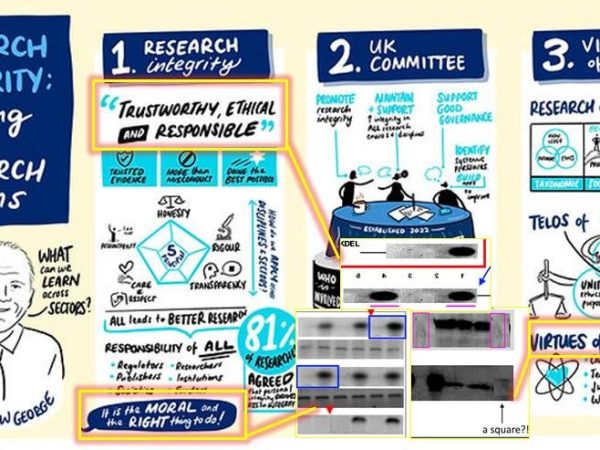
Andrew George and the Virtues of Research Integrity
“One of the UK research system’s strengths is having established processes that allow for this review so that we maintain an accurate and robust research record. Promoting and improving this system, and encouraging more openness and transparency, is why I became involved in the UK Committee on Research Integrity.” – Andrew J T George
Coda: Hollander, the Pro-Vice-Chancellor
Universities do have strange policies towards people like Baker and Kenny. On one hand, they are entitled white elites and medical doctors with elite genes who absolutely deserve to have money and power. On the other hand, they are a danger to patients, so one can trust them with any clinical stuff or practising medicine in general. They are also awful in scientific research, lacking skills and fantasy to even fabricate some exciting science. So one can’t put them in charge of research labs either. They are also rubbish in business, since their own startups just burn money and bring nothing to the market. Thus, the typical academic solution comes: they are put into senior admin jobs. That’s why Baker was made Dean and Pro-Vice Chancellor. And so was Kenny. The assumption is that they will get their due share of money and power but cause no damage.
Wrong. We saw how much damage Baker helped causing in Leicester. These people do not wield their admit power wisely, but to settle petty scores, harass dissenters and whistleblowers, and yes, enrich themselves.
We don’t have to go far to find a warning example, we can stay at Kenny’s University of Liverpool.
Anthony Hollander is Pro-Vice-Chancellor for Research & Impact and Professor of Stem Cell Biology in Liverpool, an admin job he most likely got exactly for the reasons described above. Just like Baker in Leicester, Hollander tried to sack everyone in his university whose science wasn’t as miserably pointless as his. Read here:
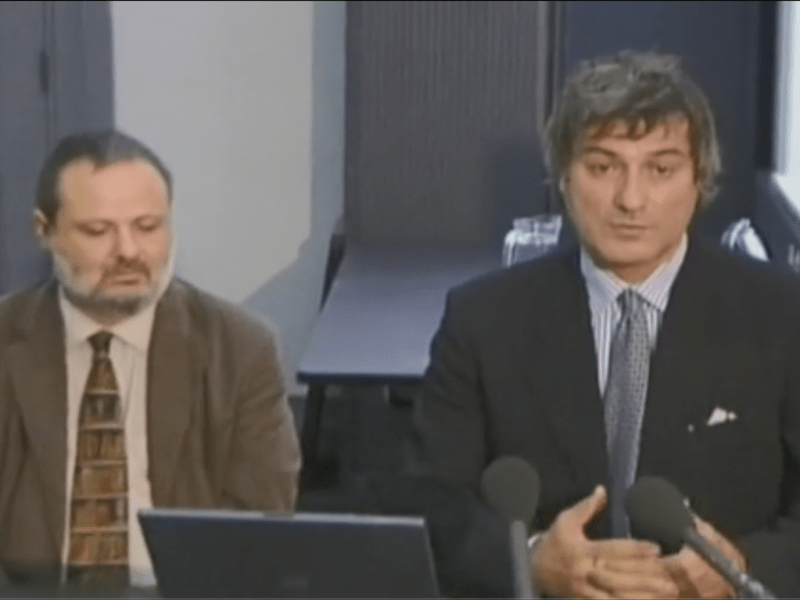
Macchiarini partner Anthony Hollander chairs mass-sacking committee in Liverpool
“I felt I had a lot to give the world. Getting my first at university and doing so well in research was an antidote. Underneath, though, there is part of me that feels maybe one day someone will discover that I am stupid.” – Tony “Blue Peter” Hollander
Hollander has abused this position to funnel university’s money into his own failed biotech company.
As a young boy, Tony was a fan of “Blue Peter”, the BBC children programme which he says inspired him to create cartilage out of bone marrow cells, for bioengineered airways or for knee surgeries, and to collaborate with the trachea transplanters Paolo Macchiarini and Martin Birchall. In 2008, Tony was a hero who saved a woman’s life, celebrated all over the world for hsi historic trachea transplant with Macchiarini and Birchall. 15 years later, that long-debunked Lancet study “Clinical transplantation of a tissue-engineered airway” was finally retracted.
Back in 2007, Hollander set up a company called Azellon to market his “stem cell” technology, but after the Lancet paper whcih advertised for it was retracted for fraud, lies, and ethics breach. The company was left with nothing to show and even less than nothing to boast about. On 13 February 2024 Azellon was dissolved, having brought to the market precisely nothing but hot air.
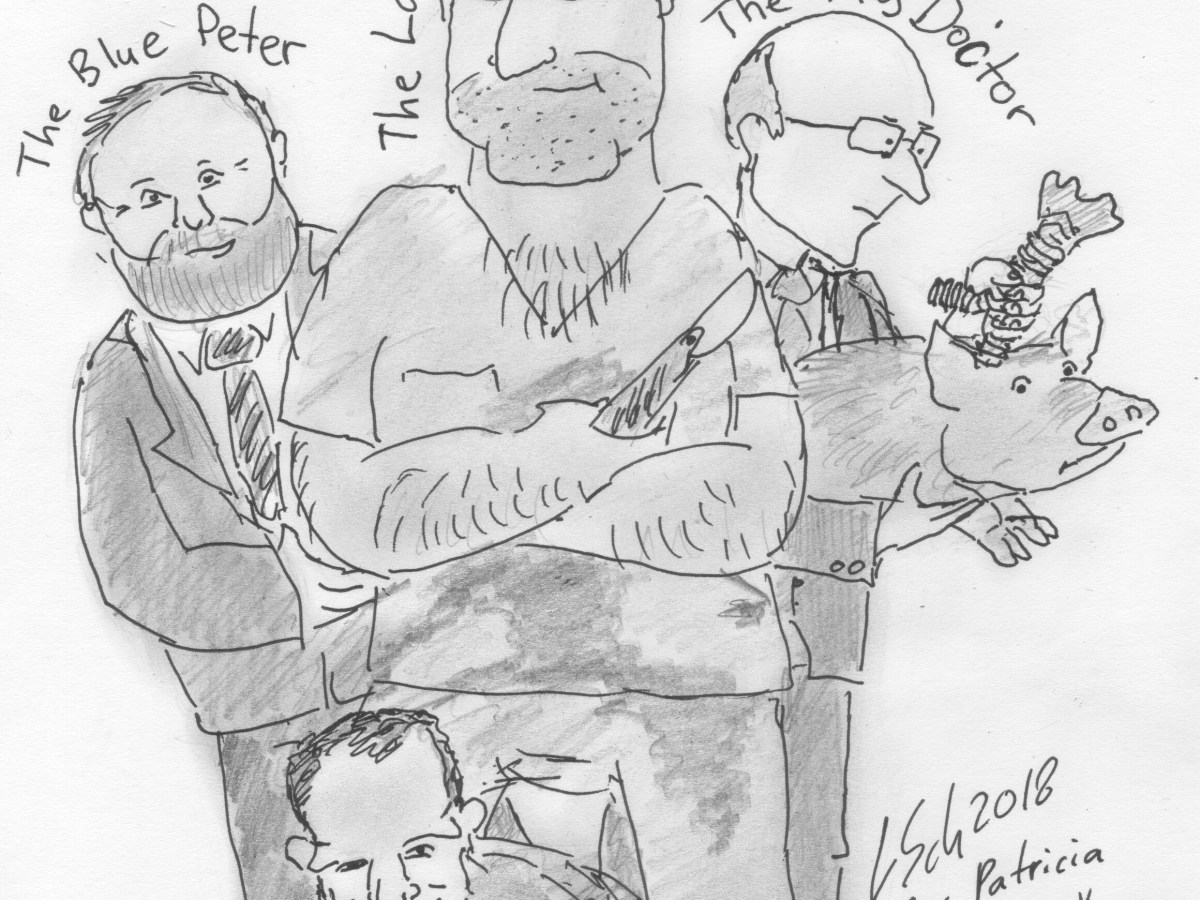
Time to retract Lancet paper on tissue engineered trachea transplants
Paolo Macchiarini affair: I reproduce the letter Patricia Murray, Raphael Levy, Peter Wilmshurst and myself published in The BMJ on 2 March 2022. I also publish Wilmshurst’s appeal to the UCL leadership.
Just then, in February 2024, the University of Liverpool announced:
“The University of Liverpool has launched a new spin-out company, TrophiCell, that has developed a revolutionary approach to harness the therapeutic potential of adult Mesenchymal Stem Cells (MSCs).
TrophiCell optimises ‘trophic repair’ – the process by which MSCs secrete factors that promote repair and reduce inflammation in chronic conditions such as osteoarthritis and liver disease. TrophiCell has patented a new approach to cell therapy production that can reliably treat a range of diseases at a scale never previously possible with MSCs.
TrophiCell’s underpinning science and intellectual property was discovered by the University of Liverpool’s Professor Anthony Hollander and his team, and offers a new way of generating stem cell therapies. […]
Professor Anthony Hollander, founder of TrophiCell and University of Liverpool’s Pro-Vice-Chancellor for Research & Impact said: “As a University, we are committed to translating research into clinical practice and I’m delighted that our stem cell research will have the chance, through TrophiCell, to reach the people who will benefit from it most.”

“Anthony’s research career has focussed on the development of stem cell therapies for treating diseases of cartilage. His spin-out company, Azellon Ltd, is developing a stem cell treatment for torn knee cartilage and he was previously part of a team that created the world’s first tissue engineered airway. “ (University of Liverpool)
The University of Liverpool informs us:
“The company has received investment from the University of Liverpool’s Enterprise Investment Fund (EIF) to provide start-up capital and is currently working on an initial investment round of £7.5M to fund the pre-clinical stage of development.”
Thing is, TrophiCell’s technology was previously developed and published by Hollander’s defunct company Azellon. The company website refers solely to this study as its business foundation:
Salerno A, Brady K, Rikkers M, Li C, Caamaño-Gutierrez E, Falciani F, Blom AW, Whitehouse MR, Hollander AP. MMP13 and TIMP1 are functional markers for two different potential modes of action by mesenchymal stem/stromal cells when treating osteoarthritis. Stem Cells (2020) doi: 10.1002/stem.3255
From the paper:
“The work reported here was part of a larger project funded by Innovate UK and led by Azellon Ltd, a spin-out company from University of Bristol, UK. A.P.H. is a founder and shareholder in Azellon Ltd. Some of the findings reported here are the subject of a patent filing by The University of Liverpool.”
This is the patent application by the University of Liverpool, “WO2021064424 – BONE MARROW MESENCHYMAL STEM CELL DERIVED CELL POPULATIONS AND METHODS OF PREPARING SAME“, submitted 2 October 2020, inventor is Hollander. And here is the decision by the patent office from April 2022 that Hollander’s groundbreaking method is NOT patentable. In plain words: TrophiCell sells nothing but same hot air as the dissolved Azallon.
But because Azellon went bancrupt, the University of Liverpoollet Hollander used their money for a new company to run into the ground while trying to sell the same non-patentable (and most obviously useless) stem cell rubbish. For those who miss Azellon, here is its archived ghost:

Here a crazy idea: to avoid further damage, why not kicking these people out of academia completely, regardless of how white, male and entitled they are?
They could focus on running guest houses with chickens and llamas.
Donate!
If you are interested to support my work, you can leave here a small tip of $5. Or several of small tips, just increase the amount as you like (2x=€10; 5x=€25). Your generous patronage of my journalism will be most appreciated!
€5.00


0 comments on “Phil Baker’s llamas will provide you with eggs”