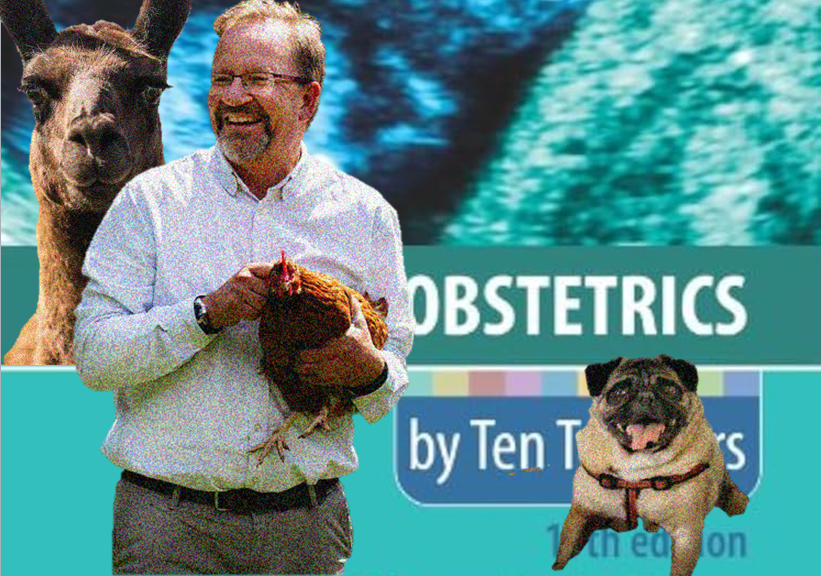
Phil Baker’s llamas will provide you with eggs
The more improprieties Philip Baker committed, the more appealing he became to universities across the world.
By Leonid Schneider, on research integrity, biomedical ethics and academic publishing
The more improprieties Philip Baker committed, the more appealing he became to universities across the world.

Schneider Shorts 23.10.2026 – a steaming turd wins defamation lawsuit, a mass resignation in Ulm, an AI tool from Harvard to predict your death, a Norwegian expert in AI ethics, with misinformed cell lines, a corrected retraction, and finally, with demented dementia research in Portugal.
Schneider Shorts 16.10.2026 – American fraudsters welcomed in Germany and in Italy, Portuguese scholars access the citation market, with a Polish rector awarded for his first retraction, and two MIT geniuses curing lymphoma with nanoparticles.
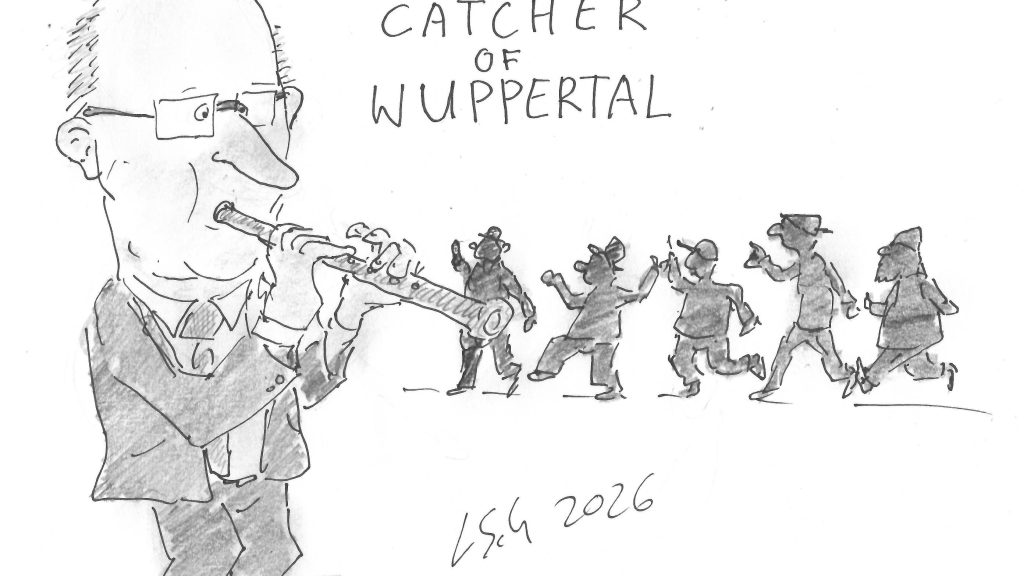
“Oh no, not me!”
Rinklebe never lost control
You’re face to face
With the man who soiled the world
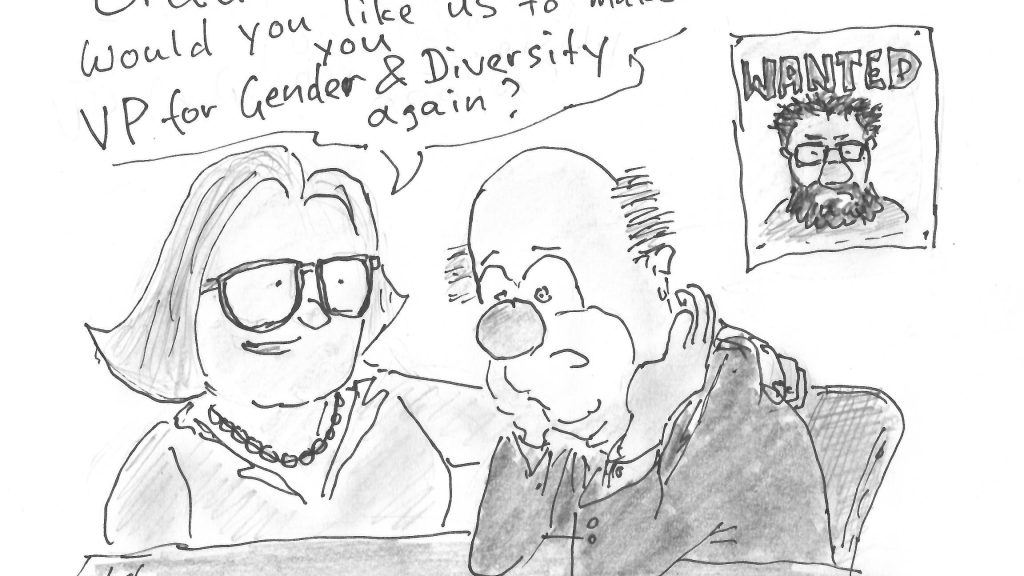
“This is what you get
When you mess with us” –
University of Ulm to L. Schneider
Schneider Shorts of 9.10.2026 – EU Commission invests €10 Million into Portuguese fraud, a French masterclass in replying on PubPeer, retractions for UCL professors retained and sacked, plus American quality science and amazing discoveries in Alzheimer’s!
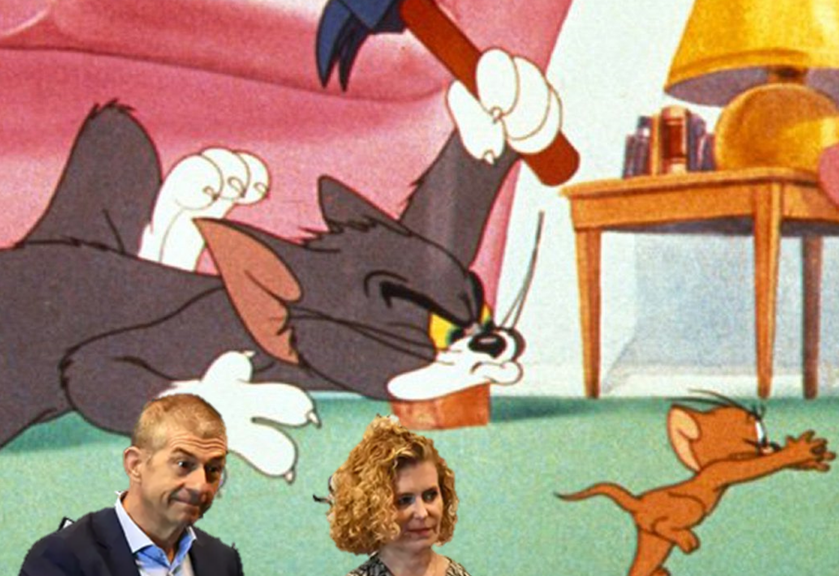
“Bob Roskamp, a Sarasota entrepreneur and philanthropist, was getting his biggest kick Thursday from his $5-million gamble on a team of driven University of South Florida researchers who believe they can find the world’s first treatment for Alzheimer’s.”
Schneider Shorts 2.10.2026 – Greek papermiller and industry shill also worked for cocaine mafia, another papermill acquitted by Norwegian authorities, US biotech finds fraud, French entrepreneur on a losing streak, plus other retractions for trachea tranplanters, a trio of European professors, and a Commander of the British Empire.
“Hongji Yan presented four different versions of Figure 9 in the article and during the investigation as the “correct” figure. One version was published in the original article, one version was sent to the journal and published as a correction, and two more versions were shared with the Board”
“research misconduct can occur at any stage of the research process and that there is no requirement for the results or the findings of the research to have been affected. Furthermore, the incorrect images constitute precisely those research results which the authors themselves considered important enough to be presented in scientific articles.” – NPOF
Have a WordPress.com account? Log in now.

