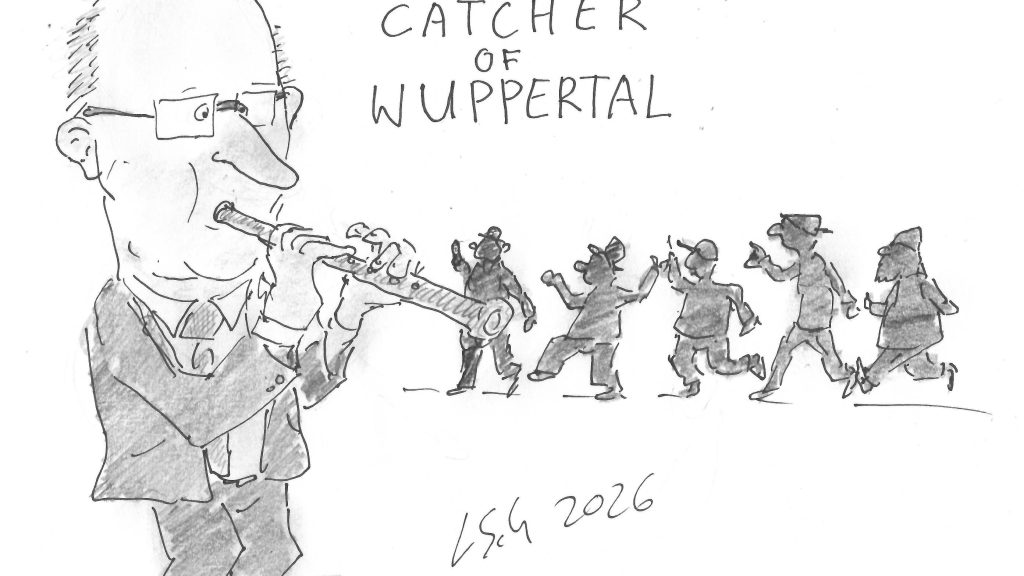
Sweet Sixteen Retractions
“Oh no, not me!”
Rinklebe never lost control
You’re face to face
With the man who soiled the world
By Leonid Schneider, on research integrity, biomedical ethics and academic publishing
“Oh no, not me!”
Rinklebe never lost control
You’re face to face
With the man who soiled the world
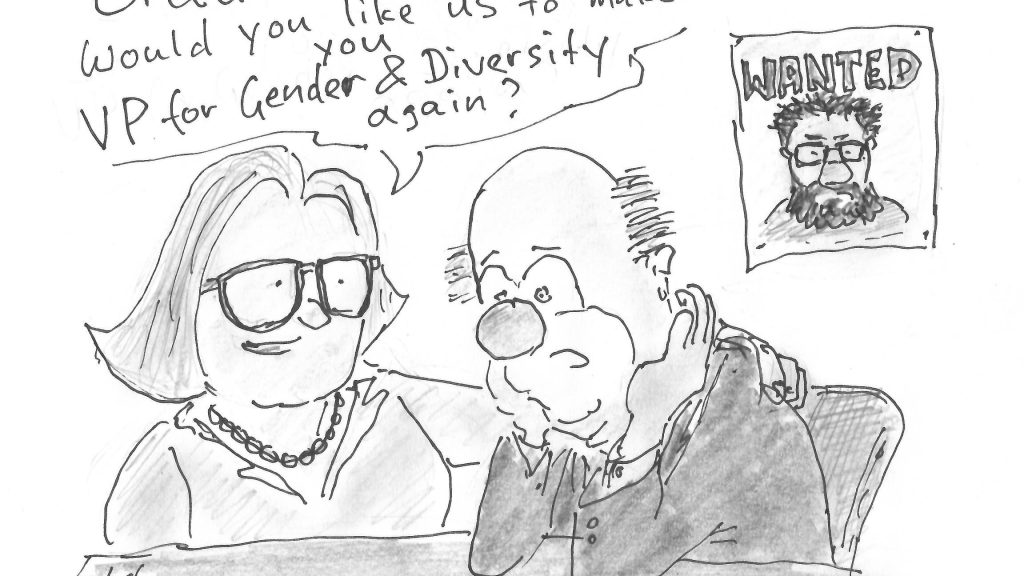
“This is what you get
When you mess with us” –
University of Ulm to L. Schneider
“Hongji Yan presented four different versions of Figure 9 in the article and during the investigation as the “correct” figure. One version was published in the original article, one version was sent to the journal and published as a correction, and two more versions were shared with the Board”
“research misconduct can occur at any stage of the research process and that there is no requirement for the results or the findings of the research to have been affected. Furthermore, the incorrect images constitute precisely those research results which the authors themselves considered important enough to be presented in scientific articles.” – NPOF
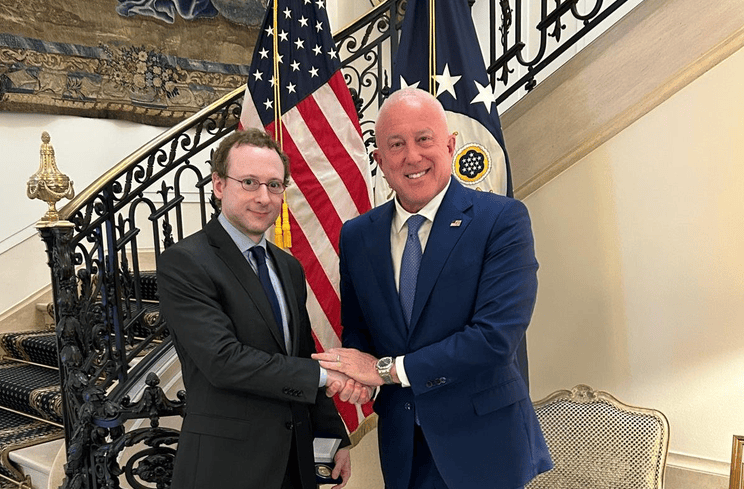
“If there’s someone having a negative impact on science, it is Cofnas, not his critics. ” – Pieter Beck
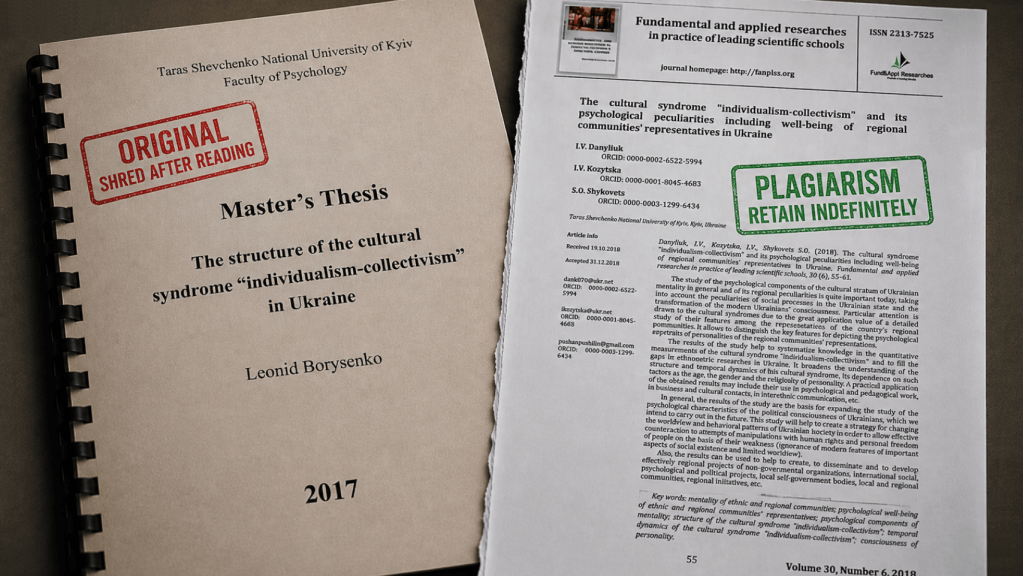
“What happens when plagiarism is officially confirmed, but correcting the scholarly record becomes structurally impossible?” – Leonid Borysenko
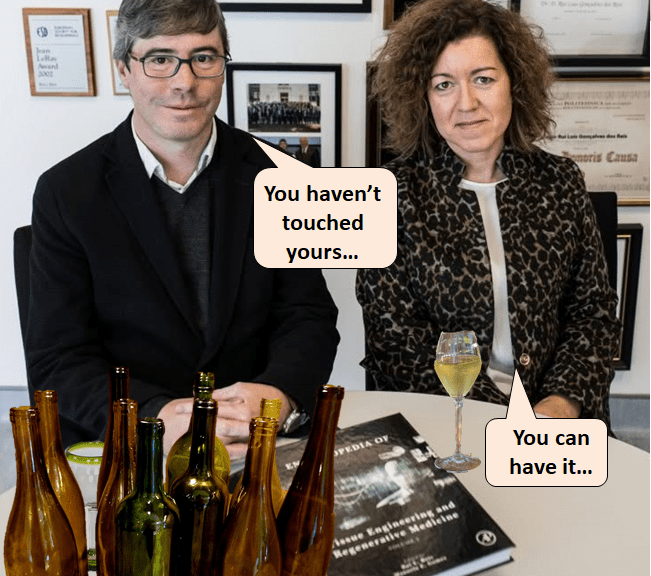
“we are talking about a dictator that systematically harassed students and other young researchers, created inhumane work conditions, forced them into scientific misconduct, systematically committed financial fraud with research money, and threatened and intimidated anyone that did not play by his rules.” – comment about Portugal’s most cited researcher
“I think this story shows the debacle and corruption of entire research fields that become just a very expensive show of bad science-fiction. ” – Carabus Maleki
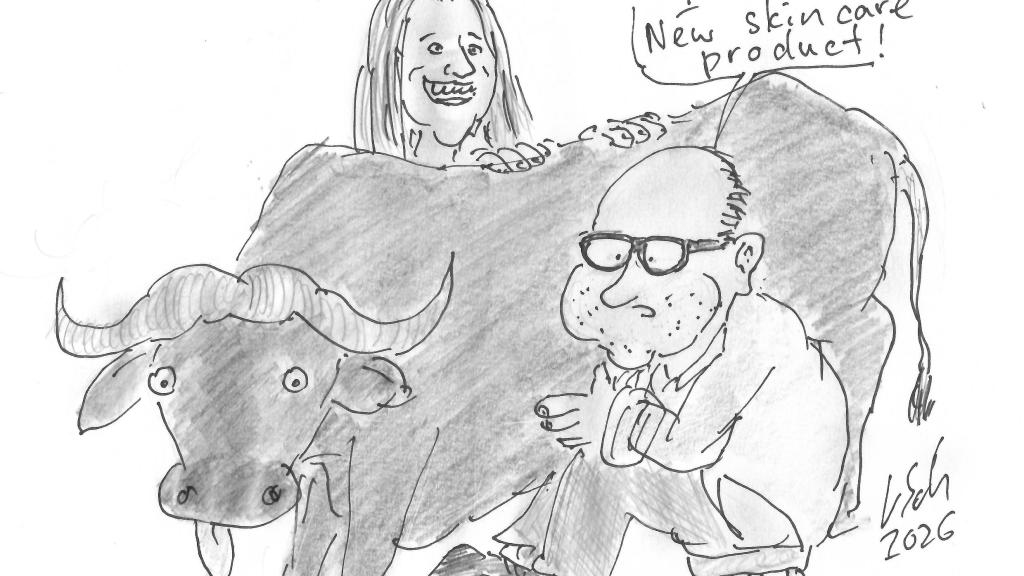
“Scientific works must be carefully reviewed, assessed, and, if necessary, corrected at the time of submission and publication. Attempting to re-evaluate articles many years later represents an unfair practice toward the authors ” – a member of the Galdiero Clan.
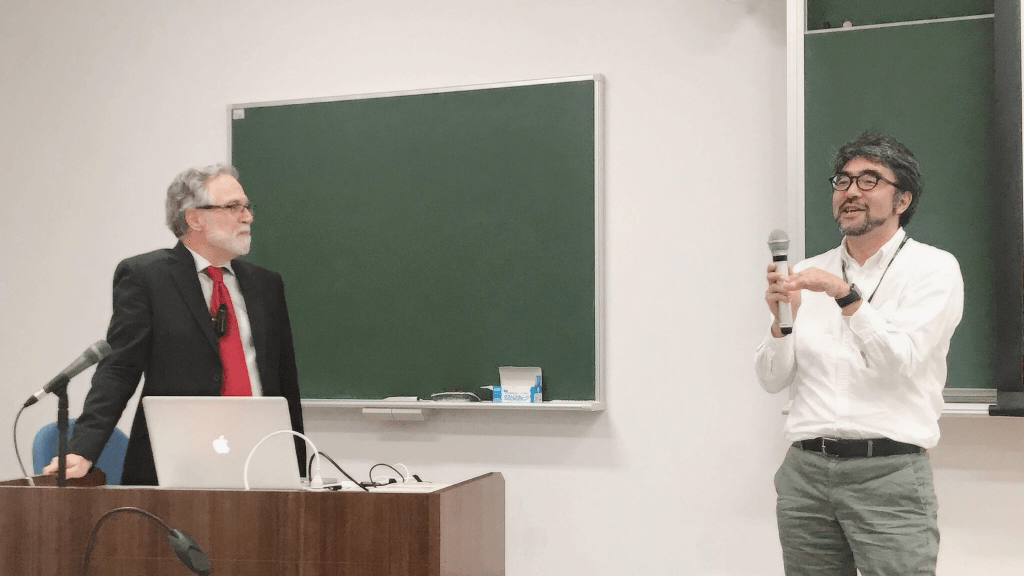
Kiichi Hirota has been found guilty of research fraud in Japan. He was previously involved in Gregg Semenza’s Nobel Prize discovery of HIF gene. Semenza has 15 retractions, and the work of his Nobel co-recipients isn’t entirely kosher either.
Have a WordPress.com account? Log in now.

