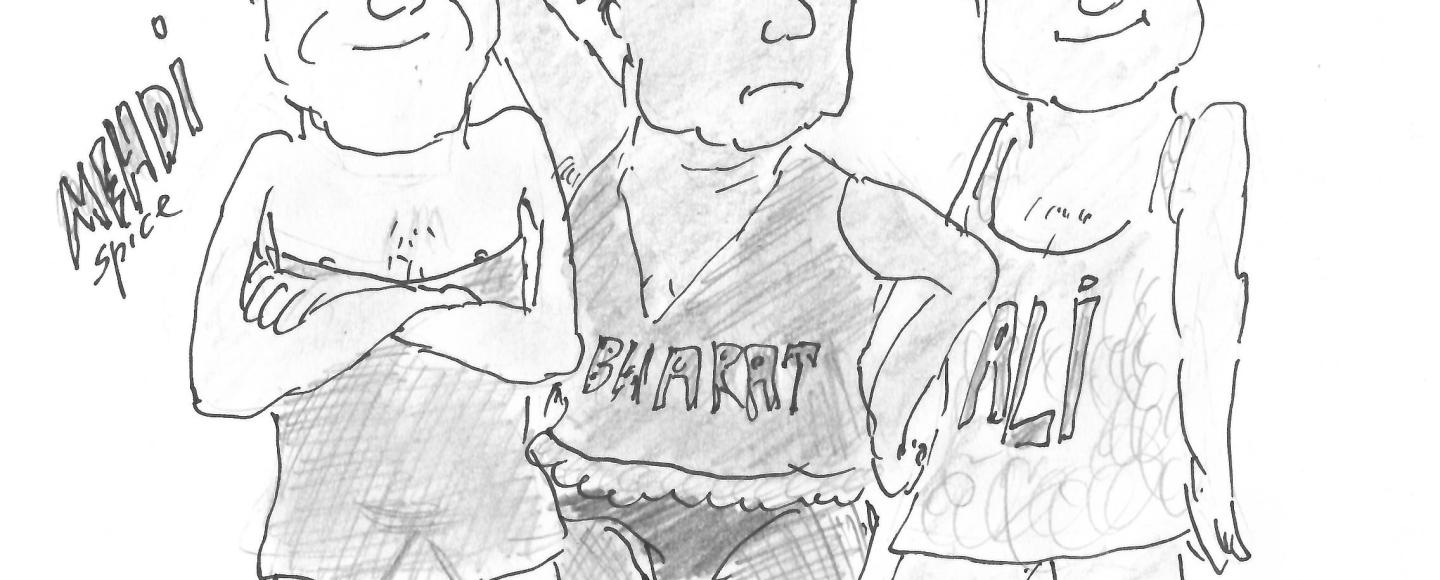

Sholto David uncovered another case of massive data fudgery in a German university. He started to write this article, but then became a YouTube influencer, so I took over. Hopefully Sholto will make a video about this spicy story!
The recently retired Professor Mehdi Shakibaei still replies to his work email address at Ludwig-Maximilians-University (LMU) in Munich, and he still his lab website, so presumably he still shows some interest in research, although on LinkedIn he now posts his holiday snaps only. His last scientific contribution (according to Google Scholar) is a 2025 piece titled: “Resveratrol and chronic diseases: lessons learned from bedside“. His coauthors are his long time postdoc Constanze Buhrmann (now at University of Augsburg), and the legendary curcumin cheater Bharat Aggarwal, who was kicked out from MD Anderson in Texas and then earned 30 retractions (see reporting by Retraction Watch and blog post by Reese Richardson).
This resveratrol piece is a book chapter written for inclusion in the eagerly anticipated tome “Nutraceuticals for the Prevention and Treatment of Chronic Diseases (Lessons Learned from Bedside)” which is edited by Aggarwal and is slated for a January 2027 release with World Scientific Publishing. It will offer a variety of herbal extracts and spices, one chapter is titled “Miraculous Biological Activities of Curcumin as Revealed by Clinical Studies“.
And curcumin is something Professor Shakibaei really loves even more than resveratrol from red wine.
Shakibaei studied medicine at Freie Universität Berlin and eventually became assistant professor there. In 2004, he was appointed full professor at LMU Munich, where he retired two years ago. What you are going to see is the kind of science we are more used to see from Indian papermills, yet this is a German elite university, officially certified as “excellent” and ranking Number 34 worldwide.
We have to rewind back to March 2024 for Professor Shakibaei’s last research paper which was published by Frontiers in Immunology, the paper focused on the potential of the compound Calebin A for the prevention and treatment of arthritis. Calebin A sounds like it might be something, but it’s really just a naturally occurring form of curcumin found in the turmeric spice, so this paper belongs in the rich tradition of using curcumin for every human ailment: And this one is badly constructed anyway, including overlapping areas between images that should show different treatment conditions:
Aranka Brockmueller, Constanze Buhrmann, Parviz Shayan, Mehdi Shakibaei Calebin A modulates inflammatory and autophagy signals for the prevention and treatment of osteoarthritis Frontiers in Immunology (2024) doi: 10.3389/fimmu.2024.1363947

On the author list we can see some of Shakibaei’s Spice Girls: his long-time postdoc Buhrmann and the younger addition Aranka Brockmueller, who graduated as Dr med under Shakibaei’s supervision just before he retired, and who still seems to work at LMU. Together, they have repeatedly discovered that cancer can be cured with resveratrol, Brockmüller and her mentor blog about the benefits of resveratrol (and curcumin) at the Sportärztezeitung (a newspaper for sports physicians). Unfortunately, there will be Nobel Prize for that because a) this discovery has been made thousand-fold for decades, and b) it’s bullshit.
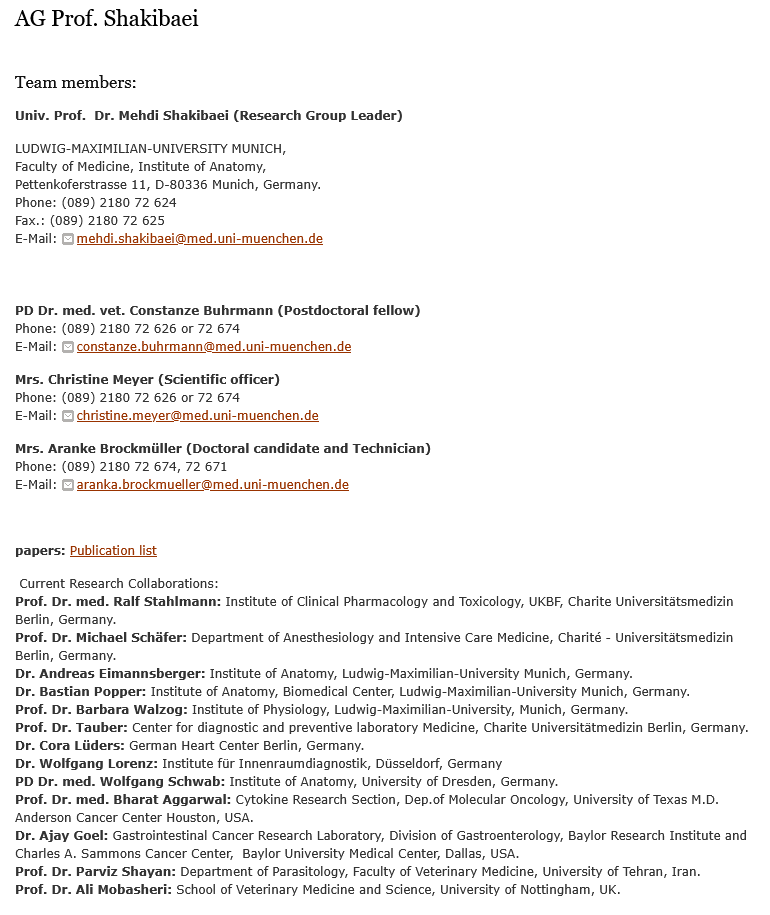
The pattern of data fudgery above includes overlapping areas between images in the same paper (as above), but many of the problems are between papers. In reality, it seems like a library of electron microscopy images was prepared some time around 2007 and up until 2024 the same images were simply republished in many repetitive forms. This is not our speculation, but basically what Shakibaei himself told us.
The occasion for this revelation was this paper by Shakibaei with his LMU colleagues:
Ludwig T. Weckbach, Leopold Groesser , Julia Borgolte , Judith-Irina Pagel , Frank Pogoda , Jürgen Schymeinsky , Josef Müller-Höcker , Mehdi Shakibaei, Takashi Muramatsu , Elisabeth Deindl, Barbara Walzog Midkine acts as proangiogenic cytokine in hypoxia-induced angiogenesis AJP Heart and Circulatory Physiology (2012) doi: 10.1152/ajpheart.00934.2011

The other paper is actually younger, it was published seven years later and authored by Shakibaei with his mentees Buhrman and Bastian Popper, now LMU’s head of animal facility and expert in “Animal welfare in biomedical science“. And the curcumin fraudster Aggarwal is also on board. That paper has other issues:
Constanze Buhrmann, Mina Yazdi, Bastian Popper, Ajaikumar B Kunnumakkara, Bharat B Aggarwal, Mehdi Shakibaei Induction of the Epithelial-to-Mesenchymal Transition of Human Colorectal Cancer by Human TNF-β (Lymphotoxin) and its Reversal by Resveratrol Nutrients (2019) doi: 10.3390/nu11030704


We notified the authors, and in August 2026 the last author of the older paper, the LMU professor Barbara Walzog, announced: “I will inform our university’s Faculty of Medicine so that we can look into the matter officially“. The penultimate author and another LMU professor, Elisabeth Deindl, added: “I have discussed the topic with the last author Barbara Walzog, who is taking care of it.” Those were unfortunately empty promises – the LMU Ombudsman wrote on 2 November 2026 that he heard of that case for the first time just now.
Shakibaei himself wrote this to us:
“First of all, I’m incredibly sorry about what happened here, and I feel extremely uncomfortable about it.
Here’s my explanation:
I’ve now identified a key cause for the mix-up of the images and, consequently, for the error in publishing the wrong images (electron microscope images).
For years, I took black-and-white images as negatives using an electron microscope in Berlin, documenting them with brief, simplified protocols; these were then developed by my lab technicians. After the images were taken, my lab technicians (in Berlin or Munich) scanned the negatives, completed the process, and digitized the images, saving them on the computer. During these processes, some information must have been incorrectly noted, recorded, or logged by the various people involved.
On the other hand, there were many research projects—both our own and those of our collaborators—that addressed various research questions. I can therefore very well imagine that, due to my numerous technical assistants in various laboratories, visitors, and research associates—all of whom were involved and helped one another—considerable confusion must have arisen.
I have been retired since October 2024, and I would like to apologize once again in every way possible.“
Luck in Sight
“It seems hard to accept any explanation that doesn’t somehow incriminate most of the people involved” – Sholto David

What a strange time line. Electron microscopes became fully digital in 1980ies – early 1990ies. This means, Shakibaei’s technicians, who failed him by scanning his printed negatives incorrectly, were probably not even born then. But our spice expert doubled down, he even sent a photo of that ancient electron microscope with this message:
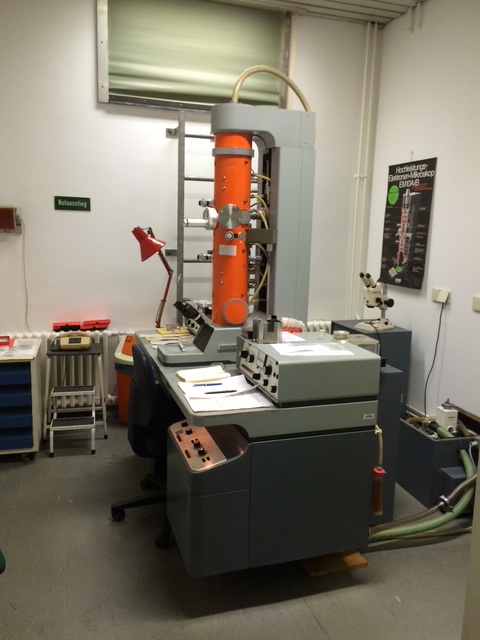
“When I started working as an assistant to my then-supervisor (Prof. Dr. med. H-J Merker) in the Department of Anatomy at the Free University of Berlin in 1991, there was a Zeiss TEM-10 microscope there that was already over 15-20 years old. Since the TEM-10 was a workhorse model from Zeiss, it was very durable, had excellent technology, and produced high-quality images. After Prof. Merker retired, as his last student, I was officially permitted to continue using the microscope—with the approval of the then-dean (Prof. M. Paul) and the then-head of the Department of Anatomy (Prof. R. Nitsch)—despite having been appointed to the Department of Anatomy at LMU in Munich. By that time, the microscope was approximately 35–40 years old (see the appendix). Back then, “digitization” was a foreign concept when it came to the microscope. This meant that I traveled from Munich to Berlin once a month to conduct TEM examinations.
All four of my technicians in Berlin and Munich were already adults when I arrived, and unfortunately, the image storage system was not set up correctly.“
By the way, Shakibaei’s former boss at Charité Berlin Robert Nitsch was subject to three research misconduct investigations, he was also accused of nepotism. This forced his transfer to University of Mainz, from where Nitsch sued Charité, forcing them in court to throw out all their misconduct findings, the press then scandalised this affair with Nitsch as a saintly victim of administrative persecution. Mentioned here:
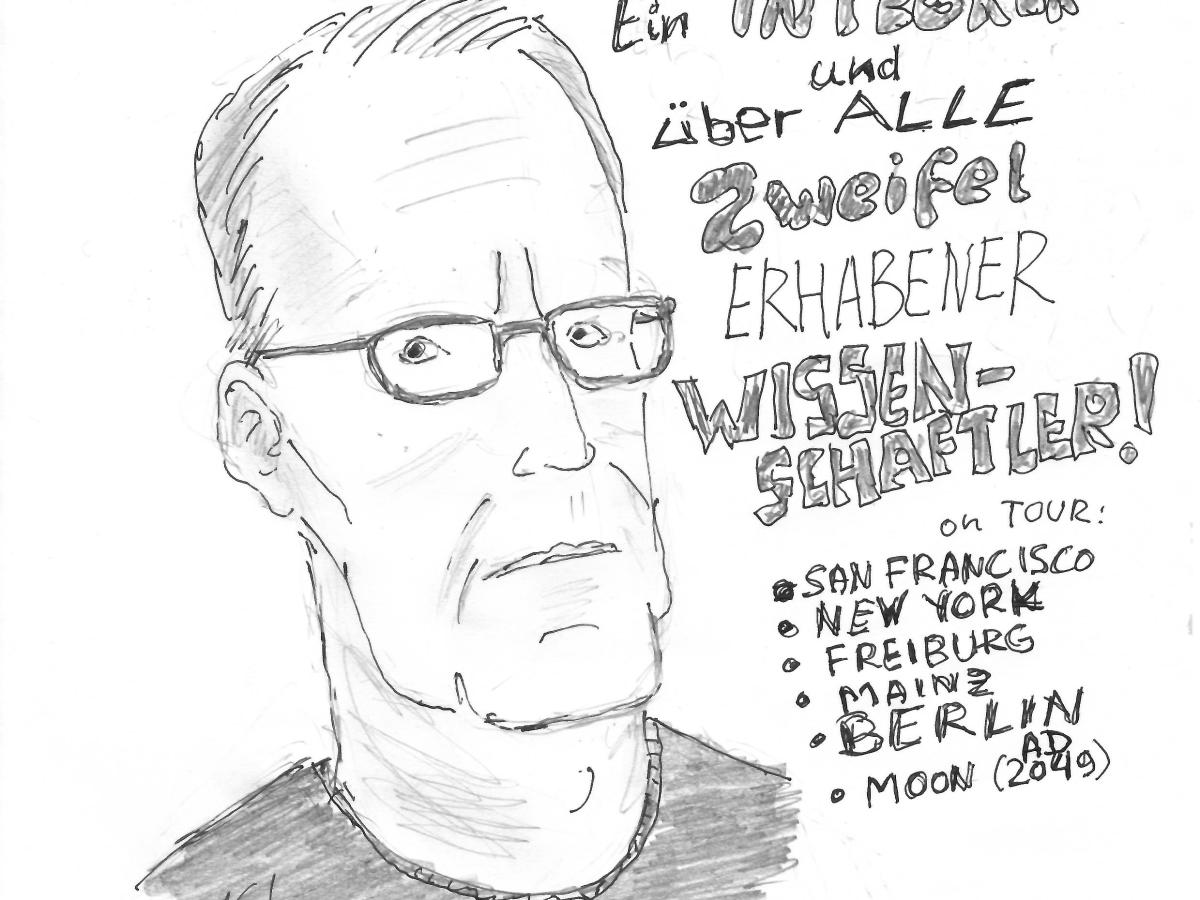
A scientist of integrity and beyond reproach
“The Investigative Committee notes that the infractions to normal scientific conduct surveyed in this report were blatant and repeated. Dr. [XY] should be dealt with in a manner consistent to the flagrant nature of the misconduct and data manipulation.” 2004 Berkeley report, illegal in Germany

Soon, Sholto found stuff which is even more difficult to reconcile with the explanation of four bumbling technicians in Berlin.
This paper by Shakibaei was flagged on PubPeer already 12 years ago by Elisabeth Bik, who also reported it to the journal in 2014:
Mehdi Shakibaei , Ali Mobasheri , Cora Lueders , Franziska Busch , Paviz Shayan , Ajay Goel Curcumin enhances the effect of chemotherapy against colorectal cancer cells by inhibition of NF-κB and Src protein kinase signaling pathways PLoS ONE (2013) doi: 10.1371/journal.pone.0057218

look very similar to each other, when one of the two panels is rotated 180 degrees.”
In 2013, PLOS One editorial office posted this comment under the paper:
“It recently came to our attention that the Academic Editor Bharat Aggarwal had collaborated and co-authored different publications with the senior author of the article over the four years that preceded this submission.”
Nobody is surprised about Aggarwal’s hidden presence here. The coauthors also include Shakibaei’s close collaborators – one is Parviz Shayan of University of Tehran in Iran, another is Ajay Goel, another curcumin pusher and friend of Aggarwal and Gautam Sethi. Goel used to be at Baylor University in Texas, but then ended up at City of Hope hospital in California (his PubPeer record here). Then we have Ali Mobasheri, now professor at the University of Oulu in Finland, who also has a lot more on PubPeer. In March 2026, Mobasheri retracted a paper (Szwedowski et al 2021) for plagiarising someone else’s work. Goel’s and Mobasheri’s bad science was briefly discussed in November 2024 Shorts.
When the concerns about the forged data and rigged peer review arose, the PLOS One paper has just been published. Now it became too old to be retracted, so the journal issued an Expression of Concern in November 2024:
“After this article [1] was published, concerns were raised about Fig 3 and Fig 6.
Specifically:
- In Fig 3:
- ○ In the HCT116+ch3 cells, panel E (60h) appears similar to panel F (72h), when rotated 180 degrees.
- ○ Panel D (48h) from the HCT116+ch3 cells appears similar to panel e (40h) from the HCT116WT cells in Fig 4A of [2].
- ○ Panel C (36h) from the HCT116+ch3 cells appears similar to panel d (20h) from the HCT116WT cells in Fig 4A of [2].
- In Fig 6A, there appear to be horizontal background discontinuities in lanes 3 and 4 of the pro-caspase-8/cleaved-caspase-8 HCT116+ch3 panel when levels are adjusted.
The corresponding author acknowledged the above concerns but stated that the original data are no longer available. In the absence of the raw data, the issues with these figures cannot be resolved.
In light of the above concerns, the PLOS ONE Editors issue this Expression of Concern.”
There are however still some issues left, like western blots shared with another PLOS One paper by Shakibaei with his Spice Girls at LMU and Finland#s star scientist Mobasheri:
Azadeh Montaseri , Franziska Busch , Ali Mobasheri , Constanze Buhrmann, Constance Aldinger , Jafar Soleimani Rad, Mehdi Shakibaei IGF-1 and PDGF-bb Suppress IL-1β-Induced Cartilage Degradation through Down-Regulation of NF-κB Signaling: Involvement of Src/PI-3K/AKT Pathway PLOS One (2011) doi: 10.1371/journal.pone.0028663

That PLOS One paper in turn shares data with yet another curcumin study from Shakibaei and his Spice Girls, with the now deceased Charité professor Ralf Stahlmann:
Constanze Buhrmann , Ali Mobasheri , Franziska Busch , Constance Aldinger , Ralf Stahlmann , Azadeh Montaseri , Mehdi Shakibaei Curcumin Modulates Nuclear Factor κB (NF-κB)-mediated Inflammation in Human Tenocytes in Vitro Journal of Biological Chemistry (2011) doi: 10.1074/jbc.m111.256180

Stahlmann used to be head of ethics commission at Charité, but he won’t be able to explain either the above nor his other paper with Shakibaei, Busch et al 2012, which is about resveratrol.
Returning to the PLOS One paper from 2013, another PubPeer user found another issue:

Condylocarpon amazonicum: “Fig. 9B, left panel. Which is that the lanes in the middle immunoblot don’t fit into the grey rectangle, protruding above it. This suggests that they were collectively pasted in to a transparent background before the grey rectangle had been placed below. Additionally, all the dark band areas are bounded by vertical white edges. These artefacts are also consistent with the lanes being individually cropped. Of note, the lower WB bands are also bounded by white edges and some bands also have straight upper edges (not marked).”
Finally, there is also this minor repetition, maybe someone at at PLOS One or even better, at LMU, can figure out if any of this is significant:

This brings us back to Shakibaei’s problem with naughty technicians in Berlin who keep mixing up old images. The other five papers are numbered according to Sholto’s order of reincarnation, here is number one, with Buhrmann under her maiden name, Csaki:
- Claudia Seifarth , Constanze Csaki, Mehdi Shakibaei Anabolic actions of IGF-I and TGF-beta1 on Interleukin-1beta-treated human articular chondrocytes: evaluation in two and three dimensional cultures Histology and histopathology (2009) doi: 10.14670/hh-24.1245


That in turn shares data with this curcumin paper, featuring Mobasheri and now retired LMU professor and director of university’s Veterinary Surgery Clinic, Ulrike Matis:
Constanze Buhrmann, Ali Mobasheri , Ulrike Matis, Mehdi Shakibaei Curcumin mediated suppression of nuclear factor-κB promotes chondrogenic differentiation of mesenchymal stem cells in a high-density co-culture microenvironment Arthritis Research & Therapy (2010) doi: 10.1186/ar3065


C. Csaki , U. Matis , A. Mobasheri , H. Ye , M. Shakibaei Chondrogenesis, osteogenesis and adipogenesis of canine mesenchymal stem cells: a biochemical, morphological and ultrastructural study Histochemistry and Cell Biology (2007) doi: 10.1007/s00418-007-0337-z
The above Buhrmann née Csaki et al 2007 study shares data with this much later publication by Shakibaei with Shayan and their Slovak colleague Peter Kubatka at the Comenius University in Bratislava, who dabs in papermilling and was thus therefore struck by The Vickers Curse (Mirzaei et al 2021). We also meet another Indian friend of Aggarwal and Sethi – Ajaikumar Kunnumakkara at IIT in Guwahati, who has a serious PubPeer record:
Constanze Buhrmann, Parviz Shayan , Kishore Banik, Ajaikumar B. Kunnumakkara, Peter Kubatka, Lenka Koklesova, Mehdi Shakibaei Targeting NF-κB Signaling by Calebin A, a Compound of Turmeric, in Multicellular Tumor Microenvironment: Potential Role of Apoptosis Induction in CRC Cells Biomedicines (2020) doi: 10.3390/biomedicines8080236

Back to the PLOS One 2013 paper, here is the second reincarnation of the electron microscopy data, by Shakibaei and his Spice Girls, plus Shayan, it also reuses images from an earlier paper with Kunnumakkara, Kubatka and the legendary Aggarwal:
- Aranka Brockmueller, Constanze Buhrmann, Parviz Shayan, Mehdi Shakibaei Resveratrol induces apoptosis by modulating the reciprocal crosstalk between p53 and Sirt-1 in the CRC tumor microenvironment Frontiers in Immunology (2023) doi: 10.3389/fimmu.2023.1225530

Constanze Buhrmann, Aranka Brockmueller, Choudhary Harsha , Ajaikumar B. Kunnumakkara, Peter Kubatka, Bharat B. Aggarwal , Mehdi Shakibae Evidence That Tumor Microenvironment Initiates Epithelial-To-Mesenchymal Transition and Calebin A can Suppress it in Colorectal Cancer Cells Frontiers in Pharmacology (2021) doi: 10.3389/fphar.2021.699842
Here is the third reincarnation, and we must study this same figure in more detail:
- Mehdi Shakibaei, Constanze Csaki, Simone Nebrich , Ali Mobasheri Resveratrol suppresses interleukin-1β-induced inflammatory signaling and apoptosis in human articular chondrocytes: Potential for use as a novel nutraceutical for the treatment of osteoarthritis Biochemical Pharmacology (2008) doi: 10.1016/j.bcp.2008.05.029


Also in the fourth reincarnation we meet Buhrmann née Csaki, and also here we must study the affected figure in detail:
- Constanze Csaki, Nerses Keshishzadeh , Karoline Fischer , Mehdi Shakibaei Regulation of inflammation signalling by resveratrol in human chondrocytes in vitro Biochemical Pharmacology (2008) doi: 10.1016/j.bcp.2007.09.014

Sholto David: “Figure 3: There is an unexpected overlap between images that should show samples from different timepoints.”
The fifth reincarnation was that unretractable PLOS One 2013 paper, and here is the sixth, featuring Buhrmann and Mobasheri. This one shares other electron microscopy images with the PLOS One 2013 paper and with another one we already discussed:
- Mehdi Shakibaei, Ali Mobasheri, Constanze Buhrmann Curcumin synergizes with resveratrol to stimulate the MAPK signaling pathway in human articular chondrocytes in vitro Genes & Nutrition (2011) doi: 10.1007/s12263-010-0179-5

Obviously the only cure for cancer is a daily curry with a bottle of red wine, who are we to argue with the excellent LMU Munich. Look, Aggarwal is back:
Constanze Buhrmann, Bastian Popper, Bharat B. Aggarwal , Mehdi Shakibaei Resveratrol downregulates inflammatory pathway activated by lymphotoxin α (TNF-β) in articular chondrocytes: Comparison with TNF-α PLOS One (2017) doi: 10.1371/journal.pone.0186993

Sholto David: “Figure 4: There is an unexpected overlap between images that should show different treatment conditions”
Just like Karl Popper, also Bastian Popper is (in his own way) an expert in falsification. There are falsifiable western blots to disprove the resveratrol theories (Buhrmann et al 2016), and here is yet another important red wine study of his with Buhrmann, Shakibaei and Aggarwal:
Constanze Buhrmann, Bastian Popper, Bharat B. Aggarwal , Mehdi Shakibaei Evidence that TNF-β suppresses osteoblast differentiation of mesenchymal stem cells and resveratrol reverses it through modulation of NF-κB, Sirt1 and Runx2 Cell and Tissue Research (2020) doi: 10.1007/s00441-020-03188-8


As you see, the resveratrol study from 2020 reused images from Shakibaei’s study from 2009, featuring Mobasheri and Matis, which in turn reused images from yet another resveratrol study by Shakibaei and his Spice Girls with Mobasheri, and with a turmeric study with Kunnumakkara:
C. Csaki , U. Matis , A. Mobasheri, M. Shakibaei Co-culture of canine mesenchymal stem cells with primary bone-derived osteoblasts promotes osteogenic differentiation Histochemistry and Cell Biology (2009) doi: 10.1007/s00418-008-0524-6

Mehdi Shakibaei, Parviz Shayan , Franziska Busch , Constance Aldinger , Constanze Buhrmann , Cora Lueders , Ali Mobasheri Resveratrol Mediated Modulation of Sirt-1/Runx2 Promotes Osteogenic Differentiation of Mesenchymal Stem Cells: Potential Role of Runx2 Deacetylation PLOS One (2012) doi: 10.1371/journal.pone.0035712

Anna-Lena Mueller , Aranka Brockmueller, Ajaikumar B. Kunnumakkara, Mehdi Shakibaei Calebin A, a Compound of Turmeric, Down-Regulates Inflammation in Tenocytes by NF-κB/Scleraxis Signaling International Journal of Molecular Sciences (2022) doi: 10.3390/ijms23031695
Shakibaei and Aggarwal are still the best friends. In 2024, they both presided over a nutraceuticals conference in India, Goel was also there.
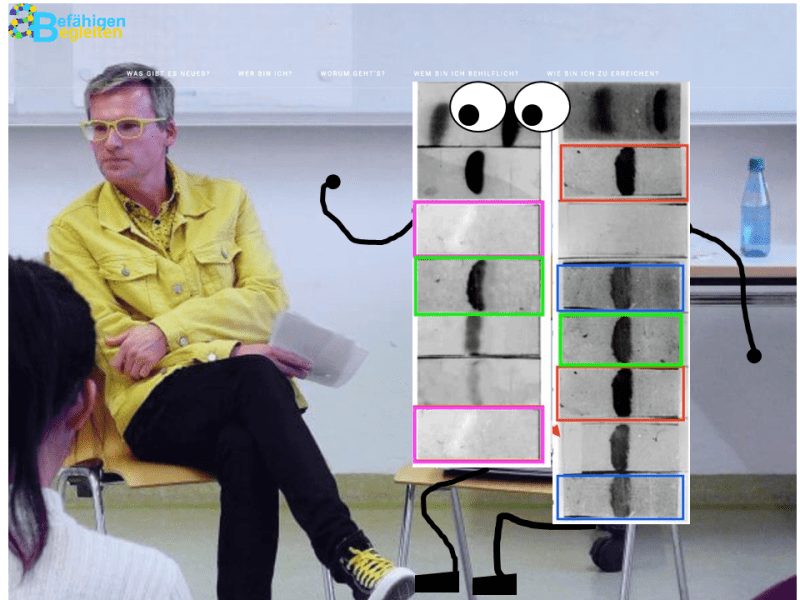
From Russia, with Photoshop
Germany recruits the very best of the best in international science to its elite institutions. Professor Alexandr Bazhin is one of them.
More recycling by Shakibaei, Popper also there, plus Aggarwal, Goel and Shayan doing their resveratrol magic:
Constanze Buhrmann, Mina Yazdi, Bastian Popper, Parviz Shayan, Ajay Goel, Bharat B Aggarwal , Mehdi Shakibaei Resveratrol Chemosensitizes TNF-β-Induced Survival of 5-FU-Treated Colorectal Cancer Cells Nutrients (2018) doi: 10.3390/nu10070888

The blots came from an older paper with Buhrmann, Mobasheri and Matis, which in turn shares data with two other papers from Shakibaei’s lab, both in Journal of Biological Chemistry (JBC):
Philipp R. A. Schneider, Constanze Buhrmann, Ali Mobasheri, Ulrike Matis, Mehdi Shakibaei Three‐dimensional high‐density co‐culture with primary tenocytes induces tenogenic differentiation in mesenchymal stem cells Journal of Orthopaedic Research (2011) doi: 10.1002/jor.21400


This is the first JBC paper, about the resveratrol pathway, with Shayan:
Constanze Buhrmann , Franziska Busch , Parviz Shayan , Mehdi Shakibaei Sirtuin-1 (SIRT1) is required for promoting chondrogenic differentiation of mesenchymal stem cells Journal of Biological Chemistry (2014) doi: 10.1074/jbc.m114.568790

Sholto David: “Figure 8II: There is an unexpected overlap between images that should show cells in different treatment conditions.”
And this is the second JBC paper, with Mobasheri, again about benefits of red wine:
Mehdi Shakibaei, Constanze Buhrmann , Ali Mobasheri Resveratrol-mediated SIRT-1 Interactions with p300 Modulate Receptor Activator of NF-κB Ligand (RANKL) Activation of NF-κB Signaling and Inhibit Osteoclastogenesis in Bone-derived Cells Journal of Biological Chemistry (2011) doi: 10.1074/jbc.m110.198713

Sholto David: “Figure 1: There is an unexpected overlap between images that should show different experimental conditions.”
Every kind of data got forged, and the only common name is Shakibaei’s. Here a two decasde old paper with Mobasheri, plus Shakibaei’s collaborators at Charité Berlin – Claudia Seifarth, senior physician and equal opportunities officer, Thilo John, now chief physician at German Red Cross Clinic in Berlin, and the surgeon Masyar Rahmanzadeh, who is presently about to leave Berlin because the woke mob “with nose piercings” won the state elections:
Mehdi Shakibaei, Claudia Seifarth , Thilo John , Masyar Rahmanzadeh , Ali Mobasheri Igf-I extends the chondrogenic potential of human articular chondrocytes in vitro: molecular association between Sox9 and Erk1/2 Biochemical Pharmacology (2006) doi: 10.1016/j.bcp.2006.08.022

More with John and Mobasheri, plus with Gundula Schulze-Tanzil, then at Charité Berlin, now professor at Paracelsus Medical University in Nürnberg. On curcumin:
Mehdi Shakibaei, Gundula Schulze-Tanzil, Thilo John, Ali Mobasheri Curcumin protects human chondrocytes from IL-l1beta-induced inhibition of collagen type II and beta1-integrin expression and activation of caspase-3: an immunomorphological study Annals of Anatomy – Anatomischer Anzeiger (2005) doi: 10.1016/j.aanat.2005.06.007

Sholto David: “Figure 4: There is an unexpected overlap. The indicated samples should have been taken at different timepoints.”
Shakibaei doesn’t reply on PubPeer, but he did it once, years ago. This paper with Aggarwal, Goel and Shayan was flagged in 2019:
Constanze Buhrmann , Mina Yazdi , Bastian Popper , Parviz Shayan , Ajay Goel , Bharat B Aggarwal , Mehdi Shakibaei Evidence that TNF-β induces proliferation in colorectal cancer cells and resveratrol can down-modulate it Experimental Biology and Medicine (2019) doi: 10.1177/1535370218824538

In June 2019, Prof Dr Shakibaei replied on PubPeer with this:
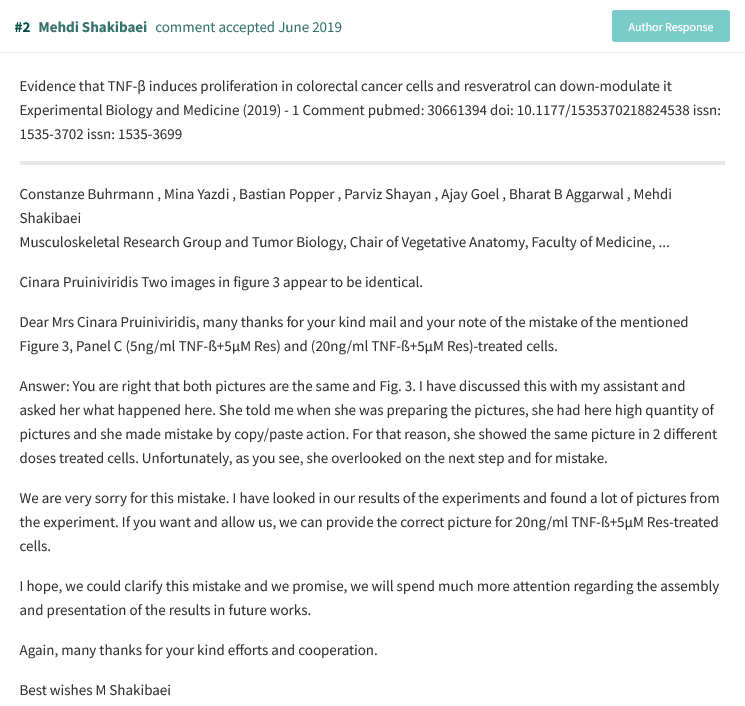
“I have discussed this with my assistant and asked her what happened here. She told me when she was preparing the pictures, she had here high quantity of pictures and she made mistake by copy/paste action. […]
We are very sorry for this mistake. I have looked in our results of the experiments and found a lot of pictures from the experiment. If you want and allow us, we can provide the correct picture”
The guilty female “assistant” who “overlooked on the next step and for mistake” is obviously not Popper, but either Shakipaei’s student Mina Yazdi or his PD Dr Constanze Buhrmann. No correction was published since. Instead of spending “much more attention regarding the assembly and presentation of the results in future works“, Shakibaei continued publishing bad science for five more years ntil his retirment, exactly because nobody at LMU minded.
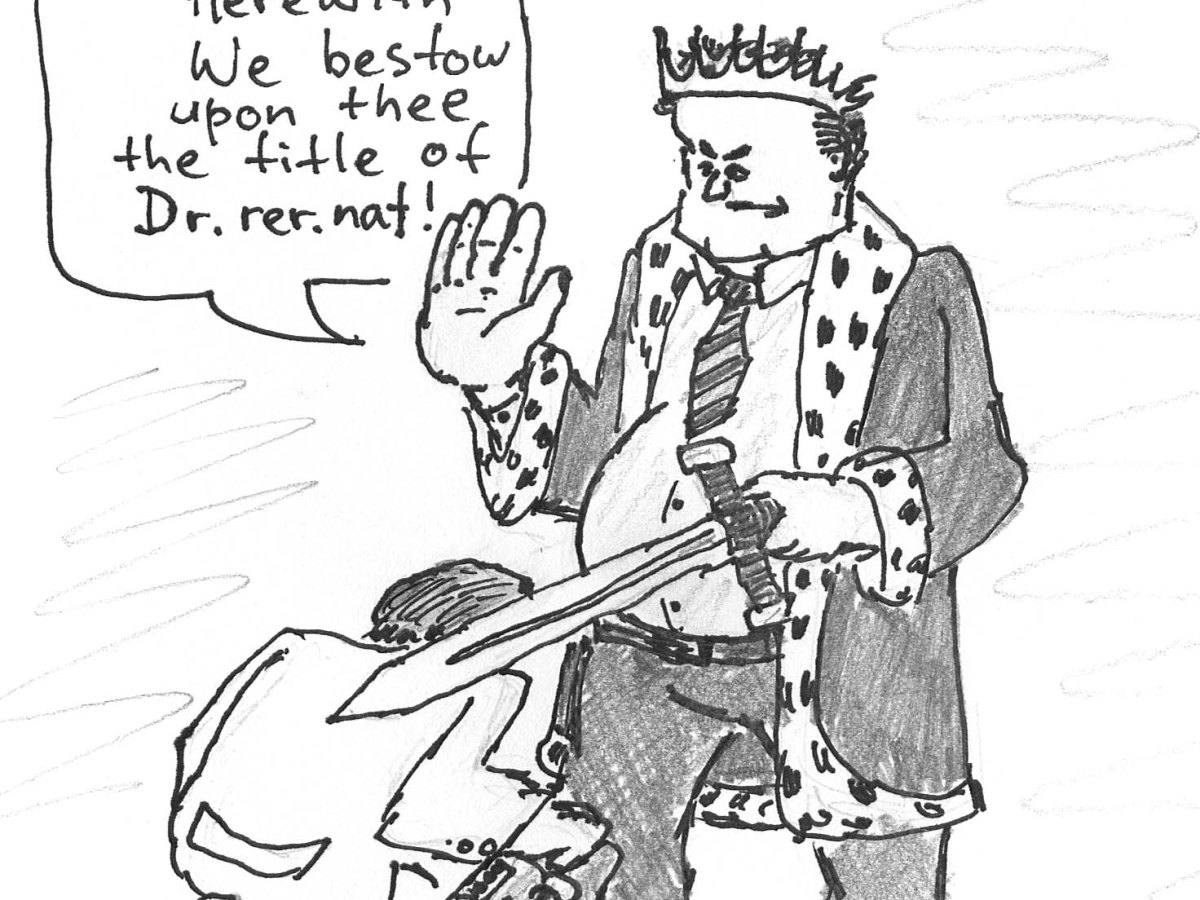
The decadence of German medical doctorate
Germany is a country where a doctorate still invites respect and even deference, in certain circles at least. Here, the prefix “Dr.” even becomes official part of your name, while your professorial thesis advisor is reverentially called “Doktorvater”- doctoral father (there is no appropriate term for female supervisors, which makes the concept even more embarrassing these days).…
Questions also arise about the medical degrees awarded by LMU to Shakibaei’s students. Because these are absed solely on faulty research publications.
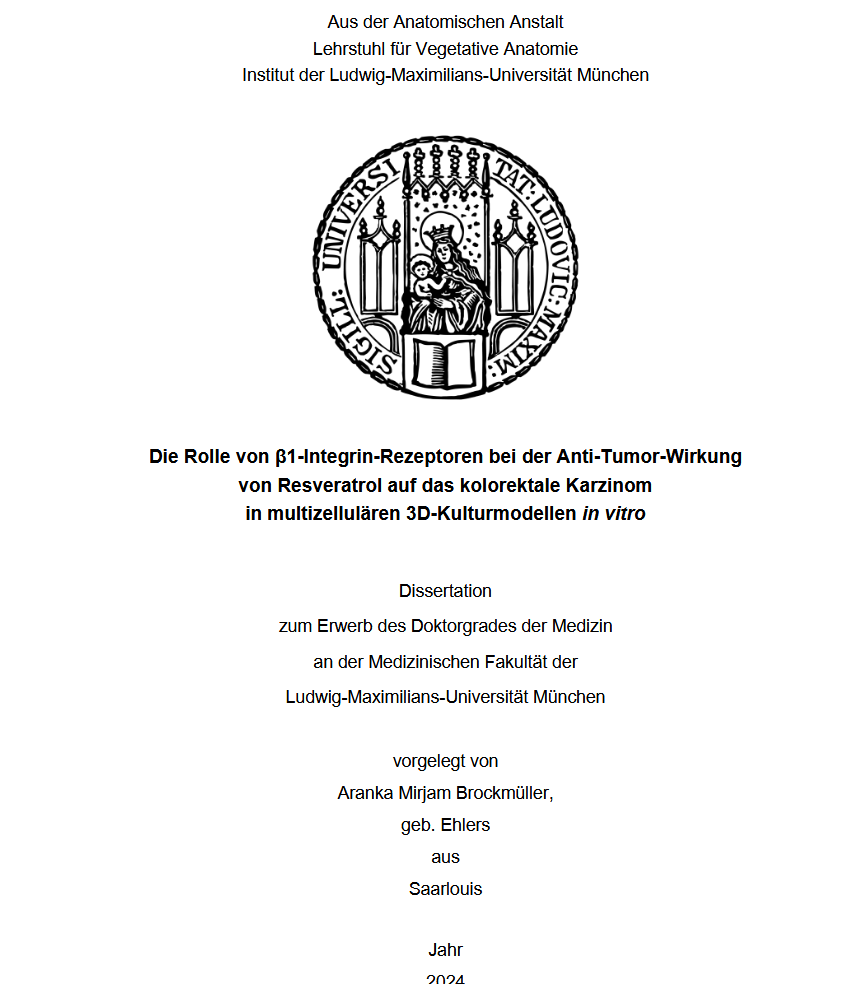

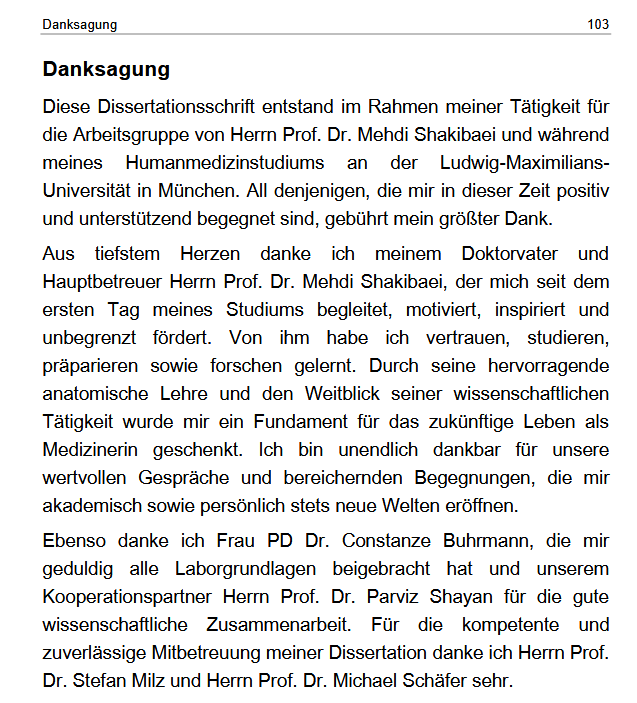
This one for example is Paper 1 of the cumulative dissertation for the degree of Dr med of Aranka Brockmüller, whom you met at the beginning:
Aranka Brockmueller, Parviz Shayan, Mehdi Shakibaei Evidence That β1-Integrin Is Required for the Anti-Viability and Anti-Proliferative Effect of Resveratrol in CRC Cells International Journal of Molecular Sciences (2022) doi: 10.3390/ijms23094714

Sholto David: “Two papers (same last author) unexpectedly share part of a western blot.”
Wolfgang Lorenz, Constanze Buhrmann, Ali Mobasheri, Cora Lueders, Mehdi Shakibaei Bacterial lipopolysaccharides form procollagen-endotoxin complexes that trigger cartilage inflammation and degeneration: implications for the development of rheumatoid arthritis Arthritis Research & Therapy (2013) doi: 10.1186/ar4291
This is the second publication from Brockmüller’s cumulative dissertation, flagged by a different PubPeer user:
Aranka Brockmueller , Anna-Lena Mueller , Parviz Shayan , Mehdi Shakibaei β1-Integrin plays a major role in resveratrol-mediated anti-invasion effects in the CRC microenvironment Frontiers in Pharmacology (2022) doi: 10.3389/fphar.2022.978625

But the third paper is really the worst:
Aranka Brockmueller, Sosmitha Girisa , Ajaikumar B. Kunnumakkara , Mehdi Shakibaei Resveratrol Modulates Chemosensitisation to 5-FU via β1-Integrin/HIF-1α Axis in CRC Tumor Microenvironment International Journal of Molecular Sciences (2023) doi: 10.3390/ijms24054988

Constanze Buhrmann , Ajaikumar B. Kunnumakkara, Bastian Popper, Muhammed Majeed , Bharat B. Aggarwal , Mehdi Shakibaei Calebin A Potentiates the Effect of 5-FU and TNF-β (Lymphotoxin α) against Human Colorectal Cancer Cells: Potential Role of NF-κB International Journal of Molecular Sciences (2020) doi: 10.3390/ijms21072393

Mehdi Shakibaei, Constanze Buhrmann , Patricia Kraehe , Parviz Shayan , Cora Lueders , Ajay Goel Curcumin chemosensitizes 5-fluorouracil resistant MMR-deficient human colon cancer cells in high density cultures PLOS One (2014) doi: 10.1371/journal.pone.0085397
Aranka Brockmueller, Sosmitha Girisa, Mahzad Motallebi , Ajaikumar B. Kunnumakkara, Mehdi Shakibaei Calebin A targets the HIF-1α/NF-κB pathway to suppress colorectal cancer cell migration Frontiers in Pharmacology (2023) doi: 10.3389/fphar.2023.1203436

Shakibaei et al 2014 and
M. Infanger , P. Kossmehl , M. Shakibaei, S. Baatout , A. Witzing , J. Grosse , J. Bauer , A. Cogoli , S. Faramarzi , H. Derradji , M. Neefs , M. Paul , D. Grimm Induction of three-dimensional assembly and increase in apoptosis of human endothelial cells by simulated microgravity: impact of vascular endothelial growth factor Apoptosis (2006) doi: 10.1007/s10495-006-5697-7
We can probably safely assume that all other Dr med dissertations from Shakibaei’s Spice Girls and occasional Spice Boys will have similar problems, maybe this is why LMU did not make these theses available online. .
I also couldn’t fid Buhrmann’s habilitation from 2015, but knowing what habilitation theses ausually look like, it will be basically a list of her publications from the years before. Some of which you saw above. What does one do with such theses? What does one do with the academic titles awarded based on this kind of “science”?
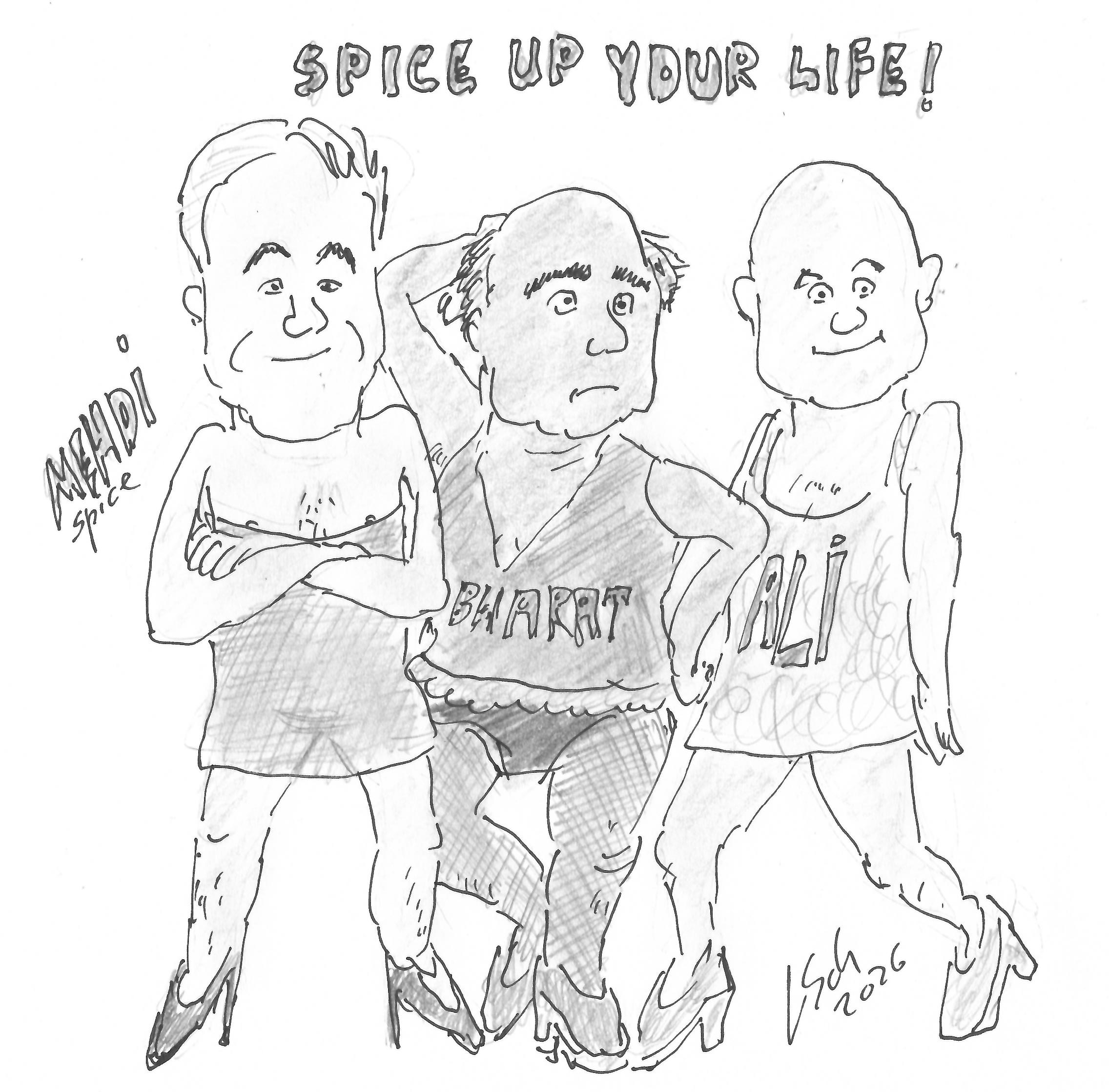
One wonders how all this will be investigated by LMU. I suspect they will eventually decree that because Shakibaei retired, Buhrmann moved in Augsburg, and the curative magic of curcumin and resveratrol had been proven by literally many thousands of peer reviewed publications worldwide, there’s really nothing to be done now.
Especially since all female asssitants have apologised and conclusions remain unaffected.
Donate!
If you are interested to support my work, you can leave here a small tip of $5. Or several of small tips, just increase the amount as you like (2x=€10; 5x=€25). Your generous patronage of my journalism will be most appreciated!
€5.00


0 comments on “Spice up your life…!”