

Schneider Shorts of 16 October 2026 – American fraudsters welcomed in Germany and in Italy, Portuguese scholars access the citation market, with a Polish rector awarded for his first retraction, and two MIT geniuses curing lymphoma with nanoparticles.
Table of Discontent
Scholarly Publishing
- A comprehensive, fully manual, line-by-line review of the entire manuscript – Portuguese papermillers correct a paper in MDPI
Retraction Watchdogging
- Common instrumental artifact – Rector Teofil Jesionowski gets his first retraction
- Luminary of Alzheimer’s – olive oil salesman Domenico Pratico loses yet another paper
- Internationally renowned for his groundbreaking work – Virender Sharma is victimised in USA, supported in Germany
Science Breakthroughs
- An excellent example of the power of nano delivery systems – Daniel Anderson and Bob Langer cure lymphoma
Scholarly Publishing
A comprehensive, fully manual, line-by-line review of the entire manuscript
A bizarre correction for outrageous citation scams and papermilling, one wonders what MDPI was thinking, except “oh, the authors are white”.
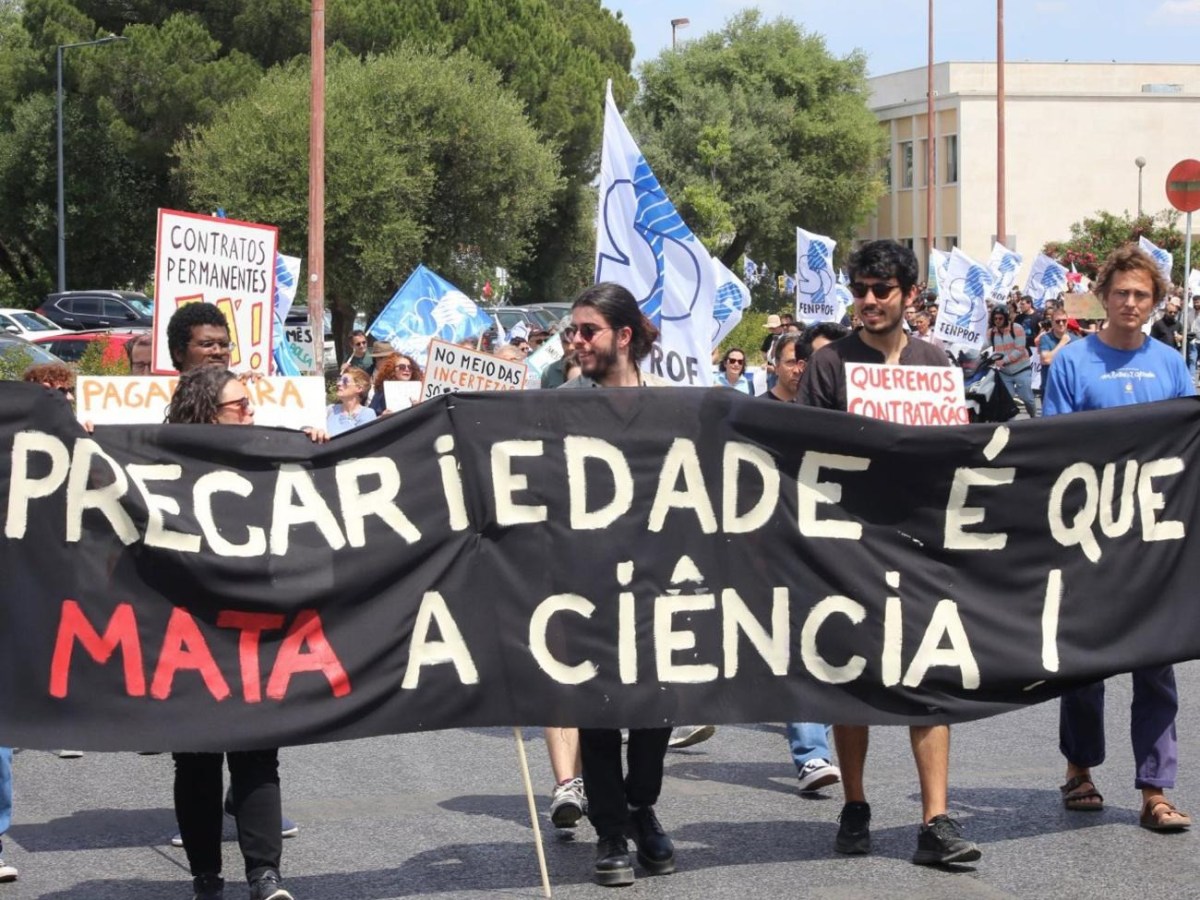
Academic precarity in Portugal
“In Portugal more than 95% of all research activities are carried out under precarious labour conditions, by undergraduate and PhD researchers employed under a variety of temporary contracts, often with limited or no benefits, and no access to a career.” –

The authors are Portuguese: Sílvia Soreto Teixeira researcher at the Universidade de Aveiro, and her superior, Manuel Pedro Fernandes Graça. The Tunesian Kais Iben Nassar is their faculty colleague and trusty provider of papermill fraud. Like this:
Kais Iben Nassar, Sílvia Soreto Teixeira, Manuel P. F. Graça Sol–Gel-Synthesized Metal Oxide Nanostructures: Advancements and Prospects for Spintronic Applications—A Comprehensive Review Gels (2025) doi: 10.3390/gels11080657

Hoya camphorifolia: “The References somehow became irrelevant to the point of absurdity – long strips of ‘citation wallpaper’, completely disconnected from the corresponding text, and serving only to deliver citations to a roll-call of familiar recipients. […] The degree of self-citation also invites comment.”
Now, brace yourself for the Correction from 6 March 2026:
“In the original publication [1], some in-text citations were found to be insufficiently aligned with the specific statements they were intended to support. These issues were limited exclusively to citation relevance and did not affect the scientific content, data interpretation, results, or conclusions of the review.
In response to the Academic Editor’s recommendations, the authors conducted a comprehensive, fully manual, line-by-line review of the entire manuscript. Some references were removed where they were not technically appropriate (original reference numbers: (8, 11, 16, 17, 25, 28, 33, 35, 39, 41, 48, and 50) [2,3,4,5,6,7,8,9,10,11,12,13], and other citations were replaced with more suitable, authoritative, and field-relevant references. As a result, the reference list was renumbered accordingly.
Following this correction, the references replaced in the published manuscript were (7, 12, 13, 14, 15, 26, 27, 29, 30, 34, 36, 37, 38, 42, 43, 44, 46, 47, 49, 51, 52, 53, 54, 55, 56, 101, 112, and 168) [14,15,16,17,18,19,20,21,22,23,24,25,26,27,28,29,30,31,32,33,34,35,36,37,38,39,40,41] of the original publication, which were replaced by references (7, 10, 11, 12, 13, 21, 22, 23, 24, 27, 28, 29, 30, 32, 33, 34, 36, 37, 38, 39, 40, 41, 42, 43, 44, 89, 100, and 156) [42,43,44,45,46,47,48,49,50,51,52,53,54,55,56,57,58,59,60,61,62,63,64,65,66,67,68,69] in the current version. All these references have been carefully selected to ensure direct relevance to the corresponding statements in the text and have been correctly renumbered throughout the manuscript.
All in-text citations have been manually re-mapped to ensure that each reference now directly and accurately supports the associated statement. All remaining references were thoroughly verified and confirmed to be relevant and technically justified.
No changes were made to the manuscript text, figures, tables, scientific interpretations, results, or conclusions. The scope, structure, and scientific content of the review remain identical to the originally published version. All corrections are strictly limited to citation relevance, accuracy, and traceability.
This correction was approved by the Academic Editor. The original publication has been updated accordingly.”
I shall not list the SIXTY-NINE references at the end of this correction, be thankful for my compassion and concerns for your well-being. No other publisher would have dared issuing this “thing”. But at MDPI, they are always eager to serve whoever pays them.

MDPI and racism
In 2019, MDPI published a Special Issue “Beyond Thirty Years of Research on Race Differences in Cognitive Ability”, one year later its owner Shu-Kun Lin expressed admiration for Trump and said “Black Lives Matter. White Lives Matter. All Lives Matter.”
Surprisingly though, this was retracted in another MDPI journal, for same reason the other paper was found to be scientifically sound. Faouzia Tayari is a PhD student in Aveiro and likely Nassar’s wife:
Faouzia Tayari , Silvia Soreto Teixeira , Manuel Pedro F. Graca , Kais Iben Nassar A Comprehensive Review of Recent Advances in Perovskite Materials: Electrical, Dielectric, and Magnetic Properties Inorganics (2025) doi: 10.3390/inorganics13030067
Smut Clyde warned that “Anyone reading this review and expecting to be informed about the electrical, dielectric and magnetic properties of perovskites should prepare for disappointment“. This was the retraction MDPI published on 15 May 2026:
“The journal retracts the article entitled “A Comprehensive Review of Recent Advances in Perovskite Materials: Electrical, Dielectric, and Magnetic Properties” [1], cited above.
Following publication, concerns were brought to the attention of the Editorial Office regarding the validity of a number of citations in this article [1].
In accordance with the journal’s standard procedures, the Editorial Office and Editorial Board conducted an investigation that confirmed the presence of a significant number of references that could not be considered appropriate or valid in the context of the review and were ultimately determined to undermine the overall reliability of this publication. As a result, the Editorial Board has lost confidence in the reliability of the findings and decided to retract this publication [1], as per MDPI’s retraction policy.
This retraction was approved by the Editor-in-Chief of the journal Inorganics.
The authors have been informed of this retraction and have indicated their disagreement with this decision.”
Obviously, like every totalitarian system, MDPI is a mess of corruption where everyone just pretends to be doing their job. Maybe the research integrity “officer” MDPI assigned to Gels simply took a bribe? This wasn’t even corrected, and it features further professors of University of Aveiro:
Faouzia Tayari , Kais Iben Nassar, João Pedro Carvalho , Sílvia Soreto Teixeira , Imen Hammami , Sílvia Rodrigues Gavinho , Manuel P. F. Graça , Manuel Almeida Valente Sol–Gel Synthesis and Comprehensive Study of Structural, Electrical, and Magnetic Properties of BiBaO3 Perovskite Gels (2025) doi: 10.3390/gels11060450


Smut informs us that “Regular beneficiaries of citation donations include a certain Hongqiang Yang” and “Bing Bai, Highly-Cited doyen of red-mud research“, about whose citation scams you can read here:

Crunchy Frog and Cockroach Cluster
“On one side: late-career scientists resorting to purchased promotion of their early-career papers. On the other side: whole new genres of paper-shaped artifacts that are little more than packaging for ever-larger citation cargoes, and papermillers no longer bothering to find buyers for naming rights on their products.” – Smut Clyde

Thanks to Smut Clyde’s tireless and frankly brain-damaging efforts, this Aveiro team now has 7 such papers on PubPeer. Mostly MDPI journals, but not only, there are also two by Tayari and Nassar in Springer Nature’s Journal of Materials Science: Materials in Electronics.
However, I must defend Professor Graca from slanderous insinuation that he couldn’t publish without papermills. That is absolutely not true, look:
Sílvia Rodrigues Gavinho , Ana Sofia Pádua , Laura Isabel Vilas Holz , Isabel Sá-Nogueira , Jorge Carvalho Silva , João Paulo Borges , Manuel Almeida Valente , Manuel Pedro Fernandes Graça Bioactive Glasses Containing Strontium or Magnesium Ions to Enhance the Biological Response in Bone Regeneration Nanomaterials (2023) doi: 10.3390/nano13192717
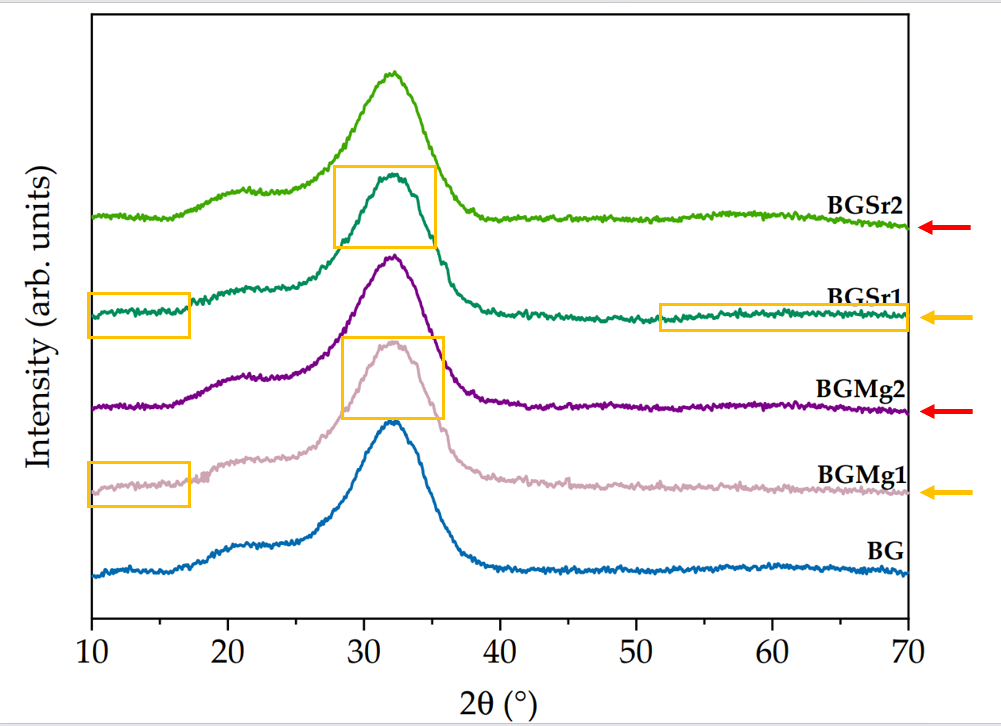
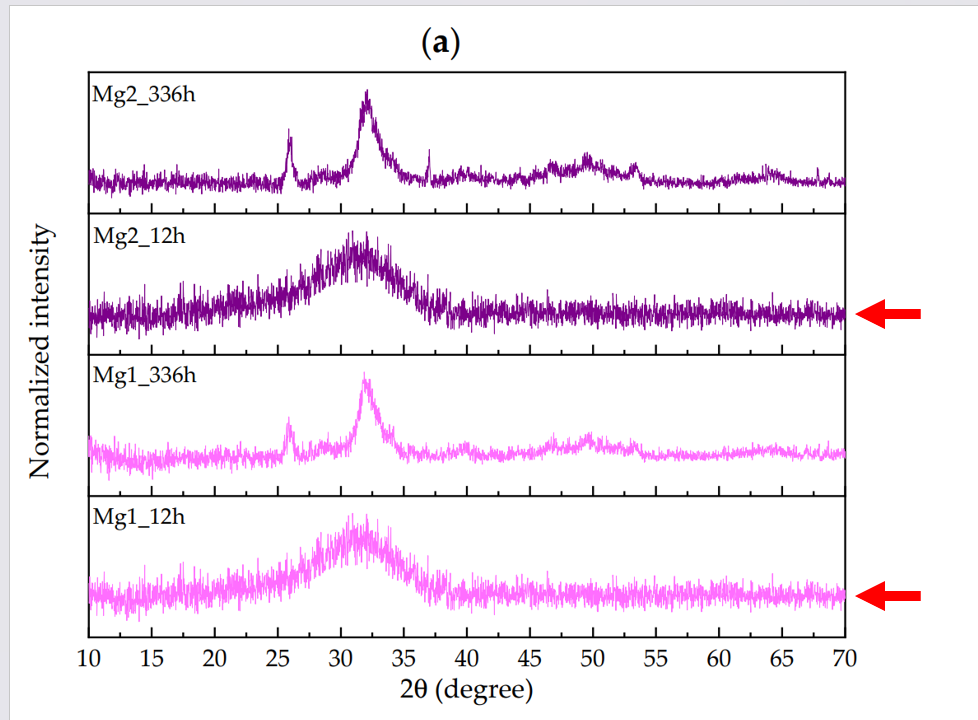
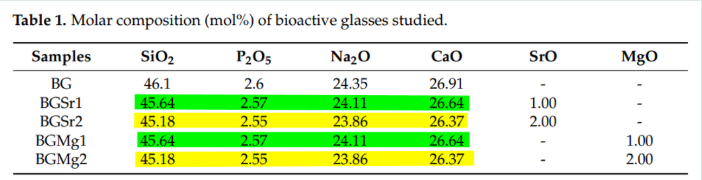
There is more on PubPeer. There, we find Graca’s paper Eddine et al 2025, which was clearly written by an LLM – its references which contain misdirected dois, errors which only AI makes.
And another one by Graca:
Y. Nioua , I. Bouknitair , Z. Samir , M.P.F. Graça , M.E. Achour , L.C. Costa Influence of graphene loading and temperature on the dielectric response and relaxation dynamics of GE/P(VDF-TrFE) nanocomposites Materials Research Bulletin (2026) doi: 10.1016/j.materresbull.2026.114170
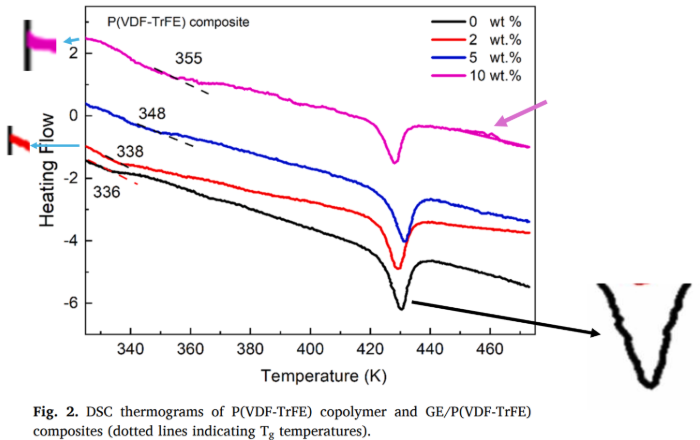
You probably understand why the authors declared the data from this study to be “confidential“. Finally, to close the circle, an MDPI paper, where our Portuguese authors admit already in the title to it being a “Fabrication”:
Sílvia R. Gavinho , Ana Sofia Pádua , Isabel Sá-Nogueira , Jorge C. Silva , João P. Borges , Luis C. Costa , Manuel Pedro F. Graça Fabrication, Structural and Biological Characterization of Zinc-Containing Bioactive Glasses and Their Use in Membranes for Guided Bone Regeneration Materials (2023) doi: 10.3390/ma16030956
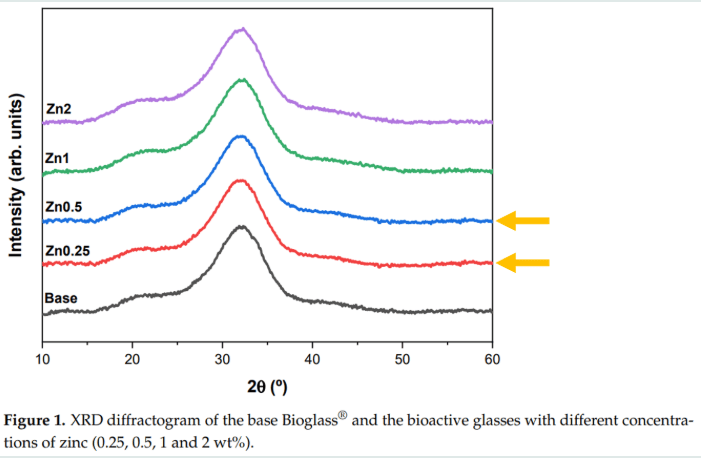
Melanolophia conta: “On Fig. 1, the error patterns in the XRD diffractograms for Zn0.25 and Zn0.5 appear more similar than expected.”
If you want to learn more about papermilling at the University of Aveiro, be invited to visit the PubPeer record of Mohammad Amin Oyarhossein, since 2019 researcher in the lab of associate professor for Civil Engineering, Hugo Rodrigues. Oyarhossein is providing citation delivery vehicles to whoever pay for them, this paper is rather representative:
M. S. H. Al-Furjan , Mohammad Amin Oyarhossein , Mostafa Habibi , Hamed Safarpour , Dong Won Jung Wave propagation simulation in an electrically open shell reinforced with multi-phase nanocomposites Engineering with Computers (2022) doi: 10.1007/s00366-020-01167-9
“A key issue in the various engineering field is that the prediction of the properties, behavior, and performance of different systems is an important aspect [13,14,15,16,17,18,19,20,21,22,23,24]. […]
Many studies reported the application of applied soft computing method for prediction of the behavior of complex system [43,44,45,46,47,48,49,50].”
Smut Clyde noted that all those citations go to “the metamaterial oeuvre of Highly-Cited researcher Nansha Gao” and to “Huiling Chen for besteiary-themed optimiser algorithms“, , respectively.
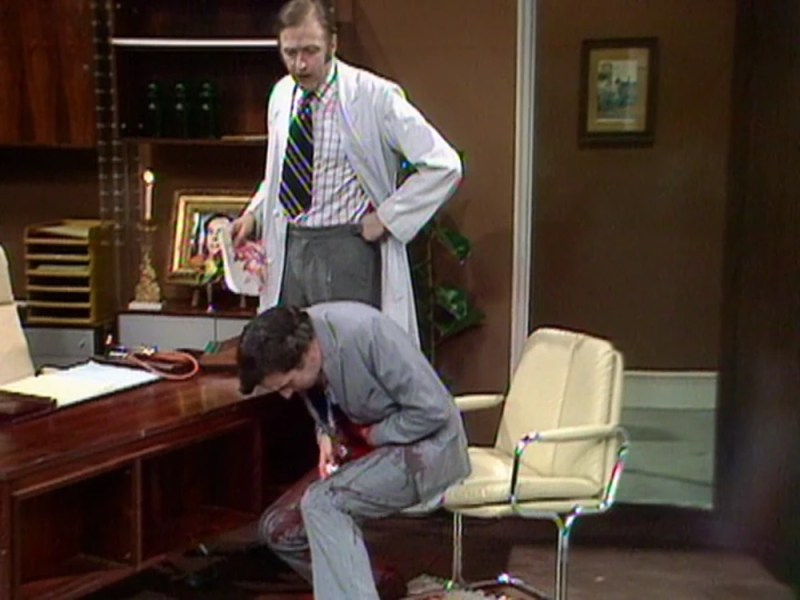
Shake the Stupid Tree and see what falls out
“Does this mean it’s time for an update on the bogus-citation economy? Leonid thought it is, and now you all must suffer for his misdirected priorities. ” – Smut Clyde
Even more nonsense references go to Oyarhossein’s coauthor Mostafa Habibi, who featured in the article above:
“Also, the strain–stress equations of the metal structure can be given as [1, 60,61,62,63,64,65,66,67,68]:[…]
Where [69,70,71,72,73,74,75,76,77,78]:[…]
The terms used in Eqs. (18a–18i) would be obtained as [79,80,81,82,83,84,85,86,87,88] […]
For obtaining the governing equation and associated boundary conditions, we can apply extended Hamilton’s principle as follows [36, 52, 92,93,94,95,96,97,98,99,100]: […]
The components of strain energy can be expressed as below [42, 101,102,103,104,105,106,107,108,109]: […]
Also, the kinetic energy [110,111,112,113,114,115,116,117,118,119] of each layer of the structure can be defined as below:”
Smut Clyde wondered: “Is this a References section, or a CV?”
And if you want even more malfeasance from University of Aveiro, there is Teresa Rocha-Santos, celebrated by her university as “among the most influential in the world“, together with her regular coauthors and fellow Aveiro researchers, Armando da Costa Duarte and João Pinto da Costa. Rocha-Santos’s PubPeer record shows that she and her two friend runs a papermill and peer review ring with one of the biggest papermillers out there, the Spaniard Damia Barcelo. Who is also an antivaxxer and a Saudi shill, and this cooperation involves Barcelo’s friend, the retraction-stricken Brazilian papermiller Guilherme Malafaia. All that is mostly on the topic of plastics pollution. These people are saving the planet, and you laugh at them, you monster.
Retraction Watchdogging
Common instrumental artifact
A Polish university rector loses a paper, how unfortunate.
Teofil Jesionowski, Rector Magnificus of Poznan University of Technology, had the pleasure of hostign the Pakistani papermill fraudster Muhammad Bilal, before the latter moved on to the Gdansk University of Technology, where he was sacked after my reporting:
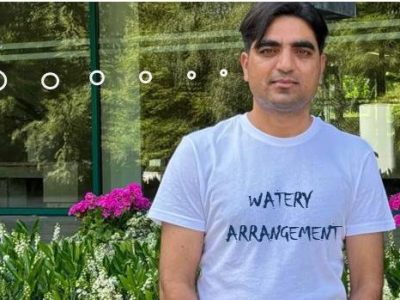
Nobelium Bilalski, a Gdansk papermiller
“To date, he has authored over 700 peer-reviewed articles, 150 book chapters, 25 edited books, and 10 editorial-type scientific articles in various areas of Science and Engineering. Dr. Bilal has a h-index of 94 with 34 000 citations (Google Scholar).”
This revolutionary study, about fishing out diclofenac out of water with light-activated nanoparticles, is no more.
Shoomaila Latif , Amna Liaqat , Muhammad Imran , Ayesha Javaid , Nazim Hussain , Teofil Jesionowski, Muhammad Bilal Development of zinc ferrite nanoparticles with enhanced photocatalytic performance for remediation of environmentally toxic pharmaceutical waste diclofenac sodium from wastewater Environmental Research (2023) doi: 10.1016/j.envres.2022.114500


Basically, it’s hand-drawn. The recently issued retraction went:
“This article has been retracted at the request of the Editor.
Concerns were posted on PubPeer at https://pubpeer.com/publications/A901DBA553346CC2C2C09E3CA23765 regarding the observation of backtracking in the UV-Vis spectra in Figure 1A and incorrectly estimated band gaps in Figure 1B. When contacted, the authors did not supply the raw data and several explanations were provided to justify the backtracking including due to “common instrumental artifact”, “reduced solubility of the sample” and “a graphical artifact introduced during post-processing of the spectral data”. The authors also requested for a corrigendum to revise the band gap values in Figure 1B. However, upon closer examination, it is observed that the UV-Vis spectra in Figure 1A are inconsistent with the Tauc plot in Figure 1B. The Editor has therefore determined that findings of the article cannot be relied upon, and has decided to retract the article.
The authors disagree with retraction and dispute the grounds for it.”
To celebrate this retraction, Jesionowski was given an honorary doctorate from the Bydgoszcz University of Technology on 16 September 2026. He of course has much more on PubPeer, and one shouldn’t always blame foreign papermillers.
Anna Wolny , Agnieszka Siewniak , Jakub Zdarta , Filip Ciesielczyk , Piotr Latos , Sebastian Jurczyk , Long D. Nghiem , Teofil Jesionowski, Anna Chrobok Supported ionic liquid phase facilitated catalysis with lipase from Aspergillus oryzae for enhance enantiomeric resolution of racemic ibuprofen Environmental Technology & Innovation (2022) doi: 10.1016/j.eti.2022.102936


In fairness, Long D. Nghiem, professor at the University of Technology Sydney in Australia, is a massive papermiller, and member of the Rinklebe-Sonne peer review ring. Please proceed to his PubPeer record.
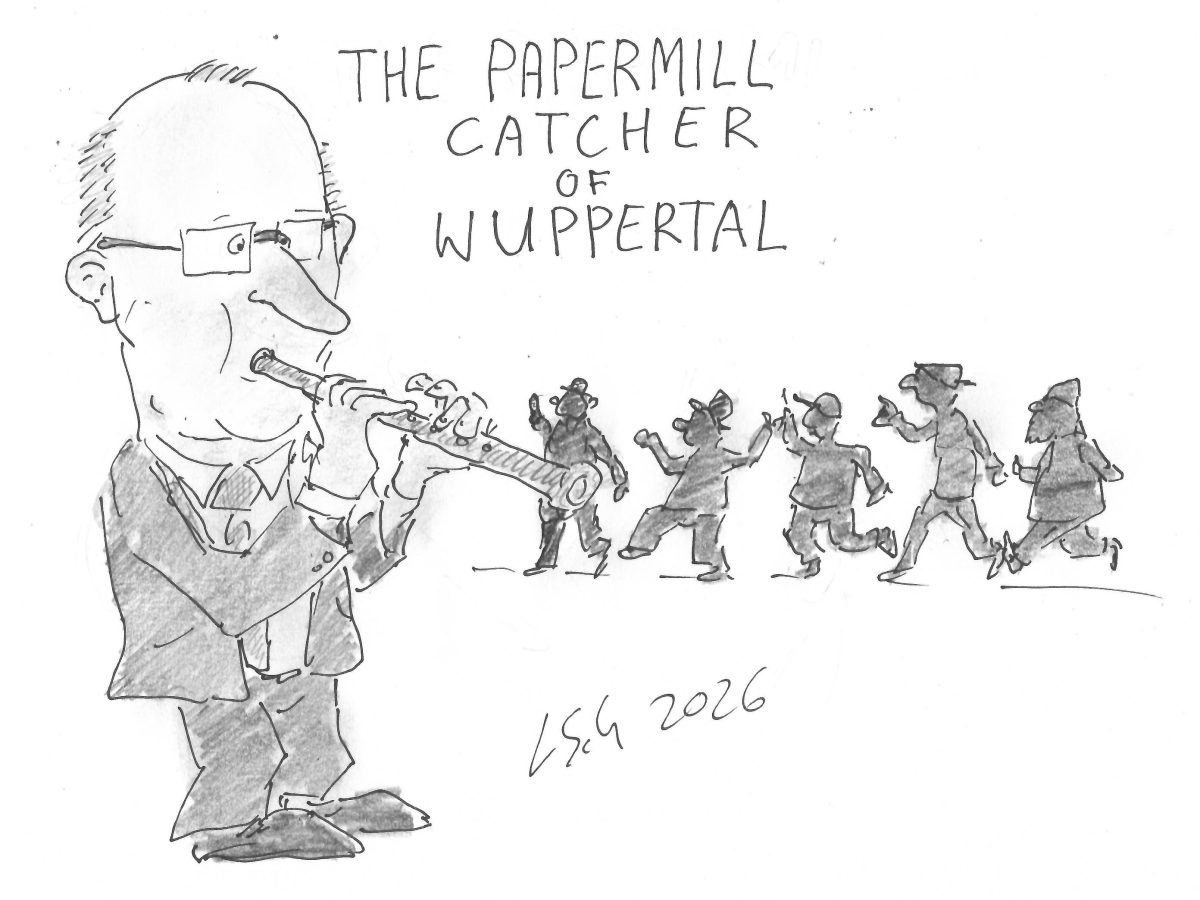
Sweet Sixteen Retractions
“Oh no, not me!” Rinklebe never lost control You’re face to face With the man who soiled the world
In 2024, Jesionowski, his right hand man Jakub Zdarta and his friend Nghiem organised a papermill conference in Poznan, and all the cheaters came. The website of GTSE24 was later erased, but here is an archived copy and the conference book I salvaged:
Luminary of Alzheimer’s
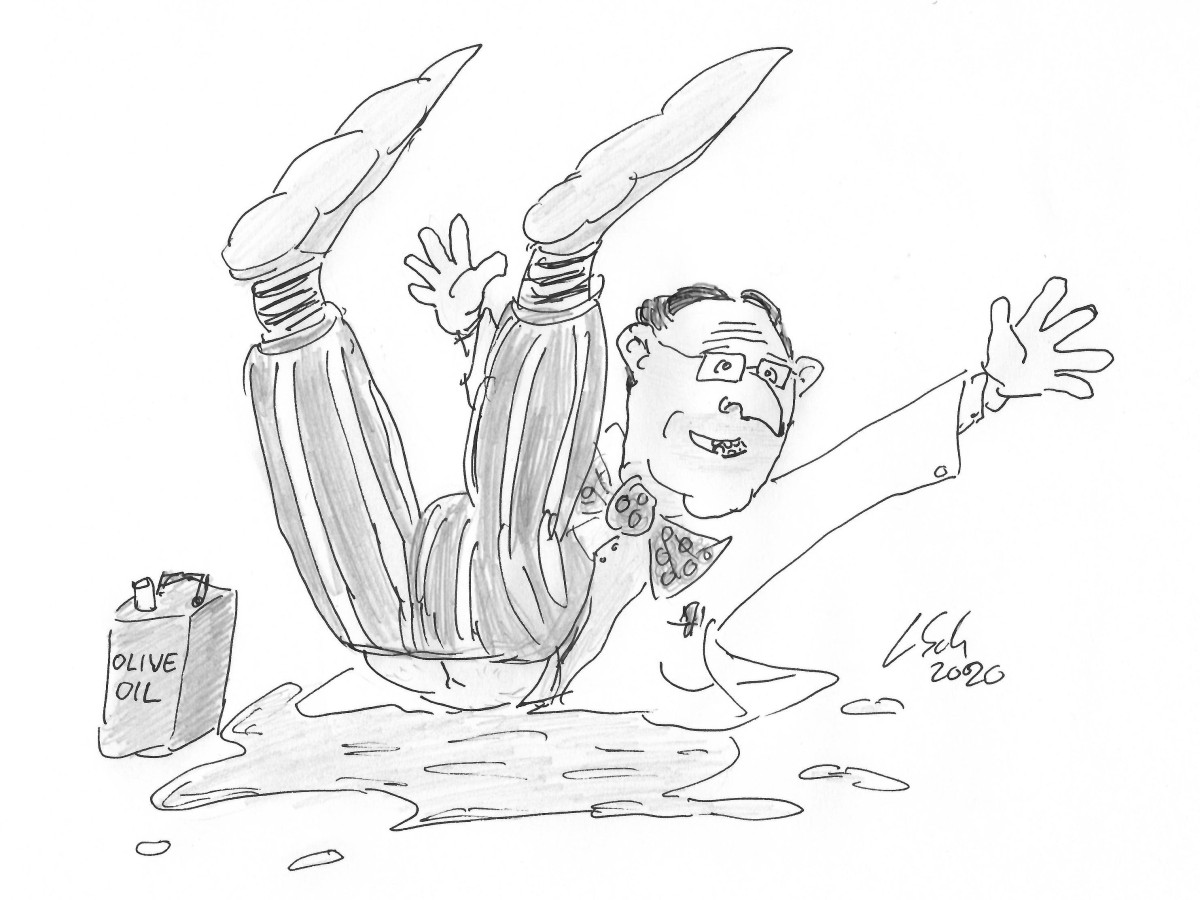
To celebrate the six year anniversary of my first article about Domenico Pratico, a new retraction for this cheater from Temple University:
The Pratfalls of Domenico Pratico
Next time you wonder why mouse research does not translate to humans, think of Domenico Pratico work on Alzheimer’s and other brain diseases.
Pratico had so far 13 retractions, this is a new one, making his academic score 14. The paper was flagged on PubPeer in November 2020, but hey, six year wait is really better than no retraction at all:
Jin Chu , Jian-Guo Li , Carolina Ceballos-Diaz , Todd Golde, Domenico Praticò The influence of 5-lipoxygenase on Alzheimer’s disease-related tau pathology: in vivo and in vitro evidence Biological Psychiatry (2013) doi: 10.1016/j.biopsych.2012.12.012

J Chu , E Lauretti , A Di Meco , D Praticò FLAP pharmacological blockade modulates metabolism of endogenous tau in vivo Translational Psychiatry (2013) doi: 10.1038/tp.2013.106

The Translational Psychiatry paper is still standing, untouched by any editorial actions from Springer Nature. But this one was retracted on 14 October 2026:
“Following an institutional investigation where it was determined that blot data in this paper was reused in subsequent publications, institutional authorities have recommended retraction due to a lack of source data preventing verification of results.
Author Domenico Praticò objects to the decision to retract. Authors Jin Chu, Jian-Guo Li, and Todd Golde were notified of the retraction but did not respond to correspondence related to the retraction. Current contact information for author Carolina Ceballos-Diaz could not be located.”
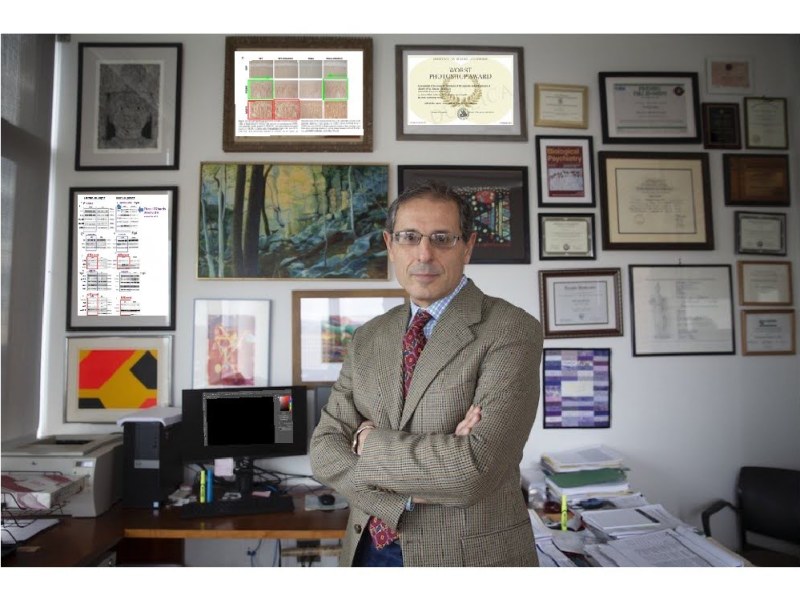
Research misconduct: Theory & Pratico
A whistleblower tried to report fraud in Domenico Pratico’s papers via proper channels, and hit a wall everywhere.
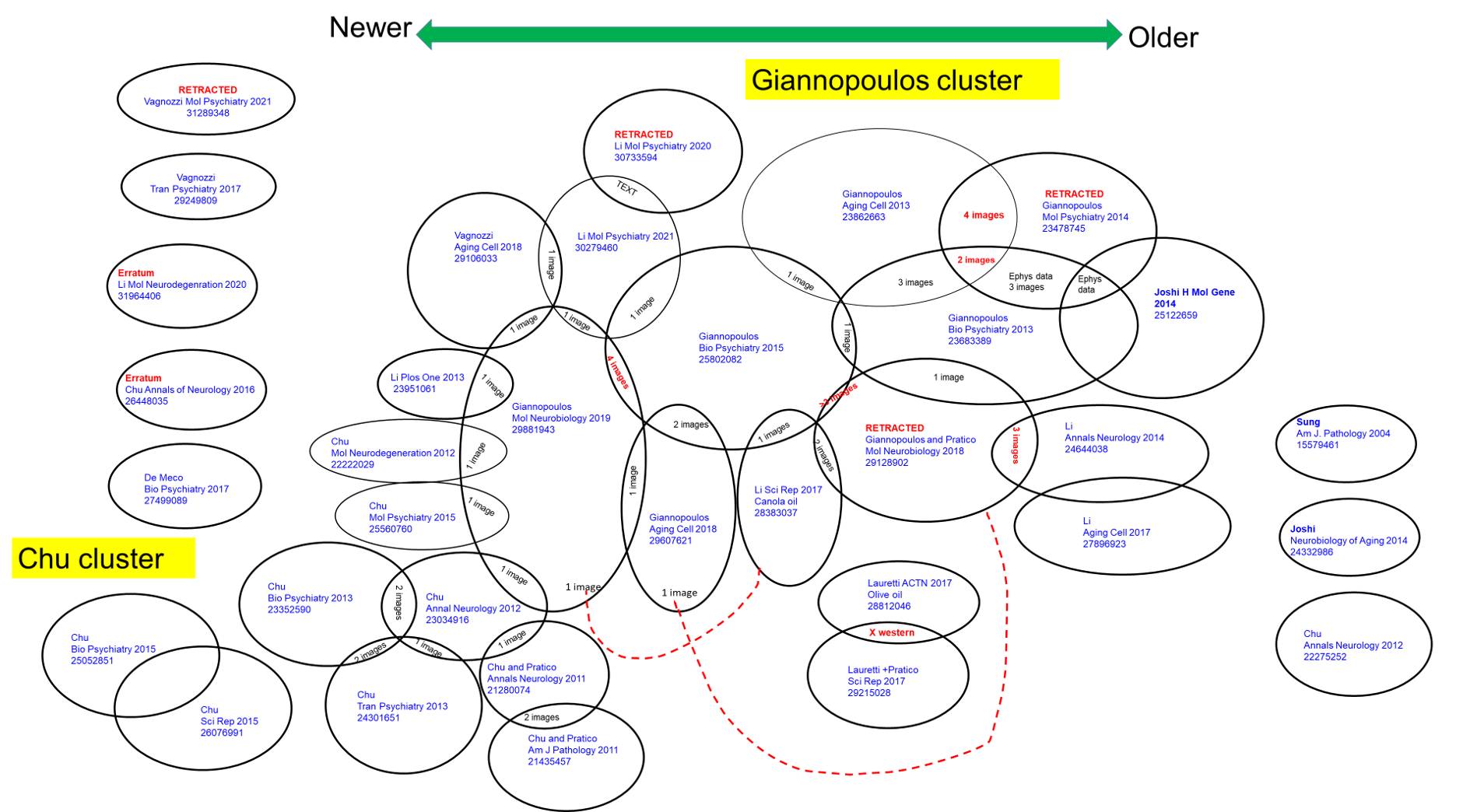
Mu Yang made this lovely diagram of the fraud in Pratico’s papers. There are two clusters, the smaller one is with Jin Chu, who is also present on the papers above, the bigger cluster is with another student of Pratico’s, Phillip Giannopoulos. Whom Pratico sued for defamation, and failed, see August 2024 Shorts.
Back home in Italy, the great American scholar Pratico is revered as “Luminary of Alzheimer’s” and “one of the world’s leading Alzheimer’s experts” – in September he visited a local hospital in his native Calabria, to arrange a clincial observation study “on the role of extra virgin olive oil […] for the protection of brain health“. In July 2026, Pratico was the “guest of honour” at a local book presentation about olive oil, the “Green Gold”.
Internationally renowned for his groundbreaking work
And a retraction for another great scholar in USA, Virender Kumar Sharma, who used to be professor and “The Real Iron Man” at the Texas A&M University. prior to that, he was professor at Florida Tech, financed by an Environmental Chemistry endowment named after his father, Sant Ram Sharma. I wrote about Sharma’s fake science in October 2023 Shorts, he was also mentioned in this article, becasue he collaborated with the papermiller Dionysios Dionysiou:
Graphyne Chronicles, Episode 2
“For every paper like these two, there are hundreds or thousands that stay. Not because they are more defensible. Because nobody had two years to spare.” – Valentin Rodionov

Sharma is not just a data forger, he is also a papermiller, who in 2020 retracted a paper with Xiangke Wang, Yubing Sun and Tasawar Hayat (Sun et al 2019). Also, Sharma worked with the papermill fraudsters Rajender Varma and Rafael Luque. He is still papermilling today, with Indian and Chinese colleagues.
This now retracted paper of Sharma’s, one of many on PubPeer, was mentioned in my 2023 article:
Jaspreet Kaur Grewal , Manpreet Kaur, Rajeev K. Sharma , Aderbal C. Oliveira , Vijayendra Kumar Garg , Virender K. Sharma Structural and Photocatalytic Studies on Oxygen Hyperstoichiometric Titanium-Substituted Strontium Ferrite Nanoparticles Magnetochemistry (2022) doi: 10.3390/magnetochemistry8100120

MDPI first reacted by issuing a correction in September 2024:
“The authors wish to make a change to the published paper [1].
In the original publication, there was a mistake in Figure 1 as published. The error was introduced due to an overlay issue while compiling the XRD spectra. […]
Due to the mistake introduced in Figure 1, respective adjustments have been made to Table 1, as the calculated parameters are based on values from Figure 1. […]
Due to the scaling error, the values connected to Figure 1 and Table 1 were incorrectly introduced in the text.
The following corrections have been made to Results and Discussion, Characterization, Structural Analysis and paragraphs 1–4.
[…]
Original reference [36] has been removed. With this correction, the order of some references has been adjusted accordingly.
The authors apologize for any inconvenience caused and state that the scientific conclusions are unaffected. This correction was approved by the academic editor. The original publication has also been updated. The above changes do not affect the research and conclusions of the original publication.”

I, Rajender Varma, Highly Cited Researcher
“I could not comprehend the situation where a university picks up on individuals with an extraordinary and sterling performance and basically destroy one of the top European institutions. ” – Raj Varma
Despite past editorial approval and assurances about unaffected conclusions in this correction, MDPI retracted the paper two years later, on 12 October 2026:
“Following the publication of a correction to this article [1], Texas A&M University informed the Editorial Office of the outcome of an institutional investigation concerning the integrity of the XRD data presented in Figure 1 of the original article [1].
In accordance with the journal’s standard procedures, the Editorial Office and Editorial Board conducted a further investigation, which confirmed the findings of the institutional investigation. Although the authors cooperated throughout the process, they did not inform the Editorial Office of the ongoing institutional investigation at the time the correction was published. The Editorial Board concluded that the concerns regarding the XRD data could not be adequately addressed through the published correction. As Figure 1 was considered central to the article’s findings, and because the supporting materials provided were insufficient to verify the validity of the data, the Editorial Board determined that confidence in the integrity and reliability of the published results could no longer be maintained.
As a result, the Editorial Board has decided to retract this article in accordance with MDPI’s retraction policy. This decision is consistent with the outcome of the investigation conducted by Texas A&M University.
This retraction was approved by the Section Editor-in-Chief of Magnetochemistry.
The authors have been informed of this retraction and have indicated their disagreement with this decision.”
Obviously Sharma was investigated by Texas A&M University, but MDPI for two years struggled accepting the outcome of the investigation for 2 years. Anyway, Sharma was obviously kicked out, his professional profile at Texas A&M University is gone, according to his LinkedIn, Sharma left in December 2024. Sharma is now back in Florida, as “professor of professional practice” at the University of Miami. This means, Sharma has no tenure, no faculty membership, and most importantly, he can’t do any research, he’s employed solely to teach.
By the way, Sharma is, or until recently was in Germany!
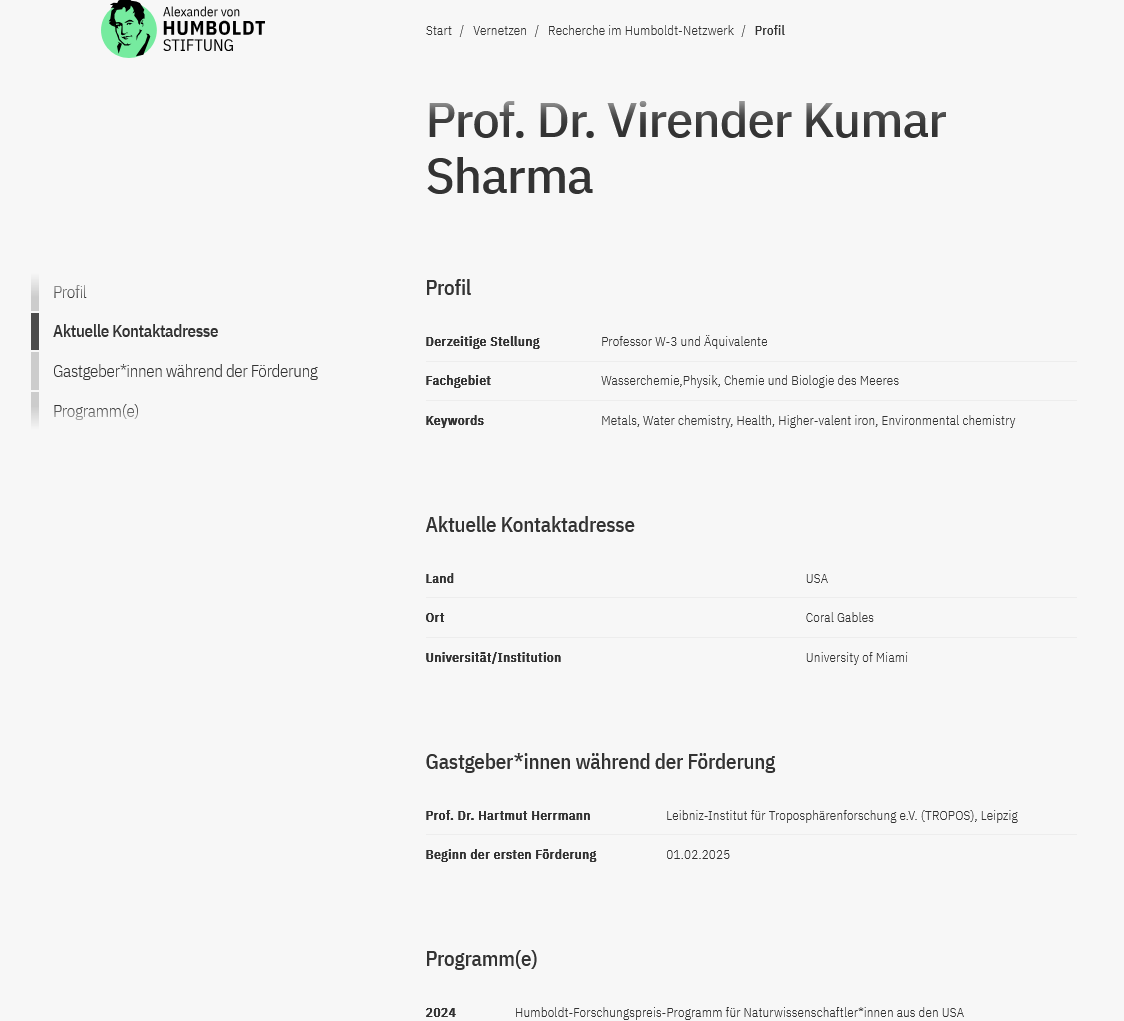
The prestigious Alexander von Humboldt Foundation heard of Sharma’s troubles, the fraud findings in Texas, the sad movement to Miami, saw Sharma’s outrageous PubPeer record and his papermilling with the worst fraudsters, and decided: this is exactly the man we want to sponsor here! Not other applicants, with their sad pathetic “honest” research, no. We don’t want to waste public money on these sad pathetic suckers, we want The Real Iron Man to come to Germany! Thus, from February 2025 on, Sharma was hosted as visiting Humboldt professor, “internationally renowned for his groundbreaking work“, at Leibniz Institute for Tropospheric Research in Leipzig, specifically the Atmospheric Chemistry Department of Hartmut Herrmann. And yes, Sharma is still cherished and welcome in Germany:
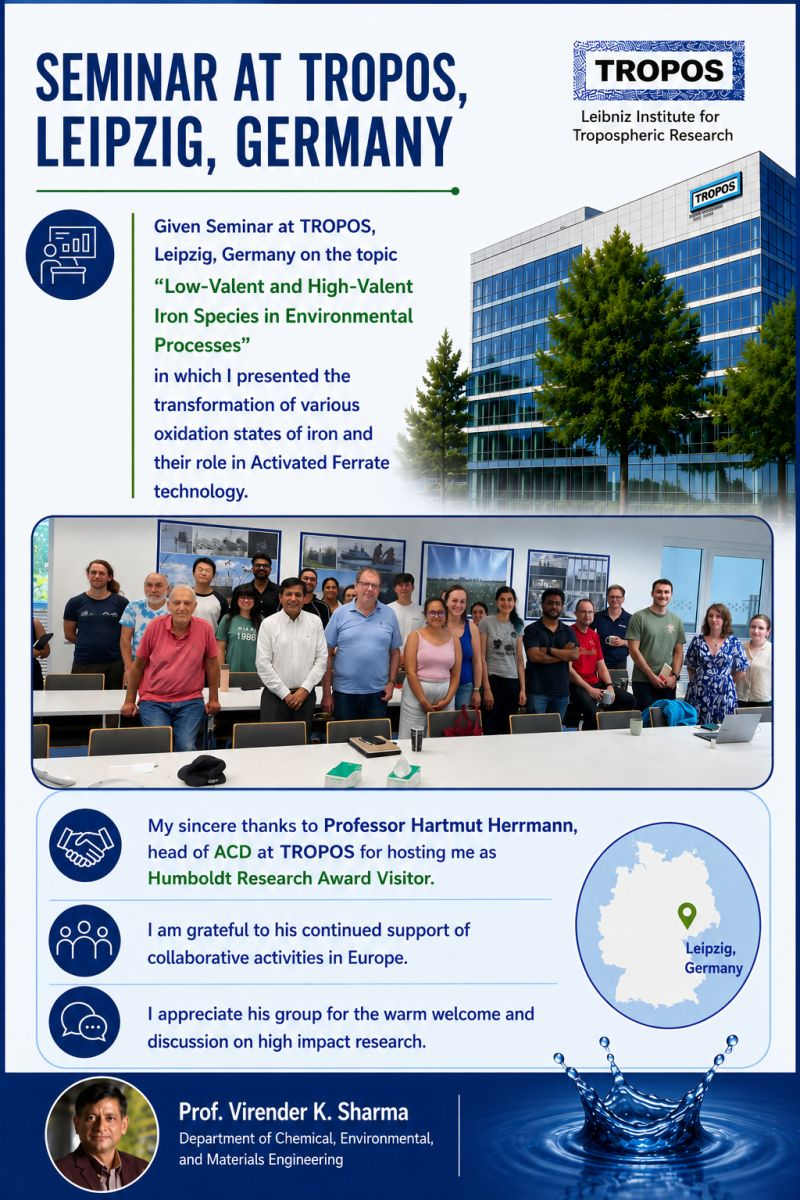
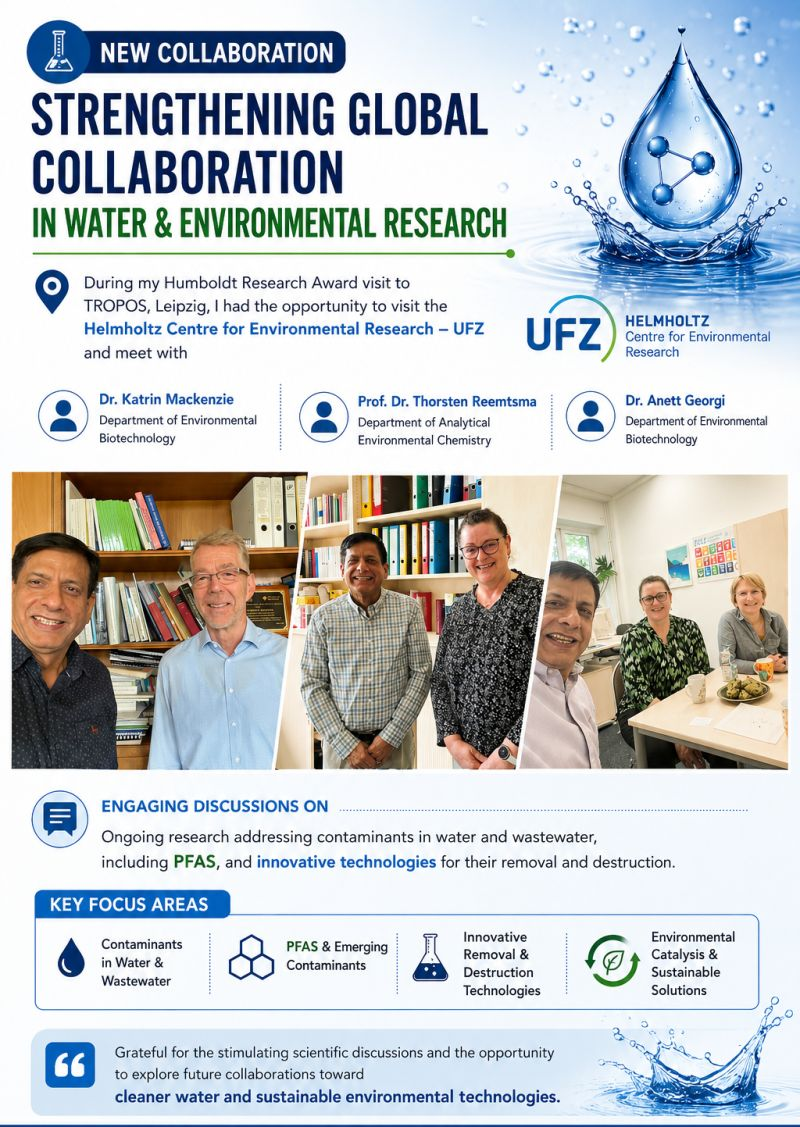
If you think Herrmann, Sharma’s host in Leipzig, is clueless and naive: nope. Together with his friend Jianmin Chen of Fudan University in China, Hermann seems to be part of a peer review ring, his own papers were flagged on PubPeer for editorial conflicts of interest.
In 2025, Sharma was elected as Member to the Academia Europea, for his “scientifically rigorous research efforts“, we were also told:
“His mission, “Saving Lives even One Life,” drives his impactful work.”
I am open to the possibility that academies are run by crooks and idiots.
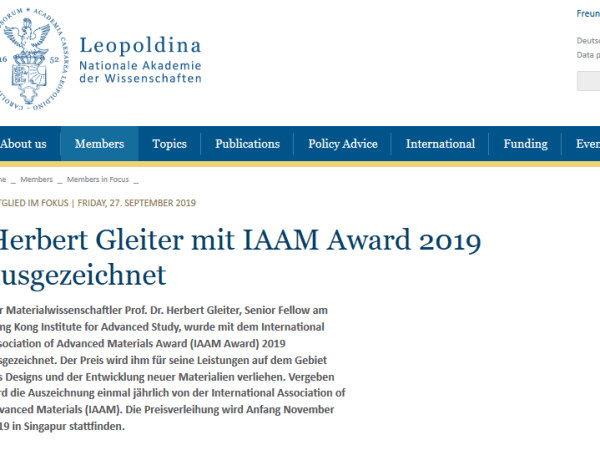
Leopoldina and Tiwari’s scamferences, or what’s the point of Academies
The German Academy of Sciences, Leopoldina, advertises for Ashutosh Tiwari’s predatory conferences. Occasion: Academician Herbert Gleiter won an IAAM Award.
Science Breakthroughs
An excellent example of the power of nano delivery systems
An MIT press release from 13 October 2026 announces a major breakthrough in cancer therapy:
“MIT engineers have developed a new way to program natural killer (NK) immune cells to target cancerous T cells or T cells that have become autoreactive, leading to diseases such as lymphoma and autoimmune hepatitis.
Using their new technique, the researchers can reprogram NK cells to target diseased T cells without ever removing the NK cells from the patient’s body. Instead, they use lipid nanoparticles to deliver messenger RNA directly to NK cells. These mRNA molecules encode proteins that allow the NK cells to seek and destroy the dysfunctional T cells.
Known as CAR NK cells, these cells could be deployed against a variety of diseases. The MIT team’s new approach could bypass one of the major obstacles to using these cells, which is the time and expense of manufacturing them outside the body.
“The manufacturing challenges with CAR NK cells are significant. The idea here is you can deliver a nanoparticle that will modify your own NK cells with a CAR construct and teach them to attack tumor cells,” says Daniel Anderson, a professor in MIT’s Department of Chemical Engineering and a member of MIT’s Koch Institute for Integrative Cancer Research and Institute for Medical Engineering and Science.”
The study is authored by MIT professors Daniel Anderson and Robert Langer, the latter previously featured on this website as former mentor and coauthor of the mega-fraudster Ali Khademhosseini:
Fake-O-Meat by Ali Khademhosseini
Ali Khademhosseini is the greatest American researcher in regenerative medicine. His mentees are all professors themselves now. In his own Californian institute, he grows not only all possible organs, but even hamburgers!
This is the paper, given of what big bigwigs of MIT are on it, it is peculiar that it failed to be published in Nature:
Yuang Chen , Julia Monkovic , Haseeb Mughal , Binlong Chen , Elina Thadhani , Patrick McMullen , Ava Self , Yuxuan Chen , Yizong Hu , Samuel Detmer , Min Chen , Anna Lapteva , Ria Kamat , Ashley Vernon , Robert Langer , Daniel G. Anderson In vivo engineering of CAR natural killer cells for immunotherapy using ligand-directed lipid nanoparticles Nature Biotechnology (2026) doi: 10.1038/s41587-026-03310-1
The method was already patented by Anderson and Langer. Anderson was quoted in the press release with: “If a patient can just get an infusion of nanoparticles, it would dramatically simplify the process and reduce costs” and Langer was quoted with: “This study is an excellent example of the power of nano delivery systems and their ability to potentially treat cancer and other diseases”.
Naturally, on behalf of all sufferers of lymphoma and autoimmune diseases, we hope this study is real and not as dodgy as the rest of Anderson#s work with Langer, as can be seen on PubPeer. This was corrected:
Bowen Li, Allen Yujie Jiang, Idris Raji , Caroline Atyeo , Theresa M. Raimondo , Akiva G. R. Gordon , Luke H. Rhym , Tahoura Samad , Corina MacIsaac , Jacob Witten , Haseeb Mughal , Taras M. Chicz , Yue Xu , Ryan P. McNamara , Sangeeta Bhatia , Galit Alter , Robert Langer, Daniel G. Anderson Enhancing the immunogenicity of lipid-nanoparticle mRNA vaccines by adjuvanting the ionizable lipid and the mRNA Nature Biomedical Engineering (2023) doi: 10.1038/s41551-023-01082-6

Elisabeth Bik: “Concern about the ELISpot images of Figure 2F:
- Red boxes: the left MC3 and right Lipid 211 panels appear to be identical”
In January 2025, Anderson replied on PubPeer that he and his colleagues “rectified this mistake by replacing the duplicated image with the correct one“, a correction appeared on 16 January 2025 and informed that they “retrieved the original raw data, verified its accuracy and corrected the figure” and that “None of these corrections affect the results, interpretation or conclusions of the study.“
Anderson also promised to correct this paper:
Lei Miao , Linxian Li , Yuxuan Huang , Derfogail Delcassian , Jasdave Chahal , Jinsong Han , Yunhua Shi , Kaitlyn Sadtler , Wenting Gao , Jiaqi Lin , Joshua C. Doloff, Robert Langer, Daniel G. Anderson Delivery of mRNA vaccines with heterocyclic lipids increases anti-tumor efficacy by STING-mediated immune cell activation Nature Biotechnology (2019) doi: 10.1038/s41587-019-0247-3

In January 2025, Anderson informed on PubPeer that the image “had been mislabeled during the IVIS imaging process“. He “replaced it with the accurate mouse representative image and rectified the quantification in Fig.3d“, warned that “this revision does not impact the overall study results” and promised that “An erratum will be submitted to the journal with the revised figures“. 22 months have passed, no erratum published.
Here, Anderson however refused to correct anything:
Kevin J. Kauffman , Matthias A. Oberli , J. Robert Dorkin , Juan E. Hurtado , James C. Kaczmarek , Shivani Bhadani , Jeff Wyckoff , Robert Langer, Ana Jaklenec , Daniel G. Anderson Rapid, Single-Cell Analysis and Discovery of Vectored mRNA Transfection In Vivo with a loxP-Flanked tdTomato Reporter Mouse Molecular Therapy (2018) doi: 10.1016/j.omtn.2017.11.005

Anderson protested on PubPeer in November 2025: “Figure legend 2 states “Control mice are PBS-treated C57BL/6 mice.” These PBS-treated mice are the negative controls which apply to both LNP-1 and LNP-2. They do not represent differently-treated animals.“
The figures and text however suggest these mice were treated with different nanoparticle delivery systems, and anyway, there was always more than one mouse for each condition: “Representative (n = 3, 1 pictured)“. Why did the authors decide not to analyse the other two representative control mice, and instead reused the image of that one representative mouse?
No need for a correction here either:
Dou Yu , Omar F. Khan , Mario L. Suvà , Biqin Dong , Wojciech K. Panek , Ting Xiao , Meijing Wu , Yu Han , Atique U. Ahmed , Irina V. Balyasnikova , Hao F. Zhang , Cheng Sun , Robert Langer, Daniel G. Anderson, Maciej S. Lesniak Multiplexed RNAi therapy against brain tumor-initiating cells via lipopolymeric nanoparticle infusion delays glioblastoma progression Proceedings of the National Academy of Sciences (2017) doi: 10.1073/pnas.1701911114

Elisabeth Bik: “Question about Figure S9:
- Boxes in shades of yellow, orange, and red: Two sets of panels representing the controls for two different transcription factors (SOX2 and POU3F2) appear to overlap.”
For this study, Langer and Anderson “have filed intellectual property protection related to the 7C1 nanoparticle“. But neither replied, instead Maciej Lesniak, professor at Northwestern University, replied on PubPeer that “the images in Figure S9 are intended only to visualize the effect of TF siRNA“. Thus, they may be fake, but are just irrelevant illustrations.
By the way, Lesniak has much more on PubPeer, including with known cheaters like Steven Grant, Paul B Fisher and Paul Dent, about whom you can read here:

Fraud Simple
US cancer research professors Paul B Fisher, Paul Dent and Stephen Grant look like the characters of a Joel and Ethan Coen crime movie, unfortunately never filmed. Smut Clyde will give you a peek into their spree of data manipulation
Here, nobody at all replied:
Seung‐Woo Cho , Michael Goldberg , Sun Mi Son , Qiaobing Xu , Fan Yang , Ying Mei , Said Bogatyrev , Robert Langer, Daniel G. Anderson Lipid‐Like Nanoparticles for Small Interfering RNA Delivery to Endothelial Cells Advanced Functional Materials (2009) doi: 10.1002/adfm.200900519

Elisabeth Bik: ” Concern about Figure 6A:
- Red boxes: In the Matrigel column, the NA114 siGFP (5.0w/w) and LIPO2000 siGFP panels appear to overlap.
- I do not see an overlap in the fluorescent photos.”
Also here nobody replied:
Suk Ho Bhang, Seung-Woo Cho , Jae Min Lim , Jin Muk Kang , Tae-Jin Lee , Hee Seok Yang , Young Soo Song , Moon Hyang Park , Hyo-Soo Kim , Kyung-Jong Yoo , Yangsoo Jang , Robert Langer, Daniel G. Anderson, Byung-Soo Kim Locally delivered growth factor enhances the angiogenic efficacy of adipose-derived stromal cells transplanted to ischemic limbs Stem Cells (2009) doi: 10.1002/stem.115

Red boxes: Panels B (hADSC) and C (hADSC + FGF2) appear to show the same sample, but the fluorescence signals are different.”

Blue boxes: The FGF2 and hADSC panels appear to overlap, with a 180-degree rotation.”
Three big bigwigs of MIT on this paper, including Rudolf Jaenisch, and nobody replied:
Krishanu Saha , Ying Mei , Colin M. Reisterer , Neena Kenton Pyzocha , Jing Yang , Julien Muffat , Martyn C. Davies , Morgan R. Alexander , Robert Langer, Daniel G. Anderson , Rudolf Jaenisch Surface-engineered substrates for improved human pluripotent stem cell culture under fully defined conditions Proceedings of the National Academy of Sciences (2011) doi: 10.1073/pnas.1114854108

Here, Langer replied on PubPeer:
Nathaniel S. Hwang, Sung Gap Im , Patrick B. Wu , David A. Bichara , Xing Zhao , Mark A. Randolph, Robert Langer, Daniel G. Anderson Chondrogenic Priming Adipose-Mesenchymal Stem Cells for Cartilage Tissue Regeneration Pharmaceutical Research (2011) doi: 10.1007/s11095-011-0445-2

The panels shown in c) and d) appear to be identical to two panels in another paper […]
Only the first author is shared between these papers, and the images were presumably obtained in a different lab.
The 2008 paper is not included in the references of this 2011 paper.
In the 2008 paper the cells shown in Figure 3 are described as feeder-free human embryonic stem cells (FF-hESCs) co-cultured with primary chondrocytes isolated from bovine cartilage.
In this 2011 paper, the cells shown in Figure 1 are described as Human adipose-derived mesenchymal stem cells (AMSCs) co-cultured with primary auricular chondrocytes from sheep.”
Nathaniel S. Hwang , Shyni Varghese , Jennifer Elisseeff Derivation of chondrogenically-committed cells from human embryonic cells for cartilage tissue regeneration PLOS One (2008) doi: 10.1371/journal.pone.0002498
In February 2025, Langer replied on PubPeer:
“During the image processing stage, the lead author acknowledges that he inadvertently saved some images under similar names due to the overlapping nature of the experiments. This appears to have led to a mix-up in the CM-treated images included in the publication. We will promptly provide the correct images of the conditioned medium-treated AMSCs to the publisher. Importantly, this issue does not affect the scientific conclusion that chondrocyte-conditioned medium can promote the chondrogenic commitment of stem cells when used as an expansion medium. We are fully committed to resolving this matter and will collaborate closely with the authors, the journal, and the publisher to ensure appropriate corrective steps are taken.”
20 months have passed. The promised correction did not appear. That’s because Langer, despite his outward politeness and dedication, is actually full of crap, it is likely he who abuses his immense influence to prevent all retractions for Khademhosseini. Langer works with the worst people, another such character is Mansoor Amiji, read here:
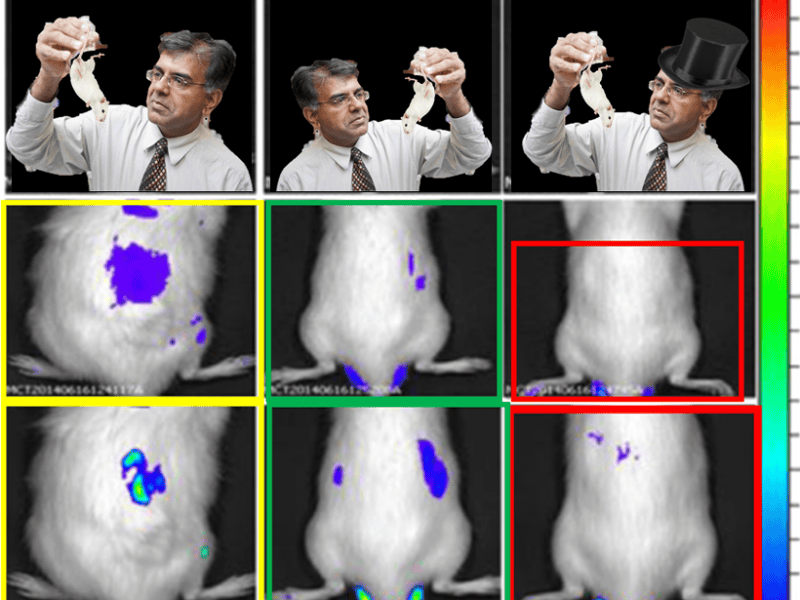
Mansoor Amiji: rare gem and modern-day polymath
“Again, none of the images are duplicated”, Mansoor Amiji, inventor

Finally, an old paper by Anderson and without Langer:
Avi Schroeder, James E. Dahlman , Gaurav Sahay , Kevin T. Love , Shan Jiang , Ahmed A. Eltoukhy , Christopher G. Levins , Yingxia Wang , Daniel G. Anderson Alkane-modified short polyethyleneimine for siRNA delivery Journal of Controlled Release (2012) doi: 10.1016/j.jconrel.2011.11.030


The first author Avi Schroeder, now professor at the Technion Israel Institute of Technology, dismissed the concerns with Figure 5 as as “a fracture in the overlaying cover on the gel“, but had nothing to say about Fig 6. He apparently learned all the right things under Anderson, and has more on PubPeer.
Donate!
If you are interested to support my work, you can leave here a small tip of $5. Or several of small tips, just increase the amount as you like (2x=€10; 5x=€25). Your generous patronage of my journalism will be most appreciated!
€5.00


0 comments on “Schneider Shorts 16.10.2026 – A comprehensive, fully manual, line-by-line review of the entire manuscript”