

Schneider Shorts of 27 November 2026 – Swedish professor is recurrent victim of fraudster trainees, German professor in USA asked to sexually harass elesewhere, more German scholars celebrated, an Irishman has no twink to blame, a publisher trolls sleuth, cheaters find each other, a woman who can’t let go, and finally, how to make a European career by papermilling.
Table of Discontent
Science Elites
- A very competent and reliable researcher – Tommy Andersson’s former postdoc found guilty
- Quid pro quo sexual harassment – Dietram Scheufele asked to prey on students elsewhere
- They always find each other – Polish trail leads to Suzanne Turner
Scholarly Publishing
- We invite you to submit your feedback as Rapid Response – BMJ clueless about Changqing Su
Retraction Watchdogging
- Utilitarian gatherings – how Arnab Majumdar makes a European career
- This year’s top influencers in science – Frank Tacke and Ulf Landmesser are Charite’s pride
- Too many similar-looking images were produced – Ryan Donnelly has only himself to blame
- Her behavior is against the law – a Dutch relationship went sour
Science Elites
A very competent and reliable researcher
Sweden has full transparency, that’s why we always know which scientist was found guilty of research misconduct. As opposed to most other countries where there’s no research fraud because (like in Germany) nothing is ever made public, or (like in Italy) nothing is ever investigated.
This time the guilty party is Chandra Prakash Prasad, former postdoc at Lund University in Sweden and now back in India as associate professor at All India Institute of Medical Sciences (AIIMS) in Delhi.
The pseudonymous sleuth Claire Francis was provided by National Board for Assessment of Research Misconduct (NPOF) with the investigative report, which I share here:
Prasad’t principal investigator in Lund, Tommy Andersson (professor of pathology, not his namesake in economics), was found to be innocent, as were the other two authors of this article which Prasad lists on his institutional website among “selected publications”:
Chandra Prakash Prasad, Shivendra Kumar Chaurasiya, William Guilmain, Tommy Andersson WNT5A signaling impairs breast cancer cell migration and invasion via mechanisms independent of the epithelial-mesenchymal transition Journal of Experimental & Clinical Cancer Research (2016) DOI: 10.1186/s13046-016-0421-0

As you see, the paper is ten years old (NPOF’s statute of limitation) and there’s just one duplicated western blot. No institution on this planet would investigate this case, simply because it would be unfair towards much bigger fraud cases which aren’t investigated either. But NPOF investigated.
Andersson declared that Prasad, who worked in his lab from 2010 to 2016, “was the person who carried out the experiments underlying Figures 1 and 2“, and was otherwise “a very competent and reliable researcher“. After NPOF’s notification, the Lund professor applied two different forensic tools: ImageTwin and GeminiAI, which came “to different conclusions regarding the duplication“, yet both found “that there was a high risk that it was the same image“. Prasad however assured NPOF that the bands merely looked similar and were “coming from two independent experiments“, and provided his own analysis:
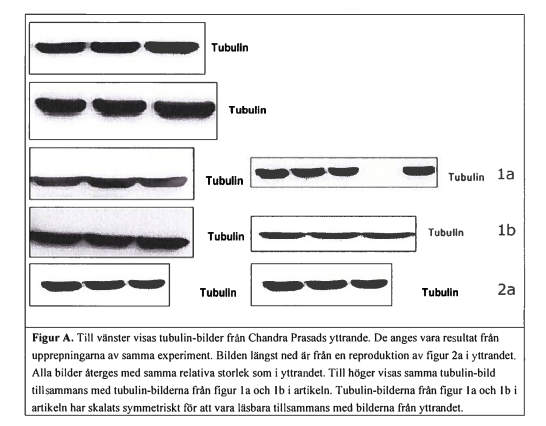
“In Figure A, images are shown that Chandra Prakash Prasad sent to the Board together with his statement. The experiment presented in Figure 2a was repeated several times, and on the left-hand side of Figure A, the tubulin bands from four repetitions of the same experiment are shown. Below these are the tubulin bands from a scaled version of Figure 2a,”
NPOF wasn’t convinced:
“The comparison of the images on the left-hand side of Figure A shows that none of the four images claimed by the first author to form the basis for the experiments in Figure 2a corresponds to an image shown as tubulin in Figure 2a of the article. The comparison of the images on the right-hand side of Figure A shows that different images are shown as tubulin in Figures 1b and 2a of the article, despite the figures supposedly representing results from the same experiment. It is also clear that the same bands are shown as tubulin in the first three positions in Figure 1a and in Figure 2a of the article, even though the images are claimed to represent results from different experiments.
The Board’s assessment is therefore that the tubulin image in Figure 2a does not show results from the experiments claimed, but has instead been falsely duplicated from Figure 1a, manipulated and thereby also falsified.”
If only Diana Spiegelberg had AI-based tools…
“research misconduct can occur at any stage of the research process and that there is no requirement for the results or the findings of the research to have been affected. Furthermore, the incorrect images constitute precisely those research results which the authors themselves considered important enough to be presented in scientific articles.” – NPOF

At the end, Anderson was lucky. NPOF found that he “should have assured himself that the results shown in the figures in the article were correct and consistent with the raw data from the experiments“. But “since the duplicated image constitutes an isolated error“, Anderson’s conduct was “not be regarded as particularly serious or reprehensible“. But not Prasad:
“In summary, the Board finds that Chandra Prakash Prasad has committed research misconduct and that Tommy Andersson, Shivendra Kumar Chaurasiya and William Guilmain have not committed research misconduct.”
Of course this bad paper is not the only one by Prasad. In fact, Claire Francis had a new look, and send this to NPOF to investigate:
Chandra Prakash Prasad, Katja Södergren, Tommy Andersson Reduced production and uptake of lactate are essential for the ability of WNT5A signaling to inhibit breast cancer cell migration and invasion Oncotarget (2017) DOI: 10.18632/oncotarget.17277
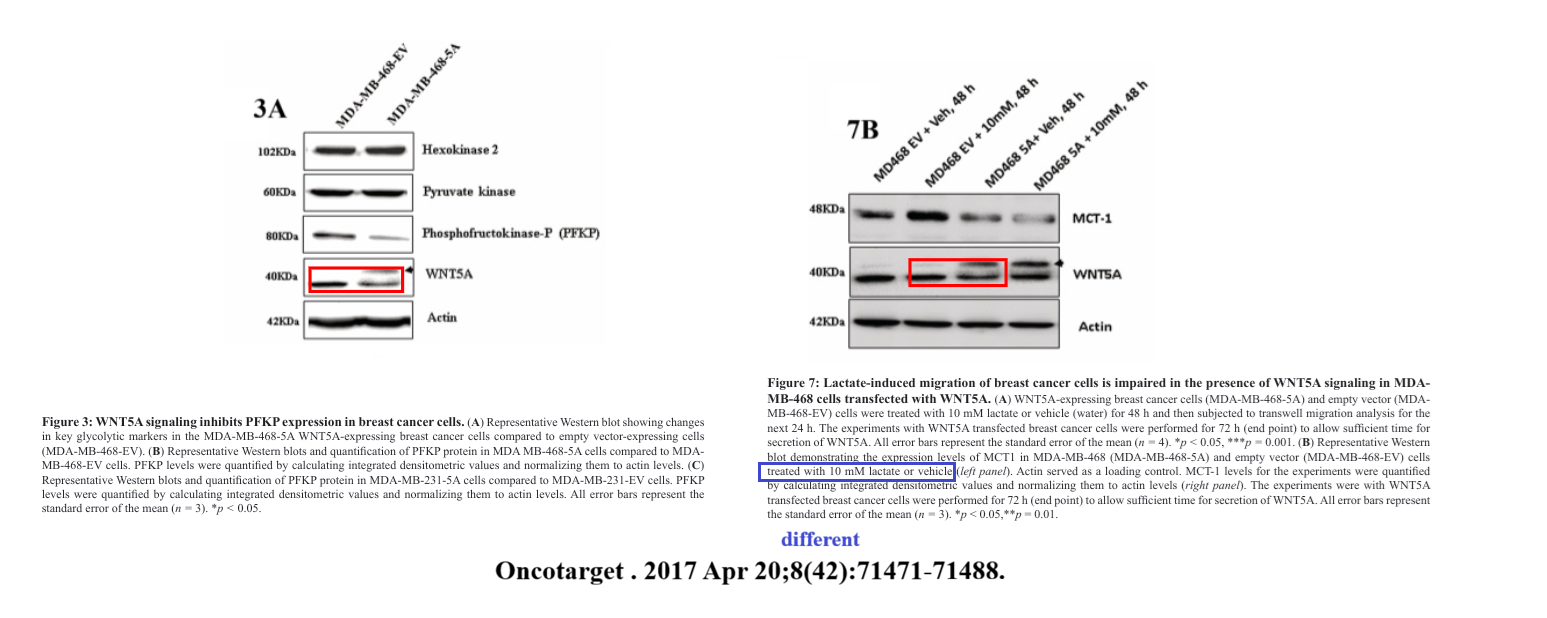
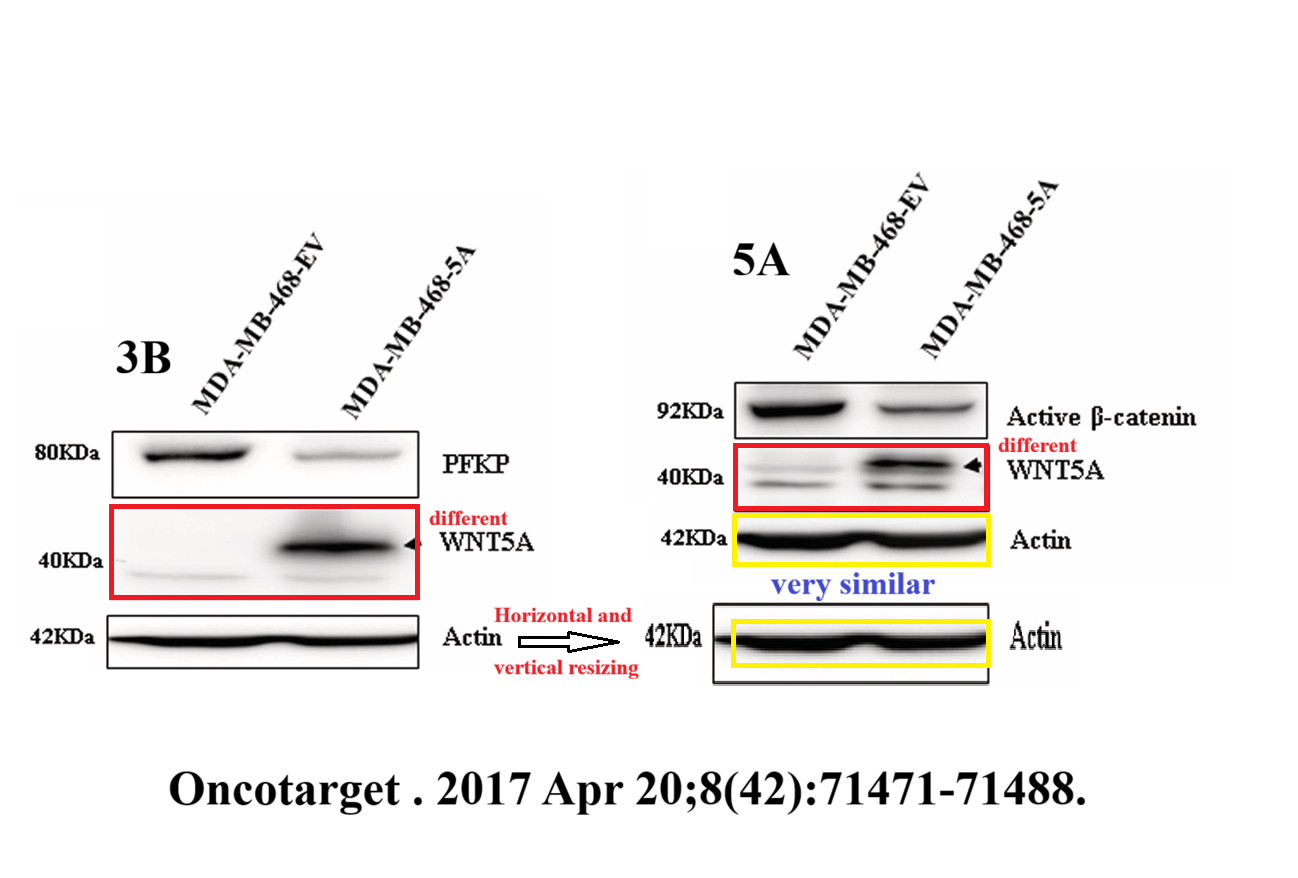
There is more on PubPeer. From Prasad’s PhD studies at Guru Gobind Singh Indraprastha University in Delhi, when he collaborated with AIIMS professor Ranju Ralhan, who then went to Canada to become professor at University of Toronto, and is now in biotech.
Sameer Mirza, Gayatri Sharma, Chandra Prakash Prasad, Rajinder Parshad, Anurag Srivastava, Siddartha Dutta Gupta, Ranju Ralhan Promoter hypermethylation of TMS1, BRCA1, ERα and PRB in serum and tumor DNA of invasive ductal breast carcinoma patients Life sciences (2007) DOI: 10.1016/j.lfs.2007.05.012
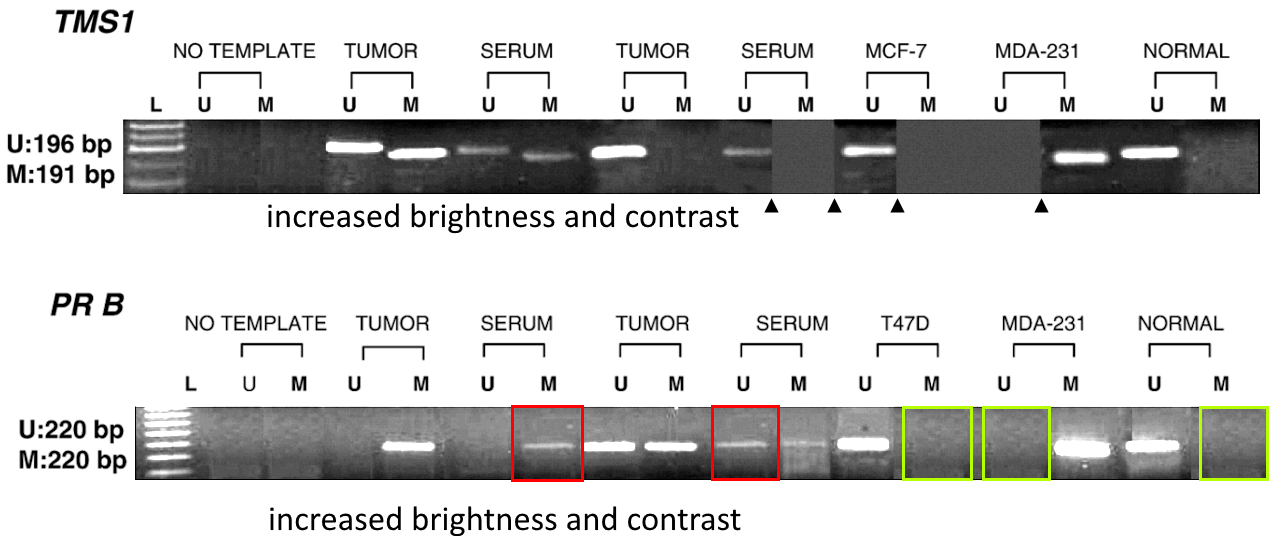
Same kind of problem here, same year, same journal, same team:
Gayatri Sharma, Sameer Mirza, Chandra Prakash Prasad, Anurag Srivastava, Siddhartha Dutta Gupta, Ranju Ralhan Promoter hypermethylation of p16INK4A, p14ARF, CyclinD2 and Slit2 in serum and tumor DNA from breast cancer patients Life sciences (2007) DOI: 10.1016/j.lfs.2007.02.026
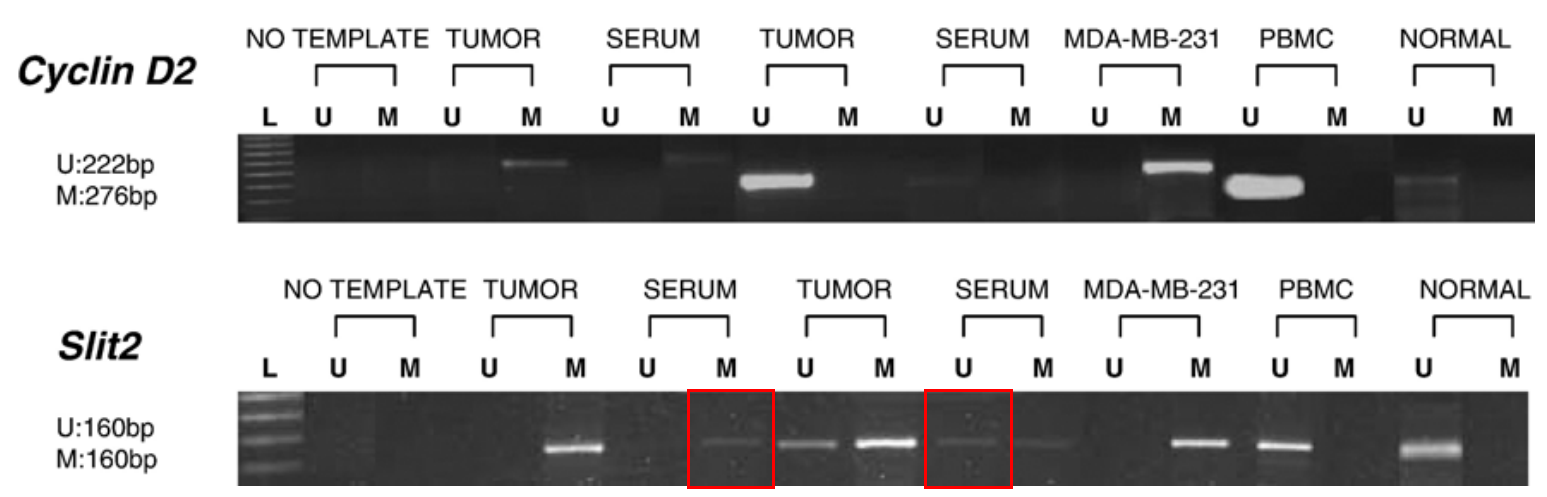
No fraud without curcumin, which in this case is proven by Prasad and Ralhan as a “potent” cure for breast cancer:
Chandra Prakash Prasad, Gayatri Rath, Sandeep Rajinder Mathur, Dinesh Bhatnagar, Ranju Ralhan Potent growth suppressive activity of curcumin in human breast cancer cells: Modulation of Wnt/β-catenin signaling Chemico-Biological Interactions (2009) DOI: 10.1016/j.cbi.2009.06.012
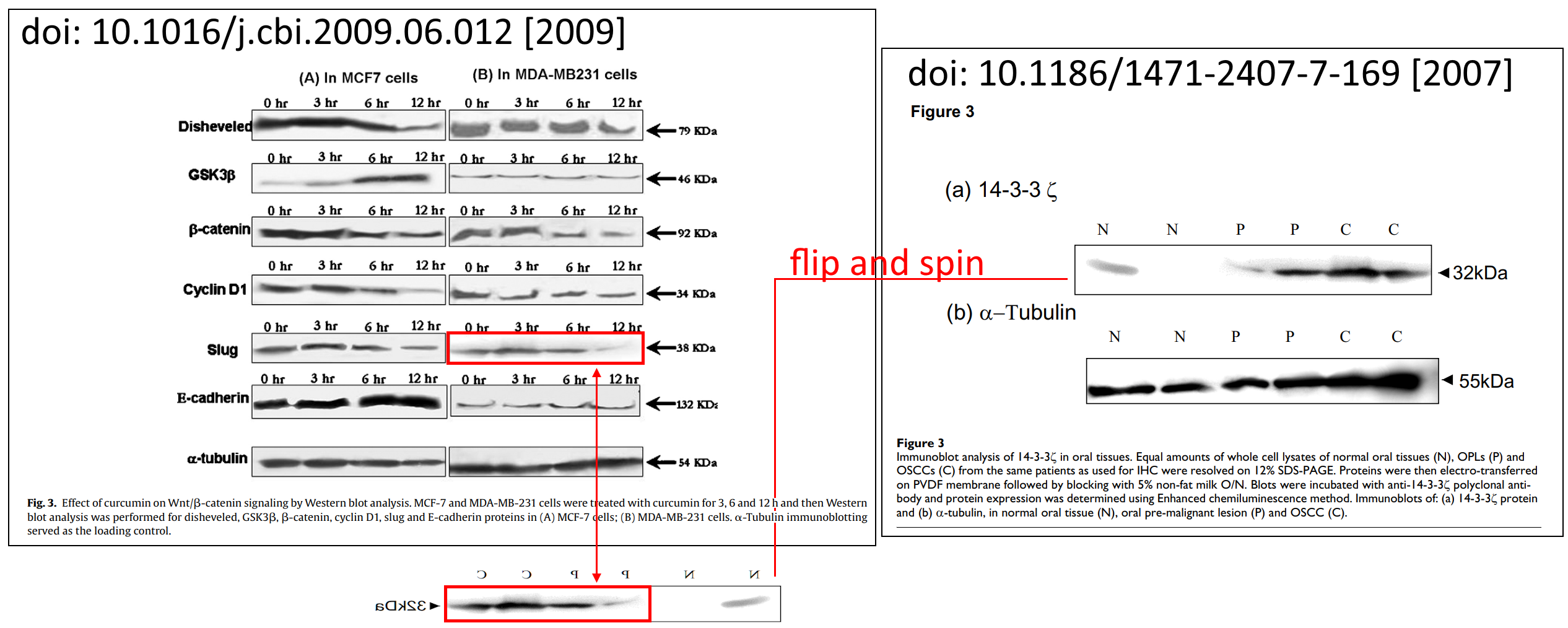
Ajay Matta, Sudhir Bahadur, Ritu Duggal, Siddhartha D Gupta, Ranju Ralhan Over-expression of 14-3-3zeta is an early event in oral cancer BMC Cancer (2007) DOI: 10.1186/1471-2407-7-169
In this regard, guess with whom Ralhan closely collaborated, as certified by her PubPeer record. The legendary curcumin fraudster Bharat Aggarwal! In fact, I mentioned the paper with Prasad in February 2026 Shorts when I wrote about Ralhan’s Canadian biotech company Proteocyte and her bad science.
Andersson could have avoided all that trouble if he trashed all applications from everyone claiming to cure cancer with curcumin or other Ayurvedic spices.
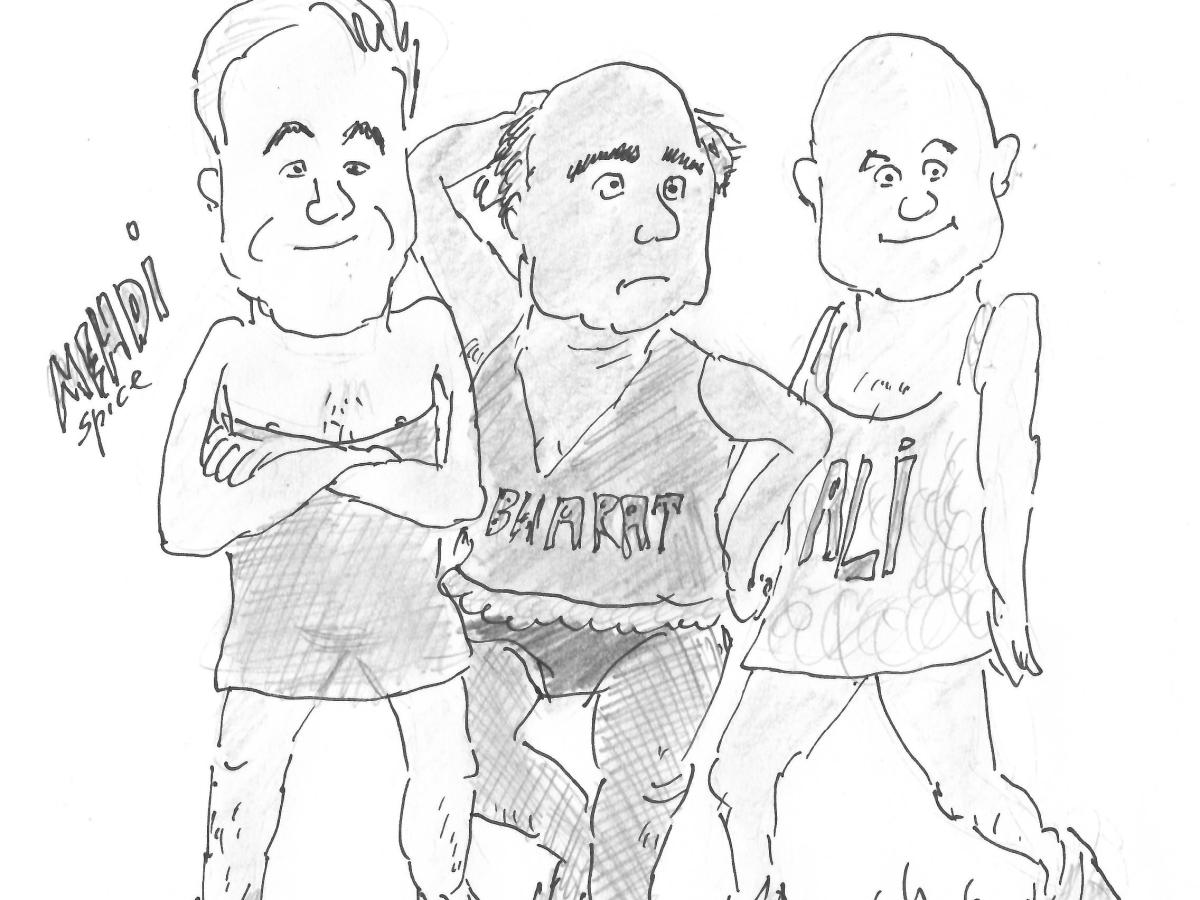
Spice up your life…!
“I can therefore very well imagine that, due to my numerous technical assistants in various laboratories, visitors, and research associates […] considerable confusion must have arisen.” – Prof Dr Mehdi Shakibaei
Oh wait. I must tell this story differently. Unlike NPOF believed, Andersson recruited that curcumin fraudster Prasad not because he was a naive and trusting nerd, but because he himself already had a history of fake science! For that, Andersson even featured on Retraction Watch 16 years ago! In December 2010, he retracted a paper in PNAS which served as the foundation for the stock market entry of his own biotech company, WntResearch. The paper promoted the company’s ropiatary product Foxy-5, a hexapeptide mimic of WNT5A protein, as a potential cancer cure. Its handling editor was the notorious cheater Jan-Åke Gustafsson:
Caroline E. Ford, Elin J. Ekström, Tommy Andersson Wnt-5a signaling restores tamoxifen sensitivity in estrogen receptor-negative breast cancer cells Proceedings of the National Academy of Sciences of the United States of America (2009)·DOI: 10.1073/pnas.0809516106
According to the retraction notice, Andersson “re-examined the laboratory records for all figures and found that the Excel files on which Fig. 4C was based contained serious calculation errors“, for which he blamed his Australian postdoc Caroline Ford (now professor at University of New South Wales): “the first author of the paper takes full responsibility for these inaccuracies.” Retraction Watch applauded:
“We find this story wonderfully refreshing. Imagine, a company bending over backward to let investors — and potential investors — know about problems with its data.”
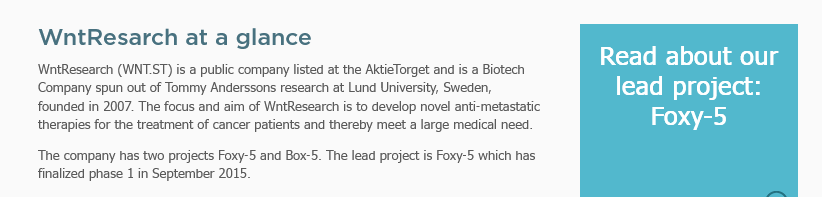
In 2015, Retraction Watch applauded even more, under the headline “Five years after a retraction, company’s stock is up more than 500%“:
“the company’s decision to disclose the retraction hurt its finances, as WntResearch delayed its planned initial public offering for three weeks. It also offered investors and shareholders the opportunity to withdraw their shares of WntResearch stock.
But, aside from one of the paper’s co-authors, “No one did that,” Nils Brünner, WntResearch’s CEO, told us. Since the company’s IPO on December 17, 2010, its stock price has increased from 6.6 Swedish Krona, (0.76 USD) per share to 37.50 SEK, (4.32 USD) as of December 1, 2015.”
That author who gave back shares worth $240k was apparently Ford, according to Retraction Watch whom the watchdogs shamed in 2012 for citing her retracted paper, also that article endorsed WntResearch and its stock.
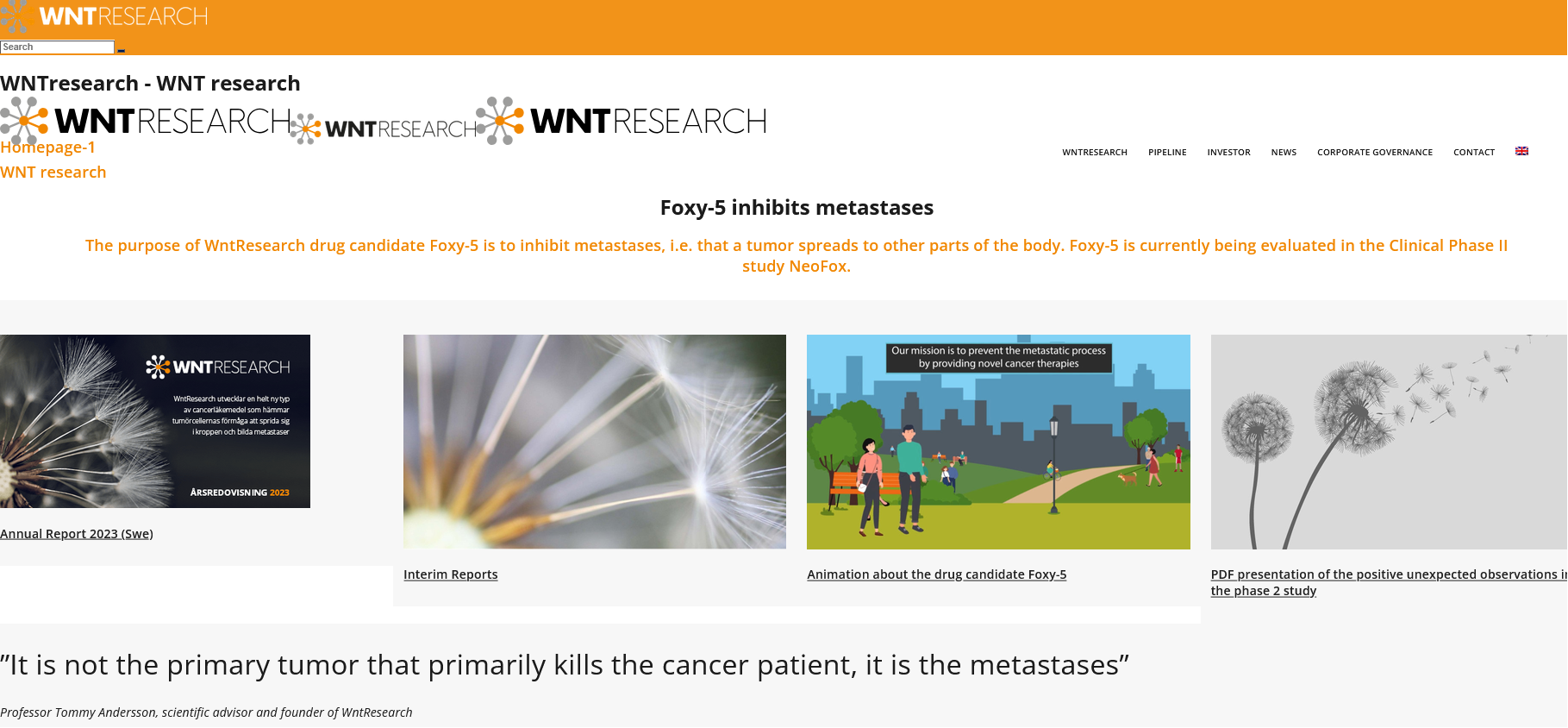
Yet in 2024, WntResearch’s main asset Foxy-5 failed in the phase 2 clinical trial: “After a preliminary analysis of 27 patients, Foxy-5 was found to have a good safety profile but lacked clinically significant effect on tumor size and lymph nodes“. The “NeoFox” trial was registered as NCT03883802, took place in Spain, and meant to recruit 100 cancer patients with adenocarcinoma of the colon. In July 2023, it was announced: “Due to the reported unexpectedly rapid positive observations with Foxy-5, the study plan for the phase 2 NeoFox study has been revised“, the two year observation period dropped, and new end points were added to “investigate whether Foxy-5 can be given at higher doses.” None of these clever tricks worked, obviously.
Instead of dissolving WntResearch, it was decided to “to acquire the Swedish privately owned insuretech company OPSY for approximately SEK 120 million“, which led nowhere in particular, the stock of this new insurance company Opsy Holding AB is virtually worthless.
So you probably now see why Anderson needed the capable hands of Prasad to get his WNT5A/Foxy-5 research to work as desired.
And not just Prasad’s hands, as we can see on PubPeer! This was flagged in 2016 and corrected in the same year:
Janna Dejmek, Karim Dib, Marzieh Jönsson, Tommy Andersson Wnt‐5a and G‐protein signaling are required for collagen‐induced DDR1 receptor activation and normal mammary cell adhesion International Journal of Cancer (2003) DOI: 10.1002/ijc.10752


The 2016 Correction seemed to blame Andersson’s PhD student Janna Dejmek:
“We fully agree with the Journal that the Western blots of the DDR1 loading controls in Figures 2A, 5A and 6A exhibit irregularities. The three senior authors of this paper regret that they did not detect these irregularities prior to submission of the manuscript.
To find the reason for these irregularities we studied the lab books from 2001. In doing so, we found the original blots used for the phospho-tyrosine blots outlined in Figures 2A and 6A. Next to the respective original phospho-tyrosine blot we found on the same page in the lab book three different exposures of DDR1 loading control blots for each of the phospho-tyrosine blots outlined in Figure 2A and Figure 6A. We cannot explain why these DDR1 loading control blots were not included in the original manuscript submitted to the journal. We have now used the correct DDR1 loading control blots in the corrected Figure 2A and 6A.
Unfortunately, we could not find the original data of the phospho-tyrosine and the DDR1 loading control blots outlined in Figure 5A of the paper. As requested, we therefore set up the method of DDR1 immunoprecipitation and performed the experiments as described for Figure 5A in the published paper. […] The results are essentially identical to those published.”
Andersson seems to be very unlucky with his lab members, poor guy. Who is to blame here, presumably Andersson’s PhD student Simone Grethe?
Simone Grethe, Mikko P.S Ares, Tommy Andersson, M.Isabella Pörn-Ares p38 MAPK mediates TNF-induced apoptosis in endothelial cells via phosphorylation and downregulation of Bcl-xL Experimental Cell Research (2004) DOI: 10.1016/j.yexcr.2004.05.007

Maybe NPOF needs to reconsider their decision regarding Tommy.
Quid pro quo sexual harassment
The German communications researcher Dietram Scheufele, now professor at Arizona State University in USA, used to be Vilas Distinguished Achievement Professor at the University of Wisconsin-Madison. The award-winning member of several academies in USA and Germany had to leave his prestigious job because he was charged with sexual harassment. This was uncovered by the local newspaper The Cap Times on 3 September 2026:
“UW-Madison’s investigation of Dietram Scheufele examined his conduct with students and faculty across nearly a decade, including at an academic conference in Detroit that he attended in 2022. […] The Cap Times obtained hundreds of pages of records detailing the university’s investigation from an attorney representing three students who filed complaints against Scheufele. […]
In November 2024, the university’s Office of Compliance launched an investigation to review the student’s allegations and whether Scheufele violated university policy and Title IX, the federal anti-discrimination law. The office concluded in September 2025 that Scheufele didn’t engage in quid pro quo sexual harassment or hostile and intimidating behavior with the three students.
Investigators found, however, that he violated university policy by participating in sexual and romantic relationships with two of his students. One of those students filed a complaint against him and the other participated in the investigation as a witness.
The Office of Compliance concluded Scheufele failed multiple times to maintain professional honesty and integrity as required by faculty policy in his interactions with students. Investigators found he repeatedly insulted one of his students to her colleagues, which included making offensive comments about her sexual orientation and appearance.”
Marginalised and isolated in academic publishing activities
A history professor remains a valuable peer even if credibly accused of sexual harassment. And even of plagiarism? Will they still defend him with their letters?
Scheufele agreed with the University of Wisconsin-Madison to resign on 15 August 2025, to pre-empt the termination, prior to that he negotiated his new job. Presumably, in Arizona they are more open-minded towards sexual harassment and bullying. The details of the affair are in The Cap Times article.
They always find each other
The Schneider Rule of Bad Science teaches that if you want to find many science cheaters, you must just follow one of them around.
And here the pseudonymous sleuth Claire Francis followed Mariusz Wasik, the Polish cancer researcher and professor at Fox Chase Cancer Center and University of Pennsylvania in USA, who featured in this article:

mTOR: conclusions not affected?
David Sabatini, remember that story? Well, it seems the conclusions were not affected. I take an ill-informed look at the mTOR signalling research field, to understand how photoshopped data gets to be independently verified by other labs.
Here are two papers by Wasik, sharing the same western blot for different experiments:
- Michal Marzec, Krzysztof Halasa, Xiaobin Liu, Hong Y. Wang, Mangeng M. Cheng, Donald Baldwin, John W. Tobias, Stephen J. Schuster, Anders Woetmann, Qian Zhang, Suzanne D. Turner, Niels Odum, Mariusz A. Wasik Malignant Transformation of CD4+ T Lymphocytes Mediated by Oncogenic Kinase NPM/ALK Recapitulates IL-2–Induced Cell Signaling and Gene Expression Reprogramming The Journal of Immunology (2013) DOI: 10.4049/jimmunol.1300744
- Seung‐Cheol Lee, Michal Marzec, Xiaobin Liu, Suzanne Wehrli, Kanchan Kantekure, Ragunath Puthiyaveettil, David S. Nelson, Edward J. Delikatny, Jerry D. Glickson, Mariusz A. Wasik Decreased lactate concentration and glycolytic enzyme expression reflect inhibition of mTOR signal transduction pathway in B‐cell lymphoma The Journal of Immunology (2013)·DOI: 10.4049/jimmunol.1300744

Here is a freshly flagged paper from Wasik’s lab:
Qian Zhang, Hong Y. Wang, Anindita Nayak, Selene Nunez-Cruz, Artur Slupianek, Xiaobin Liu, Johnvesly Basappa, Jing-Song Fan, Seble Chekol, Reza Nejati, Agata M. Bogusz, Suzanne D. Turner, Kunchithapadam Swaminathan, Mariusz A. Wasik Induction of Transcriptional Inhibitor HES1 and the Related Repression of Tumor-Suppressor TXNIP Are Important Components of Cell-Transformation Program Imposed by Oncogenic Kinase NPM-ALK The American journal of pathology (2022) DOI: 10.1016/j.ajpath.2022.05.005


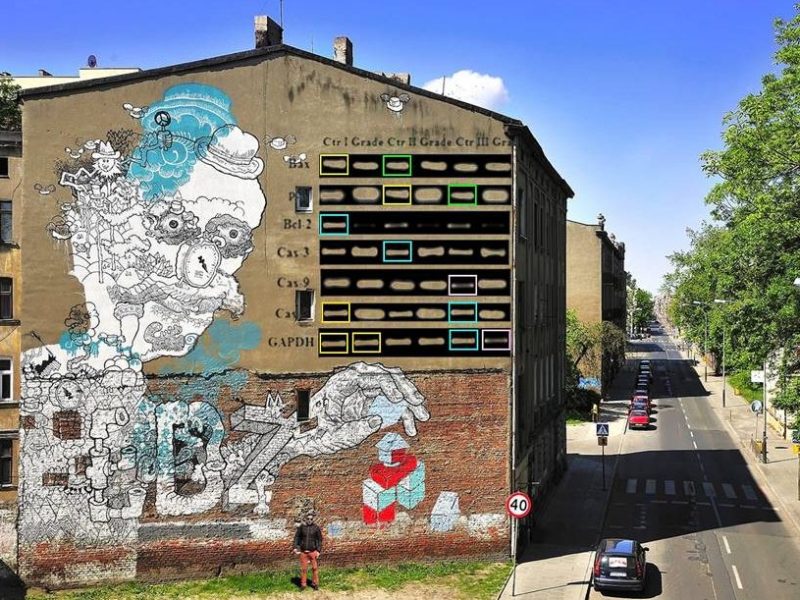
Among Wasik’s coauthors, we find yet another Pole in USA: Artur Slupianek, professor at the Temple University, who featured in this article:
Would you in Lodz?
“Forgeries of this calibre make me think anything ever published by Sliwinski, Skorski and their associates is made up. In an ideal world, hundreds of articles by these people showing just tables and graphs should get retracted ” – Aneurus Inconstans

But I am not here to talk about Poles in America, but about an English scholar on that paper: Suzanne Turner, paediatric oncologist and professor at the University of Cambridge. Here a study from her lab, on the same topic of the NPM-ALK enzyme:
Yuxin Cui, Alan Kerby, Fiona Kate Elizabeth McDuff, Hongtao Ye, Suzanne Dawn Turner NPM-ALK inhibits the p53 tumor suppressor pathway in an MDM2 and JNK-dependent manner Blood (2009) DOI: 10.1182/blood-2008-06-160168


And now look at this paper and see where the Schneider Rule will lead us. I am happy that Turner’s student Fiona McDuff had enough of this and left science to become a chocolatière and to open her own bakery, Fiona Pâtissière.
Fiona Kate Elizabeth McDuff, Suzanne D. Turner Aberrant Anaplastic Lymphoma Kinase Activity Induces a p53 and Rb-Dependent Senescence-Like Arrest in the Absence of Detectable p53 Stabilization PLOS One (2011) DOI: 10.1371/journal.pone.0017854

Now the Blood paper, published by Turner and her mentee in parallel, see if you recognise her collaborator:
Paola Martinelli, Paola Bonetti, Cristina Sironi, Giancarlo Pruneri, Caterina Fumagalli, Paola Rafaniello Raviele, Sara Volorio, Stefano Aldo Pileri, Roberto Chiarle, Fiona Kate Elizabeth McDuff, Betsabeh Khoramian Tusi, Suzanne D. Turner, Giorgio Inghirami, Pier Giuseppe Pelicci, Emanuela Colombo The lymphoma-associated NPM-ALK oncogene elicits a p16INK4a/pRb-dependent tumor-suppressive pathway Blood (2011)·View original article, DOI: 10.1182/blood-2010-08-301135


Yes, Pier Giuseppe Pelicci, the director of European Institute of Oncology (IEO) and professor at the University of Milan!

Pier Paolo and Pier Giuseppe, the titans of IFOM-IEO
Meet two grand cancer researchers from Milan: Pier Paolo Di Fiore and Pier Giuseppe Pelicci. Then decide if you want to give them your tax and charity money.
Continuing with Turner’s speciality of NPM-ALK, we meet another Italian cheater, Carlo Gambacorti-Passerini, a professor at University of Milan Bicocca who featured in July 2026 Shorts:
Monica Ceccon, Maria Elena Boggio Merlo, Luca Mologni, Teresa Poggio, Lydia M. Varesio, Matteo Menotti, Silvia Bombelli, R Rigolio, A D Manazza, Filomena Di Giacomo, Chiara Ambrogio, Giovanni Giudici, Cesare Casati, Cristina Mastini, Mara Compagno, Suzanne D. Turner, Carlo Gambacorti-Passerini, Roberto Chiarle, Claudia Voena Excess of NPM-ALK oncogenic signaling promotes cellular apoptosis and drug dependency Oncogene (2016)·DOI: 10.1038/onc.2015.456

“Figure 5d. Much more similar than you would expect.”
How about meeting some Austrians? Follow Turner of Cambridge and meet Lukas Kenner, professor at MedUni Vienna, who featured here, including with a very bad paper of his with Turner, Pencik et al 2015:
Wagner Ring Festival in Vienna
Erwin Wagner is not related to the famous German composer but we shall enjoy the Ring Festival with him and his friends anyway.
Here another common paper:
Ricky M. Trigg, Liam C. Lee, Nina Prokoph, Leila Jahangiri, C. Patrick Reynolds, G. A. Amos Burke, Nicola A. Probst, Miaojun Han, Jamie D. Matthews, Hong Kai Lim, Eleanor Manners, Sonia Martínez, Joaquín Pastor, Carmen Blanco-Aparicio, Olaf Merkel, Ines Garces de los Fayos Alonso, Petra Kodajova, Simone Tangermann, Sandra Högler, Ji Luo, Lukas Kenner, Suzanne D. Turner The targetable kinase PIM1 drives ALK inhibitor resistance in high-risk neuroblastoma independent of MYCN status Nature Communications (2019)·DOI: 10.1038/s41467-019-13315-x
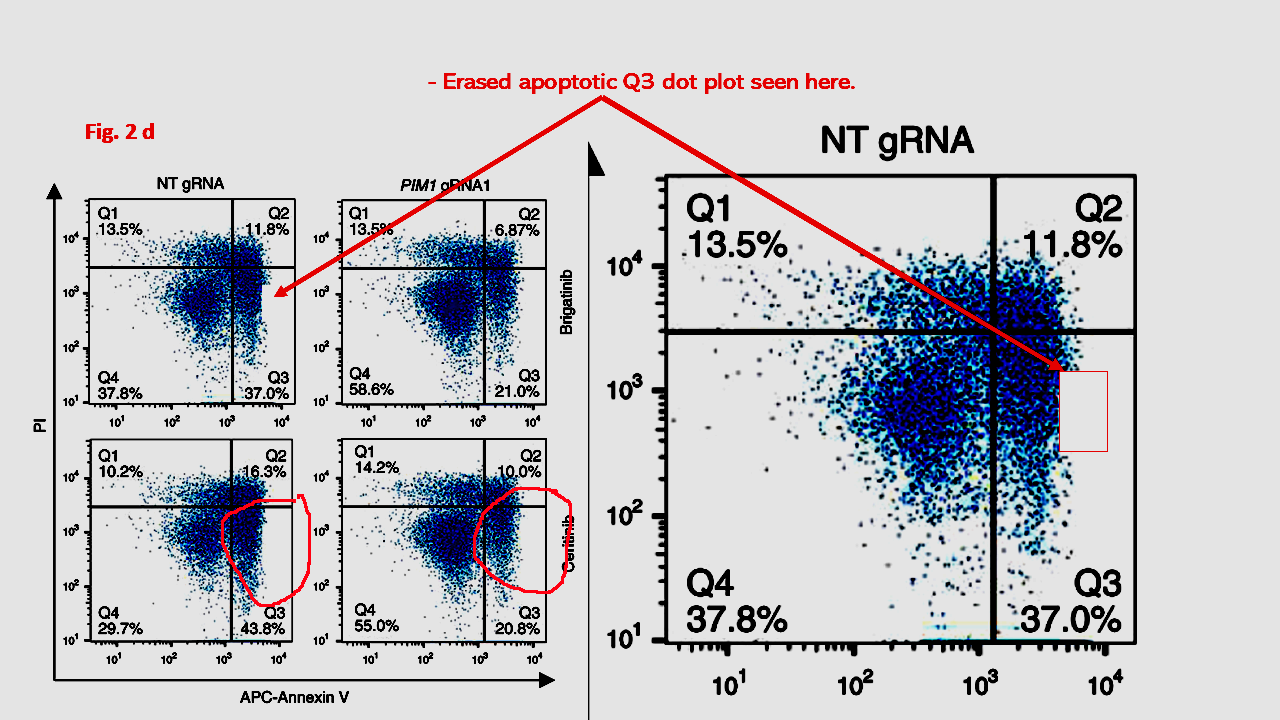
Turner has more on PubPeer. A fake figure in Medeiros et al 2021 by Turner and Roberto Miranda, professor at MD Anderson in Houston, USA. and its shameful correction, were discussed in January 2024 Shorts.
They always find each other.
Scholarly Publishing
We invite you to submit your feedback as Rapid Response
Welcome to a new episode of “The Sleuth and The Proper Channels”. You would think you already hear all the lame jokes and their repetition isn’t funny anymore, but this new episode from The BMJ has a new comedy aspect to it!
Here a Chinese paper in the gastroenterology journal from The BMJ journal family, reported by the sleuth to the editors and the publisher on 17 November 2026.
Huanzhang Hu, Zhigang Li, Jie Chen, Duanming Wang, Juming Ma, Weiguo Wang, Jiang Li, Hongping Wu, Linfang Li, Mengchao Wu, Qijun Qian, Jingbo Chen, Changqing Su P16 reactivation induces anoikis and exhibits antitumour potency by downregulating Akt/survivin signalling in hepatocellular carcinoma cells Gut (2011) DOI: 10.1136/gut.2010.220020
A western blot from that paper also somehow ended up in another publication by different Chinese authors:
Yi Feng, Hai-yan Ying, Ying Qu, Xiao-bo Cai, Ming-Yi Xu, Lun-gen Lu Novel matrine derivative MD-1 attenuates hepatic fibrosis by inhibiting EGFR activation of hepatic stellate cells Protein & Cell (2016)·View original article, DOI: 10.1007/s13238-016-0285-2
But yet another western blot from the Gut paper from 2011 was reused in a later study by the same last author Changqing Su, professor at National Center for Liver Cancer of Navy Military Medical University in Shanghai:
Yinghe Qiu, Xiaoya Li, Bin Yi, Junnian Zheng, Zhangxiao Peng, Zhihan Zhang, Mengchao Wu, Feng Shen, Changqing Su Protein phosphatase PHLPP induces cell apoptosis and exerts anticancer activity by inhibiting Survivin phosphorylation and nuclear export in gallbladder cancer Oncotarget (2015) DOI: 10.18632/oncotarget.3721
That paper by Su shares microscopy data with other publications of his:

Here is one of those:
Xiaoya Li, Yinghan Su, Bin Sun, Weidan Ji, Zhangxiao Peng, Yang Xu, Mengchao Wu, Changqing Su An Artificially Designed Interfering lncRNA Expressed by Oncolytic Adenovirus Competitively Consumes OncomiRs to Exert Antitumor Efficacy in Hepatocellular Carcinoma Molecular Cancer Therapeutics (2016) DOI: 10.1158/1535-7163.mct-16-0096


In 2019, Su replied on PubPeer:
“We sincerely apologize for our negligence, we also appreciate Pubpeer’s action to point out our mistake and urging us to be more careful in our future work. We have already contacted the journal editorial board to correct the error“
Let’s wait another 7 years before reminding him of correction. Here the other paper, it was already corrected twice:
Longlong Bao, Yan Yan, Can Xu, Weidan Ji, Shuwen Shen, Gaoya Xu, Yong Zeng, Bin Sun, Haihua Qian, Lei Chen, Mengchao Wu, Changqing Su, Jie Chen MicroRNA-21 suppresses PTEN and hSulf-1 expression and promotes hepatocellular carcinoma progression through AKT/ERK pathways Cancer letters (2013) DOI: 10.1016/j.canlet.2013.05.007


The first Corrigendum was published in January 2020, it was followed by a second Corrigendum with the same text and same replacement figures:
“The authors regret that in previous version of manuscript, we accidently presented the wrong images in Fig. 2C and 7D. The corrected version of Fig. 2C and 7D have been provided below. This correction does not impact the results and conclusions of this article.”
Interestingly, data from this Bao et al 2013 study from Su’s lab somehow ended up in another paper by other Chinese authors, Tian, Di, Wang 2015, which also stole data from Sun et al 2014. and was therefore retracted in November 2021. Obviously, special rules for Su, and in his paper Bao et al 2013 more fraud was found: images reused from yet another Su paper already mentioned above:

That Xu et al 2014 study has even more problems, reusing data from the aforementioned Feng et al 2016, Li et al 2014 and from yet another paper from Su’s lab:
Gaoya Xu, Weidan Ji, Yinghan Su, Yang Y. Xu, Yan Yan, Shuwen Shen, Xiaoya Li, Bin Sun, Haihua Qian, Lei Chen, Xiaohui Fu, Mengchao Wu, Changqing Su Sulfatase 1 (hSulf-1) reverses basic fibroblast growth factor-stimulated signaling and inhibits growth of hepatocellular carcinoma in animal model Oncotarget (2014)·View original article, DOI: 10.18632/oncotarget.2078


Here is the Lou et al 2016 paper, which may have other issues which Su tried to disprove in 2021:
Xiaoli Lou, Bin Sun, Jianxing Song, Yicun Wang, Junhao Jiang, Yang Xu, Zeqiang Ren, Changqing Su Human sulfatase 1 exerts anti-tumor activity by inhibiting the AKT/ CDK4 signaling pathway in melanoma Oncotarget (2016) DOI: 10.18632/oncotarget.12996


Now you see what kind of a crook Su is. Let’s go back to his Hu et al 2011 paper in Gut and how The BMJ editorial office reacted. A certain Omar from the Editorial Office wrote this to the sleuth:
“Dear Claire Francis,
Thank you for your email.
We invite you to submit your feedback as Rapid Response for this submision, but you will not be able to upload figures with it. Another way is to submit this as letter article type, you can view the guidelines in the Submission guidelines here: https://gut.bmj.com/pages/authors#letter.
Please let me know if I can provide any further assistance.”
Sometimes one would really prefer talking to a chatbot.
Su has currently 16 papers on PubPeer, with issues like you saw above. Another example:
Bin Yi, Yinghe Qiu, Weidan Ji, Miaoyan Wei, Chun Liu, Zhangxiao Peng, Yongjie Zhang, Zhiwei Quan, Zhaohui Tang, Changqing Su Desulfation of cell surface HSPG is an effective strategy for the treatment of gallbladder carcinoma Cancer letters (2016) DOI: 10.1016/j.canlet.2016.08.002


Zhigang Li, Xinxin Li, Chunguang Li, Yinghan Su, Wentao Fang, Chenxi Zhong, show 2 more, Changqing Su Transcription factor OCT4 promotes cell cycle progression by regulating CCND1 expression in esophageal carcinoma Cancer letters (2014) DOI: 10.1016/j.canlet.2014.07.049
This was retracted:
Shu-De Feng, Ziming Mao, Chun Liu, Yu-Song Nie, Bin Sun, Minggao Guo, Changqing Su Simultaneous overexpression of miR-126 and miR-34a induces a superior antitumor efficacy in pancreatic adenocarcinoma OncoTargets and Therapy (2017) DOI: 10.2147/ott.s149632

This is the retraction Dove Press published in 2020:
“Concerns were raised to the Editor-in-Chief regarding the possibility of some image manipulation in the published article. The alleged manipulation relates to Figure 2A AdCEAp-EGFP Panc-1 and AdCEAp-EGFP BxPC3. It appears the same image had been used in both panels but with the fluorescence intensity altered.
The authors were asked for an explanation but were unable to provide a satisfactory explanation for the duplicated images and could not clearly account for the altered fluorescence intensity.
The Editor-in-Chief raised doubts about the validity of the results and determined that simply replacing the images in question not been adequately justified by the authors.”
Retraction Watchdogging
Utilitarian gatherings
Here on For Better Science we regularly warn European professors that papermills are bad. The good old academic tradition of “Never say no to a paper” became a risky business, as you can easily end up on a retraction.
This time, the lesson was taught to Steffen Kolb, professor at the Humboldt University of Berlin and group leader at the Leibniz Centre for Agricultural Landscape Research (ZALF), and to David Johnson, group leader at Swiss Federal Institute of Aquatic Science and Technology (Eawag).
Arnab Majumdar, David R. Johnson, Steffen Kolb Soil erosion and landscape elevation as unnoticed determinants of environmental antibiotic resistance distribution Journal of Hazardous Materials (2026) DOI: 10.1016/j.jhazmat.2026.143361
The paper was published on 15 September 2026, and retracted a few days ago:
“This article has been retracted at the request of the Editor.
Post-publication, an investigation conducted by Elsevier’s Research Integrity & Publishing Ethics team on behalf of the journal identified references that are irrelevant to the article. In addition, the investigation found that several figures contain numerical values and statistical statements for which no source data are available, and which are inconsistent with the text. Elsevier’s Research Integrity & Publishing Ethics team reached out to the authors for an explanation. The authors disclosed in the Acknowledgements that an AI tool had been used to develop some of the graphics in the article but stated that the figures were used without verification against source data, that no source data or raw files are available, and that one of the values had been generated by the AI tool. In addition, the authors were not able to provide a satisfactory response to the inclusion of the irrelevant references.
As a result of the above, the Editor has lost confidence in the results and conclusions of the article and has determined it should be retracted.
Dr. David R. Johnson and Prof. Dr. Steffen Kolb agree with the retraction and state that the corresponding author was responsible for reference management and for preparing the figures and their numerical values. They further stated that they did not see the revised version of the manuscript before it was submitted to the journal. Dr. Arnab Majumdar also agrees with the retraction.
Apologies are offered to readers of the journal that this was not detected during the submission process.”
The soil scientists Kolb and Johnson wish us to know that their former postdoc Arnab Majumdar, now group leader at the prestigious Imperial College London in UK (not to be confused with a namesake professor of Transport Risk and Safety at the same university!), made two version of this same paper: a high-quality scientific study he wrote with them before, and AI generated gobbledygook he then secretly submitted to the journal.
Majumbar got the elite European fellowships Marie Curie and EMBO, plus FEMS. Because look how much he published! Still, the man is a papermiller, which is evident by his association with the Indian fraudster Abhijit Dey, who forces his students to fabricate papers for which Dey then sells authorships. Read about Dey here:
I have almost 100 manpower with me at any time
“WE DONT PAY FOR PAPERS. YOU MUST KNOW THAT THESE BEST IN THE PLANET JOURNALS GO THROUGH RIGOROUS PEER REVIEW” – Abhijit Dey, papermiller
Majumbar’s and Dey’s common paper Hazra et al 2023 was flagged for nonsense references. There’s more for Majumbar on PubPeer, but be careful with namesakes. This paper by Majumbar from his time at Jadavpur University in Kolkata, India, was retracted also:
Debojyoti Moulick, Dibakar Ghosh, Yogita Gharde, Arnab Majumdar, Munish Kumar Upadhyay, Deep Chakraborty, Subrata Mahanta, Anupam Das, Shuvasish Choudhury, Marian Brestic, Tahani Awad Alahmadi, Mohammad Javed Ansari, Shubhas Chandra Santra, Akbar Hossain An assessment of the impact of traditional rice cooking practice and eating habits on arsenic and iron transfer into the food chain of smallholders of Indo-Gangetic plain of South-Asia: Using AMMI and Monte-Carlo simulation model Heliyon (2024) DOI: 10.1016/j.heliyon.2024.e28296
The retraction from 3 February 2025 exposed authorships being sold and resold when customers failed to pay:
“Post-publication, an investigation conducted on behalf of the journal by Elsevier’s Research Integrity & Publishing Ethics team discovered suspicious changes in authorship between the original submission and the revised version of this paper. During Revision, five authors were removed from the author list of the revised paper without explanation and without exceptional approval by the journal editor, which is contrary to the journal policy on changes to authorship. Elsevier’s Research Integrity & Publishing Ethics team reached out to the authors for an explanation, but they failed to provide a satisfactory explanation to these changes. The Editor has determined that the authorship and the findings of the article cannot be relied upon, and has decided to retract the article.
The authors disagree with the retraction and dispute the grounds for it.”
Among the presumed paying customers was the Slovak papermiller Marian Brestic, who was mentioned here:

Majumdar’s paper Dey et al 2025 contains tortured phrases like “benzoic corrosive”, “particle trade”, “poisonous impacts”, “restricting locales” and “utilitarian gatherings”. Here is another paper by Majumdar, back from his time at Indian Institute of Science Education and Research in Kolkata:
Arnab Majumdar, Munish Kumar Upadhyay, Megha Ojha, Fathima Afsal, Biswajit Giri, Sudhakar Srivastava, Sutapa Bose Enhanced phytoremediation of Metal(loid)s via spiked ZVI nanoparticles: An urban clean-up strategy with ornamental plants Chemosphere (2022)DOI: 10.1016/j.chemosphere.2021.132588
In April 2024, the paper received this “temporary” Expression of Concern:
“This temporary Expression of Concern relates to the above article.
Concerns have been brought to the attention of the journal regarding unusual changes to the authorship of the article prior to publication.
The journal editors are investigating the article, including contacting the authors, in line with Committee on Publication Ethics (COPE) guidelines and Elsevier’s policies.
The Expression of Concern will remain appended to the article until the investigation has been completed. If the editors can reach a conclusion, they will take any action that is deemed necessary. If the editors have determined that they cannot reach a satisfactory conclusion with the information available to them, a further notification will be published to update the community.”
In 2024, this Elsevier journal was run by Shane Snyder, who was shamelessly peer-reviewing his own papers and holding open the floodgates to papermills. Later same year, Snyder resigned and was replaced by his partner-in-crime and fellow papermiller and peer-review manipulator, Yeomin Yoon (read November 2026 Shorts). For all that papermilling, Chemosphere was delisted by Clarivate, all new editors were installed. After two and a half years, Elsevier and its new editors were still unable to figure out if buying and selling authorships is a reason for a retraction.
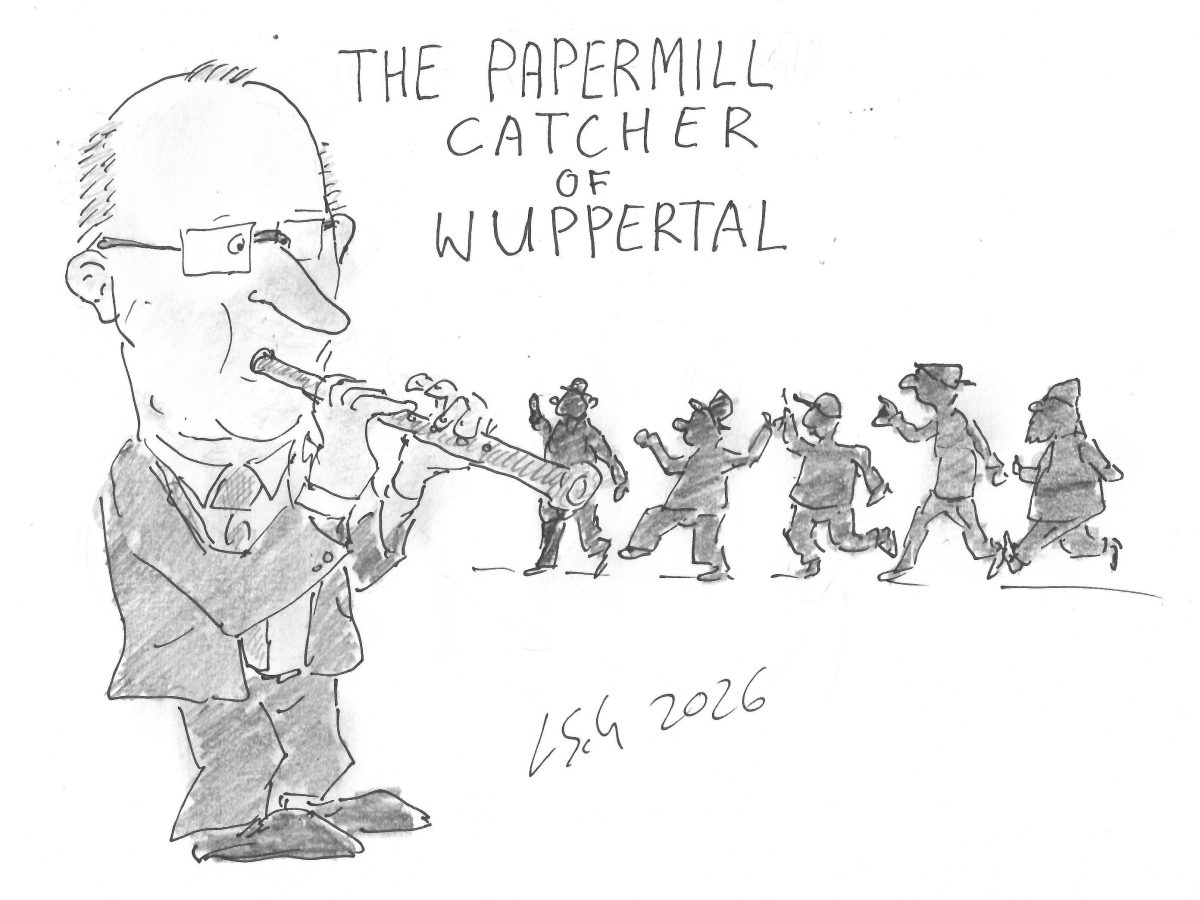
Sweet Sixteen Retractions
“Oh no, not me!” Rinklebe never lost control You’re face to face With the man who soiled the world
You may be thinking: if this papermiller Majumdar works in soil science, where is Jörg Rinklebe? Here!
Arnab Majumdar, Munish Kumar Upadhyay, Megha Ojha, Rakesh Biswas, Saikat Dey, Sukamal Sarkar, Debojyoti Moulick, Nabeel Khan Niazi, Jörg Rinklebe, Jen-How Huang, Tarit Roychowdhury A critical review on the organo-metal(loid)s pollution in the environment: Distribution, remediation and risk assessment The Science of The Total Environment (2024)·DOI: 10.1016/j.scitotenv.2024.175531
The study was flagged two years ago for false references, and Majumdar personally replied to correct those, but then had enough and complained to PubPeer about harassment:
“As the corresponding author, I should take responsibility for these unwanted mistakes and confusions. However, I would be happy to know if there’s any scope for addressing these issues. I am fully involved in authentic scientific communications and would expect further support from the PubPeer team as well.
With regards, Arnab”
Rinklebe lost a bunch of papers in this Clarivate-delisted Elsevier journal to retractions, but in this case, he and Majumdar saved this paper with a Corrigendum from April 2026, which replaced seven references:
“These corrections do not affect the scientific discussions and conclusions as presented in the original publication.
The authors would like to apologise for any inconvenience caused.”
This year’s top influencers in science
A retraction for the German professor, Frank Tacke, professor and head of gastroenterology clinic at Charité University Medicine Berlin.
This Highly Cited Researcher previously lost the paper Tacke et al 2011 with his former superior, Christian Trautwein (read January 2026 Shorts). Both men rose to academic power and influence as proteges of Michael Manns, the late president of Hannover Medical School (MHH), Trautwein however fell after someone with the same job description was sacked at University Clinic Aachen for sexual harassment, read November 2025 Shorts.
Here is Tacke’s second retraction, with his former PhD student now postdoc Hanyang (Branden) Liu. It wasn’t flagged on PubPeer before:
Shuai Chen, Xiurong Cai, Yu Liu, Yu Shen, Adrien Guillot, Frank Tacke, Liming Tang, Hanyang Liu The macrophage-associated microRNA-4715-3p / Gasdermin D axis potentially indicates fibrosis progression in nonalcoholic fatty liver disease: evidence from transcriptome and biological data Bioengineered (2022)· DOI: 10.1080/21655979.2022.2072602
Here is the Retraction from 20 November 2026:
“Since publication, significant concerns have been raised about the integrity of the data and reported results in the article.
When approached for an explanation, the authors provided their original data and answered our queries, but these do not sufficiently address the concerns.
As verifying the validity of published work is core to the integrity of the scholarly record, we are therefore retracting the article. The authors have been informed of this decision. The authors do not agree with the retraction.”
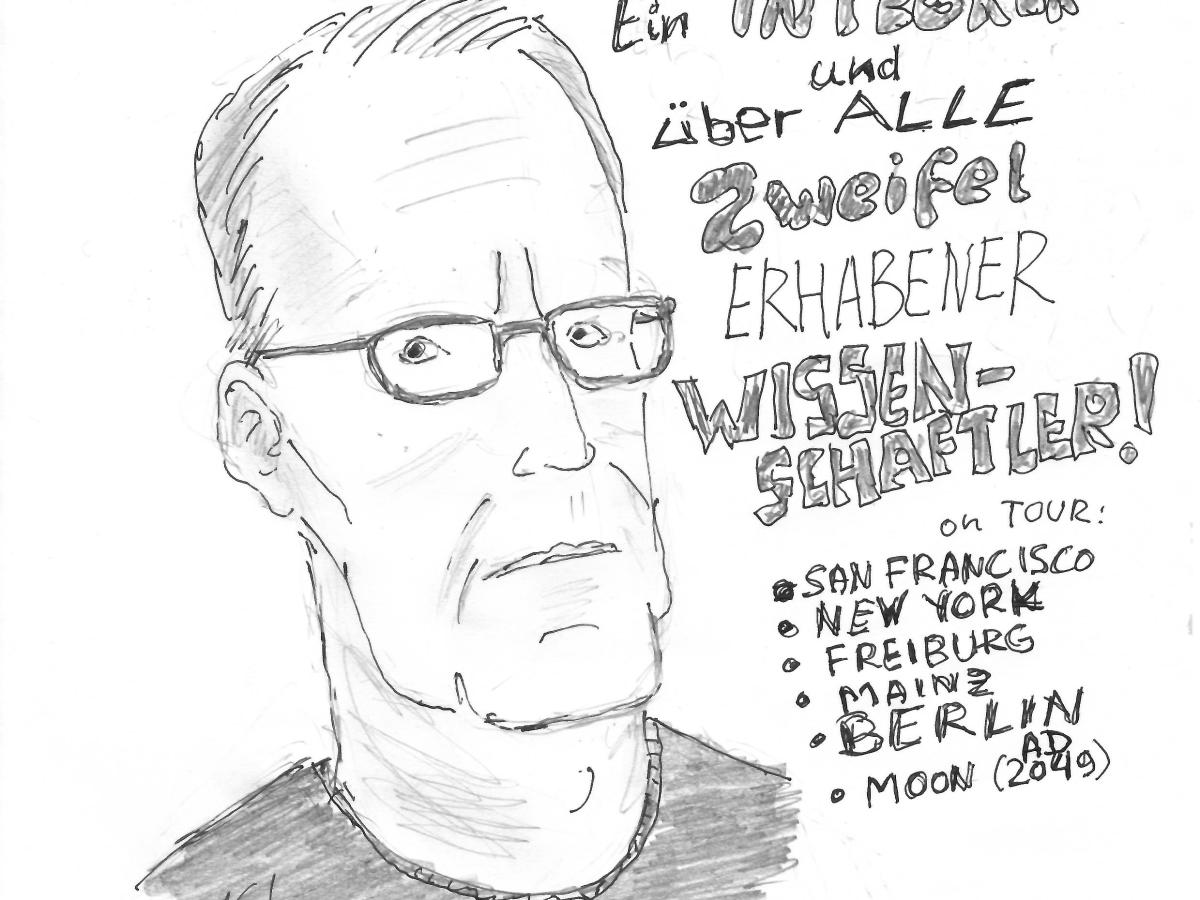
A scientist of integrity and beyond reproach
“The Investigative Committee notes that the infractions to normal scientific conduct surveyed in this report were blatant and repeated. Dr. [XY] should be dealt with in a manner consistent to the flagrant nature of the misconduct and data manipulation.” 2004 Berkeley report, illegal in Germany
As I wrote before, Tacke has more bad stuff on PubPeer. But don’t expect Charite to do anything: just on 18 November 2026 they celebrated their “Highly Cited Researchers”, which include Tacke and another Charite genius, Ulf Landmesser:
“They are something like this year’s top influencers in science: 15 researchers from Charité – Universitätsmedizin Berlin who appear on the Highly Cited Researchers list published today. In it, the company Clarivate recognizes researchers who have a significant and broad impact in their fields and who contribute disproportionately to expanding the boundaries of knowledge.”
Landmesser is director of cardiology clinic, deputy director of of the Deutsche Herzzentrum der Charité (DHZC), and director of the Friede Springer Cardiac Prevention Center at Charité, the latter named after the billionaire widow of a rightwing publishing tycoon, Axel Springer. He previously featured in January 2026 Shorts, because of his bad papers with his former boss at the University Hospital Zurich in Switzeland, Thomas Lüscher (a proud industry shill and self-admitted bully, now at Imperial College London, UK).
Chocolate health: advice by Thomas Lüscher and peer review by Jonas Malmstedt
Christmas season is the time to eat lots of chocolate. And as science teaches us, your confectionery is actually the superfood which will make you healthy, slim and clever. Good for you, good for the chocolate industry which often generously sponsors such scientists. In May 2016, I brought a story about chocolate health research and…
Thanks to the work of the pseudonymous sleuth Claire Francis, Landmesser’s modest PubPeer record grew recently, which is probably why Charite had the urge to celebrate him. Look at this, by Landmesser and Lüscher:
Alexander Akhmedov, Izabela Rozenberg, Francesco Paneni, Giovanni Guido Camici, Yi Shi, Carola Doerries, Anna Sledzinska, Pavani Mocharla, Alexander Breitenstein, Christine Lohmann, Sokrates Stein, Tobias von Lukowicz, Michael Odo Kurrer, Jan Borén, Burkhard Becher, Felix Christoph Tanner, Ulf Landmesser, Christian M. Matter, Thomas F. Lüscher Endothelial overexpression of LOX-1 increases plaque formation and promotes atherosclerosis in vivo European Heart Journal (2014)·View original article, DOI: 10.1093/eurheartj/eht532

Don’t expect even a correction at this journal by European Society of Cardiology, because Landmesser is Deputy Editor of the European Heart Journal, Lüscher is Senior Editor and used to be until 2020 Editor-in-Chief. In the same journal:
Julian Friebel, Alice Weithauser, Marco Witkowski, Bernhard H Rauch, Konstantinos Savvatis, Andrea Dörner, Termeh Tabaraie, Mario Kasner, Verena Moos, Diana Bösel, Michael Gotthardt, Michael H. Radke, Max Wegner, Peter Bobbert, Dirk Lassner, Carsten Tschöpe, Heinz-Peter Schutheiss, Stephan Burkhard Felix, Ulf Landmesser, Ursula Rauch Protease-activated receptor 2 deficiency mediates cardiac fibrosis and diastolic dysfunction European Heart Journal (2019) DOI: 10.1093/eurheartj/ehz117

In 2014, Heinz-Peter Schultheiß retired and bequeathed his directorship of Charite’s cardiology clinic to Lüscher’s protege Landmesser. Ursula Rauch-Kröhnert is another Charite professor of cardiology. Here another common paper by this trio:
Julia Winter, Elke Hammer, Jacqueline Heger, Heinz-Peter Schultheiss, Ursula Rauch, Ulf Landmesser, Andrea Dörner Adenine Nucleotide Translocase 1 Expression Is Coupled to the HSP27-Mediated TLR4 Signaling in Cardiomyocytes Cells (2019) DOI: 10.3390/cells8121588


Here another one:
Julia Winter, Inga Klumpe, Jacqueline Heger, Ursula Rauch, Heinz-Peter Schultheiss, Ulf Landmesser, Andrea Dörner Adenine nucleotide translocase 1 overexpression protects cardiomyocytes against hypoxia via increased ERK1/2 and AKT activation Cellular Signalling (2016) DOI: 10.1016/j.cellsig.2015.11.002

The last author Andrea Dörner is group leader DHZC, should retractions or any other troubles arise, she would probably take the fall for Landmesser, who himself is too big to fall.
Too many similar-looking images were produced
In the British province of Northern Ireland, a titan of nanotechnology suffers another retraction. And this time, there’s no Indonesian twink to blame.
The titan is Ryan Donnelly, professor ot Queen’s University Belfast. In April 2026 Shorts, I wrote about his previous retraction with his former PhD student, then postdoc, then “Grand finalist of the 2025 L-Men of The Year” Andi Dian Permana. Read here for background:
Fraud by Thousand Needles
” I can’t even begin to imagine the psychological damage of joining a lab as a new postgrad student and having people like Ryan F. Donelly as your supervisor and Andi as the postdoc, it must be heartbreaking. ” – Sholto David

But this paper is strangely without Andi, or so it looks at first glance:
Álvaro Cárcamo-Martínez, Brónach Mallon, Juan Domínguez-Robles, A. Sara Cordeiro, Maurizio Celentano, Eneko Larrañeta, Steven E. J. Bell, Ryan F. Donnelly Plasmonic photothermal microneedle arrays and single needles for minimally-invasive deep in-skin hyperthermia Journal of Materials Chemistry B (2020) DOI: 10.1039/d0tb00962h
The Retraction came out of nowehere on 20 November 2026:
“The Royal Society of Chemistry, with the agreement of the authors, hereby wholly retracts this Journal of Materials Chemistry B article due to concerns with the reliability of the data.
The Royal Society of Chemistry, with the agreement of the authors, hereby wholly retracts this Journal of Materials Chemistry B article due to concerns with the reliability of the data.
There are concerns with Fig. 3A, 4C and 5B, C, E and F. Fig. 3A overlaps with work previously published by the same group in ref. 1. Fig. 4C overlaps with work previously published by the same group in ref. 2. The authors note that Fig. 3C may have come from ref. 2 as well. Fig. 5 contains duplications of panels, caused by an error during figure assembly.
The authors, who initiated contact with the Royal Society of Chemistry about this article, state that the issues with figure assembly have been due to errors in selection of digital images where too many similar-looking images were produced and labelling within image databases was unclear.
Due to the number of concerns, the authors and Editor have lost confidence that the findings presented in this paper are reliable.
We have been unable to reach Maurizio Celentano, and Brónach Mallon has not responded to the decision to retract. All other authors agreed to the retraction.”
The retracted paper was submitted on 12 April 2020, and accepted on 27 May 2020. The referenced papers sharing the same data have same key authors, yet plus Andi The L-Man:
- Álvaro Cárcamo-Martínez, Juan Domínguez-Robles, Brónach Mallon, Md. Taifur Raman, A. Sara Cordeiro, Steven E. J. Bell, Eneko Larrañeta, Ryan F. Donnelly Potential of Polymeric Films Loaded with Gold Nanorods for Local Hyperthermia Applications Nanomaterials (2020)·DOI: 10.3390/nano10030582 (Submitted on 27 February 2020, revised on 17 March 2020, accepted on 20 March 2020)
- Álvaro Cárcamo-Martínez, Qonita Kurnia Anjani, Andi Dian Permana, A. Sara Cordeiro, Eneko Larrañeta, Ryan F. Donnelly Coated polymeric needles for rapid and deep intradermal delivery International Journal of Pharmaceutics: X (2020) DOI: 10.1016/j.ijpx.2020.100048 (submitted 5 February 2020, revised 20 March 2020, accepted 18 April 2020)
Despite all three papers beign published almost in parallel, the other two remain officially correct and free of errors. Many other papers by Donnelly with his Andi got corrected, although retraction would ahve been the better approach there.
Her behavior is against the law
A crazy string of retractions in The Netherlands. It started with this Correction six years ago:
Hilde M. Buiting, Gert Olthuis Importance of Quality-of-Life Measurement Throughout the Disease Course JAMA Network Open (2020) DOI: 10.1001/jamanetworkopen.2020.0388
“Error in AffiliationsIn the Invited Commentary, “Importance of Quality-of-Life Measurement Throughout the Disease Course,”1 published on March 4, 2020, Hilde M. Buiting, PhD, incorrectly indicated her current affiliation as “Antoni van Leeuwenhoek, Netherlands Cancer Institute.” The correct affiliation should have been indicated as “Amsterdam, the Netherlands.” This article has been corrected.”
(Correction May 2020)
And then retractions rained for Hilde Buiting, who in December 2018 left the Antoni van Leeuwenhoek Hospital of Netherlands Cancer Institute (NCI-AVL), yet continued using her old affiliation, and for some interesting reason she continued adding a former colleague as coauthor.
Hilde M. Buiting The Train: A Supply of Inspiration for Delivering High-Quality Cancer Care Annals of Surgical Oncology (2025) DOI: 10.1245/s10434-024-16763-y
“The Editor-in-Chief has retracted this article because it shows evidence of authorship manipulation. Originally this article included a second author. The second author has informed the publisher that they were not involved in the writing of the article and that they did not consent to the submission and publication of the article. In addition, the Netherlands Cancer Institute (NKI) has confirmed that the second author did not contribute to this article, and that the first author is not affiliated with the Netherlands Cancer Institute or Antoni van Leeuwenhoek.”
(Retraction 8 March 2025)
That second author was Gabe Sonke, head of the Division of Medical Oncology at NCI-AVL and professor at the University of Amsterdam. Here another retracted paper:
Hilde M. Buiting, Gabe S. Sonke Setting the Stage for Cancer: Stay Soft and Optimistic The Yale Journal of Biology and Medicine (2024) DOI: 10.59249/fqvx3500
The retraction from August 2024 mentioned that “concerns were raised about the author’s incorrect affiliation with Antoni van Leeuwenhoek, Netherlands Cancer Institute, Amsterdam, the Netherlands, and the inaccurate inclusion of Dr. Gabe S. Sonke as second author“:
Yet Buiting did work at NCI-AVL until the end of 2018, and under that affiliation she published several papers with Sonke, and even more with other Dutch authors. Her last common paper with Sonke is Buiting et al BMJ Open 2019, published in January 2019, and apparently not complained about.
But it gets much stranger. Even today, Sonke is listed as partner on Buiting’s private blog:

Maybe Buiting and Sonke used to be very close, and she can’t let go? After I wrote to Sonke, I received this message from NCI-AVL communication officer Renske Kleijn:
“This is a long running and complicated case. Mrs. Buiting is misusing the name of Gabe S. Sonke MD, Ph.D., and falsely represents herself as an affiliated party of the Netherlands Cancer Institute and Antoni van Leeuwenhoek. Her behavior is against the law, and we have taken legal action.“
Kleijn later tried, but didn’t really succeed to explain why Buiting chose Sonke as her unwilling coauthor:
“There has never been a relationship between Prof. Dr. Sonke and Ms. Buiting. Ms. Buiting was employed at the Netherlands Cancer Institute for a brief period but is no longer affiliated with our institute.
Furthermore, despite repeated requests to refrain from doing so, Ms. Buiting has continued to list Prof. Dr. Sonke as a co-author on manuscripts without his consent. As previously explained, we have taken legal steps to address this matter. Given that this is an ongoing legal matter, we are unable to comment further on the details.“

Stuck with Hommel, or Bad Choices in Leiden
“Scientific articles often have more than one author, with different contributions and responsibilities. It cannot be the case that in all events of demonstrated malpractice in publications, where one or more authors have been shown to have breached the scientific integrity, all other authors are therefore suspect without any further indication.” Leiden University defends Bernhard…
Here is the most recent retraction:
Hilde M. Buiting, Yvette van der Linden, Tessa G. Steenbruggen, Eva E. Bolt, Winan J. van Houdt, Gabe S. Sonke Oligometastases: Incorporate the patient perspective to ensure optimal treatment and care Journal of Surgical Oncology (2024) DOI: 10.1002/jso.27561
“The retraction has been agreed upon following an investigation into concerns raised by the institution listed by one of the authors regarding the accuracy of the stated affiliation and unauthorized affiliation use. Subsequent [MP1.1]correspondence with some of the co-authors confirmed that they had not contributed to the article, with one (G.S. Sonke) indicating that they had not previously been aware of their inclusion on the author list. Y. van der Linden stated that, after an initial start with writing the manuscript several years previous, she had had no further contact with the corresponding author, H.M. Buiting, and was surprised to see the article published. Corresponding author H.M. Buiting did not respond.”
(Retraction 18 November 2026)
Here two more recent retractions, they had a similar retraction note:
- Hilde M. Buiting, Gabe S. Sonke Gray oncologic areas Journal of Surgical Oncology (2024) DOI: 10.1002/jso.27598
- Hilde M. Buiting, Gabe S. Sonke Natural Journal of Surgical Oncology (2024)DOI: 10.1002/jso.27628
“The retraction has been agreed upon following an investigation into concerns raised by the institute listed by one of the authors regarding the accuracy of the stated affiliation and unauthorized affiliation use. Subsequent correspondence with author G.S. Sonke confirmed that he had not been involved with the article in any way.”
(Retraction 17 November 2026)
This paper is still at the Expression of Concern stage:
Femke Botman, Patrick R. Brown, Marjolein van Meggelen, Gabe S. Sonke, Hilde M. Buiting Balancing proximity and distance in oncology during COVID-19 times and beyond European Journal of Oncology Nursing (2023) DOI: 10.1016/j.ejon.2023.102379
The Expression of Concern from June 2025 stated:
“The corresponding author has claimed an affiliation with the National Cancer Institute-Antoni van Leeuwenhoek Institute (NC-AVL). The Institute informed the journal that its records do not support the existence of a current relationship between the NC- AVL and Hilde M. Buiting as a student, faculty member or visiting scholar. In addition, Dr Gabe S. Sonke has informed the journal that he was added to the article as a co-author without his knowledge.”
This one also received an Expression of Concern in 2023, and a Correction in May 2026, which was later updated to a retraction:
Daniel H de Vries, Hilde M. Buiting Friendship during patients’ stable and unstable phases of incurable cancer: a qualitative interview study BMJ Open (2022) DOI: 10.1136/bmjopen-2021-058801
“What happened after publication
Gabe Sonke told the journal that he was not an author, and had been included in the author list for the article by co-author Hilde Buiting. An expression of concern2 was published for this article. The journal investigated and corrected the author list to remove Gabe Sonke and Michelle van Eijk, and corrected the affiliations of Hilde Buiting.3
The misrepresentation of the authorship to include Sonke as an author without his knowledge raised concerns about the overall integrity of the study. The journal asked the institutions connected to the work (the Netherlands Cancer Institute and University of Amsterdam) to review the good standing of the research, given the misrepresentation of authorship.
The Netherlands Cancer Institute (NCI) would not investigate the work. They confirmed that their institution provided ethical approval for the study, however, they could not confirm whether the research was conducted there. The NCI could not investigate the conduct of Hilde Buiting because she was no longer employed by the institution at the time the complaint was raised. Buiting was employed by the NCI when the study data were collected.
The University of Amsterdam would not investigate the good standing of the work. They said they could only investigate the conduct of individuals affiliated to their institution currently, or when the work was conducted. Therefore, they reviewed the conduct of De Vries and Van Eijk. They concluded that ‘no violation of academic integrity occurred’. They said they could not review the conduct of Hilde Buiting because she was not employed by the institution at the time the complaint was raised, or at the time the article was written.
Reasons for retraction
None of the relevant institutions has been able to review or vouch for the good standing of the work. This article is retracted by the journal because the editor no longer has confidence in the overall reliability and integrity of the work.”
(Retraction May 2026)
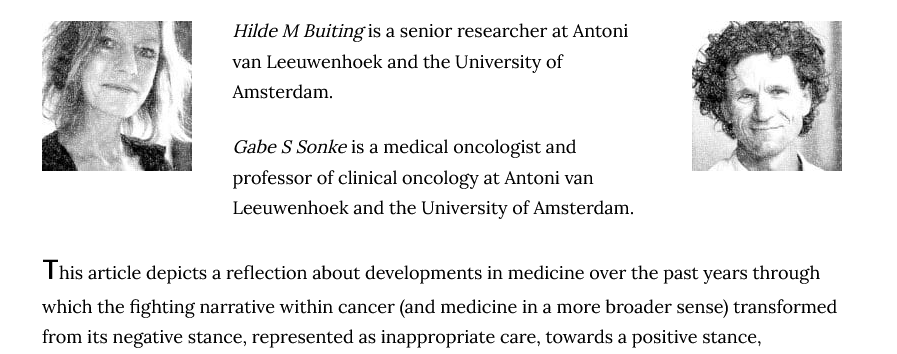
What was not retracted, was this piece by Buiting and Sonke from 2024 in BJGP Life, maybe because it isn’t a proper academic journal:
There are also still Buiting’s papers with other Dutch authors stored at the university’s website, despite being published after 2018. Buiting et al 2020 is publicly presented by VU Amsterdam, while Buiting et al 2023 is stored by Amsterdam UMC.
Donate!
If you are interested to support my work, you can leave here a small tip of $5. Or several of small tips, just increase the amount as you like (2x=€10; 5x=€25). Your generous patronage of my journalism will be most appreciated!
€5.00


0 comments on “Schneider Shorts 27.11.2026 – We invite you to submit your feedback as Rapid Response”