
The sleuth Parashorea tomentella brings you another big papermill investigation. It is a follow.up on their past reporting about an Elsevier journal infested by fraudulent Traditional Chinese Medicine (TCM). Turns out, there is a sister journal, which in turn has a sister, so there’s really a lot of fake TCM stuff to show you.
Despite this being a very long article, at the end there will be a CODA written by me, about the lead editor of these journals. Thomas Efferth is Head of Department of Pharmaceutical Biology at University of Mainz in Germany, plus honorary professor at several Chinese universities, board member of various societies for Traditional Chinese Medicine (TCM), plus wearer of numerous awards and one posh moustache.
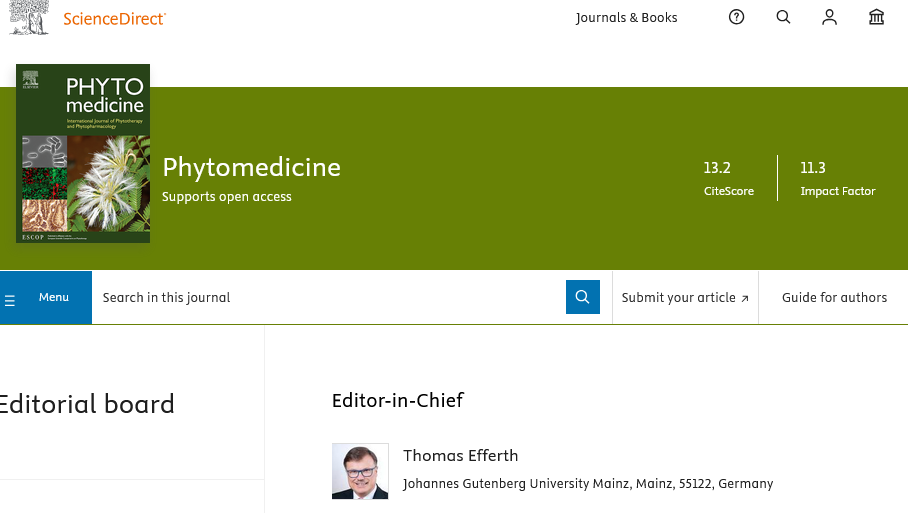
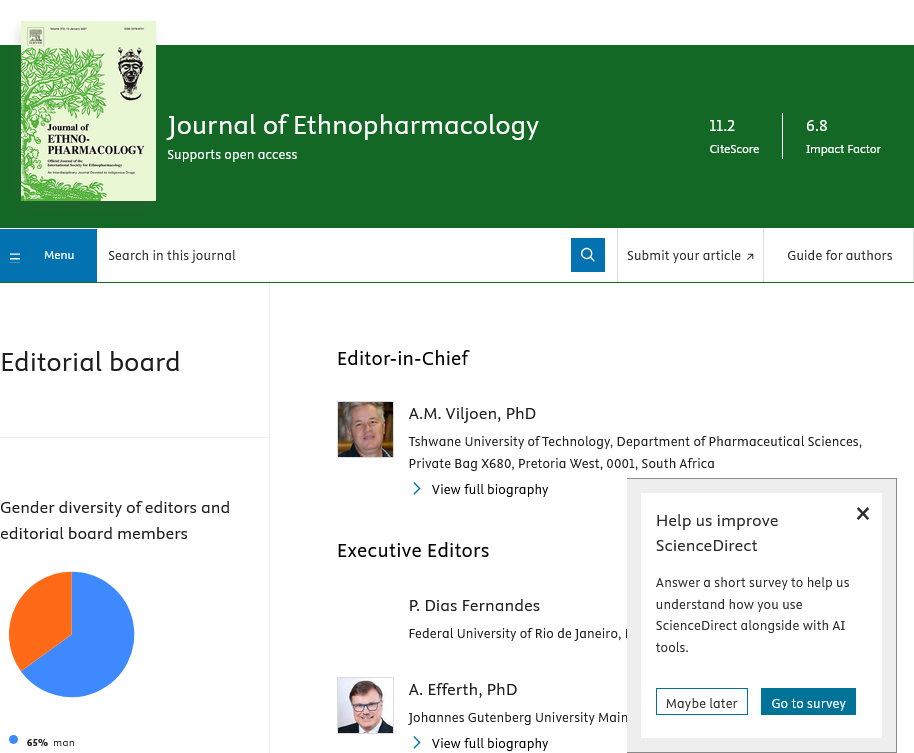
Relevant to the following story is that Efferth is Editor-in-Chief of Phytomedicine (impact factor 11.3) and its open access sister Phytomedicine Plus, and Executive Editor at Journal of Ethnopharmacology (impact factor 6.8), both are Elsevier journals. The two Phytomedicines are supported by the European Scientific Cooperative On Phytotherapy (“an umbrella organisation representing national herbal medicine or phytotherapy societies across Europe“), while the latter is the official journal of the International Society for Ethnopharmacology.

It is clear that these journals being flooded with TCM fraud from Chinese papermills is not a bug but a feature. Parashorea tomentella also made a spreadsheet with hundreds of papers in all three journals, all containing various kinds of fake data.
A Bingdi lotus is in bloom
by Parashorea tomentella
Elsevier’s journals Phytomedicine and Journal of Ethnopharmacology are like twin lotus growing out of the murky waters of Traditional Chinese Medicine. And they did not emerge from the mud unstained.
The Bingdi lotus (also known as the double-headed or twin lotus) is a rare, natural mutation of the lotus where a single stalk produces a pair of fully formed flowers. It symbolizes unity of heart, shared roots, shared blessings, and shared life in China. Phytomedicine and Journal of Ethnopharmacology share similar topics, some common editorial board members, similar author pools, and similar problems. Therefore, I liken them to Bingdi lotus flowers. According to Web of Science, these are the two journals with the highest publication output in the “INTEGRATIVE & COMPLEMENTARY MEDICINE”; half of the papers in this field are published in them, and Phytomedicine is even the top journal.
Slipshod Self-service Ethnopharmacology
“Since Journal of Ethnopharmacology sees no reason to reject bear bile powder research like other scientific journals, that means you can expect to see anything there” – Parashorea tomentella

Since Last Year
In 2025, I wrote a blog post on articles published in the Journal of Ethnopharmacology, specifically Volume 341 and earlier. As you can read below, there were problems everywhere. The moment I finished writing it, I doubted that there might never have been any other Elsevier journal with so much room for improvement.
In one of those previous issues, Smut Clyde found a paper by the Exective Editor Efferth with some visitors from Iraq to his lab in Mainz:
Aveen N Adham , Alaadin M Naqishbandi, Thomas Efferth Cytotoxicity and apoptosis induction by Fumaria officinalis extracts in leukemia and multiple myeloma cell lines Journal of Ethnopharmacology (2021) doi: 10.1016/j.jep.2020.113458

In April 2025, Smut Clyde noticed evidence of papermill origin: inappropriate references, which “contributed to the highly-cited status of Chao Zhao’s papers on treating corn leaves for biofuel extraction, somehow under the impression that they were about extracting the active ingredients of herbal medicines“. Professor Efferth was informed (by LS), but he chose not reply or issue a correction for his paper.
Since I wanted to witness improvements happening, I conducted a follow-up survey to see if the articles after volume 342 had improved. Then I wrote over a hundred comments on PubPeer and concluded that it didn’t happen. This survey covers volumes 344 to 370.
First, let’s examine a case of image manipulation. The authors of this article are all from Department of Zoology, Mizoram University (A Central University), India, and have conducted a comprehensive pharmacological and toxicological study of Paederia foetida. From the abstract, I felt that this study and its interpretation of the results were too optimistic. But then I discovered image manipulation. My PubPeer comment was initially rejected (read May 2026 Shorts about this topic), but it was eventually posted after moderation. I understand PubPeer’s concerns about allowing anonymous users to use the term “image manipulation,” especially since I lacked experience in clearly demonstrating the details of image manipulation. The good news is that Thomas Kesteman has this experience, and he extended on my initial findings and discovered much more:
Chettri Arati , Abdelgani Gumaa Abdelmuala Baraka , Rabha Chiranjeeb , Ahmed-Laskar Saeed , Chakma Sonia , Borthakur Atrayee , Malik Smita Shruti , Chakravarty Dorshon Mimangsha , Lalremruata Andy , Maurya Khushboo , Vikas Kumar Roy , Guruswami Gurusubramanian Comprehensive phytochemical characterization, antioxidant potency, and toxicological evaluation of Paederia foetida in Wistar albino rats: Insights into therapeutic efficacy and safety profiles Journal of Ethnopharmacology (2025) doi: 10.1016/j.jep.2025.120382

Panels 8D and 7D (and thus 7B)
Panels 7J and 7L with small changes
Panels 7M and 8P (rotated)”

Panels 9A (and thus 7A, 8A) and 9B
Panels 9D, 10A and 10D (rescaled, stretched)”

Panels 9N, 9O, 10P, as well as 10N, partially (cropped)
Panels 9P, 10O, and 10N (excepted a small zone, dashed square)”

Panels 7A and 8A (partially)
Panels 7C and 8C (partially)”


Next, the cases of simple image overlap. Let’s take a look at this gloriously “budget-chic” image overlap, where a single histochemical staining image has been cropped and recycled to represent the results of three different groups. The authors were from Hebei University of Chinese Medicine and are conducting research on the Bushen Wenyang Huayu Formula:
Yingmei Zhang , Lin Luo , Linjuan Liu , Shuchan Hu , Ruobing Niu , Yu Xi , Qi Liu , Shixing Wu , Ying Sun , Jian Zhao , Yu Zhang , Ming He Mechanism of Bushen Wenyang Huayu Formula against oxidative damage by Let-7b-Bach1 in the treatment of endometriosis Journal of Ethnopharmacology (2026) doi: 10.1016/j.jep.2026.121392

There are overlapping images in Figure 6A.
The university is located in the well-known poverty-stricken belt surrounding Beijing. I wondered if the authors resorted to this measure due to a severe shortage of funding, but I was wrong:
“This work was supported by National Natural Science Foundation of China (No. 82074247), Hebei Province Science and Technology Support Program (No. 21377771D), Hebei Natural Science Foundation (No. H2023423056), Postgraduates Innovation Funding Program of Hebei University of Chinese Medicine (No. XCXZZSS2023018), Postgraduates Innovation Funding Program of Hebei Province (No. CXZZSS2024070).”

Eligible for a full waiver
“I reviewed papers published in special issues of Hindawi journals that had corresponding authors from low- and middle-income countries. It seems, the APC waiver policy may be being abused by papermills” – Parashorea tomentella
There are several cases of images that overlap after being stretched. Thie next one is open access. The Journal of Ethnopharmacology is a hybrid journal, and only a small number of its papers are published in open access. Since all the authors are from Ghana, the journal may have granted an waiver for the article processing charges (APC), which are normally $3,740 plus tax there. In this study, which combines a type of mushroom with kaolin, two images have been excessively stretched. After trying to restore them from stretching, you can see that the images from the three groups are actually the same picture.
Dorcas Akuorkor Teiko , Benoit Banga N’guessan, Michael Buenor Adinortey , Ifeanyichukwu Benedict Iheagwara , Seth Kwabena Amponsah , Mahmood Abdulai Seidu , Regina Appiah-Opong , Isaac Julius Asiedu-Gyekye In vivo assessment of chronic, genotoxic, and reproductive toxicity of a combination of Termitomyces schimperi (Pat.) R. Heim (Lyophillacea) and kaolin Journal of Ethnopharmacology (2025) doi: 10.1016/j.jep.2025.119739
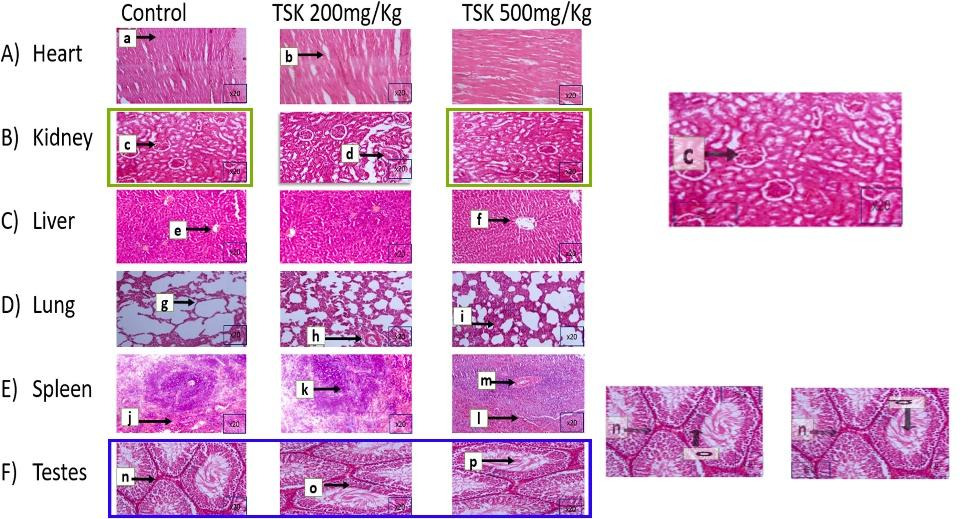
There are also some other cases involving stretching, here another TCM decoction with herbs and pig gall (!) from Beijing University of Chinese Medicine:
XueJiao Li , Miao Li , RuiShu Chen , Ying Wang , Gan Luo , XiaoYan Gao Affinity-purified targets screening facilitates active components discovery of Chinese formula —HuGan tablets as a case Journal of Ethnopharmacology (2025) doi: 10.1016/j.jep.2025.119703

From Zhejiang Chinese Medical University, more TCM herbs:
Yansai Zhao , Wei Hong , Ying Chen , Shuyi Chen , Qiying Liu , Ziqian Liao , Yingqi Mao , Tao Qiu Exploring the intervention mechanism of Acori Tatarinowii Rhizoma-Polygalae Radix herb pair on post-stroke depression based on multi-omics analysis Journal of Ethnopharmacology (2026) doi: 10.1016/j.jep.2026.121440

Figure 4A contains images that overlap after stretching.
From Shanghai University of Traditional Chinese Medicine, another TCM decoction featuring Honey-fried licorice root:
Jiayun Wang , Liangbo Jiao, Zhiqiang Yan, Shun Wang, Suwan Wu, Tao Guo, Yuetong Yang, Xiaoyingzi Su, Bo Tan, Aidong Yang Dunhuang Daxiefei Decoction ameliorates acute lung injury via the HIF-1α/glycolysis/H3K18la axis Journal of Ethnopharmacology (2026) doi: 10.1016/j.jep.2026.121591

It has been just corrected on 8 August 2026 for “an unintentional error during figure assembly” which the authors claim to have found all by themselves “during a recent re-examination of the figures and original data“. The authors also “rechecked the corresponding quantitative data and statistical analyses” and “confirmed that this image error does not affect the quantitative results, statistical analyses, or the main conclusions of the article“.

Tooth-Fairy-Meets-Easter-Bunny Science of TCM
Smut Clyde follows the dark path of Traditional Chinese Medicine again. What will he find there? As usual, all the big publishers peddling TCM fraud, that’s what.

More Chinese herbs and their decoctions, from Hunan University of Chinese Medicine:
Qin Yuan, Fan Chen , Qiang Xiao , Zian Zhang , Can Liu , Jiaxin Xia , Wenjun He , Xue Pan , Fuyuan He, Meifeng Xiao Comparative study on the efficacy and underlying mechanisms of Lonicerae Japonicae Flos and Lonicerae Flos in Shuanghuanglian formula against acute lung injury Journal of Ethnopharmacology (2026) doi: 10.1016/j.jep.2026.121935

Figure 4B has images that overlap after stretching.
Don’t be sceptical of dried centipedes and dried scorpions, these do wonders with a drop of Vitamin D, says Nanjing University:
Xiuzhu Wang , Liping Tan , Yue Dong , Yan Lin , Lijie Yin , Sunan Shen , Huan Dou  , Yayi Hou Vitamin D enhances the effect of Soufeng sanjie formula in alleviating joint inflammation in CIA mice through VDR-NOTCH3/DLL4 signaling in macrophages Journal of Ethnopharmacology (2025) doi: 10.1016/j.jep.2025.119932

Figure 5C has images overlapping after stretching.
This TCM decoction is at least purely vegan, recommended by Lishui University not just classically for abdominal pain and gynecological disorders, but also for Alzheimer’s. That’s because the “homotherapy for heteropathy” approach allows treating unrelated diseases with the same TCM product:
Xin Fu , Zhikun Zang , Rong Ji , Yang Yu , Songquan Wu, Zhibin Wang Investigating the “homotherapy for heteropathy” mechanism of Danggui Shaoyao San in Alzheimer’s disease and polycystic ovary syndrome via MAPK signaling pathway and metabolomics Journal of Ethnopharmacology (2026) doi: 10.1016/j.jep.2026.121360

There are some cases where the images overlap after rotation. For example, this TCM cure for infertility from Chengdu University of Traditional Chinese Medicine,
Min Liu, Yi Sun, Xue Liu, Shaobin Wei, Jing Yang, Yan Wang, Keming Wu, Yeke Wu Xin Jia congrong tusizi decoction reverses ferroptosis in granulosa cells to rescue ovarian function decline via p53/Nrf2/SLC7A11/GPX4 signaling pathway Journal of Ethnopharmacology (2026) doi: 10.1016/j.jep.2026.121659

An asparagus-based TCM decoction from Beijing University of Chinese Medicine:
Tianhui Du, Yunshu Zhang, Hui Wang, Weibin Xie, Caiyu Liang, Jingyun Guo, Chenglong Zheng, Shunwen Guo Yiqi Huoxue formula promotes post-myocardial infarction angiogenesis by modulating mitochondria-associated membranes (MAMs) and calcium homeostasis via the cGMP/PKG signaling pathway Journal of Ethnopharmacology (2026) doi: 10.1016/j.jep.2026.121936

Figure 7C contains images that overlap after rotation.
The above was corrected on 23 June 2026 with a very brief notice:
“The authors regret <Figure 7C>.
The authors would like to apologise for any inconvenience caused.”
Up-and-coming stars in Nanjing Medical University
“For example, over the course of just a year, from 2021 to 2022, the Ren et al. team make a series of significant discoveries in Kidney disease.”
Also this from Shenyang Pharmaceutical University was corrected, unfortunately no TCM decoctions there, just a flavone from the passion flower:
Lixi Li , Yanjia Gu , Xinyue Luo, Jinyu Wang, Ying Jia , Tingxu Yan Chrysin reprograms microglial metabolism and function via targeting SYK to alleviate the symptoms of Alzheimer’s disease Journal of Ethnopharmacology (2026) doi: 10.1016/j.jep.2026.122056

The Corrigendum from 8 July 2026 replaced the “an erroneously duplicated micrograph“, and: “The authors confirm that all original unprocessed scratch wound imaging data from every experimental group have been fully retained and properly archived“. Also, “an omission of group labels in Fig. 5L” was fixed.
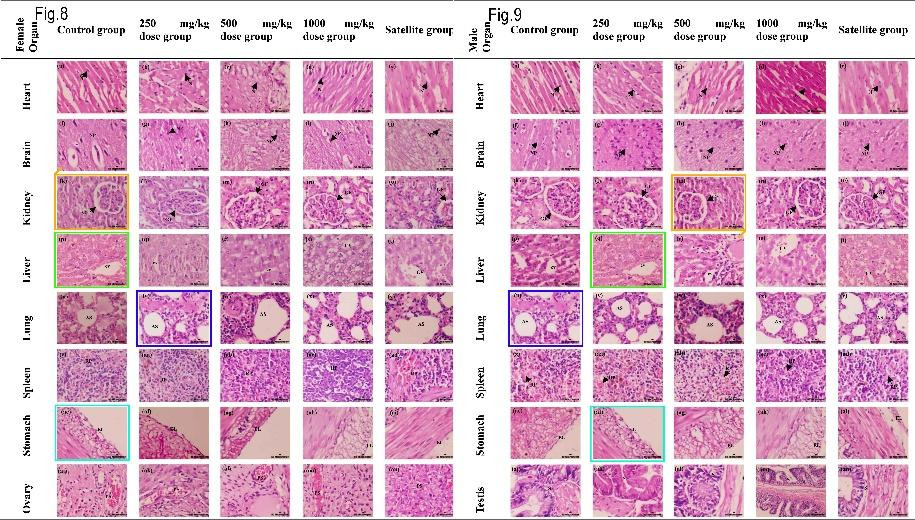
Of course, there are cases where ordinary images are being duplicated. I’ll use this bamboo paper from Nirma University in India as an example:
Bhavna Bohra , Bhoomika Yadav , Devendra Kumar , Bhagawati Saxena From structure to safety: Material characterization and toxicological evaluation of Vanshlochan (Bambusa bambos (L.) voss [Poaceae]) using AI-assisted and In vivo approaches Journal of Ethnopharmacology (2026) doi: 10.1016/j.jep.2026.121266
Its more glaring issue is this strange ethics approval statement:
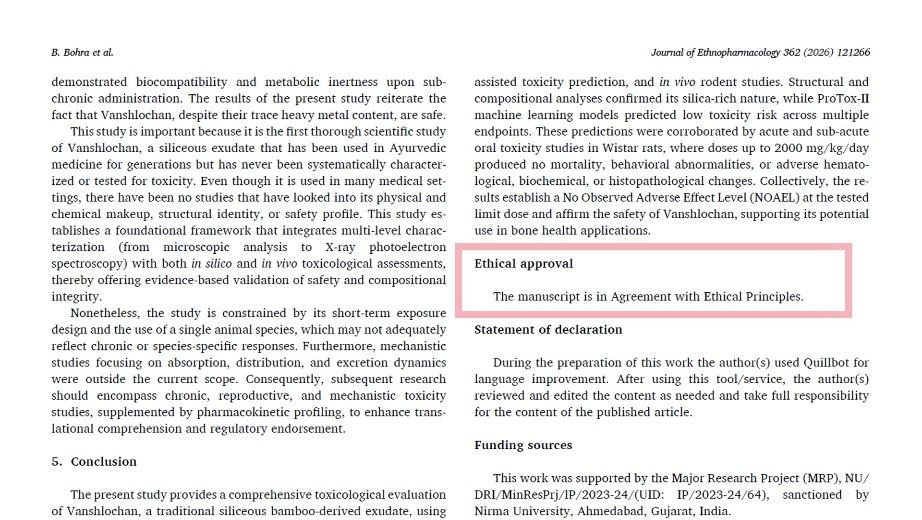
In the section “Experimental Animals” the authors state, “All experimental procedures […] were approved by the Institutional Animal Ethics Committee (Protocol No. IP/PCOL/PHD/35/2023/11)”. Therefore, this meaningless statement “The manuscript is in Agreement with Ethical Principles” likely appeared because no editor ever read it.
The conclusion of this follow-up survey is that I cannot say with certainty that the journal’s condition has worsened, but I also haven’t seen any signs of improvement. But if this journal continues like this, I might keep bothering it.

Papermill – your local partner for Special Issues in China
Did you know that special issues are better than regular issues and better than special issues?
A Top Journal
We now turn our attention to Phytomedicine, starting with an article from Shaanxi University of Science and Technology, again on a TCM-related topic. PubPeer user Explanatum explanatum discovered that the images in this article published in the Phytomedicine overlapped with those in an article published in the Journal of Ethnopharmacology that shared some of the same authors.
- Pin Gong , Jiating Wang , Shuang Wang , Wenjuan Yang , Wenbo Yao , Nan Li , Jing Wang , Yanni Zhao , Fuxin Chen , Jianwu Xie , Ting Zhou , Yuxi Guo Metabolomic analysis of the Puerarin hypoglycemic activity via AMPK-mTOR and PPARγ-NF-κB signaling pathways Phytomedicine (2024) doi: 10.1016/j.phymed.2024.155546
- Pin Gong , Xuyang Xiao, Shuang Wang, Fuxiong Shi, Ni Liu, Xuefeng Chen, Wenjuan Yang, Lan Wang, Fuxin Chen Hypoglycemic effect of astragaloside IV via modulating gut microbiota and regulating AMPK/SIRT1 and PI3K/AKT pathway Journal of Ethnopharmacology (2021) doi: 10.1016/j.jep.2021.114558


Now, the Journal of Ethnopharmacology was in fact retracted, very unexpectedly. It was initially corrected in September 2023, because “the image of the AS-IV-H group in Fig. 2A was inadvertently duplicated with an image of the other fields of view of the AS-IV-L group during figure assembly“, which “not affect the legend, results, or conclusions of this study.” In October 2024, an Expression of Concenr appeared, the retraction appeared in December 2024 (dated March 2026), and was caused by a whistleblower from China:
“Concerns regarding image recycling were flagged by a whistleblower. The article contains identical duplicated images that have already been published as a Master’s Thesis titled “Study on the protective effect and mechanism of puerarin on diabetes mellitus based on network pharmacology and metabolomics,” Shaanxi University of Science and Technology (2020). (基于网络药理学和代谢组学研究葛根素对糖尿病的保护作用及机制. 陕西科技大学, 2020.) https://doi.org/10.27290/d.cnki.gxbqc.2020.000357.
In the article being retracted, the authors reported on the protective effects and underlying mechanisms of astragaloside IV against liver injury, but in the Master’s thesis, the protective effects and underlying mechanisms of puerarin against diabetes were reported on. Fig. 2A CON in the article being retracted is identical to Figure B in the Master’s thesis, and Fig. 1G in the article being retracted is identical to Figs. 3–6B in the Master’s thesis.
This article also contains content which was later duplicated in Phytomedicine, 130, (2024) 155546 (doi.org/10.1016/j.phymed.2024.155546). […] The editors are concerned about the integrity of the data particularly in the case that the animals were in different experimental conditions. Details of the duplication of content in Phytomedicine are also outlined in detail on PubPeer. https://pubpeer.com/publications/7E30E3FCFCAC6BCDCF73F24EE8F40D […]”
Strange how the editors became suddenly “concerned” about the duplication which they happily corrected a year before…
Deliferate misteaks by Tradional Chinese Medicine
Smut Clyde studies two Chinese research groups to understand how TCM can be used to create modern Photoshop art.
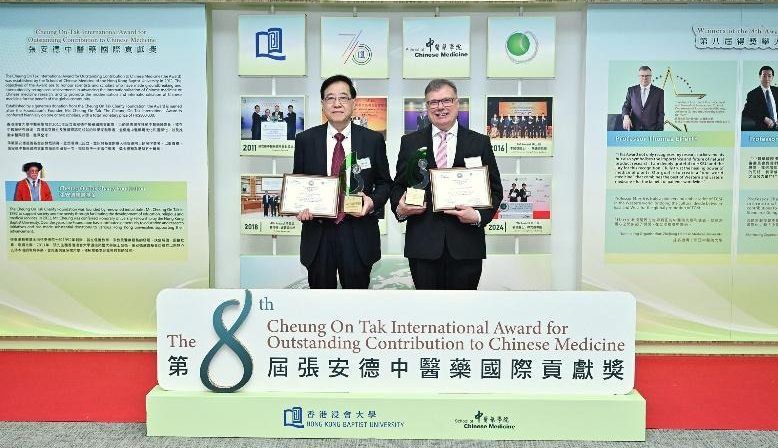
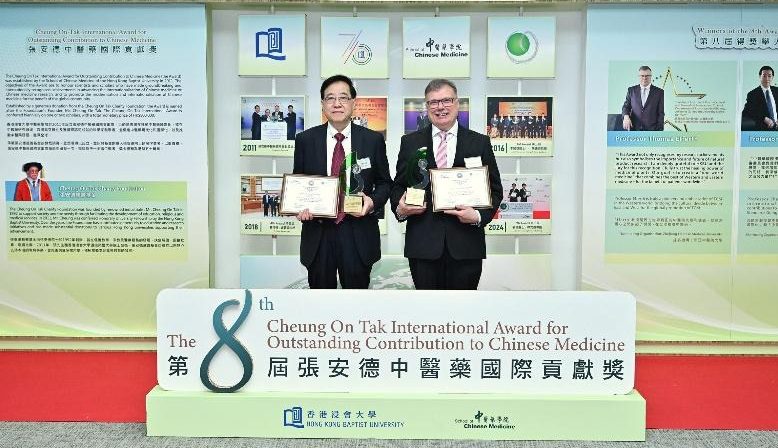
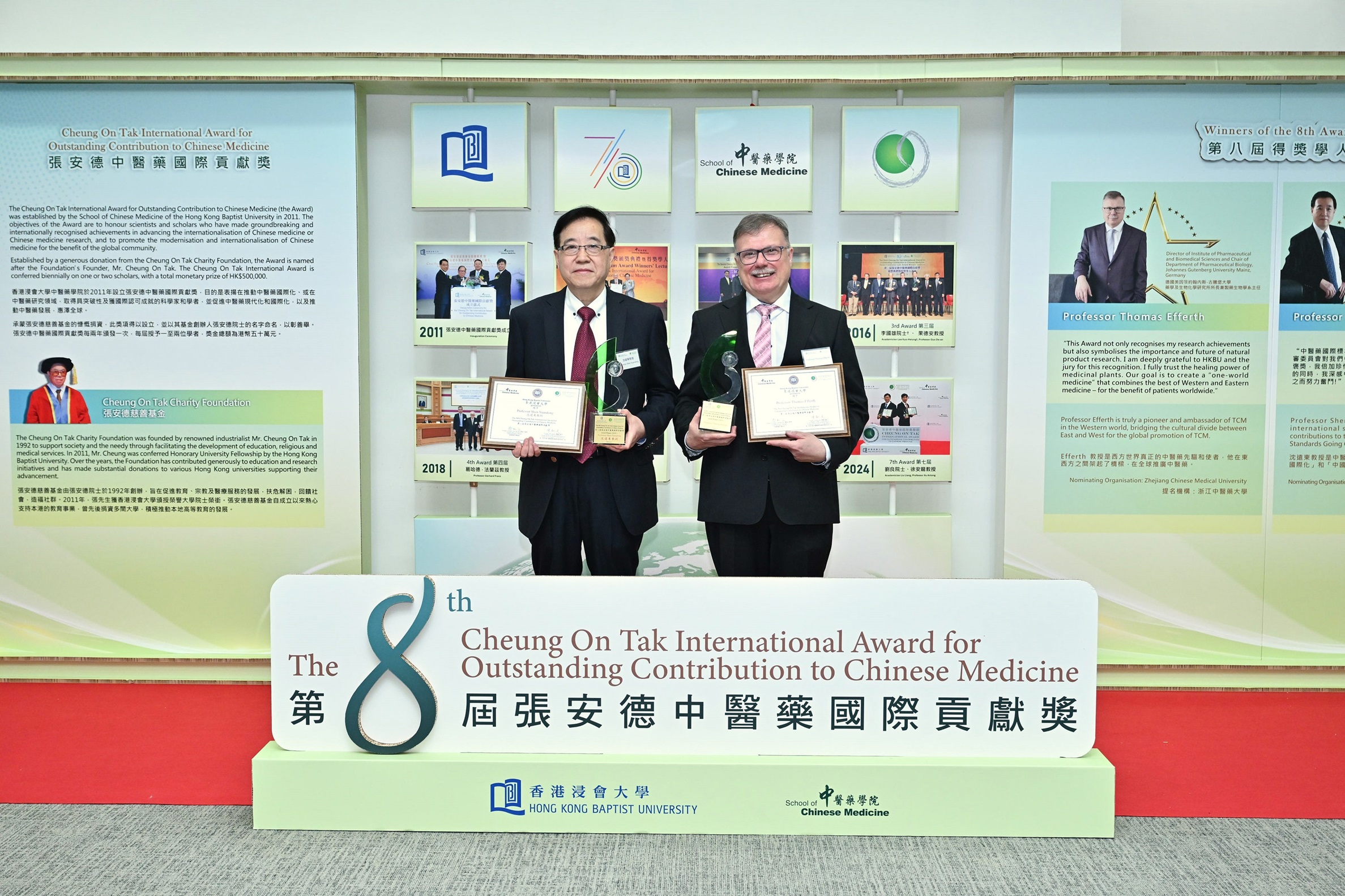
As reminder, Efferth is the Editor-in-Chief of Phytomedicine and Executive Editor of Journal of Ethnopharmacology. Public records show that he has collaborative relationships with many Chinese people. He leads an AI-driven drug discovery innovation team at the Fuyang Research Institute of Zhejiang University of Traditional Chinese Medicine. He also acts as one of the Associate Editors-in-Chief for World Journal of Traditional Chinese Medicine, a journal published by the World Federation of Chinese Medicine Societies (WFCMS), which is an official organization under the supervision of the State Administration of Traditional Chinese Medicine. Efferth also serves as chief advisor to Hangzhou Sanjiang Shangyu Biotechnology Co., Ltd., a Chinese company that specializes in cell lines for scientific research. In April 2026, he received the Chueng On Tak International Award for Outstanding Contribution to Chinese Medicine from the School of Chinese Medicine at Hong Kong Baptist University.
There’s another common editorial board member: Susana Zacchino, professor at National University of Rosario in Argentina, is the Deputy Editor of Phytomedicine, and editorial board member of Journal of Ethnopharmacology. In the November 2025 editorial of Phytomedicine, entitled “30th Anniversary of Phytomedicine: Looking Back and Forth,”Efferth and Zacchino were listed as the first and second authors, respectively. Some Chinese users on Xiaohongshu (Little Red Book) mentioned that their submissions to Phytomedicine were personally handled by Zacchino. Interestingly, some praised her friendliness, while others criticized her for being unfriendly.
These two journals are already important. According to Web of Science, the discipline “INTEGRATIVE & COMPLEMENTARY MEDICINE” (Complementary, Alternative, or Integrative Medicine) published 6,869 research articles or reviews in 2025, of which the Journal of Ethnopharmacology published 1,959 and the Phytomedicine published 1,439, accounting for half of the total. Notably, the third-ranked journal was the Fitoterapia, with 659 papers, also published by Elsevier. There’s also a strong TCM imbalance: about 70% of the papers on this topic were published by Chinese authors.
In some utilitarian evaluation systems, Phytomedicine is a top journal. In Journal Citation Relationships (JCR) 2025, Phytomedicine is the journal with the highest Journal Impact Factor in this discipline (JIF= 11.3, 1/48). The Journal of Ethnopharmacology ranked eighth. There are quite a few citations between Phytomedicine and the Journal of Ethnopharmacology, but given that they account for half of the papers in this discipline, this is not surprising.
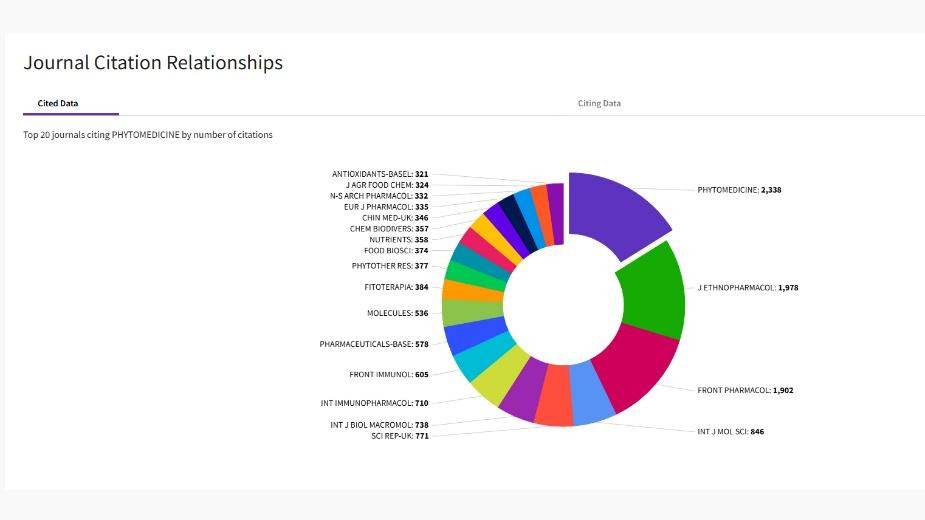
In JCR 2025, the top five journals citing Phytomedicine were Phytomedicine itself (16.11%), the Journal of Ethnopharmacology (13.63%), Frontiers in Pharmacology (13.11%), International Journal of Molecular Sciences (5.83%), and Scientific Reports (5.31%).
For many researchers, publishing an article in a top journal in a discipline can yield benefits second only to those of publishing in a real top-tier journal. For this very reason, authors tend to be more thorough when submitting to a top journal. For example, Sholto David discovered that a group of authors from Guizhou Medical University published an article in The FASEB Journal (JIF=4.3, 23/106 in BIOLOGY) in 2026 that contained overlapping images (Zhang et al 2026), but another article published in Phytomedicine that same year—which had some of the same co-authors—did not have such issue (Li et al 2026).
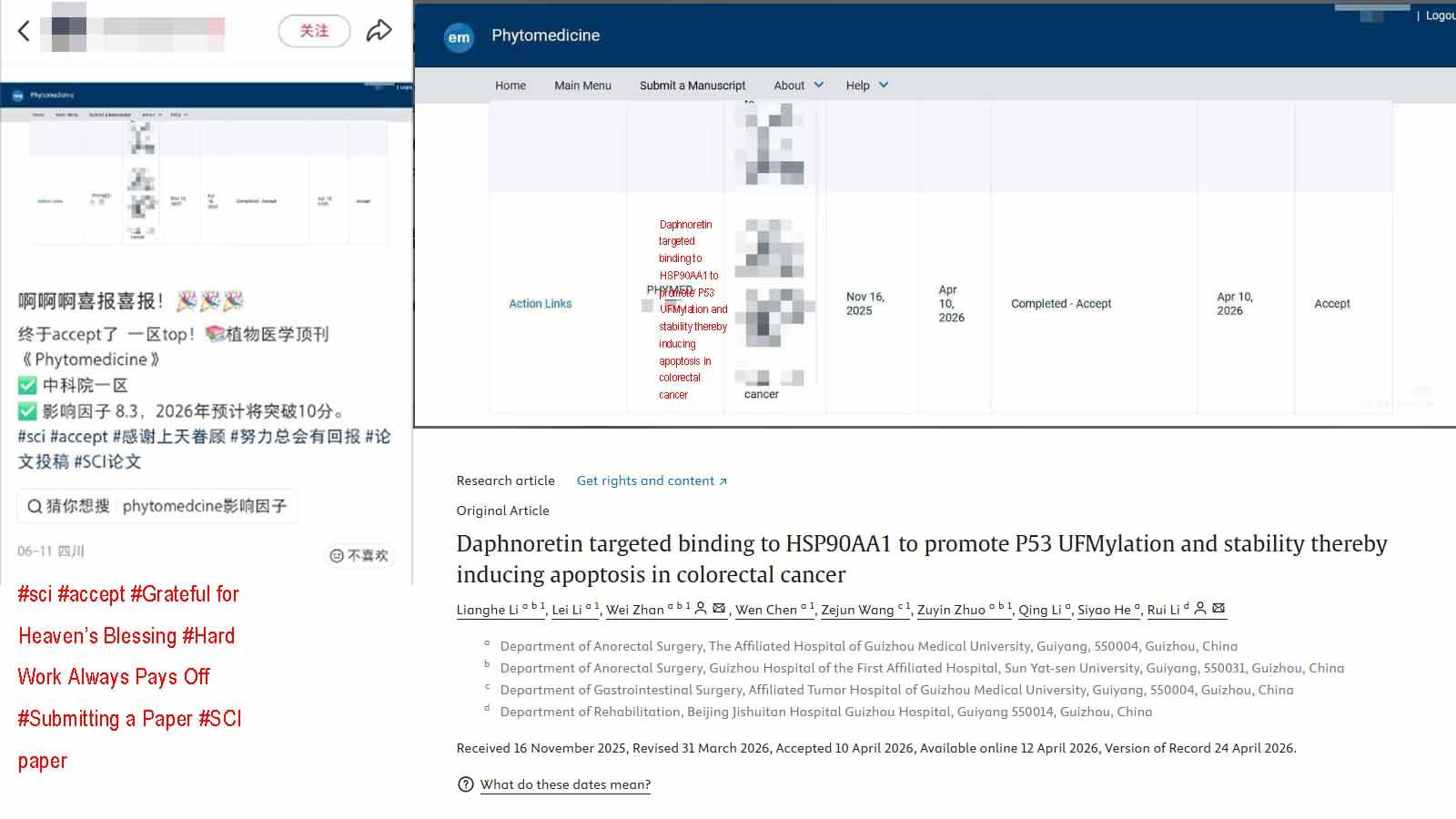
After their manuscript was accepted by the Phytomedicine, one author happily used hashtags such as “#Grateful for Heaven’s Blessing” and “#Hard Work Always Pays Off”.
Another Flower Covered in Mud
Beneath its glossy exterior, there are serious problems with the editorial process at the Phytomedicine. I say this because I have found so many problematic papers, written over a hundred comments on them, and encountered several specific cases.
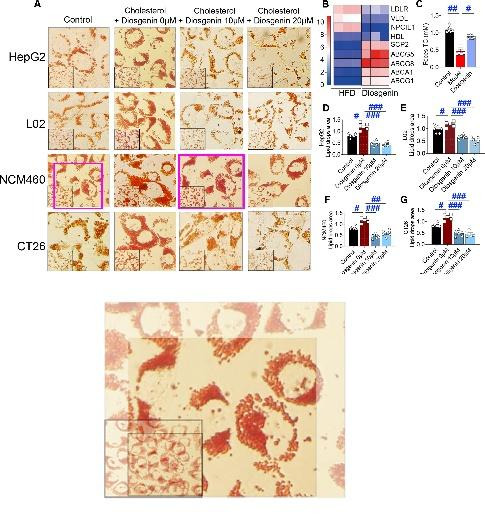
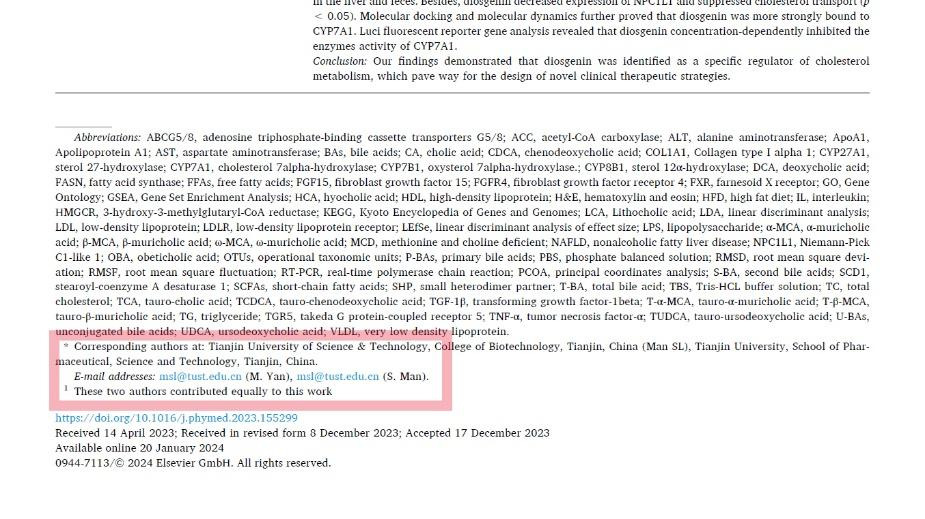
Here, when submitting my comments regarding the overlapping images in this article from Tianjin University of Science & Technology, I noticed that the two corresponding authors were actually using the same email address. This suggests that the reliability of the journal’s author identity verification is questionable.
Mengyao Yan, Yixin Zhao , Shuli Man, Yujie Dai , Long Ma , Wenyuan Gao Diosgenin as a substitute for cholesterol alleviates NAFLD by affecting CYP7A1 and NPC1L1-related pathway Phytomedicine (2024) doi: 10.1016/j.phymed.2023.155299
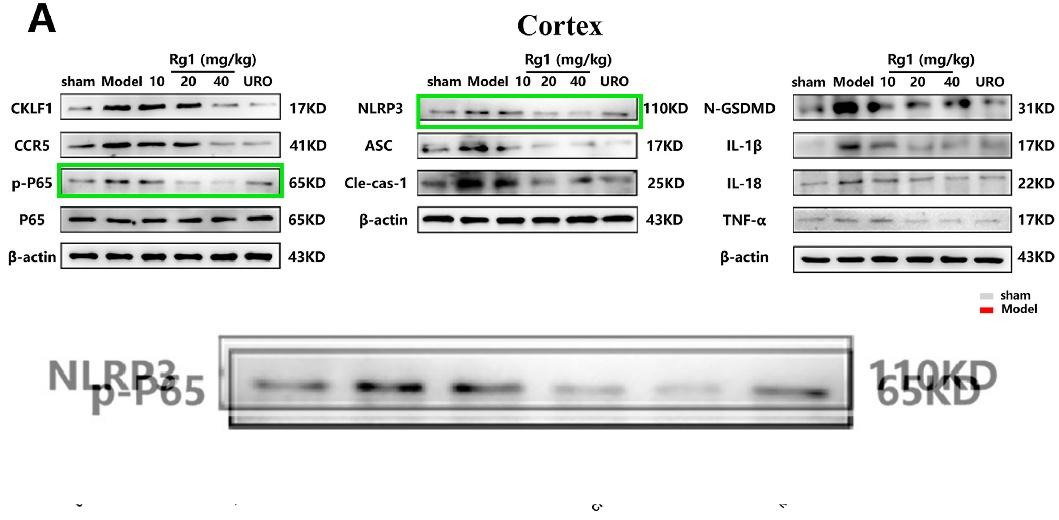
The second case involves a statement regarding supplementary materials that is inconsistent with the publication. In that article from Hunan University of Chinese Medicine, I found overlapping Western Blot bands and something strange in the Supplementary Material.
Junpeng Long , Yang Sun , Shasha Liu , Chen Chen , Qian Yan , Yuting Lin , Zhao Zhang , Shifeng Chu , Yantao Yang , Songwei Yang , Meiyu Lin , Xuan Liu , Jinping Liang , Naihong Chen, Qidi Ai Ginsenoside Rg1 treats ischemic stroke by regulating CKLF1/CCR5 axis-induced neuronal cell pyroptosis Phytomedicine (2024) doi: 10.1016/j.phymed.2023.155238
The “Supplementary Material” section contains only one sentence, and there are no files available for access:
“I have shared the data and materials in the supplementary tables.”
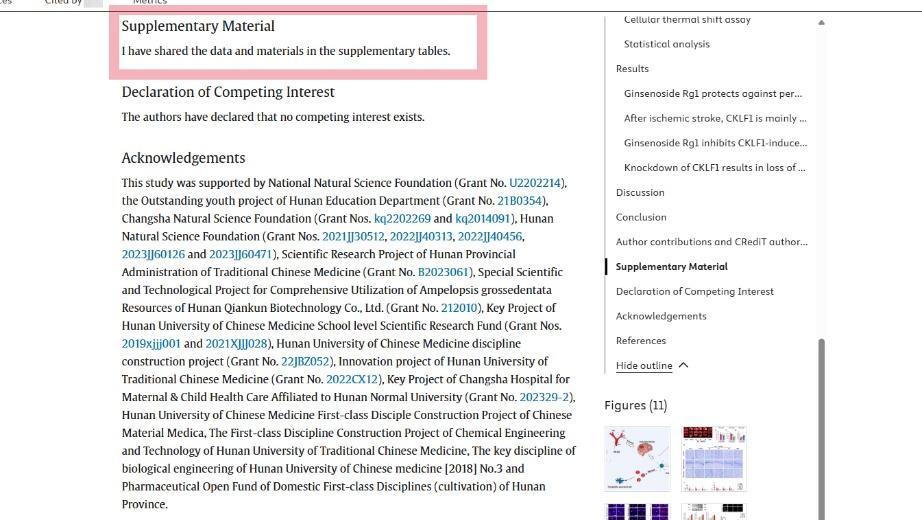
This glaring problem suggests that the editorial process can, in fact, tolerate a considerable degree of negligence.
In the next case, all nine figures in the main text are very blurry:
Chen Ling , Xiaodan Liu , Lu Liu , Liang Hui , Jin Pu , Li Yang , Xueyun Liang , Haibin Ma , Huiming Ma, Dongmei Chen Concentrated Angelica sinensis pills ameliorate ovarian insufficiency by promoting vascular remodeling via inhibiting CYP1B1/ACSL4-mediated ferroptosis Phytomedicine (2026) doi: 10.1016/j.phymed.2026.158024
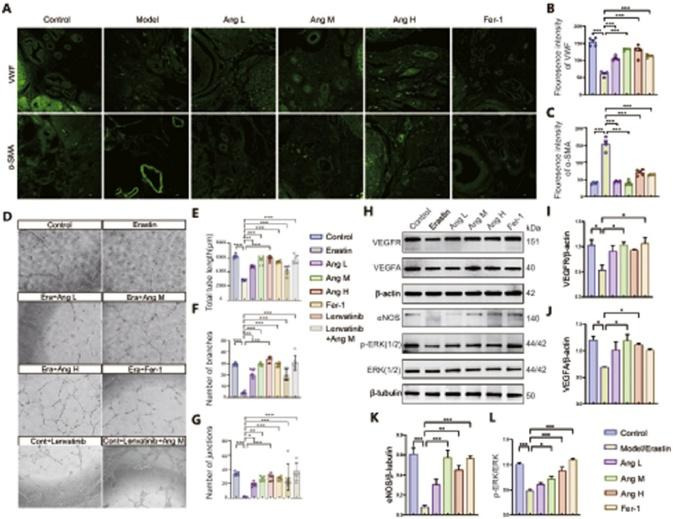
As the PubPeer user
However, the supplementary figures in the appendix are of normal clarity. A mystery what went wrong here…
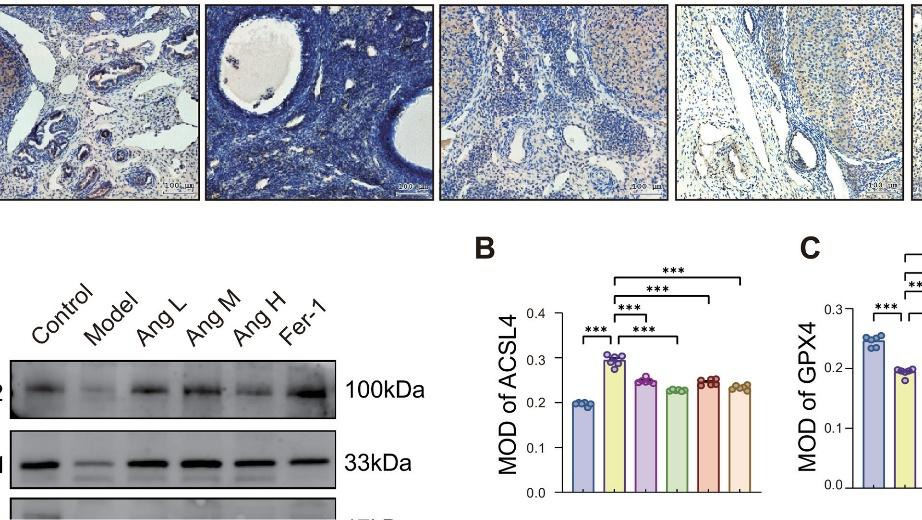
A detail from Supplementary Figure 3.
The next case involves a paper with incomplete methodology. PubPeer user Radiogrammitis havilandii found that the method used for Figure 5F in this article about a TCM herbal decoction was not sufficiently explained in the Materials and Methods section.
Jiao Wang , Gulizeba Muhetaer , Qiwei Lei , Qiong Huang , Jun Wang , Lina Ding , Xian Chen , Zhenzhen Xiao , Yaya Yu , Yihan He , Yadong Chen , Xuesong Chang , Yanjuan Zhu, Haibo Zhang Hu-gu-xiao-ji formula reprograms macrophage polarization and suppresses tumor growth to improve non-small cell lung cancer with bone metastasis via multiple signaling pathways Phytomedicine (2025) doi: 10.1016/j.phymed.2025.157363
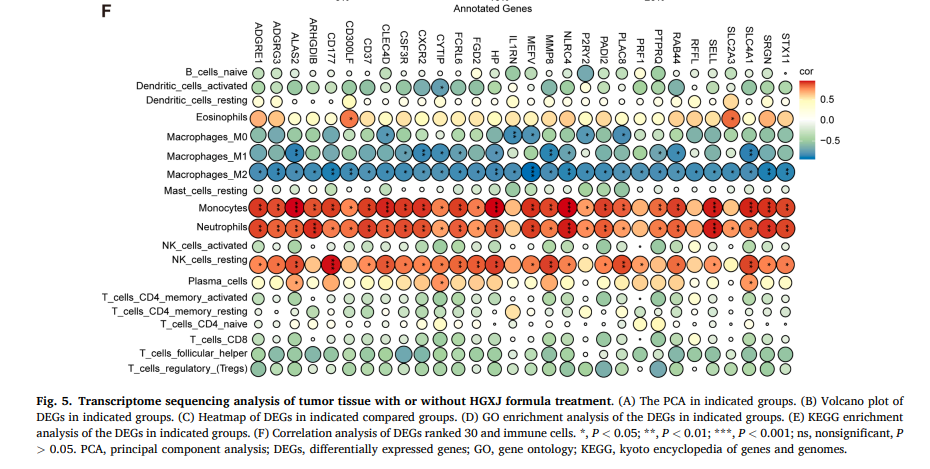
Although the Figure presents a correlation analysis between the genes and immune cells, it does not specify how this correlation analysis was performed. In particular, the article does not describe the source of the immune-cell abundance data used in this analysis, the type of correlation coefficient used, the sample size, or whether multiple-testing correction was applied. Apparently, the editor and reviewers failed to identify these substantive issues.
Fried Divine Comedy, featuring anti-cancer cockroach and phallic fungus
This is a follow-up to the previous article, about a misconduct investigation at the Cardiff University in UK into the published works of cancer researcher Wen Jiang, professor of Surgery and Tumour Biology, Fellow of Royal Society of Medicine and chair of Cardiff China Medical Research Collaborative. The following guest post by my regular contributor Smut…

Here, the editor overlooked the most obvious conflict of interest.
Xucong Huang , Shikai Yan , Fugen Li , Gang Liu , Yongkuan Wang , Ruolan Wu , Huizi Jin , Xiuyun Zhang, Shasha Li, Xue Xiao Anshen Bunao Syrup alleviates depression on CUMS rats by reducing neuroinflammation: Integral insights from transcriptomics, microbiomics, and metabolomics Phytomedicine (2026) doi: 10.1016/j.phymed.2026.158167

Among the authors, three are affiliated with Jilin Aodong Yanbian Pharmaceutical Co., Ltd., the manufacturer of Anshen Bunao Syrup, the drug they studied. The fact that Anshen Bunao Syrup is manufactured by Jilin Aodong Yanbian Pharmaceutical, was even disclosed at the beginning of Materials and Methods. However, in the publication,
“Declaration of competing interest
The authors declare that they have no known competing financial interests or personal relationships that could have appeared to influence the work reported in this paper.”
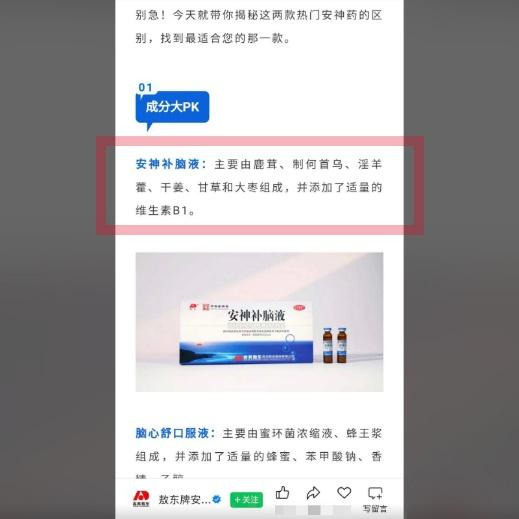
According to promotional materials from Jilin Aodong Yanbian Pharmaceutical, Anshen Bunao Syrup contains Prepared Fleeceflower Root, a Traditional Chinese Medicine known to be hepatotoxic. The materials also mention that vitamin B1 has been added.
One of the corresponding authors, Shasha Li, responded on PubPeer, stating: “A corrected conflict of interest statement will be submitted alongside the Corrigendum“.
Next up are some more image problems. Here are two cases of image manipulation. First one:
Chang-Woo Kim , Md Badrul Alam , Bo-Rim Song , Chang Hyung Lee , Solomon L Kim , Sang-Han Lee γ-Mangosteen, an autophagy enhancer, prevents skin-aging via activating KEAP1/NRF2 signaling and downregulating MAPKs/AP-1/NF-κB-mediated MMPs Phytomedicine (2024) doi: 10.1016/j.phymed.2024.155815
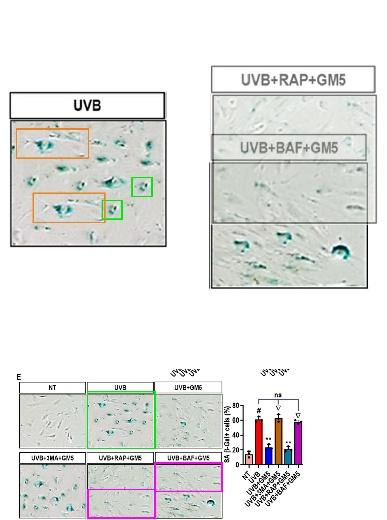
In Figure 7E, there are overlapping images, and one of the images has repeated parts inside.
The image diplication in the second paper is rather puzzling, given that it is a review.
Nianjie Feng , Xiangdong Zhao , Jiaxin Hu , Fei Tang , Shuang Liang , Qian Wu, Chaoqun Zhang Recent advance in preparation of lignin nanoparticles and their medical applications: A review Phytomedicine (2024) doi: 10.1016/j.phymed.2024.155711
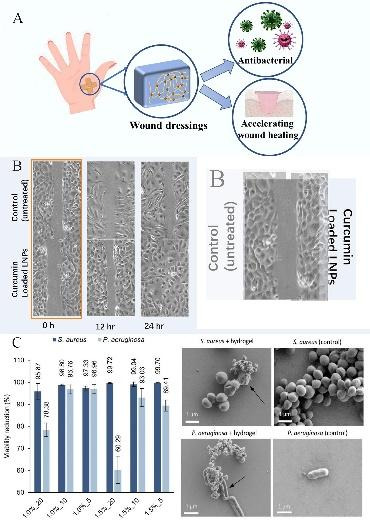
In Figure 6B, after rotating 180°, the two 0h images overlap on the left and right sides
The caption indicates that Figure 6B derives from the paper Li and Cummins 2020 , but that figure does not appear there.
Get fit with the microRNA Diet
Smut Clyde tries to understand how dietary miRNAs are supposed to work, and gives up. A story with three openings and no ending.
Here are some images that overlap after being rotated. First, a case from China Medical University. where three images overlap within the same set of images:
Yu Liu , Xiaohong Li , Ziwei Guo , Guangyan Li , Lu He , Huan Liu , Shuang Cai, Taoguang Huo Diammonium glycyrrhizinate alleviates iron overload-induced liver injury in mice via regulating the gut-liver axis Phytomedicine (2024) doi: 10.1016/j.phymed.2024.156216

The other case is much more interesting, because this study is from the Institute of Pharmaceutical and Biomedical Sciences of Johannes Gutenberg University in Mainz, and the corresponding author is Thomas Efferth, the journal’s Editor-in-Chief:
Ejlal A. Omer , Min Zhou , Wynand P. Roos , Luay J. Rashan , Heinz-Herbert Fiebig , Sabine M. Klauck , Letian Shan , Thomas Efferth Oleandrin-mediated suppression of MELK induces apoptosis, autophagy, and ferroptosis in human non-small cell lung cancer cells Phytomedicine (2025) doi: 10.1016/j.phymed.2025.157173

Note that he German pharmacology professor proposes that “Oleandrin could potentially have therapeutic effects for NSCLC patients and possibly for other cancer types“, because, according to this expert, “oleandrin has an acceptable safety profile“. In the real world outside of papermill fabrications, oleandrin however is a highly lethal substance.

Hindawi Garbage Sorting System, Based on Citations
Parashorea tomentella continues their investigation of Hindawi’s uneasy collaboration with Chinese papermills. Can it be solved with the promised 511 retractions?
There are also some articles that follow a practice similar to that of the EiC’s invited submissions. For example, from Nanjing University of Chinese Medicine:
Zichao Qiu , Zhe Zhang , Gengzhi Zhan , Cunyu Li, Guoping Peng, Shuwan Tang Mesaconine alleviates hyperalgesia in CFA-induced mice by modulating YAP1 to suppress cell ferroptosis within the spinal cord Phytomedicine (2026) doi: 10.1016/j.phymed.2026.157970

In Figures 2H and 9H, there are images that overlap after being rotated and stretched. They come from different dosage groups.
All these plant products are popular in TCM and homeopathy. From Hunan University of Chinese Medicine:
Renyi Yang , Wenhui Gao , Zhibing Wang , Huiying Jian , Lian Peng , Xiaopeng Yu , Peisen Xue , Wei Peng , Kexiong Li , Puhua Zeng Polyphyllin I induced ferroptosis to suppress the progression of hepatocellular carcinoma through activation of the mitochondrial dysfunction via Nrf2/HO-1/GPX4 axis Phytomedicine (2024) doi: 10.1016/j.phymed.2023.155135

From Capital Medical University, Curcuma wenyujin is deployed:
Xuan Yang , Jiheng Zuo , Tiantian Qiu , Hui Ren , Ruiya Qian , Wenting Luo , Zongshun Chen , Donghua Li Curdione inhibits the proliferation of human uterine leiomyomas by targeting YTHDF1 Phytomedicine (2025) doi: 10.1016/j.phymed.2025.156938

From Anhui University of Traditional Chinese Medicine, astragalus extract:
Bei Pei , Kairui Wu , Yueping Jin , Longfei Dai , Qin Sun , Yi Zhang , Wenjing Ding , Cheng Zhang , Kai Liu , Ziang Wen, Xuejun Li Astragaloside IV remodels gastric inflammation-cancer transformation by modulating the CXCL5-CXCR2 axis-mediated epithelial-mesenchymal transition Phytomedicine (2026) doi: 10.1016/j.phymed.2026.158081

And of course thre’s always Ayuerveda, here black pepper from Yenepoya (Deemed to be University in Inida):
Koniyan Shaheer , BR Swathi Prabhu , H. Shabeer Ali , Divya Lakshmanan-M Breast cancer cells are sensitized by piperine to radiotherapy through estrogen receptor-α mediated modulation of a key NHEJ repair protein- DNA-PK Phytomedicine (2024) doi: 10.1016/j.phymed.2023.155126

Viola sheltonii found in the Western blot results of an article about a talcum-based TCM decoction from Shandong University of Traditional Chinese Medicine, that the number of bands for the target protein does not match that of the reference.
Yuan Zhang , Jiateng Feng , Juanjuan Diao , Jingyao Gou , Yi Liang , Xiao Wang , Zhe Song , Baoqing Zhang Modified Ganlu Xiaodu decoction attenuates airway barrier injury in Mycoplasma pneumoniae pneumonia by inhibiting ZBP1-mediated PANoptosis Phytomedicine (2026) doi: 10.1016/j.phymed.2026.158112

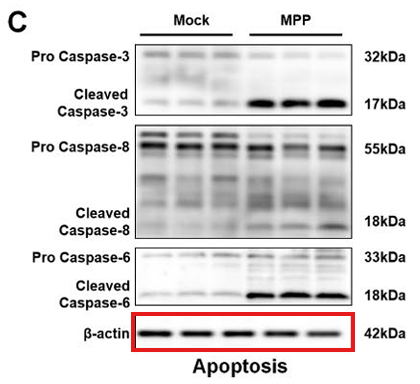
Viola sheltonii also expressed concerns regarding the measurement of animal welfare and tumor volume in the four articles. Tumours in the photos are actually ten times larger than reported in this study from Zhejiang Provincial People’s Hospital:
Hong Tang , Chuanzan Zhou , Xinyi Chen , Wenyan Zuo , Nanyan Wu , Dechao Feng, Wenwei Ying, Qi Zhang 5-O-Methylembelin disrupts the ACO1-TPI1 interaction to promote ferroptosis in clear cell renal cell carcinoma Phytomedicine (2026) doi: 10.1016/j.phymed.2026.158282


More mouse torture, and another TCM herbal decoction from Tianjin University of Traditional Chinese Medicine:
Luxuan Guo , Jia Yi , Ao Zhang , Xiaoqing Zheng , Miao Wang , Fan Yang , Xianbin Kong , Jingyan Meng Zhenqi Fuzheng Granule targets the SCFAs-GPR109A axis to enhance PD-1 antibody efficacy via immunometabolic remodeling in colorectal cancer Phytomedicine (2025) doi: 10.1016/j.phymed.2025.157312


Another TCM-inspired cancer cure, from Tongji University.
Menghan Liu , Ti Wang , Jialei Fu , Tiantian Cui , Na Li , Tiefeng Sun , Jie Liu , Chunxia Su , Bao Song Pinellia exosomal vesicles remodulate tumor-associated macrophage polarization via the serine synthesis/JAK/STAT signaling pathway to inhibit lung cancer growth Phytomedicine (2026) doi: 10.1016/j.phymed.2025.157759


Now some proper horror from Zhengzhou University, tumours half the size of the whole mouse:
Beixi Jia, Mengyang Liu , Xin Zhang , Mengyao Zhang , Haixia Cai , Haoyang Chen, Yihong Zhao, Yuefeng Bi Seco-neokadsuranic acid A antagonizes SH3BP1 to suppress hepatocellular carcinoma progression through PPAR pathway activation Phytomedicine (2026) doi: 10.1016/j.phymed.2026.157824


There are many, many more problematic papers. I’ve put together a spreadsheet containing multiple sheets so that anyone interested can review these cases.
The Lies of Mice
“The closer I looked, the worse it was. Not just because it’s sad to think too much about the poor lives of a laboratory mouse, but also because the researchers who used these mice didn’t have the decency to be truthful about their poor lives. ” – Viola Sheltonii

A Bad PLUS
If you’ve taken a close look at the Phytomedicine website, or if you’ve had a manuscript rejected by the journal, you may have heard of the Phytomedicine Plus. Phytomedicine Plus is a companion title to the Phytomedicine. Its Editor-in-Chief is also Thomas Efferth, and it has only one Co-Editor, Susana Zacchino. The difference between it and Phytomedicine is that the latter is a hybrid journal, while the former is a gold open-access journal with an APC of $1,950 per paper. It has not yet been indexed in Web of Science. Its CiteScore 2025 (6.0) is less than half that of Phytomedicine (13.2), and the number of publications is only about one-fifth that of the Phytomedicine.
The scope of the two journals is virtually identical, and some cases show that its editorial quality is just as poor as the another.
The PubPeer user Abrostola urentis discovered an article from Federal University of Agriculture, Nigeria, that contained manipulated images.
Adio J. Akamo , Adetutu O. Ojelabi , Oluwatobi T. Somade , Iyabode A. Kehinde , Adewale M. Taiwo , Boluwatife A. Olagunju , Mushafau A. Akinsanya , Adedayo A. Adebisi , Tobi S. Adekunbi , Abiola F. Adenowo , Florence Anifowose , Olufemi M. Ajagun-Ogunleye , Ofem E. Eteng , Jacob K. Akintunde , Regina N. Ugbaja Hesperidoside abolishes dichlorvos-mediated neurotoxicity in rats by suppressing oxidative stress, acetylcholinesterase inhibition, and NF-κB-p65/p53/caspase-3-mediated apoptosis Phytomedicine Plus (2025) doi: 10.1016/j.phyplu.2024.100701

That’s not so bad, right? What about this pair? Duplicate images appeared in two articles about two different tCM decoctions, published in the same volume and issue, which had no authors in common and were produced just over a month apart. The first set of authors is from Children’s Hospital of Baotou, the second from General Hospital of Southern Theater Command:
- Lijuan Fang , Caiyan Li , Haimai Ding, Jinjin Tao Integrated bioinformatics and network pharmacology analysis to reveal the therapeutic targets and potential molecular mechanism of Traditional Chinese Medicine Lianhua-Qingwen capsule on children’s influenza Phytomedicine Plus (2025) doi: 10.1016/j.phyplu.2025.100807
- Li Huie , Wang Qiong , An Huijie , Zhang Qiang , Du Wei , Jiao Ying , Pan Siwei , Ding Huihui , Luo Aiwu Integrating bioinformatics with network pharmacology and experimental validation analysis to reveal the pharmacological mechanism of Ma-xing-shi-gan-tang in treating viral pneumonia Phytomedicine Plus (2025) doi: 10.1016/j.phyplu.2025.100837


Also, the author’s last name and first name in the second paper are reversed, the last name is also misspelled.
The editors’ openness to unconventional practices is also remarkable. Take this study from Lanzhou University,which described a TCM decoction described as having analgesic effects. Thing is, it contains not only dried centipedes, scorpions horseflies, leeches, cow gallstones and even lizards and toads, but also a large amount of lead tetroxide (red lead).
Rui Yang , Hongyuan Tu , Shiqiang Ge , Zhongkun Zhou , Yunhao Ma , Xuelian Chen , Juan Lu , Min Chen , Xin Ma , Xinhang Wang , Jiazhong Li , Peng Chen The Chinese ancient prescription Zhentonggufang alleviates pain and inflammation, which is associated with reduced levels of inflammatory cytokines IL-6 and IL-1β Phytomedicine Plus (2026) doi: 10.1016/j.phyplu.2025.100918

For lead (Pb), the cutaneous permitted daily exposure (PDE) for humans under ICH Q3D is listed as 50 µg per day (Appendix 5, table shown below). If an ointment is applied topically, and a person would use as little as 100 mg each day, the maximum allowable lead concentration would thus be 0.05%. The lead concentration in 100 mg of the proposed ointment is 29.3%/0.05% = 586 times higher than the PDE based limit! Lead is not permitted as an active ingredient in modern medicinal products, and any intentional inclusion would likely fail regulatory approval regardless of concentration.

Crunchy Frog and Cockroach Cluster
“On one side: late-career scientists resorting to purchased promotion of their early-career papers. On the other side: whole new genres of paper-shaped artifacts that are little more than packaging for ever-larger citation cargoes, and papermillers no longer bothering to find buyers for naming rights on their products.” – Smut Clyde
The corresponding author Peng Chen provided an impressive response to this on PubPeer:
“As a treasure of traditional Chinese medicine, Chinese herbal medicine differs from Western pharmaceuticals in that its processing methods can serve as techniques to reduce toxicity and enhance efficacy. While the concept that “the dose determines the toxicity” may seem to transcend Western medical understanding, clinical practice in traditional Chinese medicine has revealed its significant role in treating stubborn diseases where Western medicine proves ineffective. For example, an ancient Chinese medical text titled Treatise on cold damage and miscellaneous diseases recorded that lead pellets (primarily composed of lead tetroxide, Pb₃O₄) possess the effects of calming the mind, alleviating convulsions, detoxifying, and promoting wound healing. Aconite (containing toxic components such as aconitine) is a traditional Chinese medicinal herb clinically used to treat rheumatoid arthritis (Wang Han et al.); Arsenic trioxide, a highly toxic arsenic-containing drug, has now become a first-line treatment for leukemia (Wang Jia et al., 2025). The issue you raised regarding lead content in traditional black plasters is of great importance, and this is precisely the objective of our research. Following the validation of the anti-inflammatory and…”
Another issue with this paper is that there are no other sources to clarify what the research subject “Zhentonggufang” is. The article mentions “Systematic screening identified ZTGF based on consistent clinical use for traumatic injuries, joint pain, and musculoskeletal disorders, supported by literature evidence and a patented folk formulation (Patent No. 202,310,849,652.1).” However, no references were provided here, and searches using the title or this strange patent number yields no other sources besides this article. If this manuscript was transferred from The Phytomedicine, then perhaps Efferth or Zacchino felt the Phytomedicine Plus was the proper place to publish it.
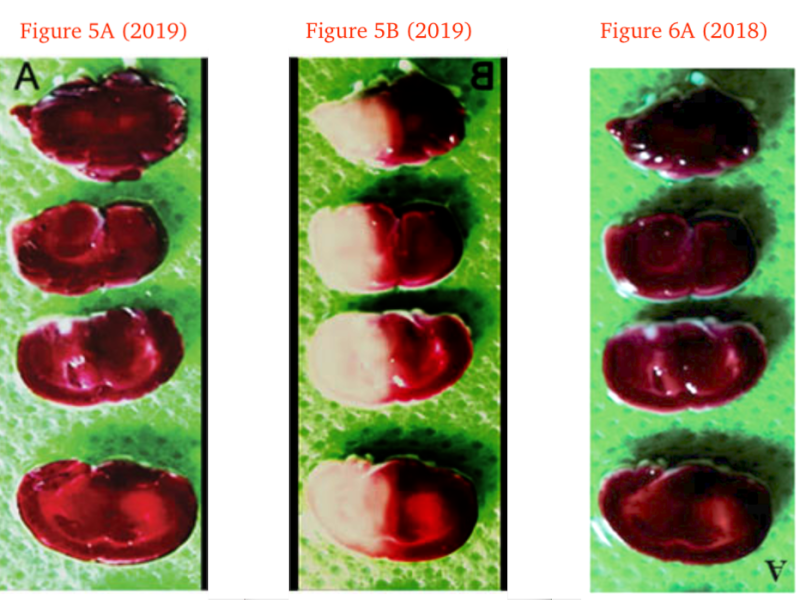
Colonel Cai, his postdoc Shen and the Weapons of Mass Fabrication
Smut Clyde and Tiger BB8 uncover a Chinese network which spreads over two cities and uses same stash of fake data to keep inventing nanoparticle or TCM-based cures for diabetic brain damage and other diseases.
Forbearance and Harmony
Major journals will always have problematic publications, although most journals do not have as many as Phytomedicine and Journal of Ethnopharmacology. Nevertheless, how journals handle integrity issues remains very important. For many of the papers mentioned above, the expected course of action is retraction. According to a search conducted in early June 2026, each of the two journals had retracted only one paper published after 2020.
The Phytomedicine paper is Zhu et al 2022 from Hunan University of Chinese Medicine. According to the retraction statement, the content of this study overlaps with two papers published in 2019 by the same team in the journal Chinese Traditional and Herbal Drugs (《中草药》), which holds the copyright. By retracting the paper “at the request of the Editor-in-Chief“, Efferth and Elsevier has put an end to their journal’s copyright infringement—that’s great.
The Journal of Ethnopharmacology paper is Uner et al 2025 from Istanbul Kent University in Turkey, the lead author is a certain Burcu Uner, who was apparently repeatedly dismissed for stealing and forging figures. That paper and its retraction featured in June 2025 Shorts, its retraction statement from June 2025 mentioned data manipulation and image theft: “The journal was also contacted by representatives of “The EMBO Journal” alerting the editors to the unauthorized image reuse of Fig. 7 which was duplicated from Fig. 1B in EMBO J. (2020) 39: e106267, https://doi.org/10.15252/embj.2020106267 and appears to be manipulated.”
Obviously, as long as there is no a risk of a copyright infringement, corrections are always accepted.

How to quickly write and submit manuscripts to SCI-indexed Journals
“For TCM : Chairman Xi :: Lysenkoism : Stalin, and no Chinese academics are losing their positions because they pretended to vindicate the curative claims of TCM. Thus pratersein, genistein, didymin, helenalin, Tormentic acid and of course Trolline.”
Sometimes Phytomedicine publishes corrigenda quite quickly—it really lives up to its reputation as a top journal. One example comes again from China, from the Academy of Military Medical Sciences, PLA.
Yuke Cui , Yang Yue , Hongjun Lin , Wen Yang , Changdong Zhou , Qingyu Li , Jingqi Shi , Qi He , Ji Xi , Jiangbo Li , Jian Li , Xiulan Liu , Shuai Dong , Shengqi Wang, Liang Guo Combination of andrographolide and baicalin inhibited influenza A virus infection through suppressing RORγt-IL-17A pathway Phytomedicine (2026) doi: 10.1016/j.phymed.2026.158277

There are overlapping images in Figure 3A
My comment, which reported an issue with overlapping images, was accepted on PubPeer on 9 June 2026, and the Corrigendum was posted on June 24, 2026, after just fifteen days. The authors regretted “a copy-paste mistake during final figure assembly” and assured that their “correction does not change the conclusion of the research“.
In addition to its high potential efficiency, the editor allows for further corrections after one corrigendum has been published. There are two corrigenda for Ni et al 2025 from Guangxi University of Chinese Medicine. The first Corrigendum was released in May 2025 and corrected an “error in Figure 7D“, where a “lung tissue image of the blank Control group was wrongly arranged.“. The second Corrigendum was released in February 2026 and corrected Figure 6C, where due to “negligence in data collation, the pictures of the MSU+B4 (10 mg/kg) group and MSU+B4 (20 mg/kg) group were wrongly arranged“. That’s really generous.
The corrigenda published in the Journal of Ethnopharmacology are sometimes rather arbitrary. I have a somewhat strange case from Anhui Medical University to illustrate just how arbitrary it is:
Yan-mei Xu , Zhen Wang , Yin-zhi Jiang , Yang Xia , Yu-cheng Zhang , Cheng Xu , Ying Yu , Yu-feng Wen , Chao-long Jin, Wei-wei Cai, Shan Gao Xin-Ji-Er-Kang improves MIR injury–induced heart failure via the Calpain1/Bid signaling pathway Journal of Ethnopharmacology (2026) doi: 10.1016/j.jep.2026.121194

There are duplicate images in Figure 6A.
There are three corrigenda for this TCM decoction study which were posted on 27 January 2026, on 5 May 2026, and on 7 May 2026. This paper has an issue with duplicate images, but the corrigenda did not address this. Instead, they concern one of the authors’ affiliations.
I also found duplicate corrigendum in the Phytomedicine, from Northeastern University in China:
Libin Xu , Siyu Li , Jiaxin Qi , Yan Mi , Ying Zhang , Yuxin Yang , Yingjie Wang , Di Zhou , Ning Li, Yue Hou Effusol ameliorates ischemic stroke by targeting NLRP3 protein to regulate NLRP3 inflammasome-mediated pyroptosis Phytomedicine (2024) doi: 10.1016/j.phymed.2024.156253

The first Corrigendum was published in February 2026, prompted by a PubPeer comment from November 2025 by Archasia belfragei. A second Corrigendum with identical content was published in March – the difference was limited to a footnote 1, which in the first version consited of “Xx”, and in the second: “These authors contributed equally to this work” .
Both journals have published numerous corrigenda for papers published since 2024. I found 56 corrigenda published in the Phytomedicine from Volume 122 to Volume 159. After excluding corrigenda to earlier papers and multiple corrigenda for the same paper, a total of 41 papers published after Volume 122 were subject to corrigenda. I found 235 corrigenda published in the Journal of Ethnopharmacology from Volume 318 to Volume 371. After excluding corrigenda to earlier papers and multiple corrigenda for the same paper, a total of 149 papers published after Volume 318 were subject to corrigenda.
I assume that most corrections to the substantive content stem from various forms of post-publication peer review, rather than from the authors’ completely independent actions. Of the 41 corrigenda on the Phytomedicine I mentioned earlier, I believe 38 involved relatively significant corrections to the content of paper, and 34 of them had not received any comments on PubPeer before the corrigenda were published. In contrast, of the 149 corrigenda published in Journal of Ethnopharmacology, I believe 114 involved relatively significant corrections to the content; of these, only 34 were unrelated to earlier comments on PubPeer, while 80 were most likely related.
This harmonical practice of publishing corrigenda while avoiding retraction appears to have spread to the Phytomedicine Plus as well.
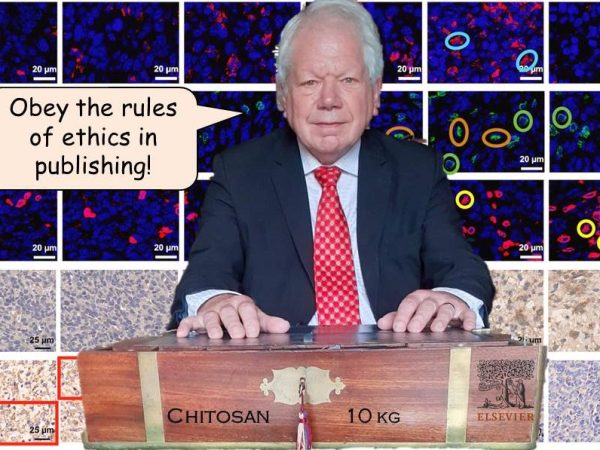
The Miracle-Polymer-Dumbsterfire
“Read the damn paper and look at the figures before publishing it; it’s not that hard” – Archasia belfragei

Their Niche Markets in China
A significant number of the authors of the articles in these two journals are Chinese researchers in Traditional Chinese Medicine. According to Web of Science, in 2025, 95% of the articles and reviews published in the Phytomedicine had at least one author from China, while 82% of those in the Journal of Ethnopharmacology did. Both journals are increasing their publication output, and the growth in the number of papers by Chinese authors is significantly higher than the overall growth rate. It can be viewed as part of Elsevier’s expansion into this niche market of Traditional Chinese Medicine.
Chinese authorities are pouring massive amounts of funds into this field. The National Administration of Traditional Chinese Medicine’s budget for science and technology expenditure (category 206) was RMB 2,116.54 million (USD 311.26 million) in 2026. Of this amount, RMB 785.05 million (USD 115.45 million) to special basic research, and RMB 126.15 million (USD 18.55 million) to the development of science and technology talent teams. The 2026 budget increased by 28.9% compared to the previous year, and the compound annual growth rate (CAGR) from 2022 to 2026 reached 11.5%. Jessia Low, Vice President for the Asia-Pacific Region at Elsevier, mentioned in a speech at Hong Kong Baptist University on 7 August 2025, that from 2019 to 2023, the CAGR of publications on traditional Chinese medicine research in China was 14%, which is undoubtedly the result of these funding.
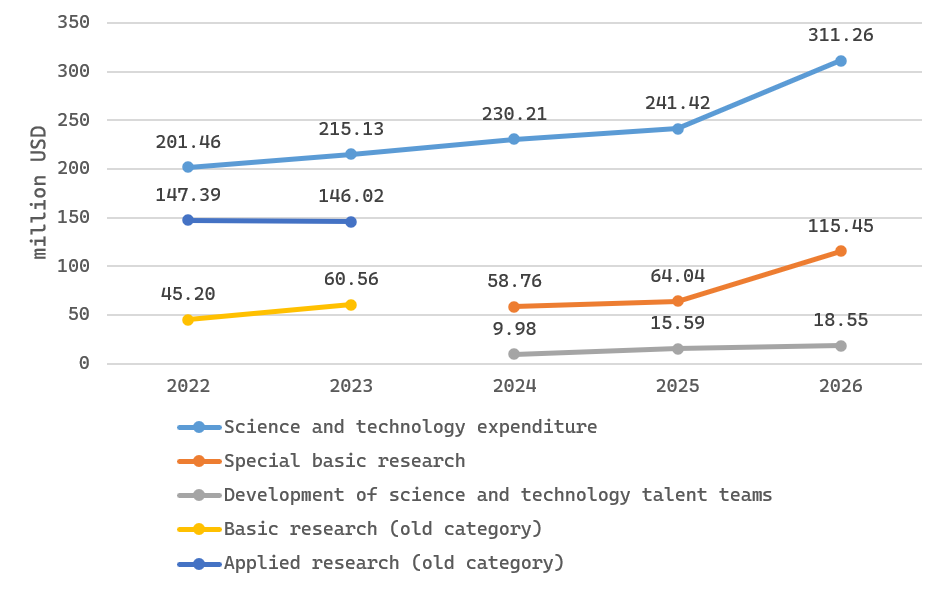
Increasing funding has enabled more researchers in Traditional Chinese Medicine to publish papers. Since funding still must be obtained through competition, researchers need to commit to—and actually—publish more papers in journals with higher journal impact factor (JIF) quarter. The TCM market has never been more profitable than it is now.
Elsevier cleverly helped these two journals – both with white male editors-in-chief, Efferth and Alvaro Viljoen, – to flourish like Bingdi lotus in the murky waters of Traditional Chinese Medicine, capturing half the market.

Victims as perpetrators
Smut Clyde as Detective Columbo investigates: The victims of a paper mill are actually in cahoots with the perpetrators! Stealth corrections happen faster than one can catch them!
CODA by LS: Effing Efferth
Let me, (Leonid Schneider), now focus on the mastermind behind these disastrous TCM journals, the German professor of pharmacology, Thomas Efferth, who is probably deeper into the Chinese TCM industry networks than any other German professor.
You saw how reluctant he is to retract Chinese papermill fraud, but elsewhere, he likes from time to time to beat his chest as a great white knight of research integrity. As a member of editorial board of a Wiley journal, he recently demanded full credit for himself for retracting these two papermill fabrications:
- Maryam Hajrezaie , Mohammadjavad Paydar , Soheil Zorofchian Zorofchian Moghadamtousi , Pouya Hassandarvish , Nura Suleiman Gwaram , Maryam Zahedifard , Elham Rouhollahi , Hamed Karimian , Chung Yeng Looi , Hapipah Mohd Ali, Nazia Abdul Majid , Mahmood Ameen Abdulla A Schiff base-derived copper (II) complex is a potent inducer of apoptosis in colon cancer cells by activating the intrinsic pathway The Scientific World JOURNAL (2014) doi: 10.1155/2014/540463
- Fadhil Lafta Faraj, Maryam Zahedifard , Mohammadjavad Paydar , Chung Yeng Looi , Nazia Abdul Majid , Hapipah Mohd Ali, Noraini Ahmad , Nura Suleiman Gwaram , Mahmood Ameen Abdulla Synthesis, characterization, and anticancer activity of new quinazoline derivatives against MCF-7 cells The Scientific World JOURNAL (2014) doi: 10.1155/2014/212096

Archasia belfragei: “This paper is one of two papers that contain an identical figure panel representing different experimental conditions.”.
Both papers were retracted on 2 June 2026, both retraction notices (here and here) stated:
“The above article […] has been retracted by agreement between the Academic Editor, Thomas Efferth; and John Wiley & Sons Ltd.”
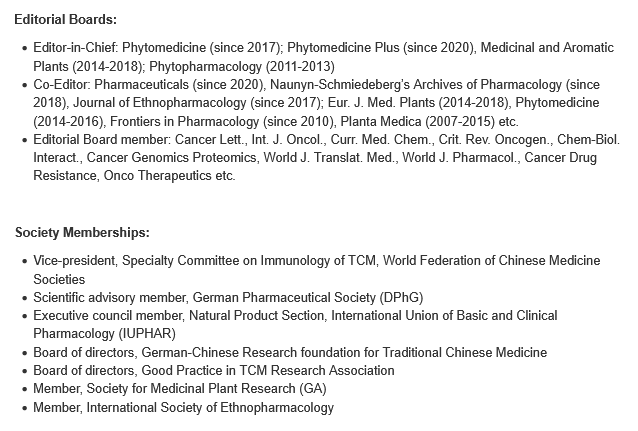
Efferth sits on many editorial boards, he even used to be Editor-in-Chief of an outright predatory journal: Medicinal and Aromatic Plants, published by the predatory publisher Longdom. These days, Efferth presides over the Chinese journal Cancer Plus by the predatory publisher ACCScience and Shanxi Academy of Medical Sciences. Until some time ago, Efferth helped Roland Seifert at Naunyn-Schmiedeberg’s Archives of Pharmacology to invite, pardon, fight Chinese papermill fraud. Here the result:

Dark Satanic Papermills
Smut Clyde investigates two more Chinese paper mills. One teamed up with an obscure Italian publisher, the other offers access to respectable society journals. How much of published and allegedly peer reviewed science is real?
In February 2025, I wrote to Efferth, the Editor-in-Chief Alvaro Viljoen and leaders of the International Society for Ethnopharmacology about the problems in their Journal of Ethnopharmacology, referencing my colleague’s earlier article.
Elsevier’s publication ethics office was in cc, and only they replied, promising to investigate. As you read, virtually nothing was retracted.
Then, two months ago, Efferth himself suffered a retraction, in an Elsevier journal he doesn’t control. He authored it with Chinese colleagues at Chengdu University of Traditional Chinese Medicine, and lost it because that Elsevier journal Biomedicine & pharmacotherapy was so overrun by papermills that the Editor-in-Chief Danyelle Townsend had to mass-retract fake stuff to save her own position:
Wenwen Zhang , Hefei Wu , Shiman Luo , Xiaohua Lu , Xiyue Tan , Li Wen , Xiao Ma , Thomas Efferth Molecular insights into experimental models and therapeutics for cholestasis Biomedicine & Pharmacotherapy (2024) doi: 10.1016/j.biopha.2024.116594
“An investigation conducted on behalf of the journal by Elseviers Research Integrity & Publishing Ethics team in coordination with the Editors identified serious concerns regarding the integrity of the publication. The investigation identified anomalous phrasing in the manuscript that make some passages difficult to parse.
Additionally, the investigation determined that the authors were requested by one of the reviewers to insert redundant references to their paper during the peer-review process.
The explanations provided by the authors did not restore the Editors confidence in the integrity of the publication process or in the reliability of the article as published and the Editor has determined that the article should be retracted.
The authors disagree with the retraction and dispute the grounds for it.”
(Retraction 25 June 2026)
![[Citation not needed]](https://forbetterscience.com/wp-content/uploads/2022/03/mv5bowfkmmy2njytyjdkms00njjklthkyjctmmrintm0n2y1mgvjxkeyxkfqcgdeqxvymtiwodk1ntq40._v1_1.jpg?w=1200&h=900&crop=1)
[Citation not needed]
“Even university management eventually realised that self-citations of your work, in your own papers, shouldn’t really count (“see ‘Toenail Clipping Microphotographs, Part 1’, S, Clyde 2018″). So people progressed to citation cabals among cronies, referring to each other’s work” – Smut Clyde
Sounds like a papermill was involved, not that I am surprised. As you imagine, Efferth has more on PubPeer, here another Chinese fabrication:
Sun-Dong Zhang , Peng Wang , Jing Zhang , Wei Wang , Li-Ping Yao , Cheng-Bo Gu , Thomas Efferth , Yu-Jie Fu 2′O-galloylhyperin attenuates LPS-induced acute lung injury via up-regulation antioxidation and inhibition of inflammatory responses in vivo Chemico-Biological Interactions (2019) doi: 10.1016/j.cbi.2019.02.029

The irony is that Efferth knew already a decade ago that his papers contained forgeries. This, from Taiwan, was flagged on PubPeer in December 2016:
Shu-Yi Yin , Thomas Efferth , Feng-Yin Jian , Yung-Hsiang Chen , Chia-I Liu , Andrew H.J. Wang , Yet-Ran Chen , Pei-Wen Hsiao , Ning-Sun Yang Immunogenicity of mammary tumor cells can be induced by shikonin via direct binding-interference with hnRNPA1 Oncotarget (2016) doi: 10.18632/oncotarget.9660

The lead authors Shu-Yi Yin and Ning-Sun Yang replied immediately, apologised for “this silly, honest mistake” and announced a correction. Which was published almost 2 years later, in August 2018, referencing an investigation by Academia Sinica Ethics Committee in Taipei, which found:
“The partial duplication of Figure 4a and 4b is judged to be a mistake during data processing, rather than a research misconduct.”
Efferth also got involved with Indian papermills, this one rotting on PubPeer since 2019:
Ananda Mookerjee, Jayati Mookerjee Basu , Surajit Majumder , Shilpak Chatterjee , Gouri S Panda , Pranabananda Dutta , Smarajit Pal , Pratima Mukherjee , Thomas Efferth, Syamal Roy , Soumitra K Choudhuri A novel copper complex induces ROS generation in doxorubicin resistant Ehrlich ascitis carcinoma cells and increases activity of antioxidant enzymes in vital organs in vivo BMC Cancer (2006) doi: 10.1186/1471-2407-6-267

And Turkish collaborators helped Efferth cure cancer with Aloe vera:
Nadire Özenver, Mohamed Saeed, Lütfiye Ömur Demirezer, Thomas Efferth Aloe-emodin as drug candidate for cancer therapy Oncotarget (2018) doi: 10.18632/oncotarget.24880

The recent Correction from 24 April 2026 addressed further issues:
“”This article has been corrected:In Figure 9A, the flow cytometry plot for 4 × IC50 was unintentionally repeated instead of the 2 × IC50 plot. This has been corrected using the original data. Additionally, the authors identified two errors in Figure 9C. First, the column graph for the 0.1 μM doxorubicin concentration was found to be inconsistent with its corresponding flow cytometry plot. Second, the column graph for the 1 μM doxorubicin concentration incorrectly indicated a percentage of AV-/PI- cell population of 1% instead of the 0.1% shown in the flow cytometry plot. Both graphs in Figure 9C have now been corrected to accurately reflect the relevant flow cytometry data. These corrections do not change the conclusions of the paper. The authors apologize for any inconvenience caused.”
Actually, Efferth doesn’t really need foreign papermills to produce great science.
Qiaoli Zhao , Andreana N. Assimopoulou , Sabine M. Klauck , Harilaos Damianakos , Ioanna Chinou , Nadine Kretschmer , José-Luis Rios , Vassilios P. Papageorgiou , Rudolf Bauer , Thomas Efferth Inhibition of c-MYC with involvement of ERK/JNK/MAPK and AKT pathways as a novel mechanism for shikonin and its derivatives in killing leukemia cells Oncotarget (2015) doi: 10.18632/oncotarget.5380


Ironically, a figure from that paper was later stolen by another set of cheaters led by G. Larry Maxwell (at US military!), published in the same journal Oncotarget as Waheed et al 2017, and retracted for fraud in July 2025, the resulting misconduct investigation was covered by Retraction Watch.
An attractive and “natural” target for fraudsters
“In the various excellent texts on paper mills the question is discussed why Naunyn-Schmiedebergs Archives of Pharmacology has become a target for fake papers. I oppose the assumption that we simply want to fill pages with pseudo-scientific content. We actually look for quality and good science.” – Prof Dr Roland Seifert, Editor-in-Chief
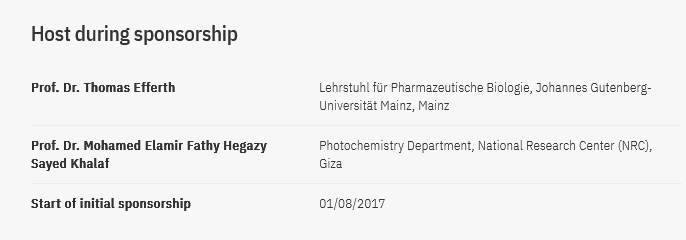
In 2017, Efferth hosted in his Mainz lab a certain Egyptian professor named Mohamed-Elamir Hegazy, who received the prestigious fellowship from the Alexander von Humboldt Foundation to work in Germany.
This product by Egyptian papermills is the result, and Efferth is on it:
Mahmoud A. A. Ibrahim , Alaa H. M. Abdelrahman , Mohamed A. M. Atia , Tarik A. Mohamed , Mahmoud F. Moustafa , Abdulrahim R. Hakami , Shaden A. M. Khalifa , Fahad A. Alhumaydhi , Faris Alrumaihi , Syed Hani Abidi , Khaled S. Allemailem , Thomas Efferth , Mahmoud E. Soliman , Paul W. Paré , Hesham R. El-Seedi , Mohamed-Elamir F. Hegazy Blue Biotechnology: Computational Screening of Cembranoid Diterpenes for SARS-CoV-2 Main Protease Inhibition Marine Drugs (2021) doi: 10.3390/md19070391

Here is the duo again, in another MDPI journal:
Aveen N. Adham, Mohamed Elamir F. Hegazy, Alaadin M. Naqishbandi , Thomas Efferth Induction of Apoptosis, Autophagy and Ferroptosis by Thymus vulgaris and Arctium lappa Extract in Leukemia and Multiple Myeloma Cell Lines Molecules (2020) doi: 10.3390/molecules25215016

Efferth also befriended the Portuguese cheater Patricia Rijo, here we have hand-drawn error bars:
Eva María Domínguez-Martín , Mariana Magalhães , Ana María Díaz-Lanza , Mário P. Marques , Salvatore Princiotto , Ana M. Gómez , Thomas Efferth , Célia Cabral, Patricia Rijo Phytochemical Study and Antiglioblastoma Activity Assessment of Plectranthus hadiensis (Forssk.) Schweinf. ex Sprenger var. hadiensis Stems Molecules (2022) doi: 10.3390/molecules27123813

And here is a handy list of papermillers and occasional papermilling antivaxxers whom Efferth befriended, all on one editorial, For more details, click on the names of Efferth’s friends:
Evgenios Agathokleous, Damià Barceló , Michael Aschner , Ricardo Antunes Azevedo , Prosun Bhattacharya , David Costantini , G. Christopher Cutler , Alessandra De Marco , Anca Oana Docea , José G. Dórea , Stephen O. Duke , Thomas Efferth , Despo Fatta-Kassinos , Vasileios Fotopoulos , Antonio Ginebreda , Raul Narciso C. Guedes , A. Wallace Hayes , Ivo Iavicoli , Olga-Ioanna Kalantzi , Takayoshi Koike , Demetrios Kouretas, Manish Kumar, José E. Manautou, Michael N. Moore, Elena Paoletti, Josep Peñuelas, Yolanda Picó, Russel J. Reiter, Ramin Rezaee, Jörg Rinklebe, Teresa Rocha-Santos, Pierre Sicard, Christian Sonne, Christopher Teaf, Aristidis Tsatsakis, Alexander I. Vardavas, Wenjie Wang, Eddy Y. Zeng, Edward J. Calabrese Rethinking Subthreshold Effects in Regulatory Chemical Risk Assessments Environmental Science &Technology (2022) doi: 10.1021/acs.est.2c02896

An expert criticism by fraudsters and antivaxxers: the case of PubPeer
“A concerning trend is the rise of “hyper-skepticism”” – ChatGPT
In June 2026, I wrote to Efferth again, this time about his own papers and his retraction. He remain silent, again. Thus, on 3 July 2026, I reported him to his University of Mainz for suspected research misconduct. The Ombudsman, the linguistics professor Alfred Hornung, opened a preliminary investigation. On 14 August 2026, he forwarded to me Efferth’s replies. I translated them, highlights in the original:
- “Mr. Efferth emphasizes that he does not want to commit any personal or data protection violations against other parties involved, nor does he want to violate a duty of confidentiality. He cites this as the reason why he did not respond to your request of 26 June 2026.
- Regarding his research work, he also states that he is “one of the few professors in Germany who researches natural products” and because of this expertise he is often invited to conferences in China and other countries. Natural product research is more widespread there than in Germany and is very respected. Due to his numerous lectures at international conferences and his honorary and visiting professorships, he made numerous contacts that led to collaborations and publications. […]
- In summary, Mr. Efferth firmly rejects the suspicion raised against him of involvement in paper mill activities and in the publication of automatically generated publications. Specifically, he mentions the following points:
- No ghostwriting: writing fake research manuscripts for a fee
- No fabricated or manipulated data
- No selling of co-authorships to or from others
- Regarding the question of possible manipulation of the peer review process, particularly in connection with his work as Editor-in-Chief of Phytomedicine, Mr. Efferth explains that the manuscripts he submitted are treated separately by the Deputy Editors and reports that some of his manuscripts were also rejected.
- No coordinated submission of similar articles to different journals
- These are not fictitious but real collaborations, and his co-authorship did not serve to give the publications in question additional credibility.
- On the question of the frequency of retractions, he states that there were a total of 3 in Phytomedicine and that none of his manuscripts were ever retracted.
- He then commented in detail on the 16 publications listed on For Better Science and Pubpeer.
- He was not an author in 3 of the publications mentioned.
- In all other cases, these are personal acquaintances, doctoral students or postdocs in his laboratory, and long-term collaborations.
- The defects in the criticised figures in manuscripts by doctoral students were corrected by Corrigenda and subsequently published.
- Finally, he describes the rules that apply in his laboratory, such as keeping the laboratory books that he regularly checks as well as regular, mostly daily, contacts and discussions of exam papers as well as the precise preparation of publications.”
That’s it, I guess, nothing for the university to investigate. I probably must apologise?
Donate!
If you are interested to support my work, you can leave here a small tip of $5. Or several of small tips, just increase the amount as you like (2x=€10; 5x=€25). Your generous patronage of my journalism will be most appreciated!
€5.00

 For Better Science
Not a good look, obviously. The only relief in all of this is that all this fakery is about “traditional chinese medicine”, which most people don’t take seriously anyway, regardless if it is visibly fake or not.
LikeLike
Not sure people don’t take it seriously. Scientists may not, but a non-scientist friend of mine was convinced (before I told her otherwise) TCM was legit and reliable.
LikeLike
Do these ‘researchers’ think using some complicit white guy (known as white monkeys in China) gives their papers a veneer of credibility?
LikeLike
There’s a term for people like Efferth in China?
LikeLike
Obviously, fraud does not happen at German universities. In particular, esteemed German professors are never involved in miscinduct. But Prof. Efferth has an amazing set of co-authors. Some really big names, people with thousands of publications – Claudiu Supuran, Sabu Thomas. And, of course, a number of co-authors from Poland. This one gives a particularly good overview.
Exploring nutritional supplement use for countering respiratory tract infections through an X (formerly Twitter)-based survey – ScienceDirect
LikeLike
And maybe this one – in his own journal.
The International Natural Product Sciences Taskforce (INPST) and the power of Twitter networking exemplified through #INPST hashtag analysis – ScienceDirect
LikeLike
Regarding TCM setting aside the issue of editorial fraud, I would also say they could be dangerous as well as useless and ineffective. Aristolochic acid, which is a frequent component of TCM, could well be responsible of the occurrence of lung cancers in non-smokers: its specific mutational signature is found in such tumors from Taiwan patients (especially women) in several studies (see doi: 10.1016/j.canep.2026.103131 and doi: 10.1038/s41586-025-09219-0)
LikeLiked by 1 person