Category: Research integrity

News Research integrity

Fraud proven in papers of former CNRS president Anne Peyroche

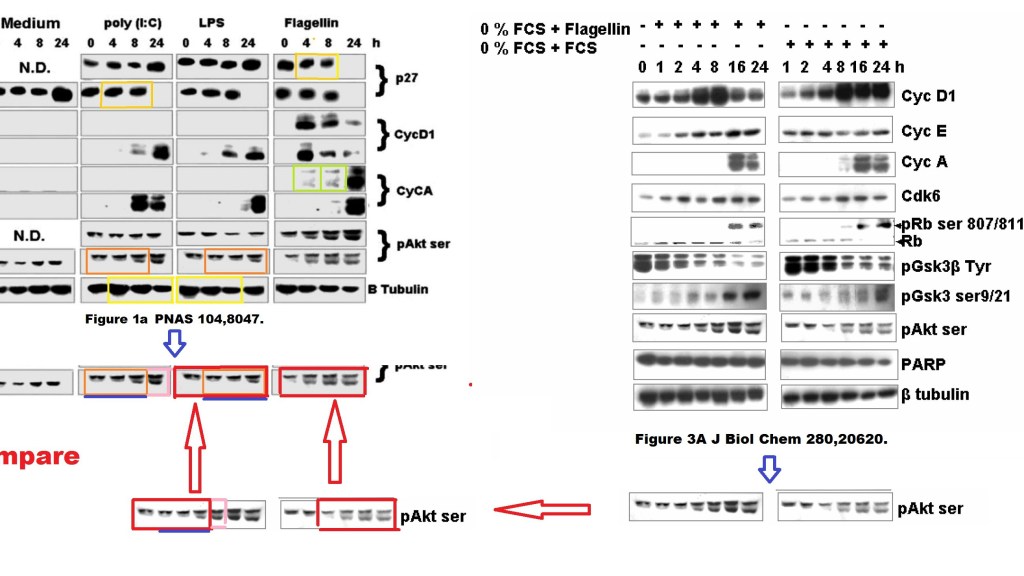
The newspaper l’Express reported that Academie de Sciences commissioned an investigative report about the papers of former CNRS interim president Anne Peyroche, and that CNRS and the French Ministry of Research tried to suppress it. Peyroche herself could not be heard, because she is hospitalised since the affair started. So her co-authors took that as opportunity to blame Peyroche for every fake figure. Meanwhile, duplicated data was found even in Research Minister’s Frederique Vidal’s paper.

Guest post Research integrity Smut Clyde

The adventures of Gui and Hui in Nano-land

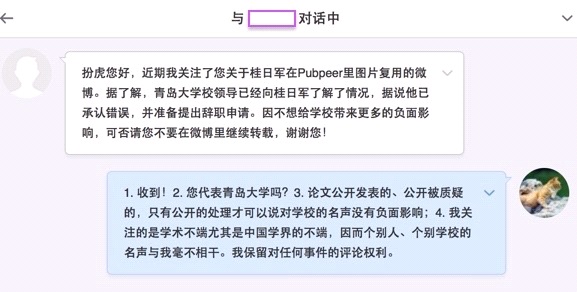
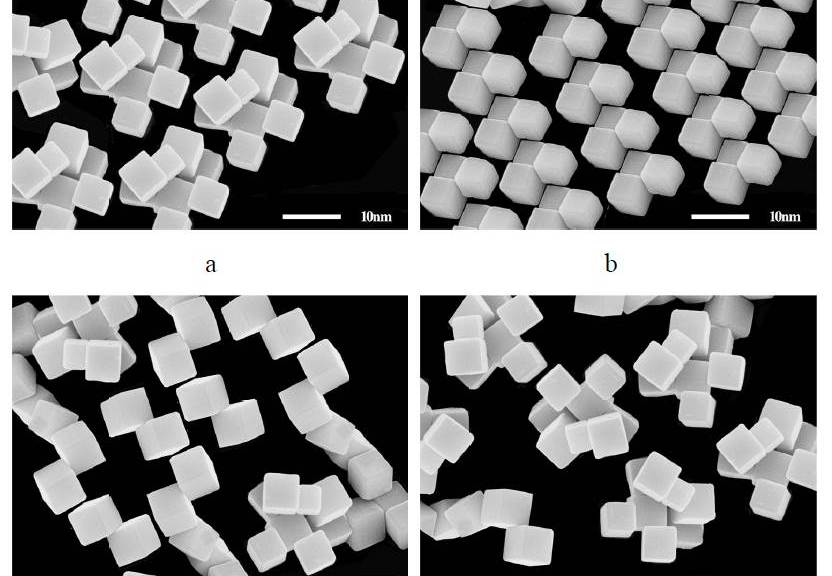
The hero of this new nano-malfeasance story by Smut Clyde is another Chinese Photoshop-enthusiast, Rijun Gui, a “specially recruited professor” at Qingdao University in China. There is also a female lead, Gui’s wife and colleague Hui Jin. Almost 30 of their papers, mostly published in Elsevier journals, are being discussed on and by PubPeer, one was already retracted by the Royal Society of Chemistry.

Academic Publishing Research integrity

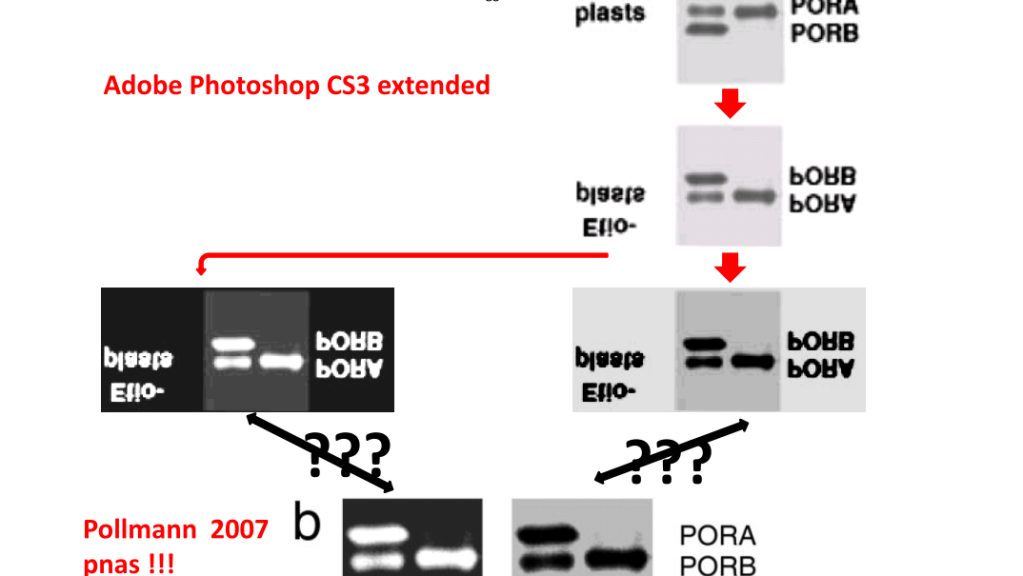
Steffen Reinbothe: duplications planted on PNAS contributed track

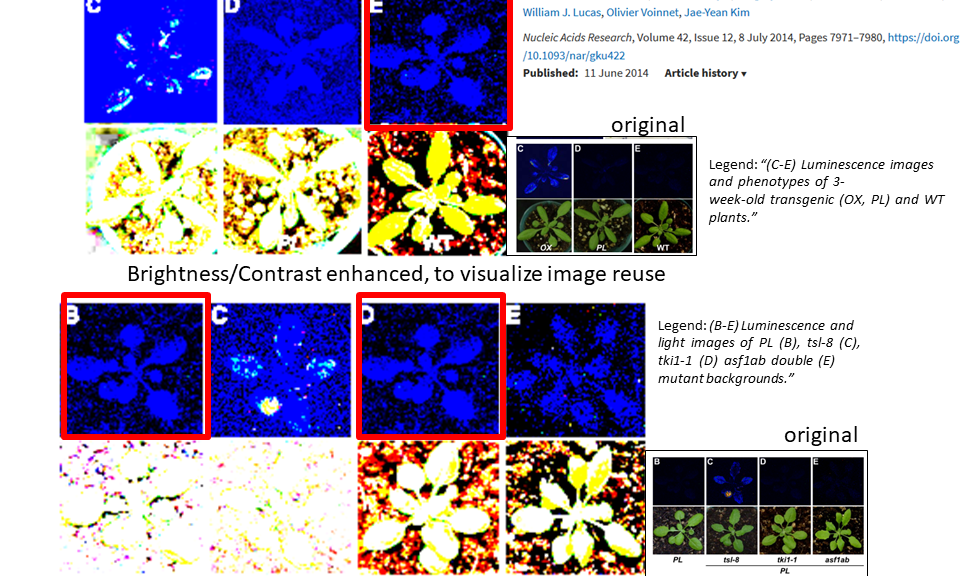
This is a story of a plant scientist in France, Steffen Reinbothe. He and his sister Christiane used to hold academic positions in Germany, but now they both returned to France, to Grenoble. The move might have had to do with a dossier from 2009, made by a former lab member and circulated among peers.
Whatever concerns any peers might have had: Steffen and Christiane Reinbothe could rely on the “contributed” track at PNAS.

Bullying and harassment Research integrity

Abder Kaidi fraud and bullying scandal unravels

The fraud case of Bristol cell biologist Abderrahmane Kaidi looked rather straightforward: Bristol University caught a group leader on data faking and bullying, and immediately had him removed. Turns out, it was not really like that.
Now I publish some very revealing leaked material, spiced with stories of a guerrilla Twitter account and a deleted student newspaper article.

Bullying and harassment News Research integrity

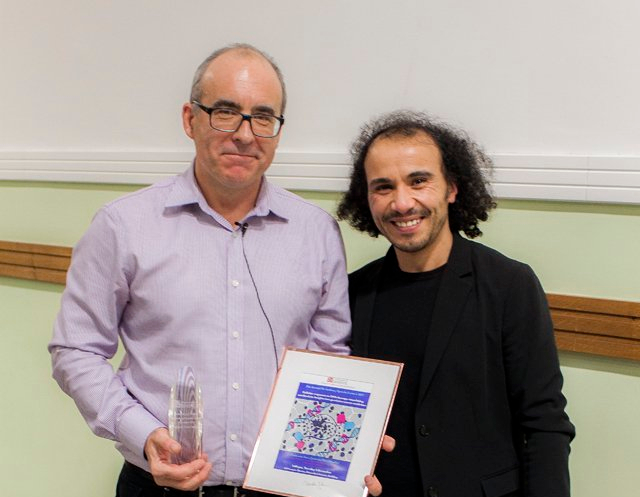
Abderrahmane Kaidi leaves Bristol after misconduct findings

University of Bristol mysteriously lost its senior lecturer, Abderrahmane Kaidi. His institutional website was wiped out in August 2018. I obtained an internal email which lifts the mystery: Kaidi was namely found guilty of “having fabricated research data”, and resigned with “immediate effect”. Affected by research misconduct are also publications from Kaidi’s postdoc period with Stephen Jackson in Cambridge. 

Medicine Research integrity

Fake data, untouchable men and guilty women at ICR London

With nobody above him, ICR director Paul Workman was seemingly investigating himself, and found two female colleagues guilty of placing fake data into his papers, primarily the ICR emeritus Ann Jackman. One paper was retracted, another received an outrageous correction. The previous ICR CEO, Alan Ashworth, together with his right-hand man Chris Lord, have their own impressive, but hitherto ignored, record on PubPeer.

Industry Research integrity Smut Clyde

Fake data and real pomegranate juice in Nobelist Louis Ignarro’s papers

Louis J. Ignarro knew how to monetize his 1998 Nobel Prize for discovery of nitric oxide as molecular cell signalling agent. He made many millions selling dietary supplement for Herbalife and pomegranate juice for POM Wonderful Company. Some of that found its way (without proper conflict of interest declaration) into Ignarro’s peer reviewed papers. Those, done in collaboration with certain Photoshop artists like Claudio Napoli, contain clearly fabricated data.

Academic Publishing Research integrity

How Lopez-Otin et al mocked data policy at Nature Cell Biology

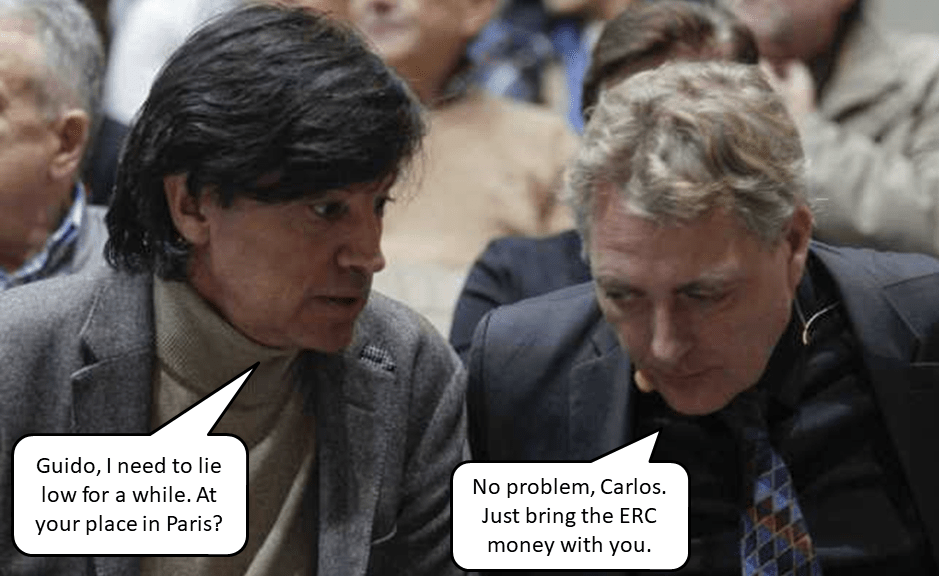
Elite journal Nature Cell Biology (NCB) requests deposition of raw data, in particular original scans of western blots and other gel analyses. Spanish star cancer researcher Carlos López-Otín, winner of 2017 Nature Mentoring Award, instead deposited whatever odd gel picture his lab had available, counting that nobody will bother to check. Yet readers did.