
Carrots and sticks for fraudsters at Royal Society of Chemistry
Smut Clyde goes nanotechnology again and disagrees with Royal Society of Chemistry and the Chinese authorities on how honest a researcher Mi-Cong Jin is.
By Leonid Schneider, on research integrity, biomedical ethics and academic publishing
Smut Clyde goes nanotechnology again and disagrees with Royal Society of Chemistry and the Chinese authorities on how honest a researcher Mi-Cong Jin is.
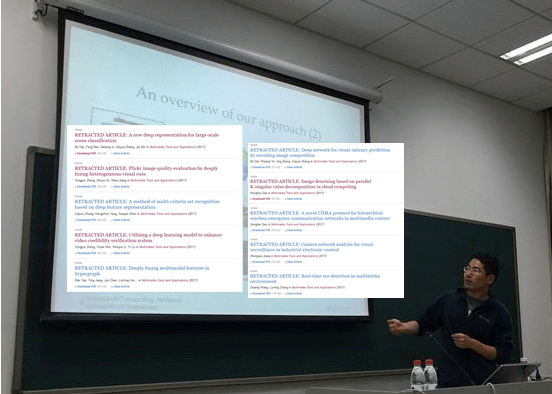
If you thought you already saw the worst research fraud from China, here comes the next level. Anything goes to please the Communist Party and to advance own academic career under the oppressive regime.
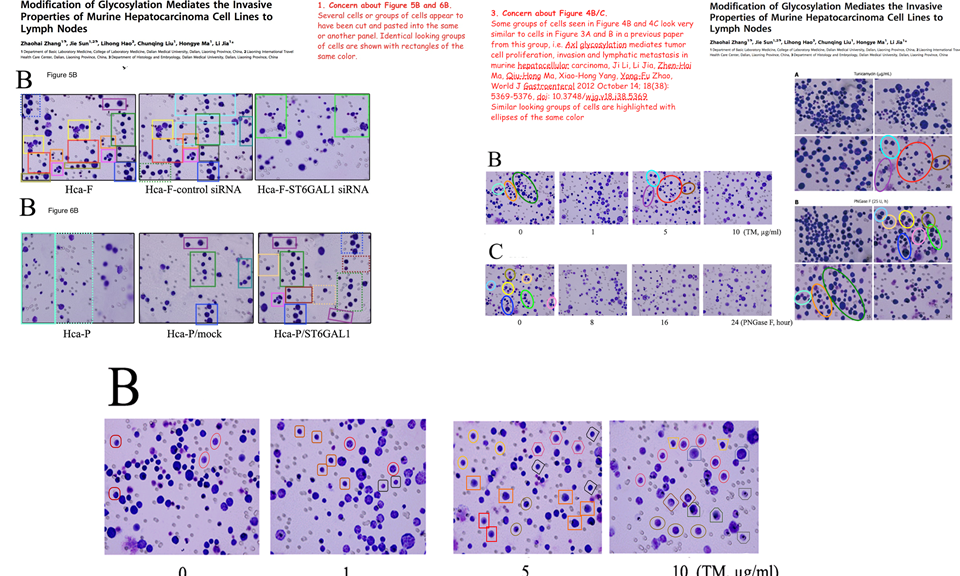
Li Jia is Chinese cancer researcher apparently training for Fraud Olympics. She fabricates data at speed and excess, and in several disciplines.
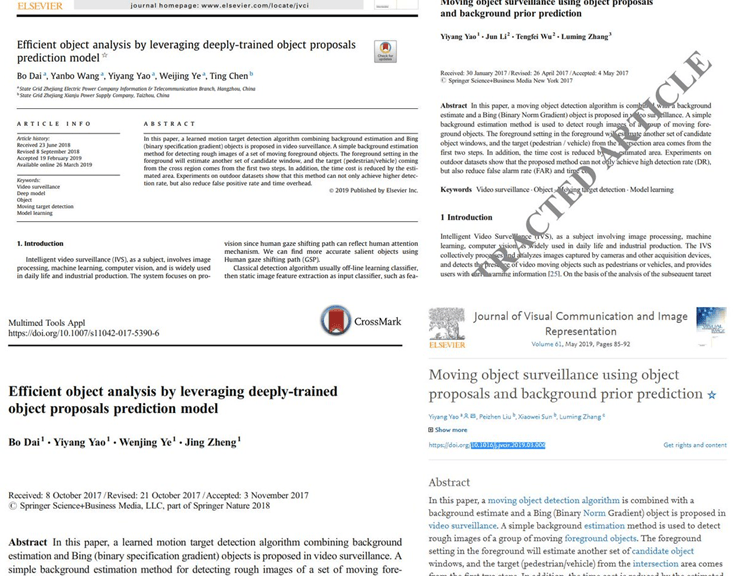
In this guest post by Smut Clyde and Tiger BB8 you will witness a publication practice you would never have thought possible. Even from China. Even at Elsevier.
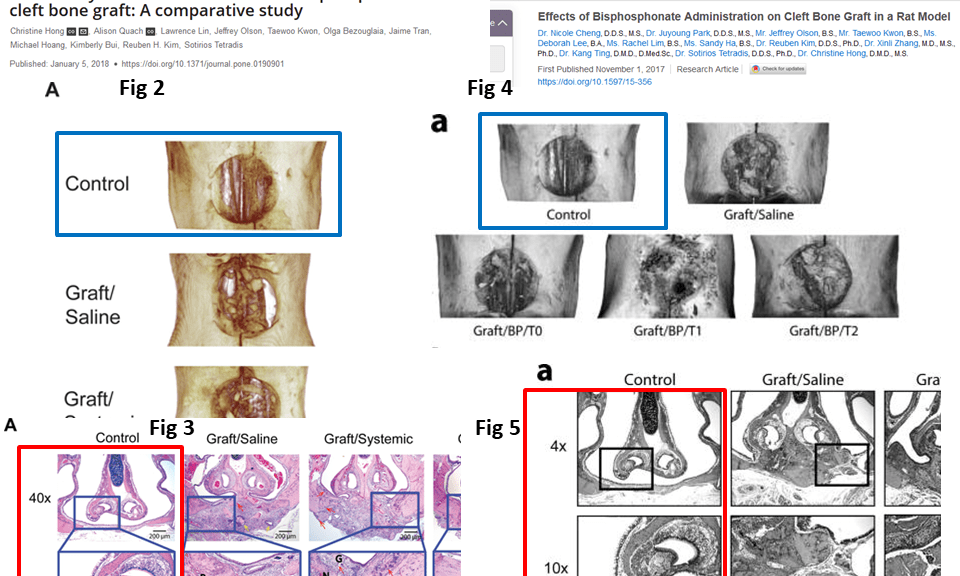
Dentistry professors at UCLA published manipulated data in top-level journals. When a colleague reported them, the university retaliated against the whistleblower.
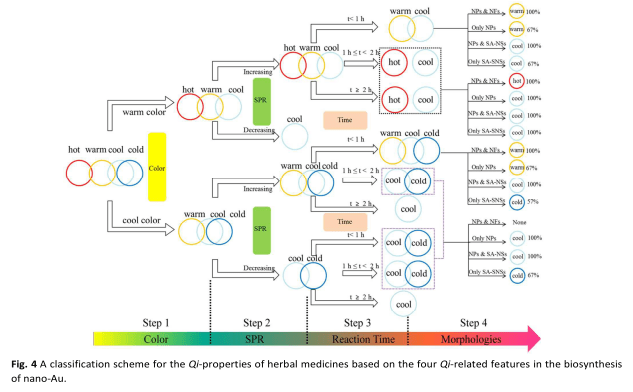
Royal Society of Chemistry published a research paper which unashamedly peddled TCM, under the title: “Probing the Qi of traditional Chinese herbal medicines by the biological synthesis of nano-Au”. Both Editor-in-Chief and publisher executive saw no problem there because the paper passed peer review.
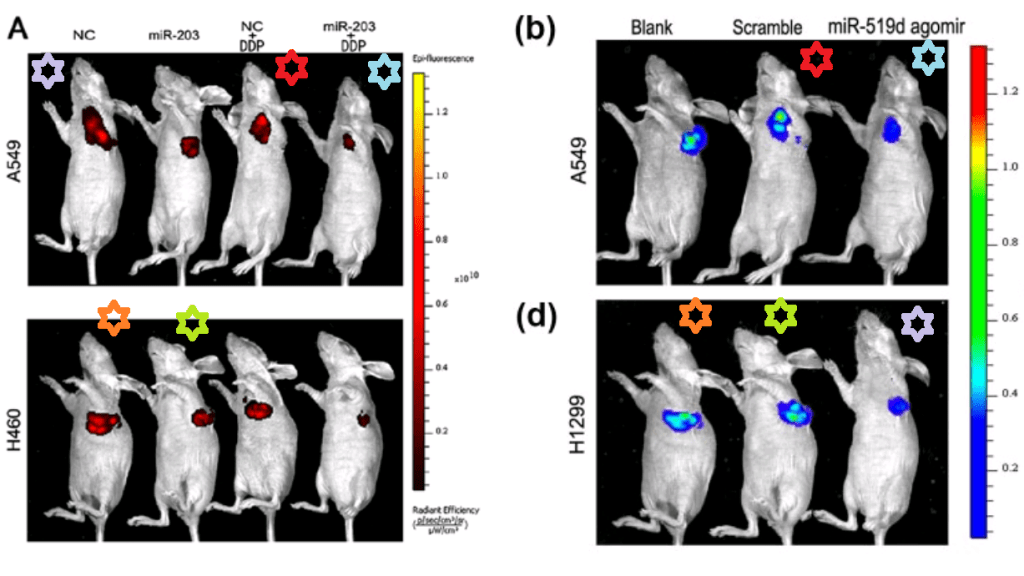
A cancer research professor in China runs a paper mill, sources claim he sells first authorships for a bribe. Problem for his customers: the peer-reviewed papers they pay for, contain fake data.
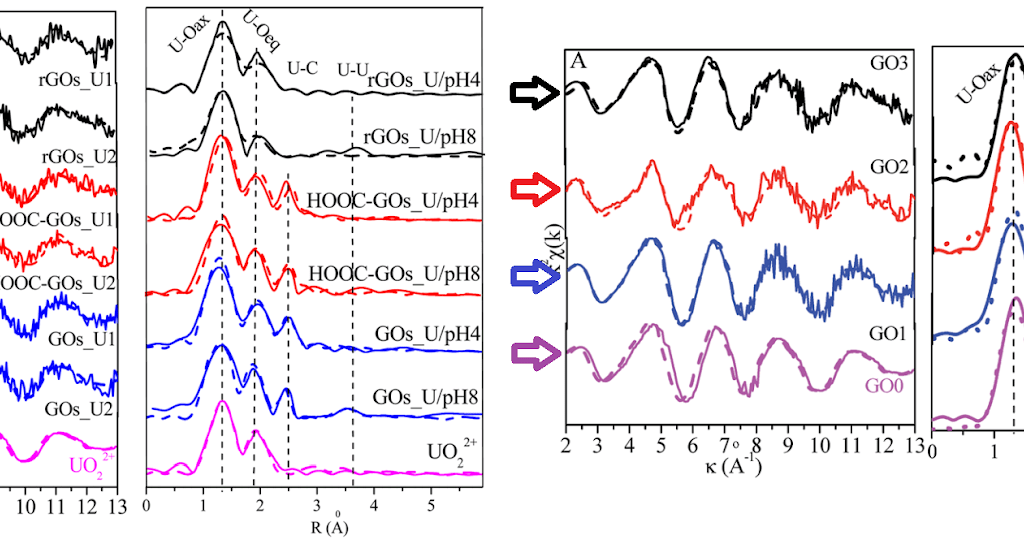
Smut Clyde and TigerBB8 investigate another case of nanotechnology research in China. Connected teams of authors pretended to work on cleaning up the environment of radioactive pollution, and instead released a toxic sludge of fraudulent data and citations.
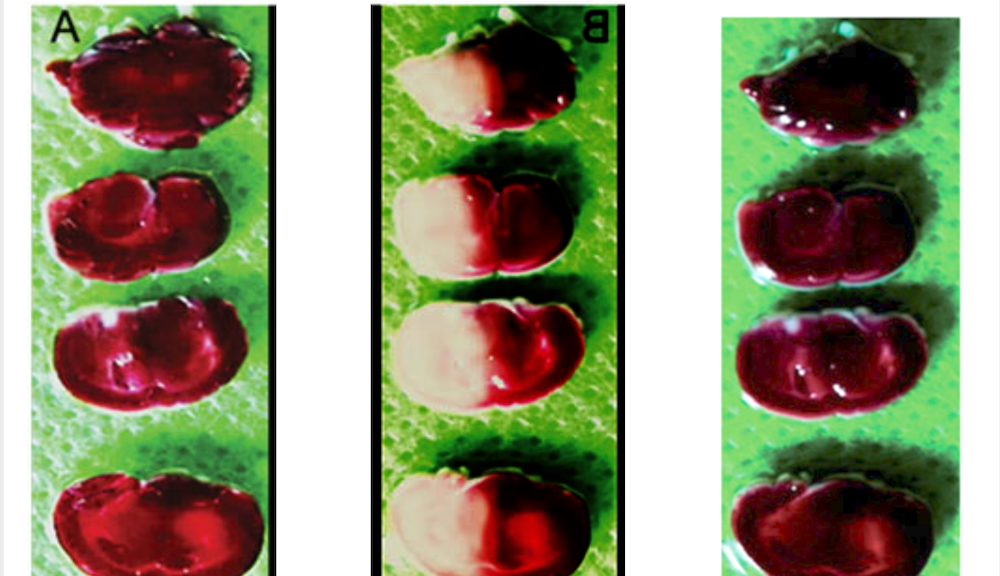
Smut Clyde and Tiger BB8 uncover a Chinese network which spreads over two cities and uses same stash of fake data to keep inventing nanoparticle or TCM-based cures for diabetic brain damage and other diseases.
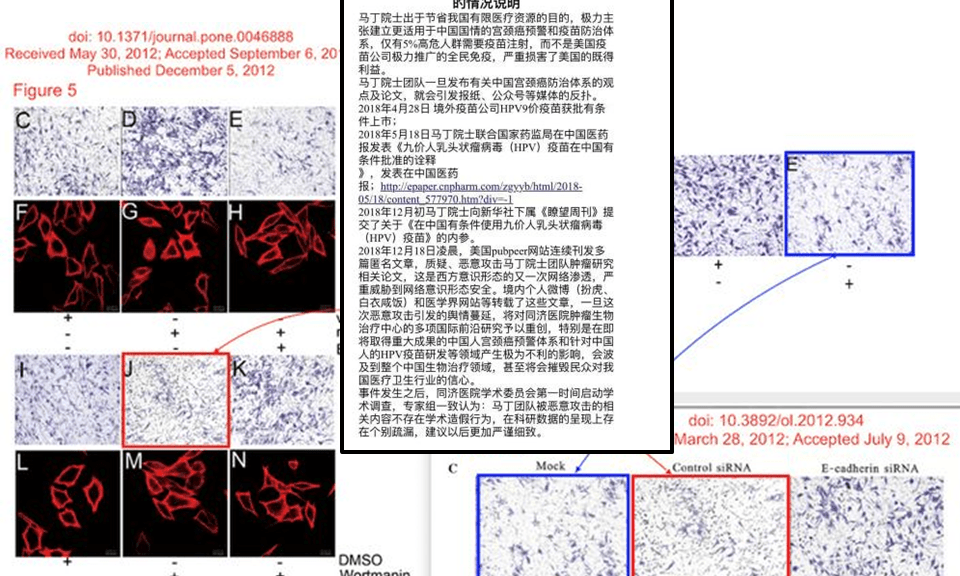
Manipulated data in 17 papers from one cancer research lab in China gets flagged on PubPeer. It ends with the university hospital in Wuhan issuing a secret statement accusing the US pharma giant a Merck of a conspiracy to slander a Chinese Academy member, Dr Ding Ma.
Have a WordPress.com account? Log in now.

