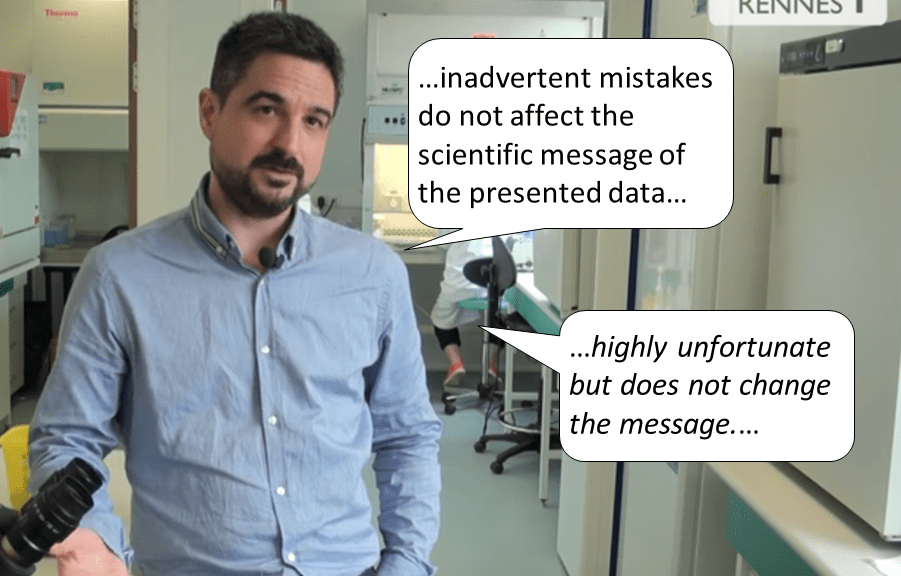
Patrick Legembre, the self-investigator
French cancer researcher Patrick Legembre works on cell death, but his datasets come alive as zombies of varying cell types. So Legembre investigates!
By Leonid Schneider, on research integrity, biomedical ethics and academic publishing
French cancer researcher Patrick Legembre works on cell death, but his datasets come alive as zombies of varying cell types. So Legembre investigates!
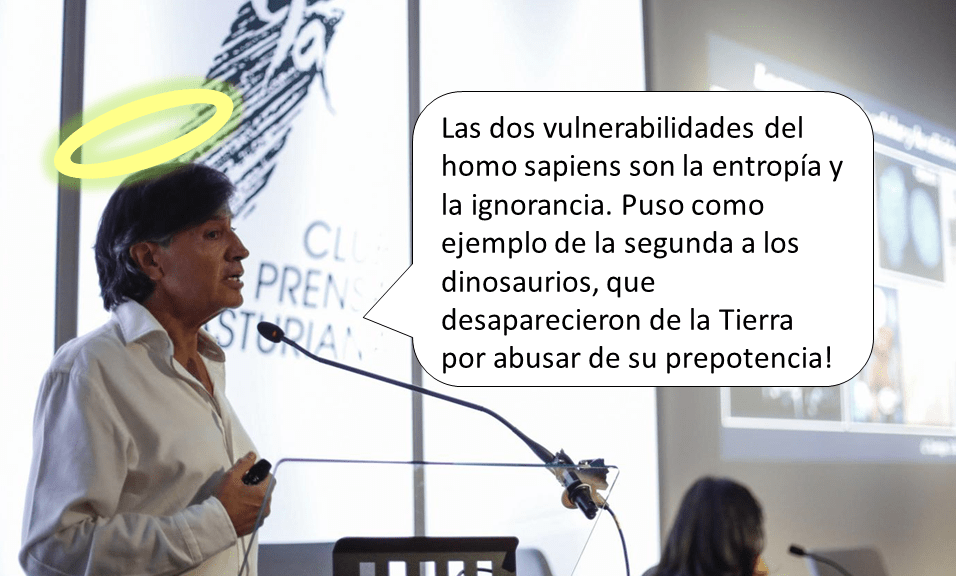
St Carlos of Oviedo almost was canonised as Spain’s first living martyr, but now Nature revoked his mentoring award. Spanish media and science elites are desperate, even the Queen is not amused. The Royal Academy of Sciences insists Lopez-Otin is a victim of journal’s failure.
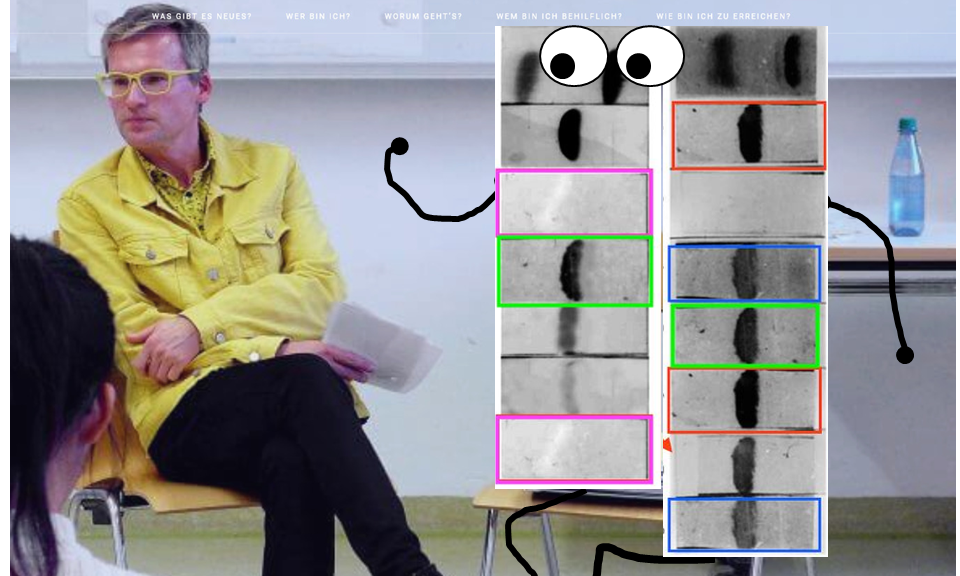
Germany recruits the very best of the best in international science to its elite institutions. Professor Alexandr Bazhin is one of them.
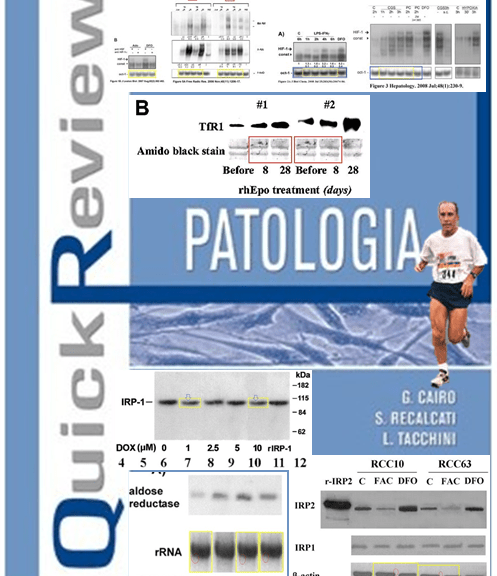
Smut Clyde is back to Milan, to show you some more artworks exhibited at the Institute of General Pathology. He will give you a quick run of Gaetano Cairo’s doped science.
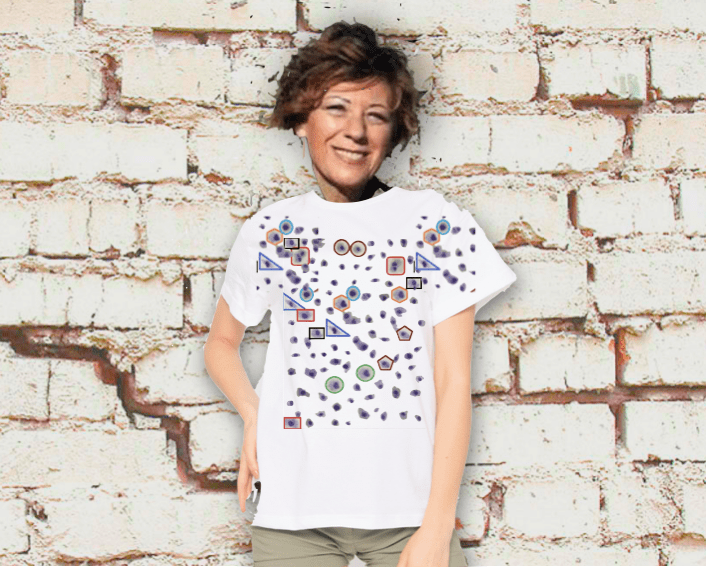
Smut Clyde and Clare Francis studied the works of Milanese cancer researchers around Maria Alfonsina Desiderio. There are even ideas for T-shirts!
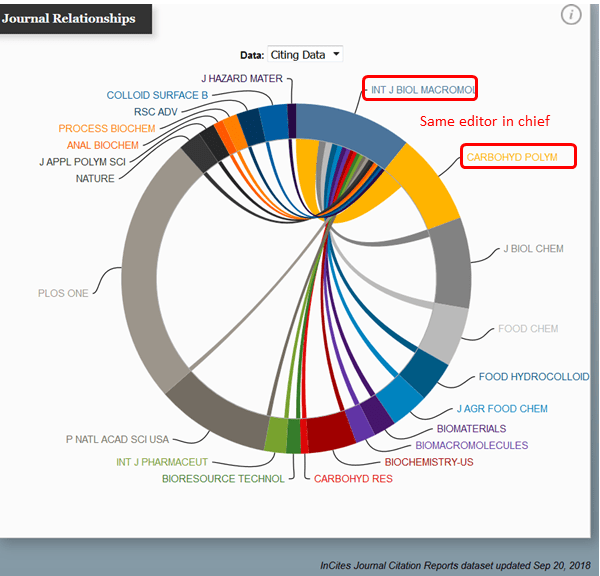
This guest post by “Morty” will show you some useful life hacks to boost your publication output. To qualify however, you must be Editor-in-Chief or at least editorial board member, preferably with Elsevier.
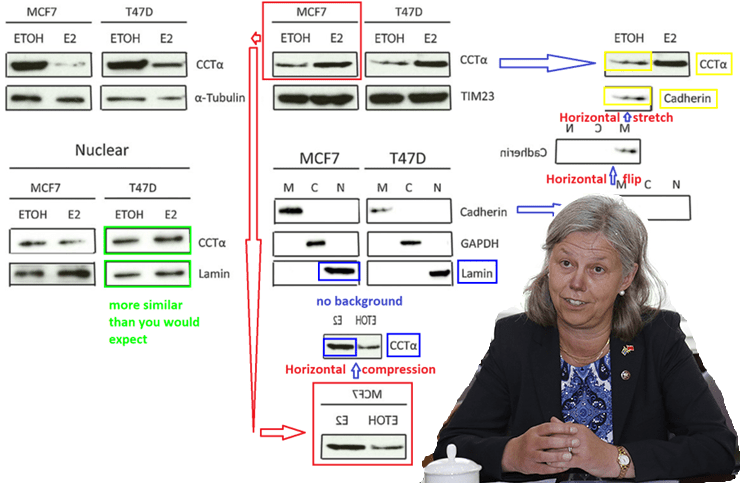
Karolinska Vice-president Karin Dahlman-Wright was found guilty of research misconduct, not much, only in one case, and even that shared. But she already resigned.
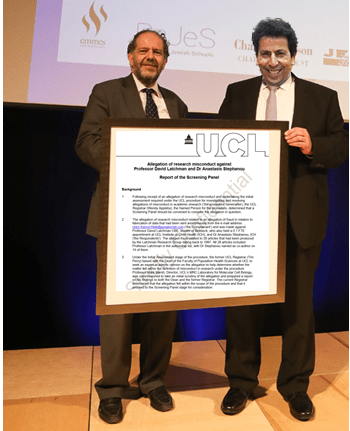
I publish exclusively two uncensored UCL screening panel reports into the David Latchman and Anastasis Stephanou affair. Now we know which papers were investigated and which requested retractions didn’t happen.

In 2018, the pharma giant Sanofi appointed with John Reed a new R&D head. Apparently Sanofi does not believe in PubPeer.

University of Ferrara rejected a journalist’s FOI request about the investigation of its own Rector. The arguments: the media is biased and drives a slander campaign against Giorgio Zauli, and in any case, his research can only be evaluated in a “Science Court” by peer review.
Have a WordPress.com account? Log in now.

