

Schneider Shorts of 25 September 2026 – husband defends wife from a rabid StereoInvestigator, a Romanian in Stanford makes mice with human brains, Swiss scholars cure stroke, a Frenchman loses first his mentor then his paper while some Italian scholars lose even more papers.
Table of Discontent
Science Elites
- Backed 100% by the data and faithfully presented to colleagues, students, journalists and the public – Arnold Kriegstein’s former postdocs sabotaged by StereoInvestigator
Retraction Watchdogging
- The authors denied similarities – Abdellah Mansouri and his dead mentor lose a paper
- It is rather easy to find similar cells – Chiara Schiraldi loses several papers
- Concerns were raised in 2025 – Elsevier journal finally acts on Bologna fraud
Science Breakthroughs
- Mice with half-human brain – Sergiu Pasca performs miracles with stem cells
- AI-assisted analysis of walking patterns – Swiss scientists also perform miracles with stem cells
Science Elites
Backed 100% by the data and faithfully presented to colleagues, students, journalists and the public
Arnold Kriegstein is a major figure in neuroscience and stem cell research . He is the founding director of the Broad Center of Regeneration Medicine and Stem Cell Research at University of California San Francisco (UCSF). Somehow this very respectable scientist managed to raise two mentees into professorships who should have been instead sent off to explore alternative careers in arts.
Before we meet this couple, here a paper by Kriegstein with the German-born virologist Melanie Ott, Senior Vice President of Gladstone Institutes at UCSF, who has more stuff on PubPeer, with characters like Eric Verdin or Eliezer Masliah.
Madeline G. Andrews, Tanzila Mukhtar , Ugomma C. Eze , Camille R. Simoneau , Jayden Ross , Neelroop Parikshak , Shaohui Wang , Li Zhou , Mark Koontz , Dmitry Velmeshev , Clara-Vita Siebert , Kaila M. Gemenes , Takako Tabata , Yonatan Perez , Li Wang , Mohammed A. Mostajo-Radji , Martina De Majo , Kevin C. Donohue , David Shin , Jahan Salma , Alex A. Pollen, Tomasz J. Nowakowski, Erik Ullian, G. Renuka Kumar, Ethan A. Winkler, Elizabeth E. Crouch, Melanie Ott, Arnold R. Kriegstein Tropism of SARS-CoV-2 for human cortical astrocytes Proceedings of the National Academy of Sciences (2022) doi: 10.1073/pnas.2122236119

Elisabeth Bik: “Concern about Figure 2C: Orange boxes: The Control and Infected panels appear to overlap”
In April 2026, Kriegstein announced on PubPeer a correction, which was published on 6 May 2026:
“The authors note that Fig. 2 appeared incorrectly. “Images were correctly captured/labeled during microscopy imaging. However, upon review of the original images in Fig. 2C, we identified that while the red channel showing the dsRNA staining within the figure panel is correct, the NEUN image in the blue channel was mistakenly compiled from the same image.”
Authors have replaced both the control panel and the infected panel in Fig. 2C, noting that the updated control panel “demonstrates the consistency of the phenotype”
Now, to Kriegstein’s two disastrous postdoctoral mentees – the Spanish native Verónica Martínez-Cerdeño, now associate professor at University of California Davis and Interim Vice Chair for Research of the Institute for Pediatric Regenerative Medicine, and her husband Stephen Noctor, who is now also associate professor at UC Davis.
Verónica Martínez-Cerdeño , Stephen C. Noctor , Ana Espinosa, Jeanelle Ariza , Philip Parker , Samantha Orasji , Marcel M. Daadi, Krystof Bankiewicz , Arturo Alvarez-Buylla, Arnold R. Kriegstein Embryonic MGE precursor cells grafted into adult rat striatum integrate and ameliorate motor symptoms in 6-OHDA-lesioned rats Cell Stem Cell (2010) doi: 10.1016/j.stem.2010.01.004

Pink boxes: Panels F1 (Calretinin) and G1 (Parvalbumin) appear to show the same sample, with a difference in the red signal.”

I could not find an explanation about the red vs green colors.
The green signal seems to be shared in several panels while the red signal is different.”

—The protocols do not match responses
—It is not only the unit pA
—As the -10 pA current by no mean will trigger spikes
—Importantly, why the glia should generate spikes ?”
Also present is another major neuroscientist at UCSF, Arturo Alvarez-Buylla. In February 2026, Martínez-Cerdeño explained on PubPeer: “For both figures we imaged 4 channels to collect DAPI, GFP+, and two interneuron markers.” Kriegstein added in April 2026: “The current traces shown in panels C-E of Figure 3 are not scaled properly“. On 7 May 2026, they published this Erratum:
“During the preparation of figures for the originally published version of this article, the authors did not fully clarify how colors were assigned to immunolabeled panels in Figure 2 and did not adjust the current traces to match the scale bars in Figure 3C. The authors regret these errors and propose to amend the legend of Figure 2 to clarify the antibody staining procedure and to adjust the size of the current traces shown in Figures 3C–3E to the appropriate scale. The revised legend for Figure 2 and a new version of Figure 3 are provided.”
In Bad Company
“Authors thank the members of NeuroDigitech for their contribution to data generation, and all the animals that contributed to these studies.”

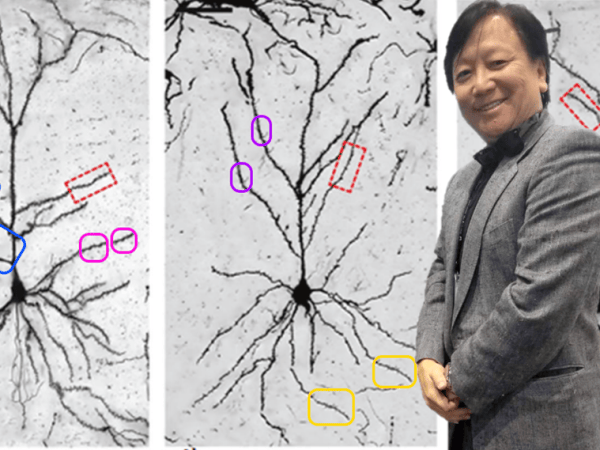
This is this couple’s PubPeer record, which includes not only works from Kriegstein’s lab at UCSF, but also from their own labs at UC Davis. Here, monkeys were killed to produce a fake figure, apparently this is what neuroscience is all about:
Verónica Martínez-Cerdeño , Christopher L. Cunningham, Jasmin Camacho, Jared L. Antczak , Anish N. Prakash, Matthew E. Cziep, Anita I. Walker, Stephen C. Noctor Comparative Analysis of the Subventricular Zone in Rat, Ferret and Macaque: Evidence for an Outer Subventricular Zone in Rodents PLOS One (2012) doi: 10.1371/journal.pone.0030178

Elisabeth Bik: “Concern about Supplemental Figure 1a:
- Red boxes: Two areas in the iSVZ region appear to look identical, albeit with a slight rotation.”
Here, autism sufferers and their families donated the post-mortem brains to science. What you see are “corner clones”, which usually arise when the final figure needs to be adjusted to the journal’s publishing format, but its raw image data is not available. Thus, labels get digitally removed and replaced by patches from elsewhere in the same image:
Jeanelle Ariza , Haille Rogers , Ezzat Hashemi , Stephen C Noctor, Verónica Martínez-Cerdeño The Number of Chandelier and Basket Cells Are Differentially Decreased in Prefrontal Cortex in Autism Cerebral cortex (2018) doi: 10.1093/cercor/bhw349

I wrote to the couple and their mentor Kriegstein, only Noctor replied, at lenght, and as I understood, on behalf of others:
“Our experimental work has been conducted, analyzed, and published to the highest standards. There has not been any manipulation of data, there has not been any manipulation of results. Data published in our papers present what happens in the developing and mature brain at the cellular, molecular and behavioral level with 100% fidelity. All of our results, all of the conclusions we published were backed 100% by the data collected and faithfully presented to readers in published papers, to colleagues, students, journalists and the public at large in public speaking engagements. I have shared my methods in peer-reviewed research article methods sections, in published protocols, with any scientist who asked, with students in classroom settings, and with students at teaching symposia. I am proud of the quality of my work and I am happy to answer any questions about the work, the approach, and the data, as I have been doing for over 20 years.“

Thomas Südhof and AI-powered weapons of micro-duplication
Thomas Südhof, victim of racist and sexist persecution, announced to retract a second paper, “even though the quantitative analyses and conclusions are correct”.
Of course. Here is another paper which used the brains from dead human donors. Little did they know that the science involved Photoshop:
Esther Kim , Jasmin Camacho, Zachary Combs , Jeanelle Ariza, Mirna Lechpammer, Stephen C. Noctor, Verónica Martínez-Cerdeño Preliminary findings suggest the number and volume of supragranular and infragranular pyramidal neurons are similar in the anterior superior temporal area of control subjects and subjects with autism Neuroscience Letters (2015) doi: 10.1016/j.neulet.2015.01.021

Two sets of large vertical strips in this image appear to be visible twice.
Marked with yellow and red boxes.”

Noctor in fact tried to explain this figure to me, at lenght.
“The figure is clearly wider than it needed to be. And we apologize if that creates some sense of confusion or uncertainty.
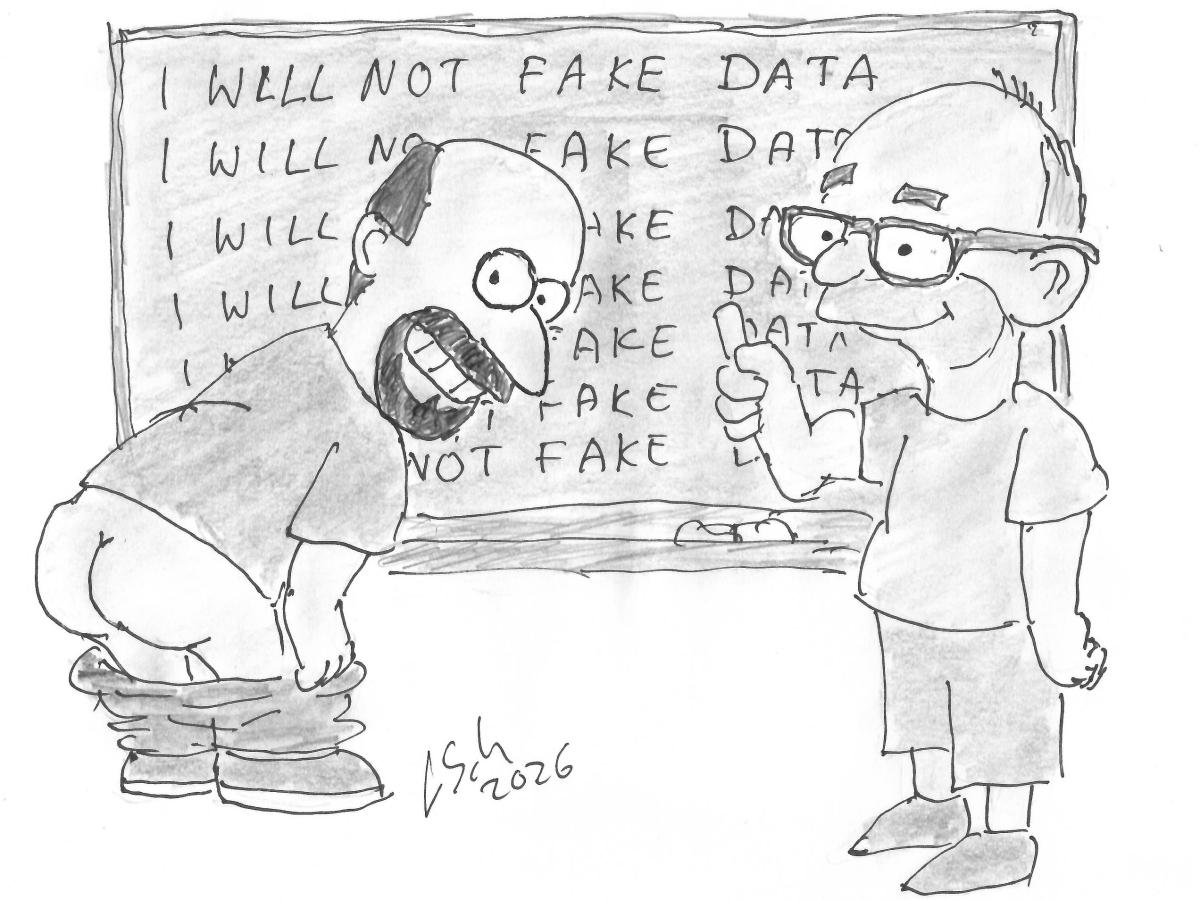
Most importantly the data from this project was not collected from that Photoshop figure, any Photoshop figure, or any other similar figure. The data was collected and analyzed using the StereoInvestigator program. Figure 1 had no bearing on data analysis and conclusions drawn and presented to readers. […] And again we apologize if that created confusion.“
Noctor kept banging on about “the StereoInvestigator program“, which he called “a gold standard” while apparently trying to blame it for the duplications because “the program itself randomly chose areas of cortex to be imaged” (bold his).
The Misadventures of Luca and Bart
“this is all very time consuming and damaging. It starts to look like a witch hunt.”” – Bart De Strooper
I asked then about this paper of his with his wife and their mentor Kriegstein, and whether the StereoInvestigator mauled this figure also:
Stephen C Noctor, Verónica Martínez-Cerdeño, Lidija Ivic, Arnold R Kriegstein Cortical neurons arise in symmetric and asymmetric division zones and migrate through specific phases Nature Neuroscience (2004) doi: 10.1038/nn1172

Boxes of the same color highlight areas that appear to be visible multiple times within the same panel.”

Red and purple boxes highlight areas that appear to be visible multiple times within the same panel and across panels – there might be more”

Boxes of the same color highlight areas that appear to be visible multiple times within the same panel.
[…] there are several more potential repeats that have not been marked”
Noctor announced to be “in the process of writing up a detailed response“, which still hasn’t compelted apparently.
His wife Martinez-Cerdeno briefly featured in December 2023 Shorts because she and her coauthors claimed to have cured autism in a clinical trial with 52 children (Hough et al 2023). With the toxic antiparasitic drug suramin. Her motivation to push this dangerous nonsense was also financial: Martinez-Cerdeno sits of the Advisory Board of PaxMedica, next to the prominent quack and suramin-pusher Robert Naviaux, who briefly featured here:

Gesundheit! Israeli Scientists treat autism with stem cells
A mysterious clinical trial in Israel is recruiting autistic children for blood draws. As the company’s founder admitted, the actual therapy on offer is extraction of bone marrow “stem cells” and their injection into patient’s spine. Smut Clyde investigates.

Retraction Watchdogging
The authors denied similarities
A retraction for French scholars led by Abdellah Mansouri and his PhD mentor at the Université Paris Diderot in Paris, Dominique Pessayre. After a stay in Texas, Mansouri returned in 2005 to work for Pessayre as group leader at INSERM’s Centre de Recherche Biomédicale Bichat Beaujon.
The sleuth Cheshire mentioned on social media that he notified this Sage journal about the problems with this paper more than four years ago:
Amal Choumar , Arige Tarhuni , Philippe Lettéron , Florence Reyl-Desmars , Nismah Dauhoo , Julie Damasse , Nathalie Vadrot , Pierre Nahon, Richard Moreau, Dominique Pessayre, Abdellah Mansouri Lipopolysaccharide-Induced Mitochondrial DNA Depletion Antioxidants & Redox Signaling (2011) doi: 10.1089/ars.2010.3713


When that paper was published, Pessayre was already retired. The retraction took four years to mature and arrived on 15 September 2026:
“Sage was alerted to concerns regarding this article following a discussion on PubPeer.
Concerns were raised about the following figures in the article:
- Figure 5 Panel A appears to have highly similar bands/lane features within the image
- Figure 3 Panel A appears to have highly similar bands/lane features within the image
- Figure 5 Panel A appears highly similar to Figure 5 Panel A1
The authors attributed the similarities in Figure 5 Panels A and B to the reproducibility of blue native gel electrophoresis and western blotting methods and provided reproduced experimental results. The authors denied similarities in Figure 3 Panel A and attributed the observations to the selection of representative gels.
The Journal Editors reviewed the author’s response and deemed that the image integrity concerns were present. Due to unresolved concerns about image integrity that call into question the validity of the findings the editors retract the article.
The authors did not respond when notified of the retraction.”
Pessayre was indeed unlikely to reply because he died in May 2026 at the age of 80. He and Mansouri have more on PubPeer.
This is the aforementioned paper sharing bits of same images, again by Mansouri and his patron Pessayre, plus again Richard Moreau (now director of Director of the European Foundation for the Study of Chronic Liver Failure in Barcelona, Spain) and another former mentee of Pessayre, Bernard Fromenty (now at University of Rennes):
Isabelle Larosche , Philippe Lettéron , Alain Berson , Bernard Fromenty , Ting-Ting Huang , Richard Moreau , Dominique Pessayre, Abdellah Mansouri Hepatic Mitochondrial DNA Depletion after an Alcohol Binge in Mice: Probable Role of Peroxynitrite and Modulation by Manganese Superoxide Dismutase Journal of Pharmacology and Experimental Therapeutics (2010) doi: 10.1124/jpet.109.160879


Another bad paper from the same team, same first author even (Isabelle Larosche now works for Centre Hospitalier de Luxembourg):
Isabelle Larosche , Philippe Lettéron , Bernard Fromenty , Nathalie Vadrot , Adjé Abbey-Toby , Gérard Feldmann , Dominique Pessayre , Abdellah Mansouri Tamoxifen Inhibits Topoisomerases, Depletes Mitochondrial DNA, and Triggers Steatosis in Mouse Liver Journal of Pharmacology and Experimental Therapeutics (2007) doi: 10.1124/jpet.106.114546

Here a paper reuses data from an earlier study by some of the same authors (Arige Tarhuni was a joint PhD student of Mansouri and Moreau):
Abdellah Mansouri, Arige Tarhuni , Isabelle Larosche , Florence Reyl-Desmars , Christine Demeilliers , Françoise Degoul , Pierre Nahon , Angela Sutton , Richard Moreau , Bernard Fromenty , Dominique Pessayre MnSOD Overexpression Prevents Liver Mitochondrial DNA Depletion after an Alcohol Binge but Worsens This Effect after Prolonged Alcohol Consumption in Mice Digestive Diseases (2010) doi: 10.1159/000324284

.


This is the Larosche et al paper from the year before, and it has its own problems:
Isabelle Larosche , Amal Choumar , Bernard Fromenty , Philippe Lettéron , Adjé Abbey-Toby , Holly Van Remmen, Charles J. Epstein , Arlan Richardson, Gérard Feldmann , Dominique Pessayre, Abdellah Mansouri Prolonged ethanol administration depletes mitochondrial DNA in MnSOD-overexpressing transgenic mice, but not in their wild type littermates Toxicology and Applied Pharmacology (2009) doi: 10.1016/j.taap.2008.11.004

Three of the four panels appear to have a duplicated top left corner, a copy of an area elsewhere in the same photo.”


Red boxes: Lanes 1-2 of Figure 7A look very similar to lanes 3-4
Pink boxes: Lanes 1, 2, and 3 of Figure 7C look similar to each other, albeit in different orientations”
Another study by Mansouri and Moreau, Pessayre isn’t on it because he retired in 2010. Flagged by Claire Francis:
Nathalie Vadrot , Sarita Ghanem , Françoise Braut , Laura Gavrilescu , Nathalie Pilard , Abdellah Mansouri , Richard Moreau , Florence Reyl-Desmars Mitochondrial DNA maintenance is regulated in human hepatoma cells by glycogen synthase kinase 3β and p53 in response to tumor necrosis factor α PLOS One (2012) doi: 10.1371/journal.pone.0040879

Worth noting that in between his working with Pessayre, Mansouri went to learn the bad practices as postdoc of Gordon Mills at MD Anderson Cancer Center in Texas. Mills is since 2017 at Oregon Health & Science University, Mansouri still works at the same research hospital in Paris, now attached to the lab of Tarik Asselah.at the Centre de recherche sur l’inflammation.
Nobody replied to my email. Not even Pessayre.
It is rather easy to find similar cells
Chiara Schiraldi is professor of biochemistry at University of Campania “Luigi Vanvitelli” in Naples, Italy. She just lost another paper.
Here, two authors were affiliated with an Italian pharma company, Damor Farmaceutici, while Schiraldi claimed to have no conflicts of interests whatsoever.
Antonella D’Agostino, Anna Virginia Adriana Pirozzi, Rosario Finamore, Fabrizia Grieco, Massimiliano Minale, Chiara Schiraldi Molecular Mechanisms at the Basis of Pharmaceutical Grade Extract Efficacy in Prompting Keratinocytes Healing Molecules (2020) doi: 10.3390/molecules25030431


The retraction was published on 18 September 2026:
“Following publication, concerns were brought to the attention of the Editorial Office regarding the integrity of a figure presented in this article [1].
In accordance with the Journal’s standard procedures, the Editorial Office and Editorial Board conducted an investigation which identified indications of inappropriate image editing and duplication within Figure 5 of this publication [1]. Although the authors cooperated with the investigation, the Editorial Board concluded that the explanations and the supporting materials provided could not satisfactorily resolve the identified concerns.
As a consequence, the Editorial Board decided to retract this publication in accordance with MDPI’s retraction policy.”
We are told that the authors “did not provide a comment on this decision.”

Francesco Beguinot – Neapolitan Zombie in Düsseldorf!
A zombie scientist, unwelcome everywhere outside of Naples, retains a warm boarding place at a Leibniz Institute in Germany.
This was the above mentioned paper sharing the data:
Anna De Filippis, Antonella D’Agostino, Anna Virginia Adriana Pirozzi, Maria Antonietta Tufano, Chiara Schiraldi, Adone Baroni Q-switched Nd-YAG laser alone and in combination with innovative hyaluronic acid gels improve keratinocytes wound healing in vitro Lasers in Medical Science (2021) doi: 10.1007/s10103-020-03145-5

Also: “The authors declare that they have no conflict of interest“, which is a lie. Schiraldi has (or had at that time) a professional relationship with the Italian company IBSA Farmaceutici and its hyaluronic acid anti-aging skincare products, rather relevant to that study. According to her CV, Schirladi used to prepare hyaluronic acid for IBSA, there were also product presentation events Schiraldi participated in, see here and here. A paper of hers mentioned: “Professor Chiara Schiraldi has a patent 10266611 issued to IBSA” (Cassuto et al 2021) .
That paper in turn shared data with this now retracted study:
Annalisa La Gatta, Virginia Tirino , Marcella Cammarota , Marcella La Noce , Antonietta Stellavato , Anna Virginia Adriana Pirozzi , Marianna Portaccio , Nadia Diano , Luigi Laino , Gianpaolo Papaccio, Chiara Schiraldi Gelatin-biofermentative unsulfated glycosaminoglycans semi-interpenetrating hydrogels via microbial-transglutaminase crosslinking enhance osteogenic potential of dental pulp stem cells Regenerative Biomaterials (2021) doi: 10.1093/rb/rbaa052

The Retraction from 21 May 2026 went:
“In December 2025, a reader alerted the Editors to similarities between a number of the images presented in the article and those published by the same author group in Lasers in Medical Science in 2020. These concerns were also raised via PubPeer (https://pubpeer.com/publications/0B53F38D11491D25C54E99A4500235).
Specifically, Figure 11A (48KDa, ACTIN at 15 and 30 days) is from Figure 4B (25KDa, AQP3) in […] 10.1021/acs.lang muir.5b00615. The Lasers in Medical Science article was published online on 26 September 2020 and the Regenerative Biomaterials article was accepted on 15 November 2020 and published online on 12 June 2021. Furthermore, a two-gel strip (11KDa, OC at 15 and 30 days) may share the same origin within Figure 11A of this paper.
The Editors contacted the corresponding author who explained that the experiments were performed approximately six years ago and the original unprocessed image files of Figure 11A are no longer available.
The Editors investigated the concerns raised and have decided to retract this paper because the image duplication described above, and the authors’ inability to supply the raw images, undermine their confidence in the results and conclusions reported in the paper.”
The Galdiero Clan
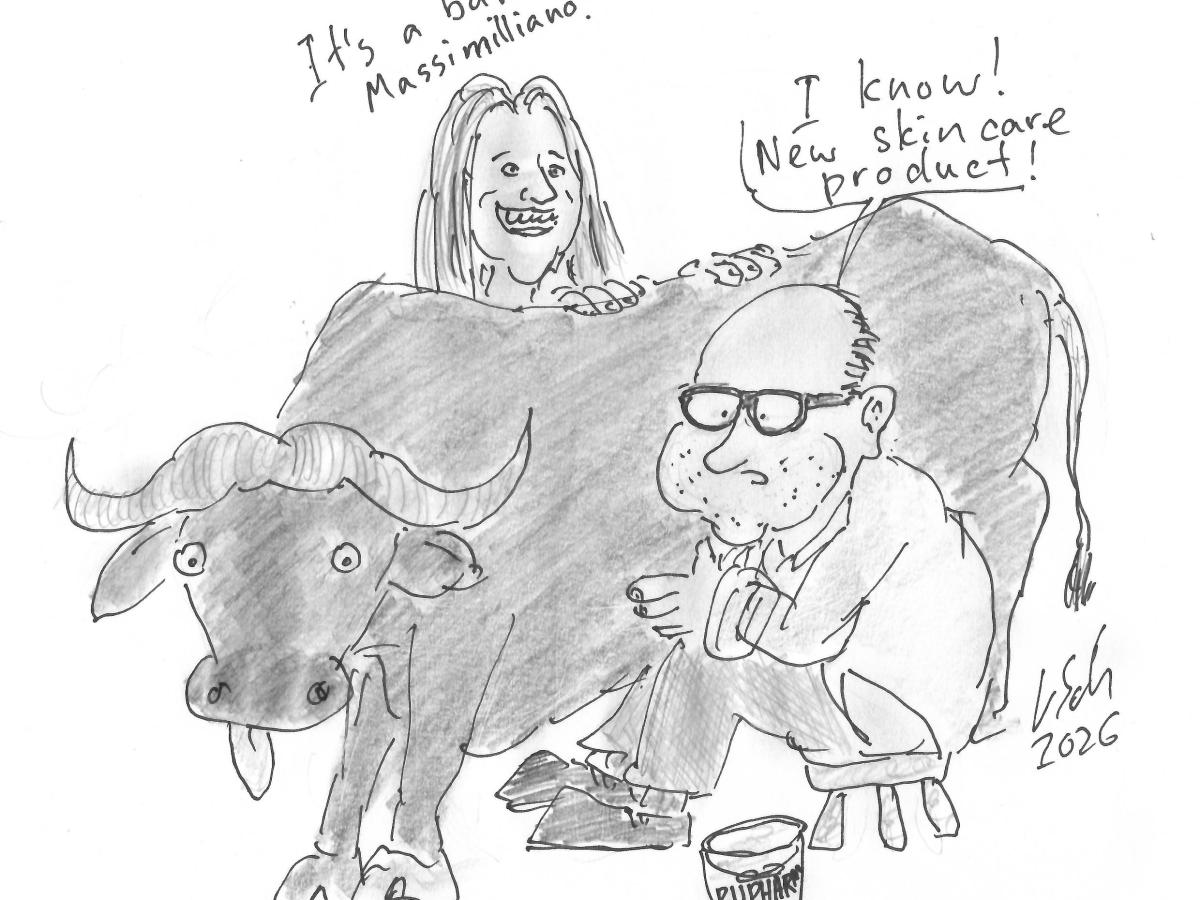
“Scientific works must be carefully reviewed, assessed, and, if necessary, corrected at the time of submission and publication. Attempting to re-evaluate articles many years later represents an unfair practice toward the authors ” – a member of the Galdiero Clan.
Schiraldi has lots more on PubPeer, 15 papers in total. Stellavato et al 2018 was retracted already in 2021 for “duplicated figure panels“, and so was Stellavato et al 2019 in the same journal BioMed Research International – it was first corrected in 2020 and then retracted in February 2022 for “figure duplications as noted on PubPeer“, while mentioning that the previous corrigendum “was published without consideration of the ongoing investigation“.
Stellavato et al 2016 got an Expression of Concern from PLOS One in April 2024 because the raw data was available for all figures except the duplicated ones. Still: “concern has been resolved in full and that the conclusions of the article are not affected.”
Schiraldi also corrected some papers. This, for example:
Antonietta Stellavato, Anna Virginia Adriana Pirozzi , Francesca De Novellis , Ilaria Scognamiglio , Valentina Vassallo , Andrea Maria Giori , Mario De Rosa , Chiara Schiraldi In vitro assessment of nutraceutical compounds and novel nutraceutical formulations in a liver-steatosis-based model Lipids in Health and Disease (2018) doi: 10.1186/s12944-018-0663-2


The authors apologised on PubPeer and published an Erratum in April 2022 addressing “an inaccuracy related to western blotting actin bands in Figs. 5 and 6″. The corrected figure 8 was fraudulent, but Springer nature already closed the case:

Actinopolyspora biskrensis: “The Actin panel in the top section of Figure 6 (both original and corrected) seems to have a duplicate section”
Nobody also cared that those same actin blots were previously published here, plus other instances of image and western blot reuse:
Antonietta Stellavato , Marcella La Noce , Luisana Corsuto , Anna Virginia Adriana Pirozzi , Mario De Rosa , Gianpaolo Papaccio , Chiara Schiraldi , Virginia Tirino Hybrid Complexes of High and Low Molecular Weight Hyaluronans Highly Enhance HASCs Differentiation: Implication for Facial Bioremodelling Cellular Physiology and Biochemistry (2017) doi: 10.1159/000485414


Schiraldi also lied that “there are no conflicts of interest regarding the publication of this paper.” In April 2021, PubPeer users recorded an editorial note which apparently has been deleted since:
“Publisher’s note: Concerns have been raised regarding the integrity of several papers published in 2017 and 2018 in Cellular Physiology and Biochemistry. Karger Publishers is currently investigating this matter according to COPE guidelines and in collaboration with the new publisher of the journal. Authors have been contacted and further editorial action will be taken as appropriate once the investigation into the concerns is concluded.”
COPE guidelines actually don’t allow erasure of editorial notes. They also don’t allow hiding the corrections. In May 2021, a secret Erratum was published, it is unavailable from the article’s main page:
“In the article […] by Stellavato et al., in Figure 2, the authors mistakenly used the same picture for LHA, 7 and 14 days as well as HHA, 7 and 14 days and HHA 21 days and Medium cross linked HA 7 days. The error was introduced inadvertently when compiling the multi-panel figure. The authors have checked the original data and confirm the accuracy of the findings.
The corrected Figure 2 is shown here.”
Then more fraud was found:

Actinopolyspora biskrensis: “There seems to be a repeated image in Figure 7.”
In August 2022, another secret Erratum was published by Karger:
“In the article […] by Stellavato et al., in Figure 7, the image for L-HA treated cells at 7 days was accidentally included for 14 days. This error was introduced during revision of the manuscript in peer review.
The corrected Figure 7 is shown here.”
This was also corrected:
Clara Iannuzzi , Margherita Borriello , Antonella D’Agostino , Donatella Cimini , Chiara Schiraldi, Ivana Sirangelo Protective effect of extractive and biotechnological chondroitin in insulin amyloid and advanced glycation end product-induced toxicity Journal of Cellular Physiology (2019) doi: 10.1002/jcp.27153


Clara Iannuzzi, Margherita Borriello, Marianna Portaccio, Gaetano Irace, Ivana Sirangelo Insights into Insulin Fibril Assembly at Physiological and Acidic pH and Related Amyloid Intrinsic Fluorescence International Journal of Molecular Sciences (2017) doi: 10.3390/ijms18122551
Ivana Sirangelo is another professor at University of Campania Luigi Vanvitelli, and she of course has her own fake stuff on PubPeer. In June 2022, she announced to correct the paper, but the Corrigendum appeared only in February 2024, and briefly mentioned that “the authors wrongly assembled panels b and e of Figure 2 due to mislabeling of data files” which “doesn’t change the results and conclusions“.
This case of a corner clone could have been easily explained by rogue publishers adjusting figures to their own format, but the authors didn’t think of that:
C Schiraldi , A Stellavato , A D’Agostino , V Tirino , R D’Aquino , A Woloszyk , A De Rosa , L Laino , G Papaccio, T A Mitsiadis Fighting for territories: time-lapse analysis of dental pulp and dental follicle stem cells in co-culture reveals specific migratory capabilities European Cells and Materials (2012) doi: 10.22203/ecm.v024a30

Actinopolyspora biskrensis: “The image in Figure 1A appears to have a repeated region”
Schiraldi’s then-boss at University of Campania, Gianpaolo Papaccio, warned on PubPeer (caps his):
“although the two cells seem to be similar (often cells of the same origin are SIMILAR) they in particular WERE NOT TAKEN INTO CONSIDERATION FOR ANALYSES (not colored and not selected). Therefore any speculation on the similarities of those cells are totally not impacting on the study and paper!”
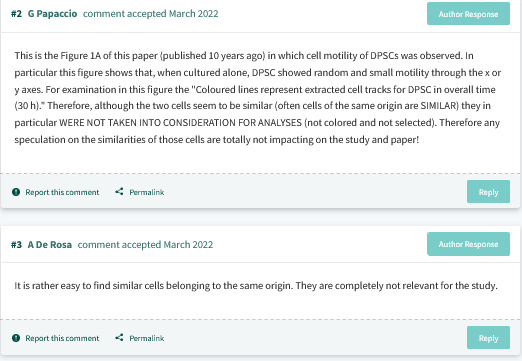
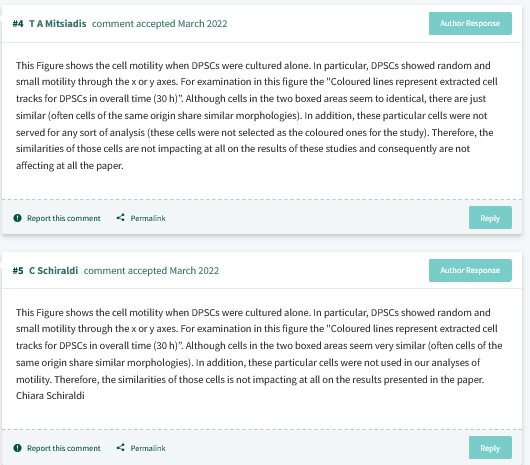
Schiraldi herself as well as Thimios Mitsiadis, professor at University of Zurich in Switzerland, also replied on PubPeer – they basically copied Papaccio’s clever reply, but without the caps. Another Campania professor, Alfredo De Rosa, added more stupidity:
“It is rather easy to find similar cells belonging to the same origin. They are completely not relevant for the study.”
Yes, dear readers, some professors are indeed that stupid. Some of these dimwits got their jobs on the merit of data forgery and nepotism.
Papaccio has of course a PubPeer record of his own fake science, including with Maurillo Sampaolesi, their common papers were discussed here, De Rosa is also involved:
How Sampaolesi and Cossu cured Muscular Dystrophy with stem cells
Gather round children, and hear a fairy tale from the golden age of degenerative medicine.
Concerns were raised in 2025
And another Italian retraction. The lead authors are scholars of the University of Bologna: Manuela Mancini and the two professors Enza Barbieri and Maria Alessandra Santucci, about whom I wrote in July 2025 Shorts.
The paper was flagged on PubPeer by the pseudonymous sleuth Claire Francis in January 2017.
Manuela Mancini, Gianluca Brusa , Elisa Zuffa , Patrizia Corrado , Giovanni Martinelli , Tiziana Grafone , Enza Barbieri , Maria Alessandra Santucci Persistent Cdk2 inactivation drives growth arrest of BCR-ABL-expressing cells in response to dual inhibitor of SRC and ABL kinases SKI606 Leukemia Research (2007) doi: 10.1016/j.leukres.2006.09.022

Fig 3A,B vs Fig 4 of Gianluca Brusa, Elisa Zuffa , Manuela Mancini , Michela Benvenuti , Natalia Calonghi , Enza Barbieri , Maria Alessandra Santucci P210 Bcr-abl tyrosine kinase interaction with histone deacetylase 1 modifies histone H4 acetylation and chromatin structure of chronic myeloid leukaemia haematopoietic progenitors British Journal of Haematology (2006) doi: 10.1111/j.1365-2141.2005.05873.x (RETRACTED in May 2026)
On 18 September 2026, the paper was unexpectedly retracted:
“This article has been retracted at the request of the Editor-in-Chief.
Concerns were raised in 2025 that images in this paper were duplicated in another publication representing different experimental conditions. Due to the time elapsed since publication, it has not been possible to establish the cause of the duplication. However, the paper is being retracted as the editors are no longer confident in the findings.”
That is actually a lie, the concerns were raised to the journal in 2017. Not 2025.
What did happen in 2025, was the retraction of the other paper, also in Elsevier, and the sleuth taking another attempt to get more fraudulent papers by these Bologna people retracted. Wiley told him to get lost.
Science Breakthroughs
Mice with half-human brains
The Guardian wishes to celebrate an amazing scientific achievement with us: mice with a human brain! Here the article from 16 September 2026:
“Researchers have created mice with half-human brains in an effort to understand and develop new treatments for disorders such as schizophrenia, epilepsy, cerebral palsy, intellectual disability and rare forms of dementia.
The scientists transplanted lab-grown human brain cells into animals that were engineered to be born without a cortex or hippocampus. This made space for the human tissue to grow inside the rodents’ skulls. […]
“We’ve been trying really hard as a community to find therapeutic solutions for these conditions, but the reality is that in psychiatry and neurology we’ve been left behind [by] every single branch of medicine and we have fewer therapeutics than, again, every single branch of medicine,” said Sergiu Pașca, a professor of psychiatry who led the research at Stanford University. […]
The human neurons were not structured or wired up in the same way as in people, and the brain tissue was immature, equivalent to that found halfway through human pregnancy. Tests on the “xenocortical” mice showed the animals were not enhanced by the transplants, but their shaky gait and cognitive problems did improve a little.”
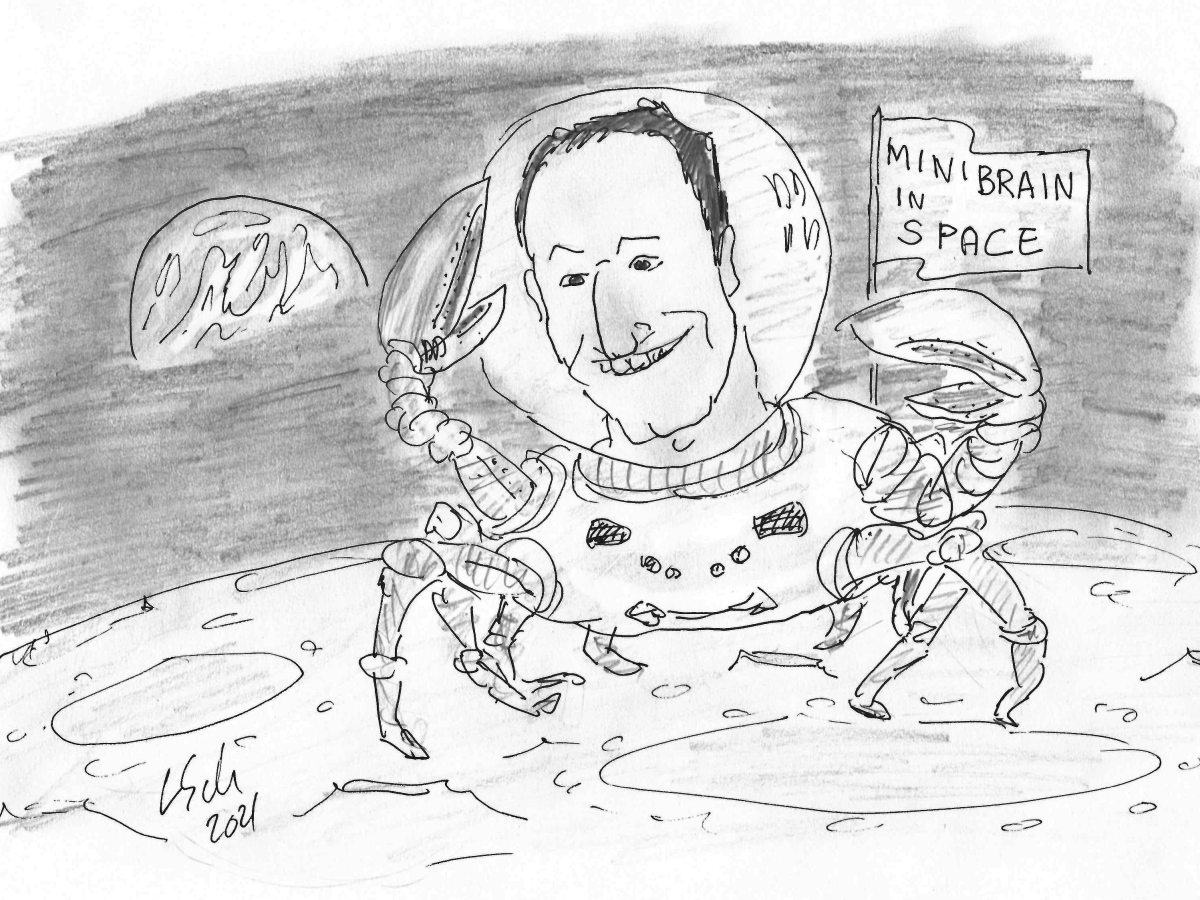
Alysson Muotri, a minibrain
Autistic Neanderthal minibrains operating crab robots via brain waves of newborn babies are to be launched into outer space for the purpose of interstellar colonization. No, I am not insane. Science Has Spoken.
This is the paper:
Konstantin Kaganovsky , Kevin W. Kelley , Tilo Gschwind , Paul M. Harary , John Kochalka , Alexander D. White , Garikoitz Lerma-Usabiaga , Xiaoyu Chen , Omer Revah , Felicity Gore , Ayano Aoyama , Jennifer L. Shadrach , Se-Jin Yoon , Alfredo Valencia , Satoe Ogawa , Noah Reis , Hannes Vogel , Brian Wandell , Julia A. Kaltschmidt , Ivan Soltesz , Karl Deisseroth, Sergiu P. Pașca Developmental xenocortication using human-derived organoids in mice Nature (2026) doi: 10.1038/s41586-026-11032-2
Sergiu Pașca, the Romanian genius in Stanford, will now cure all brain disorders by creating iPS cells from patients, derive neural cells from those, inject them into brain-damaged mice, and call it human brain equivalent of “halfway through human pregnancy“, i.e., almost preterm babies. For this, he has just received $14 Million grant from the California Institute for Regenerative Medicine (CIRM). The method is already patented.
The ethicists are jumping up and down expressing concerns of mice becoming humans. Nobody is concerned about mice being tortured for stupid bullshit like this.
The Guardian mentioned that “In previous work, the Stanford team transplanted human neurons into rat brains“, that was duly celebrated by Guardian in 2022:
“The clumps of human cells took root inside the animal brains, hooked up to their blood supplies and tapped into rat brain circuits, allowing them to sense whisker movements and change how the animals behaved.”
This is that earlier Nature paper, Sholto David previously found irregularities in it:
Omer Revah , Felicity Gore, Kevin W. Kelley, Jimena Andersen , Noriaki Sakai , Xiaoyu Chen , Min-Yin Li , Fikri Birey , Xiao Yang , Nay L. Saw , Samuel W. Baker , Neal D. Amin , Shravanti Kulkarni , Rachana Mudipalli , Bianxiao Cui , Seiji Nishino , Gerald A. Grant , Juliet K. Knowles , Mehrdad Shamloo , John R. Huguenard, Karl Deisseroth, Sergiu P. Pașca Maturation and circuit integration of transplanted human cortical organoids Nature (2022) doi: 10.1038/s41586-022-05277-w

Pasca announced in July 2026 on PubPeer that the error “was introduced during revision of the manuscript. In the initial submission“, and that it “does not affect the interpretation or the conclusions of the paper“. A Correction was published on 3 August 2026:
“In the version of this article initially published, due to a figure preparation error, the mPFC panel in Fig. 5a was an inadvertent duplicate of the Fig. 5a A1 panel. The figure is now revised in the HTML and PDF versions of the article.”
Other papers by Pasca were criticised on PubPeer for rather illogical results.
AI-assisted analysis of walking patterns
On a related topic, scientists in Switzerland used human iPS -derived neural cells to cure stroke in mice! This didn’t make it quite into Nature, only in Nature Communications.
Here the press release of University of Zürich (UZH) from 21 September 2026, celebrating the achievemnt of Christian Tackenberg, head of division at Institute for Regenerative Medicine:
“A research team led by Tackenberg and postdoctoral researcher Rebecca Weber tested that idea in two studies carried out in collaboration with a group headed by Ruslan Rust from the University of Southern California. […]
“Our findings show that neural stem cells not only form new neurons, but also induce other regeneration processes,” Tackenberg says. […]
One week after the strokes were induced, the researchers transplanted the neural stem cells directly into damaged regions of the brain. They then tracked what happened using imaging techniques and biochemical analyses.
“We found that the stem cells survived for the full analysis period of five weeks and that most of them transformed into neurons, which actually even communicated with the already existing brain cells,” Tackenberg says.
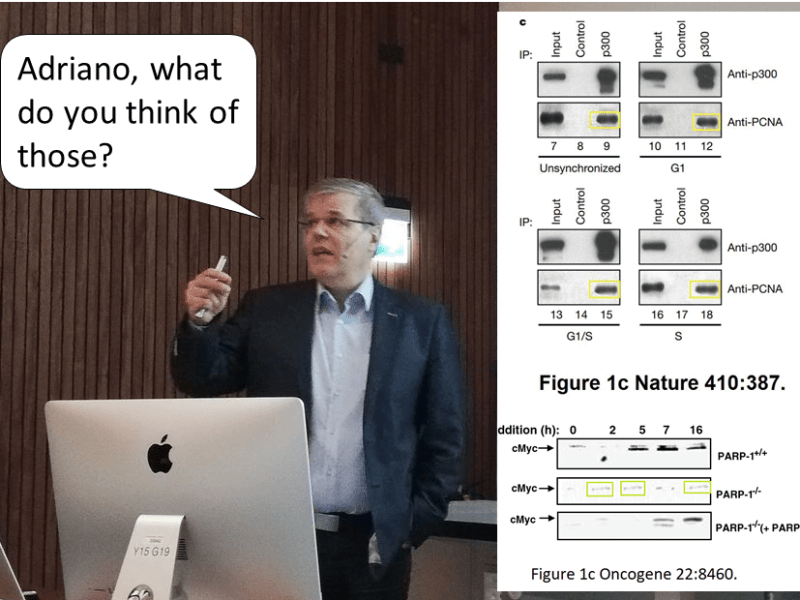
Michael HotTiger of Zurich, patron of biomedical ethics
University of Zurich and its Unispital has so much trouble with their medical professors right now. I wish to help.
This is the paper:
Rebecca Z. Weber, Beatriz Achón Buil, Nora H. Rentsch, Patrick Perron, Stefanie Halliday, Allison Bosworth, Mingzi Zhang, Kassandra Kisler, Chantal Bodenmann, Kathrin J. Zürcher, Daniela Uhr, Debora Meier, Siri L. Peter, Melanie Generali, Shuo Lin, Markus A. Rüegg, Roger M. Nitsch, Christian Tackenberg, Ruslan Rust. Neural xenografts contribute to long-term recovery in stroke via molecular graft-host crosstalk. Nature Communications, (2025) DOI: 10.1038/s41467-025-63725-3
Clinical trials are already planned, although there are limitations which are already being solved as you read this:
“The researchers designed the experiments with eventual human treatment in mind. […] One concern is uncontrolled stem cell growth inside the brain. Tackenberg’s group, again working with Ruslan Rust, is developing a type of safety switch intended to prevent that from happening […]
Instead of transplanting stem cells directly into brain tissue, researchers are developing an endovascular injection approach.”
In this regard it might be relevant that Tackenberg’s most senior coauthor, the UZH professor Roger Nitsch, owns as founder, president and CEO the clinical biotech company Neurimmune which develops therapies for brain disorders. This statement is therefore not really convincing:
“The authors declare that the research was conducted in the absence of any commercial or financial relationships that could be construed as a potential conflict of interest.”
Here an older paper by Tackenberg and Nitsch, flagged on Pubpeer four years ago:
J H Birnbaum , J Bali , L Rajendran, R M Nitsch , C Tackenberg Calcium flux-independent NMDA receptor activity is required for Aβ oligomer-induced synaptic loss Cell Death & Disease (2015) doi: 10.1038/cddis.2015.160

No action yet.
In 2009, Nitsch and his UZH colleagues retracted the paper Kuehnle et al Neurochemical Research 2008 “some Western blots shown had been used in a prior publication“, namely their previous study Crameri et al EMBO J 2006. The authors declared that they “cannot explain this error and very much regret this oversight.”
Annd Markus Rüegg, professor at University of Basel, was briefly mentioned on this website because of his dodgy papers with Pavlina Konstantinova, former lead scientist at the much-hyped biotech uniQure (see September 2025 Shorts), and with his fellow Basel bigwig Michael Hall, mentioned here:

mTOR: conclusions not affected?
David Sabatini, remember that story? Well, it seems the conclusions were not affected. I take an ill-informed look at the mTOR signalling research field, to understand how photoshopped data gets to be independently verified by other labs.

Donate!
If you are interested to support my work, you can leave here a small tip of $5. Or several of small tips, just increase the amount as you like (2x=€10; 5x=€25). Your generous patronage of my journalism will be most appreciated!
€5.00


See https://www.lemonde.fr/planete/article/2026/09/22/le-nouveau-referent-a-l-integrite-de-sante-publique-france-a-omis-de-declarer-ses-liens-avec-des-firmes-pharmaceutiques_6780270_3244.html for some news about Herve Maisonneuve.
LikeLiked by 1 person
I am a strong supporter of Hervé Maisonneuve, who has done a great deal for scientific integrity and the fight against health-related misinformation. He ran a medical writing consultancy, and Pfizer was one of his clients. Personally, I do not believe that this professional activity—which is disclosed on the website that tracks all physician interactions with the pharmaceutical industry and lists the payments received (https://www.transparence.sante.gouv.fr/pages/accueil/)—constitutes a conflict of interest. I may be wrong (I have a conflict of affinity…).
LikeLike
offtopic: the nonsensical Radium berkelate perovskite Sci Rep paper was retracted https://pubmed.ncbi.nlm.nih.gov/39747322/
but have no fear, the humanity can still be saved by strontium protactinate & co.: https://www.nature.com/articles/s41598-023-43624-7 – the editor informed me this one is still being investigated.
Time from my 1st email to retraction: 13 months and 11 days. I wonder how many b.s. DFT papers were accepted in Sci Rep in the meantime.
LikeLike
Well, after a very quick search I found several published this year only:
https://www.nature.com/articles/s41598-026-66524-y – Francium! Yummy!
https://www.nature.com/articles/s41598-026-49984-0
https://www.nature.com/articles/s41598-026-49631-8
https://www.nature.com/articles/s41598-026-41519-x
https://www.nature.com/articles/s41598-026-56062-y
https://www.nature.com/articles/s41598-025-34000-8
…we are doomed
LikeLike