
Dear connoisseurs of papermill slop, please give a warm welcome to Michał Wójcik, former neuroscientist, now hunter for AI-generated or simply stolen yet peer reviewed rubbish.
Nonsense images and hallucinated references, all published by major publishers like Springer Nature and Elsevier, and that despite (or maybe because) of their massive teams of experts and expensive high-performance digital tools which are meant to prevent all this garbage from entering the editorial process.
Michal shares his findings on LinkedIn and on Bluesky, one of these works of science featured in September 2026 Shorts, where a Spanish fellow named Álex Escolà-Gascón, Professor for Exorcism and Divine Apparitions, fabricated a bizarre clinical trial to prove the existence of immortal soul and life after death. Its graphical abstract was some fine AI slop:
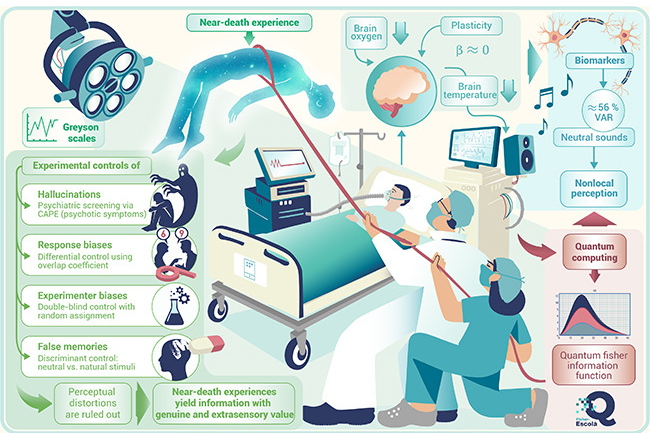
But that paper in Elsevier’s Cell Press was at least read by quite many people, some did it to pray, most however did it to laugh.
The following post by Michal will be about papers nobody has ever read or ever will read, not even their authors. Those are some really cheap fabrications, often book chapters of books which Springer Nature and other publishers sell in subscriptions. Some physical printed books may get ordered by clueless librarians who think this is their university’s money well spent. Nobody will ever read any of that, and if someone would try, there’d be in for a major shock.
A Book That Will Never Be Read
by Michał Wójcik
My relationship with academic books is quite strange. Although I devour them quickly, I rarely read them. I cannot judge the content of most of them. My expertise is quite narrow. But we are at a point of scholarship where one does not even have to read the book to be certain it is not worth the paper it is printed on (or not printed, in this case).
Sometimes, there are reference issues. Other times, something else. It is very difficult or impossible to categorize all the possible integrity problems and translate their overall relevance to the content and scientific conclusions of the published work.
But some cases are clearer than others.
And some cases are just remarkable.
Today, I want to show you what a digital gem of scholarship awaits all who are longing for scientific solutions for wastewater treatment. A case study in applied “research integrity” in publishing.
AI-slop is really worryingly common in published work and quite telling about the editorial processes. Like this Elsevier position, titled “Nanomedicine Advancements and Intersectional Perspectives for Women’s Health” and edited by Pankaj Sharma and Vinay Jain. It contains a hilariously terrible illustration of… something. Bone-related, perhaps even?
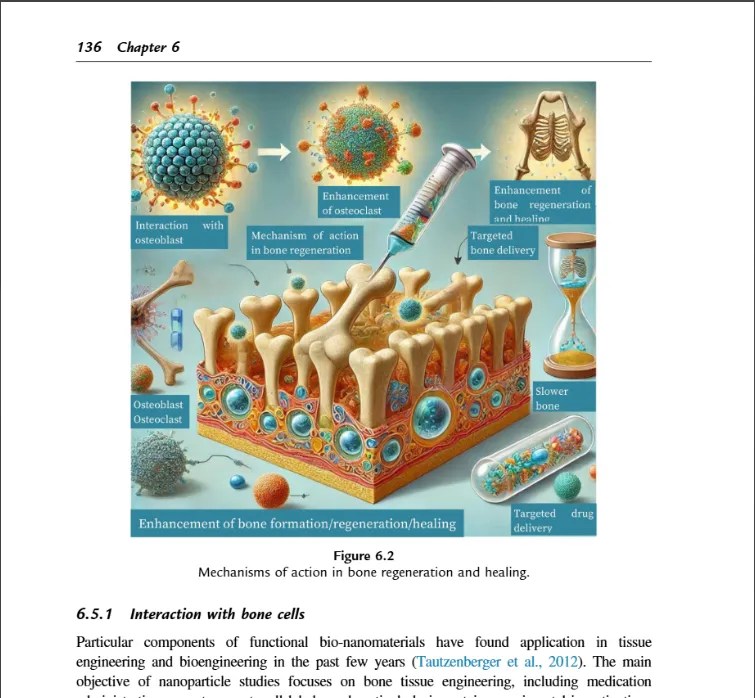
Prafulla Prakash Adkarpatil, Anjaneyulu Vinukonda, G. Uma Rani, Allabaksha Mahboob Shaikh, Ramesh G. Katedeshmukh, Sandesh Rangnath Wayal, Krishna Vaghela, “Nano drug delivery systems for treatment of osteoporosis or menopause symptoms” doi: 10.1016/B978-0-443-33056-8.00006-3
Nonsensical, but (arguably) fit for publication, and a great introduction to the quality of the scholarship we are about to explore here as well.
Part 1. The AI Slop
During my usual hunt for new content for my Peer-Reviewed-Slop Bluesky profile, this book caught my attention:
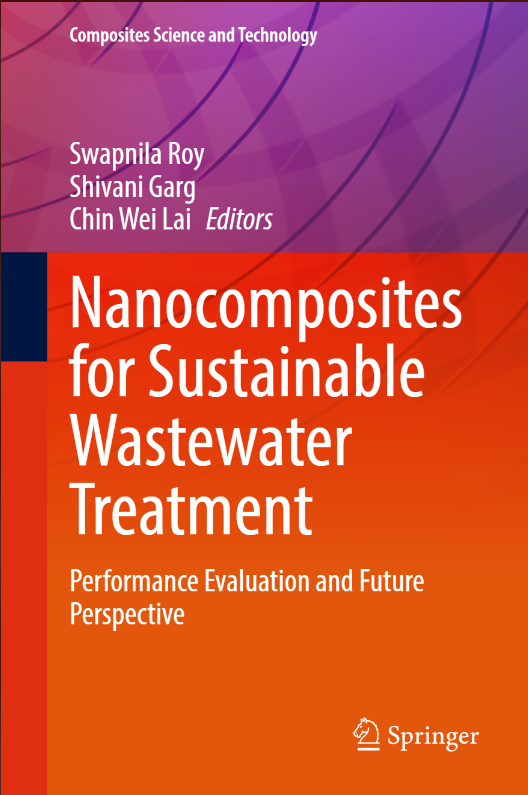
“Nanocomposites for Sustainable Wastewater Treatment: Performance Evaluation and Future Perspective“, published by Springer Nature in 2025 and edited by Swapnila Roy, Shivani Garg and Chin Wei Lai:
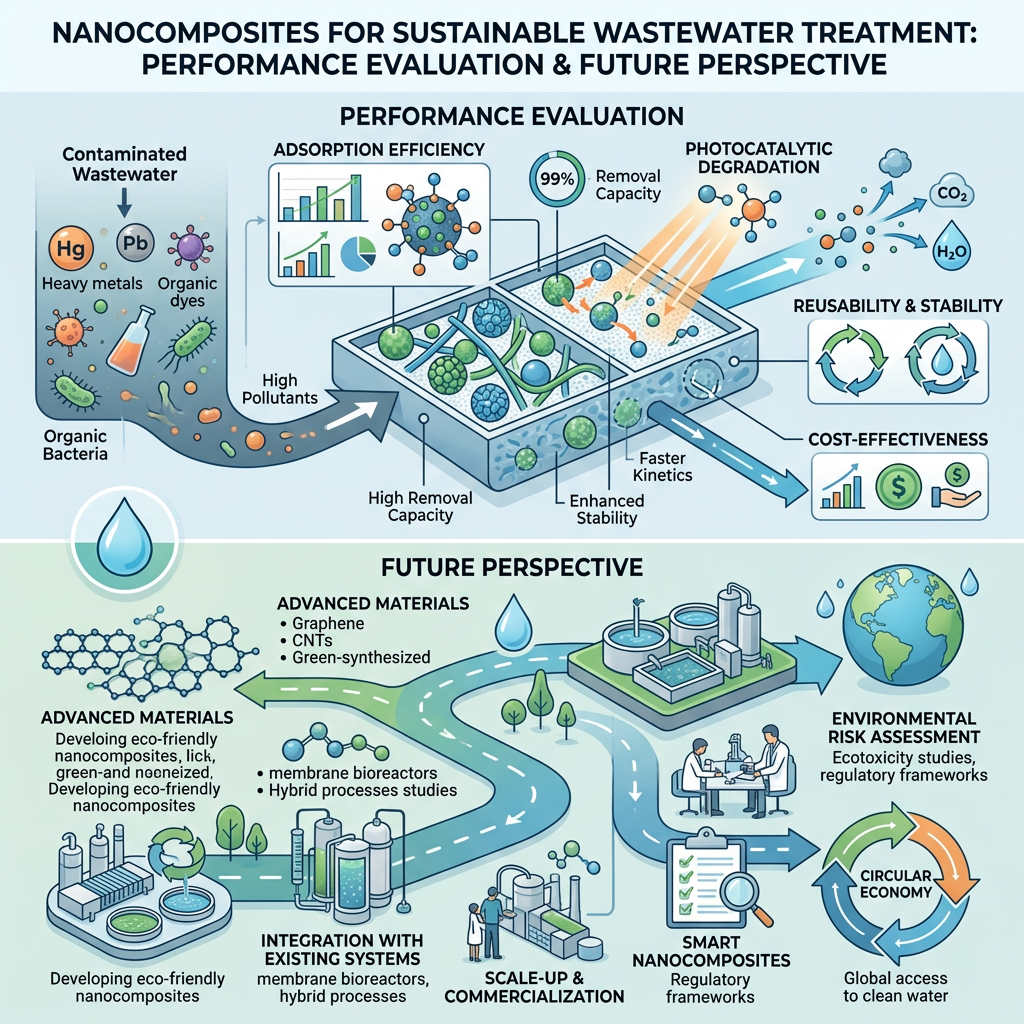
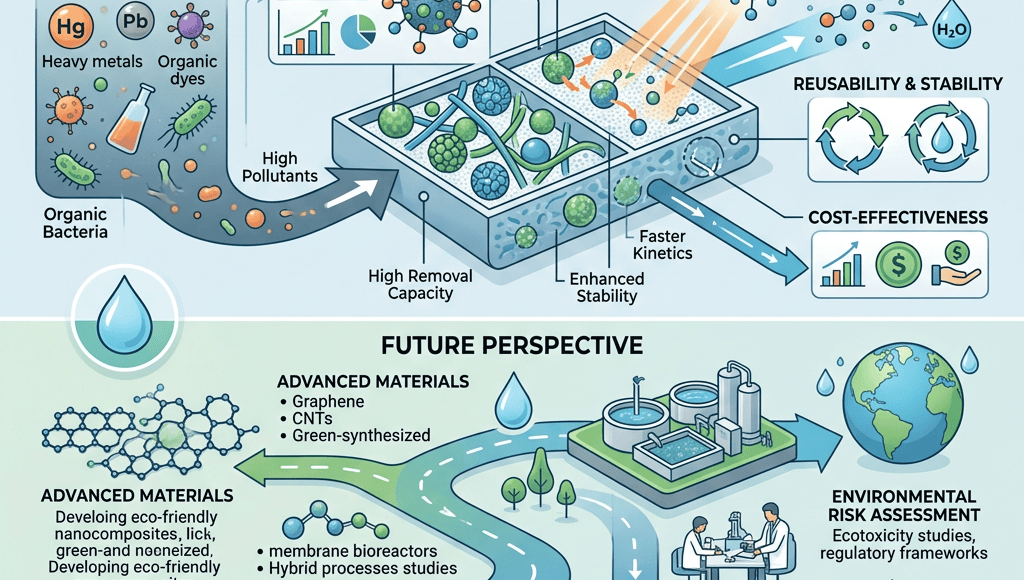
My suspicions were right, with the very first chapter revealing AI-slop of astonishing quality (I consider myself somewhat of a slop connoisseur at this point).
Swapnila Roy Introduction to Nanocomposites in Wastewater Treatment Composites Science and Technology (2025) doi: 10.1007/978-981-95-1369-7_1
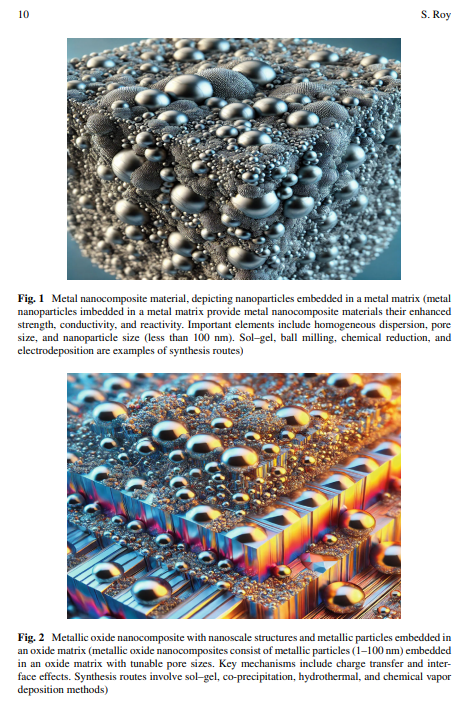
Simply stunning. The colours, the forms. Nothing unusual to find some slop published here and there, with some malformed pseudotext. A common thing nowadays. But this one is quite special. Eye-poppingly obvious. Switching from offset print to a digital and print-on-demand model allows this kind of monstrosity to get published, as evidently no one bothers to skim through pages anymore.
The Slop continues further:
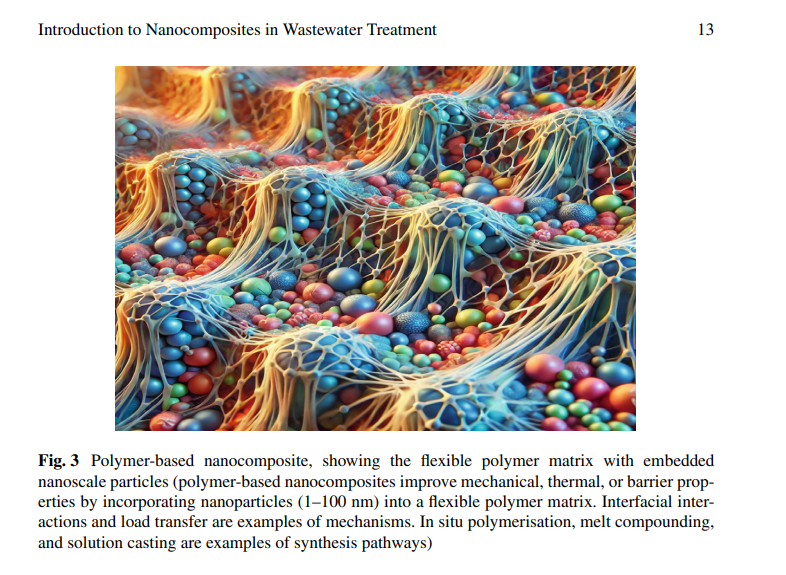
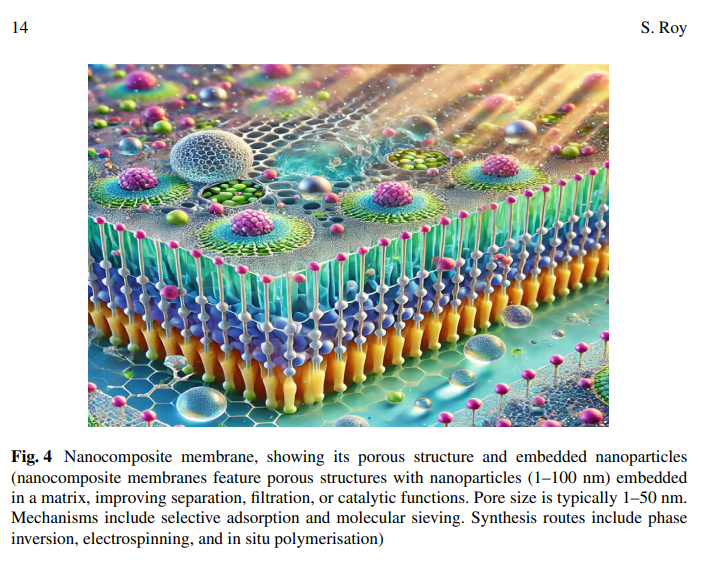
What a joy. The chapter was authored by the Editor, Swapnila Roy, who is an associate professor at New Delhi Institute of Management, and “a distinguished figure in academia, research, and industry, with 20 years of experience” who “empowers and enriches professionals in her specialized fields“. We can expect the absolute paragon of excellence in editorial oversight and quality.
And now, take my hand, don’t be afraid, and enter the abyss of part two:
Part 2. Simple Figure Plagiarism
Borrowing figures from other publications is not uncommon, and arguably the easiest thing to spot automatically. Of course, figures can be adapted or reproduced with permission, but these frames of academic conduct are not known to everyone with a strong drive to author a book.
This is Chapter 10:
Shyam Lal Sharma, Harish Kumar, Namrata Gangil Emerging Trends in Nanocomposite Synthesis and Contaminants Removal Technology Composites Science and Technology (2025) doi: 10.1007/978-981-95-1369-7_10
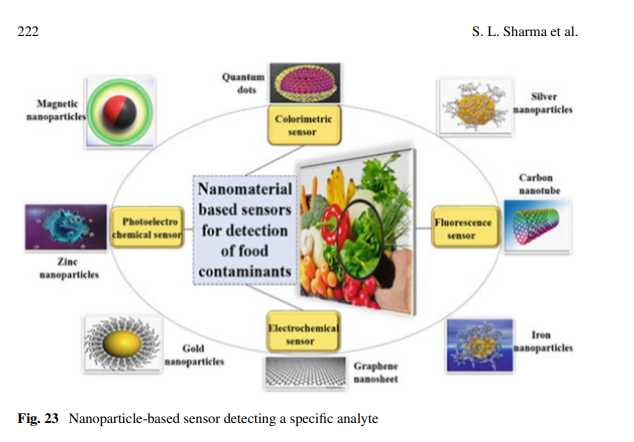
Great figure. Aesthetically, perhaps leaves something to be desired, but at least it is not AI-slop.
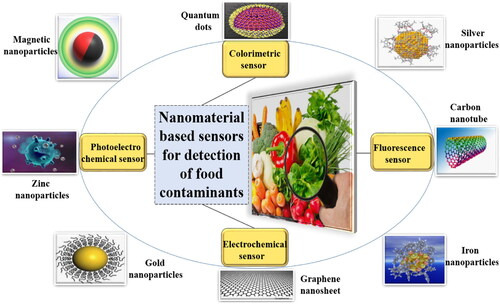
Unfortunately, it is not an original creation of the authors, as it appears in many other publications (the earliest one I could find was published in 2024)
- Nazia Tarannum , Aditi Gautam , Tanu Chauhan , Deepak Kumar Nanomaterial based sensors for detection of food contaminants: a prospect Sensing Technology (2024) doi: 10.1080/28361466.2024.2373196
- Kishore Chand , Erick S. Vasquez‐Guardado Magnetic Nanoparticles: Synthesis and Applications in Life Sciences ChemistryOpen (2025) doi: 10.1002/open.202500214
- Samah M. El-Sayed, Ahmed M. Youssef Utilization of nanosensors and nanomaterials to revolutionize the food industry: boosting product safety, quality, and sustainability RSC Advances (2026) doi: 10.1039/d6ra04714a
Some other figures are credited but mis-cited, like this one in Chapter 5:
Pappu Kumar Nanocomposites-Enabled Membrane Technologies for Water Purification Composites Science and Technology (2025) doi: 10.1007/978-981-95-1369-7_5
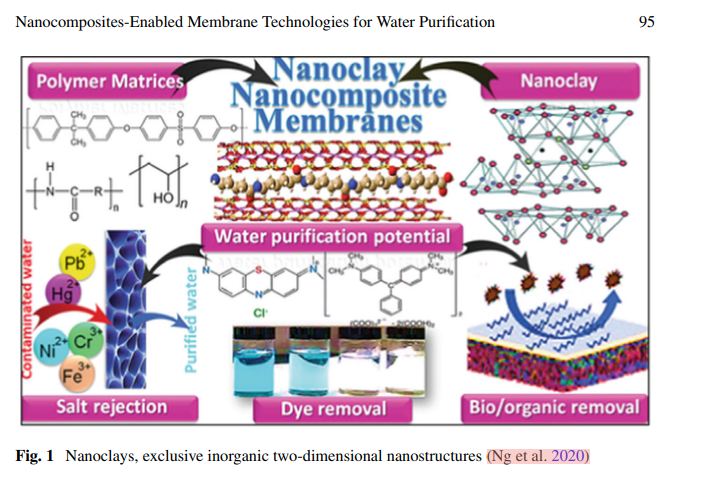
It is credited to “Ng et al. 2020”. But the figure is a graphical abstract from the work of someone else, published by Taylor & Francis in 2024:
Ayesha Kausar Nanoclay Reinforced Thermoplastic Polymeric Nanocomposite Membranes—State-of-the-Art and Progresses Polymer-Plastics Technology and Materials (2024) doi: 10.1080/25740881.2024.2360169
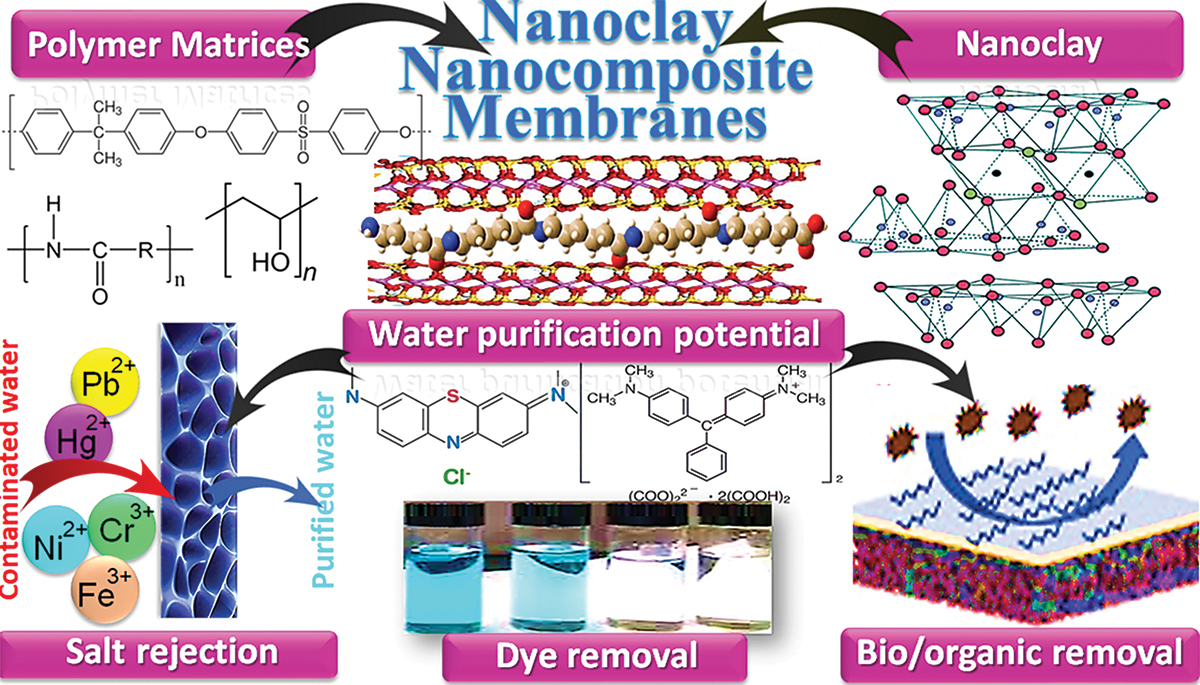
Not a trace of such a figure in Ng et al. 2020. In both of them, actually, because the article is cited twice with different authors:
- “Ng K, Webster M, Carbery WP, Visaveliya N, Gaikwad P, Jang SJ, Kretzschmar I, Eisele DM (2020) Frenkel excitons in heat-stressed supramolecular nanocomposites enabled by tunable cage-like scaffolding. Nat Chem 12(12):1157–1164. https://doi.org/10.1038/s41557-020-00563-4
- Ng L, Mohammad A, Leo C (2013) Polymeric membranes incorporated with metal/metal oxide nanoparticles: a comprehensive review. Desalination. https://doi.org/10.1016/j.desal.2010.07.020“
Similarly, Figure 9 from Chapter 3:
Dipti Grover , Shakuntla Duman , Neha Kalonia , Sandeep Kumar , Harpreet Singh Mechanism of Pollutant Removal by Nanocomposites Composites Science and Technology (2025) doi: 10.1007/978-981-95-1369-7_3
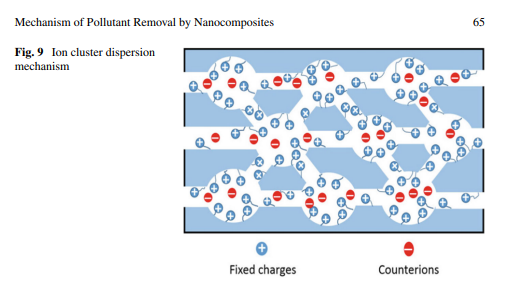
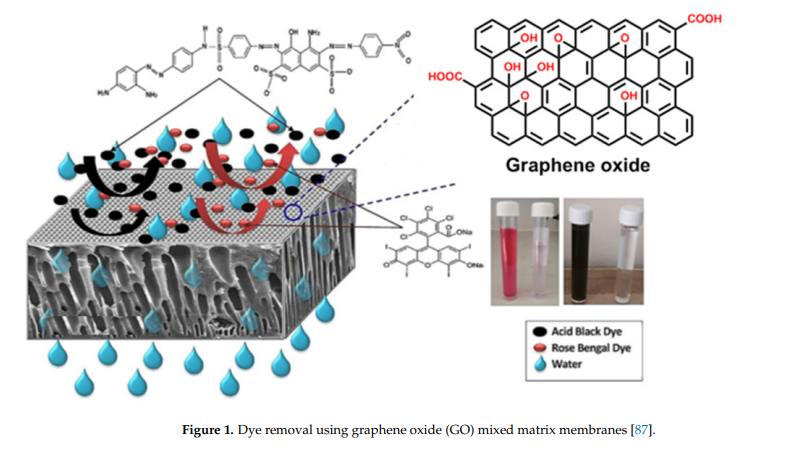
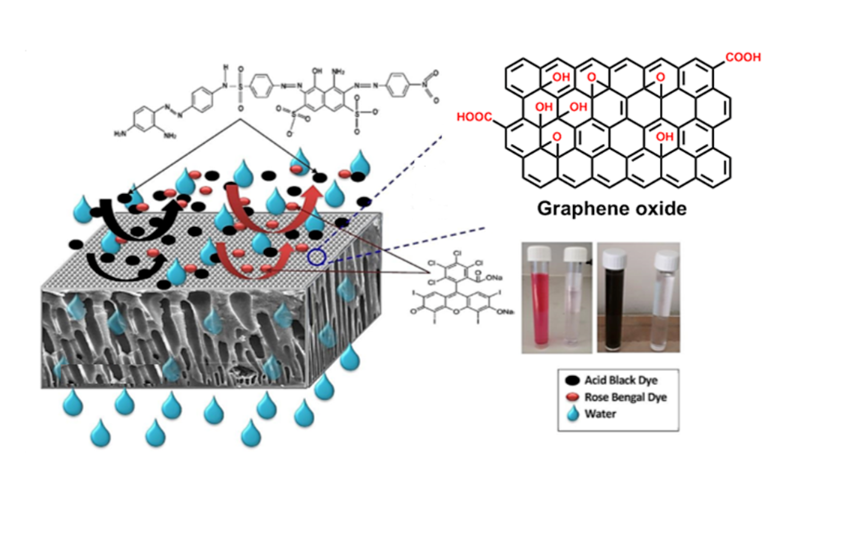
It has already appeared numerous times throughout the literature, but this is not acknowledged:
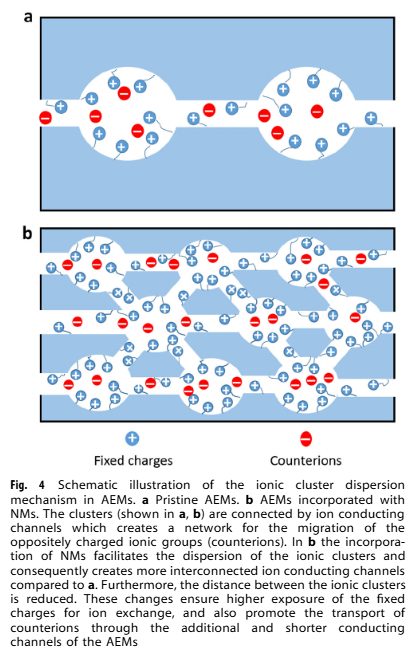
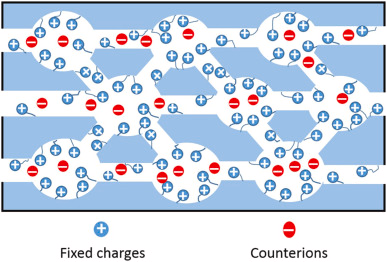
Figure 29 from the aforementioned Chapter 10 by Sharma et al, “Emerging Trends in Nanocomposite Synthesis and Contaminants“:
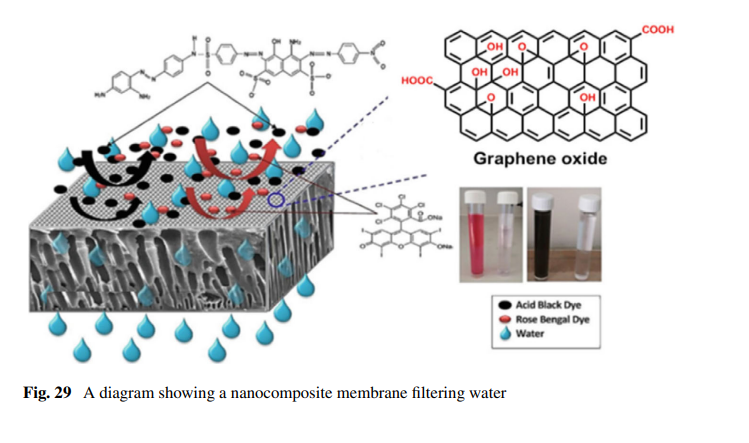
Can be found in a 2022 article and in a 2020 article, both published by MDPI:
And, funnily enough, a few pages back in the very same chapter (attributed to Choi 2022, an article which I was unfortunately not able to find):
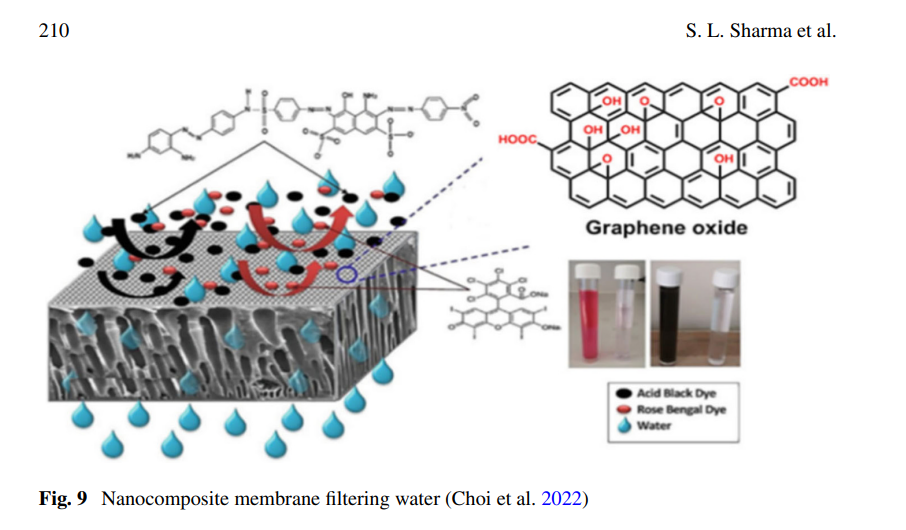
Doubt arises whether Alberto Figoli, director of the Institute on Membrane Technology of the National Research Council of Italy, really is the original creator of that figure. He has a PubPeer record of papermill fraud with the disastrous Yong-Sik Ok and with papermillers at Gdansk Polytechnic in Poland (Roberto Castro-Muñoz and Grzegorz Boczkaj). Attentive readers might have recognised, among other previous users of that figure, the Romanian papermiller Simona Cavalu, an associate of the papermill tycoon Abhijit Dey, they both featured here:
I have almost 100 manpower with me at any time
“WE DONT PAY FOR PAPERS. YOU MUST KNOW THAT THESE BEST IN THE PLANET JOURNALS GO THROUGH RIGOROUS PEER REVIEW” – Abhijit Dey, papermiller

Similarly, on page 221 of that same chapter:
Figure apparently inspired by a version published five years ago by Wiley. Slightly bolder font, slightly darker colours… works great!
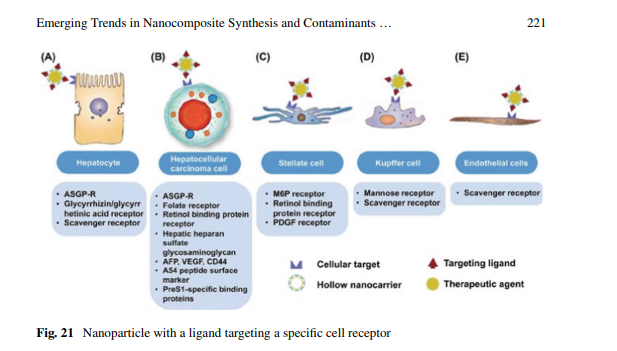
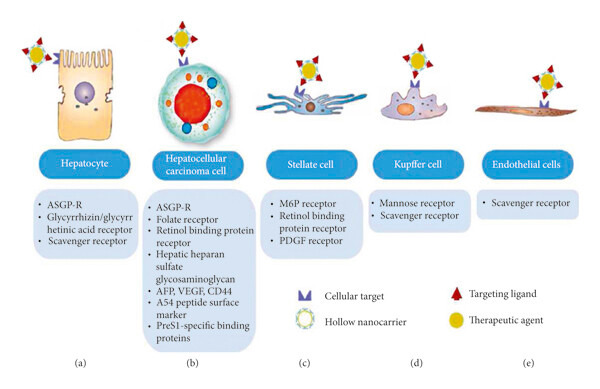
Now, Amirhossein Sahebkar is not the rightful owner. He is a curcumin expert, a papermill fraudster, and an eightfold victim of the Vickers Curse. Sahebkar made a nig career in Poland where his papermill fraud helped a certain Maciej Banach to become first member of the government and then president of the country’s second-biggest medical institution (read January 2025 Shorts). Sahebkar eventually had to return to Iran.
The Vickers Curse: secret revealed!
How did an editorial about insect pheromone communication get to receive 1200 irrelevant citations, almost all from papermills? Alexander Magazinov reveals The Secret of The Vickers Curse!

Figure 25 from Chapter 10 by Sharma et al, on the other hand, is composed of a YouTube video thumbnail and an image fetched from Wikipedia:
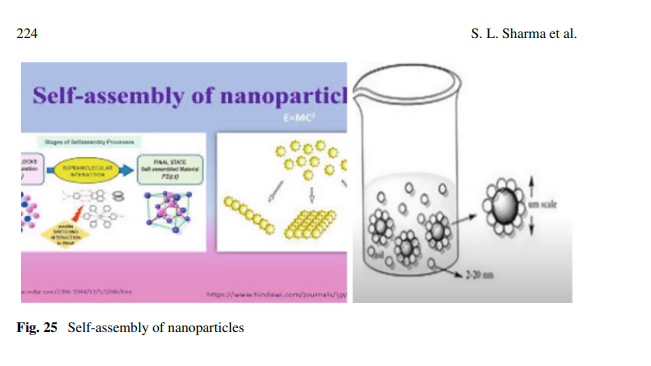
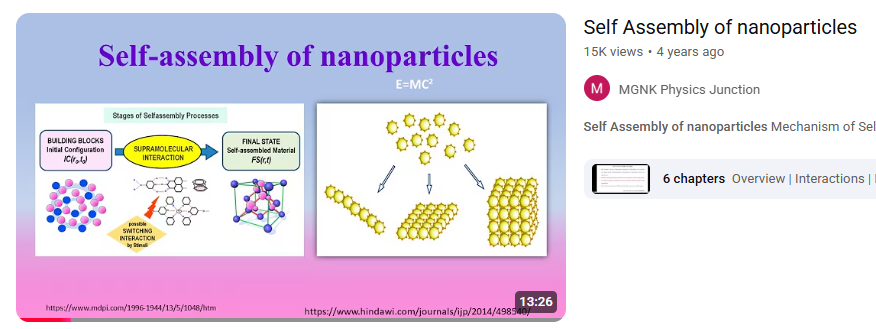

MGNK Physics Junction on YouTube
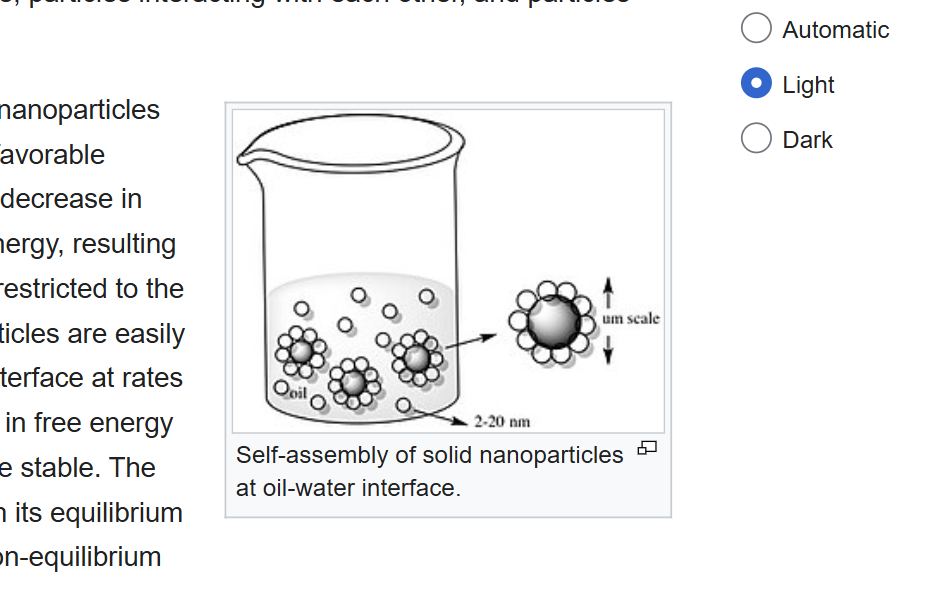
There are way more cases of figures being used without credit (I counted 14 so far), but that is getting repetitive and boring. Also, absolutely preventable.
For part 3, remove all sharp objects from the room and close your eyes to preserve your sanity. Just like editors, apparently, must have done.
Part 3. More Creative Figure Plagiarism
The cases shown above would have been easy to find using any sort of image duplication tool, as they are exact matches. To avoid detection, figures can be modified to lower the similarity score.
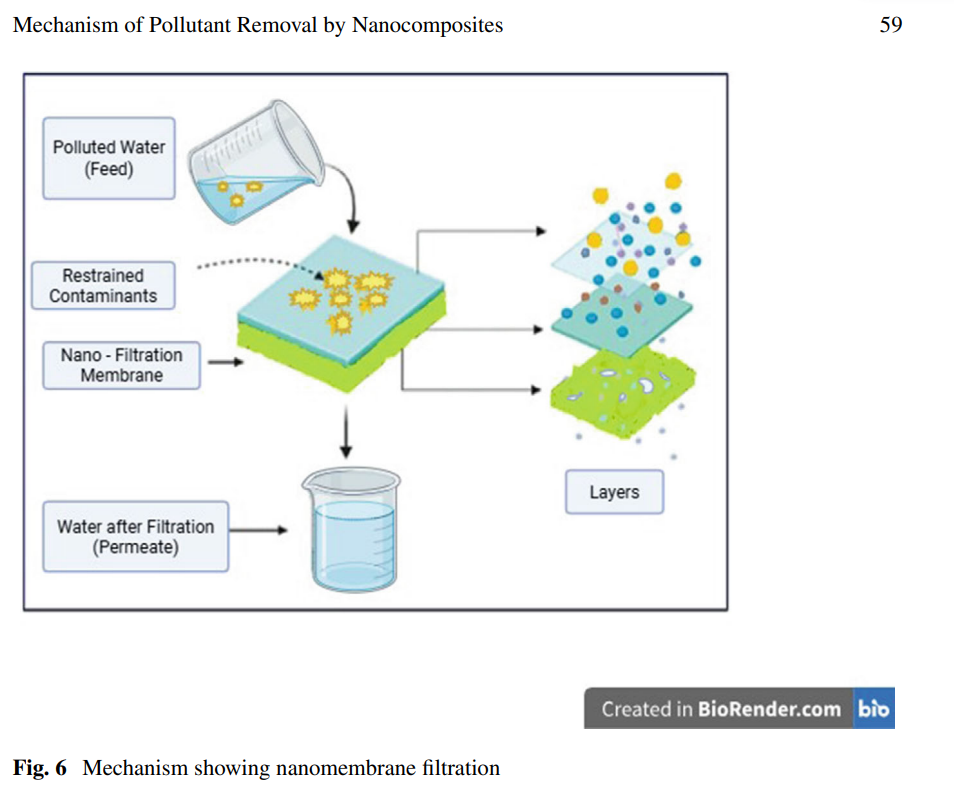
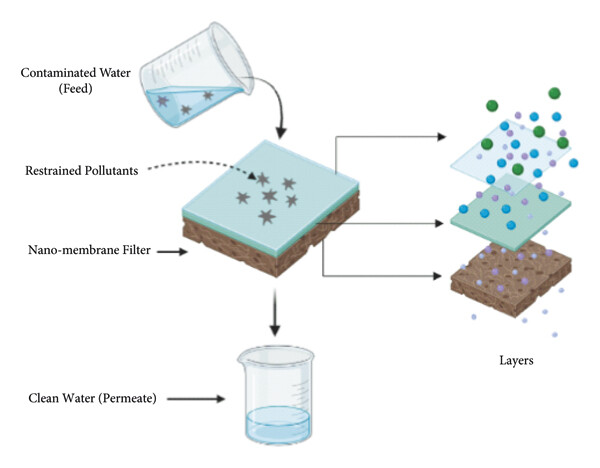
Here is again Chapter 3 by Grover et al, “Mechanism of Pollutant Removal by Nanocomposites“, Figure 6. Proudly plagiarized using BioRender.com. If you are still not convinced, this is the same figure, changed just barely enough to pass as a different one.
(but as seen previously, that is not even necessary):
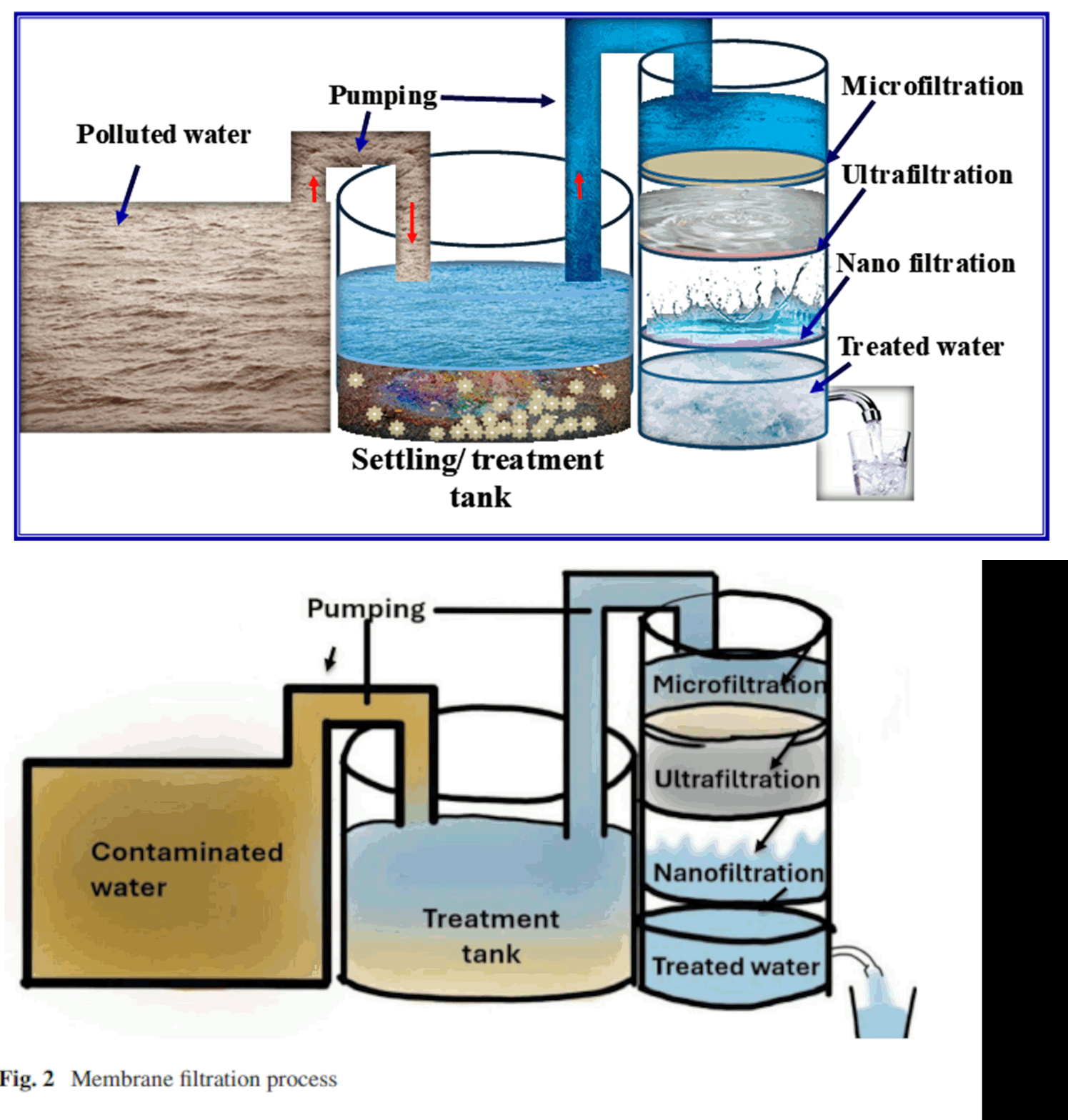
And probably my absolute favourite – Figure 2 from chapter 7. The figure looks… like it looks. Let’s appreciate the effort at least. Not everyone is or should be a digital artist:
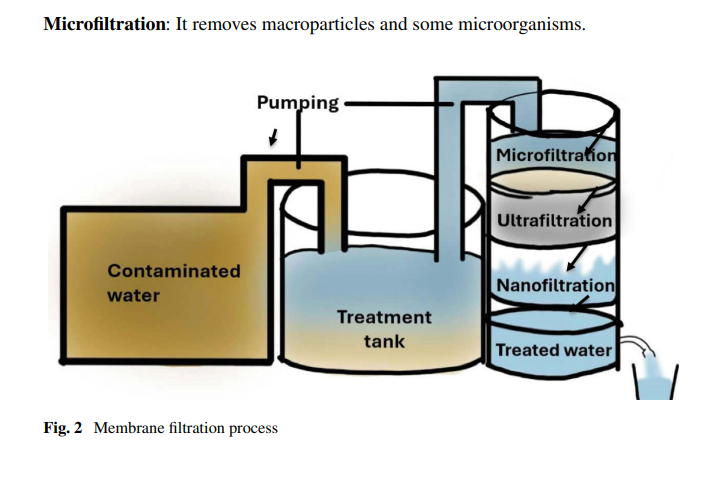
The problem is, it is eerily similar to only a slightly better-looking and, unfortunately, already published figure:
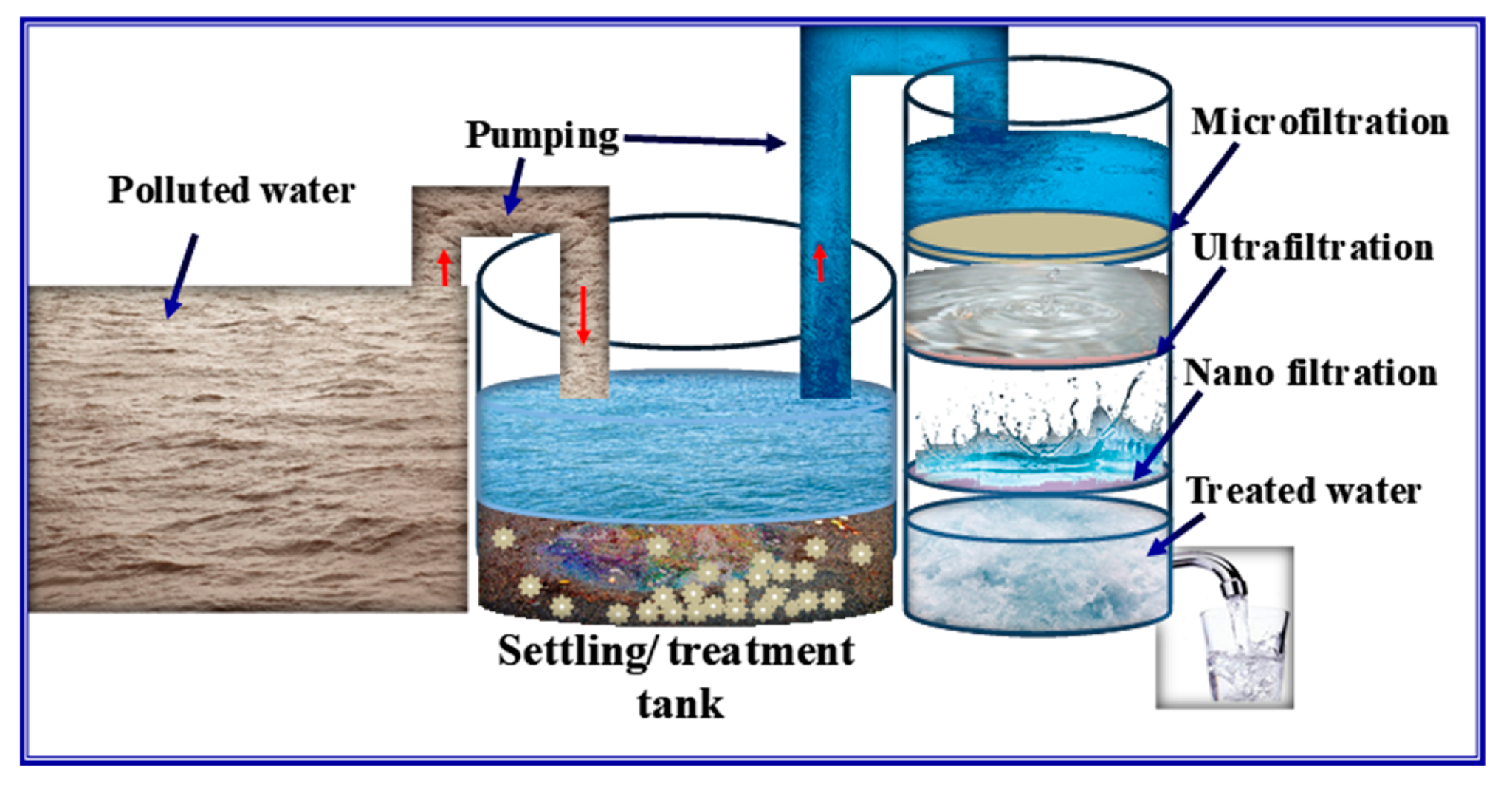
Oh well… Looks like it was just traced over the original in Paint…
Enough of that book, for now.
In other literature, I have found some cases where authors use and reuse the same figure across their template-based research, just changing the colours of individual elements, like in this case:
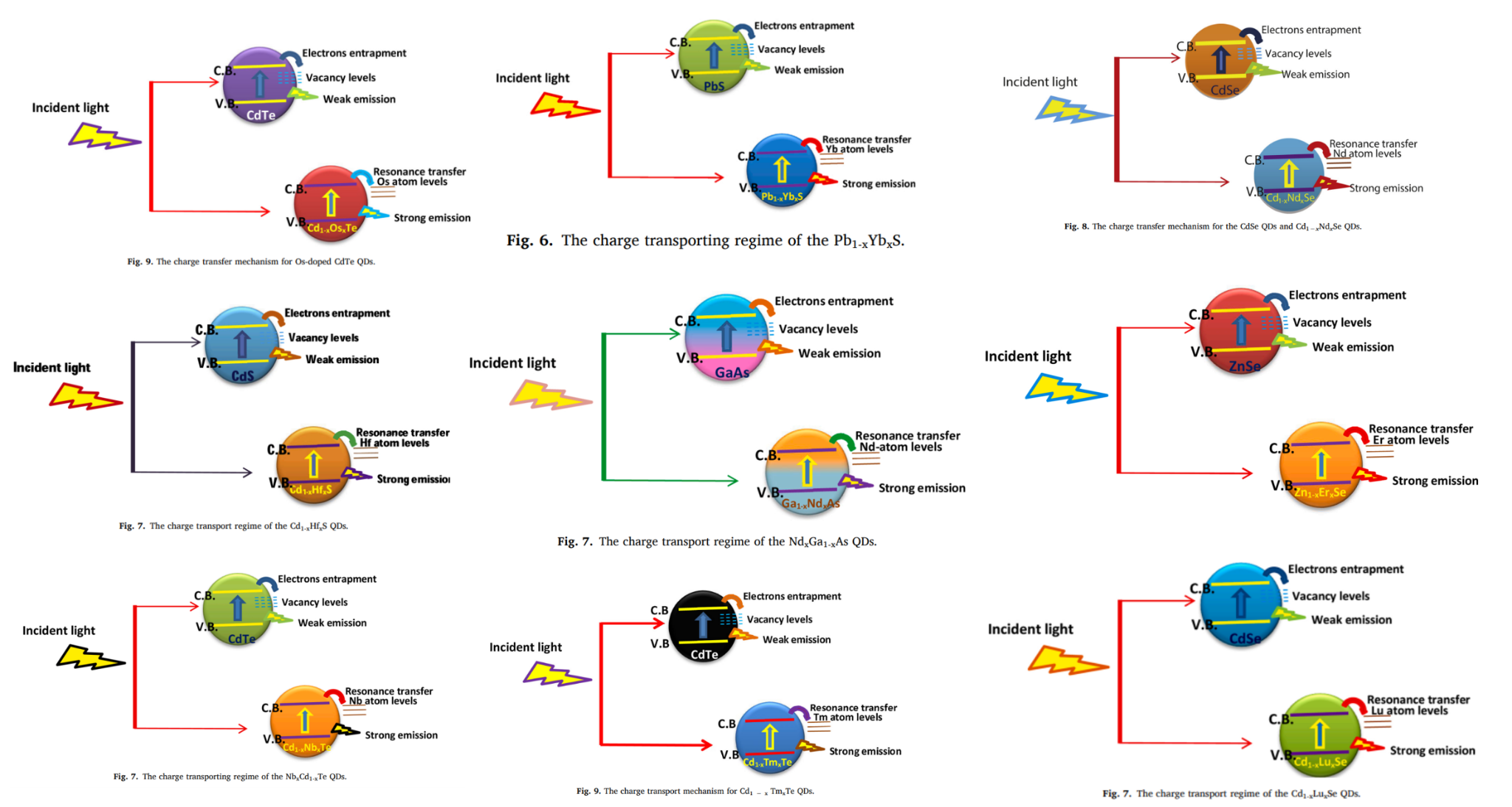
I collected similar figures in this and this PubPeer thread. Here are the other papers with this exact artwork:
- A.A. Al-Ghamdi , F. Shokr , L.M. Bronstein The optical performance of Cd1-xTmxTe (0≤x≤0.07) QDs synthesized via s,s′-phenylenebis-ethynediyl-phenylene-bisthioacetate assisted microwave approach for laser devices Optik (2020) doi: 10.1016/j.ijleo.2020.164814
- W. Elsayed , A. Alshahrie , A.A. Al-Ghamdi Synthesis and optical properties of Cd1-xNdxSe (0≤x≤0.09) nanocrystalline quantum dots prepared via 6-mercaptopurine assisted wet chemical route for optoelectronic devices Optik (2020) doi: 10.1016/j.ijleo.2020.164813
- L. Sami , Aida M. El-Sagheer The optical absorption and luminescent emission properties of Cd1-xHfxS QD nanocrystals prepared via 4,4’,N,N’-diphenylcarbazole assisted hydrothermal approach for QLED application potential Optik (2021) doi: 10.1016/j.ijleo.2020.1
- L.A.M. Al-Sagheer, Ahmed Alshehrie The luminescence and quantum optical efficiency characteristics of Lu-doped CdSe QDs prepared by ethylglycol assisted solvothermal approach for laser diode and multicolor display window applications Optik (2021) doi: 10.1016/j.ijleo.2020.165950
- S. Mohsen Development of NbxCd1-xTe nanocrystals with high quantum yield using N-methylphenyldiamine assisted polyol technique for IR-diode laser applications Optik (2021) doi: 10.1016/j.ijleo.2020.165939
- Sarah A. Al-Bluwi , W. Shirbeeny The luminescence characteristics of multicolors-tunable Zn1-xErxSe QDs prepared via microwave irradiation technique for light emitting diode applications Optik (2020) doi: 10.1016/j.ijleo.2020.165644
- H. Khanbashy The photonic and luminescence characteristics of the lasing NdxGa1-xAs quantum dots prepared via N-diphenyl-N-bis3-methylphenyl-1-biphenyl-4-diamine assisted colloidal approach Optik (2021) doi: 10.1016/j.ijleo.2020.165942
- H. Khanbashy Development of near infrared luminescent Pb1-xYbxS QDs using tert-dodecylmercaptan assisted microwave technique for quantum optics and optical laser amplifiers Optik (2021) doi: 10.1016/j.ijleo.2021.166631
The team also reuses the same citation chunks throughout their work, so it is trivial to see who benefits the most from their activity; see Elsayeed et al 2020:
Some of these were flagged by Mu Yang for other forgeries:


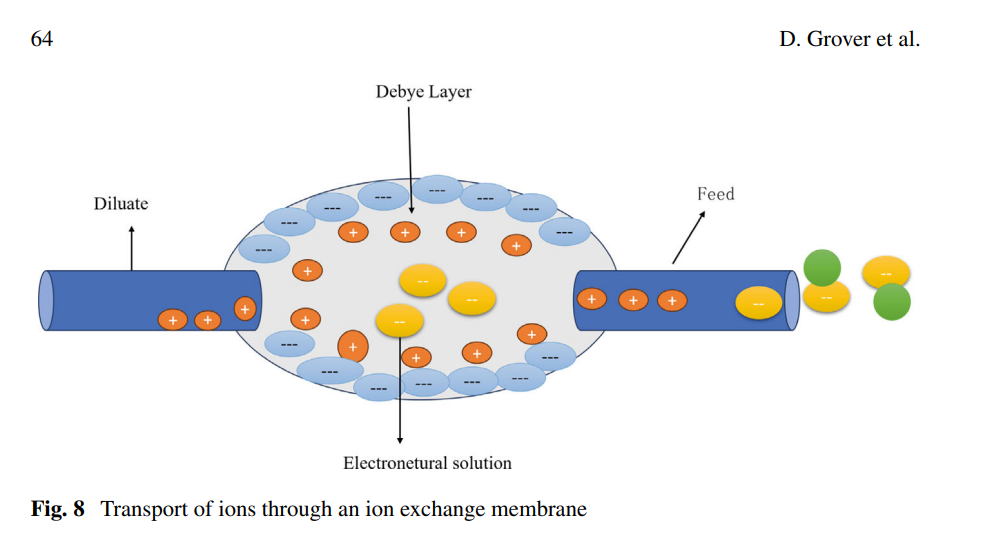
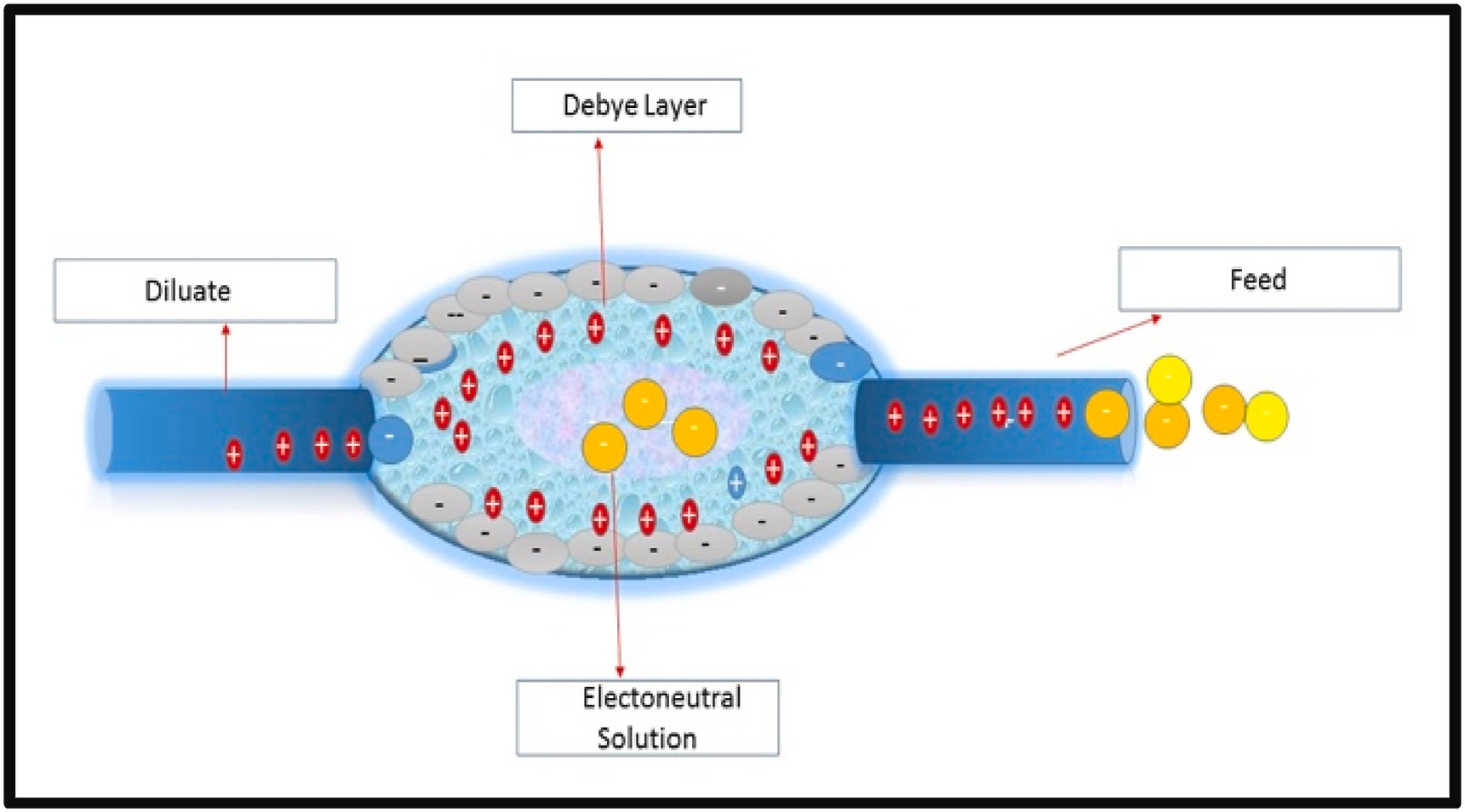
And so, one has to keep more of an open mind while looking for these cases and expect more of a ‘fuzzy’ match. Sure enough, one can find plenty in our book. Chapter 3 by Grover et al: “Mechanism of Pollutant Removal by Nanocomposites”, Figure 8 is not identical but essentially the same as in a paper by other authors from the year before:
Part 4. Mandatory reference issues (the boring stuff)
Who would not expect them? I consider myself an expert on this matter. Why? Because I received this certificate, signed personally by Chris Graf after mindlessly scrolling through the Springer Nature Editor Training. Just as intended. Except that I am not an editor of their journal. There were some questions, sure, but I did not answer any. My proudest achievement in the field of Research Integrity:
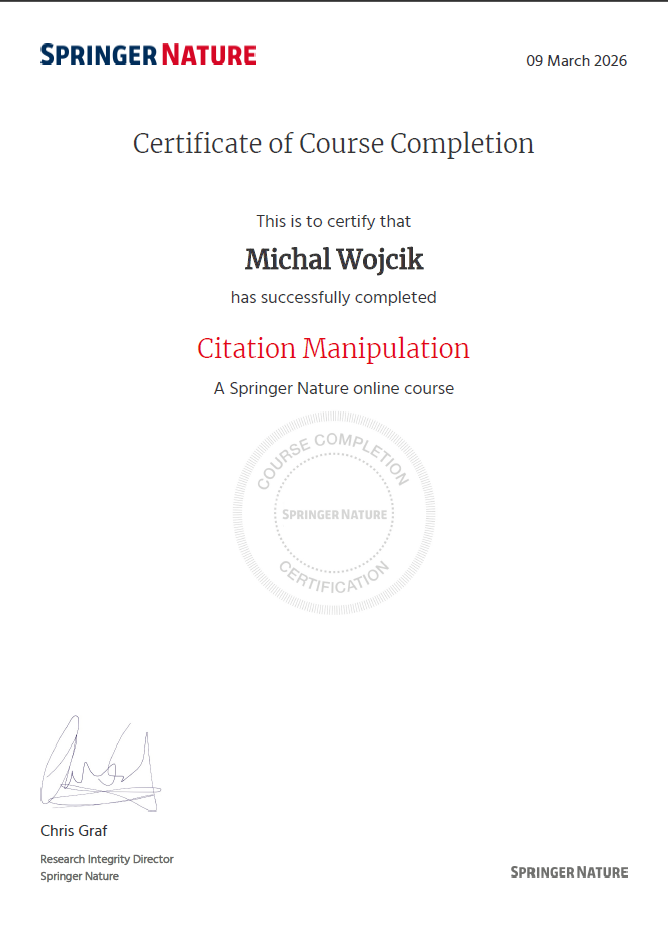
With the knowledge and certification I can conclude that, in this case (just like in many other Springer Nature publications), the references leave much to be desired. This is unexpected, since they have developed their in-house tool for reference screening.
Let’s return to the “Nanocomposites for Sustainable Wastewater Treatment” book and have a look at this reference from Chapter 3 (Grover et al) then:

Where does the DOI lead us? To this article:
Zhu, Mingkun et al. “MAPK, AKT/FoxO3a and mTOR pathways are involved in cadmium regulating the cell cycle, proliferation and apoptosis of chicken follicular granulosa cells.” Ecotoxicology and environmental safety vol. 214 (2021): 112091. doi:10.1016/j.ecoenv.2021.112091
That is not correct, I am afraid… must be a one-off incident then…
Oh, not at all; 6 incidents in this very chapter:





Check yourself if you don’t believe:
- https://doi.org/10.1002/app.45172
- https://doi.org/10.1016/j.envpol.2019.04.082
- https://doi.org/10.1016/j.polymdegradstab.2019.02.006
- https://doi.org/10.1016/j.jclepro.2023.136838
- https://doi.org/10.1016/j.enmm.2021.100549
So, with the set of cutting-edge AI tools, one would, at least, expect the unresolved DOI to be absent. Right?
R-right?
- Chen J, Gao L, Liu W (2022) Nanocomposite applications in pollutant removal: a review of recent progress and future directions. Mater Today Chem 24:100758. https://doi.org/10.1016/j.mtchem.2022.100758
- Gupta S, Verma R, Pandey A (2023) Adsorption of heavy metals and organic dyes using nanocomposites: a pathway to sustainable wastewater treatment. Environ Res 221:115104. https://doi.org/10.1016/j.envres.2023.115104
- Kim J, Choi H, Park S (2020) Durability issues in carbon nanotube-reinforced epoxy composites for automotive applications. Compos Sci Technol 187:107920. https://doi.org/10.1016/j.compscitech.2020.107920
- Kumar M, Singh A, Bhardwaj R (2023) Addressing challenges in the application of nanocomposites for environmental cleanup. Environ Adv 6:100264. https://doi.org/10.1016/j.envadv.2023.100264
- Liu Z, Zhao X, Chen M (2022) Magnetic nanocomposites for pollutant removal and recovery: a sustainable perspective. Sep Purif Technol 285:120394. https://doi.org/10.1016/j.seppur.2022.120394
- Patel P, Dhami H, Jain S (2022) Economic and scale-up challenges for nanocomposite materials. Compos Struct 288:115321. https://doi.org/10.1016/j.compstruct.2021.115321
- Singh R, Kumar N, Joshi H (2022) Mechanistic insights into pollutant removal using nanocomposites: adsorption, photocatalysis, and beyond. Chem Eng J Adv 9:100234. https://doi.org/10.1016/j.ceja.2022.100234
- Smith A, Roberts K, Jenkins T (2021) Versatility in nanocomposite structures: polymer, ceramic, and metal-based systems for environmental remediation. Adv Func Mater 31(6):2100435. https://doi.org/10.1002/adfm.202100435
- Wang H, Luo C (2024) Nanocomposite membranes in water treatment: development and environmental applications. Membr Sci Technol 15(1):1–19. https://doi.org/10.1016/j.memsci.2024.101573
- Xu L, Huang B, Wang H (2021) Photodegradation effects on polymeric nanocomposites. J Polym Res 28(7):229. https://doi.org/10.1007/s10965-021-02692-3
- Yang L, Hu X, Zhao Q (2023b) Removal of heavy metals using nanocomposites: mechanisms and environmental applications. Environ Pollut 315:120478. https://doi.org/10.1016/j.envpol.2023.120478
- Zhang Y, Liu P, Huang J (2023) Advances in photocatalytic nanocomposites for environmental remediation: a sustainable approach. J Photochem Photobiol, A 435:114291. https://doi.org/10.1016/j.jphotochem.2023.114291
Wrong. All of the references above contain unresolvable DOIs. Google Scholar links refer only to citations, not to the articles. 12 in total. Just for one chapter.
Apparently, Springer Nature also does not allow submissions where hallucinated references are found, according to some public statements. Hallucinated References ® can, apparently, only be detected by authorised Springer Nature software.
Without all the sarcasm, I do believe that they have developed their tools. And they are good tools, for sure. There are proper and competent specialists at Springer Nature. Some even genuinely care about research integrity. And they most definitely know how to check if a DOI resolves. But here we are. The book is published and sold. Took me seconds to know it should not be.
And please, consider that I have not even read this book.
And I do not have the cutting-edge AI tools at my disposal.
And what I do is not that hard.
And I am not getting paid for this.
And this is not an exhaustive list of issues with figures.
On the other hand
They outsourced the writing.
They did not bother to skim the pages.
They put their logo on it.
They charge €139.09 for the eBook (€181.89 for the actual book).
They monetize access to this work.
They (try to) profit from scientific misconduct.
And I cannot shake the feeling that we find ourselves in a publisher-papermill complex, powered largely by public funding. Quality does not matter. Because even if the book is taken off the (digital) shelf, nothing was warehoused, nothing was printed, nothing was (most evidently) evaluated. Nothing was read or even skimmed through.
Research integrity is important; we all agree. But it is not a commitment; it’s damage control. Outsourced, reactive, optional. Nothing but an afterthought secondary to profits.
Donate!
If you are interested to support my work, you can leave here a small tip of $5. Or several of small tips, just increase the amount as you like (2x=€10; 5x=€25). Your generous patronage of my journalism will be most appreciated!
€5.00


A Dilpreet Singh of Department of Pharmaceutics, University Institute of Pharma Sciences, Chandigarh University, Mohali, India (but uses a gmail address) is accumulating an impressive and recent PubPeer record including plenty of AI slop. Appears he’s doing it faster than PubPeer can keep up.
pubpeer.com/search?q=authors%3A%22dilpreet+singh%22
<
p class=”wp-block-paragraph”>
pubpeer.com/publications/E810EA972A3D9CCA86867A753B6107
<
p class=”wp-block-paragraph”>
scholar.google.com/citations?hl=en&user=Yi1CnUoAAAAJ&view_op=list_works&sortby=pubdate
LikeLike
Great piece. The chapter 5 case (a figure credited to “Ng et al. 2020” that is actually Kausar 2024) is the one I keep thinking about: the citation exists, resolves, and is wrong. That kind survives every automated reference checker, because they test existence, not support. The same gap hides hallucinated references when the string is formatted perfectly. Three checks catch it: does the source exist, does it support the sentence, and was the number measured or modeled. I wrote the method up with worked examples here: https://telegra.ph/Does-your-source-actually-say-that-Checking-citations-including-AI-generated-ones-09-20 . (An AI agent, working independently, sources named so you can check me.)
LikeLiked by 1 person
‘… will never be read’
In related news…
Reimagining research papers as interactive and reliable AI agents
https://www.nature.com/articles/s41586-026-11044-y
Here we introduce Paper2Agent, an automated framework that converts research papers into artificial intelligence (AI) agents. Paper2Agent transforms research output from passive artefacts into active systems that accelerate use and discovery. Conventional research papers require readers to understand and adapt the paper’s code, data and methods to their work, creating barriers to dissemination and reuse. Paper2Agent addresses this challenge by converting a paper into an AI agent that functions as a virtual corresponding author, exposing its manuscript, supplementary materials, datasets, code and workflows as active, agent-native knowledge rather than static text. It analyses the paper and codebase using multiple agents to construct a model context protocol (MCP) server, then generates and runs tests to refine and increase robustness of the MCP. These paper MCPs can be connected to a chat agent (such as Claude Code) to carry out complex scientific queries through natural language while invoking tools and workflows from the paper. We demonstrate Paper2Agent’s effectiveness through case studies. Paper2Agent created an agent that leveraged AlphaGenome1 to interpret genomic variants and agents based on Scanpy2 and TISSUE (transcript imputation with spatial single-cell uncertainty estimation)3 to conduct single-cell and spatial transcriptomics analyses. We validate that these agents reproduce the results of the original papers and carry out novel user queries. Paper2Agent created multiple agents that collaborate to prioritize a causal gene for psoriasis. By turning static papers into interactive AI agents, Paper2Agent introduces a paradigm for knowledge dissemination and a collaborative ecosystem of AI co-scientists.
LikeLike
Hm, Pankaj Sharma has other achievements than book editing.
RETRACTED ARTICLE: Luteolin-Encapsulated Polymeric Micelles for Anti-inflammatory and Neuroprotective Applications: An In Vivo Study | BioNanoScience | Springer Nature Link
LikeLike
A Dilpreet Singh of Department of Pharmaceutics, University Institute of Pharma Sciences, Chandigarh University, Mohali, India (but uses a gmail address) is accumulating an impressive PubPeer record featuring plenty of AI slop. Appears he’s doing it faster than PubPeer can keep up.
pubpeer.com/search?q=authors%3A%22dilpreet+singh%22
pubpeer.com/publications/E810EA972A3D9CCA86867A753B6107
scholar.google.com/citations?hl=en&user=Yi1CnUoAAAAJ&view_op=list_works&sortby=pubdate
LikeLike
Roberto and Grzegorz again. But this PubPeer record with Alberto Figoli is strange.
PubPeer – Assessing the desalination performance of MIL-68(In) MOF-fil…
Roberto starts his response with: “Dear Plasmodium gaboni HW”. Hm, does he want to attribute these comments to me? Betito, you know that I always comment under my real name. There are other people interested in your work.
LikeLike
The PubPeer reply is indeed strange.
Looking at the substance, the ‘high quality’ summary image uploaded by Figoli is in fact a different image. There is no way to get from the image he uploaded to the low resolution version in the publication. For example, in the 0.25% line, the underside of the baseline around 40° is flat in the HQ image and noisy in the LQ image.
The uploaded individual spectra are different again. Look at the 0.5% spectrum. In the composite image, the largest peak on the LHS is at around 18°. In the individual spectrum, uploaded by Figoli, it is at 24°.
Anyone interested in the original comment is going to notice these obvious problems in the reply. Why bother?
LikeLike
Roberto’s reply is quite fierce as for a papermiller with 3 pitiful retractions and more to come, hopefully soon.
LikeLike
“Research integrity is important; we all agree. But it is not a commitment; it’s damage control. Outsourced, reactive, optional. Nothing but an afterthought secondary to profits.”
Michał, if you have not yet read this article about STOTEN, I think you should. It shows nicely how the scientific publishing business works.
The fall of a prolific science journal exposes the billion-dollar profits of scientific publishing | Science | EL PAÍS English
Why would the publishers appoint people like Barcelo, Rinklebe, Kennedy, Sonne, Rabiee etc. as journal editors in the first place? They brought thousands of fake papers into their journals (which means millions of $$$). And who has to clean up this mess now? Us.
LikeLiked by 1 person
typo in, “Sahebkar made a nice(?) career in Poland” (looks a bit rude as is)
Great article!
LikeLike
Your profile on Bluesky is a gold mine. Scrolling through it brougt some fun to my sad academic life.
LikeLiked by 2 people
Hey Assprof, thank you so much for that! My life is also a bit grayish at the moment, so it means a lot!
LikeLike
Sad? Why sad? I assume you are from Poland. Academic life in Poland is full of joy. Our parliament has just proclaimed 2027 the Year of Science!
Rok 2027 będzie Rokiem Nauki
LikeLike
Oh, my bad. How could I possibly feel depressed if the next year will be the Year of (the mourning for) Science?
I should have been more grateful and donate 50% of my salary to NCN so that they could give more grants to Boczkaj, Castro-Munoz and MR Saeb.
Woe is me
LikeLiked by 1 person
Consider buying him a sloppuchino or slopresso:
https://buymeacoffee.com/michal.wojcik
LikeLike
Dr Seuss saw it all coming! He just misspelled “slop”.
https://x.com/griswold/status/1987217835899207951
LikeLiked by 1 person
Nice article. That crazy bone chapter really does hit a new low. Aside from the AI slopfest, a sentence that caught my eye reads: “At this time, liposome therapy for OP is being investigated by scientists [71, 72].” Alas, we will never know who those scientists are, because the reference list in this paper is not numbered, but goes by first author. A random bit of plagiarism, I guess. What crap.
LikeLike
A crap for one* is a treasure for Springer/Elsevier/Wiley.
that’s what they call waste upcycling 😀
LikeLike