

Schneider Shorts of 24 July 2026 – proper channels at work in Austria, Science self-correcting, tobacco shills and papermillers in charge of food security, with husband and wife torturing mice, important men losing papers, many other papermill retractions, and tips on how to deal with PubPeer moderation!
Table of Discontent
Scholarly Publishing
- Peer-review process as a means of upholding scientific integrity – how Austrian universities handle research fraud
- Duplications and overlapping elements – how Science is self-correcting!
- To preserve trust in peer-reviewed literature – tobacco shills and papermilling antivaxxers fight for glyphosate
Retraction Watchdogging
- Michel De Waard agrees with this retraction – white names don’t always protect
- I married him to make sure it was a full collaboration – Cory Abate-Shen and husband tortured mice
- The authors must have had fun making up these values – sleuths help each other with PubPeer moderation
- This practice is allowed and sometimes even encouraged – Brown University’s orthopaedics fail
- Suspicious changes in authorship – no safe journals for papermillers at Elsevier anymore?
- Handled by Associate Editor Deyi Hou, despite being listed as author – Lion of the World loses his 6th paper
Scholarly Publishing
Peer-review process as a means of upholding scientific integrity
Welcome to a new episode in our popular comedy series “The Sleuth and the Proper Channels”! This time, Sholto David contacted the Medical University of Vienna in Austria, about this nanoparticles-for-cancer study from March 2026:
Nosibah Abdul-Razek , Rehab G. Khalil , Mahmoud Abdel-Latif , Mahmoud M. Kamel , Ezzat M. Awad, Hossam Ebaid , Abdelaziz S. A. Abuelsaad Quercetin-loaded Selenium Nanoparticles as a Modulator of Apoptosis, ATG-13, and PDL-1 in Breast Cancer Cell Lines Journal of Cluster Science (2026) doi: 10.1007/s10876-026-02990-8

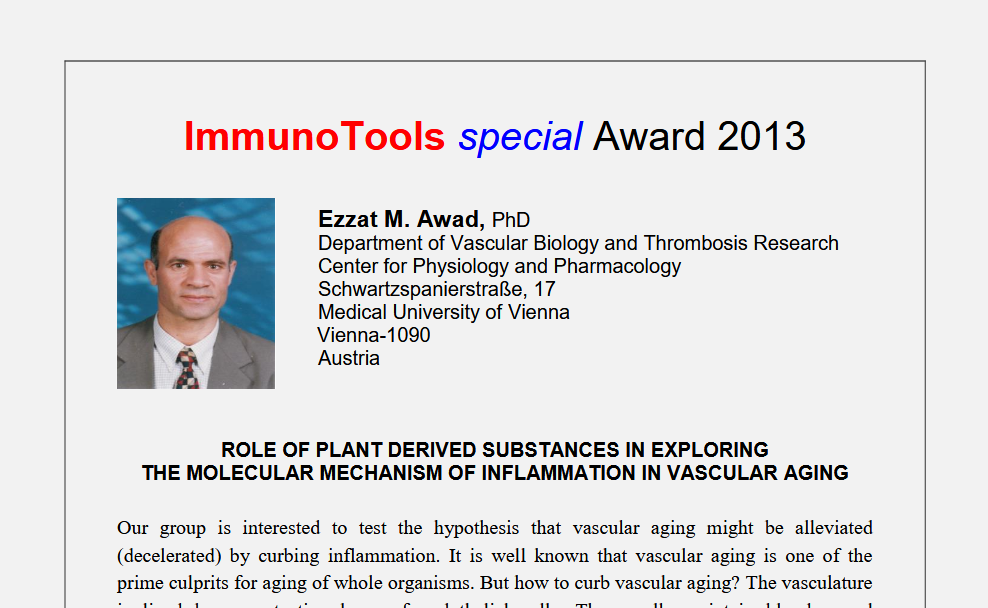
The corresponding author Ezzat Awad, who provided as his affiliation the Institute of Specific Prophylaxis and Tropical Medicine (ISPTM) and the OCUVAC and CePII centres, all at Medical University of Vienna. Awad was there for many years, here is some award he got in 2013:
Awad has another paper on PubPeer, which is even stored in the Medical University of Vienna’s repository:
Hossam Ebaid, Samir A. E. Bashandy, Iftekhar Hassan, Jameel Al-Tamimi, Shimaa Abdallah Haredy, Tharwat Imbabi, Enayat A. Omara, Yousef S. Bashandy, Ezzat M. Awad The Preventive Effect of Zinc Sulfate against Olanzapine-Induced Testicular Toxicity in Male Rats Biological Trace Element Research (2024) doi: 10.1007/s12011-024-04442-8

Archasia belfragei: “Figure 6 control and treatment G seem more similar than expected. The images are not identical, but their overall structure seems identical, apart from the lighting of the image.”
On 14 July 2026, Sholto contacted the ombudsman office for scientific integrity of the Medical University of Vienna, which is presided by the professor of paediatrics Elisabeth Förster-Waldl, assisted by two other faculty members, Christian Schöfer and Andrea Kolbus. On the same day, the sleuth received this reply, highlights mine:
“Dear Mr. Sholto David,
the Ombudsman of the Medical University of Vienna wishes to thank you for bringing the case to our attention.
Broadly speaking, our work is based on the acceptance of the peer-review process as a means of upholding scientific integrity. We therefore believe that the journal Editors are the correct addressees for any further steps to be made.
However, we made enquiries about the affiliation of the corresponding author listed on the paper and found out that he/she is no longer a member of the Medical University of Vienna, although he/she was at the time when the manuscript was submitted. “
This is a stupid and frankly malicious attitude on many levels. Basically, Sholto is told that every paper which passed peer review somewhere, cannot be criticised. Also, public money from Austrian and European taxpayers is being used for fraudulent research, and these clowns can’t care less. I wrote to Förster-Waldl and her colleagues. Nobody replied, but then again, what do you expect if the Ombudsperson Andrea Kolbus has two papers on PubPeer with problematic western blots (Kolbus et al 2002 and Schreiber et al 1999), one of these comes from the lab of a celebrity cheater at Medical University of Vienna, Erwin Wagner. Moreover, the President of the university’s Senate is Wagner’s former mentee Maria Sibilia, who also published badly fudged science herself, read here:
Wagner Ring Festival in Vienna
Erwin Wagner is not related to the famous German composer but we shall enjoy the Ring Festival with him and his friends anyway.

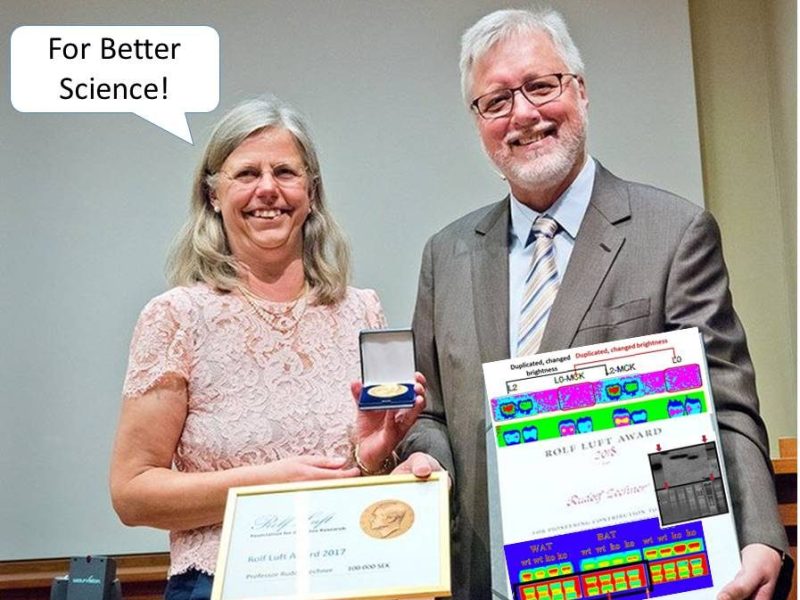
I also wrote to the national “watchdog”, the Austrian Agency for Scientific Integrity (OeAWI), but they also stopped talking to me, having previously found yours truly guilty of research misconduct:
Well, maybe, as the Ombudsman office suggested, at least the journal editor will care? One of the two Editors-in-Chief of Springer Nature’s Journal of Cluster Science is a massive cheater and papermiller Gareth Williams, who naturally didn’t reply to the sleuth who exposed his own fraud:
Shocked, angered and appalled
“I have been following the comments on PubPeer, and have been shocked, angered and appalled by the issues […] there can be no explanation for this other than systemic fraud “- Prof Gareth Williams, UCL

Williams himself recently lost another paper with his friend Li-Min Zhu, because of Sholto:
Qingqing Sang , Heyu Li , Gareth Williams, Huanling Wu , Li-Min Zhu Core-shell poly(lactide-co-ε-caprolactone)-gelatin fiber scaffolds as pH-sensitive drug delivery systems Journal of Biomaterials Applications (2018) doi: 10.1177/0885328217749962


On PubPeer, Sholto also pointed out that the SMMC-7721 cells which the authors described as a “human liver cancer cell line” are actually a contaminated derivative of cervix carcinoma cell line HeLa.
The retraction from 19 May 2026 stated:
“In August 2022, the authors contacted the Journal requesting a correction of the following figures:
- Panel a and c of Fig. 10 which are highly similar to each other.
- Fig. 8.
In response to concerns raised on Pubpeer the authors contacted the Journal again in 2025 requesting further correction. The concerns raised were the following: (PubPeer – Core-shell poly(lactide-co-ε-caprolactone)-gelatin fiber sca…):
- [1. Partial overlap between Fig. 2 (after crosslinking) SEM panels 1 and 4.
- [2. Partial overlap between Fig. 10 panel d (immersed in PBS for 3 days) and panel h (immersed in AA for 3 days).
- [3. Potentially contaminated SMMC-7721 cell lines which were described as “human liver cancer cell line.”
The authors shared replacement images for Fig. 2, 8 and 10 as well as explanation for the use of potentially contaminated SMMC-7721 cell lines.
The journal editor reviewed the request and replacement images and deemed that concerns regarding image integrity were present.
Due to the unresolved concerns about image integrity, that call into question the validity of the findings, the Journal Editor and Sage retract the article.
Author Gareth Williams agreed with the retraction.”
Will Williams also agree to retract Awad’s paper in his own journal? Because he is our last hope, given that utter clusterf**k which is the Medical University of Vienna.
Duplications and overlapping elements
Sometimes one really wonders what goes on in Science. Is their entire editorial staff bound up assisting the chief editor Holden Thorp in writing ChatGPT slop on topics of research integrity?
Why was this fraudulent trash corrected? All but two authors are from Northwest A&F University in China, the other two are Tom Hsiang, professor at the University of Guelph in Canada, and Mark Gleason, emeritus professor at Iowa State University of Science and Technology in USA:
Guangli Liu, Youwei Du , Minghui Chen , Yiming Lu , Lu Liu , Wenrui Yang , Shuanghong Wang , Xiaofei Liang , Mingqi Zhu , Mark L. Gleason , Tom Hsiang , Rong Zhang, Guangyu Sun A Colletotrichum -unique effector with the Cx 11 NC motif enhances plant NDPK2 kinase activity to suppress plant immunity Science Advances (2025) doi: 10.1126/sciadv.adt7970


Figure 1 panel F MdNDPK2 and MdNDPK2-t3 overlaps (magenta and blue boxes).”


Observation 2 (Red Boxes): The thermodynamic fitting parameters (including Kd, n, ΔH, and ΔS) in the red boxes are identical down to the exact decimals across panels D, E, and F. In real-world ITC assays, it is statistically impossible for three separate experiments to yield perfectly identical numerical outputs.
Observation 3 (Purple Boxes): The integrated heat plots highlighted in the purple boxes show a completely linear data distribution fitted with a straight line. Standard independent-site binding models in ITC produce sigmoidal curves, whereas a perfectly straight line is highly anomalous for a successful binding quantification. These panels are labeled as distinct experiments, but both the raw thermograms and the calculated fitting outputs are duplicated or show uncharacteristic profiles.”
The first author Guangli Liu replied on PubPeer in June 2026 to admit “an inadvertent error that occurred during the figure assembly process“. Science editors agreed, and on 15 May 2026, this Erratum was published, addressing only one of the several problematic figures:
“In the original version […] errors were identified in Fig. 1F. These errors were inadvertently introduced during figure assembly, resulting in duplications and overlapping elements among some BiFC assay images (MdNDPK2, -t1, -t2, and -t3).
The following correction has been implemented:
• Figure 1 has been replaced with the corrected version of panel (F) containing the correct BiFC images.
The authors’ conclusions are not affected by this correction. The PDF and XML of the article have been updated.”
That’s it. Case closed. I hope that was not because Gleason is a white American.
To preserve trust in peer-reviewed literature
You may have heard that a paper extolling the total safety of the herbicide glyphosate, authored by Monsanto shills, was recently retracted because it was ghost-written by Monsanto itself. I wrote about the retraction of Williams, Kroes & Monro 2000 in December 2025 Shorts.
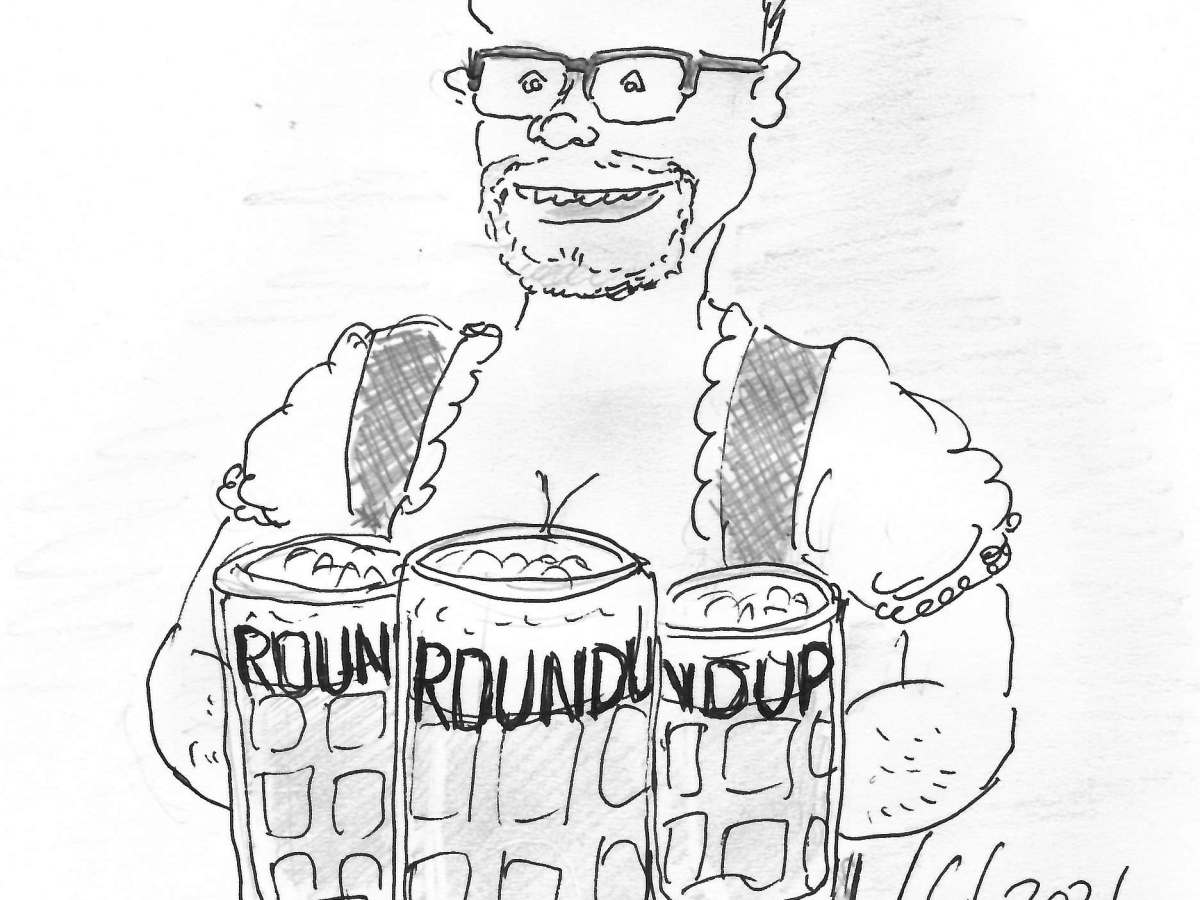
Now a huge gang of tobacco shills, antivaxxers, papermillers and occasional russian agents published a screed demanding the reversal of that retraction. Here is their paper, I highlighted the most notorious names of papermillers and antivaxxers:
Christopher J. Borgert, Mohammad Abdollahi, Jay M. Ansell, Michael Aschner, Christopher A. Bates, Sir Colin Berry, Brad Bolon, Peter J. Boogaard, Robert A. Budinksy, Lyle D. Burgoon, Gary Burin, James S. Bus, Harvey Clewell, Samuel M. Cohen, Thomas Colnot, Paul S. Darby, Wolfgang Dekant, John DeSesso, Daniel R. Dietrich, Mirjana Djukic, Anca Oana Docea, Jose L. Domingo, David L. Eaton, Jeffery A. Engelhardt, Anne Fairbrother, Allan Felsot, Penelope A. Fenner-Crisp, Robinan Gentry, Jay I. Goodman, Gio B. Gori, Helmut Greim, J.S. Heslop-Harrison, Jan G. Hengstler, Hartmut Jaeschke, Norbert E. Kaminski, Sam Kacew, James Kim, Anthony L. Kiorpes, Curtis Klaassen, James E. Klaunig, Anne Loccisano, James S. MacDonald, Angela Mally, Hans W. J. Marquardt, M. Sue Marty, John C. Matthews, Roger O. McClellan, Robert G. Meeks, Glenn C. Millner, Michael W. Pariza, Dennis Paustenbach, Olavi Pelkonen, David Sarvadi, Kai Savolainen, Ted W. Simon, Carr J. Smith, Keith R. Solomon, Stanley M. Tarka, Jr., Aristidis M. Tsatsakis, Joyce Tsuji, Nico P. E. Vermeulen, Kendall B. Wallace, Michael Wernke, Jonathan P. Williams, Raphael J. Witorsch, Hiroshi Yamazaki, Retraction of the landmark glyphosate safety publication by Williams, Kroes and Munro (2000) should be reversed, EXCLI Journal, (2026) doi: 10.17179/excli2026-9644
It starts with:
“The decision by the co-Editor-in-Chief of Regulatory Toxicology and Pharmacology, Prof. Martin van den Berg, to retract the 2000 review article by Williams, Kroes, and Munro has elicited widespread criticism within the scientific community. […] With the strongest conviction, we assert that retracting a paper without scientific flaws isn’t protection—it is censorship. We therefore call for the immediate reversal of this flawed and unjustified retraction to preserve trust in peer-reviewed literature.”
There was no criticism outside of pesticide industry. Nobody else complained of “censorship”. Their own dreck is not peer-reviewed, at least not really. The highlighted authors – shills, papermillers, antivaxxers and russian agents (Aristidis Tsatsakis in particular), featured most recently in this article:

An expert criticism by fraudsters and antivaxxers: the case of PubPeer
“A concerning trend is the rise of “hyper-skepticism”” – ChatGPT
Thing is, toxicology research is not really about protecting the public and the environment from dangerous chemicals. Not only for industry employees, also for professors in academia, toxicology is all about stuffing your pockets with industry bribes for knowingly lying about the alleged safety of whatever they pay you to lie about, be it cigarettes, DDT, asbestos, diesel exhaust fumes, or nuclear waste.
The ringleader is the professional shill for tobacco industry, Christopher Borgert, he previously shared on LinkedIn (and then deleted) a version of this paper which was about to be published in the Springer nature journal Archives of Toxicology, a doi (10.1007/s00204-026-04358-3) was already assigned:
Borgert gave in April 2026 an interview to Undark, where he openly said “that he’s hoping Bayer, or another entity, will cover the $6,400-plus fee he paid to make the paper open access“. The German giant Bayer bought Monsanto in 2018 for $66 billion, possibly the most disastrous industrial take-over in history.

The Monsanto Papers: a wrong book on glyphosate
Disappointed of Carey Gillam’s book about Lawyers’ Adventures, I blog about the Monsanto and glyphosate affair.
The Editor-in-Chief of Archives of Toxicology is the German professor Jan Hengstler, scientific director of Leibniz Research Centre IfADo in Dortmund. He is also coauthor of the paper. It seems, the publisher Springer Nature stopped this farce in the last moment, but Hengstler is also the Editor-in-Chief of IfADo’s own EXCLI Journal, where this glyphosate screed was now successfully published. As I wrote in September 2024 Shorts, Hengstler uses his position to extort citations to his own papers.
The list of dodgy characters on this Bayer screed contains many German professors of toxicology. Angela Mally is professor at University of Würzburg in Germany, an associate of Tsatsakis and Editor-in-Chief of Toxicology Letters. Wolfgang Dekant is her mentor, fellow professor in Würzburg, and predecessor as editor (read about his shilling here). Daniel Dietrich is professor at University of Konstanz, Helmut Greim and Hans Marquardt are emeritus professors at Technical University of Munich and University of Hamburg, respectably. These men are known industry shills, especially for tobacco industry, read here. There’s also a pile of professors from USA, Canada, UK, Finland and the Netherlands, and I sincerely hope they won’t choke on their money.
And then there are non-academic tobacco industry shills like Borgart, Gio Gori, and many others on that list.
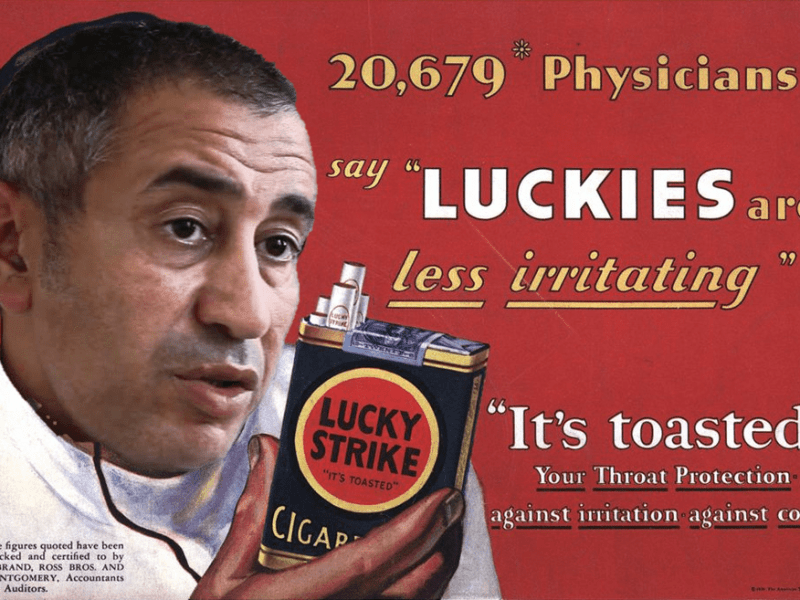
l’Amoura pour la cigarette Changeux tout COVID-19
Have you been hoarding COVID-19 survival necessities? Soap, disinfectant, toilet paper? Stockpile cigarettes, as many as you can get, if you want to survive the coronavirus. Science has Spoken.
I asked the Leibniz Association to check what their professor Hengstler now published in their own journal.
By the way, Hengstler’s qualifications as shill for pesticide industry served to get him re-elected in June 2023 as chairman of the Permanent Senate Commission on Food Safety (SKLM) of the German Research Council (DFG).
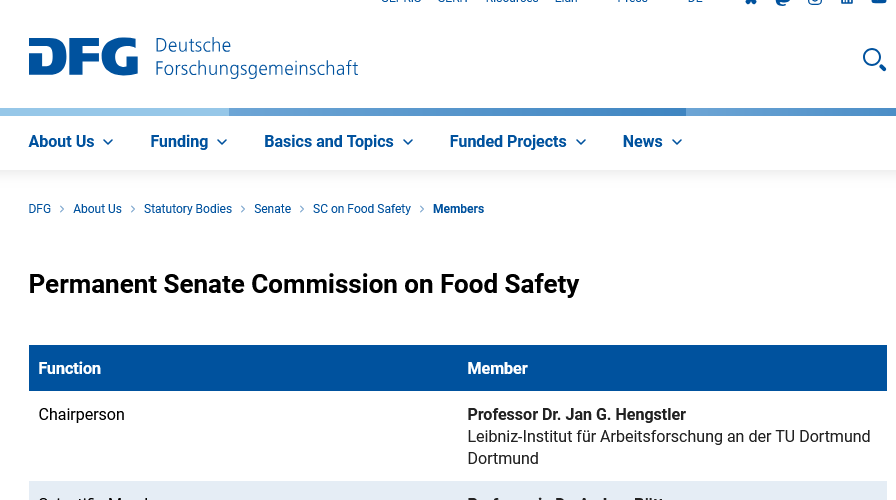
Hengstler’s fellow SKLM members are the aforementioned Angela Mally, and Tilman Grune, a professor in Berlin, whose bad science was described here:
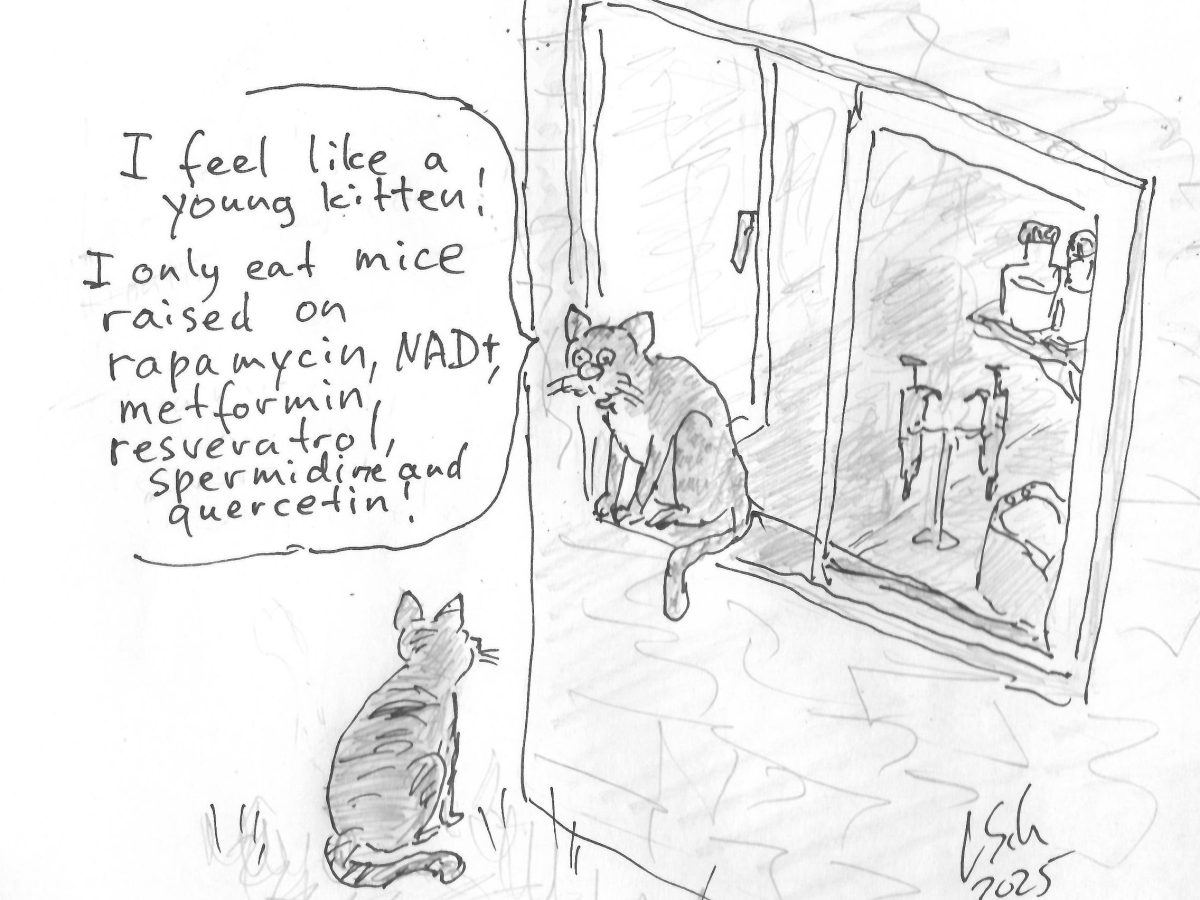
Professor Grune’s diet of dodgy blots
As German TV asks Tilman Grune what he will eat in the future, I have other questions for him.
Germans are so worried about their food security that they only put the most unbiased, honest and competent scientists in charge of it. The DFG didn’t comment about Hengstler’s function.
Retraction Watchdogging
Michel De Waard agrees with this retraction
Here, another white man got dragged in into Asian papermill fraud. Michel De Waard is research director at INSERM L’institut du thorax and University of Nantes in France. He just retracted two papers.
Both feature the papermilling fraudster Gaber El-Saber Batiha, here number one:
Itam Ako Hogan , Yu-Cheng Kuo , Asmau N. Abubakar , Bashir Lawal, Abdulhakeem R. Agboola , Halimat Yusuf Lukman , Sunday Amos Onikanni , Femi Olawale , Adewale Oluwaseun Fadaka , Yunusa O. Ibrahim , Shukurat B. Babalola , Gaber El-Saber Batiha , Sarah M. Albogami , Mohammed Alorabi , Michel De Waard , Hsu-Shan Huang Attenuation of hyperglycemia-associated dyslipidemic, oxidative, cognitive, and inflammatory crises via modulation of neuronal ChEs/NF-κB/COX-2/NOx, and hepatorenal functional deficits by the Tridax procumbens extract Biomedicine & Pharmacotherapy (2023) doi: 10.1016/j.biopha.2022.114114

The retraction from 29 May 2026 went:
“This article has been retracted at the request of the Editor.
A post-publication investigation conducted by Elsevier’s Research Integrity & Publishing Ethics team on behalf of the journal could not confirm whether or not ethical approval was given for the research presented in this publication in line with the journal’s policy. As it cannot be established whether the article complies with the journal’s policies on ethical approval, the editor has lost confidence in the integrity of the article and has determined it should be retracted.
The authors disagree with the retraction and dispute the grounds for it.”
De Waard became more cooperative with the second retraction, again with El-Saber Batiha and again caused by Mu Yang:
Hammad Ismail , Dania Khalid , Saad Bin Ayub , Muhammad Umar Ijaz , Samra Akram , Muhammad Zeeshan Bhatti , Malik Mumtaz Taqi , Erum Dilshad , Sadaf Anwaar , Gaber El-Saber Batiha , Sarah S Aggad , Fatimah M Yousef , Michel De Waard Effects of Phoenix dactylifera against Streptozotocin-Aluminium Chloride Induced Alzheimer’s Rats and Their In Silico Study BioMed Research International (2023) doi: 10.1155/2023/1725638

Hammad Ismail, Dania Khalid , Durdana Waseem , Muhammad Umar Ijaz , Erum Dilshad , Ihsan-Ul Haq , Muhammad Zeeshan Bhatti , Sadaf Anwaar , Madiha Ahmed , Samreen Saleem Bioassays guided isolation of berberine from Berberis lycium and its neuroprotective role in aluminium chloride induced rat model of Alzheimer’s disease combined with insilico molecular docking PLOS One (2023) doi: 10.1371/journal.pone.0286349 RETRACTED 14 May 2026

As you saw, that PLOS One paper was retracted in May 2026, the retraction for De Waard’s paper was issued by Wiley on 14 July 2026:
“The retraction has been agreed following an investigation of the concerns flagged by a third party on PubPeer [1]. The investigation identified concerns related to several values shown in Tables 1, 2, 3, 4, and 5, and the underlying raw data were requested from the authors.
The authors provided the raw data, which were assessed by the publisher and the journal’s editorial board. Following an investigation, it was found that the provided data were not reliable, bringing the validity of the values shown in the abovementioned tables into question.
As a result of the investigation, the data and conclusions of this article are considered unreliable. Therefore, the article must be retracted.
Michel De Waard agrees with this retraction. The other authors disagree with this retraction.”
De Waard might need to retract more, some is already on PubPeer. Why is this still around, are we waiting for the French professor to agree? Again with El-Saber Batiha, plus assorted scholars from Nigeria and Taiwan:
Saidu Sani , Bashir Lawal, Jerius N Ejeje , Tawakalitu B Aliu , Amos S Onikanni , Onwe O Uchewa , Joy C Ovoh , Faith U Ekpa , Chikezie D Ozoagu , Tochukwu S Akuma , Success C Onyeji , Amara Obialor , Saqer S Alotaibi , Sarah M Albogami , Michel De Waard , Gaber El-Saber Batiha , Tse Hung Huang , Alexander T H Wu Biochemical and tissue physiopathological evaluation of the preclinical efficacy of Solanum torvum Swartz leaves for treating oxidative impairment in rats administered a β-cell-toxicant (STZ) Biomedicine & Pharmacotherapy (2022) doi: 10.1016/j.biopha.2022.113605

How will De Waard blame any Asian papermillers here, I wonder:
Feten Najlaoui , Benoit Busser , Germain Sotoing Taïwe , Pascal Pigeon , Nathalie Sturm , Diane Giovannini , Naziha Marrakchi , Ali Rhouma , Gérard Jaouen , Stéphane Gibaud , Michel De Waard Succinimido-Ferrocidiphenol Complexed with Cyclodextrins Inhibits Glioblastoma Tumor Growth In Vitro and In Vivo without Noticeable Adverse Toxicity Molecules (2022) doi: 10.3390/molecules27144651


Almost all authors are from France. Maybe it is De Waard who is the main problem?
I married him to make sure it was a full collaboration
A Nature paper was retracted for animal abuse. It was published just last year, and back then all reviewers and editors were perfectly happy about the mouse torture, simply because the authors are American professors.

AACR deploys Massimo Loda on a mission to cure cancer
Meet Massimo Loda, the new EiC of Molecular Cancer Research. Not despite, but because of his PubPeer record. Also meet his partner Michele Pagano!
We have the known cheater Massimo Loda from Weill Cornell, and the husband and wife couple at Columbia University, Cory Abate-Shen and Michael Shen:
Jia J. Li , Alessandro Vasciaveo, Dimitris Karagiannis , Zhen Sun , Kristjan H. Gretarsson , Xiao Chen , Ouathek Ouerfelli , Fabio Socciarelli , Ziv Frankenstein , Hanyang Dong , Min Zou , Wei Yuan , Guangli Yang , Gabriel M. Aizenman , Tania Pannellini , Xinjing Xu , Himisha Beltran , Yu Chen , Kevin Gardner , Brian D. Robinson , Johann De Bono, Or Gozani, Cory Abate-Shen, Mark A. Rubin, Massimo Loda, Charles L. Sawyers, Andrea Califano, Chao Lu, Michael M. Shen NSD2 targeting reverses plasticity and drug resistance in prostate cancer Nature (2025) doi: 10.1038/s41586-025-09727-z


Tumours which are 2.5 centimetres wide. A nude mouse used for these experiments is between 7.5 and 10 cm long. A tumour which is one-third of the whole mouse. What’s wrong with these people…
Nature retracted that paper on 30 June 2026:
“The Editors have retracted this article at the Authors’ request. After publication, concerns were raised regarding the tumour burden in some mice in the control arms of the experiments presented in Fig. 4b (NPPO1-NE, NPPO-4, NPPO-6, and MSKPCa10 grafts) and Fig. 5j (WCM1262 grafts). The authors have shared the underlying tumour measurement and mouse bodyweight data, which confirmed that animal welfare protocols were breached. An investigation by the Institutional Animal Care and Use Committee at Columbia University Irving Medical Center found that these experiments were not compliant with protocol endpoints. The authors regret this failure to adhere to the highest standards of animal experimentation. No other experimental data or analyses have been affected by the issues underlying the investigation or retraction.
Jia Li does not agree with this retraction. All other authors agree with this retraction.”
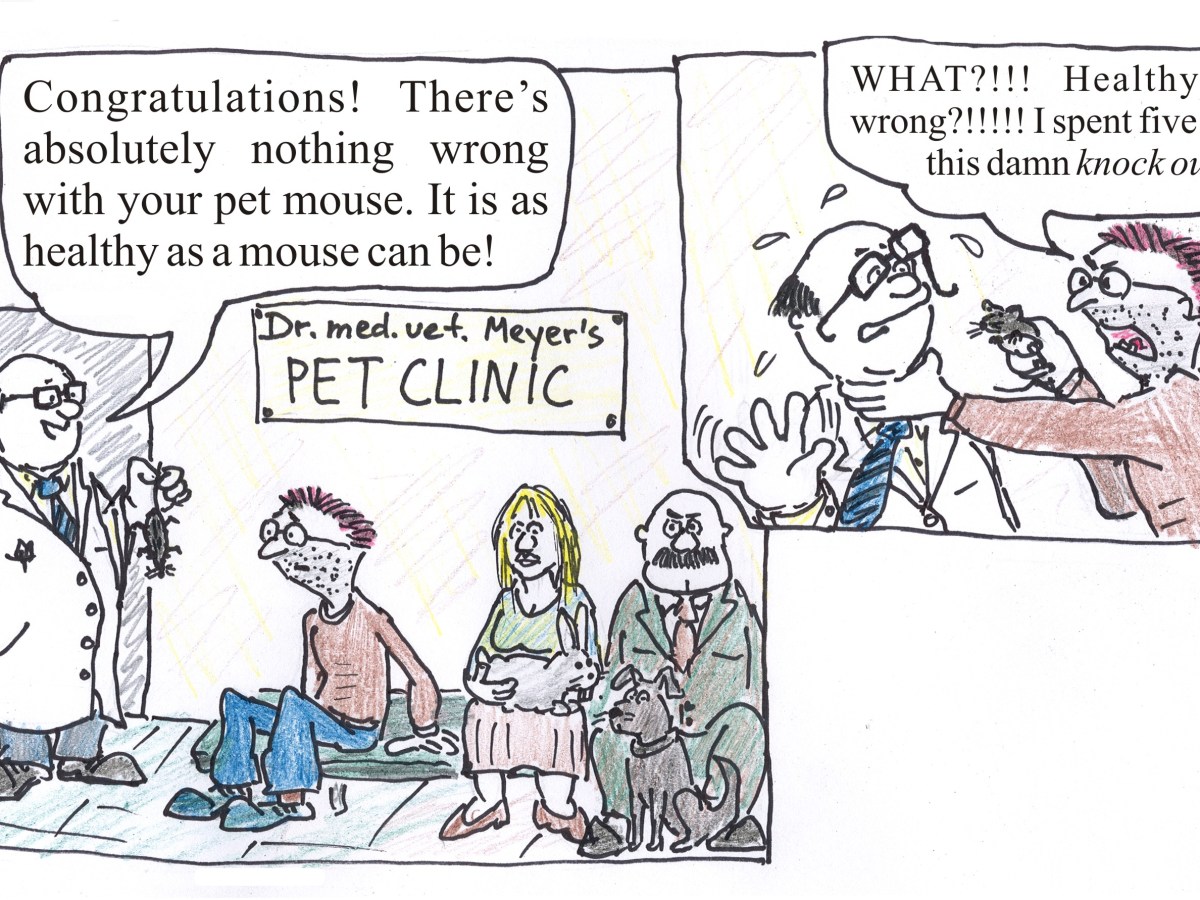
The Lies of Mice
“The closer I looked, the worse it was. Not just because it’s sad to think too much about the poor lives of a laboratory mouse, but also because the researchers who used these mice didn’t have the decency to be truthful about their poor lives. ” – Viola Sheltonii

Three years ago, Abate-Shen retracted her paper Wang & Abate-Shen PLoS ONE 2012, for massive data reuse from a different publication. She has a nice PubPeer record, often with her hubby. Abate-Shen was once quoted by Columbia University:
“”I started working with Michael to expand into in vivo work,” says Dr. Abate-Shen. “I married him to make sure it was a full collaboration. We have a wonderful synergy.”
Three papers received editorial notes: Owczarek et al 2017, Floc’h et al 2012 and this one, all in Cancer Research:
Xuesong Ouyang , Walter J Jessen , Hikmat Al-Ahmadie , Angel M Serio , Yong Lin , Weichung-Joseph Shih , Victor E Reuter , Peter T Scardino , Michael M Shen , Bruce J Aronow , Andrew J Vickers , William L Gerald , Cory Abate-Shen Activator protein-1 transcription factors are associated with progression and recurrence of prostate cancer Cancer Research (2008) doi: 10.1158/0008-5472.can-07-6055

But this one wasn’t addressed yet, maybe because Science has much higher standards than pedestrian journals. Thing is, the issues were flagged right after publication a decade ago, in the year 2016:
Aditya Dutta , Clémentine Le Magnen , Antonina Mitrofanova , Xuesong Ouyang , Andrea Califano , Cory Abate-Shen Identification of an NKX3.1-G9a-UTY transcriptional regulatory network that controls prostate differentiation Science (2016) doi: 10.1126/science.aad9512


Returning to the now retracted Nature paper by the Shens, it showcases how important are those PubPeer concerns which do not flag obviously problematic image duplications, but more complex issues like animal abuse.
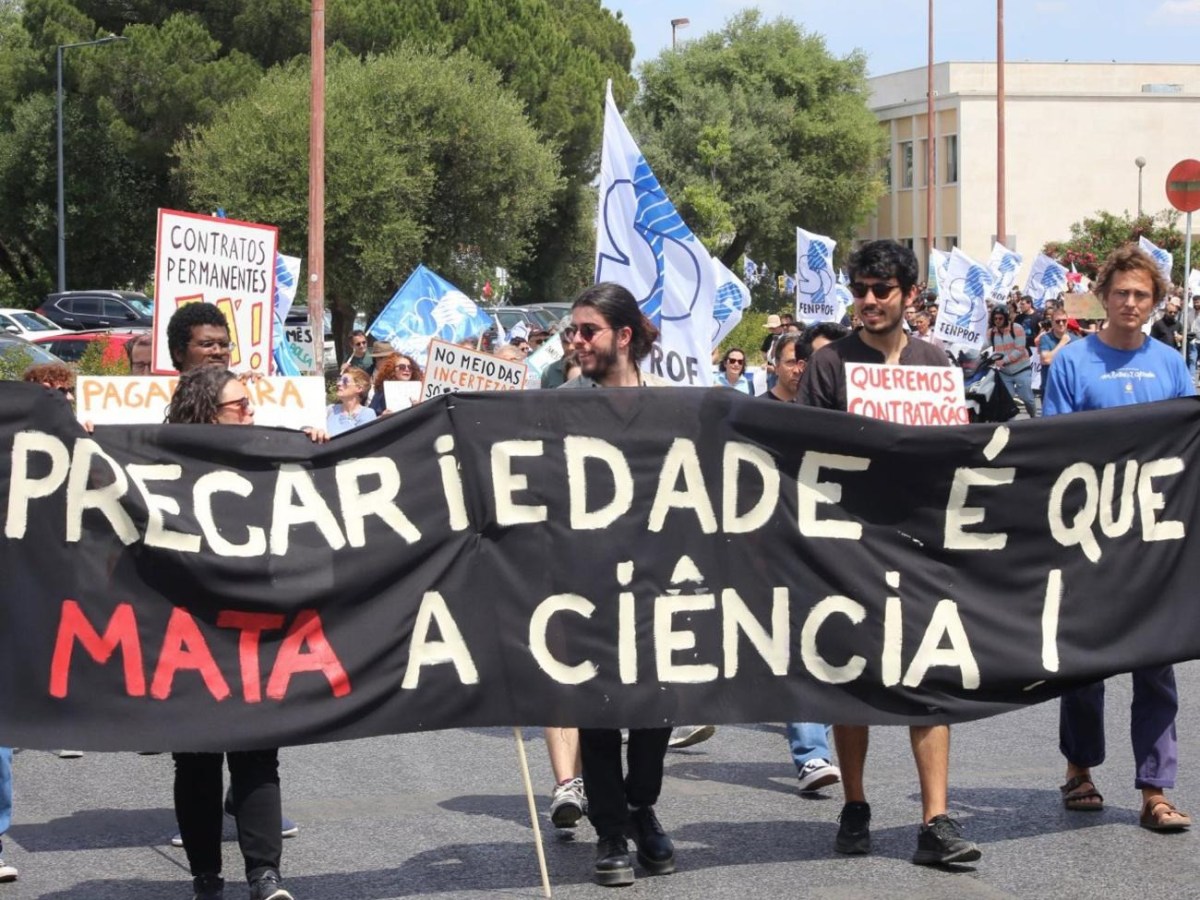
Academic precarity in Portugal
“In Portugal more than 95% of all research activities are carried out under precarious labour conditions, by undergraduate and PhD researchers employed under a variety of temporary contracts, often with limited or no benefits, and no access to a career.” –
Here a paper coauthored by the Portuguese researcher João Conde, who briefly featured in the article above. The PubPeer moderators rejected the comment by the sleuth Carabus Maleki:
Yousef Khazaei Monfared, Mohammad Mahmoudian , Parvin Zakeri-Milani, Claudio Cecone, Tomoya Hayashi, Ken J. Ishi, João Conde, Adrián Matencio, Francesco Trotta Intratumoural Delivery of mRNA Loaded on a Cationic Hyper-Branched Cyclodextrin-Based Polymer Induced an Anti-Tumour Immunological Response in Melanoma Cancers (2023) doi: 10.3390/cancers15143748
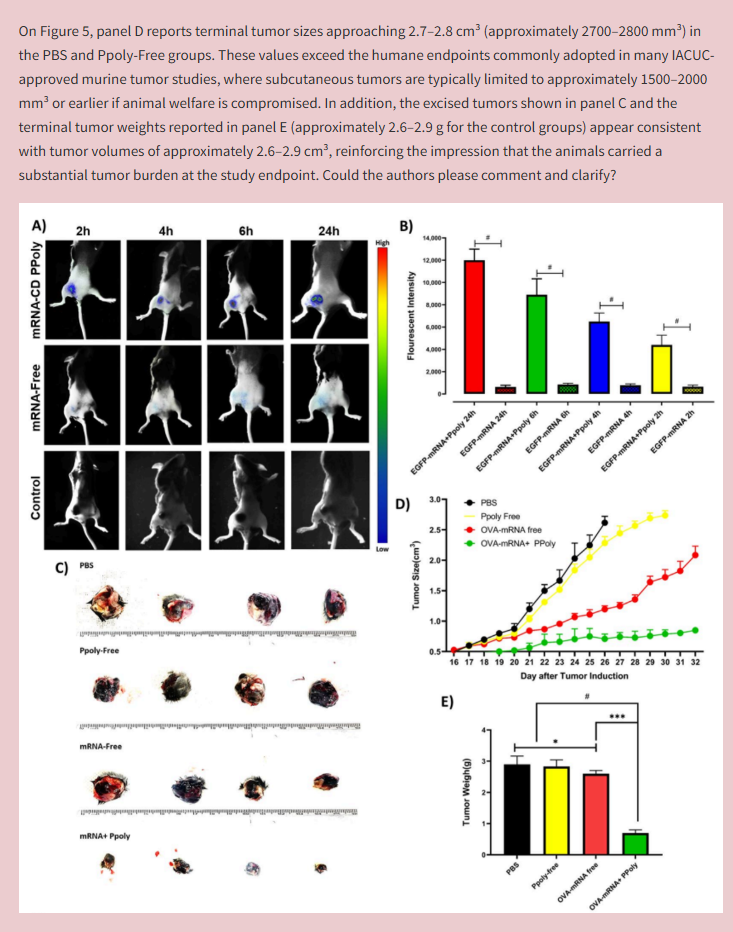
terminal tumor weights reported in panel E (approximately 2.6-2.9 g for the control groups) appear consistent
with tumor volumes of approximately 2.6-2.9 cm, reinforcing the impression that the animals carried a
substantial tumor burden at the study endpoint.”
The authors must have had fun making up these values
More misguided PubPeer moderation.
Ben Mol exposed a lot of fraud in gynaecology clinical trials (see for example April 2026 Shorts), but here he faced PubPeer moderation and had to ask other sleuths for help. Maarten van Kampen agreed, and shared Mol’s and his own findings on PubPeer.
The author Antonio Simone Laganà, assistant professor at the University of Palermo in Italy, already has a worrisome PubPeer record of improbable statistics in clinical trials, all flagged by Mol. But here, the PubPeer moderation interfered:
Antonio Simone Laganà, Luisa Barbaro , Alfonsa Pizzo Evaluation of ovarian function and metabolic factors in women affected by polycystic ovary syndrome after treatment with D-Chiro-Inositol Archives of Gynecology and Obstetrics (2015) doi: 10.1007/s00404-014-3552-6

Also the BMI field suffers from this inconsistency. The range here is 20.43 – 29.31. The average of these two extremes is 24.87, exactly the average the authors report: 24.87 ± 5.21. Except that even when having 24 women at the 20.43 extreme and another 24 at the 29.31 extreme will only give you a SD of 4.44. And hence also these statistics are impossible.”
“similar data is also reported (and flagged) in another paper by overlapping authors. In that other paper the authors try two treatments. They start with 50 women. And divide them in groups of 25 each. And the inositol group of 25 patients happens to have the same mean age and standard deviation as the 48 patients of this paper:”


Thanks to one sleuth helping another overcome the PubPeer moderation, this fraudulent clinical study was now retracted, on 15 July 2026:
“The Editor-in-Chief has retracted this article. Following publication, concerns were raised regarding similarities in the data reported in this article and another article by the same authors [1], specifically that some of the values in Table 1 for the pre- and post-treatment d-Chiro-inositol groups appear to be highly similar. In addition, further concerns have been raised that the statistics reported in Table 1 appear incorrect. The authors have not provide a satisfactory response to the concerns raised or supplied their raw data. The Editor-in-Chief has therefore lost confidence in the results and conclusions of this study. The authors did not respond to correspondence from the Editor about this retraction.”
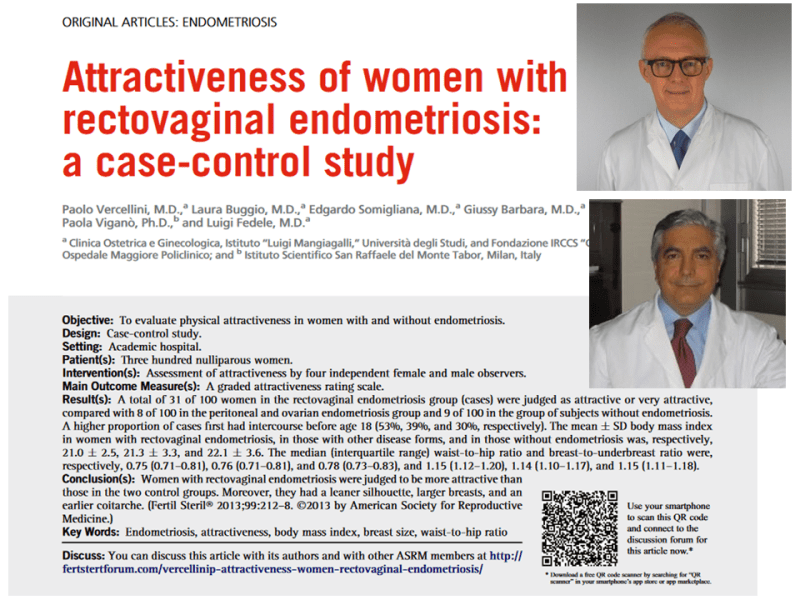
Undress, the doctors will see you now
Two old gynaecology professors in Milan decided to racially profile, then rate their misinformed young patients for sexual attractiveness. Their even published this as an evo-psych study in a respected society journal.
This practice is allowed and sometimes even encouraged
Medical scholars at Brown University in USA lose a paper. Qian Chen is endowed chair in orthopaedic research and Vice Chair for Research in the Department of Orthopaedics at the Warren Alpert Medical School, Lei Wei is associate professor of orthopaedics there, they featured in this article:
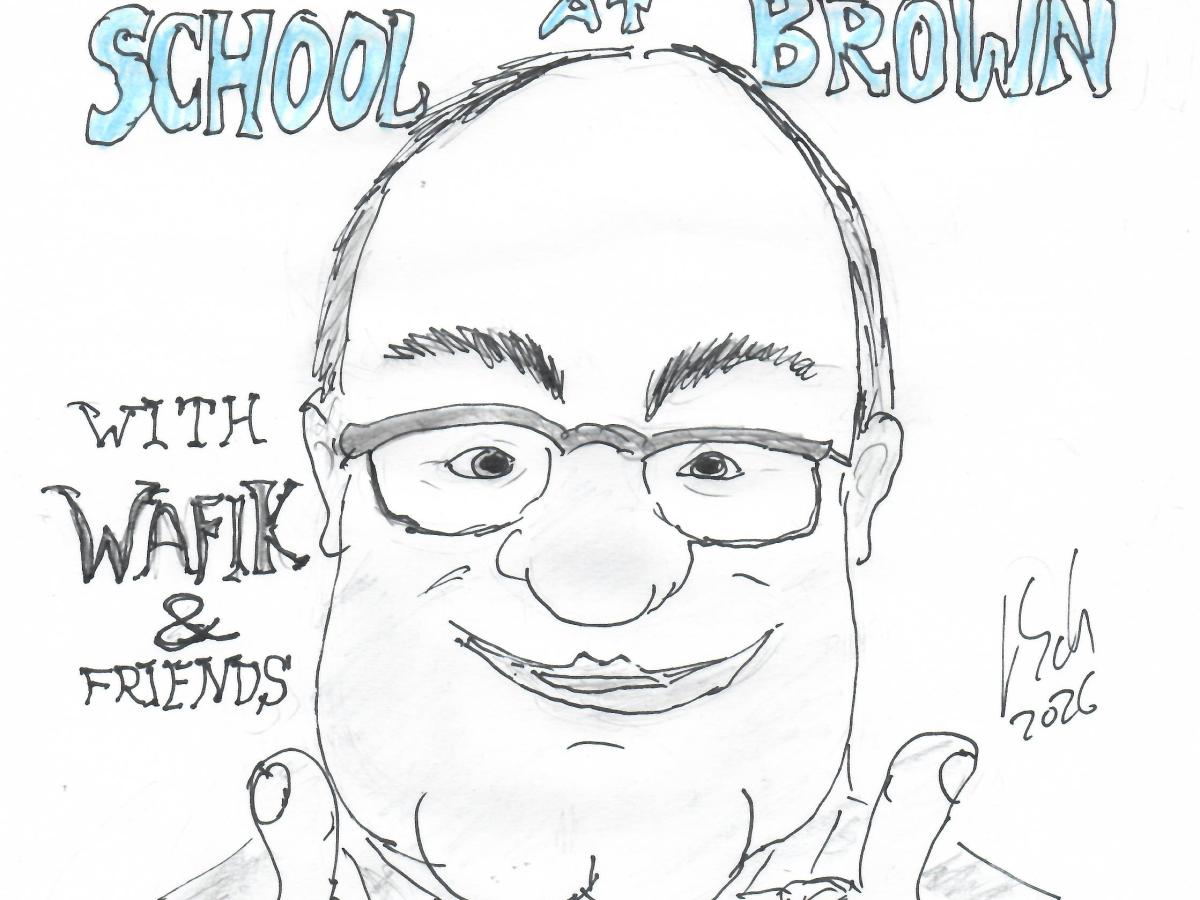
Mad School of Brown University
“I have filtered out several hundreds biomedical research articles from Brown containing the words “western blot” in the text, and found out the usual, unavoidable ocean of manipulated data.” – Corrado Viotti

This was their study, flagged by Aneurus Inconstans:
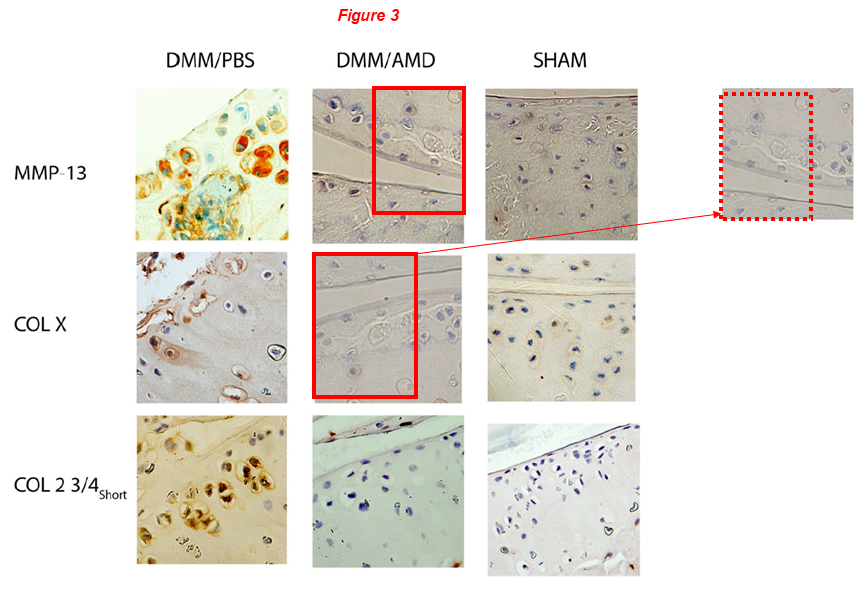
Nathan P. Thomas, Pengcui Li, Braden C. Fleming, Qian Chen, Xiaochun Wei, Pan Xiao-Hua, Gang Li , Lei Wei* Attenuation of cartilage pathogenesis in post-traumatic osteoarthritis (PTOA) in mice by blocking the stromal derived factor 1 receptor (CXCR4) with the specific inhibitor, AMD3100 Journal of Orthopaedic Research (2015) doi: 10.1002/jor.22862

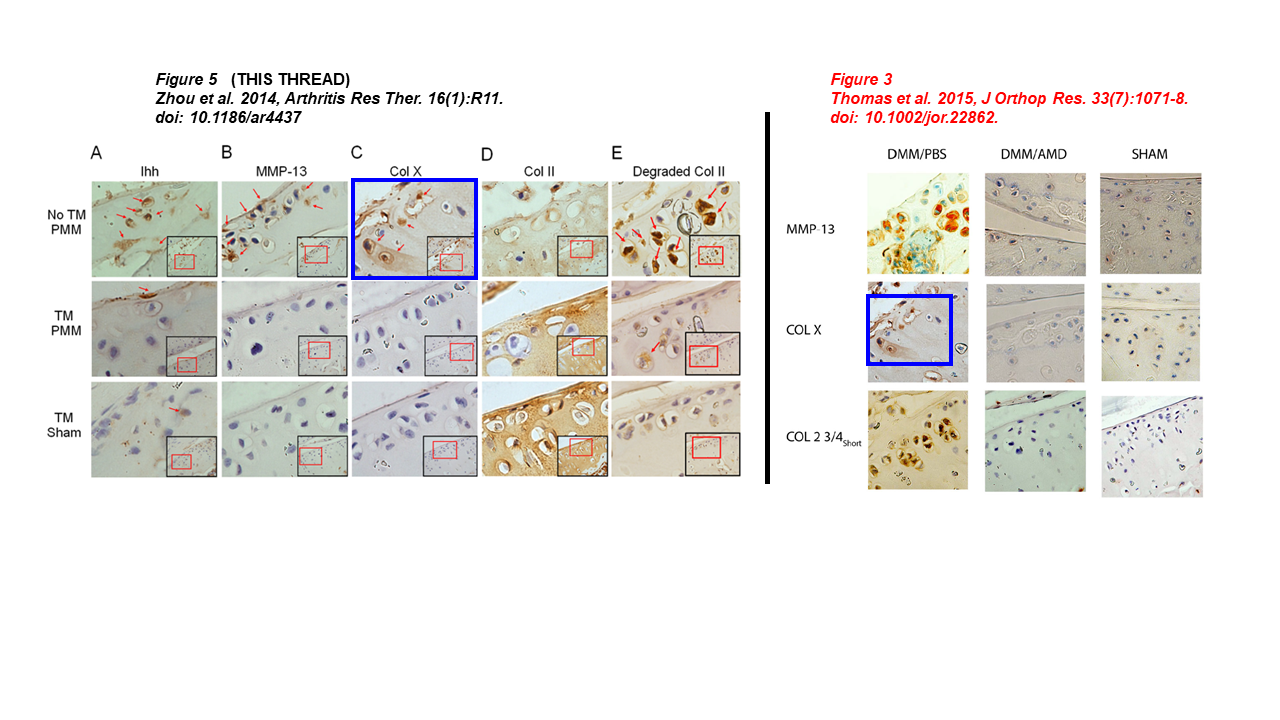
Jingming Zhou , Qian Chen, Beate Lanske , Braden C Fleming , Richard Terek , Xiaochun Wei , Ge Zhang , Shaowei Wang , Kai Li , Lei Wei Disrupting the Indian hedgehog signaling pathway in vivo attenuates surgically induced osteoarthritis progression in Col2a1-CreER T2 ; Ihhfl/fl mice Arthritis Research & Therapy (2014) doi: 10.1186/ar4437
In February 2026, Chen went to PubPeer to shame the sleuths because “Dr. Lei Wei retired several years ago” and “Dr. Wei is undergoing cancer treatment“. Otherwise, Chen explained that the clearly overlapping panels in Fig 3 “may be from adjacent sections in the same tissue block” and that “This practice is allowed and sometimes even encouraged“. For Fig 4A, he stated that “the mouse background images are similar, the FMT signals are clearly different between the two images.” Yes, this is exactly why we can assume fraud and not an honest mistake.
Then, Maarten van Kampen noticed that the paper has been already silently corrected once or even twice before. The version on PubMed has different versions of Figure 3 and Fig 4 from the published paper. While the PubMed version of Fig 3 doesn’t have the duplication Chen defended, it has an even faker version of Figure 4:

Maarten Van Kampen: “Apparently a lot happened between the PubMed central and published version. Fig. 4(a) of the PMC version shows the same animal twice.”
I am not sure that “this practice is allowed and sometimes even encouraged“. The retraction arrived on 13 July 2026:
“The retraction has been agreed due to concerns raised by third parties. Specifically, a duplication has been identified within Figure 3, and image elements in Figures 3 and 4A were found to have been previously published by the author group in different scientific contexts. The clarification provided by the authors was found to be insufficient to address the concerns. Furthermore, additional scientific inconsistencies have been identified. Accordingly, the article has been retracted as the editors consider its results and conclusions to be invalid.
The authors have been informed of the retraction decision. The corresponding author, Lei Wei, stated that the concerns had been partially addressed. However, due to the unavailability of the co-author responsible for the experiments affected by the unresolved issues, the experiments could not be readily repeated. Co-author Qian Chen agreed with the decision to retract the article, noting that their contribution was limited to providing reagents and therefore did not meet the criteria for authorship. No response was received from the remaining co-authors.”
Funny how vice chair of department Chen transitioned from being able to explain every single figure and method in that paper, to an innocent bystander who merely contributed reagents. This would still mean a gift authorship and hence research misconduct.
Suspicious changes in authorship
Crazy things happen at Elsevier, even the previously untouchable International Journal of Hydrogen Energy, privately run by the Veziroglu family, is now retracting its papermill fraud.
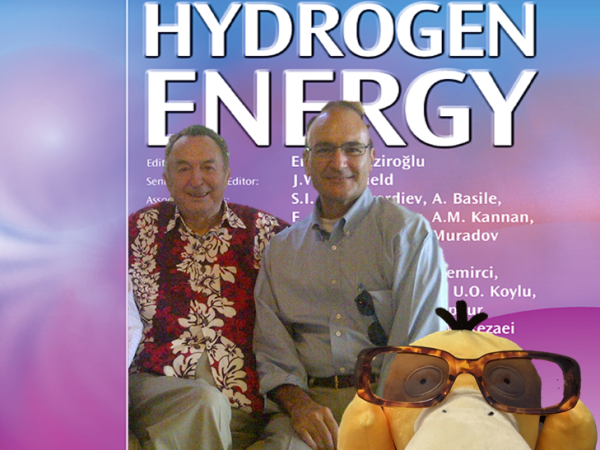
Veziroglu Journal of Papermill Energy
Mu Yang and other sleuths celebrate the scholarly publishing business of the late T Nejat Veziroglu, laureate of Santilli-Galilei Gold Medal for Lifetime Commitment to True Scientific Democracy
Imagine, the Veziroglus couldn’t save a fellow Turk, the mega-cheater and papermiller Fatih Sen! He is sandwiched between another major papermiller, Fuad Ameen, and a Romanian, Elena Niculina Dragoi, assistant professor at Technical University of Iasi. The paper was flagged for editorial conflicts of interests, and now retracted for purchased authorships:
Fuad Ameen, Elif Esra Altuner , Rima Nour Elhouda Tiri , Fulya Gulbagca , Aysenur Aygun , Fatih Sen, Najwa Majrashi , Raha Orfali , Elena Niculina Dragoi Highly active iron (II) oxide-zinc oxide nanocomposite synthesized Thymus vulgaris plant as bioreduction catalyst: Characterization, hydrogen evolution and photocatalytic degradation International Journal of Hydrogen Energy (2023) doi: 10.1016/j.ijhydene.2022.11.229
The retraction from 9 July 2026 went:
“This article has been retracted at the request of the Editor.
Post-publication, an investigation conducted on behalf of the journal by Elsevier’s Research Integrity & Publishing Ethics team discovered suspicious changes in authorship between the original submission and the revised version of this paper. During revision, the authors Fuad Ameen, Najwa Majrashi, and Raha Orfali were added to the paper and one author was removed from the paper. These changes were made without explanation and without exceptional approval by the journal editor, which is contrary to the journal policy on changes to authorship.
The investigation also identified references that are irrelevant to the article.
Elsevier’s Research Integrity & Publishing Ethics team reached out to the authors for an explanation, but they were unable to provide a satisfactory explanation. […]
The authors disagree with the retraction and dispute the grounds for it.”
Dragoi also lost another paper in the same journal:
J. Madhusudhanan , S. Kaliappan , Ravishankar Sathyamurthy , R. Saravanan , T. Sathish , D. Prabu , M. Rajasimman , Abdullah A. Al-Kahtani , Elena-Niculina Dragoi Influence of nanopores volumes in hydrogen absorption properties of B4C and WC carbide-derived carbon nanomaterials International Journal of Hydrogen Energy (2024) doi: 10.1016/j.ijhydene.2023.03.318

Abrostola urentis: “Figure 7: FTIR spectra appear to be drawn. There are several clear cases of backtracking/overhangs. See black arrows for some of these”
The retraction from 9 July 2026 revealed that Dragoi was buying authorships:
“This article has been retracted at the request of the Editor.
Post-publication, concerns were raised regarding the FTIR spectra in Figure 7, as outlined on PubPeer (https://pubpeer.com/publications/C17E4F3BB13F5B0352C4558F0D0E9A). An investigation conducted by Elsevier’s Research Integrity & Publishing Ethics team on behalf of the journal identified a concern around the authenticity of the following figure:
- Figure 7 (FTIR spectra of all carbide-derived carbons) exhibits backtracking and overhangs in the FTIR spectra, which are not consistent with normal processing or smoothing steps and suggest possible manual manipulation of the plotted curves.
The authors were requested to provide comment on these concerns, as well as the original unprocessed data files to aid investigation. The explanation and data provided were unsatisfactory in resolving these concerns. The investigation also identified references that are irrelevant to the article.
Furthermore, the investigation discovered suspicious changes in authorship between the original submission and the revised version of this paper. During revision, the authors J. Madhusudhanan, S. Kaliappan, Ravishankar Sathyamurthy, Abdullah A. Al-Kahtani, Elena-Niculina Dragoi, and D. Prabu were added to the paper, and two authors were removed from the paper. […]”

Don’t mess with Fatih Sen
Fake nanotechnology is always fun, but it does get extreme here. Word of advice: if you are in Turkey, better don’t point fingers at Professor Fatih Sen’s research. Things get broken easily.
Sen has a number of other retractions, the previous ones were these two, in another papermill-infested Elsevier journal:
- Ismet Meydan, Hamdullah Seckin , Hakan Burhan , Tuğba Gür , Bahareh Tanhaei , Fatih Sen Arum italicum mediated silver nanoparticles: Synthesis and investigation of some biochemical parameters Environmental Research (2022) doi: 10.1016/j.envres.2021.112347
- Ismet Meydan, Hakan Burhan , Tuğba Gür , Hamdullah Seçkin , Bahareh Tanhaei , Fatih Sen Characterization of Rheum ribes with ZnO nanoparticle and its antidiabetic, antibacterial, DNA damage prevention and lipid peroxidation prevention activity of in vitro Environmental Research (2022) doi: 10.1016/j.envres.2021.112363

Both retractions were posted in March 2026, and do not have separate notices as of yet. The retraction for the first paper went:
“The authors were requested to respond to concerns regarding this article posted on PubPeer at https://pubpeer.com/publications/16C4E9C9F746307965BA3FA3FEC508. The editor confirmed that the red FTIR trace in figure 4 of this article is identical to the black FTIR trace in figure 1c of Environmental Research, Volume 204, Part D, 2022, 112363, https://doi.org/10.1016/j.envres.2021.112363 which represents a different material. The authors did not provide a satisfactory explanation for this similarity.
Additionally, acceptance of the article was partly based upon the positive advice of two reviewers who are closely linked to one of the corresponding authors (Fatih Sen) and who were suggested as potential reviewers by the same corresponding author. This compromised the editorial process and breached the journal’s policies.
Finally, an unauthorised authorship change was made when the revised version of this paper was submitted, following suggestions for relatively minor revisions from the reviewers and Guest Editor, with author Bahareh Tanhaei (whose contribution was listed in the published article as ‘Writing – original draft preparation’) being added to the paper. No satisfactory explanation was given for this change, nor was it approved by the editor. […]
The authors disagree with retraction and dispute the grounds for it.”
The retraction for the second paper was almost word-for-word identical.
Handled by Associate Editor Deyi Hou, despite being listed as author
And another Elsevier retraction for authorship sales and editorial fraud. Once again, the hero is Jörg Rinklebe, professor of papermilling at University of Wuppertal in Germany, where they call him “Lion of the World” and also refuse to investigate him properly on the account of his being a white German male and not some Asian migrant. Rinklebe is member of a massive international network of papermilling and peer review manipulation, which was first introduced here:

This is Rinklebe’s sixth retraction, in the journal The Science of The Total Environment, previously run by his friend Damia Barcelo. It was originally flagged for editorial conflicts of interests, but now the retraction notice reveals how bad it really was.
Shiv Bolan, Hasintha Wijesekara, Dhulmy Amarasiri , Tao Zhang , Péter Ragályi , Milka Brdar-Jokanović, Márk Rékási, Jui-Yen Lin , Lokesh P. Padhye, Haochen Zhao , Liuwei Wang , Jörg Rinklebe, Hailong Wang, Kadambot H.M. Siddique, M.B. Kirkham, Nanthi Bolan Boron contamination and its risk management in terrestrial and aquatic environmental settings The Science of The Total Environment (2023) doi: 10.1016/j.scitotenv.2023.164744
The Editor-in-Chief Barcelo was kicked out, so someone else had to sign the retraction from 18 July 2026 (highlights mine):
“This article has been retracted at the request of a Journal Associate Editor.
Post-publication, an investigation was conducted on behalf of the journal by Elsevier’s Research Integrity & Publishing Ethics team. This investigation discovered suspicious changes in authorship between the original submission, the revised version and the published version of this paper.
During revision, the authors Deyi Hou and Liuwei Wang were added to the paper; subsequently the author Deyi Hou was removed post acceptance, without explanation and without exceptional approval by the journal editor, which is contrary to the journal policy on changes to authorship.
Furthermore, the review of this submission was handled by the Associate Editor Deyi Hou, despite also being listed as an author of this article. This compromised the editorial process and breached the journal policies.
Elsevier’s Research Integrity & Publishing Ethics team reached out to the authors for an explanation, but they failed to provide a satisfactory explanation to these changes.[…]
The authors disagree with the retraction and dispute the grounds for it.”
The Chinese scholar Deyi Hou is a friend of Rinklebe’s, I wrote about his papermilling activities and his previous retraction in May 2025 Shorts, on the occasion of Hou having published in Science (Hou et al 2025). After some prompting from Alexander Magazinov and yours truly, Science‘s editor Holden Thorp now agreed to have a look into their editorial process, because, who knows, maybe Hou used sockpuppets there as well?
Boys from Brazil
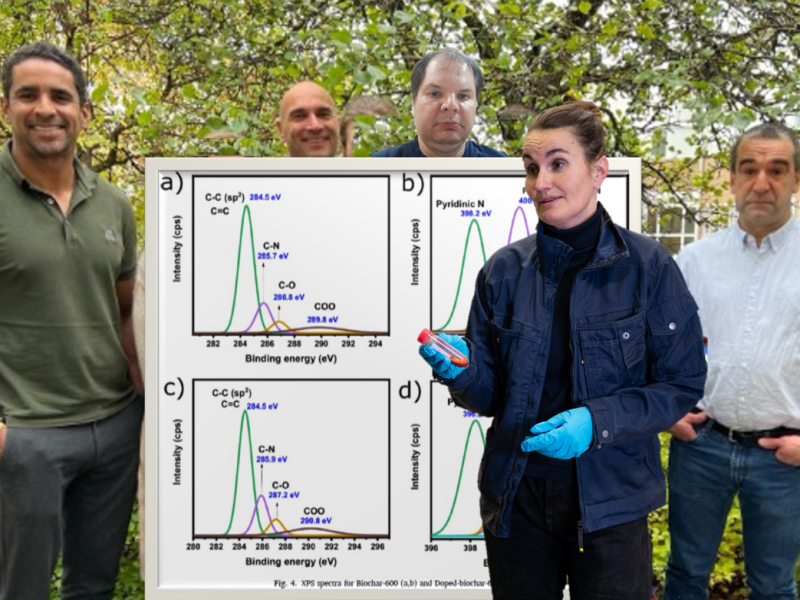
“We can always make mistakes in our publications but never acting intensionally. Regarding Prof. Eder works, I know him well and I don’t believe he has anything wrong” – Glaydson S. Dos Reis
Rinklebe himself also loves to sabotage peer review, for himself and his associates. This retractions spells it out, it features Rinklebe’s papermilling friends Eder Lima (in Brazil) and Mohammad Reza Saeb (in Poland!), plus another major papermiller, Navid Rabiee in Iran. you can read them all above.
Maryam Jouyandeh , Omid Tavakoli , Reza Sarkhanpour , S. Mohammad Sajadi , Payam Zarrintaj , Navid Rabiee , Omid Akhavan , Eder C. Lima, Mohammad Reza Saeb Green products from herbal medicine wastes by subcritical water treatment Journal of Hazardous Materials (2022) doi: 10.1016/j.jhazmat.2021.127294

The paper was initially flagged for editorial conflicts of interests, and then criticised as nonsense by PubPeer users Gymnopus aquosus and Hubert Wojtasek, the latter wrote a full review report about the study’s “errors, misplaced references and misinterpreted results“.
The retraction from 1 April 2026 blamed the editor Rinklebe (highlights mine):
“This article has been retracted at the request of the Editor-in-Chief.
Review of this submission was handled by Guest Editor Jörg Rinklebe despite an ongoing record of collaboration and co-publication with the corresponding author Eder C. Lima. This conflict of interest was not disclosed to the journal editors or publisher during the peer review process, compromising the editorial process and breaching the journal’s policies.
Additionally, it was found that one of the reviewers of the manuscript also had a significant record of collaboration and co-publication with the corresponding author Eder C. Lima which was not disclosed during the peer review process of the submission.
The Editor-in-Chief has determined that the peer-review process has been compromised. The Editor has, therefore, lost confidence in the integrity of the article and determined it should be retracted. The authors disagree with the retraction and dispute the grounds for it..”
The University of Wuppertal and its Ombudsman (a theologician!) stopped replying to me long ago.
Donate!
If you are interested to support my work, you can leave here a small tip of $5. Or several of small tips, just increase the amount as you like (2x=€10; 5x=€25). Your generous patronage of my journalism will be most appreciated!
€5.00


See https://www.voxweb.nl/en/co-author-describes-how-fraudulent-radboud-scientist-fabricated-peer-review-process for more news about the activities of Yannick Griep.
LikeLiked by 2 people
See https://web.archive.org/web/20260724095407/https://www.linkedin.com/posts/james-lemoine-58835521b_i-returned-from-vacation-to-an-e-mail-informing-share-7484975442563792897-UV6R for an archived version of the posting of James Lemoine, a co-author of Yannick Griep.
LikeLike
Oh, we haven’t heard about Saeb for 6 months. His papermill output has noticeably decreased.
Unfortunately, hiring Saeb didn’t help Gdansk University of Medicine in the scientific evaluation: they got a B+ score all their disciplines, while their neighbouring papermill wonderland got A and A+ in almost all:
https://www.gov.pl/web/nauka/komunikat-ministra-nauki-i-szkolnictwa-wyzszego-w-sprawie-zakonczenia-kolejnego-etapu-ewaluacji-jakosci-dzialalnosci-naukowej
LikeLiked by 1 person
That’s because he didn’t have time to produce enough publications with GUMed affiliation. Besides, what could he do alone against 50 papermillers at Gdansk Tech? But Gdansk Tech is climbing all rankings, also in retractions. I would bet that by the end of the year it will be #1 in Poland.
LikeLike
A correction and in defense of Gareth R. Williams he has replied and promised to look at the paper in question.
LikeLiked by 2 people
Here’s an idea. Let’s appoint exposed research fraudsters as research integrity officers. Maybe they will do a better job while atoning than those freaks and clowns normally installed as ombudsmen in universities.
LikeLike
Some other spots of data duplication in plant science research:
https://pubpeer.com/publications/D9E0AE0136A41AE66B1D1282739DCB
https://pubpeer.com/publications/8741EECE7096A3B85EAA385438B8AC
https://pubpeer.com/publications/044945868FA033827D03BAF3572CAC#0
https://pubpeer.com/publications/120DDC79EB77A41E8EDC58601185CD#0
https://pubpeer.com/publications/F2CF46AE247E7ABD06AAC1F9581A3F
https://pubpeer.com/publications/2FD03BFD7571DDD093928F193B6C99
https://pubpeer.com/publications/98D9A98C1C40842ACD60485ACBB5AC
https://pubpeer.com/publications/755B32EE03EE6DC5BE1160020ED3DE
https://pubpeer.com/publications/D058EDCB170FF0F04C51DDE6A777BA
https://pubpeer.com/publications/E4507F72023DB3BAC44E5DC71834DE
https://pubpeer.com/publications/9DF0AD8F52B9D503AC9891292AD5BA
https://pubpeer.com/publications/55492D62595D926BDF0388F85E4BD2
https://pubpeer.com/publications/9A9F71CE8F4C285674C7D47000EB64
https://pubpeer.com/publications/4B8AB40750DF03B9FE8A550390A8E4
https://pubpeer.com/publications/F1CD48D9B34142380E5B05D712D416
https://pubpeer.com/publications/E9198917D761122F8012705F6E5287
LikeLiked by 2 people
Antonio Simone Lagana was also in the Italian review mills story from Dorothy Bishop
LikeLike
Probably, this is why exactly Qaisar Maqbool ended up in Austria
LikeLike
Maybe Holden Thorp should read his own recent editorial, which concludes with: “If the scientific community fails to address the influence of AI, then authentic research and validated findings will slow down to an expensive trickle into established knowledge, and the opportunities for flawed or fabricated information to be seen as reality will grow—all while AI profiteers cash in.” Too true.
LikeLike
Please see new comment for the paper on NSD2 (Li et al., Nature 2025):
https://pubpeer.com/publications/D21C51ED8057A920FE185F8D175B70#3
Also note the recurrent issue with using H3 as a loading control for H3 modifications, as observed for another Nature paper related to NSD2:
https://pubpeer.com/publications/B50F639E45380D5BA0E1E6800B4AB0#6
LikeLike
Jörg Rinklebe just earned retraction #7. He has reached the pace of Marek Jaszczur – at least 1 a month.
RETRACTED: Hydrogeochemical characteristics, stable isotopes, positive matrix factorization, source apportionment, and health risk of high fluoride groundwater in semiarid region – ScienceDirect
https://www.sciencedirect.com/science/article/pii/S0304389424006022?via%3Dihub
Interestingly, several of his close associates also recently suffered retractions:
Yong Sik Ok
RETRACTED: Nitrogen transformation in slightly polluted surface water by a novel biofilm reactor: Long-term performance and microbial population characteristics – ScienceDirect
https://www.sciencedirect.com/science/article/pii/S0048969722017168?via%3Dihub
“the review of this submission was handled by the Associate Editor Daniel C.W. Tsang despite an extensive record of collaboration, including co-publication and an ongoing co-publication at the time this manuscript was submitted, with one of the paper authors Yong Sik Ok.”
Daniel Alessi and Daniel Tsang
RETRACTED: Effect of dissolved organic carbon from sludge, Rice straw and spent coffee ground biochar on the mobility of arsenic in soil – ScienceDirect
https://www.sciencedirect.com/science/article/pii/S004896971831605X?via%3Dihub
“review of this submission was handled by the Associate Editor Filip M.G. Tack despite an ongoing collaboration on a co-publication with one of the paper authors Daniel C.W. Tsang”
Interestingly, all these outstanding scientists (including Filip M.G. Tack, who only handled the manuscript of his friends) met last year as lectures at An International Workshop “Boost your Scientific Career – Building Research Vision and Impact” organized at Bergische University of Wuppertal.
Workshop_Scientific_Career_-__June-12-2025.pdf
LikeLike