Springer secretly ashamed, Elsevier lets it all hang out
In this guest post by Smut Clyde and Tiger BB8 you will witness a publication practice you would never have thought possible. Even from China. Even at Elsevier.
By Leonid Schneider, on research integrity, biomedical ethics and academic publishing
In this guest post by Smut Clyde and Tiger BB8 you will witness a publication practice you would never have thought possible. Even from China. Even at Elsevier.
A former Karolinska researcher is subject of research misconduct investigation, for forwarding to university OA publishing bills for her past research there. To save €3k, no trick is too dirty for Karolinska Institutet.
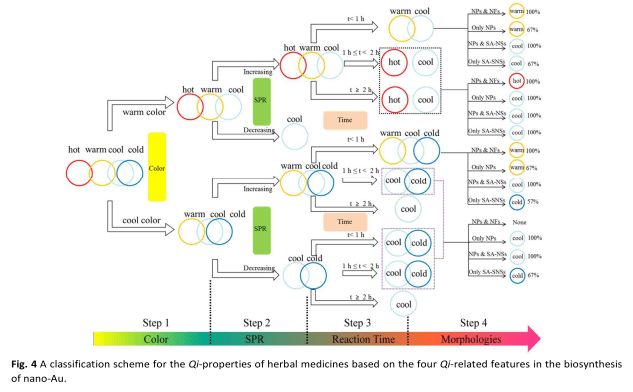
Royal Society of Chemistry published a research paper which unashamedly peddled TCM, under the title: “Probing the Qi of traditional Chinese herbal medicines by the biological synthesis of nano-Au”. Both Editor-in-Chief and publisher executive saw no problem there because the paper passed peer review.
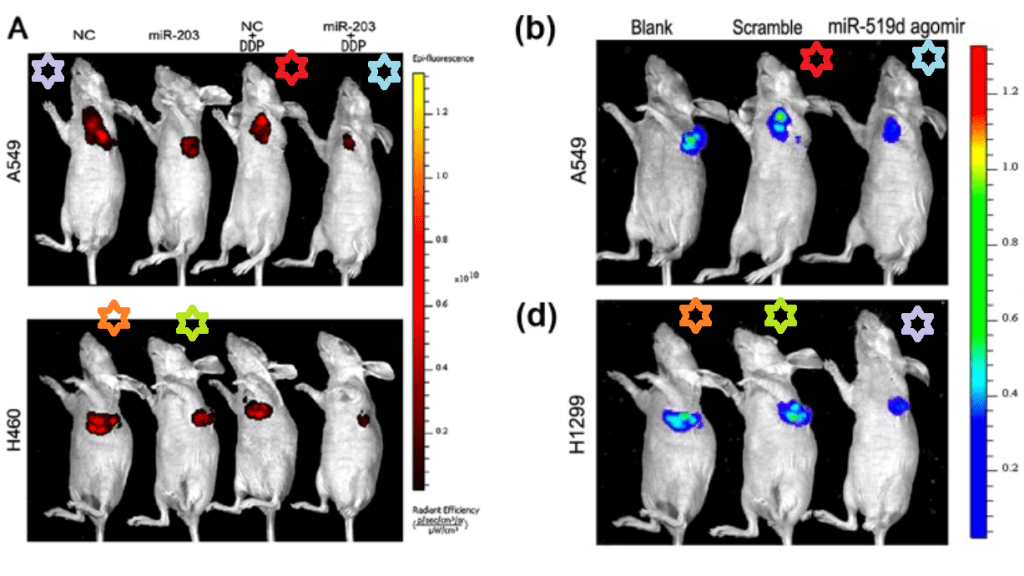
A cancer research professor in China runs a paper mill, sources claim he sells first authorships for a bribe. Problem for his customers: the peer-reviewed papers they pay for, contain fake data.
Spain is where dishonest research gets rewarded, with awards, grants and media fame. No wonder the New York-based immunologist Andrea Cerutti opened a second lab in Barcelona.
The Plant Cell is getting a new Editor-in-Chief, Sally Assmann. In a sense, she brings with her the necessary expertise in research integrity this journal sorely needs.
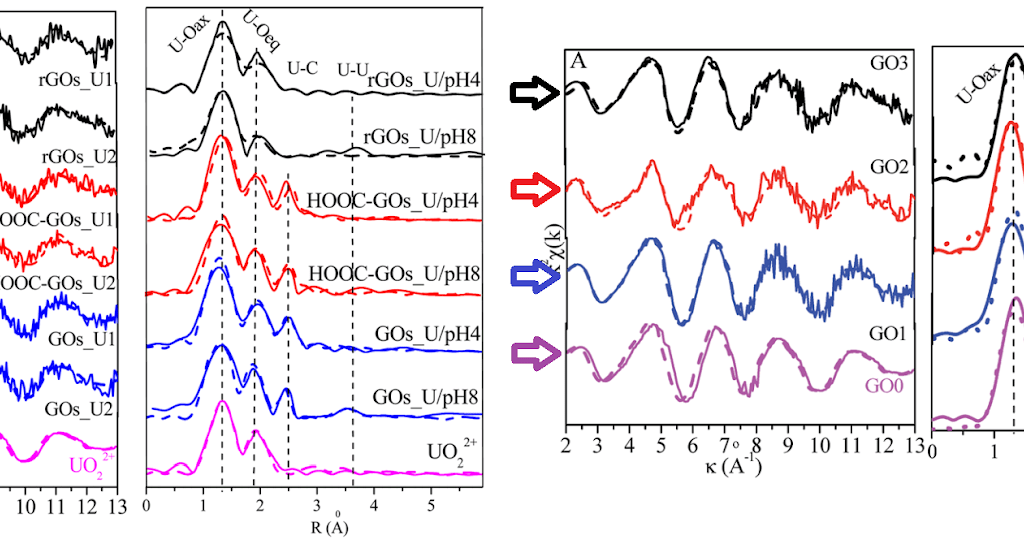
Smut Clyde and TigerBB8 investigate another case of nanotechnology research in China. Connected teams of authors pretended to work on cleaning up the environment of radioactive pollution, and instead released a toxic sludge of fraudulent data and citations.
The 2008 Lancet paper of Paolo Macchiarini and Martin Birchall about the world first trachea transplant might end up retracted. Until recently, the journal’s editor Richard Horton used to ignore and suppress “non peer-reviewed” evidence, but due to combined pressure of activism, media and politics, things started to move.
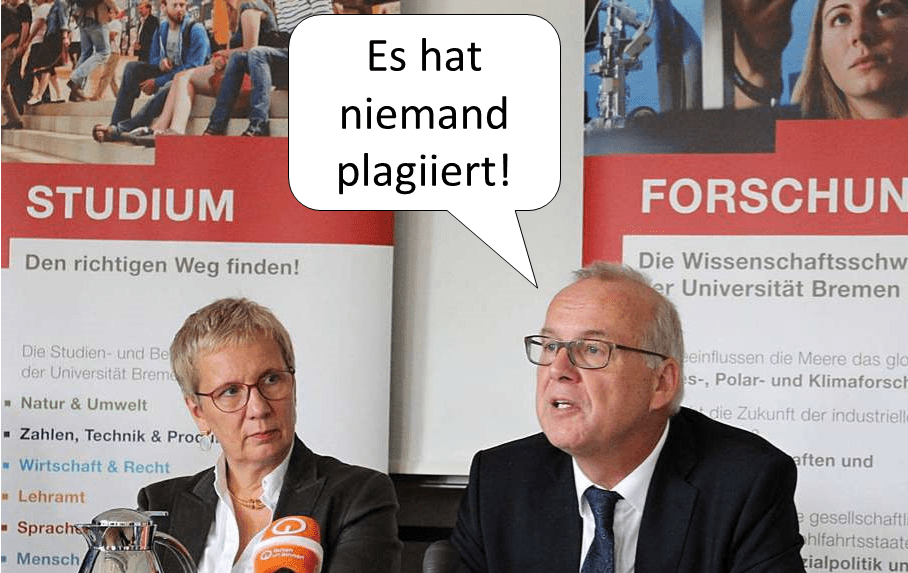
Bremen rector Bernd Scholz-Reiter previously explained his predatory publishing and self-plagiarism as a personal crusade for Open Access. Now a closed access conference paper he coauthored was declared by his university as definitely not plagiarised.
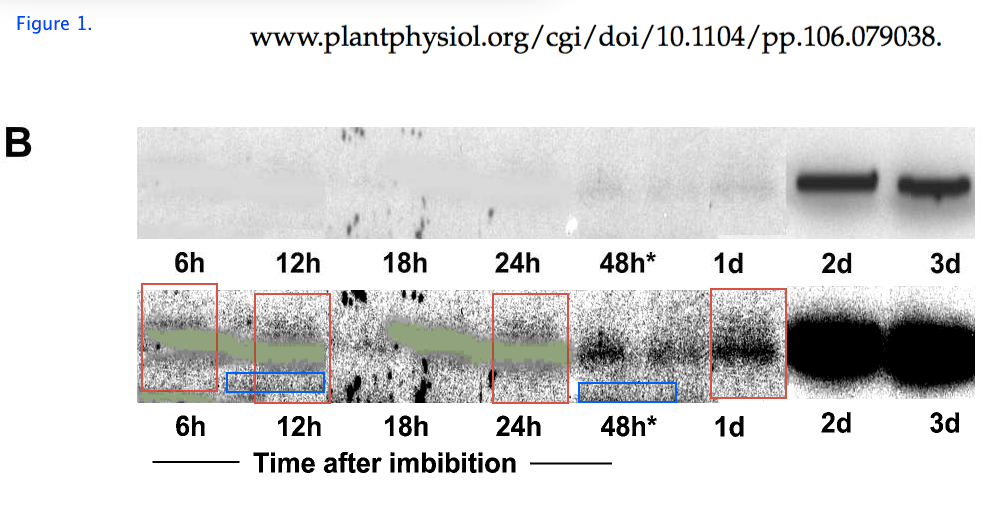
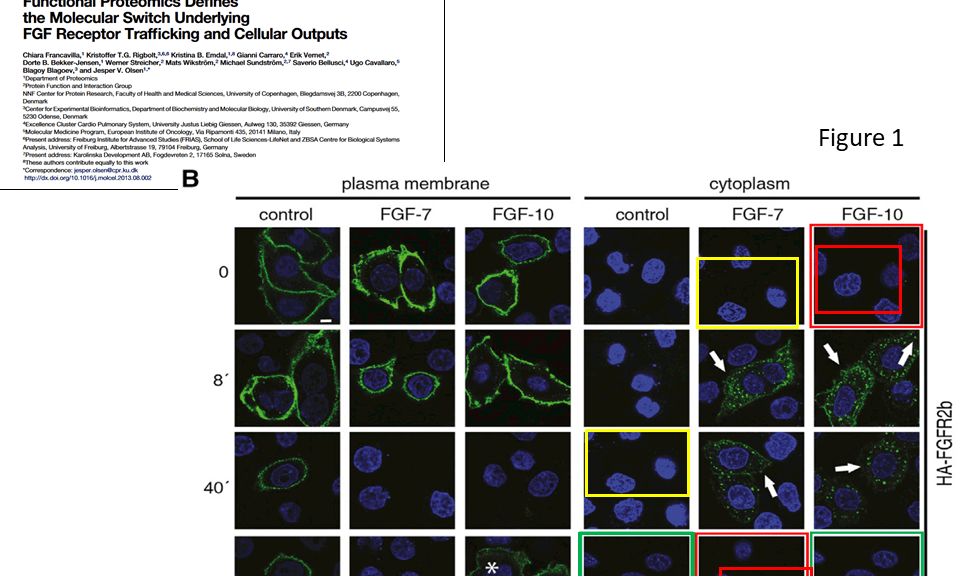
The Plant Cell is an elite journal, its authors and editors are some serious heavyweights whose labs cannot be associated with data manipulation.