
Schneider Shorts 30.04.2021 – Sputnik Meltdown
Schneider Shorts 30 April 2021: a stupid Neanderthals study, Sputnik V meltdown, German anti-maskers in MDPI, and probably the most unethical COVID-19 clinical trial.
By Leonid Schneider, on research integrity, biomedical ethics and academic publishing
Schneider Shorts 30 April 2021: a stupid Neanderthals study, Sputnik V meltdown, German anti-maskers in MDPI, and probably the most unethical COVID-19 clinical trial.
“Prior going to the grocery store, after the grocery store, you’d spray it in your nose, for instance, or you go to day care or someone coughs on you,” – Dr Chris Miller, co-founder of SaNOtize.
Schneider Shorts 23 April 2021: exciting COVID-19 clinical trials, blood tests for depression, photoshopped plant science, more tea with Professor Seeberger, chocolate diets, amazing cancer cures, and an Italian mystery troll obsessed with me.

Human-monkey chimeras arrive to solve the problem of organ shortage. Thank Juan Carlos Izpisua Belmonte, who is ready to cure all possible diseases and even the old age. With chutzpah and Cell on his side.
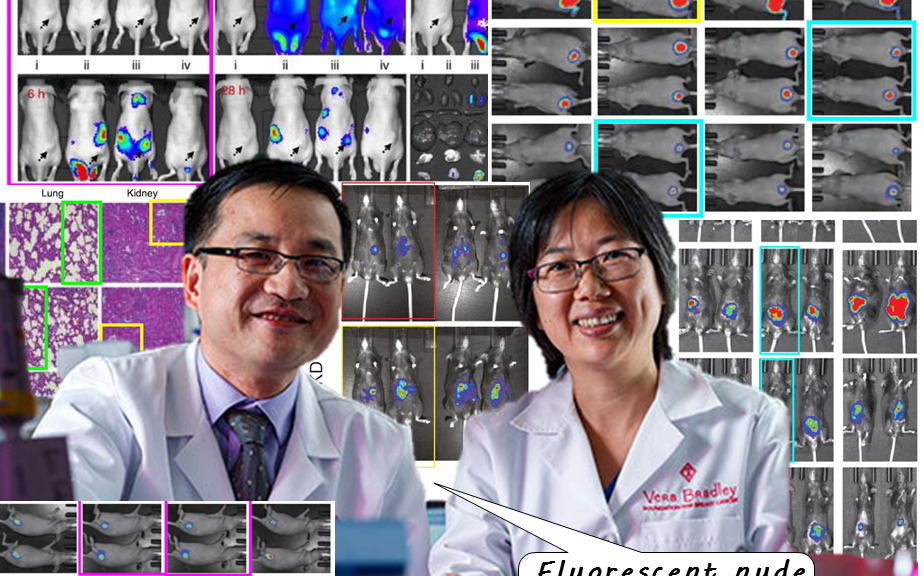
“IU School of Medicine scientists discover ‘game-changer’ treatment for triple negative breast cancer”
Introducing new For Better Science weekly format: Schneider Shorts
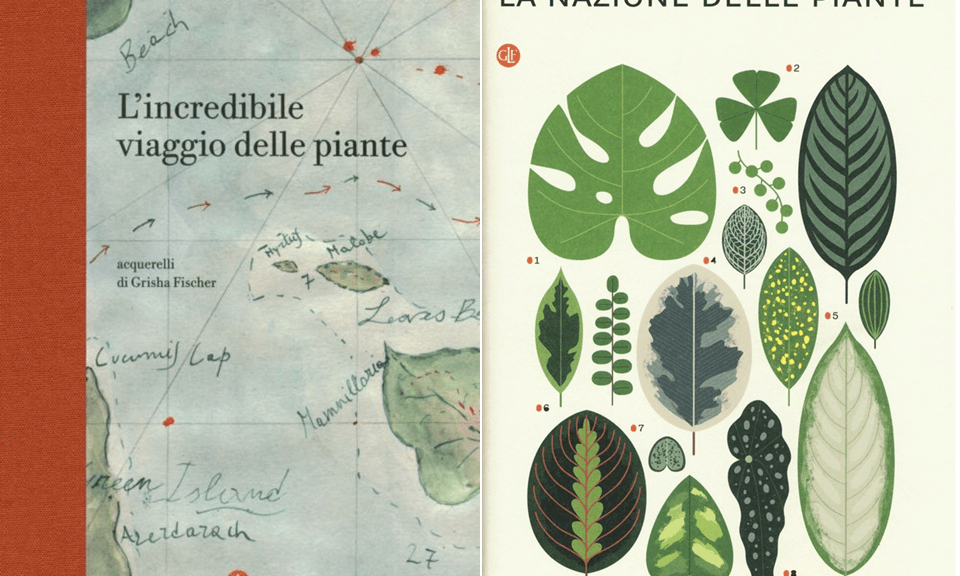
Stefano Mancuso studies neuroscience of plants. I review two of his recent popular science books: “The Incredible Journey of Plants” and “The Nation of Plants”.
Charcoal as COVID-19 therapy? It may sound silly, but there is solid history of data fudging behind it, wandering western blots included!
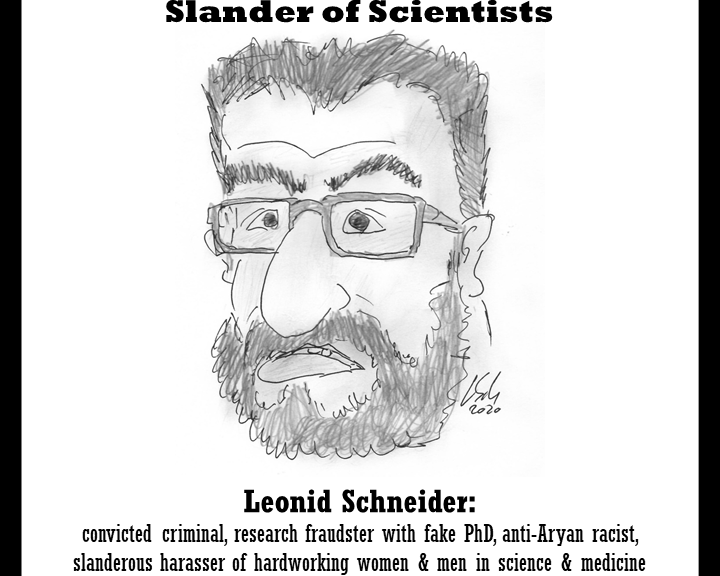
The grass root revolution continues, but I’m not on Twitter anymore.
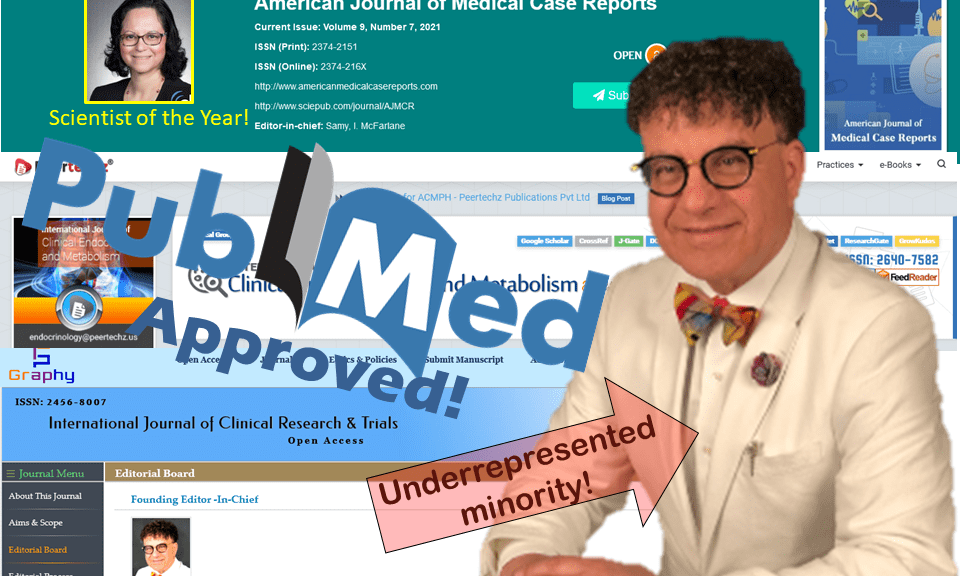
How to make an academic career in medicine, a guide for white men and their wives.
Have a WordPress.com account? Log in now.

