

Schneider Shorts of 17 July 2026 – a serial rapist at Charite Berlin could still graduate, an Italian scholar who hates snitches, two science guardians finding each other, with the first retraction for German professors and several Polish scholars losing papers, including from an entirely retracted MDPI special issue.
Table of Discontent
Science Elites
- Fahrschule für Experten in Deutschland – Charite Berlin student graduated with PhD after he was arrested for serial rapes
- Who appointed you as vigilante? – why Federico Rosei hates snitches
- Echoes of the persecution of Galileo – Tom and Wafik will now guard science together
Retraction Watchdogging
- Authors confirmed that duplications, mislabelling, and panel swaps occurred – first retraction for Stephanie Joachim!
- A number of issues affecting the editorial handling – MDPI retracts the entire special issue, Poles affected
- A significate number of references were inappropriately used – another Pole suffers from papermilling
- Authors could not provide a satisfactory explanation – artisan Polish fraud retracted
Science Elites
Fahrschule für Experten in Deutschland
Germany is discussing a massive rape scandal. A cancer researcher at Charite Berlin was just sentenced to five years prison for running a date-rape network on Telegram with several other fellow Chinese men in Germany. Their chat was called “Fahrschule für Experten in Deutschland” – “Driving School for Experts in Germany”, the medical researcher provided his accomplices with advice on which drugs to use to make their female victim unconscious before raping and filming her. In their Telegram chat, they used code words, like “car drive” for “rape”, “oil” or “gasoline” for the date rape medication, while women were referred to as “pigs”, and as “dead pigs” when drugged.
All big German media covered the affair, see for example SZ, Bild, Spiegel, Stern etc. The newspaper taz wrote on 10 July 2026:
“In the fall of 2024, police in Frankfurt arrested the group’s leader, followed shortly afterward by arrests in Munich and Berlin of other members; two remain unidentified to this day. Three men have been tried so far , all receiving prison sentences of several years, some with subsequent preventive detention.
Another man from this network was on trial in Berlin until Wednesday: Zhiting S., 32 years old, a medical doctor with a doctorate who worked at Berlin’s Charité hospital. The court is convinced that he, too, drugged and abused a woman and filmed the acts – his own fiancée. These crimes occurred six years ago in China. He even “offered” his fiancée to other men to drug and assault her. Videos seized by the police show Zhiting S. committing these acts, sometimes together with other men. […]
In his verdict, the judge also referred to the widespread publicity this case received, particularly in China. Chinese reports repeatedly published Zhiting S.’s full name, as well as details about his place of residence, his fiancée, and his family. China has different press laws than Germany. Zhiting S. has therefore been prejudged in China as well, and will face significant disadvantages there. Furthermore, he will no longer be able to practice medicine, neither in Germany nor in China.”
His full name is Zhiting Shao, as Chinese media indeed revealed, even in English. And there’s a good reason why the German court was so worried about Shao being named.
Shao used to be the PhD student of a Charite bigwig, Clemens Schmitt, director of Chaite’s haematology clinic and of MKFZ cancer research centre. I wrote about Schmitt’s research on anti-aging drugs here:
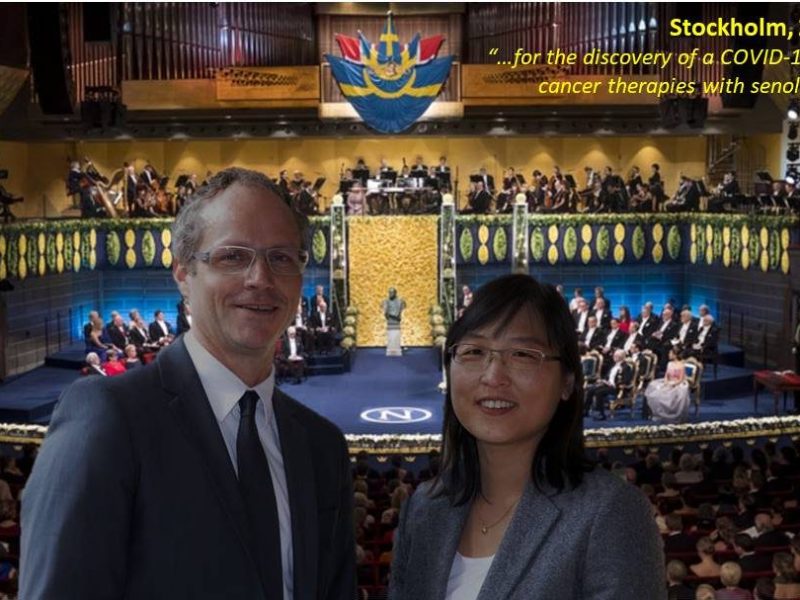
In September 2025, after the police already made the arrests, Shao defended his PhD under the supervision of Schmitt, helped by Schmitt’s close colleague Soyoung Lee, Shao’s thesis is publicly available and is titled “Senescence and post-senescence in cancers of unknown primary: observations of development of aggressive tumors from previously senescent cells”.
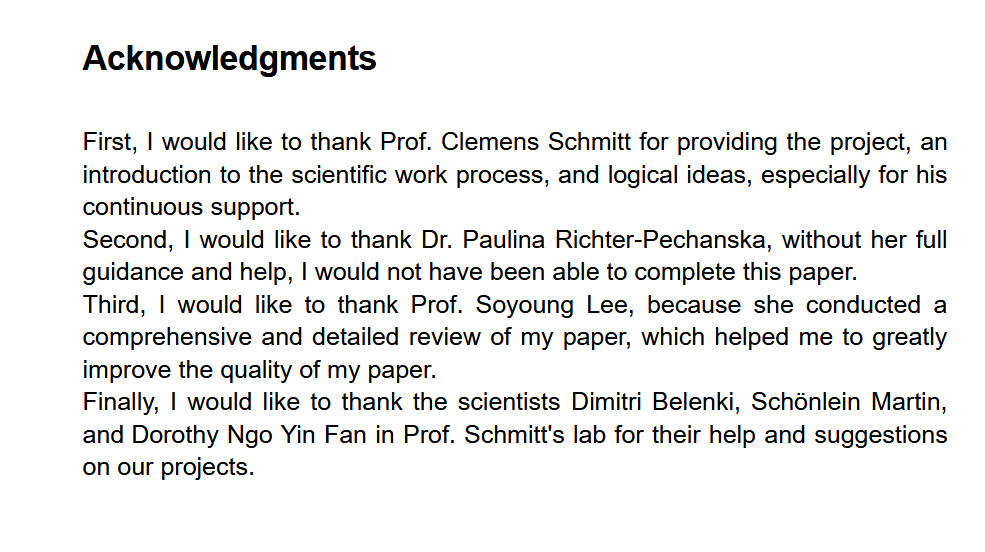
In November 2025, Schmitt, Lee and Shao published the paper Schönlein et al 2025, in March 2025 they published Belenki et al 2025, the latter together with Schmitt’s associate Oliver Bischof, a German who was found guilty of research fraud in France some years ago, read May 2021 Shorts and below:
Academic throne succession: from Anne Dejean to Oliver Bischof
Anne Dejean is a very important cancer researcher in France. To whom shall she bequeath her high-achieving Institut Pasteur lab when she retires? The German shooting star Oliver Bischof is the right man to continue Dejean’s craft.

This Chinese article from May 2026 provides a summary of the Shao rape activities, it mentions that Shao provided the Frankfurt-area based ringleader with “guidance on the use and dosage of sedatives” because Zhang planned to commit more rapes:
“Just one day after Zhiting Shao’s post, Dapeng Zhang anesthetized, bound, and raped another woman at her home.”
Dapeng Zhang was sentenced to 14 years, other rape gang members sentenced in Germany are Zhongyi Jiang (11 years and 3 months); Tong Zhou (5 years and 9 months), while Kaiyuan Xu in Hamburg committed suicide after his arrest. The University of Southern California student Sizhe Weng aka Steven Weng was indicted in USA.
Zhang’s rapes, executed with Shao’s drug advice, are described in this article by Hessenshau from April 2026, which also mentions that Shao was arrested in December 2024. Here a quote from the Chinese summary which made contact Schmitt with questions:
“In December 2024, Shao Zhiting was arrested by German police in connection with Zhang Dapeng’s case. In mid-2025, Shao was briefly released on bail to complete his doctoral dissertation. He submitted his dissertation in May 2025 and passed his defense on September 15, 2025. Two days later, on September 17, a Berlin judge issued another arrest warrant for Shao, and he has remained in custody ever since.”
Schmitt didn’t reply to my email, so we will never know why he decided to graduate his PhD student and publish with him, despite all these crimes. Also the Charite didn’t reply.
Who appointed you as vigilante?
The sleuth Mu Yang was debating on LinkedIn some nutcase stalker named Ryan James Jessup ( a former employee of Oncotarget), when an Italian professor suddenly joined the discussion, to call Mu a self-appointed “vigilante” and a “snitch”.

Federico Rosei: “My question is rather, who appointed you as vigilante of the community? Or are you self appointed? Just curious.”
“ok then, would you rather I use snitch? Whichever it is, who gives you the authority ?”
Federico Rosei used to be a Canada Research Chair, Unesco Chair and Director of Institut National de la Recherche Scientifique, Énergie, Matériaux et Télécommunications in Quebec, until he had enough of all those fancy jobs overseas and returned to a quiet life in Italy, where he is professor at University of Trieste.
He then called Mu’s sleuthing “distasteful”, accused her of making money of it, but not before educating her how to deal with suspicions of reserved fraud properly, i.e. first contacting authors, and then submitting a Letter to Editor for peer review:

Federico Rosei: “if after an exchange I am not convinced, before starting a process which can be quite ugly, I would probably contact the editor and ask if the journal accepts Comments on published papers. Then my Comment
would be peer reviewed and likely the same reviewer would assess my criticism against their paper and decide who is right. […] I have seen other people spend a lot of time reporting studies on suspicion offraud or other. They end up making a career out of it. Maybe the world needs these figures, don’t know. I personally find it distasteful and I prefer investing time in developing my original ideas, rather than chasing others that I believe, rightly or wrongly, are committing fraud.”
I tried to chime in and ask Rosei what about his own papers, of which some are on PubPeer. Here is what clearly looks like a product of an Iranian papermill:
Pouya Jafari , Ali Asghar Sabbagh Alvani, Hassan Sameie , Federico Rosei, Junfei Ou Transparent and durable superhydrophobic coatings for photovoltaic applications via fluorine-free nanocomposite design Journal of Materials Science (2026) doi: 10.1007/s10853-026-12158-4


J. Coat. Technol. Res. Figure 8a
The paper reusing the image above, has other issues:
Pouya Jafari , Ali Asghar Sabbagh Alvani , Hassan Sameie , Federico Rosei , Junfei Ou Durable highly hydrophobic coating for solar panel with benefits of self-cleaning, thermal insulation and increased energy harvesting Journal of Coatings Technology and Research (2026) doi: 10.1007/s11998-025-01201-9

Another paper by Rosei with his Iranian friends Ali Asghar Sabbagh Alvani and Hassan Sameie, flagged by the same PubPeer user who is most definitely not Mu Yang:
Ali Baqaei , Ali Asghar Sabbagh Alvani , Hassan Sameie , Federico Rosei TiO2−x/Ag/rGO composites as effective photocatalysts for the degradation of organic pollutants New Journal of Chemistry (2024) doi: 10.1039/d4nj04049j

The red and blue patterns are the same in terms of noise although they should be two different specimens. The yellow and black patterns are the same in terms of noise although they should be two different specimens.”
Now you see why Rosei despises sleuths. He reacted aggressively to questions about his own papers on PubPeer, where he first admitted to accepting gift authorship from Iran and denied to have contributed anything. Then Rosei lashed out at me by accusing me of racism against Iran and… Russians.
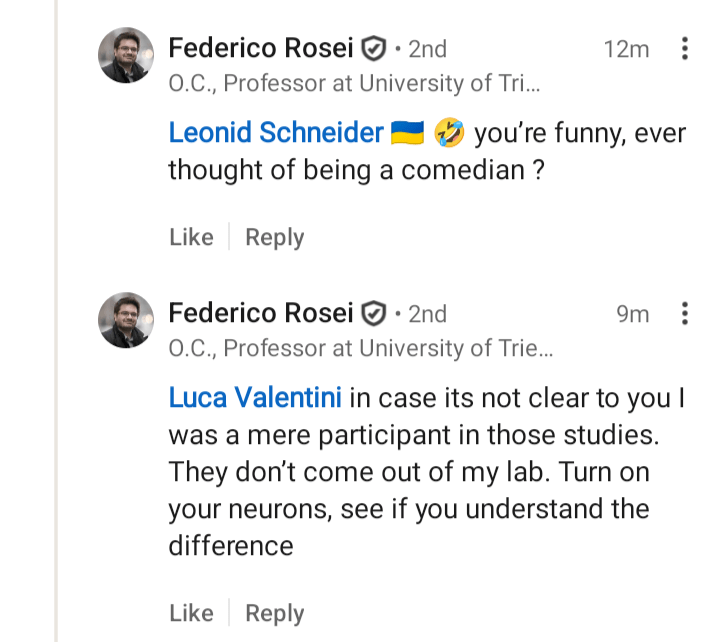
was a mere participant in those studies.
They don’t come out of my lab. Turn on
your neurons, see if you understand the
difference”

participate in writing. You seem to have an axe to grind here..”
“who says it was a gift? Maybe you have something against Iran because they help the Russians.”
Why Rosei felt the urge to out himself as russia-supporter is unclear. The Italian professor Luca Valentini was that LinkedIn user who asked questions and got insulted by Rosei, and he then found more fabrications in Rosei’s Iranian papers:
Pouya Jafari, Ali Asghar Sabbagh Alvani, Hassan Sameie , Federico Rosei Dual‐Layer Thin Film Coating for Solar Energy Harvesting ChemistrySelect (2025) doi: 10.1002/slct.202405653


Yes, also Mu Yang herself joined the treasure hunt.
Ying-Hsuan Liu , Pegah Ghamari , Meng Wei , Cory Ruchlin , Daling Cui , Federico Rosei , Dmytro F. Perepichka Tetracyanoanthracenediacenaphthalimides as n-Type Organic Semiconductors: Control of Molecular Orientation Chemistry of Materials (2024) doi: 10.1021/acs.chemmater.4c02653

Dysdera arabisenen: “Fig. 10: Light-on durations appear to vary notably across repeated pulses in all photoresponse traces in all panels. The close-up of TCDADI-C16 UV response illustrate this most clearly: Identical blue boxes placed over what seem to be light-on phases show large variation in pulse width. Were the light on/off cycles in this experiment controlled by a fixed timer or automated shutter?”
One reason why Rosei felt the urge to attack Mu out of the blue, may be his crypto-racism. With his Canadian and French colleagues, he published a human study on Africans, without any ethics approval despite Canadian regulations, and without any involvement or coauthorship from local African institutions. Its scientific quality is questionable at best.
Carole Brunet, Oumarou Savadogo , Pierre Baptiste , Michel A. Bouchard , Céline Cholez , Federico Rosei , Corinne Gendron , Bernard Sinclair-Desgagné , Nicolas Merveille Does solar energy reduce poverty or increase energy security? A comparative analysis of sustainability impacts of on-grid power plants in Burkina Faso, Madagascar, Morocco, Rwanda, Senegal and South Africa Energy Research & Social Science (2022) doi: 10.1016/j.erss.2021.102212

Can the authors reconcile this statement with Table 2 and what we know about the population pyramid of Senegal?”

Rosei et al interviewed an African woman about solar panels.
Noteworthy, Rosei is also Editor-in-Chief of a Royal Society of Chemistry journal, RSC Applied Interfaces. From what I heard, the society publisher now investigates his social media behaviour.
Echoes of the persecution of Galileo
Another two big men fighting PubPeer snitches and self-appointed science vigilantes finally found each other and will now join forces: Wafik El-Deiry, the Brown University professor, pathological science cheater, internet troll and Science Guardian, and Thomas Südhof, Nobel Prize laureate and Stanford professor.

Wafik El Deiry, the anti-qualified Science Guardian
Both Harvey Risch and Wafik El Deiry are perfectly anti-qualified candidates to lead the National Cancer Institute.
A WIN Consortium (of which El -Deiry is the leader) announced a conference on X:
“𝗪𝗜𝗡 𝗦𝘆𝗺𝗽𝗼𝘀𝗶𝘂𝗺 𝟮𝟬𝟮𝟲 will feature an exceptional faculty of global leaders in precision oncology. Under the leadership of 𝗗𝗿. 𝗪𝗮𝗳𝗶𝗸 𝗘𝗹-𝗗𝗲𝗶𝗿𝘆 @weldeiry and 𝗗𝗿. 𝗥𝗮𝘇𝗲𝗹𝗹𝗲 𝗞𝘂𝗿𝘇𝗿𝗼𝗰𝗸 @Dr_R_Kurzrock, key speakers include 𝗡𝗼𝗯𝗲𝗹 𝗟𝗮𝘂𝗿𝗲𝗮𝘁𝗲 𝗗𝗿. 𝗧𝗵𝗼𝗺𝗮𝘀 𝗖. 𝗦ü𝗱𝗵𝗼𝗳 @StanfordNsurg , 𝗗𝗿. 𝗥𝗶𝗰𝗵𝗮𝗿𝗱 𝗣𝗮𝘇𝗱𝘂𝗿, 𝗗𝗿.𝗞𝗲𝗶𝘁𝗵 𝗙𝗹𝗮𝗵𝗲𝗿𝘁𝘆 @AACRPres and 𝗗𝗿.𝗚𝗶𝘂𝘀𝗲𝗽𝗽𝗲 𝗖𝘂𝗿𝗶𝗴𝗹𝗶𝗮𝗻𝗼 @curijoey
📍 Providence, Rhode Island, USA 📅 2–3 October 2026″

The conference is titled “Precision Oncology: Innovation and Equity Across the Globe“, another forum for these two old white American men to complain about being persecuted.
Südhof has just returned from the 2026 Lindau Nobel Meeting in his home country Germany, where they were apparently so impressed with his unhinged screeds against PubPeer and sleuths from last year (read July 2025 Shorts), that they invited him again (next to an even bigger Nobel cheater, Louis Ignarro).
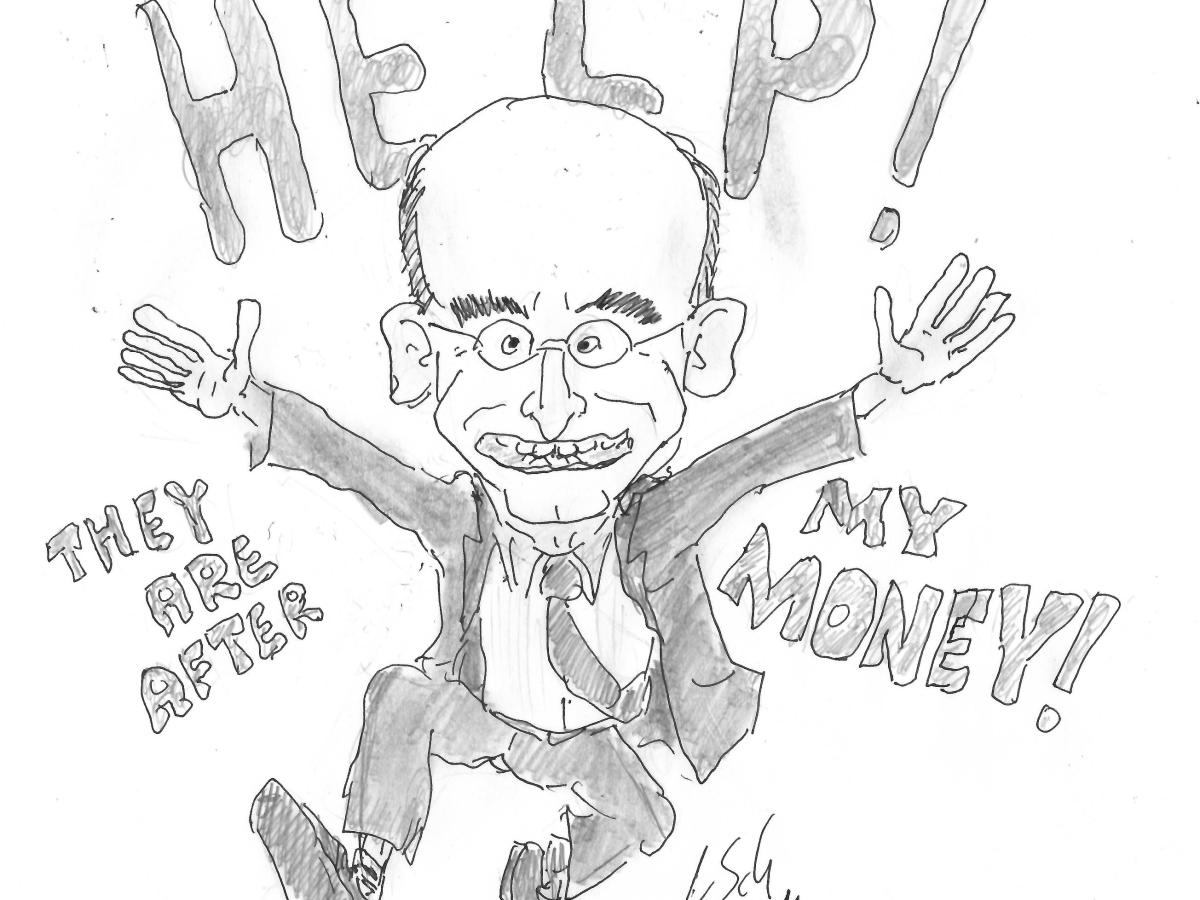
Thomas Südhof and AI-powered weapons of micro-duplication
Thomas Südhof, victim of racist and sexist persecution, announced to retract a second paper, “even though the quantitative analyses and conclusions are correct”.
On 13 July 2026, just back from Lindau, Südhof positioned himself in Times Higher Education as a victim of persecution and unfair retractions:
“Südhof, […] explained that he was also “not a fan” of volunteer research integrity sleuths who used the PubPeer website to advance concerns about published papers.
During a panel at Lindau, Südhof criticised sleuths for fuelling “anti-science” sentiment by using anonymous comments on PubPeer to “prosecute scientists for minor mistakes to an extent that has destroyed careers and destroyed valuable data to an enormous degree”. Such attacks, he argued, had echoes of the persecution of Galileo and other scientists accused of heresy 400 years ago.
Südhof has previously criticised research integrity sleuths whose work led to the retraction of two of his articles, claiming that the errors spotted in work by his lab were relatively trivial and made no difference to the evidence presented.
Those PubPeer criticisms of scientists were, however, compounded by the current “broken journal system”, in which “any journal can claim to be peer reviewed” even though most people would not know the difference between a high-quality journal or a low-quality one, explained Südhof.”
Why yes, Südhof is a new Galileo. Reader, you must know that equaling himself to Galileo is what every rich white male science contrarian does when he faces criticism for spewing of nasty bunk. Especially academic racists, sexists and eugenicists love calling themselves “Galileo”, what a company for Tom to be in.
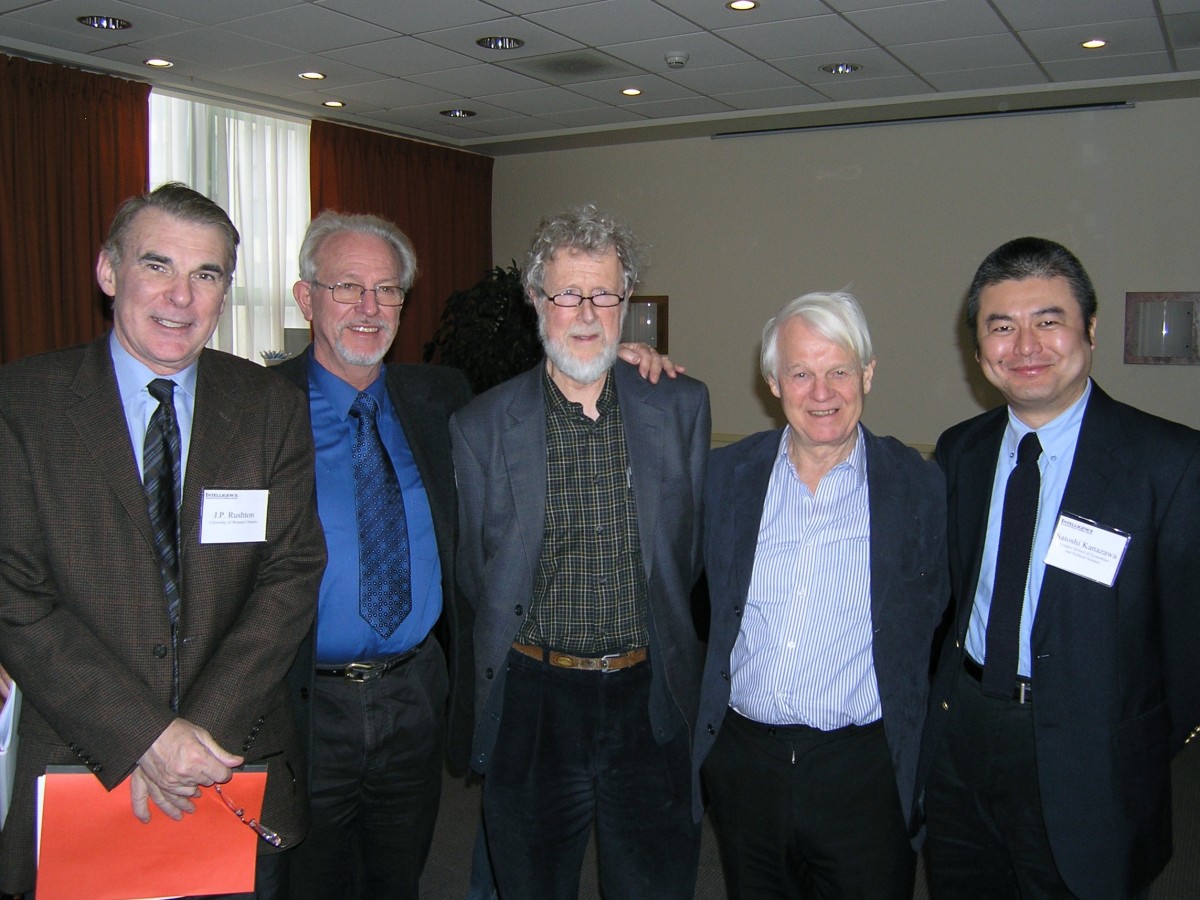
Satoshi Kanazawa and other racist “Galileos”
Outright racism and misogyny became rare in academia, eugenics and bigotry lurk these days not in Mankind Quarterly but in respected journals, wrapped in fancy genetics and neuroscience. Meet one of the last of the old school racist IQ psychologists, Satoshi Kanazawa.
In that Times Higher Education interview, Südhof also called for “regulatory oversight” of scholarly journals to set “standards we can all agree on“. Incidentally, this is exactly what El-Deiry also demanded from US government in his presentation to US senate: a governmental interference to prevent editorial investigations of data manipulation and a police action to shut up and hunt down PubPeer sleuths:
The reason for El-Deiry’s US Senate testimony (where he complained that even non-citizens of USA are allowed to comment there!) was this job loss he suffered:
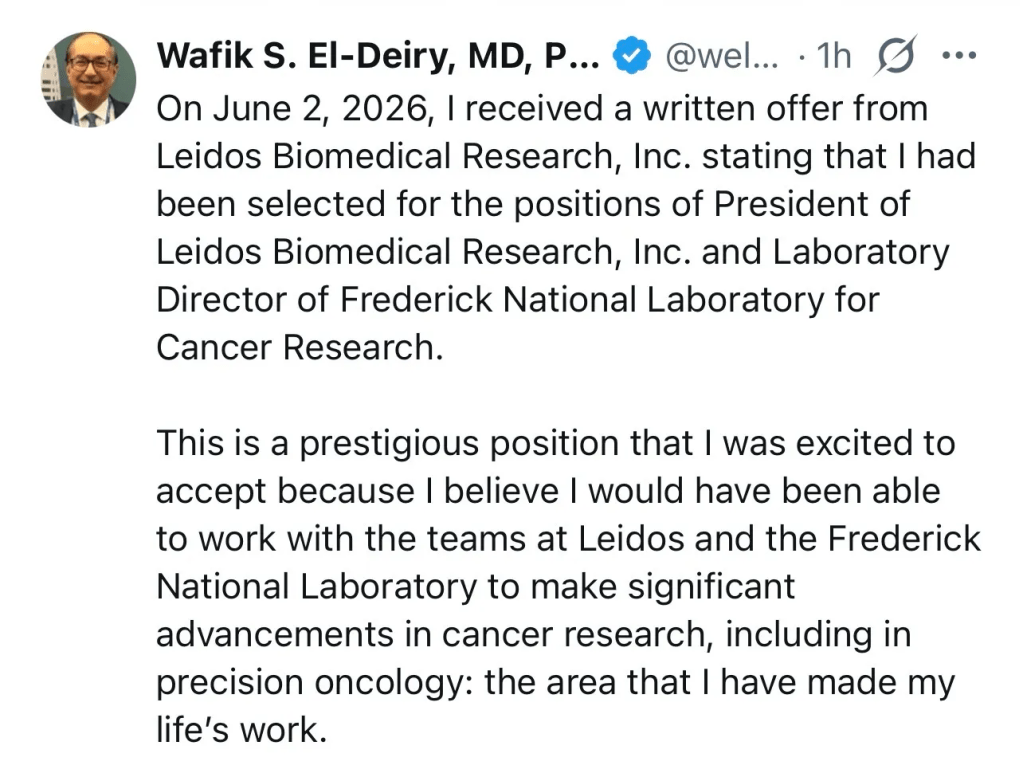
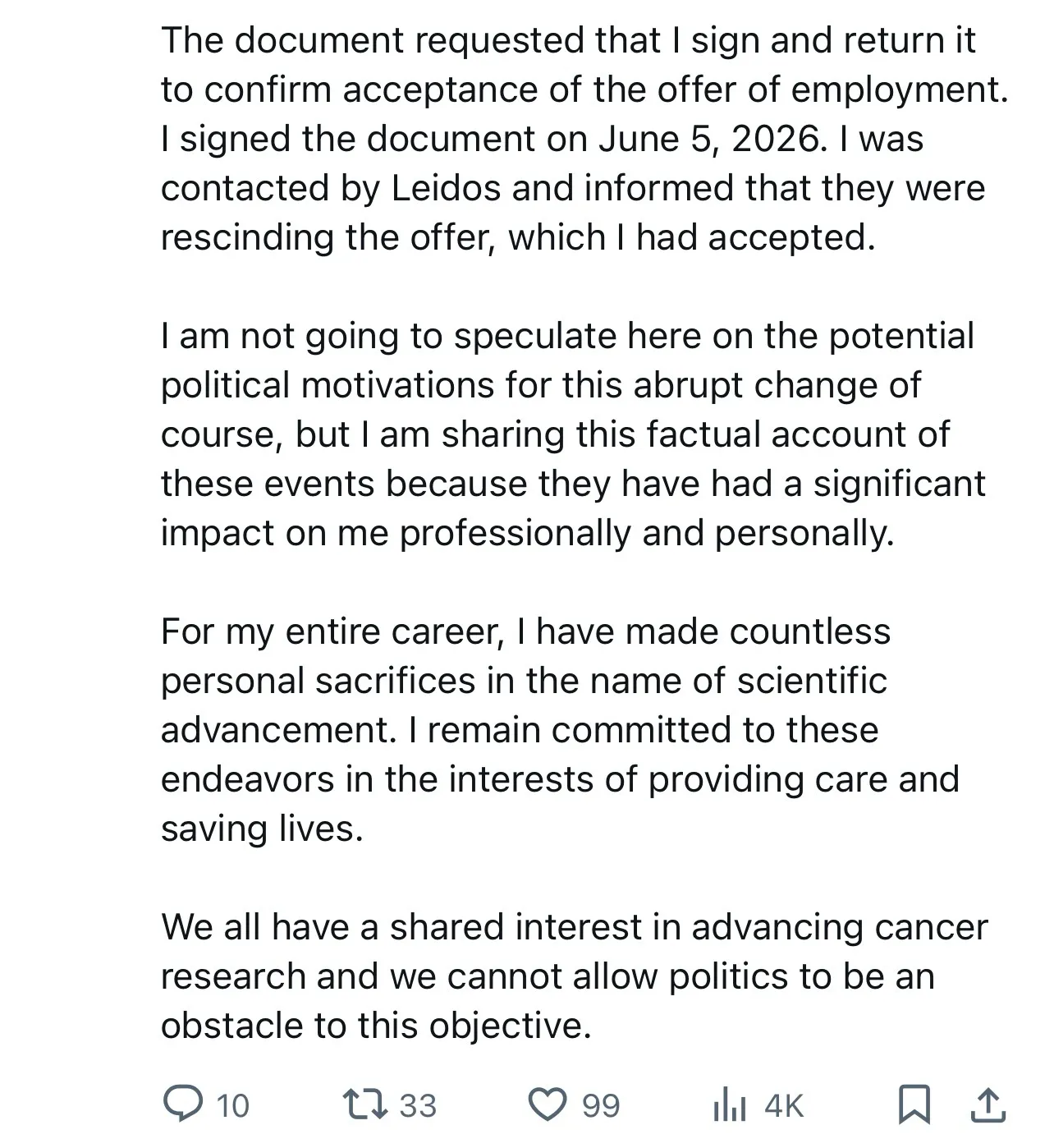
to confirm acceptance of the offer of employment.
I signed the document on June 5, 2026. I was
contacted by Leidos and informed that they were
rescinding the offer, which I had accepted.”
El-Deiry even evolved into a full-fledged antivaxxer to impress Trump and Robert F Kennedy Jr, he started to claim that COVID-19 vaccines cause cancer and hang out with the worst of antivaxxers (read March 2026 Shorts). This was what got him invited to testify in front of the senate in the first place. From El-Deiry’s testimony on 3 June 2026:
“Instead of contributing to scientific dialogue, the findings triggered attacks on both the research and the researchers involved.
Much of this occurred through an online platform known as PubPeer, originally created about a decade ago to identify fraud and scientific misconduct. Unfortunately, the platform increasingly became weaponized against researchers whose findings challenged prevailing narratives.
The platform permits anonymous accusations without meaningful accountability. There is no disclosure of conflicts of interest and no statute of limitations or citizenship requirements. These attacks are public, amplified through social media, and can continue indefinitely regardless of whether wrongdoing is ever established.
This is precisely what happened to us. Although we corrected minor errors where appropriate, none altered the underlying results or conclusions of our work. Nevertheless, our publications became the subject of sustained public attacks that functioned to damage reputations and undermine scientific credibility.
Recently, I was informed that important publications from my laboratory could not be included in grant applications while unresolved allegations remained active, despite no findings of fraud or misconduct.”
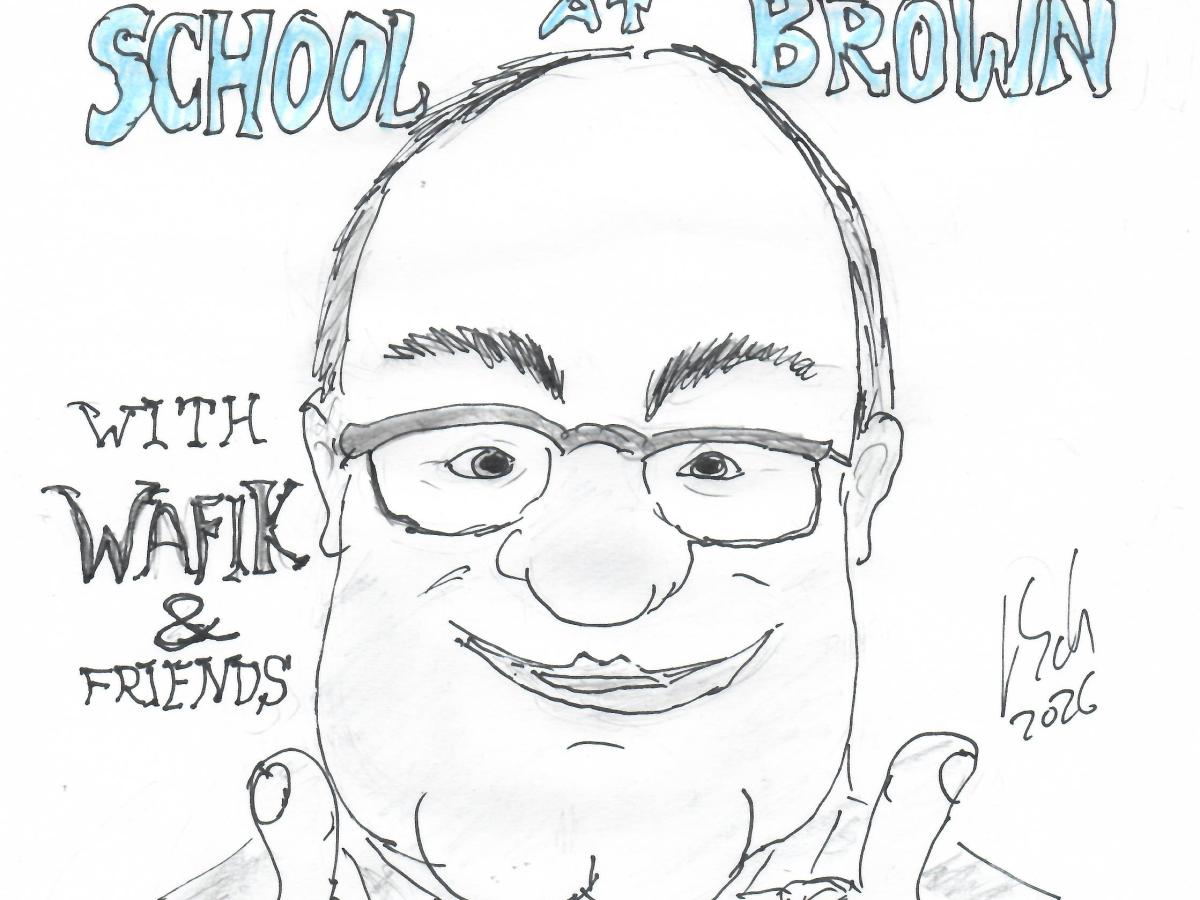
Mad School of Brown University
“I have filtered out several hundreds biomedical research articles from Brown containing the words “western blot” in the text, and found out the usual, unavoidable ocean of manipulated data.” – Corrado Viotti

Update: it is even worse, as Cheshire shared on social media. El-Deiry obviously felt that Südhof must also absolutely meet and befriend his MAGA friend and fellow antivaxxer: Sabine Hazan, an autism quack, covidiot and a greedy scammer who runs a private clinic selling quack cures.


Hazan, an antivaxxer who sells autosm cures with stool transplants (yes, she literally sells shit) will be speaking at this conference about “Microbiome and Cancer“. Presumably, she will tell Südhof and others how cancer can be cured with stool transplants. You can read about Hazan here:

Ivermectin now against COVID-19, because
Dr Peter McCullough, Dr Sabine Hazan, and other ivermectin quacks. Follow Smut Clyde’s descent to the antivaxxer hell.

What if now Südhof also starts wading into antivaxxery… Will Trump’s regime indeed go after us?
Retraction Watchdogging
Authors confirmed that duplications, mislabelling, and panel swaps occurred
Look who lost a paper!
Stephanie Joachim, professor of ophthalmology and graphic artist in residence at Ruhr University Bochum in Germany, is the main character here. The paper also features the director of university’s ophthalmology clinic Burkhard Dick, first author is Joachim’s former PhD student and protege Sabrina Reinehr, the last author is Simon Faissner, who became full professor of neuroimmunology at the same university solely based on merit, and not because he is the son of another Bochum professor, Andreas Faissner. They all featured here:
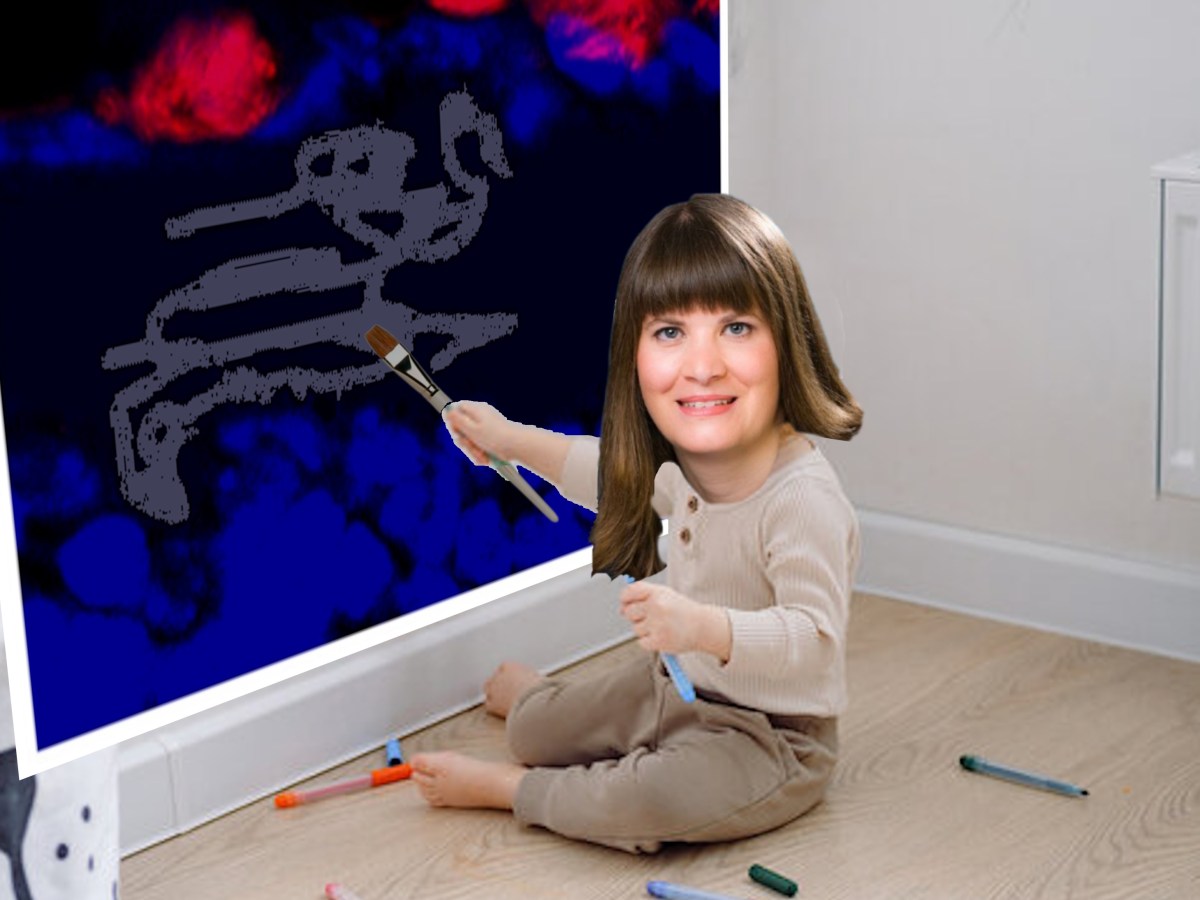
Luck in Sight
“It seems hard to accept any explanation that doesn’t somehow incriminate most of the people involved” – Sholto David

The university is pretending to investigate, from their past attempt to investigate the Dean of Medicine Andrea Tannapfel (read March 2026 Shorts) we know that everyone will be found innocent.
But this is their first retraction:
Sabrina Reinehr, Julia P. Zehge, Katharina Klöster, Maike Mueller, Hasan H. Hendek, Michael Sendtner, H. Burkhard Dick, Ralf Gold, Stephanie C. Joachim, Simon Faissner Retinal degeneration driven by brain-derived neurotrophic factor deficiency in microglia and T-lymphocytes Scientific Reports (2025) doi: 10.1038/s41598-025-21423-6


Sholto David: “Figure 2P: There appear to be cloned areas in the DAPI signal.”
The retraction arrived on 13 July 2026:
“The Editors have retracted this Article.
After publication, concerns were raised about some of the figures. Specifically, In Figure 1, image for Peripheral/Control in panel A appears to overlap with image for Central/Control in panel F;
- In Figure 2, there appear to be cloned areas in the DAPI signal in the image for Nestin + DAPI/Control in panel P;
- Image for Vimentin + DAPI/LF in Figure 2J and Gephyrin + DAPI/CLF in Figure 5A appear to have overlapping DAPI signal;
- In Figure 3G, the representative Control, CLF, and LF images were incorrectly sourced from 3 month LF animals;
- In Figure 4, image for Rhodopsin + DAPI/Control in panel A appears to overlap with image for Rhodopsin + DAPI/Control in panel D, and image for Rhodopsin + DAPI/CLF in panel A appears to overlap with image for Rhodopsin + DAPI/LF in the same panel.
The Authors confirmed the overlaps stating that the duplications, mislabelling, and panel swaps occurred during the figure assembly. The Editors therefore no longer have confidence in the data presented in this Article.
The Authors agree to the retraction but not to the retraction notice.”
This shameful retraction will of course NEVER feature in German media.
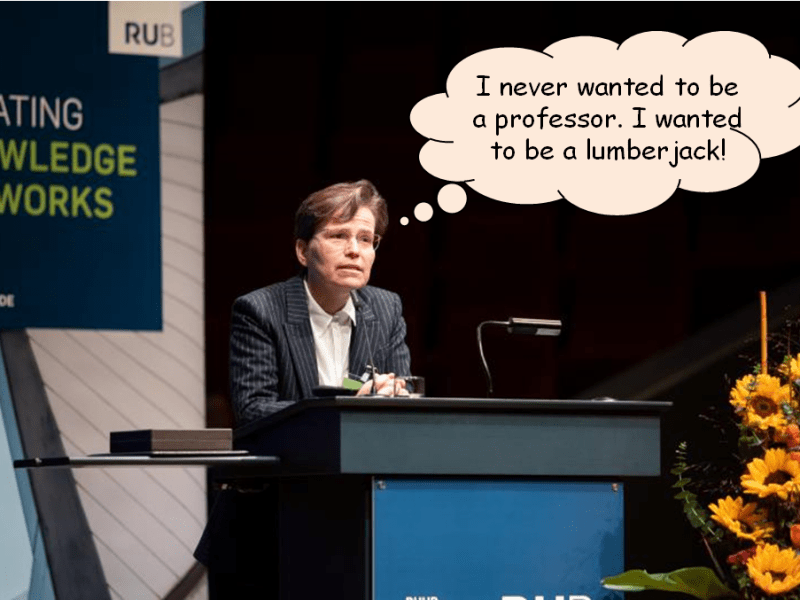
Tannapfel, a German success story
The papers are old, raw data unavailable, one can see small differences, some students probably did it, and anyway, conclusions are unaffected.
If you think Faissner Junior is an innocent victim of other people’s cheating here, I wouldn’t be so sure. He recently chose to quickly correct another dodgy paper with Joachum and Reinehr, instead of investigating it for other likely irregularities.
Jacqueline Reinhard , Cornelius Mueller-Buehl , Susanne Wiemann , Lars Roll , Veronika Luft , Hamed Shabani , Daniel L. Rathbun , Lin Gan , Chao-Chung Kuo , Julia Franzen , Stephanie C. Joachim, Andreas Faissner Neural extracellular matrix regulates visual sensory motor integration iScience (2024) doi: 10.1016/j.isci.2024.108846

In April 2026, Faissner Jr reported on PubPeer:
“Thank you for your interest in and the attentive reading of our publication in iScience […]. We have corrected the error and apologise for any confusion it may have caused.”
This is the Correction from 20 March 2026:
“In Figure S1 of the originally published version of this article, panels K and K’ incorrectly displayed duplicate images of panels P and P’, which show in situ hybridizations for the gene Tnr instead of the intended Tnc sense and antisense images. The authors have provided corrected images for panels K and K’, accurately representing the Tnc hybridizations. This correction does not affect the main article text, data, or conclusions, and the updated image is shown below. The authors apologize for any confusion this error may have caused.”
Of course their conclusions are unaffected.
A number of issues affecting the editorial handling
MDPI pulled an entire special issue!
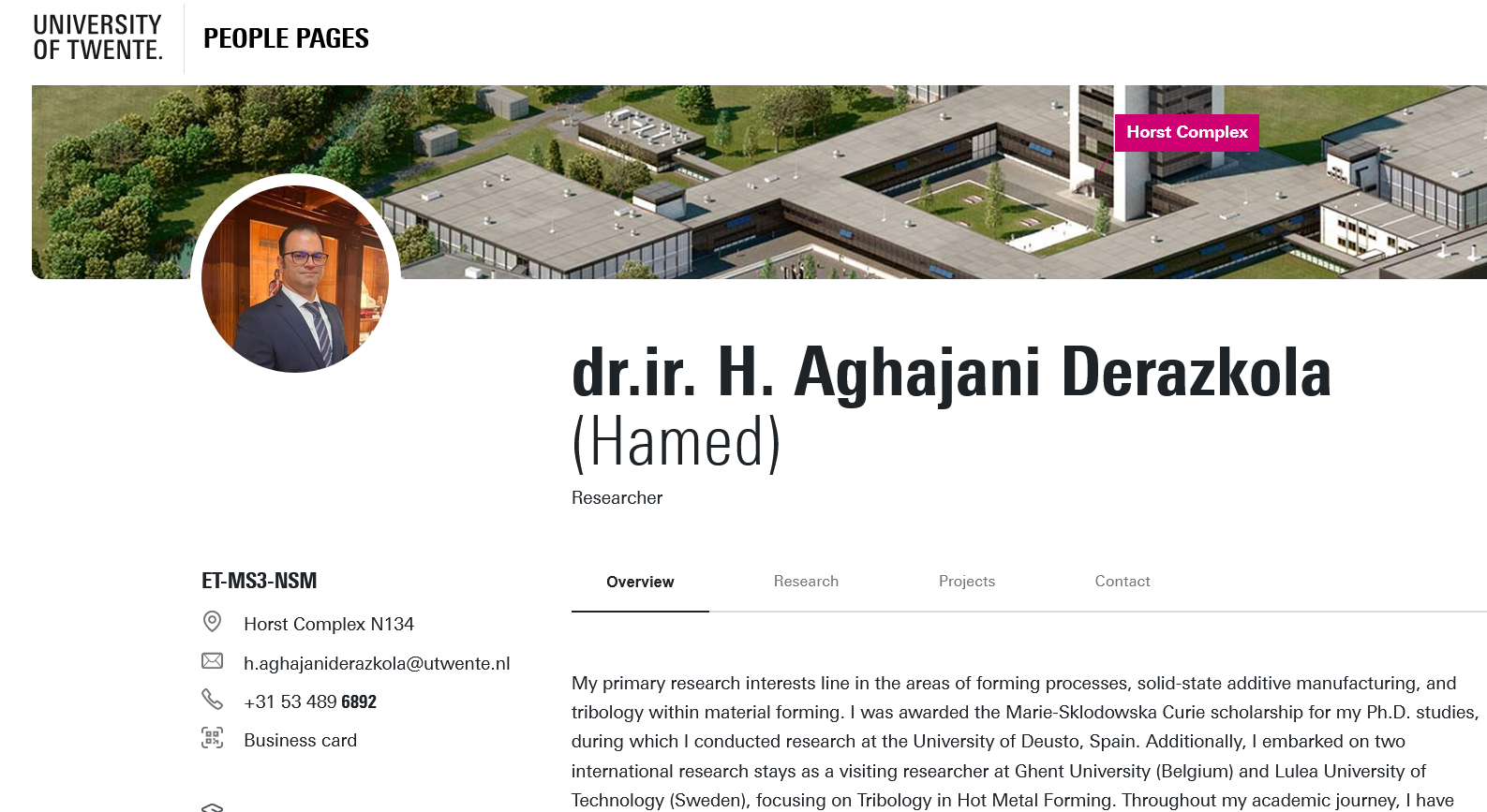
The Special Issue was from 2022 and was tiled “Effect of Hot Manufacturing Methods on Material Processing by Finite Element Modelling”. The editors were scientists from University of Deusto in Bilbao, Spain: Eduardo Garcia, Alberto Murillo Marrodán and Hamed Aghajani Derazkola, the latter is coauthor on all seven retracted papers – under a slightly different version of his name – Hesamoddin Aghajani Derazkola, nobody noticed or minded back then that he was editing his own papers. The abbriviation (H Aghajani Derazkola) allows both versions of the name to look the same on a CV, which earned our man his current position at University of Twente in The Netherlands. Derazkola’s papermilling in Spain was sponsored by EU’s Marie-Sklodowska Curie scholarship; before coming to Twente he was employed as a visiting researcher at Ghent University in Belgium and Lulea University of Technology in Sweden.
The retraction notice for the whole issue appeared on 7 July 2026 and went:
“The journal retracts all published papers in the Special Issue: “Effect of Hot Manufacturing Methods on Material Processing by Finite Element Modelling”
Following publication, concerns were raised regarding an article in this Special Issue. In accordance with the journal’s established procedures, the Editorial Office and Editorial Board, with support from MDPI’s Research Integrity team, initiated an investigation. This investigation was subsequently extended to all articles published within the Special Issue.
The investigation identified a number of issues affecting the editorial handling and peer-review of submissions. These included undisclosed conflicts of interest between authors and Guest Editors, as well as patterns of citation that did not comply with MDPIs’ citation policies. Based on these findings, the investigation concluded that the integrity of the publication process for this Special Issue has been compromised. As a result, the reliability of the articles included in this issue cannot be assured.
On this basis, the Editor-in-Chief has decided to retract the affected articles [1,2,3,4,5,6,7] in accordance with the journal’s retraction policy and the guidance of the Committee on Publication Ethics (COPE).”
These are the retracted papers:
- Shabbir Memon , Alberto Murillo-Marrodán , Hamid M. Lankarani , Hesamoddin Aghajani Derazkola Analysis of Friction Stir Welding Tool Offset on the Bonding and Properties of Al–Mg–Si Alloy T-Joints Materials (2021) doi: 10.3390/ma14133604
- Shabbir Memon , Dariusz Fydrych , Aintzane Conde Fernandez , Hamed Aghajani Derazkola , Hesamoddin Aghajani Derazkola Effects of FSW Tool Plunge Depth on Properties of an Al-Mg-Si Alloy T-Joint: Thermomechanical Modeling and Experimental Evaluation Materials (2021) doi: 10.3390/ma14164754
- Shabbir Memon , Jacek Tomków , Hesamoddin Aghajani Derazkola Thermo-Mechanical Simulation of Underwater Friction Stir Welding of Low Carbon Steel Materials (2021) doi: 10.3390/ma14174953
- Amir Ghiasvand , Mohammad Mahdi Yavari , Jacek Tomków , John William Grimaldo Guerrero , Hasan Kheradmandan , Aleksei Dorofeev , Shabbir Memon , Hesamoddin Aghajani Derazkola Investigation of Mechanical and Microstructural Properties of Welded Specimens of AA6061-T6 Alloy with Friction Stir Welding and Parallel-Friction Stir Welding Methods Materials (2021) doi: 10.3390/ma14206003
- Supat Chupradit, Dmitry Olegovich Bokov , Wanich Suksatan , Michał Landowski, Dariusz Fydrych, Mahmoud E. Abdullah , Hesamoddin Aghajani Derazkola Pin Angle Thermal Effects on Friction Stir Welding of AA5058 Aluminum Alloy: CFD Simulation and Experimental Validation Materials (2021) doi: 10.3390/ma14247565
- Amir Ghiasvand , Wanich Suksatan , Jacek Tomków , Grzegorz Rogalski , Hesamoddin Aghajani Derazkola Investigation of the Effects of Tool Positioning Factors on Peak Temperature in Dissimilar Friction Stir Welding of AA6061-T6 and AA7075-T6 Aluminum Alloys Materials (2022) doi: 10.3390/ma15030702
- Amir Ghiasvand , Saja Mohammed Noori , Wanich Suksatan , Jacek Tomków , Shabbir Memon , Hesamoddin Aghajani Derazkola Effect of Tool Positioning Factors on the Strength of Dissimilar Friction Stir Welded Joints of AA7075-T6 and AA6061-T6 Materials (2022) doi: 10.3390/ma15072463

As mentioned, Derazkola is on all of them, and so are papermill celebrities like Dmitry Bokov, Wanich Suksatan and Supat Chupradit. And then there are Poles, because how can you have papermill fraud without Polish scientists!
We meet Jacek Tomków and Dariusz Fydrych from the legendary Gdansk University of Technology. Tomkow is on four retracted papers. he has more papermill trash on PubPeer, including at least one more retraction: Mohan et al 2022. Also Fydrych has more on PubPeer. The boys dragged in their Gdansk colleagues Michał Landowski and Grzegorz Rogalski, who probably regret this now.
Nobelium Bilalski, a Gdansk papermiller
“To date, he has authored over 700 peer-reviewed articles, 150 book chapters, 25 edited books, and 10 editorial-type scientific articles in various areas of Science and Engineering. Dr. Bilal has a h-index of 94 with 34 000 citations (Google Scholar).”
A significate number of references were inappropriately used
And another Polish retraction, again in MDPI, again for papermilling.
Ryszard Amarowicz is professor at Institute of Animal Reproduction and Food Research of the Polish Academy of Sciences in Olsztyn, and he is also Poland’s greatest scientist, in fact “among the most influential scientists in the world“, as his institution proudly insisted in 2020.
All due to his papermilling with international fraudsters like Abhijit Dey, Javad Sharifi-Rad, Amin Mousavi Khaneghah, Fuad Ameen, as well as “white” papermillers John F. Kennedy and Jose Manuel Lorenzo.
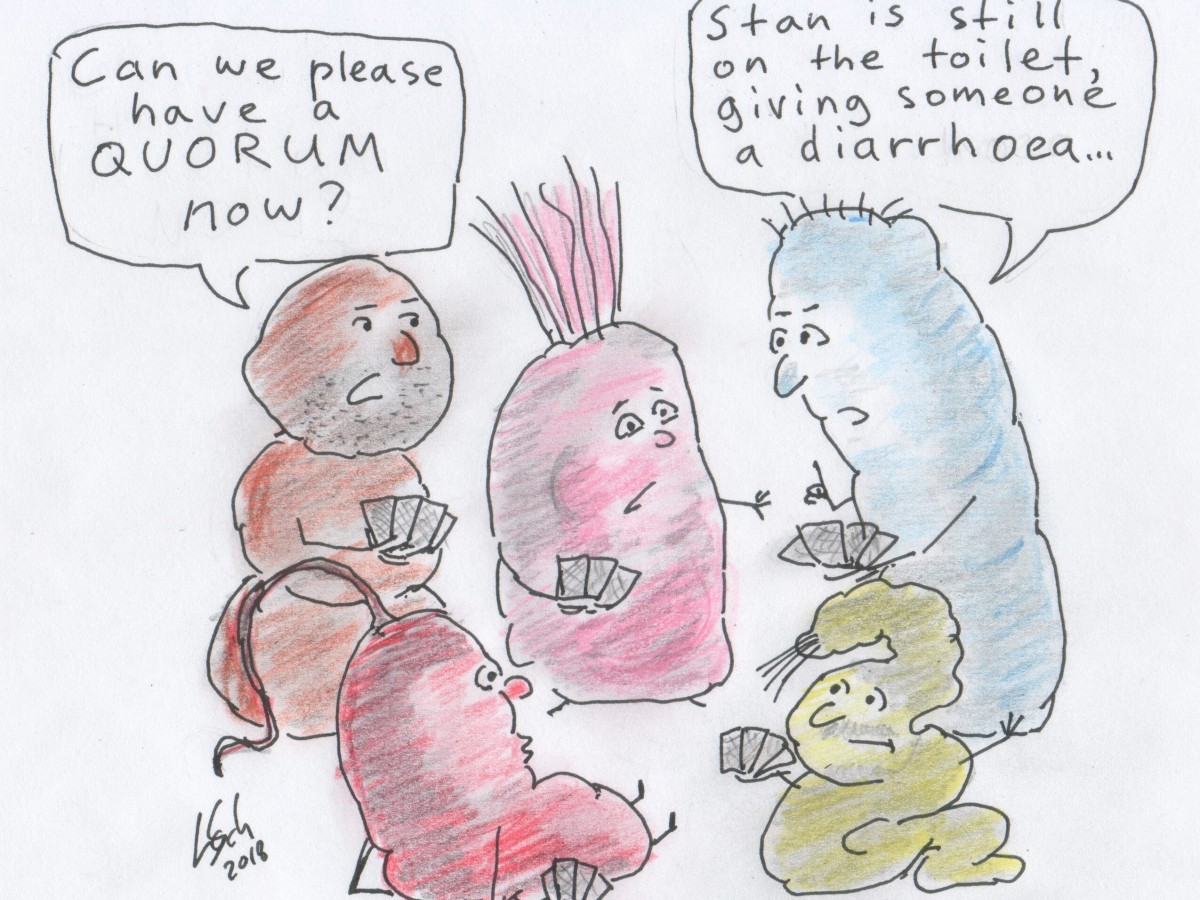
I have almost 100 manpower with me at any time
“WE DONT PAY FOR PAPERS. YOU MUST KNOW THAT THESE BEST IN THE PLANET JOURNALS GO THROUGH RIGOROUS PEER REVIEW” – Abhijit Dey, papermiller
Lorenzo and Dey are on this freshly retracted paper, the first author is Dey’s close associate Manoj Kumar. It was flagged on PubPeer for nonsense references:
Manoj Kumar, Baohong Zhang , Jyoti Nishad , Aman Verma , Vijay Sheri , Sangram Dhumal , Radha , Niharika Sharma , Deepak Chandran , Marisennayya Senapathy , Abhijit Dey , Sureshkumar Rajalingam , Muthamiselvan Muthukumar , Pran Mohankumar , Ryszard Amarowicz , Mirian Pateiro, José M. Lorenzo Jamun (Syzygium cumini (L.) Skeels) Seed: A Review on Nutritional Profile, Functional Food Properties, Health-Promoting Applications, and Safety Aspects Processes (2022) doi: 10.3390/pr10112169
The retraction from 8 July 2026 went:
“Following publication, concerns were brought to the attention of the Editorial Office regarding citation irregularities present in this review article [1].
In accordance with standard journal procedures, the Editorial Office and Editorial Board conducted an investigation that confirmed that a significate [sic!] number of references were inappropriately used and did not support the statements for which they were cited, thereby affecting the validity of the article’s conclusions. Consequently, the Editorial Board has lost confidence in the reliability of the findings and decided to retract this publication [1], as per MDPI’s retraction policy.
This retraction was approved by the Editor-in-Chief of the journal Processes.
The authors have been informed of this retraction and have indicated their disagreement with this decision.”
Authors could not provide a satisfactory explanation
Another Polish retraction!
This time, not for papermilling, but for home-made fraud. University of Lodz professor Janusz Blasiak previously featured prominently in this article:
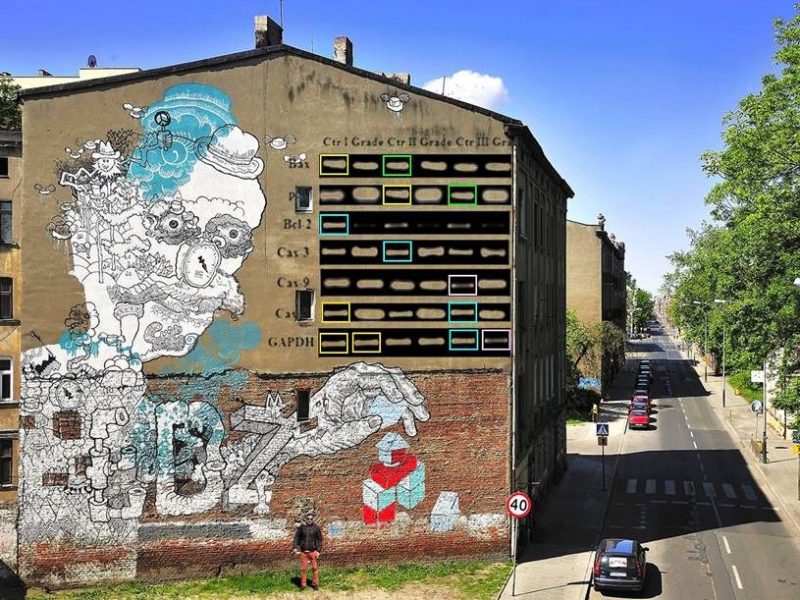
Would you in Lodz?
“Forgeries of this calibre make me think anything ever published by Sliwinski, Skorski and their associates is made up. In an ideal world, hundreds of articles by these people showing just tables and graphs should get retracted ” – Aneurus Inconstans

Sadly, without his friend Tomasz Sliwinski:
Joanna Szczepanska, Tomasz Poplawski, Ewelina Synowiec , Elzbieta Pawlowska , Cezary J. Chojnacki, Jan Chojnacki, Janusz Blasiak 2-hydroxylethyl methacrylate (HEMA), a tooth restoration component, exerts its genotoxic effects in human gingival fibroblasts trough methacrylic acid, an immediate product of its degradation Molecular Biology Reports (2012) doi: 10.1007/s11033-011-0895-y


The same identical plots appear also in Figure 5 of Szczepanska et al. 2011 Med Sci Monit, a paper by the same group published at the same time, where the same kind of assay is supposed to describe fibroblasts exposed to chitosan oligosaccharide lactate (ChOL).”
The retraction from 4 July 2026 went:
“The Editors-in-Chief have retracted this article. After publication, concerns were raised about several image irregularities, specifically:
- All panels in Fig. 6 of this article and all panels of Fig. 5 of [1] from the same authors appear to be highly similar;
- In Fig. 9, many panels appear to be highly similar, partially overlapping and/or to present repetitive features within the same panel.
Upon request, the authors could not provide a satisfactory explanation to the concerns raised. The Editors-in-Chief no longer have confidence in the results and conclusions of this article.
Authors Tomasz Poplawski and Janusz Blasiak agree with this retraction.”
Donate!
If you are interested to support my work, you can leave here a small tip of $5. Or several of small tips, just increase the amount as you like (2x=€10; 5x=€25). Your generous patronage of my journalism will be most appreciated!
€5.00


I know many of us are delighted that your divine mandate has now been confirmed Leonid. I feel like a bishop returning from the First Vatican Council……
LikeLiked by 2 people
Südhof joined not just El-Deiry, but also Sabine Hazan!
LikeLike
The rector of Gdansk Polytechnic does not seem concerned about the all the papermilling taking place in his institution. Same with other rectors. The ministry of science doesn’t care either. An individual Polish scientist can only put a PubPeer comment and watch how the grant money that he can’t get, loosing the competition to papermillers, is being wasted on salaries for fraudsters, APCs for MDPI & Sci Rep & conference travels (where more papermillers can meet).
LikeLiked by 1 person
It comes as no surprise at all that Derazkola works at his current institution and has worked at his previous ones, particularly Luleå and Twente. Luleå, like many other Swedish universities, is home to large Iranian communities, which has made it very easy for many problematic researchers from Iran to gain entry into academia.
And there’s no need to even mention Twente. The Netherlands, whilst not quite on a par with Sweden, is one of the countries that provides the most support to Iranian groups at its universities, and Twente and Delft are by far two largest hubs for Iranian papermillers arriving and departing.
In addition to these countries, drawing on the examples of Spain and the Marie Curie programme mentioned in the text, I can say that the universities generally regarded as gateways to further study are those in Spain, Italy and Poland. And I would like to reiterate something I mentioned earlier: as in Derazkola’s case, many problematic Iranian papermillers can easily cover up their work by securing prestigious awards through PhD or postdoctoral grants under the Marie Curie programme.
I therefore believe that the peer-review processes for Canadian NSERC and European Marie Curie, Horizon and ERC grants must be entirely transparent, and that once grants have been awarded, a great deal of detail should be shared statistically, alongside the names of the reviewers.
LikeLiked by 2 people
Poland seems to be an easy and convenient entry point to the EU academia. There’s a lot of emphasis on bibliometry, research integrity is pretty much nonexistent and both the government and most of the society doesn’t care about science.
LikeLiked by 1 person
I would say that the major problem is not just that “the government and most of the society doesn’t care about science”, but that large part of scientists (maybe majority?) doesn’t care about science, only about bibliometry and slots.
LikeLiked by 2 people
Of note, among those 6 people of the WIN Symposium, also Keith Flaherty (16 entries on PP) and Razelle Kurzrock (8 on PP) boast truly disconcerting data.
Birds of a feather flock together…
LikeLiked by 2 people
Look at this retraction by Flaherty:
https://pubpeer.com/publications/9FAB9047D79B70006BD85D70BE469E
LikeLike
The real WIN is including Kornelia Polyak from Dana Farber
https://www.pubpeer.com/search?q=kornelia+polyak
LikeLike
Some details about Prof. Amarowicz’s co-authors:
Abhijit Dey – 19 retractions, 13 publications together
Javad Sharifi-Rad – 13 retractions, 8 publications together
Manoj Kumar – at least 11 retractions, 30 publications together
Fuad Ameen – 8 retractions, 3 publications together
Radha (Chauhan) – 7 retractions, 20 publications together
Sezai Ercisli – 7 retractions, 3 publications together
Shakeel Ahmad – 6 retractions, 5 publications together
Miquel Martorell – 4 retractions, 4 publications together
Jose Manuel Lorenzo – 3 retractions, 19 publications together
Amin Mousavi Khaneghah – 2 retractions, 3 publications together
John F. Kennedy – 2 retractions, 8 publications together
Sezai Ercisli is actually a link to another papermilling group, mostly in engineering but also in materials science involving Zhixiong Li, Arash Karimipour, Dumitru Baleanu, Changhe Li, Chander Prakash, etc.
LikeLiked by 1 person
You are right that it’s the focus on bibliometry, point etc. that is at the core of the probldm, but if the society in general would care, the ministry would not dare to sweep everything under the rug. Meanwhile the Bilal case made some waves, but it died quickly.
Compare it with the current case of the hospital in Warsaw (healthcare is something everyone cares about) and you can see how little does science matter for the general audience.
That’s why the minister still holds his seat despite the total indolence.
LikeLiked by 1 person
Sure, the scandal in the healthcare system really showed the difference, because it involves everybody and everybody understands the pathology. Pathology of the science system is only understood by scientists (ca 100 000 people). So the government doesn’t have to do anything. It is a voting population that can be completely ignored. On May 27 scientists protested in front of our parliament. Anybody remembers that now? Probably only the participants.
LikeLiked by 1 person
BTW, almost 1/4 of papers included in the last scientific evaluation in Poland are published in MDPI journals:
https://forumakademickie.pl/ministerstwo-podalo-wyniki-ewaluacji-za-lata-2022-2025/
LikeLiked by 1 person
So the problem with PubPeer is that it has “no statute of limitations or citizenship requirements”. Well then, what would be considered a fair length of time a paper must exist before it becomes infallible doctrine? And, citizens of which countries have the right to question publications?
LikeLike
Regarding the statue of limitations, there’s an interesting case: https://cen.acs.org/policy/publishing/navy-study-asbestos-retraction/104/web/2026/07
LikeLike
Wafik’s approach is to deport everyone who criticises him. Not just US residents, he keeps demanding that Germany strips me of my German citizenship and deports me to Ukraine. But first I must serve 10-15 years in German jail for drawing a cartoon.
LikeLike
Science Breakthrough
Plant-derived mitochondria mitigate aging-related neurodegeneration by reprogramming microglial mitochondrial energy metabolism
https://link.springer.com/article/10.1186/s40035-026-00565-1
‘In this study, we provide evidence supporting our hypothesis that plant–microglial mitochondrial fusion reverses aging-related cognitive dysfunction by reprogramming microglial mitochondrial energy metabolism. Our results demonstrate that orally administered P-Mit can traffic from the gastrointestinal tract to the brain, be preferentially taken up by microglial cells, physically integrate with endogenous mammalian mitochondria, and restore microglial bioenergetic balance in an age-dependent manner.’
LikeLike
Wow. Just wow.
What a crazy place University of Louisville in Kentucky is.
Wouldn’t be surprised if eaten plant mitochondria acted through VSEL cells.
LikeLike
Perhaps plant stem cells are making a comeback now. Not because the original promises have suddenly become true, but because the science surrounding plant-derived bioactive compounds has continued to ‘evolve’.
LikeLiked by 1 person
Altough,
Mitonuclear discordance modulates mitochondrial ageing dynamics in natural Drosophila populations
https://www.pnas.org/doi/10.1073/pnas.2529208123
‘Here, we demonstrate that mitonuclear mismatch accelerates age-related mitochondrial decline, elevates reactive oxygen species production, and shortens lifespan.’
LikeLike