

Schneider Shorts of 3 April 2026 – a sexual harasser sacked in Singapore, BMJ completes a rescue mission, how to honour dead friends, with bad liver research in New York, a victim of ghosting, unaffected conclusions despite irreproducible results, and finally, you won’t believe that AI slop in Elsevier.
Table of Discontent
Science Elites
- The posts aren’t mine, and I don’t read them – Xiaoyuan “Shawn” Chen, a sexual harasser, a massive cheater, and academician
- Montefiore Einsteins – bad liver research by Chandan Guha and Mr & Mrs Roy-Chowdhury
Scholarly Publishing
- 1 mL of the mass killing of an ethnic group – Elsevier investigates crazy AI slop
- Ghosted researcher – Retraction Watch worried about Evgenios Agathokleous
Retraction Watchdogging
- They were not authors – BMJ retracts Iranian papermill fraud, saves Englishmen
- Fighting to Preserve the Memories – 3 more retractions for Eliezer Masliah
- Found not to be reproducible – Ryan Donnelly and his Andi Dian Permana lose one paper, save others
Science Elites
The posts aren’t mine, and I don’t read them
A giant of biomedical nanotechnology was sacked for sexual harassment last year! Xiaoyuan “Shawn” Chen was fired by his National University of Singapore (NUS) for sexually harassing a female lab member, as Chinese media reported on 26 December 2025:
“The termination, confirmed to the South China Morning Post by NUS on Wednesday, followed an internal investigation into claims by a female PhD candidate who accused Chen of repeated verbal and physical misconduct since early this year.
Chen broke his silence the following day, along with a series of posts by a group identifying itself as “Chen Xiaoyuan Team” on Chinese social media.[…]
Allegations about Chen’s behaviour circulated on social media before he became the subject of an investigation by NUS that started midyear and included hearings. The university terminated his tenured professorship following the inquiry.
On Thursday, accounts affiliated with the so-called Chen Xiaoyuan Team rejected the sexual harassment allegations on Chinese social media and made claims about the alleged victim. The team of unnamed commenters announced plans to take legal action against her.”
According to his CV, Chen published over 1200 papers and has h-index of 219. He is fellow of various academies, including in Europe. Before coming to Singapore in 2020, this Chinese national spent his academic career in elite institutions in USA, most recently as Senior Investigator at NIH in Bethesda. Chen is also founding Editor-in-Chief of the journals Theranostics (Ivyspring) and ACS Nano Medicine, he set up the latter journal merely in May 2025, and got fired by ACS due to the Singapore findings in January 2026, as ACS’s magazine c&en reported.
UCLA hunts whistleblowers as student accuses dentistry dean of sexual harassment
A UCLA dentistry student writes in a leaked letter: ” I was having disagreements with my research mentor, and thought that Dr. Tetradis could help. Instead, he distorted the issues to attack my mentor, and sexually harassed me. When I filed the Title IX complaint, his powerful colleagues discouraged me from filing.”

Vietnamese news reported that Chen’s student was “had been repeatedly harassed verbally and physically” just after she joined his lab in 2025, and that according to her, “many other female members of the research group had experienced similar situations.. The anonymous “Chen Xiaoyuan Team” then accused Chen’s victim of “personal motives” and authorship disputes, he himself was quoted with:
“The posts aren’t mine, and I don’t read them“
Well, guess what. He will now say the same about his fraudulent research papers. There are 90 threads on PubPeer for Xiaoyuan Chen, and despite the ambiguity of Chinese names, almost all are indeed his. Some posts are several years old, knowing how ACS ticks, Chen probably submitted these PubPeer qualifications in his application for the editor job with ACS Nano Medicine.
Like this, an ACS paper flagged on PubPeer a decade ago, in January 2016:
Liming Nie , Peng Huang , Weitao Li , Xuefeng Yan , Albert Jin, Zhe Wang , Yuxia Tang , Shouju Wang , Xiaofen Zhang, Gang Niu , Xiaoyuan Chen Early-stage imaging of nanocarrier-enhanced chemotherapy response in living subjects by scalable photoacoustic microscopy ACS Nano (2014) doi: 10.1021/nn505989e
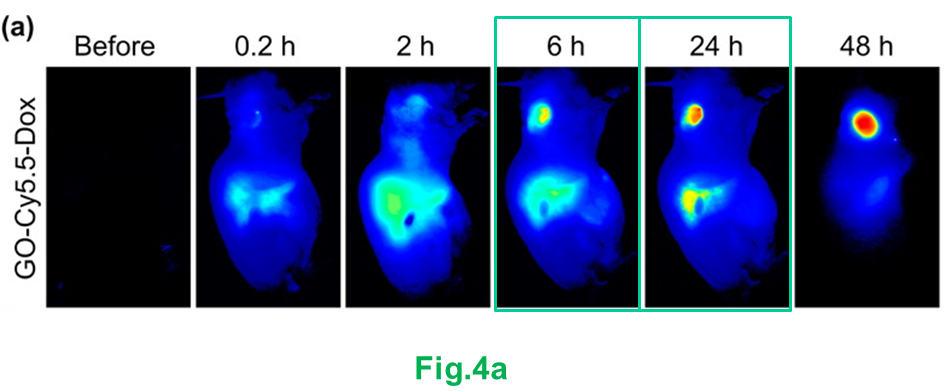
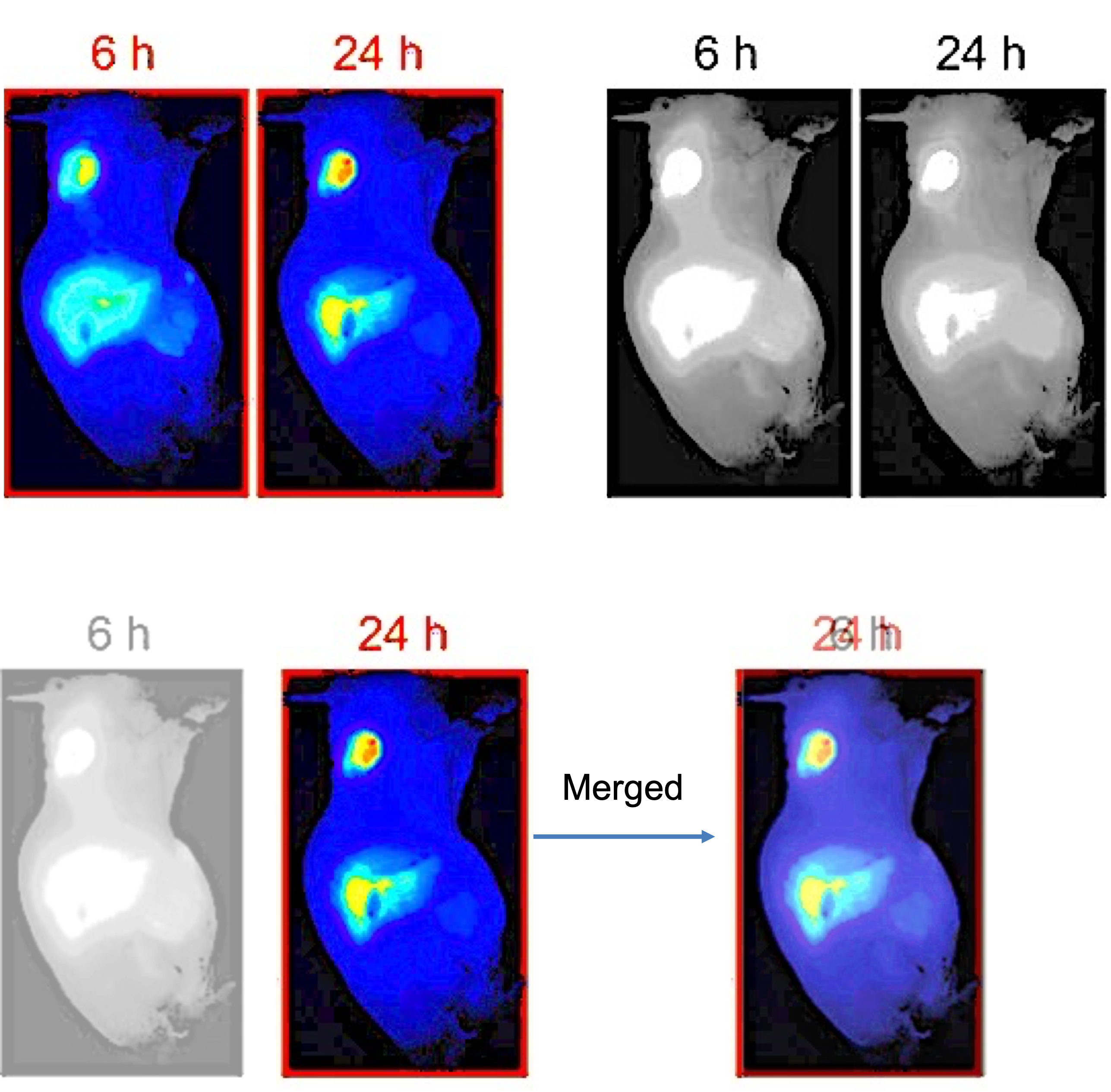
Chen’s students Weitao Li and Liming Nie replied almost 4 years later to lie that “the two images in 6 h and 24 h have some differences in stomach shape, body boundaries, and fluorescence intensity“. They are right about fluorescence, that was indeed forged extra.
Again in an ACS journal, flagged in 2020:
Wen Cai , Haiyan Gao , Chengchao Chu , Xiaoyong Wang , Junqing Wang , Pengfei Zhang , Gan Lin , Wengang Li , Gang Liu, Xiaoyuan Chen Engineering Phototheranostic Nanoscale Metal–Organic Frameworks for Multimodal Imaging-Guided Cancer Therapy ACS Applied Materials & Interfaces (2017) doi: 10.1021/acsami.6b11579
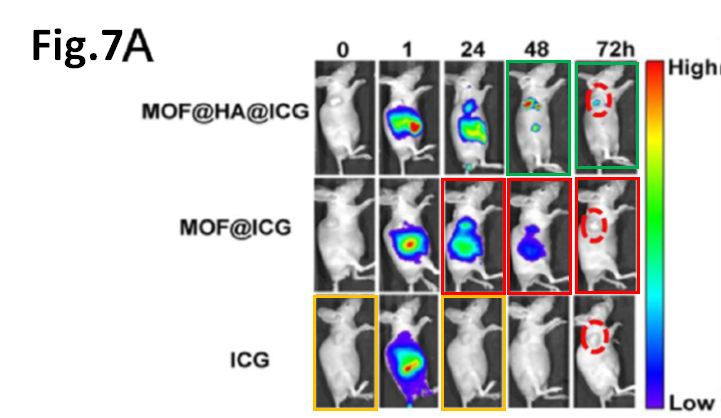
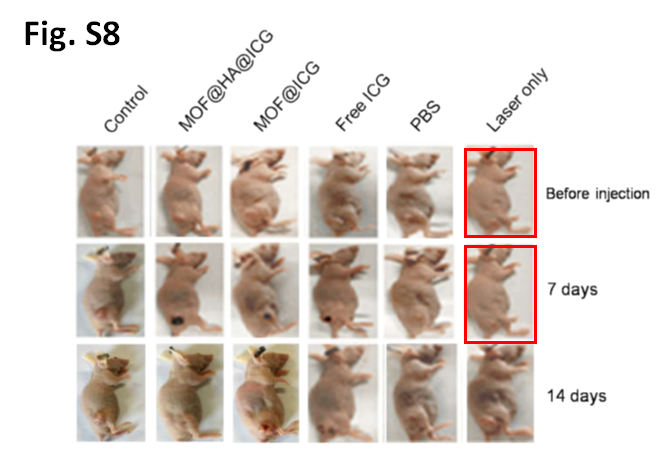
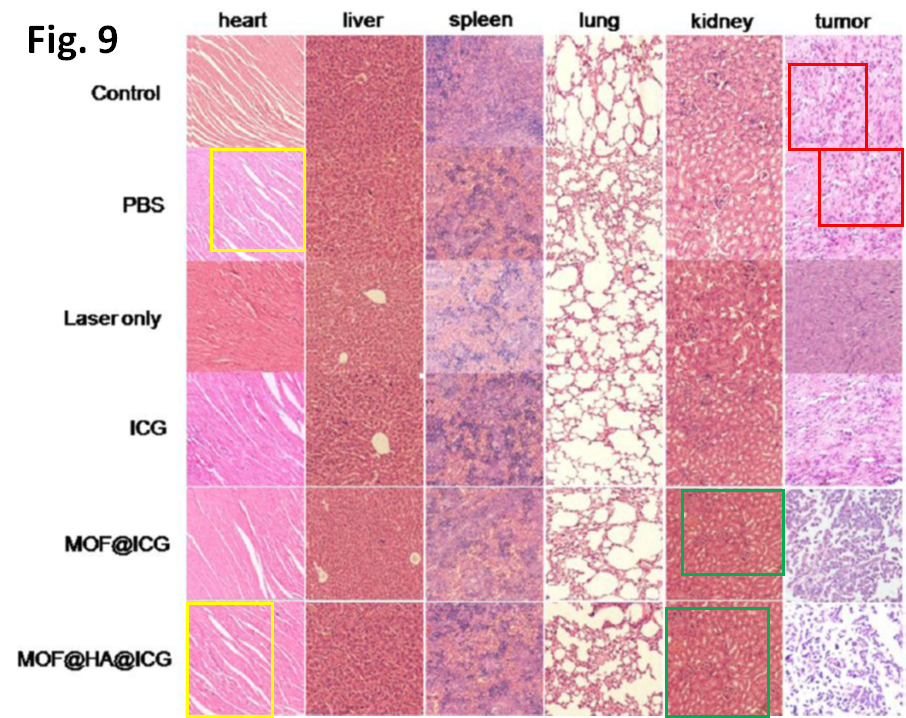
Chen’s colleague Gang Liu of Xiamen University in China assured on PubPeer in September 2020 that “These errors were not subjective fraud and didn’t affect our experimental conclusions“, and closed the case.
Another old thread, Chen with another known cheater, Silvio Gutkind, flagged in January 2020:
Zhe Wang , Yu Wang , Zhiyong Wang , J. Silvio Gutkind, Zhongliang Wang , Fu Wang , Jie Lu , Gang Niu , Gaojun Teng , Xiaoyuan Chen Engineered mesenchymal stem cells with enhanced tropism and paracrine secretion of cytokines and growth factors to treat traumatic brain injury Stem Cells (2015) doi: 10.1002/stem.1878
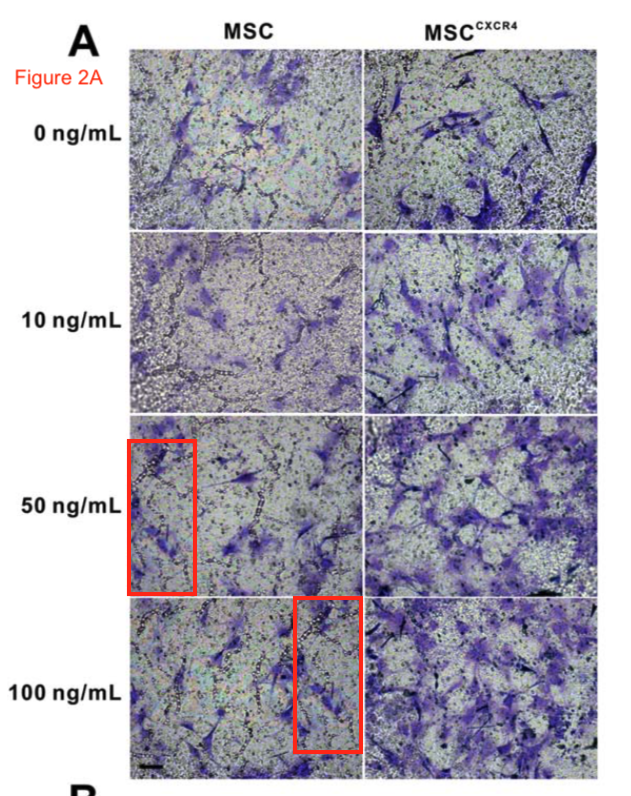
Elisabeth Bik: “Figure 2A. […] Red boxes: The MSC / 50 ng/ml and 100 ng/ml panels appear to show an overlap.”
Again in an ACS journal, a highly cited paper was flagged in 2022 as a sleuth was investigating the works of a certain by Jinhao Gao of Xiamen University (PubPeer record):
Zijian Zhou , Lirong Wang , Xiaoqin Chi , Jianfeng Bao , Lijiao Yang , Wenxiu Zhao , Zhong Chen, Xiaomin Wang , Xiaoyuan Chen, Jinhao Gao Engineered iron-oxide-based nanoparticles as enhanced T1 contrast agents for efficient tumor imaging ACS Nano (2013) doi: 10.1021/nn305991e
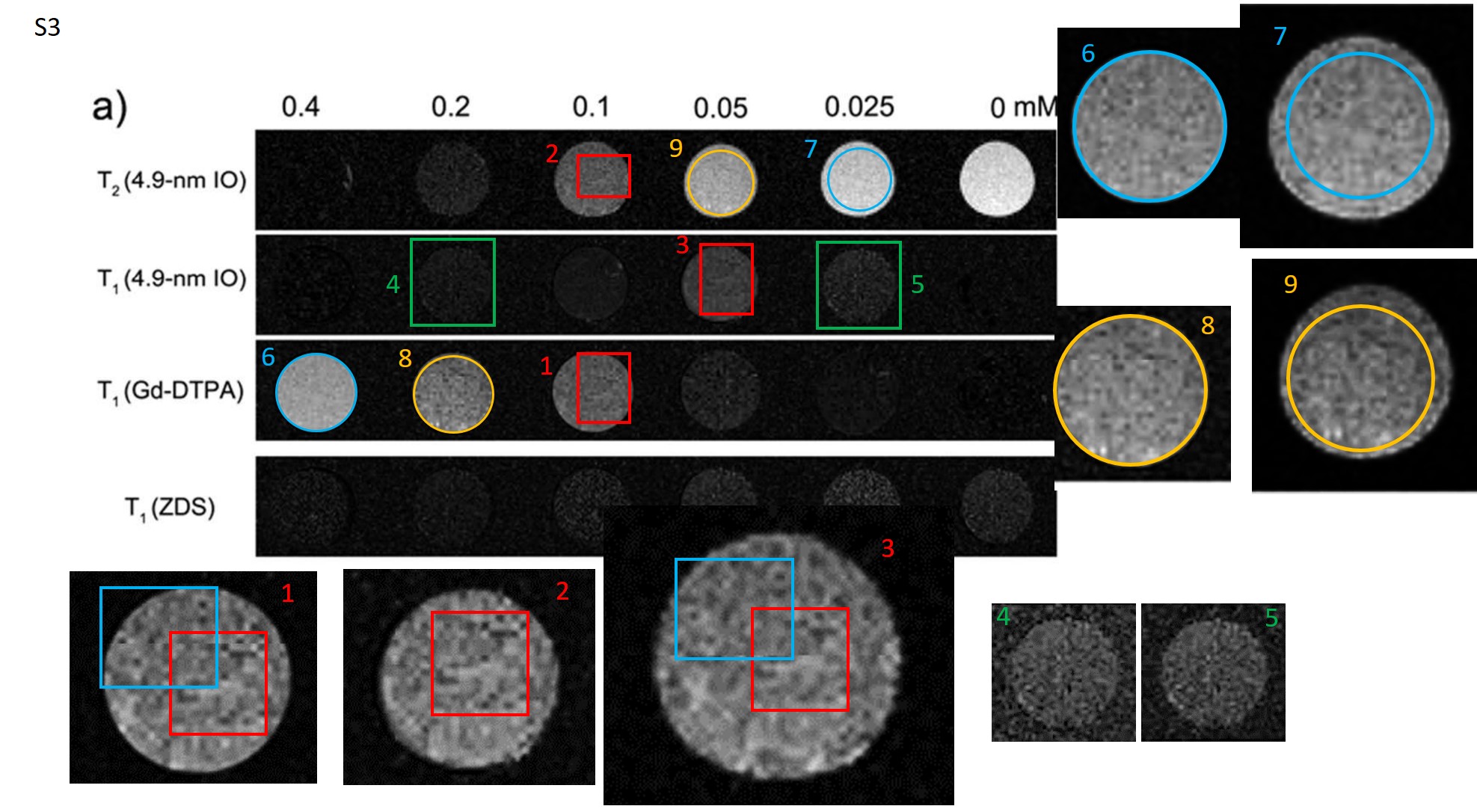
First author Zijian Zhou blamed “some MRI techinicians” and otherwise explained the issue with “machine-related inaccuracy in the position decoding“. At least this paper, also flagged in July 2022, was corrected:
Yushuo Feng , Dandan Ding , Wenjing Sun , Yuwei Qiu , Li Luo , Tianhang Shi , Shanshan Meng , Xiaoyuan Chen, Hongmin Chen Magnetic Manganese Oxide Sweetgum-Ball Nanospheres with Large Mesopores Regulate Tumor Microenvironments for Enhanced Tumor Nanotheranostics ACS Applied Materials & Interfaces (2019) doi: 10.1021/acsami.9b11843
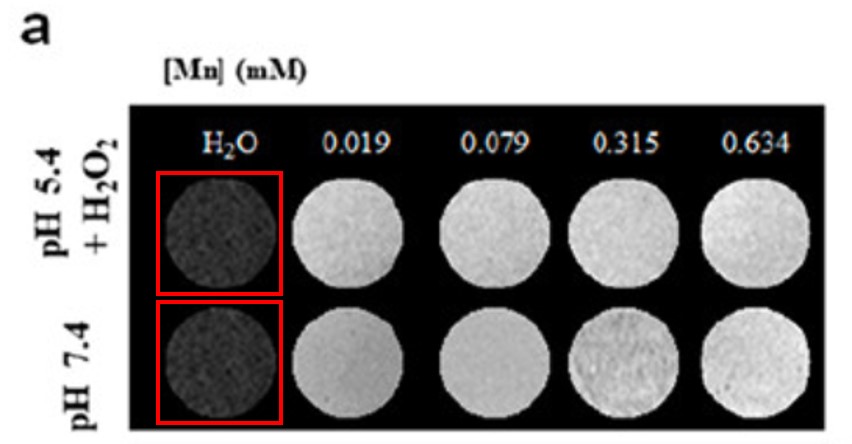
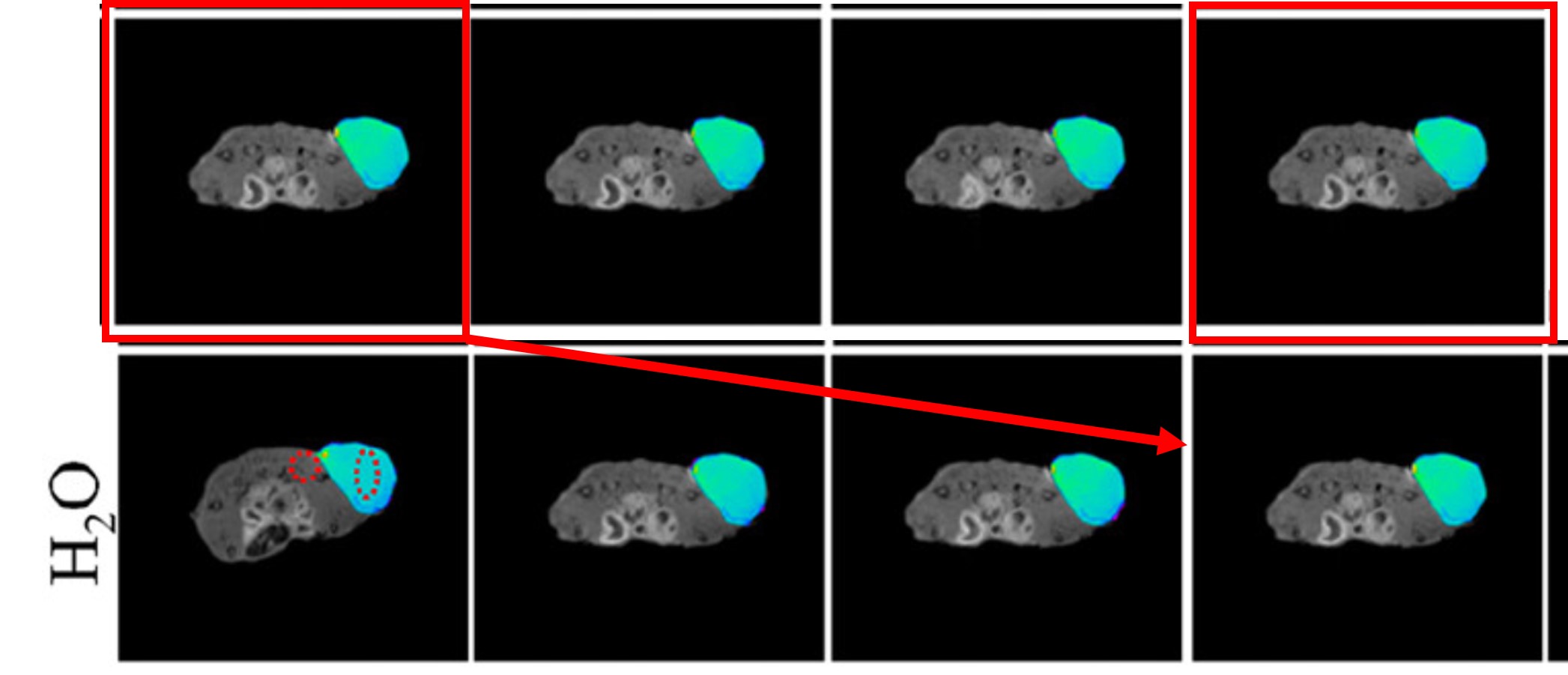
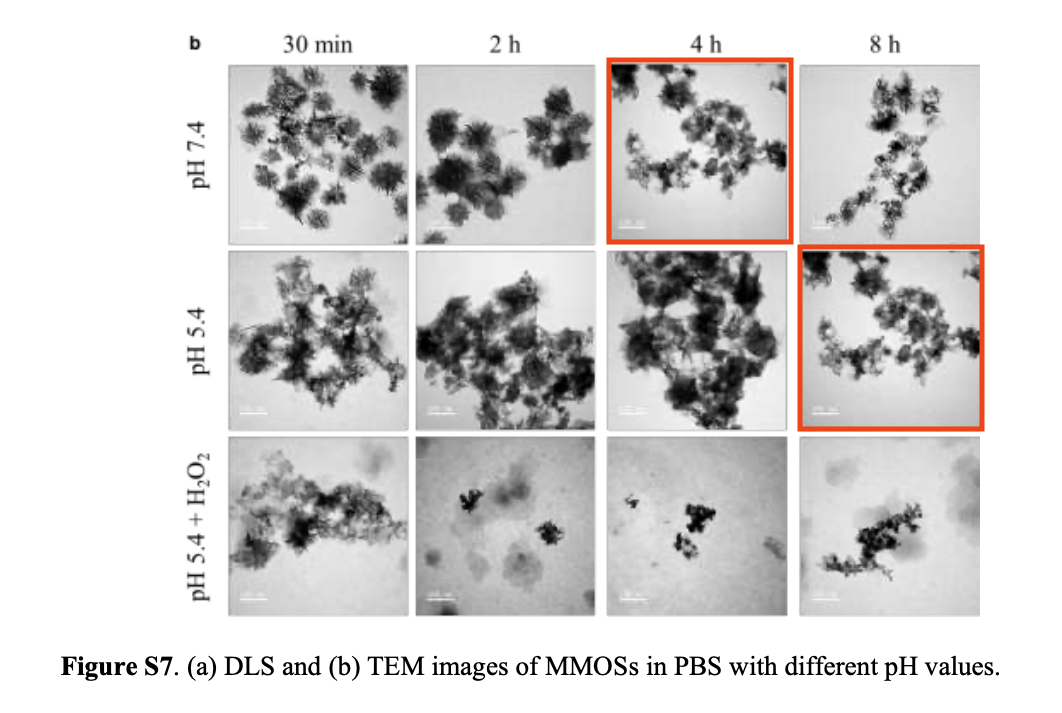
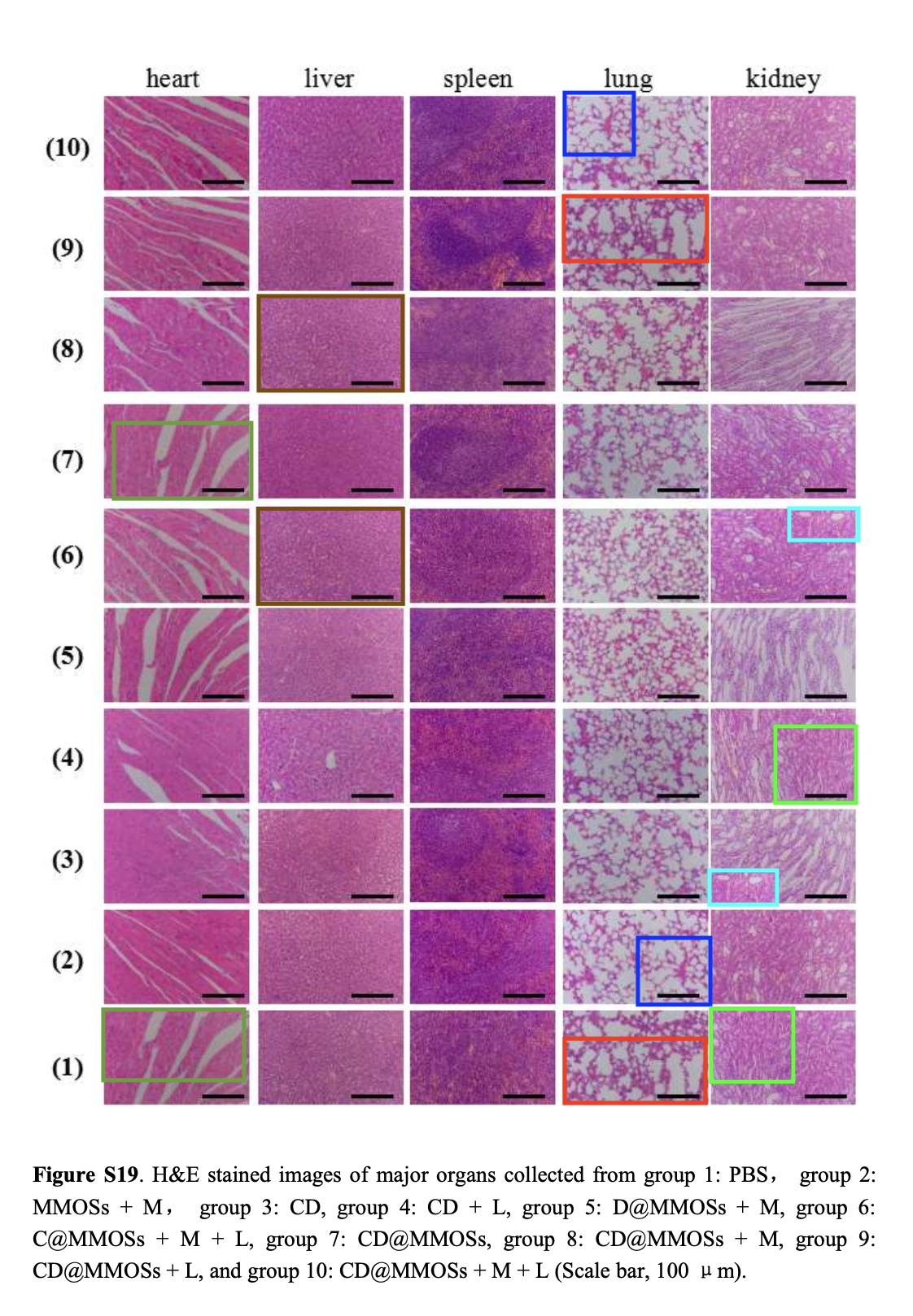
The August 2022 Correction educated the readers that the images “were unintentionally duplicated” and that “These corrections do not affect the major conclusions of the paper.“
More recently, even more fraud in Chen’s papers was found. Here, in that Ivyspring journal he founded and presides upon even today, flagged by Sholto David in summer of 2025:
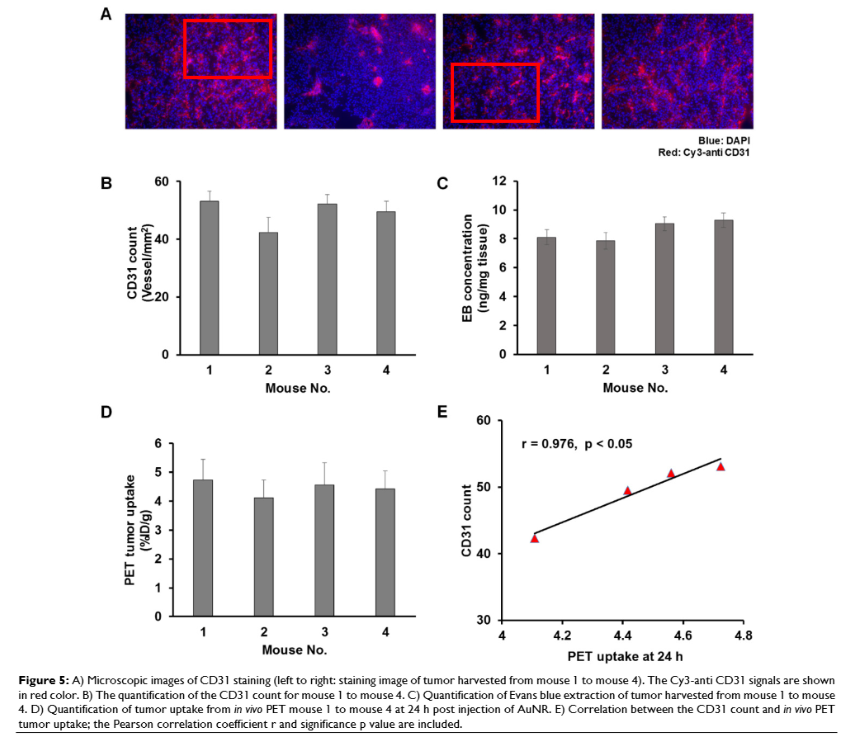
“Figure 5: Unexpected overlap between images that are labelled as being derived from different mice.”
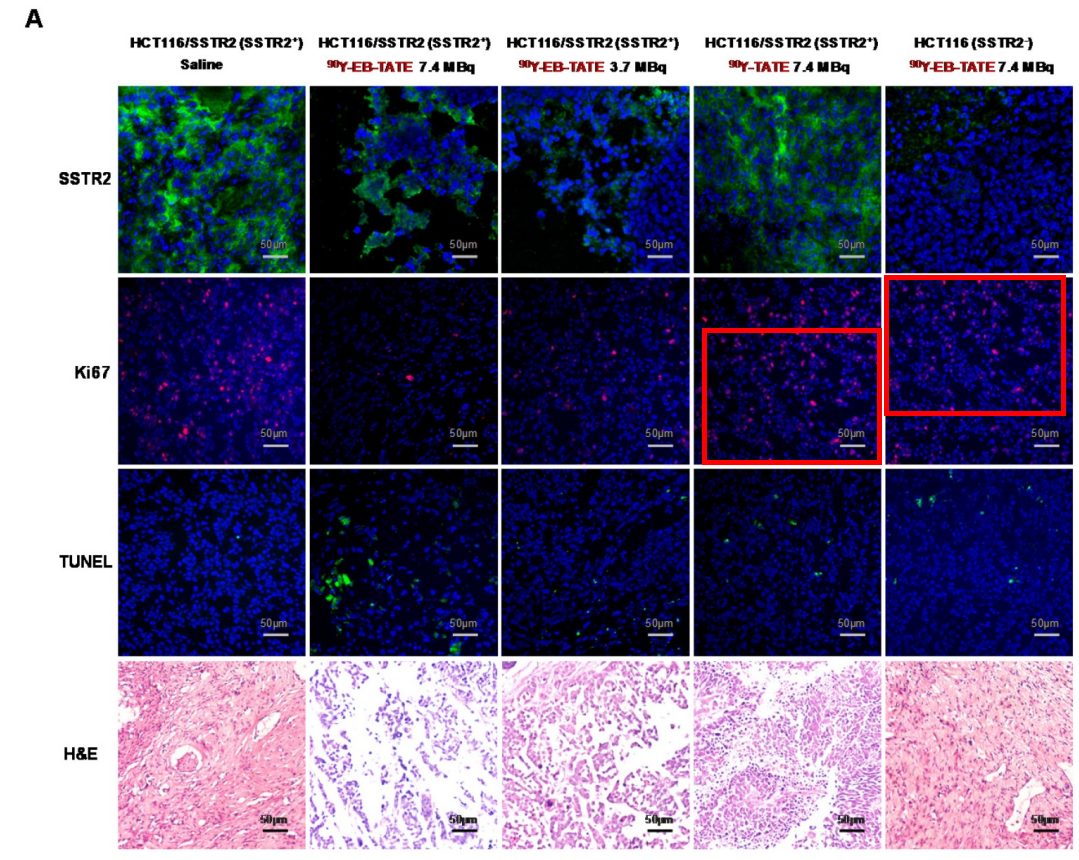
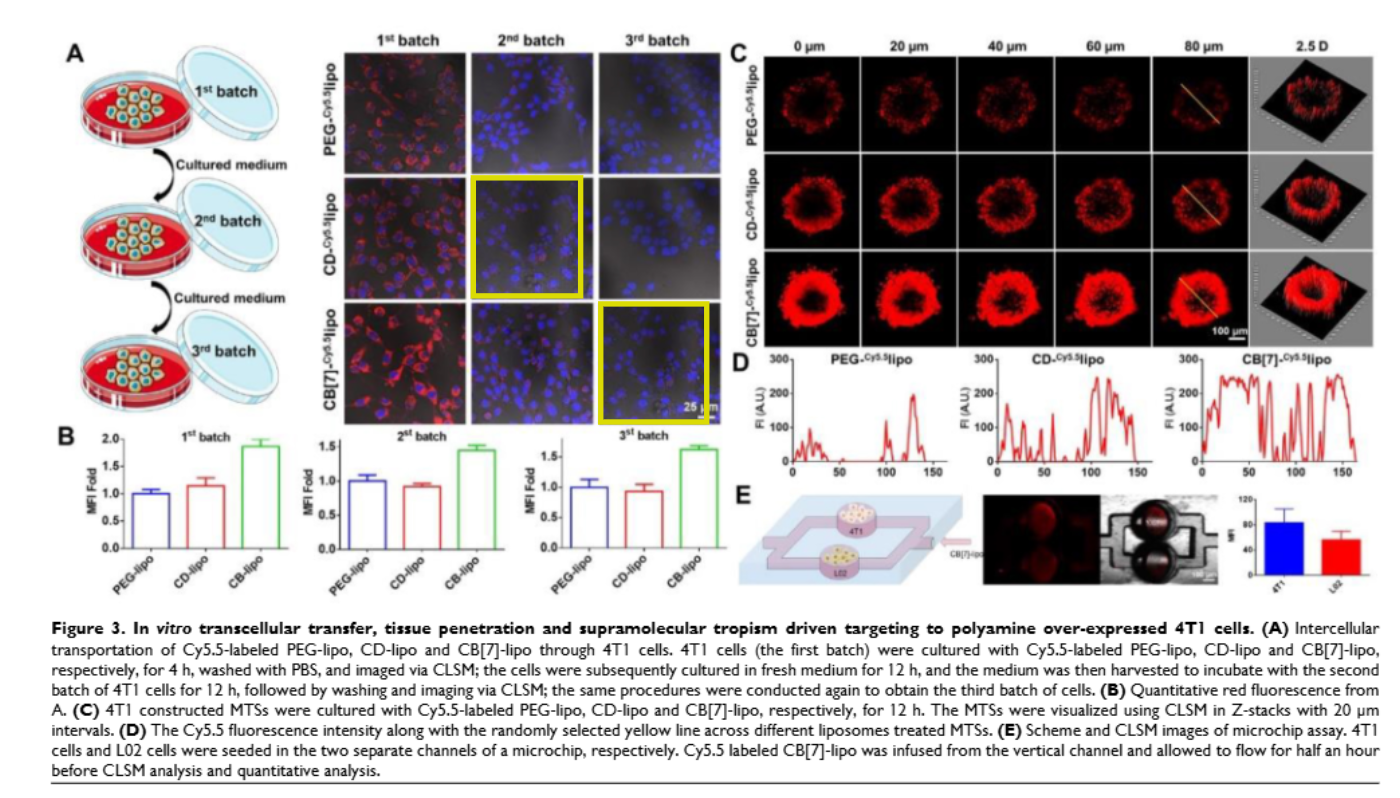
“Figure 3: Unexpected similarity between images of cells that should show different conditions.”
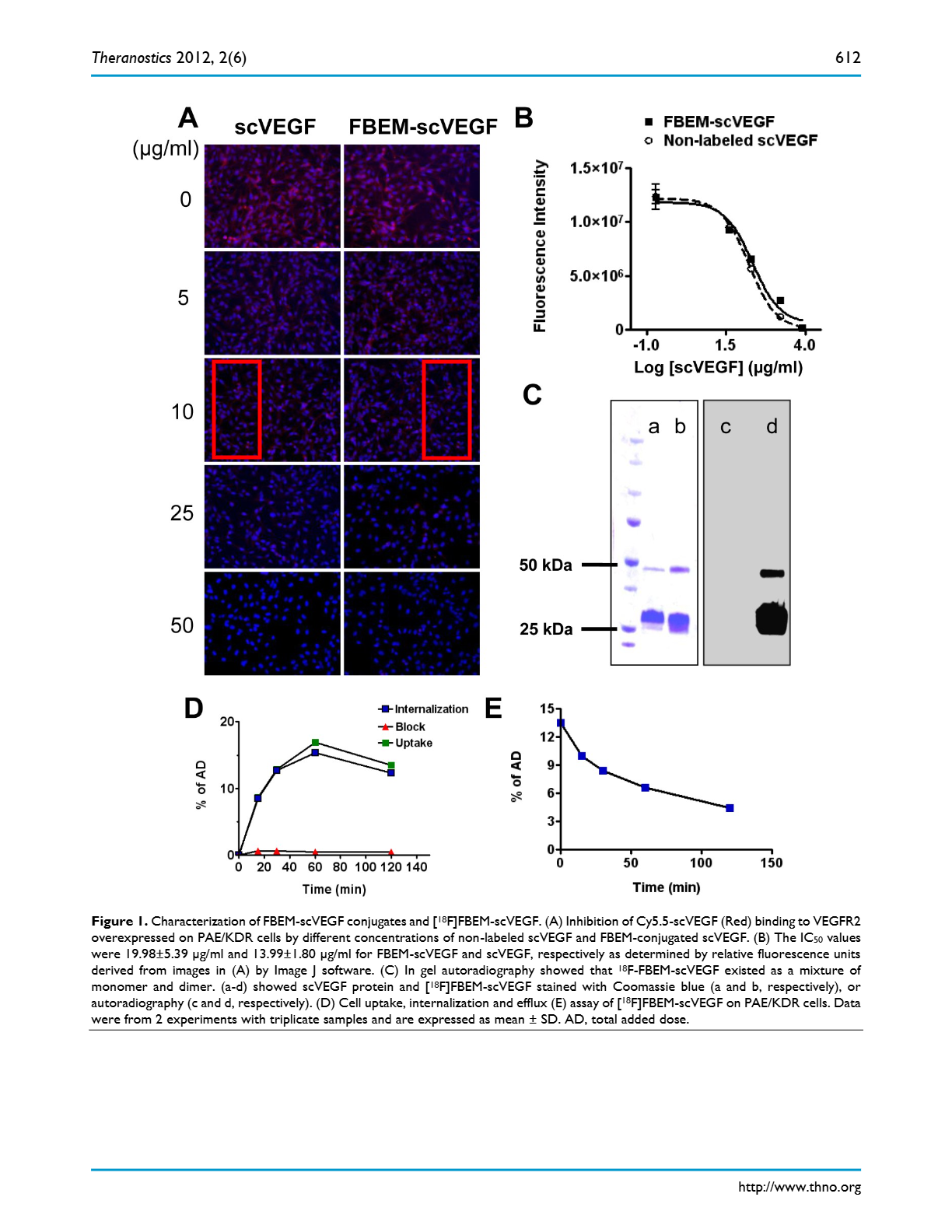
“Figure 1: There is an unexpected overlap between images that should show different treatment conditions.”
We don’t know why Chen left USA for Singapore in 2020. Maybe just for the bigger money, maybe he had to leave NIH because he overdid his sexual harassment there. Maybe they even figured out he was a fraud, after all, Chen’s fabrications were often very lazy:
Peng Huang , Jing Lin , Xiansong Wang , Zhe Wang , Chunlei Zhang , Meng He , Kan Wang , Feng Chen , Zhiming Li , Guangxia Shen , Daxiang Cui, Xiaoyuan Chen Light-triggered theranostics based on photosensitizer-conjugated carbon dots for simultaneous enhanced-fluorescence imaging and photodynamic therapy Advanced Materials (2012) doi: 10.1002/adma.201200650
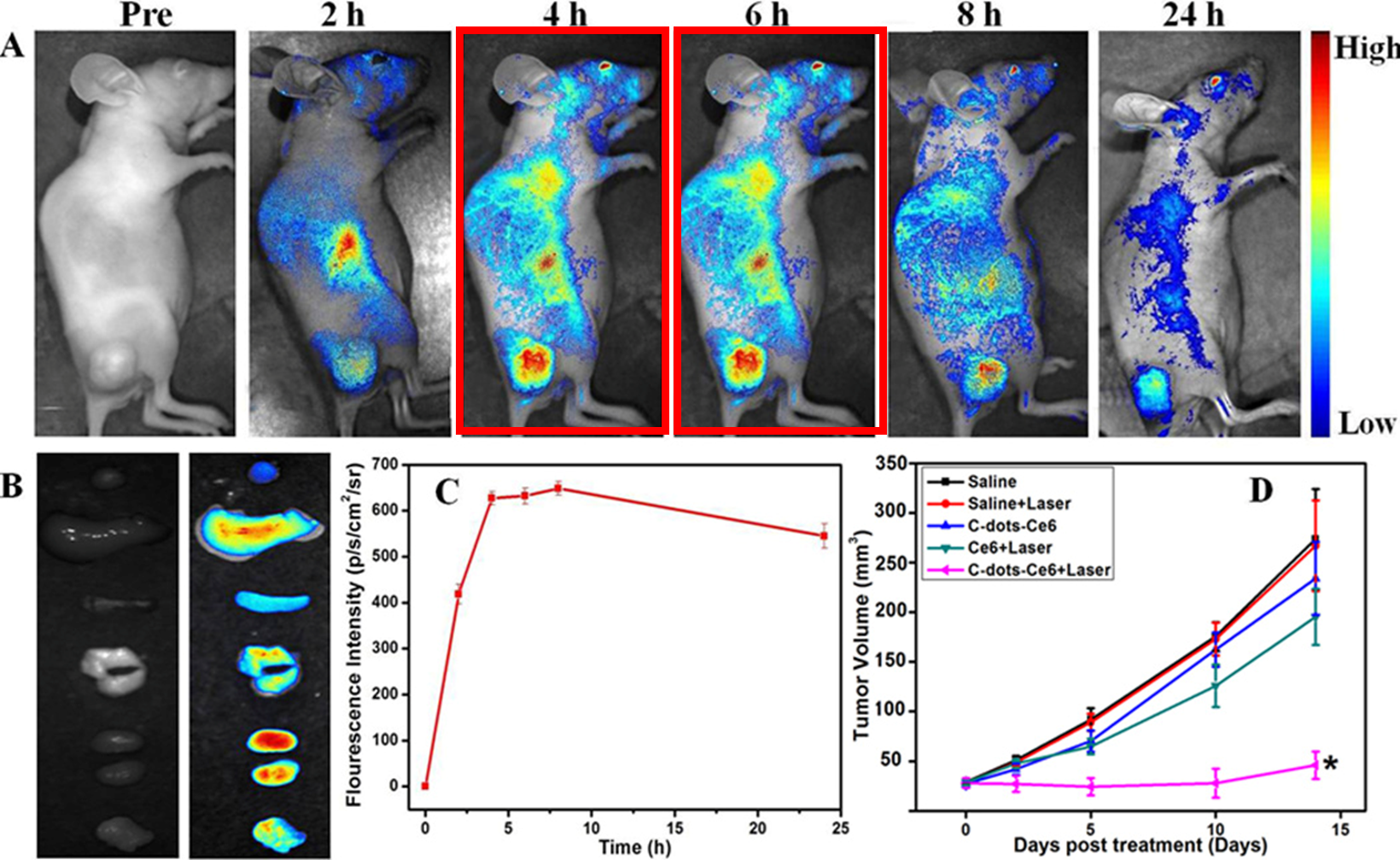
Note that the mice at 4 and 6h are also identical to the mouse imaged before treatment (“pre”)”
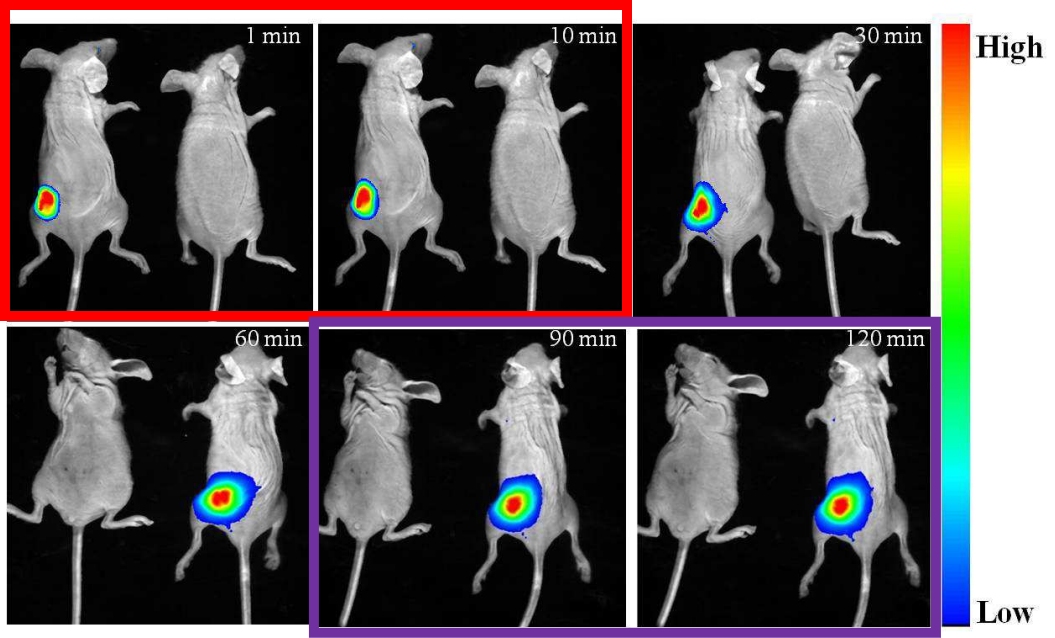
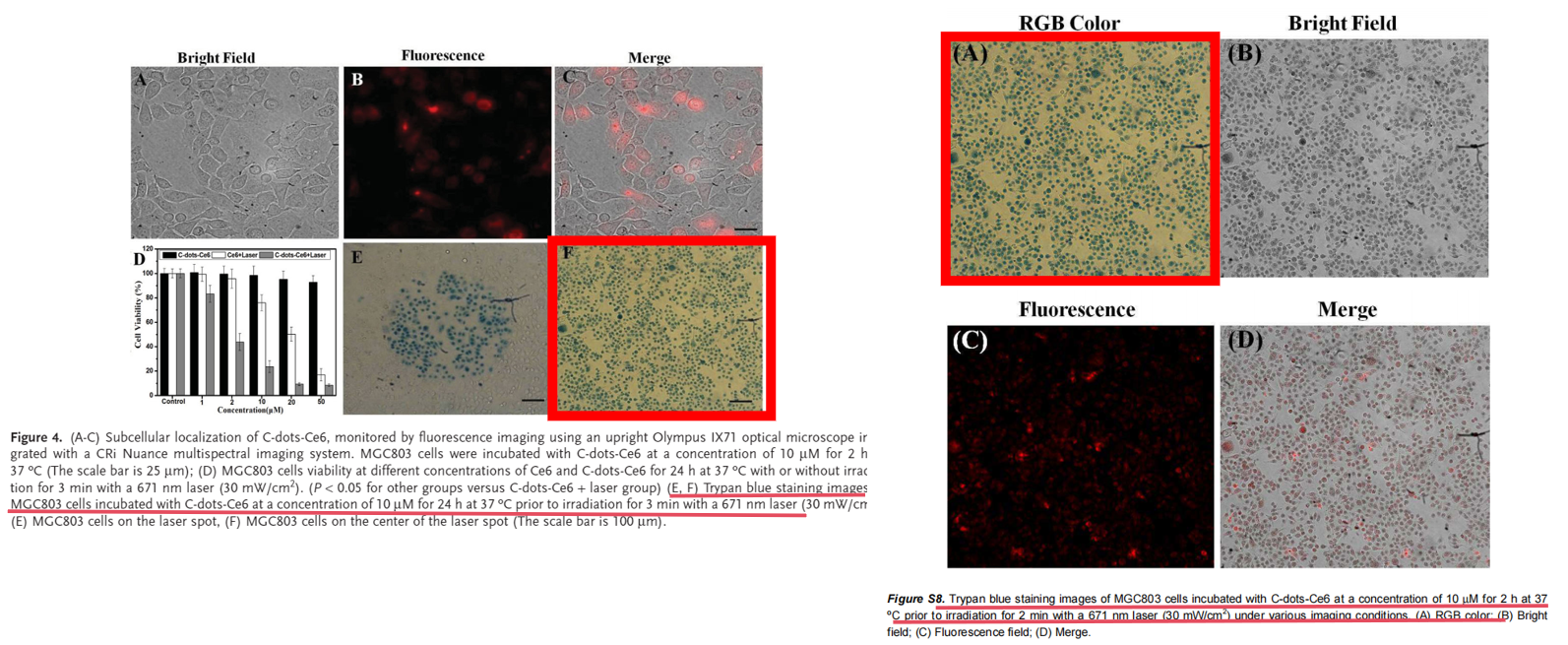
More recently, Yong‐Chang Zhou joined the treasure hunt in Chen’s papers, and found countless problems with duplicated images and image fragments. Turns out, Chen defecated in all possible top journals of his field, including Angewandte Chemie:
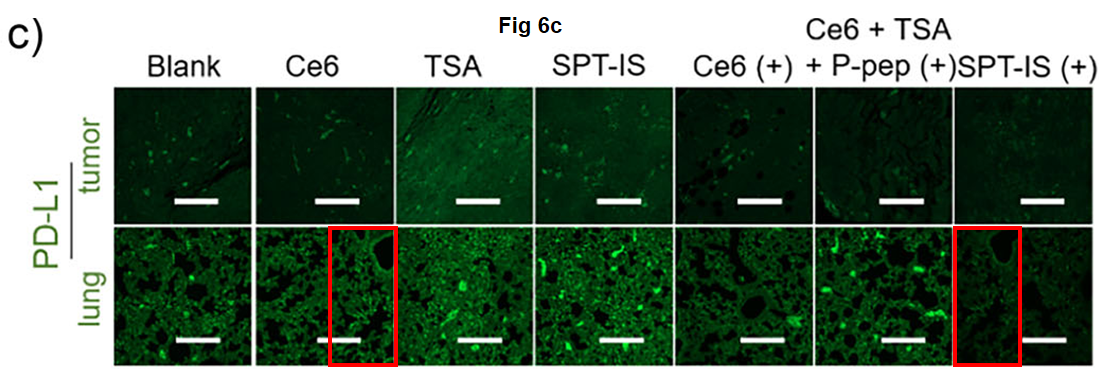
“Figures 6c-14 and 6c-9 are suspected to partially overlap, yet they represent clearly distinct experimental results.”
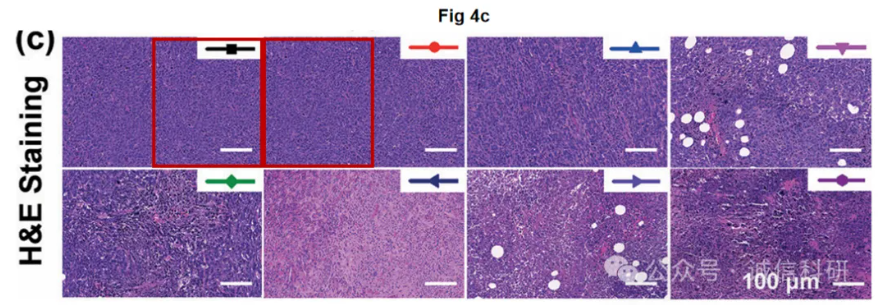
And before anyone decides to blame Chen’s students, these papers, flagged by YC-Zhou, clearly prove that the fraud problem started with the first author:
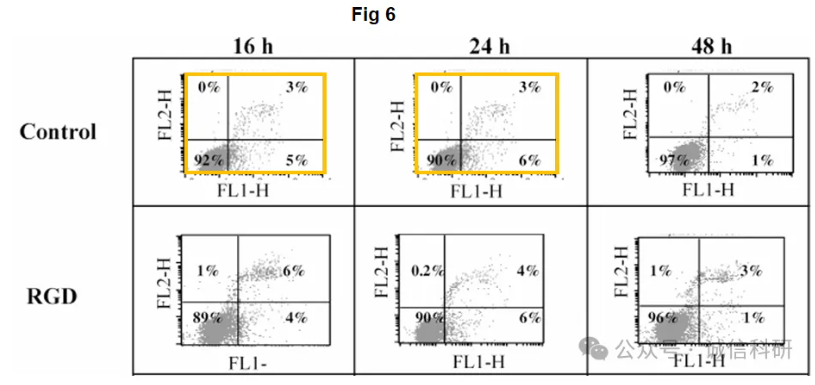
“Figure 6-1 and Figure 6-2 exhibit partial overlap but represent clearly distinct experimental results“
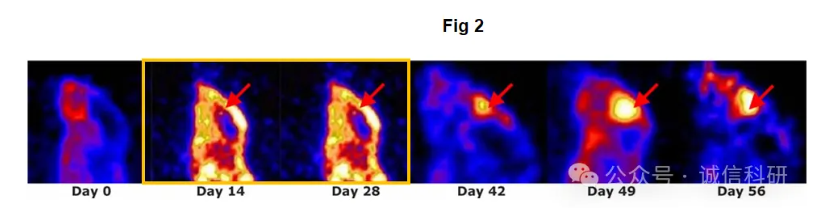
“Figures 2-2 and 2-3 are suspected to exhibit partial overlap, yet they represent clearly distinct experimental results.“
As an NIH superstar, Chen was also allowed to torture mice, nobody minded:
Weijing Yang , Hongzhang Deng , Shoujun Zhu , Joseph Lau , Rui Tian , Sheng Wang , Zijian Zhou , Guocan Yu , Lang Rao , Liangcan He , Ying Ma , Xiaoyuan Chen Size-transformable antigen-presenting cell-mimicking nanovesicles potentiate effective cancer immunotherapy Science Advances (2020) doi: 10.1126/sciadv.abd1631
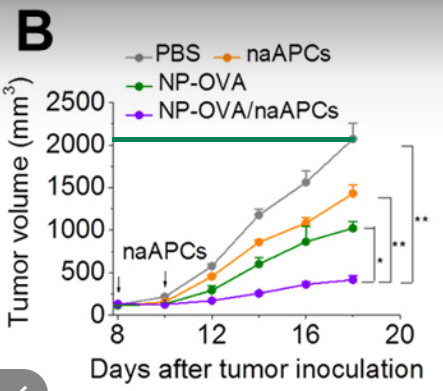
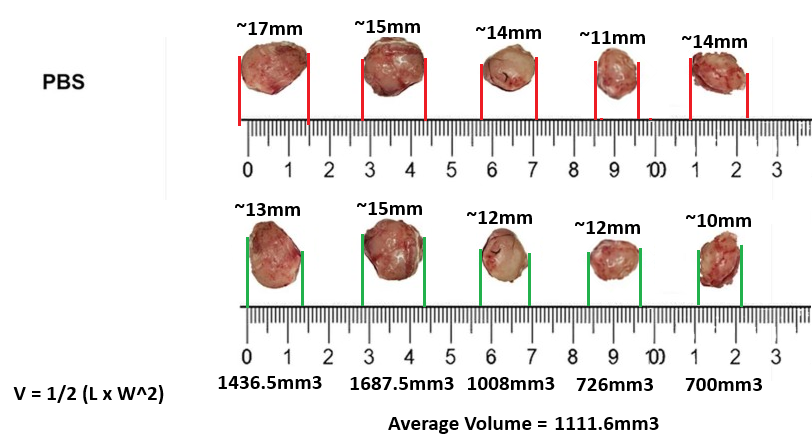
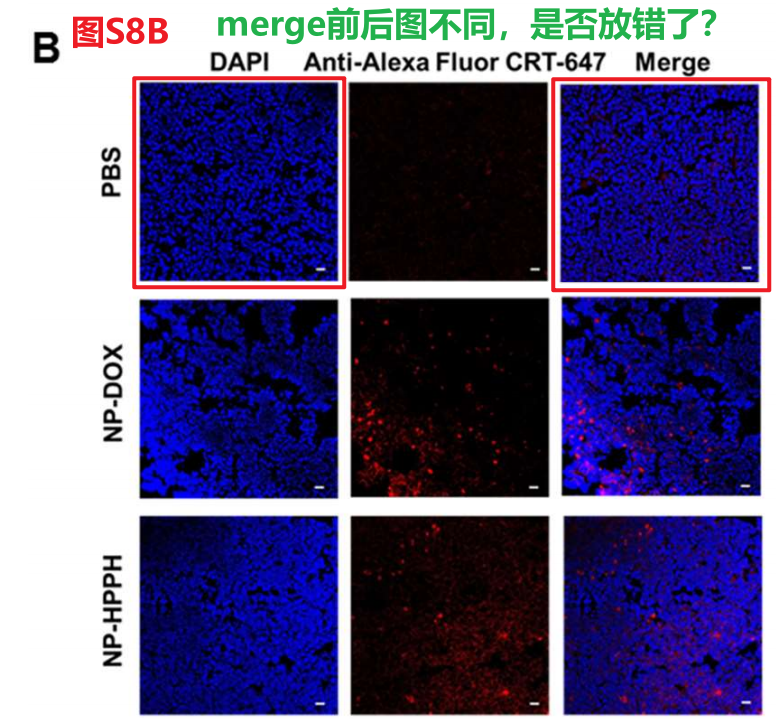
On 13 March 2026, Chen was long since sacked as sexual harasser, but Science defended him with this bizarre Erratum:
“In the original version […] an incorrect merged image was inadvertently included in fig. S8B. Additionally, to avoid potential confusion regarding the observed differences between the in vivo tumor volumes and the apparent size of excised tumors in Fig. 6B and fig. S9A, the following sentence has been added to the caption of fig. S9: “These images come from the excised tumors of mice at the therapeutic ending point, which are used to provide qualitative context and different from the quantitative volume measurements.” […]
The authors’ conclusions are not affected by this correction. The Supplementary Materials PDF of the article has been updated..”
Almost 90 fake papers like these, on PubPeer. They all still think Chen is a science genius and it is that ungrateful woman who is to blame for everything, especially that humanity will be denied Chen’s cancer cure.
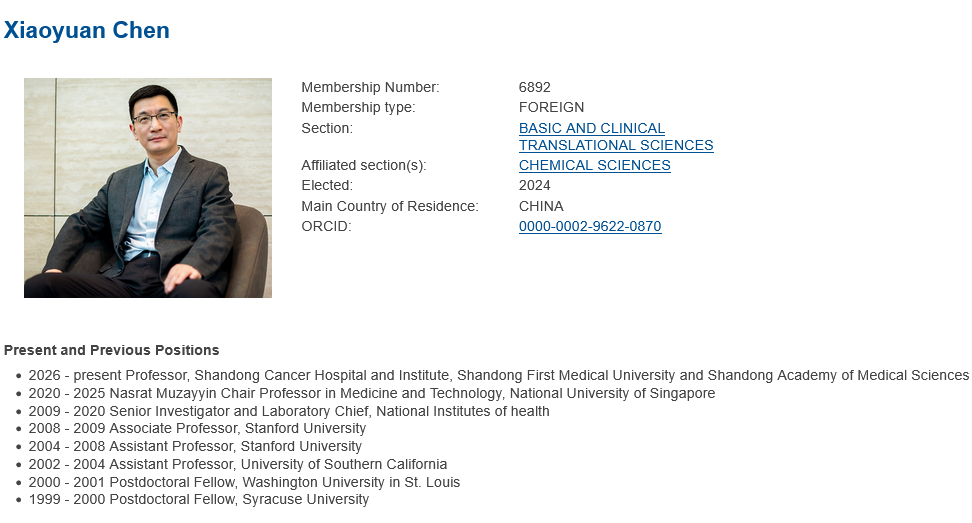
In fact, he has a new job, in China. As Tiger BB8 noticed, Chen published 12 papers since his dismissal for sexual harassment, all with a new affiliation at Shandong First Medical University and Shandong Academy of Medical Sciences in Jinan. His profile and CV at the Academia Europaea confirm that he started the new job in China in January 2026, right when he was sacked in Singapore.
Montefiore Einsteins
We return to the US East Coast. Please meet two professors at the Montefiore Medical Center of Albert Einstein College of Medicine in New York: Jayanta Roy-Chowdhury and Chandan Guha. Both men hail from India and are close collaborators, the former is a hepatologist and the latter is a urologist.
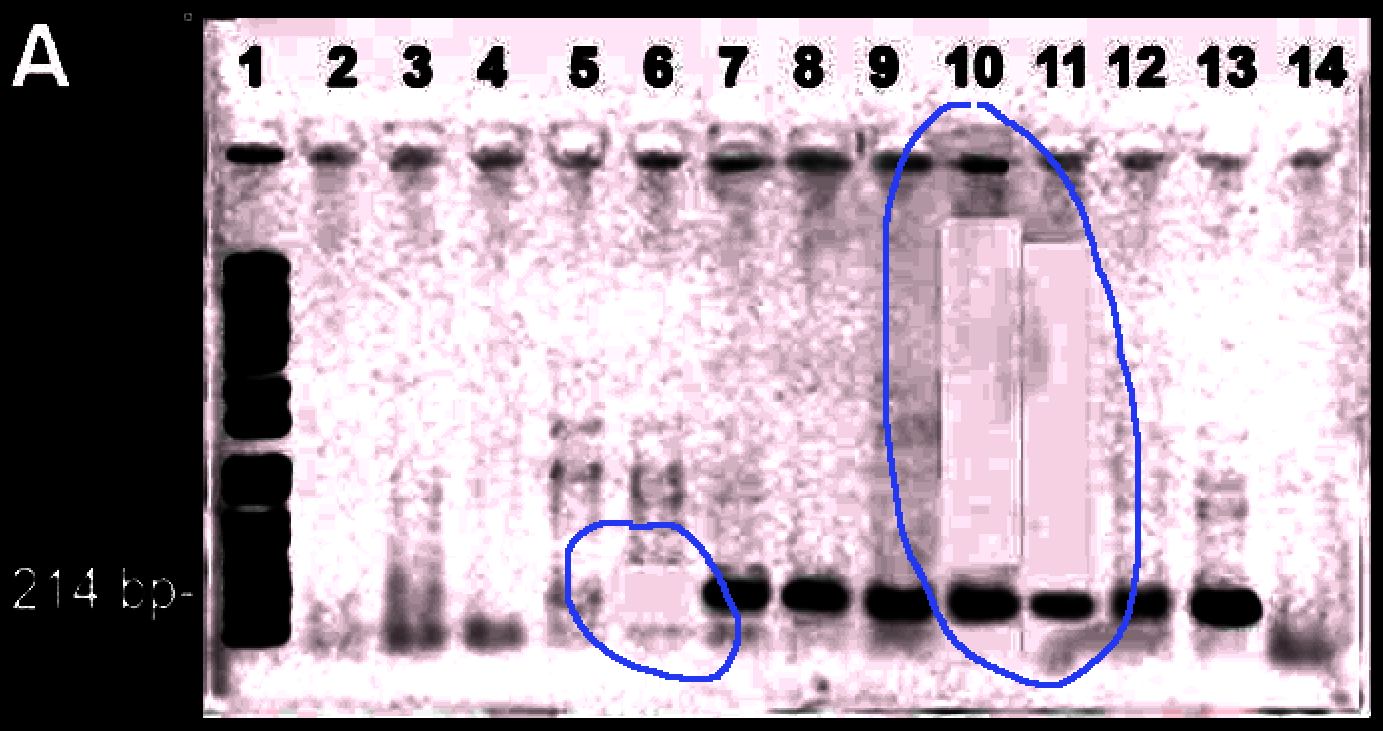
Guha has 19 papers on PubPeer, Roya Chowdhury has 7 on PubPeer, all with Guha. This rots on PubPeer since 2014:
Xia Wang , Debi P. Sarkar, Prashant Mani , Clifford J. Steer , Yong Chen , Chandan Guha , Voshavar Chandrasekhar , Arabinda Chaudhuri , Namita Roy-Chowdhury, Betsy T. Kren , Jayanta Roy-Chowdhury Long-term reduction of jaundice in Gunn rats by nonviral liver-targeted delivery of Sleeping Beauty transposon Hepatology (2009) doi: 10.1002/hep.23060
As you saw, Professor Jayanta brought with him his wife and fellow faculty colleague and professor of hepatology (now emerita), Namita Roy-Chowdhury. Also here:
Jianqiang Ding , Govardhana R. Yannam , Namita Roy-Chowdhury , Tunda Hidvegi , Hesham Basma , Stephen I. Rennard , Ronald J. Wong , Yesim Avsar , Chandan Guha , David H. Perlmutter , Ira J. Fox, Jayanta Roy-Chowdhury Spontaneous hepatic repopulation in transgenic mice expressing mutant human α1-antitrypsin by wild-type donor hepatocytes Journal of Clinical Investigation (2011) doi: 10.1172/jci45260
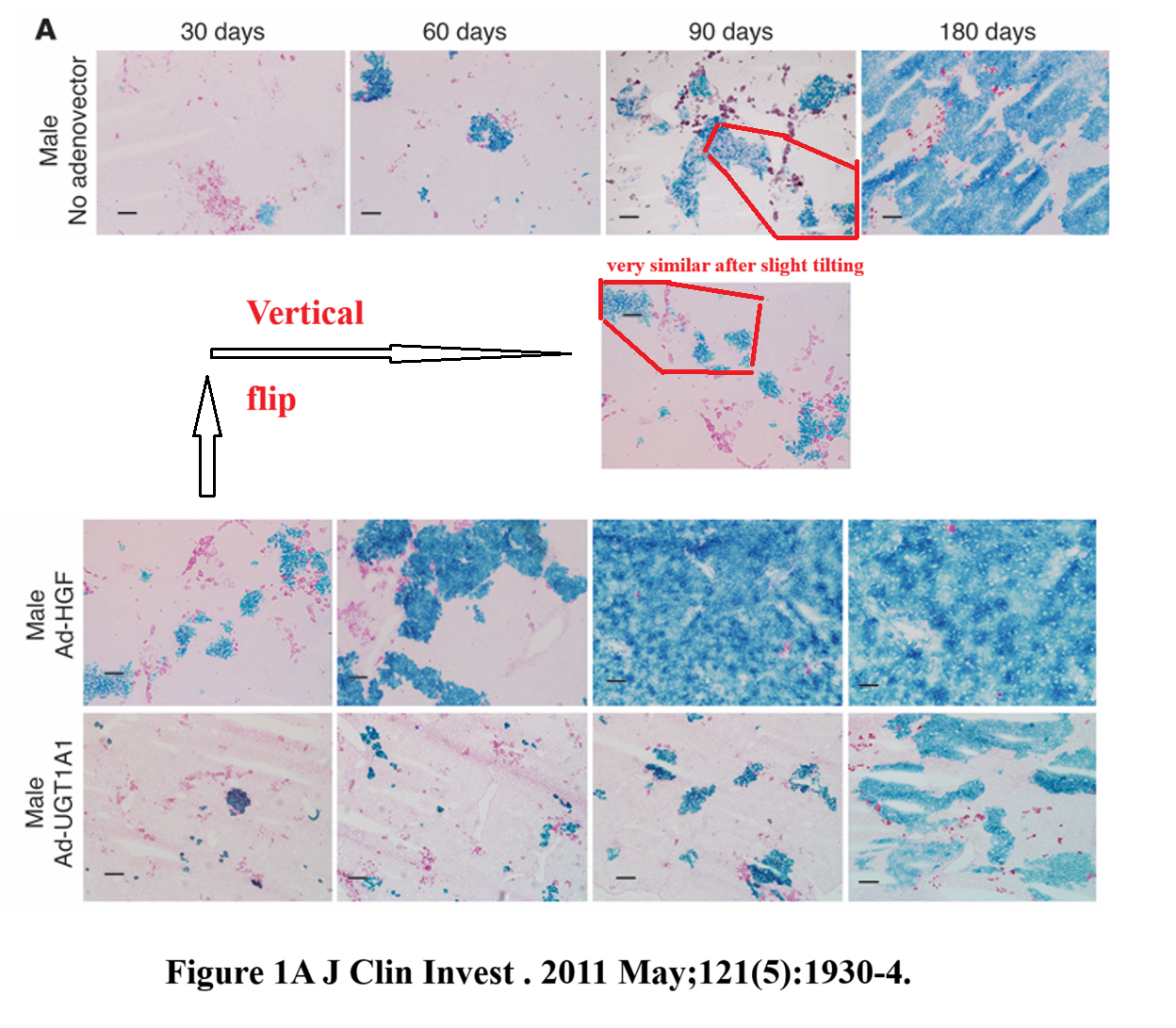
Also here, again featuring David Perlmutter, Executive Vice-Chancellor for medical affairs and Dean of medicine at Washington University in St. Louis:
Yanfeng Li , Chandan Guha , Patrik Asp , Xia Wang , Tatyana L. Tchaikovskya , Kenneth Kim , Matthew Mendel , Gregory J. Cost , David H. Perlmutter , Namita Roy-Chowdhury , Ira J. Fox , Anthony Conway , Jayanta Roy-Chowdhury Resolution of hepatic fibrosis after ZFN-mediated gene editing in the PiZ mouse model of human α1-antitrypsin deficiency Hepatology Communications (2023) doi: 10.1097/hc9.0000000000000070
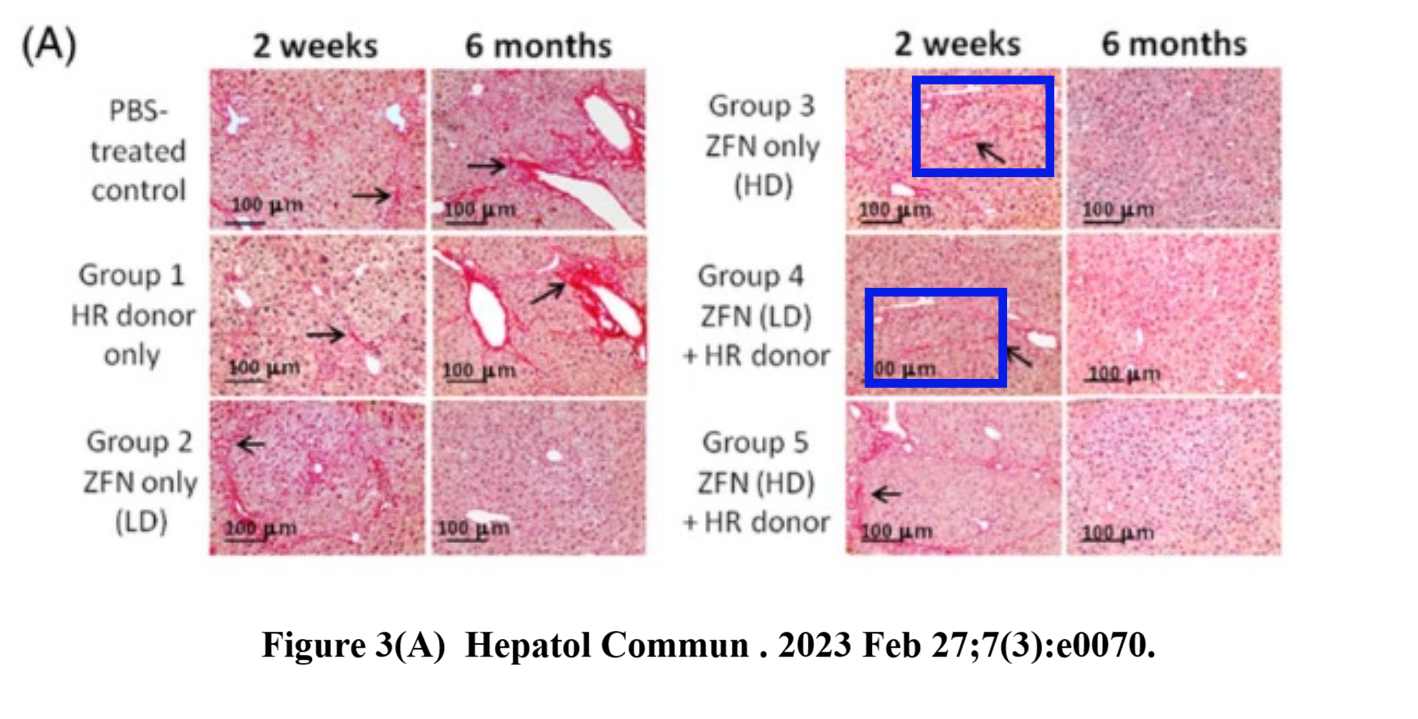
Another paper by Guha and Mr & Mrs Roy-Chowdhury, plus again with University of Pittsburgh professor Ira Fox:
Elena V. Mashalova , Chandan Guha , Namita Roy-Chowdhury , Laibin Liu , Ira J. Fox , Jayanta Roy-Chowdhury , Marshall S. Horwitz Prevention of hepatocyte allograft rejection in rats by transferring adenoviral early region 3 genes into donor cells Hepatology (2007) doi: 10.1002/hep.21525
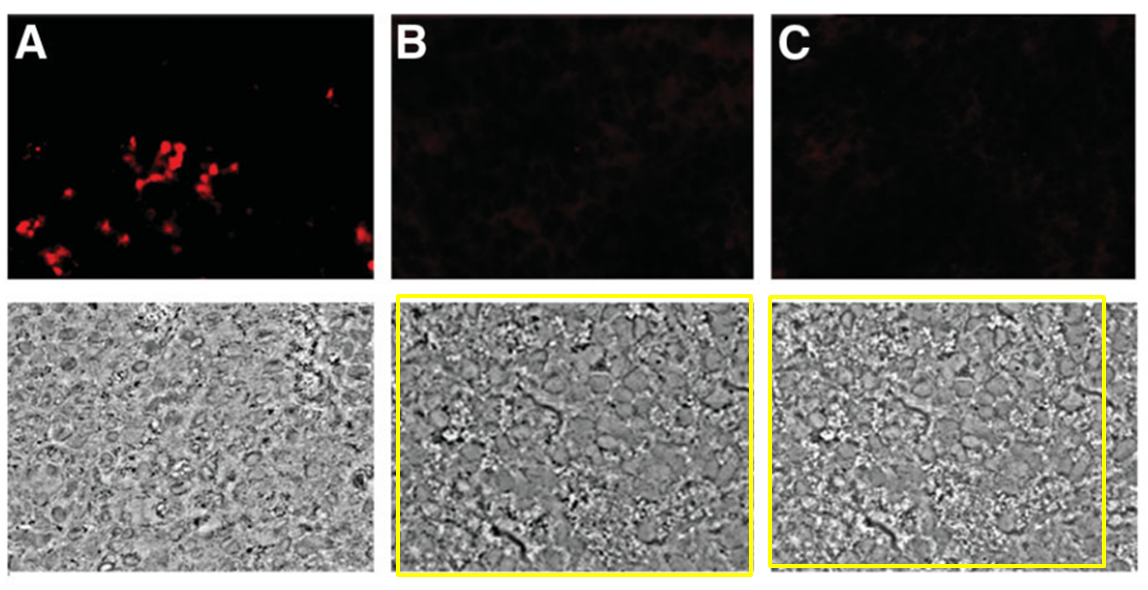
Those are not just innocent duplications
Hongchao Zhou , Xinyuan Dong , Rafi Kabarriti , Yong Chen , Yesim Avsar , Xia Wang , Jianqiang Ding , Laibin Liu , Ira J. Fox , Jayanta Roy-Chowdhury, Namita Roy-Chowdhury, Chandan Guha Single liver lobe repopulation with wildtype hepatocytes using regional hepatic irradiation cures jaundice in Gunn rats PLOS One (2012) doi: 10.1371/journal.pone.0046775
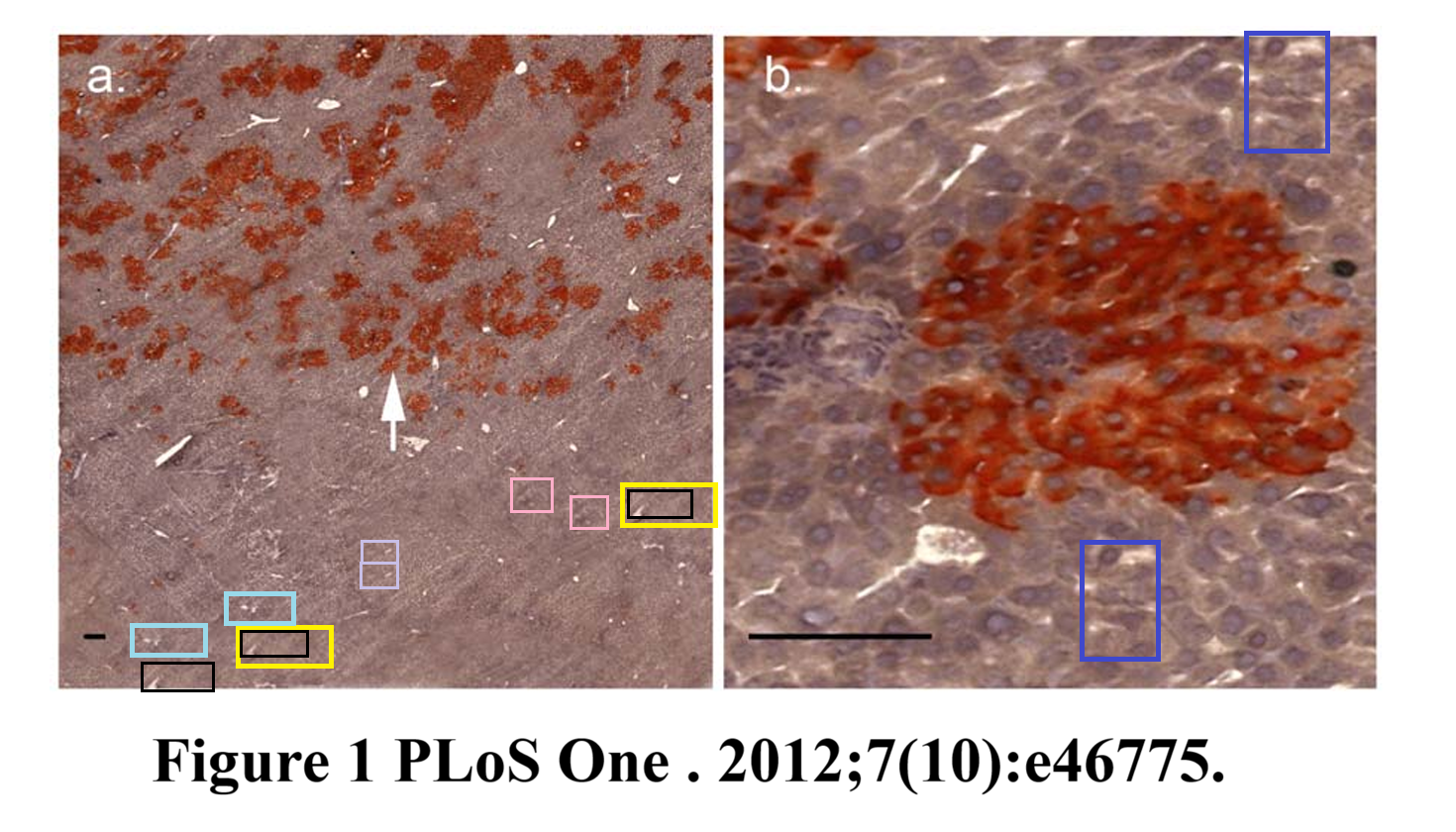
An even worse situation with cloned fragments here
Yong Chen , Yanfeng Li , Xia Wang , Wei Zhang , Vanessa Sauer , Chan-Jung Chang , Bing Han , Tatyana Tchaikovskaya , Yesim Avsar , Edgar Tafaleng , Sanal Madhusudana Girija , Krisztina Tar , Zsuzsanna Polgar , Stephen Strom , Eric E. Bouhassira , Chandan Guha , Ira J. Fox , Jayanta Roy-Chowdhury, Namita Roy-Chowdhury Amelioration of Hyperbilirubinemia in Gunn Rats after Transplantation of Human Induced Pluripotent Stem Cell-Derived Hepatocytes Stem Cell Reports (2015) doi: 10.1016/j.stemcr.2015.04.017
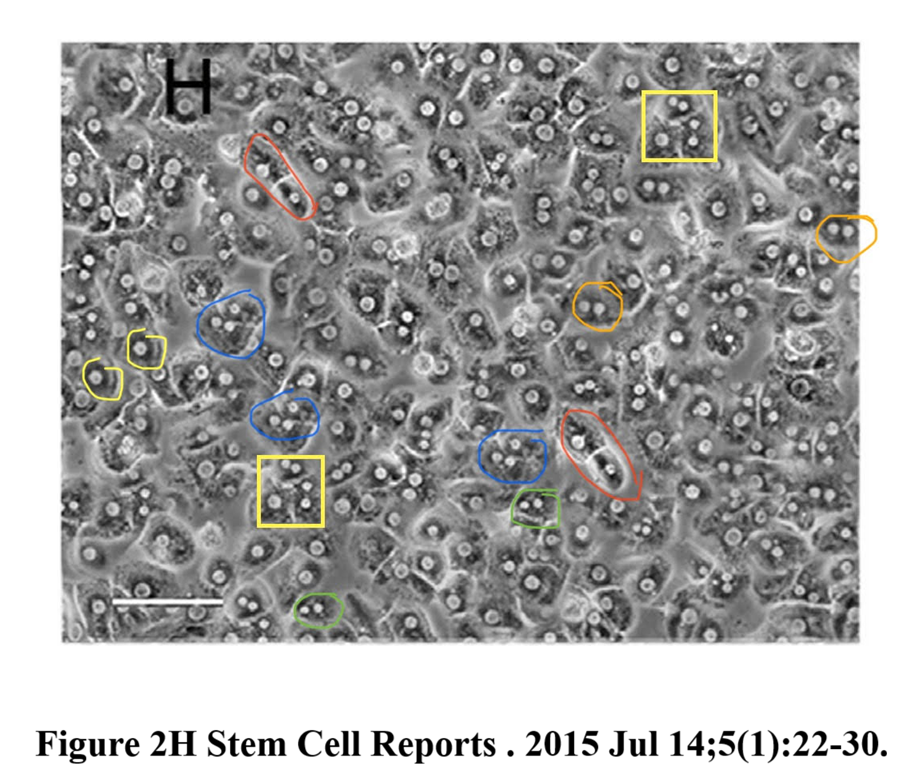
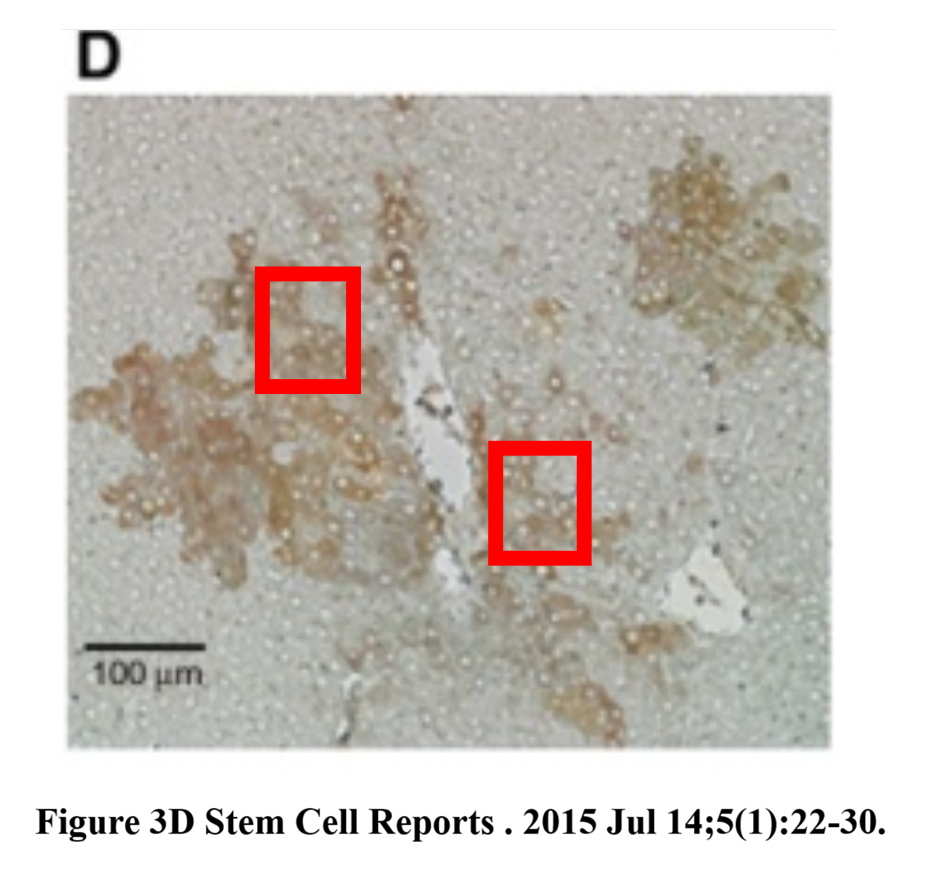
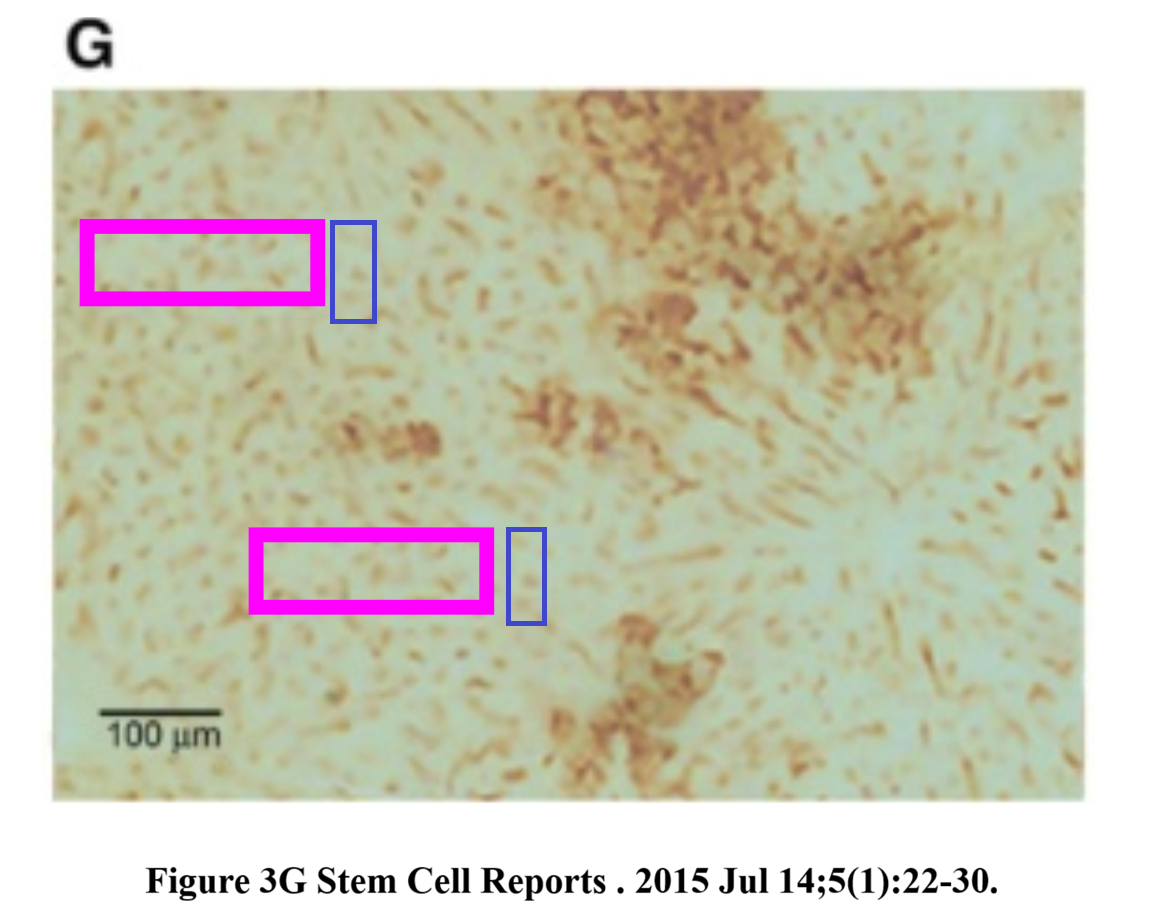
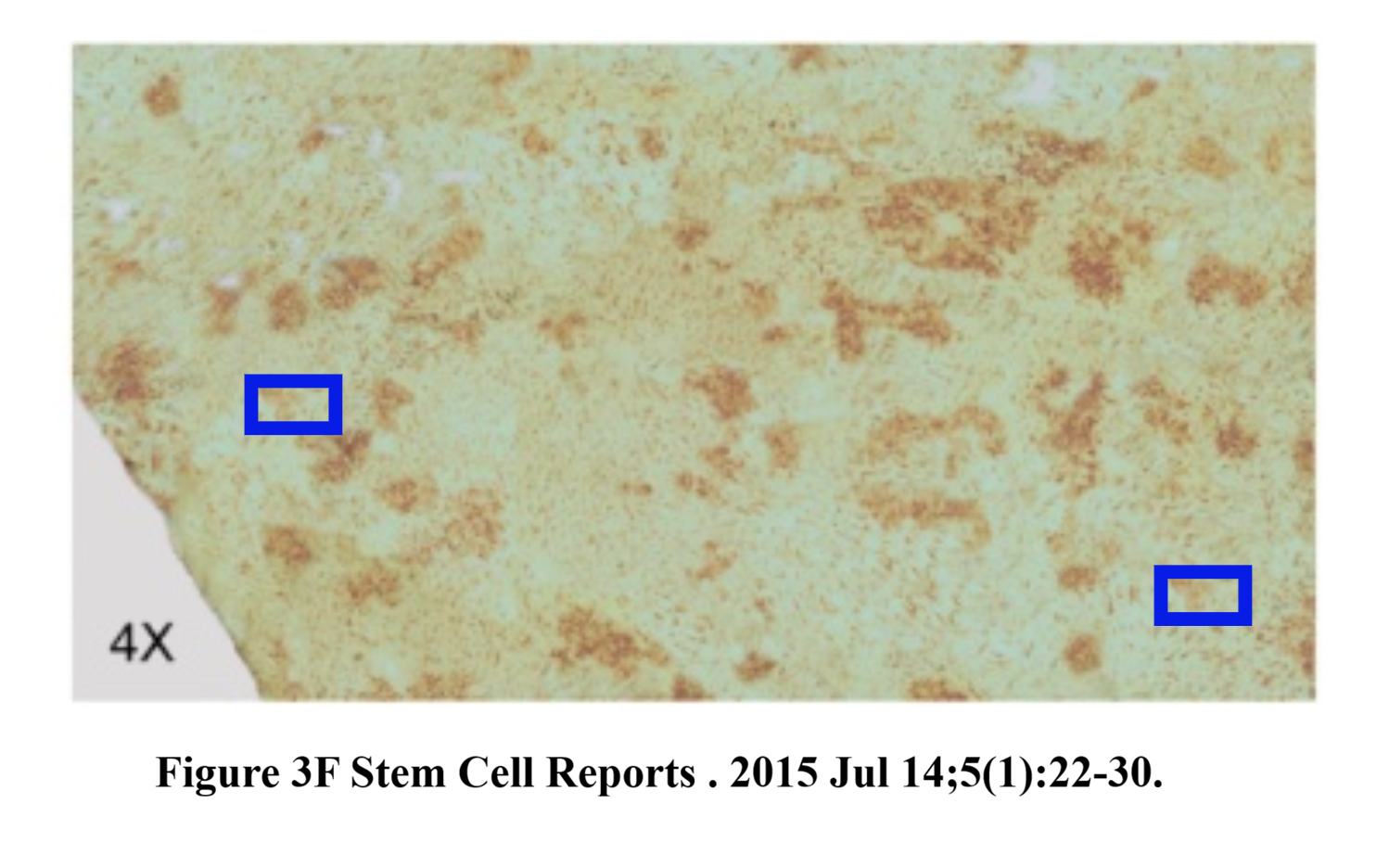
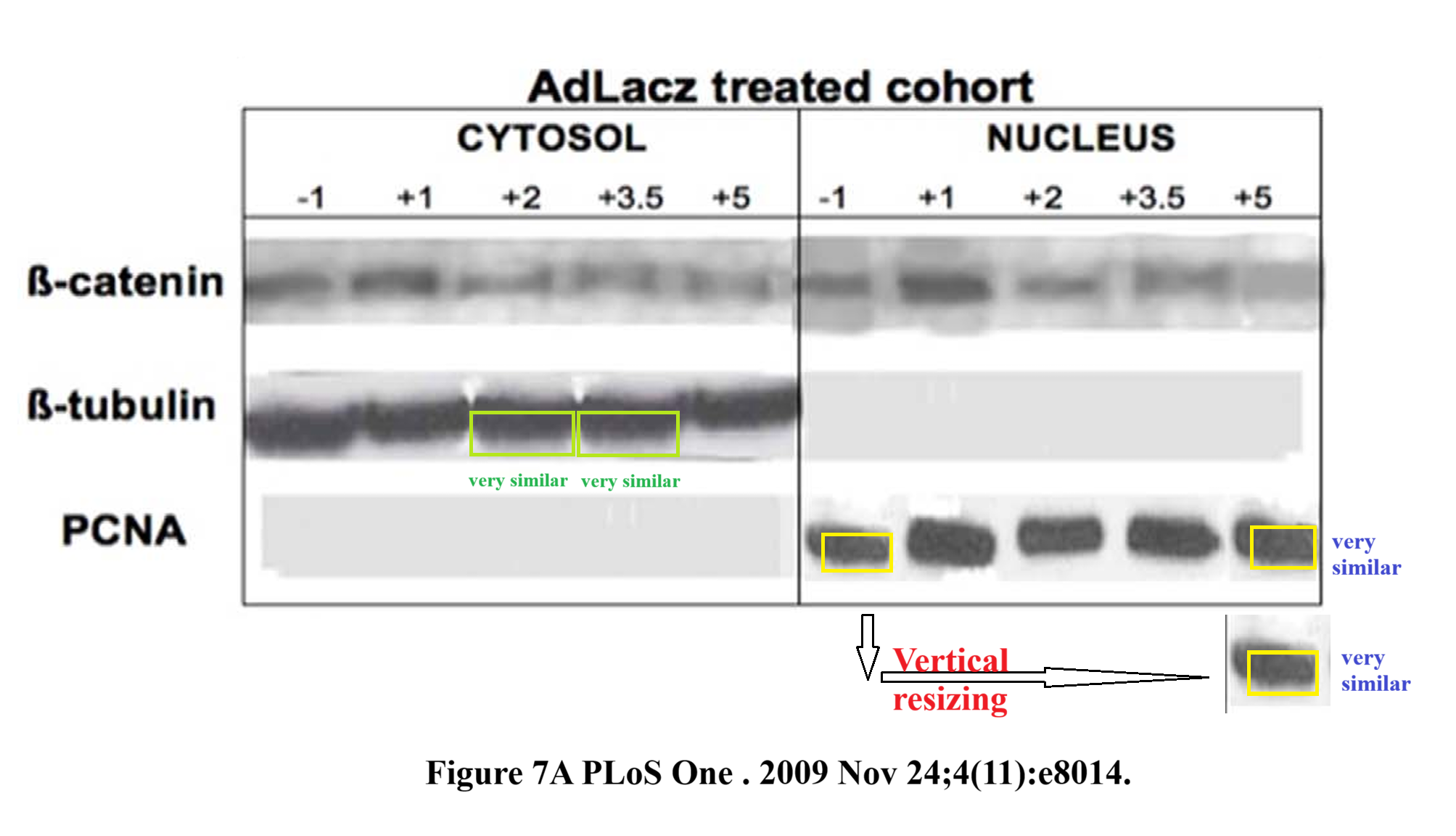
Maybe you would like to see some fake western blots?
Payel Bhanja , Subhrajit Saha , Rafi Kabarriti , Laibin Liu , Namita Roy-Chowdhury , Jayanta Roy-Chowdhury, Rani S. Sellers , Alan A. Alfieri , Chandan Guha Protective role of R-spondin1, an intestinal stem cell growth factor, against radiation-induced gastrointestinal syndrome in mice PLOS One (2009) doi: 10.1371/journal.pone.0008014
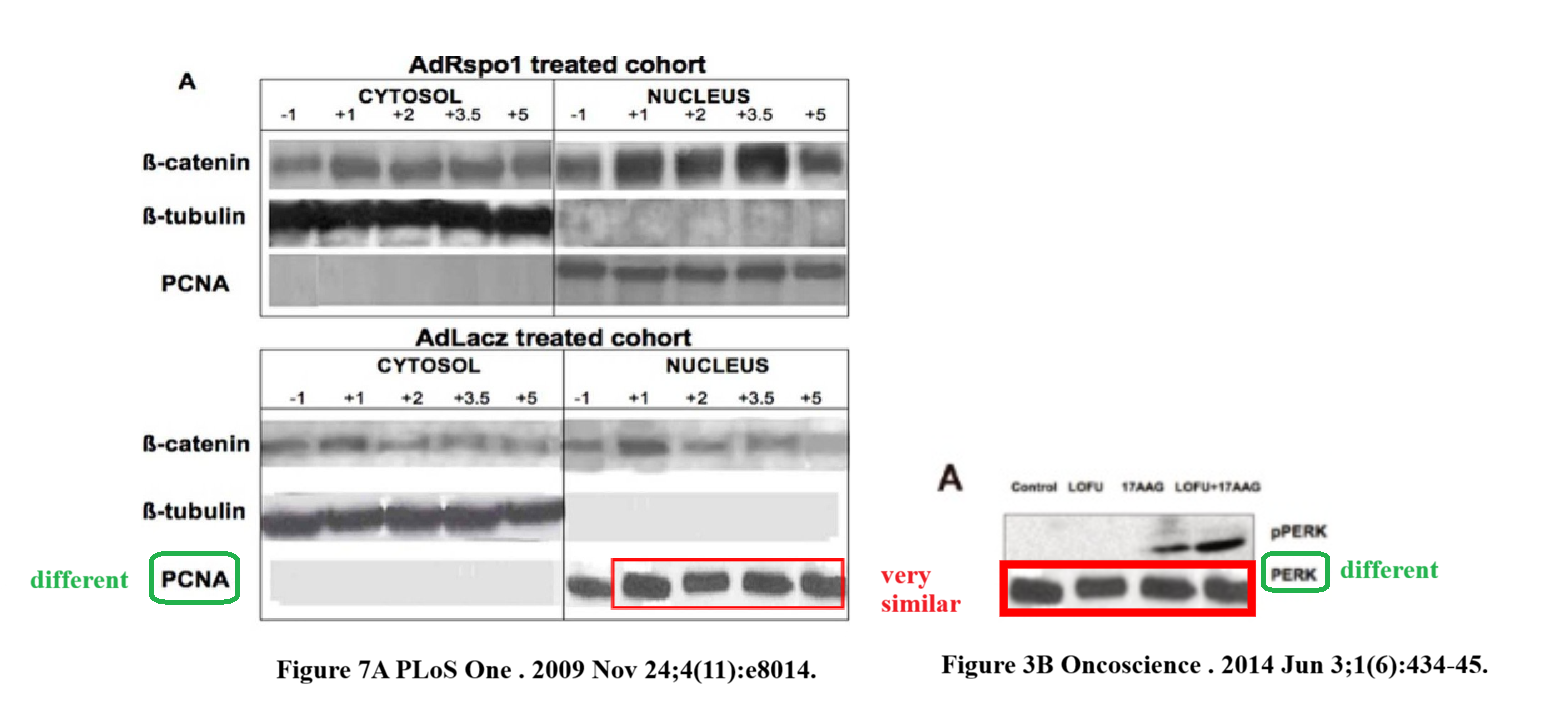
Subhrajit Saha, Payel Bhanja, Ari Partanen, Wei Zhang, Laibin Liu, Wolfgang A. Tomé, Chandan Guha Low intensity focused ultrasound (LOFU) modulates unfolded protein response and sensitizes prostate cancer to 17AAG Oncoscience (2014) doi: 10.18632/oncoscience.48
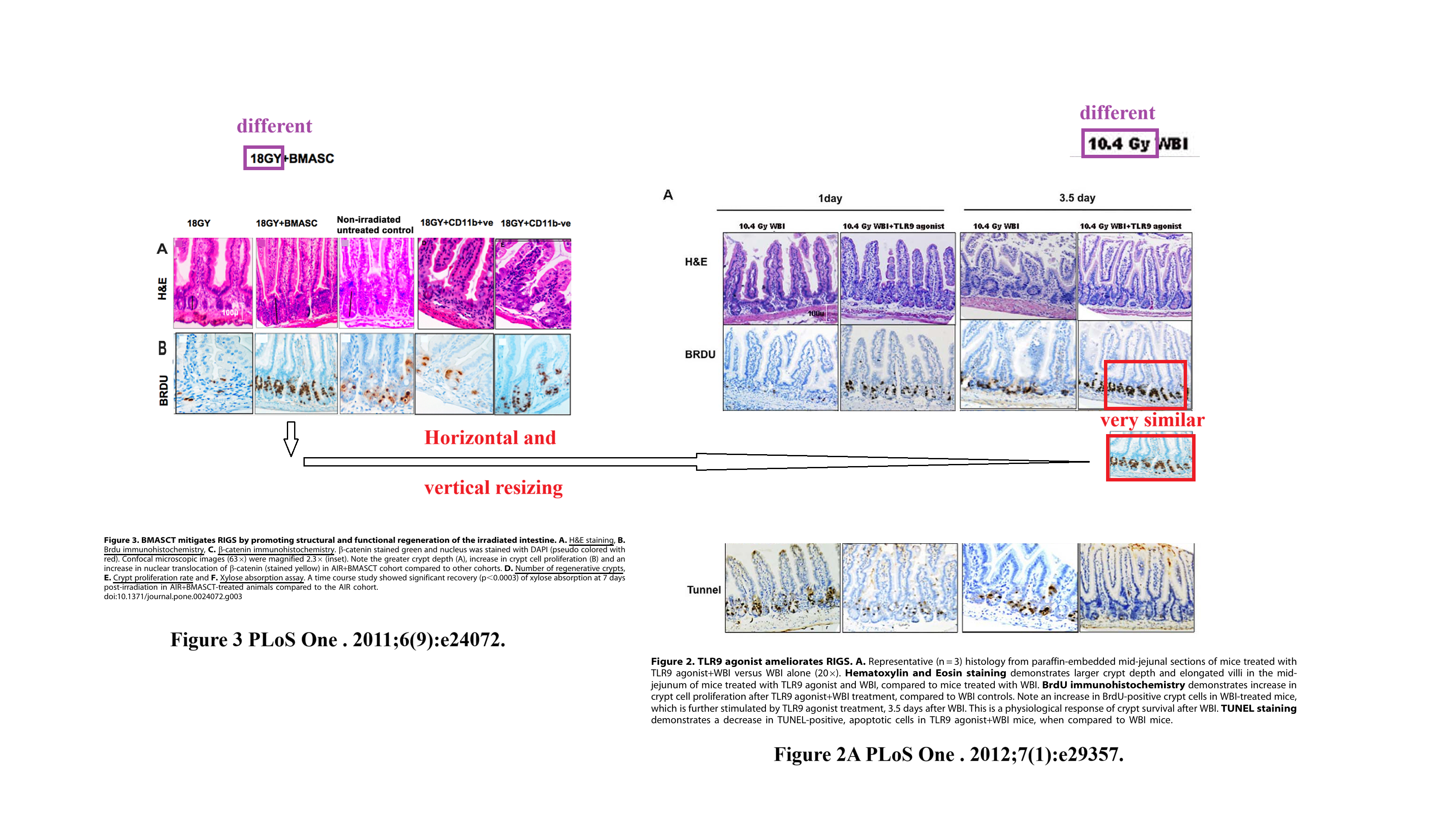
Guha and the Roy-Chowdhury didn’t reply to my email. As I mentioned, Guha has more on PubPeer. Like this:
- Subhrajit Saha, Payel Bhanja, Rafi Kabarriti , Laibin Liu , Alan A. Alfieri , Chandan Guha Bone marrow stromal cell transplantation mitigates radiation-induced gastrointestinal syndrome in mice PLOS One (2011) doi: 10.1371/journal.pone.0024072
- Subhrajit Saha , Payel Bhanja , Laibin Liu , Alan A. Alfieri , Dong Yu , Ekambar R. Kandimalla , Sudhir Agrawal , Chandan Guha TLR9 agonist protects mice from radiation-induced gastrointestinal syndrome PLOS One (2012) doi: 10.1371/journal.pone.0029357
Or this, with Amit Verma, Chair of Department of Oncology at Montefiore Einstein:
Diego Adrianzen-Herrera , Gaurav Choudhary , Shanisha Gordon-Mitchell , Nandini Ramachandra , Tushar Bhagat , Hui Zhang , Srinivas Aluri , Aditi Shastri , Ulrich Steidl , Britta Will , Weng-Lang Yang , Michelle Mahler , Gary Eichenbaum , Chandan Guha , Amit Verma The thrombopoietin mimetic JNJ-26366821 increases megakaryopoiesis without affecting malignant myeloid proliferation Leukemia & Lymphoma (2020) doi: 10.1080/10428194.2020.1775213
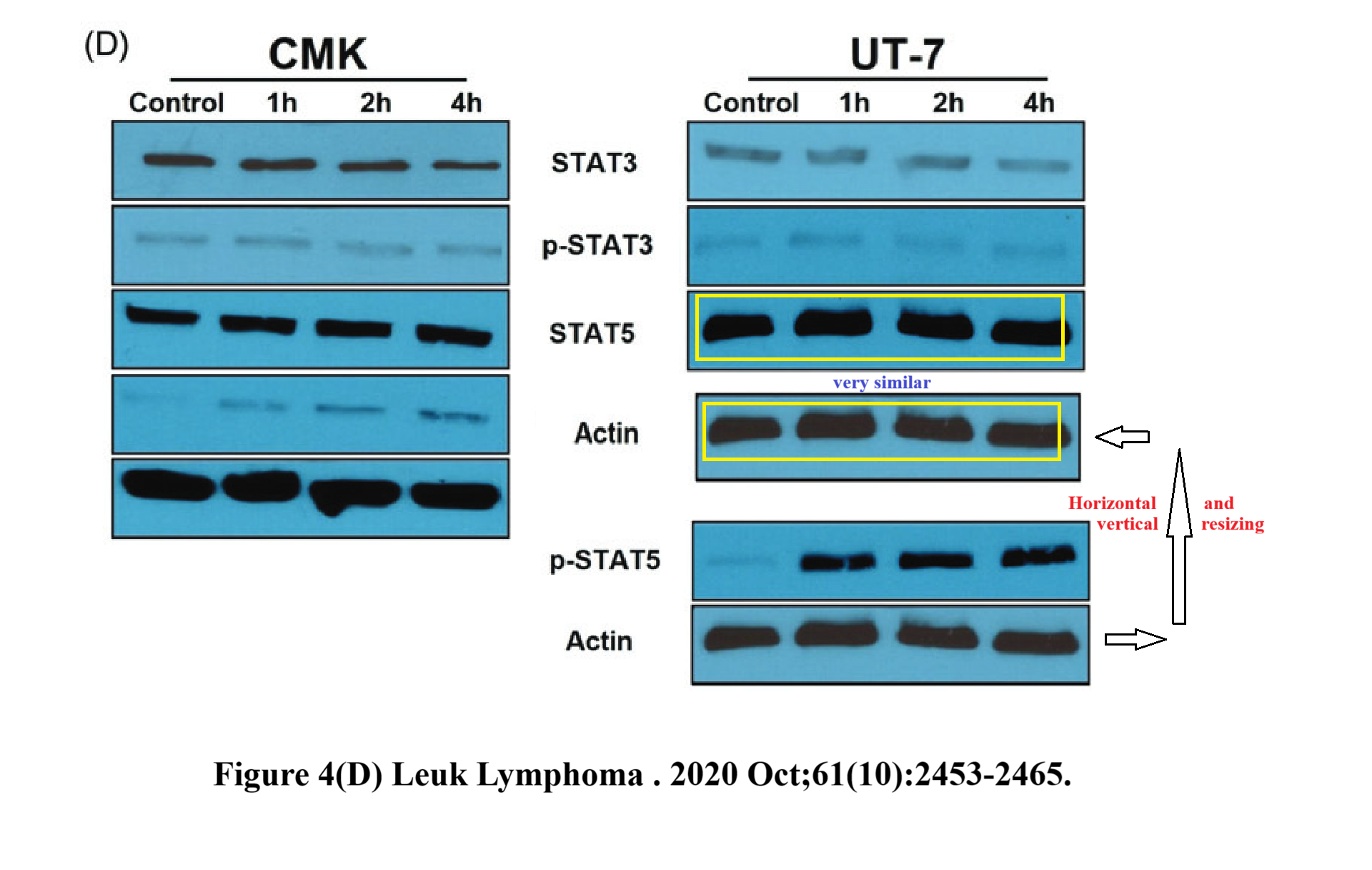
Fig 4D
Verma, blessed with a common name, is difficult to search on PubPeer, but he has another bad paper with above mentioned Ulrich Steidl, Ueda et al Cancer Cell 2021, but I am not entering this rabbit hole now.
Scholarly Publishing
1 mL of the mass killing of an ethnic group
I created a viral post on Bluesky.
The Elsevier paper, authored by esteemed scholars from Pakistan, Azerbaijan and Saudi Arabia, was originally flagged in our chat by a sleuth from Pakistan (who doesn’t want to be named here), Hubert Wojtasek then joined in:
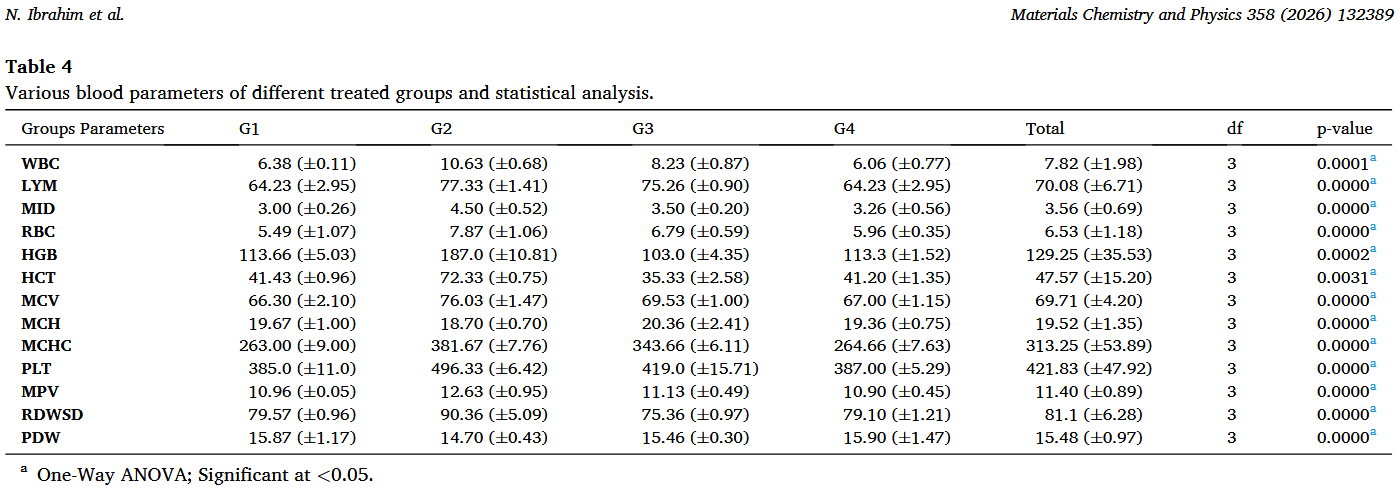
Noshaba Ibrahim , Farzana Siddique , Aalia Nazir , Behbud İbrahimov , Muhammad Abdul Majid , Asia Ahmad , Noorah Saleh Al-Sowayan , Mehrun Nisa , Hafeez Ullah, Zainab H. Almansour Exploring the efficacy of zinc based nanogel for wound healing: An in vivo study Materials Chemistry and Physics (2026) doi: 10.1016/j.matchemphys.2026.132389
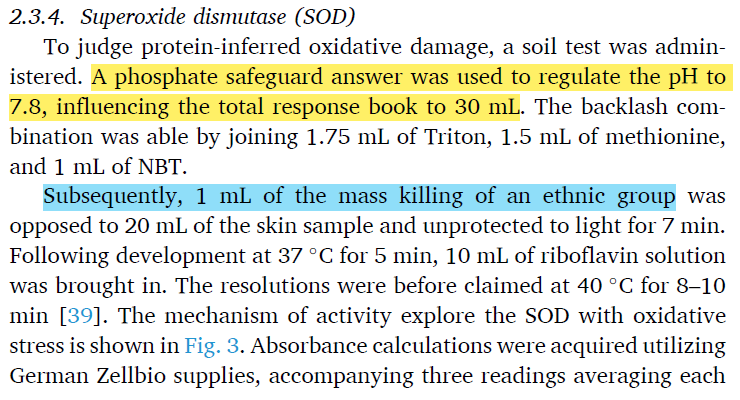
On BlueSky (followed by a blog post), the science writer David Bradley swiftly guessed what “mass killing of an ethnic group” meant before the papermill plagiarists applied rephrasing tools to it: “Subsequently, 1mL of the final solution was added to 20mL of the skin sample and exposed to light for 7 min“.
Another reader, Jens Staal, suspected that “they used a social science AI to proof read a science paper“, with the outcome like “Safeguard answer” for buffer, “total response book” for total volume, and well, “mass killing of ethnic group” for final solution.
This section indeed stands out like a sore thumb out of an otherwise gramatically correct AI-generated text:
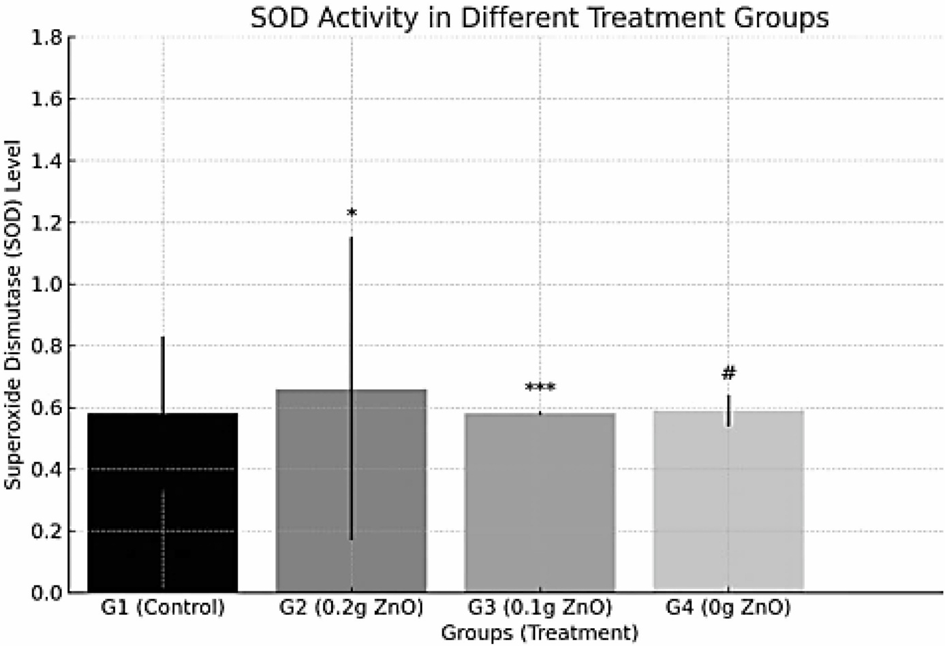
“To judge protein-inferred oxidative damage, a soil test was administered. A phosphate safeguard answer was used to regulate the pH to 7.8, influencing the total response book to 30 mL. The backlash combination was able by joining 1.75 mL of Triton, 1.5 mL of methionine, and 1 mL of NBT. Subsequently, 1 mL of the mass killing of an ethnic group was opposed to 20 mL of the skin sample and unprotected to light for 7 min.
Following development at 37 ◦C for 5 min, 10 mL of riboflavin solution was brought in. The resolutions were before claimed at 40 ◦C for 8–10 min [39]. The mechanism of activity explore the SOD with oxidative stress is shown in Fig. 3. Absorbance calculations were acquired utilizing German Zellbio supplies, accompanying three readings averaging each sample.”
The paper is otherwise bizarre, it combines ineptness of human idiots with AI slop.
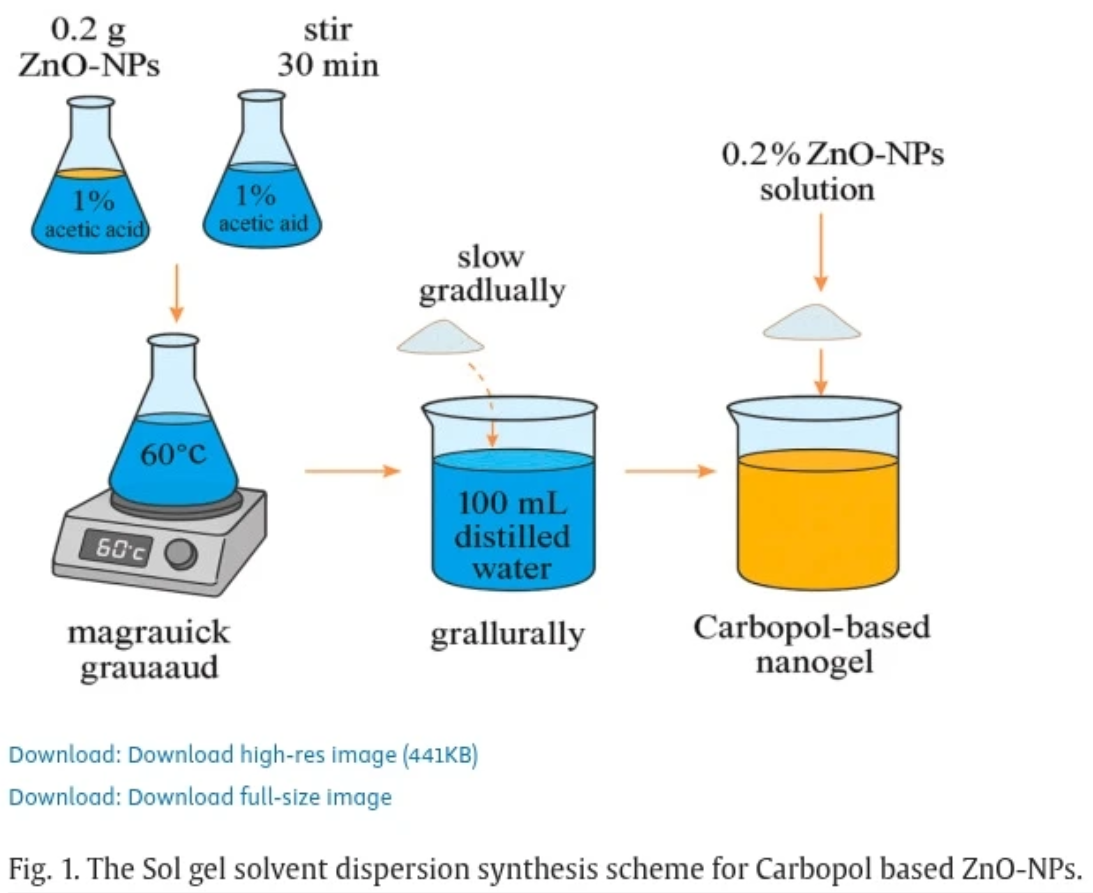
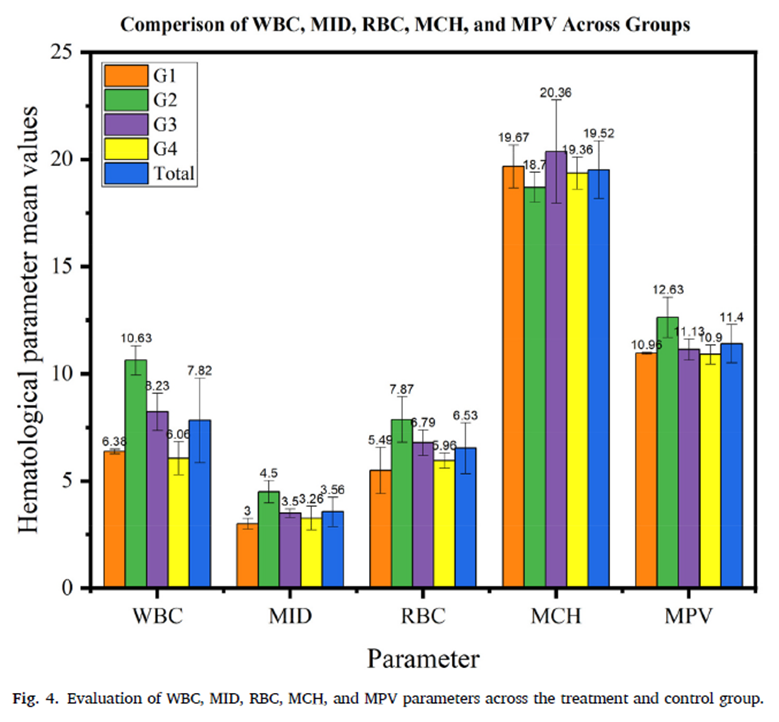
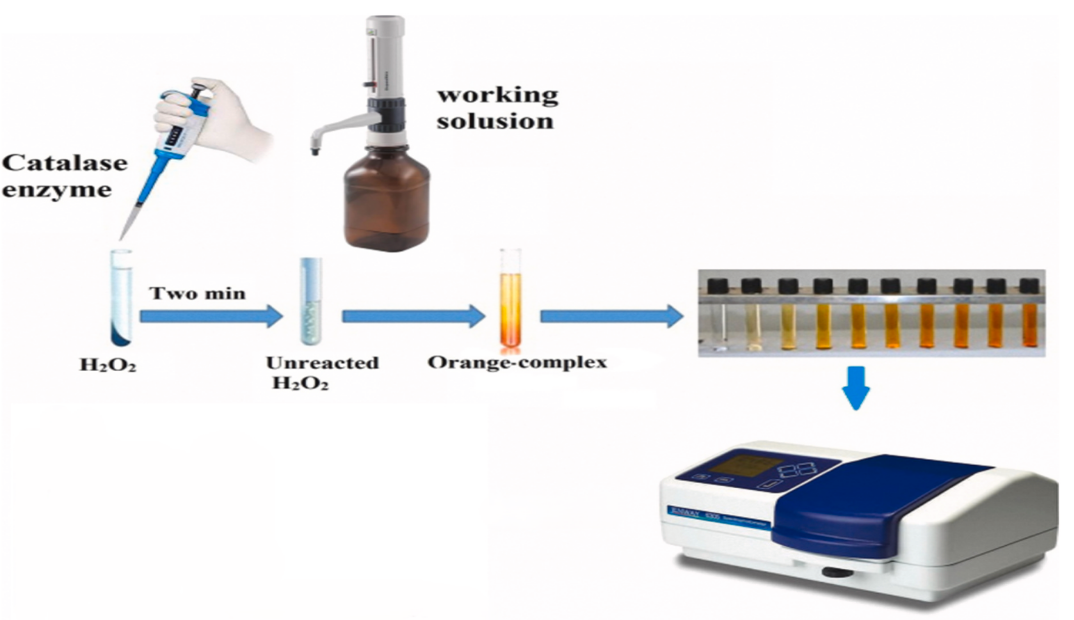
Remarkably, Elsevier replied to me and announced to investigate:

That was on 26 March. There’s still no Expression of Concern published.
Ghosted researcher
Retraction Watch wants you to celebrate yet another academic hero of research ethics, apparently their past hero, Sasan Sadrizadeh, wasn’t enough embarrassment (read July 2024 Shorts).
Or maybe this article from 1 April 2026, titled “Biology journal ghosts researcher after holding paper hostage“, was meant as a prank?
“In February, Evgenios Agathokleous, an environmental resources researcher at Nanjing University in China, asked Prime Scholars’ European Journal of Experimental Biology to retract a 2023 article that listed him as the sole author. In his email to the journal, he said he had never seen the paper and asked the journal to remove it and publish a formal retraction notice.
Two days later, a Prime Scholars representative named Nina responded, telling Agathokleous […] to pay 519 euros, the equivalent of roughly $600, which they said “covers the costs associated with publication handling, indexing preparation, and database maintenance.”
Agathokleous refused, and hasn’t heard from the publisher since, despite repeated attempts to get the journal to retract the article.”
The journal and the publisher Prime Scholars belong to the OMICS predatory empire, and these are known to invent authors or steal identities. Maybe it happened here, or maybe it didn’t.

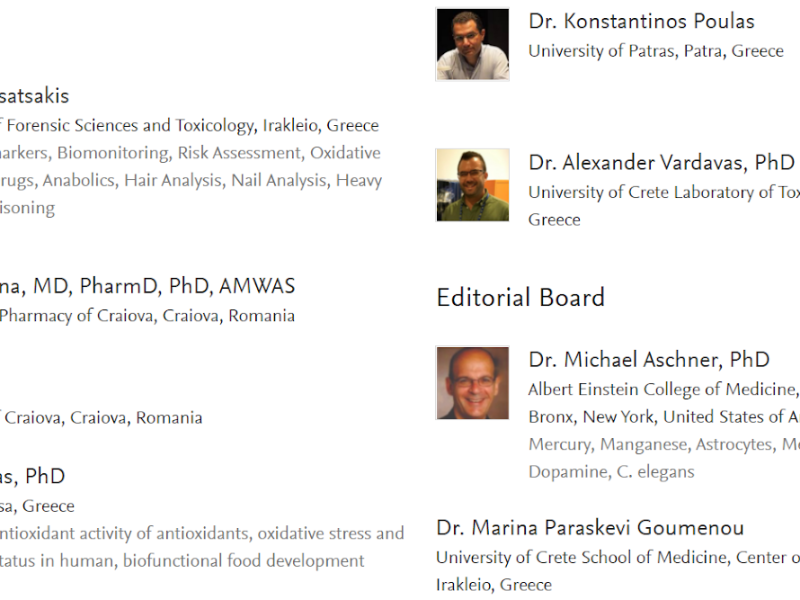
Thing is, Evgenios Agathokleous is a member of the papermill gang of Jörg Rinklebe, Damia Barcelo, Christian Sonne and Aristides Tsatsakis. This is clear from over 40 threads on PubPeer with Agathokleous’s name on them, all flagged for editorial conflicts of interests, .i.e. peer review rings. Especially the Italian researcher Elena Paoletti is often mentioned because she coauthored and edited papers by Agathokleous at the same time (her own PubPeer record is even bigger). For example, just when Paoletti and Agathekleous published the paper Feng et al 2022, she simultaneously acted as editor of this paper in the Elsevier journal The Science of The Total Environment (STOTEN), coauthored with Barcelo, Rinklebe and Sonne:
Evgenios Agathokleous , Damià Barceló , Jörg Rinklebe , Christian Sonne, Edward J. Calabrese , Takayoshi Koike Hormesis induced by silver iodide, hydrocarbons, microplastics, pesticides, and pharmaceuticals: Implications for agroforestry ecosystems health The Science of The Total Environment (2022) doi: 10.1016/j.scitotenv.2022.153116
Barcelo was kicked as Editor-in-Chief of STOTEN in March 2025, then joined “Science Guardians” and went to social media to denounce yours truly as a rapist and paedophile (read December 2025 Shorts).
Also, a 2022 Special Issue in STOTEN, titled “Environmental hormesis: A tribute to Anthony Stebbing“, was edited by Agathokleous and his close associate, the American Edward Calabrese (plus another dude). As the PubPeer user Desmococcus antarctica noted, out of 35 papers in this special issue, 11 were authored by Agathokleous, making it almost one third. Two were edited by Paoletti. for the others the editor was not named.
As you see, Agathokleous is obsessed with the idea of hormesis, a topic also close to Tsatsakis’s heart, which Smut Clyde described as “a corollary of the Paracelsian adage that ‘dosis sola facit venenum‘ – that is, anything that’s toxic at a high dose is necessarily good for you at sublethal levels“. Read here:
Elsevier’s Pandemic Profiteering
Aristidis Tsatsakis, Konstantinos Poulas, Ronald Kostoff, Michael Aschner, Demetrios Spandidos, Konstantinos Farsalinos: you will need a disinfecting shower once you read their papers.

Thus, no, Agathokleous is not a hero or a role model, and I am not really impressed by the professional judgement of Ivan Oransky of Retraction Watch here. That Greek dude is a pseudoscientist and a papermiller who constantly rigs the peer review process. If he really became a victim of OMICS identity theft, it only serves him right.
Retraction Watchdogging
They were not authors
BMJ finally retracted that Iranian papermill product, but the end result is not entirely satisfactory. Or decent. This was my original reporting of the case:
BMJ invaded by Iranian papermill
“Patients with weak heart function who receive stem cell therapy shortly after a heart attack are at lower risk of developing heart failure and related hospital stays compared with standard care, finds a clinical trial published by The BMJ today.”
This was the paper, a phase 3 clinical trial (NCT05043610) in Shiraz, Iran, where between September 2021 and October 2024 a large number of heart attack patients were allegedly injected with cells from umbilical cords, and miraculously cured:
Armin Attar, Seyed Alireza Mirhosseini , Anthony Mathur, Sheik Dowlut , Ahmad Monabati , Mohammad Kasaei , Firoozeh Abtahi , Yahya Kiwan , Massoud Vosough , Negar Azarpira Prevention of acute myocardial infarction induced heart failure by intracoronary infusion of mesenchymal stem cells: phase 3 randomised clinical trial (PREVENT-TAHA8) BMJ (2025) doi: 10.1136/bmj-2024-083382
The main obstactle to the retraction was the same as the main reason for accepting that fabrication in the first place:the coauthor Anthony Mathur is a white English man, professor of cardiology at the Queen Mary University of London (QMUL) and Consultant Cardiologist at Nuffield Health at St Bartholomew’s Hospital and Barts Heart Centre. He is also owner of the company Heart Cells and is trustee of a similarly named British “charity” Heart Cell Foundation, which offers “compassionate” stem cell therapies for cardiovascular disorders, using autologous bone marrow. Another British coauthor, Sheik Dowlut, works at QMUL since 2012, he and Mathur previously published together.
Thus, The BMJ set off on a face- and arse-saving mission. It started with an Expression of Concern from 12 November 2025:
“The BMJ was alerted to post-publication discussion raising concerns about a variety of issues; some issues were apparent from the data that support the paper, and are linked to from the article. Examples of the issues identified include irregularities in the data, concern about the inclusion of participants who did not meet the age criteria specified in the study, and concerns about undeclared conflicts of interest and authorship.”
Now, this Correction was published in parallel with the retraction on 31 March 2026:
“The authorship of this article by Attar and colleagues (BMJ 2025;391:e083382, doi:10.1136/bmj-2024-083382
What happened after publication
After publication of the original article, Anthony Mathur and Sheik Dowlut, who were listed as authors of the study, wrote to the journal to say that they were not authors. The editors published an expression of concern2 due to several concerns, including authorship.
On investigation, it transpired that Mathur and Dowlut’s only contribution to the work was to provide feedback on the manuscript before its submission to The BMJ. Mathur and Dowlut asked Attar by email before submission to remove them from the list of authors, but this was not done. Although Mathur and Dowlut were subsequently included among the recipients of emails sent by the journal during the submission process to all the listed authors, which identified them as authors of the paper, they failed to reiterate to the journal their request not to be listed as authors until the paper had been published.
Reasons for correction
The article has been corrected to remove Mathur and Dowlut as authors because they were included as authors but do not meet the criteria for authorship.”
See, Mathur never wanted to be an author of this paper! He fought against being added as author so bravely that he even added this paper to his publication list on the QMUL website. And, as Sophie Hill noted, Mathur completely forgot to protest about this identity theft to Retraction Watch when he had a perfect opportunity.
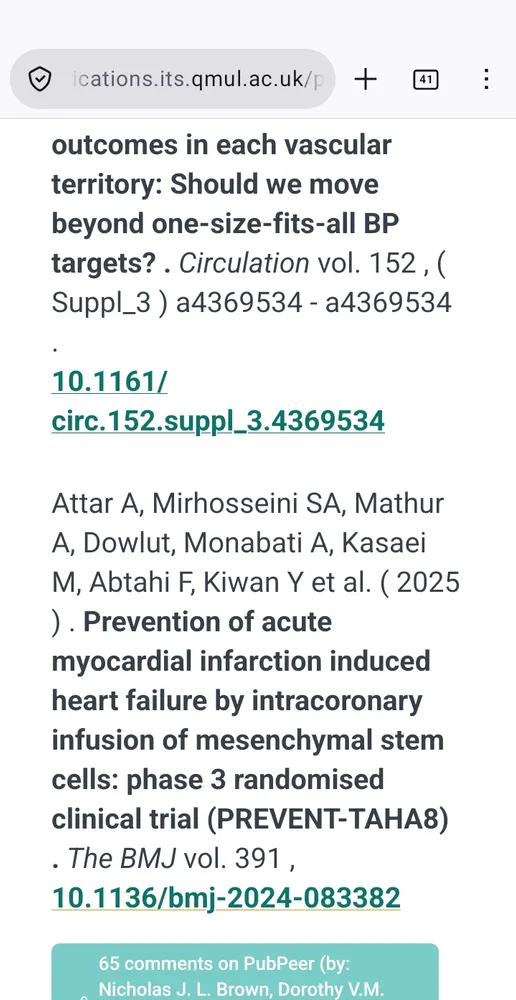
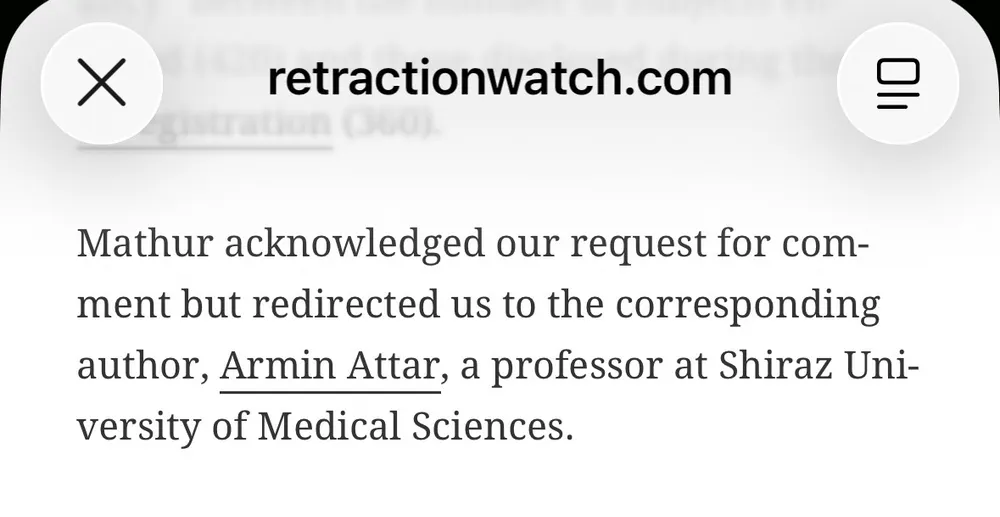
Basically, it stopped being Mathur’s and Dowlut’s paper as soon as these two Englishmen saw a looming retraction on the horizon. And here is the long retraction from 31 March 2026, excerpts:
“This article by Attar and colleagues (BMJ 2025;391:e083382, doi:10.1136/bmj-2024-083382, , published 29 October 2025)1 is retracted by the journal. […]
Concerns regarding the reliability of the trial and the integrity of the reported data
The issues included apparent recruitment outside of the inclusion criteria, including those over 65 years old; discrepancy in the number of participants enrolled; and data irregularities, such as unusual patterns in the data (including improbable values and/or repeated numbers) and mismatched and missing secondary outcomes. The study reports a clinical trial of an investigational medicinal product, so the journal asked the Iran Food and Drug Administration to assess the above concerns, any impact these have on the integrity of the results, and to review whether the trial was undertaken according to Good Clinical Practice (see web appendix for letter).
The Iranian regulator confirmed it would assess the situation and determine the appropriate course of action as soon as possible. However, after 2 December 2025, emails to the regulator did not receive a response. Therefore, the dataset has not yet undergone independent verification.
The authors told the journal that the issues with the data were unintentional and arose from integration of hospital level datasets. They have supplied a revised dataset to the journal, which will be shared with the regulator. […]
Reasons for retraction
The article is retracted because concerns remain about the reliability of the trial and the integrity of the reported data. The corresponding author and the regulator have not been able to adequately address these concerns.”
The retraction notice also mentioned undisclosed conflicts of interests (not Mathur’s obviously, he was removed off the retraction notice), but of the Iranians who also run a stem cell clinic. Another pissue the retraction notice mentioned was the retrospective trial registration. In the trial protocol published in August 2022, “the authors wrote that the study began recruitment in January 2021 and that it was registered—retrospectively—in September 2021“:
Armin Attar , Ahmad Monabati , Mohammad Montaseri , Massoud Vosough , Seyed Ali Hosseini , Javad Kojouri , Alireza Abdi-Ardekani , Peyman Izadpanah , Negar Azarpira , Gholamreza Pouladfar , Mani Ramzi Transplantation of mesenchymal stem cells for prevention of acute myocardial infarction induced heart failure: study protocol of a phase III randomized clinical trial (Prevent-TAHA8) Trials (2022) doi: 10.1186/s13063-022-06594-1
Because BMJ does not publish retrospectively registered trials, these cheaters changed the trial registry entry (NCT05043610) to set the recruitment start to 7 October 2024, thus making the trial prospective.
As Dorothy Bishop noted, the clinical trial data is clearly fabricated, and it doesn’t make things better that the authors have fabricated a new dataset.
But if the Iranian regime wasn’t busy at the turn of the year with murdering thousands of protesters and preparing for the war with USA and Israel, it would have probably provided The BMJ with a stamped, sealed, signed and blessed certificate that this clinical study and its old and new datasets are fully relaible and beyond any reproach. And there would be no retraction and no removal of Mathur and Dowlut as authors.
Fighting to Preserve the Memories
Three more retractions for that sacked NIH fraudster Eliezer Masliah, and he is still fighting to prevent them. All 3 retractions happened in the same Springer Nature journal:
Elvira Valera , Brian Spencer , Jerel A. Fields , Ivy Trinh , Anthony Adame , Michael Mante , Edward Rockenstein , Paula Desplats , Eliezer Masliah Combination of alpha-synuclein immunotherapy with anti-inflammatory treatment in a transgenic mouse model of multiple system atrophy Acta Neuropathologica Communications (2017) doi: 10.1186/s40478-016-0409-1
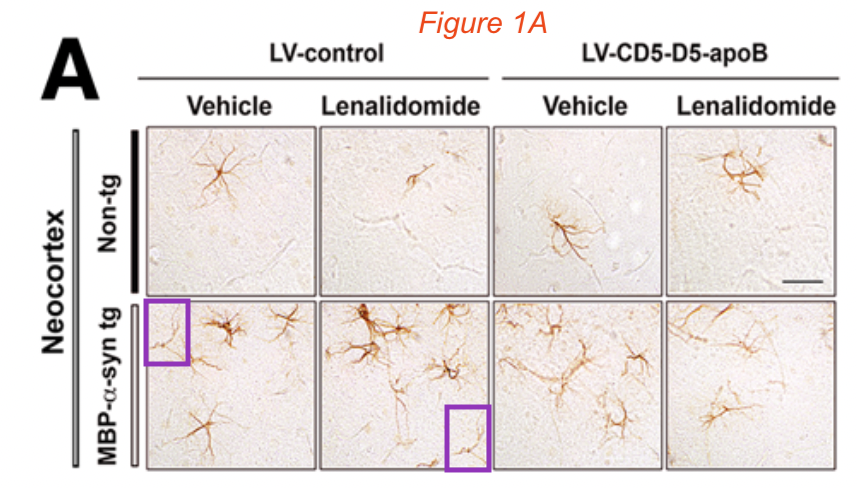
Purple boxes: An overlap might be observed in the bottom row, between the left Vehicle and Lenalidomide panels.”
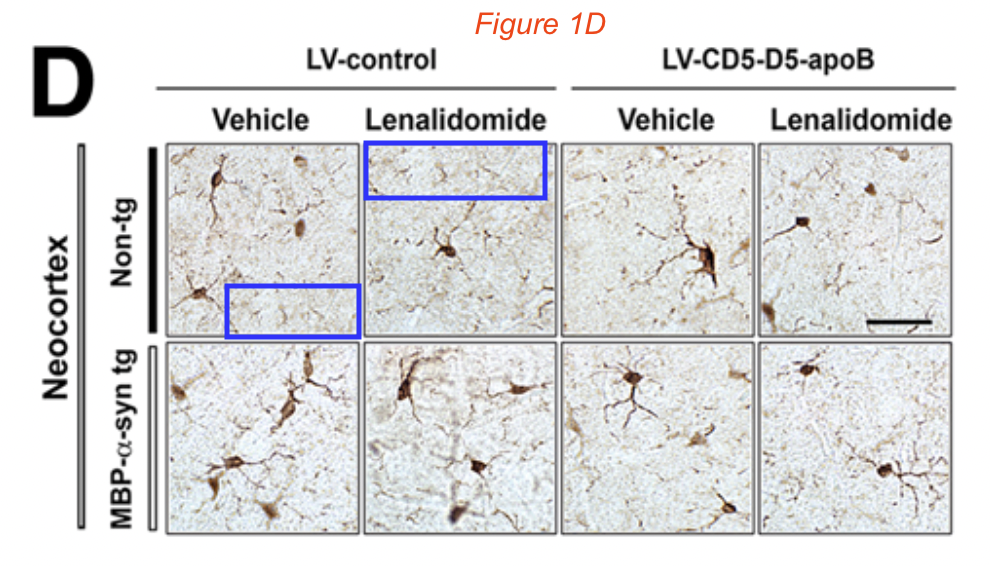
Blue boxes: An overlap might be observed in the top row, between the left Vehicle and Lenalidomide panels, with some stretching.”
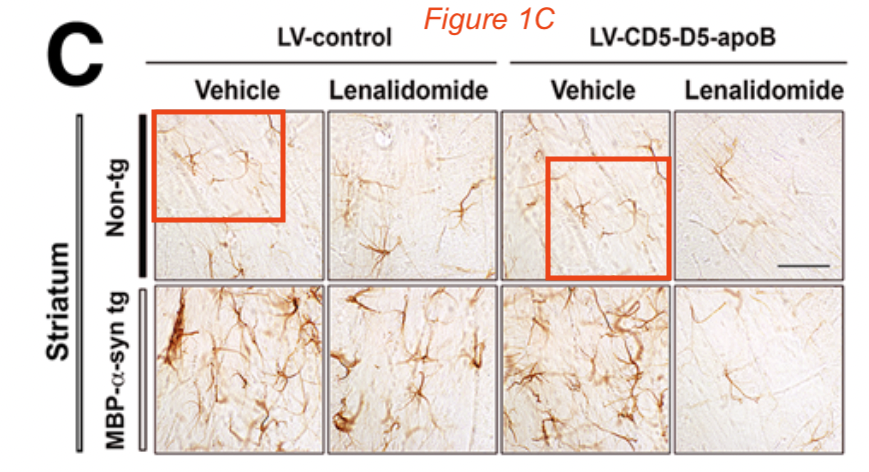
Red boxes: An overlap might be observed in the top row, between the left and right Vehicle panels.”
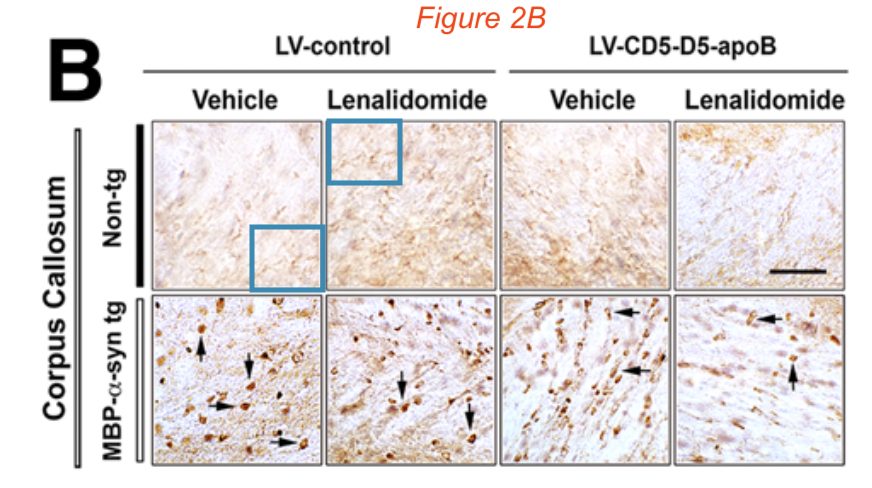
Cyan boxes: An overlap might be observed in the top row, between the left Vehicle and Lenalidomide panels.”
The retraction from 27 March 2026 went:
“The Editors-in-Chief have retracted this article. After publication, concerns were raised regarding some of the images presented in the figures, specifically:
- Fig. 1A MBP-α-syn-tg LV-control Vehicle and Lenalidomide images appear to overlap;
- Fig. 1C Non-tg LV-control Vehicle and LV-CD5-D5-apoB Vehicle images appear to overlap;
- Fig. 1D Non-tg LV-control Vehicle and Lenalidomide images appear to overlap;
- Fig. 2B Non-th LV-control Vehicle and Lenalidomide, and LV-CD5-D5-apoB Vehicle images appear to overlap;
- Fig. S1a LV-CD5-D5-apoB Vehicle MBP-α-syn-tg image appears to have duplicated patterns;
- Fig. S2a LV-CD5-D5-apoB Vehicle Non-tg image appears to have duplicated patterns.
The Editors-in-Chief therefore no longer have confidence in the presented data.
Elezier Masliah has not explicitly stated whether they agree with this retraction. Edward Rockenstein is deceased. The other authors have not responded to any correspondence from the editor or publisher about this retraction.”
Thie next one is about that bizarre Austrian drug Cerebrolysin, or as I call it, Nazi Pig Brain Juice. Because it was invented by a literal Nazi (Gerhart Harrer), and is made from a mashed pig brain. Read here:
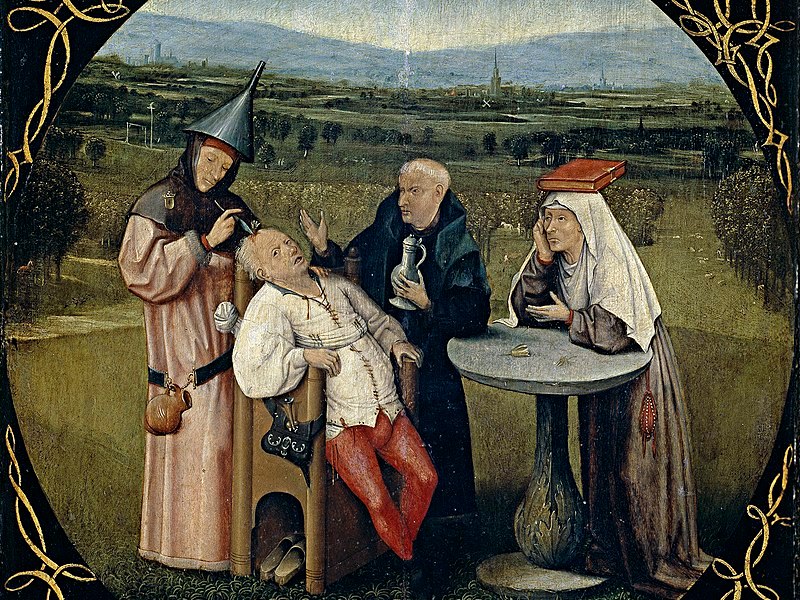
Cerebrolysin: Sharmas, Masliah, and EVER Pharma
“Poking around PubMed (Dysdera the spider is always on the hunt for new hornet’s nests) [..], I came across one image in two papers by Eliezer Masliah. […] By a conservative count, I contributed to about 160 out of 300 slides in the final dossier” – Mu Yang

The manufacturer is the Austrian company EBEWE, and several of Masliah’s coauthors, in particular Herbert Mössler (read the article above) listed its affiliation.
Edith Doppler , Edward Rockenstein, Kiren Ubhi , Chandra Inglis , Michael Mante , Anthony Adame , Leslie Crews, Monika Hitzl , Herbert Moessler, Eliezer Masliah Neurotrophic effects of Cerebrolysin in the Mecp2(308/Y) transgenic model of Rett syndrome Acta Neuropathologica (2008) doi: 10.1007/s00401-008-0407-x
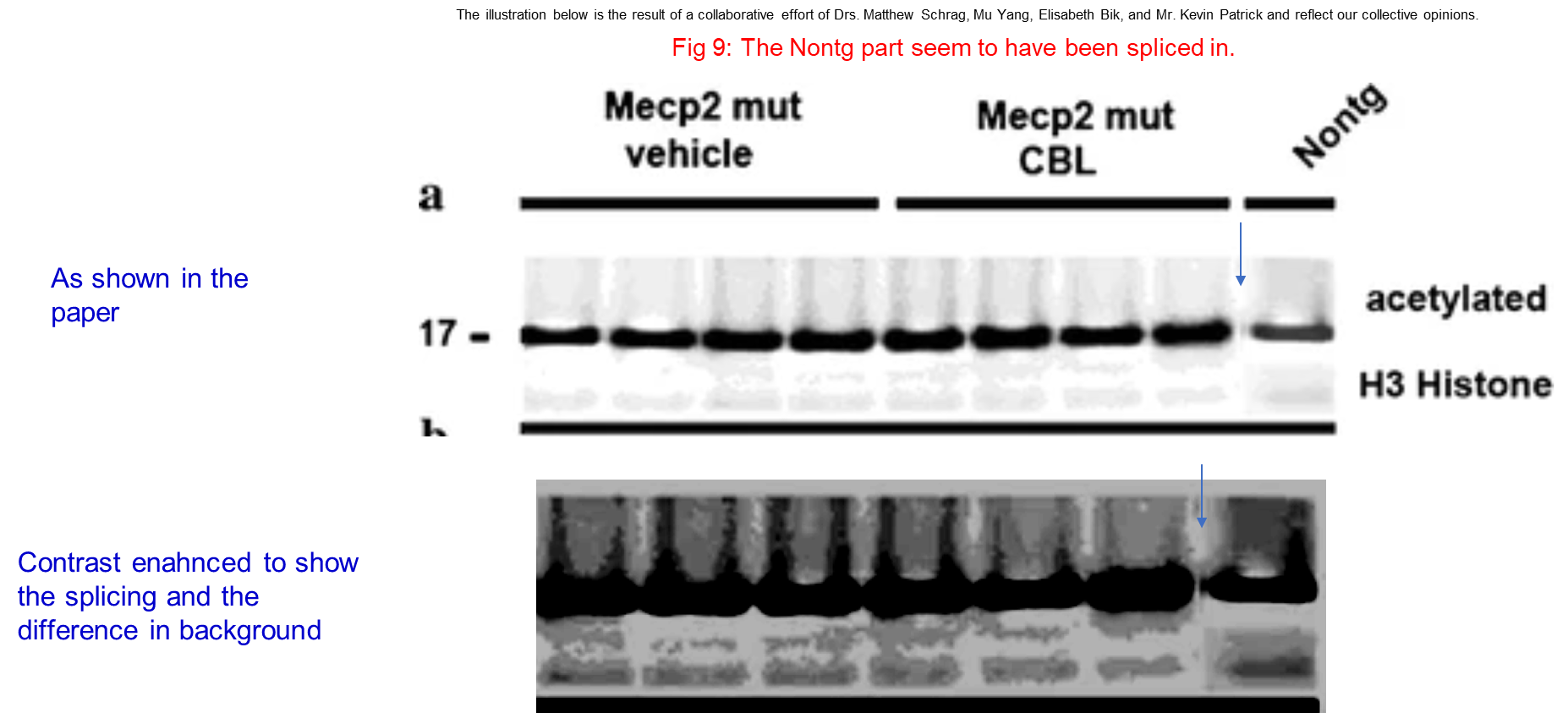
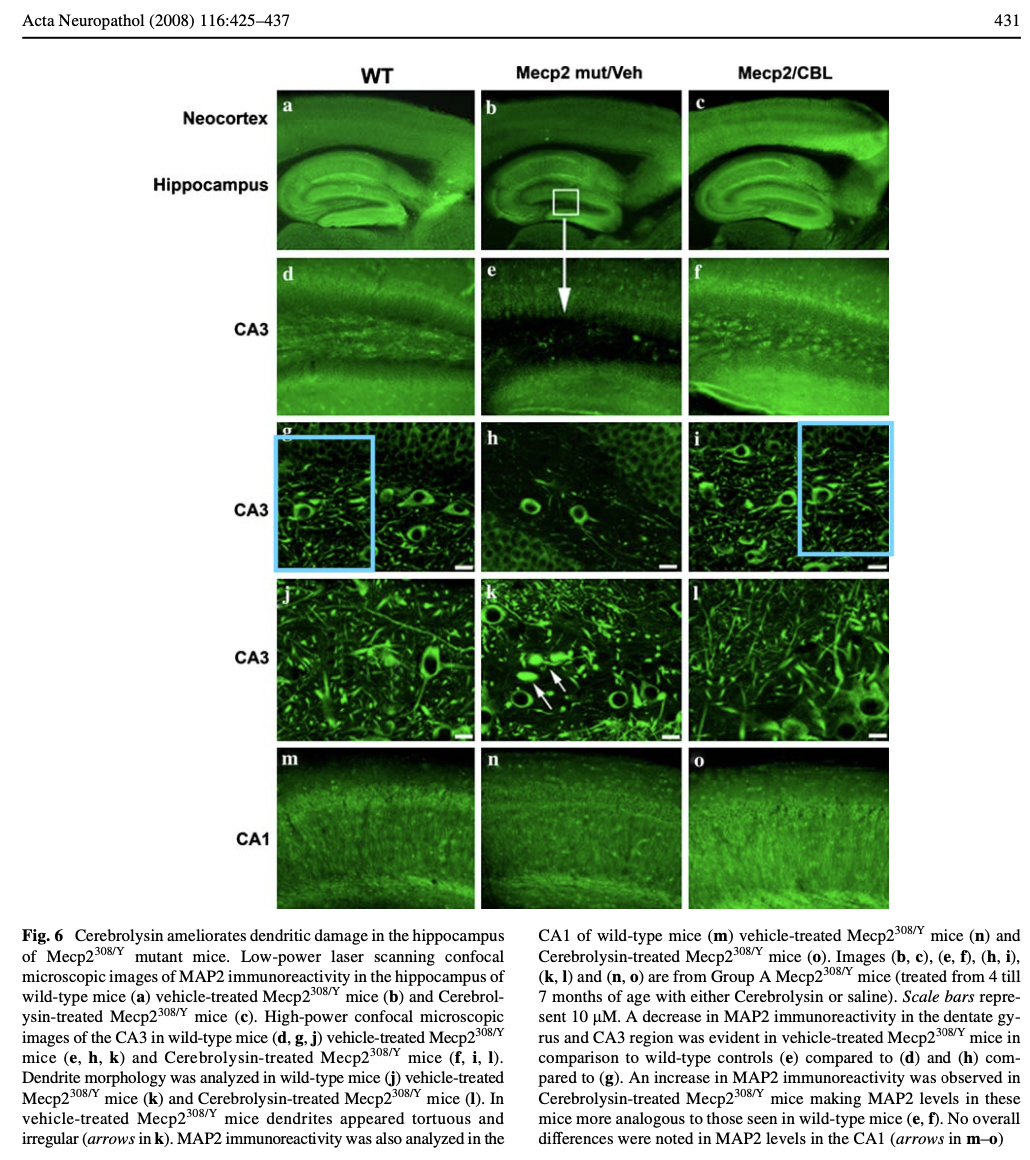
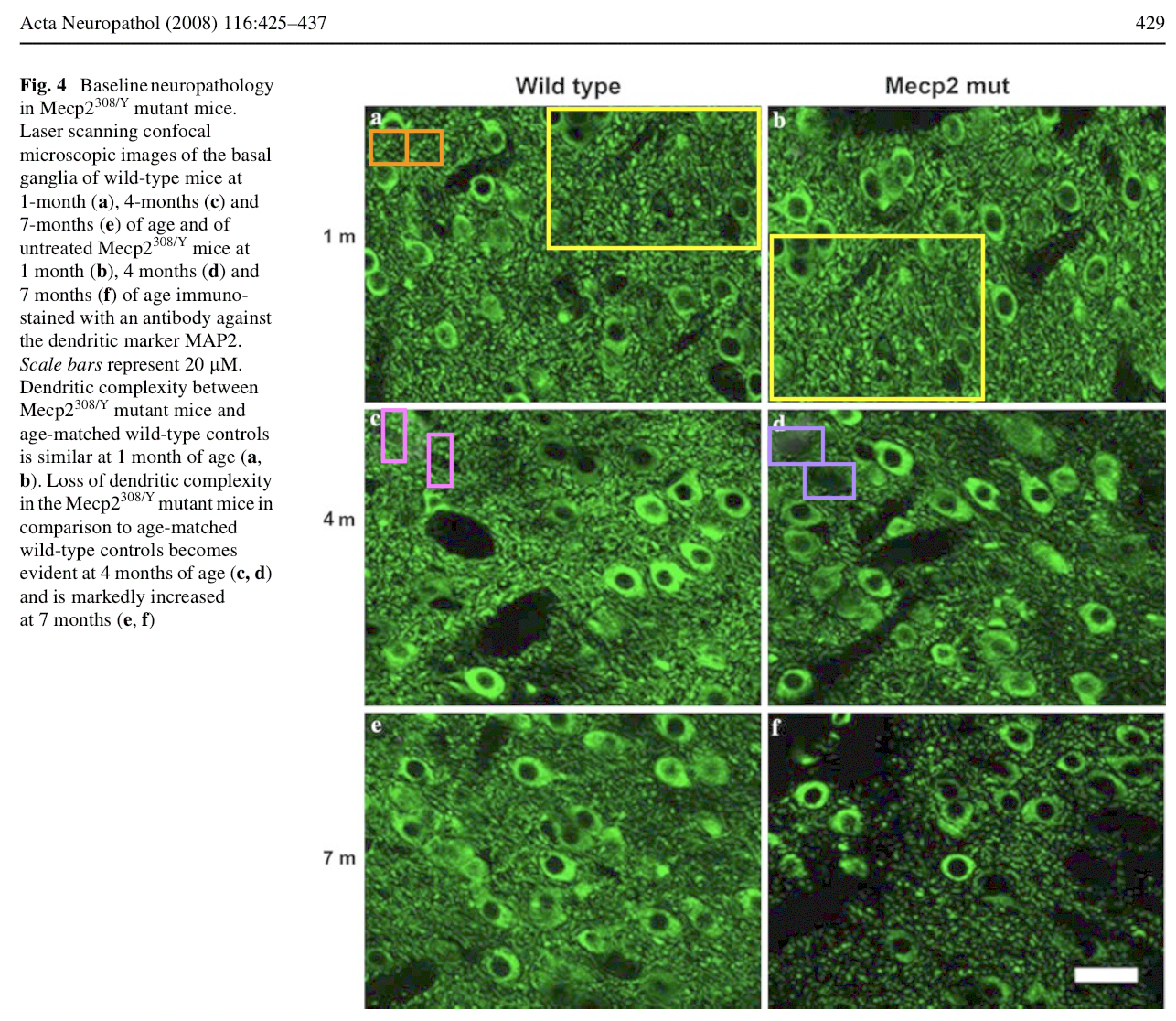
Boxes of the same color highlight potential overlapping or repetitive areas between or within panels.”
Springer Nature published the retraction on 24 March 2026:
“The Editor-in-Chief and the Publisher have retracted this article. After publication, concerns were raised regarding some of the data presented in the figures, specifically:
- Figure 4a and b appear to overlap;
- Figure 6g and i appear to overlap;
- Figure 6c appears to show a partial brightness adjustment in the neocortex area;
- Figure 9 blots appear to show signs of digital splicing between lanes 8 and 9.
The authors have stated that the image overlaps were caused by errors in image selection for publication, and confirmed that the blots in Fig. 9 were spliced to exclude a marker lane, which was considered acceptable at the time. The authors have shared partial original data to support their response; however, further checks by the Publisher found additional irregularities in the original data, including high similarity between the CA1 area of Fig. 6b and m.
Eliezer Masliah does not agree with this retraction. Edward Rockenstein is deceased. The other authors have not responded to any correspondence from the editor or publisher about this retraction.”
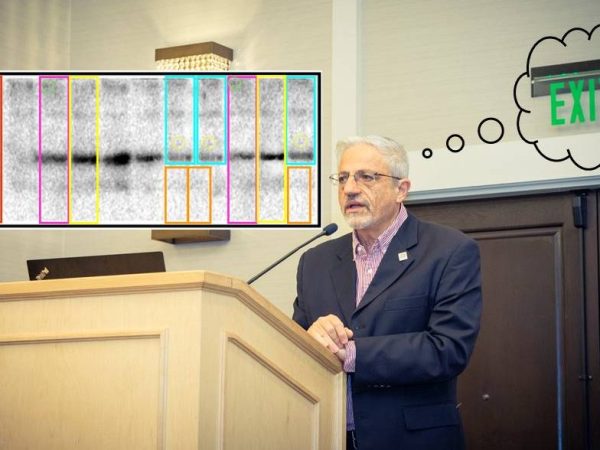
The potential problems of Eliezer Masliah
“the confusion occurred while utilizing prior panels as example ” – emeritus professor Eliezer Masliah
Yes, Masliah again tried to trick the editors with fake raw data. Also here:
Brian Spencer, Elvira Valera , Edward Rockenstein , Cassia Overk , Michael Mante , Anthony Adame , Wagner Zago , Peter Seubert , Robin Barbour , Dale Schenk , Dora Games , Robert A. Rissman , Eliezer Masliah Anti-α-synuclein immunotherapy reduces α-synuclein propagation in the axon and degeneration in a combined viral vector and transgenic model of synucleinopathy Acta Neuropathologica Communications (2017) doi: 10.1186/s40478-016-0410-8
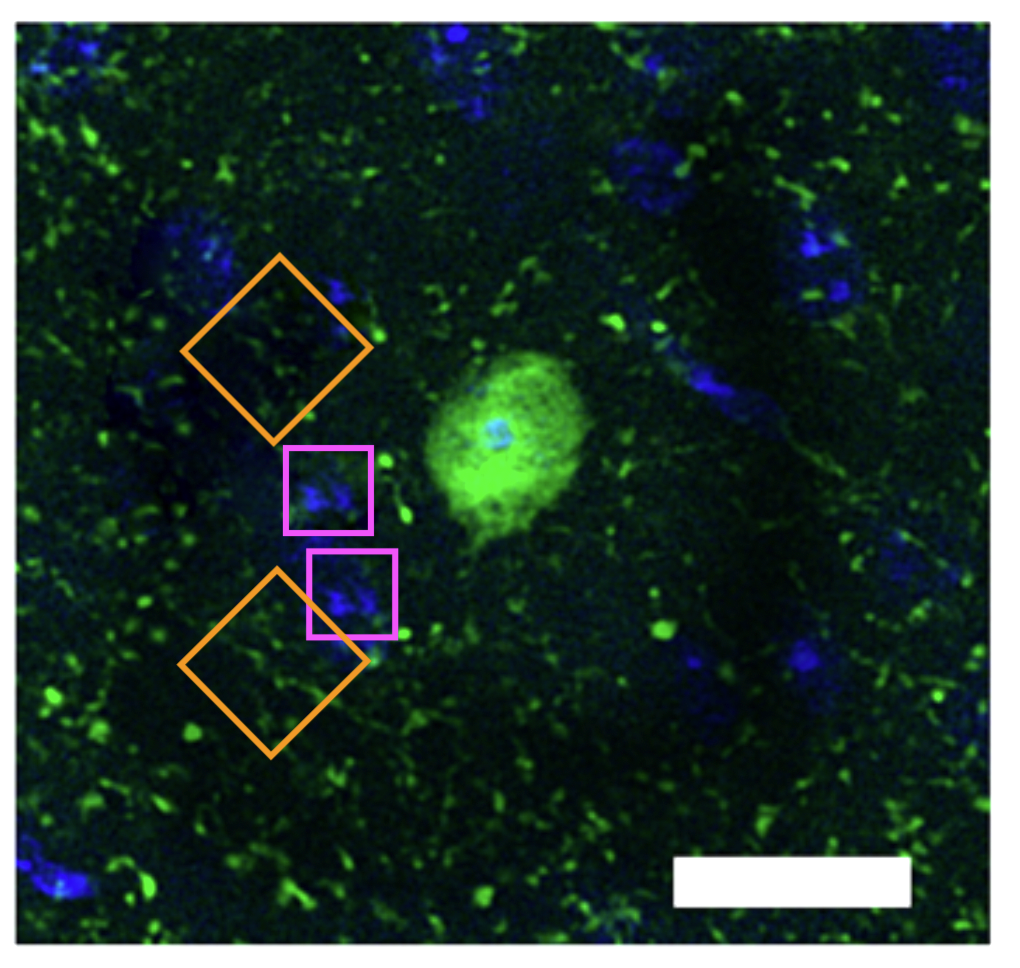
Orange and pink boxes: The top right panel appears to contain some repetitive features”
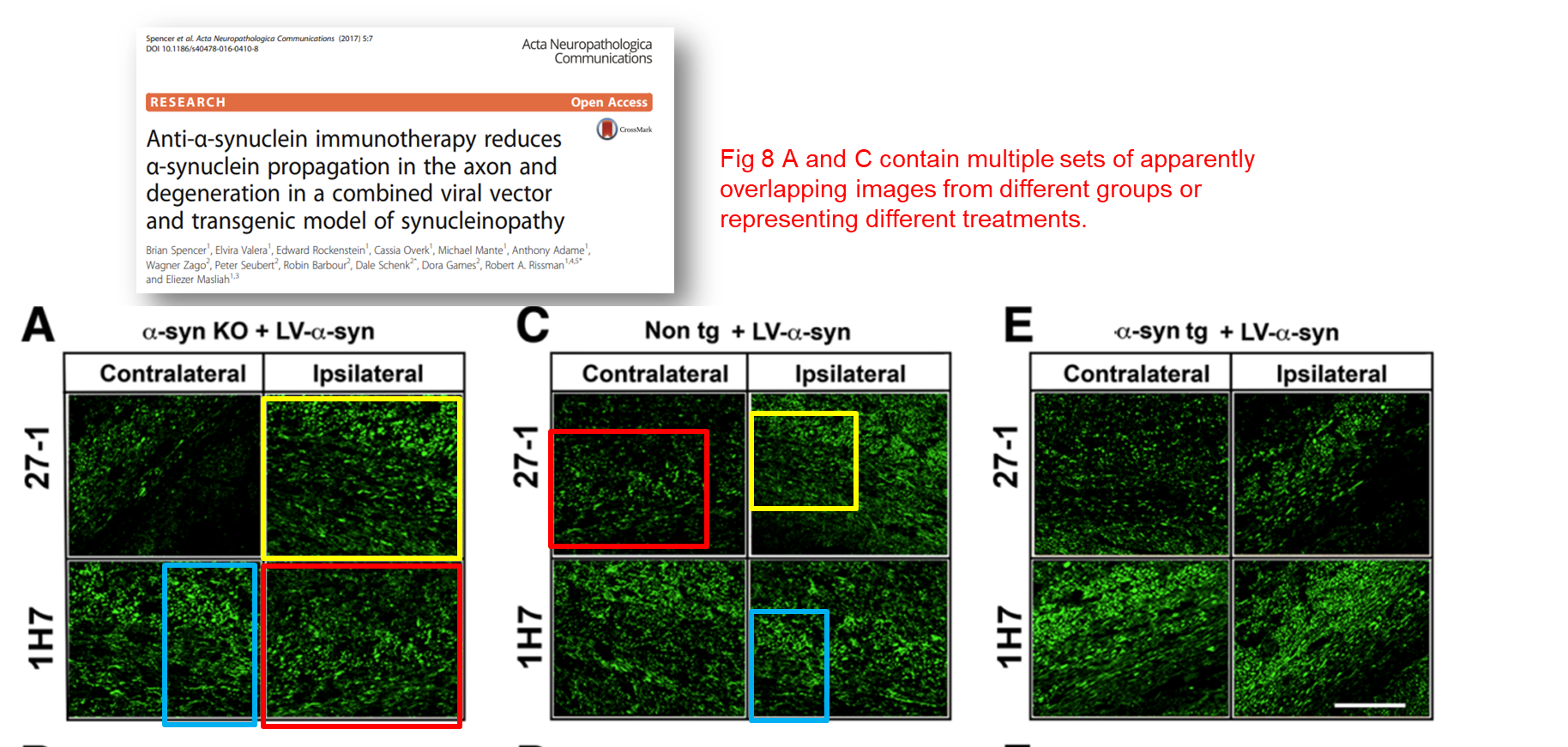
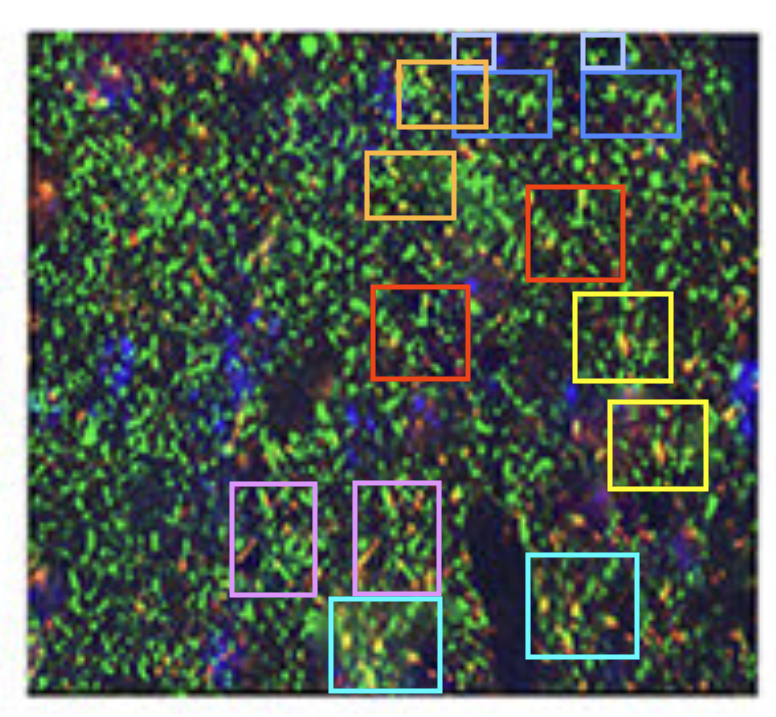
Elisabeth Bik: “Concerns about Figure 9B:
Boxes of the same color: ]The bottom right panel appears to contain some repetitive features”
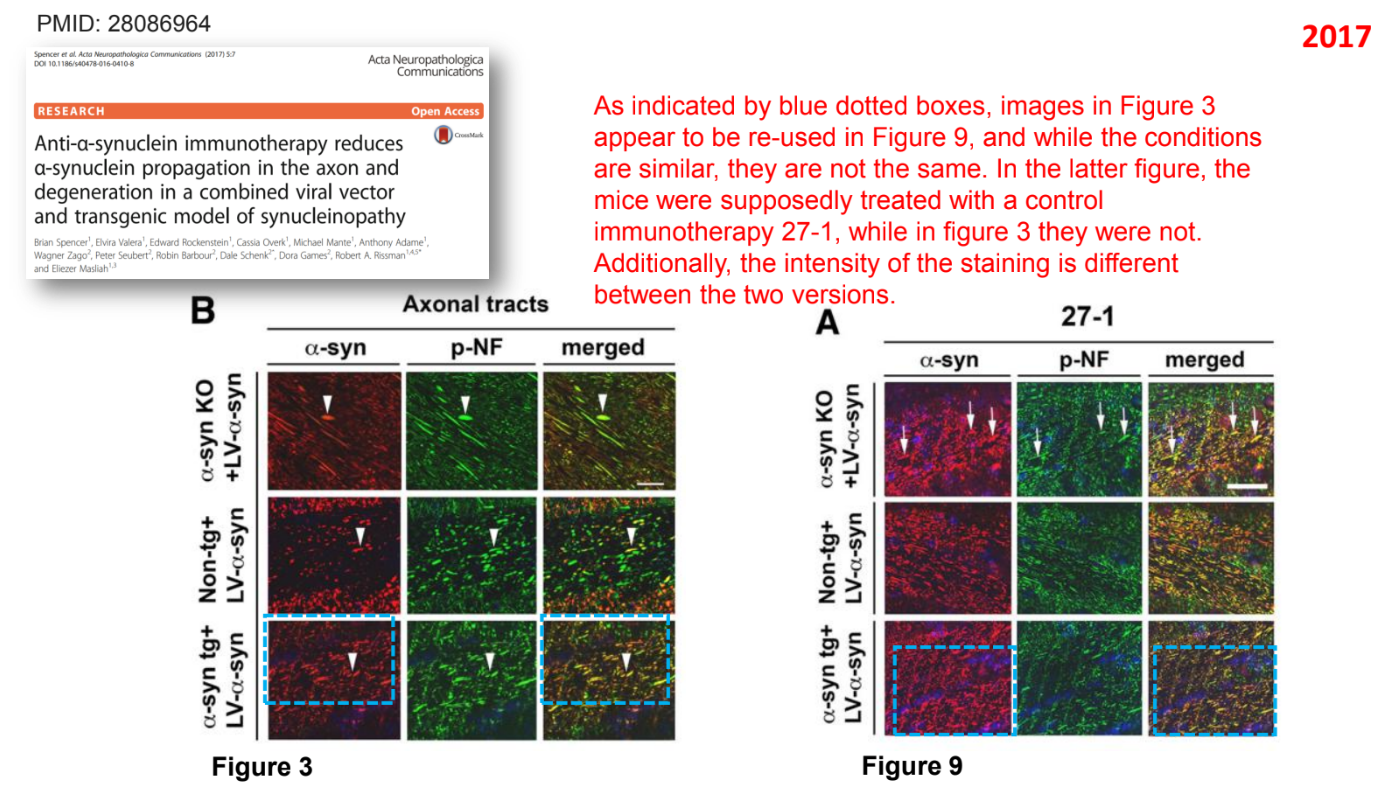
Here, the retraction appeared on 26 March 2026:
“The Editors-in-Chief have retracted this article. After publication, concerns were raised regarding the images presented in the figures, specifically:
- Fig. 2B Axons Contra and Ipsi images appear to overlap (flipped horizontally and resized).
- Fig. 3B A α-syn tg + LV-α-syn images appear to overlap;
- Fig. 5 α-syn KO + LV-α-syn 1H7 Alexa image appears to contain repetitive features;
- Fig. 8A 27 − 1 and 1H7 Ipsilateral and 8 C 27 − 1 Contralateral and Ipsilateral images all appear to originate from the same sample;
- Fig. 8A 1H7 Contralateral and 8 C 1H7 Ipsilateral images appear to overlap;
- Fig. 9B α-syn KO + LV-α-syn images appear to contain repetitive features.
The authors provided partial original data to address these concerns. However, further checks by the Publisher found additional similarities between original images representing different groups or samples.
The Editors-in-Chief therefore no longer have confidence in the presented data.”
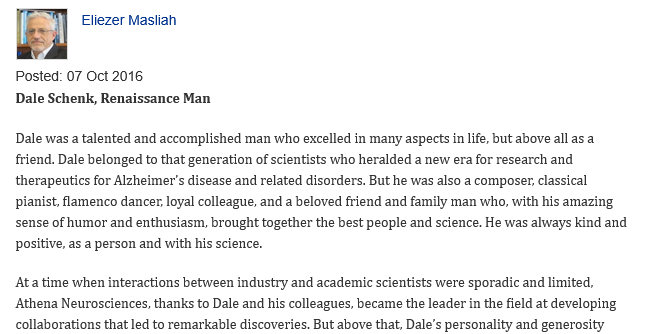
Strangely, Masliah agreed to this retraction. The coauthor and pharma executive Dale Schenk died in 2016 aged 59. Just like the deceased Rockenstein, he leaves behind a list of fraudulent papers, some already retracted and all with Masliah. I guess all this fraud is Masliah’s personal way of “Fighting to Preserve the Memories” of his colleague. This AlzForum obituary has comments by coauthors of the above paper, including Schenk’s partner Dora Games and of course Masliah:
Found not to be reproducible
A retraction for some very important people in (Northern) Ireland. Ryan Donnelly is professor and director of research at the School of Pharmacy of Queen’s University Belfast in Northern Ireland, UK. Andi Dian Permana is his former postdoc, “Grand finalist of the 2025 L-Men of The Year” and “Youngest Professor at Hasanuddin University at the age of 34”, in his home country Indonesia. Helen McCarthy is also professor at QUB and founder and CEO of a failed biotech. Read about them here:
Fraud by Thousand Needles
” I can’t even begin to imagine the psychological damage of joining a lab as a new postgrad student and having people like Ryan F. Donelly as your supervisor and Andi as the postdoc, it must be heartbreaking. ” – Sholto David

Andi used to be Ryan’s most cherished mentee, I wonder if it still is so, what with the stuff on PubPeer, and especially this retraction:
Andi Dian Permana, Ismaiel A. Tekko , Maelíosa T.C. McCrudden , Qonita Kurnia Anjani , Delly Ramadon, Helen O. McCarthy, Ryan F. Donnelly Solid lipid nanoparticle-based dissolving microneedles: A promising intradermal lymph targeting drug delivery system with potential for enhanced treatment of lymphatic filariasis Journal of Controlled Release (2019) doi: 10.1016/j.jconrel.2019.10.004
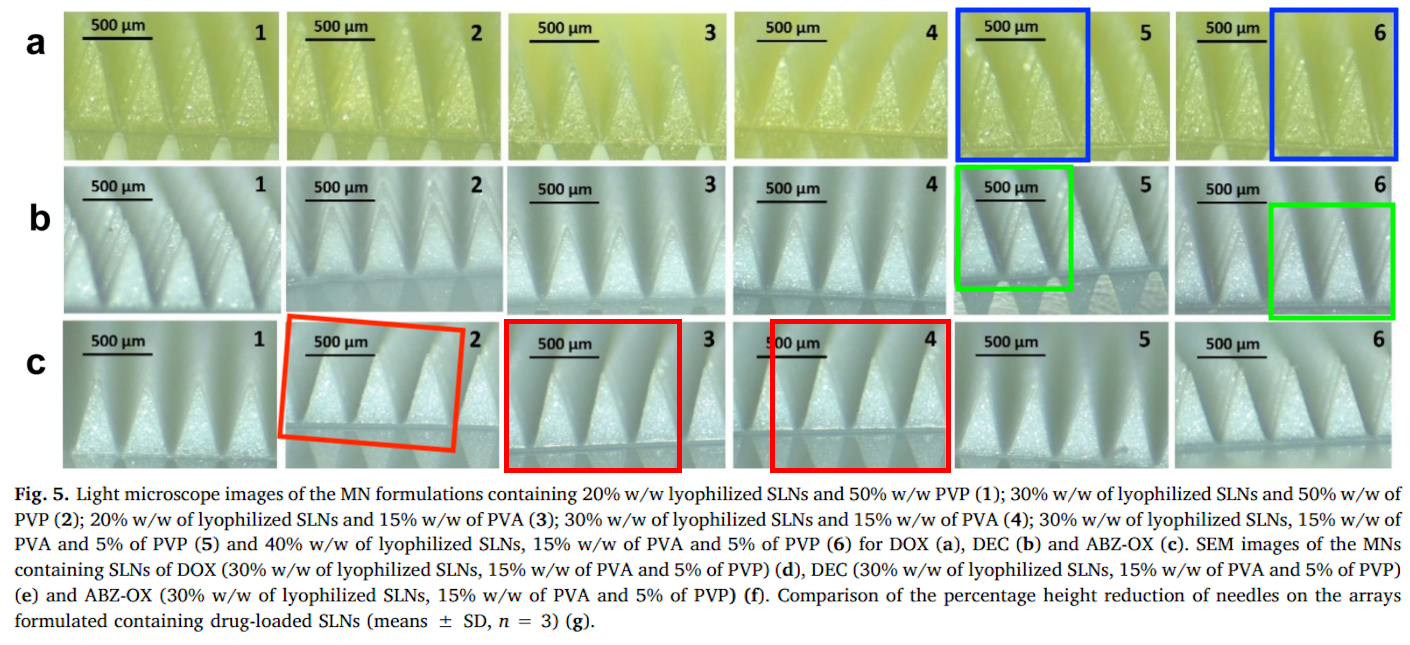
The Elsevier retraction was dated 28 March 2026:
“This article has been retracted at the request of the Authors.
Subsequent to the publication of the article, the Journal was made aware of apparent similarities in light microscope images of microneedle arrays prepared from different formulations images in Fig. 5, as listed on PubPeer: https://www.pubpeer.com/publications/D77918638D7D2C901F9EBD594B35B5.
The Journal asked the Authors for a response. The Authors reviewed the article and its Supplementary Information, and found a number of data discrepancies. The Authors then repeated several experiments. The data on microneedle height reduction following compression originally presented in the main article, and data on particle size, zeta potential, polydispersity indices and drug loading originally presented in the Supplementary Information, were found not to be reproducible.
The Authors concluded that the inability of the Authors to reproduce key elements of the data for the present article means that it should be retracted in its entirety.
The Authors deeply regret the circumstances and apologise to the scientific community for not having detected these issues prior to publication.”
Strangely, Donnelly determined that this forgery by his dear Andi was perfectly reliable:
Maria Mir , Andi Dian Permana , Naveed Ahmed , Gul Majid Khan , Asim Ur Rehman, Ryan F Donnelly Enhancement in site-specific delivery of carvacrol for potential treatment of infected wounds using infection responsive nanoparticles loaded into dissolving microneedles: A proof of concept study European Journal of Pharmaceutics and Biopharmaceutics (2020) doi: 10.1016/j.ejpb.2019.12.008
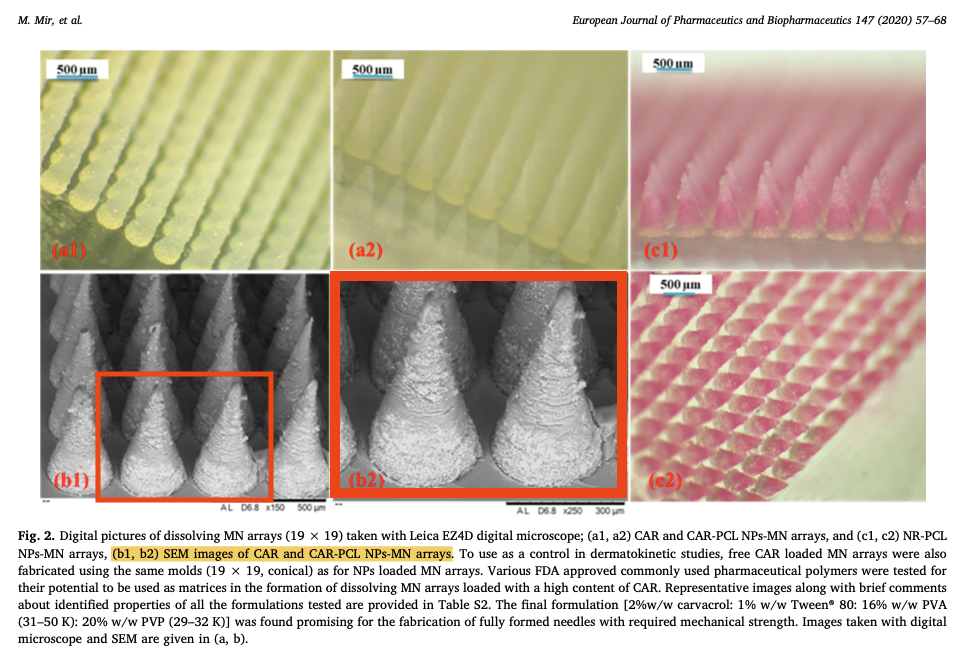
Elisabeth Bik: “Concern about Figure 2: Red boxes: panels b1 (CAR) and b2 (CAR-PCL) appear to show the same microneedles, albeit at different magnification”
The Corrigendum from January 2026 briefly mentioned “an error occurred during the preparation of Fig. 2”, and warned that “This correction does not affect the description, interpretation, or conclusions of the study“.
Donnelly’s listed affiliation above was some reason not QUB, but Quaid-i-Azam University in Pakistan. That is of course nonsense, but if he sees the descriptions unaffected he should move to Islamabad then. This paper was also corrected, and there, Donnelly wasn’t misplaced from Belfast:
Andi Dian Permana , Alejandro J. Paredes , Fabiana Volpe-Zanutto, Qonita Kurnia Anjani, Emilia Utomo , Ryan F. Donnelly Dissolving microneedle-mediated dermal delivery of itraconazole nanocrystals for improved treatment of cutaneous candidiasis European Journal of Pharmaceutics and Biopharmaceutics (2020) doi: 10.1016/j.ejpb.2020.06.025
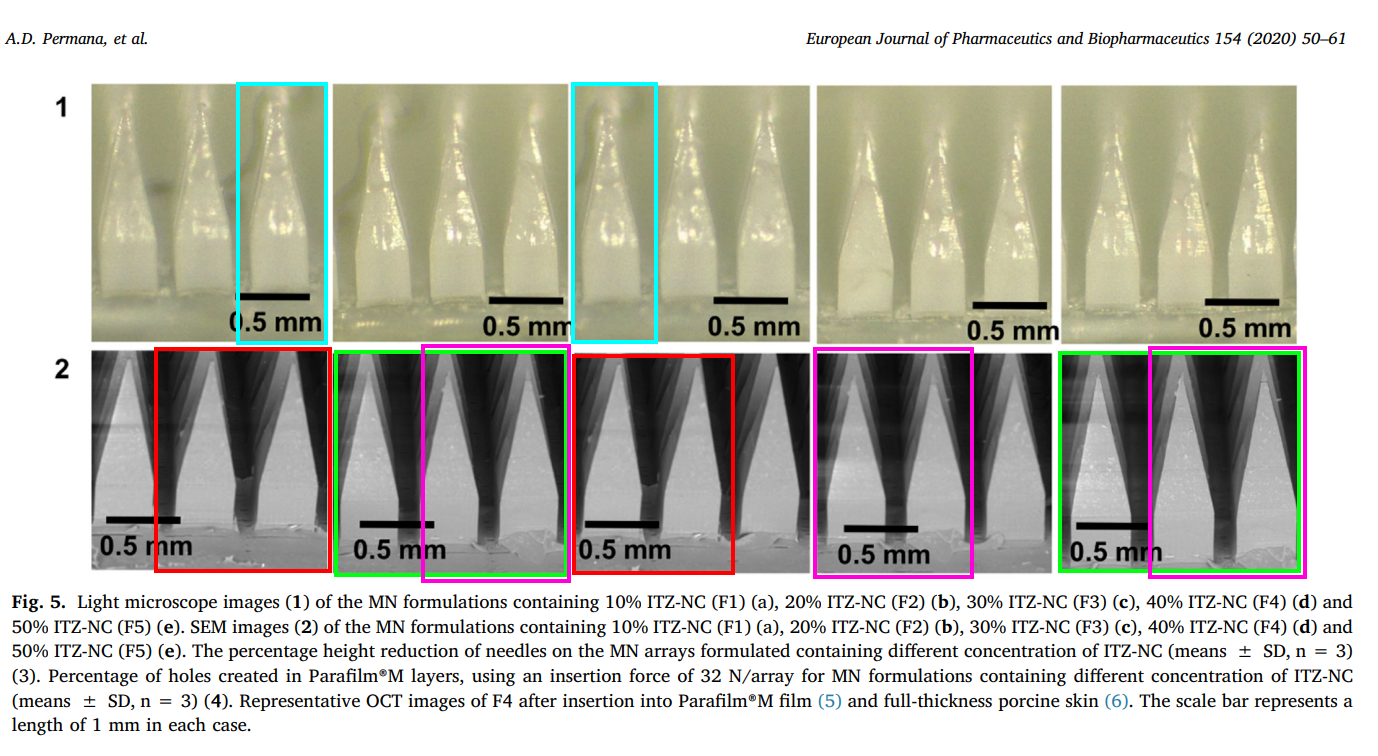
The Corrigendum from January 2026 lamented “a labelling error“, and again warned that “This correction does not affect the description, interpretation, or conclusions of the study“.
Andi also corrected this recent paper, it doesn’t feature his Irish-Pakistani mentor Donnelly:
Khusnul Humayatul Jannah , Christopher Kosasi Ko , Felicia Virginia Thios , Jihan Nabilah Isma , Anugerah Yaumil Ramadhani Aziz , Andi Dian Permana Development of Pluronic-Based Micelles from Palm Oil Bioactive Compounds Incorporated by a Dissolvable Microarray Patch to Enhance the Efficacy of Atopic Dermatitis Therapy Molecular Pharmaceutics (2025) doi: 10.1021/acs.molpharmaceut.4c00990
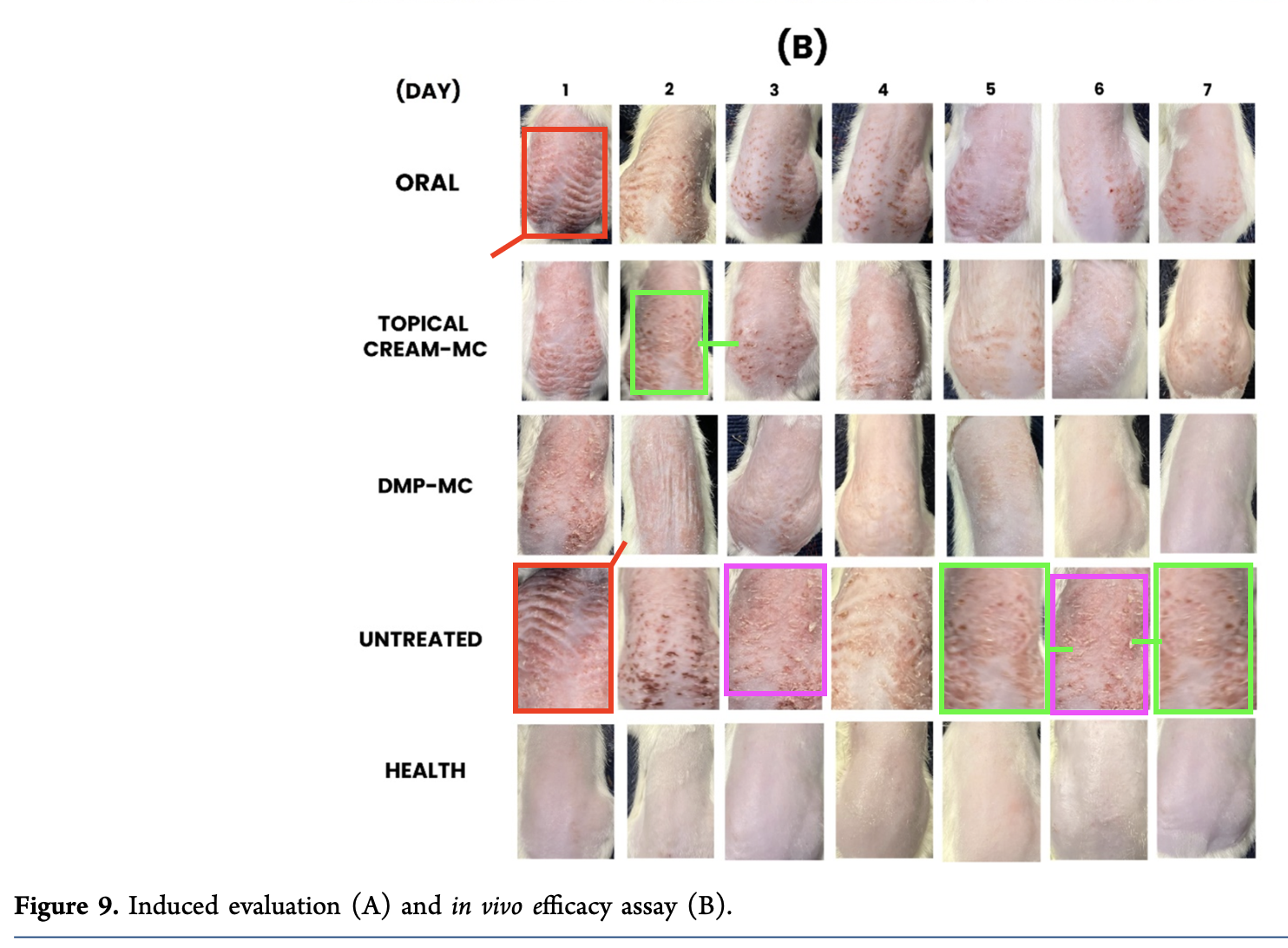
Archasia belfragei: “Figure 9: some images appear duplicated for different timepoints/conditions (some rotated or mirrored)”
The Correction from 2 December 2025 was brief and insane:
“Following a postpublication review of our archived files, we identified issues affecting Figures 9, 10, and 11. To correct the record transparently, we repeated the dermatitis efficacy assessment under the original conditions and rebuilt the figures from verified data. All authors approve this correction.”
Yes, Andi discovered all these errors independently and repeated all experiments in a few days. Says ACS.
Donate!
If you are interested to support my work, you can leave here a small tip of $5. Or several of small tips, just increase the amount as you like (2x=€10; 5x=€25). Your generous patronage of my journalism will be most appreciated!
€5.00


Great issue, but I feel that you grossly glossed over the importance of being a L-men grand finalist.
LikeLiked by 2 people
Wish I was an L men 😤
LikeLiked by 1 person
TEMPORARY REMOVAL of “the mass killing of an ethnic group”
TEMPORARY REMOVAL: Exploring the efficacy of zinc based nanogel for wound healing: An in vivo study – ScienceDirect
“the mass killing of an ethnic group” discovered by Signe Mezinska in a book
A-Review-Article-on-Cryopreservation-of-Human-Embryo.pdf
LikeLiked by 1 person
The embryos are moved to a mass killing of an ethnic group holding an alliance of 1 to 2 M filtering and 0.2 to 0.3 M nonpermeating CPAs before being introduced into 0.25 mL straws or cryovials and established in a reserved-rate icebox.
LikeLike
“this apper”
“didn’t rely to my email”
“descriptions unffected”
LikeLike
Thanks, corrected!
LikeLike
“Montefiore Einsteins – bad liver research by Chandan Guha and Mr & Mrs Roy-Chowdhury”
Like buses, they come in 3s, or 4s even.
Not unsung hero, but forgotten.
Dr. Roman Perez-Soler | Thoracic Oncologist, Lung Cancer
Fourth retraction for Einstein oncologist due to image manipulations – Retraction Watch
Papers on potential cancer drugs retracted for image manipulation – Retraction Watch
The excise for all seasons: ” coauthor “who since has returned to his home country” and “accepted full responsibility for the changes.”
LikeLike