Editors and other real papermill heroes
“Long story short, we investigated our published papers and then retracted those with data integrity issues. That is it.” – Dr Heather Smith, Editor-in-Chief
By Leonid Schneider, on research integrity, biomedical ethics and academic publishing
“Long story short, we investigated our published papers and then retracted those with data integrity issues. That is it.” – Dr Heather Smith, Editor-in-Chief
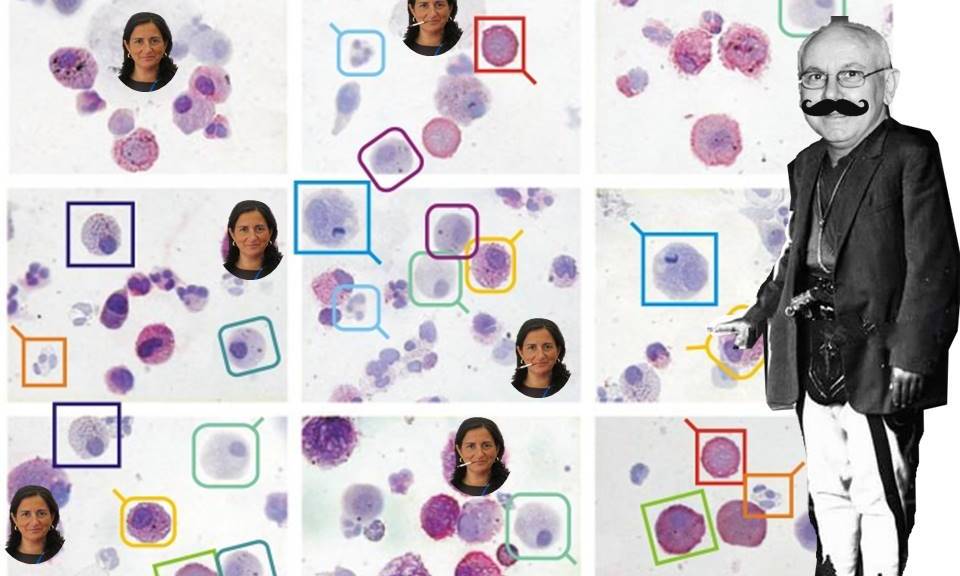
On the gate of Constantinople was written, in a steel plate, the order of the Sultan:
“All the males of the Gjomarkaj, generation after generation, from the cradle to the grave, will carry the title of Kapidan”

Schneider Shorts 5.11.2021 – retractions, partial retractions and corrections, good Russian vaccines and bad western ones, Ayurveda in Germany, why alcoholism saves lives, old age smart-bombed, Daszak supervising himself, an old diva being nasty again, and a very special family business.

“The Plaintiff is Professor Sabatini […] the self-described powerful senior scientist, who had demanded sex of her when she was a graduate student ending her studies and about to start a fellowship at the Whitehead, in a program Sabatini would direct. […] And it is the man who had made it clear – throughout her training and employment with the Whitehead – that he would ruin anyone who dared to speak against him.”
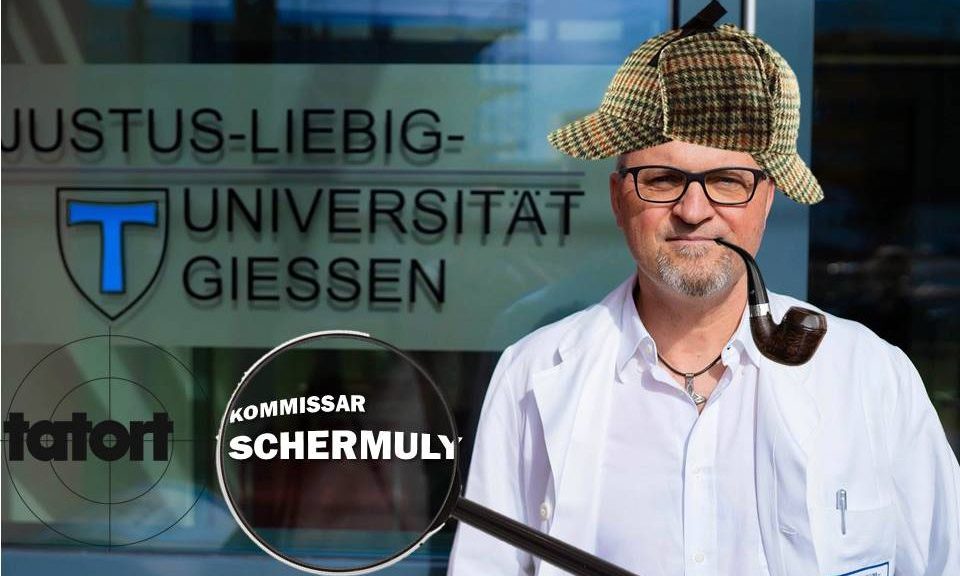
Somebody vandalised the “bed-to-bedside” research of the pulmonology professor Ralph Schermuly. His Giessen University appointed the best investigator they had to solve the case!
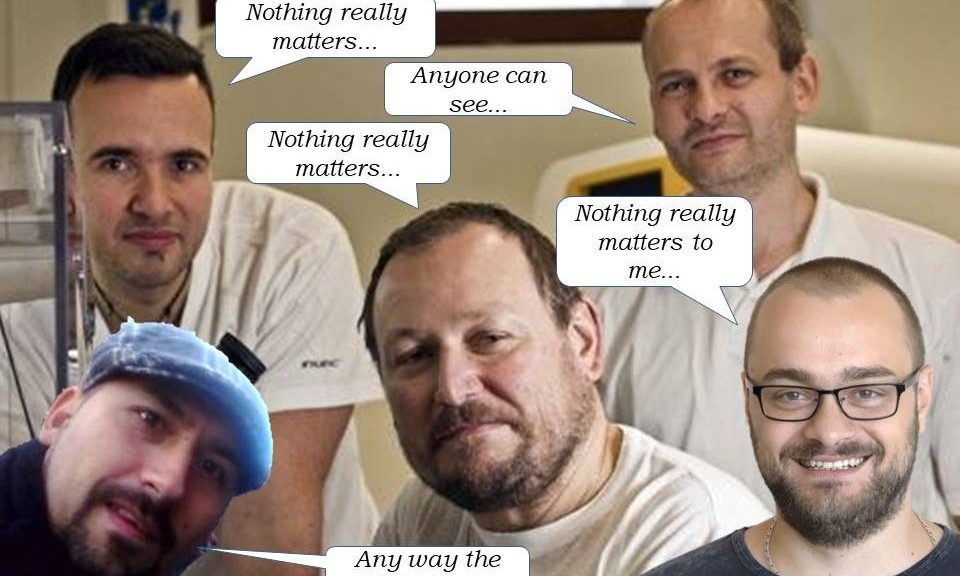
“Please, can you tell me more about the web page and mechanism behind? Is there any “scheme” of scanning published papers?” asks Professor Vojtech Adam. Yes, it’s Elisabeth Bik.
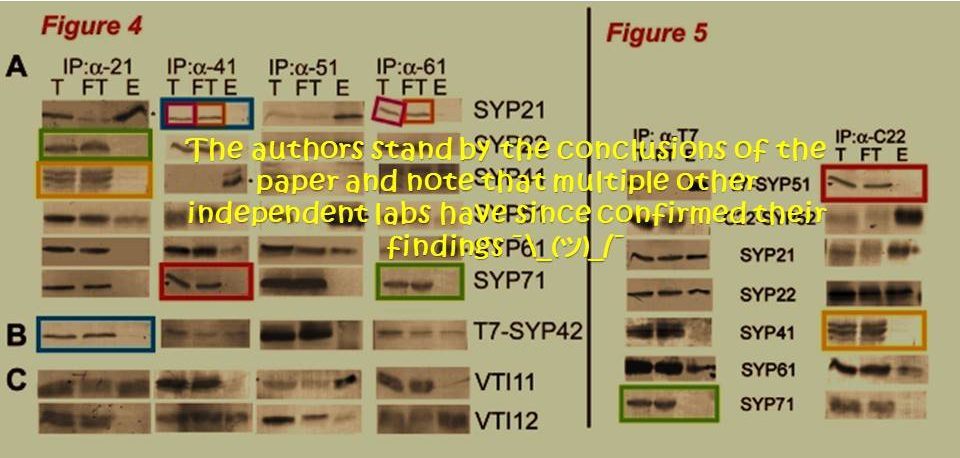
“You can be assured that neither I nor any of my colleagues […] would tolerate any data manipulation.” – Natasha Raikhel
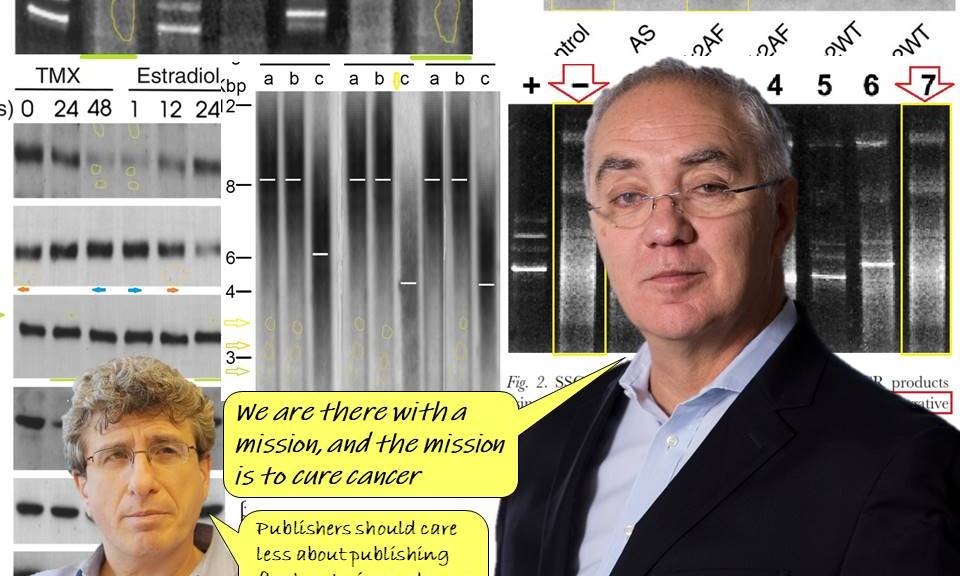
Meet Massimo Loda, the new EiC of Molecular Cancer Research. Not despite, but because of his PubPeer record. Also meet his partner Michele Pagano!
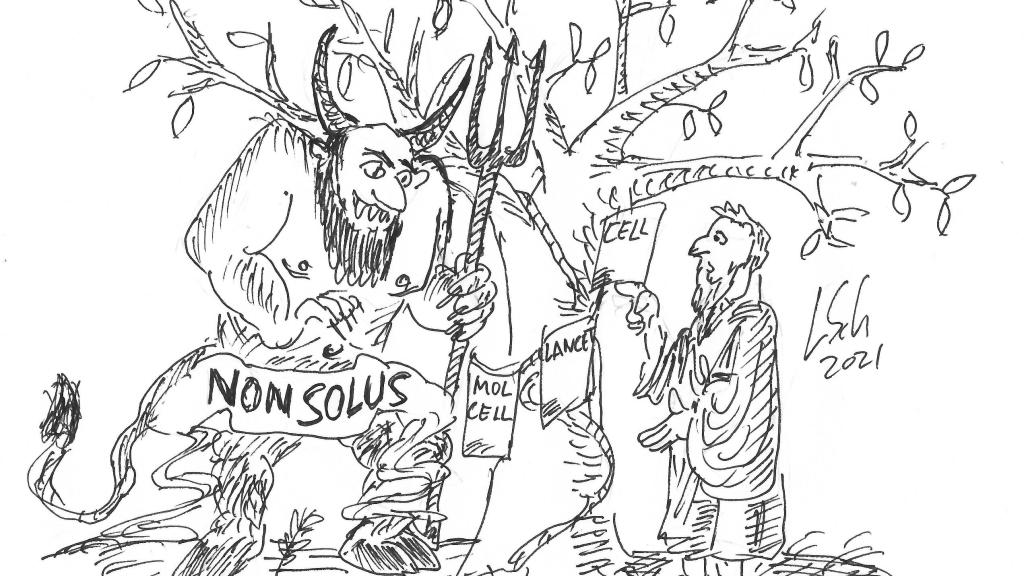
All good things come to an end.
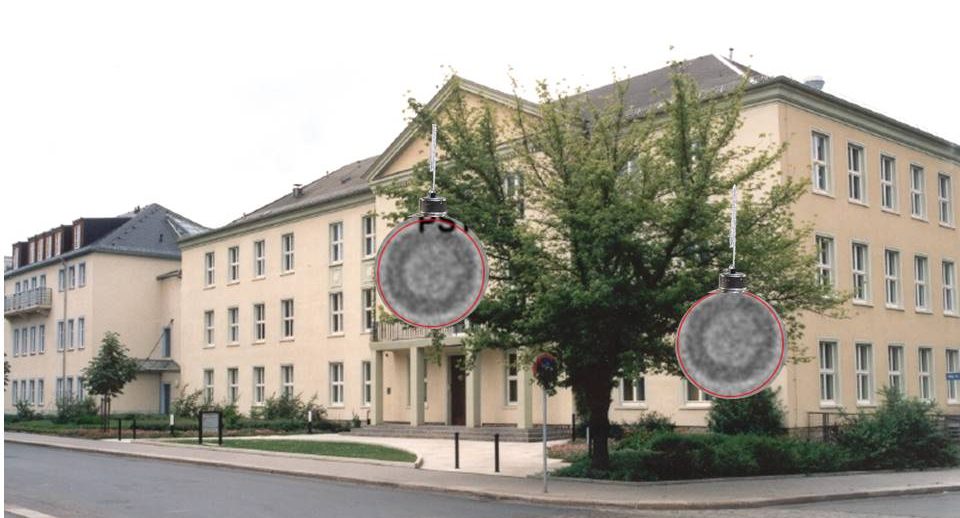
“There is no reason for an investigation into scientific misconduct and therefore it will not take place.”
Have a WordPress.com account? Log in now.

