

Schneider Shorts of 24 April 2026 – Sweden special with two misconduct findings and proof there’s a life after those, an Italian gynecologist who keeps losing papers, with Nature’s failed investigation and a stem cell nasal spray from Texas to cure everything!
Table of Discontent
Science Elites
- Competence and experience put to good use – Karin Dahlman-Wright has new task at Karolinska
- Added in late revision stages – Linköping’s Katarina Kagedal guilty of research misconduct
- Questions mingled with suspicions – Basel Sitohy in trouble in Umea, needs Dad’s help
Scholarly Publishing
- We investigated the matter thoroughly – Nature concerned about Bob Weinberg
Retraction Watchdogging
- World’s first and only – gynecologist Vittorio Unfer keep losing clinical papers
Science Breakthroughs
- Nothing short of revolutionary – Ashok Shetty and his stem cell nasal stray
Science Elites
Competence and experience put to good use
The prestigious Karolinska Institutet (KI) in Stockholm, Sweden, hasn’t had embarrassed themselves for some time already, so here they go. Here is KI’s announcement from 20 March 2026:
“Karolinska Institutet has appointed Professor Karin Dahlman-Wright as director of KI’s new research infrastructure organisation, RIKI, with effect from 1 April. RIKI provides the tools, methods, technologies and networks that researchers need in their work.
“With Karin Dahlman‑Wright as director of research infrastructure, KI gains a leader who understands both the complexity and the potential of our research infrastructure,” says KI president Annika Östman Wernerson. “She has played a central role in KI’s development for many years and has led several of the processes that underpin RIKI. Her ability to bring together expertise, drive development and see the broader picture will be invaluable as we now take significant steps to develop and quality-assure support for our researchers.”
“Exciting, stimulating and a great responsibility. I have worked with research infrastructure in various capacities for a long time and hope that my competence and experience will be put to good use,” says Professor Karin Dahlman-Wright when commenting on her new role.”
Karin Dahlman-Wright? Seriously?
The former Rector of Karolinska was found guilty of research misconduct, in two investigations by the Swedish National Board for Assessment of Research Misconduct (NPOF), sued, had the misconduct findings overruled by Swedish administrative court, which also assured she kept her professorship at KI. Dahlman-Wright’s other “achievement” was in the in the Paolo Macchiarini affair, where as rector and then pro-rector she made sure the whistleblowers were found guilty of research misconduct, a decision they failed to overrule in that Swedish court.

The Karin Dahlman-Wright Show
Karin Dahlman-Wright, Karolinska Institute’s former president, then vice-president, now rector’s counsellor was found guilty of research misconduct, again. This time in 4 papers. And then a Swedish court overturned everything and declared her innocent.

It is obvious which message Karolinska send out here.
Back then it was the sleuth Claire Francis and yours truly who acted as notifiers to the Dahlman-Wright investigations. She has 12 papers on PubPeer, not one was retracted (after all, she is legally innocent), but recently even more was found. Like this:
J Zhu , C Zhao , T Zhuang , P Jonsson , I Sinha , C Williams , S Strömblad , K Dahlman-Wright RING finger protein 31 promotes p53 degradation in breast cancer cells Oncogene (2016) doi: 10.1038/onc.2015.260

Dahlman-Wright’s coauthor on the next paper is her former mentor and former Chairman of the Nobel Assembly, Jan–Åke Gustafsson, was also found guilty of research misconduct in the same investigation. Another prominent coauthor is Eric Lam, who was sacked by Imperial College London in UK:
Chunyan Zhao, Jason Matthews , Michel Tujague , Jinghong Wan , Anders Ström , Gudrun Toresson , Eric W-F Lam , Guojun Cheng , Jan-Ake Gustafsson , Karin Dahlman-Wright Estrogen receptor beta2 negatively regulates the transactivation of estrogen receptor alpha in human breast cancer cells Cancer Research (2007) doi: 10.1158/0008-5472.can-06-3505

Worth noting that Gustaffson left Sweden in 2008 for University of Houston, USA, after some unsavoury affairs, both financial and sexual, details of these scandals are catalogued here. After she lost her ranks and offices at KI, Dahlman-Wright turned to studying gender-based violence and sexual harassment in Swedish academia, her report was published in 2022.
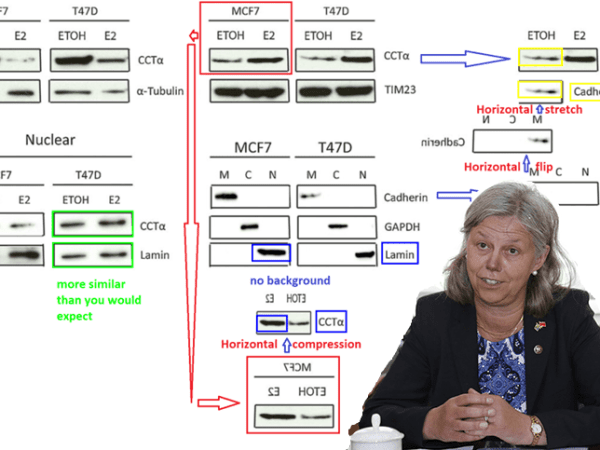
Misconduct findings fell KI Vice-President Dahlman-Wright
Karolinska Vice-president Karin Dahlman-Wright was found guilty of research misconduct, not much, only in one case, and even that shared. But she already resigned.
Added in late revision stages
In Sweden, science fraudsters have it difficult. Total public transparency is law, and the National Board for Assessment of Research Misconduct (NPOF) investigates every case and finds authors of fake guilty even if they are big professors. In every respect the very opposite of Germany, where everything must by law be secret, and where professors are generally only ever investigated when there is a political pressure to do so.
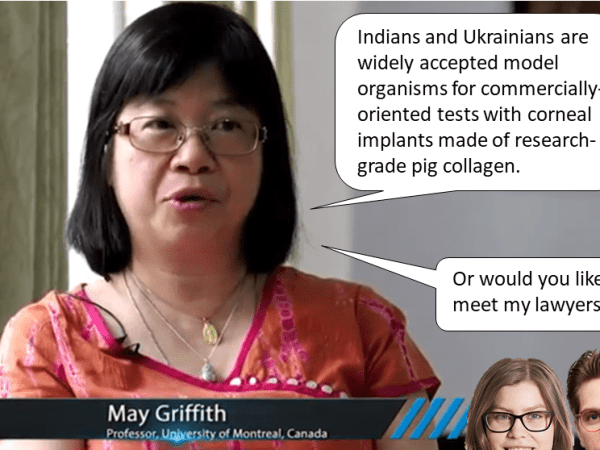
Linköping whistleblower under attack from May Griffith’s lawyers
Former Linköping professor May Griffith set lawyers upon a former colleague who dared to protest about her research practices on my site. Jaywant Phopase is ordered to delete official documents I made available for download, retract his complaints to journals and pay Griffith a compensation. Or else.
Thus, I requested from NPOF and obtained the reports from two recent cases.
Reports 3.2-25/0055 and 3.1-25/0063 concern Katarina Kagedal, senior associated professor at Linköping University. Regarding the following paper, Kagedal and her former PhD student Andrea Boman (now QA manager at the Swedish biotech Elypta) were found guilty of research misconduct:
Andrea Boman, Samuel Svensson , Adam Boxer , Julio C. Rojas , William W. Seeley, Anna Karydas , Bruce Miller , Katarina Kågedal, Per Svenningsson Distinct Lysosomal Network Protein Profiles in Parkinsonian Syndrome Cerebrospinal Fluid Journal of Parkinson’s Disease (2016) doi: 10.3233/jpd-150759
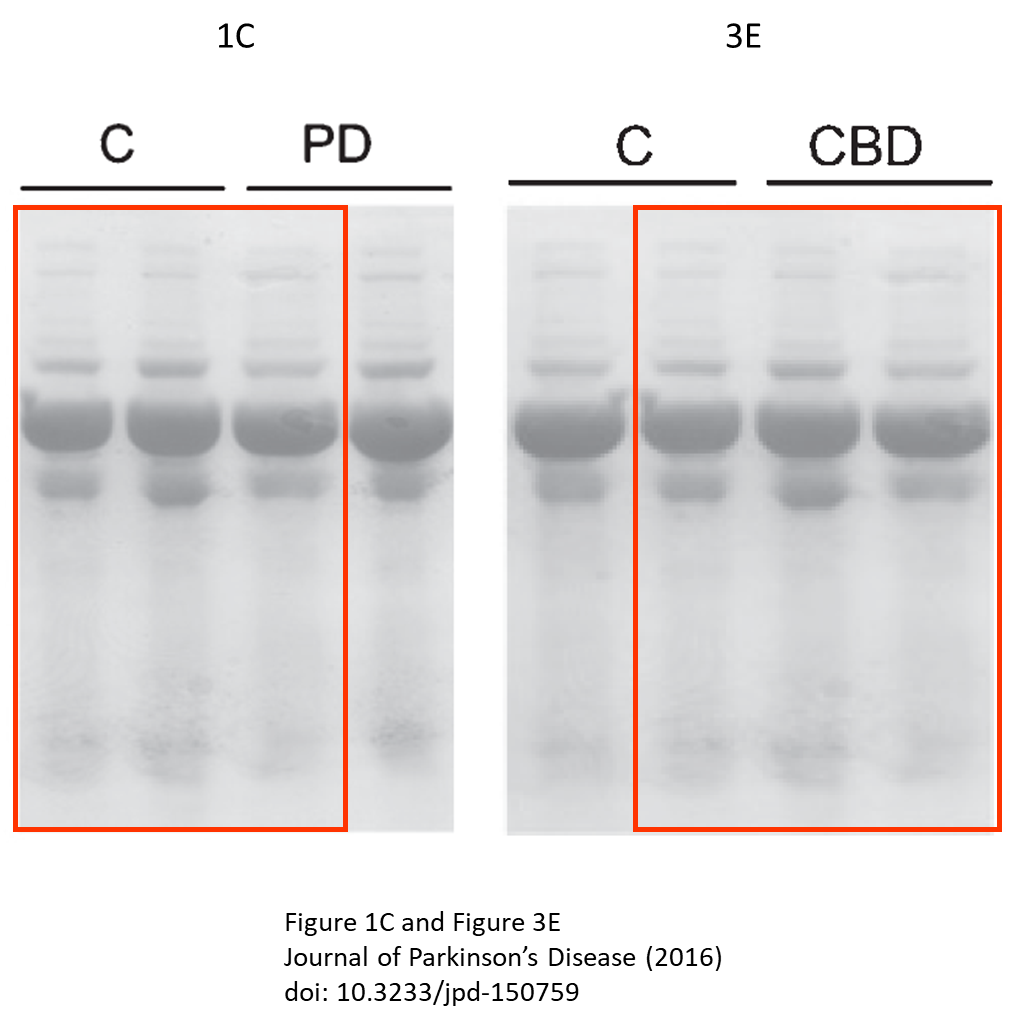

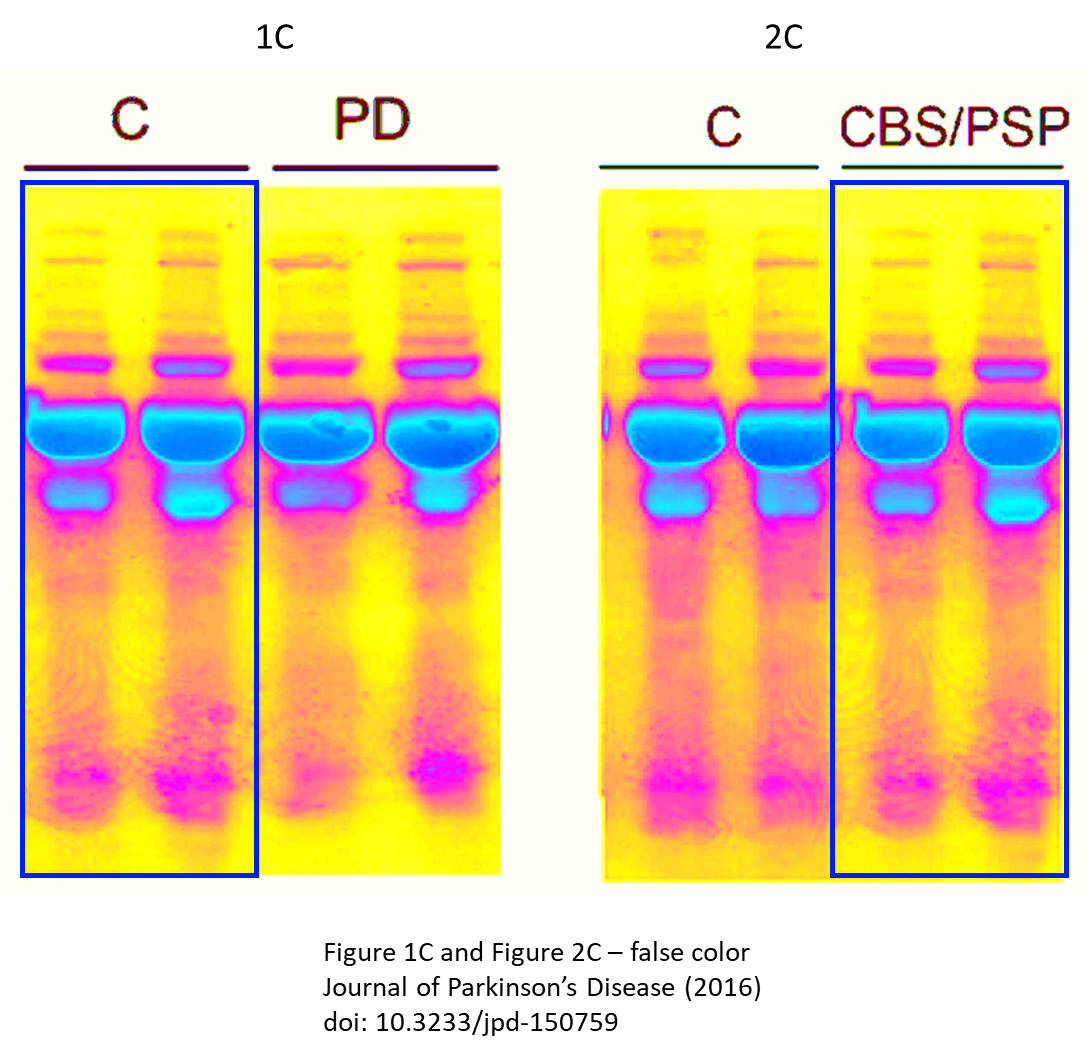
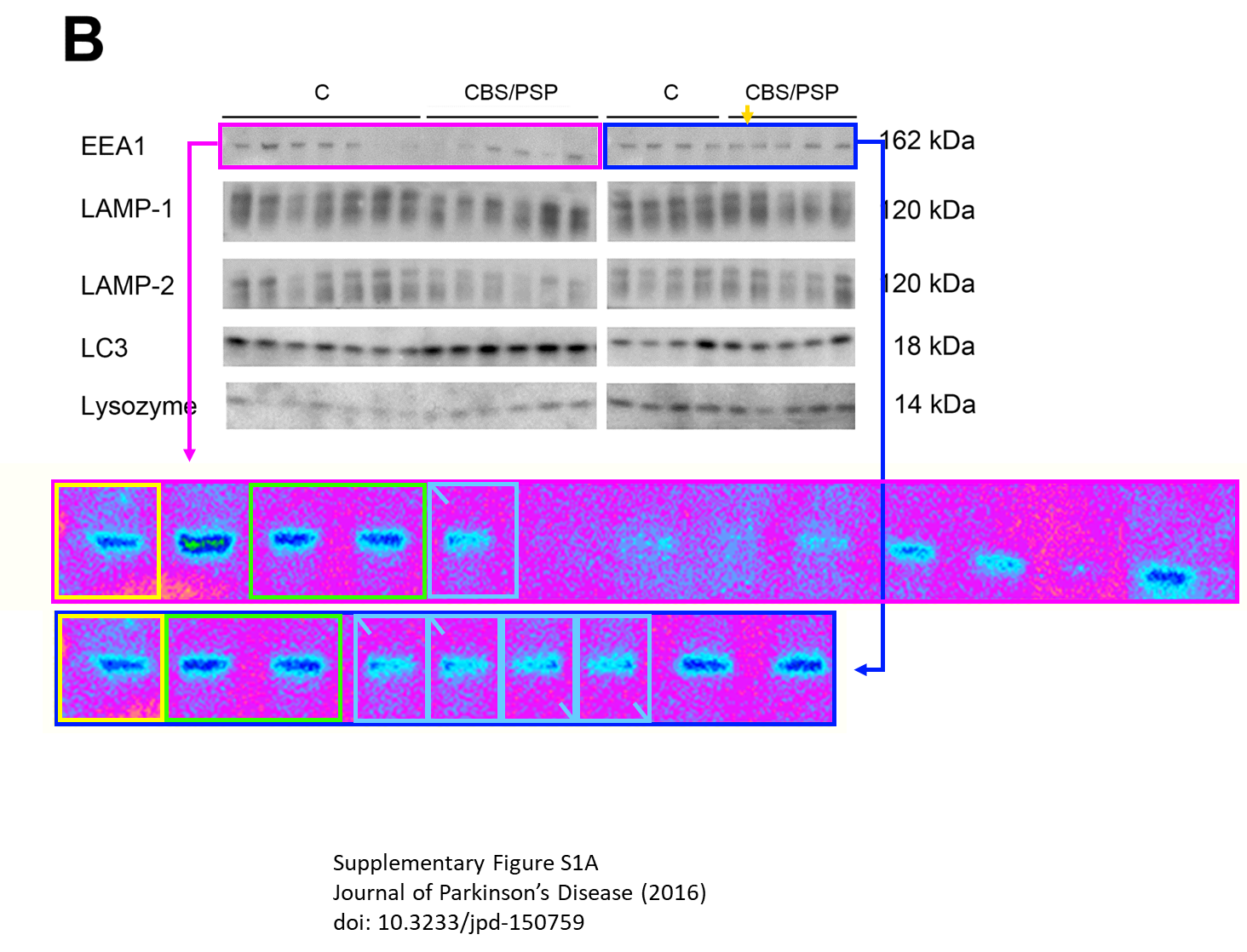
The concerns were flagged on PubPeer in March 2025. Right away, the last author Per Svenningsson, professor at Karolinska Institutet, replied to the sleuth:
“These Ponceau S staining blots and supplementary western blots raise major concerns.
With the exception of Figure 1C, none of them were included in the first publication of this manuscript which was part of the first authors’ manuscript-based paperbook thesis in 2015 (DOI: 10.3384/diss.diva-122347; ISBN: 978-91-7685-897-4 (print)).
These figures on Ponceau S staining blots and supplementary western blots must have been added in late revision stages of the submission to Journal of Parkinson’s Disease in 2016“
Svenningsson then shared some original gel images and announced a correction. However, the responsibility is with Kagadal as she is the corresponding author.
Linköping University submitted this case to NPOF on 29 April 2025. During the investigation, the forgeries were confirmed, while Kagadal “confesses that it is her and Andrea Boman who have been responsible for compiling the figures and submitting the revised manuscript to the journal“. NPOF decided that they both had responsibility for at least notificing these fake figures. As for Svenningsson, NPOF that there were no indication that he “participated in creation of counterfeit figures” or “had been aware of the forgeries or otherwise promoted these“. Another coauthor, Samuel Svensson (adjunct professor in Linköping) was not involved since his coauthors didn’t give him “the opportunity to review the final version of the manuscript where the incorrect images were included“. Svenningsson and Svensson were found to be innocent, and Kagadal and Boman guilty of research misconduct.
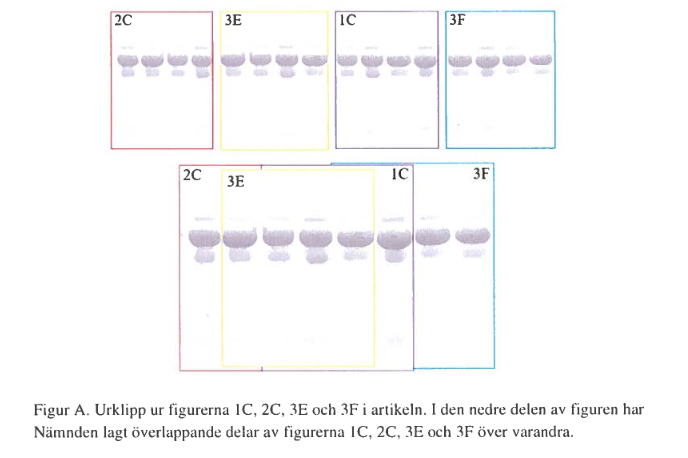
This paper by Kagedal, without Boman but with Svensson, is older than 10 years, so it wasn’t investigated:
Andrea Armstrong , Niklas Mattsson , Hanna Appelqvist , Camilla Janefjord , Linnea Sandin , Lotta Agholme , Bob Olsson , Samuel Svensson , Kaj Blennow , Henrik Zetterberg , Katarina Kågedal Lysosomal Network Proteins as Potential Novel CSF Biomarkers for Alzheimer’s Disease NeuroMolecular Medicine (2014) doi: 10.1007/s12017-013-8269-3
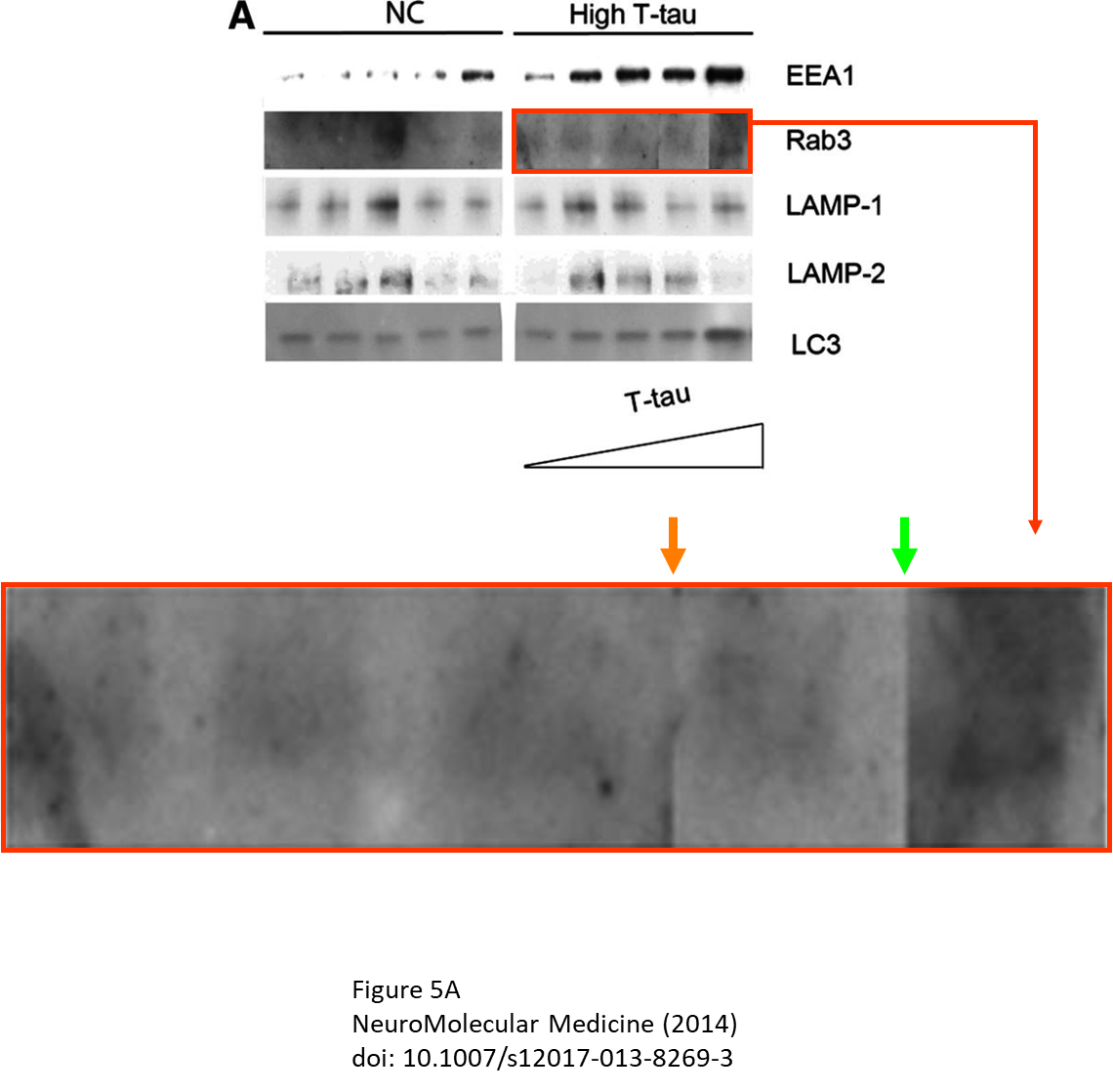
Actinopolyspora biskrensis: “It seems that there may be differential splicing in one panel of Figure 5A.”
Questions mingled with suspicions
The second NPOF report (3.2-25/0012) concerns Basel Sitohy, research fellow and physician at the Umea University in Sweden. He also was found guilty of research misconduct.
The first investigated paper was already retracted, it was flagged on PubPeer in January 2023, incidentally, also here the PubPeer commenter was Actinopolyspora biskrensis, also known as Cheshire or Kevin Patrick. The coauthors are all in Egypt, including Sitohy’s presumed father, Mahmoud Sitohy, emeritus professor of agriculture at Zagazig University:
Seham Abdel-Shafi, Mona El-Nemr, Gamal Enan, Ali Osman, Basel Sitohy, Mahmoud Sitohy Isolation and Characterization of Antibacterial Conglutinins from Lupine Seeds Molecules (2022) doi: 10.3390/molecules28010035
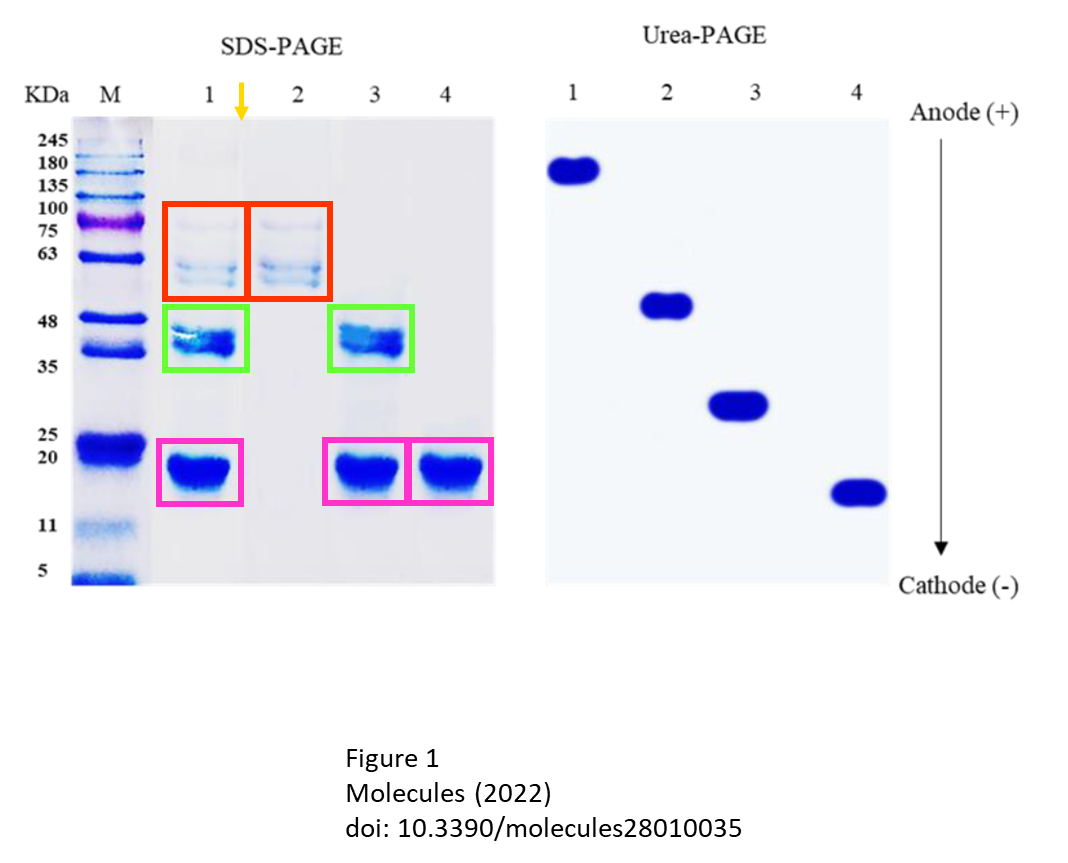
Sitohy Senior warned on PubPeer right away that “the similarity are expected“, two years later, in January 2025 he added that alas, the raw data was already destroyed. He also shared his exchanges with the journal editors, which indicated the impending retraction. To his critics, he had this to say:
“Questioning does not take time; answering takes a lot, particularly when the questions arise mingled with suspicions. God helps.”
The retraction “arrived” on 28 January 2025:
“Following publication, concerns were brought to the attention of the Editorial Office regarding image inconsistencies within this study [1].
Adhering to our complaints procedure, an investigation was conducted by the Editorial Office and the Editorial Board which confirmed the presence of repeated visual features within Figure 1. While the authors collaborated with the Editorial Office during the investigation, they were unable to satisfactorily explain the overlapping visual features, and the Editorial Board could not confirm the validity of the images from the raw material provided. As a result, the Editorial Board has lost confidence in the validity of the findings and decided to retract this publication [1], as per MDPI’s retraction policy (https://www.mdpi.com/ethics#_bookmark30).
This retraction was approved by the Editor-in-Chief of the Molecules journal.
The authors did not agree to this retraction.”
Sitohy Senior has 16 fake papers on PubPeer, 6 of them with his son Basel. This was the second paper NPOF investigated, and it wasn’t flagged by Kevin, but by another sleuth:
Ashraf S. A. El-Sayed, Maher Fathalla, Ahmed A. Shindia , Amgad M. Rady , Ashraf F. El-Baz , Yara Morsy , Basel Sitohy, Mahmoud Sitohy Purification and Biochemical Characterization of Taxadiene Synthase from Bacillus koreensis and Stenotrophomonas maltophilia Scientia Pharmaceutica (2021) doi: 10.3390/scipharm89040048
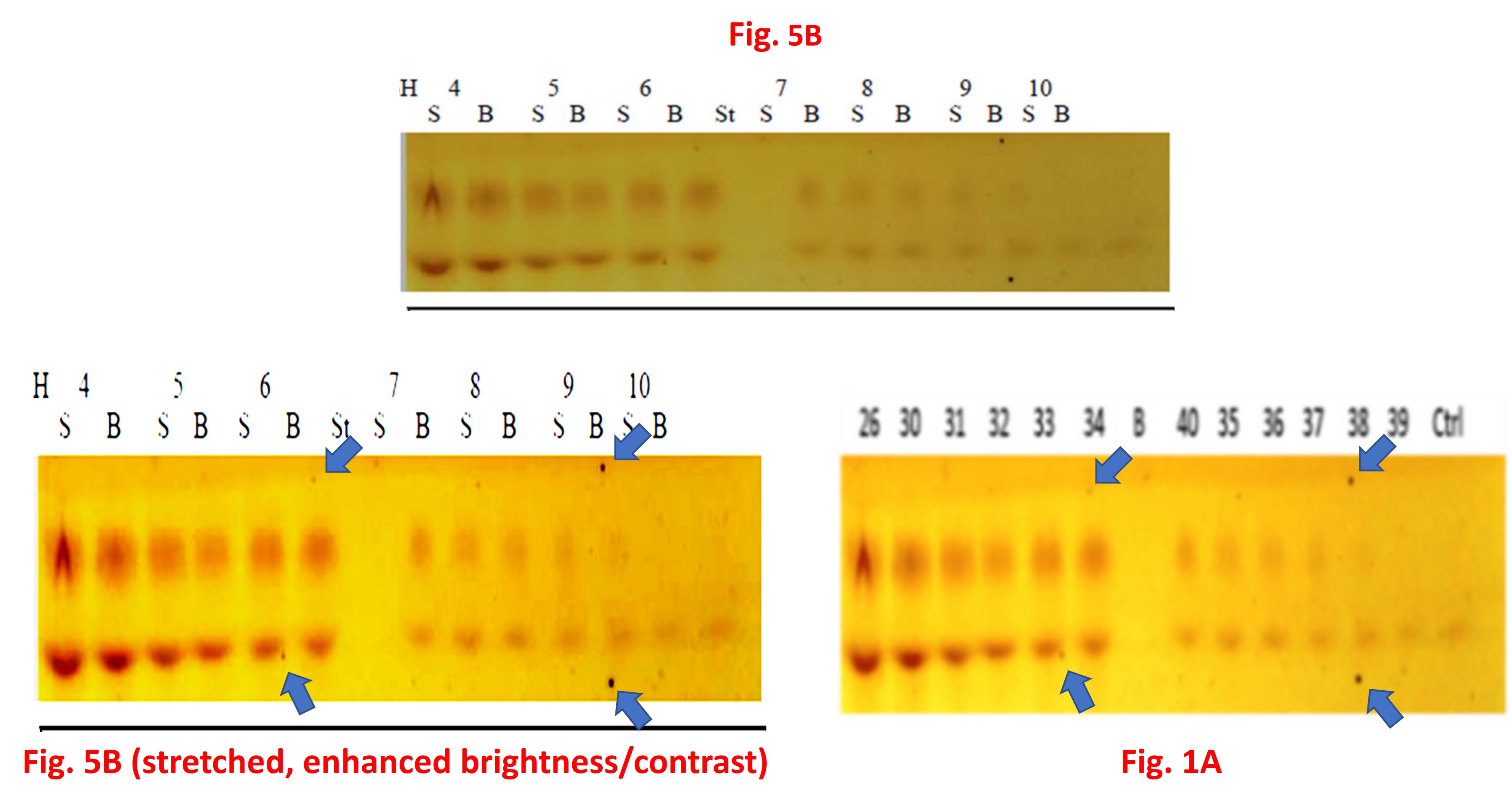
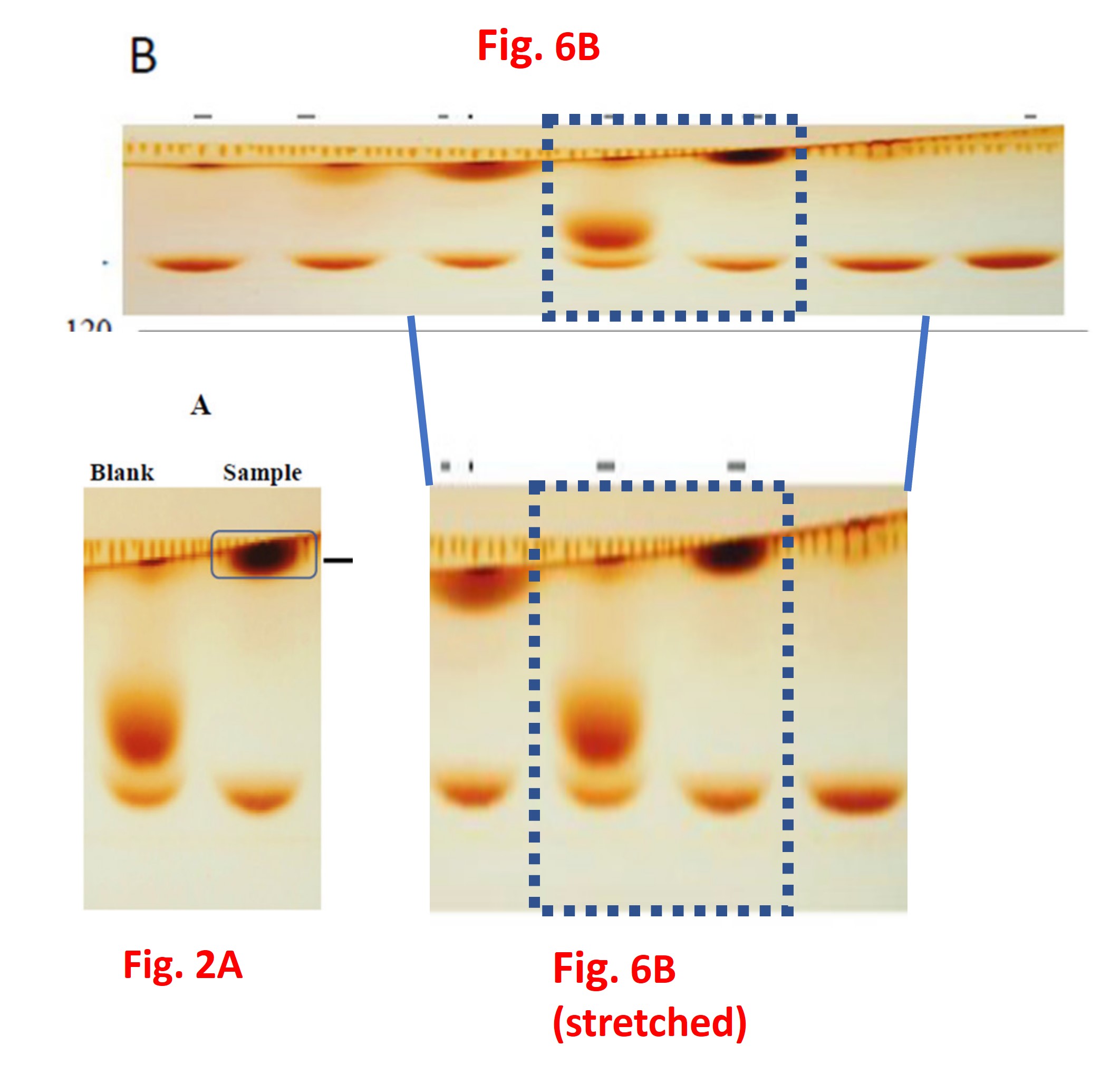
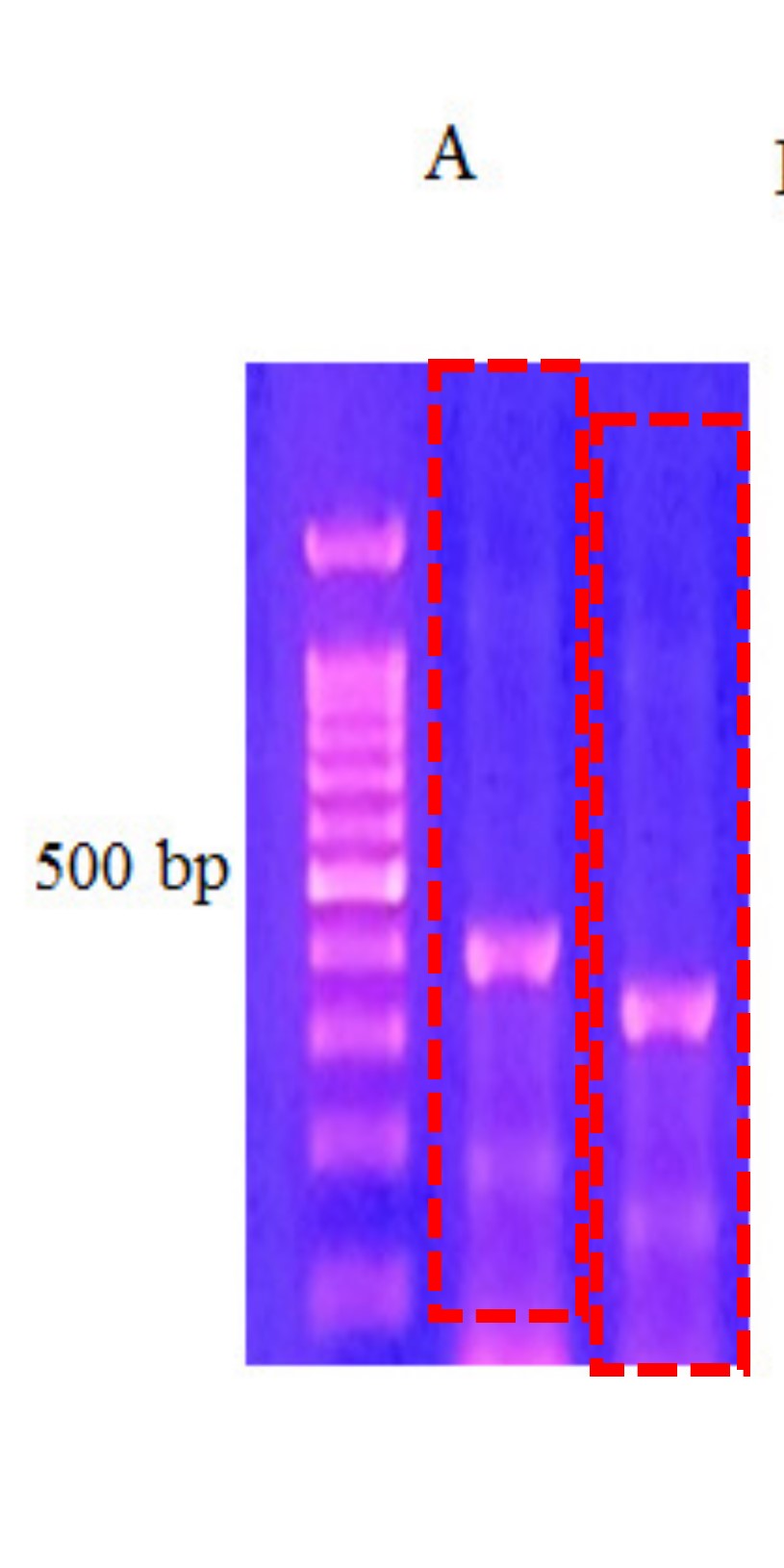
Instead of the wisdom of Sitohy Sr, PubPeer users were by his Zagazig University colleague Ashraf El-Sayed to some LLM slop serving as a reply (“This figure is original without manipulations, as confirmed from the 16 S RNA sequence“).
Egyptian Toxicology Mortal Combat
“Stupid people do stupid things, After all it was an Egyptian who once told me: “10% editing is acceptable as long as we didn’t modify the significant ” – Sholto David

Sitohy Jr used a very ingenious and cunnign strategy to defend himself durign the NPOF investigation. He declared that “as an oncologist” seeking to find cures for cancer, he is only responsible for “conceptual development of the research idea” and “interpretation of data“, and while he did perfom some scientific experiments in Umea himself, he “lacks sufficient experience to determine” any image forgeries, and anyway, he he had no reason to question his Egyptian coauthors’ integrity. NPOF countered that “According to the publication database PubMed, Basel Sitohy has more than 30 publications within the same or related subject area as the research under review“, and that therefore he shoudl have the skills to detect forgeries in his figures and have “the competence and ability required to understand that a method description containing methods that are not relevant to the research presented in the article cannot be correct“.
Sitohy Sr also participated in the investigation to save his son’s arse. The old man educated NPOF that “There is no misconduct in the article“, that he “personally verified that the electrophoresis was working and students were then tasked with preparing high-quality images for publication“, and that this image “had undergone standard image enhancement.” Also El-Sayed provided a statement to help his colleague’s son, he assured that the image reuse was either scientifically corrcet or an innocent mistake, and anyway, a woman is to blame for everything, namely the MSc student Yara Morsy. El Sayed added that “Sitohy did not carry out any experimental work himself, as these experiments lay outside his technical expertise.”
NPOF recruited Lund University professor Ulf Ellervik as an expert. He confirmed other forgeries. In the first paper’s Table 1 and 2, the expert “states that it is evident that some values have been rounded while others have been truncated.”
“In summary, Ulf Ellervik concludes that there is falsification and fabrication that constitute serious deviations from good research practice.”
The image forgeries were also confirmed. Basel Sitohy was found guilty of research misconduct:
“The Board therefore concludes that Basel Sitohy acted with gross negligence when, in Article 1, he failed to detect the duplicated and manipulated bands in Figure 1 and the incorrect method description for the SEM analyses, and when he failed to detect the duplicated images in Figures 3a and 5b in Article 2.”
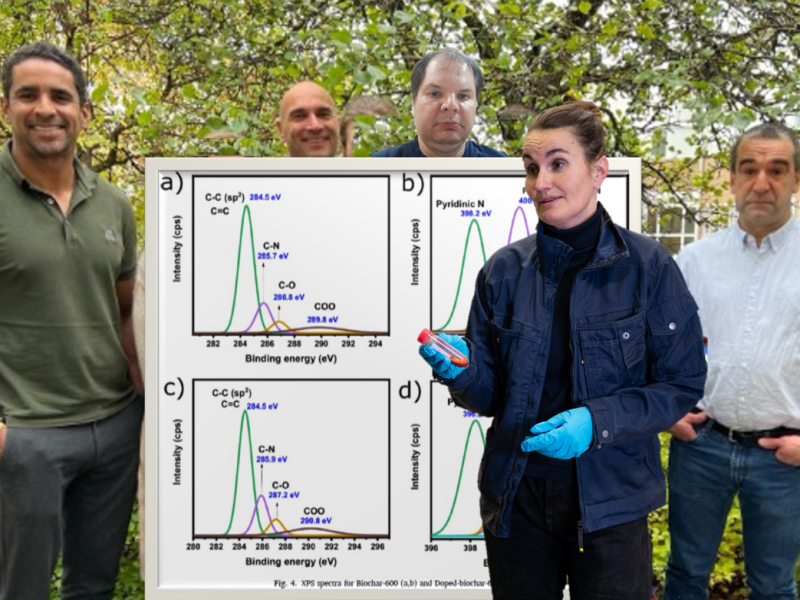
Boys from Brazil
“We can always make mistakes in our publications but never acting intensionally. Regarding Prof. Eder works, I know him well and I don’t believe he has anything wrong” – Glaydson S. Dos Reis
Now I must urgently report to NPOF this fake crap Sitohy published while he was investigated for research misconduct. Here Sitohy Sr will struggle to find a woman to blame:
Ali Osman , Tamer Roshdy , Abdallah A. Hassanin , Mahmoud Sitohy , Basel Sitohy Bifunctional β-Conglycinins from legumes suppress aflatoxin formation and colon carcinogenesis International Journal of Biological Macromolecules (2026) doi: 10.1016/j.ijbiomac.2025.149633
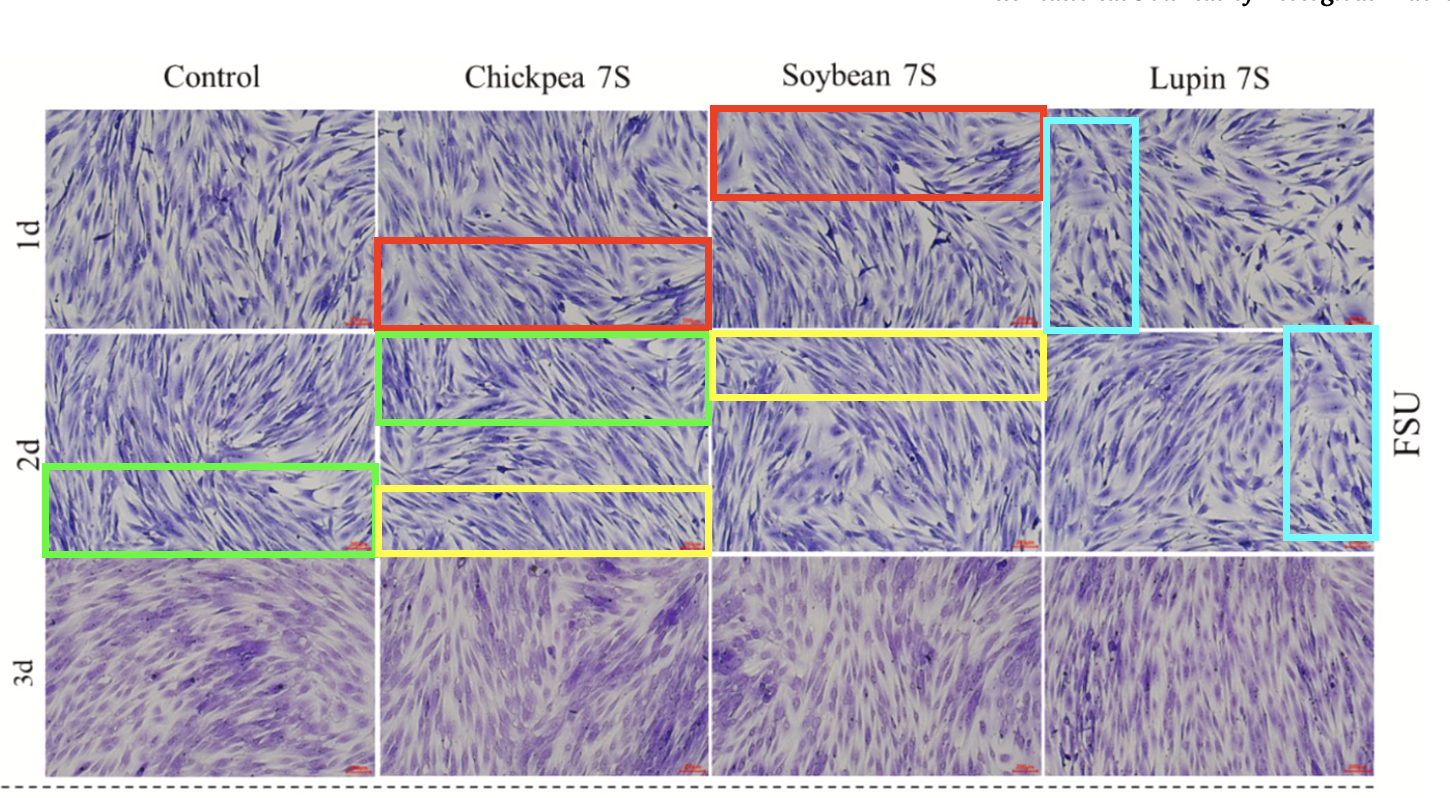
Here, Sitohy Sr claimed on PubPeer that the images were merely similar but not identical:
Eman Ibrahem , Ali Osman , Hefnawy Taha , Mohamed F. Abo El-Maati , Basel Sitohy , Mahmoud Sitohy Anticarcinogenic cationic peptides derived from tryptic hydrolysis of β-lactoglobulin Frontiers in molecular biosciences (2025) doi: 10.3389/fmolb.2024.1444457
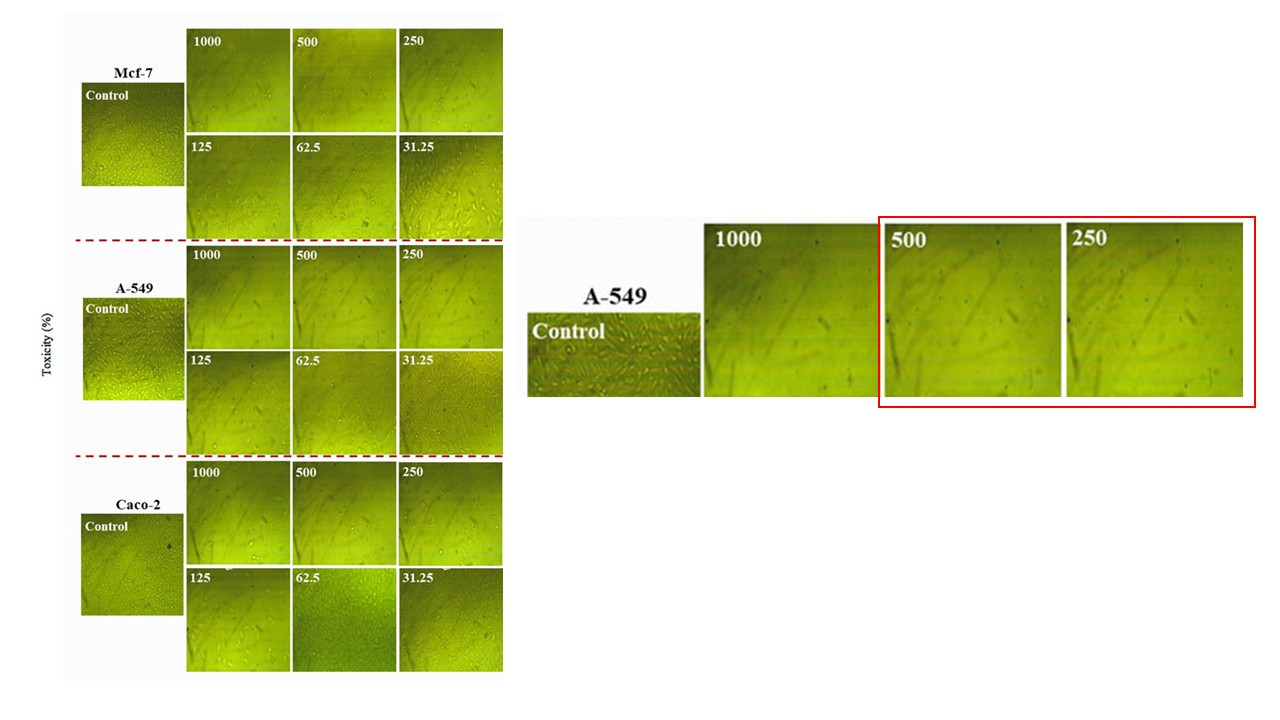
I wish Sitohy Sr would put his son on every paper of his, because look, now NPOF and Umea University will miss out the fun of investigating this paper without their Basel:
Mahmoud Sitohy , Soad Taha , Mahmoud Abdel-Hamid, Ashraf Abdelbacki, Ali Hamed, Ali Osman Protecting potato plants against PVX and PVY viral infections by the application of native and chemically modified legume proteins Journal of Plant Diseases and Protection (2021) doi: 10.1007/s41348-021-00448-9
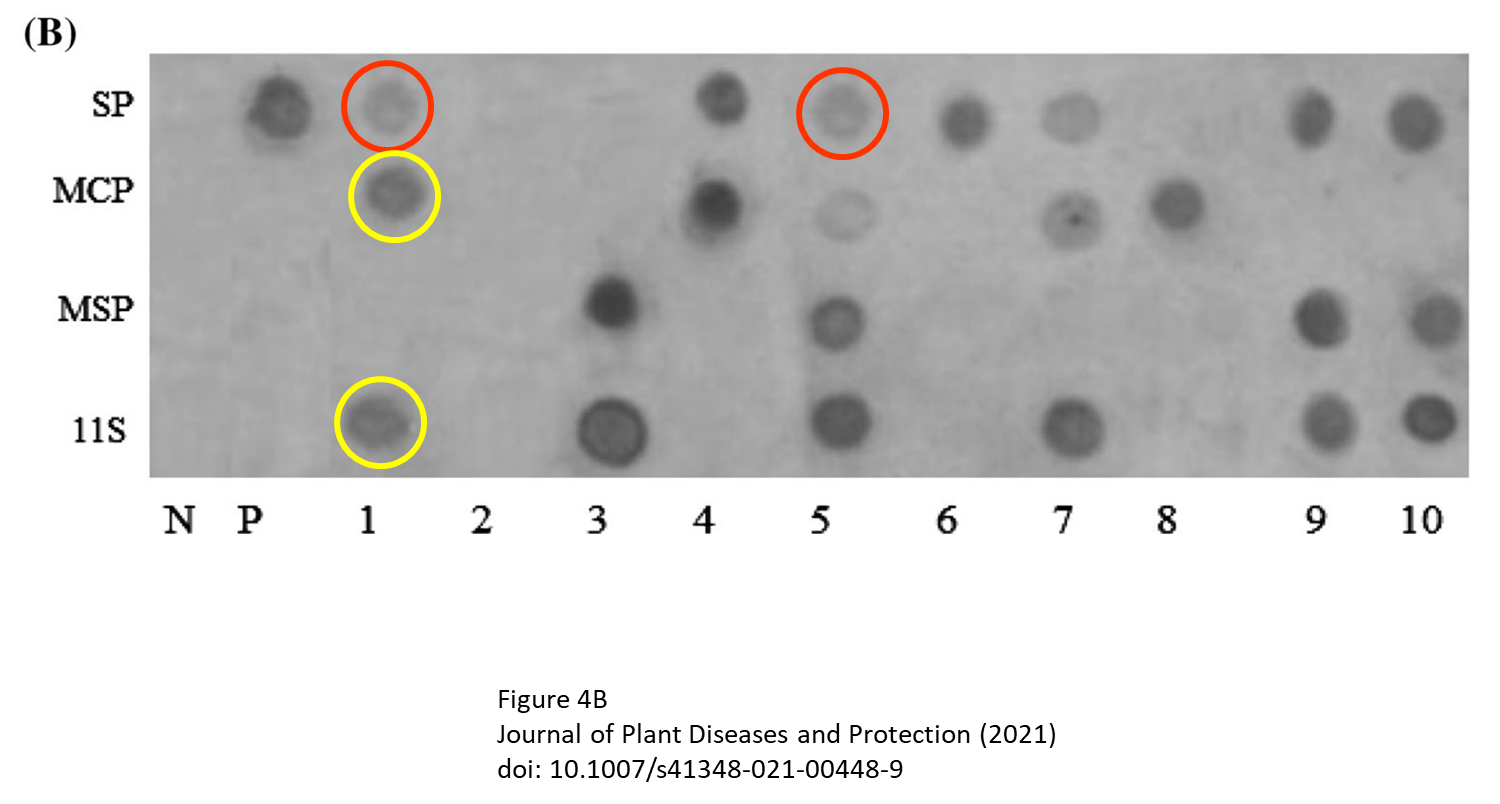
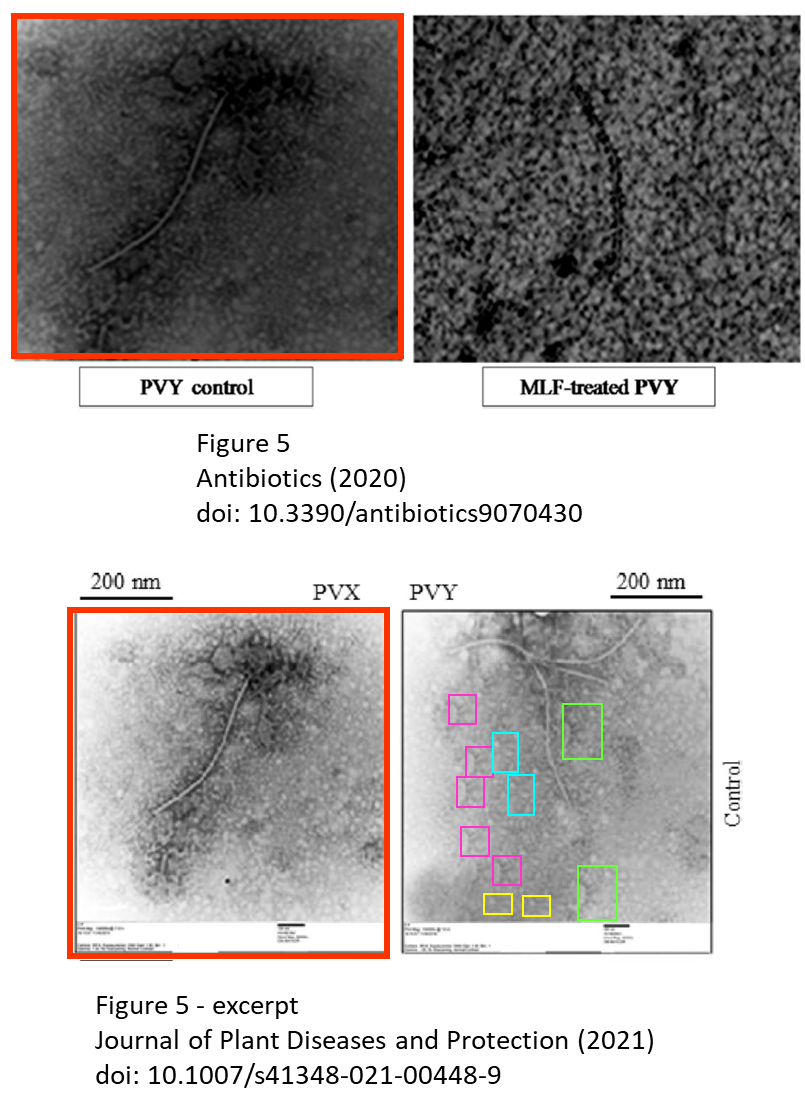
In December 2023, this Springer Nature paper received a very brief Correction where “the authors offered additional clarification regarding the content of figures 4 and 5, and the information is included as “Electronic Supplementary Material””.
And it’s also a pity that Sitohy Jr is not on this retracted paper, it contains a figure which was either stolen, or (more likely) supplied by the same papermill:
Ali Osman , Nashwa El-Gazzar , Taghreed N. Almanaa , Abdalla El-Hadary , Mahmoud Sitohy Lipolytic Postbiotic from Lactobacillus paracasei Manages Metabolic Syndrome in Albino Wistar Rats Molecules (2021) doi: 10.3390/molecules26020472
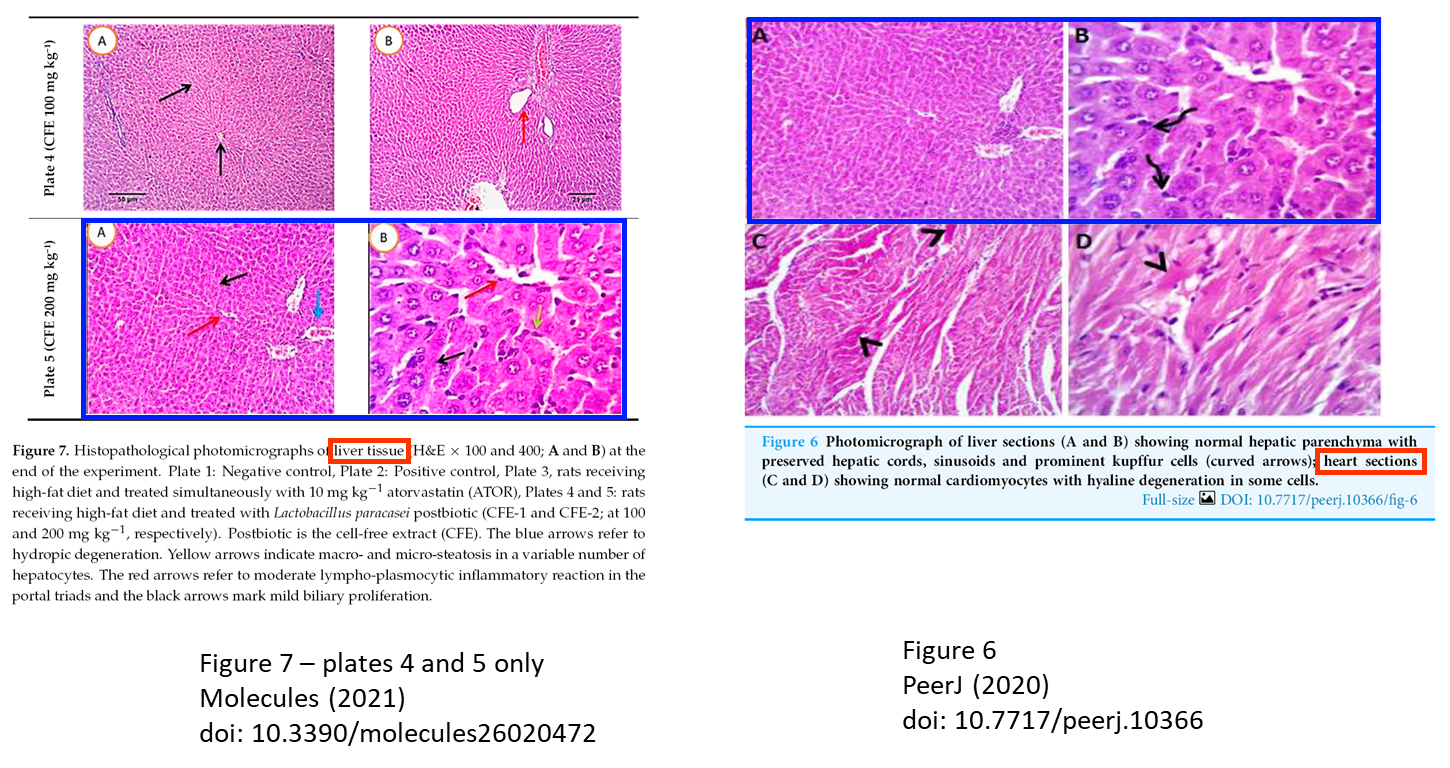
Mahmoud A Al-Saman , Nada M Doleib , Mohamed R Ibrahim , Mohamed Y Nasr , Ahmed A Tayel , Ragaa A Hamouda In vitro and in vivo hypolipidemic properties of the aqueous extract of , cultivated in colored flasks under artificial illumination PeerJ (2020) doi: 10.7717/peerj.10366
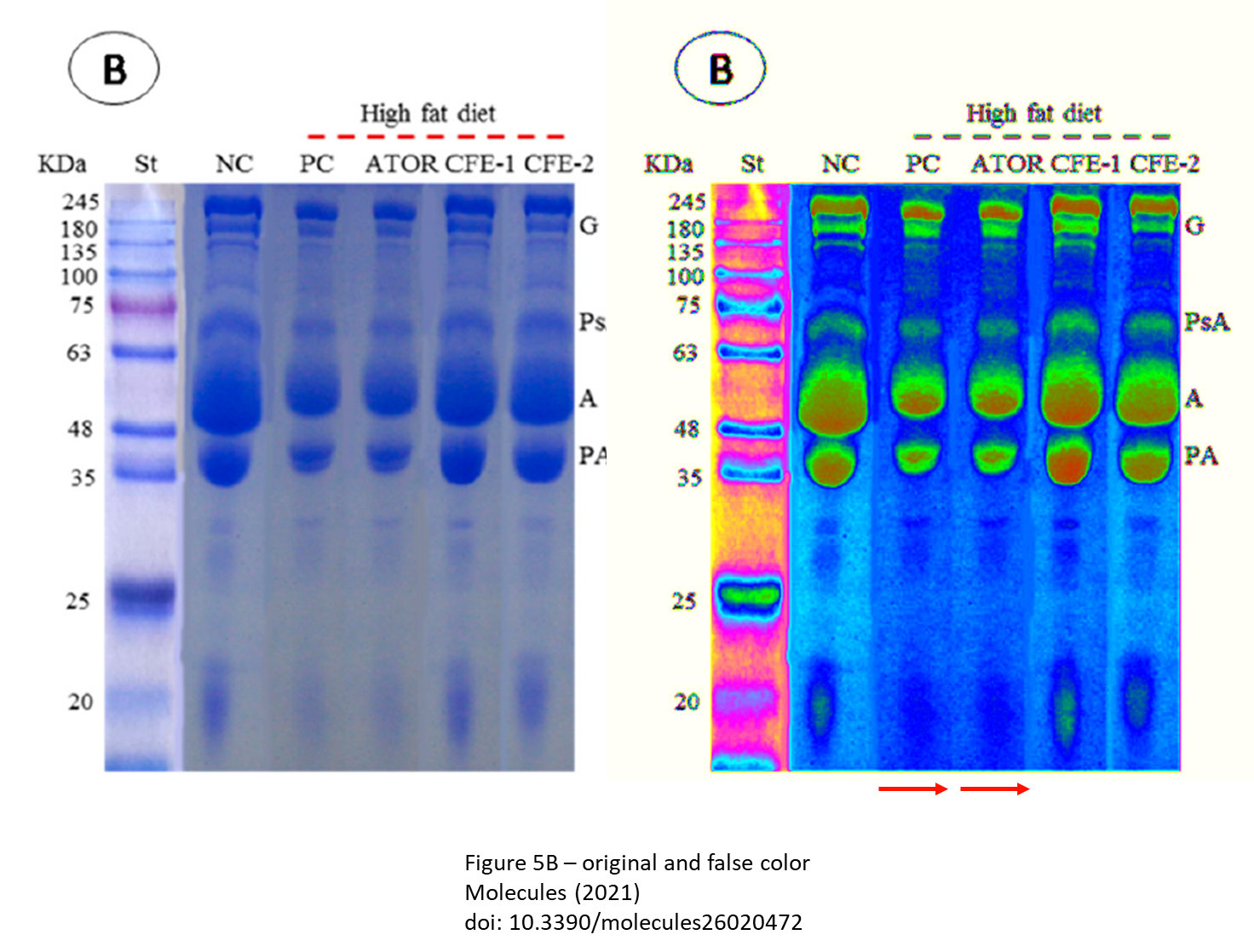
Actinopolyspora biskrensis: “In Figure 5B, the PC and ATOR lanes appear to be identical.”
The Retraction from 15 April 2026 went:
“Following publication, concerns were brought to the attention of the Editorial Office regarding the integrity of images presented in this publication [1].
In accordance with standard journal procedures, the Editorial Office and Editorial Board conducted an investigation that identified indications of inappropriate image editing and duplication of panels between figures in this article [1] and a previously published article [2] by a different group of authors. These concerns relate to Figure 5B, where the PC and ATOR lanes appear to be identical, and to Figure 7, where plate 5 sub-images are duplicated in Figure 6A,B of article [2], despite being described under different experimental conditions. Although the authors cooperated during the investigation, the explanations and supporting materials provided were not deemed sufficient by the Editorial Board to resolve these concerns. […]”
And why didn’t Daddy take his son along here:
Entsar Abbas , Ali Osman, Mahmoud Sitohy Biochemical control of Alternaria tenuissima infecting post-harvest fig fruit by chickpea vicilin Journal of the Science of Food and Agriculture (2020) doi: 10.1002/jsfa.10314
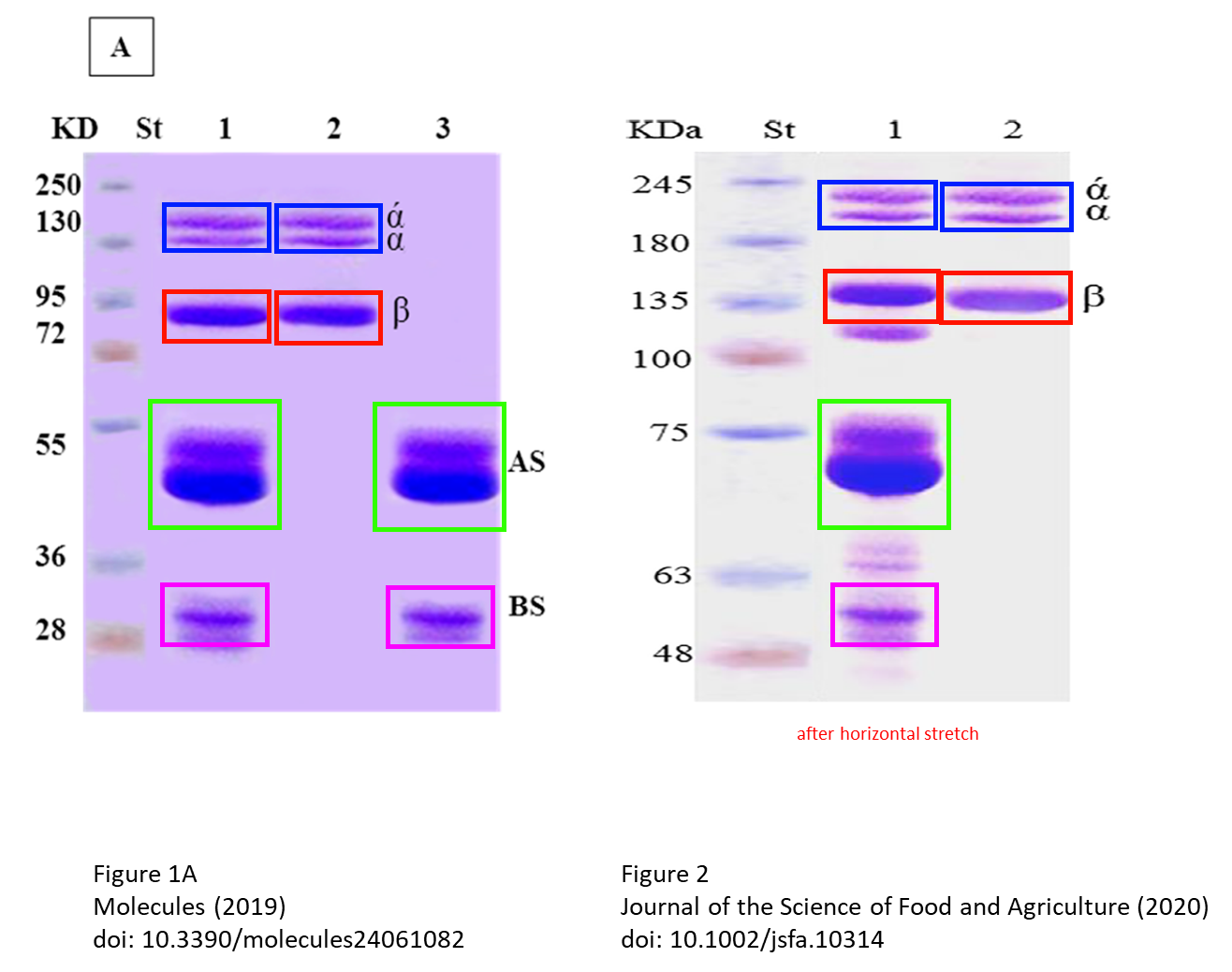
This is the other paper:
Seham Abdel-Shafi, Abdul-Raouf Al-Mohammadi , Ali Osman , Gamal Enan, Samar Abdel-Hameid , Mahmoud Sitohy Characterization and Antibacterial Activity of 7S and 11S Globulins Isolated from Cowpea Seed Protein Molecules (2019) doi: 10.3390/molecules24061082
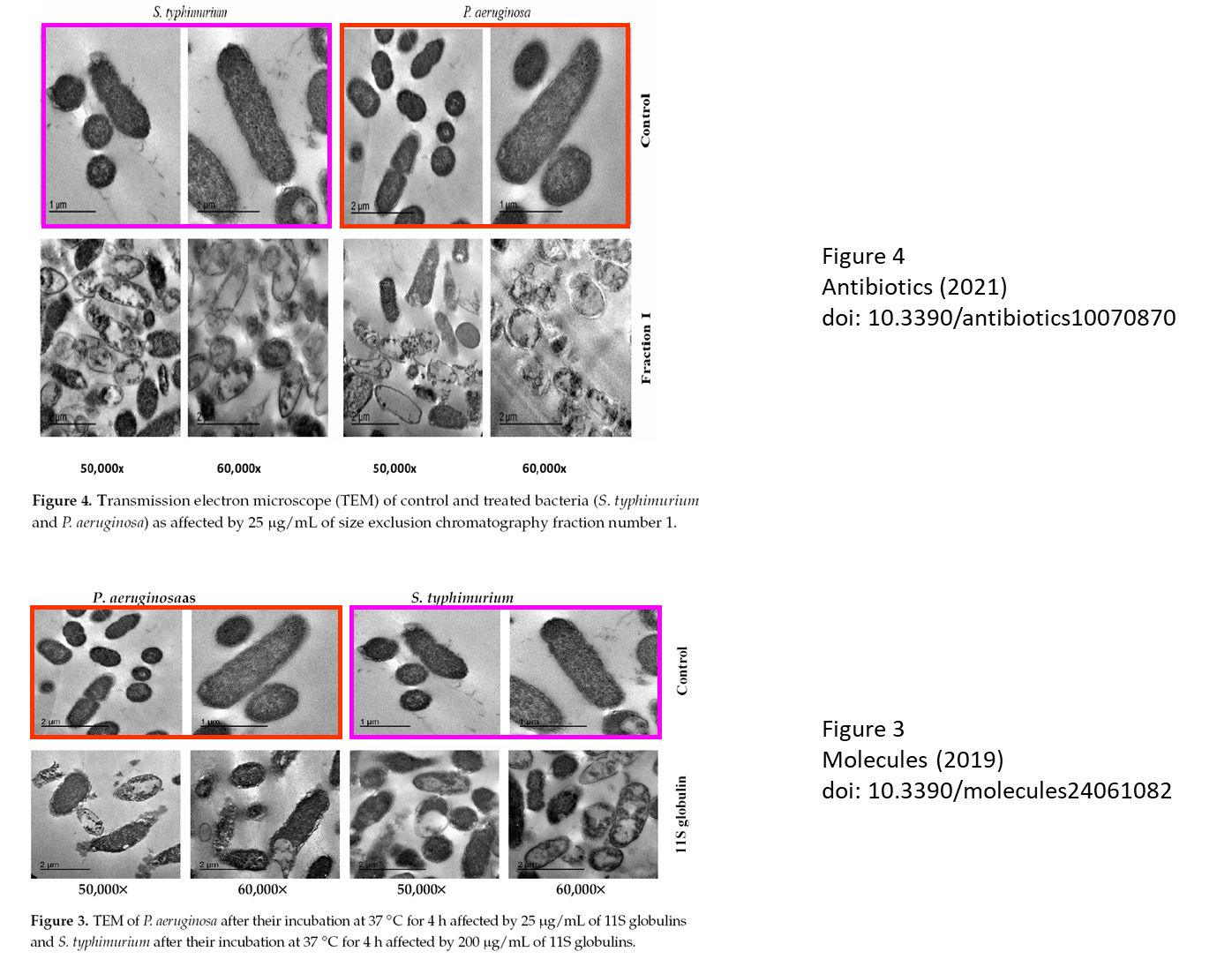
Actinopolyspora biskrensis: “Images in this paper also seem to appear in another paper with some common authors (but not all appear on both).”
Ali Osman , Gamal Enan, Abdul-Raouf Al-Mohammadi , Seham Abdel-Shafi , Samar Abdel-Hameid , Mahmoud Z. Sitohy , Nashwa El-Gazzar Antibacterial Peptides Produced by Alcalase from Cowpea Seed Proteins Antibiotics (2021) doi: 10.3390/antibiotics10070870
Probably Stiohy Jr will have to return to Egypt where Daddy will provide him with a cushy academic job and many more papers. After all, Sitohy Sr is member of Agriculture and Food Council of Egypt’s Ministry of Higher Education and Scientific Research.
Scholarly Publishing
We investigated the matter thoroughly
In July 2025, the pseudonymous sleuth Claire Francis reported to Nature a very old paper by the US cancer bigwig Bob Weinberg, an MIT professor now aged 83, a known cheater with a history of retractions, the first author is his former mentee and now Harvard and Dana Farber Cancer Institute professor William Hahn. Read about them both here:
Dana-Farberications at Harvard University
“Imagine what mistakes might be found in the raw data if anyone was allowed to look!” – Sholto David
The study is from 1999 and has been cited over 2000 times. And its data is compeltely fraudulent.
William C. Hahn , Christopher M. Counter , Ante S. Lundberg , Roderick L. Beijersbergen , Mary W. Brooks , Robert A. Weinberg Creation of human tumour cells with defined genetic elements Nature (1999) doi: 10.1038/22780

“Figure 1. Ras panel. Bands lanes 2 and 8 much more similar after horizontal flip and re-sizing than expected. Bands lanes 4 and 6, sharp vertical right edges.”
On 4 August 2025, Nature‘s Senior Editor Barbara Marte replied to the sleuth:
“We, the editors and our Research Integrity group, have investigated the matter thoroughly in line with the COPE guidelines.
Our findings show that the gels were spliced, which was acceptable at the time. It remains unclear if the Ras bands in Fig. 1b are duplicated., but they are not 100% identical in the PDF version of the article. Given the age of the paper, the original raw data were not available.
We will therefore not pursue the matter any further“
I added my two cents by asking Marte if Nature really has no other records but the online published PDF, being too poor to afford storage space for the original figures files the authors submitted. I suggested she at least shames that toxic old git Weinberg with an Expression of Concern.
And indeed, on 16 April 2026 Marte informed me and Claire Francis that Nature published an Expression of Concern (which is behind a paywall):
“The Editors would like to alert the readers that concerns were raised regarding a potential duplication of two bands in Fig. 1b. Due to the age of the article, the raw data were not available. In addition, splicing of the gel in Fig. 1b was noted; however, this was acceptable at the time. While the main conclusions of the article remain supported by the rest of the data in the article, readers are advised to interpret the data listed above with caution.”
The story would end here, but then another sleuth saw the PubPeer notice about the Expression of Concern, and deployed their skills to shame Nature and its Research Integrity group:

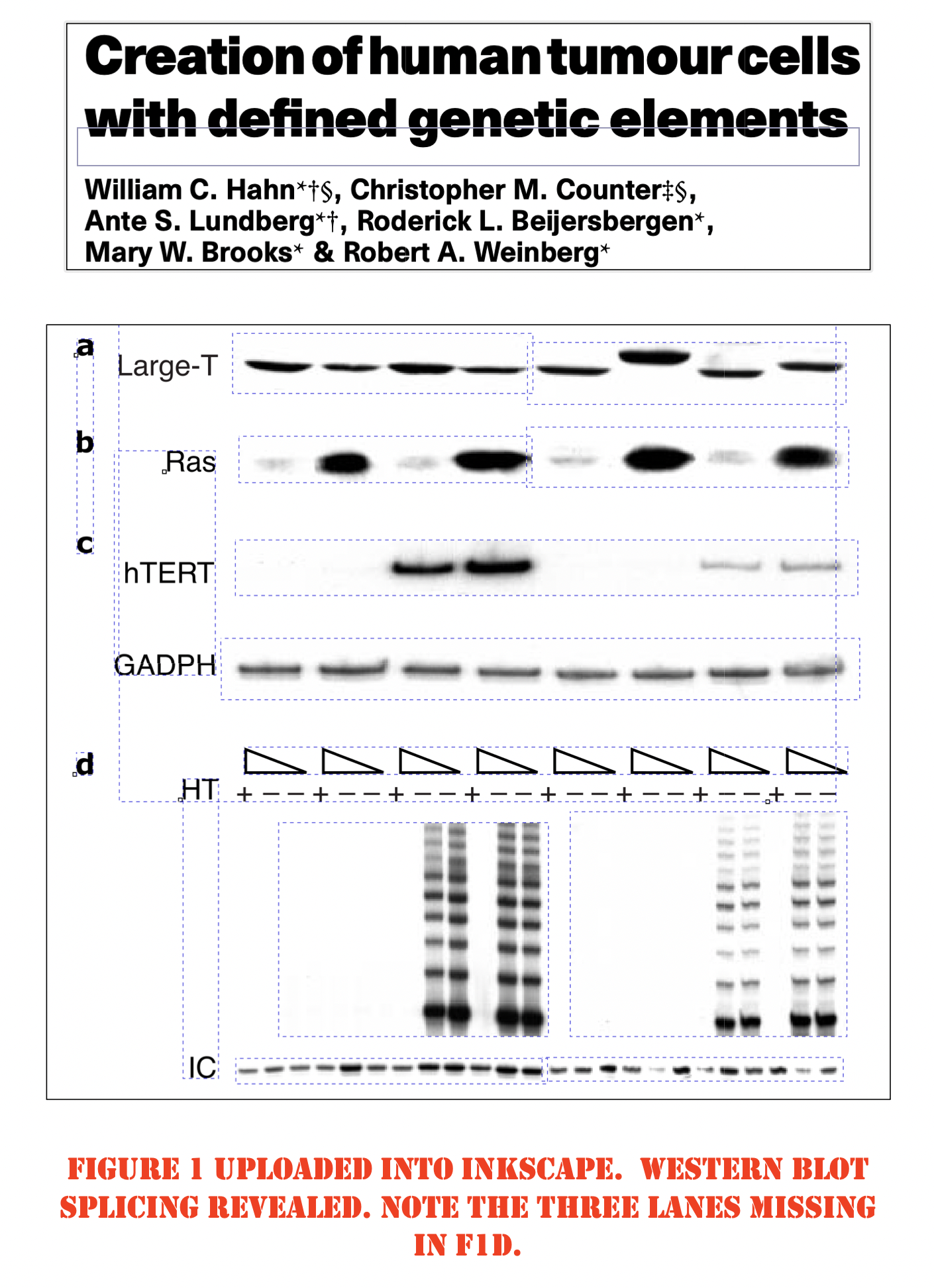
The WBs are also spliced in the separate experiment in Fig. 1D. And it turns out that three lanes are missing.”
This proves two things. Number 1: the Figure 1 is completely fake, fraudulent and forged – the paper absolutely must be retracted and Weinberg and Hahn should have a lot of explaining to do. Number 2: Nature and its publisher Springer Nature either lie about having actual image integrity experts on staff, or they intentionally do not deploy those experts when papers by important men in top journals are being questioned.
The wizard men curing breast cancer
A breast cancer foundation celebrates its research heroes. Read now here about how great US scientists from Harvard, MIT, Weill Cornell and MD Anderson cure cancer.
Weinberg is an eternal Nobel Prize candidate and has around 30 papers on PubPeer and 5 retractions. Newer findings were added in the last months, for example:
Akira Orimo , Piyush B. Gupta , Dennis C. Sgroi , Fernando Arenzana-Seisdedos , Thierry Delaunay , Rizwan Naeem , Vincent J. Carey , Andrea L. Richardson , Robert A. Weinberg Stromal Fibroblasts Present in Invasive Human Breast Carcinomas Promote Tumor Growth and Angiogenesis through Elevated SDF-1/CXCL12 Secretion Cell (2005) doi: 10.1016/j.cell.2005.02.034
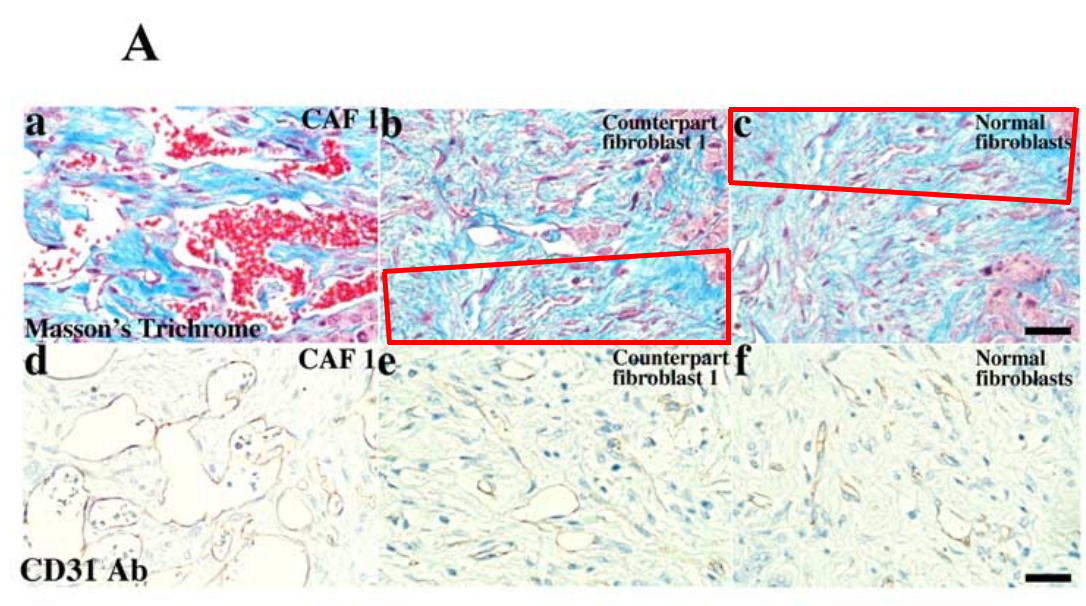
Another Cell paper, where the journal’s philosophy seems to be, its only fraud when it is NOT fake:
Christina Scheel, Elinor Ng Eaton , Sophia Hsin-Jung Li , Christine L. Chaffer , Ferenc Reinhardt , Kong-Jie Kah , George Bell , Wenjun Guo , Jeffrey Rubin , Andrea L. Richardson , Robert A. Weinberg Paracrine and autocrine signals induce and maintain mesenchymal and stem cell states in the breast Cell (2011) doi: 10.1016/j.cell.2011.04.029
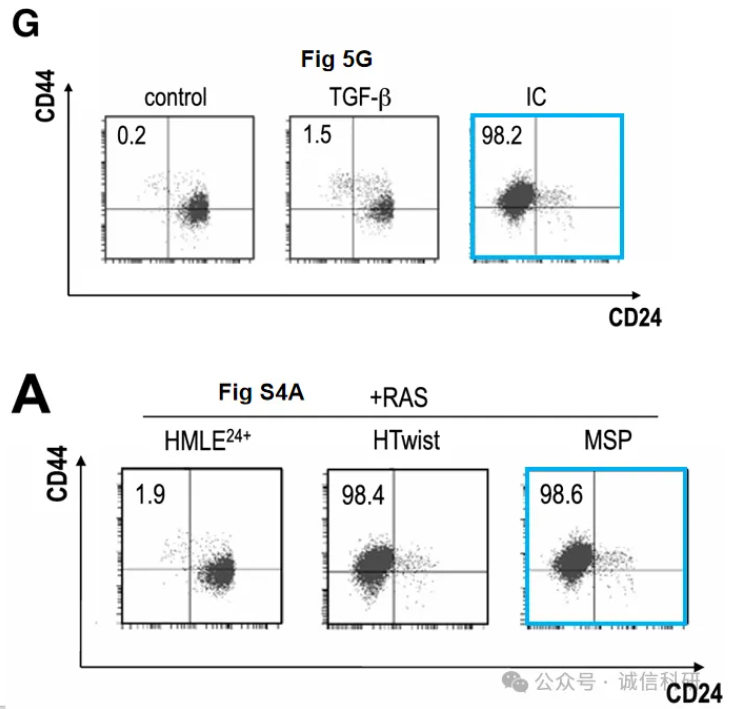
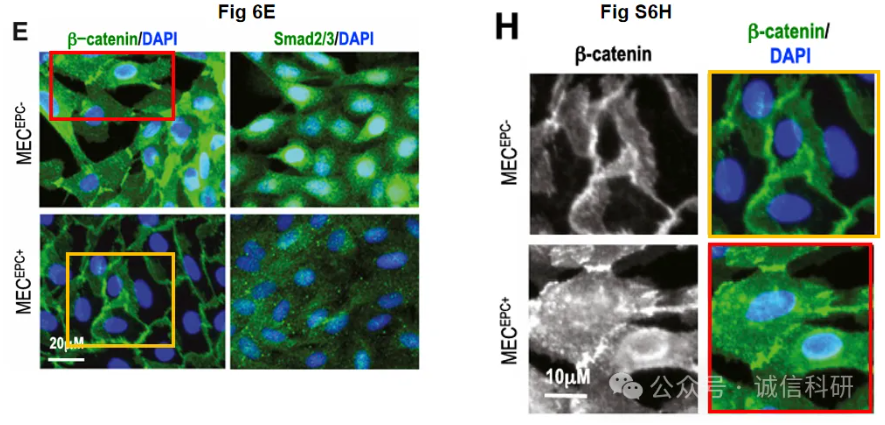
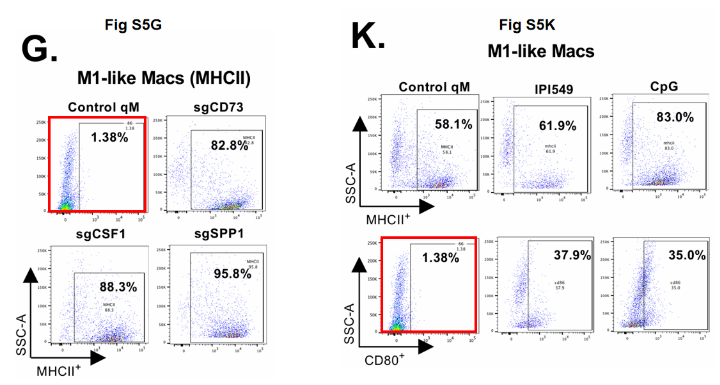
And if you think, that data forgery is ancient history: nope. Worse: Weinberg even has a special licence to torture mice, basic animal protection rules do not apply to his lab.
Anushka Dongre , Mohammad Rashidian , Elinor Ng Eaton , Ferenc Reinhardt , Prathapan Thiru , Maria Zagorulya , Sunita Nepal , Tuba Banaz , Anna Martner , Stefani Spranger , Robert A. Weinberg Direct and Indirect Regulators of Epithelial–Mesenchymal Transition–Mediated Immunosuppression in Breast Carcinomas Cancer Discovery (2021) doi: 10.1158/2159-8290.cd-20-0603
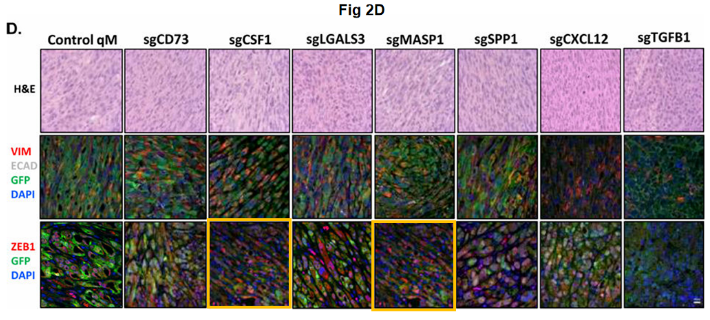
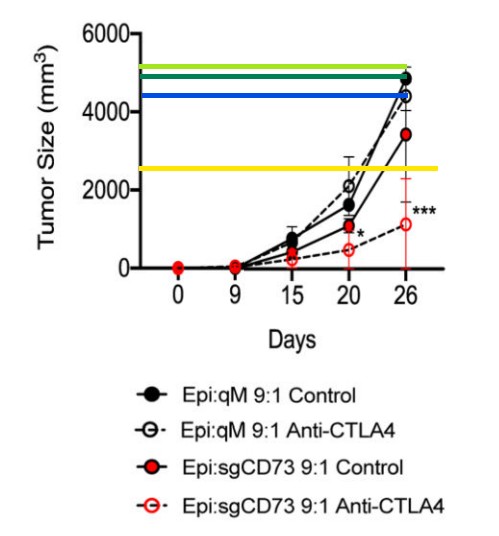
Viola sheltonii: “Figure 7B shows that the tumour sizes of mice in the Eqi:qM 9:1 Control group reached ~5000mm3 at Day 26/end of study (dark green line added to Figure 7B), with the error bar maxing at closer to ~5200mm3 (light green line). Additionally, the tumour sizes of mice in the Eqi:qM 9:1 Anti-CTLA4 group reached ~4250mm3 at the same timepoint (dark blue line added to Figure 7B). This is greater than what most animal ethics committees would consider a humane endpoint (for example, NIH IC ACUC recommends humane endpoint for tumour volumes 2-3cm3).
The yellow line at 2500mm3 shows that the humane endpoint would have occurred at or around Day 20 for mice in these groups”
This study from 2021 suggests that no ethics approval was issued for these experiments, the authors simply stated to have treated the animals “in compliance with the guidelines and protocols approved by the Animal Care and Use Committees at the Massachusetts Institute of Technology.” This all is clearly animal abuse and research misconduct which warrants a retraction, but then again, the Editor-in-Chief is Lewis Cantley, another major American cancer cheater.
Anyway, here another bad paper from Nature’s family. Weinberg, being the greatest cancer researcher of all times, used a skin cancer cell line MDA-MB-435 and passed it off as breast cancer cells, which he had to admit in an Addendum soon after publication:
Haihui Lu , Karl R. Clauser , Wai Leong Tam , Julia Fröse , Xin Ye , Elinor Ng Eaton , Ferenc Reinhardt , Vera S. Donnenberg , Rohit Bhargava , Steven A. Carr , Robert A. Weinberg A breast cancer stem cell niche supported by juxtacrine signalling from monocytes and macrophages Nature Cell Biology (2014) doi: 10.1038/ncb3041
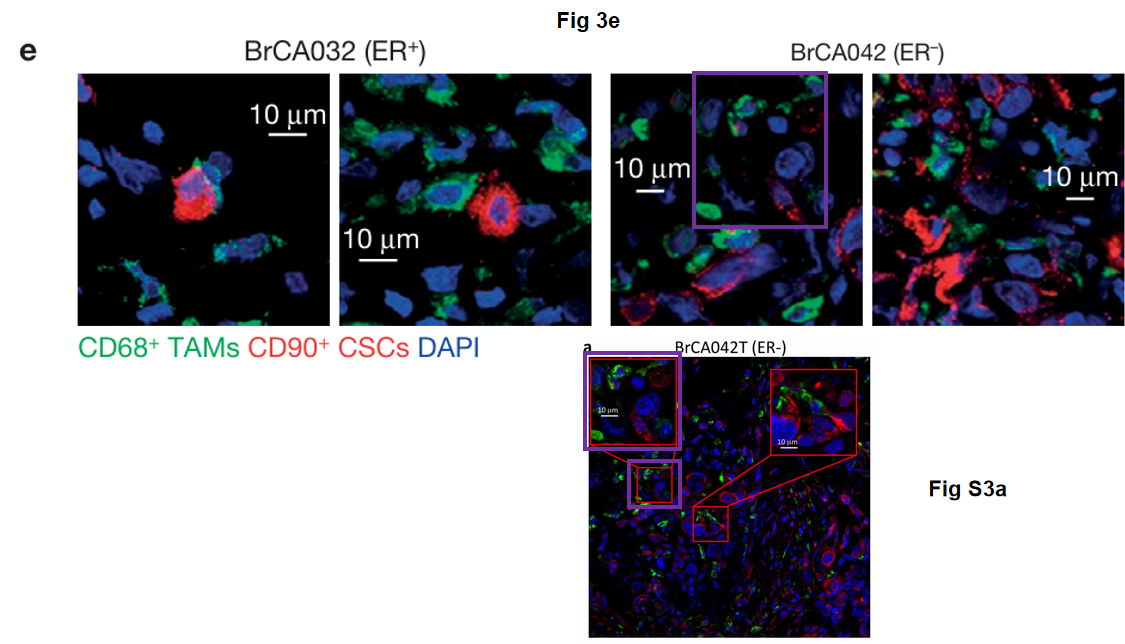
Maybe another Addendum to assure the scientific community that also this forgery “does not affect the key findings of the paper“?
Retraction Watchdogging
World’s first and only
In March 2024, Jim G Thornton, emeritus professor of obstetrics & gynaecology at University of Nottingham in UK, flagged this Italian clinical trial on PubPeer, which he described as “the world’s first, and to date, only randomised trial of myomectomy to treat infertility“:
Maria Luisa Casini , Federica Rossi , Riccardo Agostini , Vittorio Unfer Effects of the position of fibroids on fertility Gynecological Endocrinology (2006) doi: 10.1080/09513590600604673
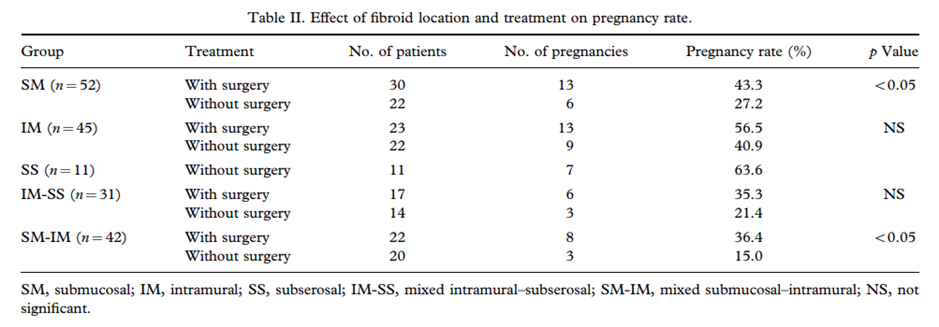
Also, the authors claimed to have followed-up their patients “up to 12 months”, which is not very honest given that they submitted the paper six months after the last patient was enrolled. Still, the dodgy study was cited 423 times and included in many practice guidelines, like ASRM. Thornton also pointed out that he notified the journal’s Editor-in-Chief Peter Chedraui and the publisher Taylor and Francis already in September 2023. In February 2025, Thornton added further concerns, like: “The pregnancy rate for the IM-SS surgery group is reported as 40.0% in the abstract (red underline), but as 36.4% (8/22) in Table 2.“. Even more worryingly, the corresponding author Vittorio Unfer earned eight retractions, two of them with the first author Maria Luisa Casini. Thornton also noted that Frederica Rossi and Riccardo Agostini “are the first and second authors of a paper which has been independently flagged for numerical inconsistences” (Agostini et al 2006).
So this one is Unfer’s ninth retraction and Casini’s third, issued on 20 April 2026:
“Since publication, significant concerns have been raised about the statistical analysis and reported results in the article. When approached for an explanation, the authors fully cooperated with the investigation and provided responses to our queries. However, these responses have not sufficiently addressed our concerns. As we cannot confirm the results as reported, we are therefore retracting the article. The authors have been informed of this decision. The authors do not agree with the retraction.”
Unfer is now affiliated with what looks to an untrained eye like some diploma mill, “Unicamillus” in Rome, he also is a senior executive for some medical companies, like AMSA Farmaceutici, Farmares and Lo.Li Pharma, his financial conflicts of interests were omitted in his papers. Thornton flagged several of Unfer’s fake trials on PubPeer.
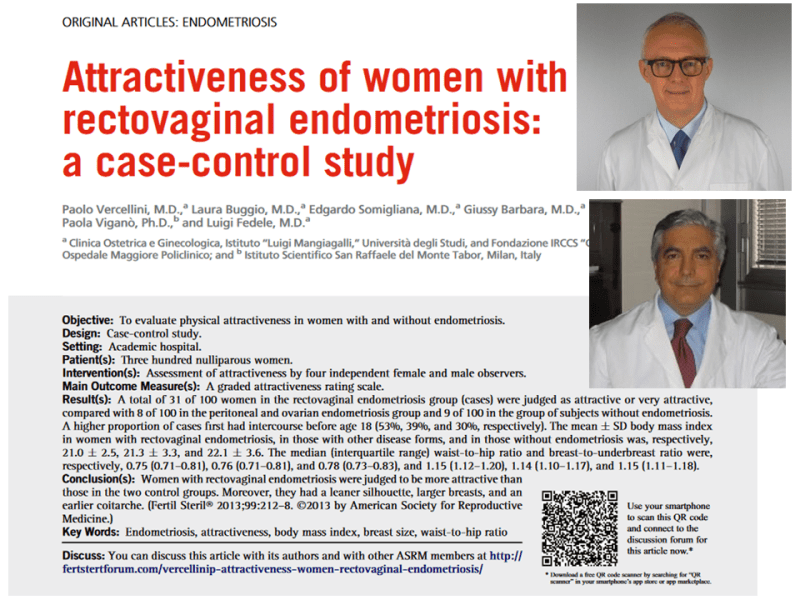
Undress, the doctors will see you now
Two old gynaecology professors in Milan decided to racially profile, then rate their misinformed young patients for sexual attractiveness. Their even published this as an evo-psych study in a respected society journal.
Here are Unfer’s other retractions, making it 11 in total:
- Maria Luisa Casini, Guido Marelli , Enrico Papaleo , Augusto Ferrari , Francesco D’Ambrosio , Vittorio Unfer Psychological assessment of the effects of treatment with phytoestrogens on postmenopausal women: a randomized, double-blind, crossover, placebo-controlled study Fertility and Sterility (2006) doi: 10.1016/j.fertnstert.2005.09.048 (January 2025 Retraction)
- Enrico Papaleo , Vittorio Unfer , Jean-Patrice Baillargeon , Francesco Fusi , Francesca Occhi , Lucia De Santis Myo-inositol may improve oocyte quality in intracytoplasmic sperm injection cycles. A prospective, controlled, randomized trial Fertility and Sterility (2009) doi: 10.1016/j.fertnstert.2008.01.088 (February 2025 Retraction)
- Sandro Gerli, Hossein Gholami , Antonio Manna , Antonio Scotto Di Frega , Costantino Vitiello , Vittorio Unfer Use of ethinyl estradiol to reverse the antiestrogenic effects of clomiphene citrate in patients undergoing intrauterine insemination: a comparative, randomized study Fertility and Sterility (2000) doi: 10.1016/s0015-0282(99)00447-1 (May 2025 Retraction).
- G. Carlomagno , M. Nordio , T.T. Chiu , V. Unfer Contribution of myo-inositol and melatonin to human reproduction European Journal of Obstetrics & Gynecology and Reproductive Biology (2011) doi: 10.1016/j.ejogrb.2011.07.038 (July 2025 Retraction)
- E. Papaleo , V. Unfer , J.P. Baillargeon , T.T. Chiu Contribution of myo-inositol to reproduction European Journal of Obstetrics & Gynecology and Reproductive Biology (2009) doi: 10.1016/j.ejogrb.2009.09.008 (July 2025 Retraction).
- Vittorio Unfer, Loredana Costabile , Sandro Gerli , Enrico Papaleo , Guido Marelli , Gian Carlo Di Renzo Low Dose of Ethinyl Estradiol Can Reverse the Antiestrogenic Effects of Clomiphene Citrate on Endometrium Gynecologic and Obstetric Investigation (2001) doi: 10.1159/000052906 (September 2025 Retraction)
- M Minozzi , G D’Andrea , V Unfer Treatment of hirsutism with myo-inositol: a prospective clinical study Reproductive BioMedicine Online (2008) doi: 10.1016/s1472-6483(10)60248-9 (November 2025 Retraction)
- Vittorio Unfer, Maria Luisa Casini , Loredana Costabile , Marcella Mignosa , Sandro Gerli , Gian Carlo Di Renzo High Dose of Phytoestrogens Can Reverse the Antiestrogenic Effects of Clomiphene Citrate on the Endometrium in Patients Undergoing Intrauterine Insemination: A Randomized Trial Journal of the Society for Gynecologic Investigation (2004) doi: 10.1016/j.jsgi.2003.12.007 (January 2026 Retraction)
- L. Pkhaladze, M. Russo , V. Unfer , M. Nordio , S. Basciani , A. Khomasuridze Treatment of lean PCOS teenagers: a follow-up comparison between Myo-Inositol and oral contraceptives European review for medical and pharmacological sciences (2021) doi: 10.26355/eurrev_202112_27447 (February 2026 Retraction)
- Jessica Dragotto , Giovanni Buzzaccarini , Andrea Etrusco , Antonio Simone Laganà, Renato Venezia , Sanja Terzic , Miriam Dellino , Chrysoula Margioula-Siarkou , Vittorio Unfer , Bianca Bianco , Paolo Casadio , Giovanni Bracchitta Effects of Low Luteinizing Hormone Serum Levels on Oocyte Retrieval, Fertilization Rate, and Embryo Quality during Controlled Ovarian Stimulation: Results from a Prospective Cohort Analysis Gynecologic and Obstetric Investigation (2024) doi: 10.1159/000534860 (April 2026 Retraction)
Science Breakthroughs
Nothing short of revolutionary
The Texas A&M University wishes you to know that their new nasal spray allows “turning back the clock in aging brains, healing inflammation, restoring memory and reshaping the future of brain age-related therapies” , in press release from 14 April 2026:
“A landmark study from researchers at the Texas A&M University Naresh K. Vashisht College of Medicine suggests the inflammatory tide responsible for brain aging and brain fog might actually be reversible. And the solution doesn’t involve brain surgery, but a simple nasal spray.
Led by Dr. Ashok Shetty, university distinguished professor and associate director of the Institute for Regenerative Medicine, along with senior research scientists Dr. Madhu Leelavathi Narayana and Dr. Maheedhar Kodali, the team developed a nasal spray that, with just two doses, dramatically reduced brain inflammation, restored the brain’s cellular power plants and significantly improved memory.
The most surprising part? It all happened within weeks and lasted for months.
The findings, published in the Journal of Extracellular Vesicles, could reshape the future of neurodegenerative therapies and may even change how scientists think about brain aging itself. […]
The implications of this research could be nothing short of revolutionary. […] The societal impact could be just as profound. […]
One day, the approach could even help stroke survivors rebuild lost brain function, or slow — even reverse — the effects of cognitive aging in humans.
“Our approach redefines what it means to grow old,” Shetty said.”
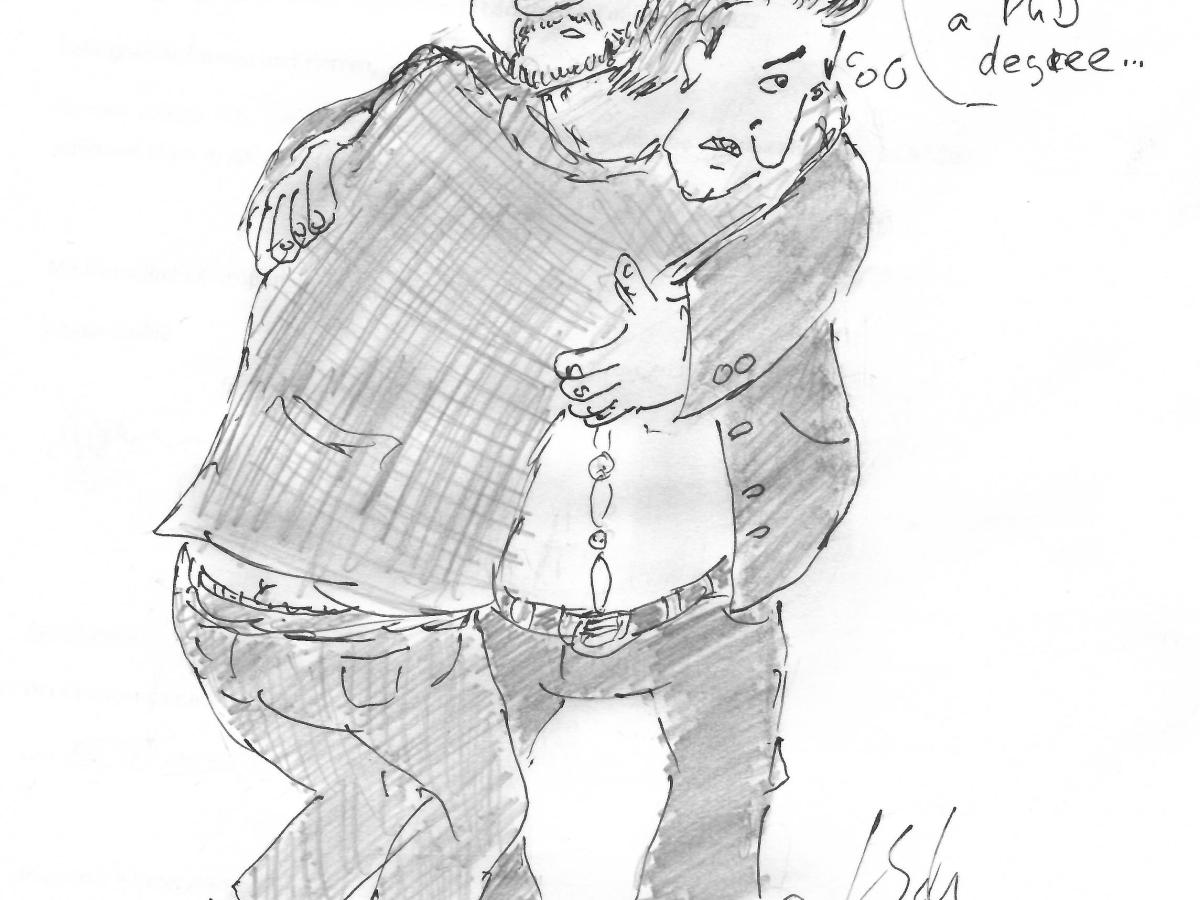
Sylvain Lesné is a failed scientist
From Lesné’s public shame to successful role models of neuroscience like Aguzzi and Tessier-Lavigne.
Several Nobel Prizes are being prepared just for Shetty, as neuroscience text books are being burned to be replaced by this study in a Wiley journal run by the International Society for Extracellular Vesicles, where Shetty is associate editor:
Leelavathi N. Madhu , Maheedhar Kodali , Shama Rao , Sahithi Attaluri , Raghavendra Upadhya , Goutham Shankar , Bing Shuai , Yogish Somayaji , Shruthi V. Ganesh , Vignesh S. Kumar , Jeswin E. James , Padmashri A. Shetty , Avery LeMaire , Xiaolan Rao , James J Cai , Ashok K. Shetty Intranasal Human NSC‐Derived EVs Therapy Can Restrain Inflammatory Microglial Transcriptome, and NLRP3 and cGAS‐STING Signalling, in Aged Hippocampus Journal of Extracellular Vesicles (2026) doi: 10.1002/jev2.70232
The paper states: “The authors declared no conflicts of interest“, which is strange, since Shetty patented the “Scalable Production of Standardized Extracellular Vesicles, Extracellular Vesicle Preparations and Uses Thereof“, together with his Texas A&M colleague Darwin Prockop, who died in January 2024. In 2018, Shetty and Prockop signed a collaboration with the Texan biotech company, Celltex, which involved the purchase of intellectual property licenses and was about “potential therapies for Alzheimer’s disease using autologous mesenchymal stem cell (MSC)-derived exosomes“. In 2020, Shetty and Celltex announced to cure COVID-19 with mesenchymal stem cells.
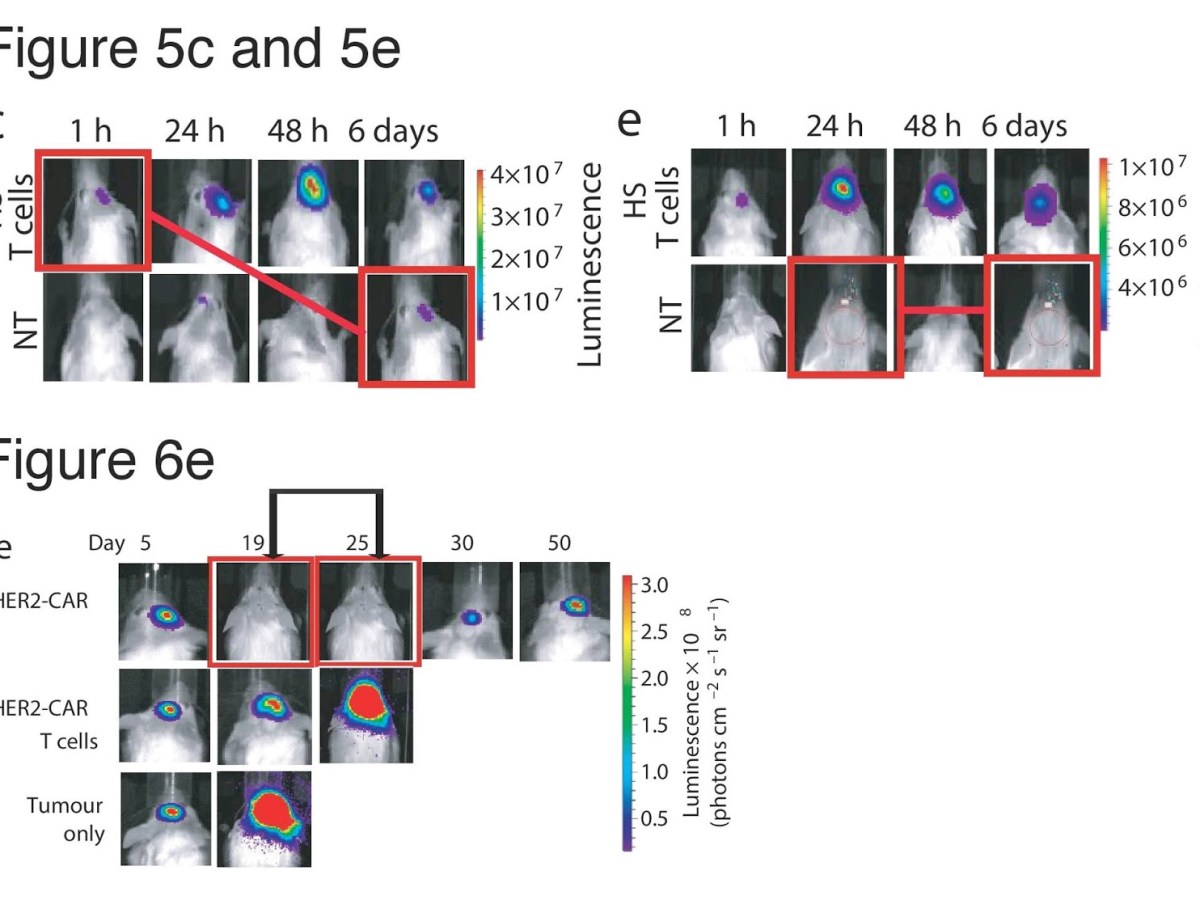
Texas Photoshop Massacre (in Nature)
The team around the paediatric oncologist Nabil Ahmed at Baylor College of Medicine in Houston, Texas, discovered a way to engineer T-leukocytes to bypass the blood-brain barrier at attack otherwise untreatable brain cancers. Their amazing technology to get this published in Nature was brazenly insolent data fakery.
In November 2024, Texas A&M University celebrated Shetty’s paper in the same Journal of Extracellular Vesicles (Madhu et al 2024), where he announced to cure Alzheimer’s with those same vesicles from iPS-cell derived neural stem cells. That research is also being patented, but Shetty again felt those are not conflicts of interests worth declaring.
Shetty is a member of the Live Forever Club, surely he will achieve his goal with his new patented nasal spray. He is also touted by his university as an expert on military health. Here an example:
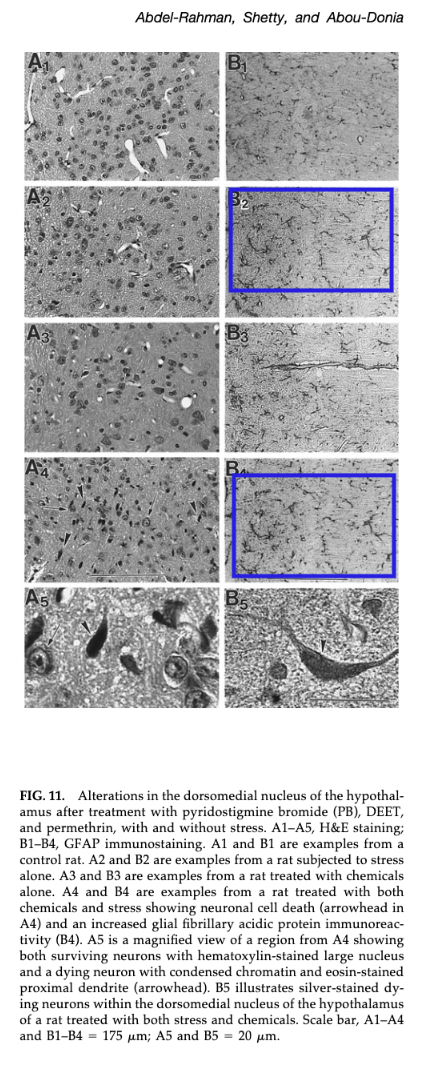
Ali Abdel-Rahman , Ashok K. Shetty , Mohamed B. Abou-Donia Disruption of the blood-brain barrier and neuronal cell death in cingulate cortex, dentate gyrus, thalamus, and hypothalamus in a rat model of Gulf-War syndrome Neurobiology of Disease (2002) doi: 10.1006/nbdi.2002.0524
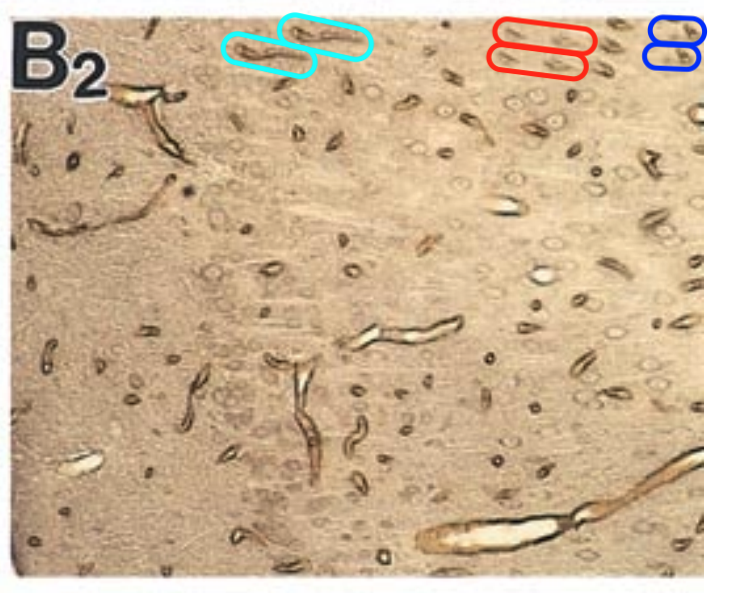
Right: “Concern about Figure 11: Blue boxes: Panel B2 (rat subjected to stress alone) and B4 (rat treated with chemicals and stress) appear to overlap.”
The last author, the Duke University professor Mohamed Abou Donia, died in 2023. He left behind a large PubPeer record and many retractions, Retraction Watch reported in 2021 about Duke’s investigation of Donia’s papers.
Donate!
If you are interested to support my work, you can leave here a small tip of $5. Or several of small tips, just increase the amount as you like (2x=€10; 5x=€25). Your generous patronage of my journalism will be most appreciated!
€5.00


The clue is in the date: “‘Karolinska Institutet has appointed Professor Karin Dahlman-Wright as director of KI’s new research infrastructure organisation, RIKI, with effect from 1 April. RIKI provides the tools, methods, technologies and networks hat researchers need in their work….”
LikeLiked by 1 person
cunnign strategy
he shoudl have
LikeLike