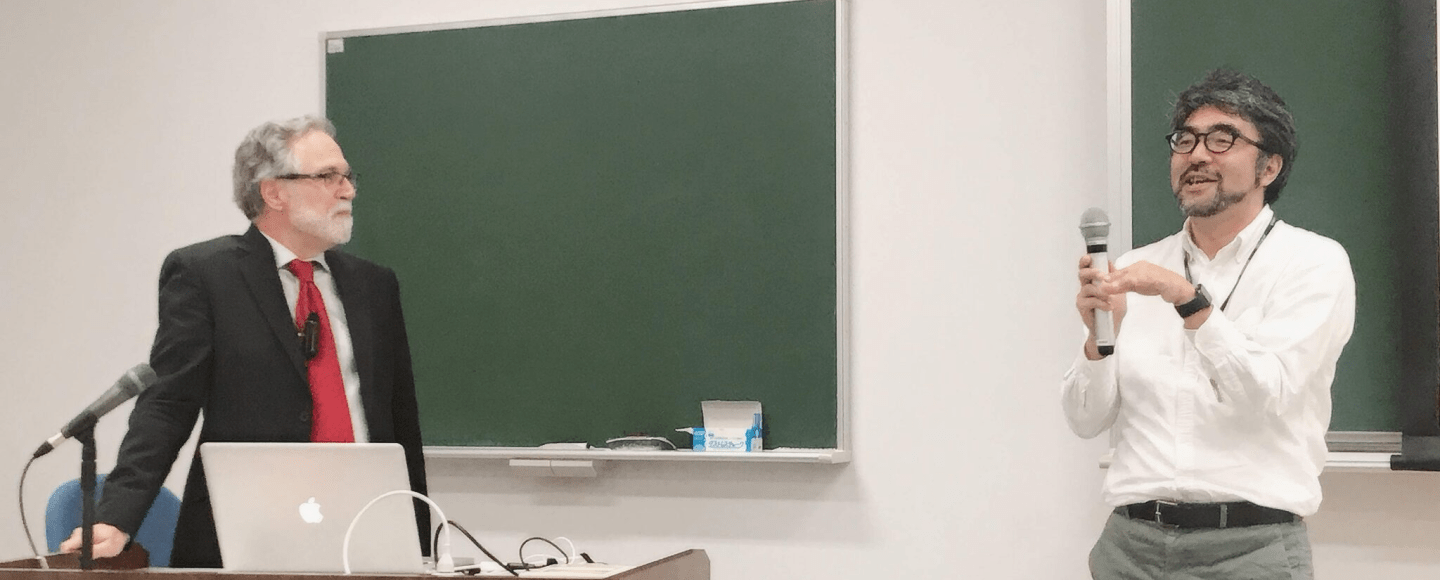

The Nobel Prize laureate and Johns Hopkins University professor Gregg Semenza had by now FIFTEEN retractions, and he was still not found guilty of anything and of course he keeps his job and all its perks. Because America! Yet Semenza’s former associate Kiichi Hirota was found guilty of research misconduct.

Gregg Semenza: real Nobel Prize and unreal research data
“Even after people have been telling you for, you know, 20 years or more that it’s going to happen, no one expects it.” -Gregg Semenza, Nobel Prize winner 2019

Hirota used to be professor at the Kansai Medical University in Japan. On 2 March 2026, the Japan Society for the Promotion of Science announced that Hirota was found guilty of research misconduct as “three papers had been falsified and one paper had been fabricated“, accompanied with a 6 year funding ban and a request for the return of research funds. However, Hirota retired (or rather was made to retire) already in August 2022. His Twitter/X profile (@bodyhacker) was switched to private. Since September 2022 Hirota “was appointed to Minami Uonuma City Hospital” to work as anaesthesiologist, as a local newspaper reported. It was a move of 500 km for him.
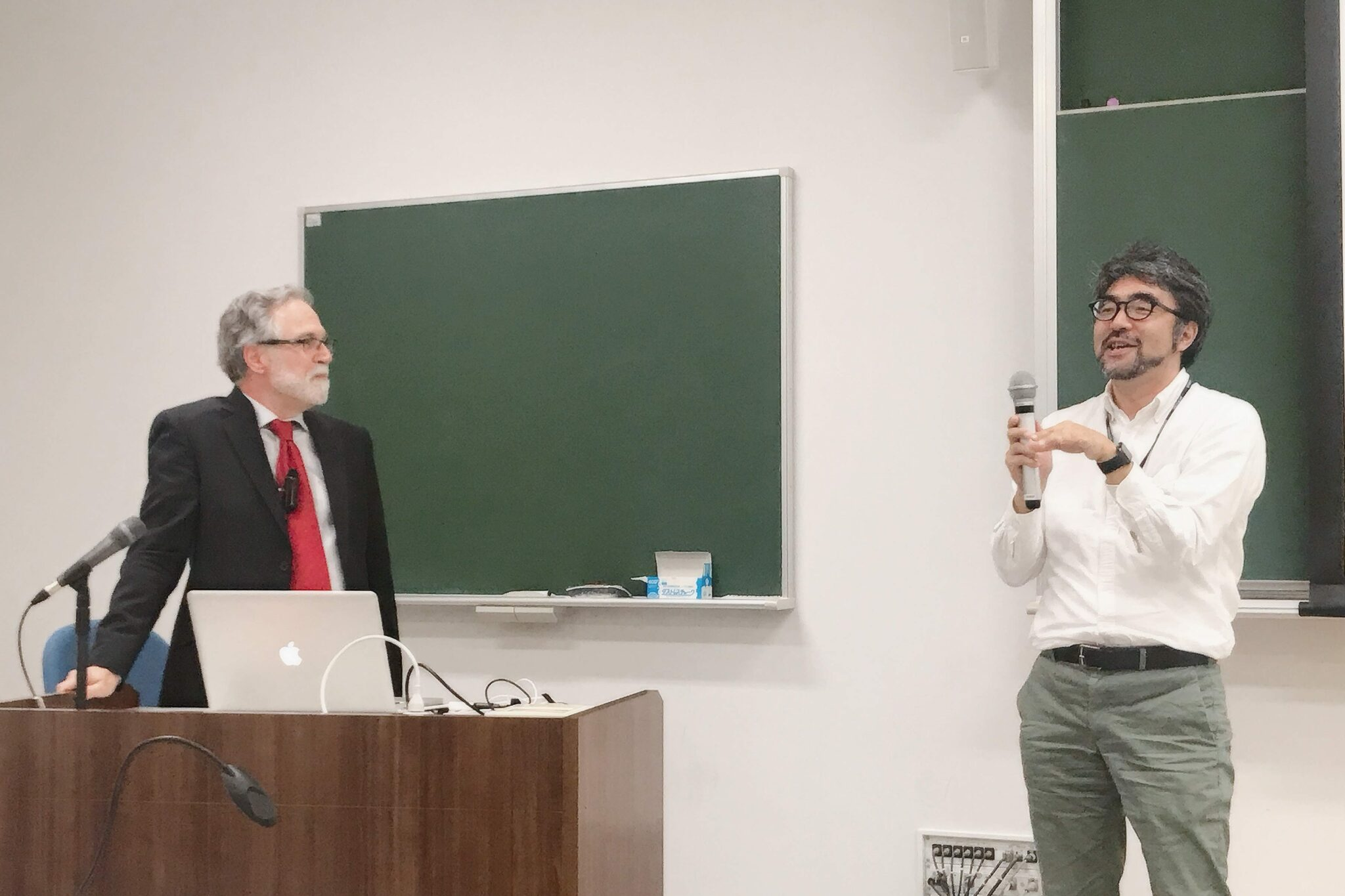
Semenza retractions
Hirota has 15 papers on PubPeer, 5 of them without Semenza. The only two of his so far retracted papers are with Semenza, and those are Semenza’s most recent retractions, number 14 and 15. Hirota and his friends claimed that as a visiting professor in Johns Hopkins University he “was involved in isolating the gene encoding the HIF molecule as a member of the laboratory led by Prof. Semenza“, and it was this discovery which earned Semenza the Nobel Prize in 2019. Hirota also published a paper (in Japanese language) to celebrate his mentor’s Nobel achievement.
Hirota’s and Semenza’s retractions both happened in the Journal of Biological Chemistry:
Kiichi Hirota , Ryo Fukuda , Satoshi Takabuchi , Shinae Kizaka-Kondoh , Takehiko Adachi , Kazuhiko Fukuda , Gregg L. Semenza Induction of Hypoxia-inducible Factor 1 Activity by Muscarinic Acetylcholine Receptor Signaling Journal of Biological Chemistry (2004) doi: 10.1074/jbc.m405164200

The Retraction was published on 5 July 2025:
“This article has been retracted by the publisher. The Journal concluded that lanes 1 through 4 of Figure 1E had been reused as lanes 1 through 4 of the M1/CCH panel of Figure 5B. The journal also concluded that lane 5 of Figure 1E had been reused as lane 1 of the M1/IGF-1 panel of Figure 5B and that lane 3 of Figure 6 had been reused as lane 7 in that same figure. An attempt was made to contact the authors to finalize the process, but they could not be reached.”
Here is the second retraction. Again, the work was done entirely in Hirota’s lab, Semenza is the only author outside of Japan:
Kenji Kasuno , Satoshi Takabuchi , Kazuhiko Fukuda , Shinae Kizaka-Kondoh , Junji Yodoi , Takehiko Adachi , Gregg L. Semenza, Kiichi Hirota Nitric oxide induces hypoxia-inducible factor 1 activation that is dependent on MAPK and phosphatidylinositol 3-kinase signaling Journal of Biological Chemistry (2004) doi: 10.1074/jbc.m308197200
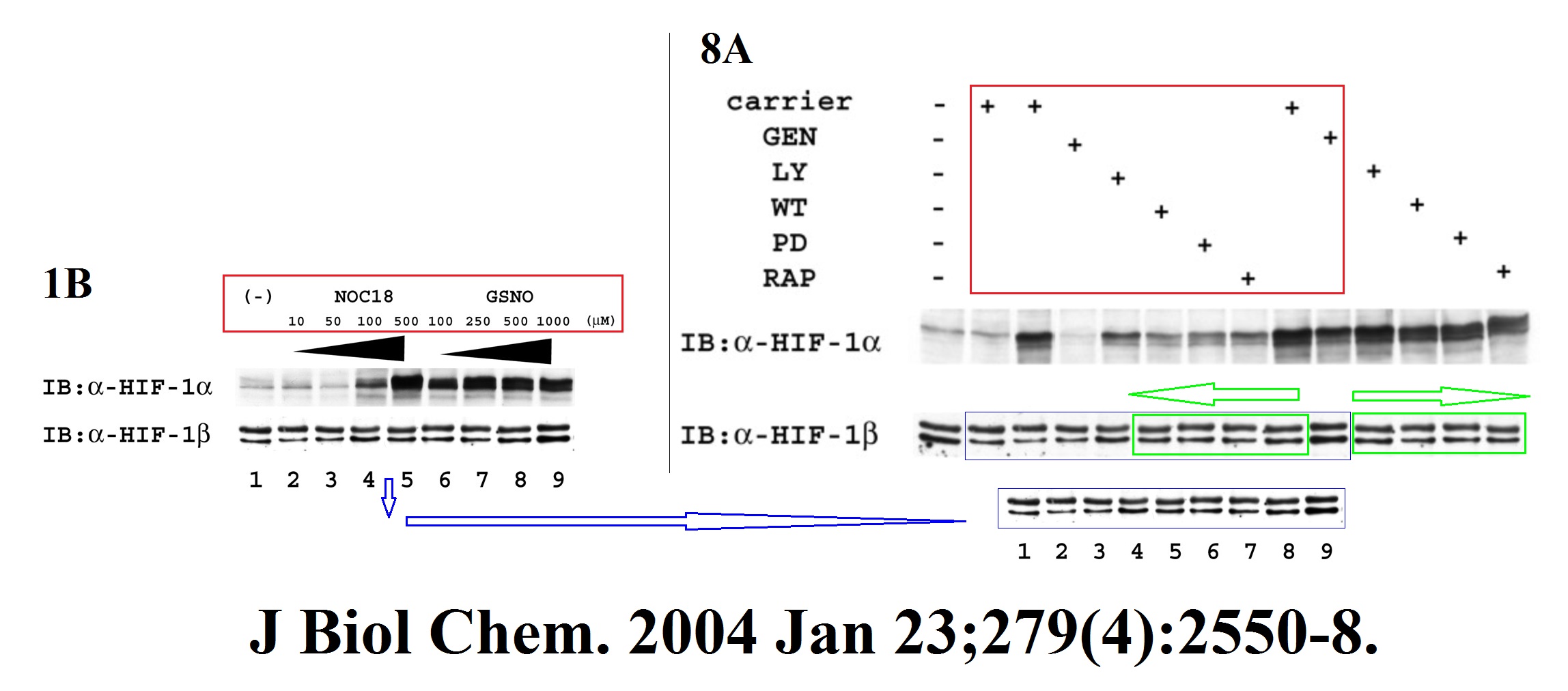

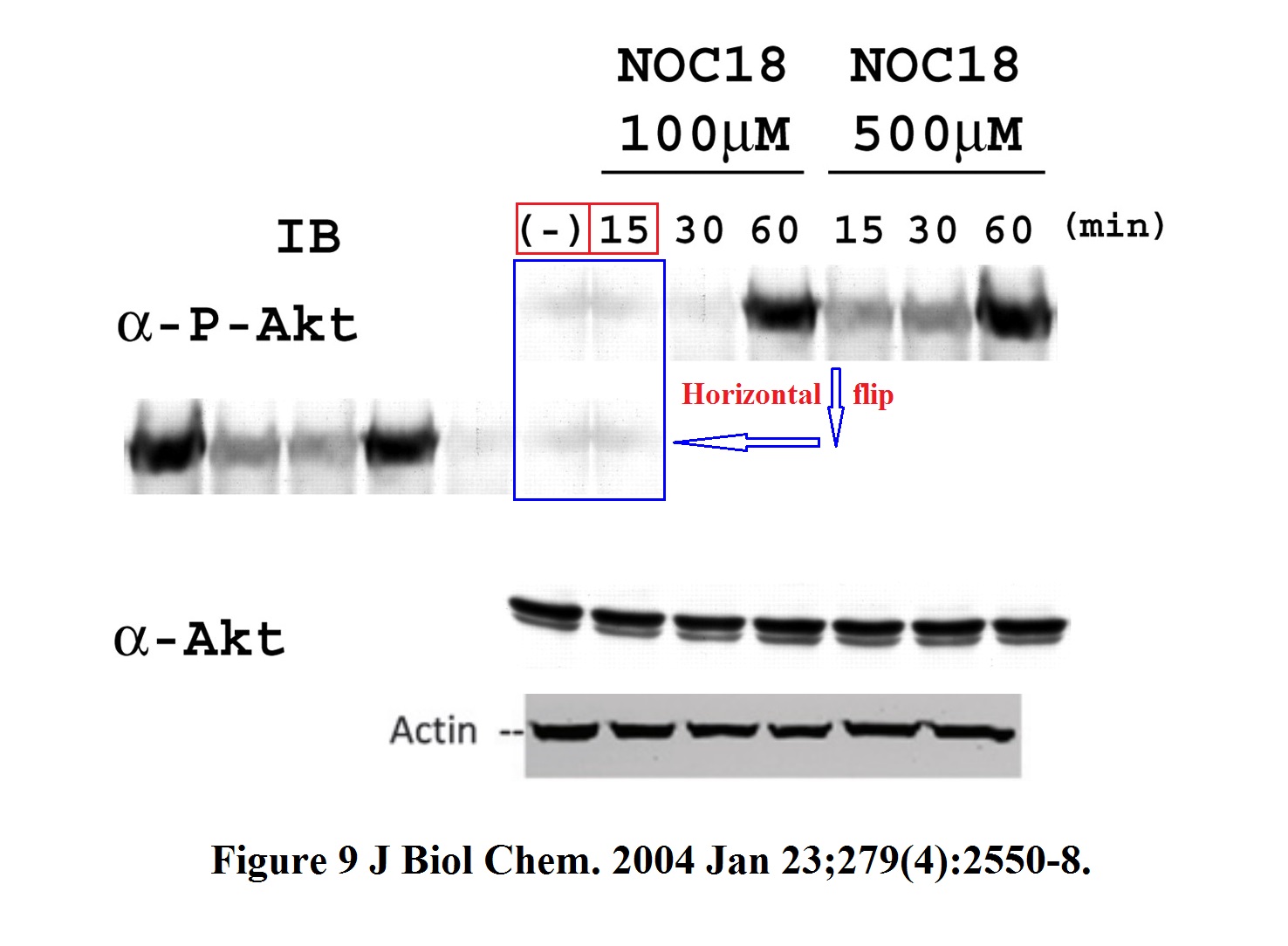
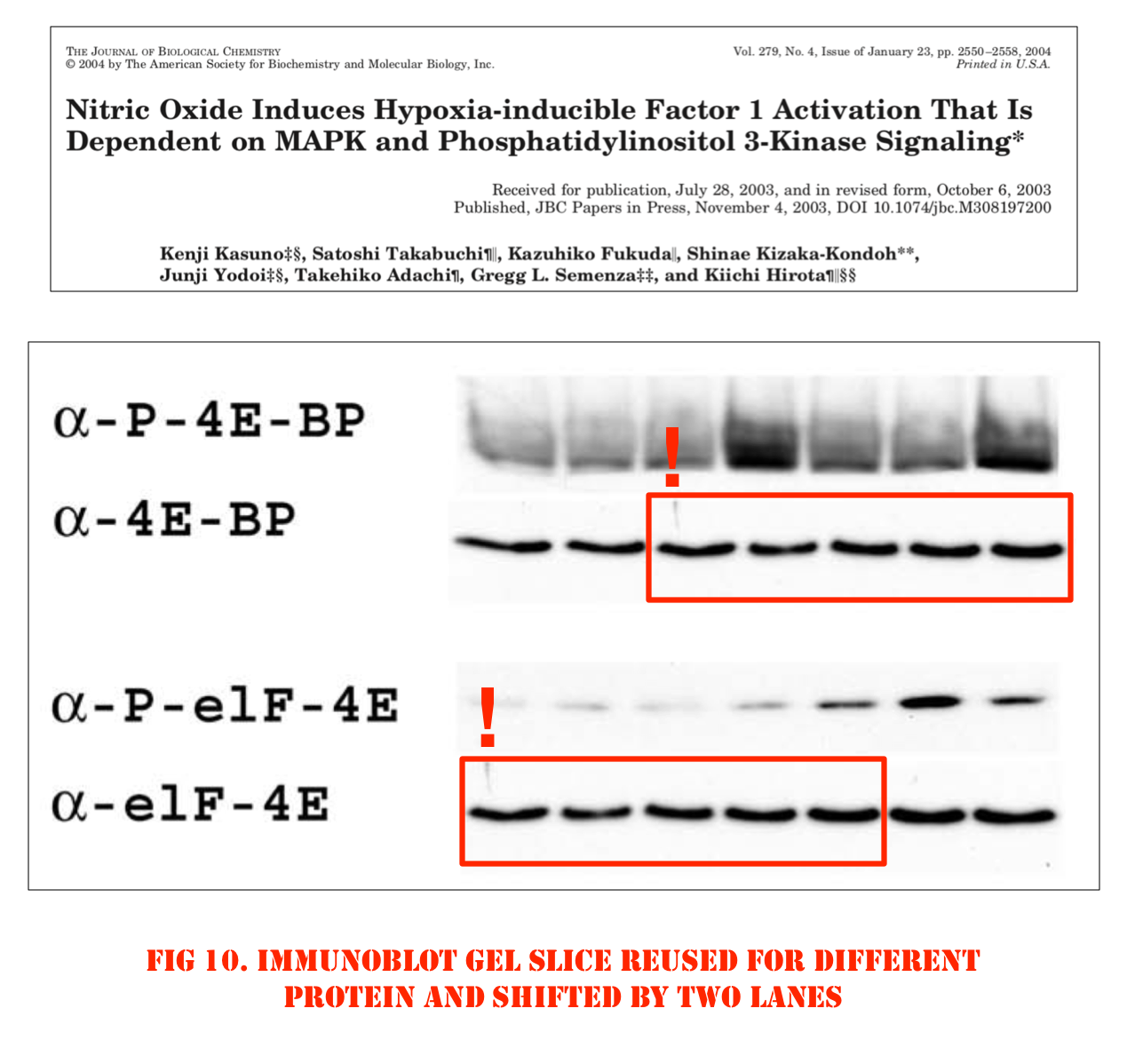
The Retraction also appeared on 5 July 2025:
“This article has been retracted by the publisher. The Journal concluded that lanes 1 through 9 of the IB: α-HIF-1β panel of Figure 1B were reused as lanes 2 through 10 in the α-HIF-1β panel of Figure 8A and that lanes 6 through 9 of this panel were reused internally as lanes 11 through 14. The Journal also concluded that the α-S6K and α-S6R panels of Figure 10 had been derived from the same source image, as had the α-4E-BP and α-elF-4E panels of Figure 10. An attempt was made to contact the authors to finalize the process, but they could not be reached.”
Indeed, Hirota was already banned to Minamiuonuma (where he even struggled to understand the local dialect), but why was Semenza unreachable?
Perfect Blots
“A coordinated review of the cited publications and underlying data is currently underway” – Hiroki Kuniyasu

The Kyoto Investigation
Here is the investigative report by Hirota’s former employers, the Kyoto University, Kansai Medical University and Fukui University, the report is in Japanese and authored by the Kyoto University. It says that in October 2020 and May 2021 two anonymous reports were received by the universities and the Ministry of Education. Seven of Hirota’s papers were investigated:
“Of the seven papers investigated, research misconduct (falsification) was found in a total of five figures in three of the papers.
Since one of these three papers was published in 2016 […] research misconduct will be recognized if it can be determined that the misconduct was intentional or due to a gross negligence in the basic duty of care expected of faculty and staff.
The remaining two papers were published before February 2015, when the above regulations were completely revised. Under the regulations at the time, research misconduct was only recognized if it could be determined to be intentional.”
I saved a copy of the report here:
These are the three papers where research misconduct was officially determined, Number 1:
Hiroki Daijo , Yuma Hoshino , Shinichi Kai , Kengo Suzuki , Kenichiro Nishi , Yoshiyuki Matsuo , Hiroshi Harada , Kiichi Hirota Cigarette smoke reversibly activates hypoxia-inducible factor 1 in a reactive oxygen species-dependent manner Scientific Reports (2016) doi: 10.1038/srep34424
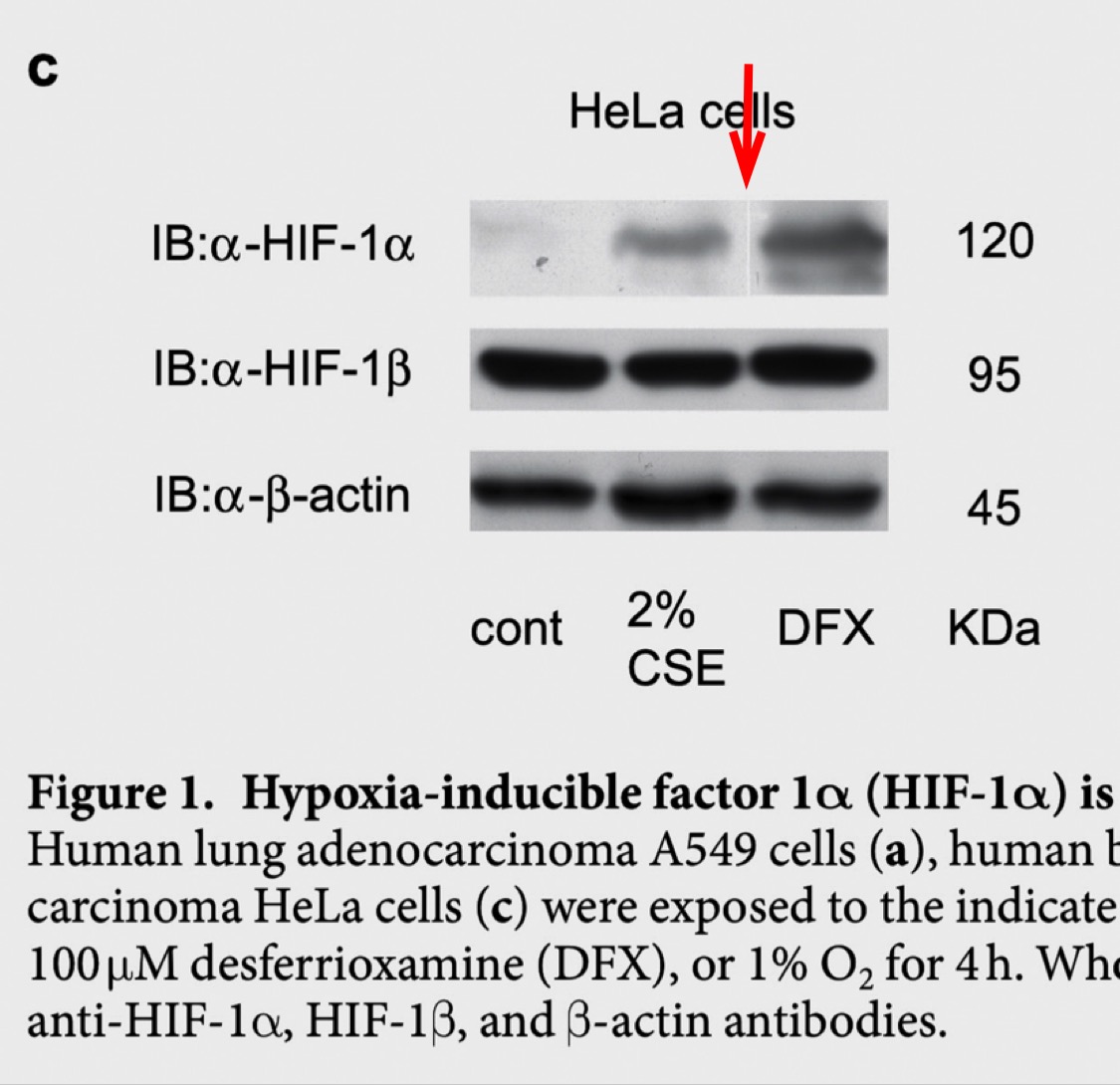
Actinopolyspora biskrensis: “Figure 1c appears to show a splice in one band, but not in the others.”
The investigation determined about Figures 1c and 2d that it was”repurposed by modifying other image data” and about Figure 7b: “reused after processing another image file“. The second paper:
Kengo Suzuki , Kenichiro Nishi , Satoshi Takabuchi , Shinichi Kai , Tomonori Matsuyama , Shin Kurosawa , Takehiko Adachi , Takayuki Maruyama , Kazuhiko Fukuda , Kiichi Hirota Differential roles of prostaglandin E-type receptors in activation of hypoxia-inducible factor 1 by prostaglandin E1 in vascular-derived cells under non-hypoxic conditions PeerJ (2013) doi: 10.7717/peerj.220
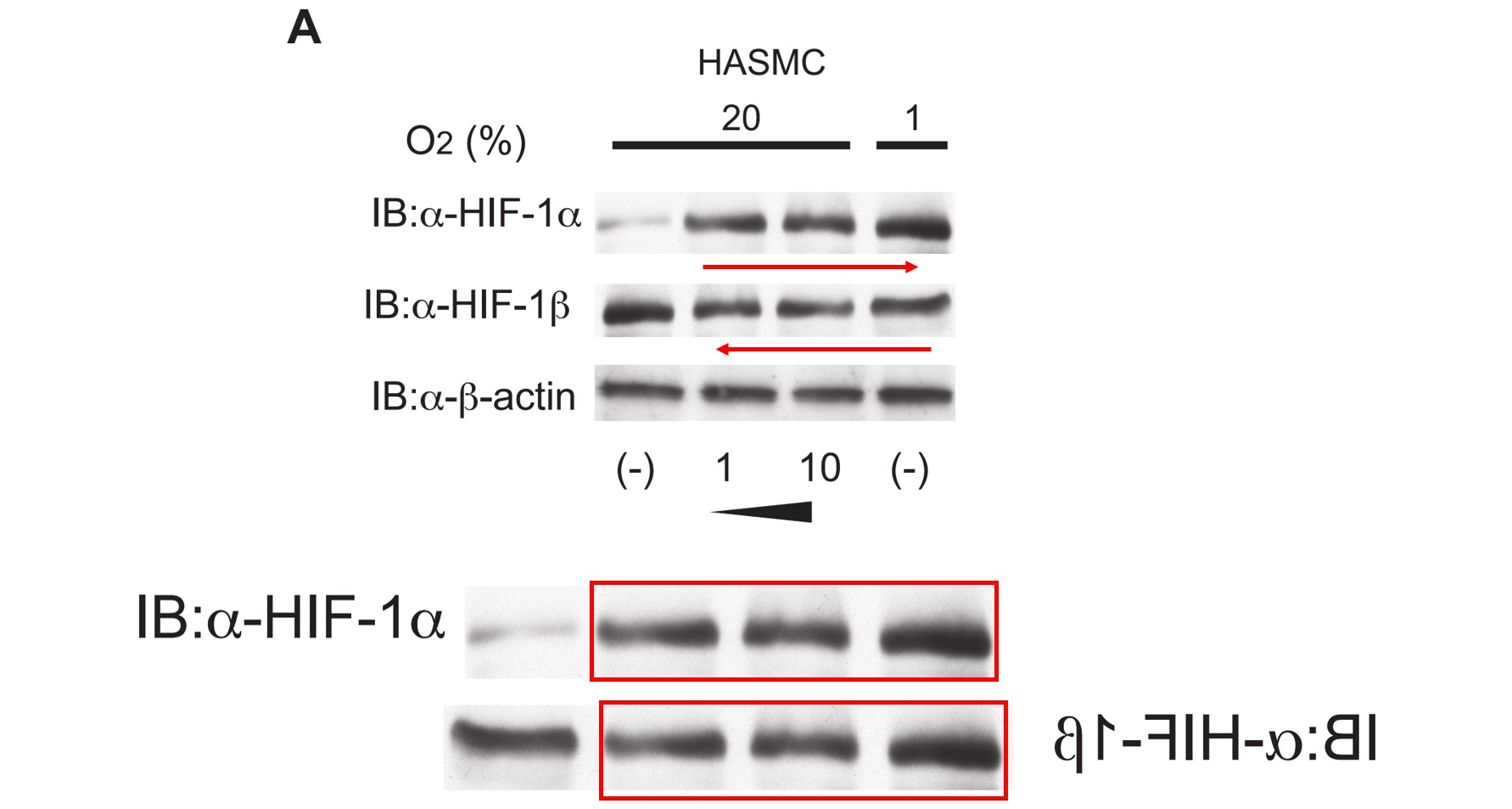
Actinopolyspora biskrensis: “Figure 1A appears to have a band that has been used for more than one condition, after flipped horizontally and slightly resized.”
There, it was found for Figure 1A “image data created by inversion” and for Figure 6C that they were “reused after processing another image file“. Third paper:
Hiroki Daijo , Shinichi Kai , Tomoharu Tanaka , Takuhiko Wakamatsu , Shun Kishimoto , Kengo Suzuki , Hiroshi Harada , Satoshi Takabuchi , Takehiko Adachi , Kazuhiko Fukuda , Kiichi Hirota Fentanyl activates hypoxia-inducible factor 1 in neuronal SH-SY5Y cells and mice under non-hypoxic conditions in a μ-opioid receptor-dependent manner European Journal of Pharmacology (2011) doi: 10.1016/j.ejphar.2011.06.014
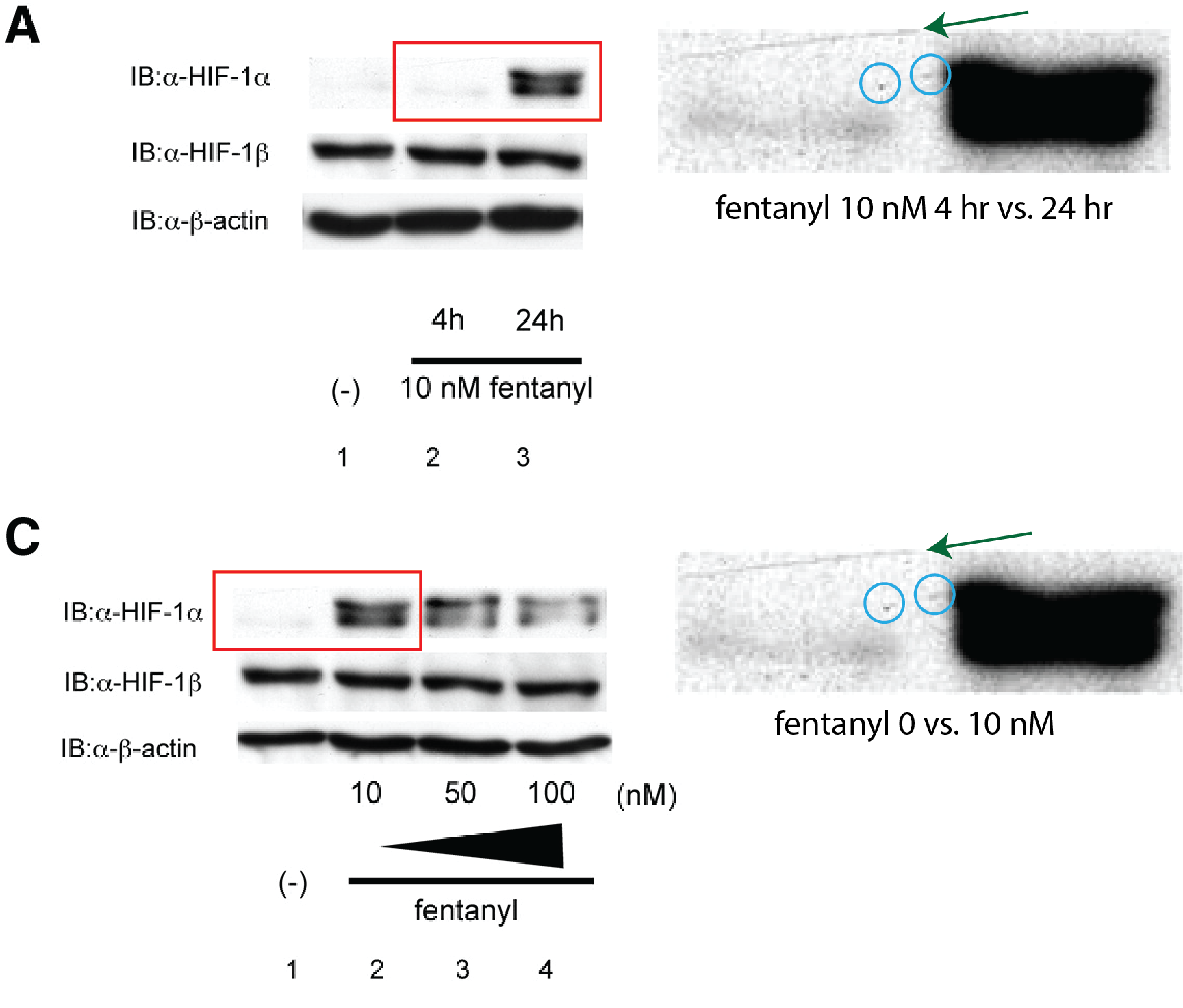

Here, Figure 1 was not addressed, instead Figure 3A, where “reuse of modified image data” was determined. The investigation decided:
“All manipulation of the figures in the research misconduct was carried out by Mr. Hirota. No involvement in the manipulation of figures in the paper in question was found among the other co-authors, and they were not involved in the misconduct. […]
Despite being the corresponding author and therefore responsible for guiding the lead author, who was a young researcher, Hirota himself falsified the figures. […]
Furthermore, instead of saving the experimental data as whole blots, much of it was saved as figures cut out for publication. The data storage practices were extremely sloppy, and as a result, although it cannot be determined to be outright fraud, there were many figures in which the data was likely misused due to carelessness.
Thus, Mr. Hirota lacked an understanding of research ethics, research integrity, and the proper management of research data, and these factors can be considered contributing to the occurrence of this misconduct.”
Hirota resigned as Specially Appointed Professor of Kansai Medical University on 31 August 2022 during the investigation, obviously he knew the alternative was to get sacked and be denied a job even in a far away small town communal hospital. However, Hirota was was instructed to correct or retract those three fraudulent papers. Which he didn’t do yet.
Oral oncology at Showa University
“”Dear Aneurus Inconstans, thank you for your series of valuable suggestions. We will sincerely verify the matters pointed out. I’m sorry, many collaborators have already resigned from academia.”

This paper from Kyoto University Hospital is clearly fake, but was published before 2016:
Shinichi Kai , Tomoharu Tanaka , Hiroki Daijo , Hiroshi Harada , Shun Kishimoto , Kengo Suzuki , Satoshi Takabuchi , Keizo Takenaga , Kazuhiko Fukuda , Kiichi Hirota Hydrogen sulfide inhibits hypoxia- but not anoxia-induced hypoxia-inducible factor 1 activation in a von hippel-lindau- and mitochondria-dependent manner Antioxidants & Redox Signaling (2012) doi: 10.1089/ars.2011.3882
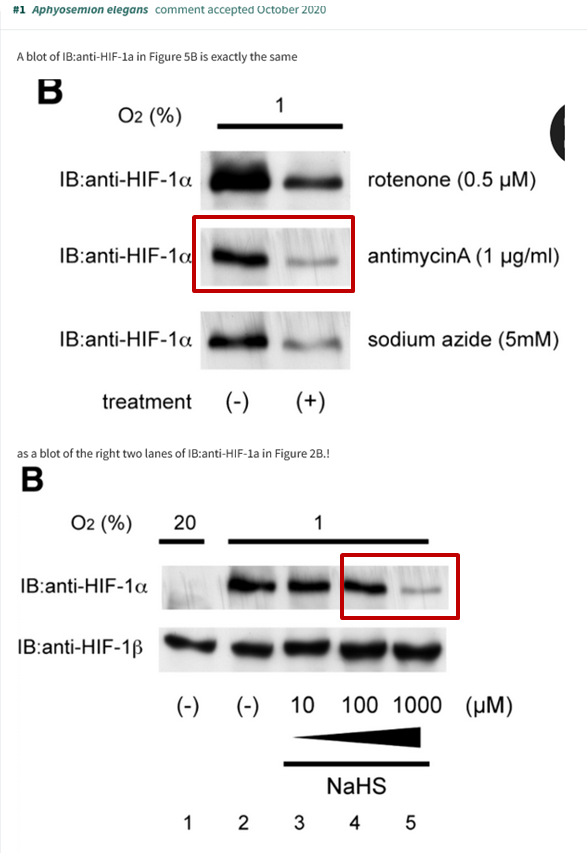
Aphyosemion elegans: “A blot of IB:anti-HIF-1a in Figure 5B is exactly the same as a blot of the right two lanes of IB:anti-HIF-1a in Figure 2B.!”
The Kansai Investigation
There’s another investigative report by the Kansai Medical University, dated 31 March 2026. Five other papers by Hirota were investigated:
“Of the five papers investigated by our university’s investigative committee, one paper was found to contain two instances of “fabrication,” which constitutes specific academic misconduct. Specifically, Figures 1d and 3d in the paper in question were “fabricated” by Mr. Hirota using “image data that cannot be used to demonstrate scientific basis.””
It was this paper, and also here Hirota received the sole blame:
Akihisa Okamoto , Masahiro Tanaka , Chisato Sumi , Kanako Oku , Munenori Kusunoki , Kenichiro Nishi , Yoshiyuki Matsuo , Keizo Takenaga , Koh Shingu , Kiichi Hirota The antioxidant N-acetyl cysteine suppresses lidocaine-induced intracellular reactive oxygen species production and cell death in neuronal SH-SY5Y cells BMC Anesthesiology (2016) doi: 10.1186/s12871-016-0273-3

Ichthyococcus ovatus: “Caspase-9 blots in Figure 1d and Figure 3d looks very similar.”
Hirota’s defence wasn’t particularly cunning: “Mr. Hirota explained that he suspected the original source materials for the paper in question had been lost as of April 2013“. Basically, he admitted to publishing research papers without any experimental data, and was found guilty of misconduct for just that. But there is still no need for retraction:
“However, considering that both figures are supplementary and do not affect the conclusions asserted in the paper, the committee decided to approve the removal of the fabricated images or corrections based on scientifically grounds, such as re-experiments, if the publisher agrees. The committee will not recommend the withdrawal of the paper.”
Yoshinori Watanabe data manipulations: much worse than officially presented
Earlier this months, a research misconduct scandal in molecular cell biology broke out in the big news. Yoshinori Watanabe, Japanese researcher of cell division and how cells separate their replicated DNA during mitosis and meiosis, was found guilty of scientific misconduct by his University of Tokyo (read the news here and here). This followed…
No correction was issued so far either. And:
“Furthermore, the Kyoto University Joint Investigation Committee confirmed that three of the seven papers under investigation contained specific instances of academic misconduct (falsification) in two, two, and one locations, respectively.”
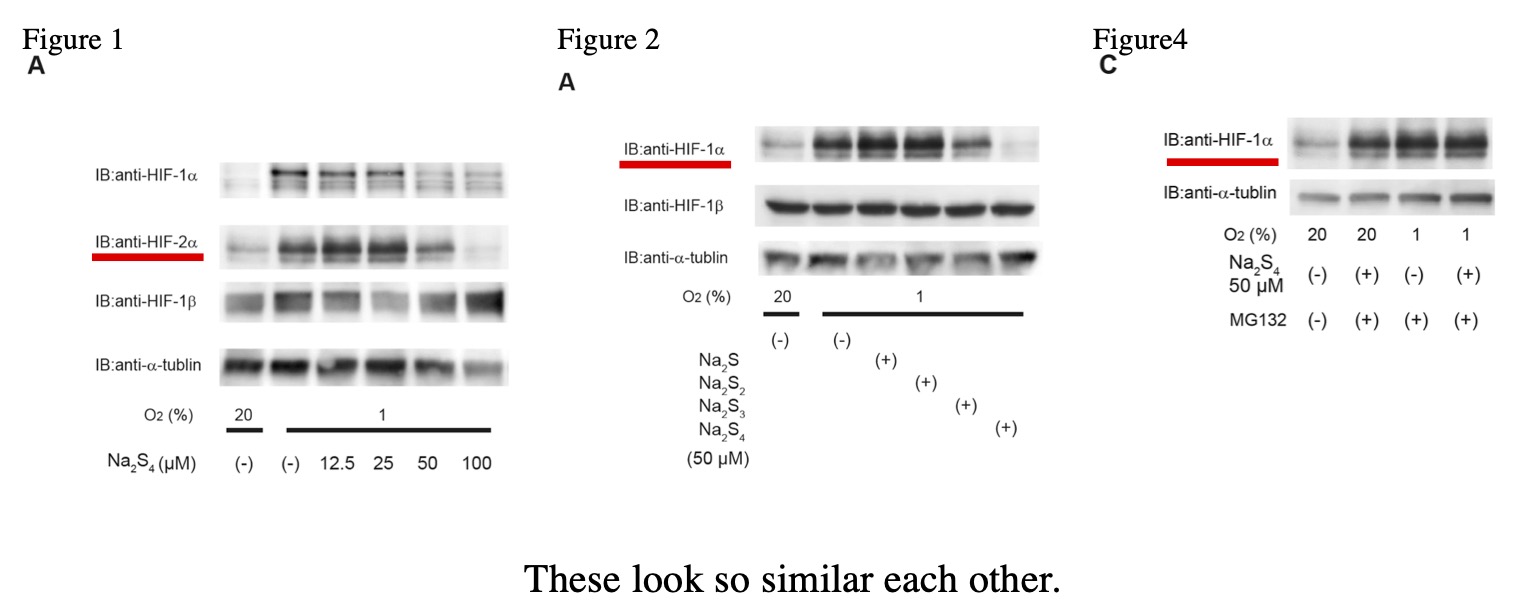
The report doesn’t say what the other three papers were, maybe this was one of them:
Takeo Uba , Yoshiyuki Matsuo , Chisato Sumi , Tomohiro Shoji , Kenichiro Nishi , Munenori Kusunoki , Hiroshi Harada , Hideo Kimura , Hidemasa Bono , Kiichi Hirota Polysulfide inhibits hypoxia-elicited hypoxia-inducible factor activation in a mitochondria-dependent manner Mitochondrion (2021) doi: 10.1016/j.mito.2021.06.007
And maybe also this one:
Ryuji Yamaguchi, Hiroshi Harada , Kiichi Hirota VHL-deficient renal cancer cells gain resistance to mitochondria-activating apoptosis inducers by activating AKT through the IGF1R-PI3K pathway Tumor Biology (2016) doi: 10.1007/s13277-016-5260-2
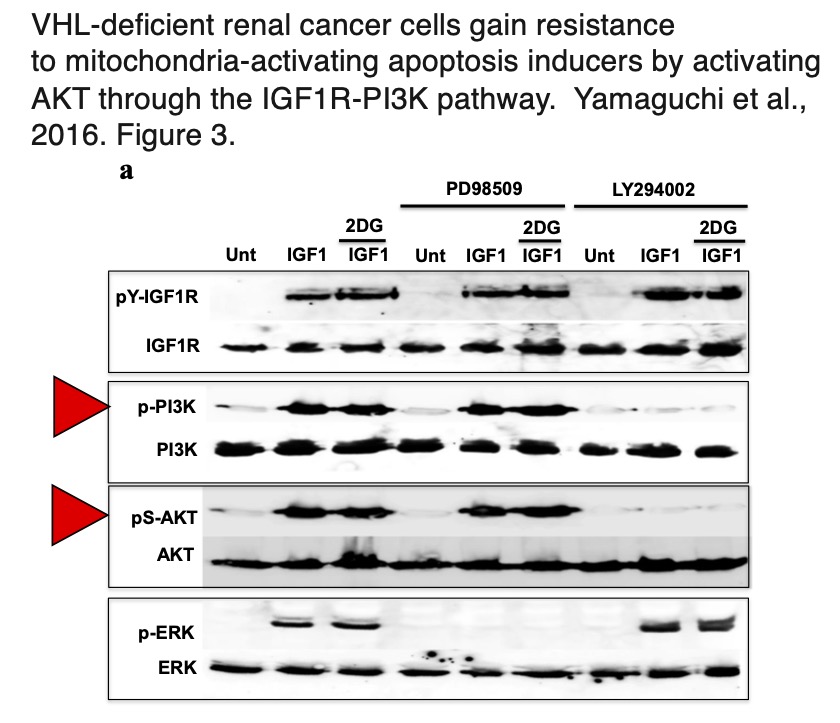
Fig 3, highlighted blots are identical but of different brightness (by Tylos niveus)
A funny note from the investigative report: “The investigative committee confirmed that Mr Hirota regularly attends research ethics training at the university.” You can show this to the stakeholders next time they insist that education and not sanctions are the right way to deal with science fraudsters.
By the way, in October 2021 Shorts I mentioned a paper by Hirota, where he and his colleagues claimed that cigarette smoke protects from COVID-19 (Tanimoto et al 2021). Maybe that study isn’t reliable also, what do you think?
As for Hirota’s former mentor Semenza – his best friend today seems to be the scamference organiser Florian Kongoli, whose FLOGEN events Semenza visits to name awards after himself and to award Kongoli’s crackpot son, Davis Joseph. Read the Coda here:

USERN-friendly Nobelists
Nobel Prize laureates and predatory conferences – why such mutual attraction?
CODA: The HIF Nobel Prize of 2019
That 2019 Nobel Prize for Physiology or Medicine was in a way quite a disaster, not just because of Semenza. His co-recipients were the Oxford University professor Sir Peter Ratcliffe and William Kaelin, professor at Dana Farber Cancer Institute, the former also somehow ended up on board of the USERN scamference described in the article above.
Ratcliffe has a serious PubPeer record, some of which I presented in June 2023 Shorts. One of those papers, which Ratcliffe authored with his Oxford colleague Adrian Harris, was fixed with a small but very dishonest Expression of Concern. The AACR-published study was flagged on PubPeer in October 2020:
Helen J. Knowles , David R. Mole , Peter J. Ratcliffe , Adrian L. Harris Normoxic Stabilization of Hypoxia-Inducible Factor-1α by Modulation of the Labile Iron Pool in Differentiating U937 Macrophages: Effect of Natural Resistance–Associated Macrophage Protein 1 Cancer Research (2006) doi: 10.1158/0008-5472.can-05-2351


Ratcliffe immediately replied with announcement to investigate. In November 2020, Harris wrote on PubPeer that he and his coauthors “cannot, so many years later ,find the originals, so we are repeating the experiments”. In March 2021, Harris reported success and posted some “repeats of the experiments originally illustrated in Figure 2a and 2b“. Here is the final outcome of those repetitions, more than four years later – an Expression of Concern from 2 June 2025:
“The editors are publishing this note to alert readers to concerns about this article (1). The authors informed the journal that in Fig. 2, different exposures of the same β-tubulin Western blot are used for THP1 cells in Fig. 2A and B. In Fig. 2B, different exposures of the same HIF-1α (Fe) Western blot are used for both THP1 and U937 cells.”
The THP1 blots actually showed very different experiments, unlike the note insinuates. To be fair, Ratcliffe always replied on PubPeer and announced action. This paper was corrected years ago:
Zoi Michailidou , Nicholas M. Morton , José Maria Moreno Navarrete , Christopher C. West , Kenneth J. Stewart , José Manuel Fernández-Real , Christopher J. Schofield , Jonathan R. Seckl , Peter J. Ratcliffe Adipocyte pseudohypoxia suppresses lipolysis and facilitates benign adipose tissue expansion Diabetes (2015) doi: 10.2337/db14-0233
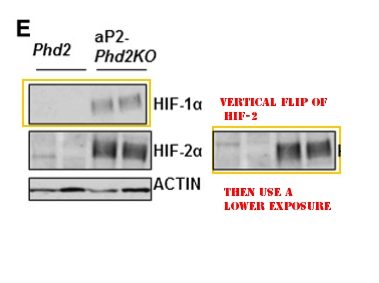

Also Clifford et al 2001 was corrected in 2021 to fix “an error in Figure 2B with inadvertent duplication“. For the following paper, Ratcliffe and his former mentee Norma Masson shared raw data on PubPeer which “clearly shows the integrity of the scientific result” and apologised for “these (unnecessary) manipulations in our published figure“:
lexandra Grosfeld , Ineke P. Stolze , Matthew E. Cockman , Christopher W. Pugh , Mariola Edelmann , Benedikt Kessler , Alex N. Bullock , Peter J. Ratcliffe , Norma Masson Interaction of Hydroxylated Collagen IV with the von Hippel-Lindau Tumor Suppressor Journal of Biological Chemistry (2007) doi: 10.1074/jbc.m611648200

PubPeer users found further evidence of digital manipulation in that figure. Ratcliffe and Mason announced to contact the journal about a correction, which never happened. Probably because in January 2021 they two Oxford professors reported “a repetition of the experiment originally illustrated in Figure 5A right hand panel” which “corroborates the result in the original illustration“.
And on this study with Mason, the Nobel Laureate Sir Peter Ratcliffe and his colleague Patrick Maxwell (Head of the School at the University of Cambridge) admitted they were unable to design an experiment properly:
Matthew E. Cockman , Norma Masson , David R. Mole , Panu Jaakkola , Gin-Wen Chang , Steven C. Clifford , Eamonn R. Maher , Christopher W. Pugh , Peter J. Ratcliffe , Patrick H. Maxwell Hypoxia inducible factor-alpha binding and ubiquitylation by the von Hippel-Lindau tumor suppressor protein Journal of Biological Chemistry (2000) doi: 10.1074/jbc.m002740200


Ratcliffe explained on PubPeer:
“As has been pointed out, the figure legend states ‘For illustration the lane displaying unreacted HIF-1alpha substrate has been reproduced at the left hand side of each panel’.”
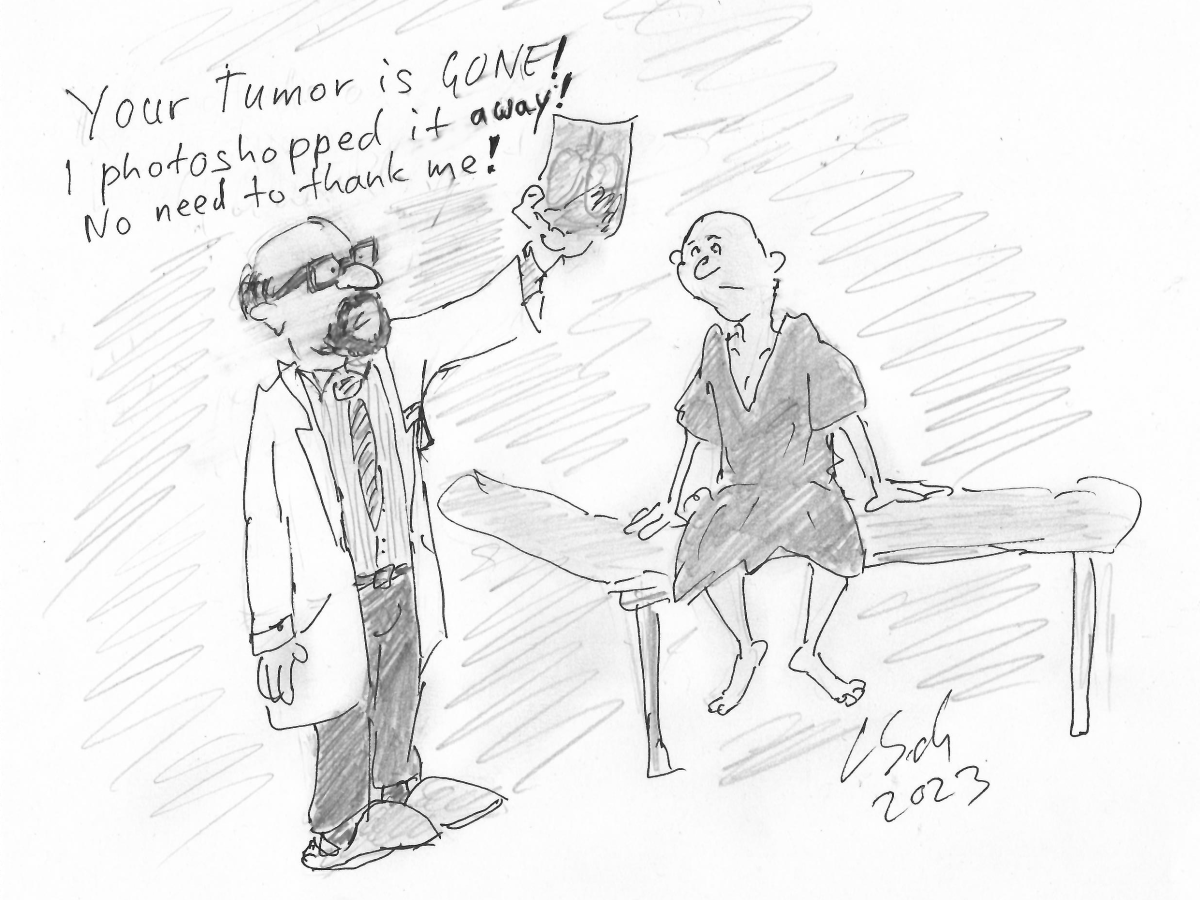
No editorial note was published. Why couldn’t this positive control be loaded on each gel though, instead of being digitally copy-pasted onto other gels? Proper scientists, those who don’t get to be made Sir and win the Nobel Prize, do their controls properly.
Dana-Farberications at Harvard University
“Imagine what mistakes might be found in the raw data if anyone was allowed to look!” – Sholto David
Movign on to the third by the third Nobel Prize 2019 laureate, here is a paper by William Kaelin. His coauthor is the cheater Sabina Signoretti, who is also a professor at Dana Farber and Harvard:
Arthur P. Young , Susanne Schlisio, Yoji Andrew Minamishima , Qing Zhang , Lianjie Li , Chiara Grisanzio , Sabina Signoretti, William G. Kaelin VHL loss actuates a HIF-independent senescence programme mediated by Rb and p400 Nature Cell Biology (2008) doi: 10.1038/ncb1699


The above paper is part of Nature‘s “Nobel Prize in Physiology or Medicine 2019” Collection. More than two years passed since the evidence became public, and still no action was taken, not even a correction. In the next case, no action is to be expected for spliced gels, certainly not in Cell Press, but is this shoddy attitude really the only route to scientific discovery?
Wenyi Wei , Jianping Jin , Susanne Schlisio , J. Wade Harper , William G. Kaelin The v-Jun point mutation allows c-Jun to escape GSK3-dependent recognition and destruction by the Fbw7 ubiquitin ligase Cancer Cell (2005) doi: 10.1016/j.ccr.2005.06.005
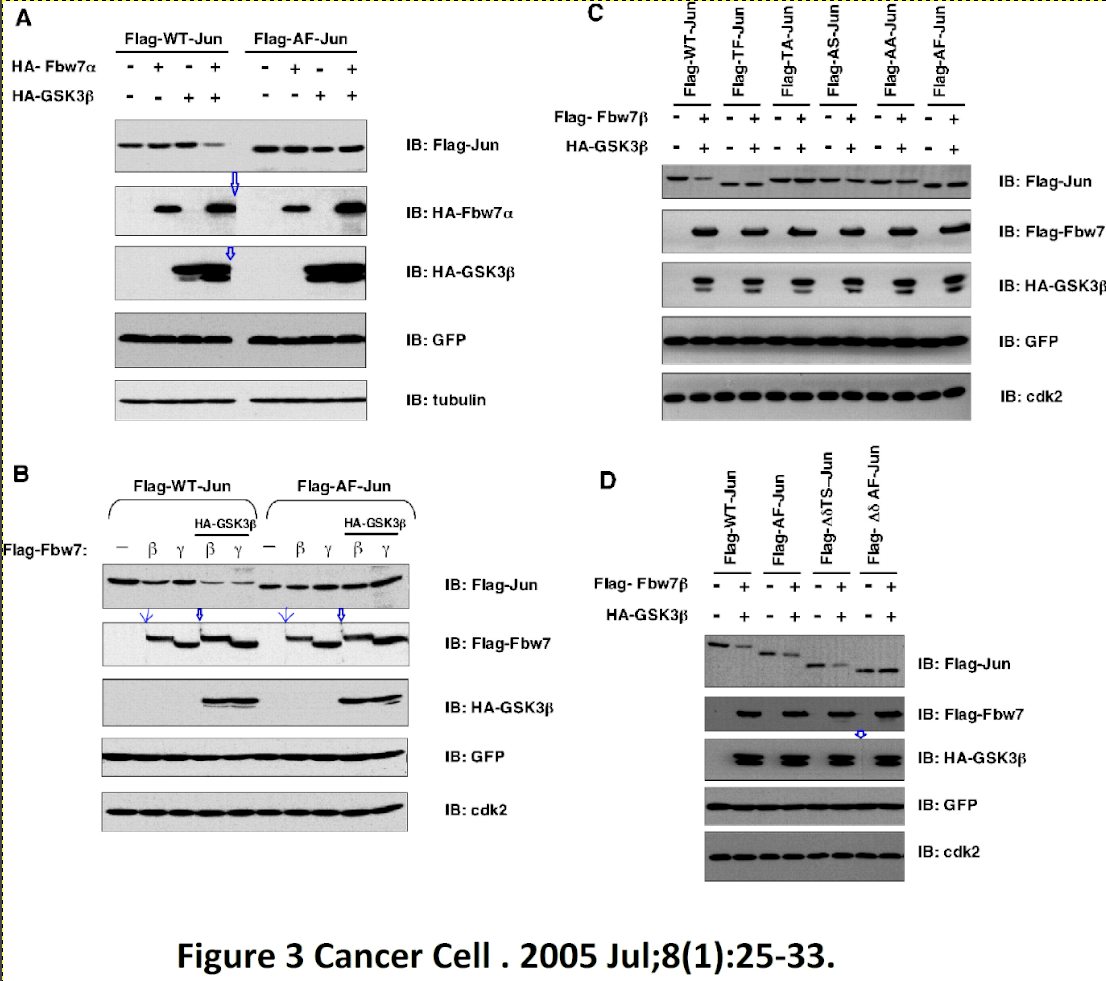
Kaelin’s mentee Wenyi Wei is now himself professor in Harvard, and has many problematic papers on PubPeer. And this ancient paper Kaelin coauthored with other US researchers plus Moshe Oren from Israel, shows advanced digital fudging for those times:
Xiaoya Zeng , Lihong Chen , Christine A. Jost , Ruth Maya , David Keller , Xinjiang Wang , William G. Kaelin, Moshe Oren, Jiandong Chen , Hua Lu MDM2 suppresses p73 function without promoting p73 degradation Molecular and Cellular Biology (1999) doi: 10.1128/mcb.19.5.3257

Fig 3A, gel splicing, penultimate p73beta gel lane is a digital blank with no background and sharp edges
The extra irony is that Kaelin is considered as the highest authority of research ethics. Like here, an advice to scientists doing experiments, from his 2018 lecture:
“The first questions should be: Is this true and robust? Is someone likely going to be able to build on this?”
Don’t get me wrong, for any scientist the probability of coauthoring a fraudulent paper with some fraudster is actually very high, the only way to avoid this is not to publish at all. The ethical challenge starts when these scientists become aware of the fraud and have to react. Semenza behaved dishonourably, but at least he faced retractions. Ratcliffe and Kaelin however sometimes even avoided corrections.
Donate!
If you are interested to support my work, you can leave here a small tip of $5. Or several of small tips, just increase the amount as you like (2x=€10; 5x=€25). Your generous patronage of my journalism will be most appreciated!
€5.00


Japan seems to be much higher quality. When I see problematic data from Japan it does lead to a sharp intake of breath. When I see problematic data from many other countries it does not lead to a sharp intake of breath. Of course Japan does have fakers, but it seems that once the system figures it out they are removed.
LikeLike
I wonder if Wenyi Wei is also teaching them how to abuse animals for more data doctoring? It’s not fair for only western blots to be manipulated!
https://pubpeer.com/publications/25160F829C802E25CFA9E44C323BE0
LikeLike
New one for Kiichi Hirota and Gregg Semenza: PubPeer – Insulin-like growth factor 1 induces hypoxia-inducible facto…
LikeLike
Another new one for Kiichi Hirota and Gregg Semenza: PubPeer – Macrophage migration inhibitory factor activates hypoxia-ind…
LikeLiked by 1 person