

Schneider Shorts of 15 May 2026 – Switzerland shocked to learn the whistleblower was right, German newspaper restores sex abuse story one quack sued against, a German champion of publication ethics corrects his paper, don’t mess with Texas science (coffee included!), and finally, how almost everyone fell for a fake gold medal from a fake institute.
Table of Discontent
Science Elites
- The Nobel Prize for Philology – how Florent Montaclair fooled everyone except Romanian journalists
- Read the statement on the duties of journalists and take it seriously! – Switzerland discovers that Francesco Maisano is a bad guy after all
- Good experiences with young women from Indonesia – newspaper article back despite lawsuit by Michael Stehling
Scholarly Publishing
- Simultaneous use of many reference management softwares – Editor-in-Chief and publication ethics hero Roland Seifert corrects his paper
- This correction does not affect the results or conclusions – AAAS comments on PubPeer
Science Breakthroughs
- Why coffee has the effects that it does – long live Stephen Safe!
Science Elites
The Nobel Prize for Philology
Big media worldwide reports about an older fraud case in France, 7 years after Romanian journalists exposed the affair.
The perpetrator is Florent Montaclair, professor of literature at the IUFM of Franche-Comté, and writer of novels about vampires. In 2015, he invented a fake UNESCO Centre, a fake International Society of Philology of the fake University of Philology in Delaware, USA, which he headed himself and his literary pseudonymous alter ago, in order to award to himself a fake Gold Medal of Philology, a medal which he bought in a shop. He then used that fake honour to get celebrated in local media and obtain a promotion at his university.
As Le Monde wrote on 4 April 2026, the ceremony took place at the National Assembly on 8 June 2016, attended by “Pierre Joxe, former minister of François Mitterrand, Claude Bartolone, president of the National Assembly, Luc Montagnier, Nobel Prize for Medicine in 2008, and Jean Jouzel, Nobel Peace Prize with the IPCC“, plus various politicians and CNRS gold medalists.
Yet the original investigation was done for the Romanian news site Scena 9 more than 7 years ago, in January 2019, by female journalists Andra Matzal, Ioana Pelehatăi, Luiza Vasiliu, plus Ionuț Sociu. The story was even published in English in parallel, and yet nobody in the serious media abroad found any of that newsworthy. Now the only surprising thing is that this Romanian reporting is now credited at all.
The occasion for the investigation was the public excitement in Romania that in December 2018, Eugen Simon, former president of the Romanian Academy, won the “Gold Medal for Philology Alfred Nobel, the Nobel Prize for Philology”, to be awarded at the Seat of the European Parliament in spring 2019. Its previous laureates were allegedly Umberto Eco (died in 2016) and Noam Chomsky (now more famous for his affection to Epstein and russia).
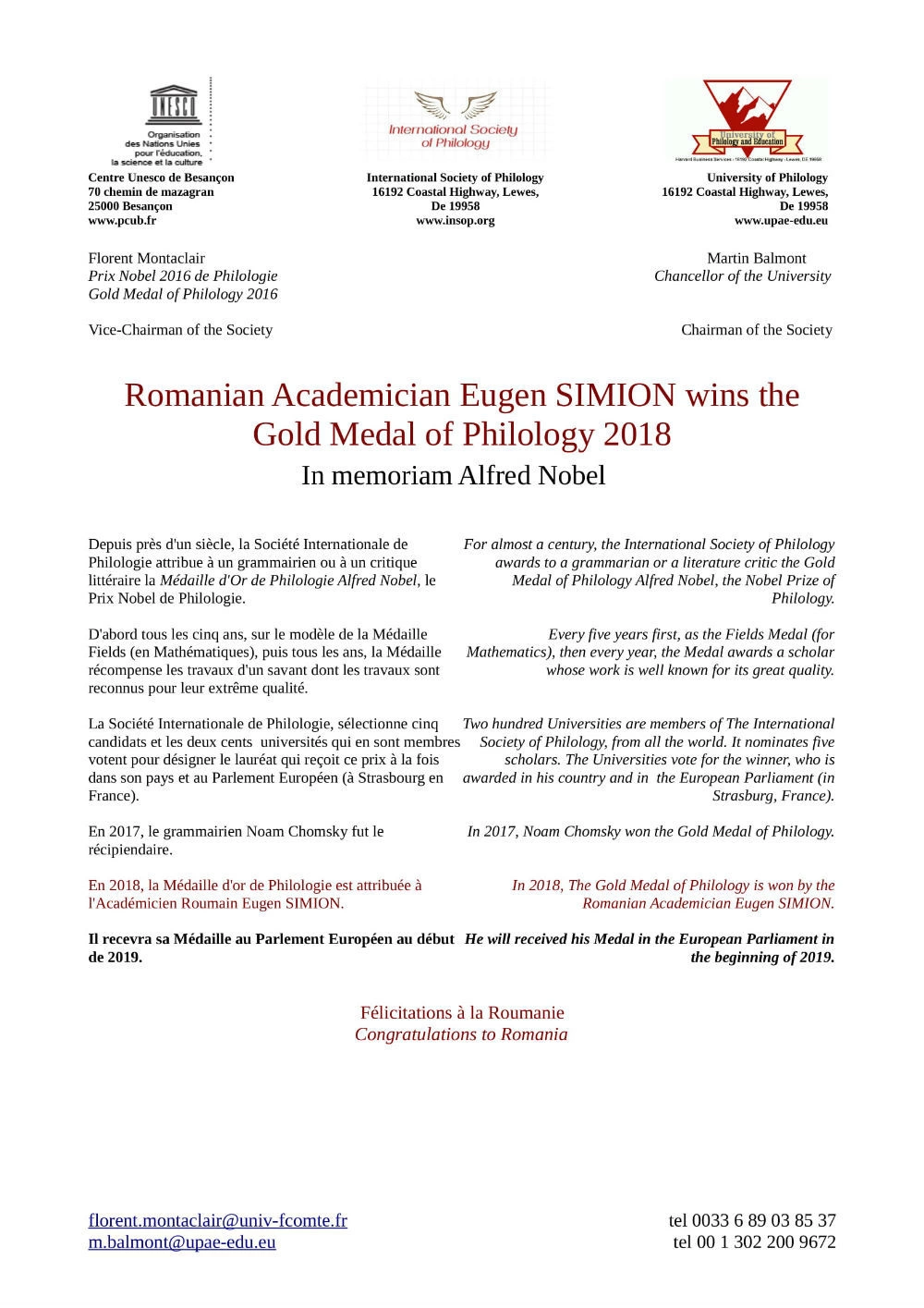
The Romanian journalists swiftly found out that there is no connection to Nobel prize, and that the International Society of Philology and University of Philology are both made-up:
“Much like the page of the International Society, the website of the University of Philology and Education is a chaotic compilation of lies and plagiarism from various sources.”
The only living recipients of these fake awards are, next to Chomsky and Simon, the Swedish linguist Göran Malmqvist (who never replied to Scena 9 journalists) and Montaclair. Both Chomsky and Montaclair are listed as honorary chairman of that fictional International Society of Philology. The president of that fake society is a certain Martin Balmont, who doesn’t exist, and is “author of several obscure fantasy novels, published by the press of the Unesco Center in Besançon, where many of Montaclair’s papers were also published“. Obviously “Martin Balmont” is Montaclair’s nom de plume, this fictional character also signed Simon’s award letter.
Also Centre Unesco de Besançon is fake, its address leads to a private house in the woods. Scena9 writes that Montaclair did his PhD on Jules Verne, while “the second PhD he attributes to himself in his resume, on gypsies in French literature, was allegedly awarded by the fictional university in Lewes“. They found many other lies and fake awards Montaclair decorated himself with in his CV and local French news. Even the fake medal’s logo is stolen:

The affair started in 2016 when Montaclair complained that French National Assembly cancelled his fake society’s ceremony to award Chomsky, who was controversial already then. The event was moved to Center Wallonie-Bruxelles in Paris, where it took place on 30 November 2016.
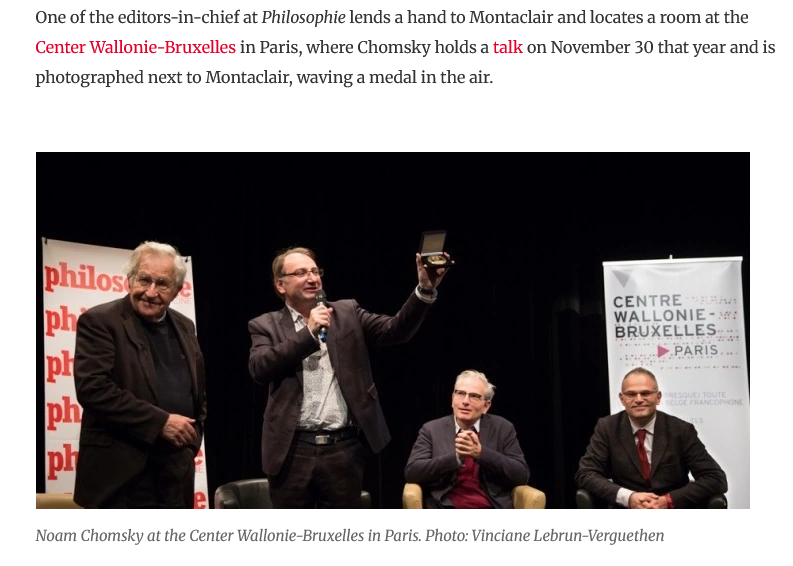
Chmosky himself replied to the Romanian journalists:
“I know very little about the organization. They invited me to Paris for several talks. I don’t really recall much about the individuals involved, or the organization. Give a great many talks organized by all sorts of groups.”
Montaclair eventually ordered the journalists to “be proud that a Romanian has received international recognition” and warned that “the Romanian press must once more become rational“.
As the big media now reports, Montaclair is now under investigation by the French police and his university. Maybe this fact is why the big media worldwide found this affair suddenly newsworthy. Also, professional journalists prefer copying each from other rather than doing their own original investigations – this is legally safer, and while investigating is hard, any idiot can copy things. But why didn’t they pick up the English-language investigation from Romania already in 2019? Well, the arrogant attitude of journalists in western Europe and USA is the same Montaclair showed in his reply to the Romanian authors: “ask yourself why the Romanian press is so bothered that a scientific society declares a researcher to be the winner of a golden medal!“
Read the statement on the duties of journalists and take it seriously!
In my 2020 article about dodgy science from University Hospital Zurich (UZH) in Switzerland, I mentioned the affair around the former director of the heart surgery clinic, Francesco Maisano:
Michael HotTiger of Zurich, patron of biomedical ethics
University of Zurich and its Unispital has so much trouble with their medical professors right now. I wish to help.

In late 2019, André Plass blew the whistle on his then-boss Maisano and reported that 12 allegedly successful heart operations he performed using the heart implant “Cardioband”, where actually a disaster, and patients died. The implant is manufactured by the Israeli company Valtech Cardio which Mariano co-owned and later sold for $1 billion, with $340 millions paid upfront. These conflicts of interests were never declared, but UZH was also financially involved and reacted very consequentially: they sacked the whistleblower, and defended Maisano with all their power.
Plass now, on 11 May 2026, describes what went on:
“”Maisano wanted to sell his own products. It was about trade sales. He was hardly there and traveled a lot. At conferences he praised his Cardioband and two other products.” Plass says he only received approval for the Cardioband in Germany with embellished documents. The other two products were never approved.
“So he had three products that could never work. Imagine: someone is turning screws in a circle into a steak, with no counter thread. Then he puts a ribbon around it and tightens the screws. You don’t need a lot of specialist knowledge to suspect that the screws will break loose.” That’s exactly what usually happened. Doctors from other clinics referred to Maisano patients who were beyond help.
Maisano’s products were not fundamentally life-threatening, but they were useless. If a patient died later, it could not be said specifically that the Cardioband was to blame. […]
According to Plass, Maisano often behaved inappropriately, especially at the beginning of his term in office. He insulted people in the worst possible way and even received a reprimand for it.”
If this reminds you of another Italian surgeon in a German-language university – Paolo Macchiarini at Hannover Medical School, yes, there are parallels.
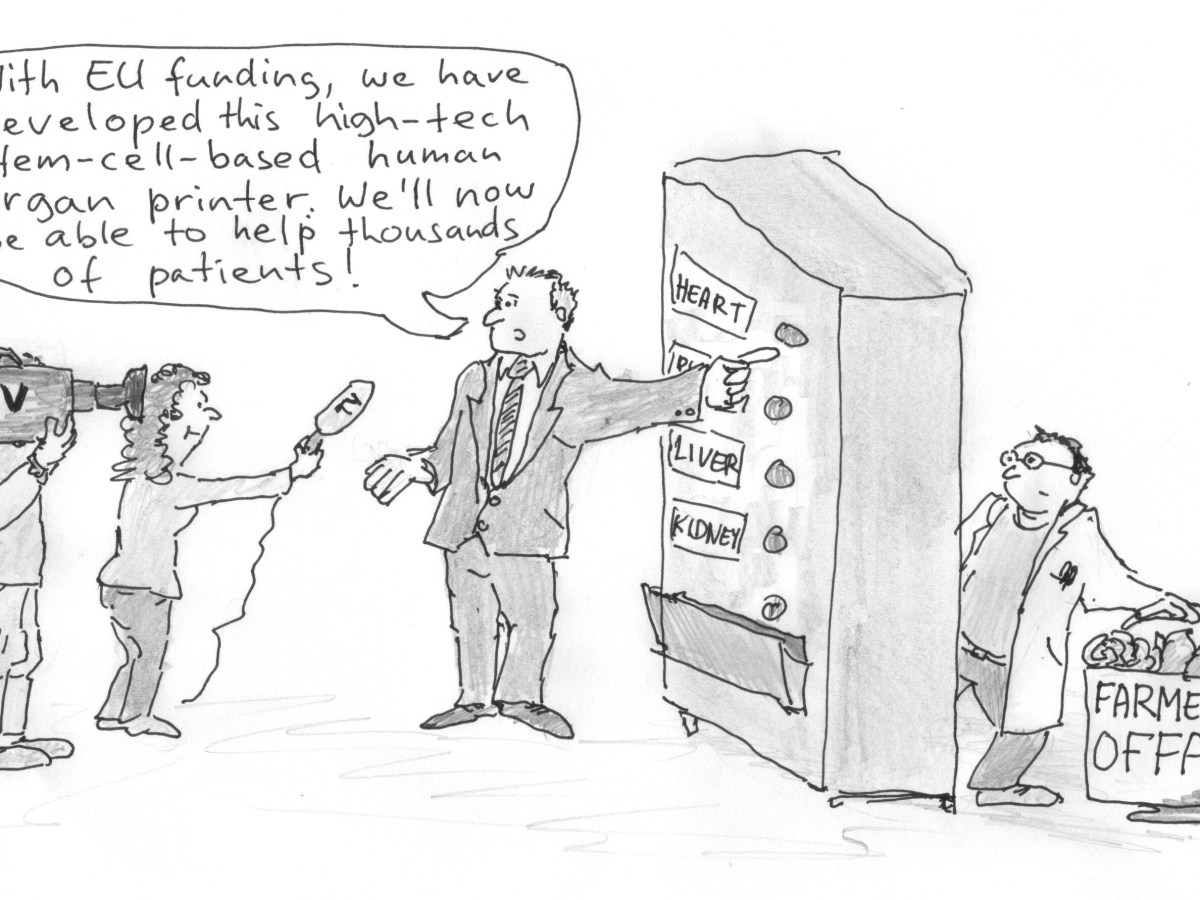
Regenerating in Hannover, Part 2: Axel Haverich’s “growing” heart valves
The science of the fallen star of regenerative medicine Paulo Macchiarini was simple: take a dead organ, strip it of its cells and seed the carcass with stem cells (usually the magic cells from bone marrow). After some days in a “bioreactor”, you take out a living trachea, esophagus, even heart, and implant it into a…
UZH only got in trouble because in 2020, because the newspaper Tagesanzeiger reported, The university hospital then sought to discredit Plass and Tagesanzeiger with every dirty trick, including smear campaigns in the press, and:
“In the Zurich Cantonal Council, almost all parties even published a joint group statement in which they sharply criticized the “Tages-Anzeiger” for its investigations. At the end they wrote: “Read the Swiss Press Council’s statement on the duties of journalists and take it seriously!””
UZH also engaged the law firm Walder Wyss to prove that a) Maisano did nothing wrong, and b) anyone who says otherwise must be sanctioned and sued for defamation. The entire 122-page “top secret” Walder Wyss report from February 2021 was now published by Walliser Zeitung, and can be downloaded here.
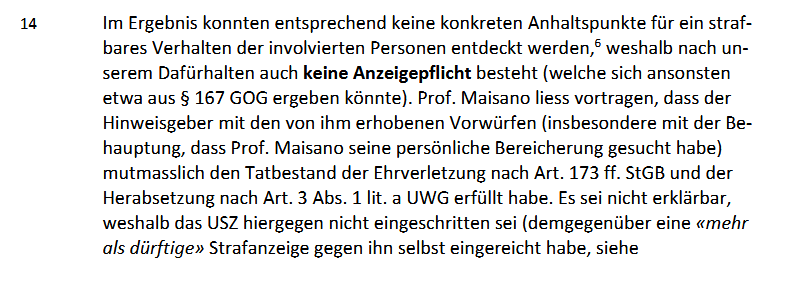
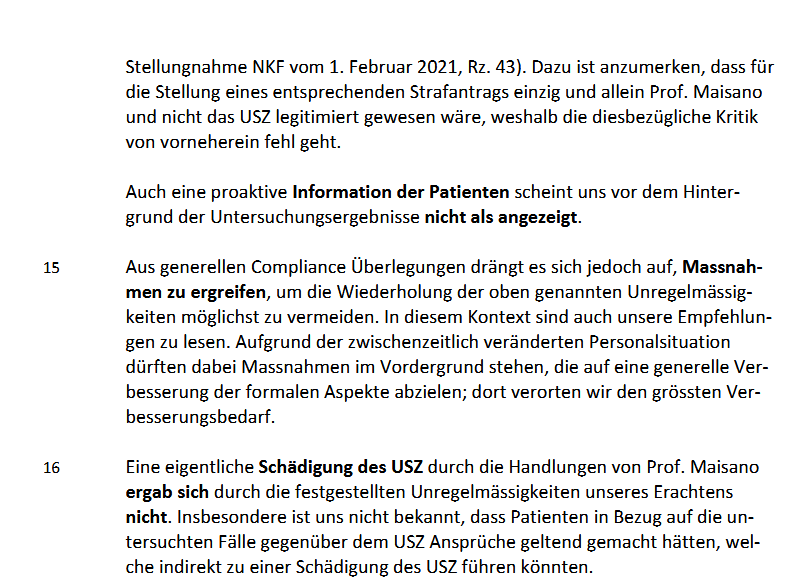
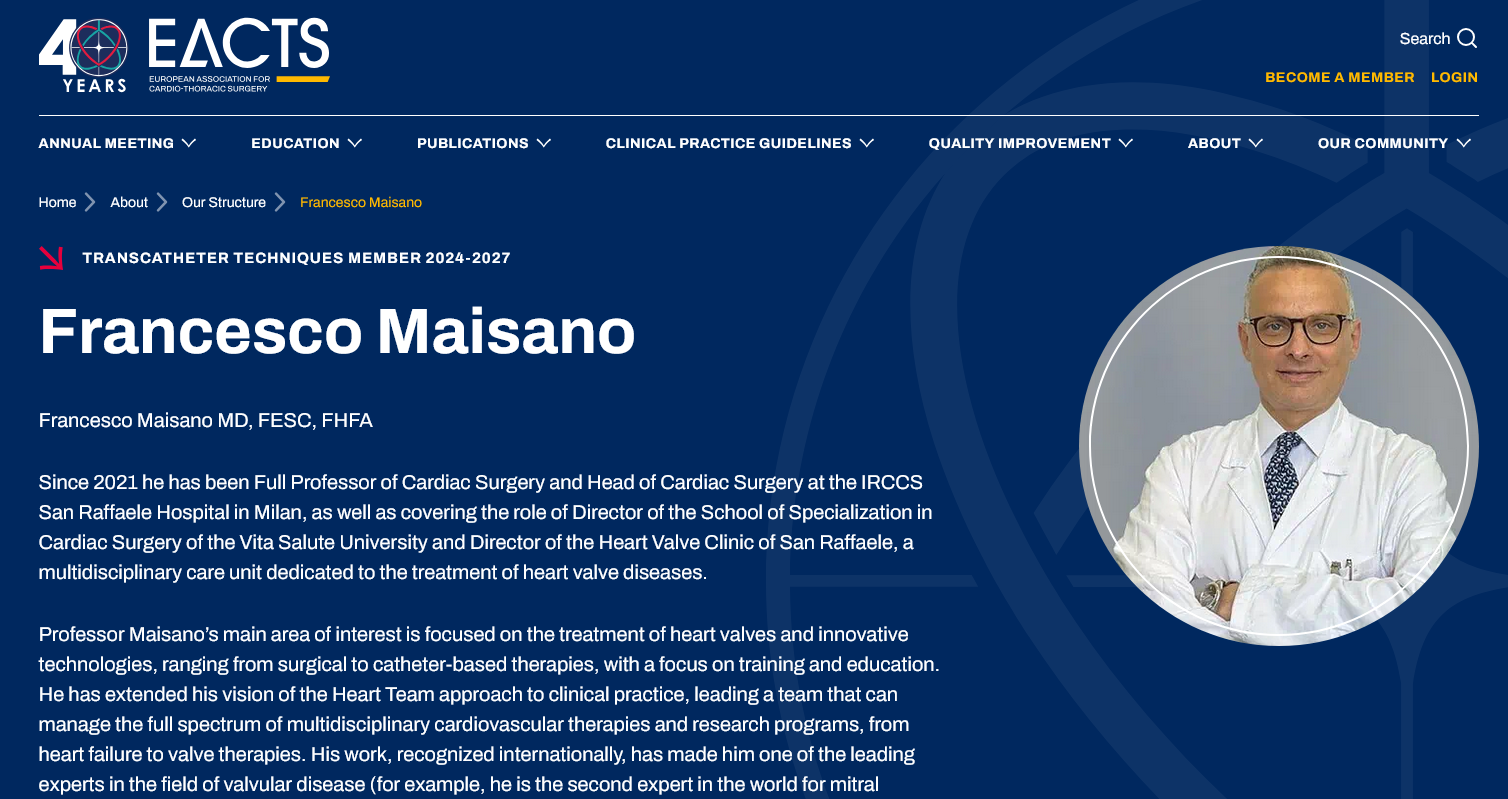
Maisano eventually had to go, but not too far: he is since 2021 full professor and clinic director at the IRCCS San Raffaele Hospital in Milan, probably the most important research hospital in Italy.
Now, the Maisano affair is back in the Swiss media, because UZH completed a proper investigation, and then reported Maisano to the state prosecutor. Instead of no victims in the previous UZH version, in reality at least 70 patients died due to Maisano’s malpractice and his financial conflicts of interests. Actually it will be at least 120 patients, and that’s only because only a fractions of Maisano’s operation was investigated, and because many of Maisano’s victims are dead.
And everyone knew, and still covered for Maisano, his operations with Cardioband were approved by the Swiss authority Swissmedic and local ethics boards. UZH’s CEO Gregor Zünd was the first to be informed by the whistleblower, and he took Maisano’s side. Zünd allegedly held shares in Maisano’s company Valtech. According to the whistleblower Plass, writing on 5 May 2026:
“The first hints began to arrive in 2016 and continued over the following years until mid-2019 – the year in which Maisano should have left his position. Instead, amazingly, he remained in office. […]
At today’s media conference, Hospital Council President André Zemp said that my reports were correct, but that my dismissal was justified regardless.
Because of the alleged lack of teamwork skills.”
Plass worked at UZH’s heart clinic for 15 years, but right after he made that report against Maisano, he was first banned from operating, and then fired, twice even, his lawsuit against UZH failed. Zünd resigned as CEO of UZH in 2023, he received half a million CHF as compensation, and now works for a private clinic in Davos owned by Germany’s richest man, Klaus-Michael Kühne.
Also Natalie Rickli, Zurüch’s city council member and Head of the Department of Health for the Swiss People’s Party (SVP), knew everything since 2020, and did absolutely nothing. She now presents herself as a victim.
As another newspaper reported, Maisano’s successor as UZH heart clinic director, Paul Vogt, said:
“In the period from 2016 to 2020, 150 patients died under questionable circumstances; there was unethical and criminal behavior at the USZ Heart Clinic.”
He said this in court, because Maisano’s loyal colleagues at UZH anonymously reported Vogt to police for patient abuse. The court acquitted him in full, yet Vogt left his job afterwards, his successor Omer Dzemali was appointed internally, outside of all competition. Vogt’s deputy Thiery Carrell found inside one patient’s left ventricle two detached, freely floating 6mm screws. UZH reacted by sacking Carrell also.
The law was so far always on Maisano’s side. As the newspaper 20 Min reports:
“The University Hospital later reported Maisano for document forgery. Despite being on leave, he is said to have accessed the internal computer system and changed data. But the Zurich public prosecutor’s office stopped the criminal proceedings at the beginning of 2021. No criminally relevant behavior was identified.”
It seems, the UZH investigation of Maisano’s case was intentionally first sabotaged and then, when the scandal became public, dragged out: in Switzerland, the statute of limitation is 10 years, many patient deaths happened before 2016. Now, UZH is very sorry to inform us that it might be already too late for a criminal investigation. The new investigative report carefully avoids to address the worst crimes, as Plass says:
“The most serious incidents are once again trivialized. Torn-out screws and other complications are silently omitted. Above all, no one says how much money was made with these products.”

American Association of Thoracic Surgery: Macchiarini method works!
“The reviewers and editors agree there is not clear evidence to support Dr Murray’s claim.”
Will there be any retractions? There won’t be, because UZH already corrected the worst cases. Here, Maisano implanted a Cardioband into patients and lied about the outcome, by omitting heavy complications:
- Shingo Kuwata , Maurizio Taramasso , Fabian Nietlispach , Francesco Maisano Transcatheter tricuspid valve repair toward a surgical standard: first-in-man report of direct annuloplasty with a cardioband device to treat severe functional tricuspid regurgitation European Heart Journal (2017) doi: 10.1093/eurheartj/ehw660
- Maurizio Taramasso , Fabian Nietlispach , Michel Zuber , Francesco Maisano Transcatheter repair of persistent tricuspid regurgitation after MitraClip with the TriCinch system: interventional valve treatment toward the surgical standard European Heart Journal (2017) doi: 10.1093/eurheartj/ehw541
Both papers received a shared Expression of Concern in October 2020 (“the description of the case and follow-up are currently under investigation by the institution of the authors”), and after the UZH whitewash, they both were corrected in June 2022. the Kuwata et al 2017 received a Corrigendum “to clarify the case presentation, including: – Added description of the cable rupture – Added description of discharge echo“, Taramasso et al 2017 got the Corrigendum “to clarify the case presentation, including: – Added presence of pseudoaneurysm in the contralateral groin, – Corrected patient age from 75 to 78, – Clarified that patient died prior to publication”.
Yes, shameless, But the Editor-in-Chief of this society journal used to be the disastrous Thomas Lüscher, former chief cardiologist at UZH, and an industry shill who celebrates bullying in editorials. His Italian successor Filippo Crea is a collaborator of both Lüscher and of Maisano.
In Italy, Maisano is a national hero, a top-publishing heart surgeon, he even continues implanting experimental devices, two years ago he even operated the Formula 1 boss Flavio Briatore. To add insult to injury, Maisano is since 2025 member of the ethics committee of the northern Italian region Valle d’Aosta.
No way Italy will hand Maisano over to Swiss courts. The man is a multimillionaire with best connections, he is in no danger ending up on trial and then in jail like Paolo Macchiarini.

Aguzzi and the Lowlifes
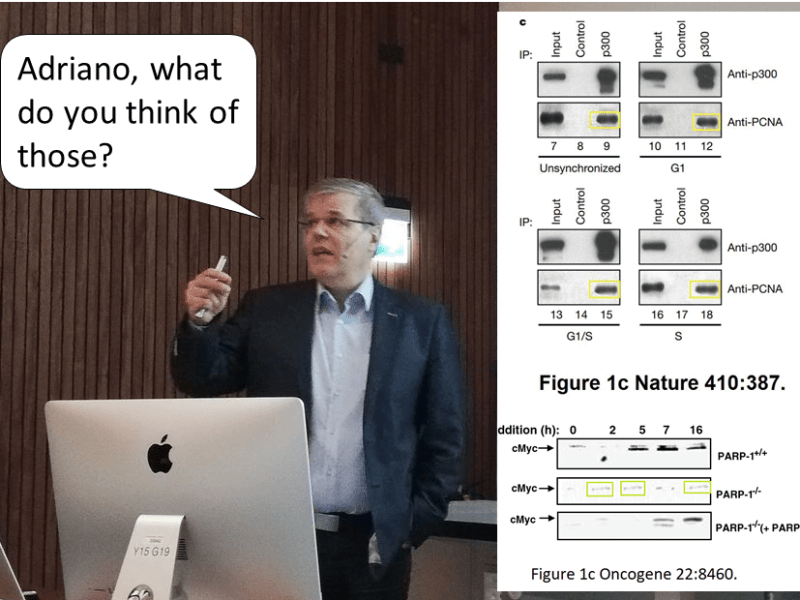
The prion researcher Adriano Aguzzi used to describe his Pubpeer critics as “lowlifes”, and himself as a victim of a lynch mob. But after Elisabeth Bik helped him find even more mistakes in his papers, Aguzzi changed his stance.
By the way, the German newspaper Welt connected in 2024 the Maisano case to the Charité Berlin and its heart surgery director, Volkmar Falk:
“The head of the heart center, Volkmar Falk, had an almost patronage relationship with Cardioband and Francesco Maisano. Falk took part in the first animal research study, and in 2017 the Charité Berlin was the stage for the first Cardioband use. Falk knows about the many deaths in connection with the Cardioband. He also pursued business interests. Falk does not deny that he made money from the sale of the Cardioband company Valtech in 2018. […]
Falk […] was once head of cardiac surgery at the USZ. After he left the position for Berlin in 2014, the senior doctor whom Falk had personally brought to Switzerland took over: Francesco Maisano.”
The only way for UZH to retain their Italian genius was to make him clinic head with annual salary of CHF 1.25 million. Falk was also President of the European Association for Cardio-Thoracic Surgery (EACTS) in 2025, and, what coincidence, Maisano was appointed in the same year the Editor-in-Chief of the European Journal of Cardio-Thoracic Surgery, published by EACTS with Oxford University Press.
Also by the way, one of Maisano’s research papers, coauthored with Giulio Cossu and Maurillo Sampaolesi, was mentioned in this article:
How Sampaolesi and Cossu cured Muscular Dystrophy with stem cells
Gather round children, and hear a fairy tale from the golden age of degenerative medicine.
Good experiences with young women from Indonesia
In March 2026 Shorts, I quoted from an article by the journalist Thilo Komma-Pöllath, published in the German newspaper Welt, about a mysterious doctor who was accused of sexual abuse of his Indonesian wife, which started when she was still 17 years old.
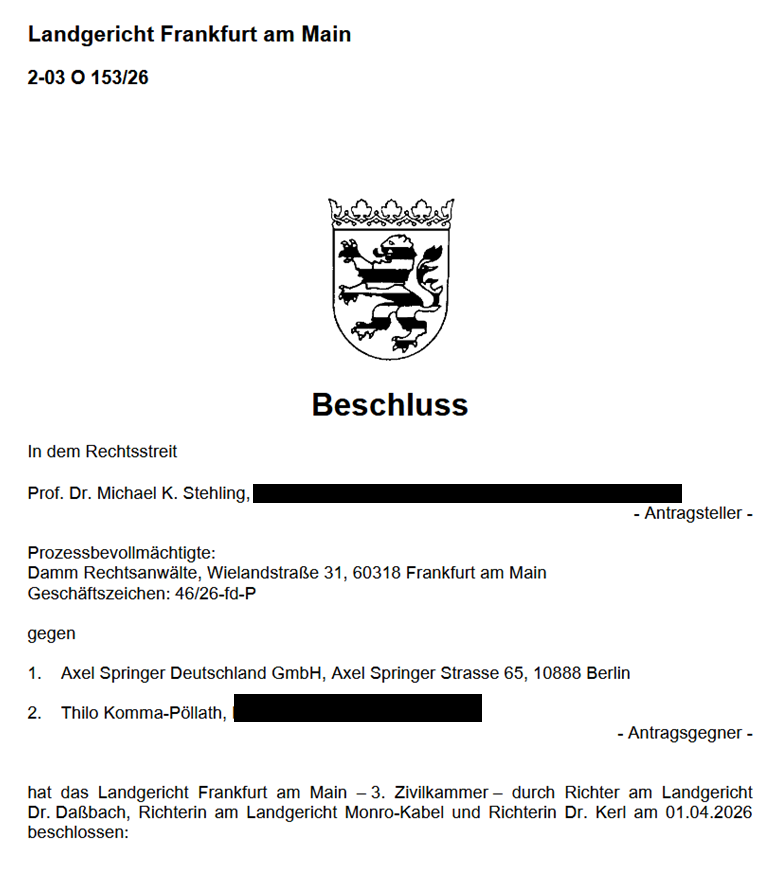
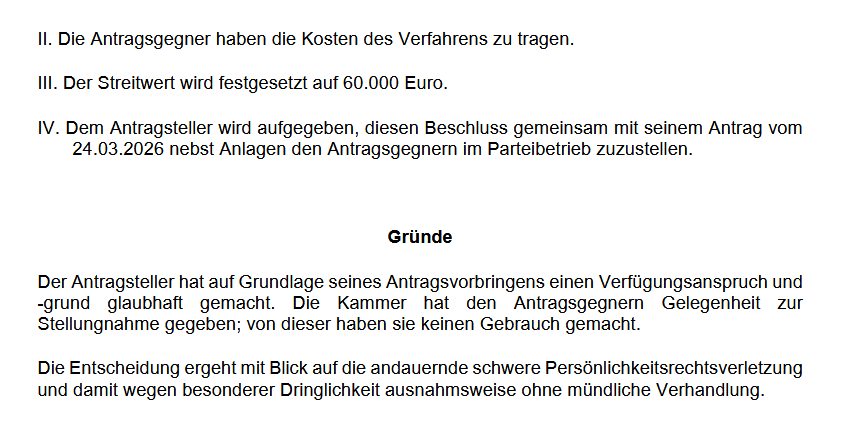
Then, in April 2026, a certain radiologist and “stem cell” doctor Michael Stehling (represented by Damm Lawyers) achieved an injunction from a court in Frankfurt against the newspaper’s publisher Axel Springer Verlag and demanded that I delete my reporting and sign a cease-and-desist letter. I previously wrote about Stehling before:
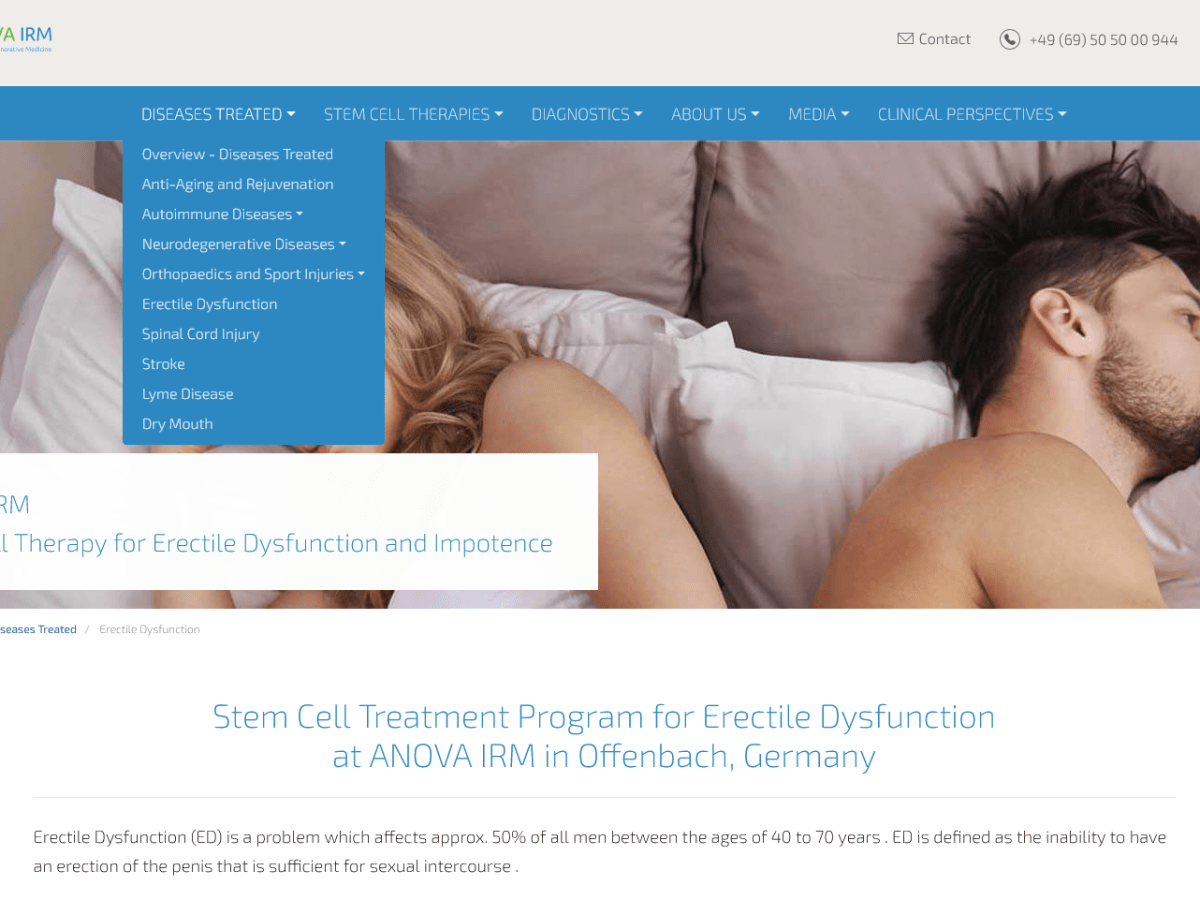
Get your hard-on with Prof Dr Dr Dr Stehling’s liposuction
“Prof. Dr. Dr. Dr. M. K. Stehling, the founder of ANOVA IRM and the Vitus Prostate Center , is a radiologist (MD) and holds a PhD in physics. […] ANOVA IRM GmbH, located in Offenbach, near Frankfurt am Main, Germany, is an officially controlled German medical company. We have permits to harvest, process and manufacture…
I agreed to temporarily remove the quotes, but since 12 May 2026, the Welt article is back, with all the accusations unchanged, this is why I quote it again:
“A young woman from Asia flees her arranged marriage to a much older German man. The young woman goes to the police and claims she was raped over the years. Instead of a thorough investigation, however, the case is quickly closed – and suddenly the young woman has to justify herself.”
All names were changed in the article, that of the alleged perpetrator even twice. He was “Martin” in the original Welt article, became briefly “Karlheinz” in the new version, and is “Martin” again in the next paragraphs. “Nisa” met her abuser over a dating platform, where she was looking for a pen-pal from the west:
“After two months, Nisa S. was contacted by a man named Karlheinz* – supposedly in his early 30s, without a profile picture. He showed great interest, often asked about her worries and fears, complimented her and called her a “very special girl”. Since Nisa didn’t speak English, all communication was done via Google Translate. Nisa was flattered and sought his advice more and more often. Karlheinz soon asked her for nude pictures, but Nisa refused. […]
Martin wrote in English: “But don’t you have any pictures that show more of your sexy body ;-)Please…”.
In February 2012, he sent her photos of a ten-year-old blonde girl in a Lolita pose with a cigarette and other children on a veranda, their genital parts visible. Martin wrote that “so freely and uninhibitedly” …”will I live with you”.”
In July 2011, “Martin” arrived to Indonesia, the 17 year old Nisa was urged by her family to travel far away from their home city to meet him, and he turned out to be much older:
“An email exchange between Nisa and Martin shows that he gave her skin care tablets in Jakarta – in reality they were birth control pills. The sexual abuse of the minor is said to have begun in Jakarta and a little later during a visit by Martin, Nisa testified in three interviews with the German police after her escape in 2023. […]
He made suggestive comments to his siblings about menstruation and sexual intercourse and repeatedly tried to meet Nisa alone. He achieved this at the end of September 2011 in Makassar. That day, mother Dery found her daughter’s blood-stained handkerchiefs and clothes and concluded that Martin had “forced her to engage in sexual acts, which resulted in the loss of her virginity.”
Via his laywers, “Martin” insists that the underage girl engaged in sexual intercourse with him voluntarily. Her religiously devout family then forced her to marry him and go with him to Germany:
“At the beginning of 2012, when the marriage was finalized, Martin wrote to Nisa in an email: “You are MINE now.”
Shortly after her 18th birthday, Nisa was married. Just four weeks after Martin was divorced from his first wife Nadira*, also much younger.”
The marriage was in my view a decade of sexual slavery, if not worse:
“Nisa felt like Martin’s “property”: he appointed her gynecologist, ordered a cesarean section, and forbade breastfeeding the child. She didn’t speak any German, had no personal contacts, no money, no job, and he even took away her passport for a time – she was completely dependent on Martin, a respected Hessian academic.”
In a court hearing, “Martin” openly admitted to have had many affairs, even as he was arranging his marriage with Nisa, and that that he had “good experiences with young women from Indonesia“, whom he recruited as maids and au pairs, he laughed when describing sex with them as “very satisfying“:
“The pattern is striking: Martin looks for very young, moneyless women from broken families in a conservative, Muslim culture.”
In 2022, when “Nisa” considered leaving “Martin”, he locked her up in the bedroom: “Nisa feared another attack and called out in panic, “Help! Help!” Their au pair banged on the door from outside: “Stop! Stop! Stop!””
“Martin” also filed criminal charges against his wife, for alleged child abduction, because their son Andreas stayed overnight with his half-brother; and for theft, because Nisa shopped with his credit card as usual. And, obviously this goes in privacy-obsessed Germany when you introduce yourself as “professor”: “He personally visited the stores to secure surveillance camera footage, intending to later hand it over to the police as alleged evidence.“
The sexual abuse continued with their common child:
“the public prosecutor’s office investigated Martin in 2023 on suspicion of sexual abuse of his own son. In interviews with judges, legal counsel and the youth welfare office, Andreas explained that his father had asked him to perform sexual acts on several occasions. According to an affidavit from a family friend, Andreas is said to have revealed to him that his father had forced him to watch his mother being raped.”
The German justice took the professor’s side against a foreign Muslim woman who doesn’t speak German. The police treated Nisa rudely, refused to call an interpreter in her native language, she had to answer in her broken English, the whole charade took merely 50 minutes including English translation. Three dozen of witnesses were named, none were interviewed. Nisa’s sister specially travelled to Germany from Indonesia to give evidence, the police then said her testimony wasn’t needed. Also, a police woman claimed that “that sexual intercourse with minors was “not a crime”, which is obviously a lie. Nisa was accused by the public prosecutor of having fabricated the charges because she wanted custody for her son after separation from “Martin”.
“the prosecution adopts Martin’s narrative of the “non-violent and consensual” relationship, even though the alleged ordeal is well documented by a dozen witnesses, affidavits, a 208-page memory log, audio recordings, emails and WhatsApp messages.”
All criminal investigations were terminated by the public prosecutors. Martin is officially innocent. And then a court in Frankfurt even passed an injunction against the original version of this reporting.
Read March 2026 Shorts, about how Michael Stehling stopped calling himself professor by the end of 2025, and about his stem cell experiments in Switzerland. I am not responsible for any eventual unauthorised archived copies on any third party internet archive platforms.
Scholarly Publishing
Simultaneous use of many reference management softwares
Roland Seifert is professor Hannover Medical School, Editor-in-Chief of Naunyn-Schmiedeberg’s Archives of Pharmacology and one of Germany’s top authorities on publication ethics. In this regard, it is particularly funny that his own recent review paper contains references which were apparently partially hallucinated by an AI.
I interacted with Seifert before, because his journal was overrun first by Chinese papermills, and after he banned submissions from China, the journal was overrun by Egyptian, Iranian and Pakistani papermills.

An attractive and “natural” target for fraudsters
“In the various excellent texts on paper mills the question is discussed why Naunyn-Schmiedebergs Archives of Pharmacology has become a target for fake papers. I oppose the assumption that we simply want to fill pages with pseudo-scientific content. We actually look for quality and good science.” – Prof Dr Roland Seifert, Editor-in-Chief
Seifert was much celebrated for these guidelines on fighting papermills:
- Roland Seifert How Naunyn-Schmiedeberg’s Archives of Pharmacology deals with fraudulent papers from paper mills Naunyn-Schmiedeberg’s Archives of Pharmacology (2021) doi: 10.1007/s00210-021-02056-8
- Jonathan Wittau , Serkan Celik , Tim Kacprowski , Thomas M. Deserno , Roland Seifert Fake paper identification in the pool of withdrawn and rejected manuscripts submitted to Naunyn–Schmiedeberg’s Archives of Pharmacology Naunyn-Schmiedeberg’s Archives of Pharmacology (2023) doi: 10.1007/s00210-023-02741-w
- Jonathan Wittau , Roland Seifert How to fight fake papers: a review on important information sources and steps towards solution of the problem Naunyn-Schmiedeberg’s Archives of Pharmacology (2024) doi: 10.1007/s00210-024-03272-8
Papermills often use AI to fabricate papers, this can be often detected via hallucinated references, like here:

An expert criticism by fraudsters and antivaxxers: the case of PubPeer
“A concerning trend is the rise of “hyper-skepticism”” – ChatGPT
On 8 May 2025, Seifert as corresponding author published this review in his own journal:
Bores Manfouo , Roland Seifert New drugs and their performance 10 years after approval: a systematic analysis Naunyn-Schmiedeberg’s Archives of Pharmacology (2025) doi: 10.1007/s00210-025-04178-9
In April 2026, a PubPeer user reported that there were “Issues with references: References contain the DOI of different articles than those being cited“. Two examples were listed.
Back then, Seifert immediately replied and announced to “check the references and corrections them as needed“. On 8 May 2026, he celebrated his reviews first anniversary by publishing this Correction (highlight mine):
“In the original publication: Manfouo, B., & Seifert, R. (2025) […], several DOI links in the reference list were incorrect. This error was likely due to the simultaneous use of many reference management softwares. We sincerely apologize for this and provide an updated reference list in this erratum.
To ensure the accuracy of the revised references, each cited article was carefully verified, and all DOI links were corrected and standardized in format. Additionally, the citation style was thoroughly reviewed, and minor inconsistencies—such as inaccuracies in the ordering of authors’ names—were rectified.”
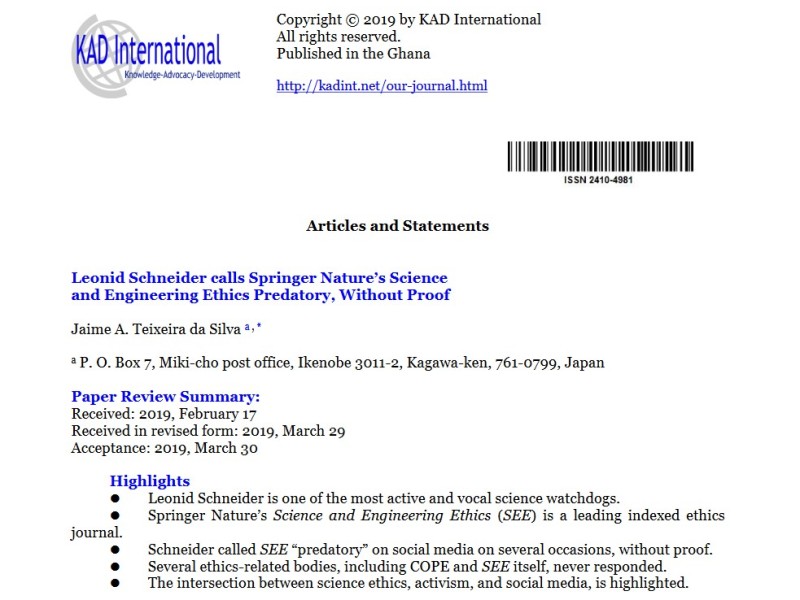
Editors and other real papermill heroes
“Long story short, we investigated our published papers and then retracted those with data integrity issues. That is it.” – Dr Heather Smith, Editor-in-Chief
The correction contained a very long list of references, but the reader wasn’t told if they all needed fixing or just some of them. The new online version of the paper and its pdf contain only the corrected reference section, even the copy on PubMed was replaced by the authors. But they didn’t have access to the automatically created ResearchGate copy, which is still original. An expert highlighted those dois leading to wrong papers or simply nowhere:
As you see, there were quite many references with issues of wrong DOIs in the original published pdf. Also, somehow first and last names of the first author got swapped in some cases, reference manager software never does this, but AI does:
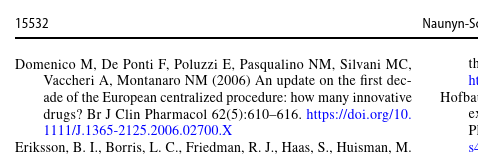
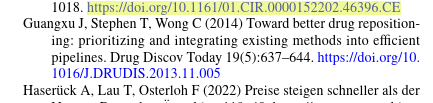
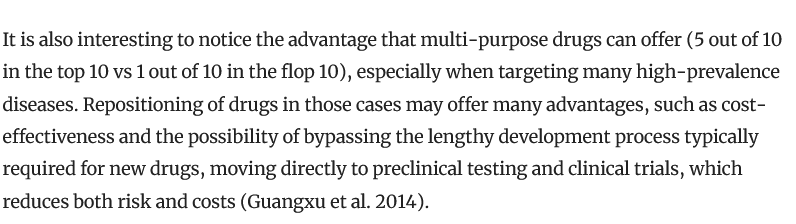
Not just that, after the correction further issues were found by the user Dendrographa conformis: 11 references in the original version were “not found in the main text“, and the new version contains two references which are also not cited in the main text. Any crazy theories why a reference management software would do that? We know AI would.
The Chinese Paper Mill Industry: Interview with Smut Clyde and Tiger BB8
Unlike those fake paper mill products, this interview failed editorial review and journal quality control.
Furthermore, in the original version two references to documents by the European Medicines Agency (EMA, until 2009 EMEA) contained outdated hyperlinks, not in use since 2009, yet the authors claimed they somehow accessed those links in November 2024. That access claim was removed from the new version.
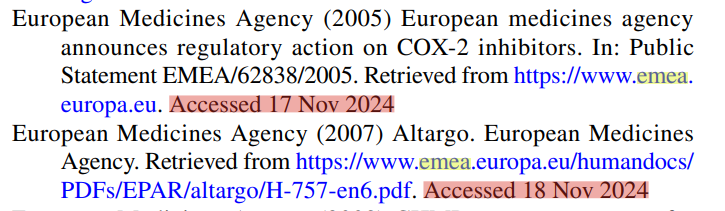
Here is the analysis provided to me by an expert:
One cannot explain any of that with “simultaneous use of many reference management softwares“, but one could easily explain this with the use of AI to generate this manuscript and its references.
The old and new versions contain the statement that “The authors declare that no paper mill was used and that all data were generated in-house“. There is no statement about the use of AI to write this paper though. Sure, Seifert and his coauthor didn’t use a papermill, nobody is implying it. But it seems an AI LLM was used to generate this manuscript, which resulted in also those false references. The correction is very dishonest.
Ironically, this journal’s publisher, Springer Nature and their Research Integrity Director Chris Graf declared last month that “these references reflect broader problems with the content“, and indicated that corrections would be only allowed for minor infringements like mistranslations.
But then again, that was published on 1 April, so maybe it was a joke. Look at Seifert’s paper, and how he had it corrected.
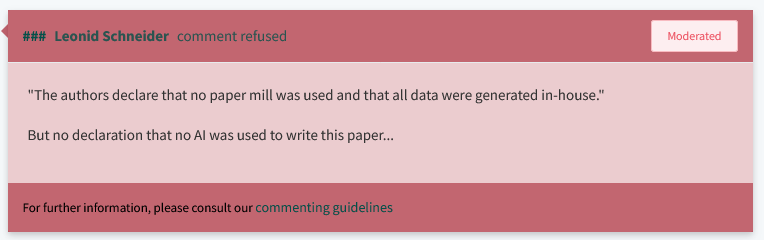
Seifert stopped replying to me already before. Which is a pity, because there’s a lot for him to explain.
This correction does not affect the results or conclusions
This week, the American Association for the Advancement of Science (AAAS) began posting on PubPeer their corrections, old and new, for journals of the Science family. Sometimes it looks as if AAAS is taking the piss, educating us right below those fake figures that no conclusions were ever affected. Like here:
Mohammad B. Hossain , Rehnuma Shifat , David G. Johnson , Mark T. Bedford , Konrad R. Gabrusiewicz, Nahir Cortes-Santiago, Xuemei Luo , Zhimin Lu , Ravesanker Ezhilarasan , Erik P. Sulman , Hong Jiang , Shawn S. C. Li , Frederick F. Lang, Jessica Tyler, Mien-Chie Hung , Juan Fueyo, Candelaria Gomez-Manzano TIE2-mediated tyrosine phosphorylation of H4 regulates DNA damage response by recruiting ABL1 Science Advances (2016) doi: 10.1126/sciadv.1501290
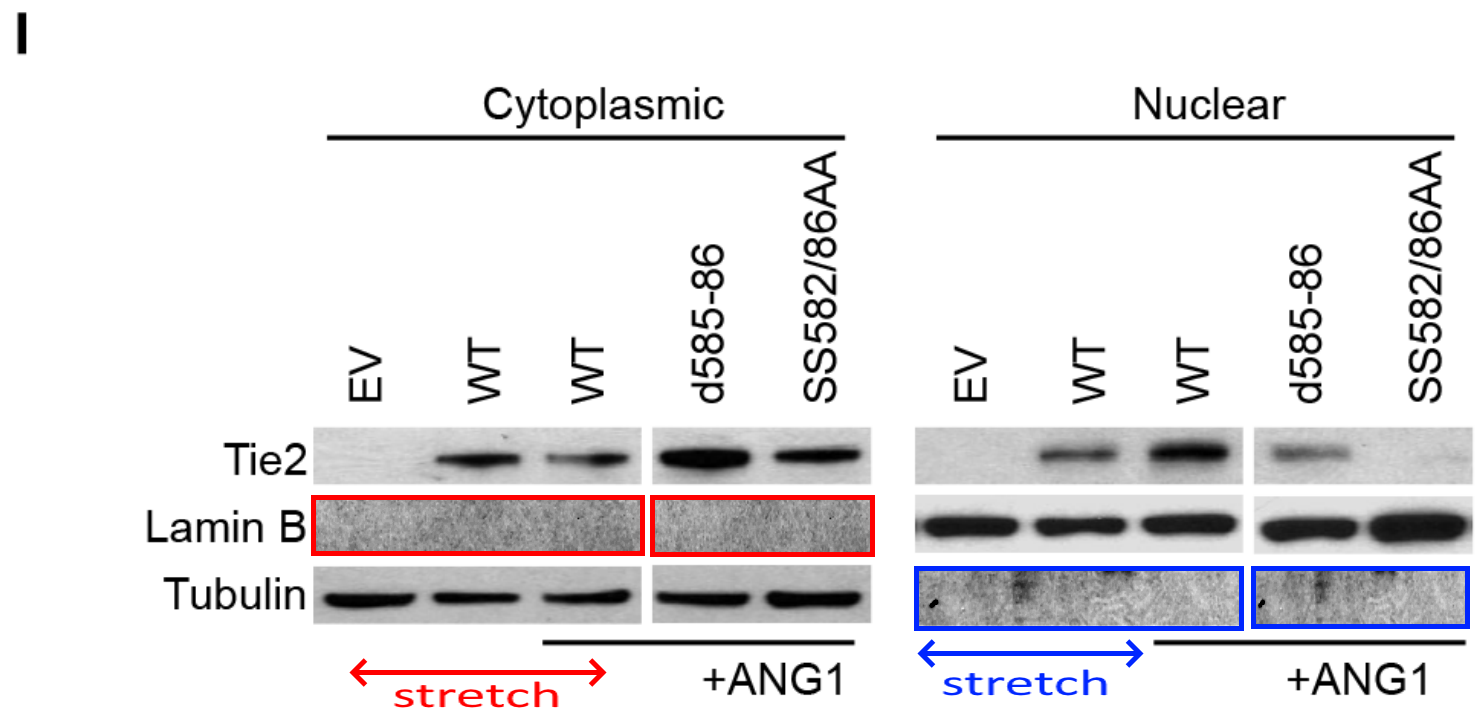
The Erratum from 3 April 2026 briefly stated that “The original version of Fig. 2I included inadvertent duplicates in the Lamin B row under Cytoplasmic and the Tubulin row under Nuclear, as well as a misalignment of the bands for the Tubulin row under Cytoplasmic and the Lamin B row under Nuclear.“
Of course, as every respectable professor of MD Anderson Cancer Center in Houston, Texas, also the husband and wife duo Candelaria Gomez-Manzano and Juan Fueyo have more fake stuff on PubPeer, like this:
Marta M Alonso, Hong Jiang , Tomohisa Yokoyama , Jing Xu , Nebiyou B Bekele , Frederick F Lang , Seiji Kondo , Candelaria Gomez-Manzano , Juan Fueyo Delta-24-RGD in combination with RAD001 induces enhanced anti-glioma effect via autophagic cell death Molecular Therapy (2008) doi: 10.1038/sj.mt.6300400
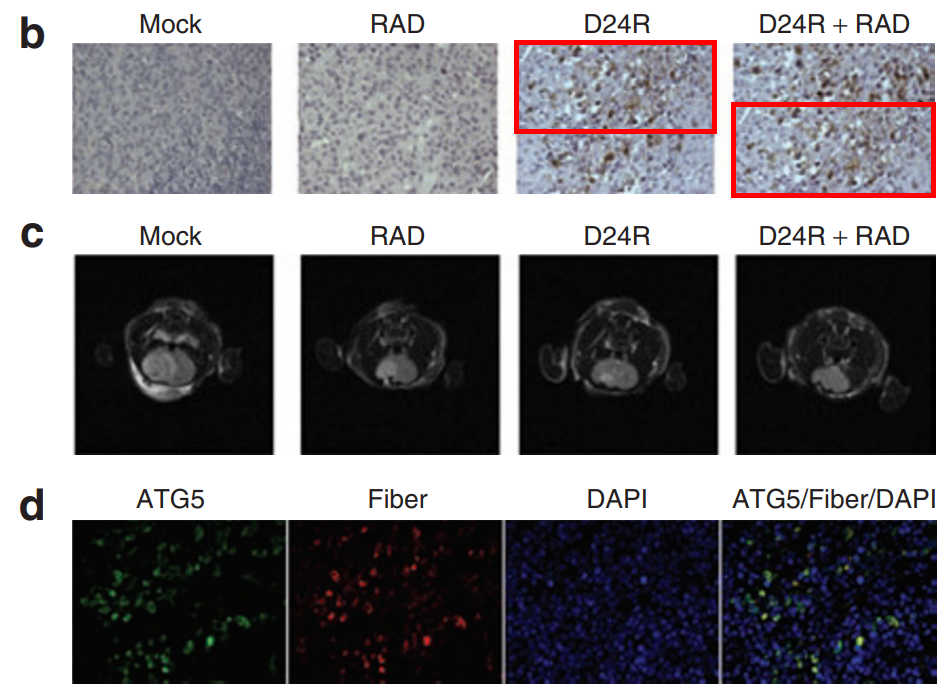
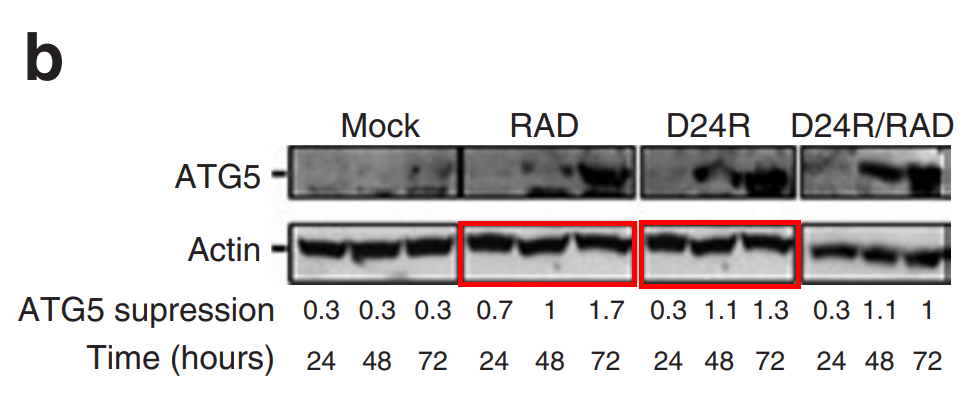
Or this, with their MD Anderson colleague Wai-Kwan Alfred Yung (read about him in April 2025 Shorts):
Melissa V. Olson , David G. Johnson , Hong Jiang , Jing Xu , Marta M. Alonso , Kenneth D. Aldape , Gregory N. Fuller , B. Nebiyou Bekele , W.K. Alfred Yung , Candelaria Gomez-Manzano , Juan Fueyo Transgenic E2F1 expression in the mouse brain induces a human-like bimodal pattern of tumors Cancer research (2007) doi: 10.1158/0008-5472.can-06-2973
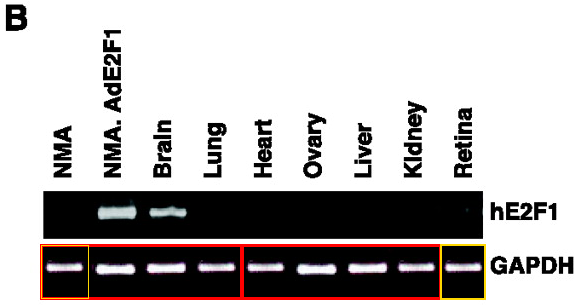
Sholto David: “Figure 1B: The loading controls appear to be constructed for individual bands with high similarity including a run of four indicated with the red rectangles.”
Some recycling in Oncotarget, again with Yung (PubPeer record here):
Nahir Cortes-Santiago , Mohammad B. Hossain , Konrad Gabrusiewicz , Xuejun Fan , Joy Gumin , Frank C. Marini , Marta M. Alonso , Frederick Lang , W.K. Yung , Juan Fueyo , Candelaria Gomez-Manzano Soluble Tie2 overrides the heightened invasion induced by anti-angiogenesis therapies in gliomas Oncotarget (2016) doi: 10.18632/oncotarget.7550
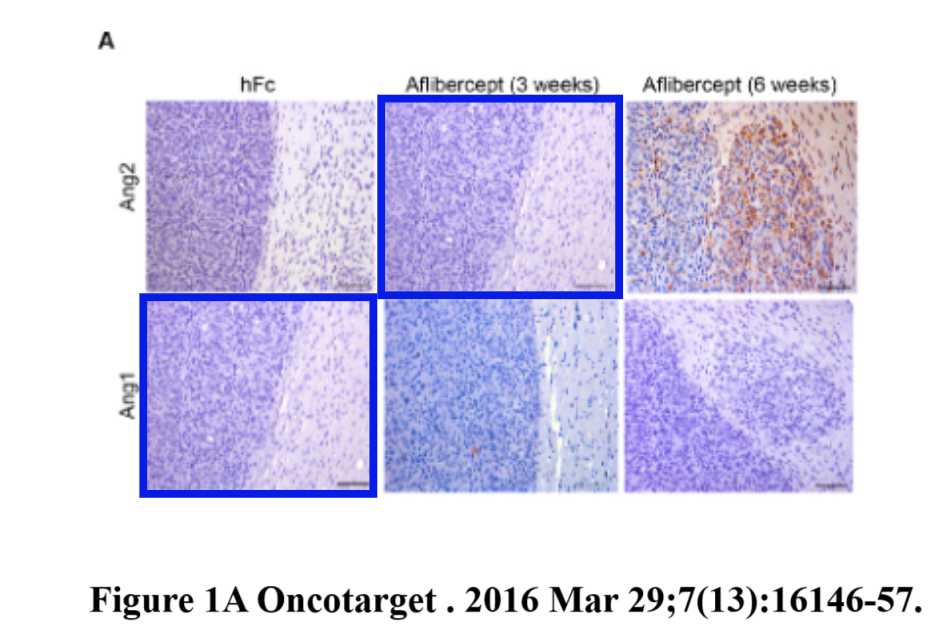
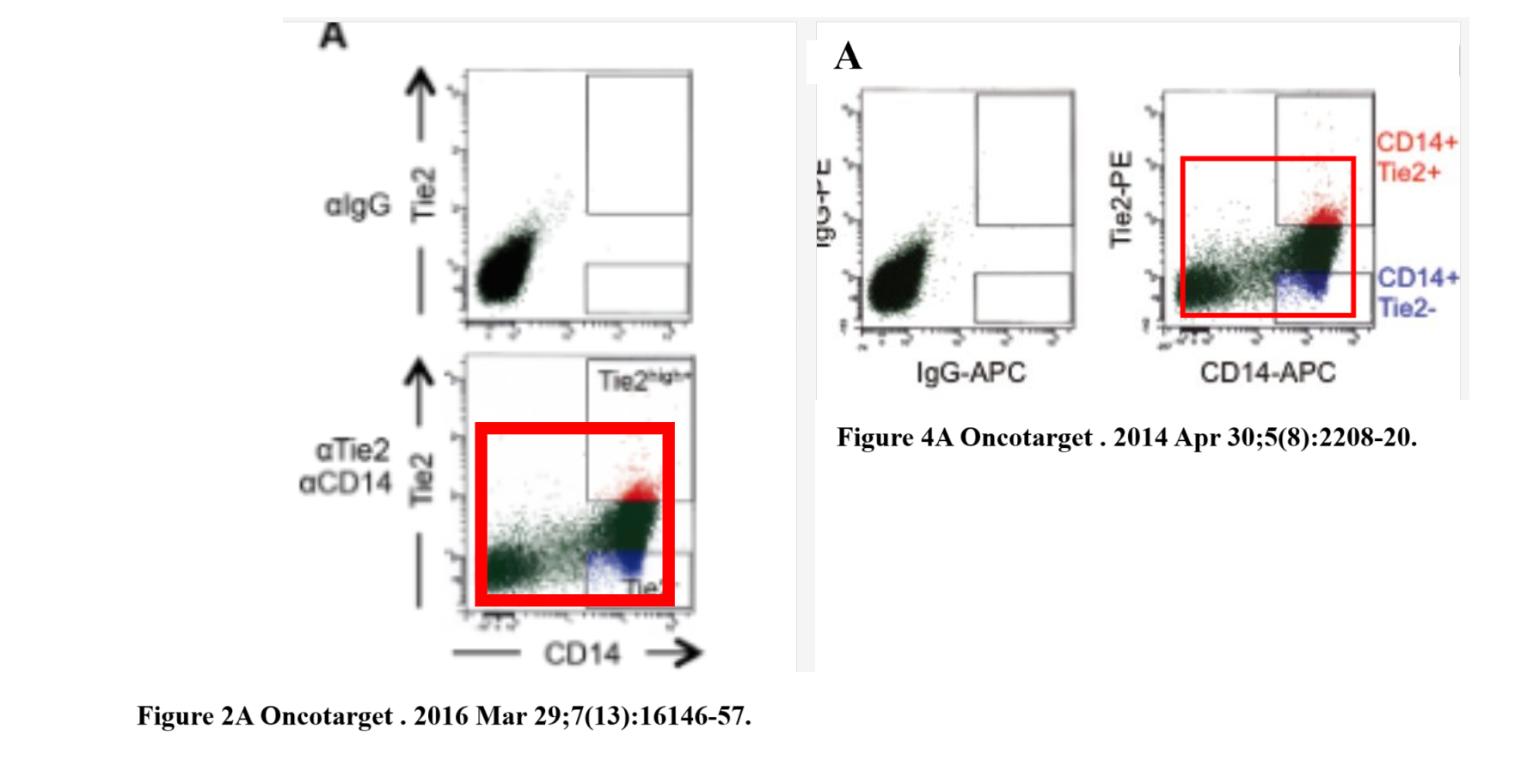
Konrad Gabrusiewicz , Dan Liu , Nahir Cortes-Santiago , Mohammad B. Hossain , Charles A. Conrad , Kenneth D. Aldape , Gregory N. Fuller , Frank C. Marini , Marta M. Alonso , Miguel Angel Idoate , Mark R. Gilbert , Juan Fueyo , Candelaria Gomez-Manzano Anti-vascular endothelial growth factor therapy-induced glioma invasion is associated with accumulation of Tie2-expressing monocytes Oncotarget (2014) doi: 10.18632/oncotarget.1893
So much for AAAS to be proud of.
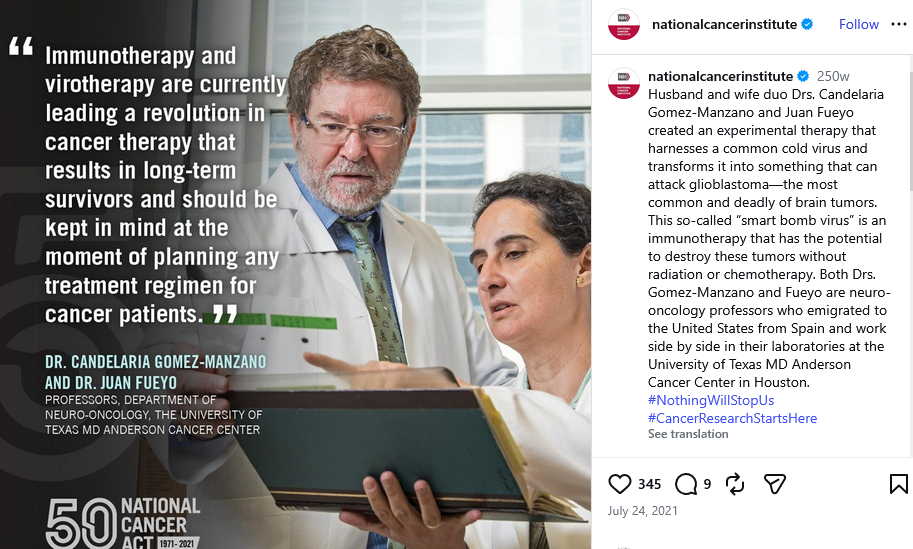
Here another AAAS correction, again for MD Anderson researchers. namely their scientific director of paediatrics, Shulin Li, and former MD Anderson researcher Amy Heimberger, now center director at Feinberg School of Medicine and member of NCI board.
Jiemiao Hu , Qingnan Zhao , Ling-Yuan Kong , Jian Wang , Jun Yan , Xueqing Xia , Zhiliang Jia , Amy B. Heimberger, Shulin Li Regulation of tumor immune suppression and cancer cell survival by CXCL1/2 elevation in glioblastoma multiforme Science Advances (2021) doi: 10.1126/sciadv.abc2511
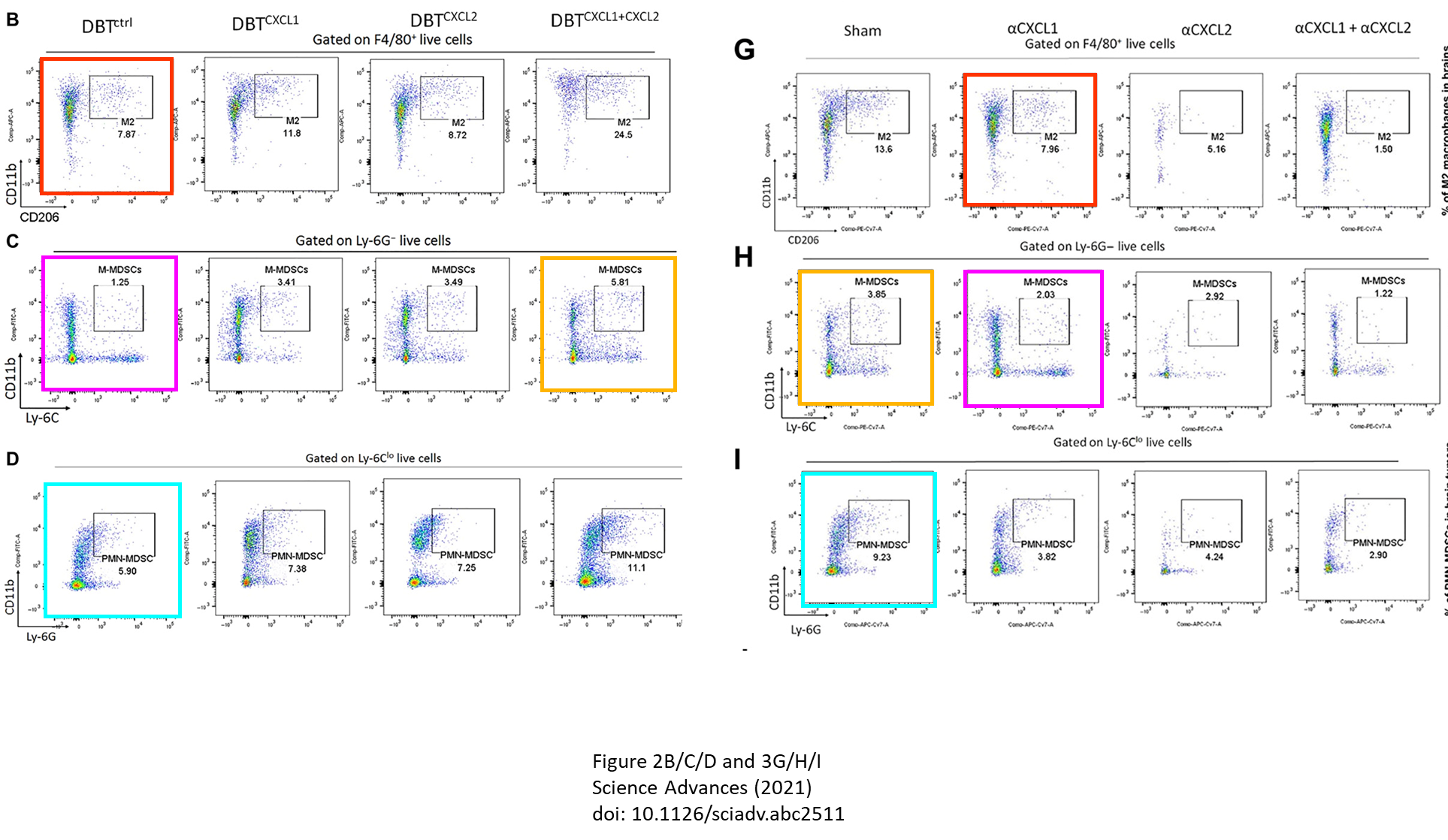
Li later explained on PubPeer that “This mistake occurred because some original files intended for Figure 2 were inadvertently placed in the folder for Figure 3” This is a lie, because the FACS plots are not just recycled, those are different plots of the same sample, achieved by intentional software adjustment. I.e., data fabrication. The Erratum from 25 April 2026 thanked the PubPeer commenter, briefly stated that “The original version of Fig. 3, G to I, inadvertently duplicated data from Fig. 2. This error occurred during figure assembly” and warned that “This correction does not affect the results or conclusions“.
Here is another one by Li and NCI board member Heimberger, corrected in May 2025 (“The Editors believe the corrected figure […] continues to support the conclusions presented in the article“:
Jun Yan , Ling-Yuan Kong , Jiemiao Hu , Konrad Gabrusiewicz , Denada Dibra , Xueqing Xia , Amy B. Heimberger, Shulin Li FGL2 as a Multimodality Regulator of Tumor-Mediated Immune Suppression and Therapeutic Target in Gliomas JNCI Journal of the National Cancer Institute (2015) doi: 10.1093/jnci/djv137
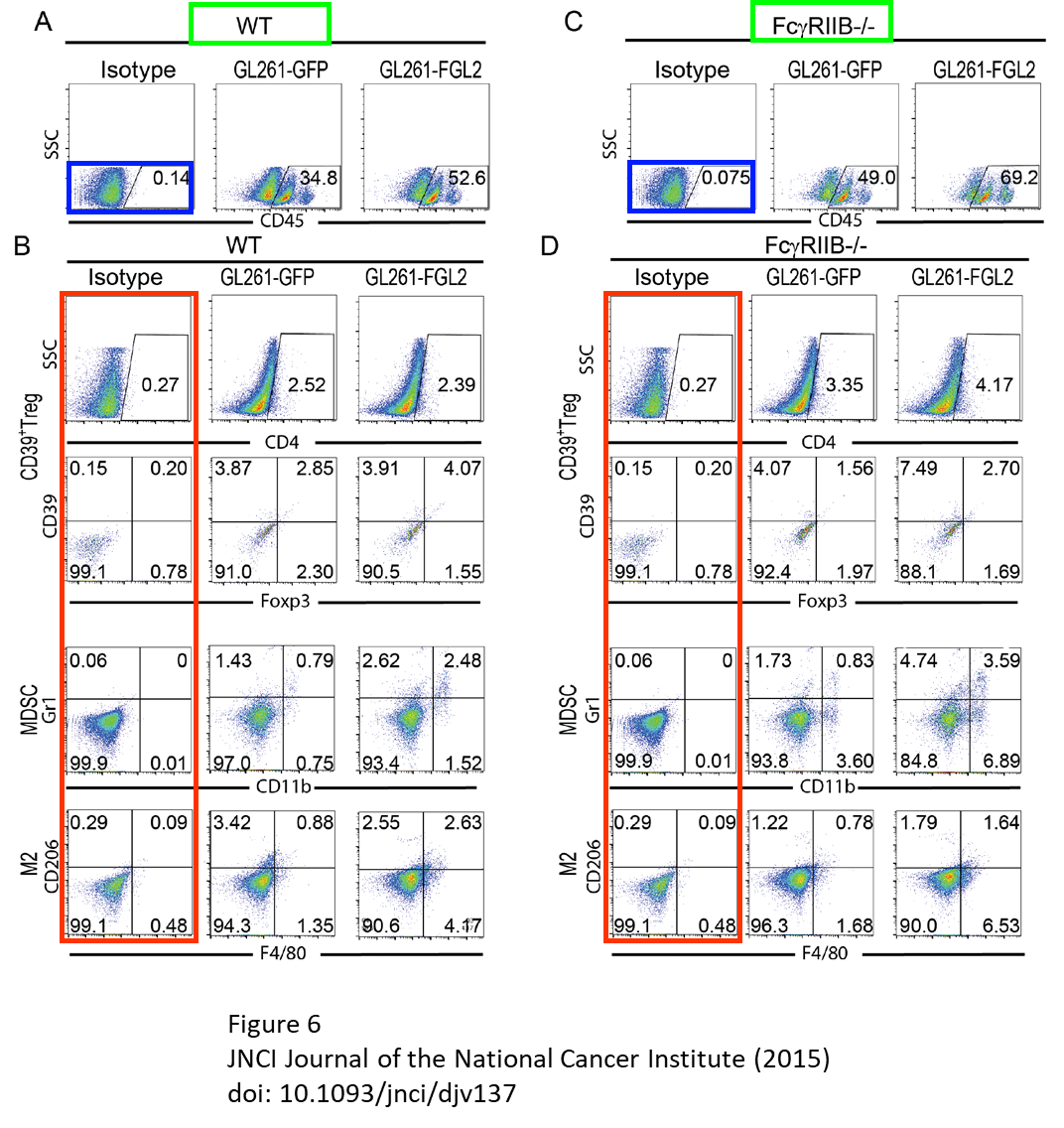
Actinopolyspora biskrensis: “Could the authors please review the underlying data for the FACS plots shown in Figure 6? Two sets of plots seem to be identical”
Elsewhere in Texas, a fake paper from the lab of University of Texas Southwestern professor Lora Hooper had to be rescued:
Shipra Vaishnava, Miwako Yamamoto , Kari M. Severson , Kelly A. Ruhn , Xiaofei Yu , Omry Koren , Ruth Ley , Edward K. Wakeland , Lora V. Hooper The Antibacterial Lectin RegIIIγ Promotes the Spatial Segregation of Microbiota and Host in the Intestine Science (2011) doi: 10.1126/science.1209791
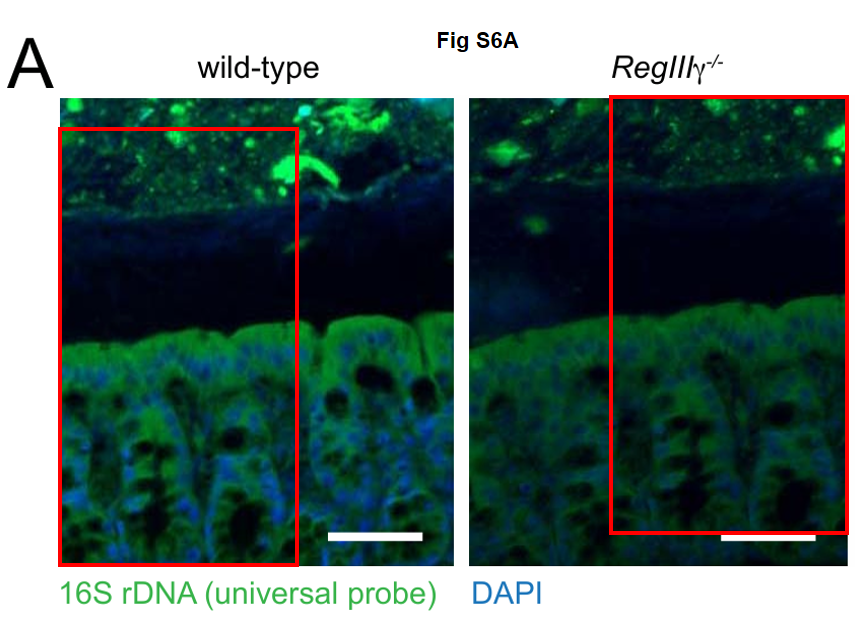
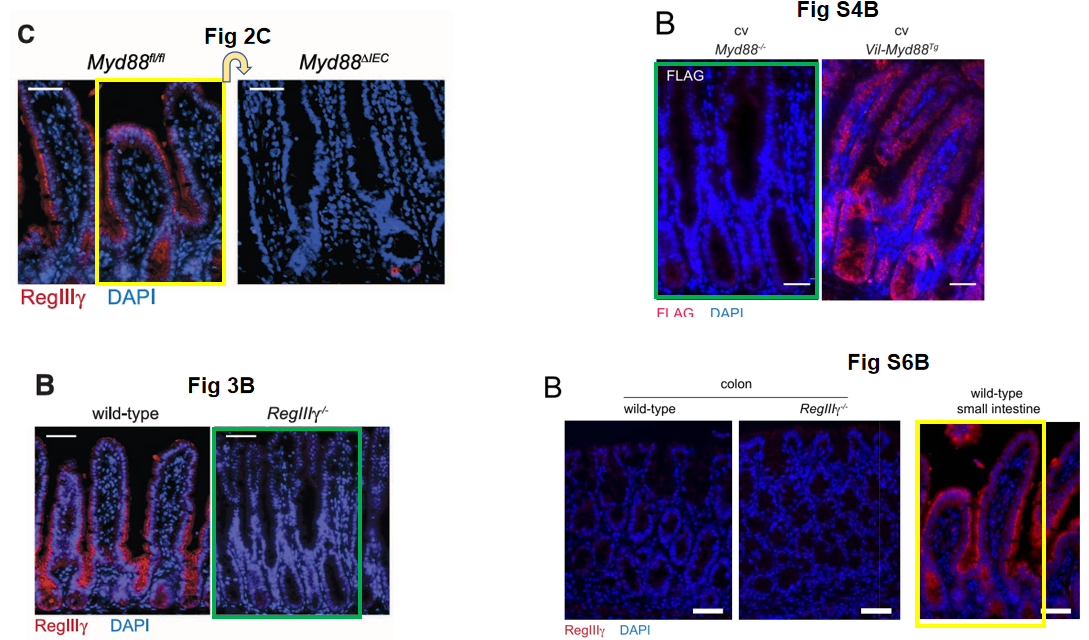
In November 2025, Hooper explained on PubPeer that “These errors arose from inadvertent selection of incorrect control images during assembly of Supplementary Figures“. AAAS agreed and issued this Erratum on 7 May 2026, where the offendign images were replaced with the warning “These errors do not affect the conclusions of the study.“
Of course also Hooper has more on PubPeer. After the PubPeer comments, the National Academy of Sciences member Hooper also corrected this paper she contributed outside of proper peer review to PNAS. paper in December 2025 (“these errors arose during figure preparation in Illustrator“),
Yun Li , Shai Bel , Jamaal L. Benjamin , Kelly A. Ruhn , Brian Hassell , Cassie L. Behrendt , Zheng Kuang , Lora V. Hooper BCL2 regulates antibacterial autophagy in the intestinal epithelium Proceedings of the National Academy of Sciences of the United States of America (2024) doi: 10.1073/pnas.2410205121
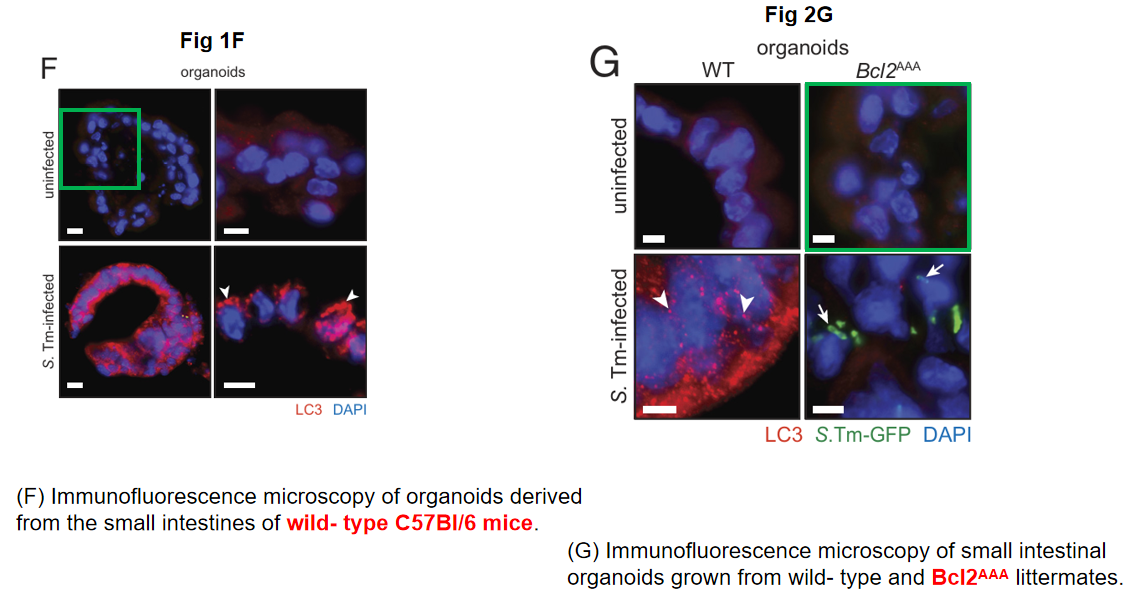
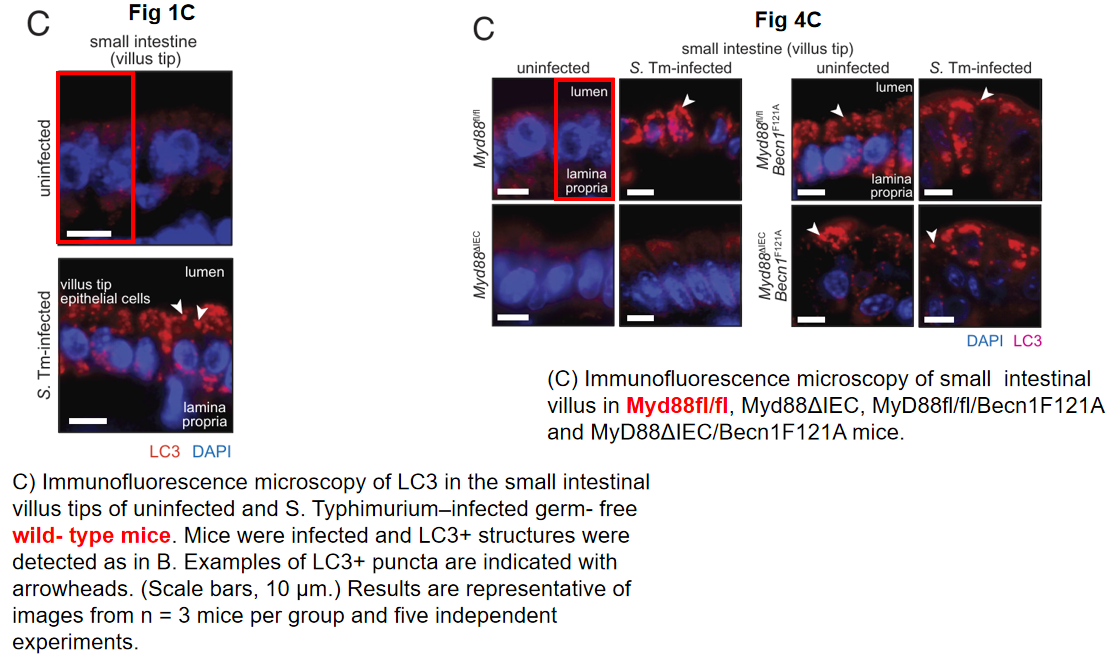
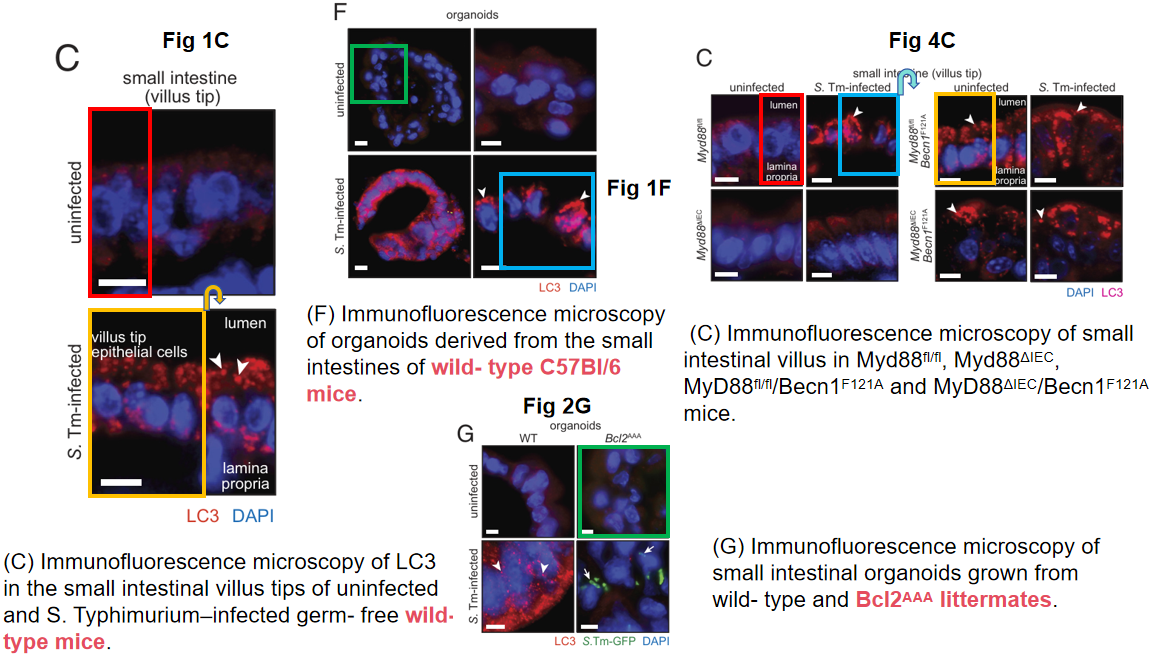
1C-1 and 4C-1 (direct duplication)
1C-2 and 4C-3 (mirrored duplication)
1F-1 and 2G-2 (direct duplication)
1F-4 and 4C-2 (mirrored duplication)”
Hooper’s correction from December 2025 explained that “these errors arose during figure preparation in Illustrator“. This was also corrected, in October 2025, on the initiative of the last author from California, Bernd Schnab:
Lirui Wang , Derrick E. Fouts , Peter Stärkel , Phillipp Hartmann , Peng Chen , Cristina Llorente , Jessica DePew , Kelvin Moncera , Samuel B. Ho , David A. Brenner , Lora V. Hooper, Bernd Schnab Intestinal REG3 Lectins Protect against Alcoholic Steatohepatitis by Reducing Mucosa-Associated Microbiota and Preventing Bacterial Translocation Cell Host & Microbe (2016) doi: 10.1016/j.chom.2016.01.003
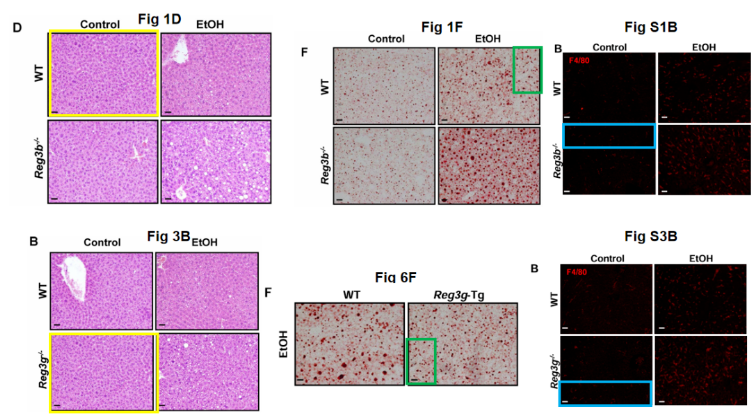
Hooper apparently has no plans to correct this, in the same journal:
Jamaal L. Benjamin , Rhea Sumpter , Beth Levine , Lora V. Hooper Intestinal Epithelial Autophagy Is Essential for Host Defense against Invasive Bacteria Cell Host & Microbe (2013) doi: 10.1016/j.chom.2013.05.004
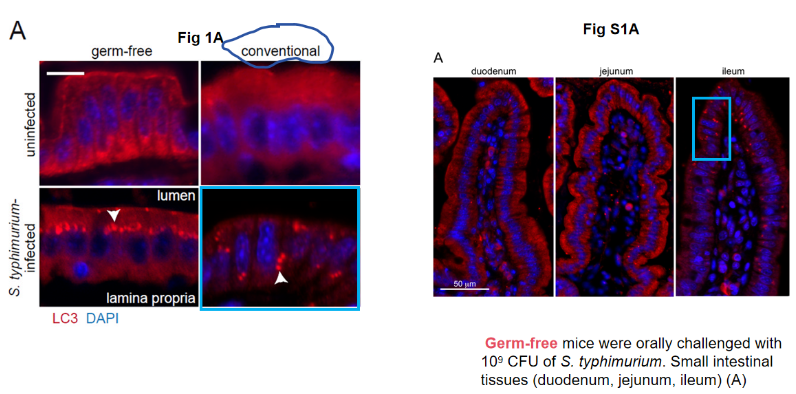
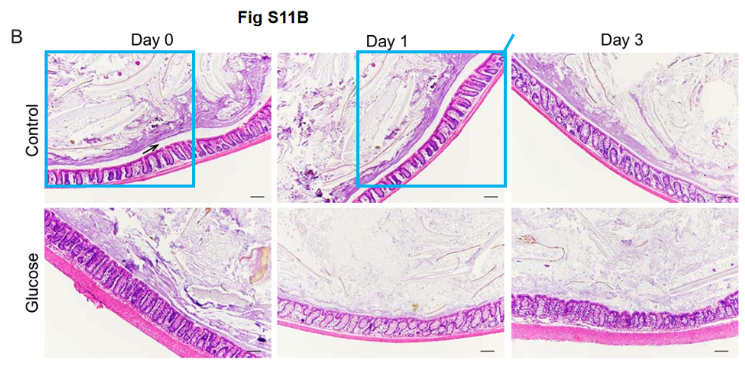
Returning to AAAS, will they correct this Hooper paper eventually? Because of course all of its conclusions remain unaffected.
Shahanshah Khan , Sumyya Waliullah , Victoria Godfrey , Md Abdul Wadud Khan , Rajalaksmy A. Ramachandran , Brandi L. Cantarel , Cassie Behrendt , Lan Peng , Lora V. Hooper, Hasan Zaki Dietary simple sugars alter microbial ecology in the gut and promote colitis in mice Science translational medicine (2020) doi: 10.1126/scitranslmed.aay6218
Science Breakthroughs
Why coffee has the effects that it does
Your regular reminder that coffee prevents death.
A press release from Texas A&M University in Dallas, USA informed on from 29 April 2026 that coffee “may help protect your body from aging“:
“Now, new research from the Texas A&M College of Veterinary Medicine and Biomedical Sciences (VMBS) suggests that compounds in coffee may work, in part, by activating a receptor in the body known as NR4A1 — a protein increasingly recognized for its role in aging, stress response and disease.
The findings, recently published in Nutrients, provide one of the first direct connections between coffee and this receptor, offering a potential explanation for the beverage’s widespread health effects.
“Coffee has well-known health-promoting properties,” said Dr. Stephen Safe, distinguished professor and Sid Kyle Endowed Chair in Veterinary Toxicology in VMBS’ Department of Veterinary Physiology and Pharmacology. “What we’ve shown is that some of those effects may be linked to how coffee compounds interact with this receptor, which is involved in protecting the body from stress-induced damage.” […]
“I think it helps explain why coffee has the effects that it does,” Safe said. “It’s not just an observation — there’s a mechanism behind it.””
This is the paper by Stephen Safe and his colleagues, They exposed different cell lines to coffee and found out that coffee inhibits cancer, reduces inflammation and prevents ageing:
Amanuel Hailemariam , Srijana Upadhyay , Arafat Rahman Oany , Wai Ning Tiffany Tsui , Vinod Srivastava , Gargi Sivaram , Kelly Churion , Robert S. Chapkin , Laurie A. Davidson , Shoshana Eitan , James J. Cai , Roger Norton , Stephen Safe Brewed Coffee and Its Components Act Through Orphan Nuclear Receptor 4A1 (NR4A1) Nutrients (2026) doi: 10.3390/nu18060877
This is way too silly, no wonder it ended in MDPI.
Safe is professor at Texas A&M University since 1981, his science was previously flagged on PubPeer. Unlike scared or career-minded lab members, experimental reality rarely does as ordered by a big professor. Some more research on NR4A1:
Lei Zhang , Greg Martin , Kumaravel Mohankumar , Gus A. Wright , Fuada Mariyam , Stephen Safe Piperlongumine is a ligand for the orphan nuclear receptor 4A1 (NR4A1) Frontiers in Pharmacology (2023) doi: 10.3389/fphar.2023.1223153
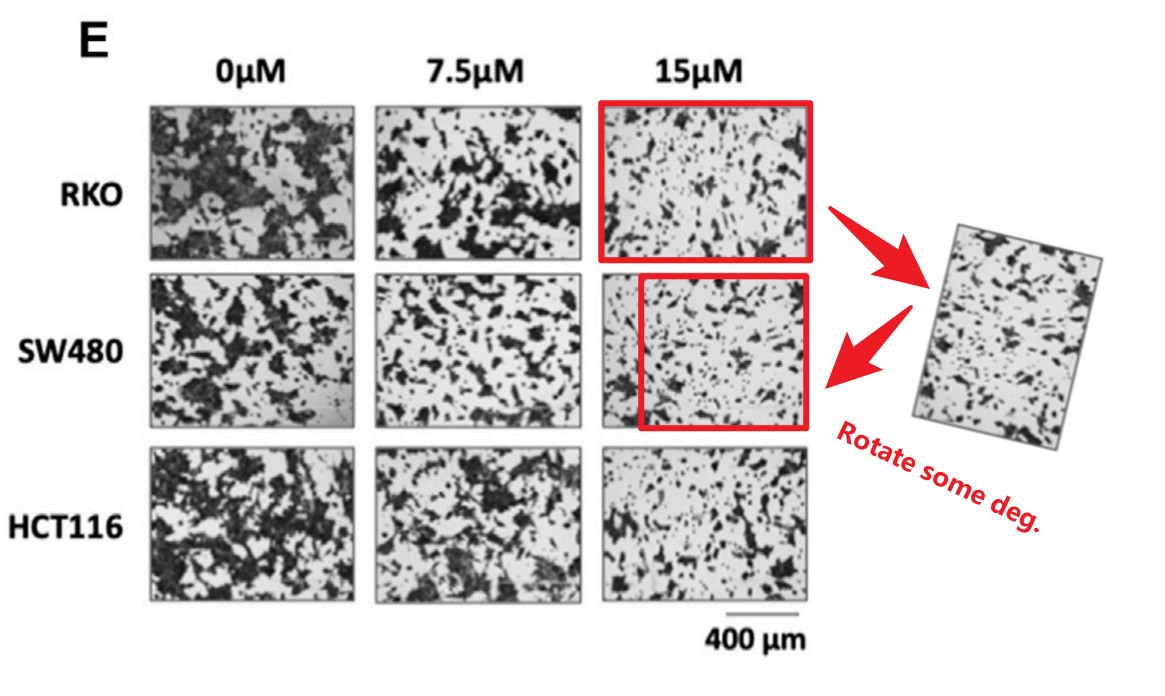
Lung cancer cancer can be cured with NR4A1 inhibition:
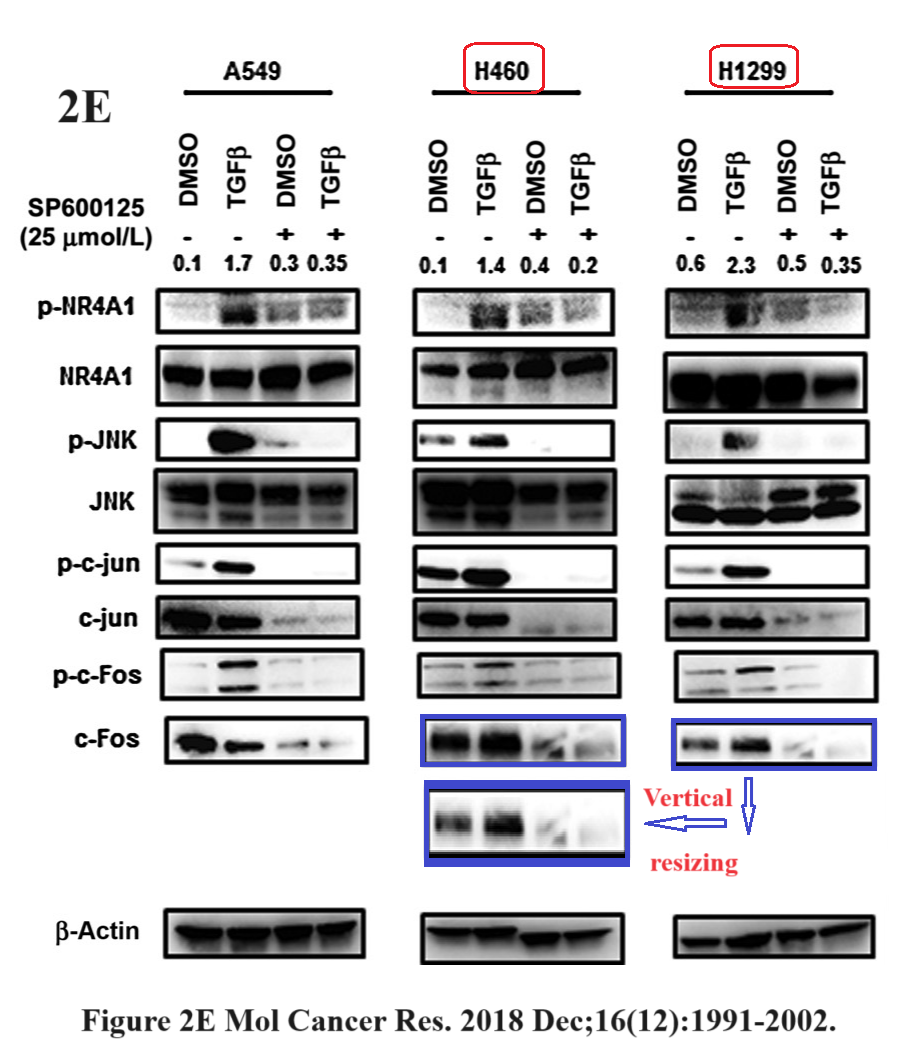
Erik Hedrick , Kumaravel Mohankumar , Stephen Safe TGFβ-Induced Lung Cancer Cell Migration Is NR4A1-Dependent Molecular Cancer Research (2018) doi: 10.1158/1541-7786.mcr-18-0366
Here, Safe found that inhibiting NR4A1 will cure for a soft-tissue cancer in children:
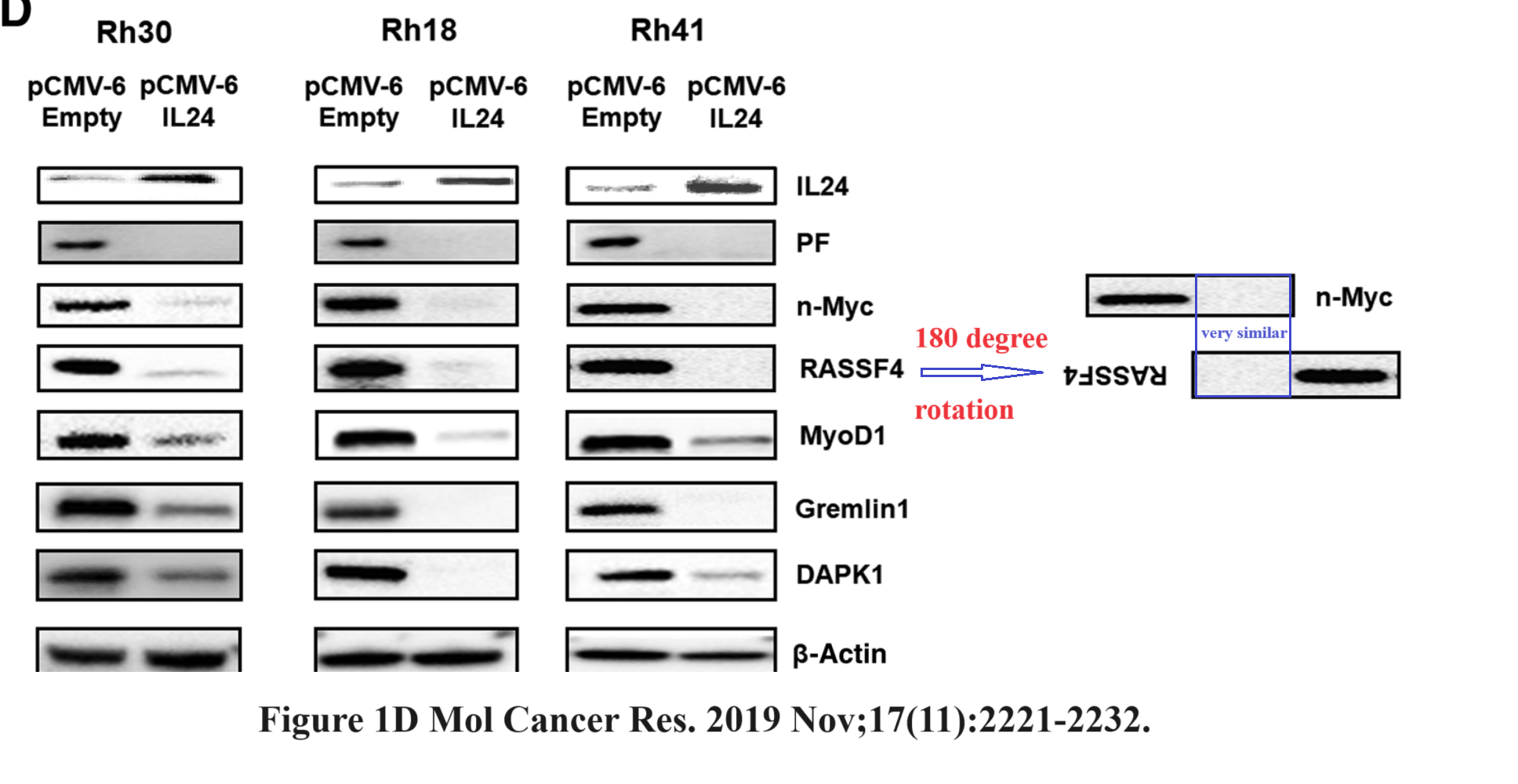
Erik Hedrick , Kumaravel Mohankumar , Alexandra Lacey , Stephen Safe Inhibition of NR4A1 Promotes ROS Accumulation and IL24-Dependent Growth Arrest in Rhabdomyosarcoma Molecular Cancer Research (2019) doi: 10.1158/1541-7786.mcr-19-0408
One can also directly use IL-24 for that, but the pseudonymous sleuth Claire Francis seems unconvinced:
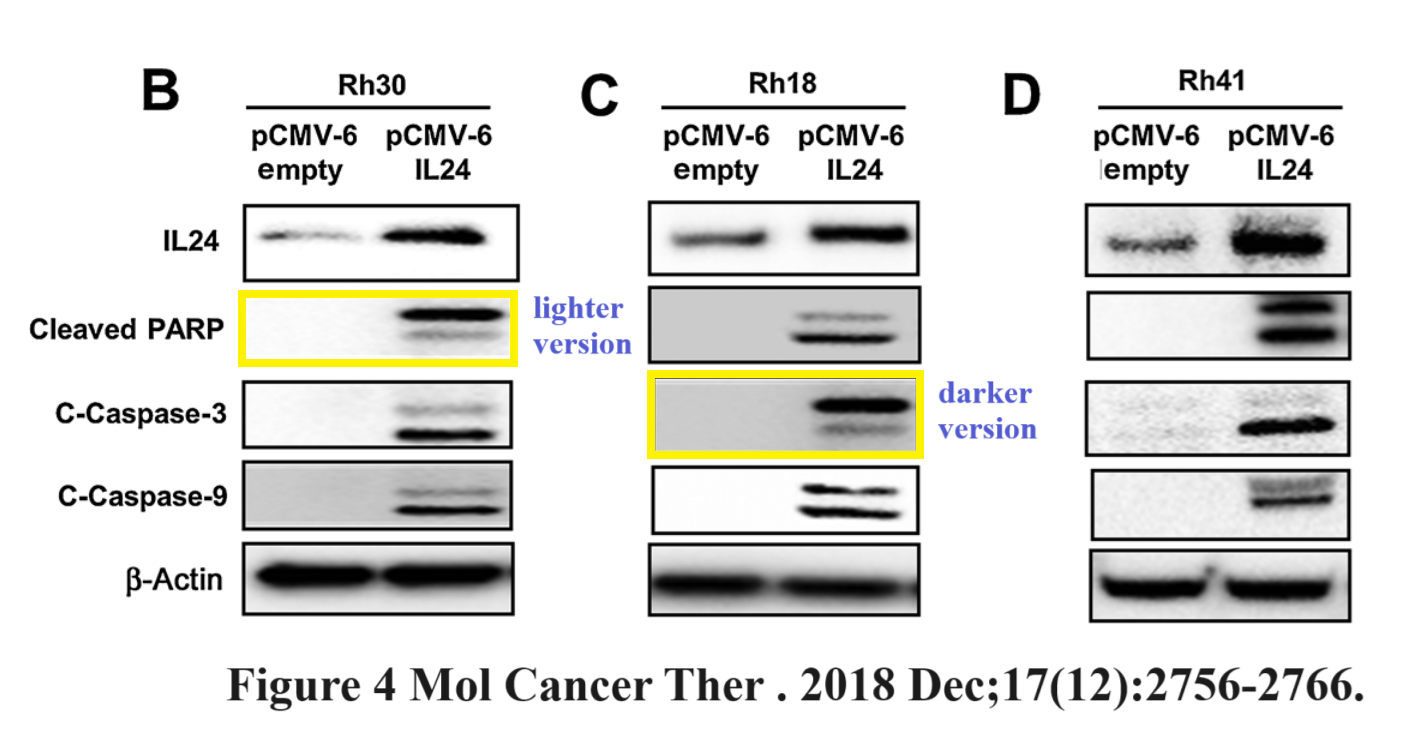
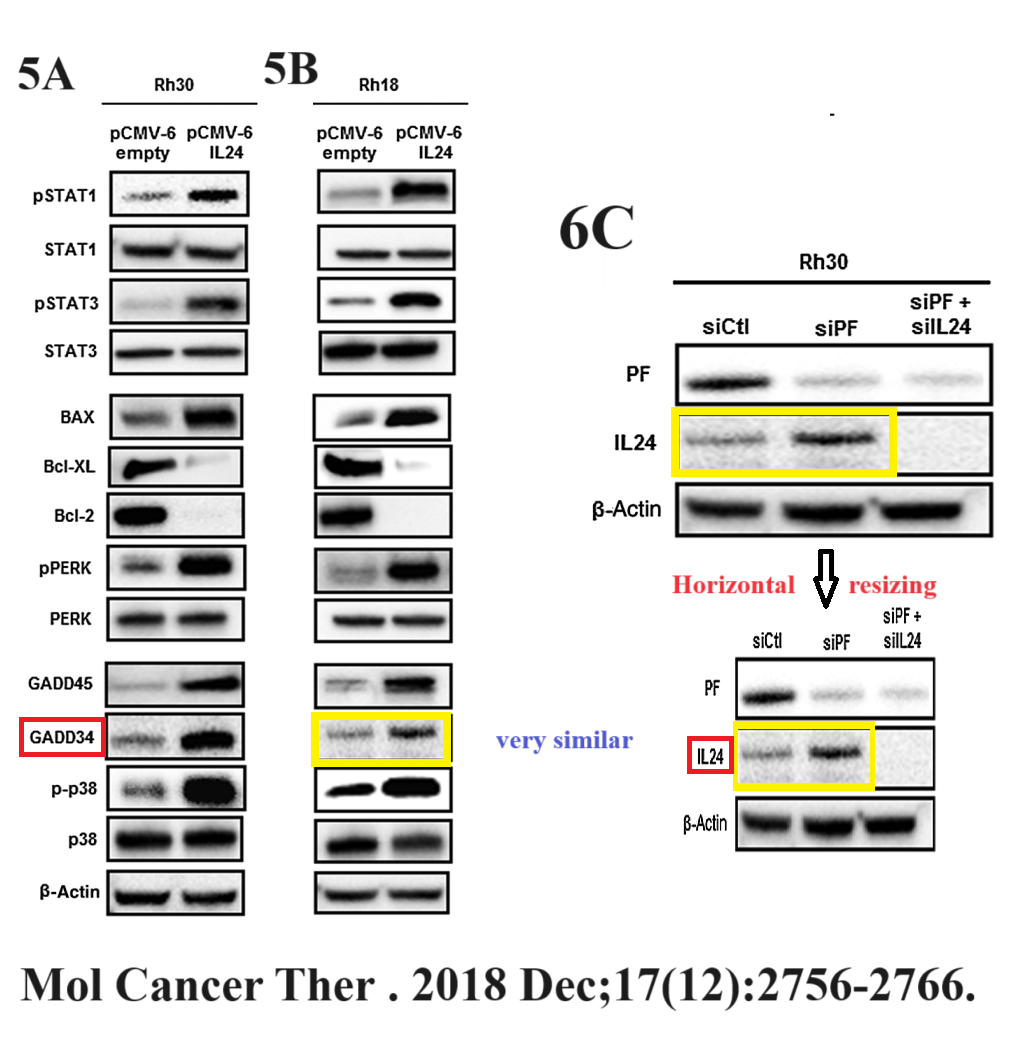
Alexandra Lacey , Erik Hedrick , Yating Cheng , Kumaravel Mohankumar , Melanie Warren , Stephen Safe Interleukin-24 (IL24) Is Suppressed by PAX3-FOXO1 and Is a Novel Therapy for Rhabdomyosarcoma Molecular Cancer Therapeutics (2018) doi: 10.1158/1535-7163.mct-18-0118
Turns out, this paediatric cancer can also be cured with licorice:
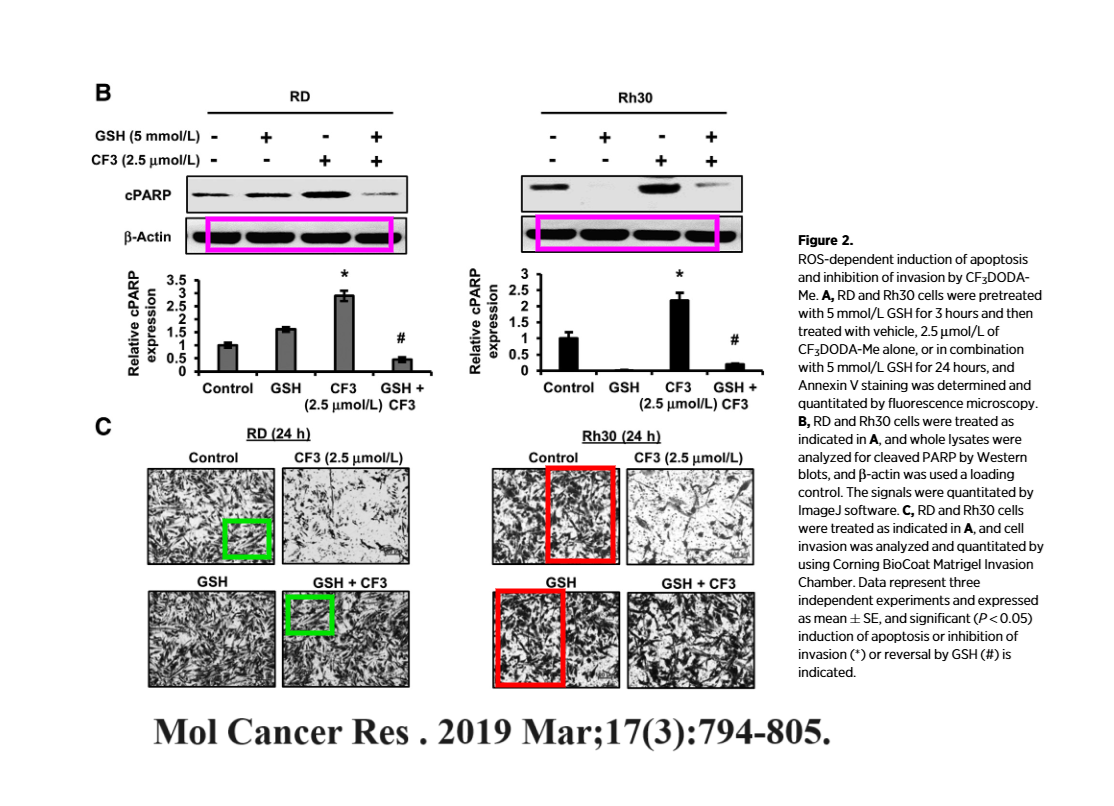
Ravi Kasiappan , Indira Jutooru , Kumaravel Mohankumar , Keshav Karki , Alexandra Lacey , Stephen Safe Reactive Oxygen Species (ROS)-Inducing Triterpenoid Inhibits Rhabdomyosarcoma Cell and Tumor Growth through Targeting Sp Transcription Factors Molecular Cancer Research (2019) doi: 10.1158/1541-7786.mcr-18-1071
Cancer can also be cured with cabbage:
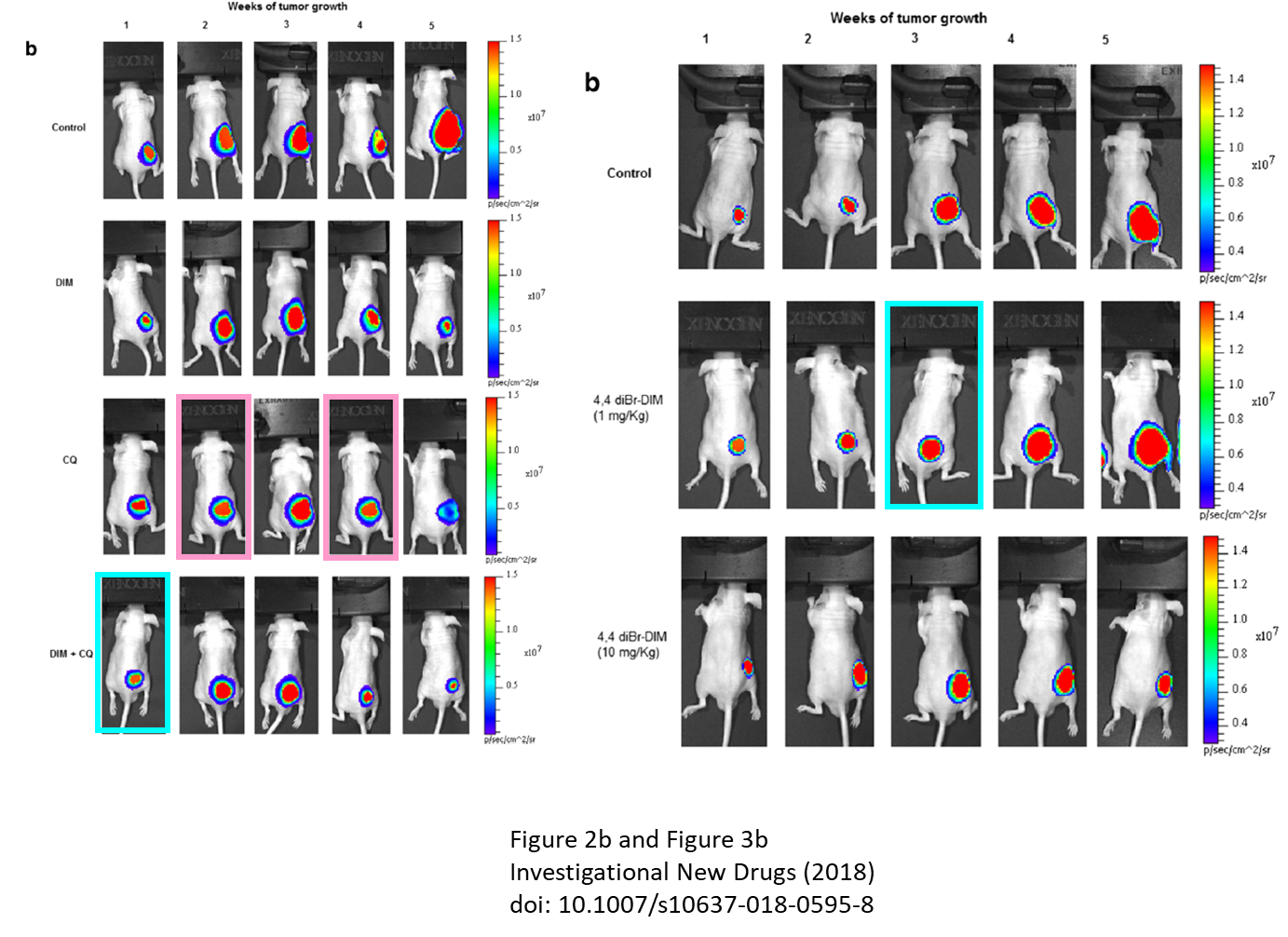
Hossam Draz , Alexander A. Goldberg , Emma S. Tomlinson Guns , Ladan Fazli , Stephen Safe , J. Thomas Sanderson Autophagy inhibition improves the chemotherapeutic efficacy of cruciferous vegetable-derived diindolymethane in a murine prostate cancer xenograft model Investigational New Drugs (2018) doi: 10.1007/s10637-018-0595-8
Here Safe proved that the diabetes drug metformin also cures cancer:
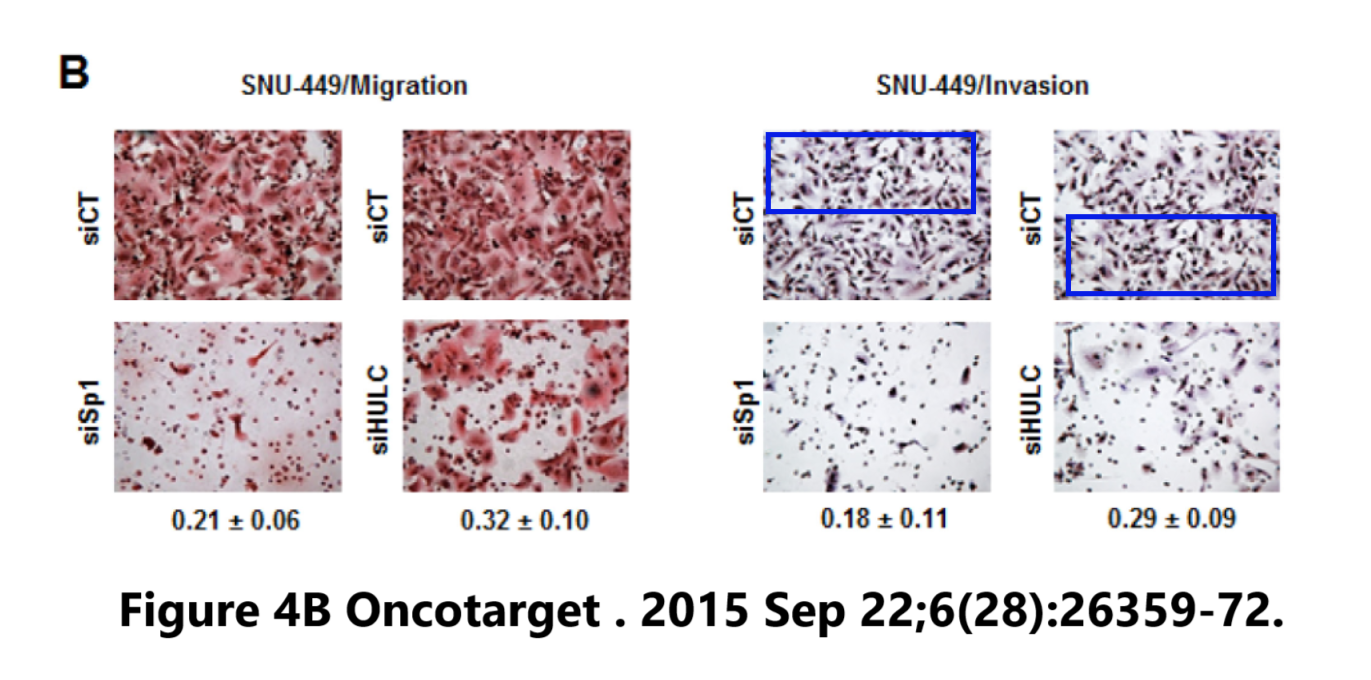
Shruti U. Gandhy , Parisa Imanirad , Un-Ho Jin , Vijayalekshmi Nair , Eric Hedrick , Yating Cheng , J. Christopher Corton , KyoungHyun Kim , Stephen Safe Specificity protein (Sp) transcription factors and metformin regulate expression of the long non-coding RNA HULC Oncotarget (2015) doi: 10.18632/oncotarget.4560
More rubbish research into non-coding RNAs, for which concerns were expressed:
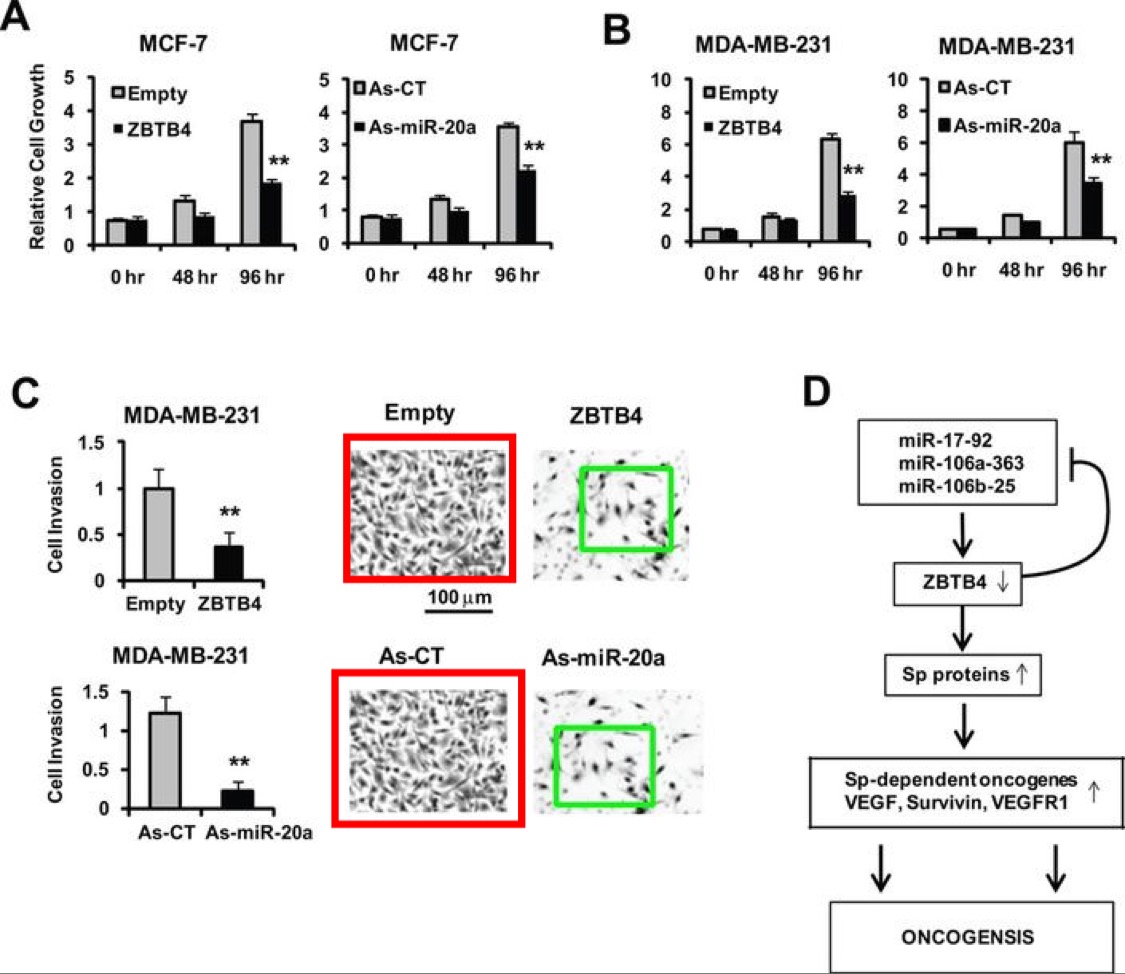
K Kim, G Chadalapaka , S-O Lee , D Yamada , X Sastre-Garau , P-A Defossez , Y-Y Park , J-S Lee , S Safe Identification of oncogenic microRNA-17-92/ZBTB4/specificity protein axis in breast cancer Oncogene (2012) doi: 10.1038/onc.2011.296
The Expression of Concern from 1 April 2025 informed:
“it was brought to the attention of the publisher that in figure 7C, Empty and As-CT panels appear to be duplicated, and ZBTB4 and As-miR-20a panels appear to be duplicated and rotated. The authors were unable to provide any of the original images for their article due to the passage of time.”
In April 2025, Safe assured on PubPeer that “The error occurred due to mishandling of digital image files“, and that “the conclusions reported in the article are not affected, as the authors have replicated the experiment and have confirmed that the quantitative results are consistent with the replicated data“. Then, in February 2026, more forgeries were found in that same paper:
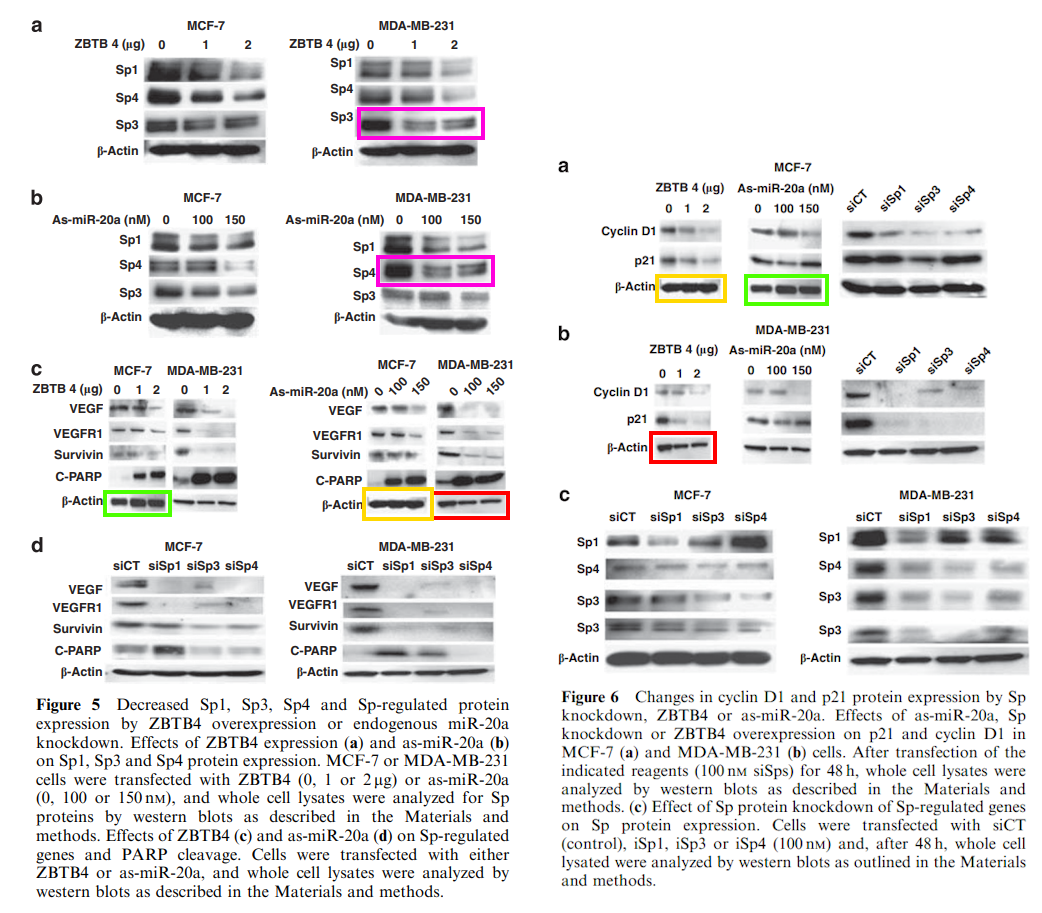
Safe remained silent. He was probably busy rejuvenating himself with coffee.
Elisabeth Bik was onto Safe’s unsafe science more than a decade ago. She reported these papers to the journals, and achieved corrections:
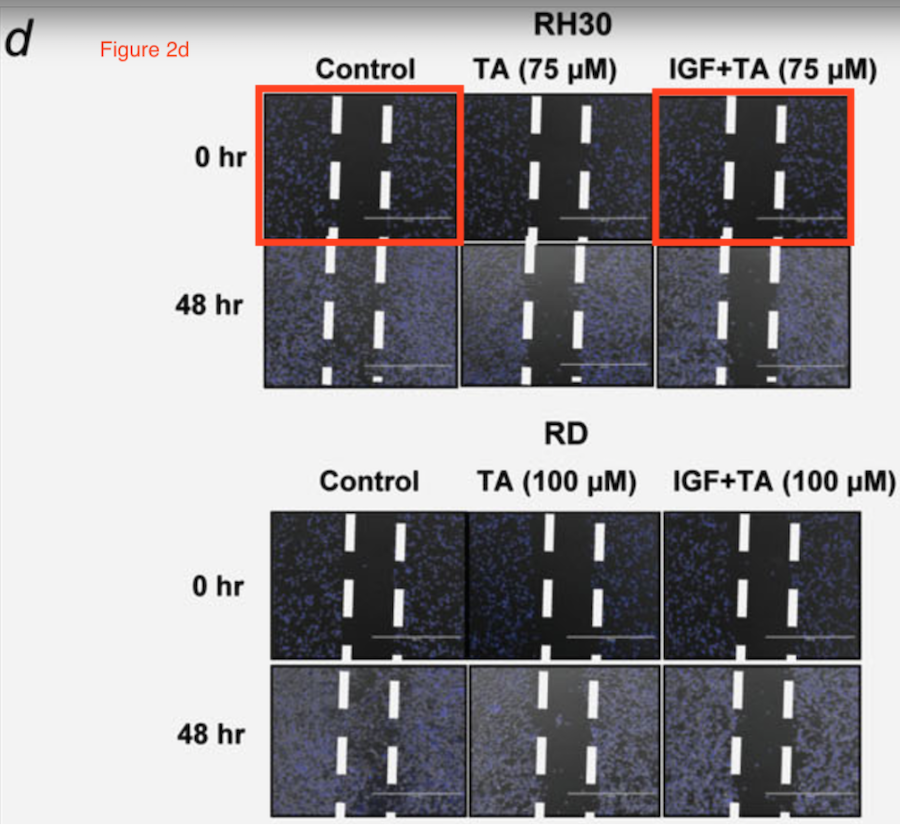
July 2015 Correction:”In Figure 2D the same images were inadvertently provided for the control and IGF + TA (0 time) experiments.”
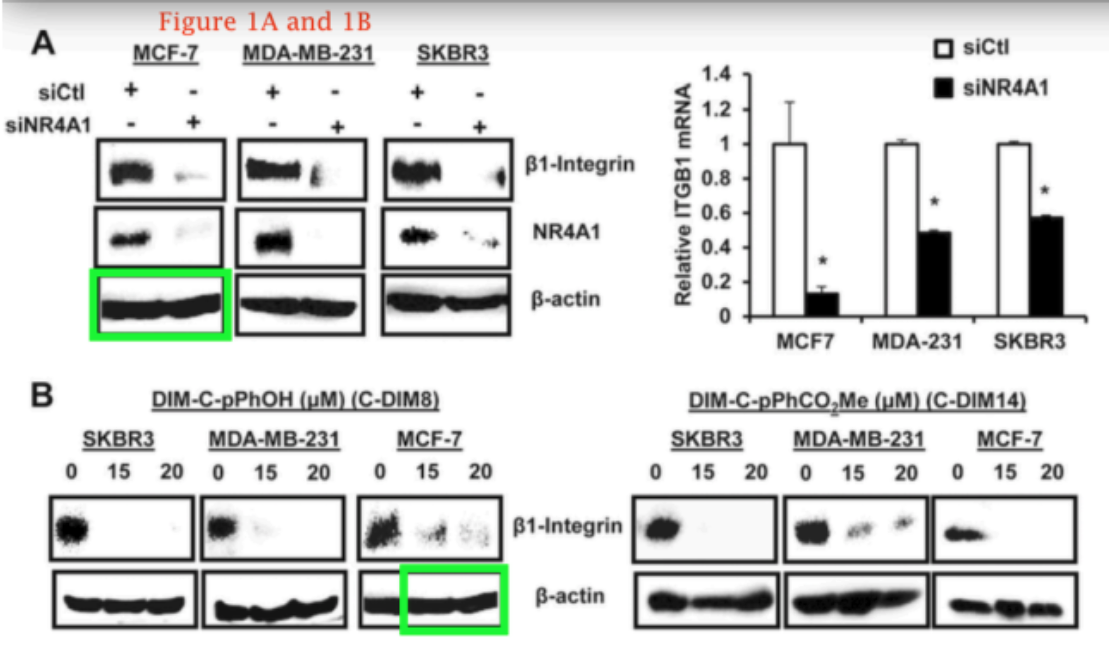
August 2017 Correction : “Fig. 2: The same lysates and β-actin bands from Fig. 1 were used in panels A and B, with the same problem.”
I was about to call it a red flag that Safe also coauthored bad papers with Frédéric Checler, James Abbruzzese, Gordon Mills, and with Michael Andreeff and Marina Konopleva, but actually, maybe it is rather a red flag for others to be seen publishing with Stephen Safe?
Donate!
If you are interested to support my work, you can leave here a small tip of $5. Or several of small tips, just increase the amount as you like (2x=€10; 5x=€25). Your generous patronage of my journalism will be most appreciated!
€5.00


While having my anti-aging, cancer curing coffee this popped up in my mailbox.
Science Breakthrough
https://www.cell.com/cell/abstract/S0092-8674(26)00330-2
Electromagnetic field-inducible in vivo gene switch for remote spatiotemporal control of gene expression
… remotely controlled EMF-inducible gene switch represents a versatile and effective biomedical platform.
Aging, Cancer, Alzheimers, Depression… just mutate your genes into EMF switches!
LikeLiked by 1 person
PubPeer plugin is very useful!
https://pubpeer.com/publications/532C545EFDED5238080C50A500A97A
LikeLike
Ah…yes… it’s missing on my smartphone.
LikeLike
Frequent Safe accomplice K. Kim is KyoungHyun Kim who eventually washed up (in every sense of the phrase) at the University of Arkansas for Medical Sciences.
https://medicine.uams.edu/pharmtox/faculty/primary-faculty/kyounghyun-kim/
Not surprisingly, Dr Kim is associated with additional publications containing possibly problematic data independently of Dr Safe.
https://pubpeer.com/search?q=KyoungHyun+Kim
LikeLiked by 2 people
The Maisano case is a disgrace for Switzerland, the Kanton of Zurich and University Hospital Zurich, famous for some of the earliest heart transplants in Europe in 1969. Interestingly, both patients from these early transplants died within weeks to months. This did not stop the hospital from celebrating the 50th anniversary with an article in 2020, co-authored by… Francesco Maisano.
https://doi.org/10.4414/smw.2020.20192
So many avoidable deaths due to greed, corruption and a god-complex. So much negligence and lack of oversight. This all made a bit of a storm in the Swiss media, but nowhere near what you would hope given the scale of the scandal. Appalling. As with academic misconduct by professors, the most disappointing for me is the almost complete lack of peers demanding full investigations, transparency and punishment. Also on the legal front, not much seems to be happening.
(full disclaimer, my children where born in this hospital without incident)
LikeLike
Now the REAL whistleblower speaks out:
https://www.watson.ch/schweiz/gesundheit/653875473-ex-usz-herzchirurg-und-klinikchef-maisano-weist-alle-vorwuerfe-zurueck
LikeLiked by 1 person
“Science Breakthroughs
Another one for Stephen Safe: PubPeer – Nuclear receptor 4A1 (NR4A1) as a drug target for treating r…
LikeLike