

Schneider Shorts of 1 May 2026 – important men reveal their conflicts, IEEE overrun by Indian papermills, obscure cheating in France, Italian scholars lose papers, an Elsevier editor needs recognition, and finally, how pig sperm cures blindness!
Table of Discontent
Science Elites
- Quiche Lorraine – obscure stuff by the obscure Mohamed Ouzzine
Scholarly Publishing
- Machines getting to know – Anna Abalkina et al study IEEE conferences
- Targeted harassment – Mikael Elias and Eric Chabriere reveal their COIs
Retraction Watchdogging
- An undisclosed relevant competing interest – Mariano Barbacid retracts his miracle cancer cure
- Upon further investigation, the Editor-in-Chief discovered – Elsevier editor deserves credit!
- Ethics concerns have been raised – Messina Fraud Squad loses another paper
- Indications of generative AI use – how Diego Iacono protects America
Science Breakthroughs
- Pig semen – cures blindness in China!
Science Elites
Quiche Lorraine
We haven’t done France for some time at For Better Science, have we? Thus, dear French readers, meet the research pair at University of Lorraine: Mohamed Ouzzine and Lydia Barré, the former used to be PhD thesis supervisor of the latter, but now they supervise student theses together. There are hardly any photos of them online and no media coverage about their research. At least Ouzzine has his tenure and nobody really cares what (if anything) he publishes, including himself.
The pseudonymous sleuth Claire Francis flagged some of their papers on PubPeer. For example, a rather recent study:
Mahdia Taieb , Dima Ghannoum , Lydia Barré, Mohamed Ouzzine Xylosyltransferase I mediates the synthesis of proteoglycans with long glycosaminoglycan chains and controls chondrocyte hypertrophy and collagen fibers organization of in the growth plate Cell Death & Disease (2023) doi: 10.1038/s41419-023-05875-0
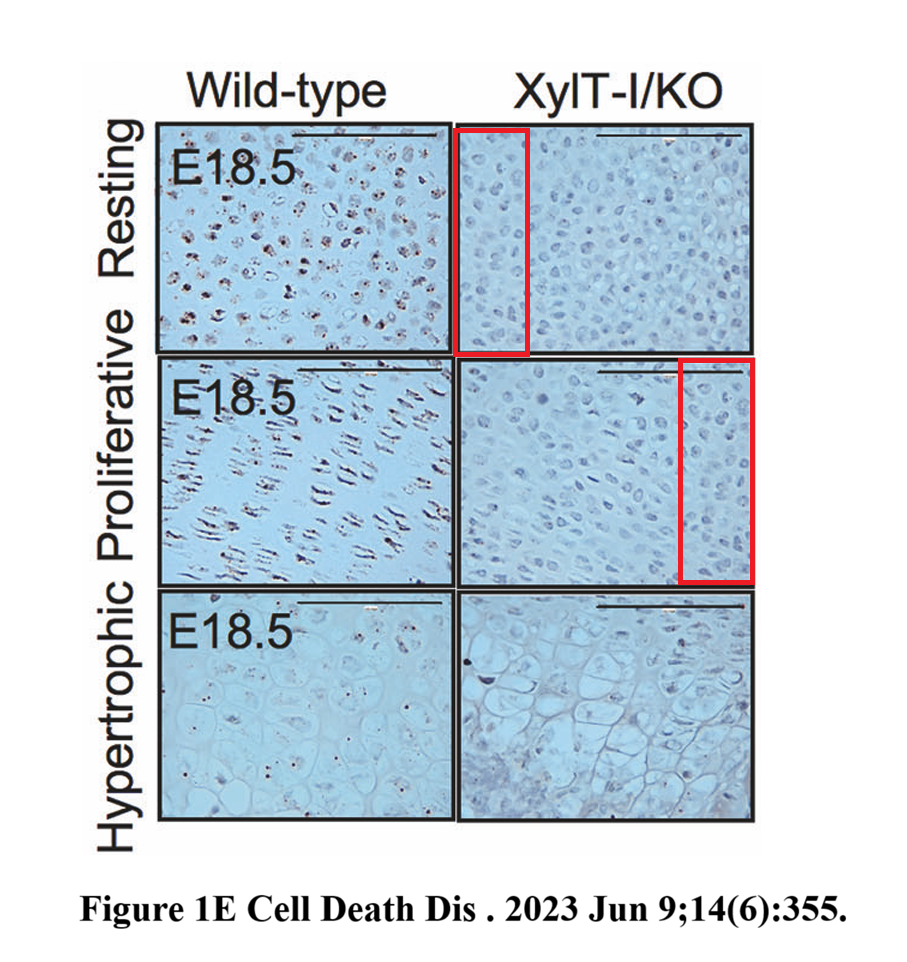
Fig 1E, unexpected overlap in red boxes
Neither Ouzzine nor Barre replied to my email inquiry, but Ouzzine commented on PubPeer, together with two anonymous commenters, to explain that the overlap was perfectly expected:
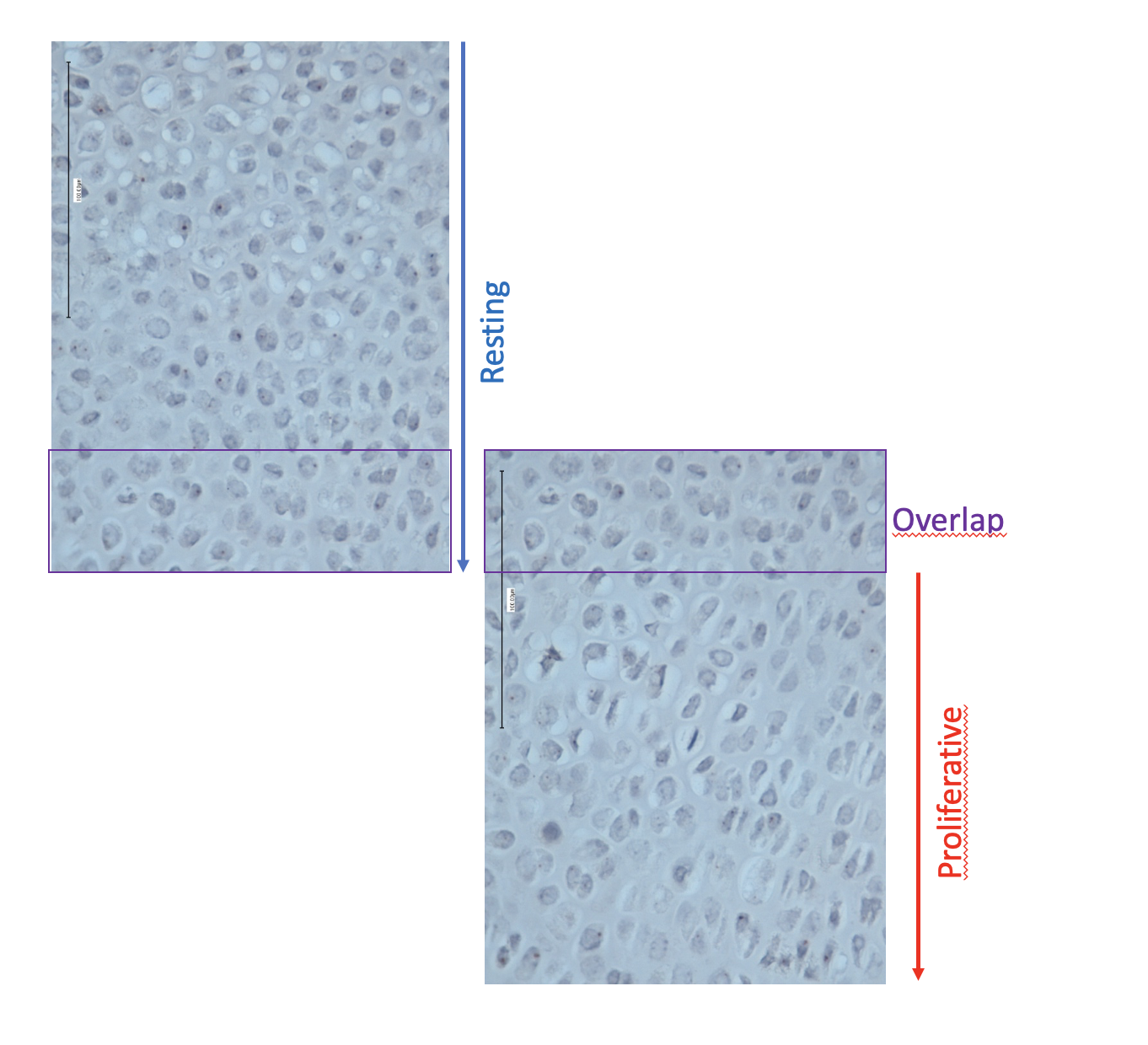
Mohamed Ouzzine: “Dear, The overlap in the Figure is correct giving that the two pictures represent resting and proliferative zones, respectively of the growth plate. These two zones are next to each other in the growth plate starting by resting and followed by proliferative. In the proliferative zone picture a part of resting zone was present (can’t be avoided).”
There are some problems with this explanation. First, how does Ouzinne know what zone he is looking at? According to him, both the resting and the proliferative zone are located inside one literally microscopically tiny area (~200μm wide) with a few cells in it, which all look morphologically rather similar (at least for the overlapping KO embryo, for the wild-type the proliferative zone cells look very different). And there are no molecular markers to determine which zone is which.
But maybe there is really nothing to criticise in Ouzzine’s and Barre’s papers?
Here is another rather recent paper, in the same journal, reusing in new context data published by Ouzzine and Barre before and after in other papers for other experiments:
Sajida Khan , Malak Sbeity , François Foulquier , Lydia Barré, Mohamed Ouzzine TMEM165 a new player in proteoglycan synthesis: loss of TMEM165 impairs elongation of chondroitin- and heparan-sulfate glycosaminoglycan chains of proteoglycans and triggers early chondrocyte differentiation and hypertrophy Cell Death & Disease (2021) doi: 10.1038/s41419-021-04458-1
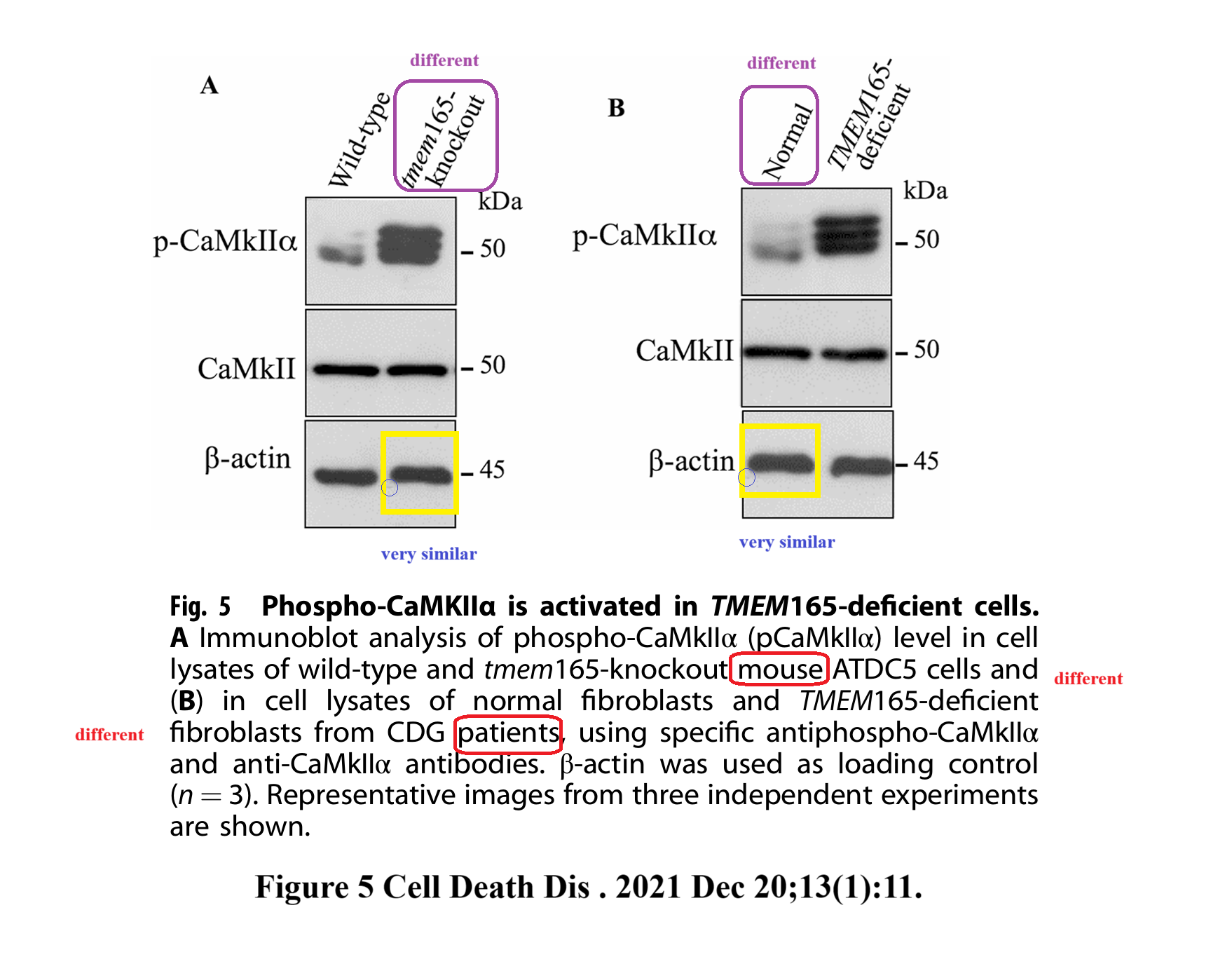
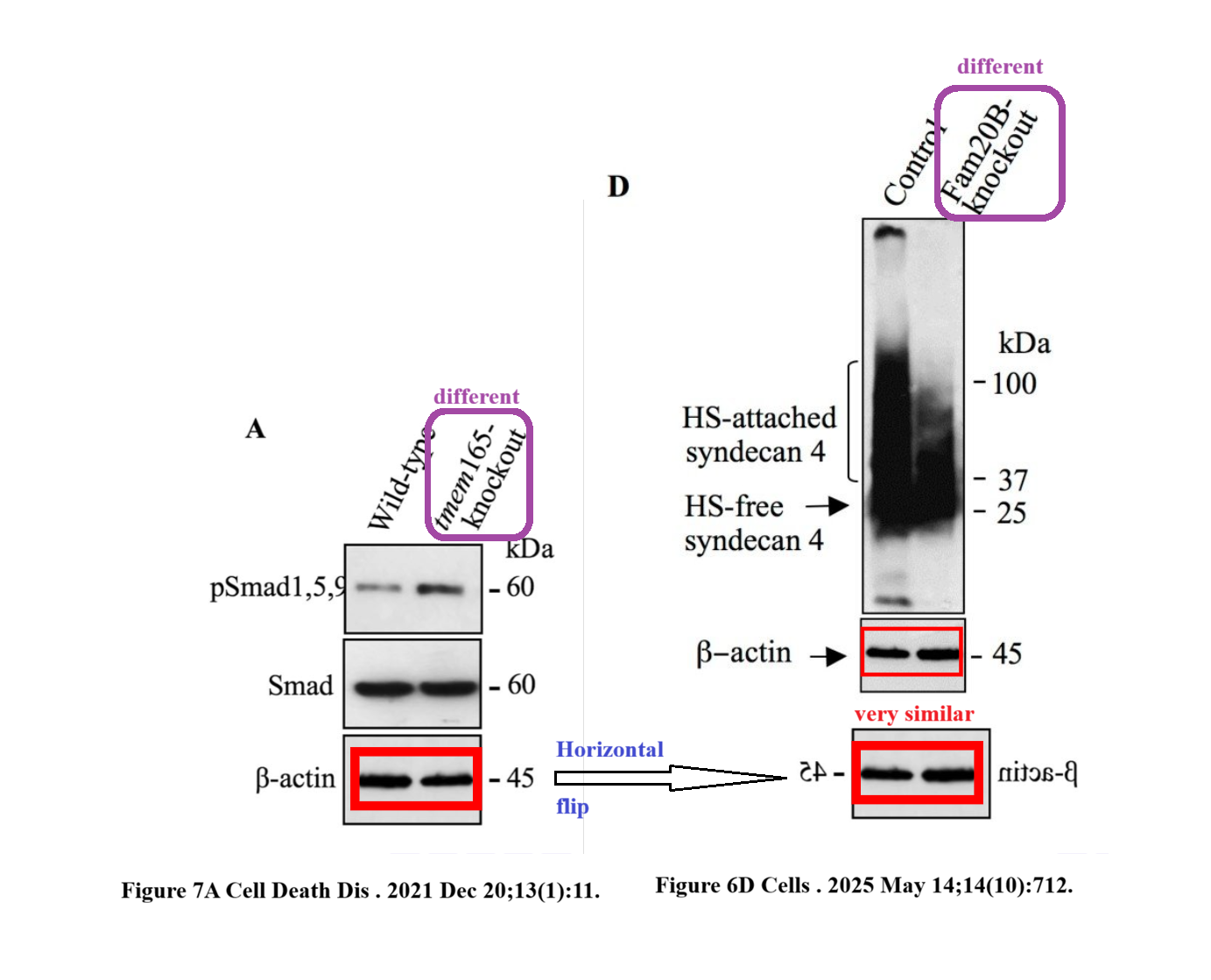
Lydia Barré, Irfan Shaukat , Mohamed Ouzzine FAM20B Gain-of-Function Blocks the Synthesis of Glycosaminoglycan Chains of Proteoglycans and Inhibits Proliferation and Migration of Glioblastoma Cells Cells (2025) doi: 10.3390/cells14100712
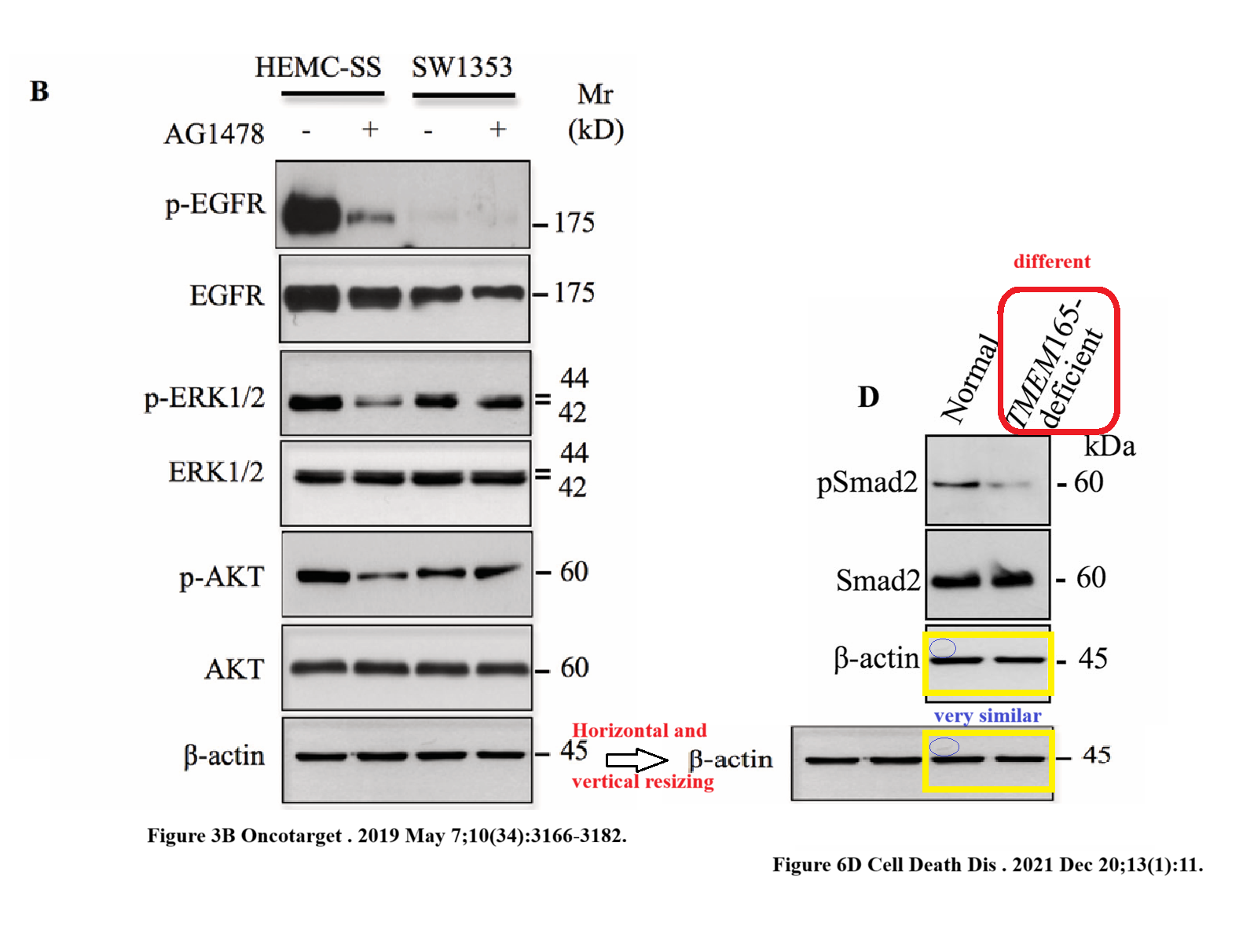
Jun Qin , Irfan Shaukat , Didier Mainard , Patrick Netter, Lydia Barré, Mohamed Ouzzine Constitutive activation of EGFR is associated with tumor progression and plays a prominent role in malignant phenotype of chondrosarcoma Oncotarget (2019) doi: 10.18632/oncotarget.26899
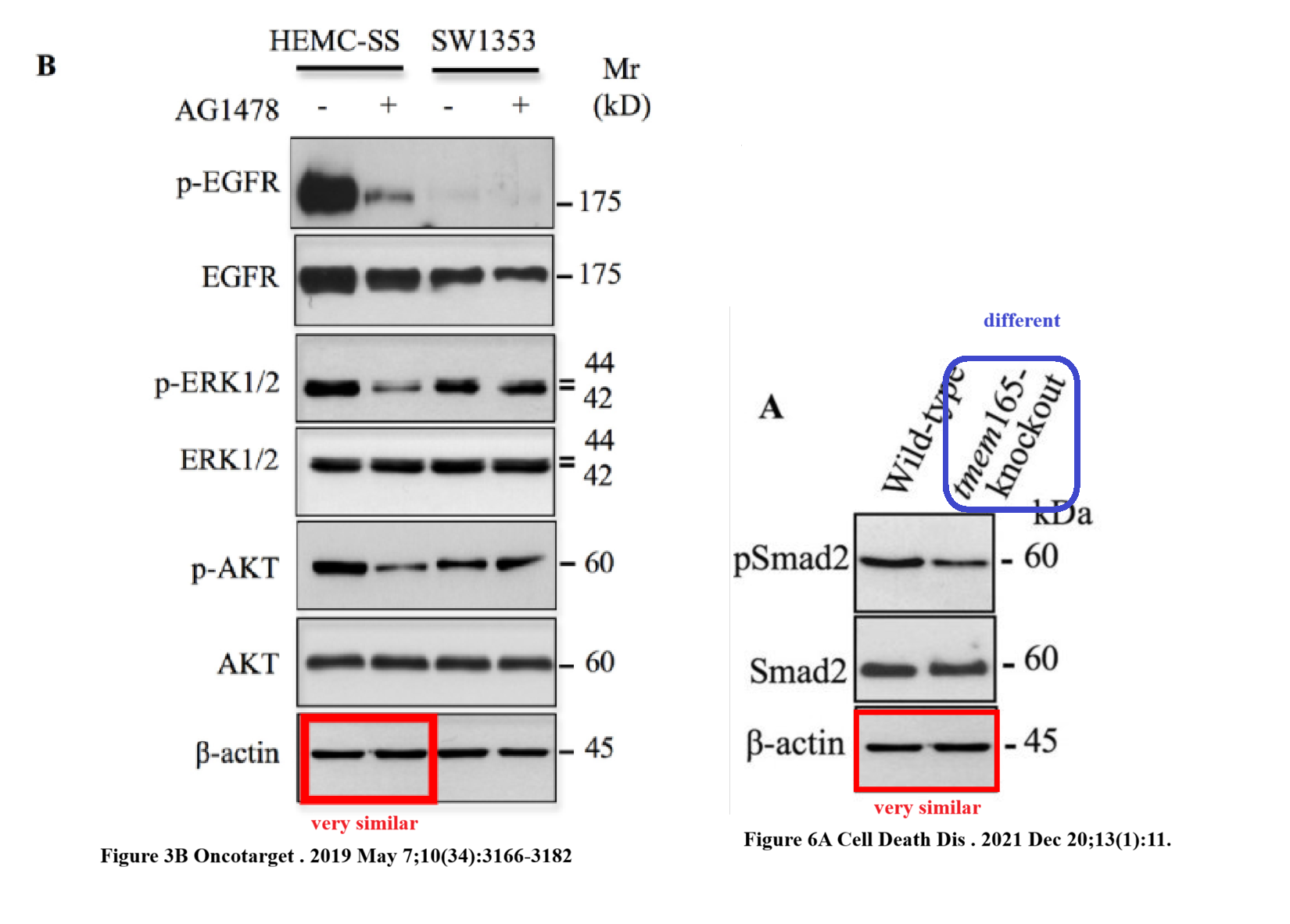
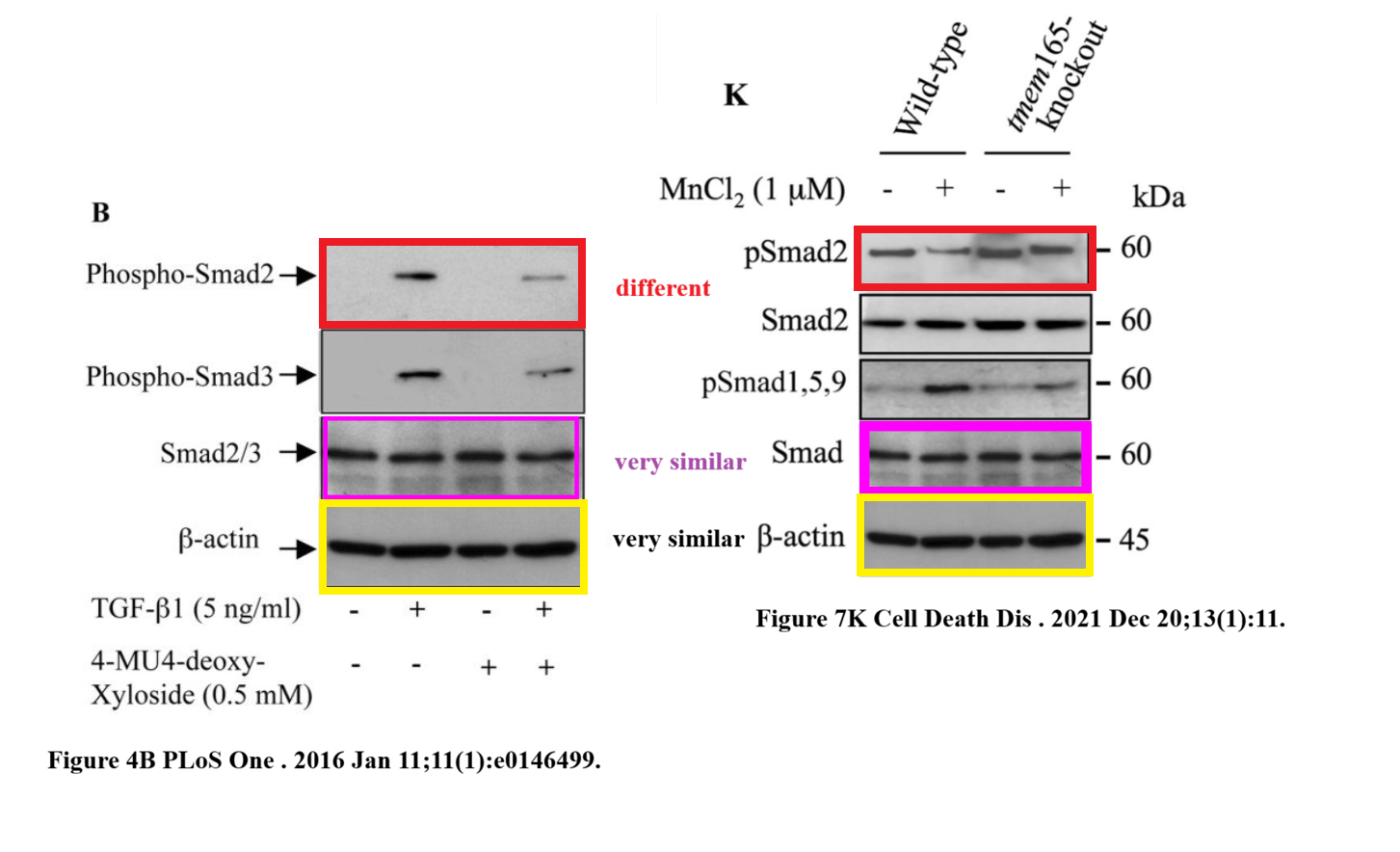
Irfan Shaukat , Lydia Barré, Narayanan Venkatesan , Dong Li , Jean-Claude Jaquinet , Sylvie Fournel-Gigleux , Mohamed Ouzzine Targeting of Proteoglycan Synthesis Pathway: A New Strategy to Counteract Excessive Matrix Proteoglycan Deposition and Transforming Growth Factor-β1-Induced Fibrotic Phenotype in Lung Fibroblasts PLOS One (2016) doi: 10.1371/journal.pone.0146499
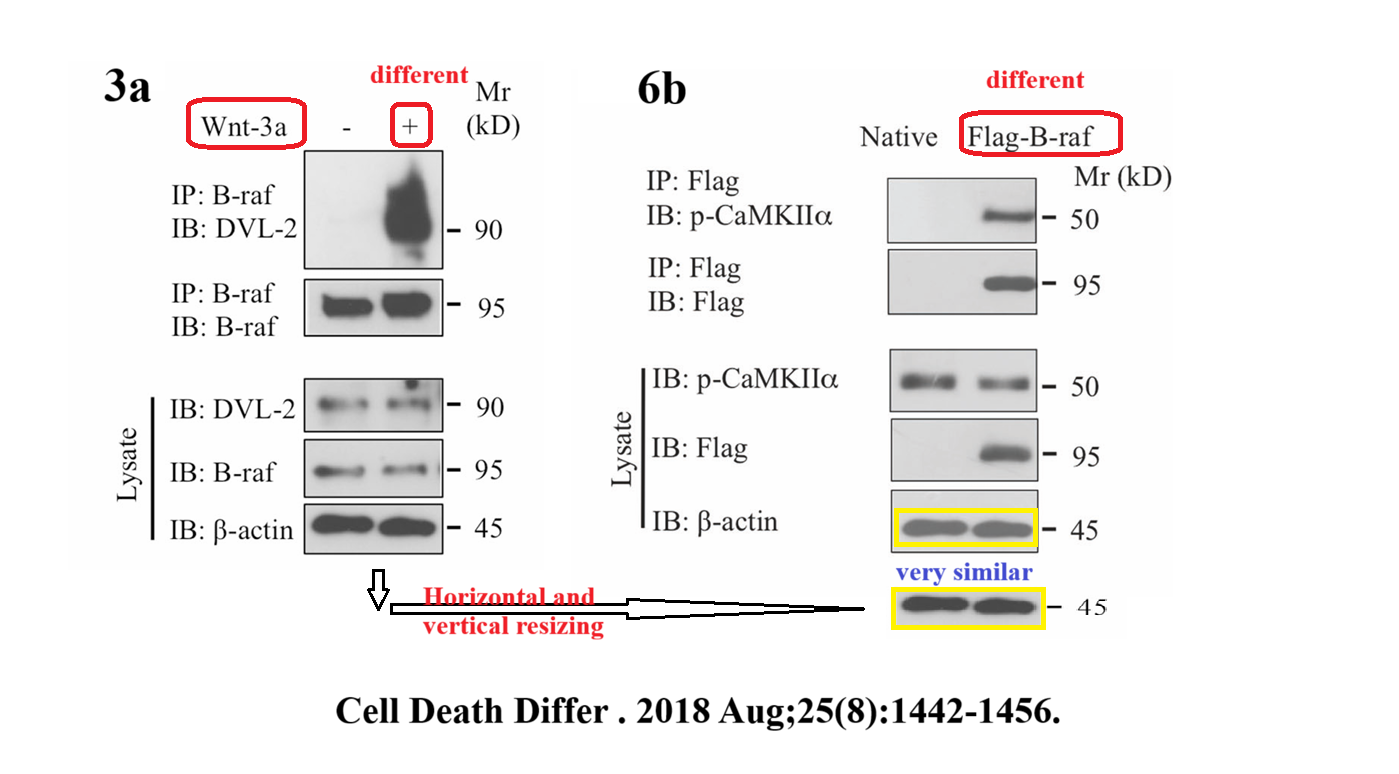
There, Ouzzine and other PubPeer commenters chose not to explain why these gel duplications were perfectly correct and expected. Another paper in the same journal, also no reply here:
Zhe Xie , Mostafa Khair , Irfan Shaukat , Patrick Netter , Didier Mainard , Lydia Barré, Mohamed Ouzzine Non-canonical Wnt induces chondrocyte de-differentiation through Frizzled 6 and DVL-2/B-raf/CaMKIIα/syndecan 4 axis Cell Death & Differentiation (2018) doi: 10.1038/s41418-017-0050-y
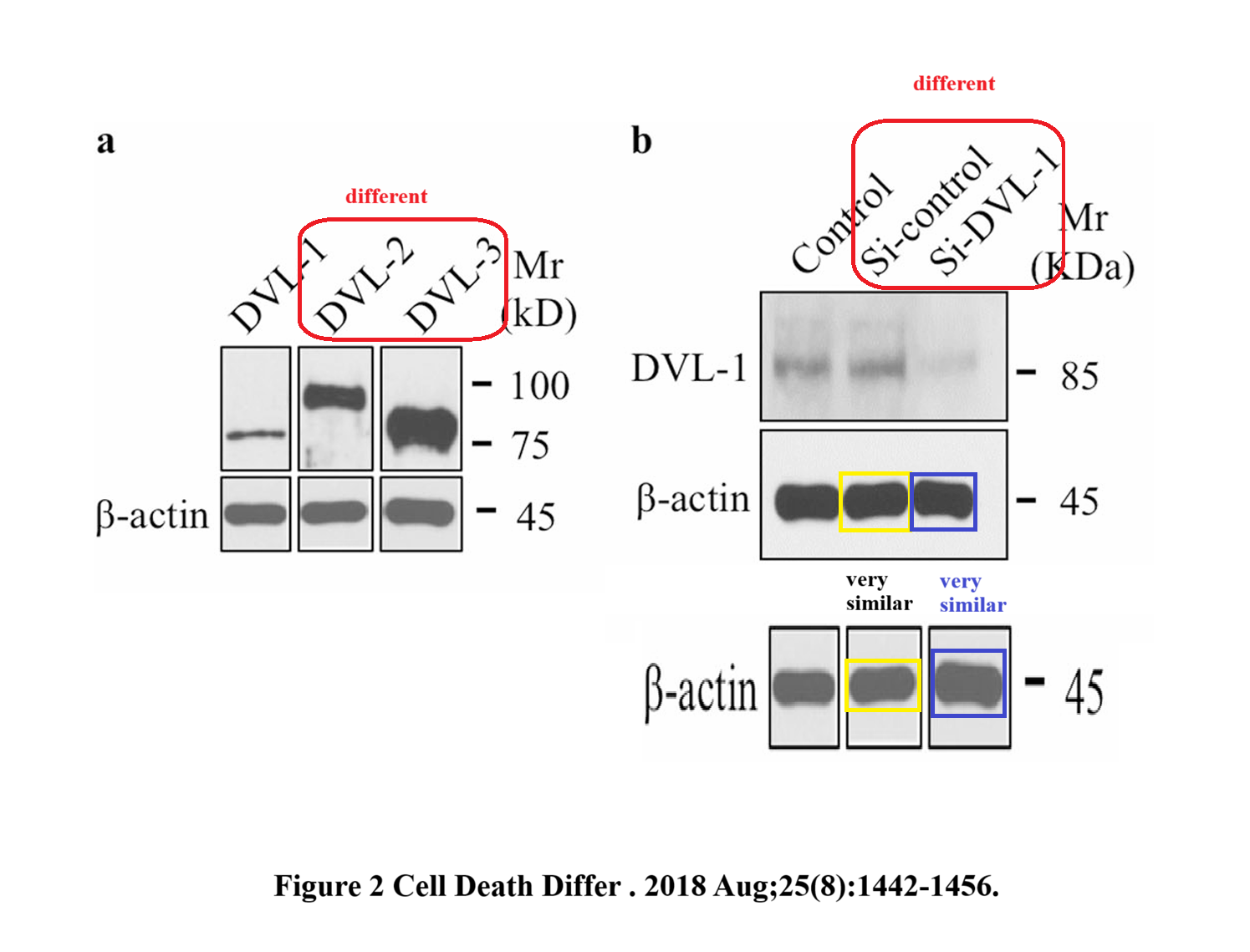
Returning to Barre’s PhD thesis, supervised by Ouzzine and defended in 2006, here is her examiner whom you already met above – Patrick Netter, at that time Dean of the Faculty of Medicine at University of Nancy (where Ouzzine previously worked), and later emeritus, Academy member and Commander of the National Order of Merit:
Dong Li , Sylvie Fournel-Gigleux , Lydia Barré, Guillermo Mulliert , Patrick Netter , Jacques Magdalou , Mohamed Ouzzine Identification of aspartic acid and histidine residues mediating the reaction mechanism and the substrate specificity of the human UDP-glucuronosyltransferases 1A Journal of Biological Chemistry (2007) doi: 10.1074/jbc.m703107200
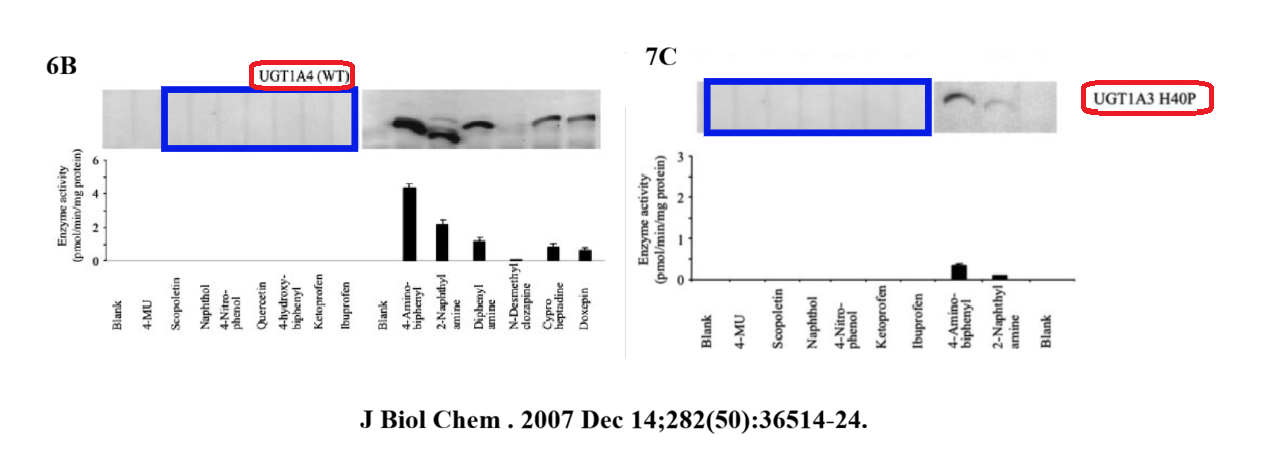
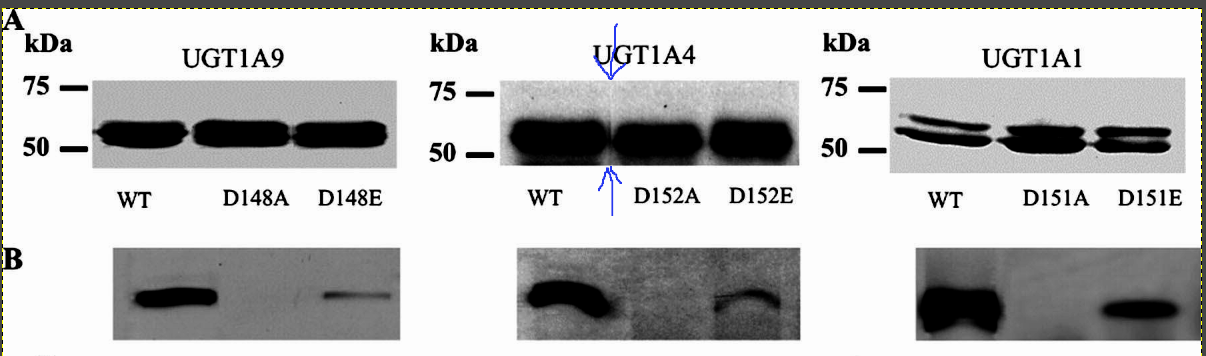
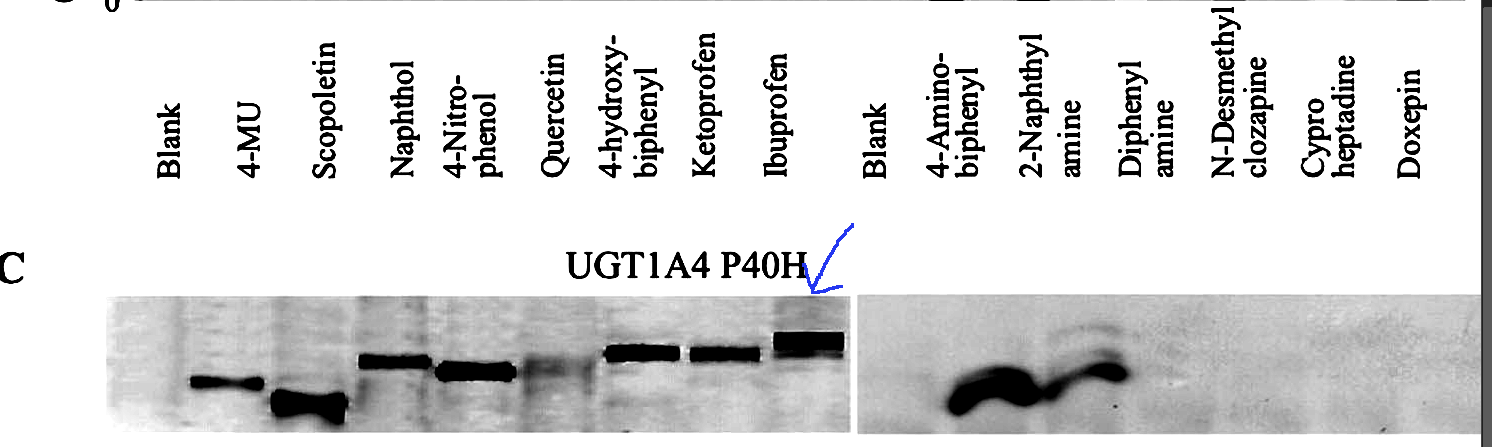
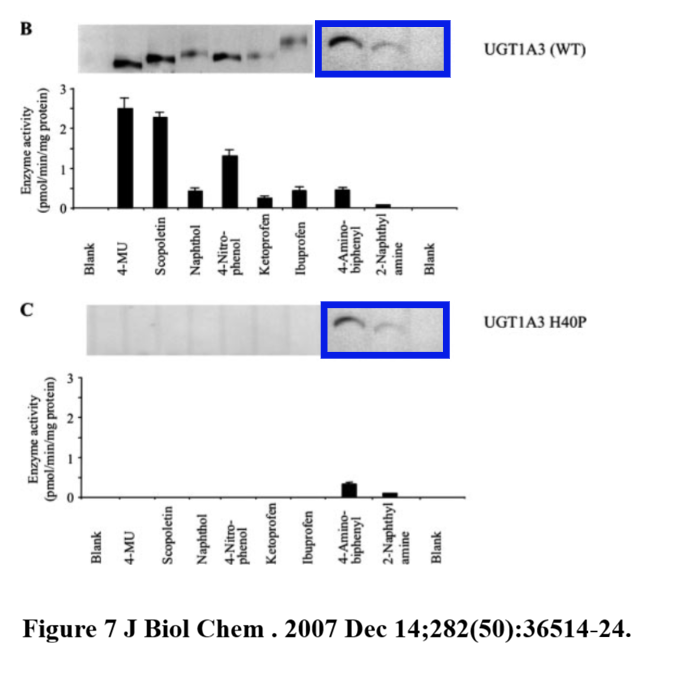
At least the duplications are clear, yet nobody felt the need to explain them.
In a crazy twist, two of above coauthors, the Nancy professor Jacques Magdalou (who has another bad paper with the same Zhe Xie, Xie et al 2018) and his mentee Sylvie Fournel-Gigleux, are collaborators of the French papermiller in Germany, Magali Cucchiarini, and her husband Henning Madry, both professors at Saarland University. Read about them here:
German Authorities on Papermills and Whistleblowing
“I am not familiar with Iranian papermills!” – Prof Dr med Henning Madry, Saarland University.

Scholarly Publishing
Machines getting to know
Four papermill sleuths led by Anna Abalkina published their analysis of conference abstracts, where they found 1800 papermill products serving as peer-reviewed conference proceedings papers.
Anna Abalkina. Marie Kunešová, Yagmur Ozturk, Solal Pirelli, Opening Pandora’s box: Paper mills in conference proceedings arXiv (2026) doi: 10.48550/arXiv.2604.22458
An excerpt from the press release:
“The authors collected more than 4,000 unique publication offers from more than 200 social media channels and matched them to published papers. The research focused mainly on authorship offers for papers published by the Institute of Electrical and Electronics Engineers (IEEE), one of the foremost scientific publishers in technical fields such as computer science and engineering. […]
The authors identified 1,720 papers in 286 lower-prestige IEEE conference proceedings, accounting for up to 23.51% of an individual conference. These problematic papers are
co-authored by more than 6,500 researchers from over 3,500 affiliations in 55 countries. The identified papers demonstrate collaboration anomalies, high diversity of affiliations per paper,
citation manipulation, a predominance of six-author papers, and content-based irregularities.
In addition to IEEE, 139 similar papers were identified in other conference proceedings published by Springer Nature, Taylor & Francis, and other publishers.”

Nobelists advertise for russian papermill?
“I never agreed to collaborate with this organization. END OF STORY!” – Sir J Fraser Stoddart “I do not know what your business is, and I find the email below highly offensive.” – Morten Meldal
The study was based in part on the dataset of papermills’ authorship-for-sale advertisements generated by Nick Wise, who now works as research integrity manager for the publisher Taylor & Francis, and privately posts these Telegram/Facebook advertisements on social media, for example on Bluesky.
Abalkina’s coauthors are Marie Kunešová of University of West Bohemia in Pilsen, Czechia, Yagmur Ozturk of University of Grenoble Alpes in France, and Solal Pirelli of EPFL, Switzerland. The latter was sued by some Shadi Aljawarneh from Jordan and sentenced for malicious slander in Swiss court over a blog post which criticised the excess citations Aljawarneh’s papers mysteriously garner (see reporting here and here, and PubPeer for examples).
The main papermillers are not named in the preprint of course, but their identities can be established with certainty from the associated Zenodo dataset and its file “IEEE-MatchesOnly.csv”, which contains the DOIs of all IEEE papers studied. The names can be easily extracted using papers’ metadata from Dimensions.ai and the code located in “Scripts/Dimensions/analyze_Dimensions_data.ipynb”.
These are these “scientists”, all from India, with links to their Dimensions profiles:
- Anurag Shrivastava (476 citations, 56 papers)
- Govindaraj Ramkumar (400 citations)
- Ankit Jain (273 citations)
- Bhagawati Prasad Joshi (263 citations)
- Akhilesh Singh (252 citations)
- Utkal Ranjan Muduli (242 citations)
- Ramgopal Kashyap (208 citations)
- Nagendra Kumar (208 citations)
- Ranjan Kumar Behera (192 citations)
- Bibhu Dash (177 citations)
- Rajesh Singh (38 papers)
- Ramakrishnan Raman (37 papers)
- Anita Gehlot (34 papers)
- Durgaprasad Gangodkar (32 papers)
- M. Kalyan Chakravarthi (29 papers)
- Bhasker Pant (28 papers)
- Siva Koteswara Rao Katta (23 papers)
- Kapil Joshi (20 papers)
- Devvret Verma (20 papers)
The biggest fish on this list, Anurag Shrivastava, affiliated with the Indian diploma mill “Saveetha Institute of Medical And Technical Sciences”, has over 30 papers on PubPeer, each thread with clear evidence of papermilling. For example, an IEEE conference paper:
Sohini Chowdhury , Rupali Gill , Hemant Singh Pokhariya , Anurag Shrivastava A Machine Learning Approach for Adversarial Attack Detection and Mitigation in Cybersecurity 2024 10th International Conference on Advanced Computing and Communication Systems (ICACCS) (2024) doi: 10.1109/icaccs60874.2024.10717164
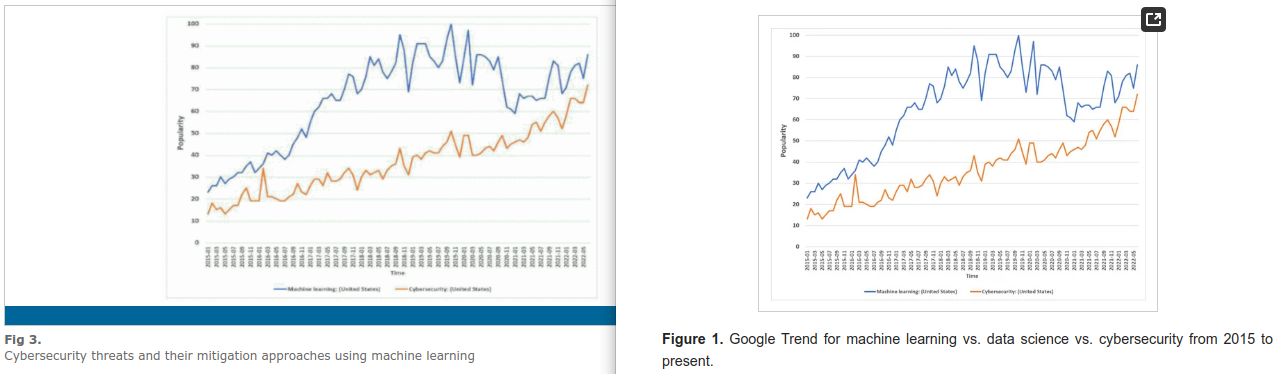
There are also plagiarism-caused tortured phrases like “counterfeit neural network”, “ill-disposed assaults” and “profound learning”. A similar example, where the PubPeer user Nerita vitiensis commented: “Every single figure in this IEEE conference paper has previously been published in one of four different works of unrelated authors and is reused here without attribution and sometimes out of context. This even includes graphs“.
Jhansi Bharathi Madavarapu , Ankita Nainwal , Ammar Hameed Shnain , Anurag Shrivastava , Kanchan Yadav , A L N Rao Federated Learning for Privacy-Preserving Medical Data Analytics in Big Data 2024 International Conference on Communication, Computer Sciences and Engineering (IC3SE) (2024) doi: 10.1109/ic3se62002.2024.10593028
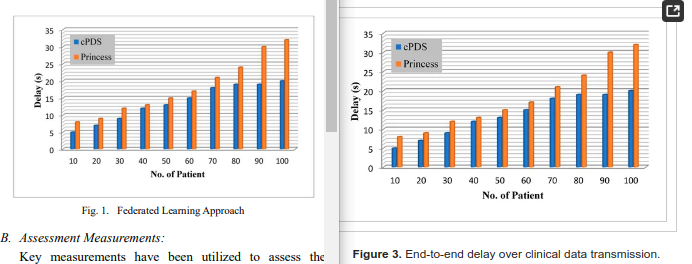
Nerita vitiensis : “Fig. 1 [left] was previously published by Dhiman et al., 2022 (https://doi.org/10.3390/su14052500) as Fig. 3 [right], where it represents “End-to-end delay over clinical data transmission”, not “Federated learning approach”.
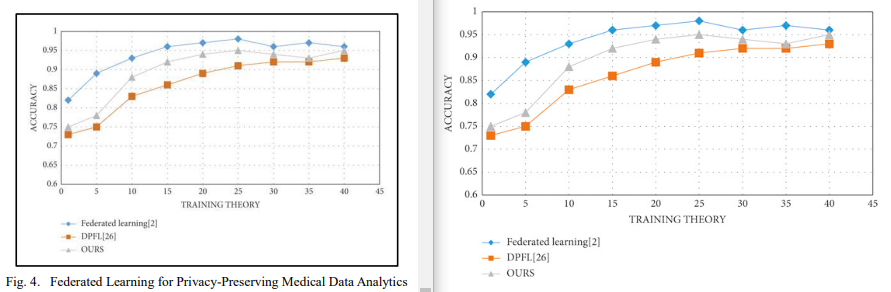
Fig. 3 was previously published by Asad et al., 2023 (https://doi.org/10.3390/app13106201) as Fig. 1
Fig. 4 [left] was previously published by Huang et al., 2022 (https://doi.org/10.1155/2022/9334943, now retracted) as Fig. 3 [right]”
Also, the references did not make any sense, except that they served to “over-emphasize the research output of coathor Anurag Shrivastava (at least 16 out of 37 references)“. And of course there are tortured phrases like “brilliant city”, “electronic well-being record”, “high-exactness” and “prescient precision”.
This IEEE contribution by Shrivastava also contained stolen text and figures, and of course also tortured phrases (guess what “gadget gaining knowledge” and “machines getting to know” mean!)
K. Senthilkumar , Roja Boina , Shalini Singh , Yogendra Kumar , A. Kakoli Rao , Anurag Shrivastava Smart Electricity System Enabled By AI 2023 1st International Conference on Circuits, Power and Intelligent Systems (CCPIS) (2023) doi: 10.1109/ccpis59145.2023.10291870
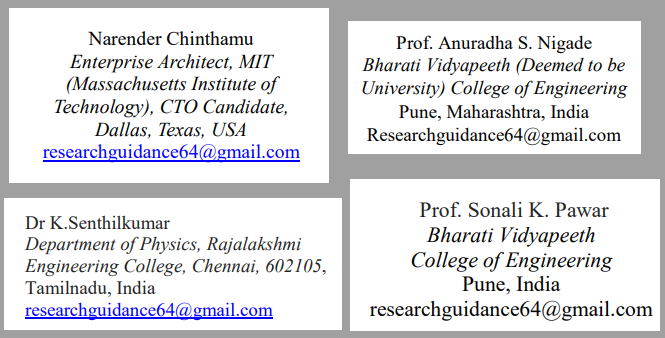
researchguidance64@gmail.com, has recently also been used by three other individuals from two different institutions.”What do you think, will IEEE retract all these 1800 papers? Or just a small number of them, maybe five or ten, just to show that they very much take things very seriously and have zero tolerance for papermill fraud, and have signed up COPE/United2Act/Cats4Veganism etc, but without endangering their conference business?
By the way, Abalkina just coauthored another preprint, with Reese Richardson:
Reese AK Richardson, Spencer S Hong, Anna Abalkina BuyTheBy: A dataset of 18,710 text-based paper mill advertisements with 51,812 timestamped prices arXiv (2026) doi: 10.48550/arXiv.2604.24576
Nature has celebrated it days before publication, already on 24 April 2026:
“Researchers have amassed a data set of thousands of advertisements selling research-paper authorships online, shedding light on the global marketplace for academic fraud.
The collection — the largest of its kind — contains more than 18,700 adverts that were posted between March 2020 and early April 2026 by seven paper mills […]
Richardson and his colleagues archived 2,311 advertisements that were posted on the messaging app Telegram by three paper mills that seem to be based in India, Iraq and Uzbekistan. The team also identified 16,399 advertisements from the websites of four businesses thought to operate from Russia, Latvia, Kazakhstan and Ukraine.”
As I learned, this dataset of papermill advertisement was (possibly entirely) generated again by Nick Wise, who gets mentioned in Acknowledgements (“We thank Nick Wise for providing data and feedback for this project“). It is not the first time Richardson ends up being publicly credited with other people’s datasets, read August 2025 Shorts.
Targeted harassment
Two victims of Elisabeth Bik’s “harassment” had to issue a correction admitting their Conflicts of Interests. The two men are: Eric Chabriere, professor at IHU Marseille and Aix-Marseille University in France, infamous as Didier Raoult‘s attack dog, a social media troll and antisemite who harassed and threatened violence to Raoult’s critics, the other one is Chabriere’s former mentee, Mikael Elias. now professor at University of Minnesota in USA.

France’s Ugly Brown Derriere
“legions d’honneurs, prix, promotion…. Le champ du cygne de ce système politico médical qui n’a plus le choix que de se soutenir mutuellement. Patience, en d’autre temps, on a donné des médailles aux derniers combatants. On connait la fin” – Capitaine Eric Chabriere.
Bik flagged this paper in April 2021, for omitted conflicts of interest (COI). Chabriere and Elias chose not to declare the biotech company Gene&GreenTK which they themselves founded and whose business is very relevant to this study:
Pauline Jacquet , David Daudé , Janek Bzdrenga , Patrick Masson , Mikael Elias, Eric Chabrière Current and emerging strategies for organophosphate decontamination: special focus on hyperstable enzymes Environmental Science and Pollution Research (2016) doi: 10.1007/s11356-016-6143-1
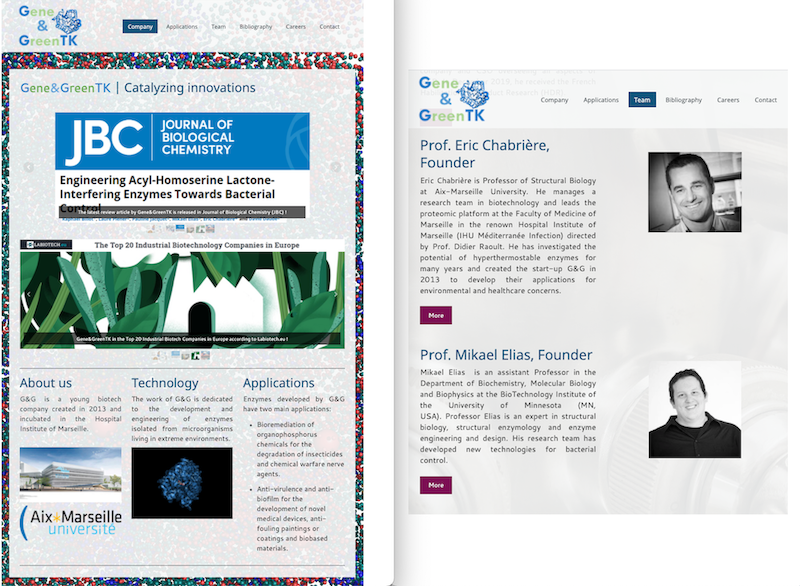
The company’s expertise appears very relevant to the enzyme described in the paper.”
Elias used to be this company’s CEO until 2023, now it is David Daudé. Actually also Pauline Jacquet is an employee of Gene&GreenTK (according to her LinkedIn profile, since 2014). Right away, Elias replied:
“Dear Dr. Bik,
Your harassment on pubpeer on our research articles, as evidenced by your last statement […] does not honor you.“
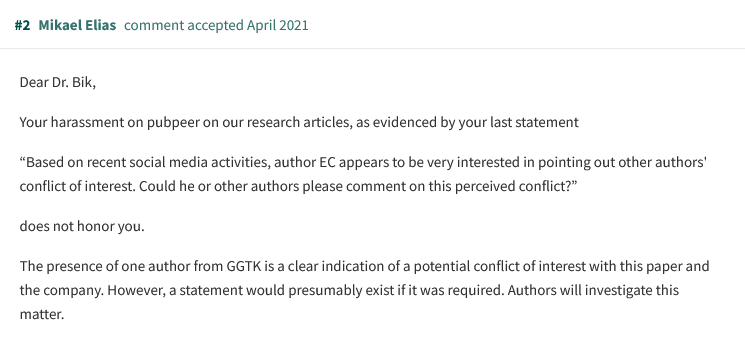
Elias posted similar or identical replies on other papers of his with Chabriere which Bik flagged for omitted COI regarding their company or patents: Hraiech et al 2014 (“The authors have declared that no competing interests exist“), Bzdrenga et al 2017, Bergonzi et al 2017, Bergonzi et al 2018 (“The authors declare no competing interests“), for Bzdrenga et al 2014 (“The authors declare that they have no competing interests“) and Hiblot et al 2015 (“The authors declare no competing financial interests“, Elias spoke even of Bik’s “targeted harassment“:
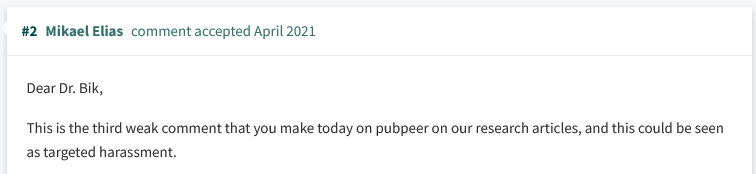
Elias was more polite in case of Cherrier et al 2011 and Hiblot et al 2012 (both stating:”The authors declare no competing interests“), but also there he saw no need for a correction.
As Bik later pointed out, these papers were proudly advertised for on the website of Gene&GreenTK, yet Elias kept insisting that it still would not prove an existence of COI: “Only paper content matters“.
Environmental Pseudoscience and Polluted Research
“We are living in a faked world and there is a lot of un-verified avatars. “, Philippe Garrigues, EiC

Elias’s and Chabriere’s bad luck was that the Springer Nature journal Environmental Science and Pollution Research was overrun by papermills and now undergoes spring cleaning, the publisher seems to go through the PubPeer posts. Jacquet et al 2016 is their only paper to receive a Correction, and only now, 5 years later, on 9 April 2026:
“Following publication of this article, the authors would like to add a Conflict of Interest disclosure statement that was missing from the published papers as follows:
David Daudé is a shareholder and CEO of Gene&GreenTK.
Eric Chabrière is a shareholder and a co-founder of Gene&GreenTK.
Pauline Jacquet, David Daudé and Eric Chabrière report receiving personal fees from Gene&GreenTK during the study.
Mikael Elias, David Daudé and Eric Chabrière have filed the patents FR3068989, FR3093894, FR3132715.
Mikael Elias is a co-founder, a former CEO and an equity holder of Gene&GreenTK, a company that holds the license to WO2014167140, FR3068989, FR3093894, FR3132715.
Mikael Elias’s interests with Gene&GreenTK have been reviewed and managed by the University of Minnesota in accordance with its Conflict-of-Interest policies.
The remaining authors declare that the research was conducted in the absence of any commercial or financial relationships that could be construed as a potential conflict of interest.”
However, the correction did not address another issue Bik flagged after a hint from a follower. Jacquet et al 2016 is actually an unacknowledged version of this French language paper published by Chabriere, Elias and Daude almost in parallel, where, as Bik noticed, “one author was added, and two authors were lost in translation“.
L. Poirier , P. Jacquet , M. Elias , D. Daudé, E. Chabrière La décontamination des organophosphorés : vers de nouvelles alternatives Annales Pharmaceutiques Françaises (2017) doi: 10.1016/j.pharma.2017.01.004
In February 2022, Elias explained on PubPeer that “this was discussed in may 2021 with a U science integrity specialist” and nothing improper was found.
2021 was the COVID-19 pandemic time, Chabriere was busy proselytising hydroxychloroquine and ivermectin while calling Raoult’s critics “vermin” which needs to be exterminated. One of his victims of trolling and harassment was Raoult’s own daughter (from first marriage), Magali Carcopino, a court in Marseille then dismissed the case and sentenced her to paying compensation to Chabriere (yes, you read right). Mentioned here:
Liberté, Égalité, Fraternité – only for Raoult and French elites
“Didier Raoult, the IHU institute, and Eric Chabrière all decided to sue Leonid Schneider for defamation and insults, which they claim to be present in this article. They also sued me, because I translated it into French and put it on my blog ” – Alexander Samuel
Back in spring 2021, Bik also flagged this paper coauthored by Elias and Chabriere, done at the Temple University in USA, the authors include the problematic Kamel Khalili:
Nune Darbinian, Marta Czernik, Armine Darbinyan, Mikael Elias, Eric Chabriere, Surekha Bonasu , Kamel Khalili, Shohreh Amini Evidence for phosphatase activity of p27SJ and its impact on the cell cycle Journal of Cellular Biochemistry (2009) doi: 10.1002/jcb.22135

Red boxes: The 32h panels of the -Dox and +Dox group appear to look unexpectedly similar. Yet, the cell cycle percentages are different.
The 0h panels also appear to look identical, with identical percentages, but that could mean Dox was added immediately after the measurement – although the experiment was done in duplicate so another panel might have been available.”
Elias could have stayed silent. He could have apologised for an accidental duplication. Instead, he went on the attack, both on Twitter and on PubPeer. He accused Bik of haven’t had “read / understood the paper“, and educated her that “extremely close graphs are expected and consistent with how close cell distributions are” and anyway, “graphs do not appear identical when zoomed” and raw data might be unavailable because of “the age of the paper, past lab moving and the COVID situation“. The first author from Temple University, Nune Darbinian, confirmed those assessments. Yet eventually Elias conceded that the plots look identical, and blamed “the operator, or instrument issue” at the “cell sorting facility” to which this experiment “was outsourced to“. In a matter of days or even hours, the correct FACS files were found.
That was in May 2021. On 3 August 2021, Elias and his coauthors published a Correction which mentioned that “Figure 4, its legend and the corresponding text had errors“. The authors chose not to tell what these errors were or what exactly they did to the figure. As Bik noted, they corrected “the duplication in the 32h panels from Figure 4C simply by removing the duplicated panels. Very creative!“. They also adjusted the text to remove any references to the 32h time point.
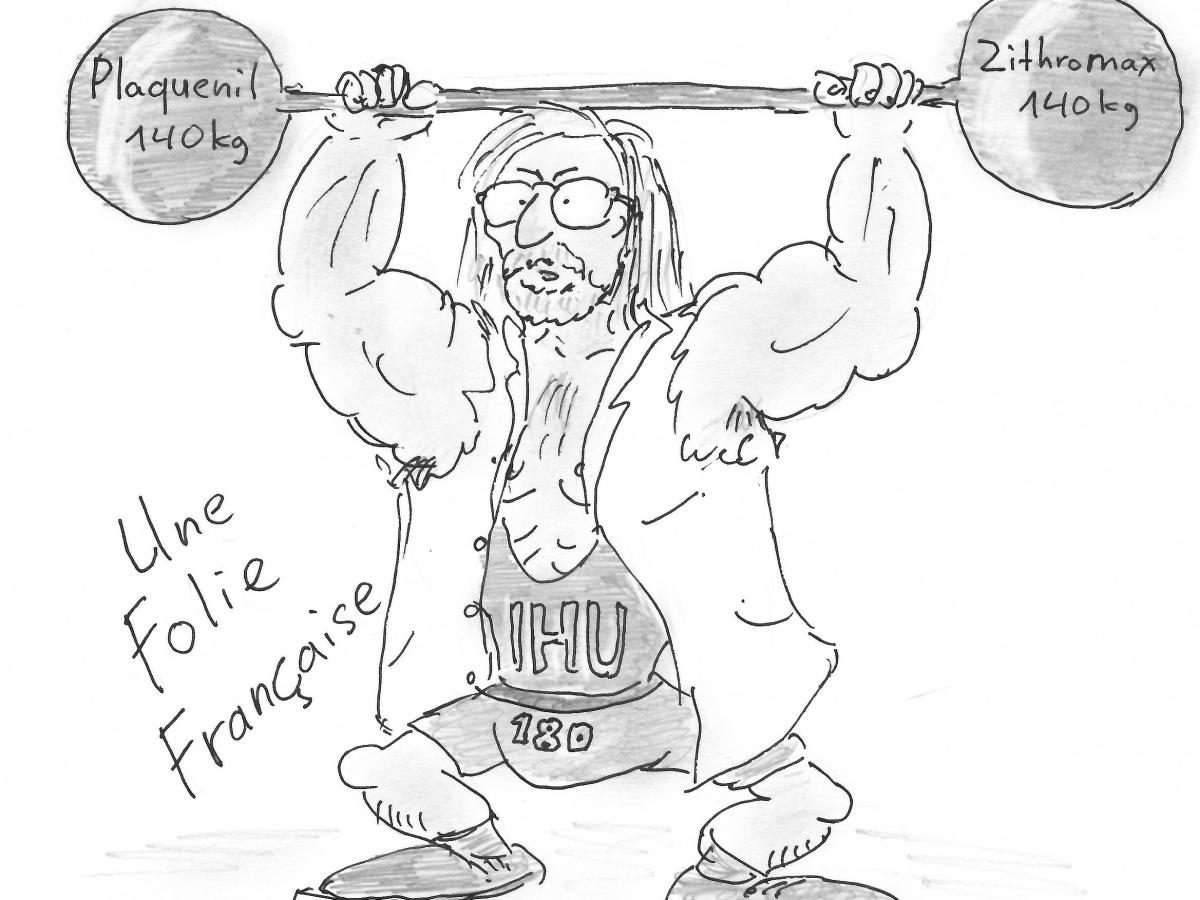
Raoult. Une folie française: book review by Alexander Samuel
A critical review of a recent book about chloroquine guru Didier Raoult and the many French politicians who let him operate above the law.
Chabriere is a post-pandemic zombie now, and his boss Raoult even more so, having just earned his SIXTY-SEVENTH retraction. Chabriere is on the most prominent retraction, that of the infamous COVID-19 quackery paper Gautret et al 2020. No wonder that now, in 2026, Elias wants to have nothing to do with his former mentor:
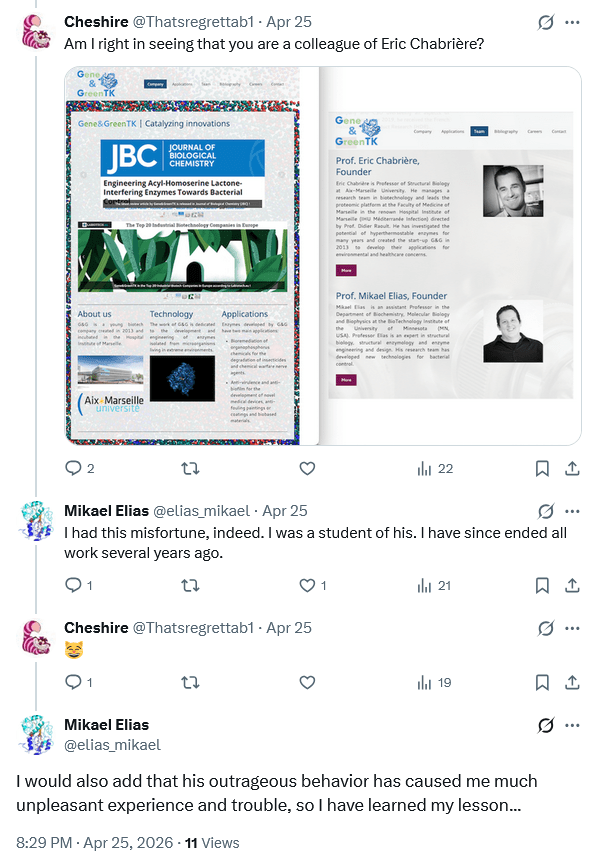
Elias on X: “I had this misfortune, indeed. I was a student of his. I have since ended all work several years ago. […] I would also add that his outrageous behavior has caused me much unpleasant experience and trouble, so I have learned my lesson…”
Elias also told another source that he cut all ties with Chabriere in 2021, allegedly he and Daudé “did their best to exclude” Chabriere from Gene&GreenTK.
Well, not quite. Even the most recent publications of this company have Chabriere as coauthor (Kergaravat et al 2025, Kergaravat et al 2024, Gonzalez et al 2024 etc). In April 2024, Elias published as last author Jacquet et al 2024, with Chabriere, Daude, Jacquet and other employees of Gene&GreenTK. It has this COI statement:
“The authors declare the following competing financial interest(s): DD is a shareholder and CEO of Gene&GreenTK. EC is a shareholder and a co-founder of Gene&GreenTK. PJ, RB and EC report receiving personal fees from Gene&GreenTK during the study. MHE, DD and EC have filed the patent EP3941206. MHE and CB have a patent WO2020185861A1. MHE is a co-founder, a former CEO and an equity holder of Gene&GreenTK, a company that holds the license to WO2014167140 A1, FR 3068989 A1, FR 19/02834. MHE received fees from Gene&GreenTK.”
The reason why Elias was asked by Cheshire to comment about his association with Chabriere, was Elias’s recent blog post, titled “How AI Breakthrough Could Shake the Scientific Publishing Process“. There, he showed that perfectly credible scientific figures of western blots (including uncropped “raw data”, flow cytometry, immunohistochemistry and confocal immunofluorescence microscopy can be created using the new ChatGPT Images 2.0 tool. Elias concluded:
“I am fearing an avalanche of fabricated pieces, with very little ways to distinguish them from legit work. Not tomorrow, but soon. As time goes by and models get more powerful, the line between authentic and fabricated digital data will continue to fade, and eventually disappear. In that time horizon, new solutions and protocols will be needed or the current scientific model will suffer much increased stress and trust issues.”
He should show these tools to Chabriere!
Retraction Watchdogging
An undisclosed relevant competing interest
In January 2026 Shorts, I wrote about a much celebrated cancer breakthrough paper by Mariano Barbacid, founding director of the Centro Nacional de Investigaciones Oncológicas (CNIO) in Madrid. According to El Pais, this manuscript was first rejected by Nature, and then published on 2 December 2025 in PNAS, “Contributed by Mariano Barbacid” in his capacity as US National Academy of Science member, and reviewed by three colleagues he chose himself. And now it was retracted!
Back then, Sholto David immediately flagged that paper for image duplications:
Vasiliki Liaki , Sara Barrambana , Myrto Kostopoulou , Carmen G. Lechuga , Elena Zamorano-Dominguez , Domingo Acosta , Lucia Morales-Cacho , Ruth Álvarez , Pian Sun , Blanca Rosas-Perez , Rebeca Barrero , Silvia Jiménez-Parrado , Alejandra López-García , Marta San Roman , Juan Carlos López-Gil , Matthias Drosten , Bruno Sainz , Monica Musteanu , Eduardo Caleiras , Nelson Dusetti , Valeria Poli, Francisco Sánchez-Bueno, Carmen Guerra, Mariano Barbacid A targeted combination therapy achieves effective pancreatic cancer regression and prevents tumor resistance Proceedings of the National Academy of Sciences (2025) doi: 10.1073/pnas.2523039122


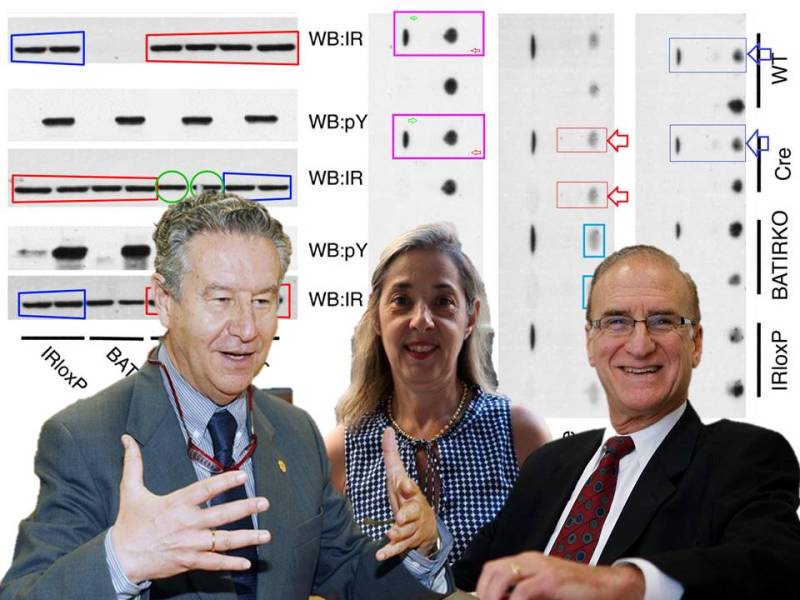
The penultimate author and Barbacid’s staff scientist Carmen Guerra trained in USA with Manuel Benito and C Ronald Kahn, their totally fraudulent paper Guerra et al 2001 received in 2019 an Expression of Concern. It featured prominently in this article:
Who killed Margarita Lorenzo’s reputation?
“I do not who is doing this, who is behind this. Papers were not manipulated, please believe me. Someone must want my scientific death. This is scaring Believe me please. I am a modest scientist.”
In February 2026, the PubPeer user Talaromyces echinosporus wondered if the paper’s Competing Interest statement was complete. It reported only patent applications by Barbacid, Vasiliki Liaki and Carmen Guerra, but not this:
“Specifically, Vega Oncotargets’ “Nosotros” page (https://vegaoncotargets.com/nosotros/) lists the senior authors Mariano Barbacid and Carmen Guerra as co-founders and describes development work on a triple-combination approach targeting RAF1/EGFR/STAT3 in pancreatic cancer, which appears related to the therapeutic concept studied here.”
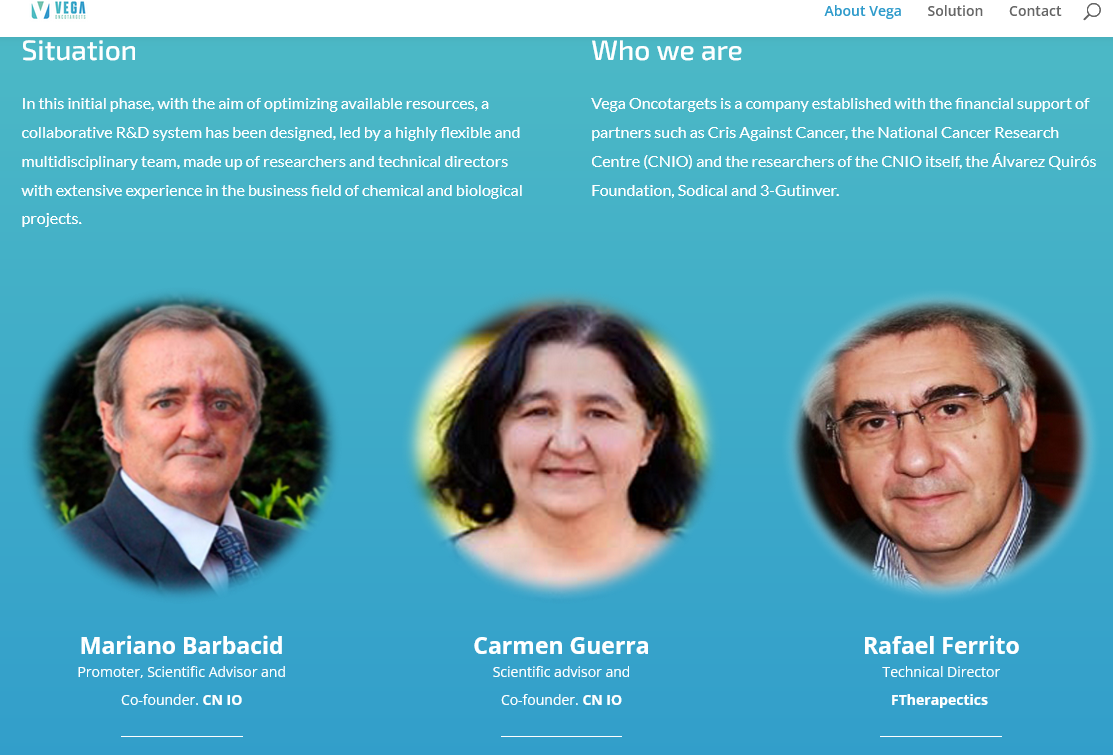
Vega Oncotargets was set up by Barbacid, Guerra an Liaki in 2014 (another cofounder used to be the astronaut and Barbacid’s group leader at CNIO, Sara García, who however denied that affiliation as “a mistake“).
When this PNAS paper was celebrated by the global media as an ultimate cancer breakthrough, Guerra was quoted: “we are currently collaborating with a small Biotec, Vega Oncotargets“, pretending this business wasn’t theirs. Yet in the Spanish media, Barbacid was absolutely not shy and boasted about his company’s role in his study. Spanish television described it as “a miracle“:
The startup is still advertising the PNAS-published “Combination of three chemotypes of inhibitors or degraders of RAF1 , EGFR and STAT3 against ductal adenocarcinoma of pancreatic cancer“, which are the commercially available daraxonrasib and afatinib, plus SD-36 (Zhou et al 2019). As El Pais wrote, Barbacid’s company planned to develop and patent less toxic alternatives to SD-36 and afatinib, for which the Spanish private foundation CRIS Contra el Cáncer raised almost €3.7 million from 80,000 donors. Countless cancer patients phoned up and wrote desperate messages, many even travelled to CNIO in Madrid, hoping to be cured by Barbacid.
On 9 February 2026, El Pais wrote that Barbacid’s “company, Vega Oncotargets, has toned down its message after the false expectations generated by the announcement of a promising experiment with 45 ‘cured’ mice“, Sholto’s findings of duplicated data were mentioned. The newspaper also mentioned that Barbacid has been pushing this same triple therapy (back then for lung cancer) since 2011, when he “accused the Spanish Ministry of Science of hindering his research by blocking private funding“.
Well, the hype is over now, the cancer patients camping in front of CNIO can go home. The Retraction was published on 27 April 2026:
“The editors are retracting this article due to an undisclosed relevant competing interest at the time of submission. NAS Member Contributing author, Mariano Barbacid, and two coauthors, Vasiliki Liaki and Carmen Guerra, hold financial interests in Vega Oncotargets.
PNAS editorial policy for Contributed submissions provides that “Academy members who have a competing interest, financial or otherwise, that could be seen as significantly influencing their objectivity or as creating an unfair competitive advantage for any person or organization tied to the research should submit their work as a Direct Submission.”
It seems, PNAS retracted this paper likely because everyone knew it was dangerously unreliable, likley fraudulent, and only served to make Barbacid even richer than he already is. After the retraction, more forgeries were found in that paper:
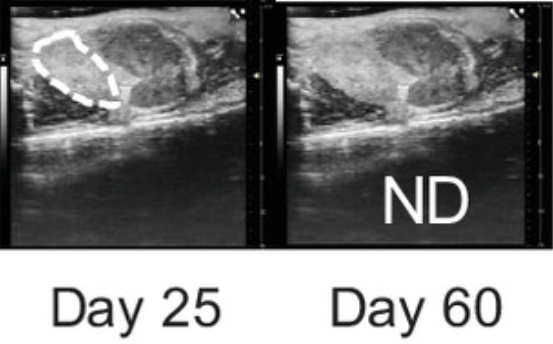
On 29 April 2026, El Pais reported that Barbacid continued soliciting charity money from CRIS foundation even after he was informed by the PNAS editor of the impending retraction on 12 March. It is quite likely the money will go at least in part to his company.
As I previously wrote, in 2011 Barbacid stepped down as CNIO director to pass on the reins to his protege Maria Blasco, which the science cheater Manel Esteller at that time criticised as “a typical image of hispanic inbreeding“. In January 2025, Blasco was sacked for embezzlement, corruption, workplace harassment and animal abuse (read May 2025 Shorts). Her own science wasn’t kosher either.
Upon further investigation, the Editor-in-Chief discovered
Elisabeth Bik is totally ungrateful towards Elsevier. On social media, she complains about “a bit self-congratulatory” Elsevier employee Andrea Pelagatti (he/his), and Editor-in-Chief of the journal Biochemical and Biophysical Research Communications, who claims to have “discovered a single duplication in Figure 3C but did not find the dozens of duplications found earlier in 2020 in Figure 3D sufficient reason to retract.“
This is the paper, flagged by Bik in August 2020, it is an obvious product of a Chinese papermill:
Lishan Zhang , Yinping Lv , Guozhe Xian , Yanliang Lin 25-hydroxycholesterol promotes RANKL-induced osteoclastogenesis through coordinating NFATc1 and Sp1 complex in the transcription of miR-139-5p Biochemical and Biophysical Research Communications (2017) doi: 10.1016/j.bbrc.2017.02.118
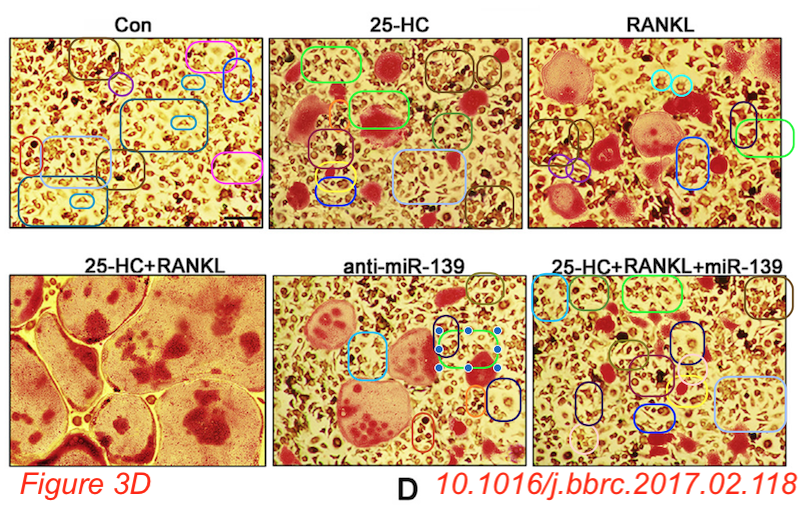
Right away, the author Yanliang Lin announced on PubPeer: “We have been repeating this part of the experiment, and contact the magazine for correction“. In September 2020, the chief editor Pellagatti issued this Corrigendum:
“The authors regret that the Figure 3D were mistakenly uploaded in the original publication. The authors have revised the Figure 3D by placing the correct images. The corresponding Fig 3E has been revised. These corrections do not affect the conclusion in the manuscript.
The authors would like to apologize for any inconvenience caused.”
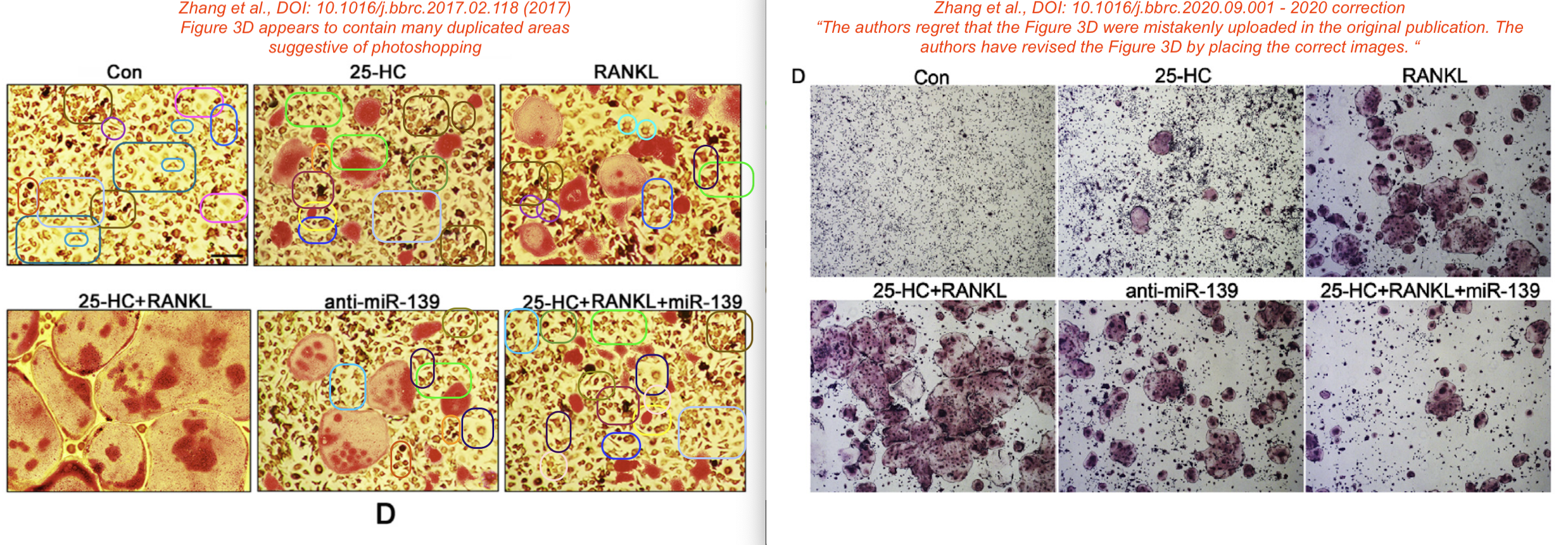
Elisabeth Bik:: “the corrected Figure 3D (right) looks completely different than the original (left).”
In January 2026, Bik returned to this PubPeer thread because she found more issues, specifically a reuse of data from another fraudulent Chinese paper by different authors, suggesting that both manuscripts were supplied by the same Chinese papermill:
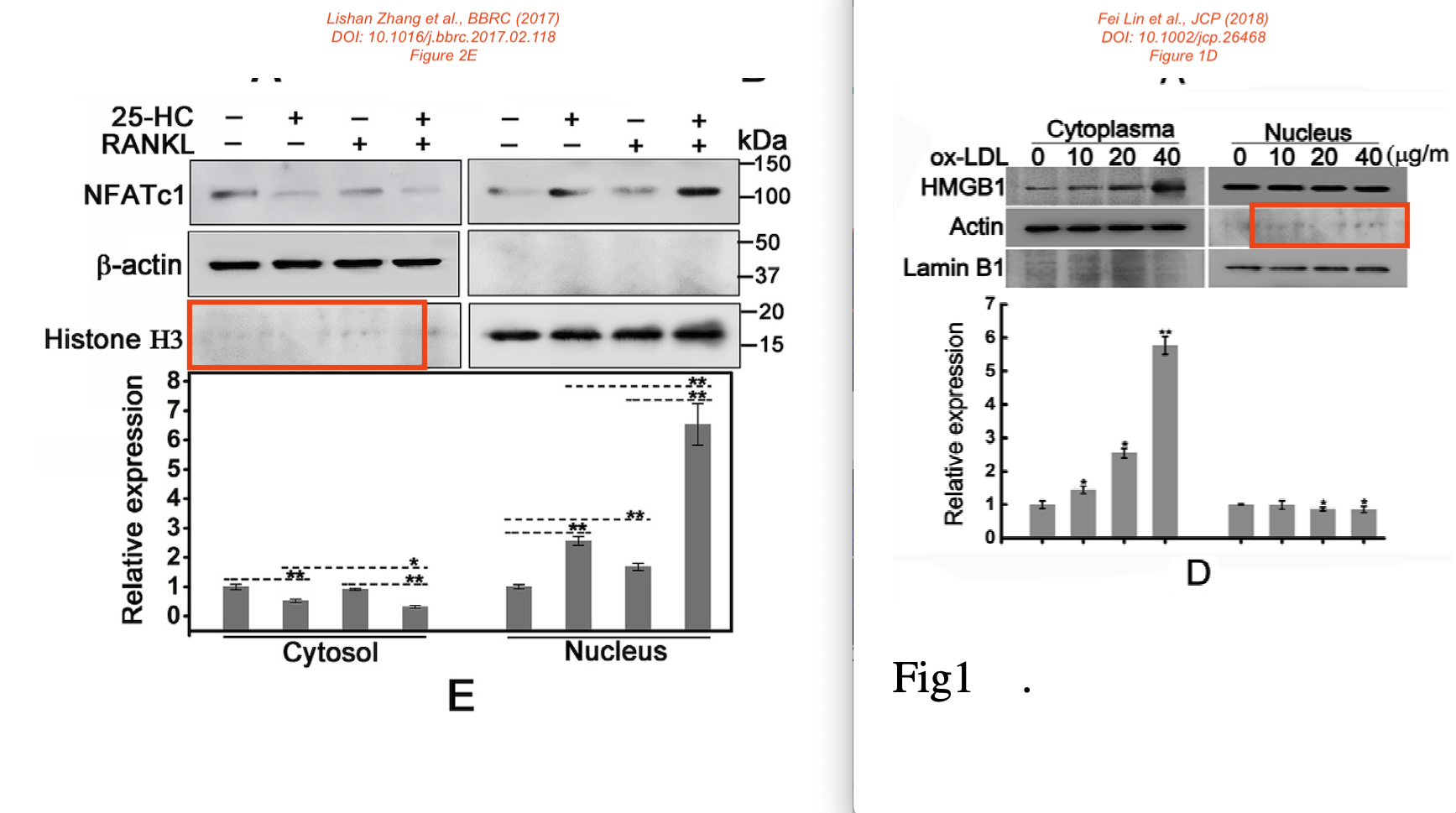
On 21 April 2026, a Retraction finally appeared, which was a hymn to Pellagatti’s editorial genius:
“This article has been retracted at the request of the Editor-in-Chief.
Concerns were raised that an image in the article appears to have been duplicated in another published article. As also reported on PubPeer (https://pubpeer.com/publications/15308988709AE80ABDAC3077724100), the image for Histone H3 (Cytosol) in Figure 2E appears to overlap with the image for Actin (Nucleus) in Figure 1D of Reference [1].
Upon further investigation, the Editor-in-Chief discovered another instance of image duplication in the article: an area in the first lane/band of the image for U6 in Fig. 3C appears to overlap with an area in the fourth lane/band of the same image.
The corresponding author was contacted and provided original data and explanations. The Editor-in-Chief carefully considered the response. However, the explanations provided were not sufficient to resolve the concerns.
A corrigendum had previously been published in relation to duplicated image areas in Fig. 3D. In view of this pattern, the Editor-in-Chief has lost confidence in the integrity of the data and the reliability of the findings reported in the article. For this reason, publication of a further corrigendum was deemed inappropriate, and the decision was made to retract the article. The authors disagree with the retraction.
Apologies are offered to readers of the journal that these issues were not detected during the submission and review process.”
Smut Clyde suggested that “Some would say that the editors should also apologise for the earlier Correction.“. And Bik commented that “the retraction notice does not accurately reflect what happened. Instead, it is a bit self-congratulatory for the EiC, who discovered a single duplication in Figure 3C but did not find the dozens of duplications found earlier in 2020 in Figure 3D sufficient reason to retract the paper“.
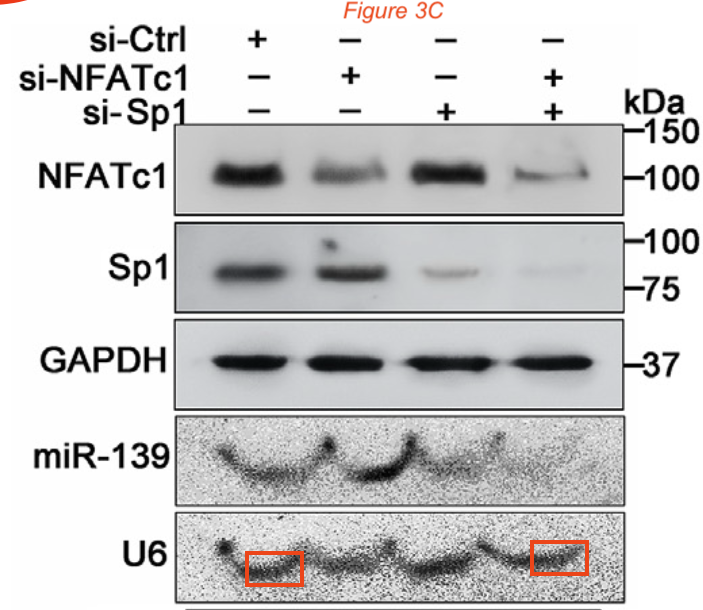
Elisabeth Bik: “Here is the small overlap in Figure 3C found by the Editor-in-Chief that finally triggered the retraction. “
To be fair to Elsevier, that other Chinese paper sharing that western blot was published in a rather respectable Wiley journal, flagged by Bik also already in August 2020, and this publisher did absolutely nothing, because Wiley is busy being Unted2Act and fighting papermills.
Fei Lin , Likai Pei , Qingbin Zhang , Weizhong Han , Shiliang Jiang , Yanliang Lin , Bo Dong , Lianqun Cui , Min Li Ox‐LDL induces endothelial cell apoptosis and macrophage migration by regulating caveolin‐1 phosphorylation Journal of Cellular Physiology (2018) doi: 10.1002/jcp.26468
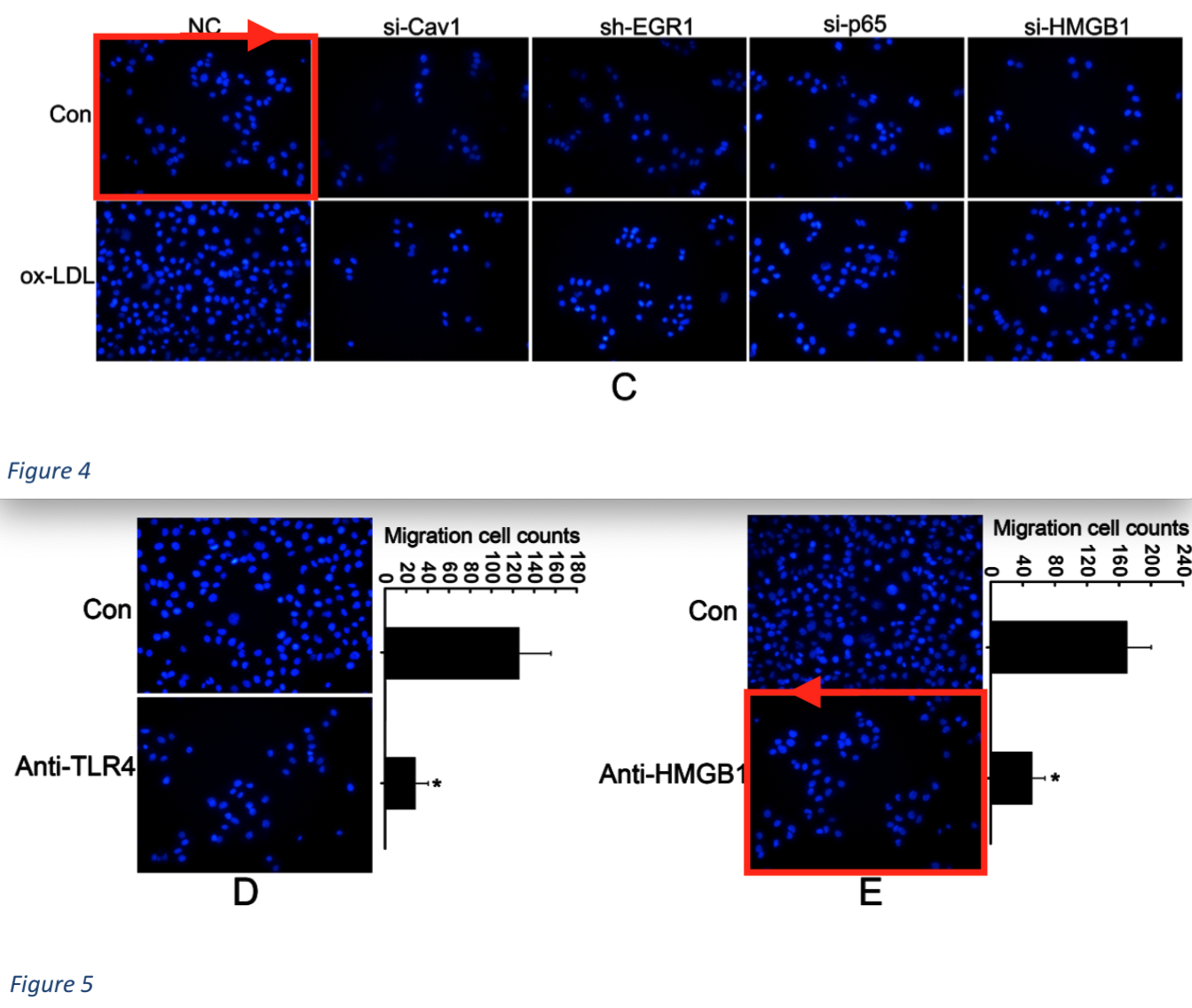
Elisabeth Bik: “Figures 4 and 5. Red boxes: The Con panel in Figure 4C looks very similar to the Anti-HMGB1 panel in Figure 5E, if one of the two is mirrored.”
Anyway, Pellagatti wasn’t always working for Elsevier. He used to be at University of Oxford, in the lab of emeritus professor Jacqueline Boultwood, where he helped produce science like this:
Koki Ueda , Rajni Kumari , Emily Schwenger , Justin C. Wheat , Oliver Bohorquez , Swathi-Rao Narayanagari , Samuel J. Taylor , Luis A. Carvajal , Kith Pradhan , Boris Bartholdy , Tihomira I. Todorova , Hiroki Goto , Daqian Sun , Jiahao Chen , Jidong Shan , Yinghui Song , Cristina Montagna , Shunbin Xiong , Guillermina Lozano , Andrea Pellagatti , Jacqueline Boultwood, Amit Verma, Ulrich Steidl MDMX acts as a pervasive preleukemic-to-acute myeloid leukemia transition mechanism Cancer Cell (2021) doi: 10.1016/j.ccell.2021.02.006
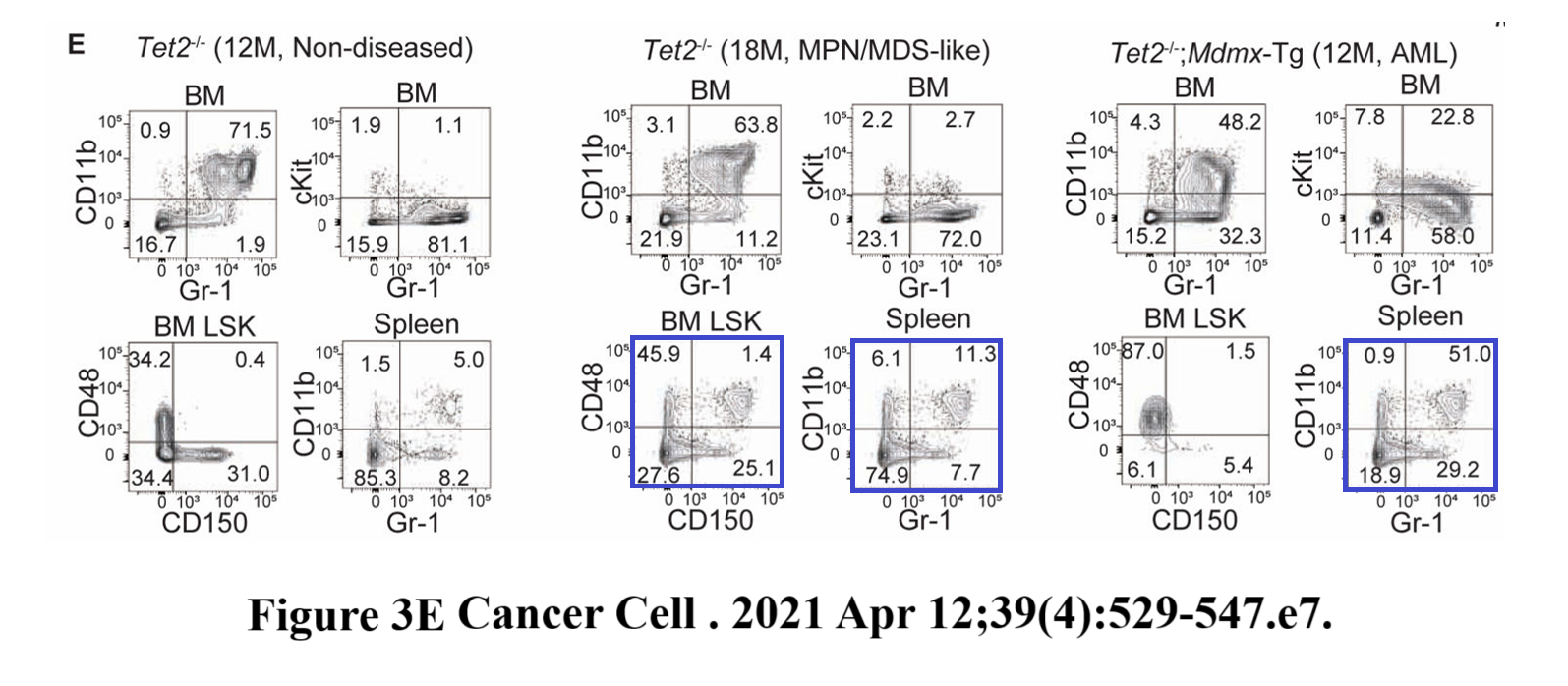
Noteworthy, the above paper was published by Elsevier. Also: Pellagatti’s collaborators in New York, Amit Verma and Ulrich Steidl, briefly featured in April 2026 Shorts. Here another flawed cytometry by Pellagatti, Boultwood and Verma:
Simona Valletta , Hamid Dolatshad , Matthias Bartenstein , Bon Ham Yip , Erica Bello , Shanisha Gordon , Yiting Yu , Jacqueline Shaw , Swagata Roy , Laura Scifo , Anna Schuh , Andrea Pellagatti , Tudor A. Fulga , Amit Verma , Jacqueline Boultwood ASXL1 mutation correction by CRISPR/Cas9 restores gene function in leukemia cells and increases survival in mouse xenografts Oncotarget (2015) doi: 10.18632/oncotarget.6392
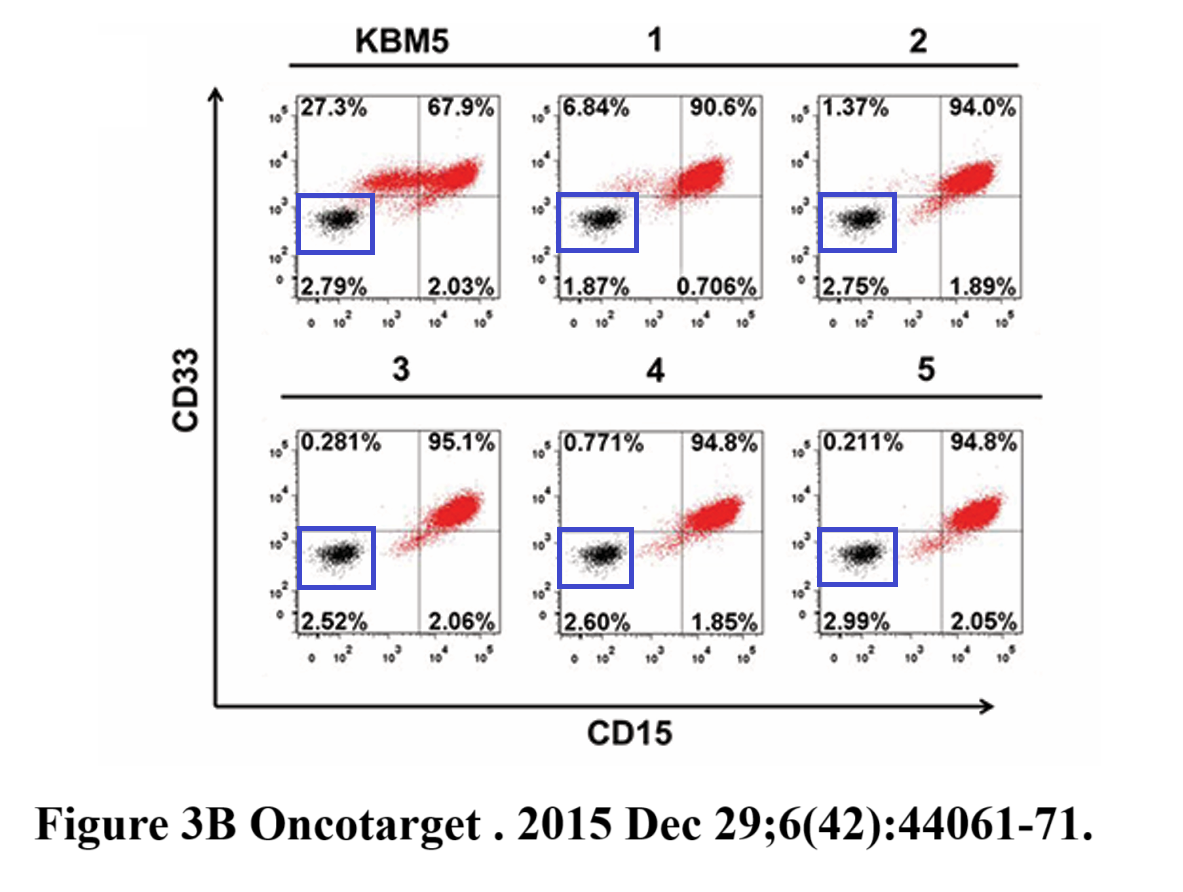
Fig 3B
Here another Elsevier paper by Pellagatti and Boultwood, a collaboration with British colleagues, led by Belfast professor and biotech entrepreneur, Paul Harkin:
Kienan I. Savage, Julia J. Gorski , Eliana M. Barros , Gareth W. Irwin , Lorenzo Manti , Alexander J. Powell , Andrea Pellagatti , Natalia Lukashchuk , Dennis J. McCance , W. Glenn McCluggage , Giuseppe Schettino , Manuel Salto-Tellez , Jacqueline Boultwood, Derek J. Richard , Simon S. McDade , D. Paul Harkin Identification of a BRCA1-mRNA splicing complex required for efficient DNA repair and maintenance of genomic stability Molecular Cell (2014) doi: 10.1016/j.molcel.2014.03.021
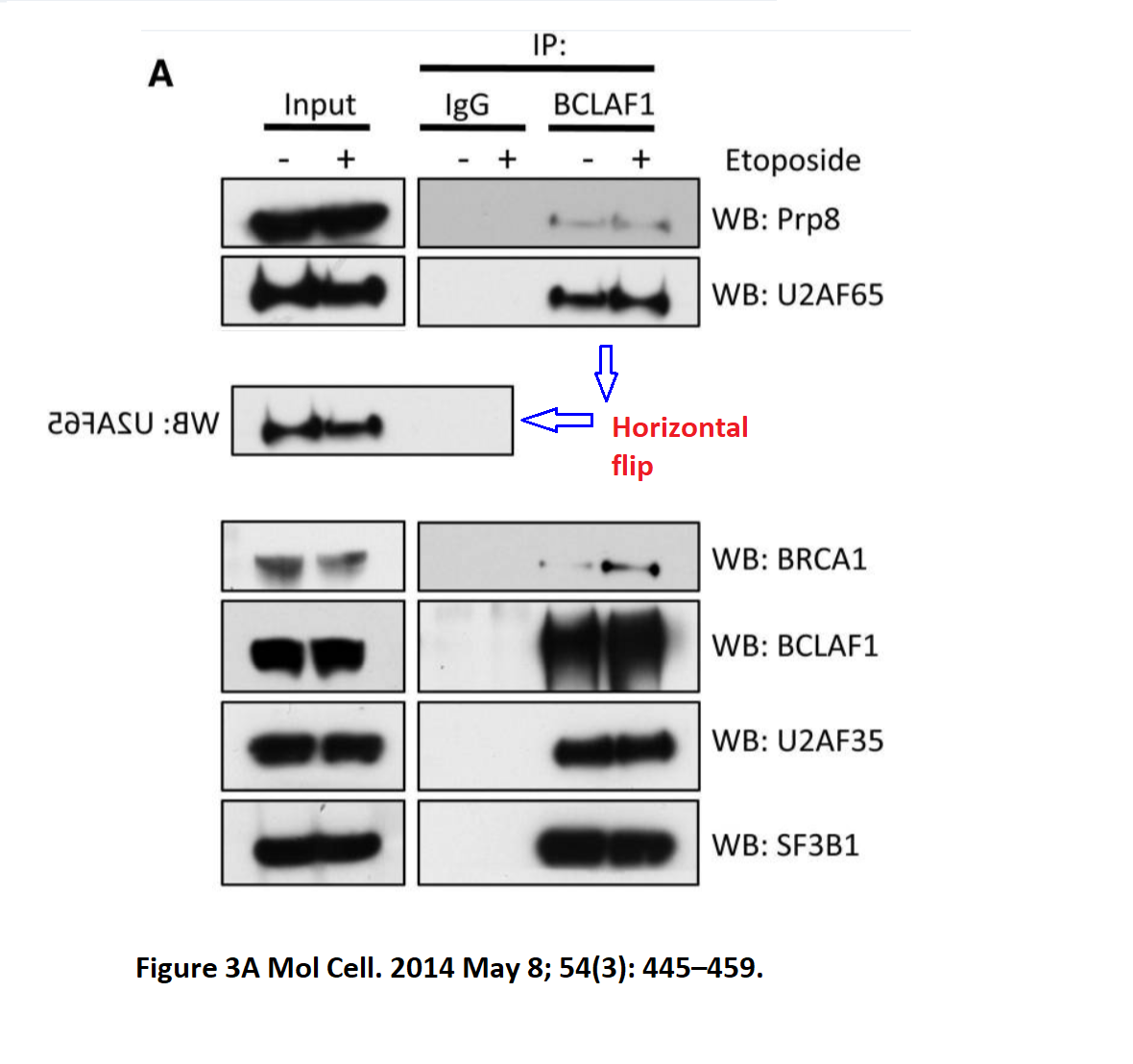
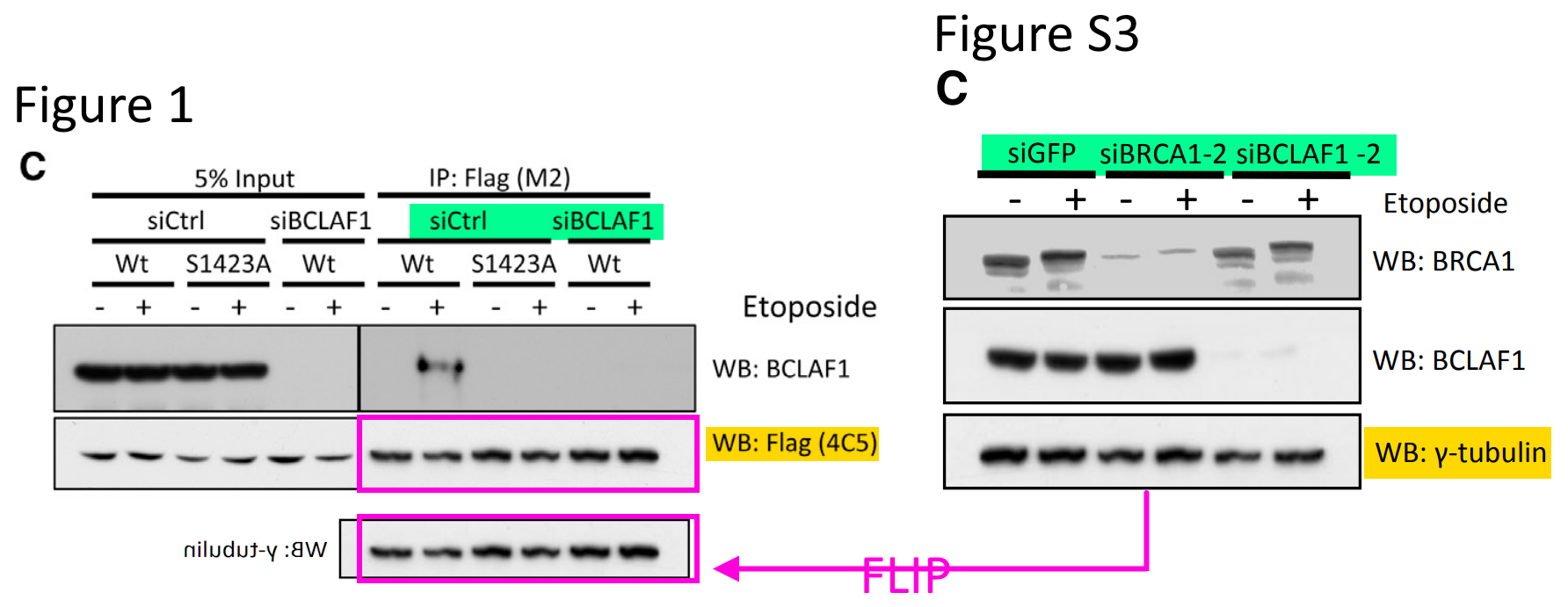
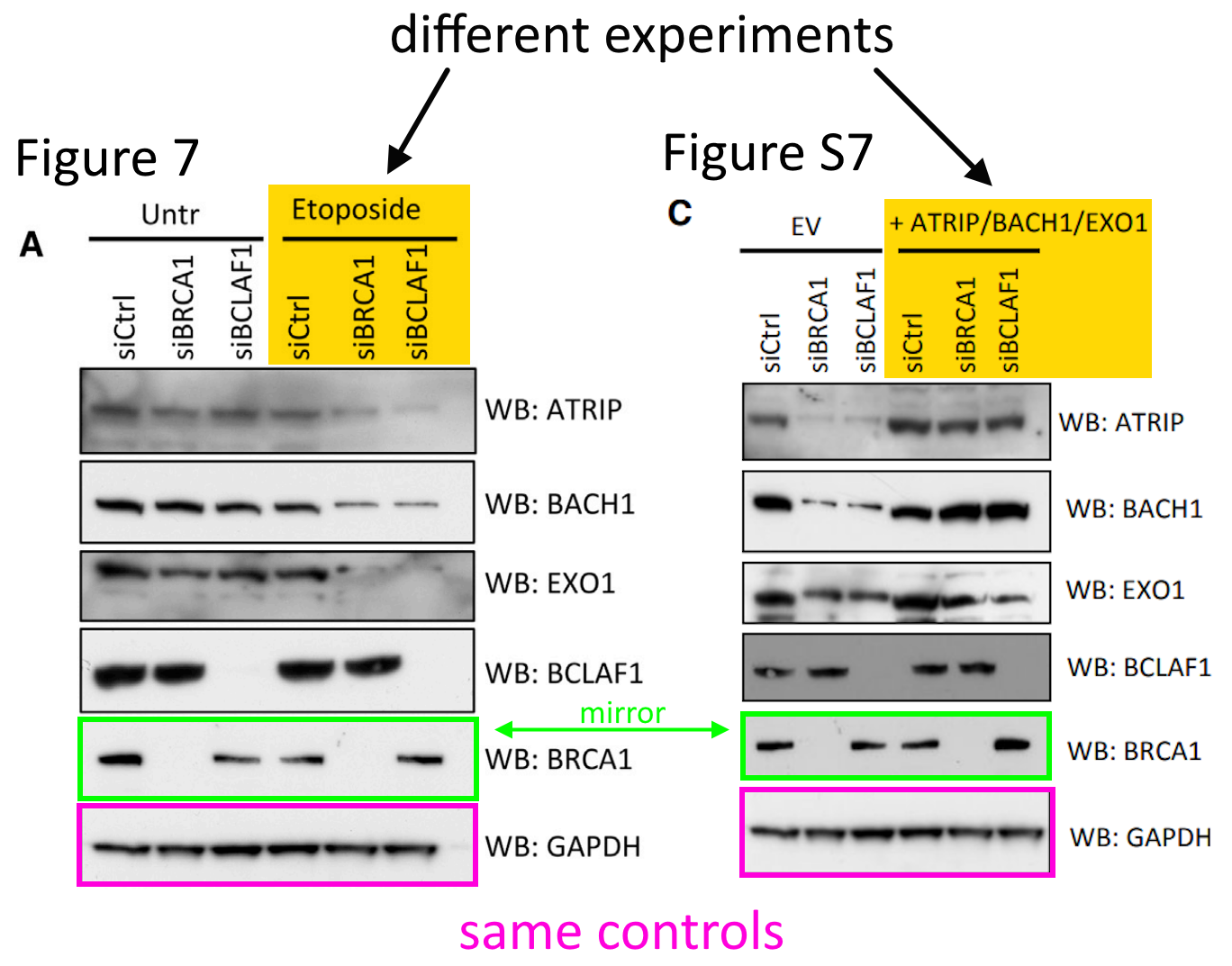
Harkin has more fake stuff on PubPeer, but I am not following that rabbit hole now.
Ethics concerns have been raised
Another retraction for Italian scientists who featured prominently on this website. The new retraction notice is very interesting!
The lead authors from the University of Messina, Francesco Squadrito and his wife Domenica Altavilla, are both dead by now, they left behidn tons of fake science. The other authors are their mentees, especially the throne successor Alessandra Bitto was made full professor and poised to make a huge career in Italy just when the scandal erupted.
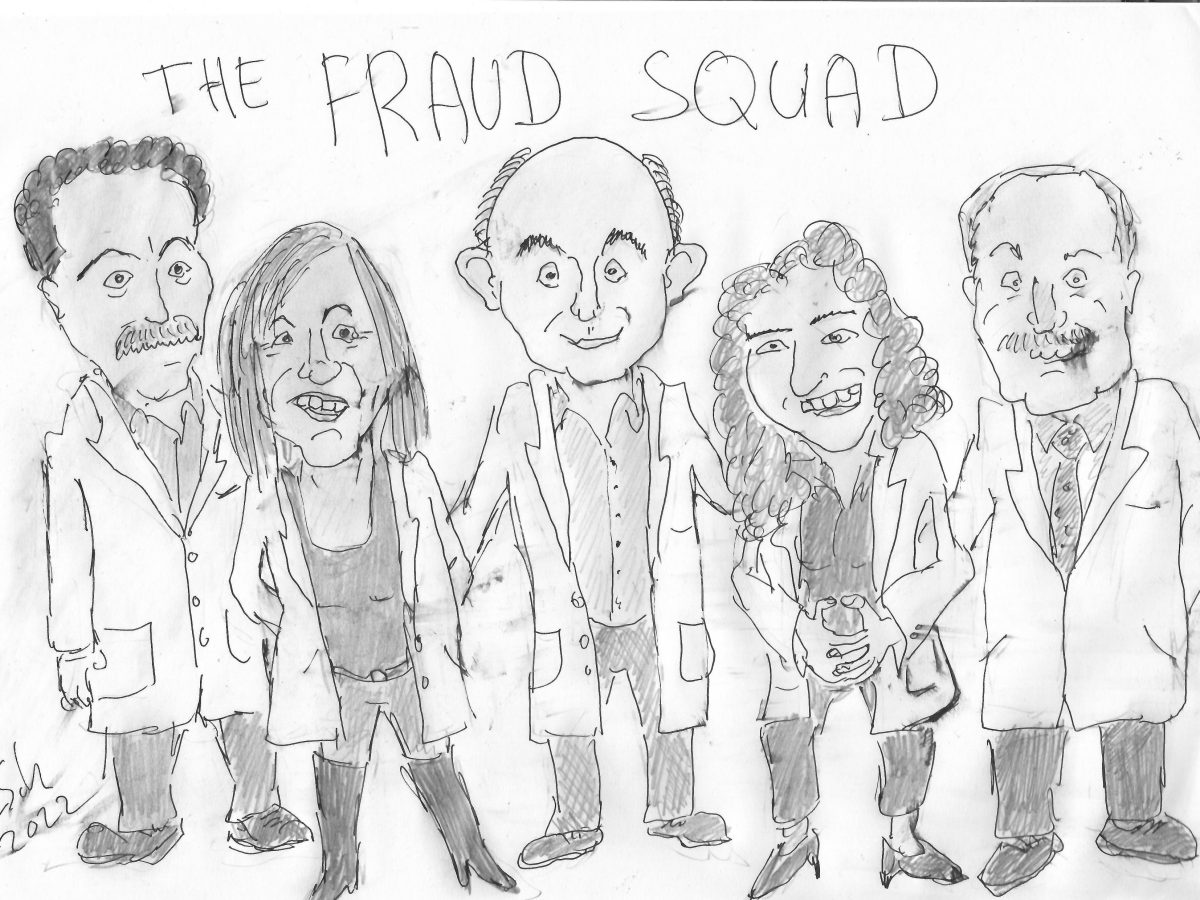
The Fraud Squad
Either a Muslim colleague or a retired technician did it. Or so these Sicilian professors insist.
The paper was flagged on PubPeer in April 2022:
Natasha Irrera , Alessandra Bitto , Gabriele Pizzino , Mario Vaccaro , Francesco Squadrito, Mariarosaria Galeano , Francesco Stagno D’Alcontres , Ferdinando Stagno D’Alcontres , Michele Buemi , Letteria Minutoli , Michele Rosario Colonna , Domenica Altavilla Epoetin Alpha and Epoetin Zeta: A Comparative Study on Stimulation of Angiogenesis and Wound Repair in an Experimental Model of Burn Injury BioMed Research International (2015) doi: 10.1155/2015/968927


Aneurus inconstans: “additional potential manipulations between Figure 3a and 3c (blue and orange boxes”
Now, the retraction published by Wiley on 24 April 2026:
“The retraction has been agreed due to concerns identified with the figures [1, 2]. Specifically:
- The first and second B-actin band shown in Figure 3c appear identical
- In Figure 3a, the 5th and 6th VEGF bands appear identical to the 7th and 8th VEGF bands
- In Figure 3a, the 4th VEGF band appears similar to the 2nd CDK6 band in Figure 3c after 180 degree rotation and horizonal flip
- In Figure 3a, all of the β-actin bands appear identical
- In Figure 3c, the 3rd and 5th CDK6 bands appear identical
- In Figure 3c, the 1st and 8th CDK6 bands appear similar when rotated 180 degrees and horizontally stretched
- In Figure 5a, the 1st and 2nd Cyclin E bands appear identical to the 8th and 9th Cyclin E bands
- In Figure 5b, the 6th and 7th β-actin bands appear identical to the 8th and 9th β-actin bands
Additionally, ethics concerns have been raised regarding the treatment of the animals used in the study [2], and the authors could not provide the ethical approval documentation.
After assessment of the concerns and the author’s response, the editorial board have confirmed the retraction of the article due to loss of confidence in the reliability of the results and ethics concerns.
The authors did not respond to the retraction.
References
- biskrensis A. and inconstans A., Epoetin Alpha and Epoetin Zeta: A Comparative Study on Stimulation of Angiogenesis and Wound Repair in an Experimental Model of Burn Injury, PubPeer. (2022) https://pubpeer.com/publications/01C42B5C5EC32822D2FFC3C0969EC4.
- Schneider L., The Fraud Squad, For Better Science, 2022, https://forbetterscience.com/2022/05/03/the-fraud-squad/.
I like the reference 2!
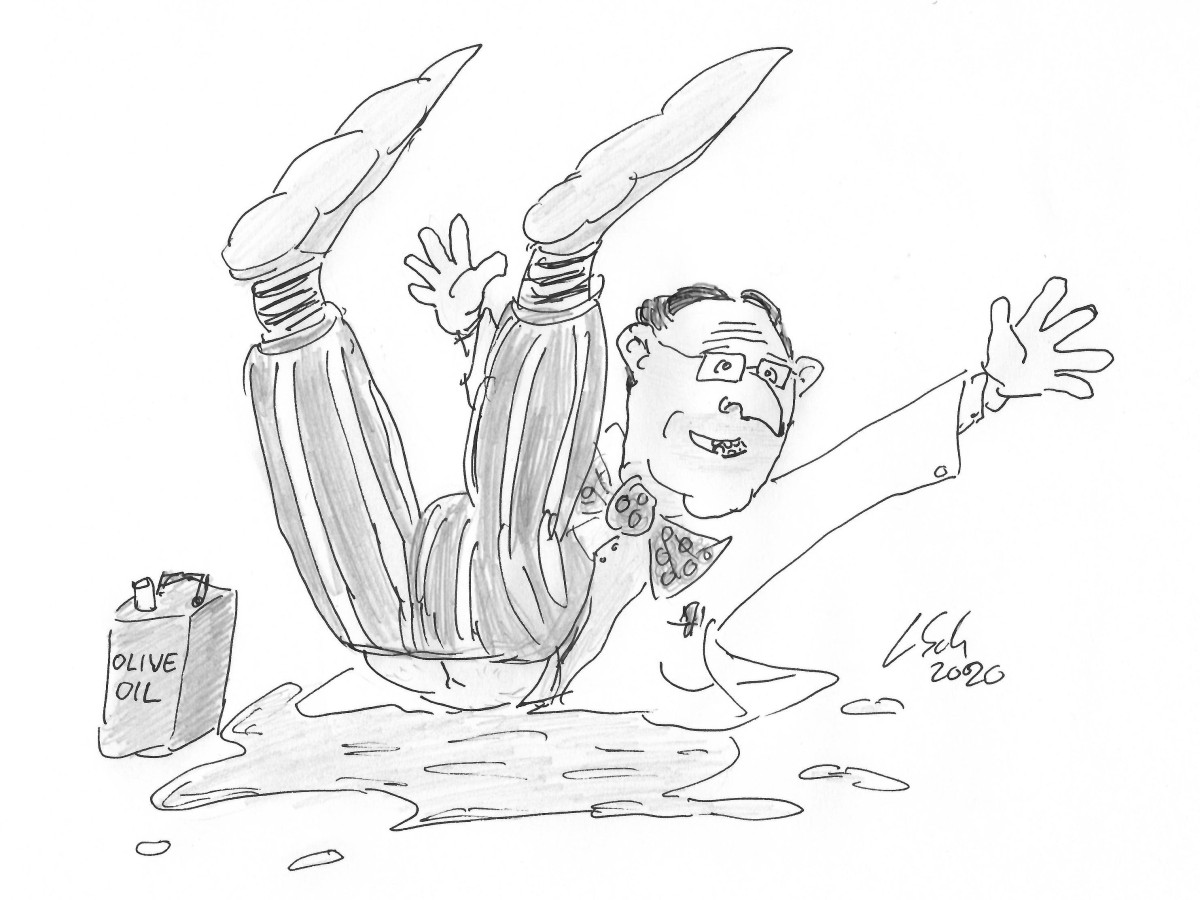
The Pratfalls of Domenico Pratico
Next time you wonder why mouse research does not translate to humans, think of Domenico Pratico work on Alzheimer’s and other brain diseases.
Oh, and look whom Bitto has just hosted at her anti-aging workshop in Messina: Domenico Pratico, the Italian cheater from Temple University in USA, who also sufferes from retractions:
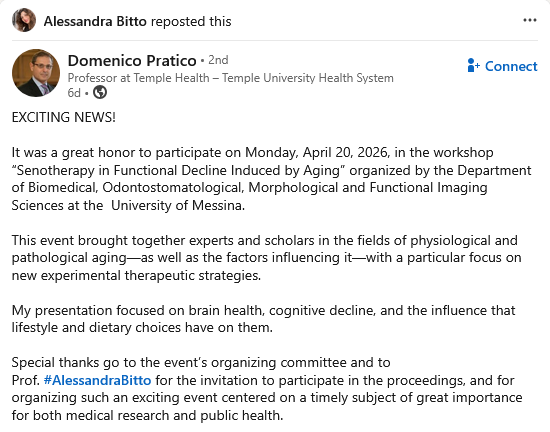

I wish Domenico and Alessandro happy times together, with many more retractions!
Indications of generative AI use
An Italian neuroscientist in the services of United States Armed Forces is gathering retractions because he let ChatGPT write his papers and didn’t even bother to at least polish them slightly to look less LLM-written. I mean, look at the title of this:
Diego Iacono, Gloria C. Feltis Unraveling the link between brain injury and enhanced artistic skills Brain and Cognition (2025) doi: 10.1016/j.bandc.2025.106348
“This article has been retracted by the Editor-in-Chief. Following publication, it was discovered that the published version of this article contains a significant number of incorrect references, which were beyond the scope of correction through a corrigendum. The authors were informed of these issues and are in agreement with the retraction of this version of the article.”
(Retraction 22 April 2026)
Diego Iacono, an Italian native, spent his career at various institutions in Europe and USA, including acting as director of Brain Bank of the Karolinska Institute in Sweden, until in 2015 he ended up at the Uniformed Services University of the Health Sciences in Bethesda, as group leader and deputy director for the Department of Defense War’s Brain Tissue Repository and Neuropathology Program. His coauthor Gloria Feltis seems to be a library employee. Here another recent retraction of theirs, in MDPI:
Diego Iacono , Gloria C Feltis Idea Density and Grammatical Complexity as Neurocognitive Markers Brain Sciences (2025) doi: 10.3390/brainsci15091022
“Following publication, concerns were brought to the attention of the Editorial Office regarding the presence of misnamed phrases and the accuracy of several references cited in this paper [1].
In accordance with the journal’s standard procedures, the Editorial Office and Editorial Board conducted an investigation that confirmed the presence of a misnamed phrase for ROSE model and significant number of non-existent references, which were determined to undermine the overall reliability of this study. In addition, the investigation identified indications of generative AI use in the preparation of the manuscript, without appropriate transparency or discloser, as required by MDPI’s GenAI policy. Although the authors cooperated with the investigation, the explanations and supporting materials provided were not deemed sufficient by the Editorial Board to resolve the identified concerns. As a result, the Editorial Board has lost confidence in the reliability of the findings and decided to retract this publication [1], as per MDPI’s retraction policy.
This retraction was approved by the Editor-in-Chief of the Brain Sciences journal.
The authors have been informed of this retraction and have indicated their disagreement with this decision.”
(Retraction 3 April 2026)
Science Breakthroughs
Pig semen
A somewhat unconventional cancer cure from China is being touted by the media worldwide. Even by Nature, on 27 March 2026:
“Scientists have used pig semen to develop eye drops that can stop tumour growth in the retina and preserve vision, a study in mice shows. […] It is hoped that the drops could be developed
to treat children with retinoblastoma, a cancer of the retina. The condition is typically treated with injections of drugs into the eye, chemotherapy or laser therapy, all of which can damage non-cancerous parts of the eye. Yu Zhang and colleagues at Shenyang Pharmaceutical University in China wanted to develop a method that could penetrate the barrier around the retina and deliver the drugs without causing any unnecessary damage. […]When the researchers tested the drops in mice with retinal tumours, they observed that, 30 days later, the tumours remained small and the mice still had healthy eyesight.”
Yes, a cancer cure for children made from pig semen. Here is the paper, published by Science (Advances), lead author Yu Zhang is 44 years old, professor and Dean of School of Pharmacy at Shenyang Pharmaceutical University:
Jiansong Zhao , Tian Yin , Yaxin Deng , Hongbing Liu , Mingli Wei , Chenxiao Chu , Xinxin Liang , Xiaoshuang Bi , Haibing He , Jingxin Gou , Xing Tang , Yu Zhang Harnessing semen-derived exosomes for noninvasive fundus drug delivery: A paradigm for exosome-based ocular fundus therapeutics Science Advances (2026) doi: 10.1126/sciadv.adw7275
The authors declare to have “no competing interests”, yet Zhang’s profile lists his patents on similar topics, which means also this method must have been patented. Industry website Fierce Biotech covered the story also:
“Zhang’s team was inspired by the discovery that exosomes “play a facilitative role in the penetration of physiological barriers in the female reproductive tract during sperm migration,” he told Fierce Biotech. This made them wonder whether the particles could slip through barriers in the eye, too.[…]
The team filled their seminal packages with nanoparticles called carbon dots, which have been gaining popularity as a diagnostic and therapeutic tool for cancer.
“Carbon dots have emerged as a promising approach for cancer therapy, owing to their enzyme-like activity and high safety profile,” Zhang explained. That said, the eye-dropping approach isn’t limited to just carbon dots.
“Research on exosomes as drug carriers is relatively mature, and their potential for encapsulating other therapeutic agents is theoretically feasible,” Zhang said. […]
Zhang is now continuing to explore exosomes from pigs, but is also prospecting bull semen too. He hopes to bring the new eye drops into human trials someday, but acknowledged “there is still a long way to go before that.”
Zhang is blessed with a name which is very difficult to check on PubPeer. Still, this paper is his:
Yuxin Liu , Muse Ji , Shiyan Zou , YinLing Mu , Wanbing Pan , Hongbing Liu , Xiqian Li , Mingyan Han , Tian Yin , Yu Zhang A novel oral film of carbomer/Poly(vinyl alcohol)/hydroxypropyl cellulose triple polymer loaded with Periplaneta Americana extract for enhancing the oral ulcer treatment Journal of Drug Delivery Science and Technology (2024) doi: 10.1016/j.jddst.2024.106199
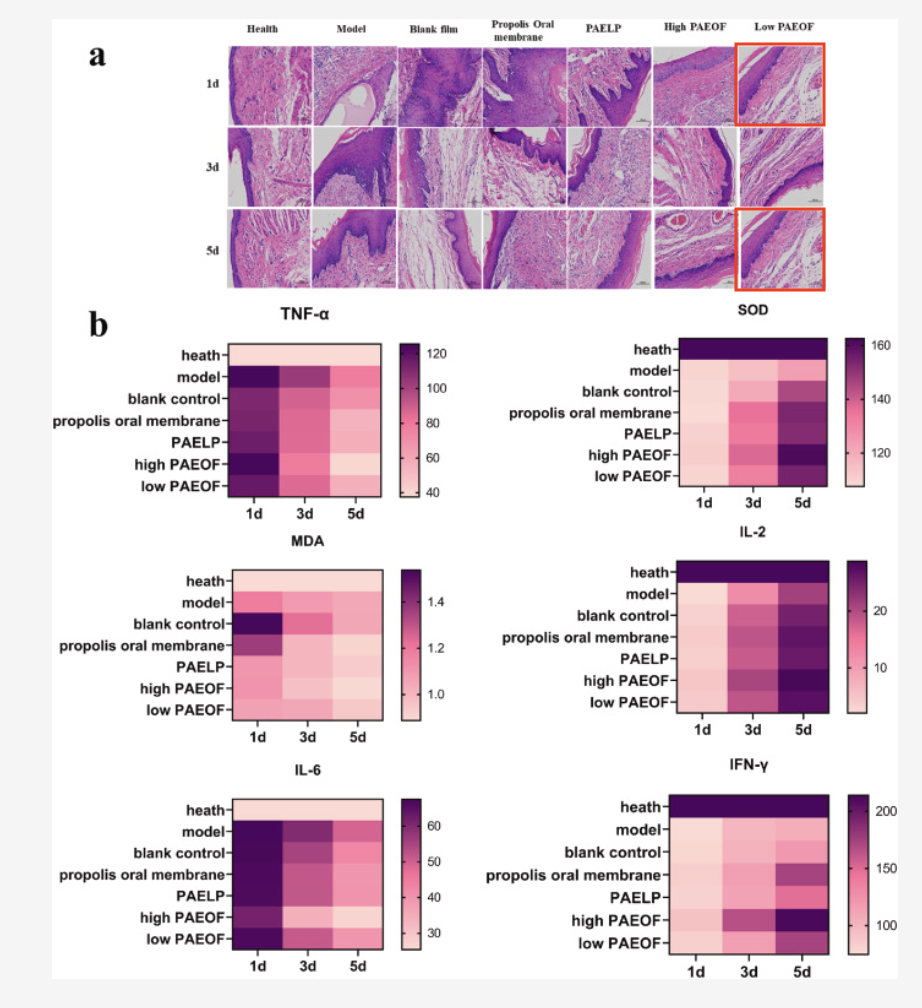
Archasia belfragei: “Figure 5: two panels appear identical for different timepoints”
Donate!
If you are interested to support my work, you can leave here a small tip of $5. Or several of small tips, just increase the amount as you like (2x=€10; 5x=€25). Your generous patronage of my journalism will be most appreciated!
€5.00


The Bitto retraction mentioned above is the second last for “The Fraud Squad” of Messina. In fact, the latest one appeared just three days ago, on April 28th:(https://onlinelibrary.wiley.com/doi/10.1155/bmri/9825079). Alessandra Bitto now has 12 retractions in total.
Curiously, also Domenico Praticò (invited to Messina by Bitto for a seminar), gained yet another retraction just yesterday, April 30th (https://onlinelibrary.wiley.com/doi/10.1111/acel.70523). Praticò now has 11 retractions in toal.
Birds of a feather flock together.
LikeLike
I am just impressed whom the Wiley editors chose to acknowledge in their Bitto retraction (https://onlinelibrary.wiley.com/doi/10.1155/bmri/9759817):
” – [2] Schneider L., The Fraud Squad, For Better Science, 2022, https://forbetterscience.com/2022/05/03/the-fraud-squad/.”
LikeLiked by 3 people
Uncle Smut found yet another recent retraction for Pratico, where this dude again claims to have uncovered this fraud all by himself.
https://pubpeer.com/publications/EDBA7DDFF79973F7E6E65ACD445C3F
LikeLiked by 1 person
True, my bad. Which means now Praticò has 12 retractions.
LikeLike
Yes, the fake avalanche has already arrived. As it feeds on mostly fake available research, it generates fake research to feed on next. This positive feedback certainly leads to exponential fake growth, we’re just at the start of it. There’s nothing or nobody in sight to stop it now or later or even care about anything else than business and profit.
LikeLiked by 1 person
PIg semen… no takers? You guys are sooo grown up.
I’m not suprised at all. Many, many moons ago I watched a documentary by Tom Green ‘Endangered Feces’, which had a promotion part for an anti-wrinkle product called ‘Oxymen’.
Me wonders… what took so long to come up with pig semen.
LikeLike
Two days ago, Dr. Mariano Barbacid announced his intention to sever ties with Vega Oncotargets and return patent ownership for a purported pancreatic cancer therapy to the CNIO (Spanish National Cancer Research Centre), although it is not yet known whether he has actually done so.
In May 2024, the now-dismissed economic director had submitted a draft agreement to relinquish two CNIO patents related to this in favor of Vega in exchange for a 5% stake in the company that would exploit them.
Vega Oncotargets had been established that same month.
However, Vega’s now owners had known since December 2023 that the CNIO would relinquish patents.
Despite Dr. Barbacid’s promise unfortunately, damage has already been done: despite backed by a preclinical study—a trial in mice with troubles in images- it was introduced on a far-right backed late-night TV show as a cure for pancreatic cancer. Title screen on TV show’s YouTube channel reads:
“La cura contra el cáncer de páncreas. ¡Descubrimiento histórico!” that it can be translated as: “The cure for pancreatic cancer. Historic discovery!”
Dr. Barbacid appeared on the show with a patient, and funds were raised through Bizum (a mobile payment platform).
[url]https://www.youtube.com/watch?v=07bD6VhFuGg[/url]
Scandal erupted when PNAS rejected an article by Barbacid et alii for failing to disclose their financial interests as patents owners and beneficiaries. Paper had undergone a preliminary review coz Barbacid is a foreign member of National Academy of Sciences
For past three months, CRIS Cancer Foundation had been running an aggressive social media campaign to raise money almost 3.7 million euros to trial what Barbacid has called “Triple Therapy” and which the CNIO researchers themselves
describe as a therapy that has neither novelty nor inventive activity.
What appears to be the case is that, since its creation in 1997, CNIO has been run by people who only wanted to line their own pockets under the guise of accelerating access to cutting-edge cancer research for patients. There is talk of a shortfall in public funding of around 25 million euros, but this is only part of a larger story comprised of smaller ones.
More on this:
“Barbacid dice que renunciará a beneficiarse económicamente de su estudio sobre la ‘curación’ del cáncer de páncreas”
by Jessica Mouzo and Nuño Domínguez published at “El Pais” on 2026 May 05 in Spanish.
[url]https://elpais.com/ciencia/2026-05-05/barbacid-renuncia-a-beneficiarse-economicamente-de-su-estudio-sobre-la-curacion-del-cancer-de-pancreas.html[/url]
“Los negocios de Barbacid: la trama del CNIO maniobró para regalar a su empresa la terapia contra el cáncer de páncreas ahora rechazada en EEUU”
by Quico Alsedo published at “El Mundo” 2026 Apr.29 in Spanish.
[url]https://www.elmundo.es/papel/historias/2026/04/29/69f0c2f7e9cf4a88088b4592.html[/url]
LikeLiked by 1 person