

Schneider Shorts of 27 March 2026 – degenerative medicine special with London crooks and Californian lunatics, with retractions for mouse torture, concerns for one man’s cancer business, and a Texan Nobelist and his bullying wife.
Table of Discontent
Science Elites
- Unchecked harassment, research misconduct, and retaliation – wife of Nobelist James Allison, Padmanee Sharma, accused of bullying
Scholarly Publishing
- No competing financial interests – Nature concerned about Glen Barber’s business
Retraction Watchdogging
- Differences in the mice used – Palma Rocchi tortured mice, lost a paper
- Unable to provide ethics approval documentation – David Danielpour and Sanjay Gupta tortured mice, lost a paper
- Inconsistencies in authors’ explanations – degenerative medicine by Martin Birchall and his UCL friends retracted
Science Breakthroughs
- Real hope to patients like two-year-old Casey – Paolo De Coppi tortured pigs, wants to do kiddies next
Industry Giants
- Nonsentient human organ sacks – billionaires excited about stealth biotech startup’s plans
Science Elites
Unchecked harassment, research misconduct, and retaliation
America’s biggest fraud factory, MD Anderson Cancer Center is being publicly accused of bullying, in media and most recently on this website:
“A coalition of current and former employees alleges that Dr. Padmanee Sharma, Professor of Genitourinary Medical Oncology and spouse of Nobel laureate Dr. James Allison, has presided over years of unchecked harassment, research misconduct, and retaliation. These acts have been shielded by the prestige of the Allison-Sharma name and a complicit HR apparatus at MD Anderson. Staff suffered panic attacks, emergency-room visits, and career destruction. When Nurse Practitioner Kevin Lagman faced sustained verbal assault, MD Anderson police were called to intervene. When junior researcher Dr. Jamie Lin refused to surrender authorship credit on her own manuscript, she endured an alleged 18-month retaliation campaign—false plagiarism accusations, NIH manuscripts placed on hold, and three obstructed publications.
Regrettably, the Office of Texas Attorney General Ken Paxton has aligned itself with Dr. Padmanee Sharma rather than the victims.”

Anil Sood and how much MD Anderson doesn’t care: whistleblowers speak out
“The graduate school at University of Texas MD Anderson does not care and keep sending students to his lab, Sood is a member of faculty there. RIO at MDACC doesn’t care because witnesses either left the country or are too afraid to speak.”

Sharma’s Nobelist husband is 22 years her senior so powerful that MD Anderson even has the “James P. Allison Institute” after him. The bullying accusations were made public already in early 2024 in Houston Chronicle and in Daily Mail.
I downloaded the report which is said to have been submitted to MD Anderson’s regent on 17 March 2026, it also has Lin’s longer letter to NIH as attachment:
The report also accuses Sharma’s associate Sumit K. Subudhi of “aggressive bullying and
verbal abuse“, as well as Ala Abudayyeh and Adi Diab of “harassment”. and other people of cover-up.
The plaintiff Jamie Lin, who sued Sharma and MD Anderson, but saw the State Prosecutor intervene on their behalf, complained about “18 months of harassment, threats, and bullying” by Sharma, Abudayyeh and Diab, all over a Cancer Immunology Research manuscript where Sharma “demanded senior authorship despite negligible contributions“. Since Lin refused, the trio retaliated, by accusing Lin of “plagiarism” and thus preventing publication of her papers, a later investigation found those charges to be baseless. And:
“Senior leadership, including Max Weber, Giulio Draetta, Caren Hagberg, Anne Tsao, David Tweardy, and Farhad Danesh, failed to act on Lin’s complaints, enabling ongoing harassment according to the letter.”
At least for Giulio Draetta we know theta he is a massive science cheater with several fake papers on PubPeer.
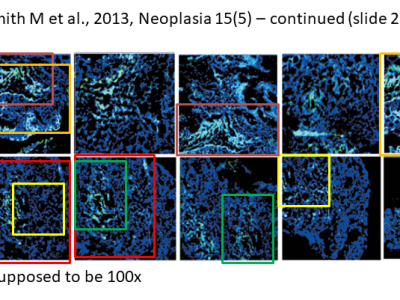
Anil Sood and other questionable stars of MD Anderson
The MD Anderson Cancer Center, part of the University of Texas and located in Houston, is a giant hub of huge cancer research money, even for US standards. They also do a lot of science there, which only purpose seems to be publishing in big journals in order to generate even more money. If there…
We learn that Jasmine Gascar was Subudhi’s main victim of bullying, he also denied her breaks until she ended up in ER with “stress-induced panic attacks mistaken for a heart attack“.
Whistleblowers were threatened with sacking, and there was also this:
“Following complaints to HR in June 2019 about Subudhi’s behavior, employees faced retaliation, including being forced to handle potentially contaminated lab coats during the early COVID-19 pandemic in 2020”
Also nepotism happened, we read that Sharma and Allison hired family members “including Larry Persaud (Sharma’s ex-husband) and Ashura Khan (her cousin), with vague job descriptions.“
Here, the almighty Nobelist publicly threatens junior staff, perfectly normal at MD Anderson:
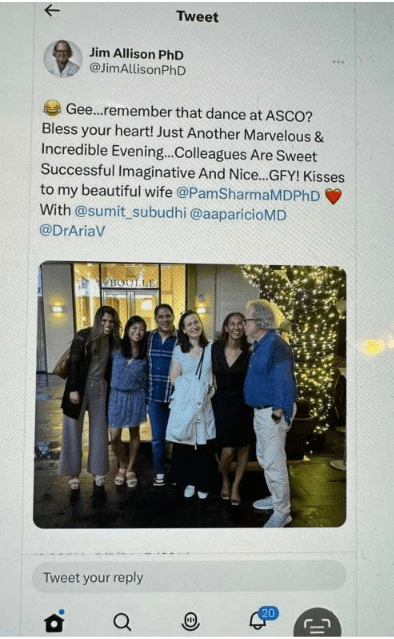
Allison’s deleted tweet: “Observers quickly identified what appears to be a deliberate double acrostic embedded in the tweet’s unusually capitalized phrasing — the first letters of key words spelling out “JAMIE” and “CASSIAN,” the first names of Dr. Jamie Lin and Dr. Cassian Yee: the two physicians at the heart of the misconduct dispute against Dr. Sharma. When paired with the tweet’s sign-off of “GFY,” widely understood online as “Go F*** Yourself…”
Anyway, Sharma’s research seems to be just the kind of trash we are used to at MD Anderson:
Chrysoula I. Liakou , Ashish Kamat , Derek Ng Tang , Hong Chen , Jingjing Sun , Patricia Troncoso , Christopher Logothetis , Padmanee Sharma CTLA-4 blockade increases IFNγ-producing CD4 + ICOS hi cells to shift the ratio of effector to regulatory T cells in cancer patients Proceedings of the National Academy of Sciences (2008) doi: 10.1073/pnas.0806075105
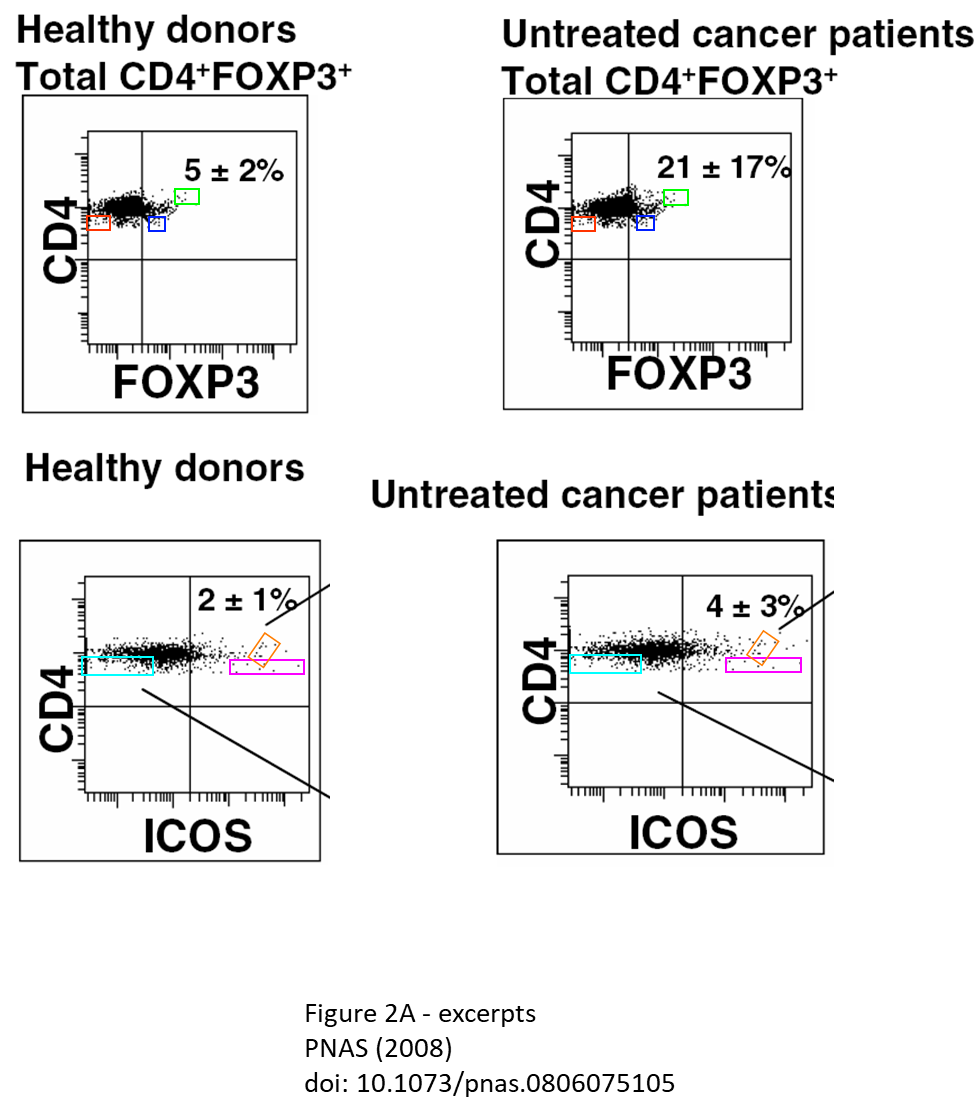
Actinopolyspora biskrensis: “Could the authors please review the data for the plots shown in Figure 2A (below) and Figure 2B (not shown)? I see some common constellations of data points which I’m told should not occur.”
Here another paper Sharma and her charming husband Allison coauthored, with Lynda Chin, the wife of MD Anderson’s former President Ronald DePinho:
Pei-Ling Chen , Whijae Roh , Alexandre Reuben , Zachary A. Cooper , Christine N. Spencer , Peter A. Prieto , John P. Miller , Roland L. Bassett , Vancheswaran Gopalakrishnan , Khalida Wani , Mariana Petaccia De Macedo , Jacob L. Austin-Breneman , Hong Jiang , Qing Chang , Sangeetha M. Reddy , Wei-Shen Chen , Michael T. Tetzlaff , Russell J. Broaddus , Michael A. Davies , Jeffrey E. Gershenwald , Lauren Haydu, Alexander J. Lazar, Sapna P. Patel, Patrick Hwu, Wen-Jen Hwu, Adi Diab, Isabella C. Glitza, Scott E. Woodman, Luis M. Vence, Ignacio I. Wistuba, Rodabe N. Amaria, Lawrence N. Kwong, Victor Prieto, R. Eric Davis, Wencai Ma, Willem W. Overwijk, Arlene H. Sharpe, Jianhua Hu, P. Andrew Futreal, Jorge Blando, Padmanee Sharma, James P. Allison, Lynda Chin, Jennifer A. Wargo Analysis of Immune Signatures in Longitudinal Tumor Samples Yields Insight into Biomarkers of Response and Mechanisms of Resistance to Immune Checkpoint Blockade Cancer Discovery (2016) doi: 10.1158/2159-8290.cd-15-1545
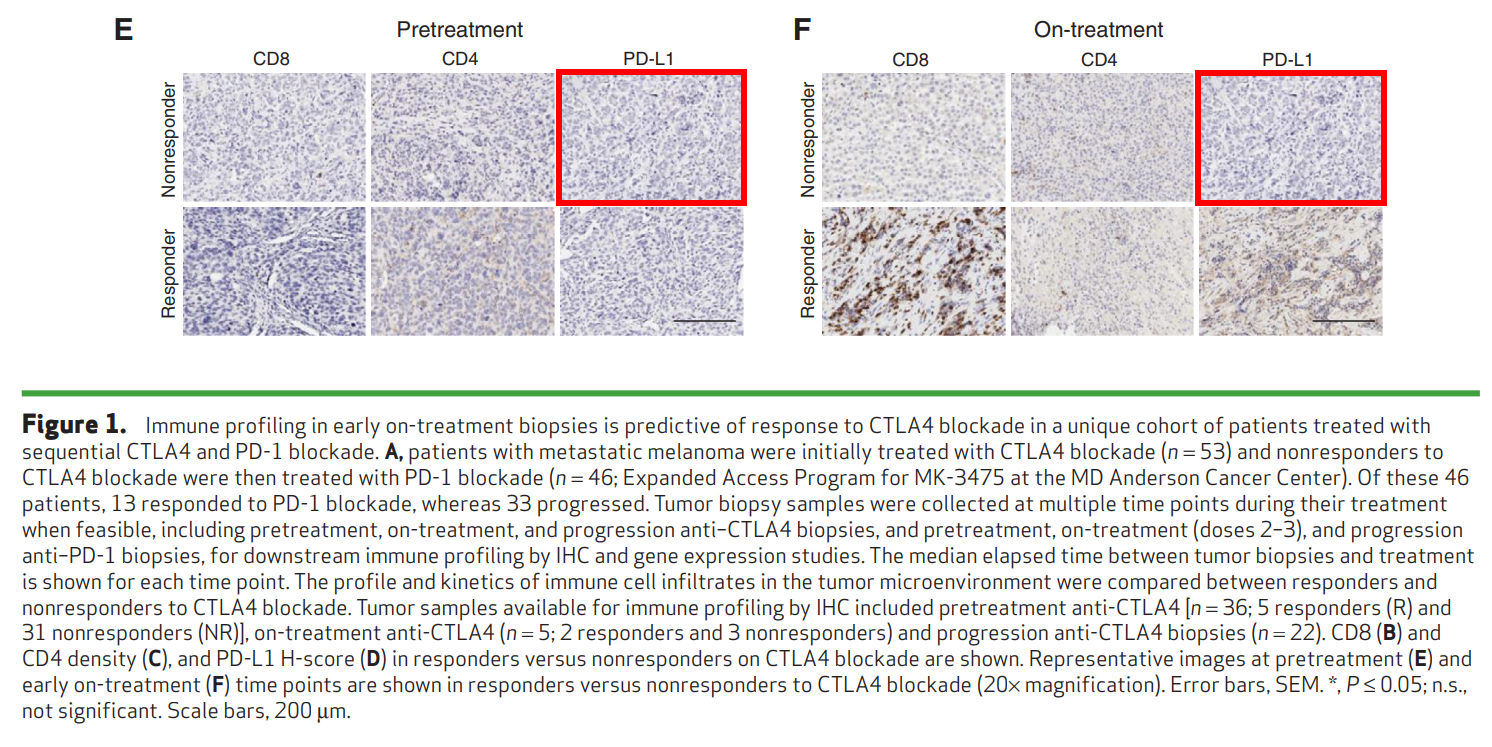
The Nobel Prize Laureate Allisson has more bad stuff on PubPeer (if you are the kind of person to worship Nobelists, don’t come to For Better Science). He and his angelic wife collaborated with one of MD Anderson’s worst cheaters, Raghu Kalluri, for example this needed to be corrected:
Berna C. Ozdemir , Tsvetelina Pentcheva-Hoang , Julienne L. Carstens , Xiaofeng Zheng , Chia-Chin Wu , Tyler R. Simpson , Hanane Laklai , Hikaru Sugimoto , Christoph Kahlert , Sergey V. Novitskiy , Ana De Jesus-Acosta , Padmanee Sharma , Pedram Heidari , Umar Mahmood , Lynda Chin , Harold L. Moses , Valerie M. Weaver , Anirban Maitra , James P. Allison , Valerie S. LeBleu , Raghu Kalluri Depletion of carcinoma-associated fibroblasts and fibrosis induces immunosuppression and accelerates pancreas cancer with reduced survival Cancer Cell (2014) doi: 10.1016/j.ccr.2014.04.005
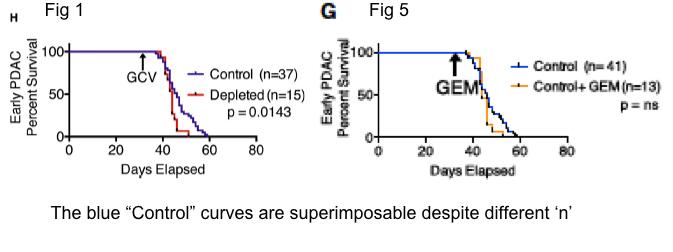
As you see, also Lynda Chin is on board, and somehow Valerie Weaver got involved also.
Melo and Kalluri defend discredited Nature paper with preprint, where they admit data “adjustments”
Sonia Melo, the Portuguese cheater scientist and her former US-boss Raghu Kalluri issued some days ago a biorxive preprint, which sole purpose is to defend their discredited Nature paper from 2015. There, they originally claimed to have found a unique biomarker for early pancreatic cancer, a much hailed promise to save lives of many cancer…
Also this paper from Allison’s lab was corrected:
Peter A. Savage , Keith Vosseller , Chulho Kang , Kevin Larimore , Elyn Riedel , Kathleen Wojnoonski , Achim A. Jungbluth , James P. Allison Recognition of a Ubiquitous Self Antigen by Prostate Cancer-Infiltrating CD8 + T Lymphocytes Science (2008) doi: 10.1126/science.1148886
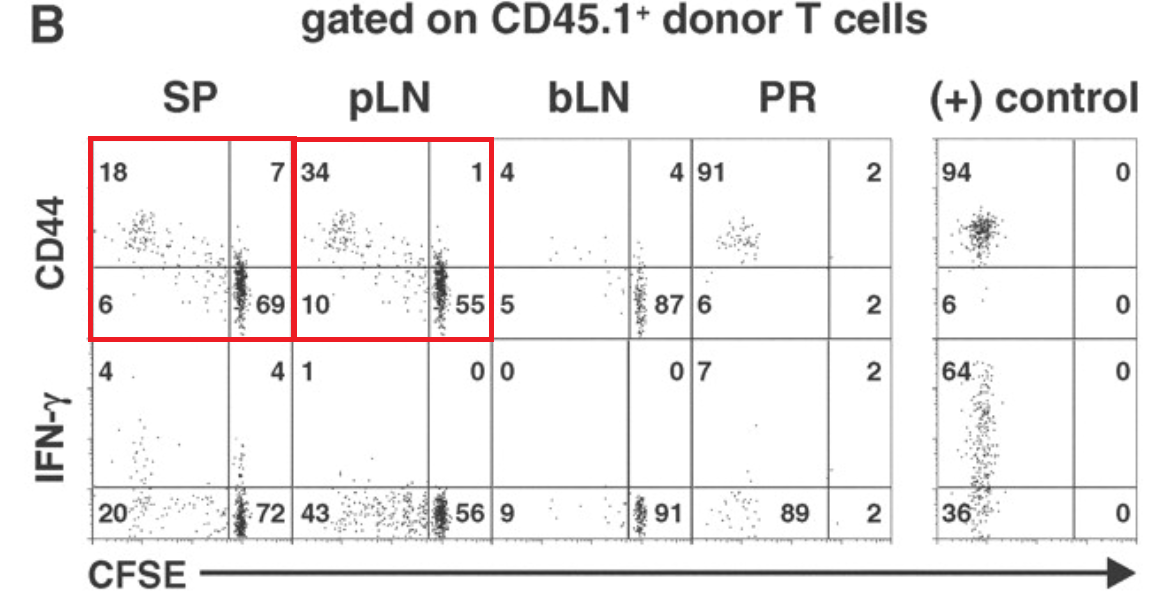
More Allison’s Noble science:
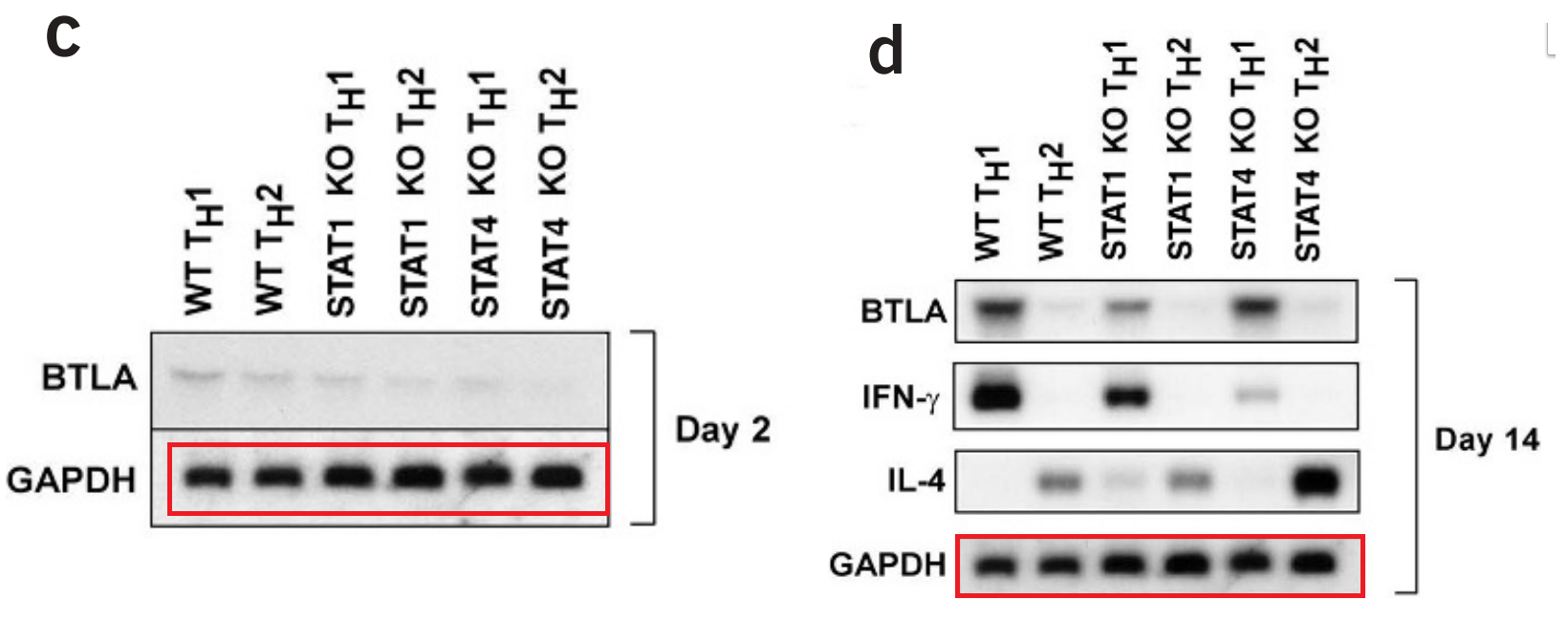
Norihiko Watanabe , Maya Gavrieli , John R Sedy , Jianfei Yang , Francesca Fallarino , Susan K Loftin , Michelle A Hurchla , Natalie Zimmerman , Julia Sim , Xingxing Zang , Theresa L Murphy , John H Russell , James P Allison, Kenneth M Murphy BTLA is a lymphocyte inhibitory receptor with similarities to CTLA-4 and PD-1 Nature Immunology (2003) doi: 10.1038/ni944
Some people naively believe that universities lack rules and guidelines to deal with research misconduct. Quite the opposite is the case, dear readers! The rules are all in place and the sanctions are very tough. However, they are applied hardly ever against the actual perpetrators, certainly never bigwigs like Allison or his wife, instead the full administrative procedure is mercilessly deployed in retaliation, against whistleblowers and other trouble-makers whom the universities want to get rid of. Like MD Anderson did against Lin.

The Men Who Stare At Mice
“Do Cohen’s colleagues and superiors know or care that he hosts wizards in his lab? Or perhaps this is simply common place, wizards roam throughout MD Anderson free range, blasting the cancer-mice with their mind powers.” – Sholto David

Scholarly Publishing
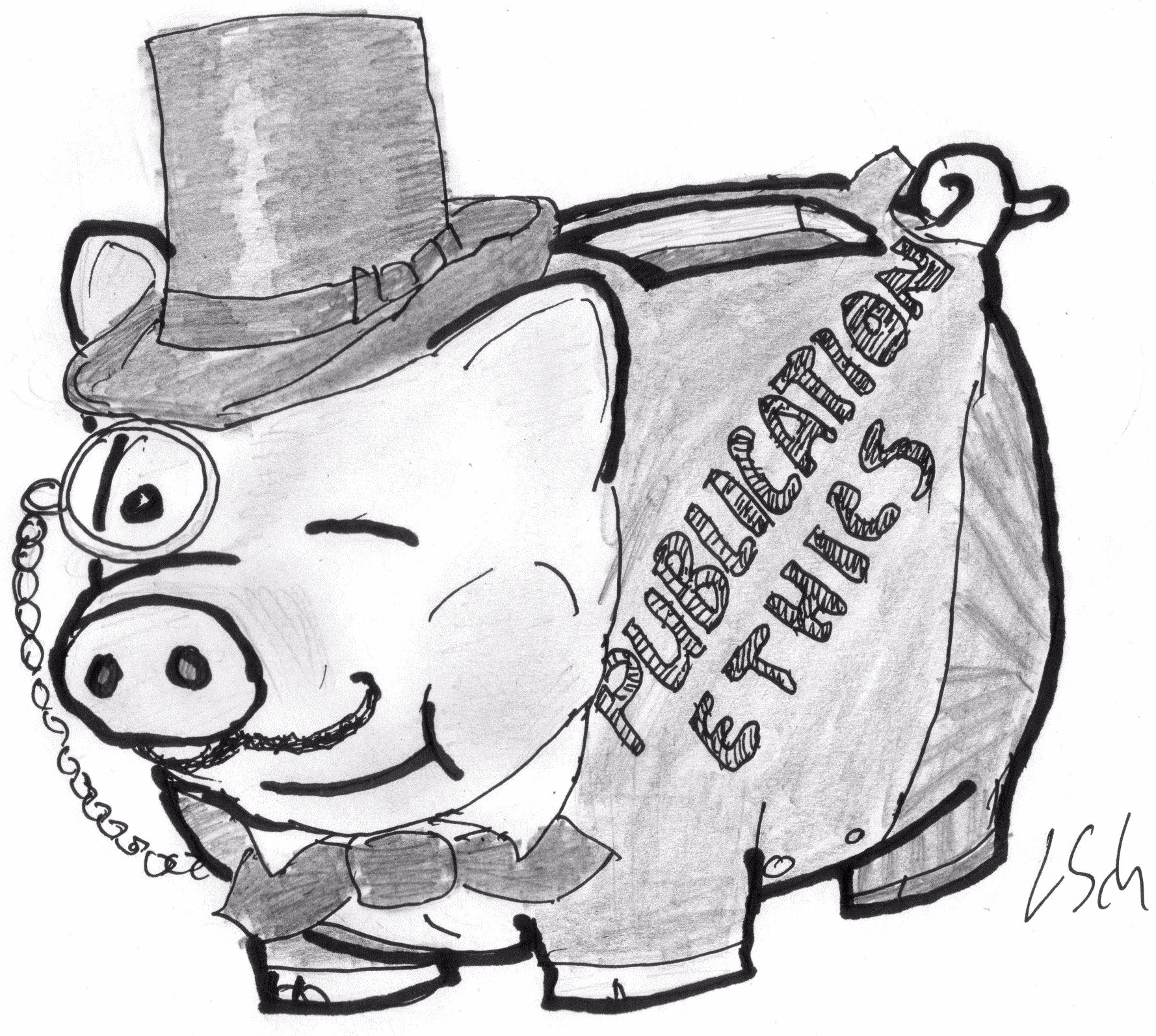
No competing financial interests
The elite journal Nature found itself unable to retract a fraudulent paper, so they expressed their concerns for the rich white male American author and his business, and moved on.
The 22 year-old paper, which was flagged on PubPeer in August 2025, comes from the lab of the US immunologist Glen Barber, who until recently was professor at University of Miami and since August 2024 professor at Ohio State University.
Siddharth Balachandran, Emmanuel Thomas, Glen N Barber A FADD-dependent innate immune mechanism in mammalian cells Nature (2004) doi: 10.1038/nature03124
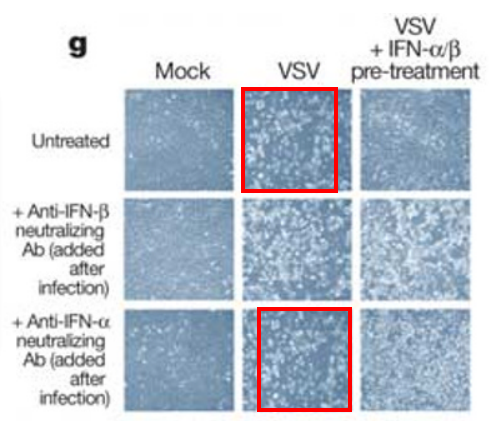
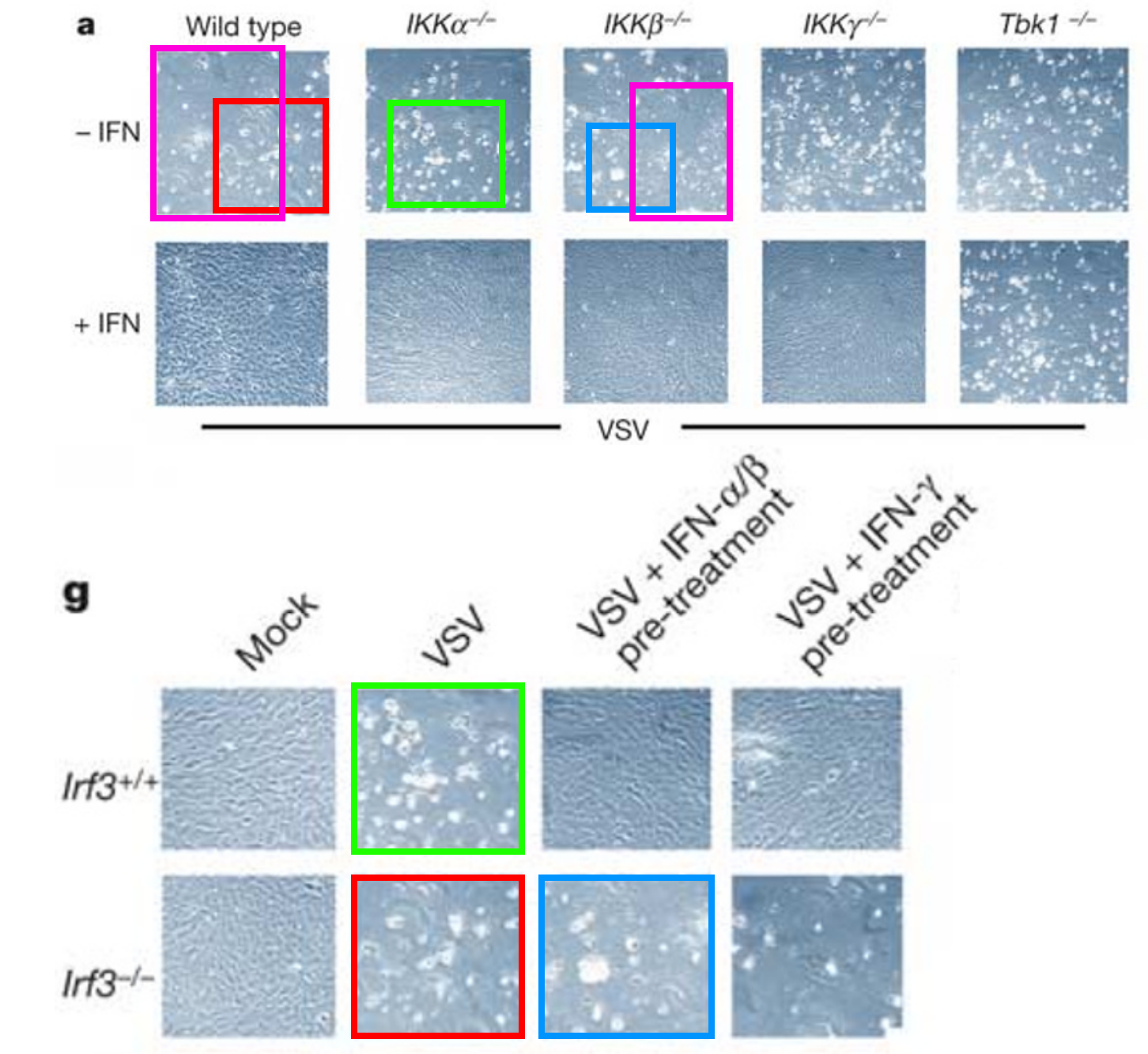
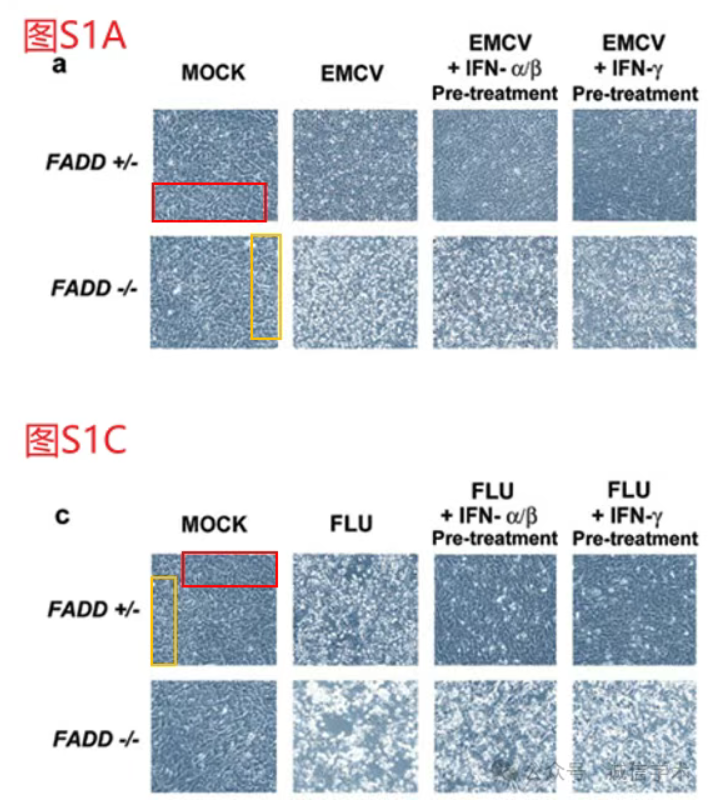
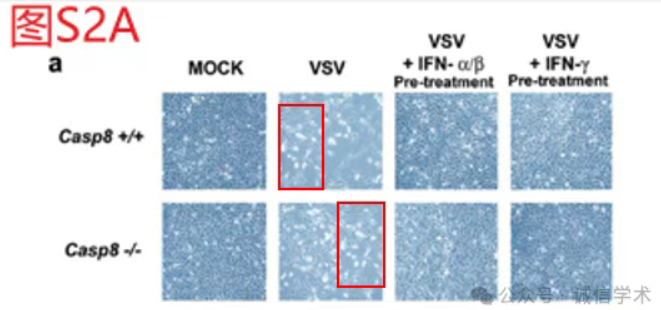
Right after the evidence was posted on PubPeer, Nature reacted with this:
“24 September 2025 Editor’s note: Readers are alerted that concerns have been raised regarding the reliability of data presented in this article. Further editorial action will be taken if appropriate once the investigation into the concerns is complete and all parties have been given an opportunity to respond in full.”
The investigation is complete now, here the result, an Editorial Expression of Concern from 19 March 2026 (which the Nature hurriedly put behind a paywall):
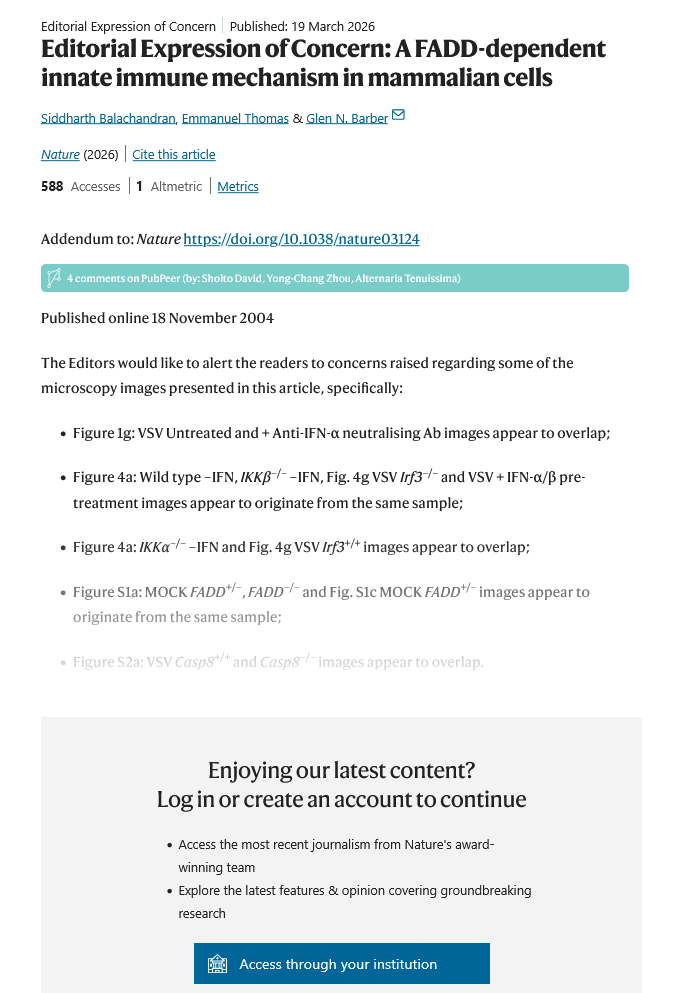
“The Editors would like to alert the readers to concerns raised regarding some of the microscopy images presented in this article, specifically:
- Figure 1g: VSV Untreated and + Anti-IFN-α neutralising Ab images appear to overlap;
- Figure 4a: Wild type –IFN, IKKβ–/– –IFN, Fig. 4g VSV Irf3–/– and VSV + IFN-α/β pre-treatment images appear to originate from the same sample;
- Figure 4a: IKKα–/– –IFN and Fig. 4g VSV Irf3+/+ images appear to overlap;
- Figure S1a: MOCK FADD+/–, FADD–/– and Fig. S1c MOCK FADD+/– images appear to originate from the same sample;
- Figure S2a: VSV Casp8+/+ and Casp8–/– images appear to overlap.
“The authors brought these issues to the attention of the Editors and have stated that the overlapping images were included by error. They have since repeated the experiments and have reproduced the results shown in these figure panels. But due to the age of the article, the authors have been unable to recover the full set of original microscopy images shown in these panels. The readers are therefore advised to interpret the aforementioned figures with caution. All authors agree to this Editorial Expression of Concern.”
Again, scientists prove that reagents, cell cultures and tissues can be easily cryopreserved for decades, defrosted to repeat all ancient experiments in a matter of weeks, yet it is utterly impossible, both scientifically and technically, to store some digital files for longer than a few months.
Yes, Barber is taking the piss. Of course he has more on PubPeer. This paper not only contains fake western blots, but also hidden conflicts of interests:
Nina Marí Gual Pimenta De Queiroz , Tianli Xia , Hiroyasu Konno , Glen N. Barber Ovarian Cancer Cells Commonly Exhibit Defective STING Signaling Which Affects Sensitivity to Viral Oncolysis Molecular Cancer Research (2019) doi: 10.1158/1541-7786.mcr-18-0504
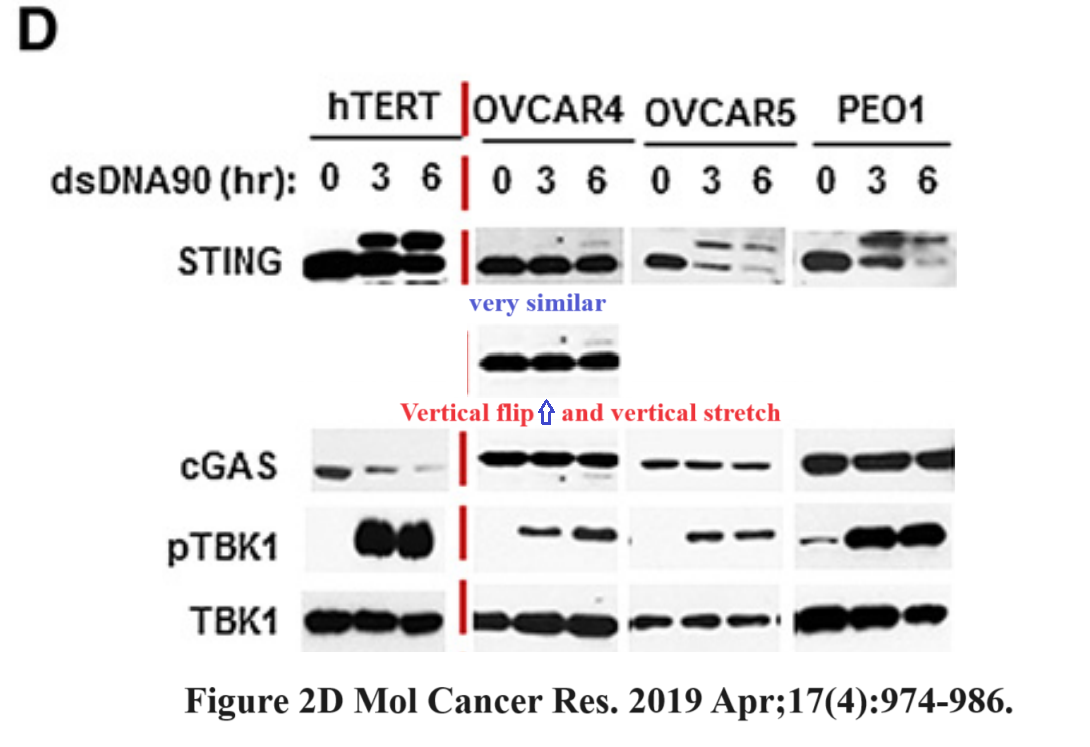
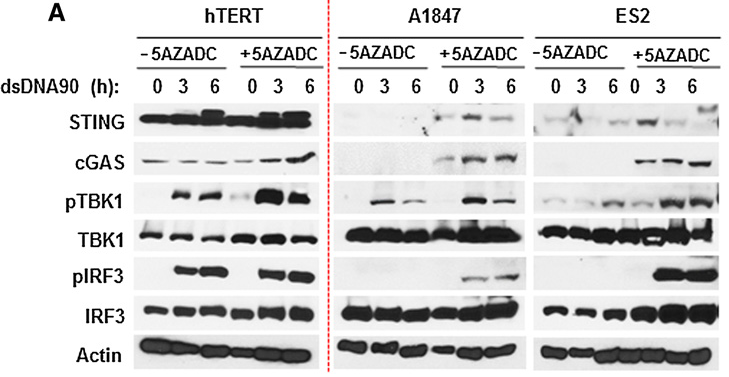
There are six ES2 lanes. However, there are seven bands for TBK1 and actin.”
The authors stated: No potential conflicts of interest were disclosed.” That is a shameless lie.
Now, Barber is co-founder of the intertwined biotech companies VYRIAD (founded in 2016) and STINGINN (founded in 2014), which sell “oncolytic virotherapy” to target a protein he “disocvered” and called STING, which also this paper is all about. The therapy was celebrated by ACS in their c&en magazine in 2018.
Barber also lied about in this Nature paper which his STINGINN company advertises with (“The authors declare no competing financial interests“):
Zhixun Dou , Kanad Ghosh , Maria Grazia Vizioli, Jiajun Zhu , Payel Sen , Kirk J. Wangensteen  , Johayra Simithy , Yemin Lan , Yanping Lin , Zhuo Zhou , Brian C. Capell , Caiyue Xu , Mingang Xu , Julia E. Kieckhaefer , Tianying Jiang , Michal Shoshkes-Carmel, K. M. Ahasan Al Tanim , Glen N. Barber, John T. Seykora , Sarah E. Millar, Klaus H. Kaestner, Benjamin A. Garcia, Peter D. Adams, Shelley L. Berger Cytoplasmic chromatin triggers inflammation in senescence and cancer Nature (2017) doi: 10.1038/nature24050

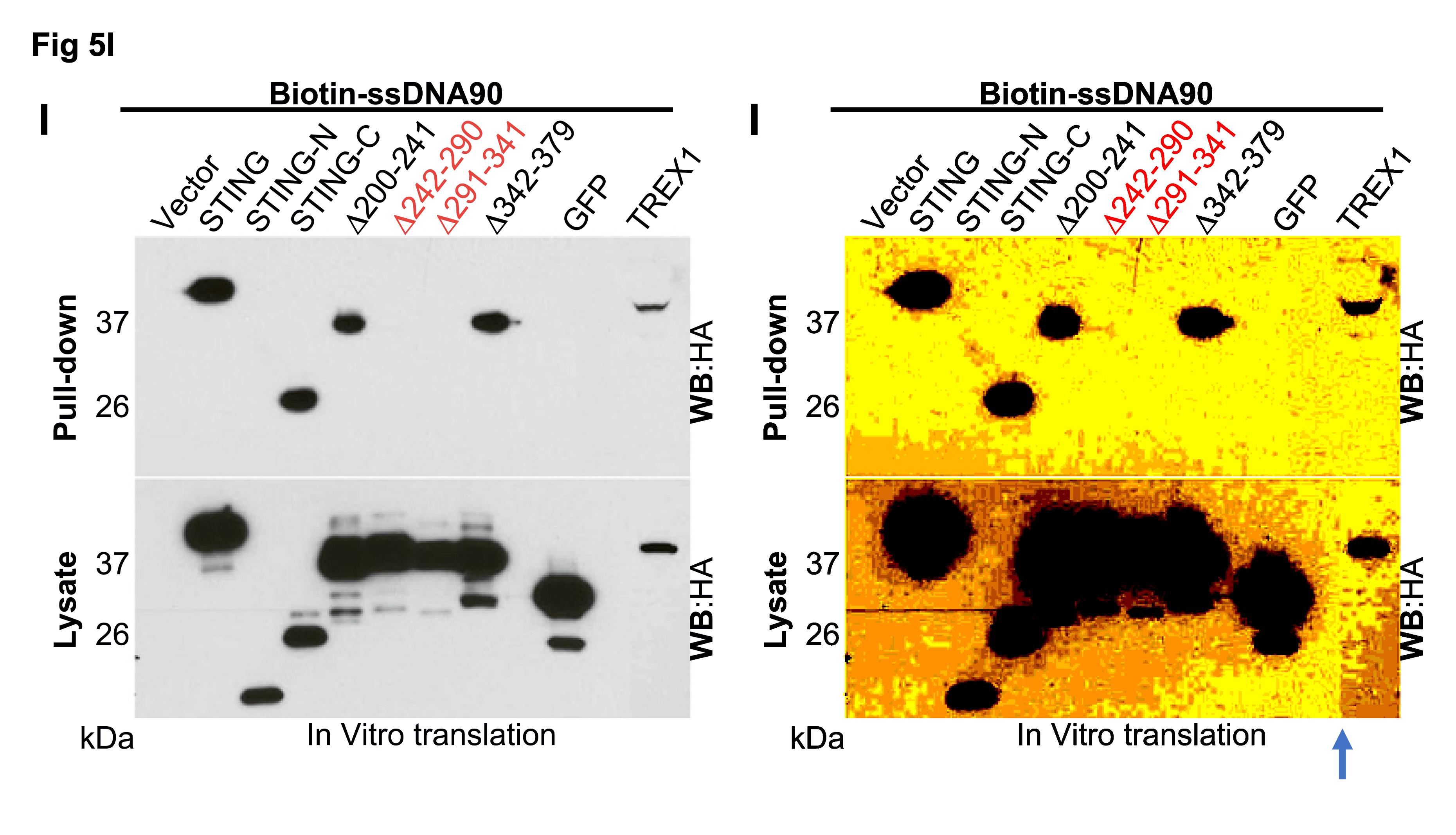
Saxifraga contraria: “The cGAMP chromatograms of dsDNA90-transfected and HRasV12-expressing cells in Figure 1b look identical, including the shape of the peaks and the y-axis scale. The peak area should be proportional to the amount of cGAMP. How could the amount of cGAMP in HRasV12-expressing cells be the same as in the positive control, dsDNA90-transfected cells?”
Also the 2004 Nature paper discussed above features in STINGINN website:

Barber also lied about having no COIs whatsoever in his STING papers Falahat et al 2023, Takahashi et al 2018, and probably many others which I am too lazy to check.
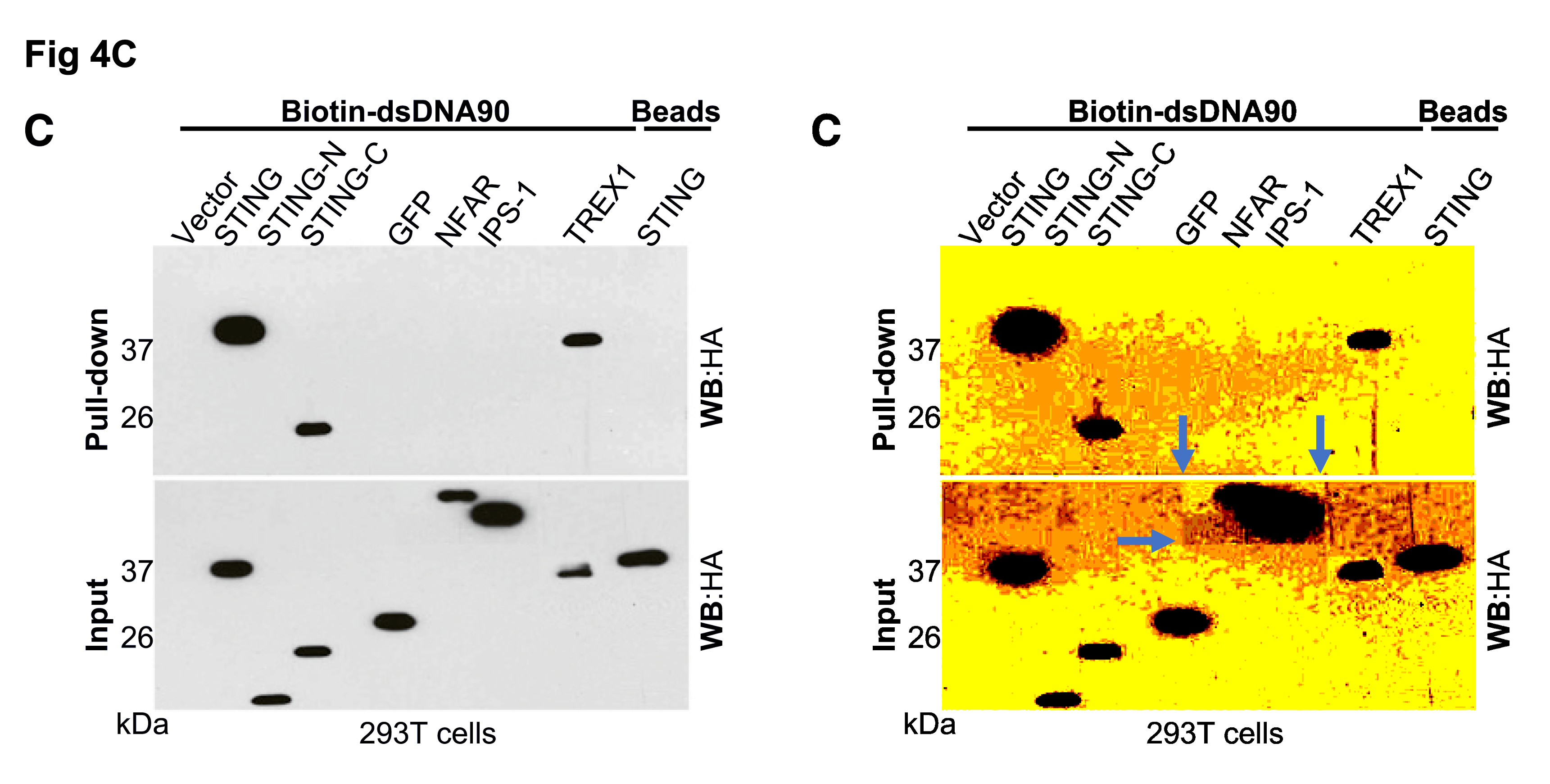
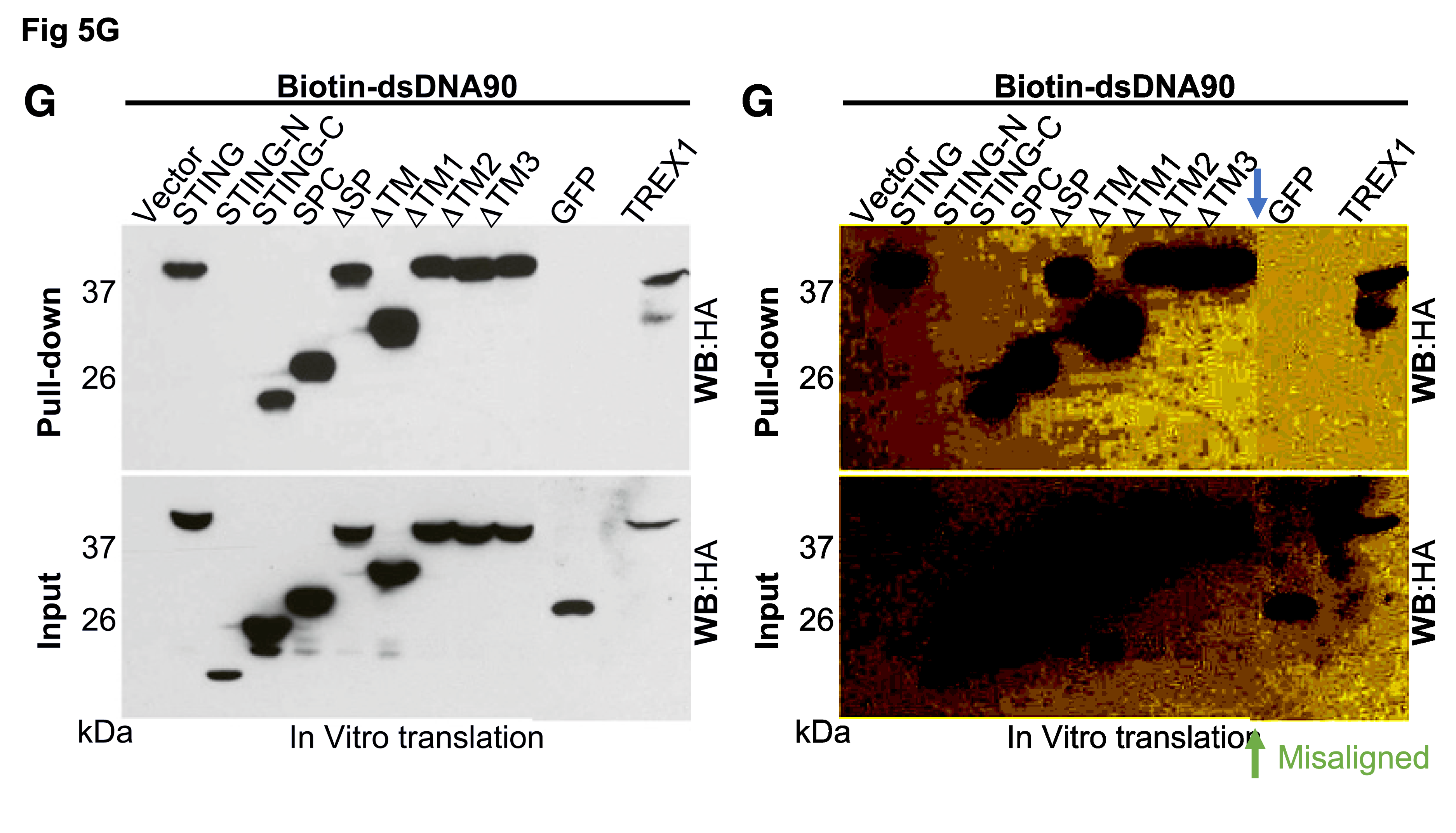
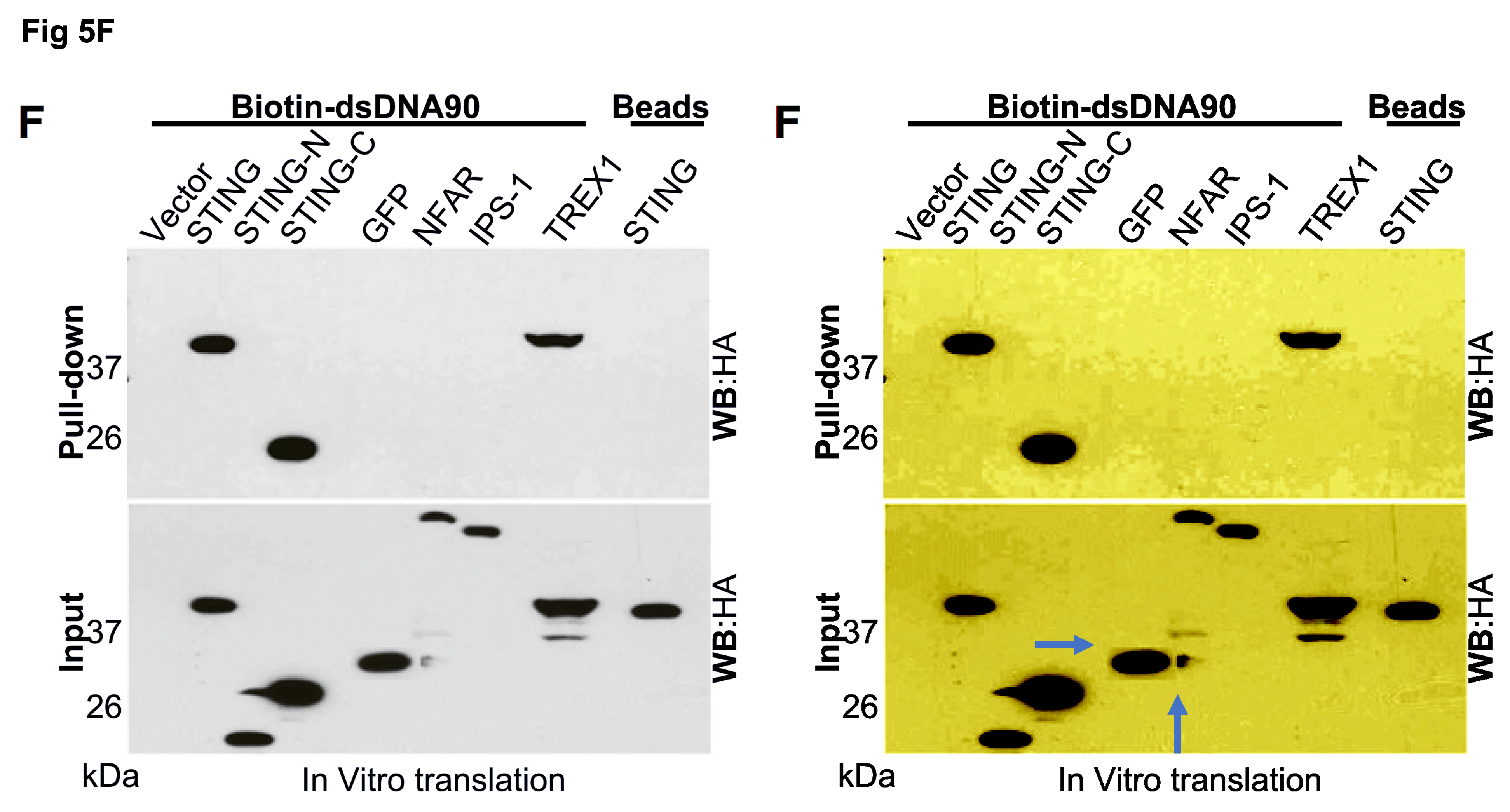
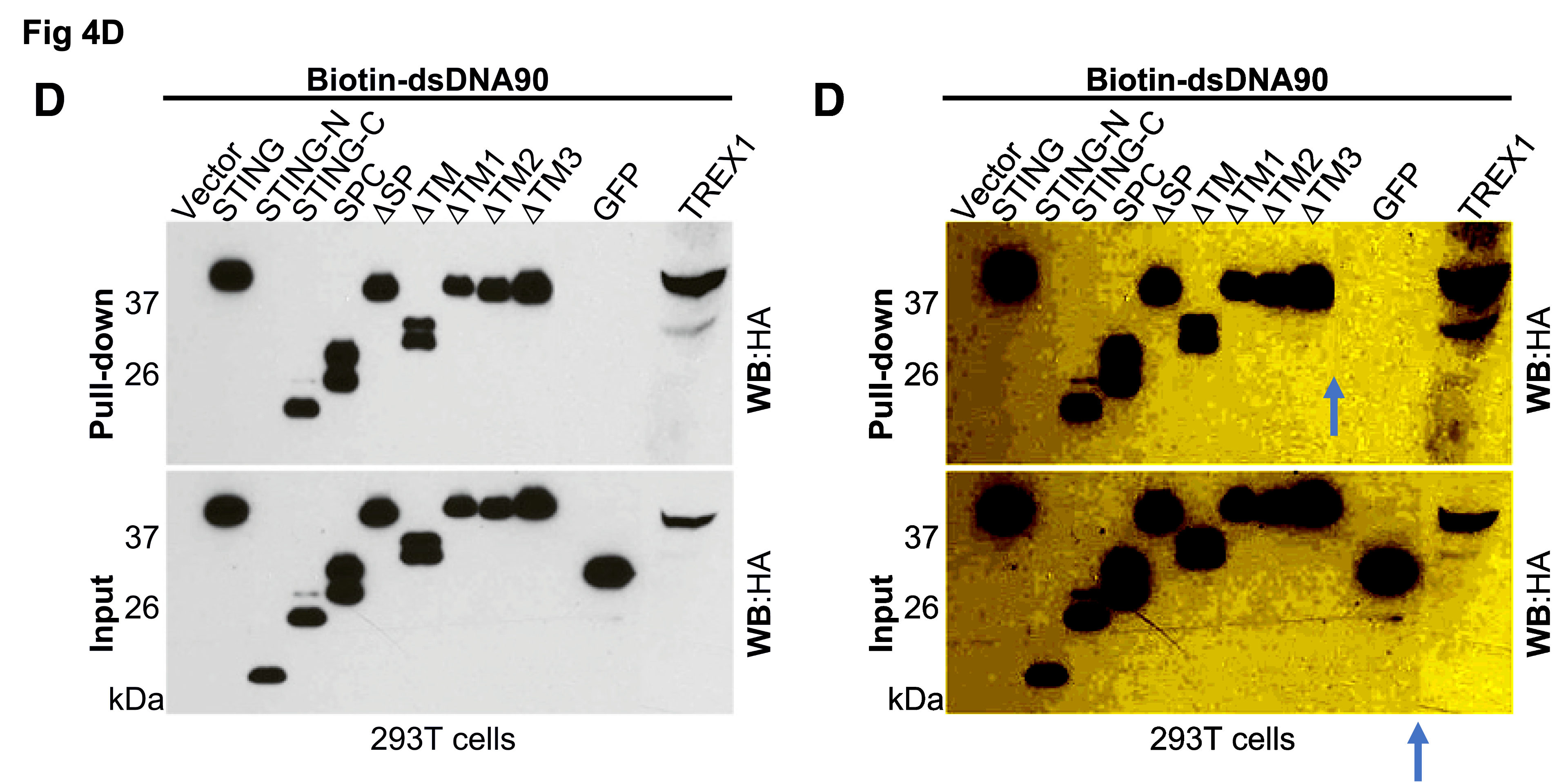
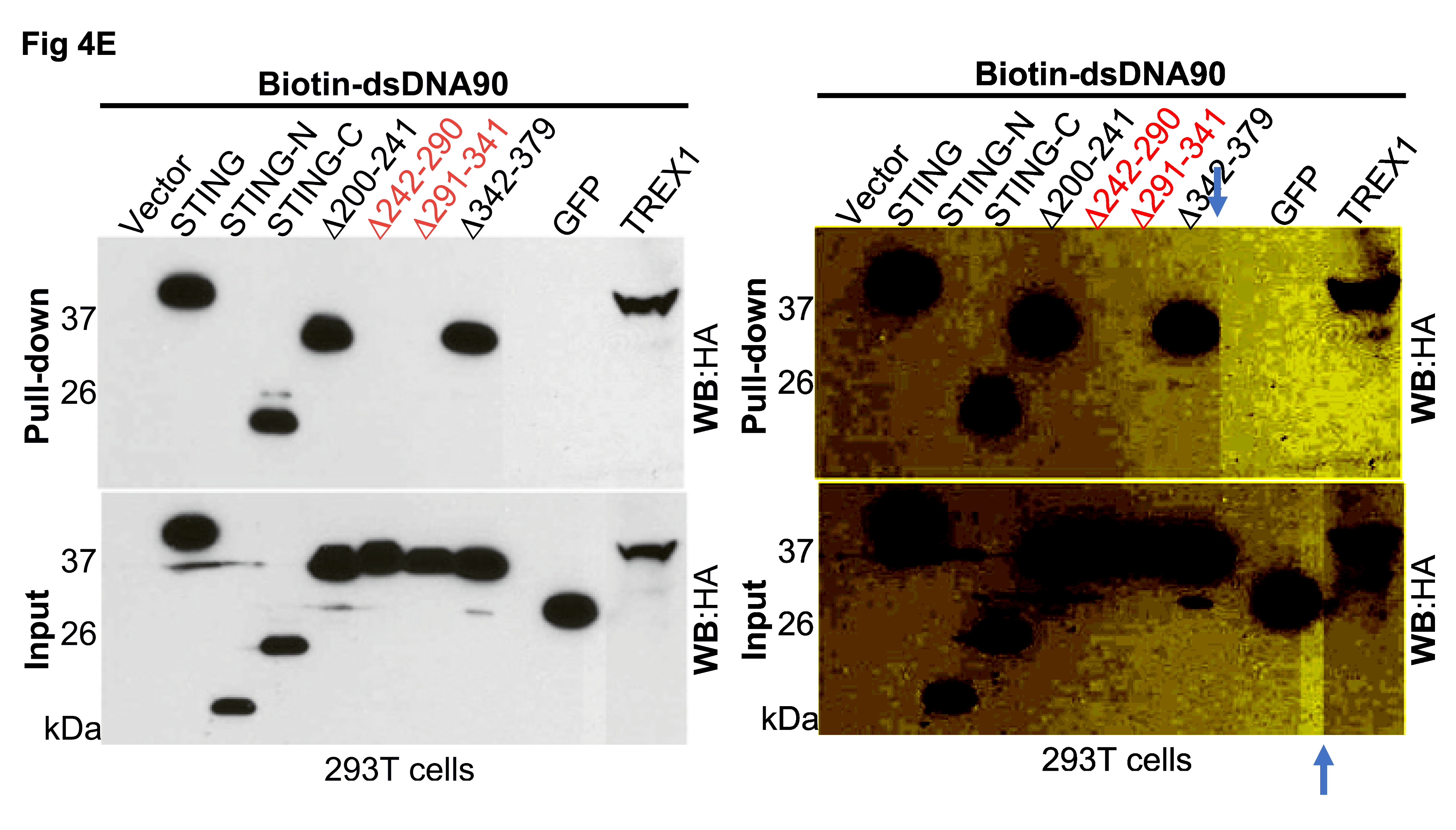
Here an older STING paper, with fake gels:
Takayuki Abe , Ai Harashima , Tianli Xia , Hiroyasu Konno , Keiko Konno , Alejo Morales , Jeonghyun Ahn , Delia Gutman , Glen N. Barber STING recognition of cytoplasmic DNA instigates cellular defense Molecular Cell (2013) doi: 10.1016/j.molcel.2013.01.039
Finally, let me show which company Barber comes from:
L Lin , Z Su , I V Lebedeva , P Gupta , H Boukerche , T Rai , G N Barber , P Dent , D Sarkar , P B Fisher Activation of Ras/Raf protects cells from melanoma differentiation-associated gene-5-induced apoptosis Cell Death & Differentiation (2006) doi: 10.1038/sj.cdd.4401899
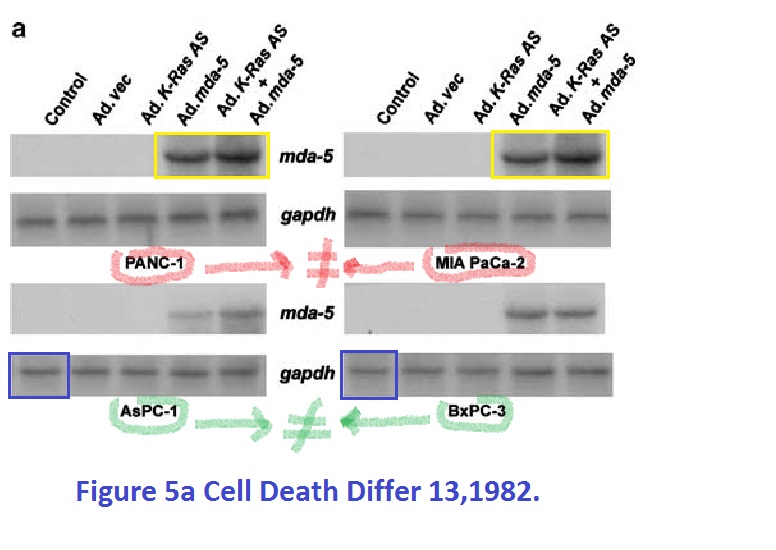
Yes, he is a friend of the mega-cheaters Paul B Fisher and Paul Dent, read about them here:
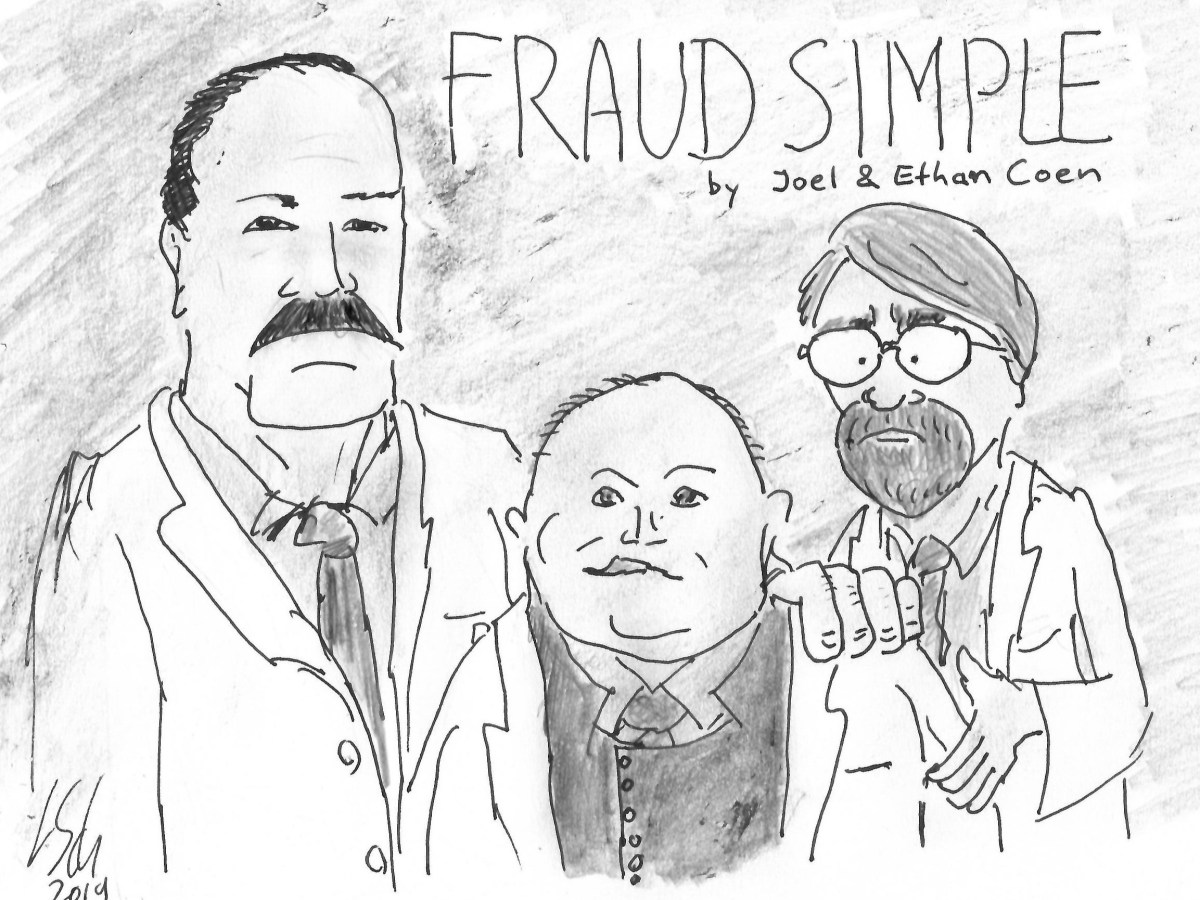
Fraud Simple
US cancer research professors Paul B Fisher, Paul Dent and Stephen Grant look like the characters of a Joel and Ethan Coen crime movie, unfortunately never filmed. Smut Clyde will give you a peek into their spree of data manipulation
Retraction Watchdogging
Differences in the mice used
Retraction for Palma Rocchi, research director at INSERM in Marseille, France, and former colleague of the Canadian cheater Martin Gleave, together they patented an antisense-RNA, and set up separate companies to market it against prostate cancer. Rocchi was mentioned in this article:
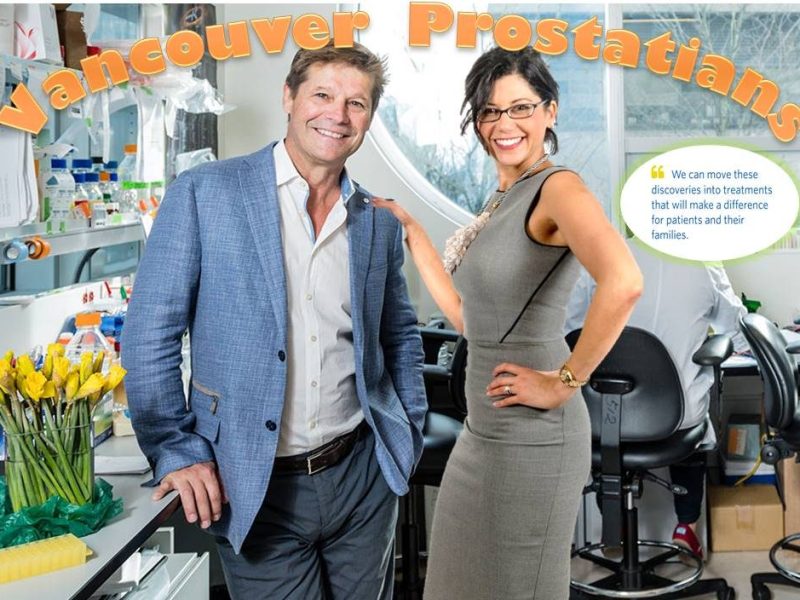
Trials and Errors of Martin Gleave
“The magnitude was much greater than we had expected or hoped for,” – Martin Gleave
Her coauthor is Philippe Barthélémy, former Vice-President of Bordeaux Segalen University, now professor at University of Bordeaux and Director of ARNA lab. The authors tortured some mice, and then falsified the data:
Sara Karaki , Sebastien Benizri , Raquel Mejías , Virginie Baylot , Nicolas Branger , Tan Nguyen , Brune Vialet , Khalid Oumzil , Philippe Barthélémy, Palma Rocchi Lipid-oligonucleotide conjugates improve cellular uptake and efficiency of TCTP-antisense in castration-resistant prostate cancer Journal of Controlled Release (2017) doi: 10.1016/j.jconrel.2017.04.042
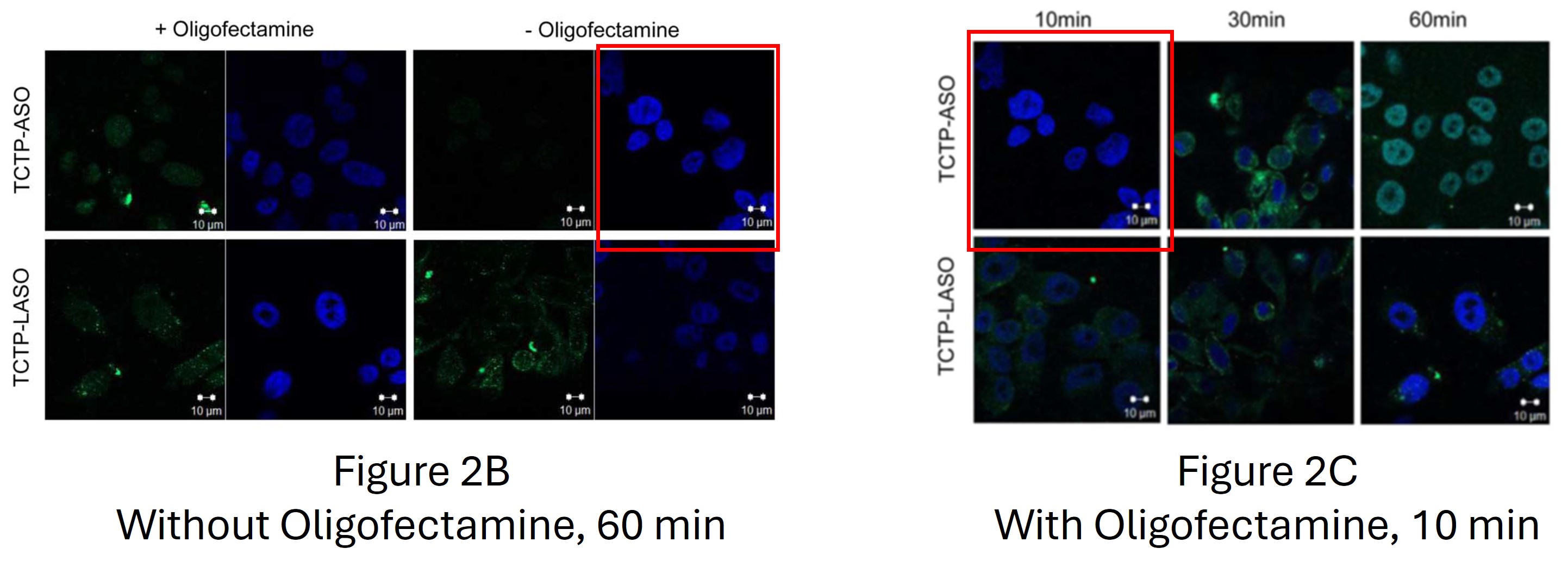

Kenneth Omabe , Clément Paris , François Lannes , David Taïeb, Palma Rocchi Nanovectorization of Prostate Cancer Treatment Strategies: A New Approach to Improved Outcomes Pharmaceutics (2021) doi: 10.3390/pharmaceutics13050591
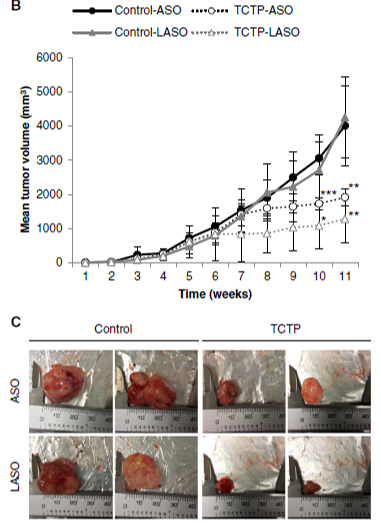
This exceeds the threshold that most animal ethics committees would deem acceptable as a humane endpoint.
For example, NIH IC ACUC recommends a humane endpoint for tumour volumes between 2-3 cm3″
The retraction from 21 March 2026 addressed only the data forgery:
“Concern was raised with the journal regarding images in Figs 2, 4, and 5, as detailed on PubPeer: https://pubpeer.com/publications/D16404B72787854F130AF7D9DC0852#0
The Journal’s own analysis also found some additional concerns:
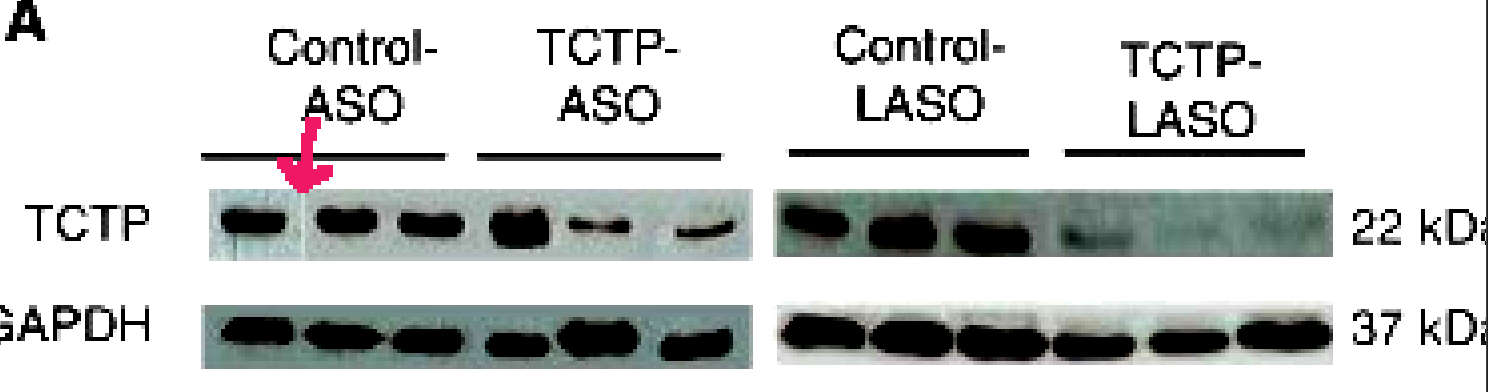
- [1.In Figure 4A, the TCTP blot for the control-ASO group shows a clear white line between the first and second sample. This may be due to gel splitting and combination. The GAPDH blot for the same sample lacks this.
- [2.The authors state that 5 mice were used per group (section 3.5), but the Western blot images in Figure 4A only display 3 samples per group.
- [3.In Figure 4A, the TCTP-ASO group on the Western blot shows larger variability of the signal when compared to other groups; yet the standard error of the mean (SEM) in the bar graph (below the Western blot) does not reflect this larger variability.
The Journal asked the Authors for a response.
The Authors responded but were not able to satisfy the Editor’s concerns, in particular regarding the differences in the mice used and those shown in the Western Blot images, and the gel splitting in Fig 4. The Editor-in-Chief assessed the case in full and decided to retract.”
Rocchi also had to admit her hidden conflict of interest in a correction for another paper:
Asma Bourefis , Hajira Berredjem , Omar Djeffal , Thi Khanh Le , Sophie Giusiano , Palma Rocchi HSP27/Menin Expression as New Prognostic Serum Biomarkers of Prostate Cancer Aggressiveness Independent of PSA Cancers (2022) doi: 10.3390/cancers14194773
“A correction has been made to the Conflicts of Interest statement: The University of British Columbia has submitted patent applications on Apatorsen, an antisense inhibitor of Hsp27, listing P.R. as an inventor. This IP has been licenced to OncoGenex Technologies, a Vancouver-based biotechnology company. P.R. is a co-founder of SilonTx (https://silontx.com), a biotech company started in April 2024, focusing on precision medicine and nucleic acid therapeutics.
The authors state that the scientific conclusions are unaffected.”
(Correction 13 March 2026)
The Lies of Mice
“The closer I looked, the worse it was. Not just because it’s sad to think too much about the poor lives of a laboratory mouse, but also because the researchers who used these mice didn’t have the decency to be truthful about their poor lives. ” – Viola Sheltonii

Rocchi, Barthelemy, Gleave and Rocchi’s associate David Taïeb also corrected this paper, for hidden conflicts of interests and problems with animal ethcis:
Chaïma Cherif , Dang Tan Nguyen , Clément Paris , Thi Khanh Le , Thibaud Sefiane , Nadine Carbuccia , Pascal Finetti , Max Chaffanet , Abdessamad El Kaoutari , Julien Vernerey , Ladan Fazli , Martin Gleave , Mohamed Manai , Philippe Barthélémy, Daniel Birnbaum , François Bertucci , David Taïeb, Palma Rocchi Menin inhibition suppresses castration-resistant prostate cancer and enhances chemosensitivity Oncogene (2022) doi: 10.1038/s41388-021-02039-2
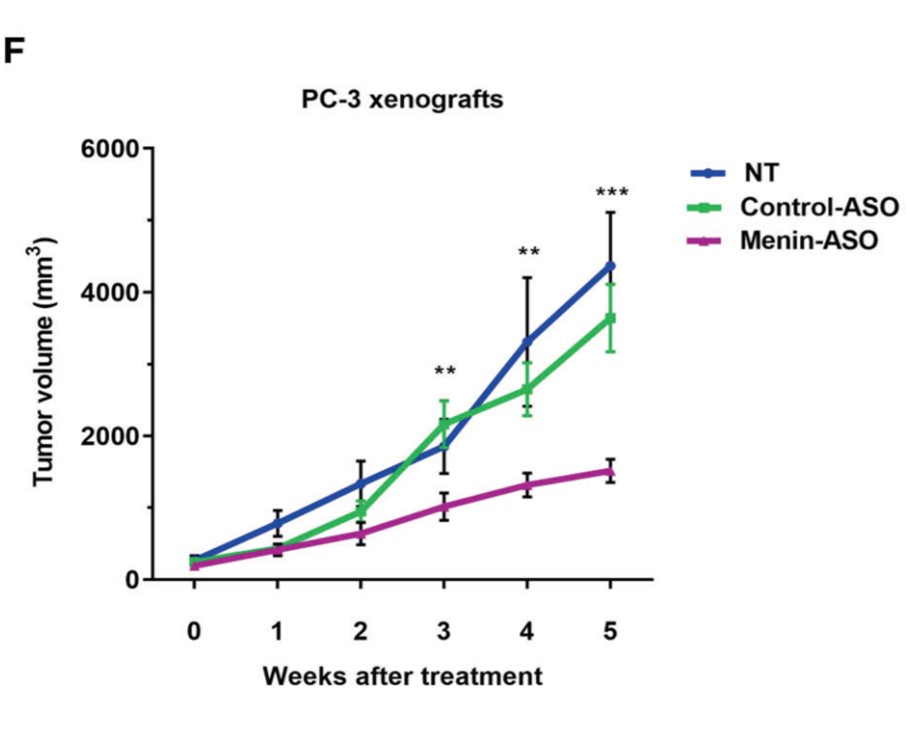
Ferreiraella xylophaga: “Figure 4F indicates that tumour volumes in the NT group reached more than 4 cm³ by Week 5, and may have exceeded 5 cm³”
It is clearly mouse torture when tumour xenografts are grown alrger thna 2 cm3. Bu the publisher Springer Nature decided that white French professors can do no wrong:
The correction from October 2025 was prompted by my past reporting in June 2025 Shorts. It named Rocchi and Gleave as Apatorsen patent holders, but without admitting that Gleave owns OncoGenex. Rocchi and Taieb were revealed as owners of Silon Therapeutics, which markets this drug. And:
“In the original version, details about the animal ethics approval were not mentioned in the section ‘Assessment of in vivo tumor growth’. Accordingly the text passage now reads as follows:
‘P. Rocchi who supervised the animal experiments, obtained permission for animal experiments by ethical committee following European rules (APAFIS#26169-2020062314545490 v4, Direction générale de la recherche et de l’innovation (DGRI), 75231 Paris Cedex 05)’ instead of ‘Palma Rocchi possesses personal agreement (#A13-477) for the animal handling and experimentation for this study. Animal experimentation was carried out accordingly to ethics laws recommendations’.”
Most likely, Rocchi received that ethics approval retrospectively. Think about it: these days, Nature group journals accept papers with animal experiments openly declared as done without any oversight whatsoever.
Unable to provide ethics approval documentation
In another case of fraudulent prostate cancer research, the retraction notice did address mouse abuse, not just duplicated images. The US cancer researcher David Danielpour, professor at Case Western Reserve University in Cleveland, Ohio, featured in this article:
See a therapist and get serious help
“I am highly admired by my colleagues for the high level of rigor and reproducibility I continue to apply to research. ” Dr David Danielpour
It started with a one single overlap:
Sanjeev Shukla , Haripaul Sharma , Ata Abbas , Gregory T. MacLennan , Pingfu Fu , David Danielpour, Sanjay Gupta Upregulation of SATB1 is associated with prostate cancer aggressiveness and disease progression PLoS ONE (2013) doi: 10.1371/journal.pone.0053527

Actinopolyspora Biskrensis: “The migration and invasion images for the PZ-HPV-7 cells transfected with SATB1 seem to be of the same sample at different magnifications.
The same may be true for the control images, but there are few visible features to compare.“
The Retraction was issued on 12 March 2026:
“After this article [1] was published, concerns were raised about the reported mouse tumor sizes, mouse body weight, results presented in Fig 5, and the statistical analyses of the data reported in Fig 6. Specifically:
- The tumor burden reported in [1] exceed standards commonly accepted for mouse tumor studies. Editorial assessment of the individual-level underlying data for Figs 6A and 6C provided by the corresponding author raises concerns that prior to the final time-point (day 31):
- Individual tumor sizes exceeded 2,000 mm3 (up to 2,738 mm3) in 25% (2 out of 8) of the mice;
- Weight loss (calculated using body weight excluding tumor mass) exceeded 20% in 37.5% (3 out of 8) of the mice.
- Predefined humane endpoints, method of euthanasia, and the ethics approval document number were not reported in [1].
- In the Fig 5A E-cadherin panel, there appear to be horizontal discontinuities between lanes 4 and 5, as well as between lanes 6 and 7.
- In Fig 5C, the PZ-HPV-SATB1 Migration panel partially overlaps with the PZ-HPV-SATB1 Invasion panel.
- In Figs 6A and 6C, a statistically significant reduction in tumor growth with a decrease in tumor weight and volume was reported (P < 0.003). However, the statistical tests described in the Materials and Methods section do not account for the lack of independence among observations. In addition, considering the limited sample sizes, assumptions regarding the underlying data distribution are unlikely to be met.
In response to queries about the mouse experiments, the corresponding author provided additional information pertaining to the methods of euthanasia and general animal monitoring, but the authors did not provide pre-defined humane endpoints and scientific or ethical justification for the tumor sizes, and they were unable to provide the ethics approval documentation or the animal health monitoring log for editorial review.
Regarding the concern about Fig 5A, the corresponding author stated that the irregularities are due to differences in background intensity or contrast adjustments made during image processing. The underlying blots provided for editorial review were of too low resolution to resolve the concerns with Fig 5A. The corresponding author stated an error was made during the preparation of Fig 5C and provided a replacement image.
With regard to the statistical analysis of the data shown in Figs 6A and 6C, the corresponding author stated that the data were reassessed by a biostatistician, who identified errors in data calculation and entry. The newly reported P values for Figs 6A and 6C are 0.068 and 0.272, respectively. In light of the statistical reanalysis, the findings in [1] that injection of SATB1 KO clone resulted in reduced tumor growth in mice with a decrease in tumor weight and volume are no longer supported.
The PLOS One Editors retract this article in light of the statistical concerns which call into question the validity and reliability of the reported results, and the reported tumor sizes which raise concerns about animal welfare considerations in the study design.
SS, PF, DD, and SG did not agree with the retraction. HS, AA, and GTM either did not respond directly or could not be reached”
Danielpour was accompanied on that paper by his Case Western colleague and endowed professor of urology, Sanjay Gupta, and Gupta’s mentee’s colleague Sanjeev Shukla, who is now at University of Florida. Here is another fabrication by these two:
Sanjeev Shukla , Sanjay Gupta Molecular targets for apigenin-induced cell cycle arrest and apoptosis in prostate cancer cell xenograft Molecular Cancer Therapeutics (2006) doi: 10.1158/1535-7163.mct-05-0370
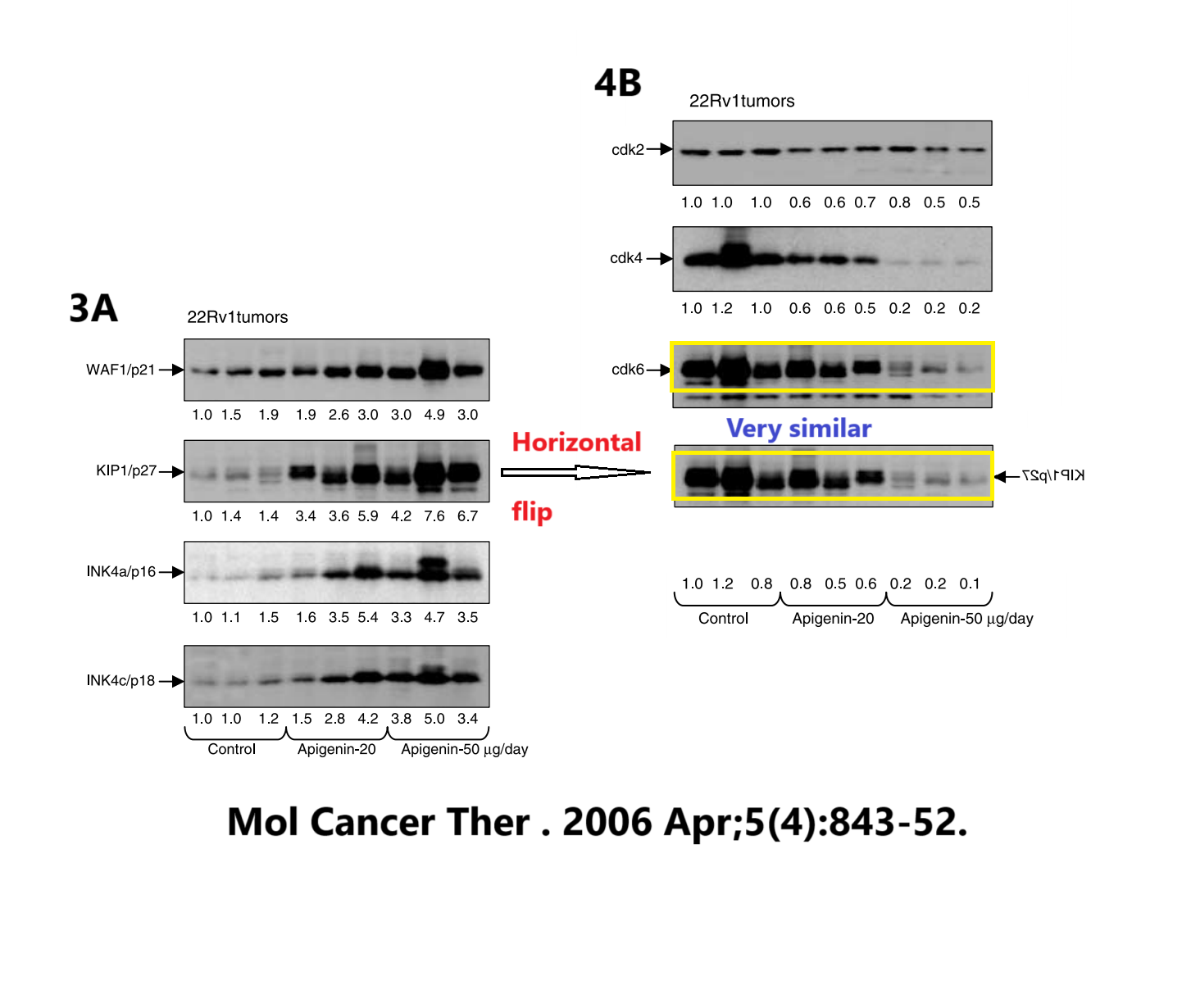
Gupta is lucky his name is too common, which means there are other Indian namesakes on PubPeer, but it helps to focus on cancer topics, where one finds the retracted Zhou et al 2015 with Haifa Shen and Mauro Ferrari, about which I reported in August 2023 Shorts.
One can also co-search for coauthors, like Shukla or Hasan Mukhtar, a dermatologist at University of Wisconsin Madison who featured in August 2025 Shorts:
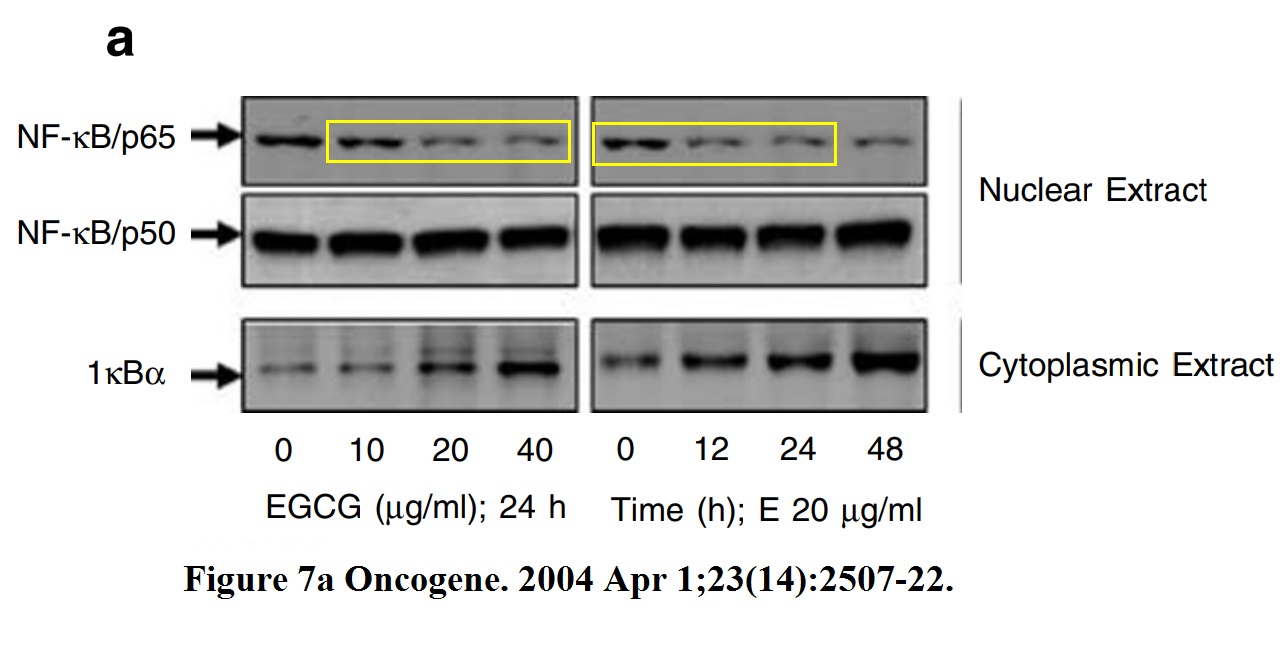
Fig 7A
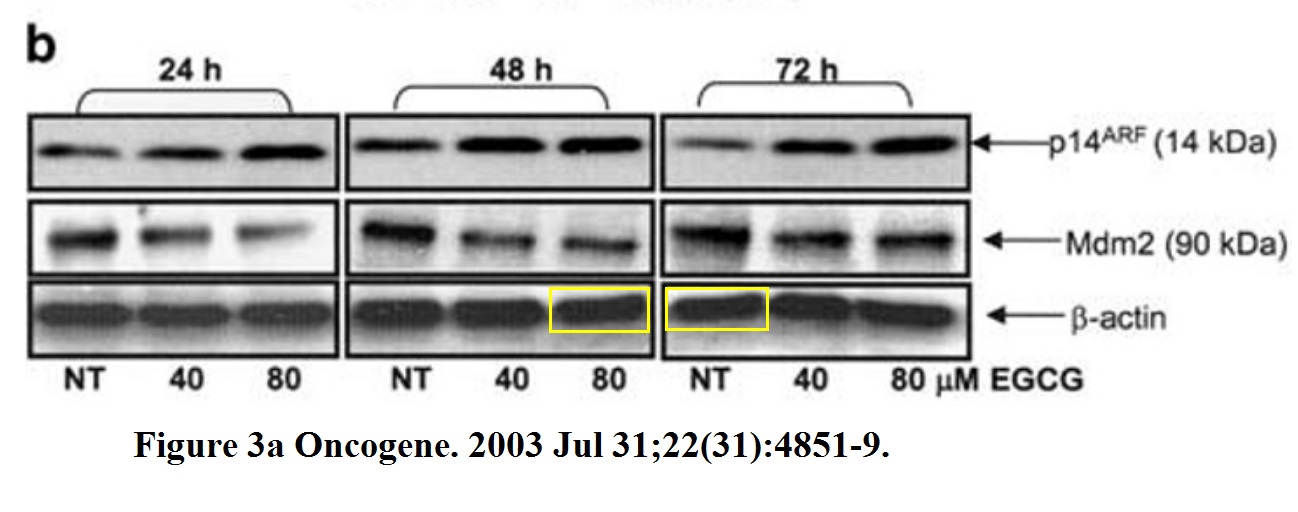
Fig 3A
Also here Gupta and Mukhtar cured prostate cancer with green tea:
Vaqar Mustafa Adhami , Imtiaz Ahmad Siddiqui , Nihal Ahmad , Sanjay Gupta , Hasan Mukhtar Oral consumption of green tea polyphenols inhibits insulin-like growth factor-I-induced signaling in an autochthonous mouse model of prostate cancer Cancer Research (2004) doi: 10.1158/0008-5472.can-04-2840
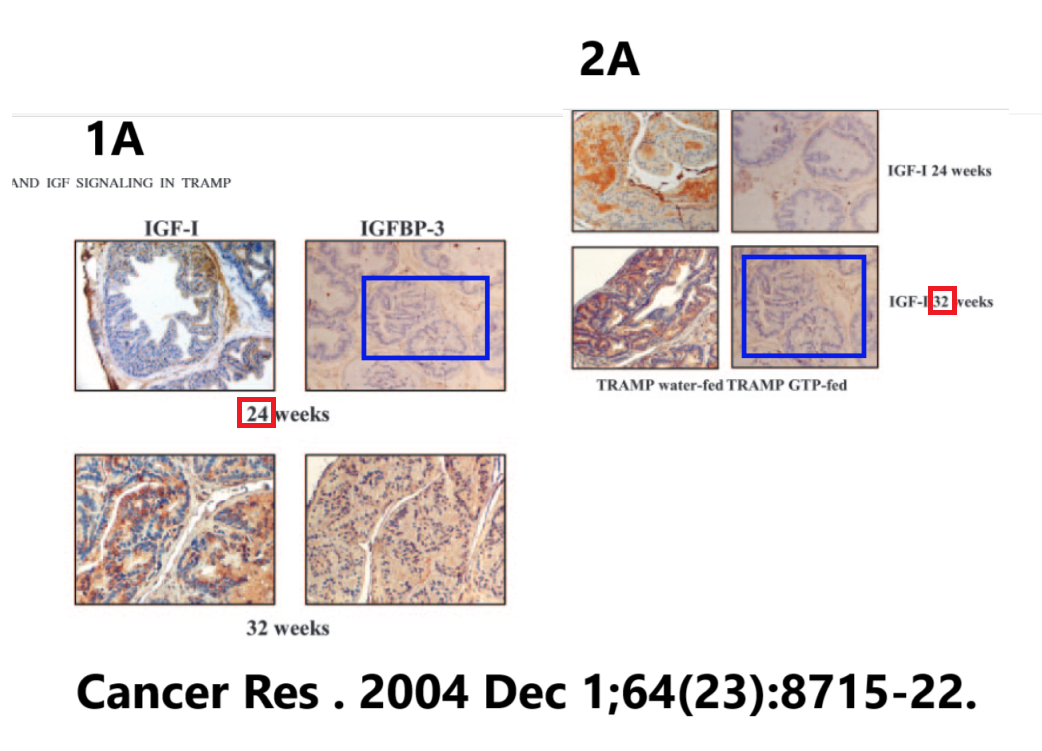
Camomile works also:
Sanjay Gupta, Farrukh Afaq , Hasan Mukhtar Involvement of nuclear factor-kappa B, Bax and Bcl-2 in induction of cell cycle arrest and apoptosis by apigenin in human prostate carcinoma cells Oncogene (2002) doi: 10.1038/sj.onc.1205474
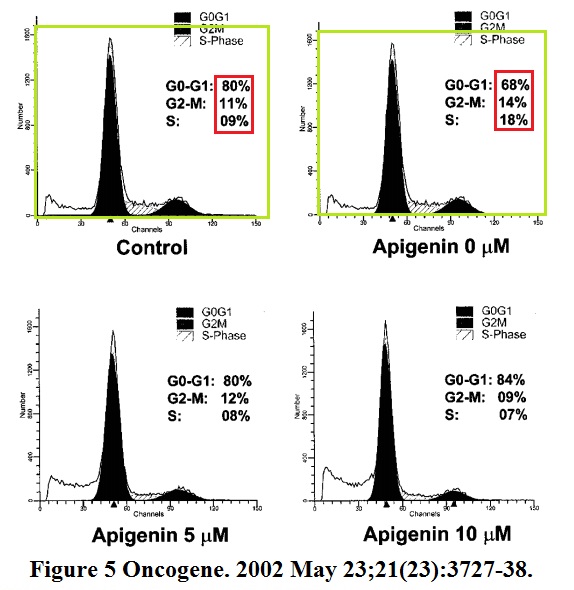
Fig 5
And look at this vintage product, Nihal Ahmad is now Vice Chair for Research in the Department of Dermatology of University of Wisconsin Madison:
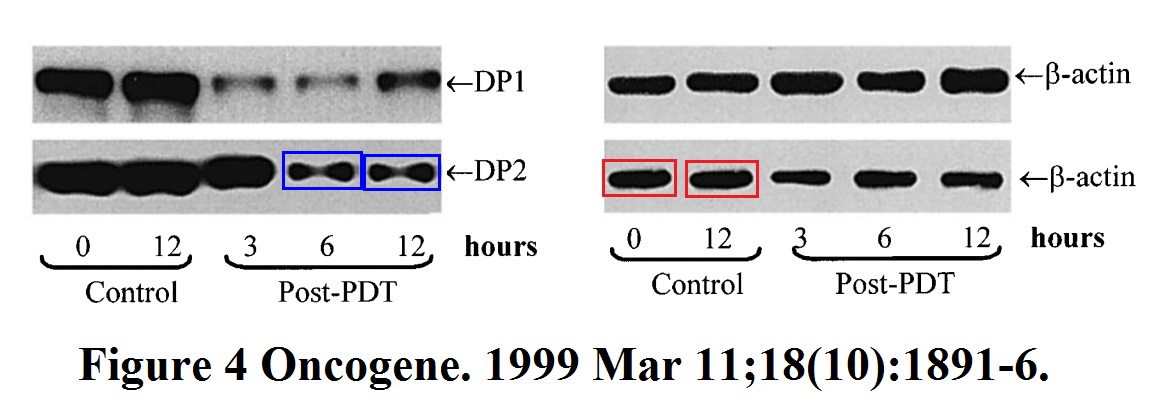
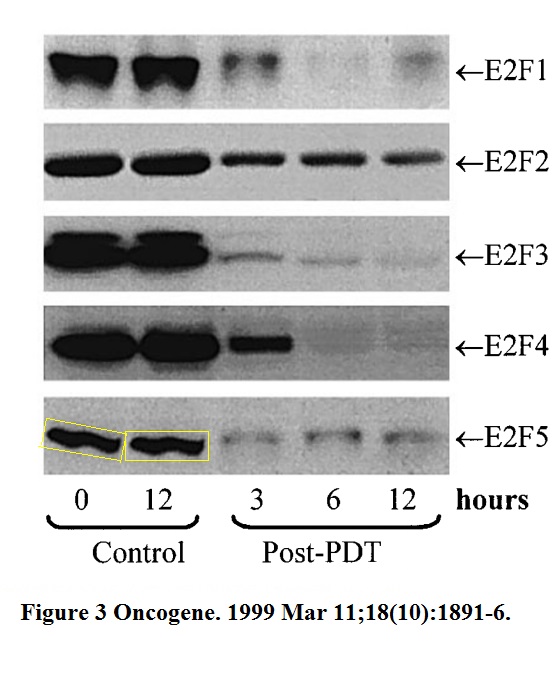
Nihal Ahmad , Sanjay Gupta , Hasan Mukhtar Involvement of retinoblastoma (Rb) and E2F transcription factors during photodynamic therapy of human epidermoid carcinoma cells A431 Oncogene (1999) doi: 10.1038/sj.onc.1202493
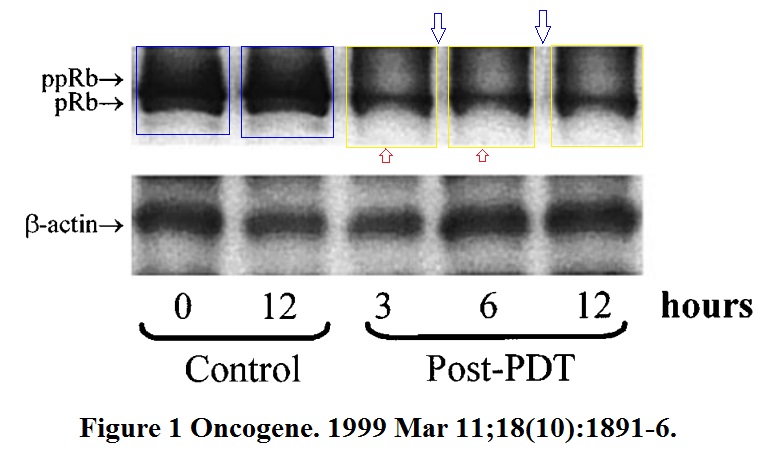
Inconsistencies in authors’ explanations
Look who lost a paper: the British trachea transplanter Martin Birchall! Together with his UCL friends, Wenhui Song, professor of biomaterials and medical engineering, Marilena Loizidou professor for cancer nanotechnology, and the medical faculty Mark Emberton, who hushed up the trachea transplant affair at UCL in 2017. The retracted paper featured in this article:
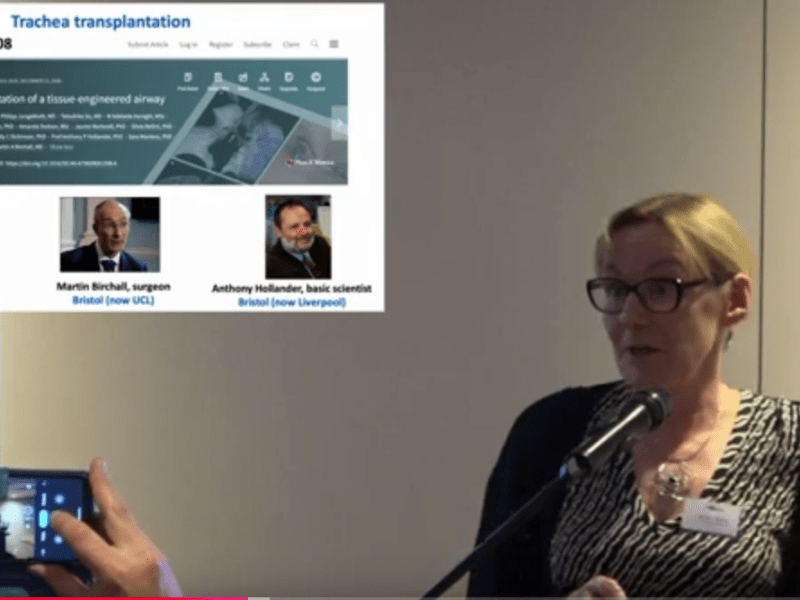
Martin Birchall, Paolo De Coppi, and other clowns of UCL’s degenerative medicine
Several years ago, UCL investigated the Macchiarini affair and found their surgeon Martin Birchall was not only innocent, but also entitled to more money and more patients to experiment upon. Now, Patricia Murray was awarded for exposing this UCL malfeasance, and Sholto David scrutinised UCL papers for data manipulation.
Rest assured the decision to retract didn’t come from UCL, in fact they must have fought against it. The study was about testing decellurised grafts in rats, subcutaneously:
Linxiao Wu , Adrián Magaz , Elizabeth Maughan, Nina Oliver , Arnold Darbyshire , Marilena Loizidou, Mark Emberton, Martin Birchall, Wenhui Song Development data associated with effects of stiffness softening of 3D-TIPS elastomer nanohybrid scaffolds on tissue ingrowth, vascularization and inflammation Data in Brief (2019) doi: 10.1016/j.dib.2019.01.012


Linxiao Wu , Adrián Magaz , Elizabeth Maughan , Nina Oliver , Arnold Darbyshire , Marilena Loizidou , Mark Emberton, Martin Birchall, Wenhui Song Cellular responses to thermoresponsive stiffness memory elastomer nanohybrid scaffolds by 3D-TIPS Acta Biomaterialia (2019) doi: 10.1016/j.actbio.2018.12.019
The sister paper in Acta Biomaterialia was corrected in April 2025, where the authors informed that “the corrected images do not alter the findings or conclusions of the paper“. However, same image forgeries did affect things in the Data in Brief paper, go figure! The retraction arrived on 18 March 2026:
“This article has been retracted at the request of the Editor-in-Chief and Editor.
Concerns were raised regarding potential duplication and manipulation of several figure panels in the article. The authors were invited to respond and provided some explanations and revised legends; however, the concerns were not adequately resolved. Specifically, duplicated and/or manipulated images were observed in multiple figure panels (including but not limited to Figures 4J/5D; 7H/8G; 8H/9H; 9H/10H; 11J/12K), with no verifiable raw data provided to support the published results. The inability to supply the original data, combined with inconsistencies in the authors’ explanations, undermines the reliability of the findings presented.
The authors did not respond satisfactorily to the journal’s final request for clarification. As a result, the Editors no longer have confidence in the integrity of the article’s content.”
See next Short what else these people are up to.
Science breakthroughs
Real hope to patients like two-year-old Casey
We remain at UCL, in fact we remain the topic of their degenerative medicine, and even Wenhui Song is involved. Another trachea transplanter and close collaborator of Martin Birchall, the UCL professor and paediatric surgeon of Great Ormond Street Hospital, Paolo De Coppi, is preparing to kill cure children with his decellurised oesophaguses!

Paolo De Coppi and the UCL organ factory
Paediatric surgeon Paolo De Coppi claims to grow all possible internal organs in his lab at UCL. Though his career started with his association with Macchiarini, and their regenerative medicine ideas sound strangely similar, De Coppi is celebrated as a modest genius poised to save lives of uncounted children, and the funding money flows.
BBC brought exciting news on 20 March 2026, the article is written in a way to make you believe a child was saved by De Coppi’s transplant, while in reality the child received a standard gastric pull-up operation, and instead some mini-pigs were tortured:
“UK scientists have grown fully functioning food pipes in a lab and successfully transplanted them into mini pigs.
Experts say the breakthrough, reported in the journal Nature Biotechnology, offers real hope to patients like two-year-old Casey Mcintyre, who was born with 11cm missing from his oesophagus. […]
Casey’s dad, Sean, said […] “Whatever the team did for him was really a miracle. But the idea that there could be one operation early in your child’s life that could transplant a working piece of oesophagus, and then we could move on, would be life-changing.” […]
Prof Paolo De Coppi, who led the research team at Great Ormond Street Hospital and University College London, said he hoped to be able to offer the treatment to children within the next five years.
“The oesophagus is a really complex organ, without a blood supply from its own vessels, so it cannot be ‘transplanted’ in the way you might expect. […]
He said the graft would not be suitable for adults with other oesophageal problems such as cancer because it wouldn’t be the right size. It is designed to grow with the children as their oesophagus gets bigger and longer.”
There’s so much lying in what De Coppi said that I struggle where to start.
First of all, decellurised oesophaguses (or tracheas) don’t grow, this classic lie is based on the trachea transplant which De Coppi and Birchall did with Paolo Macchiarni in 2010, they used an ADULT trachea on a child patient and hid that boy ever since (probably so that nobody finds out the truth).
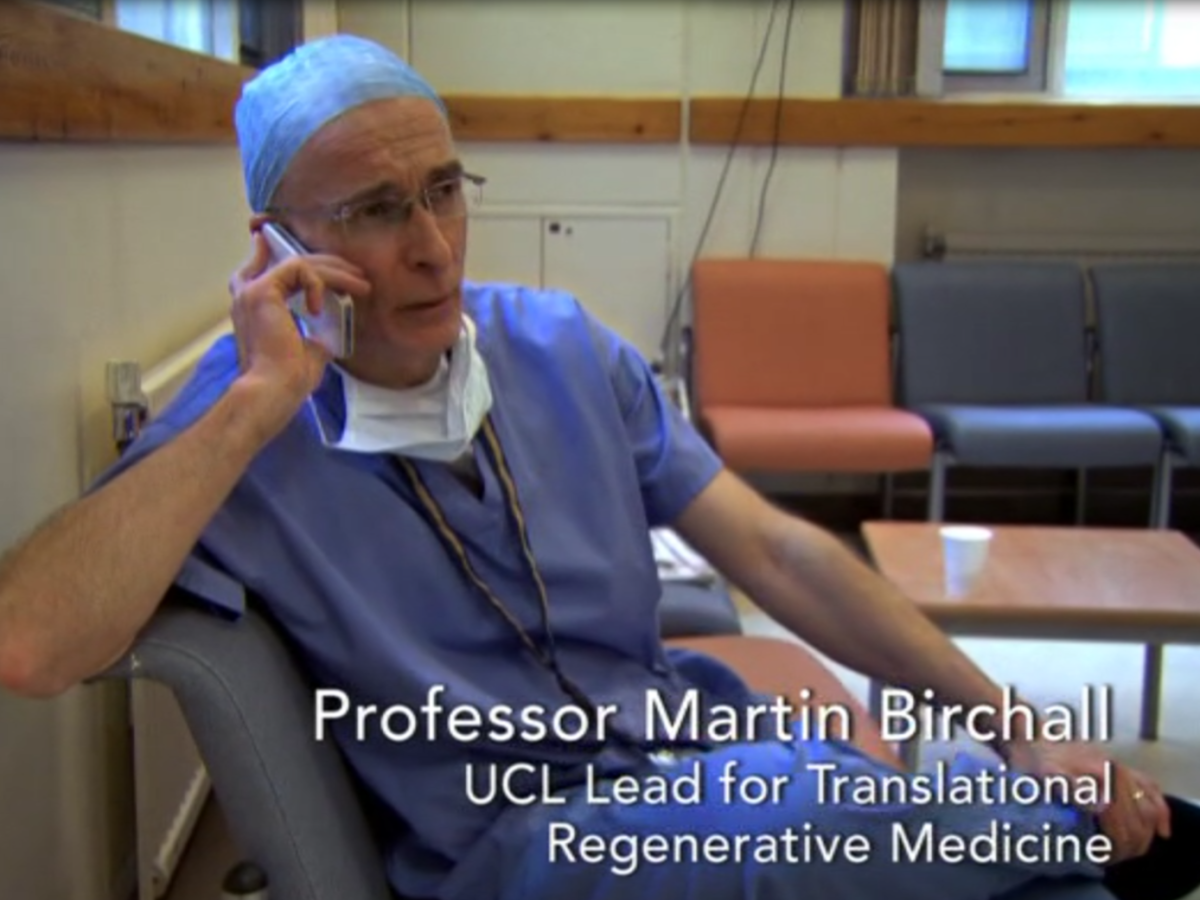
Trachea transplanters: Round 2 at UK Parliament
The Science and Technology Committee of the British House of Commons is now dealing with the trachea transplants performed by the scandal surgeon Paolo Macchiarini and his former parter at UCL, Martin Birchall as part of its inquiry into Research Integrity. Two UK scientists from Liverpool initiated this with their written submission from November 21st…
Second, of course De Coppi could let a colleague use a decellurised oesophagus from a large pig for an adult patient, but he is a paediatric surgeon, so it has to be little kiddies then. The lie was required because they used a very short graft of 2.5 cm, and it still proved deadly to the animals.
And the third lie: De Coppi has been trying to kill cure some kiddies with those decellurised pig food pipes already since 2017, when his Great Ormond Street Hospital announced a clinical trial on 10 children to start in 2018, as I wrote here.
But then the Macchiarini scandal happened, we exposed Birchall and De Coppi killing a 15 year old disabled girl with a totally messed-up trachea transplant and then lying about her, and then someone upstairs panicked and stopped De Coppi’s pig oesophagus trial before 10 little kiddies could be sacrificed for some men’s papers in Lancet. The surgeon was ordered to test his technology on animal modesl first, so a PhD student was recruited for this job, supervised by De Coppi’s colleague at Great Ormond Street and fellow Italian, Paola Bonfanti.
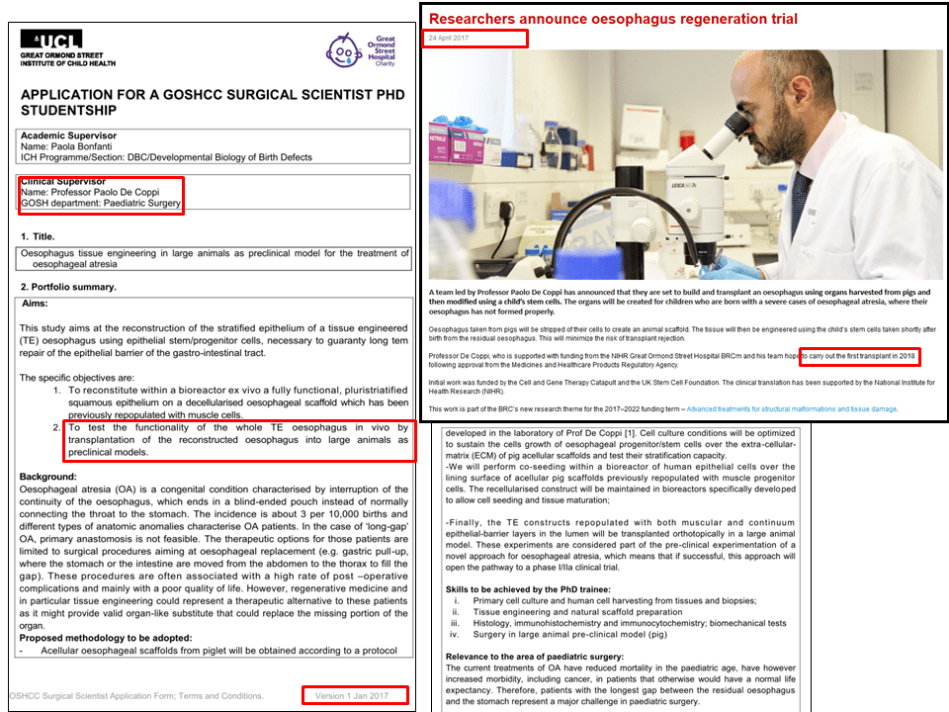
As I wrote in September 2022 Shorts, De Coppi and Bonfanti admitted in Hannon et al 2022 that all their rabbits died after receiving an oesophagus transplant due to “obstruction of the scaffold and respiratory complications despite the use of intraluminal stents.”
To sum up: we get the same decade-old lies, rewarmed by BBC, and no, it is not funny because parents are given false hope and one day De Coppi will get his way and kill some children, again.
Anyway, here is his new pig paper, featuring Bonfanti and the aforementioned cheater Wenhui Song:
Natalie Durkin , George T. Hall , Roberto Lutman , Marianna Scuglia , Theodoros Xenakis , Giulia Patera , Daniele Di Biagio , Koji Yamada , Lucinda Tullie , Dominic Scaglioni , Soichi Shibuya , Kornilia Nikaki , Max Arran Beesley , Tarek Saleh , Matias Garrido Flores , Dominika Borselle , Valerija Karaluka , J. Ciaran Hutchinson , Sahira Khalaf , Olumide Ogunbiyi , Lei Wu, Xia Huang, Wenhui Song, Stavros Loukogeorgakis, Alessandro Filippo Pellegata, Sara Mantero, Giulio Cossu, Vivian S. W. Li, Osvaldo Borrelli, Paola Bonfanti, Sergi Castellano, Mattia Francesco Maria Gerli, Conor J. McCann, Simon Eaton, Marco Pellegrini, Paolo De Coppi Functional integration of an autologous engineered esophagus in a large-animal model Nature Biotechnology (2026) doi: 10.1038/s41587-026-03043-1
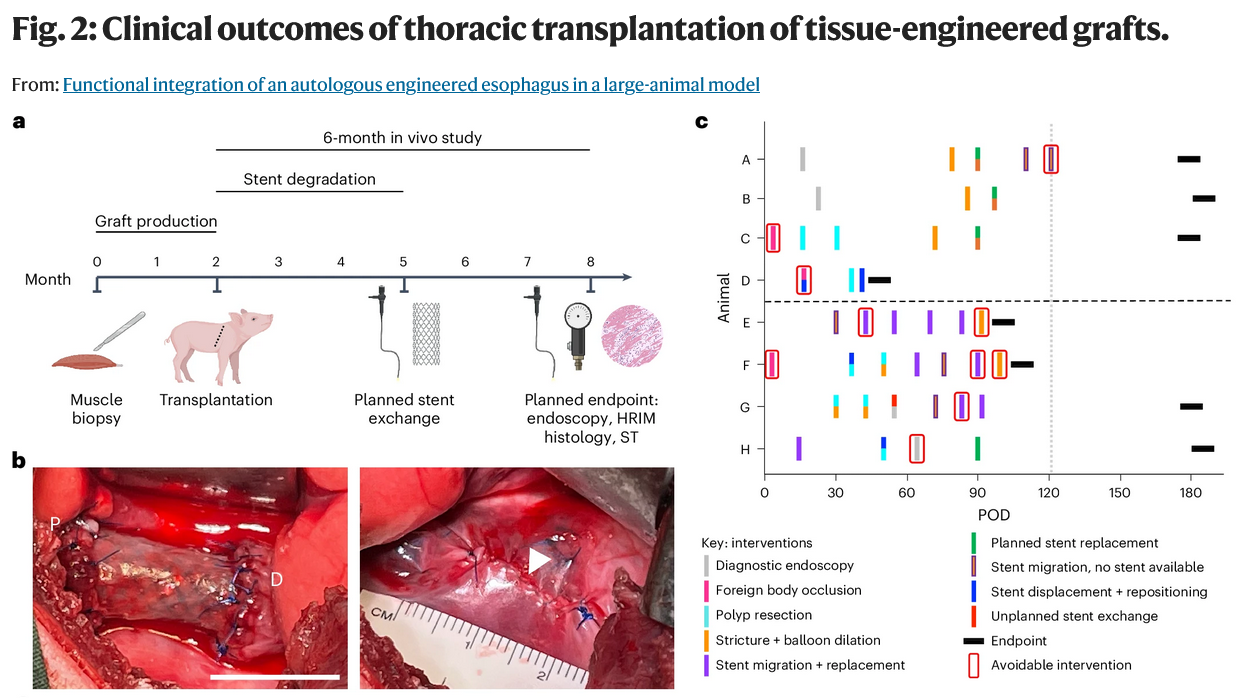
If one tries to read that stupid paper, it becomes clear that despite very short grafts (2.5 cm) and the use of stents, the animals suffered greatly (“polyp formation, stenosis consequent to stent migration and foreign body obstruction“), constantly requiring “requiring endoscopic balloon dilation, followed by custom stent replacement”. It was so bad that the endoscopy protocol had to be adjusted, from “a maximum of three times” to “up to seven unplanned diagnostics with or without therapeutic endoscopies, including the need for balloon dilation, biopsy or debridement of polyps, foreign body removal, stent repositioning or reapplication“. Even with this relaxed protocol, 3 out of 8 animals had to be killed after 1 month and 3 months, the others were declared after the 6 months observation period as perfect survivors and swiftly killed, for analysis. The BBC article of course doesn’t mention any of that, because all these deaths and suffering might scare off the parents of prospective clinical trial participants.
By the way, also on board is yet another cheating Italian with a fetish of degenerative medicine, Giulio Cossu, professor at University of Manchester in UK and IRCCS San Raffaele Scientific Institute in Milan, Italy. Read about him here:
How Sampaolesi and Cossu cured Muscular Dystrophy with stem cells
Gather round children, and hear a fairy tale from the golden age of degenerative medicine.
Industry Giants
Nonsentient human organ sacks
In USA, the level of degenerative medicine idiocy is of course much, much higher than in boring England.
WIRED reported on 23 March 2026 about a new exciting biotech company:
“Bay Area-based R3 Bio has been quietly pitching the idea to investors and in industry publications as a way to replace lab animals without the ethical issues that come with living organisms. That’s because these structures would contain all of the typical organs—except a brain, rendering them unable to think or feel pain. The company’s long-term goal, cofounder Alice Gilman says, is to make human versions that could be used as a source of tissues and organs for people who need them.
For Immortal Dragons, a Singapore-based longevity fund that’s invested in R3, the idea of replacement is a core strategy for human longevity. “We think replacement is probably better than repair when it comes to treating diseases or regulating the aging process in the human body,” says CEO Boyang Wang. “If we can create a nonsentient, headless bodyoid for a human being, that will be a great source of organs.””

Heads and hearts
“Imagine what effect might ensue from a young donor body (say, in her 20’s) nourishing with her young blood 24/24, 7/7 the head of an aging body recipient!” – Sergio Canavero

R3 Bio’s long-term plan is “replacement of human parts” for longevity, using “nonsentient human organ sacks that could provide blood, tissue, and organs to people when their own bodies fail them“.
It only accidentally sounds like a dytopic science-fiction pitch to paedophile billionaires…
The company is a “stealth” startup, it doesn’t even have its own internet presence. All information comes from thrid-party reporting. WIRED informs us that the company is also sponsored by yet another anti-aging company – LongGame Ventures in UK, and by the billionaire Tim Draper (who happens to be also a Theranos investor and staunch defender of Elizabeth Holmes).
R3 Bio was founded by Alice Gilman and John Schloendorn, the latter is a German native who also worked for Elizabeth Parrish‘s antiaging company BioViva. Internet sources name as co-founder yet another biotech entrepreneur, Mike Moradi. It is even less clear who is supposed to bring in the scientific expertise to this human organ sacks business, but at the end it doesn’t matter. Gilman already revolutionised all of biology and medicine by inventing the term “New Approach Methodologies (NAMs)“, which she now uses on every occasion.
Stebbing and the Necromaniac Sisters
“If we can target necrosis, we could unlock entirely new ways to treat conditions ranging from kidney failure to cardiac disease, neurodegeneration, and even aging itself.” – Dr Carina Kern, a genius
Anyhow, we are told that “For now, R3 is aiming to make monkey organ sacks“, and:
“Gilman says it’s already possible to create mouse organ sacks that lack a brain, though she and cofounder John Schloendorn deny that R3 has made them.”
Well, that’s a lie, such mice don’t exist and they never will because of those boring realities of biology. Smut Clyde suspects that these R3 Bio geniuses must have misunderstood the ‘Ancephaly’ mouse model, where it is not the mice who run around headless, but their sperm, which lacks the DNA-containing “head”.
But hey, according to WIRED, leading experts in stem cell research and biomedical ethics see a potential feasibility of these “human organ sacks”. Sure, why not. Even Jacob Hannah plans to make some, see February 2026 Shorts.
Donate!
If you are interested to support my work, you can leave here a small tip of $5. Or several of small tips, just increase the amount as you like (2x=€10; 5x=€25). Your generous patronage of my journalism will be most appreciated!
€5.00


LOL, Professor Barber is technically correct. He wrote “No potential conflicts of interest were disclosed.” and in another article he wrote “The authors declare no competing financial interests“. All of this is technically correct. He did not DISCLOSE or DECLARE any such thing. But he never said that he does not HAVE any 🙂
Loosely after Bill Clinton: “I do not have any financial relationships with that company, STINGINN”
LikeLiked by 2 people
I was an admirer of Jim Allison and his work. This is depressing, but I guess not surprising. I really cannot advise anybody to go into academic research.
LikeLike
I saw the infamous tweet by the Allison/Sharma, in real time, before it was deleted. I do not care if it was Allison, his wife, or any of the other co-conspirators in this photo who authored the tweet. It appeared on Allison’s account. Beyond being a Nobel Laureate, he is among the only faculty at MD Anderson holding LIFETIME tenure, and several privileged positions of authority. In addition to the directorship of the Institute named after him, he is a DEPARTMENT CHAIR and VICE PRESIDENT. This malicious, bullying tweet, in which a young, female Assistant Professor is told to Go F*** Yourself, in front of tens of thousands of his followers, is among the most atrocious behavior I have ever seen in academia.
There were absolutely ZERO consequences to Allison and Sharma for this incident, and MD Anderson should be held accountable for permitting this despicable conduct. The other co-conspirators pictured (Dr. Aria Vaishnavi and Dr. Ana Aparicio), should be named.
Moreover, bullying and harassment, especially in such a public forum, is a CLEAR and UNEQUIVOCAL violation of the Codes of Conduct of the US National Academy of Medicine and National Academy of Science, of which Allison is a member; and of the AACR Academy, of which both are members. They should be sanctioned and removed.
LikeLike
See below for some backgrounds about Yannick Griep https://www.voxweb.nl/en/reconstruction-dismissed-psychologist-cut-pasted-and-manipulated-research-results
LikeLiked by 1 person
The term ‘New Approach Methodologies’ (NAMs) was introduced in regulatory toxicology around 2016, apparently coined at an ECHA workshop on ‘New Approach Methodologies in Regulatory Science,’ and later formalized by international regulatory bodies. https://www.sciencedirect.com/science/article/pii/S0160412023003550
It received renewed attention in the recently published FDA Roadmap to Reducing Animal Testing in Preclinical Safety Studies. https://www.fda.gov/files/newsroom/published/roadmap_to_reducing_animal_testing_in_preclinical_safety_studies.pdf
LikeLike