

Schneider Shorts of 4 July 2025 – two fallen stars in Germany, one fallen star in Spain, more retractions for Egyptians and Saudis, and for a defamed scholar in Iraq, with an editor correcting his paper, and finally, a total absence of any evidence of fraud in Toronto.
Table of Discontent
Science Elites
- A written reprimand – Simone Fulda and Klaus-Michael Debatin guilty of research misconduct
- Corruption, nepotism and workplace harassment – the hard fall of Maria Blasco
Scholarly Publishing
- Signal bleed-through – chief editor Timothy Yap corrects his own paper
Retraction Watchdogging
- Unfortunately, may be contributing to defamation – concerns about Ali Al-Jiboory’s professional conduct
- No longer reliable – more retractions for Ayman Atta
- Why should I care about this? – Canada’s star microbiologist Mohan Babu has been a naughty boy
Science Elites
A written reprimand
Urgent Update: in Germany, the fallen ex-rector of the University of Kiel Simone Fulda and her former mentor at the University of Ulm, Klaus-Michael Debatin (now retired) are guilty of research misconduct.
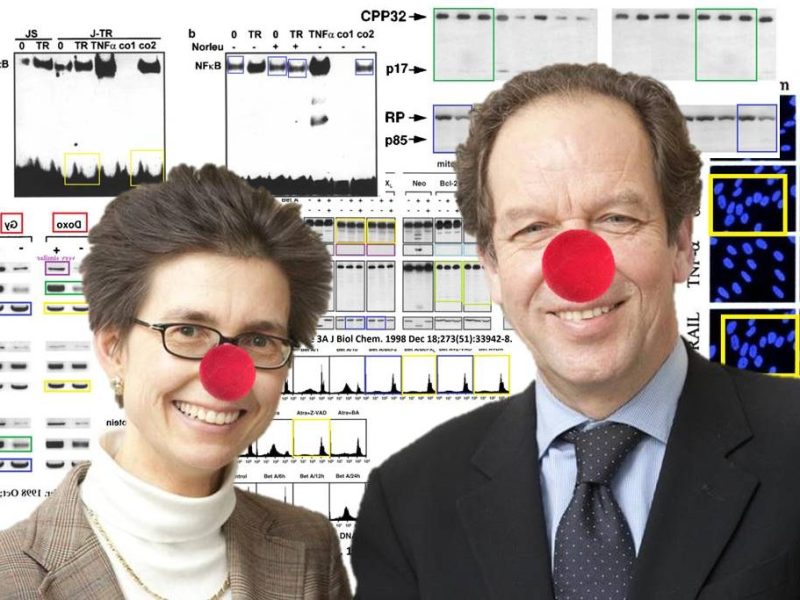
Fulda & Debatin: Reproducibility of Results in Medical and Biomedical Research
“Basic and advanced training for researchers should focus much more on self-reflection, openness and a culture of error acceptance.”

The German Research Council (DFG) issued this statement on 4 July 2025 (translated):
“The Joint Committee issued a written reprimand against both researchers. It also imposed a one-year ban on Fulda from submitting proposals to the DFG.
The decision concludes the DFG’s investigation into allegations that had attracted a great deal of media and public attention. Fulda and Debatin were accused of unauthorized duplication and other manipulation of images in a total of more than 25 publications since the 1990s, in which the physicians were involved jointly and in some cases with other researchers. The allegations were reported to the DFG around the turn of the year 2023/24.
In the publications with errors, figures had either been duplicated without permission or altered, for example by inserting individual parts, in order to substantiate scientific results. In three of the publications reviewed, however, the allegations were found to be unfounded on an objective level.
With regard to subjective reproachability, the committee found gross negligence on the part of Simone Fulda with regard to seven allegations in a total of five publications. Specifically, in accordance with the relevant DFG rules of procedure, the committee considered Fulda to have committed the offence of co-authorship of a falsified publication in four publications and the offence of manipulation of a representation or illustration in one publication. In the case of Klaus-Michael Debatin, the committee found gross negligence in three allegations in a total of two publications. As a result, he was found to have committed the offence of co-authorship of a falsified publication in two publications.
In her written statement and at the hearing before the committee, Simone Fulda argued in particular that the ten-year retention period for primary data had already expired for many of the allegations and that this data was therefore no longer available. Without primary data, however, it was not possible to determine with sufficient certainty whether there were errors in presentation. The committee did not follow this to the extent described; it came to the conclusion that the figures were incorrect based solely on the available figures, publication data and sources of knowledge. The creation of the duplicates was ruled out here in accordance with good scientific practice. According to the committee’s assessment, this was ascertainable without the need to refer to the primary data.
[…]
With regard to Simone Fulda, the investigation referred to eleven publications with DFG support from the period between 2001 and 2019, in which she was involved in a publication as a first author and ten publications as a co-author. The committee found that eight publications of them are objectively faulty. Klaus-Michael Debatin was involved in nine of the examined publications as a co-author. In six of these publications, the committee found errors on an objective level.
However, the committee came to the conclusion that in the constellations in which objective violations of scientific misconduct were found, it was incomprehensible how the duplicates could remain undetected. These were so obvious that Fulda and Debatin should have been able to recognize them even in their roles as senior or corresponding authors.
[…]
As a result, the Investigation Committee therefore proposed a written reprimand against Simone Fulda and a one-year exclusion from eligibility to submit proposals to the DFG as suitable and appropriate measures in accordance with the DFG’s rules of procedure. It proposed a written reprimand against Klaus-Michael Debatin. The Joint Committee has now complied with this decision.”
Simone Fulda: Open4Work!
“I am taking this step with a heavy heart and a sense of responsibility for the university since a sufficient foundation of mutual trust no longer remained with some parts of the university to ensure successful cooperation”, – Simone Fulda
Debatin is retired, hence no exclusion from DFG funding. Both Fulda and Debatin appealed to the statute of limitations, because the papers are mostly older than 10 years. It didn’t really help, and neither did their expensive armies of lawyers help, whom they paid to bully DFG and their universities, and to manipulate the media. As reminder, Fulda was previously declared innocent by two of her former employers, the University of Ulm (read May 2025 Shorts), and by the University of Frankfurt, where she worked as Vice-Rector for Research before moving to Kiel (read January 2025 Shorts). Based on those whitewashings, I imagine Fulda was busy suing her Universit of Kiel for forcing her to resign, and now this DFG decision arrived. Tee-hee.
Corruption, nepotism and workplace harassment
In January 2025, Spain experienced a corruption scandal involving one of its top researchers. It was about María Blasco, since 2011 director of the Spanish National Cancer Research Center (CNIO) in Madrid. As media reported, on 29 January 2025 Blasco was sacked with a unanimous decision of the board and “accused of corruption, nepotism and workplace harassment“.
In an article from 30 January 2025, the newspaper El Debate summed up the six main accusations it previously reported:
- Suspicious real estate purchases, where in July 2023 Blasco acquired two expensive properties in Galicia for private use while unable to convincingly explain where the money to buy these villas came from.
- Suspicious artwork purchases, bought by Blasco for private purposes under the guise of CNIO Arte program, paid with €2 million donated to cancer research.
- Nepotism, where CNIO president Blasco for years awarded contracts worth 16.3 million euros to companies linked to two loyal CNIO executives.
- Workplace harassment, where at least ten CNIO employees lodged complaints, and “many of the researchers revealed to El Debate that they did not report for “for fear of reprisals.”
- Animal abuse, where Blasco’s CNIO hired the company Vivotecnia Research which was already in the centre of a series of animal abuse scandals.
- Political interference, specifically Blasco’s membership in Fundación Alternativas, a think tank of the Spanish Socialist Party (PSOE). That issue however was only a scandal in the eyes of the fascists of the Spanish far-right VOX party, and their loyal media.
Blasco is a former graduate of the late Margarita Salas, the grand dame of Spanish biology, who herself was trained by the nationally revered Nobelist Severo Ochoa. Afterwards, Blasco worked as postdoc in the lab of Carol Greider, who in 2009 received the Nobel Prize “”for the discovery of how chromosomes are protected by telomeres and the enzyme telomerase“. Telomeres became Blasco’s own research field.
Other “Margaritas”, i.e. successful mentees of Salas, are Blasco’s ex-husband Manuel Serrano, and ta-da, Carlos Lopez-Otin. In fact, Blasco and Serrano joined Salas in her support campaign in favour of St Carlos of Oviedo, after his fraudulent papers were retracted and he murdered 5000 mice before running off to Paris, to hide for a year with Guido Kroemer. Read here:
Spanish elites rally in support of data manipulation
Carlos Lopez-Otin was forced to retract EIGHT papers in the Journal of Biological Chemistry, right after he retracted a very important paper in Nature Cell Biology. Spanish elites cry foul, a letter signed by 50 Spanish researchers was sent to JBC to prevent retractions. The ringleader is Juan Valcarcel of CRG in Barcelona, and I…
In 2023, the two happy couples, Blasco & Serrano and Lopez-Otin & Kroemer, plus the creepy Dame Linda Partridge, published another stupid Hallmarks of Fraud excretion in Cell:
Carlos López-Otín , Maria A. Blasco , Linda Partridge , Manuel Serrano , Guido Kroemer Hallmarks of aging: An expanding universe Cell (2023) doi: 10.1016/j.cell.2022.11.001
It was meant as ten-year anniversary update to their earlier Hallmarks of Fraud bullshit.
As for Blasco’s science, here she is with her then-husband Serrano, and with Spain’s infamous super-fraudster Susana Gonzalez:
Roberta Benetti, Susana Gonzalo , Isabel Jaco , Purificación Muñoz , Susana Gonzalez , Stefan Schoeftner, Elizabeth Murchison , Thomas Andl , Taiping Chen , Peter Klatt , En Li , Manuel Serrano, Sarah Millar , Gregory Hannon , Maria A Blasco A mammalian microRNA cluster controls DNA methylation and telomere recombination via Rbl2-dependent regulation of DNA methyltransferases Nature Structural & Molecular Biology (2008) doi: 10.1038/nsmb.1399

Bouteloua trifida: “Figure 2. Top pair of panels. Vertical, straight edge in signal second lane from right in Dnmt1 panel, but no splice between rightmost 2 lanes in Actin panel.
Bottom pair of panels. Actin panel. Lanes 6 and 7 much more similar than expected after horizontal stretch.”
Similar situation:
Bruno Bernardes De Jesus, Elsa Vera , Kerstin Schneeberger , Agueda M. Tejera , Eduard Ayuso , Fatima Bosch , Maria A. Blasco Telomerase gene therapy in adult and old mice delays aging and increases longevity without increasing cancer EMBO Molecular Medicine (2012) doi: 10.1002/emmm.201200245


As a WomenInSTEM role model, Blasco also contributed to advancing feminist issues by pocketing money as member of the scientific advisory board of the SENS Foundation, which allowed its founder Aubrey de Grey to sexually harass and to literally pimp out female employees to rich donors (read April 2023 Shorts and victim’s narrative here).
El Pais wrote on 29 January 2025:
“Blasco denies having harassed anyone in her life, and has declared herself a victim of harassment because she is a woman. Her defence strategy has been to deny everything and to blame the manager of the center, Juan Arroyo, with whom she has been in constant confrontation since she was appointed director. Of all the scientific and medical societies in the country, the only one that has defended her has been the Association of Women Researchers and Technologists, of which Blasco is a member. […]
In her flight forward, Blasco has even compared the alleged defamation campaign of which she feels victim to the Jews of the Holocaust; and she has done so precisely on the 80th anniversary of the liberation of Auschwitz by the Red Army.”
The Blasco affair is a very unpleasant mess. The journalist Antonio Villareal blogged in January 2025:
“What the hell has happened that a molecular biologist specialising in telomeres, an egregious CV and anodyne manners has come under more attacks in the last month than in all the years she has been a public figure? […]
María Blasco has not been the subject of a misinformation campaign but two. The current, suspiciously negative, and another, exaggeratedly positive and that has lasted more than a decade.”
I think yes, this sums it up. Blasco was never a great scientist, but a product of nepotism and power abuse. No wonder she behaved this way herself.
Scholarly Publishing
Signal bleed-through
An Editor-in-Chief corrects a fake figure in his own first-author paper in his own journal. Because he can.
Timothy Yap is Endowed Professor and Vice President and Head of Clinical Development in the Therapeutics Discovery Division at MD Anderson in Texas, USA. Prior to that, he trained at the Institute of Cancer Research (ICR) London in UK. His PI there was Michelle Garrett, who is now professor at University of Kent. Another coauthor is ICR’s former President, Paul Workman.

Collages by Paul Workman, from the Golden Age of Biological Imaging
Before biology became digital, with its -omics and big data, there were mostly gels and microscopy images. The peak of image use in biomedical papers was reached at the turn of the century, those became the golden times of Photoshop-assisted data manipulation. To celebrate that period, I selected an example of the British cancer researcher…
Yap is now also Editor-in-Chief of the AACR journal Clinical cancer research, where this was published, and then flagged on PubPeer in March 2024:
Timothy A Yap , Mike I Walton , Kyla M Grimshaw , Robert H Te Poele , Paul D Eve , Melanie R Valenti , Alexis K De Haven Brandon , Vanessa Martins , Anna Zetterlund , Simon P Heaton , Kathrin Heinzmann , Paul S Jones , Ruth E Feltell , Matthias Reule , Steven J Woodhead , Thomas G Davies , John F Lyons , Florence I Raynaud , Suzanne A Eccles , Paul Workman , Neil T Thompson, Michelle D Garrett AT13148 is a novel, oral multi-AGC kinase inhibitor with potent pharmacodynamic and antitumor activity Clinical cancer research (2012) doi: 10.1158/1078-0432.ccr-11-3313

Cnemaspis scalpensis: “Figure 5D. Much more similar than expected.”
As you see, it is not just a gel duplications. The gel bands to the right of the marked area are different. On 1 July 2025, this Correction was published:
“In the original version of this article (1), splice lines were missing in two figures: in Fig. 2A between the 20 μmol/L and LY (positive control) lanes for all Western blots, and in Fig. 5D between the D+λPP and D lanes for all Western blots. In Fig. 2A, the spliced-out lane was for AT13148 at 40 µmol/L, where protein degradation and cell death had occurred and thus the target proteins including GAPDH were not detected with the antibodies used. In Fig. 5D, the spliced-out lane was for 3xIC50 MK2206, which the authors determined was not relevant to the results presented and is not referred to in the paper.
In Fig. 5C, the figure legend did not clarify that the same GAPDH blot is shown at the bottom of the two sets of images for ease of reference.
In Fig. 5D, the PIK3IP1 blot was misaligned. After reviewing the original Western blots for Fig. 5D (Supplementary Fig. S1), the authors concluded that similarities exist in the PIK31P1 Western blot and the PRAS40 Western blot due to the PRAS40 blot being stripped and re-probed for PIK3IP1; the authors acknowledge the possibility of signal bleed-through during this process. Because the PIK3IP1 findings are not referred to in the text and do not impact the result of the experiment, the PIK3IP1 blot has been removed from the figure.
For Fig. 5D, the authors provided two original blots for IRS2 that are similar to the published blot; the published blot has been replaced with one of the full blots provided in Supplementary Fig. S1.
None of the corrections affect the conclusions of the paper.
These errors have been corrected in the latest online HTML and PDF versions of the article. The authors regret the errors.
Disclaimer
The Editor-in-Chief of Clinical Cancer Research at the time this article correction was being considered at the journal is an author of this corrected article. In keeping with AACR editorial policy, Clinical Cancer Research staff editors, under the oversight of the AACR publications team, managed the consideration of this correction and independently rendered the final decision about correction.”
All fine then, no conflicts of interests of affected conclusions as far as an eye can see, and even the fake blot in Fig 5D was firts proven as utterly irrelevant and then replaced. The “signal bleed-through” bullshit excuse is a new one, I trust it will be now used regularly. And here are the other corrected issues:


You see, they must dishonestly claim that all gels were spliced symmetrically, and we must believe not our own lying eyes, but the authors, Editor-in-Chief and his AACR colleagues, because otherwise it’s data manipulation, which would affect the conclusions. I explained this issue here:

On Western blot loading controls: lessons from Richard Moriggl lab
Western blot, a method to separate proteins by size and analyse their relative expression levels, is a much maligned technique of molecular cell biology. The website PubPeer is flooded with evidence of manipulated Western blots, where gel lanes were inappropriately spliced, or where bands digitally duplicated or erased. Some even question the technology as such,…
Anyway, this gel splicing was standard practice at Workman’s and Garrett’s lab in ICR:
Steven R. Whittaker , Robert H. Te Poele , Florence Chan , Spiros Linardopoulos , Michael I. Walton , Michelle D. Garrett , Paul Workman The cyclin-dependent kinase inhibitor seliciclib (R-roscovitine; CYC202) decreases the expression of mitotic control genes and prevents entry into mitosis Cell cycle (2007) doi: 10.4161/cc.6.24.5142


Garrett also published questionable science with Neil Perkins and Sonia Rocha (see Rocha et al 2005). Here another Garrett paper, with her Greek colleague Alexander Pintzas (who has more bad stuff on PubPeer):
David Plows , Paraskevi Briassouli , Carolyn Owen , Vassilis Zoumpourlis , Michelle D. Garrett , Alexander Pintzas Ecdysone-inducible expression of oncogenic Ha-Ras in NIH 3T3 cells leads to transient nuclear localization of activated extracellular signal-regulated kinase regulated by mitogen-activated protein kinase phosphatase-1 The Biochemical journal (2002) doi: 10.1042/0264-6021:3620305

Retraction Watchdogging
Unfortunately, may be contributing to defamation
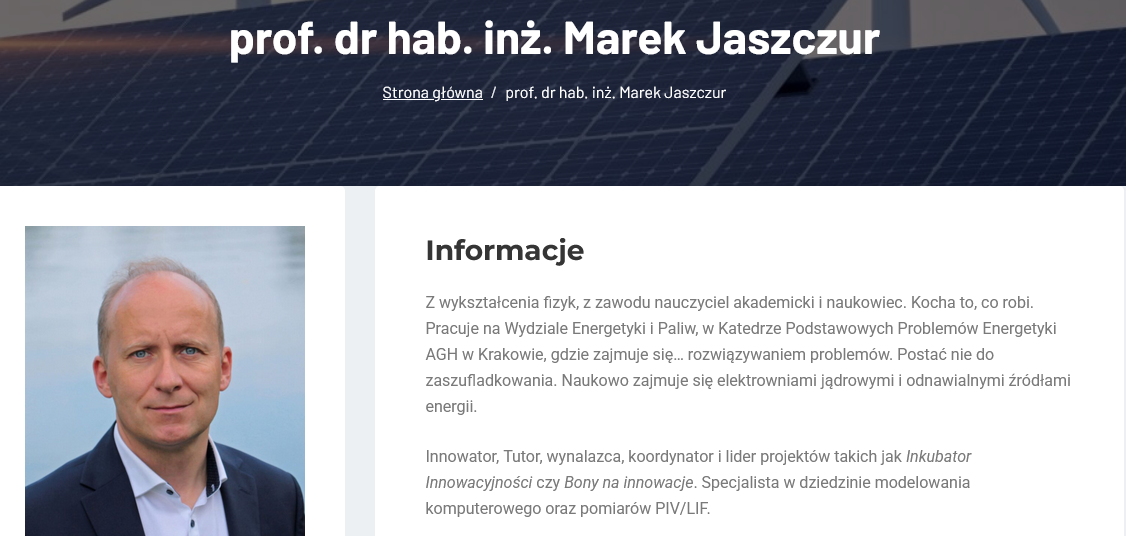
In September 2024, Nick Wise published this guest post on For Better Science, about some pathetic papermill customers, especially a Polish professor named Marek Jaszczur of AGH Krakow and his PhD student from Iraq, Qusay Hassan. The article also revealed who their papermill contact on Telegram and WhatsApp was: Ali Khudhair Al-Jiboory of the University of Diyala in Iraq.

Anyone can start a papermill!
“There are no capital requirements or significant technological barriers, anyone can create papers by rewriting already published works, either themselves or with the assistance of ChatGPT or other software. With a Telegram channel or WhatsApp group the papermiller can easily organise the sale of authorship” – Nick Wise

On 1 July 2025, I received a message via my website’s contact form:
“Dear Mr. Schneider,
I hope this message finds you well. My name is Syeda yusra Zubair, and I am writing on behalf of Dr. Ali Al-Jiboory, whom I assist professionally.
I would like to respectfully request that you consider removing or revising the blog post titled “Anyone Can Start a Papermill” (published on September 2, 2024), in which Dr. Al-Jiboory is mentioned. The content of the article appears to have caused significant reputational harm and, unfortunately, may be contributing to defamation.
We understand and respect your commitment to scientific integrity and transparency. However, we believe that the information presented may not fully reflect the situation or Dr. Al-Jiboory’s professional conduct. Therefore, we kindly ask you to reconsider the inclusion or tone of the references made to him.
We would be more than willing to provide clarifications or additional context if needed.
Thank you for your time and consideration.
Warm regards,
Syeda Yusra Zubair
Assistant to Dr. Ali Al-Jiboory”
As you see, I am doing the best I can to reconsider the inclusion or tone of the references, in order to avoid significant reputational harm for this sodding papermill fraudster, because of course I am so scared of his defamation lawsuit threats. But then I thought, why are Al Jaboory and his assistant writing to me now?
And indeed, Al-Jiboory was just served a fresh new bouquet of retractions, together with Hassan, Jaszczur and the Hungarian self-admitted papermill user, Patrik Viktor (read October 2024 Shorts). Their previous retractions featured in January 2025 Shorts.
This freshly retracted paper was simply a stolen and slightly re-written copy of Zeyringer et al 2018, a typical situation with Al-Jaboory’s cheap papermill:
Qusay Hassan , Sameer Algburi , Marek Jaszczur , Patrik Viktor , Amjad Iqbal , Ali Khudhair Al-Jiboory , Talib Munshid Hanoon , Maha Barakat , Aws Zuhair Sameen Implement and evaluate resilient energy infrastructures capable of withstanding spatial, temporal, and annual weather fluctuations in Saudi Arabia by 2050 Sustainable Futures (2024) doi: 10.1016/j.sftr.2024.100182
“The modelling result presented in Figure 6, 7, 8, and 9., in fact, are copied […]
Schistosoma intercalatum
The original data is for UK from Zeyringer et al., (2018), however, here, authors presented same data as if it is for Saudi Arabia.“
The retraction arrived on 28 June 2025, and it wasn’t even for plagiarism:
“This article has been retracted at the request of the Editor-in-Chief.
In investigating concerns regarding late-stage authorship changes to this article, the editors reached out to the authors for an explanation. In addition to the concerns regarding the late-stage authorship changes the editors were unable to verify the contribution of any of the added authors.
Patrik Viktor, Amjad Iqbal, Ali Khudhair Al-Jiboory, Maha Barakat, were added at revision two of this paper. Further to this, three authors was [sic!] removed during revision. These changes were made without explanation and without the exceptional approval by the handling Editor, which is contrary to the journal policy on changes to authorship. The editor therefore feels that the findings of the manuscript cannot be relied upon and that the article needs to be retracted.”
Also these two papers by Hassan, Jaszczur and Viktor expired in June 2025, they were a carbon-copy of each other. Al-Jaboory was however listed as author on only one of them, you will soon see how:
- Qusay Hassan, Ahmed K. Nassar , Sameer Algburi , Ahmed Fouly , Emad Mahrous Awwad , Marek Jaszczur , Patrik Viktor, Ayesha Amjad , Hassan Falah Fakhruldeen , Ali Khudhair Al-Jiboory , Aws Zuhair Sameen , Maha Barakat Evaluation of solar and biomass perspectives using geographic information system – The case of Iraq regions Renewable Energy (2024) doi: 10.1016/j.renene.2024.120463
- Qusay Hassan, Sameer Algburi , Tariq J. Al-Musawi , Patrik Viktor, Marek Jaszczur , Maha Barakat , Aws Zuhair Sameen , AbdulAali Habeeb Hussein GIS-based multi-criteria analysis for solar, wind, and biomass energy potential: A case study of Iraq with implications for climate goals Results in Engineering (2024) doi: 10.1016/j.rineng.2024.102212
The retraction notice for the Results in Engineering paper mentioned:
“Tariq J. Al-Musawi, Patrik Viktor, Maha Barakat, and AbdulAali Habeeb Hussein were added to this paper after the first round of revision. Six authors were also removed at revision one.”
The retraction notice for the Renewable Energy paper went:
“In investigating concerns regarding late-stage authorship changes to this article, the editors reached out to the authors for an explanation. In addition to the concerns regarding the late-stage authorship changes the editors were unable to verify the contribution of any of the added authors.
Ahmed K. Nassar, Ahmed Fouly, Emad Mahrous Awwad, Patrik Viktor, Ayesha Amjad, Hassan Falah Fakhruldeen, Ali Khudhair Al-Jiboory, and Maha Barakat were added to this paper after the first round of revision. One author was also removed. These changes were made without explanation and without the exceptional approval by the handling Editor, which is contrary to the journal policy on changes to authorship. The editor therefore feels that the findings of the manuscript cannot be relied upon and that the article needs to be retracted.
After reaching out to the authors Ahmed K. Nassar affirmed that they should have been listed as a co-author in the original submission and were involved in the entire process of developing this article. Meanwhile, Ahmed Fouly has asked that their name be disassociated with this article and asserts that they should not have been listed as a co-author and would not have given permission for their name to be added.”
This angel of innocence Ahmed Fouly is professor at King Saud University in Saudi Arabia, his publication metrics suggest that he is either a superhuman genius or a rotten papermiller.

Imagine how bad it must be when your papers are retracted even at International Journal of Hydrogen Energy, especially when it wasn’t even flagged on PubPeer before. AGH Krakow professor Jaszczur and his student Hassan are there, but instead of Patrik we see another student of Jaszczur’s, Szymon Wieteska:
Qusay Hassan , Ammar M. Abdulateef , Saadoon Abdul Hafedh , Ahmed Al-samari , Jasim Abdulateef , Aws Zuhair Sameen , Hayder M. Salman , Ali Khudhair Al-Jiboory , Szymon Wieteska , Marek Jaszczur Renewable energy-to-green hydrogen: A review of main resources routes, processes and evaluation International Journal of Hydrogen Energy (2023) doi: 10.1016/j.ijhydene.2023.01.175
The retraction notice from June 2025 mentioned:
“In addition to the concerns regarding the late-stage authorship changes the editors were unable to verify the contribution of any of the added authors. Ammar M. Abdulateef, Ahmed Al-samari, Jasim Abdulateef, and Szymon Wieteska were added in revision one. Tariq J. Al-Musawi, Saadoon Abdul Hafedh, Aws Zuhair Sameen, Ali Khudhair Al-Jiboory were added at revision 2. In addition to this 3 authors were removed from the author list before publication. “
Veziroglu Journal of Papermill Energy
Mu Yang and other sleuths celebrate the scholarly publishing business of the late T Nejat Veziroglu, laureate of Santilli-Galilei Gold Medal for Lifetime Commitment to True Scientific Democracy
Authorships for this study, which was accepted merely 9 days after submission, were offered on telegram. It went pop in May 2025:
Qusay Hassan , Chou-Yi Hsu , Kamilia MOUNICH , Sameer Algburi , Marek Jaszczur , Ahmad A. Telba , Patrik Viktor , Emad Mahrous Awwad , Muhammad Ahsan , Bashar Mahmood Ali , Ali Khudhair Al-Jiboory , Sadiq N. Henedy , Aws Zuhair Sameen , Maha Barakat Enhancing smart grid integrated renewable distributed generation capacities: Implications for sustainable energy transformation Sustainable Energy Technologies and Assessments (2024) doi: 10.1016/j.seta.2024.103793
The retraction from 28 May 2025 confirmed the Telegram offer:
“One author was removed from the manuscript after the first revision and Chou-Yi Hsu , Kamilia Mounich, Sameer Algburi, Ahmad A. Telba, Patrik Viktor, Emad Mahrous Awwad, Muhammad Ahsan, Bashar Mahmood Ali, Ali Khudhair Al-Jiboory, Sadiq N. Henedy, and Maha Barakat, were added to this paper after the first round of revision. “
Al-Jaboory’s career obviously suffered, but I hope Professor Jaszczur will find himself out on his arse on the street. Let’s light a candle to Virgin Mary for that.
No longer reliable
The Egyptian fraudster Ayman Atta earns more retractions. This professor at Egyptian Petroleum Research Institute has almost 190 fake papers on PubPeer, and he featured in this article:
Journal of Molecular Liquids vs One-Man Papermills
Mu Yang catches two crooks, Ayman Atta and S Muthu, who flooded one Elsevier journal (and several others) with ridiculous hand-drawn fraud. Whom to believe, the peer review, or your own eyes?
The first two retractions happened at ACS (see May 2025 Shorts), and the most recent three at the Royal Society for Chemistry.
Ayman M. Atta, Ashraf M. El-Saeed , Gamal M. El-Mahdy, Hamad A. Al-Lohedan Application of magnetite nano-hybrid epoxy as protective marine coatings for steel RSC Advances (2015) doi: 10.1039/c5ra20730d


The retraction from 9 June 2025 went:
“The Royal Society of Chemistry wholly retracts this RSC Advances article due to concerns with the reliability of the data.
The XRD pattern in Fig. 2, the HR-TEM data in Fig. 3 and the SEM data in Fig. 4a and b all contain repeating sections.
The authors were not able to provide the original raw data nor satisfactorily explain the concerns.
Given the significance of these concerns, the findings presented in this paper are no longer reliable.
The authors were informed of the decision to retract. Ayman M. Atta has not agreed with the decision, the other authors have not responded.”
Another retraction:
Ayman M. Atta, Abdelrhman O. Ezzat , Ahmed I. Hashem Synthesis and application of monodisperse hydrophobic magnetite nanoparticles as an oil spill collector using an ionic liquid RSC Advances (2017) doi: 10.1039/c7ra02426f


“Figure 3a in a International Journal of Electrochemical Science (2015) paper overlaps with figure 4c in a Progress in Organic Coatings (2016) paper, with figure 2a in a ACS Omega (2019) paper, and with figure 4a in a Progress in Organic Coatings (2019) paper.
Figure 3b in the Int J Electrochem Sci (2015) paper overlaps with figure 5a in a Progr Organic Coatings (2018) paper.
Figure 3c in the Int J Electrochem Sci (2015) paper overlaps with figure 4a in the Progr Organic Coatings (2016) paper, with figure 5a in a Progr Organ Coatings (2020) paper, and with figure 5 in a RSC Advances 2017 paper, i.e. this paper.
Figure 5b in the Progr Organic Coatings (2018) paper overlaps with figure 2b in the ACS Omega (2019) paper.
All labels indicate different materials. Ayman M. Atta is a co-author of all papers; Abdelrahman O. Ezzat and Hamad A. Al-Lohedan co-authored most of them, too.”
The retraction from 10 June 2025 only mentioned that:
“The TEM data in Fig. 4 has multiple repeating sections. The authors were not able to provide the original raw data nor satisfactorily explain the concerns.”
Atta again disagreed with the retraction. And the third one in this same RSC journal:
Ayman M. Atta, Hamad A. Al-Lohedan, Khalid A. Al-Haddad Epoxy coating with embedded self-healing networks formed by nanogel particles RSC Advances (2016) doi: 10.1039/c6ra03523j


The retraction from 11 June 2025 went:
“The Royal Society of Chemistry hereby wholly retracts this RSC Advances article due to concerns with the reliability of the data.
The TEM data in Fig. 1a, b, d and f each have multiple repeating sections that appear very similar. The authors were not able to provide the original raw data nor satisfactorily explain the concerns.
Given the significance of these concerns, the findings presented in this paper are no longer reliable.
Ayman M. Atta and Hamad A. Al-Lohedan were informed of the decision to retract this article. We were unable to contact Khalid A. Al-Haddad. Ayman M. Atta has not agreed with the decision and Hamad A. Al-Lohedan has not responded.”
In principle, every single one of Atta’s hundreds of papers must be retracted fro outrageous fraud. Atta’s regular partners-in-crime are Abdelrahman Ezzat and Hamad Al-Lohedan, both happen to be professors at the infamous King Saud University in Saudi Arabia, the latter even acted as Deputy Chairman and Vice Dean.
However, Al-Lohedan and Ezzat do not rely on Atta alone to provide them with authorships on fake papers. Especially Al-Lohedan is totally not picky, it seems papermillers from all over the world are queueing to offer him authorships. The two King Saud professors also work with a certain Nigerian one-man papermill named Victor Sunday Aigbodion, professor at University of Nigeria in Nsukka, about whom you can read in April 2025 Shorts. Here one common paper, will it ever be retracted?
A.O. Ezzat , V.S. Aigbodion , I.E. Ohiemi , H.A. Al-Lohedan Unveiling high performance insulating properties of epoxy- oyster shell nanoparticles composites for high-voltage applications Journal of Materials Research and Technology (2024) doi: 10.1016/j.jmrt.2024.03.002

Bagasse NP in figure 3 of The International Journal of Advanced Manufacturing Technology (2024): https://doi.org/10.1007/s00170-024-13956-3
Eggshell particles in figure 4 of Journal of the Indian Chemical Society (2022): https://doi.org/10.1016/j.jics.2022.100736
CaCO3-snail shell nanocomposite in figure 2 of Chemical Data Collections (2024): https://doi.org/10.1016/j.cdc.2023.101110
Oyster shell NP in figure 1 of Journal of Materials Research and Technology (2024): https://doi.org/10.1016/j.jmrt.2024.03.002
Aluminium NP in figure 1 in a Composites Communications (2020): https://doi.org/10.1016/j.coco.2019.11.006
Bagasse NP in figure 1 of Chemical Papers (2024): https://doi.org/10.1007/s11696-024-03512-4
Palm kernel ash/Al-Si-Mg alloy in figure 3 of Materialwissenschaft und Werkstofftechnik (2020): https://doi.org/10.1002/mawe.201900071
Palm kernel ash/Al-Si-Mg alloy in figure 4a of Defence Technology (2020): http://dx.doi.org/10.1016/j.dt.2019.05.017
Si particles at 3wt% cashew gum in Figure 1b of 2024 1st International Conference on Smart Energy Systems and Artificial Intelligence (SESAI) (2024): https://doi.org/10.1109/SESAI61023.2024.10599406
Epoxy-2.5 wt%CNTs + 1 wt%Esp in Oxford Open Materials Science (2024): https://doi.org/10.1093/oxfmat/itae015
Si particles in Figure 2 of Solid State Phenomena (2024): https://doi.org/10.4028/p-xakxs7
CaCO3-snail shell particles in figure 2 of retracted The International Journal of Advanced Manufacturing Technology (2024): https://doi.org/10.1007/s00170-023-12379-w
Excepted the Composites Communications (2020) paper, VS Aigbodion is a co-author of all papers.”


Maybe RSC Advances will consider retracting this one, published just a year ago? Which idiot editor accepted it in the first place, with such a stupid title, about cashew leaf nanoparticles as anti-corrosion agent?
Abdelrahman Osama Ezzat , Victor Sunday Aigbodion, Hamad A. Al-Lohedan , Chinemerem Jerry Ozoude Unveiling the corrosion inhibition efficacy and stability of silver nanoparticles synthesized using Anacardium occidentale leaf extract for mild steel in a simulated seawater solution RSC Advances (2024) doi: 10.1039/d4ra02362e


CLE-AgNPs in RSC Advances (2024): https://doi.org/10.1039/d4ra02362e
AgNps in Biomass Conversion and Biorefinery (2024): https://doi.org/10.1007/s13399-024-05384-w
AgNps in The International Journal of Advanced Manufacturing Technology (2024): https://doi.org/10.1007/s00170-023-12793-0
SiO2 NPs in Chemical Papers (2024): https://doi.org/10.1007/s11696-023-03135-1
GAgNPs in Emergent Materials (2023): https://doi.org/10.1007/s42247-023-00446-7
SiO2 NPs in Emergent Materials (2022): https://doi.org/10.1007/s42247-022-00401-y
SiO2 NPs in The International Journal of Advanced Manufacturing Technology (2022): https://doi.org/10.1007/s00170-022-10419-5
AgNps in Tribology International (2024): https://doi.org/10.1016/j.triboint.2024.109270
AgNPs in Chemical Data Collections (2023): https://doi.org/10.1016/j.cdc.2023.101097“
Why should I care about this?
The microbiologist Mohan Babu is Professor & Chancellor’s Research Chair at the University of Regina in Canada. We are told that Babu is “a globally recognized leader“, whose research “pushes the boundaries of knowledge in systems biology but also provides invaluable training“, and that he was “honored twice with the University of Regina’s Presidential Recognition for Professional Achievements and Research Excellence“. He also acted as Secretary Treasurer for the Canadian Society of Microbiology, and decides as reviewer and panel member about careers of many people in Canada. Previously, Babu worked as postdoc at University of Toronto, where this paper was published, with him as first author:
Mohan Babu , Hiroyuki Aoki , Wasimul Q. Chowdhury , Alla Gagarinova , Chris Graham , Sadhna Phanse , Ben Laliberte , Noor Sunba , Matthew Jessulat , Ashkan Golshani , Andrew Emili, Jack F. Greenblatt, M. Clelia Ganoza Ribosome-dependent ATPase interacts with conserved membrane protein in Escherichia coli to modulate protein synthesis and oxidative phosphorylation PLOS One (2011) doi: 10.1371/journal.pone.0018510


copies of the Forensically level sweep analysis to mark them:”

regions surrounding bands are apparent. […] Similar patterns are identified by red boxes and pink ovals, repeated fish scale patterns are varyingly spaced throughout the yellow-dotted oval, and discontinuous regions are marked with blue arrowheads.”


band images for the wild type (yellow wedge) and the top two mutants (green wedges).”

repeated in the band images and discontinuous regions in the background surrounding bands are apparent. “

discontinuous backgrounds”
The sleuth Bryon Hughson notified PLOS One on Christmas 2024, and on 16 June 2025, this retraction was published, and the balme was placed squarely with the first author, Professor Babu:
“Following the publication of this article [1], concerns were raised with results presented in Figures 1-4. [….]
The first author commented that the appearance of repetitive background elements in the blots may be attributed to technical factors. They provided cropped image data underlying the blots presented in Figure 1 and stated that the original blots underlying the results in Figures 2 and 4 are no longer available. In the absence of high-resolution, uncropped original image data underlying the published panels, the image concerns cannot be resolved.
Regarding the similarity between colonies presented in Figure 3, the first author stated that the colonies appear nearly identical because they were derived from a common parental background and grown on the same non-selective, nutrient-rich medium. The first author commented that the original data underlying Figure 3 are no longer available, and they provided alternative, repeat experiment data for editorial review. PLOS does not consider that repeat experiment data are sufficient to resolve image concerns pertaining to the published panels. In the absence of the original image data used to prepare the published panels, these concerns remain unresolved.
Regarding the horizontal irregularities observed in Figure 4D, the first author explained that the colonies on the plate were misaligned and so minor adjustments were made to align the colony lanes correctly in the published figure.
The PLOS One Editors retract this article in light of the unresolved concerns pertaining to the repetitive features in the western blots and the colony plates presented in Figures 1-4, which call into question the reliability and integrity of the published results.
MB, HA, and SP did not agree with the retraction and stand by the article’s findings. WQC, AGagarinova, CG, BL, NS, MJ, AGolshani, AE, and JFG either did not respond directly or could not be reached. MCG is deceased.”
The late Clelia Ganoza-Becker used to be professor at the University of Toronto since 1968, I couldn’t find any obituaries.
Here is another paper with Babu as first author, published in a Wiley journal and coauthored by same senior author as above, the University of Toronto professor of genetics, Jack Greenblatt. You will hear about him later.
Mohan Babu , Natalia Beloglazova , Robert Flick , Chris Graham , Tatiana Skarina , Boguslaw Nocek , Alla Gagarinova , Oxana Pogoutse , Greg Brown , Andrew Binkowski , Sadhna Phanse , Andrzej Joachimiak , Eugene V. Koonin , Alexei Savchenko , Andrew Emili, Jack Greenblatt, Aled M. Edwards, Alexander F. Yakunin A dual function of the CRISPR-Cas system in bacterial antivirus immunity and DNA repair Molecular Microbiology (2011) doi: 10.1111/j.1365-2958.2010.07465.x

circles indicate some of the distinguishing features thatmight be common to both Strands”


colour-matched boxes. Patterns enclosed by dotted
red, green, and orange boxes are mirror images of
patterns in solid red, green, and orange boxes.”


multiple lanes.”


contain regions that show unexpected symmetry around the central vertical axis (red lines).Possible splice lines marked by red arrowheads.”


bands that show unexpected symmetry around the central vertical axis.”

band regions in the “HJ3” band image are
marked by colour-matched boxes”

and magnified below. Band in the dashed red
box is a mirror image of bands in solid red boxes”

As you will agree, a clear case of massive and very insiduous fraud, likely again the responsibility of the same first author. Hughson also notified this journal on 26 December 2024, and on 5 January 2025 he received a reply from the Editor-in-Chief John D. Helmann that he “forwarded this to the Wiley team responsible for handling integrity issues“. On 1 July 2025, Helmann informed the sleuth that there won’t be a retraction despite proven forgeries:
“The Wiley team has conducted a very thorough evaluation of this article and identified numerous points of concern. They have been in discussions with the authors and we anticipate publishing an Editorial Expression of Concern to alert readers to the remaining issues.”
Here another paper by Babu and his Toronto mentor Greenblatt, also flagged by Hughson:
Mohan Babu , Jack F. Greenblatt , Andrew Emili , Natalie C.J. Strynadka , Reinhart A.F. Reithmeier , Trevor F. Moraes Structure of a SLC26 Anion Transporter STAS Domain in Complex with Acyl Carrier Protein: Implications for E. coli YchM in Fatty Acid Metabolism Structure (2010) doi: 10.1016/j.str.2010.08.015


donor group images are unexpectedly repeated (colour-matched ovals and boxes).”

colour-matched ovals and boxes (below). The background displays discontinuous regions (blue arrowheads).”

Another hot candidate for retraction, don’t you agree? We probably can predict how Cell Press will react to Hughson’s email: with total inaction.
As a side note: there are two more papers by Babu on PubPeer (Aki et al 2023 and Sokolina et al 2017), but the issues there are not as outrageous as above, and Babu is not the lead author.
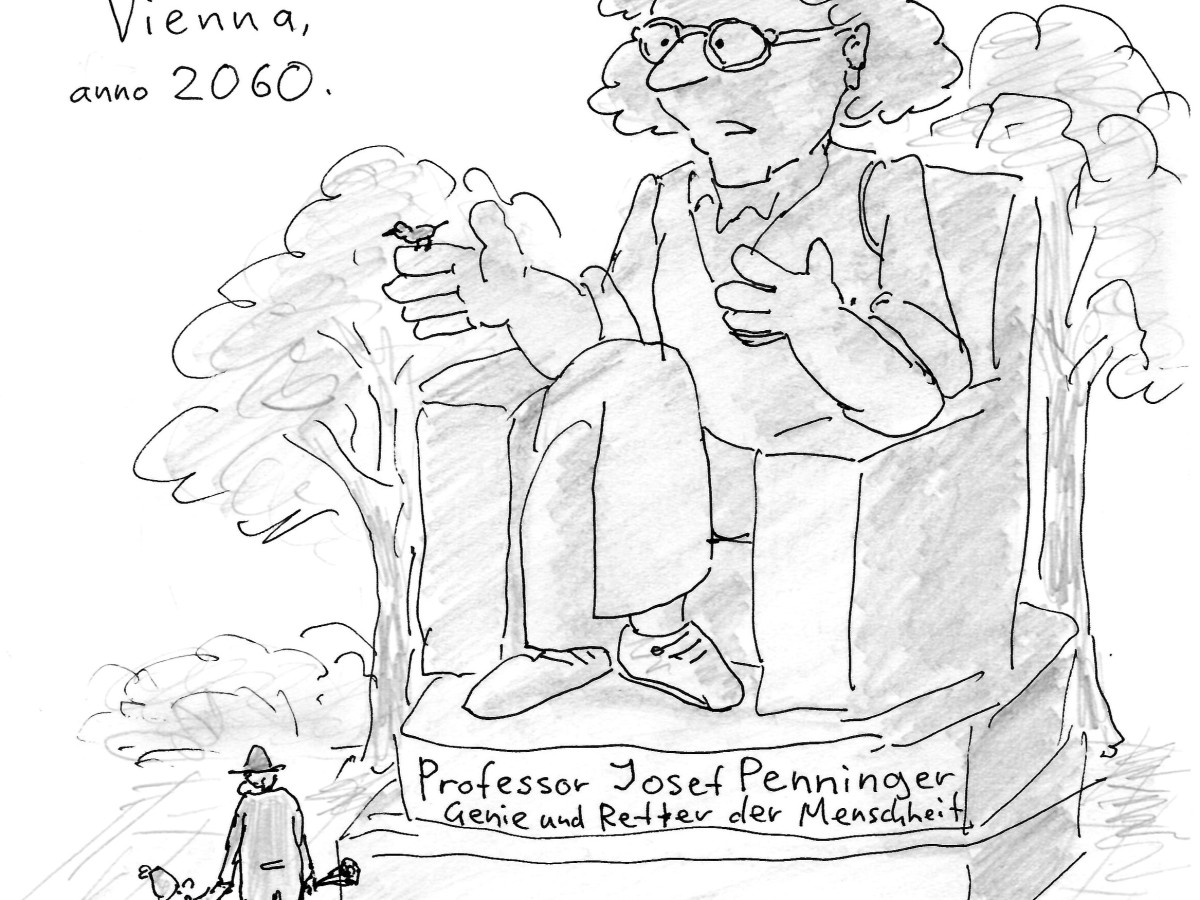
Mr ACE2 Josef Penninger, Greatest Scientist of Our Time
As a young Wunderkind, Josef Penninger discovered the ACE2 receptor. Now he invented the cure for the coronavirus which will work in his hands where Big Pharma failed. He was never found guilty of research misconduct and never retracted a paper. Dr Penninger is a Genius making a COVID-19 vaccine.
Now, let tell you about Babu’s old mentor Greenblatt. Greenblatt was the chief investigator in another very problematic case at University of Toronto. It can be studied in this very long and very complex PubPeer thread, where Hughson reported his former PI Maria Sokolowski, which ended with a complete and total whitewash, and Hughson’s complaints of being retaliated against.
Ina Anreiter, Jamie M. Kramer, Marla B. Sokolowski Epigenetic mechanisms modulate differences in foraging behavior Proceedings of the National Academy of Sciences of the United States of America (2017) doi: 10.1073/pnas.1710770114


Note that there was a Correction for Fig 2 from April 2019, which remained valid even after all the central conclusions of this study became invalid after correct calculation was applied, simply because PNAS said they were no investigative body, and Greenblatt and the University of Toronto found no research fraud despite the data being proven as (unintentionally!) manipulated.
I wrote to Babu and Greenblatt about their joint publications. Greenblatt replied swiftly and to the point:
“Why should I care about this? There is no actual evidence for fraud.
Jack Greenblatt“
Donate!
If you are interested to support my work, you can leave here a small tip of $5. Or several of small tips, just increase the amount as you like (2x=€10; 5x=€25). Your generous patronage of my journalism will be most appreciated!
€5.00


Fulda: “written reprimand and 1 year suspension to apply for DFG funds” is a complete joke, of course. Even the ORI applied more severe consequences in their (also very mild and temporary) ‘voluntary agreement’ schemes for NIH grant recipient. Until the system is reformed and the institutions are ready to roll out real consequences, the cheating and massaging will continue. (Also, the excuse of papers that are 10 years older do not apply, is what? It is OK to cheat if nobody notices it for 10 years?) Also note in the DFG ruling the usual cop-out excuse of “gross negligence” as opposed to actual misconduct. If you are a senior author and corresponding, you sign a piece of paper that says you are taking responsibility for the content of the material. Rest of the posts… more of the same, sadly, week by week, we see the same patterns and minimal or no consequences. When will this end? never.
LikeLiked by 2 people
I actually expected a finding of negligence but no research misconduct. Considering what army of lawyers and loyal journalists Fulda and Debatin unleashed.
LikeLike
So it is a minor victory for you in the end. Take a victory lap. And we have also learned that the DFG may be marginally better than these universities whose priority is to cover their own butts.
LikeLiked by 2 people
More than I expected. And at least there was some formal sanction. Now get Zoller a one year ban please, Leonid.
LikeLiked by 1 person
Zöller retired long ago, like Debatin she can’t be banned from applying for funding.
But she can be found guilty of research misconduct. No professional consequences, like for Debatin. But public shame for sure.
LikeLike
So what’s next?… Will ‘Der Spiegel’ now report about the DFG that ‘the source of these allegations has a dubious reputation’? #Clownworld
LikeLiked by 1 person
No. The German men and women of importance and relevance decided to start a search for the mysterious REAL whistleblower. Who is never that horrid Schneider.
This is why the great JM Wiarda who started this “”Deutschland Sucht den Guten Whistleblower” didn’t allow my comment on his website. Tap on a clip to paste it in the text box.
https://www.jmwiarda.de/blog/2025/07/04/dfg-ruegt-simone-fulda-und-stellt-sich-gegen-zwei-universitaetsgutachten#comment-14687
LikeLiked by 1 person
I think somebody should nominate “de-Schneiderize” for Word of the Year.
LikeLiked by 1 person
I found more of the same types of image concerns in a 2011 PLoS Genetics article from the same group at the U of Toronto. doi: 10.1371/journal.pgen.1002377
https://pubpeer.com/publications/BD65CF37177A4AD6ABE9918A84971A
After posting this review on PubPeer I found more image concerns, and I will keep updating this comment thread. Thanks for raising this issue, Leonid!
LikeLike
I notified University of Regina and the publishers about the issues with Babu’s papers.
Nobody replied. Which means they are on his side and won’t do anything. But their silence also suggests they are afraid.
LikeLiked by 1 person
The Canadian academic system is designed to give universities autonomy through the Tri-Agency SRCR’s Framework for addressing allegations of research misconduct – it is the Tri-Agency’s “pass the buck” system. This makes it easy for individual (“small”) cases to be ignored, and even a lot of isolated small cases can be ignored. However, when a lot of these small cases can be connected with other small cases they eventually gain enough momentum and can’t be ignored once the appropriate stakeholders become concerned. We will see what happens next…
LikeLike
Has anyone checked his recnt papers? as correspondance author
LikeLike
you are right!
Human protein interaction networks of ancestral and variant SARS-CoV-2 in organ-specific cells and bodily fluids
Fig 5 d, e (need line?) and f(this blot not be from plasma).
Fig 6 e
Much is wrong with this papers I’m pretty sure
LikeLike
another forgery from the same correspondence author
CHCHD2 mutant mice link mitochondrial deficits to PD pathophysiology
supplement 8f, all Co-Ip seems fake. Lysate is same as ip how possible? Checked provide full blots
if some one has software pleaee check
LikeLike