Schneider Short 7.03.2025 – Unfortunately, the past cannot be restored
Schneider Shorts 7.03.2025 - Royal Society salutes Nazi oligarch, Belgian university uses poverty excuse, Chinese surgeons cure Alzheimer's, with an untrustworthy Italian biotech, a revised correction, circular plagiarism, even more retractions, an erased paper, and finally, with mice turned into mammoths!
Schneider Shorts of 7 March 2025 – Royal Society salutes Nazi oligarch, Belgian university uses poverty excuse, Chinese surgeons cure Alzheimer’s, with an untrustworthy Italian biotech, a revised correction, circular plagiarism, even more retractions, an erased paper, and finally, with mice turned into mammoths!
America’s shadow president Elon Musk is currently busy worshipping fascism and destroying all possible public institutions, especially those involved in international collaboration and national security. The richest man in human history also mass-sacks federal employees, in order to divert that all that liberated money into his own pockets. Some of the US institutions Musk destroys are the grant-giving science agencies NIH and NSF, which causes many scientists to cry why me, go kill all those woke freaks, but leave my cancer grant alone.
In UK, some protests started because of Musk being a Foreign Fellow of the Royal Society, for his scientific achievements, i.e. buying Tesla and Space X and bribing politicians into giving him contracts and liberating him from taxes. Dorothy Bishopresigned from her own Royal Society membership, Stephen Curry organised a protest letter signed by almost 3,500 signatories.
Well, the Royal Society just wiped their bottoms with that letter. The Guardianreported on 3 March 2025:
“Elon Musk’s fellowship of the Royal Society remains intact after a meeting of the scientific body, the Guardian has learned, but questions remain about whether further action will be taken. […]
After the meeting, the Royal Society released a statement saying the fellows agreed on the need to stand up for science and for scientists around the world in the face of the growing challenges science faces.”
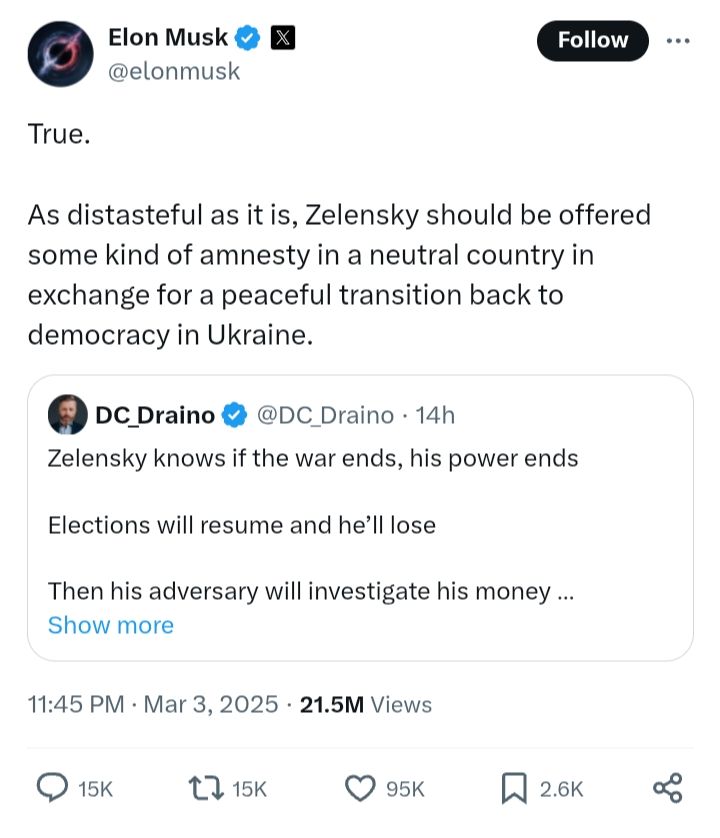
Academies were always the place where rich old men gathered to be fed. Literally, they do love banquets. It is absolutely no surprise that Royal Society sided with with a Nazi-saluting fascist multi-billionaire who is busy starving children in Africa and issuing thinly-veiled death threats against Ukraine’s President Zelenskyy.
Sad truth is that academies are comprised by old rich professorial men who are very much open to eugenics and totalitarian thinking. They do believe that their and their children genes are superior, and that geniuses like them are entitled to rule and are above the rules. These white men never liked “woke” ideas of and diversity, equality, inclusion, and only ever used it to advance their own lovers. Musk embodies an old wet dream of many male academics for a totalitarian rule by “experts”.
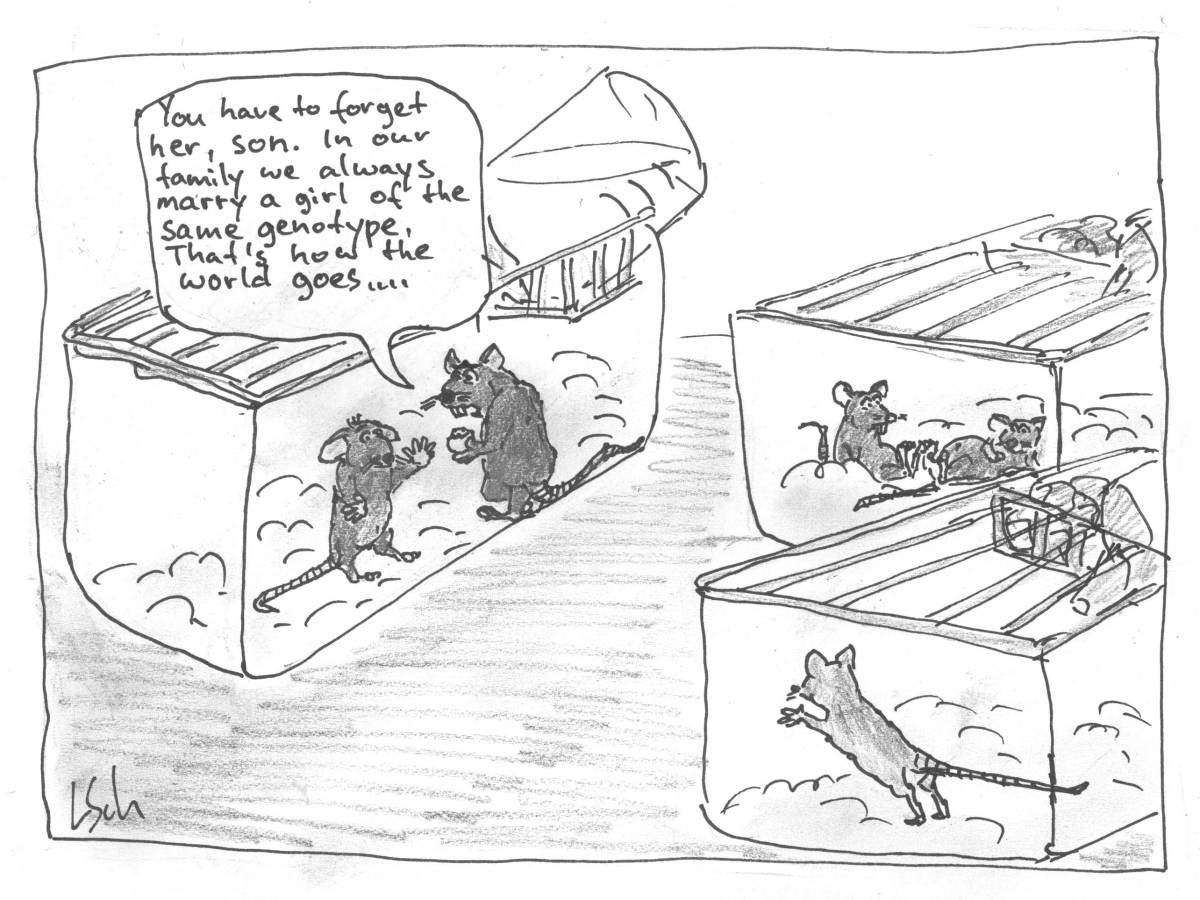
Some geneticists have very unorthodox ideas. These might sound like racism or eugenics to simple folks, but it is really high science. UK Biobank is apparently on board.
Nothing changed, no lessons were learned. The British journalist Philip Ball wrote a book about German scientists collaborating with the Third Reich, and he reminded of it in this Chemistry World article from 7 February 2025:
“Within months of the election of Adolf Hitler in 1933, Jewish staff of the German Chemical Society, including some high-profile members, were asked to resign in an act of what historian Ute Deichmann has called anticipatory obedience. All ‘non-Aryan’ members were expelled over the next few years.1 ‘It is one of the most notable phenomena in academia in 1933 that the severest measures of National Socialist policies against science were carried out under a high degree of silence and with the frequent consensus of scientists,’ Deichmann has written.2
‘Chemists fought no battles for Jews,’ historian Helmut Maier has said.1 ‘They fought no battles for immigrants. They only fought … a battle for their professional interests.’”
Now, the Fellows of the Royal Society, all British scientists who are not threatened by anything, rose and shouted Heil Musk.
Natal conference
Another inconvenient truth is: Elon Musk is totally not anti-science, he is in fact pro-science! The racist eugenics Nazi kind of science.
The Guardian brought on 3 March 2025 a report of such a “natalist” conference, a second one to be held at the campus of the University of Texas in Austin in fact. It costs $1,000 to participate, and even then only vetted people will be allowed in. From Guardian, names highlighted by me:
“The conference, scheduled for 28-29 March, is being organized by Kevin Dolan, who the Guardian identified in 2021 as the person behind a Twitter account that was prominent in the far-right “DezNat” movement, and last year as the organizer of the first conference. […]
One of the speakers at the conference is billed under a social media alias, Cremieux, but the Guardian has corroborated that the account is apparently run by Jordan Lasker, a long-time proponent of eugenics.
The @cremieuxrecueil X account has been boosted or engaged with dozens of times by that platform’s proprietor, Elon Musk, often on the topic of falling birthrates. […] Away from X, Cremieux runs a Substack also featuring posts on the supposed relationships between race and IQ.”
Musk is in fact known as an avowed natalist, who not only tweets eugenics, but has, according to Guardian, “at least 13 children by four mothers” and “a large compound home near Austin, where reportedly he plans to house some of his children and two of their mothers.“
Unsurprisingly, Musk’s science authority Lasker/Cremieux is a big fan of Nazi-sponsored racist Richard Lynn, former Ulster University professor who finally died in 2023. Read about Lynn here:
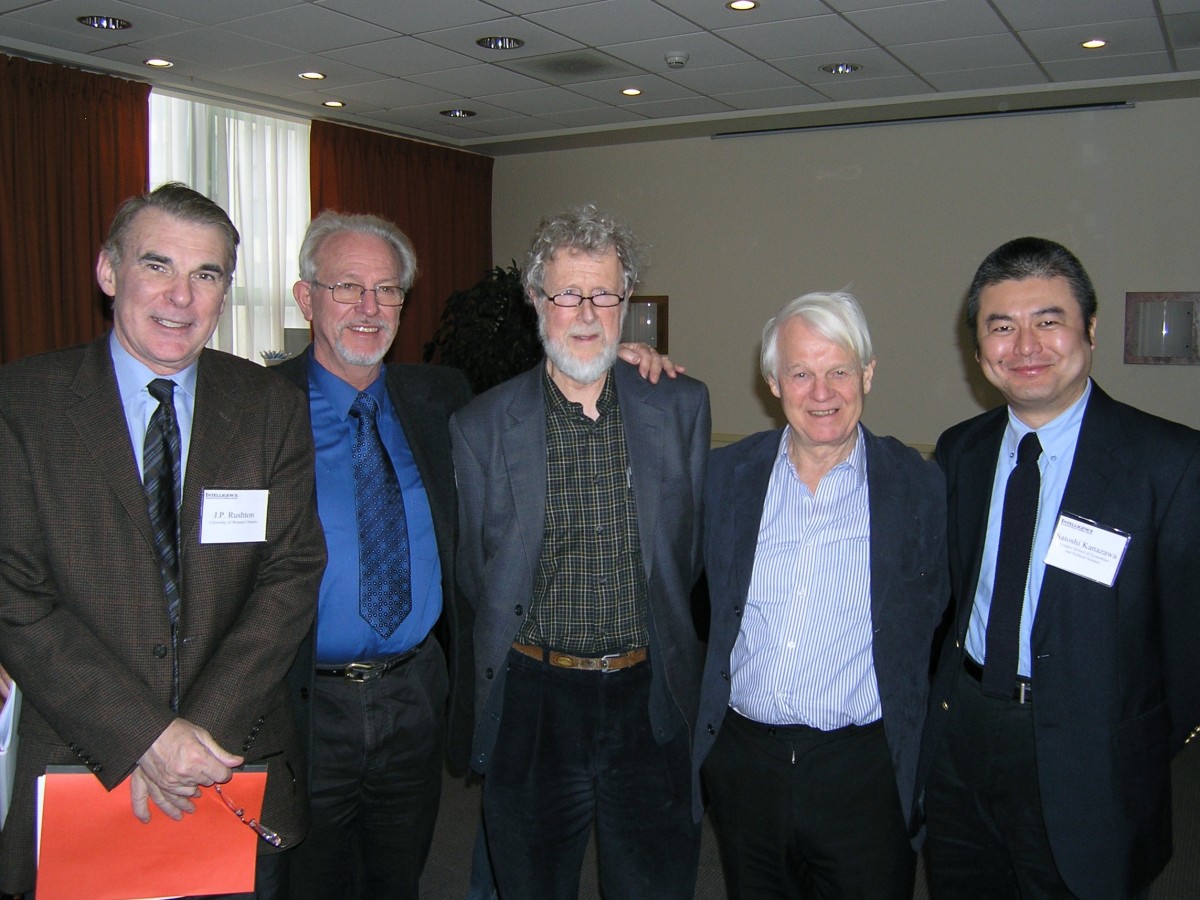
Outright racism and misogyny became rare in academia, eugenics and bigotry lurk these days not in Mankind Quarterly but in respected journals, wrapped in fancy genetics and neuroscience. Meet one of the last of the old school racist IQ psychologists, Satoshi Kanazawa.
Further buddies of Lasker/Cremieux are the racist pseudoscientists Bryan Pesta and Emil Kirkegaard, the latter also used to advocate for child rape. Read about them both here:
In 2019, MDPI published a Special Issue “Beyond Thirty Years of Research on Race Differences in Cognitive Ability”, one year later its owner Shu-Kun Lin expressed admiration for Trump and said “Black Lives Matter. White Lives Matter. All Lives Matter.”
Another conference speaker according to Guardian are:
“the “neofascist lifestyle influencer” Charles Cornish-Dale, who posts under the pseudonym Raw Egg Nationalist”, […] a figurehead of the rightwing bodybuilding scene, and has been a keen promoter of the “Great Replacement” conspiracy theory. He had nevertheless lived with his mother in sleepy south Dorset during the entirety of his career as a rightwing influencer, according to Hope Not Hate.”
“Jonathan Anomaly is a former academic and an advocate of what he has called “liberal eugenics”. The Guardian reported in October that he was a senior staff member at Heliospect, a startup offering to help wealthy couples screen their embryos for IQ even though screening embryos for these traits would be illegal in the UK.”
“Malcolm and Simone Collins, the so-called “hipster eugenicists” who have become the prominent advocates of pro-natalism. The Guardian reported in November that the Collinses, […] produced a proposal for a city-state on the Isle of Man that […] envisioned a society that would “grant more voting power to creators of economically productive agents”, and be ruled by a periodically rotated “dictator”. They said the arrangement would make the British crown dependency a center for the “mass production of genetically selected humans”.
“Diana Fleischman, […] a podcast host and contributor at online magazine Aporia, The Guardian also reported last October that Aporia was at the center of an “international network of ‘race science’ activists seeking to influence public debate with discredited ideas on race and eugenics”.
As Guardian mentions, Aporia is published by Kirkegaard and his so-called “Human Diversity Foundation”, the magazine’s executive editor is the self-avowed “white nationalist” and pseudoscientist Bo Winegard.
Now you know what kind of science Musk wants to see.
Unfortunately, the past cannot be restored
The pseudonymous sleuth Claire Francis reported a case to the Ghent University in Belgium. The central scientist is Hans Van Vlierberghe, Head of Department Gastroenterology and Hepatology, and Research Director of the Faculty of Medicine and Health Sciences.
He is also affiliated with the CRIG research centre, which is a joint venture by Ghent University (UGhent), Ghent University Hospital (UZ Ghent) and the life science institute VIB-UGent. Also his coauthors Anja Geerts, Debby Laukens, Xavier Verhelst and Lindsey Devisscher are professors at UGhent or UZ Ghent. Geerts is even head of Gastroenterology & Hepatology clinic.
Ludwigia linearis: “From the material and methods section it seems that the image on the left (Hepatology international) would be obtained after 25 weeks of DEN, while the image to the right (Oncotarget, 2016) would be obtained at 29 weeks (25 weeks of DEN, 4 weeks of vehicle).”
This is the paper by a similar team of authors, from which the western blot and the liver image were inappropriately reused, it has other problems:
This is the BMC Cancer paper which recycled the data from 2 years before ina new context. Here, Van Vlierberghe’s coauthor is a famous KU Leuven professor and Belgian baron (!) with a massive PubPeer record, Peter Carmeliet:
Ludwigia linearis: “Figure 1C is taken at 25 weeks, while figure 6B is at 30 weeks.”
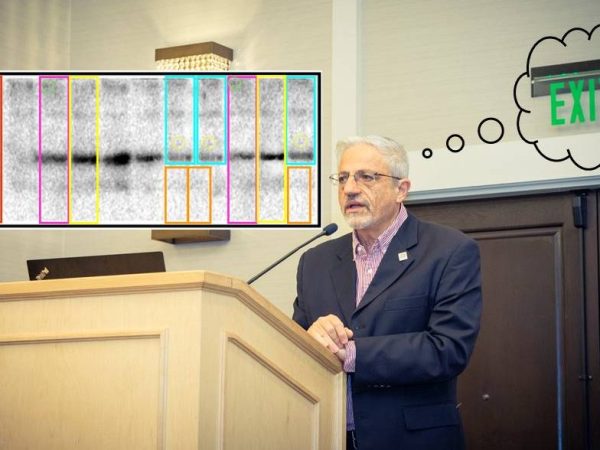
Sholto David: “There appears to be some kind of relationship between Procaspase-12/Cleaved caspase-12 blot shown in Figure 3 in this paper and a blot showing the same protein in Figure 3 in another paper. I’ve added a gif below”
The PubPeer user Ludwigia linearis also reported (here and here) that the “primer sequences in Supplemetary Table S1 are not giving the right target when blasting them using NCBI primer blast.“
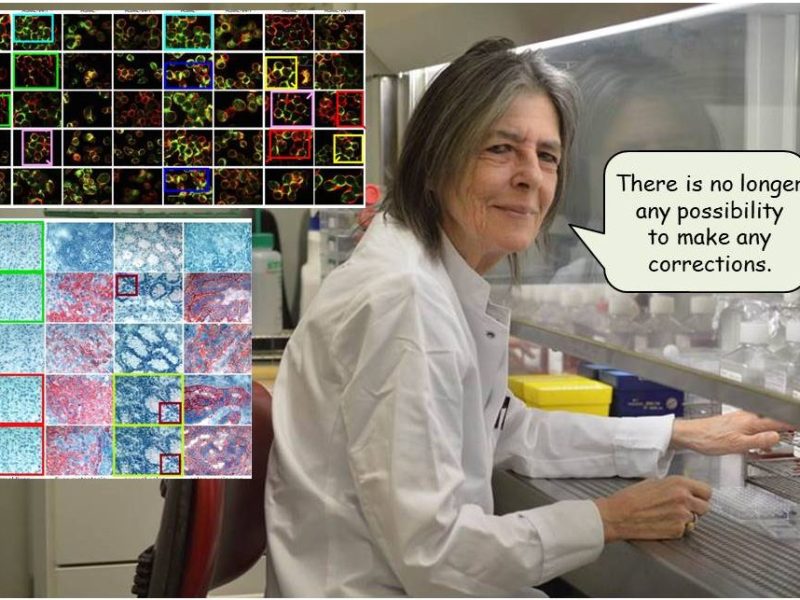
On PubPeer, Van Vlierberghe dismissed all allegations by insisting that it doesn’t matter when some bands are identical as long as some other bands are different. He even made diagrams. And anyway, even if the gel bands and liver images were identical, there’s nothing to be done, as Van Vlierberghe explained on PubPeer:
On 17 February 2025, the notifier Claire Francis received this message from Rita Cortvrindt, Research Integrity Coordinator at the University of Ghent:
“We have contacted Hans Van Vlierberghe about the concerns on his work in in pubpeer.
He and his current lab staff have done everything they can to find the lab notebooks related to the contested experiments. Unfortunately, they no longer exist. He can therefore not provide the requested information that proves that the reports were drawn up honestly.
He deeply regrets this. But unfortunately, the past cannot be restored.
At the time of the contested publications, there were no obligations to archive research data in a systematic way. Ghent University introduced the policy for research data management (RDM) in 2016 and advice archivation for 5 years from the end of the project/publication of the data.
We are currently reviewing the Research Data Management policy. In particular, the time of archiving is under discussion, as archiving in the long term involves high costs. What would you (general expectations) recommend as a sufficiently long time for archiving research data?“
It is true that Ghent University expects the raw data to be stored for 5 years only, out of their destitute poverty. But Van Vlierberghe himself admitted on PubPeer that the lab books must be stored for 10 years. Unlike he claims, the time count starts from the day of publication, not from the supposed day of experiment.
In any case, there is no doubt that those liver images and gel bands are identical and that experimental data was therefore most likely falsified. The sleuth tried to argue, also with additional evidence, and eventually got on 3 March 2025 this reply from Cortvrindt:
“The CWI has initiated a thorough investigation into this case of alleged fraud. Our internal procedure for an independent investigation aims to deliver a final report with advice to the rector within 6 months.”
But then again, Van Vlierberghe is the head of department and head of research at his medical faculty. And Geerts is his clinic head. Basically, in charge of investigating themselves.
[the above section was updated shortly after publication with the above quote]
Could be worse. For complaining like Claire Francis did, I was found guilty of research misconduct by the University of Liege, elsewhere in Belgium. See May 2024 Shorts and here:
“The Board of Ethics and Scientific Integrity of University of Liège investigated the overlap between the aforementioned panels and recommended the article be corrected”
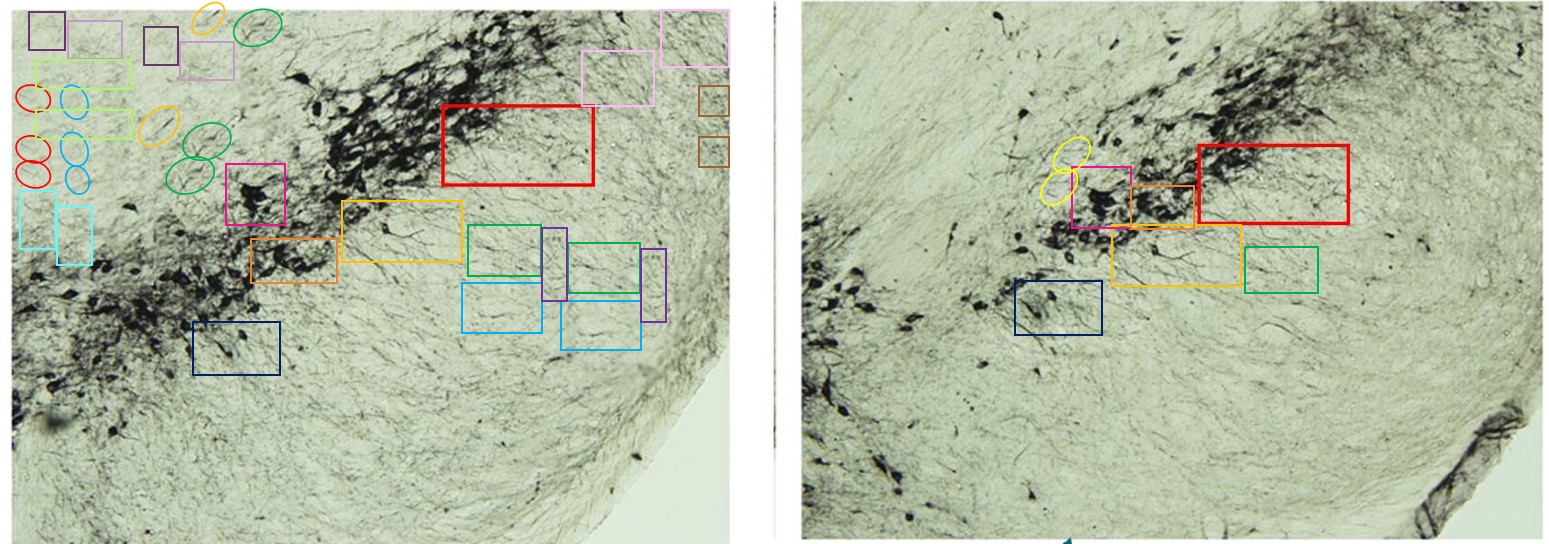
Eumunida spinosa: “Unexpected high similarity in figure 6A. One distinct feature (a dot) is not present, but results could be derived from same membrane .”
Retraction Watchdogging
Not able to sufficiently explain
In previous February 2025 Shorts, I reported a retraction for the French nanofabricator Jolanda Spadavecchia, apparently initiated by her employers CNRS and Sorbonne University.
Well, the last author of that retracted paper Sette et al 2013, was the Italian researcher, Annarosa Arcangeli, professor of general pathology at University of Florence and co-founder of university’s spin-off Dival-Toscana, which provides various preclinical services for pharmacological studies.
As the sleuth Claire Francis informs, Arcangeli just retracted another paper, it was flagged on PubPeer since 2014 (and illustrated in 2017). The first author and University of Florence researcher Olivia Crociani became in 2017 the scientific director of Dival-Toscana, she was also penultimate author on the retracted Sette et al 2013 paper with Spadavecchia:
“After the publication of this Article, concerns were raised regarding the high similarity between some bands in the α-Tubulin blot of Figure 4A and the α-Tubulin and α-total S6K1 blots of Figure 4B. An Investigation by the Editors has uncovered further issues such as other similarities between different blots (e.g. left α-Akt blot of Figure 2D and α-p-GSK-3 blot of Figure S3; HCT116 and HCT8 α-p85 blots of Figure 2C) and inaccurate molecular weight labelling (e.g. α-β1 blots of Figures 1B and 1D). Additionally, some original blots provided in the Supplementary Information file do not correspond with cropped blots presented in the main figures (e.g. α-total S6K1 and α-total 4E-BP1 of Figure 4B; Figure 6E).
The Authors were not able to sufficiently explain the discrepancies, and the Editors therefore no longer have confidence in the reliability of the data presented in the Article.
Annarosa Arcangeli has not explicitly stated whether they agree to this retraction. None of the other Authors have responded to any correspondence from the Editors about this retraction. The Editors have not been able to obtain current email addresses for Luca Gasparoli, Marika Masselli and Massimo D’Amico.”
Naturally, these two retractions are not Arcangeli’s only papers on PubPeer, there are in total 13 threads posted by Claire Francis.
Here an example, flagged in August 2024, the first author Serena Pillozzi is the CEO of Dival-Toscana:
The rest on PubPeer is similar. We know that Arcangeli knows about the problems in her papers for at least a decade. In May 2014, her freshly published paper Crociani et al 2014 was flagged on PubPeer for gel band duplication. Already in July 2014, Arcangeli issued a correction, with new blots and new quantifications, declaring:
“The conclusions set forth in the article remain unchanged”
You might say, well those were old papers. Surely Arcangeli learned the lesson and does better science now. Wrong.
Professor Arcangeli didn’t reply to my email. My emails to Crociani’s and Pillozzi’s Dival-Toscana accounts bounced.
Maybe the company had to close? Maybe pharma industry customers found out they paid for lab results made-up in Photoshop?
Corrections do not have any effect
The cancer researcher Margot Zöller, emeritus professor of the University Clinic Heidelberg in Germany, retracts a paper which she has just succeeded correcting. I wrote about this case in the article below, another paper in the same journal (Zhao et al 2018) was retracted for data manipulation and authors’ failure to provide an ethics approval for animal experiments.
Zöller’s significant coauthor on the previous and on the now retracted paper is Thilo Hackert, back then in Heidelberg, since 2023 Chairman of the Department of General, Visceral and Thoracic Surgery at the University Hospital Hamburg-Eppendorf, Germany:
“Figure 3, 4, and 7: Multiple overlapping areas which are not expected to be similar. The blue rectangles should be examined closely, but I do believe they show the same area at different magnification and stretch.”
The Correction from 31 October 2024 replaced the offending figures:
“Following publication of the original article [1], the authors identified errors in the figures, specifically:
Figure 7f – A818 neg control and A818 + GEM CD44v6
The corrections do not have any effect on the results or conclusions of the paper.”
But I contacted the publisher Springer Nature and the Editor-in-Chief Mauro Castelli, who told me he “approved the Corrections since the Authors provided the corrected figures.” An investigation was opened. On 28 February 2025, a retraction was issued:
“The Editor-in-Chief has retracted this article. A number of image duplications were brought to the attention of the publisher by a third party. While the manuscript was under investigation, the authors requested a correction, which was published. The raw data were not supplied by the author upon request for verification. The Editor and Publisher have lost confidence in the integrity of the data in this article.
Author Zhe Wang disagrees with this retraction. All other authors have not responded to correspondence from the publisher regarding this retraction.”
The Ombudsoffice of the University of Heidelberg is currently investigating the Zöller affair. Hackert’s current employer, the University of Hamburg, told me they won’t investigate themselves and await the results from Heidelberg.
Judged solely by the representative images
Another American neuroscience bigwig struck with a retraction. This time, it is about Charles Meshul, Parkinson’s researcher and neuroscience professor at the Oregon Health and Science University (OHSU), who featured in March 2024 Shorts. The falsified data was initially spotted by Mu Yang, then Smut Clyde and Elisabeth Bik joined:
The retraction is future-dated for 6 April 2025 (highlights mine, typos theirs):
“This article has been retracted at the request of the Chief Editors.
The Editors’ attention was drawn to some problems detected in Figure 1 of the article, showing the effect of MPTP and exposure to an environmental enrichment on neurons in young and aged mine. The Editors carried out their own analysis, in conjunction with forensic software. After careful examination, the Editors have concluded that there are duplicated areas within images and between images from purportedly different groups. For example, there appears to be duplication of several cellular elements within the same image in Figure 1, first, second, third, fifth, and sixth panels and between images in Figure 1, second panel and fourth panel.
After consulting with the corresponding author, the Editors did not receive convincing evidence to explain these discrepancies and the original images provided were dissimilar to the published ones. There are also notable similarities between Figure 1 of this paper and Figure 4 of an article published by two of the authors et al. in Brain Research (Smith et al., Brain Res. (2011), 10.1016/j.brainres.2011.02.003). Namely, apparent duplication of Figure 1, first, second and third panels with Figure 4 first, second and third panels of the Brain Res paper. The corresponding author indicates this duplication is a mstake that did not affect the data analyis.
Although the validity of a work should not be judged solely by the representative images presented, the undoubted signs of inappropriate image manipulation disqualify the work as a whole, as it contravenes basic principles on which scientific research is based. As the scientific integrity of the article cannot be guaranteed and in adherence to the recommendations of the Committee on Publication Ethics (COPE), the Chief Editors retract the article. The scientific community takes a very strong view on this matter and apologies are offered to readers of the journal that this was not detected during the submission process.
The corresponding author disagrees with this editorial decision.”
Help us sharpen our wits
Yet another retraction for Eliezer Masliah, who was publicly shamed and kicked out of NIH after an investigation by Mu Yang and some other sleuths.
“Poking around PubMed (Dysdera the spider is always on the hunt for new hornet’s nests) [..], I came across one image in two papers by Eliezer Masliah. […] By a conservative count, I contributed to about 160 out of 300 slides in the final dossier” – Mu Yang
This is the new retraction, from Masliah’s time at the University of California San Diego in California. His coauthors are a bunch of Germans from the Friedrich-Baur-Institute of the university clinic of LMU Munich:
Dysdera arabisenen on Fig 3E: “Overlapping images indicate different experimental conditions. Effort seems to have been made to male the two images look different”
The retraction was published on 3 March 2025, noteworthy it declared the issue in Fig 3E as unproblematic:
“Following the publication of this article [1], concerns were raised regarding results presented in Figs 1, 2, and 3. Specifically,
There appear to be vertical discontinuities suggestive of splice lines in the following panels:
◦. Fig 1A Tom 40, Tom 20, and α-syn
◦. Fig 1E Tom 40
◦. Fig 2A Tom 40
◦. Fig 2C Tom 40
Lanes 1 and 3 of the Fig 2A Tom 20 panel appear more similar than would be expected for independent results.
The Fig 3E LV-control α-synA53T and LV-Tomm 40 α-synA30P panels appear to partially overlap.
The corresponding author stated that the underlying data for Figs 1 and 2 are no longer available. In the absence of the uncropped underlying blot data, the image concerns cannot be resolved and the reliability of the associated quantification results cannot be verified.
The corresponding author also stated that the Fig 3E LV-Tomm 40 α-synA30P panel is incorrect. They provided an updated figure and the individual level data underlying the Fig 3B, 3D, and 3F results. These files satisfactorily addressed the Fig 3E concern.
In light of the unresolved concerns with Figs 1 and 2 that call into question the reliability and integrity of the published results, the PLOS One Editors retract this article.
AB agreed with the retraction and apologizes for the issues with the published article, but stands by the article’s findings. EM did not agree with the retraction. PD, BS, ER, AA, ME, CL, SM, AOB, MM, EP, and TK either did not respond directly or could not be reached.”
The UC San Diego professor Edward Rockentein, coauthor of ~90 fraudulent joint papers with Masliah, could not be reached indeed, he died in 2022. The unresponsive Germans in Munich are Matthias Elstner, Christoph Laub and Sarina Mueller, all led by Thomas Klopstock, professor and senior physician at the Friedrich-Baur-Institute, and Andreas Bender, who used to work there before in 2010 he opened his own private neurology praxis called “Therapiezentrum Burgau“.
In 2007/2008, Bender briefly stayed at Masliah’s UCSD lab, upon his return to LMU Munich, he must have invited Klopstock and the rest to the collaboration with Masliah and Rockenstein. Which these German doctors all probably now deeply regret.
As it happens, Bender and his former colleague Andrew Koob (formerly at UCSD, then at LMU, now back in USA as professor at University of Hartford) had to “correct” another paper with their mentor Masliah. Noteworthy, it wasn’t part of the Masliah dossier assembled by Mu Yang and her colleagues:
“It has recently come to the authors’ attention that the image provided for Figure 5 may be unreliable. Upon analysis, lanes 9, 10 and 11 match 16, 17, and 18 for phosphorylated neurogranin in the membrane fraction, indicating this western blot was spliced and those areas are clones of each other. Also, the background of the left half of the actin blot for the cytosolic fraction does not match the right half. In light of the apparent alterations to the figure, the authors are no longer confident that it is a western blot for phosphorylated neurogranin. Please disregard this figure, as well as the results section 2.4 and the 4th paragraph of the discussion. All other findings in this article, with respect to alpha-synuclein/neurogranin interaction, are valid. The authors would like to apologise for any inconvenience caused.”
Here an illustration of the issues in the cancelled Figure 5:
Aneurus inconstans: “To be honest, it is not obvious to me that lanes 9-10-11 match lanes 16-17-18 of phosphorylated neurogranin in the membrane fraction (blue boxes), but this is what the correction notice says.”
Koob, who in 2009 wrote a book titled “The Root of Thought: Unlocking Glia, The Brain Cell That Will Help Us Sharpen Our Wits, Heal Injury, and Treat Brain Disease“, has other papers on PubPeer with his mentor Masliah. Like this:
Dysdera arabisenen:: “Fig 3 and Fig 4: There are numerous bands in this Set of Western blots that are more similar than one would expect, some associated with “splice marks.””
Yes, I agree all this fraud will help us sharpen our wits.
Presence of nonsensical figures
A retraction for those of you who still believe in a peer review. A study by 3 US-affiliated researchers, in the “Official Journal of the European Federation of Chemical Engineering”, published by a UK-based learned society, the Institution of Chemical Engineers ((IChemE, founded in 1922), and Elsevier.
“The journal was alerted to the presence of nonsensical figures within this article.
As per journal policy, the corresponding author was contacted and asked to provide an explanation to these concerns and detail the process used to generate the figures. The authors failed to satisfactorily fulfil this request to prove the provenance of the images. It should be noted that upon submission, the authors declared that Generative AI tools were used to write the manuscript.
As the provenance of the figures are not fully understood, the Editor-in-Chief has lost confidence in the reliability of this article and has decided to retract it. The following authors Hossein Abedsoltan, Amirhesam Abedsoltan, Zeinab Zoghi do not agree to the retraction. The journal sincerely regrets that these issues were not detected during the manuscript screening and evaluation process and apologies are offered to readers of the journal.”
Want to see some of those AI-generated figures? Here Figures 1-4:
And so on, ending with this Figure 9:
Note that the paper was properly peer reviewed. But sure, everything else in that society journal with impact factor of 6.9 is totally reliable and trustworthy.
By the way, the editorial board of Process Safety and Environmental Protection includes a certain Spanish professor called Damia Barcelo, who’s famous for his papermilling, rigging peer review, and taking bribes from Saudis.
The article hasn’t been published yet
In Poland, papermills are currently a central topic of the national scientific debate.
No wonder that one Polish journal, published by the Polish Society of Ecological Engineering, panicked when on 2 March 2025 a sleuth contacted them with concerns about this paper, published four years ago:
Archasia belfragei: “This paper is one of three papers that have overlapping data displayed and discussed as original data by the same group of authors:
Aljbour et al. 2021 (DOI: 10.12911/22998993/142235); Journal of Ecological Engineering
The papers do not cite each other, although data overlaps.”
The coauthor Khaled Khleifat, professor of microbiology at Mutah University in Jordan, replied on all 3 PubPeer threads to “Dear Archasia Belfragei, the NAME indicated” with some AI-generated nonsense.
Gabriel Borowski, professor at Lublin University of Technology and Editor-in-Chief of Journal of Ecological Engineering, replied to the sleuth right away, on 2 March 2025:
“I am very grateful of your letter and information. We confirmed plagiarism with drawings used in article by Aljbour et al. Of course, we checked similarity by iThenticate, but it working on text only. There is not possible to find similarities in drawings by this software. So, we are happy that you kindly informed us about unethical works. We removed article by Aljbour et al. from Journal of Ecological Engineering 2021, 22(10), 251–263. Salah H. Aljbour was written on blacklist, so the other publications will be not possible on JEE.“
The blacklisted first author Salah Aljbour is the Vice-Dean of Faculty of Engineering at the Mutah University. And this is how the article page looks now:
“The DOI is registered but the article hasn’t been published yet”. Screenshot
Yes, it was deleted completely.
The sleuth reported another paper in the same journal, also by Khleifat, who reused data across 5 papers this time:
Khleifat’s coauthor Ibrahim Alfarrayeh, assistant professor at Tafila Technical University in Jordan, explained that exactly because the 5 studies were experimentally completely different, the data reuse was a good thing:
“If the trials were carried out using precise and scientifically validated methods, reusing this data helps prevent needless repeating of diagnostic procedures. Reusing the data ensures consistency and continuity in the results, which increases the credibility of the new study…“
While the authors openly boast the data reuse, the Editor-in-Chief Borowski remained unconvinced, and wrote to the sleuth:
“The article by Khaled Khleifat et al. was not removed so far, because we can’t find with drawings was repeated.”
Can you help Professor Borowski?
Duplicates significant parts
We remain on the topic of papermills. When russia began its genocidal full-scale war against Ukraine in February 2022, all scholarly publishers quickly agreed that they must support russia by accepting as much of russian papermill trash as possible. Since any decent, regime-critical or even pro-Ukrainian scientists in russia are either already sacked or afraid to submit papers to a western journal in order to avoid being arrested as spies, those who still send papers to Elsevier are not just papermillers, but vetted rascists in love with putin and his war. Some are even officers in the russian army:
Alexander Magazinov presents you two russian professors whom Elsevier and MDPI consider respectable: a Lt Colonel of putin’s mass-murdering army, and a machine-gun totting rascist. Both buy from papermills.
The brothers Alex and Sergei Trukhanov are papermilling fraudsters, and now one of their papers got retracted, for plagiarism. Stolen from other plagiarists!
In December 2023, the authors issued a Corrigendum to “extend their appreciation to the Deanship of Scientific Research at King Khalid University for funding this work through large group Research Project under grant number (RGP2/82/44).“
But more recently, the paper was retracted:
“This article has been retracted at the request of the Editors-in-Chief.
The article duplicates significant parts of a paper that had already appeared in Journal of Results in Materials 21 (2024) 100520, https://doi.org/10.1016/j.rinma.2023.100520.
One of the conditions of submission of a paper for publication is that authors declare explicitly that the paper has not been previously published and is not under consideration for publication elsewhere. Re-use of any data should be appropriately cited. As such this article represents a misuse of the scientific publishing system..”
Now, the irony is that the people from whom Trukhanovs and their Saudi papermill friends stole from, are plagiarists themselves!
Because the same victimised authors Behzad Sadeghi (an Iranian papermiller who worked with Ali Fakhri), Sadeghi’s current boss Pasquale Cavaliere (professor at University of Salento in Lecce, Italy) and Sadeghi’s former colleague at Slovak Academy of Sciences in Bratislava, the Brazilian Moara Castro, also plagiarised that same Results in Materials paper, and published a copy in Journal of Alloys and Compounds! They did remove the coauthor Angelo Perrone, also from University of Salento:
“This article has been retracted at the request of the Editors-in-Chief.
The article duplicates significant parts of a paper that had already appeared in Journal of Results in Materials 21 (2024) 100520, https://doi.org/10.1016/j.rinma.2023.100520. “
Undated retraction
However, it is very unlikely the team wrote that paper themselves. One paper by this Italian professor Caveliere (Najafizadeh et al 2022) was flagged for being a delivery vehicle for paid citations. Another one is also papermilled:
Dysdera arabisenen: “Fig 2: As shown inthe close-up, red and green traces have highly similar noises.”“Experimental conditions are different In these two studies”
The other Shabani et al 2023 paper, in Materials Chemistry and Physics, has the same authors except for Cavaliere!
Frontiers would like to thank Alexander Magazinov
First retraction for the papermillers Mohamed Taheri and Soudeh Ghafouri-Fard, the latter closely connected to the highest echelons of Iranian terror regime. Taheri is currently employed as PhD student by the University of Jena in Germany, read here:
But this idiotic autism study was now retracted by Frontiers, previously flagged by Alexander Magazinov because it cited retracted papers and because the reviewer Amin Safapreviously collaborated with Taheri and Ghafouri-Fard:
“Following publication, concerns regarding potential undisclosed conflicts of interest were raised by a reader. An investigation was conducted in accordance with Frontiers’ policies, after which Frontiers found substantial evidence of undisclosed conflicts of interest that undermined the integrity of the peer review process. Additionally, following the Chief Editor’s assessment, it was determined that the validity of the content was significantly compromised by the inclusion of retracted references. As the scientific integrity of the article cannot be guaranteed, and in adherence to the recommendations of the Committee on Publication Ethics (COPE), the article is retracted. This retraction was approved by the Chief Editors of Frontiers in Molecular Neurosciences. The authors do not agree to this retraction. Frontiers would like to thank Alexander Magazinov for contacting the journal regarding the published article.”
Their coauthor Reyhane Eghtedarian is enjoying an academic career as PhD student in Finland, because her mentor Helena Kilpinen and the University of Helsinki decreed Eghtedarian to be utterly innocent (read June 2024 Shorts). In December 2024, the Finnish National Board on Research Integrity (TENK) supported the university’s decision to reject Magazinov’s notification as “unfounded”:
“TENK agrees with the assessment of the course of events issued by the chancellor of the University of Helsinki and the decision that neither Reyhane Eghtedarian nor Helena Kilpinen had committed RI violations.”
You all probably heard of the biggest business enterprise of the MIT professor George Church, the biotech company Colossal, which he runs with the tech bro Ben Lamb. If not, read here:
Colossal constantly makes news with their announcements to de-extinct extinct animals: the dodo, the thylacine, and especially the mammoth. The latter will be then deployed in the Arctics to somehow solve the climate change, which is the official plan.
Obviously none of that is working, despite hordes of journalists churning out Colossal bollocks like:
“How the Woolly Mammoth Could Prevent Trillions in Economic Loss” (Inc., January 2025)
“Is the age of de-extinction upon us?” (CNN, January 2025)
From time to time, at least some successes need to be shown to keep investors happy, what with Colossal being valued at over $2 Billion after the last fund-raising round.
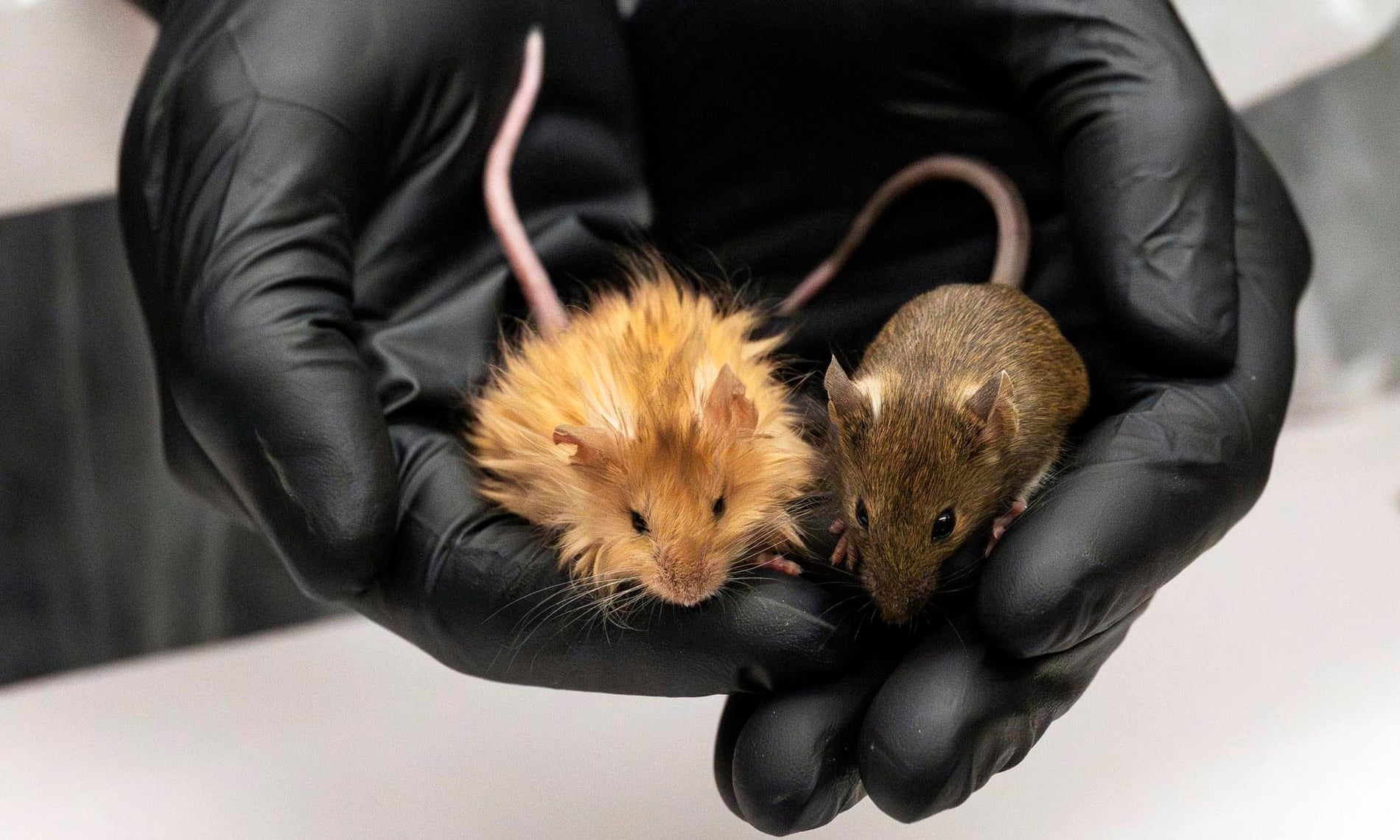
So here is what this week we are told by all the media worldwide to celebrate as a colossal science breathrough. Wooly mice. Yes, mice.
“A plan to revive the mammoth is on track, scientists have said after creating a new species: the woolly mouse.
Scientists at the US biotechnology company Colossal Biosciences plan to “de-extinct” the prehistoric pachyderms by genetically modifying Asian elephants to give them woolly mammoth traits. They hope the first calf will be born by the end of 2028. […]
“Genetically edited mouse with long, thick, woolly hair and a normal mouse at a lab in Dallas, Texas. Photograph: AP”
Now the team say they have fresh support for their approach after creating healthy, genetically modified mice that have traits geared towards cold tolerance, including woolly hair. […]
The team focused on disrupting nine genes associated with hair colour, texture, length or pattern or hair follicles. Most of these genes were selected because they were already known to influence the coats of mice, with the induced disruptions expected to produce physical traits similar to those seen in mammoths, such as golden hair.
However, two of the genes targeted in the mice were also found in mammoths, where they are thought to have contributed to a woolly coat, with the changes introduced by the researchers designed to make the mouse genes more mammoth-like. […]
While many of the experiments did not result in mouse pups, mice that were born had various combinations of distinctive hair types including woolly coats, long hair and golden-brown coats..”
I suspect the real reason the mice needed to look orange was to impress Trump. Maybe Musk will buy Colossal soon?
Anyway, here is the preprint:
Rui Chen, Kanokwan Srirattana, Melissa L. Coquelin, Rafael Vilar Sampaio, Raphael Wilson, Rakesh Ganji, Jacob Weston, Alba Ledesma, Jessie Beebe, Jacob Sullivan, Yiren Qin, J. Chris Chao, James Papizan, Anthony Mastracci IV, Ketaki Bhide, Jeremy Mathews, Rorie Oglesby, Mitra Menon, Tom van der Valk, Austin Bow, Brandi L. Cantarel, Matt James, James Kehler, Love Dalén, Ben Lamm, George M. Church, Beth Shapiro, Michael E. Abrams Multiplex-edited mice recapitulate woolly mammoth hair phenotypesbioRxiv (2025) doi: 10.1101/2025.03.03.641227
By the way, the authors used ES cells from B6129 mice, which already have agouti-coloured fur. This is really pathetic.
Especially since Colossal’s previous “breakthrough” of alleged success with establishing induced pluripotent stem cells from an elephant, something rather necessary for any mammoth plans, is stuck at the stage of un-peer-reviewed prepring since March 2024, despite celebratory reporting by all the media worldwide:
Evan Appleton, Kyunghee Hong, Cristina Rodríguez-Caycedo, Yoshiaki Tanaka, Asaf Ashkenazy-Titelman, Ketaki Bhide, Cody Rasmussen-Ivey, Xochitl Ambriz-Peña, Nataly Korover, Hao Bai, Ana Quieroz, Jorgen Nelson, Grishma Rathod, Gregory Knox, Miles Morgan, Nandini Malviya, Kairui Zhang, Brody McNutt, James Kehler, Amanda Kowalczyk, Austin Bow, Bryan McLendon, Brandi Cantarel, Matt James, Christopher E. Mason, Charles Gray, Karl R. Koehler, Virginia Pearson, Ben Lamm, George Church, Eriona Hysolli Derivation of elephant induced pluripotent stem cellsbioRxiv (2024) doi: 10.1101/2024.03.05.583606
Obviously no serious scientific journal was so far prepared to publish what is most likely a elephant cancer cell line. A fate which will await the silly new preprint about orange wooly mice. Not that the investors care.
Because soon, hordes of colossal wooly mice will roam the Arctics and make global warming history.
Removal of harmful proteins from the brain
Chinese doctors succeeded in curing Alzheimer’s with a simple surgery of lymph nodes.
South China Morning Postreported on 5 January 2025:
“A new surgical treatment for Alzheimer’s disease is showing promise in a clinical trial under way in Chinese hospitals. […]
Dr Tang Juyu, a professor at the Xiangya Hospital of Central South University, told the Post that his team had already performed the procedure – known as lymphatic-venous anastomosis, or LVA – on more than 70 patients.
According to Tang, they have seen improvement in about 80 per cent of those patients…”
“The surgical treatment, which involves four small incisions in a patient’s neck, has been conducted on hundreds of patients at top public hospitals across China. […]
The procedure, called “lymphatic-venous anastomosis” (LVA), connects the patient’s lymph vessels to veins near the neck, speeding up the flow and drainage of lymph fluid, which doctors believe could boost the removal of harmful proteins, including beta-amyloid, from the brain, thereby slowing the progression of Alzheimer’s disease.”
There are of course also research papers, like this letter from June 2024:
Xia Li, Chenpeng Zhang, Yuan Fang, Mei Xin, Jianbo Shi, Zhiyuan Zhang, Zhen Wang, Zhenhu Ren, “Promising outcomes 5 weeks after a surgical cervical shunting procedure to unclog cerebral lymphatic systems in a patient with Alzheimer’s disease” General Psychiatry (2024) doi: 10.1136/gpsych-2024-101641
It was a case report about a 70-year-old woman “who reported gradual memory loss with intermittent anxiety and depression since 2018“, after the operation described as “Cervical Shunting to Unclog cerebral Lymphatic Systems (CSULS) surgical procedure“, the patient’s “tau-PET scan indicated a decrease in overall brain tau accumulation“, with her daughter reporting “My mother’s memory is stabilising and improving, and she is able to complete household chores every day.”
And not just in China! Here a viewpoint from the Cleveland Clinic in Ohio, USA, published a year ago:
Qingping Xie; Antoine Louveau; Sonia Pandey, Weifeng Zeng, Wei F. Chen, Rewiring the Brain: The Next Frontier in SupermicrosurgeryPlastic and Reconstructive Surgery (2024) DOI: 10.1097/PRS.0000000000010933
“Our team at Cleveland Clinic has made significant strides in exploring the lymphatic system’s role in brain disorders and the possibility of treating brain conditions previously considered untreatable.1 […] Combining these observations with the discovery of glymphatic4 and meningeal lymphatic5 dysfunction in Alzheimer disease and other neurodegenerative proteinopathies, we hypothesized that extracranial supermicrosurgical lymphatic reconstruction may “de-clog” the brain to improve the above conditions. […]
We were pleased to find that we were not alone in our thinking. Dr. Qingping Xie has explored similar hypotheses and has successfully performed 50 cases of such reconstruction on patients with Alzheimer disease…”
The article includes a video provided by the first author Xie showing “the postsurgery recovery of an 84-year-old bedridden man with Alzheimer disease“.
Human brain basically works like a toilet. It needs declogging from time to time.
Luckily Trump and Musk are dismantling the FDA, so the treatment will be soon available to all Americans.
Donate!
If you are interested to support my work, you can leave here a small tip of $5. Or several of small tips, just increase the amount as you like (2x=€10; 5x=€25). Your generous patronage of my journalism will be most appreciated!
“Having been knighted by Belgian king in 2021, His Lordship Baron Carmeliet decided to earn some extra cash makes from the Khalifa University in the Emirates.”
Around 300 individuals bear the title of Baron or Baroness. The title may descend either by masculine primogeniture or to all legitimate descendants in the male-line of the original title-holder.Knights
Knights.
In Belgium there are roughly 200 knights (French: chevalier, Dutch: Ridder). The title has no female equivalent.
I have information that Carmeliet is, let me put it this way, not a nice person, this is one reason why after an evaluation he uhm, decided to abandon everything at Aarhus University in Denmark in a rush and return to Belgium where people are not such snowflakes.
In fact, i also was told he preferred to spend his time in Belgium anyway, regardless of the 30% time contract with Aarhus.
He established his lab in the Department of Biomedicine. Due to the substantial funding he received, the entire department was rearranged to accommodate him, as he had promised to build a large research group with extensive equipment. His lab had the largest space and the most equipment in the department. However, the group never grew beyond six members. Interestingly, although more than six people were hired, there several resignations or transfers to other groups (due to Aarhus University’s non-dismissal policy).
Despite its size and state-of-the-art equipment, the lab remained largely empty, giving the impression that no projects were actively running. No original research publications emerged from Aarhus University—only review articles.
The lab was shut down at the end of 2023. During the time the lab was open, Peter Carmeliet never gave talks or lectures and was physically present in the lab (he was here than three days in total, even though he supposed to spend 30% of his time at this location). His behavior and lack of consideration toward his Aarhus University colleagues led to numerous complaints, as his conduct was widely regarded as unprofessional.
Interestingly, around that time (end of 2023), KU Leuven forced him into retirement. Having turned 65 last December, he will officially become emeritus by the end of this course and will be required to relocate his office and lab off-campus. While KU Leuven has permitted him to complete his ongoing projects, he will no longer be eligible to apply for additional funding.
Moreover, KU Leuven also forced to reduce his staff. His research group has significantly shrunk over the past year, with more than 15 members departing due to non-renewals but also resignations.
Peter Carmeliet is a bully. He sends mails/request to his PhD students and post docs in the middle of the night/during weekends and he demands fast answers. It is a way to control his people. He expects them to work 24/7. The KUL always allowed it because of his fame and output. I hope one day people will speak up but for now they just accepted it because it looks good on your CV
That’s a recent comment at Pubpeer. I haven’t seen that one. I tend to agree that the bands are different, there dark spots in the background are different too.
Within the last 24 hours, Jonathan Anomaly has filed a lawsuit against RationalWiki for creating an article about him. Oddly in his lawsuit he claims he is a “liberal” and not far-right. He offers no explanation for the majority of the far-right stuff on his article.





















 For Better Science
“Having been knighted by Belgian king in 2021, His Lordship Baron Carmeliet decided to earn some extra cash makes from the Khalifa University in the Emirates.”
I think you are getting the ranks mixed up.
Belgian nobility – Wikipedia
Barons
Around 300 individuals bear the title of Baron or Baroness. The title may descend either by masculine primogeniture or to all legitimate descendants in the male-line of the original title-holder.Knights
Knights.
In Belgium there are roughly 200 knights (French: chevalier, Dutch: Ridder). The title has no female equivalent.
LikeLike
Denmark achieves net zero!
Top scientist heads for Denmark to avoid compulsory retirement
PubPeer – Search publications and join the conversation.
The Danes exported one, import one, net zero!
The one they exported.
Kristian Helin gets the perfect job – For Better Science
PubPeer – Search publications and join the conversation.
Net zero, double mockery (of science)!
LikeLike
I have information that Carmeliet is, let me put it this way, not a nice person, this is one reason why after an evaluation he uhm, decided to abandon everything at Aarhus University in Denmark in a rush and return to Belgium where people are not such snowflakes.
In fact, i also was told he preferred to spend his time in Belgium anyway, regardless of the 30% time contract with Aarhus.
LikeLike
Huh??? What one needs to do, to become unwelcome in Aarhus? While even one Mika S. never reached that threshold?
LikeLike
Maybe Mika’s secret to success in Aarhus was that he was never actually allowed in. Just virtually.
LikeLike
“because the reviewer Amin Safa previously collaborated with Taheri and Ghafouri-Fard”
This is unfair to the other reviewer, Shahram Arsang-Jang, who has at least 73 common papers with SGF.
LikeLike
Back in 2021, Peter Carmeliet opened his lab at Aarhus University after receiving one of the largest grants from Novo Nordisk:
https://novonordiskfonden.dk/en/news/top-researcher-from-belgium-is-settling-down-in-denmark-to-revolutionise-drug-development/
He established his lab in the Department of Biomedicine. Due to the substantial funding he received, the entire department was rearranged to accommodate him, as he had promised to build a large research group with extensive equipment. His lab had the largest space and the most equipment in the department. However, the group never grew beyond six members. Interestingly, although more than six people were hired, there several resignations or transfers to other groups (due to Aarhus University’s non-dismissal policy).
Despite its size and state-of-the-art equipment, the lab remained largely empty, giving the impression that no projects were actively running. No original research publications emerged from Aarhus University—only review articles.
The lab was shut down at the end of 2023. During the time the lab was open, Peter Carmeliet never gave talks or lectures and was physically present in the lab (he was here than three days in total, even though he supposed to spend 30% of his time at this location). His behavior and lack of consideration toward his Aarhus University colleagues led to numerous complaints, as his conduct was widely regarded as unprofessional.
LikeLike
Let the fat cat funders worry about being ripped off!
I doubt Novo Nordisk will give you 50 € cent for alerting them. Money laundering from both ends?
LikeLike
Interestingly, around that time (end of 2023), KU Leuven forced him into retirement. Having turned 65 last December, he will officially become emeritus by the end of this course and will be required to relocate his office and lab off-campus. While KU Leuven has permitted him to complete his ongoing projects, he will no longer be eligible to apply for additional funding.
Moreover, KU Leuven also forced to reduce his staff. His research group has significantly shrunk over the past year, with more than 15 members departing due to non-renewals but also resignations.
LikeLike
Peter Carmeliet is a bully. He sends mails/request to his PhD students and post docs in the middle of the night/during weekends and he demands fast answers. It is a way to control his people. He expects them to work 24/7. The KUL always allowed it because of his fame and output. I hope one day people will speak up but for now they just accepted it because it looks good on your CV
LikeLike
“…a famous KU Leuven professor and Belgian baron (!) with a massive PubPeer record, Peter Carmeliet“
Well, regarding one of Carmeliet’s PubPeer entries, for once I disagree with the alleged issue:
PubPeer – Haematopoietic prolyl hydroxylase-1 deficiency promotes M2 m…
LikeLike
That’s a recent comment at Pubpeer. I haven’t seen that one. I tend to agree that the bands are different, there dark spots in the background are different too.
LikeLike
The Scots are way ahead of Colossal:
https://www.youtube.com/watch?v=RFDKOebP-n8
LikeLike
You may find this of interest
https://www.courtlistener.com/docket/69712513/anomaly-v-rationalwiki-foundation-inc/
Within the last 24 hours, Jonathan Anomaly has filed a lawsuit against RationalWiki for creating an article about him. Oddly in his lawsuit he claims he is a “liberal” and not far-right. He offers no explanation for the majority of the far-right stuff on his article.
LikeLike
It isn’t just Jonathan Anomaly.
Other Human Diversity Foundation employees have also filed against RationalWiki in the last week
Russell T. Warne https://www.courtlistener.com/docket/69742296/warne-v-rationalwiki-foundation-inc/
Jan te Nijenhuis https://www.courtlistener.com/docket/69772253/te-nijenhuis-v-rationalwiki-foundation-inc/
This is an organized attack from Emil Kirkegaard’s Human Diversity Foundation to close RationalWiki down.
LikeLike
Carmeliet and Sylvain Lesne have published together, what a small world:
PubPeer – Smad3-dependent induction of plasminogen activator inhibitor…
LikeLike