

Schneider Shorts of 15 November 2024 – trouble in elite Canadian lab, leadership chaos at IEEE, cancer charity money put to good use in Italy, one Elsevier journal untouchable, another cleaned from papermillers, with a Polish professor betrayed, NIH fraudster’s first retractions, and finally, Patricia Murray vs stem cell clinics!
Table of Discontent
Industry Giants
- Not a clinical research article with new data – Patricia Murray vs stem cell clinics
Science Elites
- A shocking trend – Min Wu sues IEEE over removal as society president
- You want the copy to be exactly like the original – Daniel Durocher will need to retract Science paper
- Noi per loro – Piergiorgio Petronini puts charity money to good use
Scholarly Publishing
- As strongly requested by the reviewers – citation extortion at the International Journal of Hydrogen Energy
Retraction Watchdogging
- Without their knowledge or permission – Marek Jaszczur abused by his PhD student
- A journal-wide investigation – spring cleaning at Chemosphere began?
- This book has been retracted – Ali Morsali loses his book
- The quality of the western blot panels is not optimal – Eliezer Masliah gets his first retractions
Industry Giants
Not a clinical research article with new data
The University of Liverpool professor and medical ethics activist Patricia Murray and her lab members investigated the stem cell scams in the UK. They were joined by a fellow activist and whistleblower, the cardiologist Peter Wilmshurst. This is the result:
Megan Smith, Kate Goodheart, Claudia Fryer, Tomas Balcytis, Peter Wilmshurst, Patricia Murray, An analysis of the UK’s commercial stem cell clinics Prometheus (2024) doi: 10.13169/prometheus.40.1.0007
The authors used Google to search for clinics in UK which offer stem cell treatments, having “excluded clinics offering therapies that have been approved by the UK National Institute for Clinical Excellence (NICE), and those focusing exclusively on cosmetic procedures.” The latter was because the authors wished to focus on scams offered not to rich healthy customers, but to desperate patients who suffer from actual diseases.
“We identified 38 clinics (Table 1) offering therapies for medical conditions, which is more than twice the number identified in 2016 (Berger et al, 2016). Eighteen of the clinics we identified operated at multiple sites (Table 1). Thirty-five clinics offered stem cell therapies for orthopaedic conditions, the most common being osteoarthritis and sports injuries. Five clinics offered therapies to improve sexual health, sometimes in addition to therapies for orthopaedic conditions. Stem cell treatments for autism, anal fistulas and Lyme disease were exclusively being offered by each of three clinics. One clinic advertised therapies for a wide range of conditions including Parkinson’s disease, chronic obstructive pulmonary disease (COPD), diabetes, stroke and cancer”

Gesundheit! Israeli Scientists treat autism with stem cells
A mysterious clinical trial in Israel is recruiting autistic children for blood draws. As the company’s founder admitted, the actual therapy on offer is extraction of bone marrow “stem cells” and their injection into patient’s spine. Smut Clyde investigates.

Table 1 contains acquittances Murray already brought down: Aamer Khan‘s Harley Street Skin Clinic which used to offer stem cell treatments for COPD, diabetes, Parkinson’s, stroke, cancer, Multiple Sclerosis and erectile dysfunction (read July 2024 Shorts) and Mark Lowdell‘s LifePlus Stem Cell Technologies (read May 2022 Shorts). The latter supplied tissues to the former, the original umbilical cords were donated to a charity by misinformed mothers.

Autism therapy with bone marrow-derived cells used to be offered by Autism Regenerative Centre in London, it is not clear if it’s still open. Others are still in business: Stemvita Ltd uses fat cells to treat Lyme disease, hair loss and arthritis, International Andrology London offers to cure erectile dysfunction with bone marrow, blood or fat cells, while Women’s Health Clinic Ltd treats all women’s issues with platelet-rich plasma (PRP). Regenerative Clinic Ltd uses PRP, bone marrow or blood cells to treat not just orthopaedic but also gynaecological conditions, and even anal fistula.
“Most clinics were offering autologous therapies derived from the patient’s own bone marrow, adipose tissue or peripheral blood. The cell-based therapies are typically referred to as ‘mesenchymal stem cells’ or just ‘stem cells’. Five clinics offered ‘Lipogems®’, comprising mechanically fragmented adipose tissue, claimed to contain MSCs. Twenty-three clinics offered ‘platelet rich plasma (PRP)’, which is prepared by spinning down peripheral blood to separate the platelets from other cell types. A typical claim made is that PRP stimulates the regeneration of tendons, ligaments and cartilage.
Although most clinics were marketing autologous therapies, two clinics were offering an allogeneic therapy comprising umbilical cord-derived MSCs (UC-MSCs).”

Ulrich Goldfinger sells Goldic youth
“This is gold, Mr. Bond. All my life I’ve been in love with its colour… its brilliance, its divine heaviness.”

To limit the scope, the authors focussed on examining the clinical evidence for “therapies for COPD and Parkinson’s disease, and MSC treatments for osteoarthritis“. Obviously they found none. But they found other concerning issues:
“One of the clinics claimed it provided ‘the UK’s first quantifiable and quality assured stem cells’. The cells used by both clinics were being manufactured under an MHRA ‘specials’ licence.”
In UK, such stem cell scams are supposed to be sanctioned by “five different UK authorities: the HTA, MHRA, CQC, GMC and the Advertising Standards Authority (ASA) (Panel 1).“. This happened when in January 2022, Murray reported Khan’s and Lowdell’s clinics:
“The only authority that responded appropriately was the ASA. Although the MHRA and HTA seemed to be investigating, the complainant was not informed. It is also unlikely that the results of any investigation or enforcement action will be publicly disclosed, so prospective patients will also be uninformed. Most worrying were the responses of the CQC and GMC, whose main aim is to ensure patient safety (Panel 1). Both of these authorities were happy to overlook questionable practices that had potential to harm patients.”

Bones, COVID-19 and Liposuction
Another Israeli Scientists Joke! How Dr Shai Meretzki decided that leftovers from liposuction can not only heal broken bones, but also cure COVID-19. Almost 100% success rate!
The article ends with a set of recommendations, including for transparency, a parliamentary inquiry, regulation of autologous treatments and for the inappropriate use of MHRA ‘specials’ licences to be prohibited.
As it happens, Murray initially attempted to publish this paper as a preprint on medRxiv. It was rejected by the medRxiv team with the explanation:
“…we determined that your manuscript is not suitable for medRxiv. It is not a clinical research article with new data and therefore it is out of scope and will not be posted.”
Presumably, medRXiv was simply afraid of lawsuits from the stem call quacks. Yet instead of admitting it, they tried to make the stem cell biologist Murray (who is a trained nurse but not a medical doctor) to feel like an ignorant imposter. For example, this, uhm, thing by the German professors Bernhard Sabel and Gerd Gigerenzer was perfectly publishable (and then celebrated in Science, see May 2023 Shorts).
Science Elites
A shocking trend
In October 2021, the School of Engineering of the University of Maryland in USA announced:
“Min Wu, a professor in the Department of Electrical and Computer Engineering (ECE) at the University of Maryland (UMD), and associate dean of engineering, has been elected as the 2022-2023 President-Elect of the IEEE Signal Processing Society (IEEE SPS). Wu is the first woman of color to be elected for this position, and she will begin serving as SPS President on January 1, 2024. […]
“I am deeply honored by the overwhelming support from members who recognize the effort and experience I have brought to the Signal Processing Society on multiple fronts, as well as the need and benefit of a diverse leadership,” said Wu. “The pursuit of excellence with diversity and inclusion is a continuous process, and builds on nurturing an open mind and being persistent to lean in and contribute.”
As SPS President, Wu plans to increase diversity and inclusivity, address members’ needs in different regions, sectors, and career stages, and improve financial sustainability and growth within the society.”
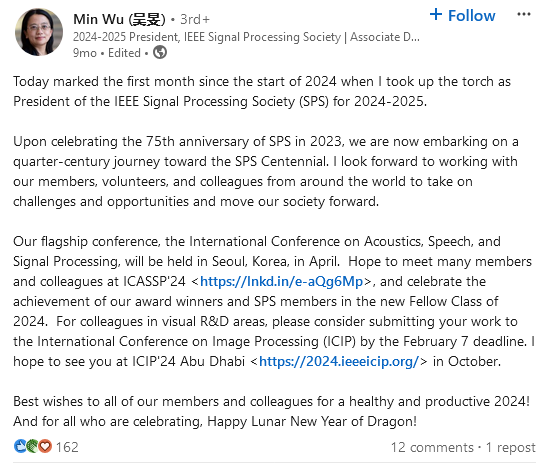
In early 2024, Wu celebrated her new term as 2024-2025 IEEE SPS President, it is also part of her official CV today:
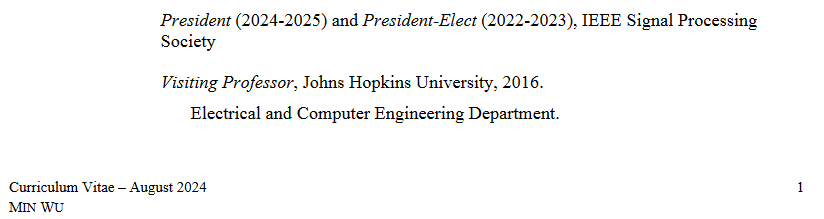
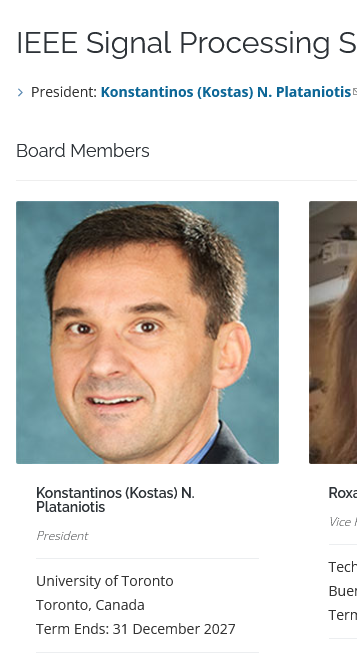
However, in May 2024 Wu was disciplined and in July 2024 permanently removed from her position as President of IEEE SPS. Now, University of Toronto professor Konstantinos Plataniotis is officially listed as President (“Term Ends: 31 December 2027“).
Wu sued IEEE to ban them from banning her to act as IEEE SPS President. Her lawsuit was rejected in August 2024 because the New Jersey district court concluded that “it lacks subject matter jurisdiction over this action“, since IEEE is a non-profit organisation and being its society president is not an employment relationship, and this is why Wu couldn’t prove “that the amount in controversy exceeds $75,000, as she is primarily alleging reputational harm“.
What happened?
I became privy to some meeting notes. In 2023, there was an election for the IEE SPS presidency, two Greek candidates were competing: the Canada-based Plataniotis and and the US-based Nicholas Sidiropoulos, professor of the University of Virginia. From the meeting notes I obtained:
“By now, it has been proven beyond doubt that SPS President-Elect Min Wu sent negative messages against N. Sidiropoulos to multiple election-related WeChat groups involving hundreds of SPS members in P. R. China, some with IEEE or SPS in the group title. Those were large groups of people which were not open to the general public, so N. Sidiropoulos had no opportunity to defend himself and most IEEE-SPS members outside Asia (R10) had no access to /knowledge of before casting their vote. […]
On Sat. Oct. 14, 2023, we received election data by Rich Baseil, where the vote is broken down by candidate, region, and membership grade. The data revealed a shocking trend. Sidiropoulos had won in all IEEE regions except R7 (Canada, the region of candidate K. Plataniotis) and R10 (Asia). The vote is very different in R10, where 300 Graduate Student Members (GSM) showed up to vote – versus only 60 in the rest of the world. These 300 GSMs in R10 voted overwhelmingly (253 to 47, or over 84%) in favor of K. Plataniotis, resulting in a very slim overall margin of 70 votes in his favor. […]
As seen in the voting results, in nearly all regions and for all membership grades, the preferences for either candidate were around 50%, while in R10 GSM this deviated significantly.
The retention rate of GSM is about 50%, i.e., on average, they leave IEEE within 2 years. GSM are not committed, and it is unlikely that this category of members would have strong
preferences in an election. […]it is highly improbable that GSMS in China voted independently.
In addition to the numbers, there is evidence for the hypothesis that groups of GSM in R10 have been recruited and advised to vote in a certain way.”
“They happened before I joined Uppsala University”
“There are therefore grounds for suspecting that there have been such serious deviations from good research practice that the matter should be referred to the National Board for Assessment of Research Misconduct for further investigation.”
Basically, the allegation is that Wu interfered into the election by instructing graduate students in China to turn up in masses and vote according to her recommendations. I contacted Wu, and she stated:
“I have not violated any IEEE policies, and I deny any accusations of improper voter manipulation or ethical violation.“
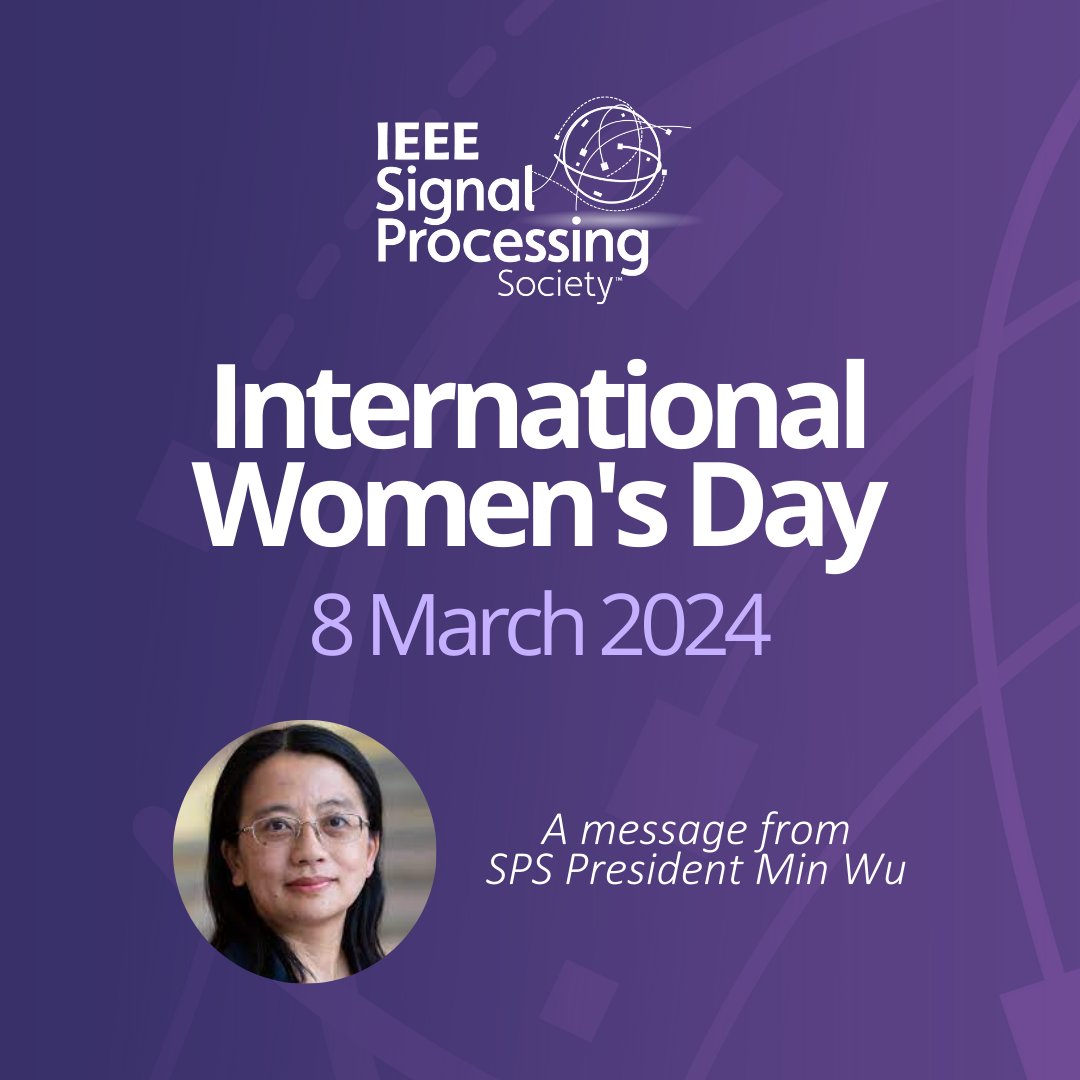
Wu didn’t deny that the meeting record available to me was authentic yet she insisted that it was “not an approved official IEEE record. Instead, it was prepared by a few members for discussion. The arguments and reasoning contained in the document include multiple flaws and are unsupported by facts, and they were not approved or adopted in any way.“.
Wu also said that her lawsuit against IEEE “was moved from New Jersey to New York on procedural grounds and is presently ongoing in the New York Supreme Court” and forwarded to me her court submission from March 2023 where she admits to have been “removed as an officer and suspended from future IEEE leadership roles for expressing an opinion in a personal text message that an SPS officer candidate was not as supportive of some initiatives as another candidate“, following an investigation by IEEE ethics committee. Wu also admits in that court file to have been operating “a private WeChat group of approximately 40-50 people, mostly of Chinese origin” where she criticised Sidiropoulos. While the lawsuit never mentions she was accused of election interference, to me Wu never denied that such accusations were indeed raised and led to her dismissal. She only kept protesting against the procedure.
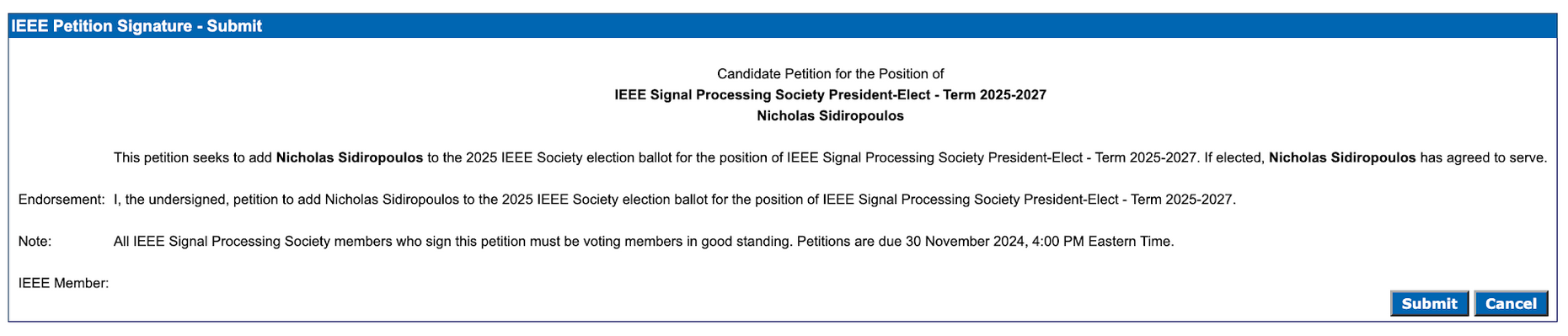
While Wu insists to be the true IEEE SPS President, neither her successor Plataniotis (IEEE SPS President until 2027) nor her nemesis Sidiropoulos replied to my emails. Yet the latter sent out a round email on 12 November 2024, excerpt:
“The last regular SPS PE election happened a bit more than a year ago (August to October 2023). […] I therefore ask you to support a petition to include my name as a candidate in the upcoming SPS-PE special election ballot.“
Here a screenshot of that petition accessible to members only:
You want the copy to be exactly like the original
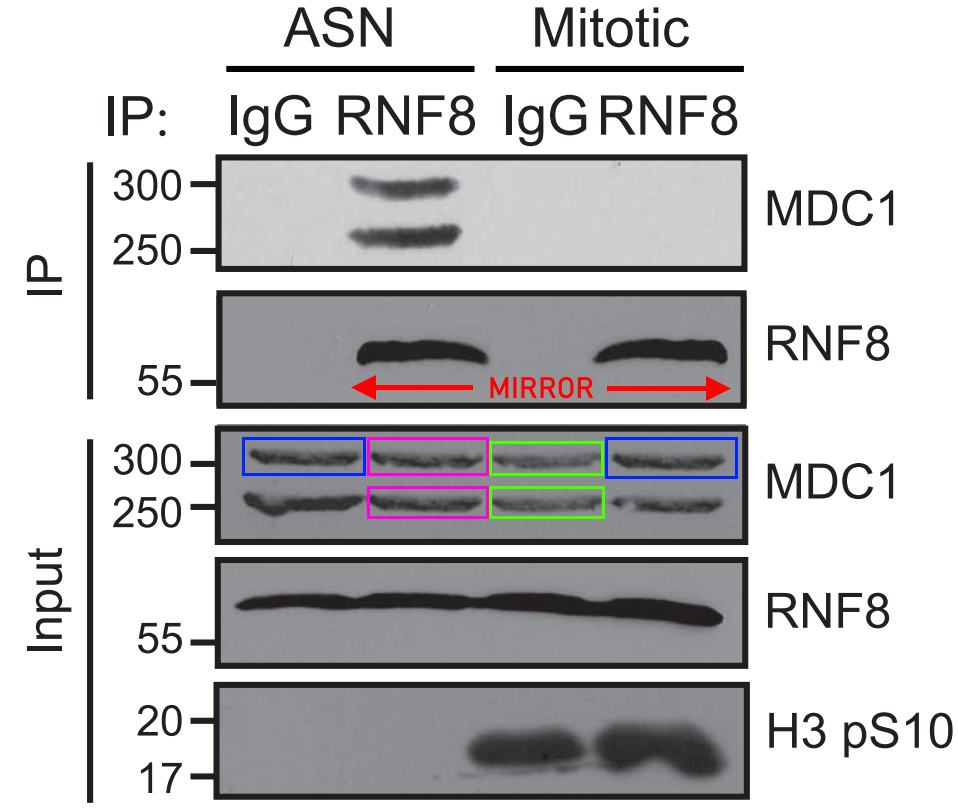
A ridiculously fake paper in Science, from an elite Canadian lab has been just recently flagged by Sholto David. The cancer researcher Daniel Durocher is Canada Research Chair and professor at the Lunenfeld-Tanenbaum Research Institute of the University of Toronto:
Alexandre Orthwein , Amélie Fradet-Turcotte , Sylvie M Noordermeer, Marella D Canny , Catherine M Brun , Jonathan Strecker, Cristina Escribano-Diaz , Daniel Durocher Mitosis inhibits DNA double-strand break repair to guard against telomere fusions Science (2014) doi: 10.1126/scien ce.1248024
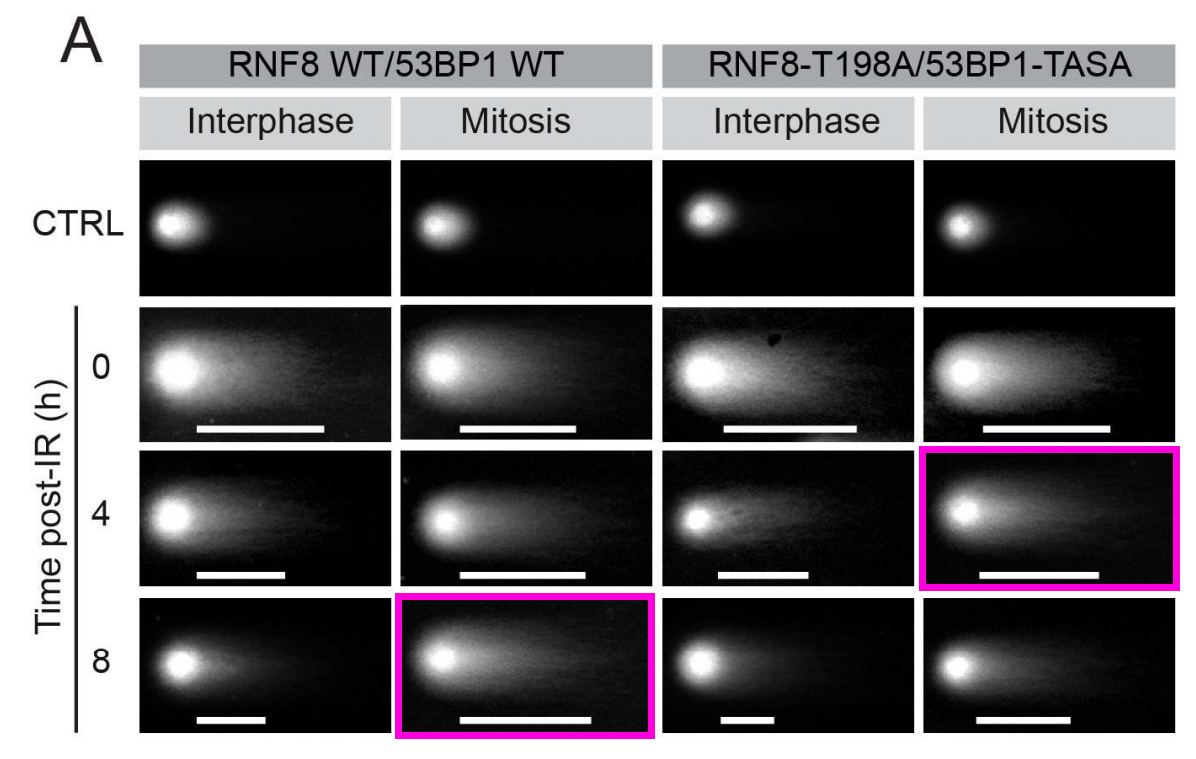
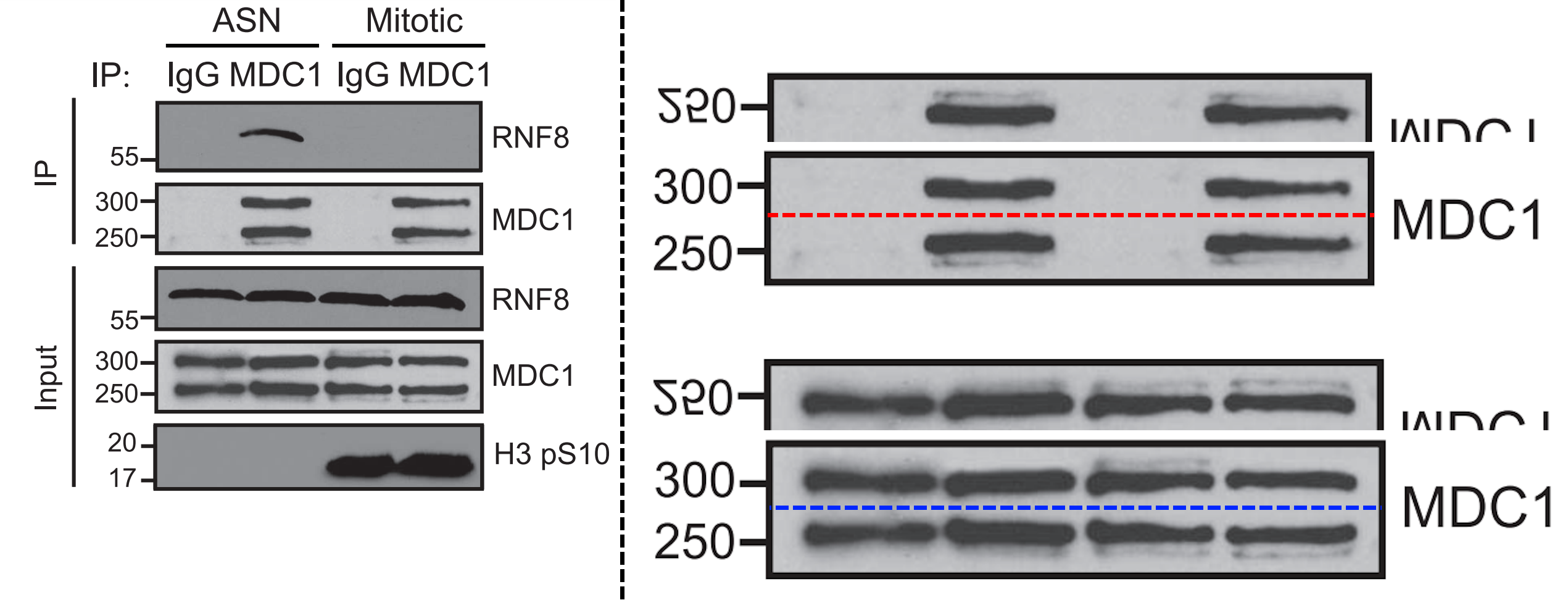
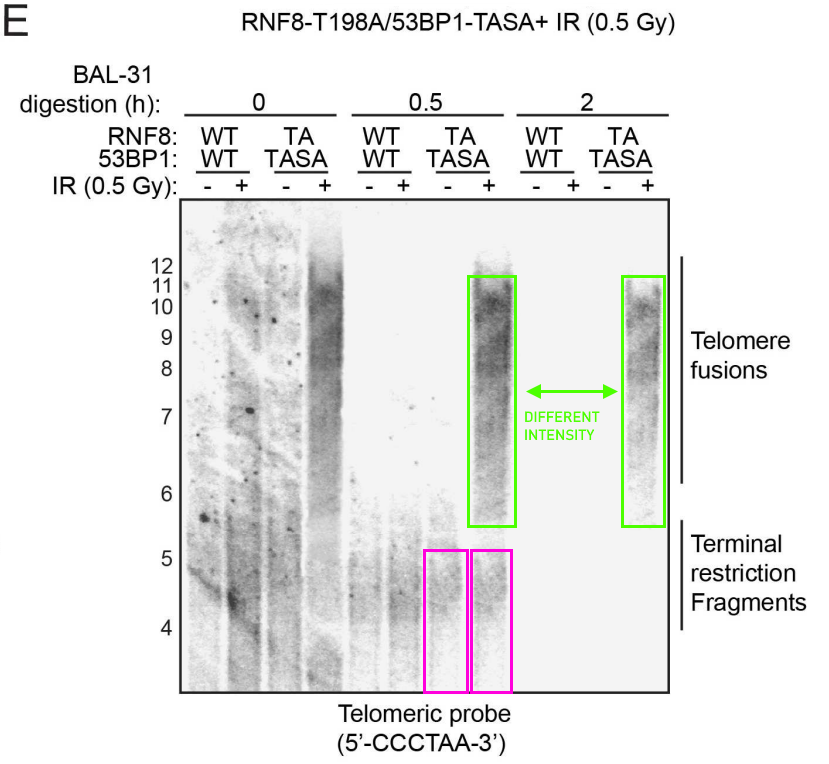
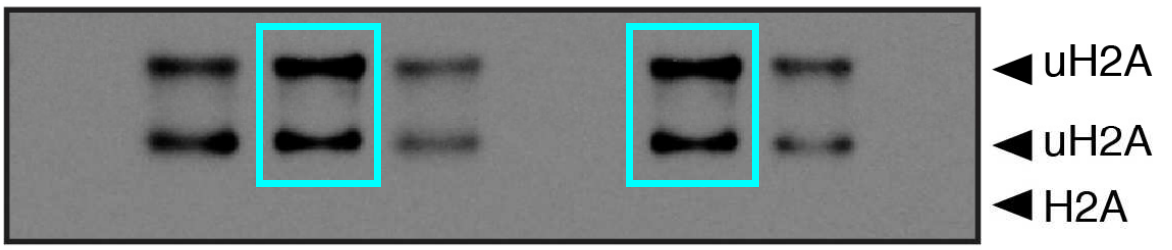
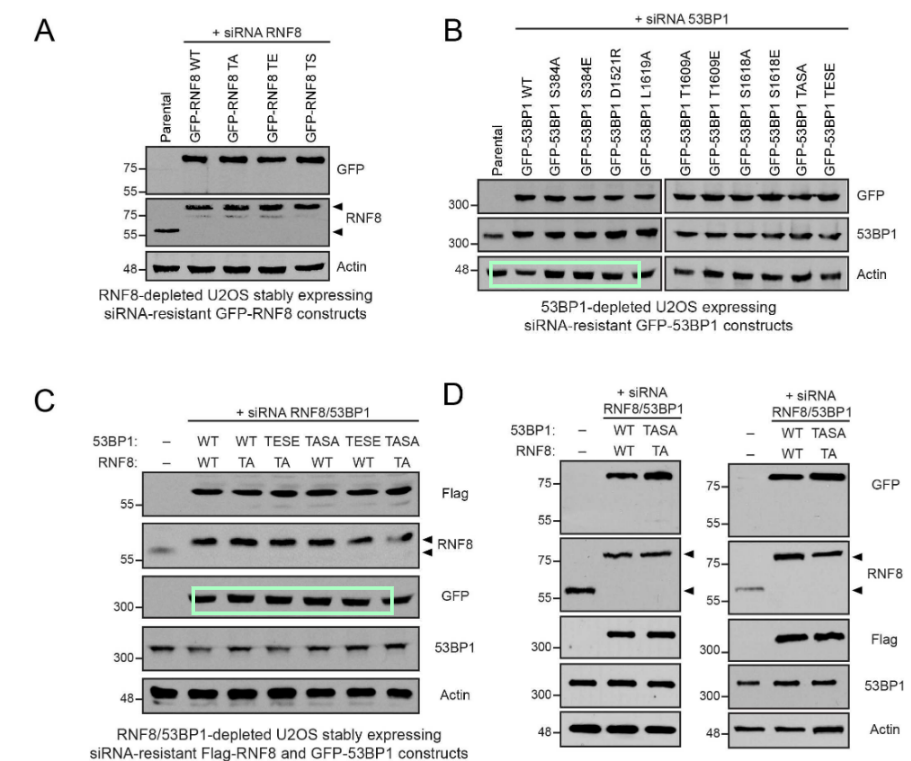
Back in 2014, the study was celebrated in an institutional press release:
“”We now know why a crucial DNA-repair process shuts down just when the cell starts to divide into two daughter cells,” says Dr. Daniel Durocher, […] “A cell replicating its DNA is like making a back-up copy of your hard drive,” suggests lead author Dr. Alexandre Orthwein. “You want the copy to be exactly like the original, and you don’t want any errors to creep in during the copying process.”
Was someone referring to the copy-pasted gel bands?
The evidence looks very serious. Even Science Editor-in-Chief Holden Thorp swiftly announced that “the person who follows up on PubPeer postings will be in touch with the authors shortly.” Durocher replied with:
“I take this matter very seriously and both my superior at the Lunenfeld and the VP Integrity at UofT have been informed as well.“
The Canadian professor posted a similar message on PubPeer. Until 3 years ago, the director of Lunenfeld institute was Jim Woodgett, whom I know to be very research-integrity minded. In 2016, Woodgett ordered a retraction of his own paper because of its fake gels attributed to his very problematic mentee Laurent Ruel:
Laurent Ruel , Vuk Stambolic , Adnan Ali , Armen S. Manoukian, James R. Woodgett Regulation of the protein kinase activity of Shaggy(Zeste-white3) by components of the wingless pathway in Drosophila cells and embryos Journal of Biological Chemistry (1999) doi: 10.1074/jbc.274.31.21790


The second author Vuk Stambolic is now professor at the same University of Toronto. He also has a PubPeer record, do appreciate Scanga et al 2020 (with Ruel and Woodgett, never addressed) and Chang et al 2018 (corrected).
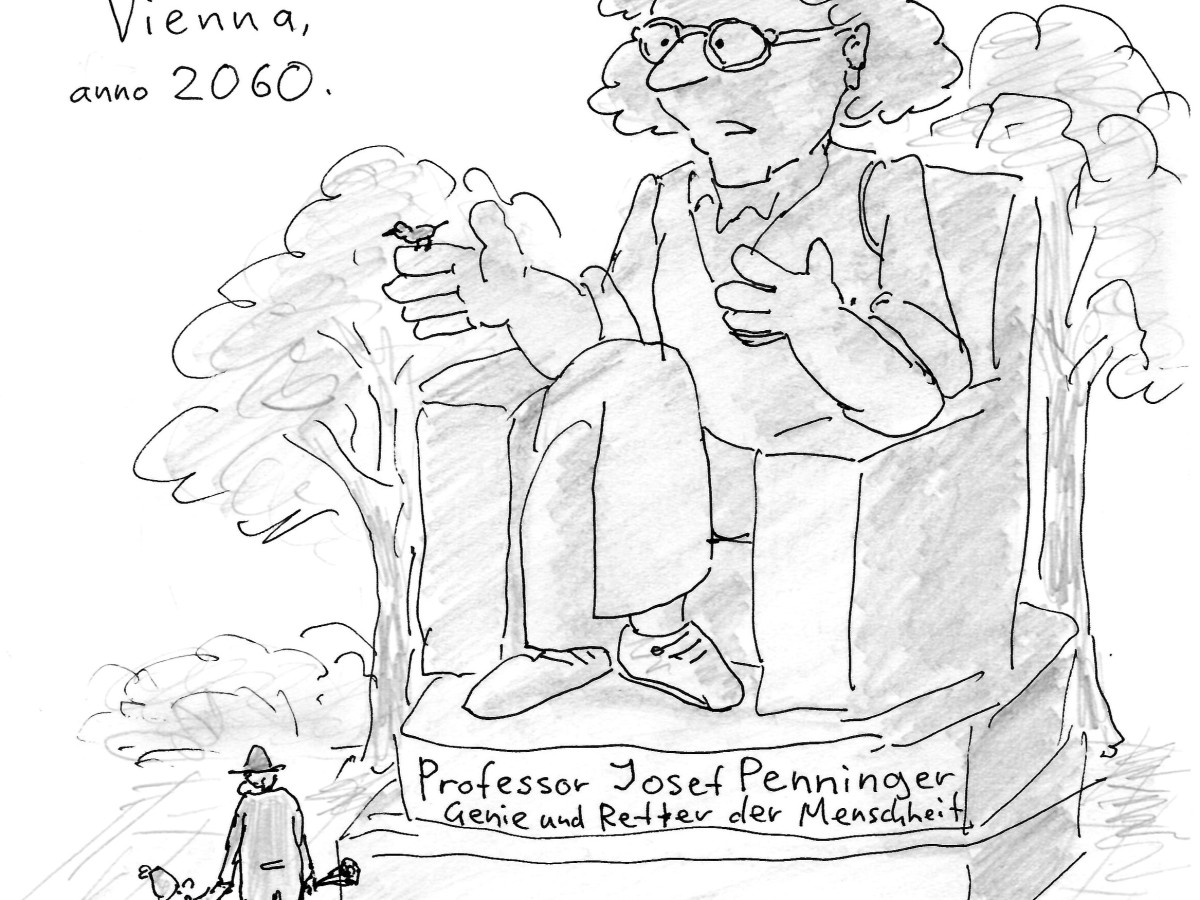
Mr ACE2 Josef Penninger, Greatest Scientist of Our Time
As a young Wunderkind, Josef Penninger discovered the ACE2 receptor. Now he invented the cure for the coronavirus which will work in his hands where Big Pharma failed. He was never found guilty of research misconduct and never retracted a paper. Dr Penninger is a Genius making a COVID-19 vaccine.
There are further concerns with other papers from Durocher’s lab. Here again same lead author Alexandre Orthwein, currently assistant professor at Emory University School of Medicine in USA, in Nature:
Alexandre Orthwein, Sylvie M Noordermeer, Marcus D Wilson, Sébastien Landry , Radoslav I Enchev, Alana Sherker , Meagan Munro , Jordan Pinder , Jayme Salsman , Graham Dellaire , Bing Xia, Matthias Peter, Daniel Durocher A mechanism for the suppression of homologous recombination in G1 cells Nature (2015) doi: 10.1038/nature16142

I’ve highlighted the cell in the red rectangle which is clearly the same cell, imaged with different intensity, but I’m struggling to understand why the adjacent cell is not the same (pink rectangles). [….]
how come the same cell has been imaged for γ-H2AX but looks different each time (yellow rectangles)? […]
Figure1: The same cell also appears, but it is a mirror transformation.”

Durocher commented on PubPeer with:
“We are in the process of looking into these potential issues. We will post updates in due course.“
Similar comment by Durocher here, his mentee and coauthor Orthwein however remained silent so far:
Amélie Fradet-Turcotte , Marella D Canny , Cristina Escribano-Díaz , Alexandre Orthwein, Charles C Y Leung , Hao Huang , Marie-Claude Landry , Julianne Kitevski-LeBlanc , Sylvie M Noordermeer, Frank Sicheri, Daniel Durocher 53BP1 is a reader of the DNA-damage-induced H2A Lys 15 ubiquitin mark Nature (2013) doi: 10.1038/nature12318
Mycosphaerella arachidis: Supplementary Figure 7: The FLAG and 53BP1 blots have a distinctive shape, and one is the mirror of the other.”

Nature‘s Editor-in-Chief Magdalena Skipper announced to me to investigate both papers. Maybe it is not just Orthwein’s fault.
This paper was already corrected by EMBO Press soon after it was published, its penultimate author is Durocher’s current boss and Lunenfeld director, Anne‐Claude Gingras:
Shinichiro Nakada , Ginny I Chen , Anne‐Claude Gingras, Daniel Durocher PP4 is a gamma H2AX phosphatase required for recovery from the DNA damage checkpoint EMBO Reports (2008) doi: 10.1038/embor.2008.162

Then Sholto found more:

It was swiftly resolved by Durocher with (presumably) correct raw data, and the explanation:
“The first author had the habit of making mock-ups of related figures by copy-pasting, which has led to a few errors.”
How do we know other figures in papers by Shinichiro Nakada (now professor at Osaka University in Japan) are not mock-ups? Elsewhere on PubPeer, Durocher announced three and a half years ago to investigate and fix another Nakada-coauthored mock-up:
Nadine K. Kolas , J. Ross Chapman , Shinichiro Nakada , Jarkko Ylanko , Richard Chahwan , Frédéric D Sweeney , Stephanie Panier , Megan Mendez , Jan Wildenhain , Timothy M. Thomson , Laurence Pelletier , Stephen P. Jackson , Daniel Durocher Orchestration of the DNA-damage response by the RNF8 ubiquitin ligase Science (2007) doi: 10.1126/science.1150034

Durocher in April 2021: “It is the same same cell imaged over time but I agree the last two images seem more similar than expected although. I will search for the original timelapse movie and will correct if needed. Regards, Daniel”
Nothing happened since, but Science EiC Thorp published several editorials on research integrity and how to recognise duplicated images (e.g., Thorp, 2023, Thorp, 2024a, Thorp, 2024b, Thorp, 2024c, Thorp, 2024d, and Thorp, 2024e). Now he announced to me that instead of that forgotten correction, an editorial expression of concern is being prepared:
“We are preparing an EEOC on the 2007 paper and working with the authors on the new ones. Will be a couple of weeks before we get the EEOC posted so we can time it with print. “
By the way, you may have noticed Durocher’s penultimate author and Britain’s superstar cancer researcher Steve Jackson, who, like Durocher, is also sometimes plagued by postdoctoral cheatery in top journals:
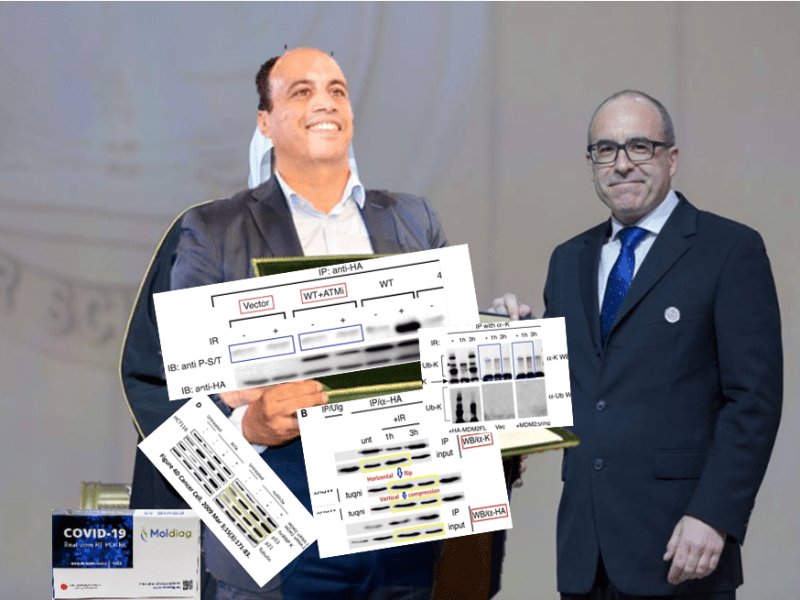
Steve Jackson and the Moumen Troll
“I take issues of research integrity very seriously and shall of course review the concerns posted on PubPeer to establish whether there are any issues that need to be addressed.” Stephen P Jackson.
Another collaborative study by Durocher, the first author Justin Leung is now associate professor at University of Texas San Antonio:
Justin W. Leung, Poonam Agarwal , Marella D. Canny , Fade Gong , Aaron D. Robison, Ilya J. Finkelstein, Daniel Durocher, Kyle M. Miller Nucleosome acidic patch promotes RNF168- and RING1B/BMI1-dependent H2AX and H2A ubiquitination and DNA damage signaling PLoS Genetics (2014) doi: 10.1371/journal.pgen.1004178

Certainly the Orthwein et al Science paper can’t be saved now. Let’s see about the rest.
Noi per loro
More fake science spotted by Sholto David, this time from Italy. Meet a group of oncology professors from the University of Parma, with the presumed ringleader being Pier Giorgio Petronini, who once trained under the Nobelist homeopath Luc Montagnier.

Petronini and his Parma colleagues, accompanied by their rector Paolo Martelli, are often in the news when yet another donation from some Italian cancer charity arrived to support these relentless cancer warriors. For example, €25k in 2010, followed by €10k in 2016 from Associazione Chiara Tassoni (Petronini is its board member); €60k in 2017, €23k in 2022 and then €50k in 2023 from “Noi per Loro”; €38k in 2009-2010, followed by €15k in 2022, €21k in 2023 and again €21k in 2024 from Augusto per la Vita; or even industry donations from the pipe-making company Transfer Oil: €10k in 2016, €20k in 2017 and another €15k in 2022. All put to good use!
For example, this set of two papers, published by same lead authors 8 years apart:
- Andrea Cavazzoni, Roberta R Alfieri, Daniele Cretella, Francesca Saccani, Luca Ampollini, Maricla Galetti, Federico Quaini, Gallia Graiani, Denise Madeddu, Paola Mozzoni, Elena Galvani , Silvia La Monica, Mara Bonelli, Claudia Fumarola, Antonio Mutti , Paolo Carbognani, Marcello Tiseo, Elisabetta Barocelli, Pier Giorgio Petronini, Andrea Ardizzoni Combined use of anti-ErbB monoclonal antibodies and erlotinib enhances antibody-dependent cellular cytotoxicity of wild-type erlotinib-sensitive NSCLC cell lines Molecular Cancer (2012) doi: 10.1186/1476-4598-11-91
- Andrea Cavazzoni, Graziana Digiacomo, Roberta Alfieri, Silvia La Monica, Claudia Fumarola, Maricla Galetti, Mara Bonelli, Daniele Cretella, Valeria Barili, Alessandra Zecca , Elisa Giovannetti, Michelangelo Fiorentino , Marcello Tiseo, Pier Giorgio Petronini, Andrea Ardizzoni Pemetrexed Enhances Membrane PD-L1 Expression and Potentiates T Cell-Mediated Cytotoxicity by Anti-PD-L1 Antibody Therapy in Non-Small-Cell Lung Cancer Cancers (2020) doi: 10.3390/cancers12030666

This is lazy, just copy-pasting a gel after adjusting brightness:
Mara A. Bonelli, Graziana Digiacomo, Claudia Fumarola, Roberta Alfieri, Federico Quaini, Angela Falco, Denise Madeddu, Silvia La Monica , Daniele Cretella, Andrea Ravelli, Paola Ulivi, Michela Tebaldi, Daniele Calistri, Angelo Delmonte, Luca Ampollini, Paolo Carbognani, Marcello Tiseo, Andrea Cavazzoni, Pier Giorgio Petronini Combined Inhibition of CDK4/6 and PI3K/AKT/mTOR Pathways Induces a Synergistic Anti-Tumor Effect in Malignant Pleural Mesothelioma Cells Neoplasia (2017) doi: 10.1016/j.neo.2017.05.003

Or this, same kind of lazy reuse:
Daniele Cretella, Andrea Ravelli , Claudia Fumarola, Silvia La Monica , Graziana Digiacomo, Andrea Cavazzoni, Roberta Alfieri , Alessandra Biondi, Daniele Generali, Mara Bonelli, Pier Giorgio Petronini The anti-tumor efficacy of CDK4/6 inhibition is enhanced by the combination with PI3K/AKT/mTOR inhibitors through impairment of glucose metabolism in TNBC cells Journal of experimental & clinical cancer research : CR (2018) doi: 10.1186/s13046-018-0741-3
Mycosphaerella arachidis: “Figure 2 and Figure 3: Some blots are more similar than expected.”

Obviously the forgeries went on for decades:
Mara A. Bonelli, Roberta R. Alfieri , Maura Poli , Pier Giorgio Petronini, Angelo F. Borghetti Heat-induced proteasomic degradation of HSF1 in serum-starved human fibroblasts aging in vitro Experimental Cell Research (2001) doi: 10.1006/excr.2001.5237

Or this, if you have enough of fake gels:
Graziana Digiacomo , Claudia Fumarola, Silvia La Monica , Mara Bonelli, Andrea Cavazzoni , Maricla Galetti , Rita Terenziani , Kamal Eltayeb , Francesco Volta , Silvia Zoppi , Patrizia Bertolini , Gabriele Missale , Roberta Alfieri , Pier Giorgio Petronini CDK4/6 inhibitors improve the anti-tumor efficacy of lenvatinib in hepatocarcinoma cells Frontiers in Oncology (2022) doi: 10.3389/fonc.2022.942341

There is more on PubPeer of course. I wrote to Petronini and his most common coauthors Mara Bonelli, Andrea Cavazzoni, Roberta Alfieri, Claudia Fumarola and Silvia La Monica. Nobody replied.
By the way, I strongly suspect some of these recurring Parma authors may be married or otherwise family-related to each other because this is how Italian academia works.
Scholarly Publishing
As strongly requested by the reviewers
The International Journal of Hydrogen Energy (IJHE, impact factor 8.1) is owned by the Veziroglu family from Turkey (residing in Florida), it is published by Elsevier. IJHE publishes almost exclusively fraud, mostly by papermills, and in breathtaking amounts.
Erdogan’s academic elites
Önder Metin had a rogue PhD student whom he trusted “to ensure their academic growth”. But “mistakes were made by mistake”, conclusions are never affected. Yet those who still complain, will pay dearly.
A win-win situation for all involved: the fraudster authors, the papermills, the Veziroglus and of course also for Elsevier, which apparently instructs its employees never to interfere into the IJHE business or worse, attempt to retract any papers there. That’s what happens when honest authors accidentally submit a manuscript to IJHE:
Fan-Xi Yang , Yi-Fei Zhu , Shuo Cao, Chao-Ming Wang , Ying-Jie Ma , Rui Yang , Qing-Miao Hu Origin of the distinct site occupations of H atom in hcp Ti and Zr/Hf International Journal of Hydrogen Energy (2024) doi: 10.1016/j.ijhydene.2024.10.197


All these papers the authors had to reference are “authored” by two russian brothers, Alex and Sergey Trukhanov. They were briefly mentioned here:
The Incorrigible Elsevier
“I woke up seeing Elsevier’s giant middle finger in front of my face.” – Mu Yang

You can probably imagine who the reviewers were. I predict that Elsevier will soon erase that sentence and sack those who allowed it to be published:
“As strongly requested by the reviewers, here we cite some references [[35], [36], [37], [38], [39], [40], [41], [42], [43], [44], [45], [46], [47]] although they are completely irrelevant to the present work.”
Retraction Watchdogging
Without their knowledge or permission
You might recall the case of the Iraqi trash papermiller Qusay Hassan, his papermill dealer Ali Khudhair Al-Jiboory, and Hassan’s PhD mentor in Poland, Marek Jaszczur, vice-dean at the AGH University in Kraków. They were caught on ridiculous plagiarism and had to retract two papers, read here:

Anyone can start a papermill!
“There are no capital requirements or significant technological barriers, anyone can create papers by rewriting already published works, either themselves or with the assistance of ChatGPT or other software. With a Telegram channel or WhatsApp group the papermiller can easily organise the sale of authorship” – Nick Wise

In September 2024, I tried in vain to inform the leadership of the AGH University about Jaszczur’s activities, no reply ever came. Soon you will see how they resolved the situation.
In October 2024 Shorts, I quoted Hungarian reporting about Hassan’s and Jaszczur’s associate Patrik Viktor at Obuda University, who admitted to have paid Al-Jiboory for authorships and to have included his PhD mentor and dean Mónika Garai-Fodor as coauthor without her knowledge. Now the team suffered yet another retraction:
Qusay Hassan, Sameer Algburi , Marek Jaszczur , Ali Khudhair Al-Jiboory , Tariq J. Al Musawi , Bashar Mahmood Ali , Patrik Viktor , Monika Fodor , Muhammad Ahsan , Hayder M. Salman , Aws Zuhair Sameen Hydrogen role in energy transition: A comparative review Process Safety and Environmental Protection (2024) doi: 10.1016/j.psep.2024.02.030

On 16 October 2024, the paper was retracted with this notice:
“In investigating concerns regarding late-stage authorship changes to this article, the editors reached out to the authors for an explanation. In addition to the concerns regarding the late-stage authorship changes the editors were unable to verify the contribution of any of the added authors.
Sameer Algburi was added in revision one. Tariq J. Al-Musawi, Bashar Mahmood Ali, Patrik Viktor, Monika Fodor, and Muhammad Ahsan were added in revision two. All these changes were made without explanation and without exceptional approval by the handling Editor, which is contrary to the journal policy on changes to authorship. The authors were unable to provide a reasonable explanation for either of the issues raised. The editor therefore feels that the findings of the manuscript cannot be relied upon and that the article needs to be retracted.
Monika Fodor, affiliated with Obuda University, Hungary, and Marek Jaszczur of AGH University of Science and Technology, Krakow, Poland both claim that their addition as co-authors were without their knowledge or permission. The corresponding author claimed this was not the case, but was not able to provide satisfactory proof of collaboration with Monika Fodor from Obuda University. The corresponding author also confirmed that Marek Jaszczur was not at all involved in the study or paper preparation, so should not have been included on the paper. This contradicts earlier correspondence from the corresponding author where he provided proof of collaboration for all authors.”
It is most likely a lie that Jaszczur became author without his “knowledge or permission”. Evidence in support of my theory is Jaszczur’s ORCID profile which lists all his joint papers with Hassan (except apparently the PubPeer-flagged ones!), and importantly: those records were supplied to ORCID by Jaszczur’s university. For example:
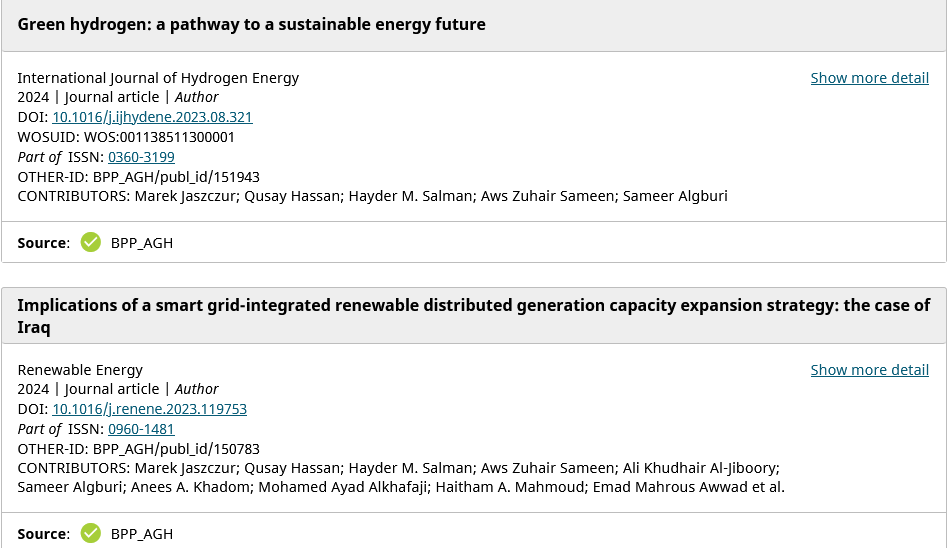
Moreover, these papers (again, not the PubPeer flagged ones) are also listed on the AGH website as Jaszczur’s academic achievements:
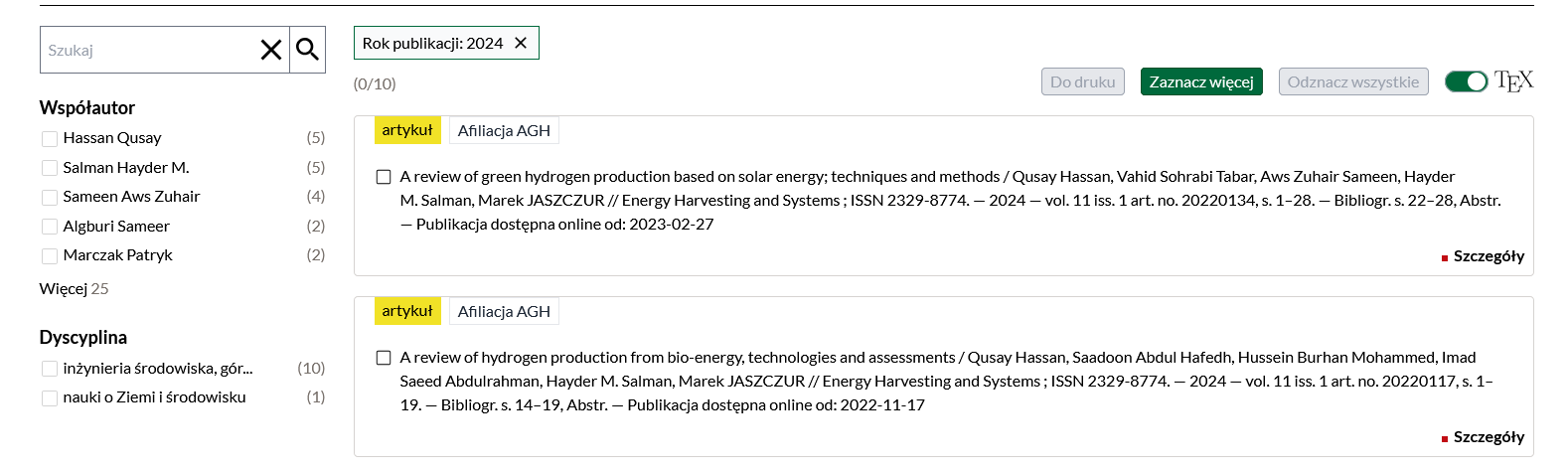
How likely is it that Jaszczur agreed to coauthor all that other papermill trash with Hassan, Khudhair Al-Jiboory et al, but not the papers flagged on PubPeer and retracted?

The papermilling den of Gliwice
“As you will see, there is a lot of papermilling happening in Gliwice, as if this place has suddenly become attractive to many “researchers” from different corners of the papermilling spectrum. ” – Alexander Magazinov

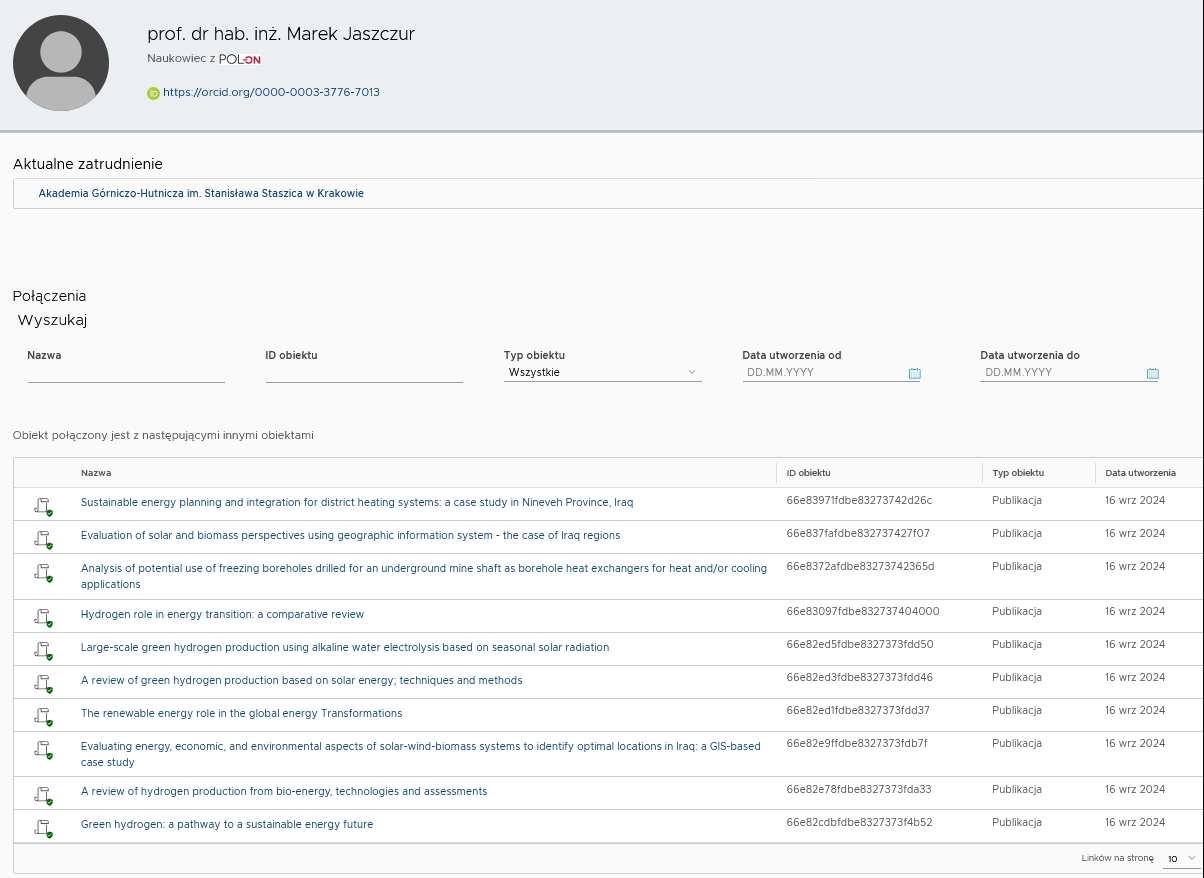
But you see now which cunning strategy the AGH University pursues to protect that lizard. Anyway, Jaszczur and his university forgot to clean one corner. Namely, the website of the Polish Scientific Bibliography, where Polish scientists upload the records of their published papers. The above retracted paper is proudly listed there (Hydrogen role in energy transition: a comparative review), and so is another retracted one (Sustainable energy planning and integration for district heating systems: a case study in Nineveh Province, Iraq). Only the paper which led to their first retraction from June 2024 (Optimizing smart building energy systems for sustainable living: A realistic approach to enhance renewable energy consumfaption and reduce emissions in residential buildings) is missing, for some unfathomable reason.
A journal-wide investigation
Elsevier’s papermill-only journal Chemosphere started some kind of spring cleaning (compare to Int J Hydrogen Energy above!). This means, among other things, 3 fresh retractions for Pau Loke Show, who, unlike his close associates Jörg Rinklebe and Christian Sonne, is being plagued by retractions on the account of Show’s being neither a European professor nor white.
But rules are rules, only white western papermillers can get away with certain things… Retraction Nr 1:
R. Suresh , Saravanan Rajendran , Lalitha Gnanasekaran , Pau Loke Show, Wei-Hsin Chen , Matias Soto-Moscoso Modified poly(vinylidene fluoride) nanomembranes for dye removal from water – A review Chemosphere (2023) doi: 10.1016/j.chemosphere.2023.138152
“A journal-wide investigation by Elsevier’s Research Integrity & Publishing Ethics team identified violations of the journal’s policies on conflict of interest related to the submission and review of this paper.
Review of this submission was handled by Guest Editor Kuan Shiong Khoo despite an extensive record of collaboration, including co-publication, with two of the paper co-authors (Pau Loke Show, Saravanan Rajendran). Acceptance of the article was partly based upon the positive advice of a reviewer who was closely linked to one of the authors (Wei-Hsin Chen). This compromised the editorial process and breached the journal’s policies.
The authors disagree with this retraction and dispute the grounds for it.”
Retraction (undated)
Retraction Nr 2:
Jia Xin Yap , C.P. Leo, Derek Juinn Chieh Chan , Nazlina Haiza Mohd Yasin , Pau Loke Show Air-liquid interface cultivation of Navicula incerta using hollow fiber membranes Chemosphere (2022) doi: 10.1016/j.chemosphere.2022.135625
“Review of this submission was handled by Guest Editor Kuan Shiong Khoo despite an extensive record of collaboration, including co-publication, with one of the paper co-authors (Pau Loke Show). Acceptance of the article was solely based upon the positive advice of reviewers who were closely linked to one of the authors (Show).”
Retraction (undated)
Do papermillers dream of eclectic journals?
“I focus on the sprawling parody literature devoted to the three Es of Energy, Economy and the Environment. Together they […] freeload on the authentic literature on energy efficiency and pollution reduction (while diluting, distracting and discrediting them).” – Smut Clyde
Retraction Nr 3, by Pau Loke Show and the above editor Kuan Shiong Khoo:
Nguyen-Sy Toan, Do Hong Hanh, Nguyen Thi Dong Phuong, Phan Thi Thuy , Pham Duy Dong, Nguyen Thanh Gia, Le Duc Tam , Tran Thi Ngoc Thu, Do Thi Van Thanh, Kuan Shiong Khoo , Pau Loke Show Effects of burning rice straw residue on-field on soil organic carbon pools: Environment-friendly approach from a conventional rice paddy in central Viet Nam Chemosphere (2022) doi: 10.1016/j.chemosphere.2022.133596
“Review of this submission was handled by Guest Editor Hassan Karimi-Maleh despite an extensive recent record of collaboration, including co-publication, with one of the paper co-authors (Pau Loke Show). Acceptance of the article was partly based upon the positive advice of reviewers who were closely linked to one of the authors (Show).”
Retraction (undated)
And a somewhat related retraction for Show’s associates:
R. Suresh , Saravanan Rajendran , P. Senthil Kumar , Dai-Viet N. Vo , Lorena Cornejo-Ponce Recent advancements of spinel ferrite based binary nanocomposite photocatalysts in wastewater treatment Chemosphere (2021) doi: 10.1016/j.chemosphere.2021.129734
“Review of this submission was handled by Guest Editor Pau Loke Show despite an extensive recent record of collaboration, including co-publication, with three of the paper co-authors (P. Senthil Kumar, Dai-Viet N. Vo, Saravanan Rajendran).”
Retraction (undated)
The spring-cleaning at Chemosphere also affected the Turkish mega-cheater Fatih Sen of the Dumlupinar University:

Don’t mess with Fatih Sen
Fake nanotechnology is always fun, but it does get extreme here. Word of advice: if you are in Turkey, better don’t point fingers at Professor Fatih Sen’s research. Things get broken easily.
Well, Sen now lost a paper he bought from an Iranian papermill. His coauthor is a cartoonishly bad fraudster called Fuad Amen (read September 2023 Shorts):
Fuad Ameen , Rima Nour Elhouda Tiri , Muhammed Bekmezci , Fatemeh Karimi , Nihed Bennini , Fatih Sen Microwave-assisted synthesis of Vulcan Carbon supported Palladium–Nickel (PdNi@VC) bimetallic nanoparticles, and investigation of antibacterial and Safranine dye removing effects Chemosphere (2023) doi: 10.1016/j.chemosphere.2023.139630
“Review of this submission was handled by Guest Editor Elena Niculina Dragoi despite an extensive record of collaboration, including co-publication, with one of the paper co-authors (Fatemeh Karimi). Acceptance of the article was partly based upon the positive advice of a reviewer who was closely linked to one of the authors (Karimi).”
Retraction (undated)
You should see the PubPeer record of this Romanian genius Elena Niculina Dragoi, assistant professor at the “Gheoghe Asachi” Technical University in Iasi. Among her esteemed coauthors are not just Fateme Karimi but in fact also Sen and Ameen. Plus Pau Loke Show, Jiří Jaromír Klemeš (who like some kind of a papermilling Lenin is always alive) and especially the Korea-based Yasser Vasseghian (PubPeer record). In fact, this was also just retracted in Chemosphere:
Gizem Tiris , Mohammad Mehmandoust , Hayam M. Lotfy , Nevin Erk, Sang-Woo Joo, Elena-Niculina Dragoi , Yasser Vasseghian Simultaneous determination of hydrochlorothiazide, amlodipine, and telmisartan with spectrophotometric and HPLC green chemistry applications Chemosphere (2022) doi: 10.1016/j.chemosphere.2022.135074
“Review of this submission was handled by Guest Editor Fateme Karimi despite an extensive record of collaboration, including co-publication, with two of the paper co-authors (Yasser Vasseghian, Nevin Erk). Acceptance of the article was partly based upon the positive advice of a reviewer who was closely linked to one of the authors (Vasseghian).”
Undated retraction
Karimi’s PubPeer record is also awful, much of it overlaps with that of Dragoi. In fact, this Iranian scholar just retracted another paper in Chemosphere, featuring Vasseghian and Pau Loke Show’s associate Hassan Karimi-Maleh:
Negar Jamasbi , Ghodsi Mohammadi Ziarani, Fatemeh Mohajer , Mahdieh Darroudi , Alireza Badiei , Rajender S. Varma, Fatemeh Karimi Silica-coated modified magnetic nanoparticles (Fe3O4@SiO2@(BuSO3H)3) as an efficient adsorbent for Pd2+ removal Chemosphere (2022) doi: 10.1016/j.chemosphere.2022.135622
“Authorship changes were made during the revision of this paper; an author was removed without validation or authorisation, and Hassan Karimi-Maleh was included in the CRediT author statement without being listed as an author. In addition, there was a significant increase of citations of papers authored by Karimi-Maleh between the original submission and the revised version; 7 papers by Karimi-Maleh were added in the revised version of the paper. Review of this submission was handled by Guest Editor Yasser Vasseghian despite an extensive record of collaboration, including co-publication, with one of the paper co-authors (Fatemeh Karimi). Acceptance of the article was partly based upon the positive advice of a reviewer who was closely linked to one of the authors (Karimi).”
Did you recognsie Karimi’s other coauthor? Please give a big hand to Rajender S Varma:
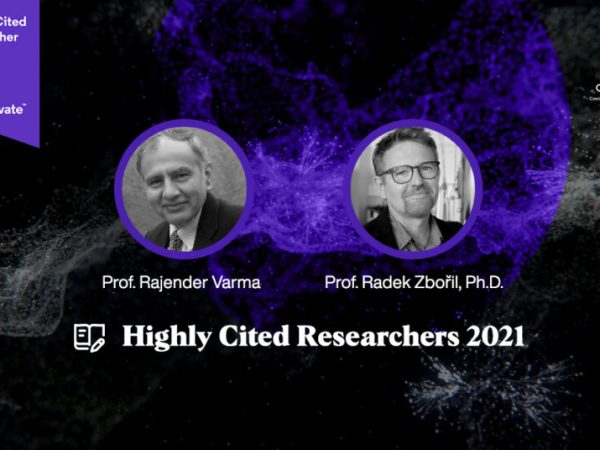
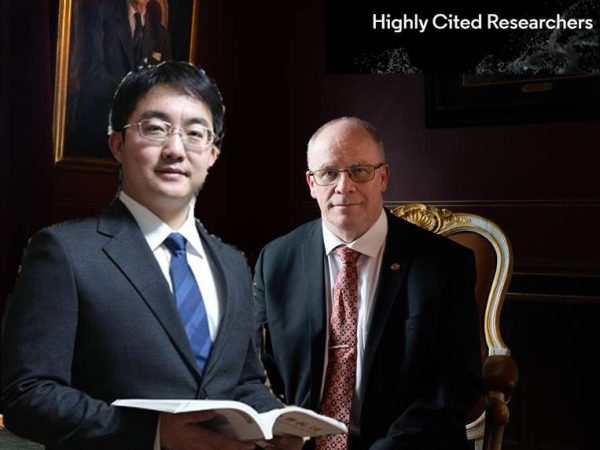
I, Rajender Varma, Highly Cited Researcher
“I could not comprehend the situation where a university picks up on individuals with an extraordinary and sterling performance and basically destroy one of the top European institutions. ” – Raj Varma
This book has been retracted
Wiley retracted an entire book. It had 11 chapters, all by the same two Iranian authors, and was originally published by Scrivener Publishing LLC. There is no retraction notice, neither for the whole book nor for its separate chapters. Just the statement: “THIS BOOK HAS BEEN RETRACTED”.

Ali Morsali, Lida Hashemi Main Group Metal Coordination Polymers: Structures and Nanostructures (2017) Print ISBN: 9781119370239 DOI: 10.1002/9781119370772
For clues, one can search the authors on PubPeer. Here, Ali Morsali, professor at the Tarbiat Modares University in Iran, on the same topic of metal coordination polymers:
Fatemeh Kalantari , Ali Morsali Multifunction magnetic chiral MOF composite: A novel post-synthetic super catalyst for enhancing the asymmetric CO2 fixation Applied Materials Today (2024) doi: 10.1016/j.apmt.2024.102232

Another example of Morsali’s PubPeer record:
Leili Esrafili , Fahimeh Dehghani Firuzabadi , Ali Morsali , Mao-Lin Hu Reuse of Predesigned Dual-Functional Metal Organic Frameworks (DF-MOFs) after Heavy Metal Removal Journal of Hazardous Materials (2021) doi: 10.1016/j.jhazmat.2020.123696

Here Morsali teamed up with some crooks who published same data 3 times:
Younes Hanifehpour, Ali Morsali , Babak Mirtamizdoust , Sang Woo Joo Sonochemical synthesis of tri-nuclear lead(II)-azido nano rods coordination polymer with 3,4,7,8-tetramethyl-1,10-phenanthroline (tmph): Crystal structure determination and preparation of nano lead(II) oxide Journal of Molecular Structure (2015) doi: 10.1016/j.molstruc.2014.09.016

And now, look who else collaborated with Morsali! France’s superstar nanofabricator Sabine Szunerits and her husband Rabah Boukherroub! Read about them here:
Lille Papermille
French nanotechnologists Sabine Szunerits and Rabah Boukherroub put EU Commission’s money to good use. The EU cannot afford a papermill gap to Iran and China!
Published in January 2024:
Nasrin Shokouhfar , Sravan Kumar Kilaparthi , Alexandre Barras, B. Moses Abraham , Ahmed Addad , Pascal Roussel, Sakshi Bhatt , Suman Lata Jain, Sabine Szunerits, Ali Morsali, Rabah Boukherroub Solar-Driven Ammonia Production through Engineering of the Electronic Structure of a Zr-Based MOF Inorganic Chemistry (2024) doi: 10.1021/acs.inorgchem.3c02583


And a cherry on a cake: Morsali also published (e.g. Mozhdehi et al 2021) with the Finnish papermiller Mika Sillanpää, who was sacked for research fraud, financial theft, sexual harassment, bullying etc, read here:
The quality of the western blot panels is not optimal
First retractions for the sacked and shamed former NIH neuroscience superstar Eliezer Masliah started to arrive. His fraud was picked up in 2023 by Kevin Patrick aka Cheshire, and then investigated in excruciating detail by Mu Yang (Dysdera arabisenen on PubPeer), with the help of Cheshire and Elisabeth Bik, and of Matthew Schrag (who despite his smallest PubPeer-recorded input received the main credit in Science and other news). Read about Mu’s work investigating Masliah’s cerebrolysin quackery here:

Cerebrolysin: Sharmas, Masliah, and EVER Pharma
“Poking around PubMed (Dysdera the spider is always on the hunt for new hornet’s nests) [..], I came across one image in two papers by Eliezer Masliah. […] By a conservative count, I contributed to about 160 out of 300 slides in the final dossier” – Mu Yang
Both retractions appeared in PLOS One.
Nr 1, featuring Maslia’s most loyal collaborator Edward Rockentein, UC San Diego professor and coauthor of ~90 fraudulent joint papers with Masliah, also Rockenstein’s wife Kiren Ubhi was a frequent author on these papers. Rockenstein died in 2022, Masliah (who used to be professor at UCSD before becoming neuroscience director at National Institute on Aging) gave an eulogy at his funeral.
Eliezer Masliah, Edward Rockenstein, Michael Mante , Leslie Crews , Brian Spencer , Anthony Adame , Christina Patrick , Margarita Trejo , Kiren Ubhi , Troy T. Rohn , Sarah Mueller-Steiner , Peter Seubert , Robin Barbour , Lisa McConlogue , Manuel Buttini , Dora Games , Dale Schenk Passive Immunization Reduces Behavioral and Neuropathological Deficits in an Alpha-Synuclein Transgenic Model of Lewy Body Disease PLoS ONE (2011) doi: 10.1371/journal.pone.0019338

Red, purple, and blue boxes highlight parts of lanes that look remarkably similar”


The retraction from 13 November 2024 quotes the correspondig author Masliah dismissing all concerns:
“Following the publication of this article [1], concerns were raised regarding results presented in Figs 3, 5, 9, S1, and S2. Specifically,
- There appear to be similarities between lanes within numerous panels presented in:
- ○ Fig 3G
- ○ Fig 5A, 5G
- ○ Fig 9A
- ○ Fig S2K
- There appear to irregularities suggestive of splice lines in the following panels:
- ○ Fig 5D Anti-FL-α-syn Insoluble panel
- ○ Fig 5J Anti-CC-α-syn Insoluble panel
- ○ Fig S1 9E4, Anti-FL-α-syn, and Anti-CC-α-syn panels
- ○ Fig S2K actin panel
- The following panels appear similar:
- ○ The Fig 5A actin panel and the Fig 5G actin panel
- ○ The Fig 5D actin panel and the Fig 5J actin panel
Regarding the similarities between and within the western blot panels, the corresponding author stated that the quality of the western blot panels presented in the article is not optimal and that close examination of these panels shows subtle differences between the lanes and bands that appear similar. […] In addition, the corresponding author commented that the Fig 5A and 5G actin panels, and the Fig 5D and 5J actin panels intentionally represent the same results as these correspond to the same blots that were re-probed for full-synuclein, c-term nuclein, and actin. The corresponding author did not provide high resolution image data underlying the published results. PLOS remains concerned that the areas in the panels listed above appear more similar than would be expected from independent results, and in the absence of uncropped high resolution image data, these concerns cannot be resolved.
In light of the above concerns that question the reliability and integrity of the published results, the PLOS ONE Editors retract this article.
EM did not agree with the retraction. ER, MM, LC, BS, AA, CP, MT, KU, TTR, SMS, PS, RB, LM, MB, DG, and DS either did not respond directly or could not be reached.”
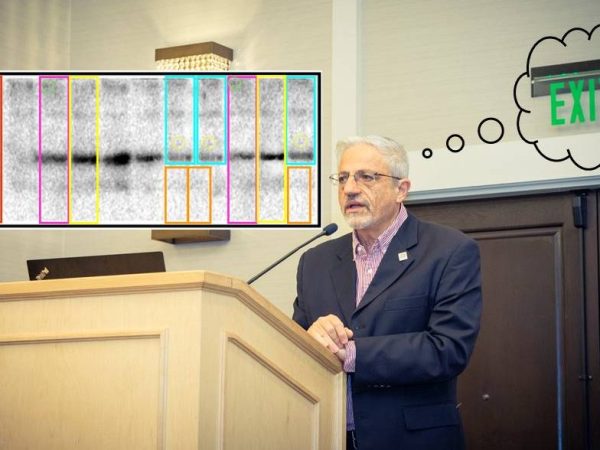
The potential problems of Eliezer Masliah
“the confusion occurred while utilizing prior panels as example ” – emeritus professor Eliezer Masliah
Retraction Nr 2, again by Masliah, Rockenstein and their protege Leslie Crews who made it to assistant professor at UCSD:
Leslie Crews, Brian Spencer, Paula Desplats , Christina Patrick , Amy Paulino , Edward Rockenstein, Lawrence Hansen , Anthony Adame , Douglas Galasko, Eliezer Masliah Selective molecular alterations in the autophagy pathway in patients with Lewy body disease and in models of alpha-synucleinopathy PLoS ONE (2010) doi: 10.1371/journal.pone.0009313


The retraction was published on 13 November 2024 (highlight mine):
“Following the publication of this article [1], concerns were raised regarding results presented in Figs 1, 2, 3, 5, 6, 8, S1, S2, and S3. Specifically,
- There appear to be similarities between lanes within numerous panels presented in:
- ○ Figs 1A and 1B
- ○ Figs 5A and 5B
- ○ Fig 😯
- ○ Figs S1A and S1B
- ○ Figs S2A and S2B
- ○ Fig S3D
- The Fig 6H and Fig 8H panels appear to partially overlap.
Regarding the similarities between and within the western blot panels, the corresponding author stated that the quality of the western blot panels presented in the article is not optimal and that close examination of these panels shows subtle differences between the lanes and bands that appear similar. The corresponding author provided some underlying image data but the editorial assessment was limited by the low quality of the images. PLOS remains concerned that the areas in the panels appear more similar than would be expected from independent results, and in absence of uncropped high resolution image data, these concerns cannot be resolved.
Regarding the panel overlap between Figs 6H and 8H, the corresponding author stated that an inadvertent error was made during figure preparation and they provided a replacement figure.
In light of the issues with the western blot panels that raise concerns about the reliability and integrity of the published results, the PLOS ONE Editors retract this article.
EM did not agree with the retraction. LC and PD responded but expressed neither agreement nor disagreement with the editorial decision. BS, CP, AP, ER, LH, AA, and DG either did not respond directly or could not be reached.”
As you read, Masliah now tried to trick the editors with fake “raw data”, and failed.
Donate!
If you are interested to support my work, you can leave here a small tip of $5. Or several of small tips, just increase the amount as you like (2x=€10; 5x=€25). Your generous patronage of my journalism will be most appreciated!
€5.00

 For Better Science
“Berislav Zlokovic, a prominent Alzheimer’s disease and stroke researcher who has long headed a major neuroscience institute at the University of Southern California (USC), is now on an indefinite leave of absence, according to a school official.” He is also asked to return NIH funds due to scientific misconduct.
LikeLiked by 2 people
One more Masliah retraction from PLoS today:
https://pubpeer.com/publications/A7078E0753A27E681AB1FE27DD9101
“Alterations in mGluR5 Expression and Signaling in Lewy Body Disease and in Transgenic Models of Alpha-Synucleinopathy – Implications for Excitotoxicity”.
LikeLiked by 2 people
” Regarding the repetitive regions in the Fig S4B panels, the corresponding author suggested that these repetitive patterns might have occurred whilst they tried to improve the images for legibility, as the original images contained some annotations that were cut out. The corresponding author provided underlying images containing labels and markings in areas where repetitive patterns were identified in Fig S4B. PLOS therefore considers the concerns with this figure resolved.”
Can someone illustrate this issue on PubPeer?
LikeLiked by 1 person
Done
LikeLike
I know it’s unintended but “3. ○ Fig 😯” is hilarious
LikeLike
We shall leave it like it is then. It was supposed to be “Fig 8O”
LikeLike
Reviewing Min Wu’s ongoing case in the New York Supreme Court, it appears this situation stems from an intense conflict among senior academics, leading to significant disciplinary actions against both Min Wu (SPS President-elect for 2022-2023) and Athina P. Petropulu (SPS President for 2022-2023). Both were originally slated to serve on the SPS Board of Governors as President and Past President, respectively, for 2024-2025. However, both have since been removed from the SPS website.
The sequence of events, as detailed in many court documents appears as follows:
August 2023: Min Wu posts messages in the by-invitation only WeChat group. Nikos’s collaborator, Qingjiang Shi, had earlier infiltrated the group to favorably represent Nikos. These chat messages eventually reach Nikos, who files a complaint against Min Wu with Athina. This is detailed in Exhibit 6 (“Ad Hoc Committee Report”).
Late August–September 2023: Nikos is nominated for an election by Athina. Athina confronts Min Wu about the WeChat messages, to which Min expresses regret, claiming the messages were “mistranslated.” The messages implied favoritism in awarding processes, triggering further complaints from the SPS Awards Board Chair, Sergios Theodoridis. In response, Min files counter-complaints against Athina, Nikos, and Sergios. The SPS Board of Governors establishes an Ad Hoc Committee, which ultimately clears Min of wrongdoing. However, the other three individuals challenged this decision (cf. the court document “Affirmation of Michael Hinchey”) noting the conflict of interest of Ad Hoc committee members with Min.
October 2023: Exhibit 8 (“Appeal to EMCC”) states that Min Wu reached out to Athina, stating, “I hope to meet with you and see if we can mend the relationship and turn the page over to move forward.” Athina responds, “Am not sure whether via this message we are just trying to produce evidence that you made efforts to de-escalate the situation. In any case, my responds is that there is no de-escalation until you admit that you made an unfortunate mistake and apologize to the people whose reputation you damaged.”
October–November 2023: Both parties escalate the situation with additional complaints, attempting to rally support from colleagues. Past SPS President José Moura intervenes in an attempt to mediate. Min expresses regret but the other parties want her to apologize.
January 2024: Min Wu officially assumes the role of SPS President.
February 2024: Exhibit 7 (“CRC Decision”) reveals that the IEEE Conduct Review Committee (CRC) issues a lifetime ban preventing Min Wu from holding any future leadership position within IEEE. The letter also notes that Athina Petropulu faced substantiated disciplinary action in a separate case filed by Min Wu, though the specifics remain unclear due to sealed records. However, a protest letter (“Letter Dated May 6, 2024”) signed by three past IEEE Presidents (José Moura, Kathy Land, and K. J. Ray Liu) mentions “two IEEE volunteers are now prohibited, for life, from serving in any leadership capacity.”
May 2024: Min Wu appeals (“Appeal to EMCC”) her lifetime ban to the IEEE Ethics and Member Conduct Committee (EMCC), as documented in Exhibit 8. The initial lifetime ban is reduced to 10 years. Subsequently, the CRC Chair Michael Hinchey affirms in court (“Affirmation of Michael Hinchey”) that the IEEE Board of Directors further reduces Min Wu’s ban to three and a half years.
The court case continues.
LikeLike
Two questions
1. Where does the alleged election interference come into play?
2. Why is almost everyone at IEEE SPS Greek?
LikeLike
About #1, Min Wu’s WeChat message was in Chinese. It was translated using Google by the others as follows:
“I have worked with both of this year’s candidates for SP presidency, and I have good understanding of their behavior and leadership. Prof. Kostas from the University of Toronto wins in many aspects, is down-to-earth to accumulate experience in all aspects, has a big picture and big heart for the benefit of the global community, not mainly for the benefit of own small circle, promoting/nominating
each other for awards.
During his tenure as VP, Kostas strongly supported initiatives such as ChinaSIP for Region 10, helped to protect the enthusiasm and development opportunities of members/volunteers.
But the other candidate did not vigorously help the entire large community in China; on the contrary, helped people who had their own plans at the time to stop GlobalSIP and ChinaSIP related initiatives.
So this time it is very important to choose a competent next president, especially since most of our Asian Chinese members are not from another candidate’s small circle, or the same technical area.”
This message was taken to be election interference. A lot of debate in the court documents centers around her use of the word “competent” implying Nikos is not. She says the word has been mistranslated.
About #2, good question! Suggests there are camps within SPS although the Greek camp is not the only one. There have been multiple years when the same individuals have won multiple awards (not just at the society level but also in conferences). This flies in the face of diversity that SPS mentions as its goals.
However, Min’s insinuation about the awards did not go unnoticed. The Ad-Hoc committee report mentioned taking the following measures (from “Appeal to EMCC” court document, page 11):
The Ad-Hoc Committee recommended that the Society
(1) revise its policies and procedures to clarify social media use and best practices, particularly with regard to society officers and elections;
(2) adopt a policy encouraging Society members to seek, accept and offer honest
criticism and to correct errors;
…
(7) review the current awards.
LikeLike
Interesting, thanks for the details! From the excerpt all I got was that Min Wu ran a successful campaign…reading your comment I’m still a bit puzzled about the “election interference.” Is it because the group chat was private?
LikeLike
Per court documents, Min says WeChat was by-invitation only. Another SPS Board of Governors Member Hong (Vicky) Zhao was its admin. Members of that group discussed both candidates and Min favored Kostas in the discussion. This was taken by other parties as trying to influence the election because Min was President-Elect. Min and Vicky, on the other hand, contented that Nikos was the nominated candidate of Athina, who was herself President. Therefore, it was CoI on her part too.
LikeLike
This is from “Appeal to EMCC” document:
“On November 8, 2023, Dr. Petropulu emailed Hong (“Vicky”) Zhao, a member of the Society’s BoG’s, threatening to “expose” Dr. Zhao if she did not abstain for a vote to nullify the election results scheduled for November 10th, stating:
It was brought to my attention that the WeChat screen shot I
attached to the BOG agenda has text in Chinese saying that you
were admin of the group.
I had no idea about this. Still, I suspect you may have been dragged
into this and I would prefer to deal with this issue discretely.
I think it would be best to let Rich know that you have a COI and
cannot vote. In that case I will not say anything about you during
the meeting.
The next day, Dr. Zhao responded:
I am really shocked to receive this email. You are the lead
nominator of one candidate, while you brought up all the issues
about WeChat messages and now the election results, using your
role as the SPS President. This is a direct COI. You mentioned the
importance of ethics during the ICIP BoG meeting, and said leaders
should keep high standards there.
For the WeChat group, it is not an IEEE group. It is a private group
by invitation only, and the group members’ privacy and freedom of
speech should be protected. False accusations of my having a COI
is wrong and unethical.“
LikeLike
In Qusay Hassan’s case, the journal Process Safety and Environmental Protection is a s***hole. The journal needs to be removed from the Clarivate database as soon as possible.
Dominic C.Y. Foo (Malaysia) is responsible for articles on energy, waste and process. He’s a papermiller. He has only 3 papers on Pubpeer so far.
Also the editor in “waste-to-energy” section of the journal, Abdulaziz Atabani, is another problematic figure. There is no record of him on pubpeer yet, but when I look at his work, there are many flaws. Another papermiller case. There is a serious inflation of citations in the articles he publishes with problematic names like Badruddin and Mahlia. Although Badruddin (You can also see the Pau-Loke Show in one of his Pubpeer records) is now in Saudi Arabia and Mahlia (he has a pubpeer record with 11 articles so far) is now in Australia, all these names have advanced their work while working in Malaysia. By the way, I have noticed a very serious papermill and citation mill collaboration between Malaysian and Australian universities. This also includes researcher exchange. There is a very high mobility of researchers between these two countries.
I don’t know the ethical approach of the other editors, these are just names that I came across while reviewing names whose problematic articles I follow. But these names alone are enough for this journal to be deleted from the databases.
LikeLike
Regarding the Petronini case.
I sent them and their university leaders my article this morning. Now I received a reply from the Vice-Rector (Research and Technology Transfer), Daniele Del Rio, who demands that I delete the section about his colleagues:
“Dear Dr. Schneider,
I have asked the colleagues you mentioned in your email for clarification, and they have immediately replied. I’m attaching a detailed letter that covers all the points raised on your website page and PubPeer and clearly indicates the actions being taken to resolve the outstanding issues. This rebuttal is incomplete, and I will send the remaining responses as soon as they are provided.
However, I would like to point out that these actions were already ongoing at the time of your email.
Also, I would like you to understand that the bitterness emerging from your text goes way beyond the scope and context of your website. Please remove the specific part of the text from the page in light of the present and future rebuttal and actions.”
This was attached:
https://forbetterscience.com/wp-content/uploads/2024/11/rebuttal-petronini-and-colleagues.pdf
LikeLiked by 1 person
The rebuttal addresses 3 papers.


Fumarola et al, Oncotarget 2017:
https://pubpeer.com/publications/69BBE2101E3F6C5206EDC85D9D7436
Yet the gel only matches partially.
LikeLike
Coccè et al Biochemical Pharmacology 2023 (without Petronini but with Bonelli, La Monica and Alfieri

https://pubpeer.com/publications/0F03DA015E77E883845777F47F4ED4
The authors provide a replacement figure to the EiC Jacques Piette.
That dude has huge PubPeer record himself. I wrote about Piette and he actually found ME guilty of research misconduct.
https://pubpeer.com/search?q=piette
https://forbetterscience.com/tag/Jacques-Piette/
LikeLike
Cavazzoni et al Cancers 2020


https://pubpeer.com/publications/78BEFACB5A35D29C75F314B35AB30F
Like the old (and recycled) actin, the new actin also doesn’t look like it is from the same gel as PD-L1
LikeLiked by 1 person