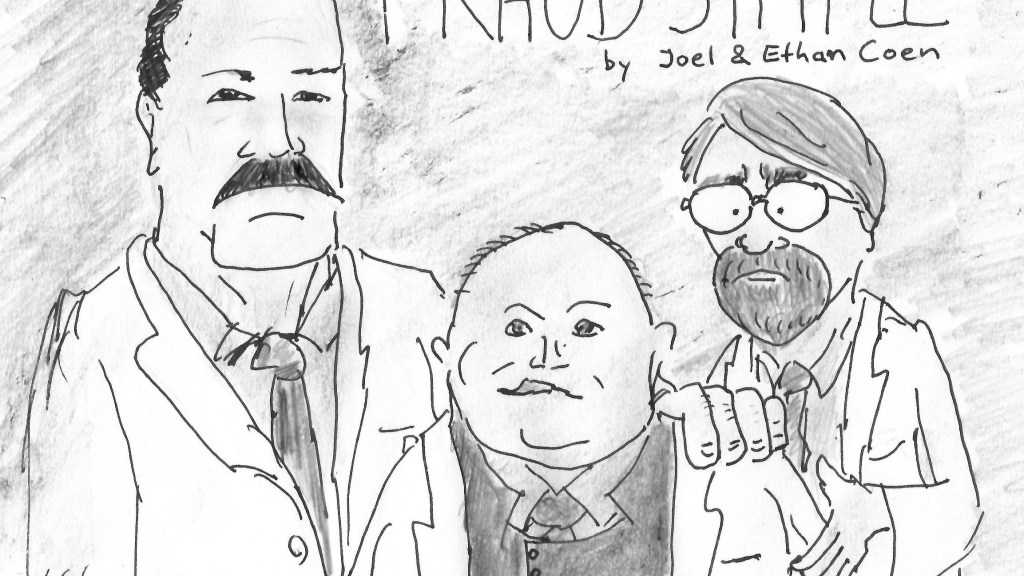
Fraud Simple
US cancer research professors Paul B Fisher, Paul Dent and Stephen Grant look like the characters of a Joel and Ethan Coen crime movie, unfortunately never filmed. Smut Clyde will give you a peek into their spree of data manipulation
By Leonid Schneider, on research integrity, biomedical ethics and academic publishing
US cancer research professors Paul B Fisher, Paul Dent and Stephen Grant look like the characters of a Joel and Ethan Coen crime movie, unfortunately never filmed. Smut Clyde will give you a peek into their spree of data manipulation

A former Karolinska researcher is subject of research misconduct investigation, for forwarding to university OA publishing bills for her past research there. To save €3k, no trick is too dirty for Karolinska Institutet.
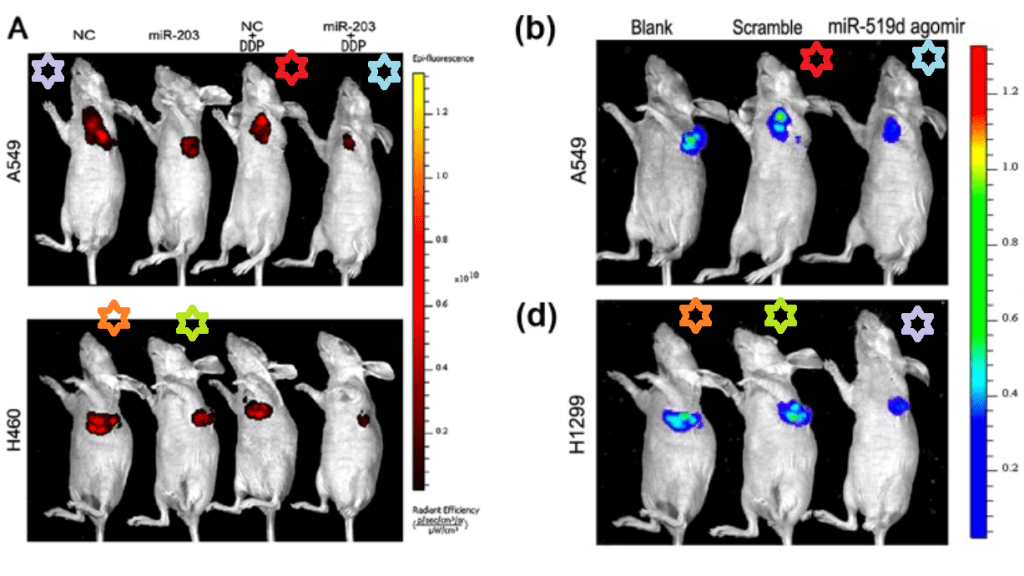
A cancer research professor in China runs a paper mill, sources claim he sells first authorships for a bribe. Problem for his customers: the peer-reviewed papers they pay for, contain fake data.
Spain is where dishonest research gets rewarded, with awards, grants and media fame. No wonder the New York-based immunologist Andrea Cerutti opened a second lab in Barcelona.

I obtained the full report on the case of Karin Dahlman-Wright, Vice-Rector of the Karolinska Institutet. The investigation by Danish researcher Nils Billestrup for CEPN found 6 out of 8 papers contained data manipulations, but only in 2 cases serious enough to affect the conclusions.
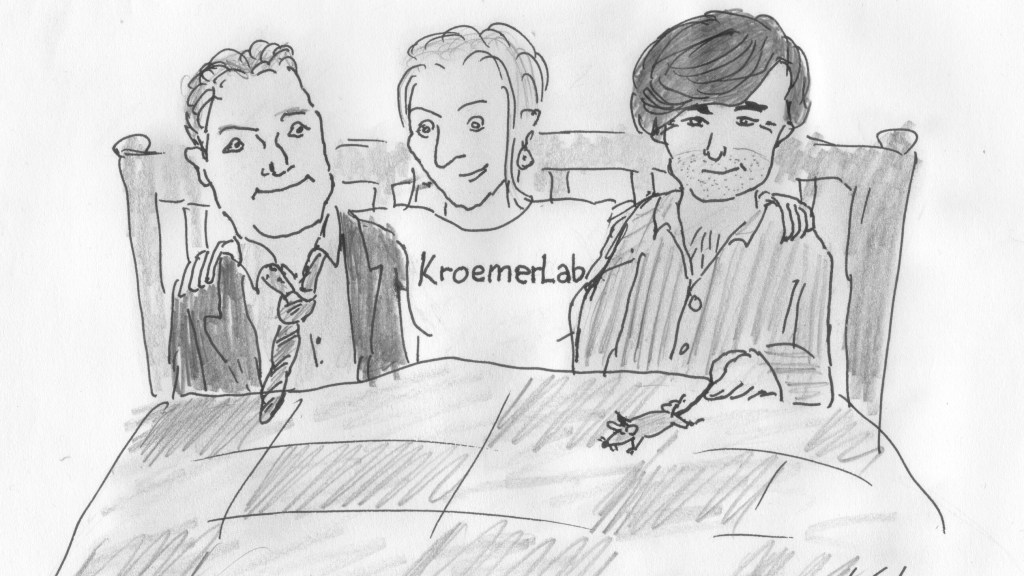
I obtained a partial script of a stage play which recently premiered in Paris: “La Passion de Don Carlos”. Any similarities with Spanish or French cancer researchers are entirely coincidental.
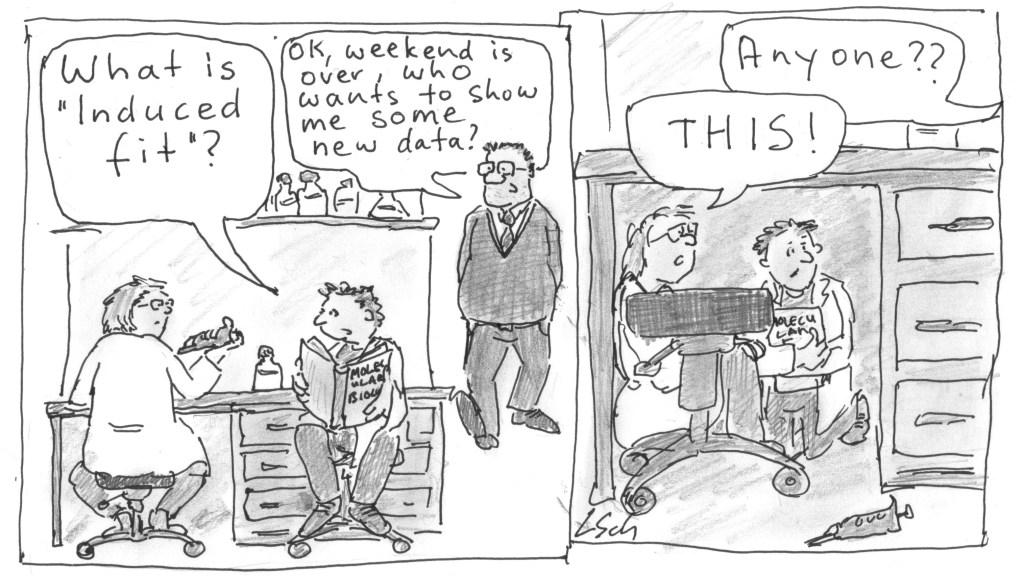
Carlos Lopez-Otin was forced to retract EIGHT papers in the Journal of Biological Chemistry, right after he retracted a very important paper in Nature Cell Biology. Spanish elites cry foul, a letter signed by 50 Spanish researchers was sent to JBC to prevent retractions. The ringleader is Juan Valcarcel of CRG in Barcelona, and I release 3 incompetent investigative reports Valcarcel commissioned in 2015 to whitewash his CRG colleague Maria Pia Cosma.
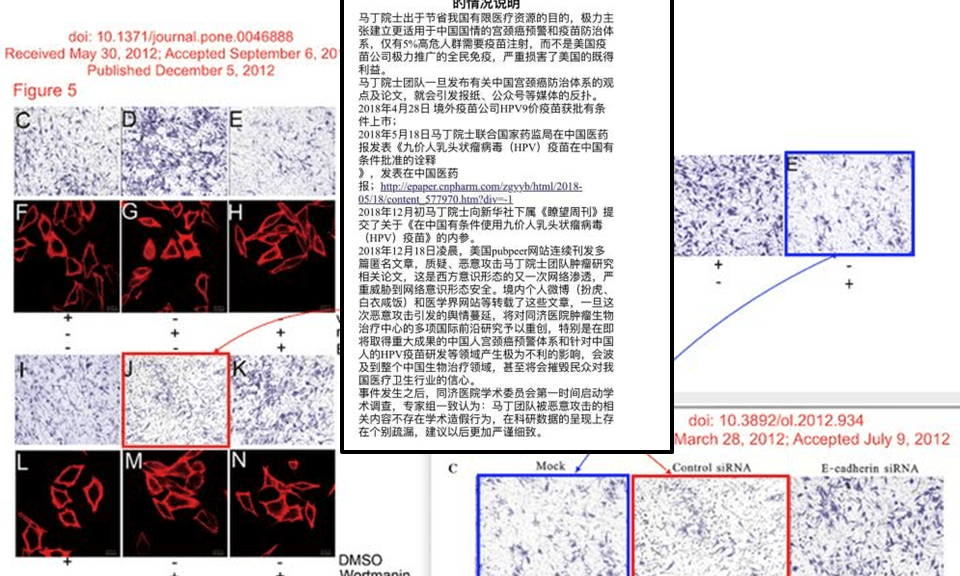
Manipulated data in 17 papers from one cancer research lab in China gets flagged on PubPeer. It ends with the university hospital in Wuhan issuing a secret statement accusing the US pharma giant a Merck of a conspiracy to slander a Chinese Academy member, Dr Ding Ma.
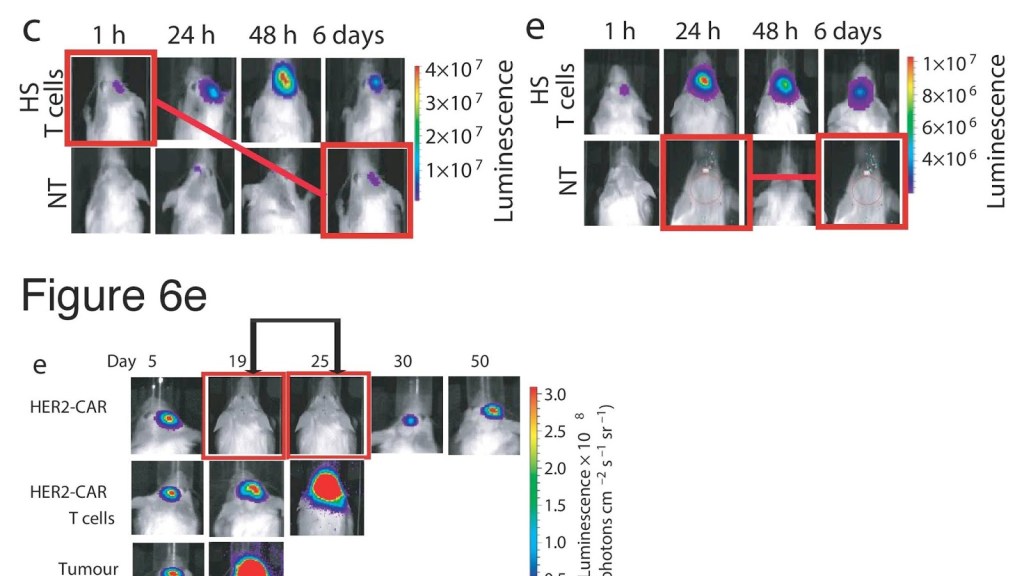
The team around the paediatric oncologist Nabil Ahmed at Baylor College of Medicine in Houston, Texas, discovered a way to engineer T-leukocytes to bypass the blood-brain barrier at attack otherwise untreatable brain cancers. Their amazing technology to get this published in Nature was brazenly insolent data fakery.
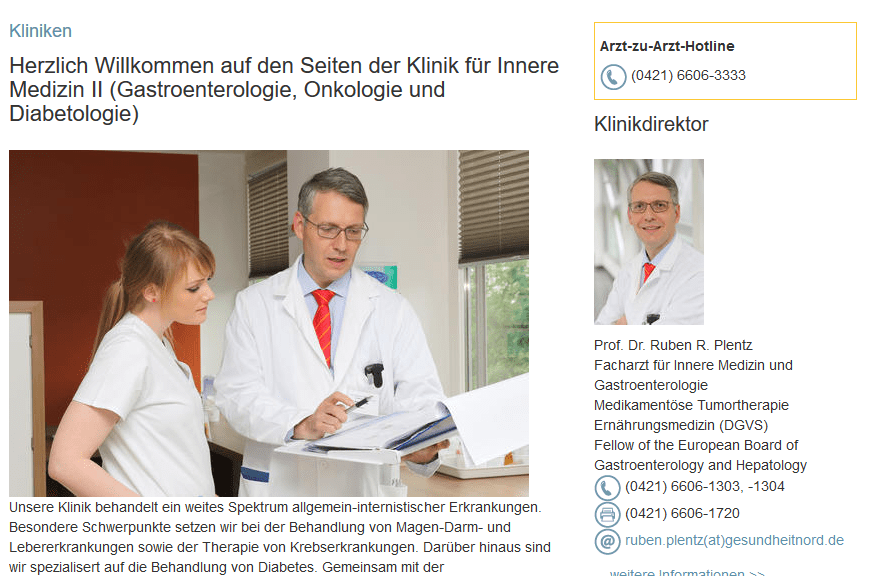
Professor Ruben Plentz chose to focus his career on clinical medicine in Bremen, despite his tremendous academic achievements in cancer research. Was it because malicious critics harassed him with frivolous investigations and corrections, envious at all those peer-reviewed cancer cures the great doctor invented?
Have a WordPress.com account? Log in now.

