

Schneider Shorts of 8 May 2026 – from anti-aging obituary in USA to anti-aging rage in russia, a whistleblower achieves a retraction, a society journal gives up, a pharma company burns $4 billion, AI slop at highest level, and finally, does researching alcohol lead to double vision?
Table of Discontent
Obituary
- Dr. Venter cured himself of prostate cancer with the company he founded – not everyone gets to live till 150
Industry Giants
- Untrue statements of material facts – Amgen paid $4 Billion for fake clinical data
Retraction Watchdogging
- A response to all of them – whistleblower Saba Saeed exposed fraud in her own department
- A very unusual request – society journal couldn’t protect Domenico Pratico forever
- Alcoholism and the complications of excessive drinking – Carol Thiele and Jia Luo lose a paper
- A memorable image – NEJM published AI slop
Science Breakthroughs
- Incredible future is now becoming reality – putin invests $26 billion to live forever
Obituary
Dr. Venter cured himself of prostate cancer with the company he founded
The geneticist and biotech entrepreneur Craig Venter, famous for his claims of being the first to sequence the human genome and for creating an artificial bacterium from synthetic DNA, is dead, aged 79. His J Craig Venter Institute announced on 29 April 2026 that their founder “died today in San Diego following a brief hospitalization for unexpected side effects that arose from treatment of recently diagnosed cancer“.
That is unfortunate, also because a) Venter’s cancer wasn’t recently discovered but a decade ago, and b) Venter then declared himself cured and planned to live much, much longer. In 2015, he set up the company Human Longevity, which uses genomics and AI to sell to wealthy customers annual membership plans with genome sequencing and whole-body MRI, followed by personalised diagnostics and prevention and treatment plans for cancer as well as cardiovascular, metabolic and neurodegenerative diseases. That’s $25k for Platinum Membership, there are also cheaper plans, with less service.
Venter was his own company’s most prominent customer. Science wrote about Human Longevity’s clinical study (Perkins et al 2017), and mentioned:
“Venter has been making the media rounds to promote the screening. On Fox Business, he said the exam finds “something seriously wrong” in 40% of participants (though that claim is left unexplained). CBS News reports that Venter’s group can predict Alzheimer’s disease 20 years in advance by scanning the 20 regions of the brain. And STAT news reports that the exams detect tumors early enough that every participant with cancer so far has been able to treat it, even the notoriously unforgiving pancreatic cancer.”
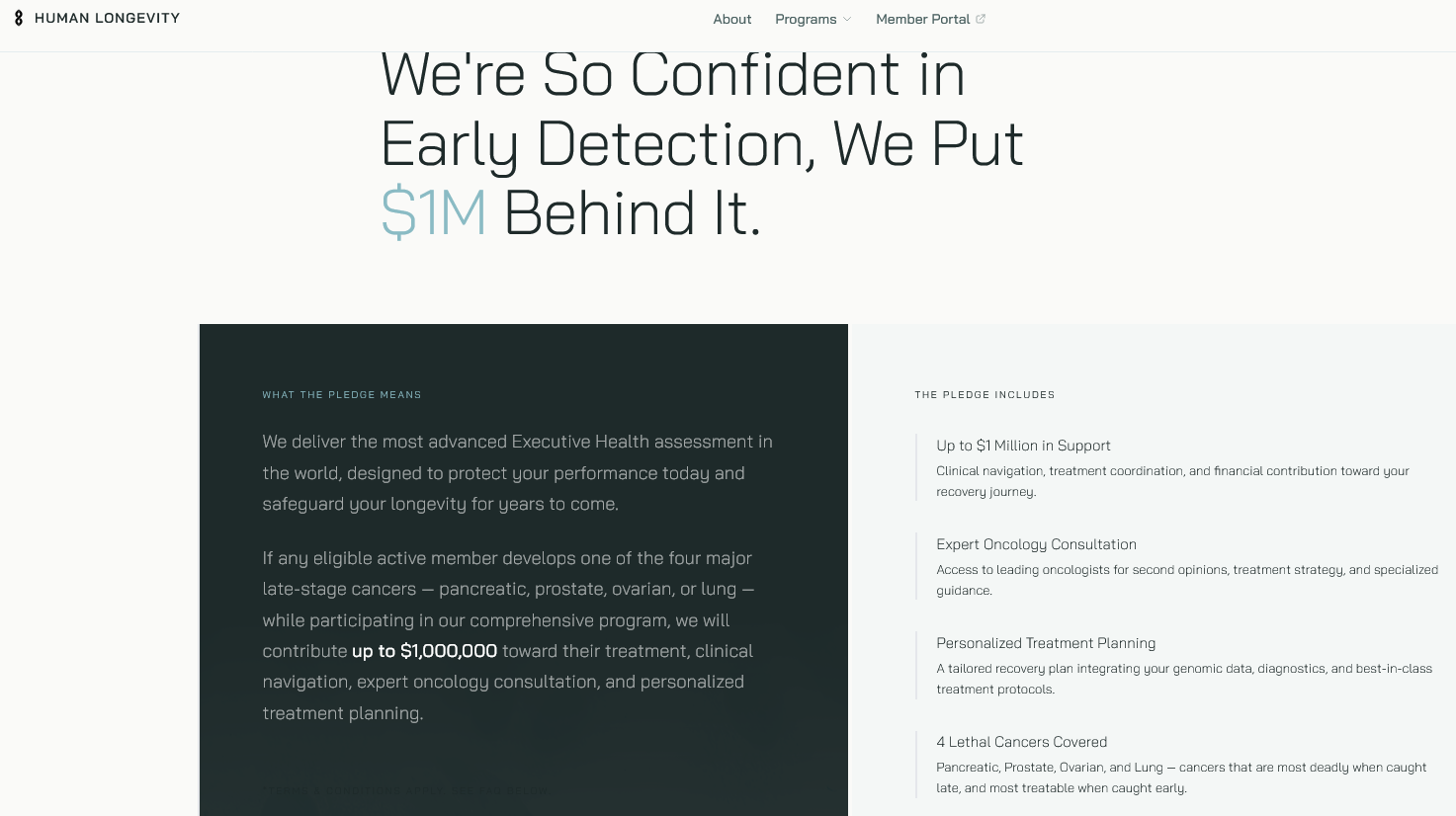
Forbes wrote in 2017 that the year before, Venter “underwent his own physical and says he found prostate cancer, which was removed last November.” In another interview, Venter spoke of his “high-grade prostate cancer” that was detected in December 2016. Still, this testimony from a happy customer didn’t age well:
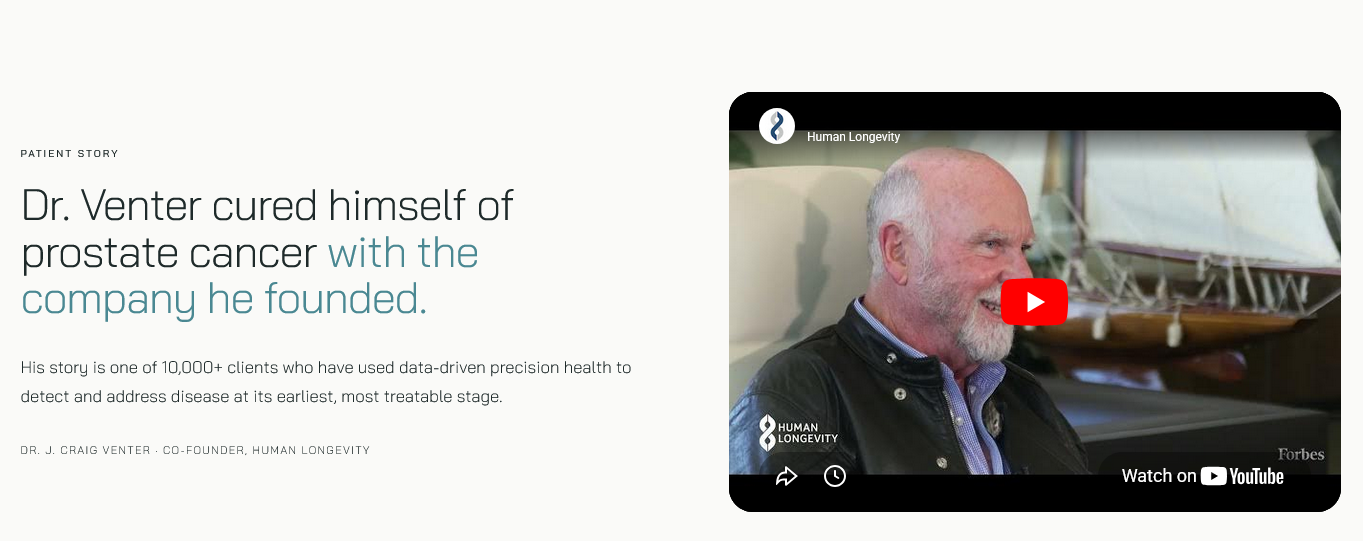
One wonders what kind of cancer treatment did Venter prescribe to himself using his own company’s technology, and whether it now killed him. Forbes mentioned testosterone supplements. Maybe also rapamycin, this quite likely killed Mikhail Blagosklonny (read obituary in October 2024 Shorts).
Anyway, here is Venter in an interview from 2015, predicting that his new business will potentially allow his rich customers to live to 150, while demanding that poor people must be made to work longer:
“While average life expectancy isn’t expected to creep up to 150 anytime soon, Venter says that if humans live longer—and healthier—then we can all lead more productive lives. Right now, Venter says citizens are paying in to the retirement system for their “normal careers,” which has presented challenges now that humans are living much longer and withdrawing from a system that was never intended to support a longer lifespan.
“We can solve all the economic problems by simply changing the retirement age to age 75, and still have another 20 or 30 years of healthy life after that,” he says. “[If] people have a chance to be productive longer, it’s good for them and good for society—retirement generally isn’t good for anybody.””
That was cruel and mean when Venter said it, but now it is actually funny. Turns out that even billionaires with the best lifestyle and healthcare money can buy sometimes don’t make it even to 80.
Industry Giants
Untrue statements of material facts
A lesson how to earn 4 Billion dollars with fake claims in biotech.
US FDA asks the biotech giant Amgen to remove their drug avacopan (Tavneos) from the market because it’s original FDA approval was based on manipulated data from a phase 3 clinical trial. The drug was approved in USA in 2021 for anti-neutrophil cytoplasmic autoantibody-associated vasculitis.
MedPage Today reported on 28 April 2026:
“In a Monday letter to Amgen, which now holds avacopan’s rights, the agency’s top drug regulator said that new information came to light showing avacopan lacks “substantial evidence of effectiveness,” and that developer ChemoCentryx’s new drug application (NDA) contained “untrue statements of material facts” — both legal bases for pulling a drug.
Unblinded study personnel “manipulated” primary endpoint results for the pivotal ADVOCATE study, said Tracy Beth Høeg, MD, PhD, acting director of the Center for Drug Evaluation and Research.
“That manipulation was designed to change results that were not statistically significant and make the product look effective when the original analysis did not support that conclusion,” she wrote in the letter.” […]
in January of this year, the agency requested the drug be voluntarily withdrawn from the market, raising concerns about cases of liver injury, as well as the trial data underpinning the initial approval. Amgen rebuffed the agency’s request.
Then in March, the FDA warned that postmarketing data had turned up dozens of serious cases of drug-induced liver injury (DILI) associated with avacopan, including eight fatal cases.
MedPage Today also mentions that according to FDA, “an initial analysis of the primary endpoint failed to achieve significance, and that unblinded ChemoCentryx personnel selected participants for readjudication and ultimately changed five patients treated with avacopan from “not in sustained remission” to “sustained remission.”“, thus creating efficacy where there was none. This information was revealed in a report by Marc Walton for a securities fraud lawsuit.
Amgen acquired the company ChemoCentryx in April 2022 for whooping $4 Billion, exactly because their drug Tavneos® (avacopan) was approved. Also ChemoCentryx leadership joined Amgen, including the founder and CEO Thomas Schall. But in September 2025, Schall left Amgen to work for a much smaller biotech company called Immuneering, which probably also hopes to use Schall’s talents to sell something useless for $4 Billion dollars.
Retraction Watchdogging
A response to all of them
Polish scholars lose a paper they fabricated with some fraudsters at National University of Medical Sciences in Pakistan and Mohamed Elshikh of King Saud University in Saudi Arabia, the latter featured prominently in this article:

Sylwester Tabor is the rector of the University of Agriculture in Krakow, member of the audit committee of Polish Rectors Conference, member of a governmental ministry council and of Polish President’s agriculture council. Marek Gancarz is associate professor at the same University of Agriculture. The PubPeer thread on their paper is enormous, I show here the most obvious fraud:
Arooj Ali, Syed Raza Ali , Riaz Hussain, Rashida Anjum , Qiang Liu , Mohamed S. Elshikh , Noorah Alkubaisi , Rashid Iqbal, Sylwester Tabor , Marek Gancarz Comparative study of silica and silica-decorated ZnO and ag nanocomposites for antimicrobial and photocatalytic applications Scientific Reports (2025) doi: 10.1038/s41598-025-89812-5

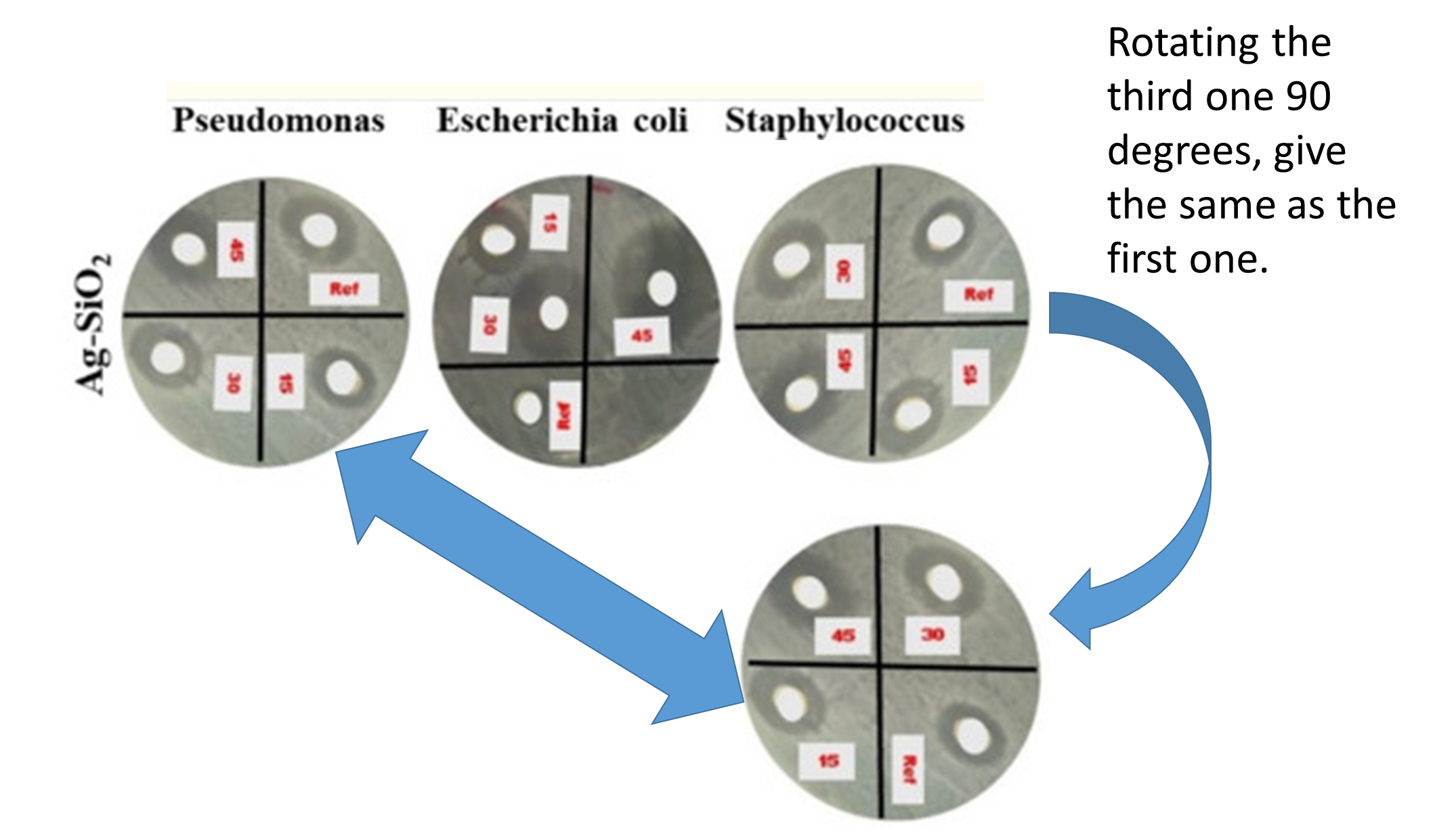
There are more comments by Eucephalobus striatus and Xerotus discolor exposing this study’s figures and claims as nonsense or improbable. And then there were the infamous bacterial mitochondria:
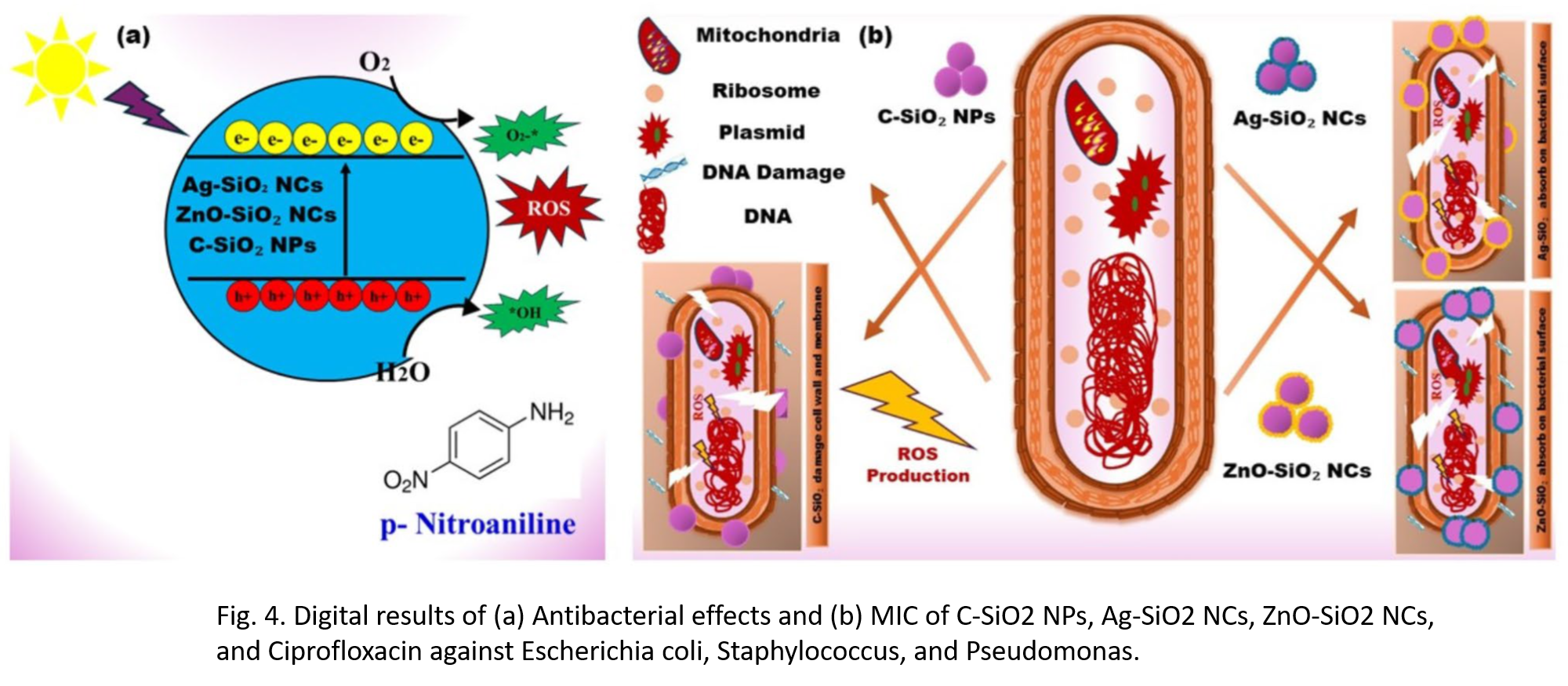
In fact, because of those hilarious bacterial mitochondria, this very paper Ali et al 2025 was mentioned by Sholto in his article about Scientific Reports:

Scientific Reports 2025: A Year in Review
“In this blog I write about papers published by Scientific Reports in 2025, so we could consider it to be a sort of “wrap-up” of highlights and special achievements in the world’s biggest scientific journal™ in 2025.” – Sholto David

Sholto’s public shaming of this journal probably caused the retraction, which took place on 4 May 2026:
“The Editors have retracted this Article.
After publication, concerns were raised regarding the data and images presented in this article, specifically:
- Fig. 2a is not consistent with its interpretation in the text;
- Fig. 3a (SEM image of C-SiO2 NPs) and Fig. 3c (SEM image of ZnO-SiO2 NCs) appear to be similar;
- Fig. 4a is inconsistent with its description in the text;
- Fig. 4b is scientifically incorrect.
Additionally, concerns were raised regarding the accuracy and appropriateness of references 17-27, 29-34, 36-40, 42, 56, 67, 70-72, where cited sources did not support the statements made or were inaccurately described. Authors were asked to provide the raw data for Figures 1-3, but were not able to provide the original raw data with metadata intact. The Editors therefore no longer have confidence in the presented data and the conclusions of this Article.
Sylwester Tabor and Marek Gancarz agree with the retraction. Arooj Ali and Rashid Iqbal disagree with the retraction. Syed Raza Ali, Riaz Hussain, Rashida Anjum, Qiang Liu, Mohamed S. Elshikh and Noorah Alkubaisi did not respond to the Editors’ correspondence about the retraction.”
Arooj Ali, the first author above, has another paper on PubPeer:
Arooj Ali , Saba Saeed , Riaz Hussain , Muhammad Saqib Saif , Muhammad Waqas , Iqra Asghar , Xuang Xue , Murtaza Hasan Exploring the impact of silica and silica-based nanoparticles on serological parameters, histopathology, organ toxicity, and genotoxicity in Rattus norvegicus Applied Surface Science Advances (2024) doi: 10.1016/j.apsadv.2023.100551
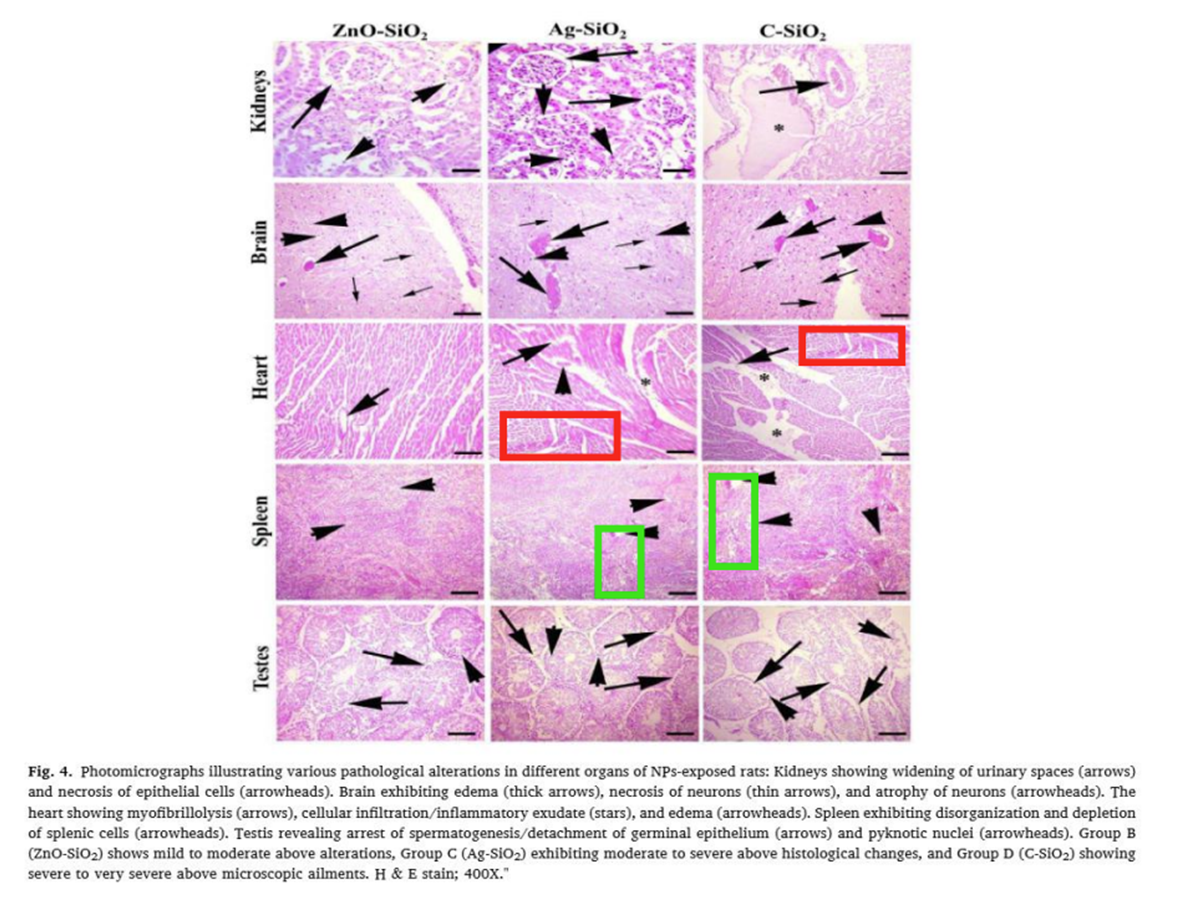
Dysdera arabisenen: “Fig 4: Images of different experimental conditions overlap.”
The second author above is Saba Saeed, assistant professor at Islamia University of Bahawalpur and Ali’s former PhD supervisor, and she is the one who blew the whistle on Ali. Saeed exposed the forgeries in the Ali et al 2025 paper in Scientistic Reports, and notified the authors, their institutions and the publisher. As Saeed wrote to me:
“I initially raised serious concerns about this paper, supported by evidence. Instead of addressing these scientific issues objectively, the director of my institute established an inquiry committee. Reportedly, the accused party portrayed my concerns as unnecessary interference, dismissed my objections as incorrect, and suggested that I was personally targeting them.
When I appeared before the committee, the focus shifted away from the actual technical issues. Personal questions were raised, the scientific matter was avoided, and the committee relied on the weakest possible excuse: “We cannot judge the paper.”
If scientists, inquiry committees, and materials experts cannot evaluate a scientific paper, then what exactly is their role?
Now, the paper has been retracted.
This retraction is not merely a journal decision; it publicly exposes every title, committee, and so-called expert who attempted to suppress evidence through silence, delay, and avoidance.
I was not deterred by these tactics. I remained steadfast, followed the evidence, and persisted until the truth came to light.
Bad science does not persist because of a single flawed paper. It endures because weak systems protect it, silent experts defend it, and committees prioritize convenience over integrity.
This retraction stands as a response to all of them.“
The investigative report of the Islamia University is here, it was decided that “The journal is the appropriate forum to decide against such a complaint“:
Tabor assured Saeed in an email that Gancarz “only performed selected analyzes of statistical data” and he “consulted these statistical analyses“, while those datasets were sent to them by Rashid Iqbal. Gancarz then demanded from Iqbal “to withdraw this publication from the publishing house or remove the names of Sylwester Tabor and Marek Gancarz and the names of the institutions they represent from this document“, something Iqbal was rather unwilling to do.

The Three Wise Deans of Islamabad
“Here is the story about one of those institutions where nearly all senior staff members including professors, associate professors and at least 3 former Deans are exposed on PubPeer with extensive evidence of fraud in multiple papers.” – Dayo Maor

As it happens, Gancarz has more stuff on PubPeer. Just as now retracted study, Gancarz’s paper Alotaibi et al 2026, about silver nanoparticles from camelthorn, is a citation delivery vehicle to irrelevant papers from other papermillers, which Smut Clyde described as ‘citation magnets’.
Goncaz’s and his Polish colleagues’ forays into the science of coffee roasting rewrote everything we knew about life science by showing that coffee contains many chemicals normally never found anywhere in nature (Rusinek et al 2023). Also here, where Goncarz invited his his rector Tabor to a coffee:
Marek Gancarz , Bohdan Dobrzański , Urszula Malaga-Toboła , Sylwester Tabor , Maciej Combrzyński , Daniel Ćwikła , Wacław Roman Strobel , Anna Oniszczuk , Hamed Karami, Yousef Darvishi , Alaksandra Żytek , Robert Rusinek Impact of Coffee Bean Roasting on the Content of Pyridines Determined by Analysis of Volatile Organic Compounds Molecules (2022) doi: 10.3390/molecules27051559
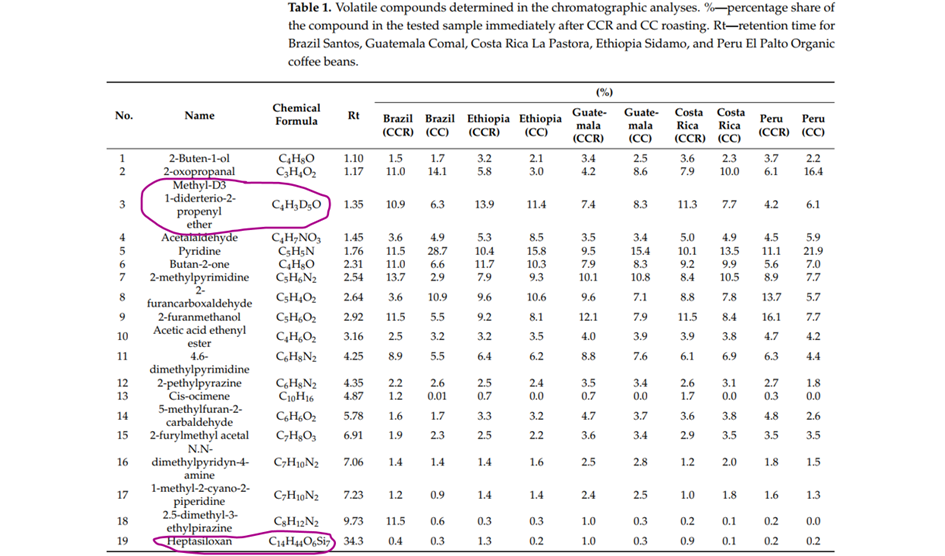
The chemical compound called heptasiloxane (compound number 19 in Table 1) has the molecular formula O6Si7 (PubChem CID 22556165), but the paper gives the molecular formula C14H44O6Si7.”
Deuterium-fortified coffee? Smut Clyde just had something on this topic:
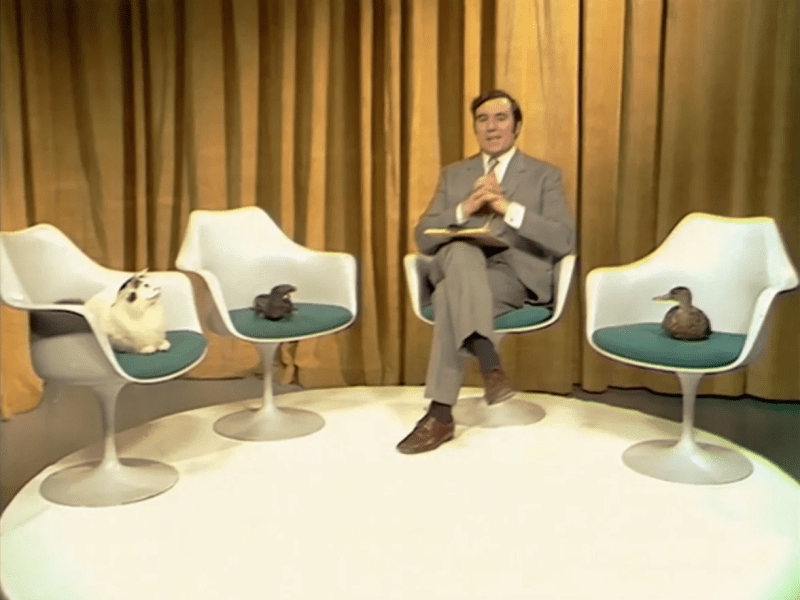
How to deuter your cat
“It would be wrong to lock the proponents of ‘Longevity and Rejuvenation through DDW!’ in a room with their ‘Longevity and Rejuvenation through Heavy Water!’ counterparts, for a cage fight.” – Smut Clyde

A very unusual request
Another sleuth achieves a retraction which she fought for for years while being gaslighted.
Mu Yang‘s struggle against the fake science by Temple University professor Domenico Pratico, specifically about these two now retracted papers, was described in her recent LinkedIn post and her 2022 guest post on For Better Science:
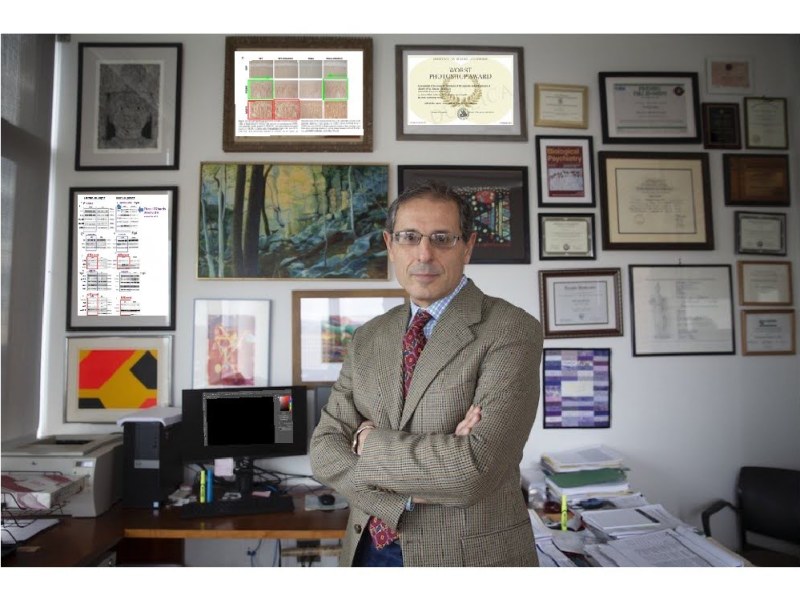
Research misconduct: Theory & Pratico
A whistleblower tried to report fraud in Domenico Pratico’s papers via proper channels, and hit a wall everywhere.
These will be Pratico’s 11th and 12th retraction, and he still remains officially not just a victim, but a hero of research integrity. As I reported in October 2024 Shorts, Pratico failed with his lawsuit against his former PhD student, Phillip Giannopoulos, whom Pratico accused to have secretly faked all Pratico’s papers behind his back, even those where Giannopoulos wasn’t even author of.
Both newly retracted papers appeared in the journal Aging Cell, which is published by The Anatomical Society and Wiley. Pratico was at that time member of the editorial board, and he still is. The Morris Water Maze comments on PubPeer are by Mu Yang, other sleuths joined:
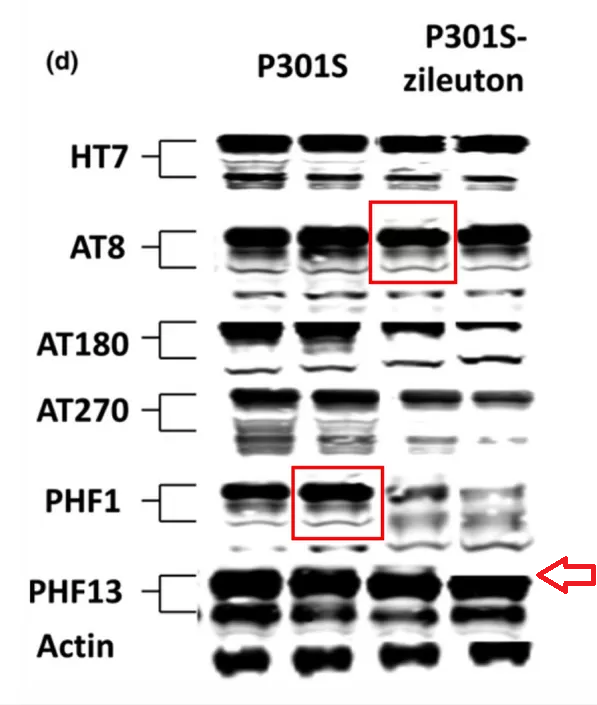
Phillip F. Giannopoulos , Jian Chiu , Domenico Praticò Antileukotriene therapy by reducing tau phosphorylation improves synaptic integrity and cognition of P301S transgenic mice Aging Cell (2018) doi: 10.1111/acel.12759
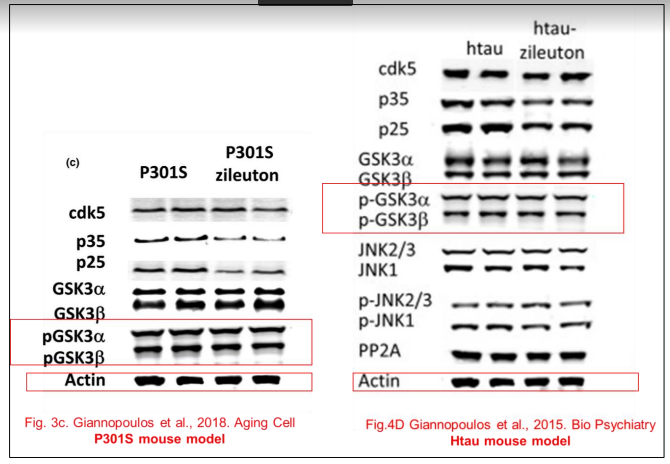
Phillip F. Giannopoulos , Jin Chu , Margaret Sperow , Jian-Guo Li , W. Haung Yu, Lynn G. Kirby, Mary Abood, Domenico Praticò Pharmacologic inhibition of 5-lipoxygenase improves memory, rescues synaptic dysfunction, and ameliorates tau pathology in a transgenic model of tauopathy Biological Psychiatry (2015) doi: 10.1016/j.biopsych.2015.01.015 (Retracted June 2024)
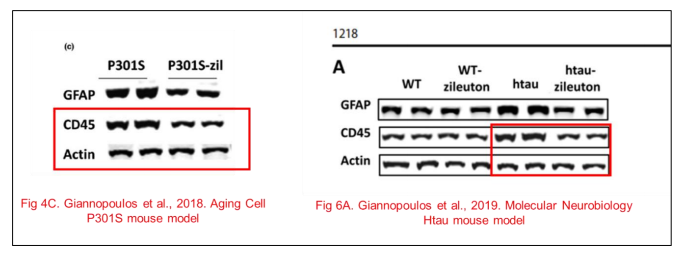
Phillip F. Giannopoulos , Jian Chiu , Domenico Praticò Learning Impairments, Memory Deficits, and Neuropathology in Aged Tau Transgenic Mice Are Dependent on Leukotrienes Biosynthesis: Role of the cdk5 Kinase Pathway Molecular Neurobiology (2019) doi: 10.1007/s12035-018-1124-7 (Retracted August 2024)
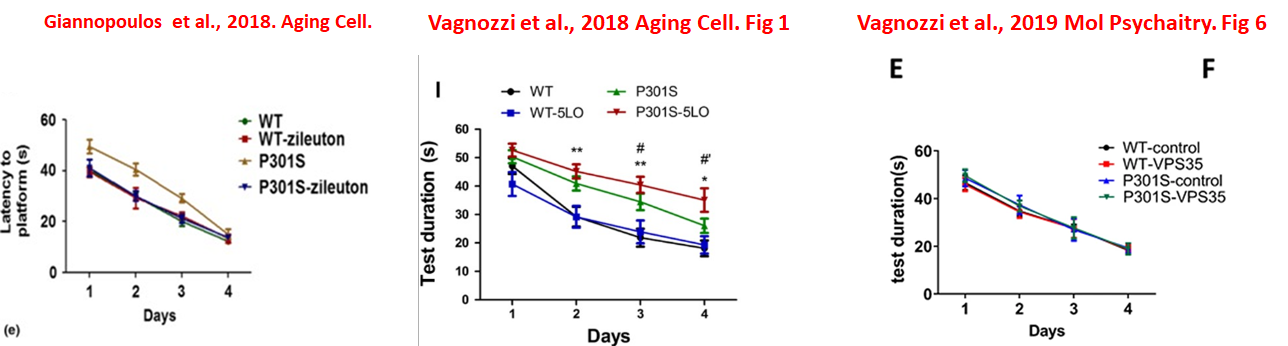

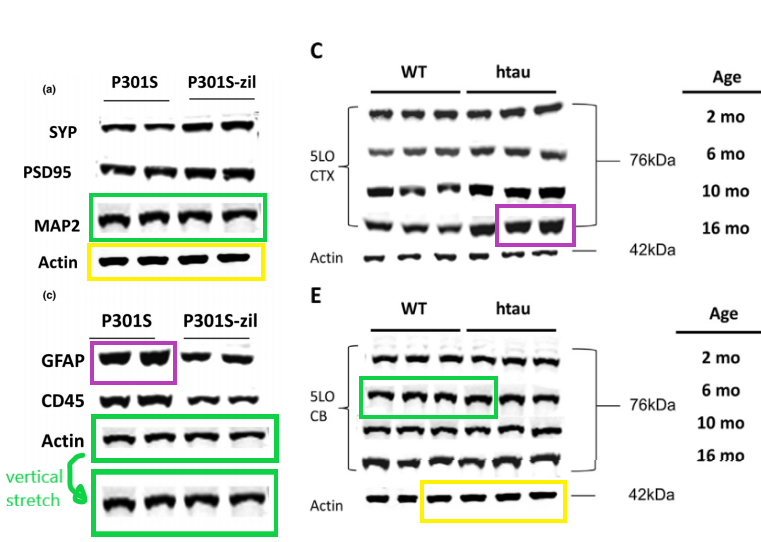
Mu reported this paper to the journal in February 2020. She received a reply from one of then-chief editors, Ana Maria Cuervo, professor and co-director Institute for Aging Research at Albert Einstein College of Medicine in New York, who announced to investigate. After several follow-up emails, Cuervo announced in June 2020 to “to share the documentation that you provide with the investigator to give a chance of response.” Mu rather wanted the journal to inform Temple University research integrity officer and she also didn’t want to have her own identity revealed to Pratico, but Cuervo refused both requests, to protect Pratico “from claims based on reasons other than pure scientific evidence“. Even after Mu shared with Cuervo an opinion by HHS ORI (“Given the importance of the 100% confidentiality and the most possibility that the institution will have to sequestrate the original data from the laboratory, it is important for both you and the journals not to contact the authors for any of the concerns at this moment“, Cuervo was not swayed. She snapped back:
“This is a very unusual request and goes against our editorial (and most editorials) policies.”
Cuervo also wanted to know the name of the ORI officer herself to educate them that ORI’s whole procedure is all wrong.
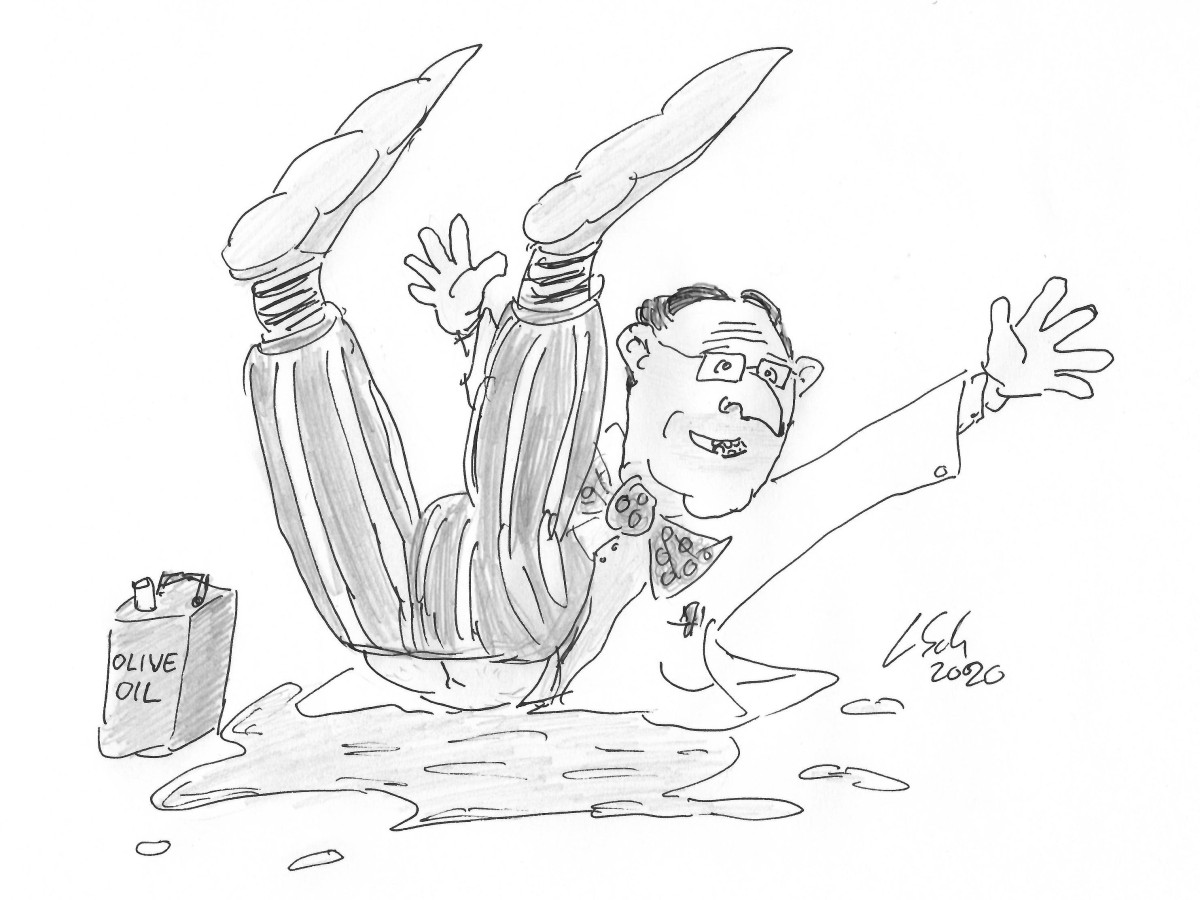
The Pratfalls of Domenico Pratico
Next time you wonder why mouse research does not translate to humans, think of Domenico Pratico work on Alzheimer’s and other brain diseases.
Six years passed. Editor-in-Chief Cuervo left Aging Cell‘s editorial board completely in 2021. Pratico retracted 10 papers. One couldn’t sit this out indefinitely, thus the journal, under new leadership, issued this retraction on 30 April 2026:
“The retraction has been agreed upon following an investigation into concerns raised by the corresponding author, D. Praticò, and by a third party. This identified image manipulation or duplication within Figures 2C, 3C, 4A, and 4C, as well as with a previously published article by the same author group. As a result, the data and the conclusions are considered unreliable.
D. Praticò agreed to the decision to retract. P. F. Giannopoulos and J. Chiu were informed of the decision to retract but remained unresponsive.”
See, it wasn’t Mu Yang who found fraud in this paper. Truth is that Professor Pratico himself caught a Greek fraudster in his lab, and then personally, bravely and heroically investigated the entire case and then asked the editors for a retraction.
The other retraction makes the same claim:
Phillip F. Giannopoulos , Yash B. Joshi , Jin Chu , Domenico Praticò The 12-15-lipoxygenase is a modulator of Alzheimer’s-related tau pathology in vivo Aging Cell (2013) doi: 10.1111/acel.12136
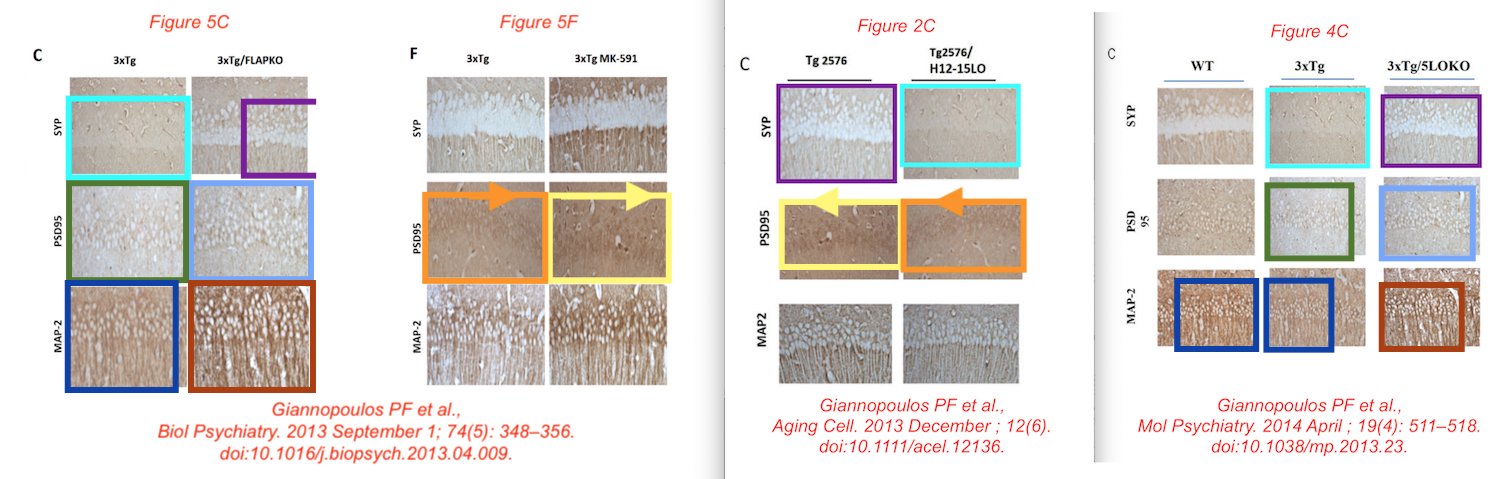
Phillip F. Giannopoulos , Jin Chu , Yash B. Joshi , Margaret Sperow , Jin-Guo Li , Lynn G. Kirby , Domenico Praticò 5-lipoxygenase activating protein reduction ameliorates cognitive deficit, synaptic dysfunction, and neuropathology in a mouse model of Alzheimer’s disease Biological Psychiatry (2013) doi: 10.1016/j.biopsych.2013.04.009 (Retracted June 2024)
and Fig 4C of
P F Giannopoulos , J Chu , Y B Joshi , M Sperow , J-G Li , L G Kirby , D Praticò Gene knockout of 5-lipoxygenase rescues synaptic dysfunction and improves memory in the triple-transgenic model of Alzheimer’s disease Molecular Psychiatry (2014) doi: 10.1038/mp.2013.23 (Retracted October 2022)
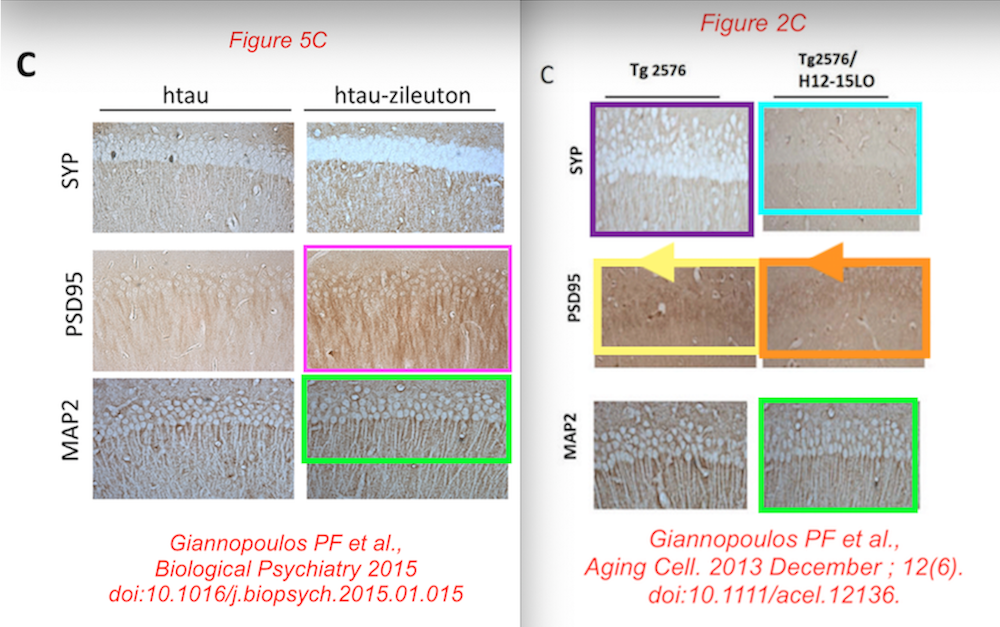
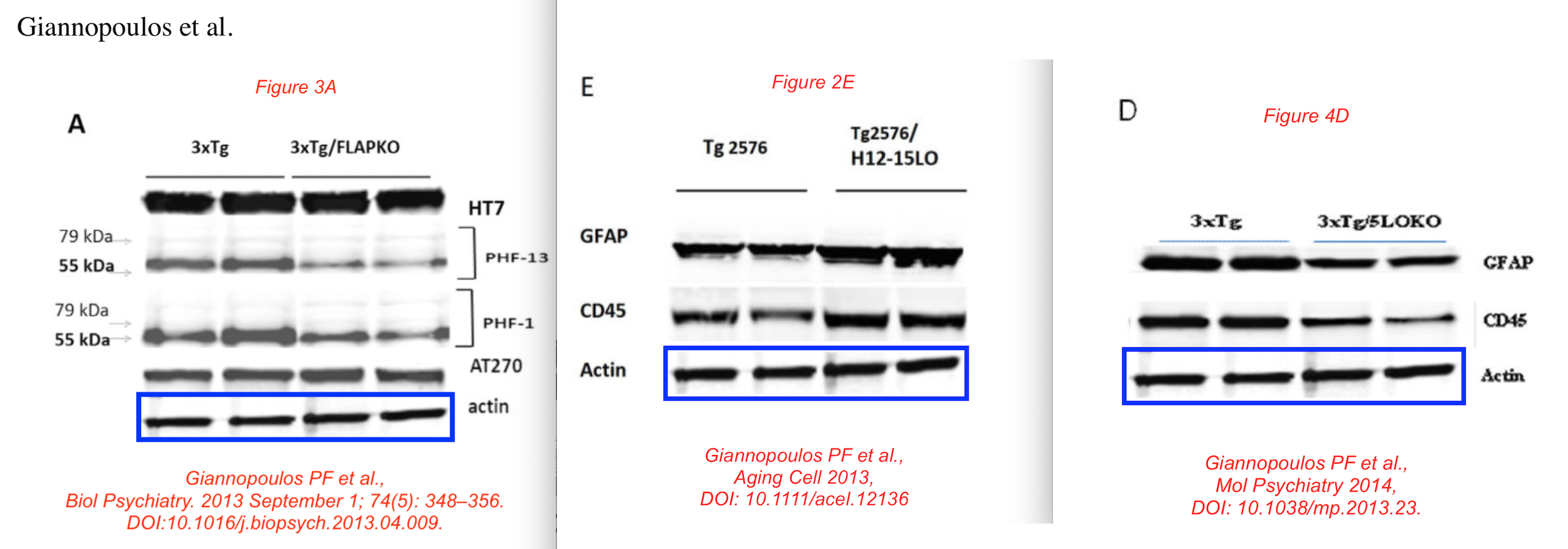
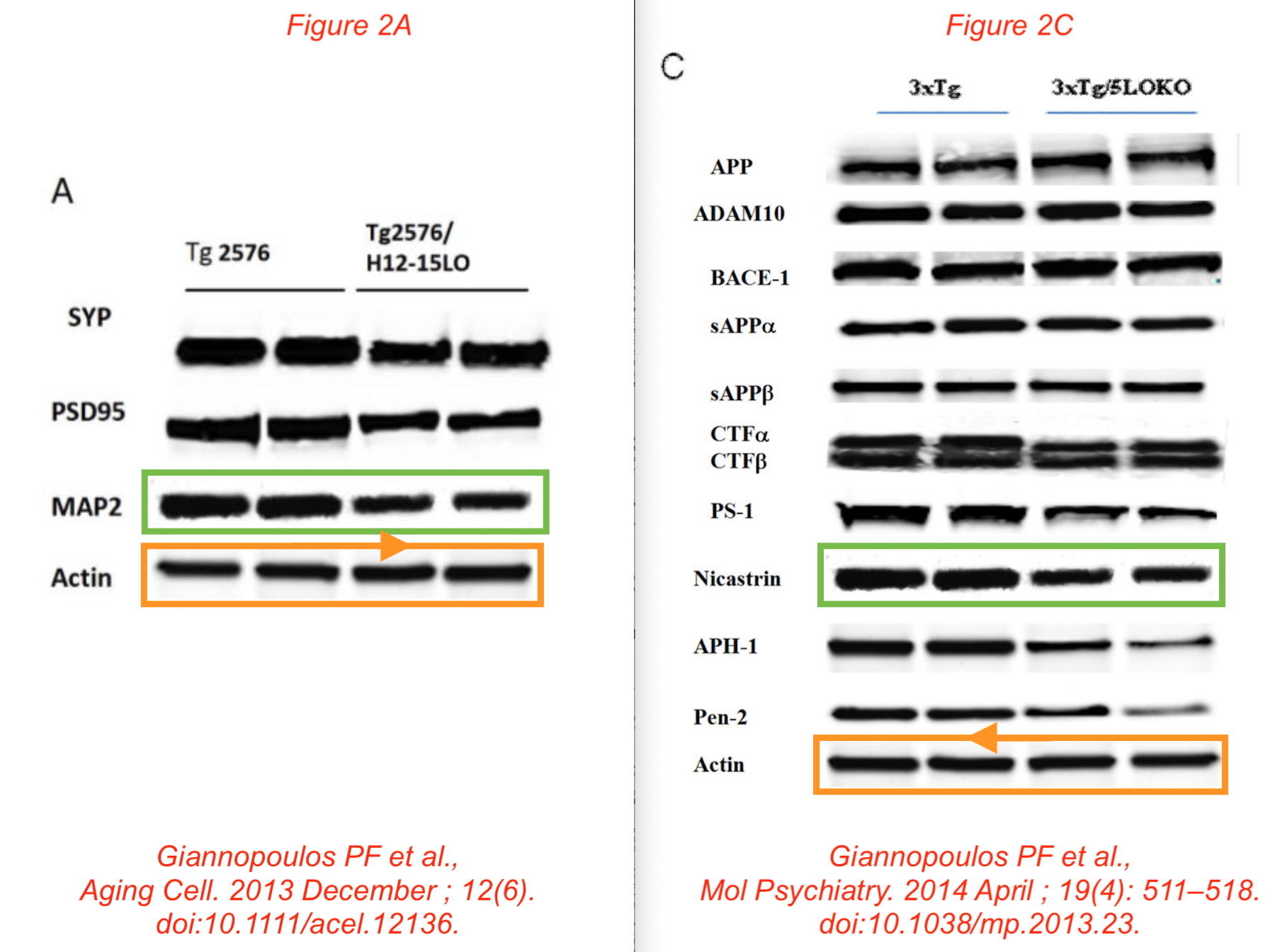
Also here, the truth is that it wasn’t Elisabeth Bik who found fraud in this paper, but Professor Pratico alone, as the retraction from 29 April 2026 asserts:
“The retraction has been agreed upon following an investigation into concerns raised by the corresponding author, D. Praticò. This identified image duplication of the tau1 bands in Figures 3A and 5A. As a result, the data and the conclusions are considered unreliable.
D. Praticò and Y. B. Joshi agreed to the decision to retract. P. F. Giannopoulos and J. Chu were informed of the decision to retract but remained unresponsive.”
If you submit your paper to this society journal, there’s a chance that your handling editor or reviewer will be Pratico.
Alcoholism and the complications of excessive drinking
Carol Thiele is Senior Investigator at NIH, Co-Director of Center for Cancer Research at National Cancer Institute in Bethesda, USA, and she just earned a retraction, That happened thanks to a certain fraud-tainted collaborator named Jia Luo, then at West Virginia University School of Medicine, now professor at University of Iowa and before that at University of Kentucky in Lexington. The first author Gang Chen was Luo’s PhD student and is now associate professor at University of Kentucky College of Medicine.
Gang Chen , Kimberly A. Bower , Cuiling Ma , Shengyun Fang , Carol J. Thiele, Jia Luo Glycogen synthase kinase 3β (GSK3β) mediates 6‐ hydroxydopamine‐induced neuronal death The FASEB Journal (2004) doi: 10.1096/fj.04-1551fje
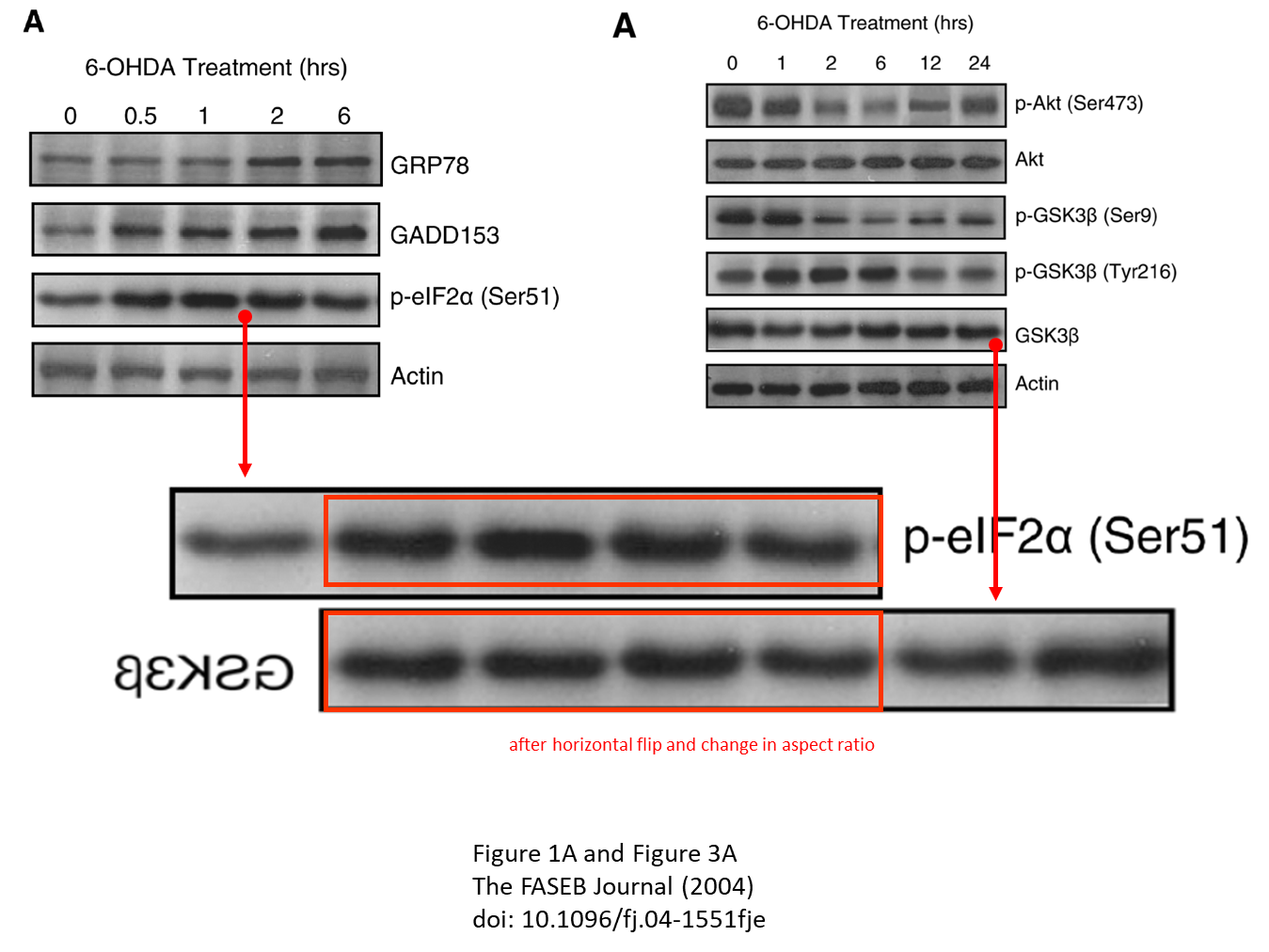
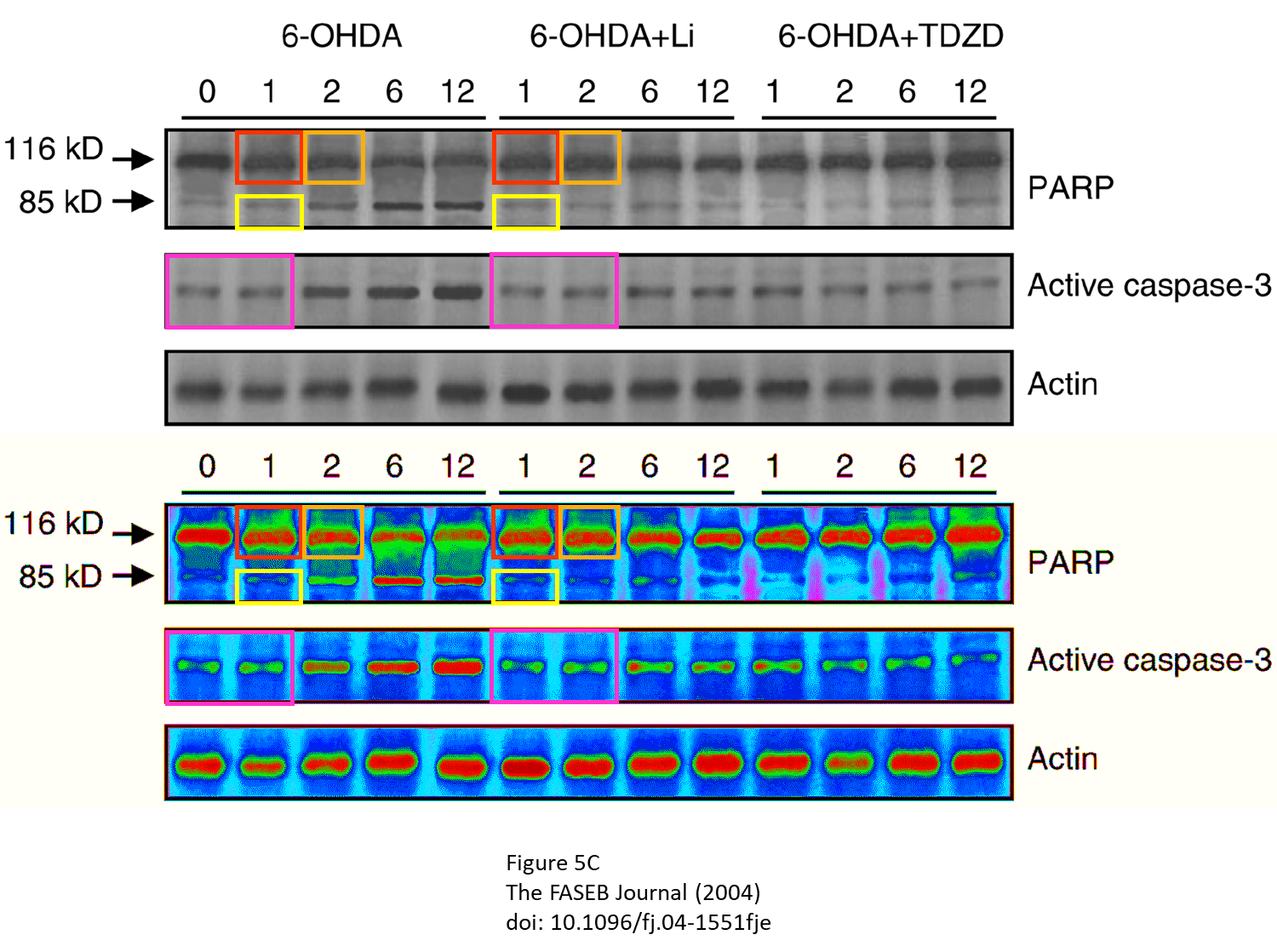
The problems were flagged on PubPeer in April 2024, in June Thiele replied with “I do not have access to the primary/original data.” On 5 August 2024, an Expression of Concern was published, which declared that “the original data are no longer available to the authors.“
The retraction appeared on 29 April 2026:
“This decision has been taken following publication of an Expression of Concern (https://doi.org/10.1096/fsb2.23869) and investigation of additional data subsequently provided by the authors to substantiate the results for Figures 1A, 3A and 5C. Analysis of replicate experimental data indicated that the controls were not appropriately presented in the affected figures, as different controls were used for each panel in the figures. The experiments were not conducted in accordance with accepted standards in the field. As a result, the findings cannot be validated, and the editors consider the results and conclusions of this study to be unreliable. The authors disagree with the retraction.”
Thiele has more problematic papers on PubPeer. Like this:
Yoon-La Choi , Chong Jai Kim , Tatsuya Matsuo , Carlo Gaetano , Rita Falconi , Yeon-Lim Suh , Seok-Hyung Kim , Young Kee Shin , Seong Hoe Park , Je Geun Chi , Carol J. Thiele HUlip, a human homologue of unc-33-like phosphoprotein of Caenorhabditis elegans; Immunohistochemical localization in the developing human brain and patterns of expression in nervous system tumors Journal of Neuro-Oncology (2005) doi: 10.1007/s11060-004-3013-3
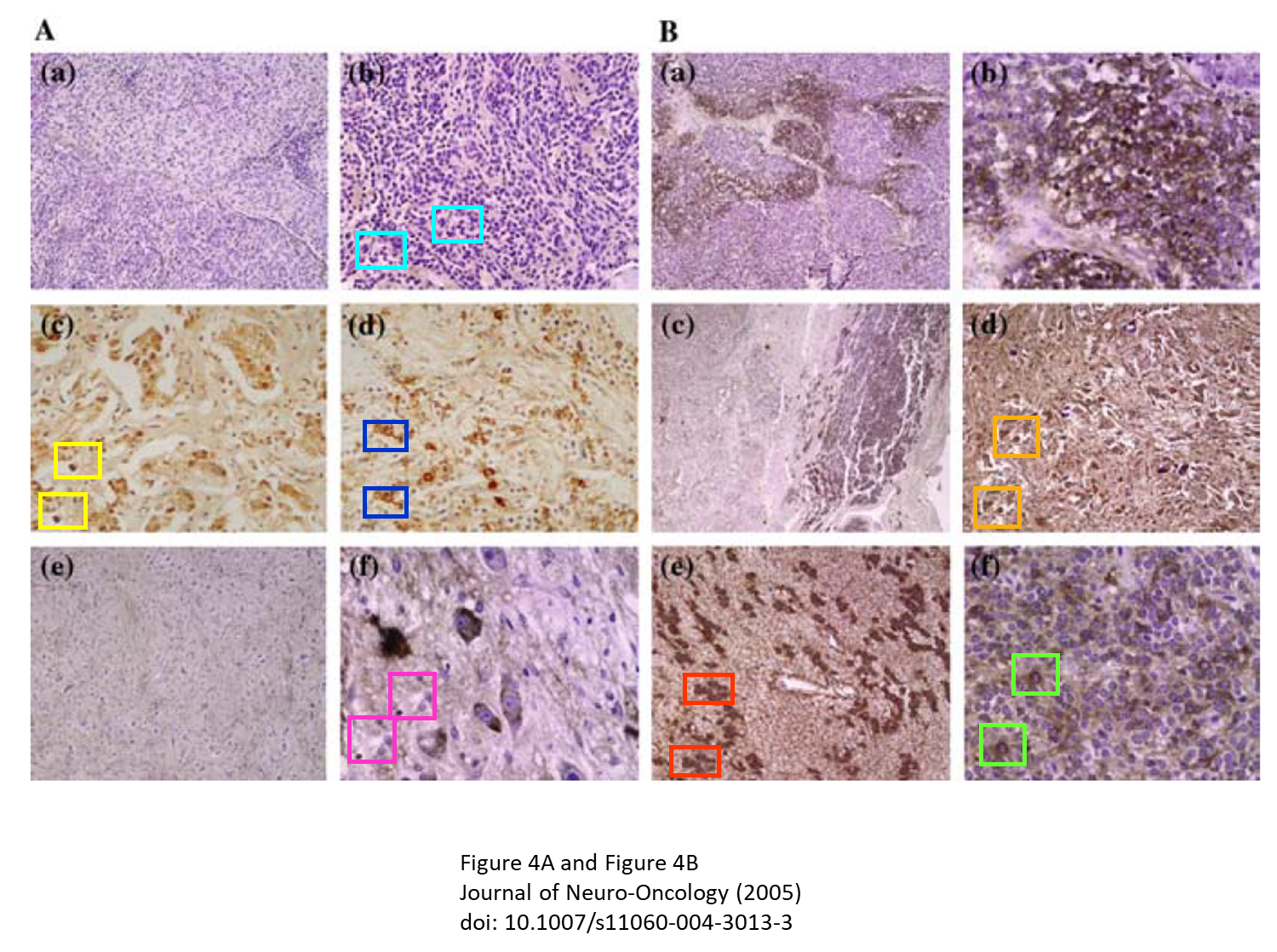
Yet also here, the last author Thiele replied in June 2024: “I do not have access to the primary data and thus cannot offer an opinion.” Indeed, the corresponding author is the Korean Chong Jai Kim. For Liu et al 2013 however, Thiele posted raw data to disprove the alleged duplications. Also here, raw data was available:
Zhijie Li, Fei Tan , David J. Liewehr , Seth M. Steinberg , Carol J. Thiele In Vitro and In Vivo Inhibition of Neuroblastoma Tumor Cell Growth by AKT Inhibitor Perifosine JNCI Journal of the National Cancer Institute (2010) doi: 10.1093/jnci/djq125
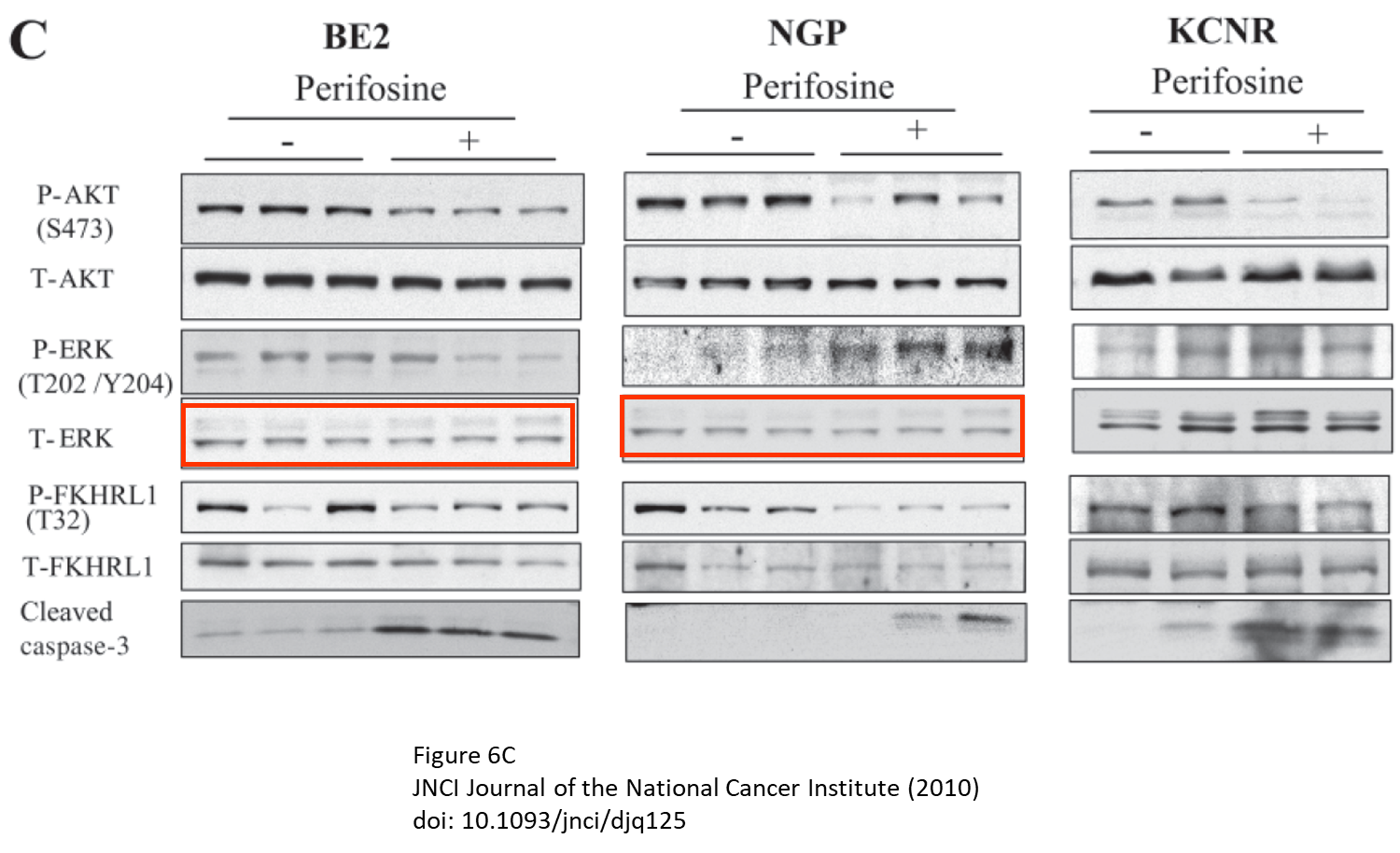
Actinopolyspora biskrensis: “Two of the gel strips shown in Figure 6C are very similar, and appear as if they may share the same source.”
In July 2024, Thiele informed the PubPeer readers of the correction, where the authors “provided the original autoradiograms […] to the editors and […] replaced the T-ERK band (original “Fig. 6C”) with the correct T-ERK western band for NGP.“
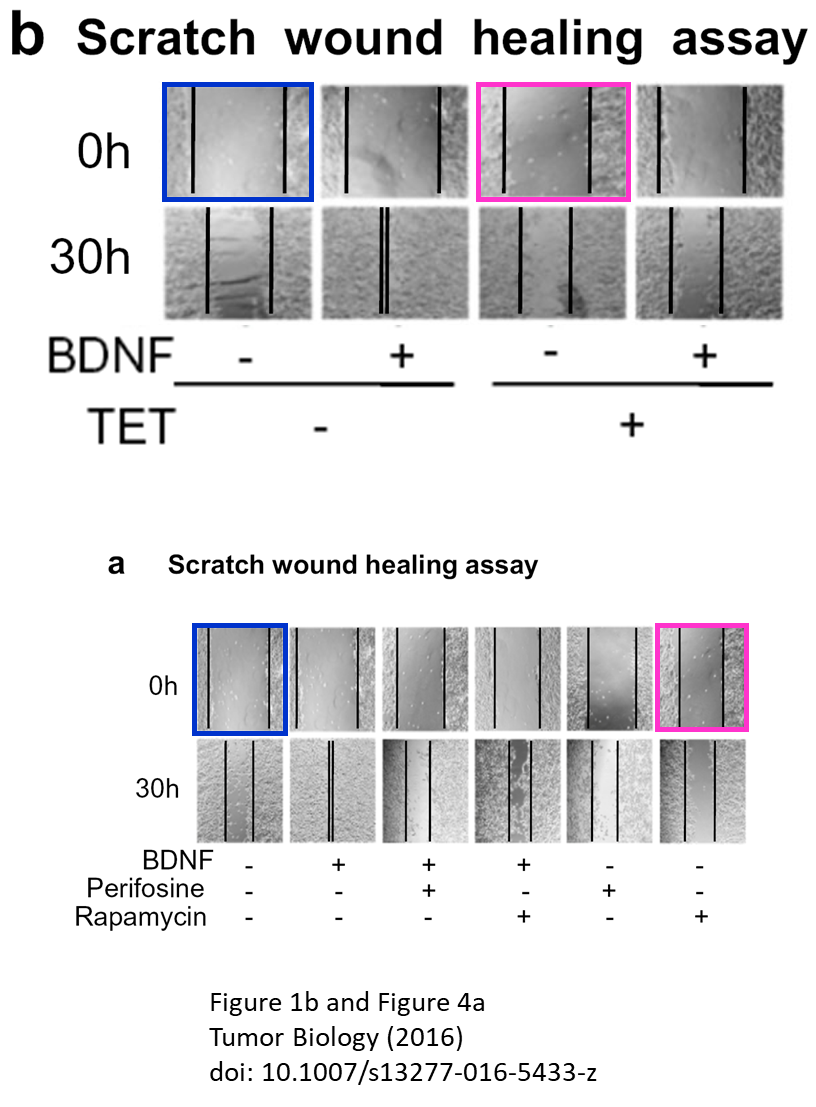
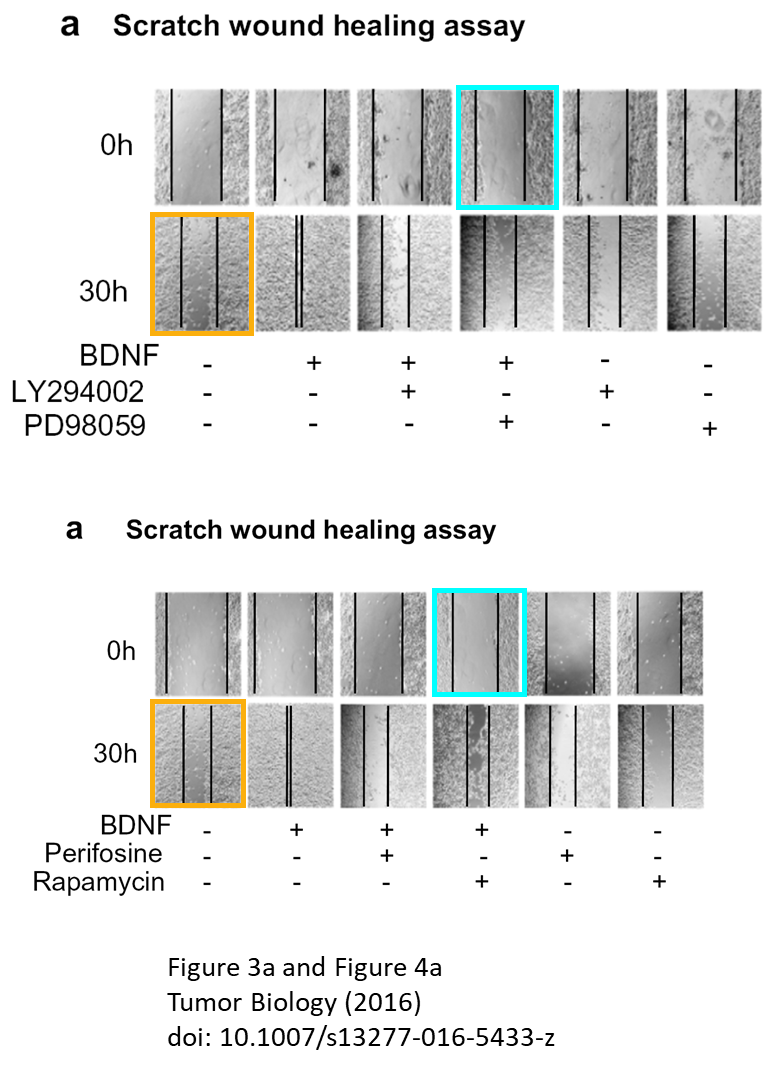
Thiele and her mentee Zhijie Li (now professor in China) also corrected the paper Gong et al 2021, where they admitted that “images were misused“. Here however, Li announced in April 2024 that he “will contact the editor of the journal ” Tumor Biology”“, but then he and Thiele decided that only losers correct papers, while winners publish more of the same crap:
Zhongyan Hua , Xiao Gu , Yudi Dong , Fei Tan , Zhihui Liu , Carol J. Thiele, Zhijie Li PI3K and MAPK pathways mediate the BDNF/TrkB-increased metastasis in neuroblastoma Tumor Biology (2016) doi: 10.1007/s13277-016-5433-z
Another one from Thiele’s lab:
Seiichi Odate, Veronica Veschi , Shuang Yan , Norris Lam , Richard Woessner , Carol J. Thiele Inhibition of STAT3 with the Generation 2.5 Antisense Oligonucleotide, AZD9150, Decreases Neuroblastoma Tumorigenicity and Increases Chemosensitivity Clinical Cancer Research (2017) doi: 10.1158/1078-0432.ccr-16-1317
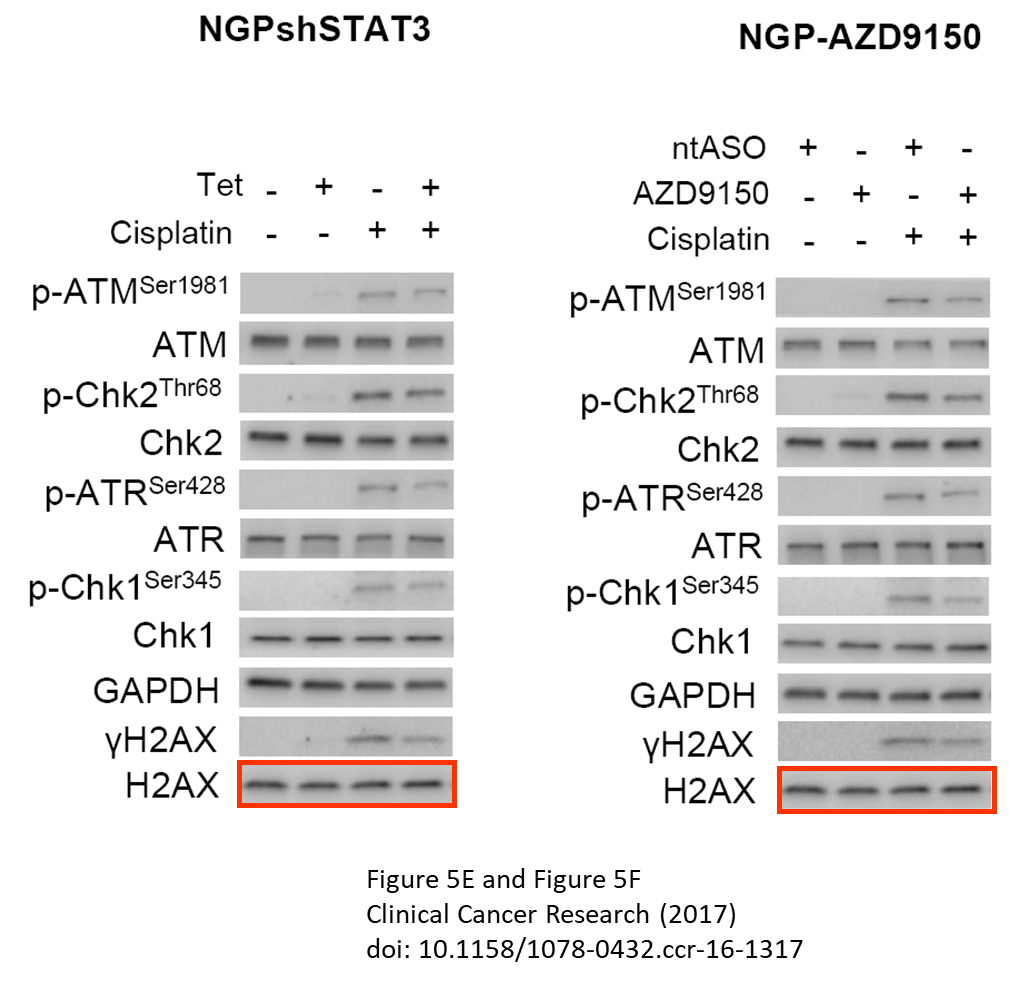
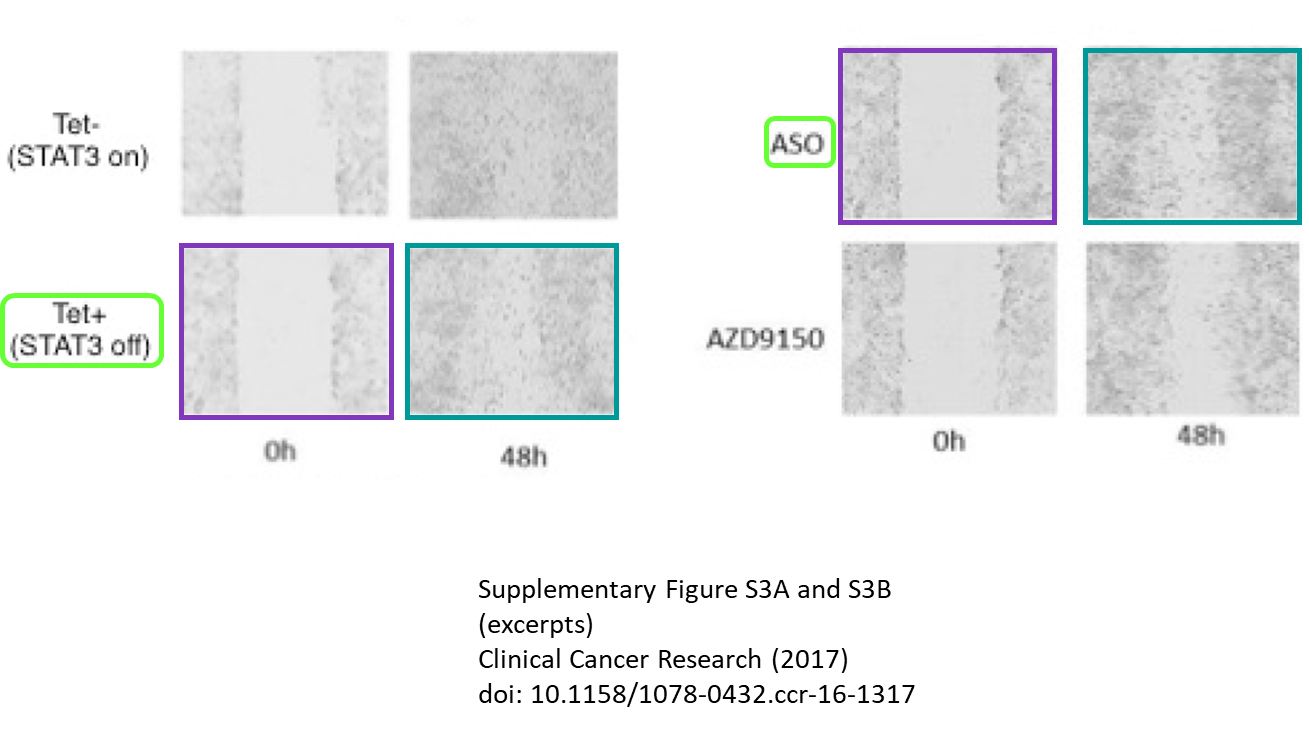
In June 2024, Thiele’s mentee and first author Seiichi Odate replied on PubPeer and admitted the mistakes. No correction was publsihed.
Returning to Thiele’s collaborators on the above retraction – Jia Luo and Gang Chen are both blessed with names which are difficult to search on PubPeer. But searching them on PubPeer together helps!
For example, they earned a joint retraction in Journal of Biological Chemistry (Ok et al 2016), as Retraction Watch reported in 2018, the official culprit was their colleague in Kentucky, Xianglin Shi. Luo and Shi lost more papers to retractions, Son et al 2014, Son et al 2017 and Kim et al 2016, all retracted by the same journal in 2018/2019, and in other journals Wang et al 2018, Gao et al 2012, retracted in 2020.
Shi and his wife (and common author on all that fraud), Zhuo Zhang, were found guilty of research misconduct and fired in 2018, together with their lab member Donghern Kim. The university ordered all those retractions, see reporting by Herald Leader and the archived (since deleted) reporting by The Scientist. and statement by the University of Kentucky. This however was apparently not investigated, the authors are Shi, Zhang, Kim, Luo and Chen:
Poyil Pratheeshkumar , Young-Ok Son , Amit Budhraja , Xin Wang , Songze Ding , Lei Wang , Andrew Hitron , Jeong-Chae Lee , Donghern Kim , Sasidharan Padmaja Divya , Gang Chen , Zhuo Zhang , Jia Luo , Xianglin Shi Luteolin inhibits human prostate tumor growth by suppressing vascular endothelial growth factor receptor 2-mediated angiogenesis PLOS One (2012) doi: 10.1371/journal.pone.0052279
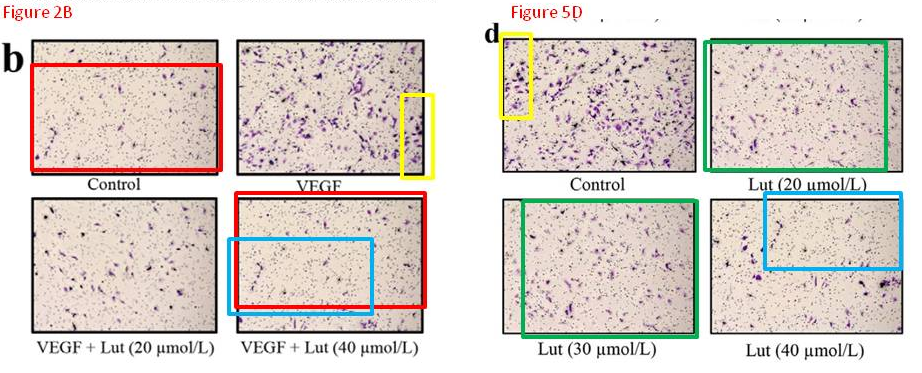
Now, consider how screwed-up academia is that despite all that fraud Luo and Chen found new professorships elsewhere. They both study “Alcoholism, alcohol abuse, and the medical complications of excessive drinking“. Maybe booze is how they cope with their fraudulent past.
Indeed, one of Luo’s papers suffers from inebriation-induced miscount:
Xiao-Ming Ou, Craig A. Stockmeier , Herbert Y. Meltzer , James C. Overholser , George J. Jurjus , Lesa Dieter , Kevin Chen , Deyin Lu , Chandra Johnson , Moussa B.H. Youdim, Mark C. Austin , Jia Luo , Akira Sawa , Warren May , Jean C. Shih A novel role for glyceraldehyde-3-phosphate dehydrogenase and monoamine oxidase B cascade in ethanol-induced cellular damage Biological Psychiatry (2010) doi: 10.1016/j.biopsych.2009.10.032
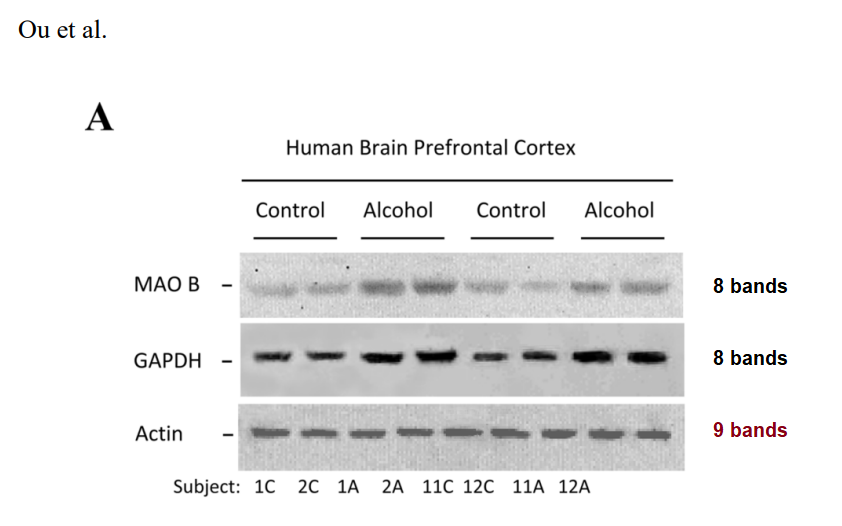
Bactoderma alba: “Fig. 2A – Number of bands dont match.”
Here is more of Luo’s drunk research, it earned a permanent Expression of Concern in 2022:
Fei Wang , Jin-Lian Yang, Ke-ke Yu, Mei Xu, You-zhi Xu, Li Chen, Yan-min Lu, Hao-shu Fang, Xin-yi Wang, Zhong-qian Hu, Fei-fei Li, Lixin Kan, Jia Luo, Si-Ying Wang Activation of the NF-κB pathway as a mechanism of alcohol enhanced progression and metastasis of human hepatocellular carcinoma Molecular Cancer (2015) doi: 10.1186/s12943-014-0274-0
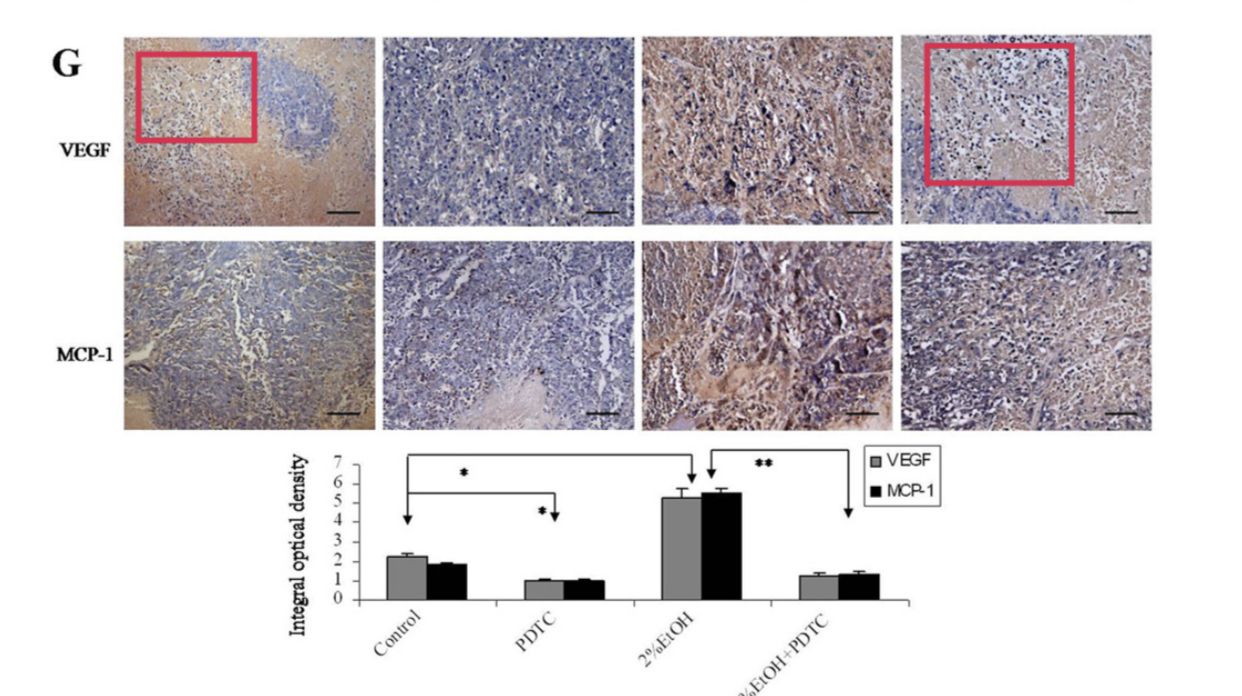
Cheers to all that great science.
A memorable image
The highest-ranking medical journal, New England Journal of Medicine, embarrassed itself again.
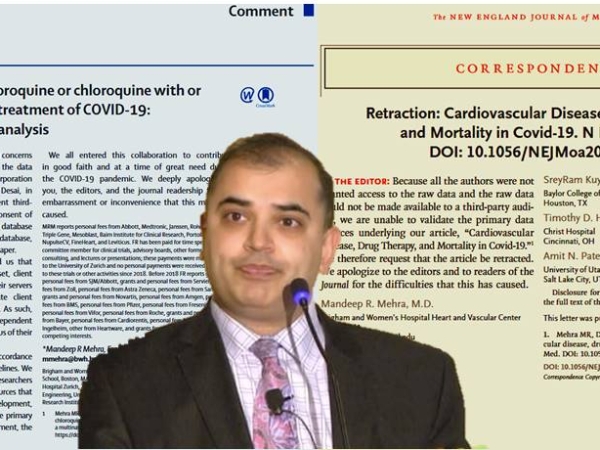
Would Lancet and NEJM retractions happen if not for COVID-19 and chloroquine?
NEJM and The Lancet retract two fake papers, one was dealing with chloroquine. Did we just get a brief glimpse into the fraudulent abyss of medical literature and the corruption of medical elites, briefly opened by the current COVID-19 situation?
This time, in their series “Image in Clinical Medicine”, they published some AI slop:
Yuling Wang , Xiangdong Mu Bronchial Casts from Inhalation of Forest-Fire Smoke The New England Journal of Medicine (2026) doi: 10.1056/nejmicm2518379
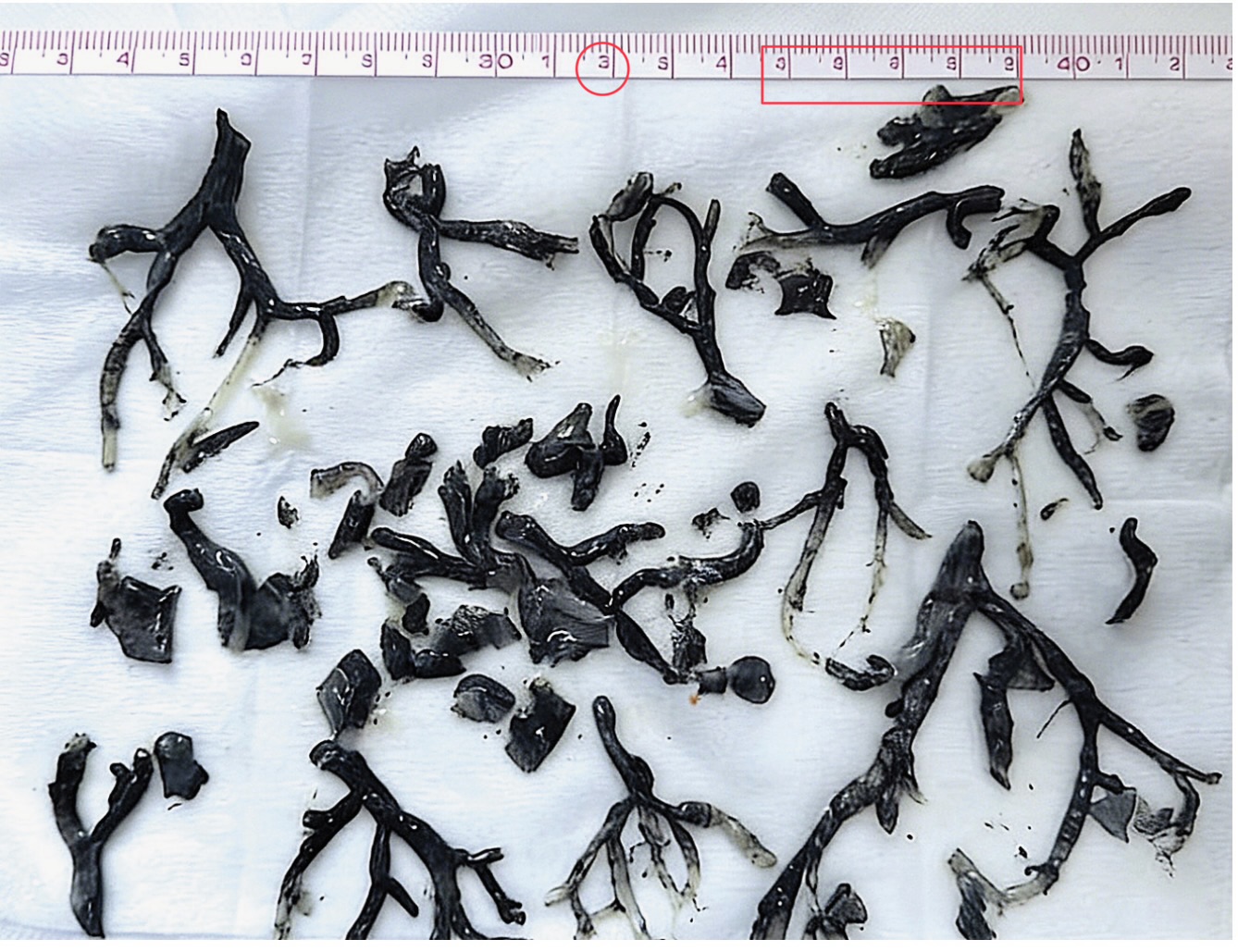
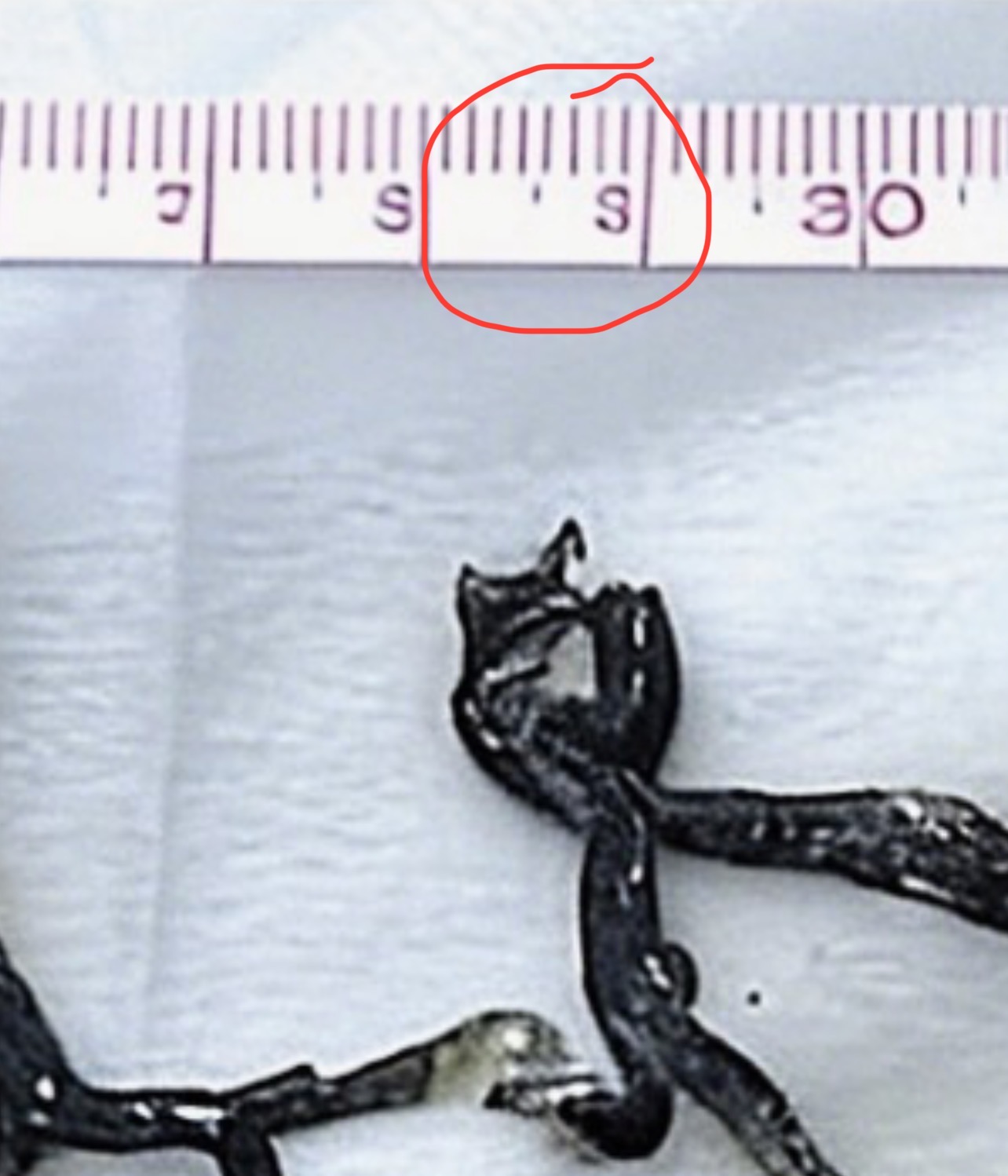
Actinopolyspora biskrensis: “The “tape” seems to be AI generated. Some of the hash marks do not align with the regular scale marks, and there an inconsistent number of minor marks between the major marks.”
This same “photo” was used as illustration in the Gizmodo article about this study from 21 April 2026:
“Doctors in China treated a man who breathed in thick smoke from a forest fire. After the man’s respiratory function began to decline, doctors examined his airways and discovered they were filled with rubbery, blackened mucus caused by the smoke inhalation. Thankfully, they successfully removed the gunk, and the man eventually recovered from his injuries. […]
This case offers more than a memorable image—it illustrates the less obvious harms of climate change. The report is part of a series in this month’s issue of the NEJM, spotlighting some of the health effects that could be exacerbated by climate change.”
Yes, it was a memorable image, but for different reasons.
On PubPeer, Tsinghua University’s professor Xiangdong Mu assured readers:
“the measuring tape was not properly positioned due to our oversight during the emergency procedure. For better visibility and readability, we performed minor image adjustment to straighten the tilted scale. This modification did not alter any clinical findings, anatomical structures, or diagnostic information. The irregular numbering is an unintended artifact from this adjustment.“
He also stated to have provided to NEJM “the patient’s complete medical records“. Instead, on 29 April 2026 this retraction was published:
“To the Editor: We were unaware of Journal policies on image manipulation and had altered our submission by using an artificial intelligence (AI) tool to move the ruler to the top of the image. We therefore wish to retract our image and case report.
Yuling Wang, M.Med. Xiangdong Mu, M.D.”
Science Breakthroughs
Incredible future is now becoming reality
In russia, science continues being superior to anywhere else.
Referencing a TASS announcement from on 24 April 2026, the Amsterdam-based russian independent newspaper The Moscow Times reported about a freshly announced government research project:
“Denis Sekirinsky, Russia’s deputy science and higher education minister, said the experimental treatment would target the RAGE receptor, which he said triggers cellular aging when activated.
“The RAGE gene is a receptor whose activation launches the aging of the cell. Blocking this gene, on the contrary, can prolong its youth,” Sekirinsky said at a healthy longevity conference in the Volga city of Saransk, according to the state-run TASS news agency.
He said the goal was to create “the world’s first gene therapy drug” specifically designed to block the receptor. […]
Deputy Prime Minister Tatyana Golikova previously said Russia planned to begin producing an anti-aging drug between 2028 and 2030.
“What some time ago we could describe as an incredible future is now becoming reality,” Golikova said earlier.
The work is being carried out under the New Technologies for Health Preservation National Project launched in 2025 at the instruction of President Vladimir Putin.
The program has a budget of more than 2 trillion rubles ($26.4 billion).”
The newspaper also referenced the exiled russian outlet Meduza that the project was an “obsessive idea” of Mikhail Kovalchuk, head of the Kurchatov Institute, “who dreams of eternal life and the ‘genome of the Russian person’. In this regard, Kovalchuk runs an state program on anti-aging which features a certain medical researcher called Maria Vorontsova, who happens to be putin’s oldest daughter.
Kovalchuk is scientifically illiterate and literally a spherical idiot, wherever he opens his pie hole, some brain-dead insanity comes out. His main qualification for the Kurchatov directorship was being the brother of putin’s loyal oligarch and personal moneyman, Yuri Kovalchuk.

Boycott Russian Science (and Everything Else) – Thoughts on War in Ukraine
The state it’s in, we don’t need Russian science anyway.
The new RAGE project will be led by the Institute of Aging Biology and Medicine in Moscow. The RAGE project is obviously the idea of the institute director Alexey Moskalev (e.g., Guvatova et al 2026). Noteworthy, Moskalev very closely collaborates, for many years and until today, with a certain US-based anti-aging entrepreneur named Alex Zhavoronkov, an ethnic russian from Latvia (original name Aleksandrs Zavoronkovs), known as the CEO of the AI biotech Insilico Medicine. In 2023, they even edited a book together, titled “Artificial Intelligence for Healthy Longevity”, most authors are russian. Another regular coauthor of Moskalev’s is InSilico’s President Alex Aliper, who is also russian.
The conference program (in russian) can be found here, Moskalev of course also spoke there.
Wait, what if Insilico’s main investor is… putin?
Donate!
If you are interested to support my work, you can leave here a small tip of $5. Or several of small tips, just increase the amount as you like (2x=€10; 5x=€25). Your generous patronage of my journalism will be most appreciated!
€5.00

 For Better Science
“Kovalchuk is scientifically illiterate and literally a spherical idiot,”
I am disappointed by the lack of attribution for Fritz Zwicky.
LikeLike
Turns out, Mikhail Zygar blogged about this multi-billion dollar project by Kovalchuk of Immortal Putin already last September:
https://zygaro.substack.com/p/immortal-putin
LikeLike
Mohamed Soliman Elshikh has 20 retracted papers. Rashid Iqbal has 9. Good partners to publish with. Marek Gancarz has 6 articles with them.
LikeLiked by 1 person
‘Wait, what if Insilico’s main investor is… putin?’
The company had meaningful ties to Russian innovation infrastructure in the 2010s, especially the Skolkovo Foundation, where its Russian subsidiary received grants and operated as a resident company.
Founder Alex Zhavoronkov is Russian-speaking / Latvia-born and previously built research operations in Russia and later China/UAE.
After the 2022 invasion of Ukraine and sanctions on Skolkovo, Insilico reportedly exited or disposed of its Russian subsidiary and shifted operations elsewhere.
IInsilico Medicine has raised money from a pretty broad mix of biotech VCs, tech investors, sovereign-linked funds, and pharma-connected investors over multiple rounds. The best-known investors publicly associated with the company include:
Warburg Pincus
Sequoia Capital China (now HongShan)
OrbiMed
Fidelity Investments
Qiming Venture Partners
Eight Roads Ventures
B Capital Group
Deerfield Management
Mirae Asset Capital
Pavilion Capital
Lilly Asia Ventures
Baidu Ventures
Sinovation Ventures
Prosperity7 Ventures (backed by Saudi Aramco)
Value Partners Group
WuXi AppTec
Tencent (reported in some funding summaries)
Early longevity-focused investors:
Juvenescence
Deep Knowledge Ventures
Jim Mellon
Its major 2021 Series C round ($255M) was led by Warburg Pincus, with participation from Sequoia China, OrbiMed, Qiming, B Capital, Deerfield, and others.
The newer 2025 Series E round (~$110–123M) was reportedly led by Value Partners Group, with continued participation from existing investors including Prosperity7 Ventures and Warburg Pincus.
LikeLike
I didn’t expect putin to invest into Zhavoronkov’s company directly!
Btw, his family belongs to russians whom Soviet power moved to Latvia to replace the deported Latvians and to enforce russification of the occupied country.
Roughly 25% of Latvian population is ethnic russian. The majority is well integrated and speaks Latvian language. But some are rabid rascists who refuse all integration (and sometimes publicly drunk).
Zhavoronkov even changed his name to show that he is russian and not Latvian.
The irony is actually that his name is originally Ukrainian, with a “v” added to russify it.
LikeLike