
England. A world superpower. Not just in everything else, but also in science, which is world-beating. English spitfire pluckiness destroyed the Huns in two world wars and in Brexit, but also in scientific performance, both impact-factor and money-wise. Brexit Britain will be free of all diseases, because whatever an English scientist does, conclusions remain not affected.
The secret to English science supremacy is not just the limitless capacity of certain English researchers to fabricate exciting results and phony cures, anyone can do that. It is the unique arrogance and corruption of English universities and of British health authorities who regularly decree all data fakeries to be quality science, outside statute of limitations, and verified independently by many citations, while telling whistleblowers to get lost.
It is a game only the crooks can win. And tax payers, charity donors and patients pay the price.
Not matter what you hear from Brexit, it’s not like England is not tolerant and welcoming. Clean of foreign detritus, free Britain can now freely choose what kind of foreigner it will let it. The foreigner must bring the right skill, like Amato Giaccia did, when he arrived to Oxford from Stanford in USA, trailed by a string of questionable research. Brexit and the COVID-19 pandemic showcased what the English ruling elites value most: defrauding and bullshitting the public. Science is just another coffer to plunder in this scam.
I previously celebrated the English science genius, with superior English minds like regenerative medicine enthusiast Martin Birchall, who took over Paolo Macchiarini‘s deadly technology to run some trachea transplants of his own. Birchall was acquitted in full by his own UCL, including for data irregularities, foreign scapegoats were assigned. Also Master of Birkbeck Sir David Latchman, CBE, was saved by UCL from unruly investigators whose reports were overruled by officials to determine no misconduct. Dame Kay Davies, DBE, was defended by her University of Oxford thanks to statute of limitations of 3 years for research misconduct charges, and by the publisher Oxford University Press where she as Editor-in-Chief retaliated against a fraud whistleblower. Paul Workman and Alan Ashworth, current and former director of ICR London, were both absolved in full, nothing at all worth retracting was found, while minor characters (not their protegees though) got the blame. Richard Marais of Cancer Research UK in Manchester weathered a research fraud scandal in his lab and a mountain of bullying accusations, he is still director of the institute.
Now, I shall celebrate more such talents, based on the sleuthing of Clare Francis. Cancer is cured, brain diseases vanquished, all thanks to the English scholars I want you to admire. Please raise, tuck in your shirt and comb your hair. The honour is all yours:

Nick Lemoine, FRCPath FMedSci
We shall start with Nicholas Lemoine. This cancer researcher is professor at the Queen Mary University of London and director of the Cancer Research UK Barts Centre. He is also an extremely high-ranking expert at the MRC (Medical Research Council), which means Dr Nick decides which biomedical researchers in UK gets funded and which don’t:
“He has served as Chair of the Clinical Training and Career Development Panel at the Medical Research Council, and as Vice-Chair of the MRC Stratified Medicine Expert Panel. He has previously served as Chair of the MRC Stem Cell Strategic Grant and Fellowship Panels, and has been a member of the MRC’s Molecular & Cellular Medicine Board.“
As medical director of NIHR Clinical Research Network, Dr Nick is now in charge of UK’s COVID-19 response:
So what kind of science are you, a humble British scientist seeking to eke out a meagre grant from MRC or NIHR, expected to deliver in order to impress Professor Lemoine? Well, you could study from his own papers, here is one:
Iman El-Hariry, Massimo Pignatelli, Nicholas R. Lemoine FGF-1 and FGF-2 regulate the expression of E-cadherin and catenins in pancreatic adenocarcinoma International Journal of Cancer (2001) DOI: 10.1002/ijc.1515
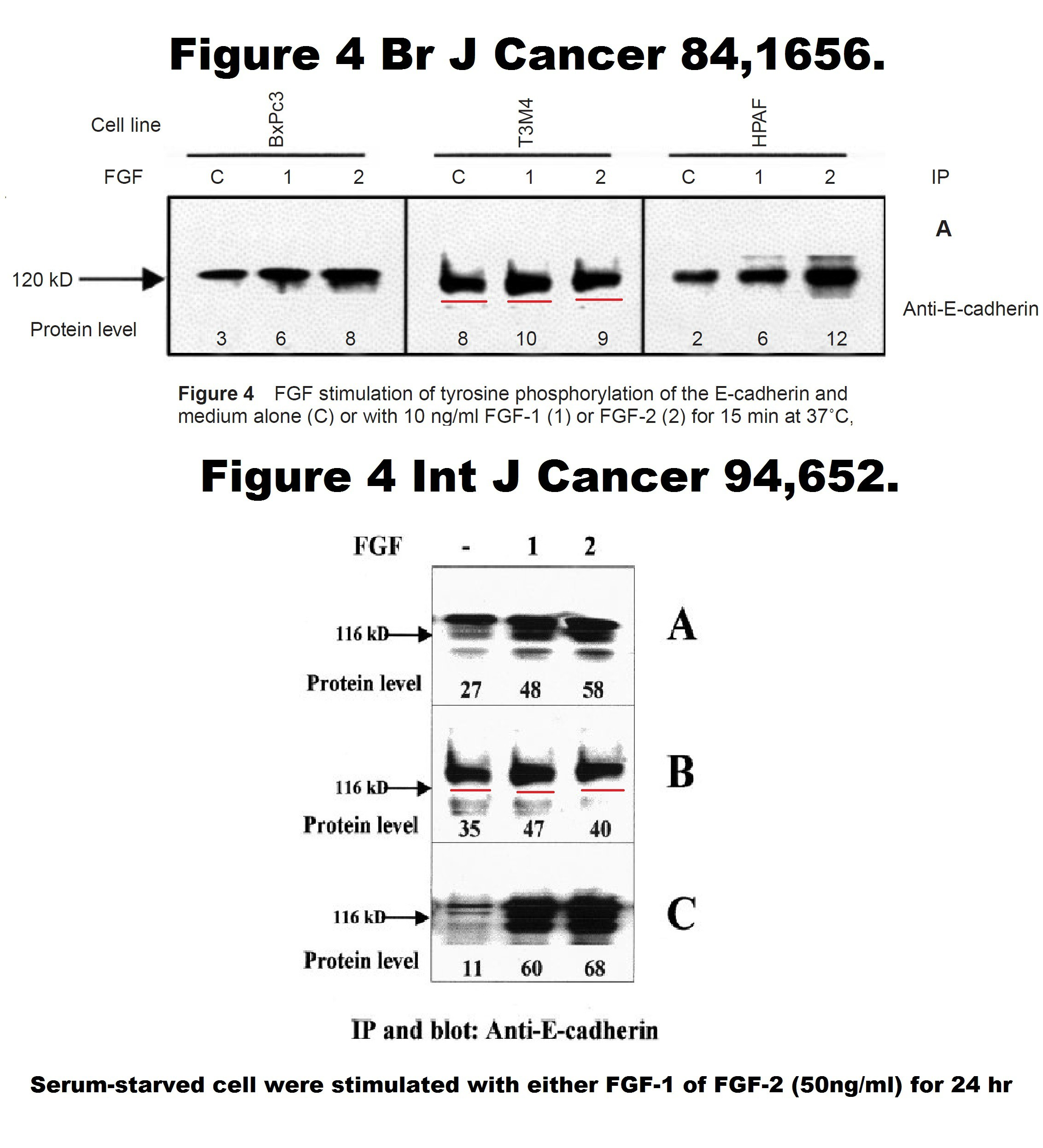
As you see, the Figure 4 is fake, it has 3 cloned bands. Which means, the conclusions are not affected. A correction was issued by the publisher Wiley in 2019:
“There is an error in the experimental conditions reported for the data presented in Figure 4 panel B. We apologize for these circumstances, which required clarification of the data.”
As it happens, Ashworth’s mentee and first author on a bunch of hilariously fake papers, Sarah Martin, is presently faculty member and Deputy Centre Lead at the Lemoine-ruled Bart’s and, this is really cruel: director of the graduate school. Now you see which qualifications you need to get employed at Barts, plus they probably sack PhD students for refusing to fake data there.
Maybe they use this paper by Limoine and his Barts colleagues to teach the students how to do cancer research properly:
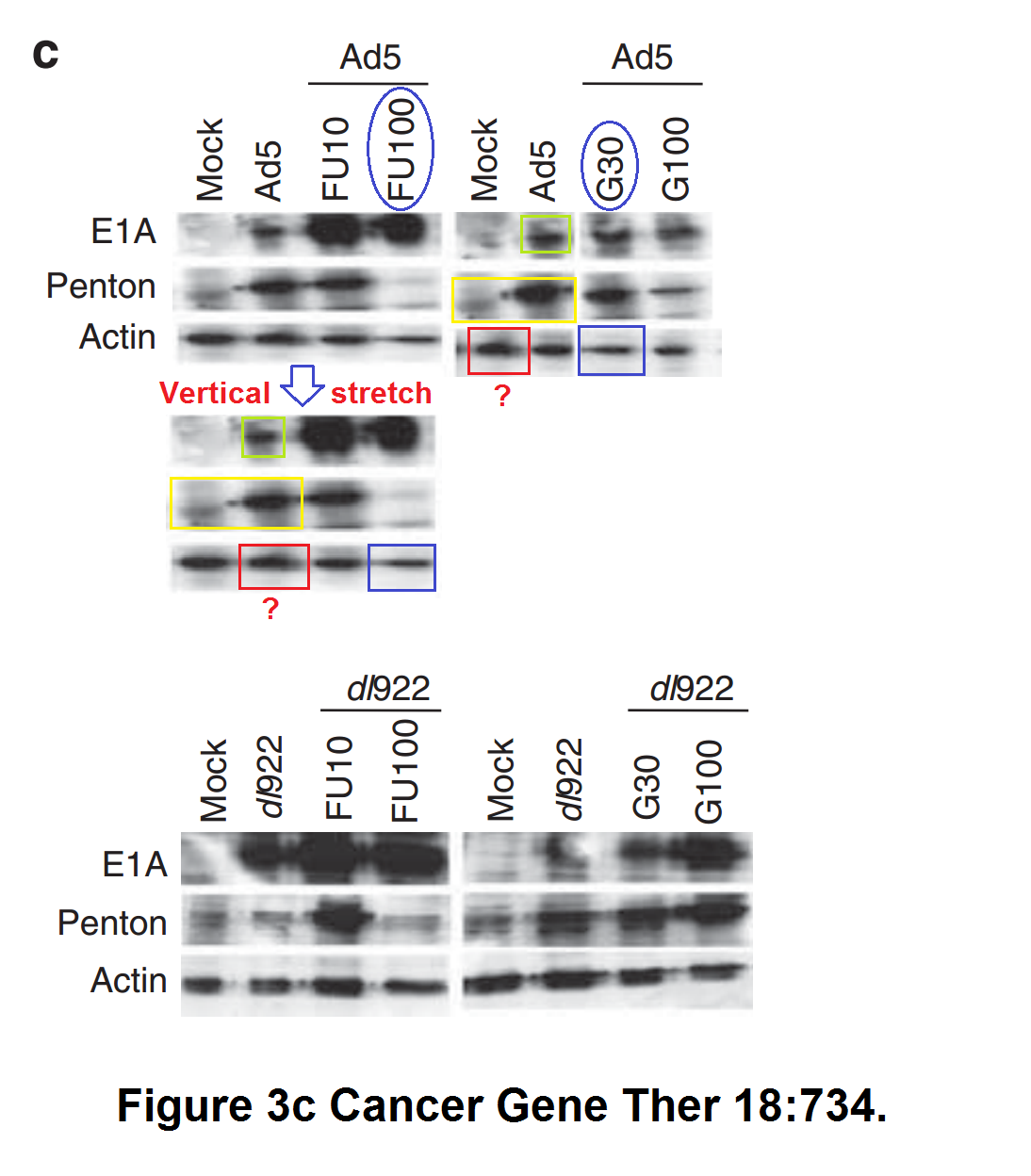
M Bhattacharyya, J Francis, A Eddouadi, N R Lemoine, G Halldén An oncolytic adenovirus defective in pRb-binding (dl922–947) can efficiently eliminate pancreatic cancer cells and tumors in vivo in combination with 5-FU or gemcitabine Cancer Gene Therapy (2011) doi: 10.1038/cgt.2011.45
Nothing was done. The Editor-in-Chief of this Nature Research Group journal is another professor in England, Georgios Giamas, owner of his own PubPeer record, and protege of the controversial, yet perfectly safe in his job, Imperial College professor Justin Stebbing. Giamas also holds a visiting professorship at Imperial, and he will definitely never do anything about the following paper by Limoine in Cancer Gene Therapy:
I A McNeish, T Tenev, S Bell, M Marani, G Vassaux, N Lemoine Herpes simplex virus thymidine kinase/ganciclovir–induced cell death is enhanced by co-expression of caspase-3 in ovarian carcinoma cells Cancer Gene Therapy (2001) doi: 10.1038/sj.cgt.7700305
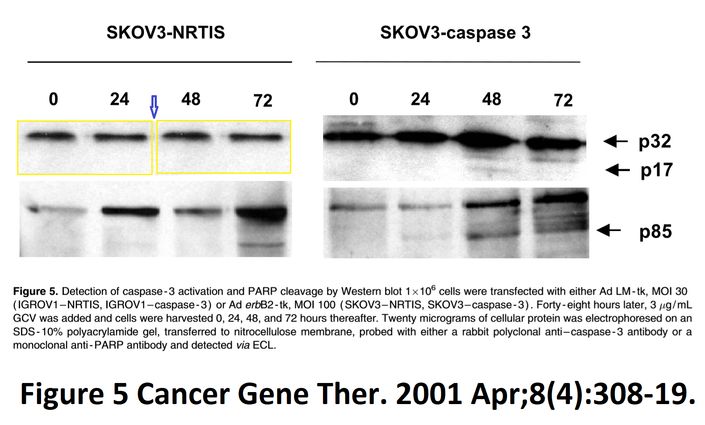
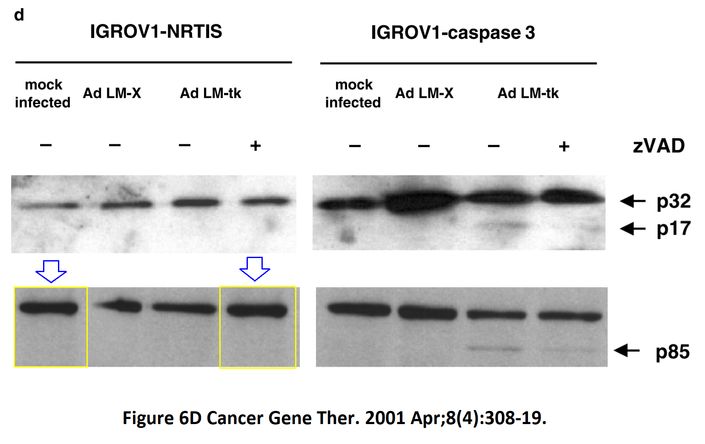
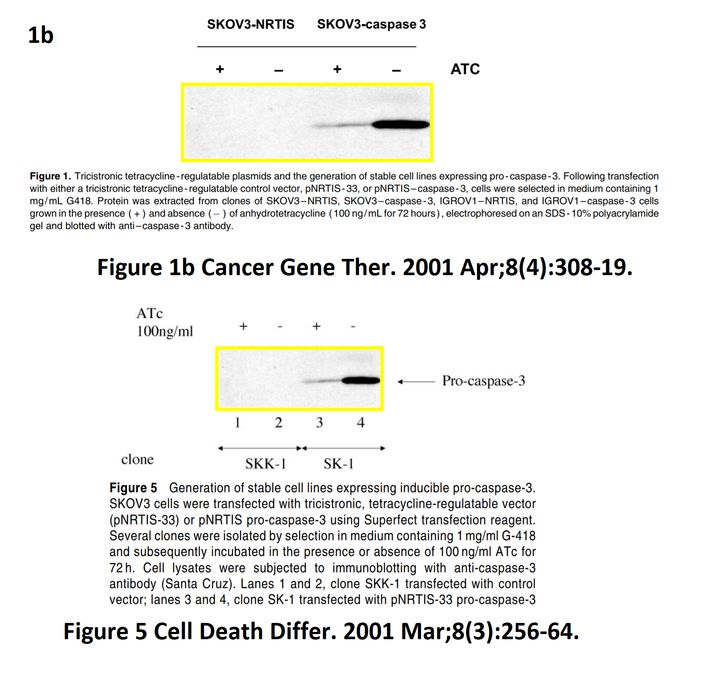
In November 2018, the first author and another Imperial College professor Ian McNeish posted on PubPeer the full investigative report by Limoine’s employer, Barts College, which was also approved by Imperial. McNeish, Limoine and the unnamed investigator agree that the raw data doesn’t exist (anymore, they say), that the two papers were submitted and reviewed simultaneously and that the gel bands are indeed duplicated. The investigator’s conclusions, as quoted by McNeish:
“None of these issues in my opinion change the conclusions made in the papers. I see no merit in retracting these important publications or publishing an erratum at this late stage, although agree that there have been errors made in producing the figures. […] The investigation stated that the conclusions made from the published studies were valid and important, even accounting for these reporting errors.“
This is the standard attitude of all English and in fact British universities. The wording is typical English passive-aggressiveness towards whistleblowers warning them never to waste the university’s time ever again or meet their due fate.
Below some more of Limoine papers, the rest is on PubPeer. The following is 7 years old, when it was posted the raw data was rather fresh, sometimes even piping hot. A key coauthor on all these papers is Yaohe Wang, another professor at Barts.
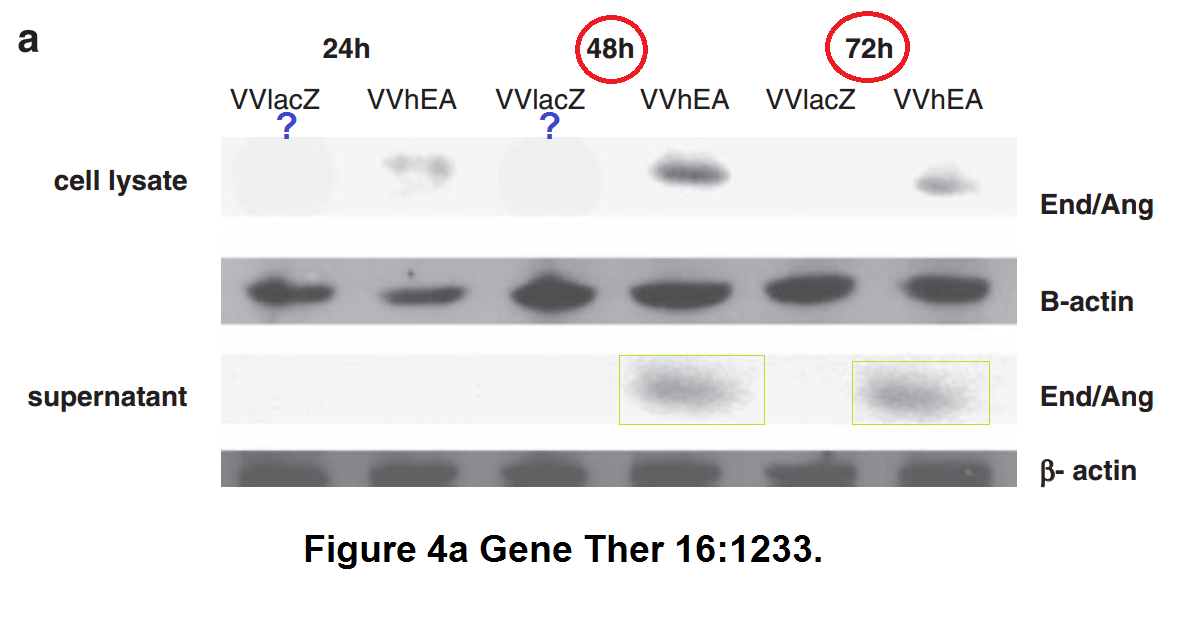
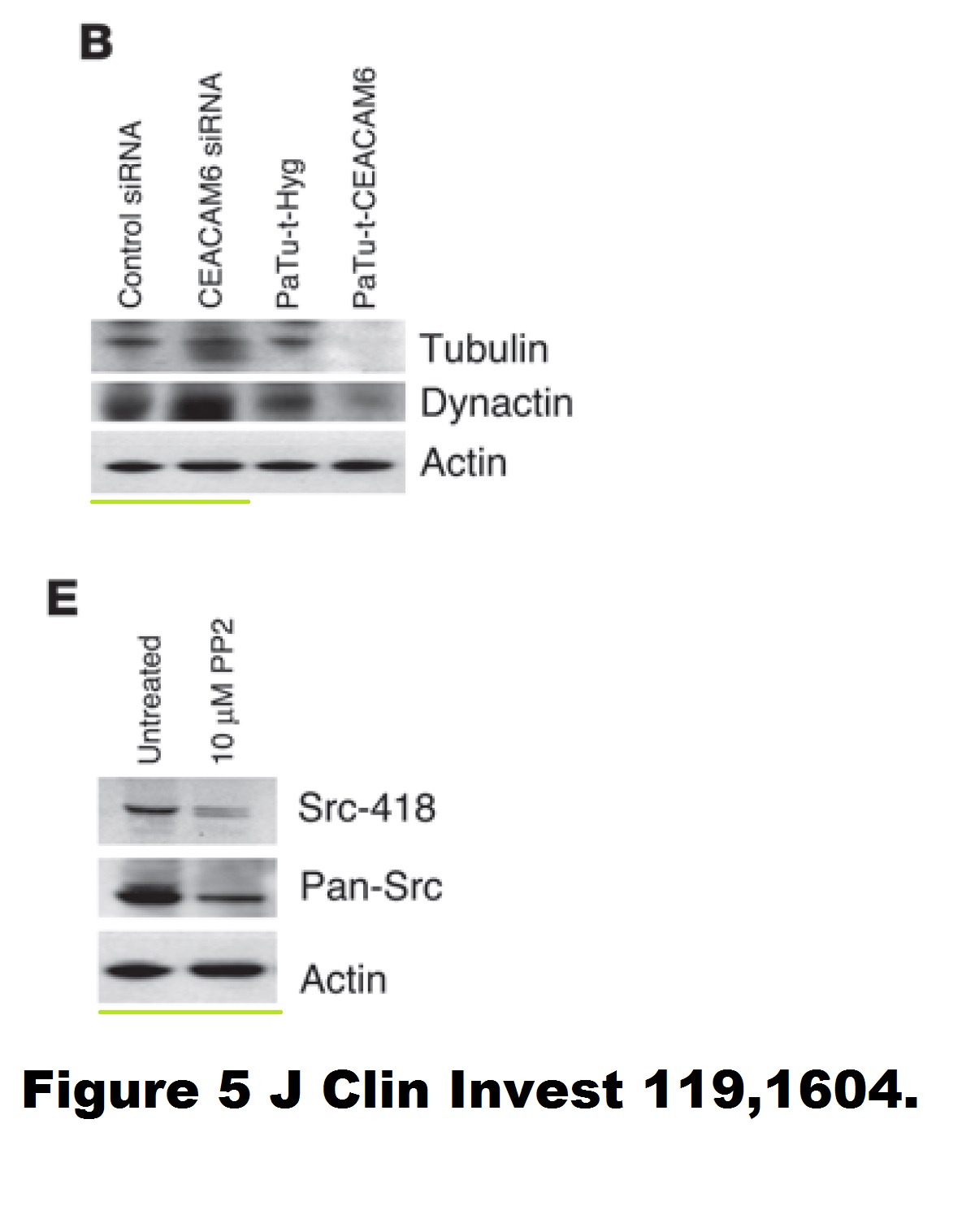
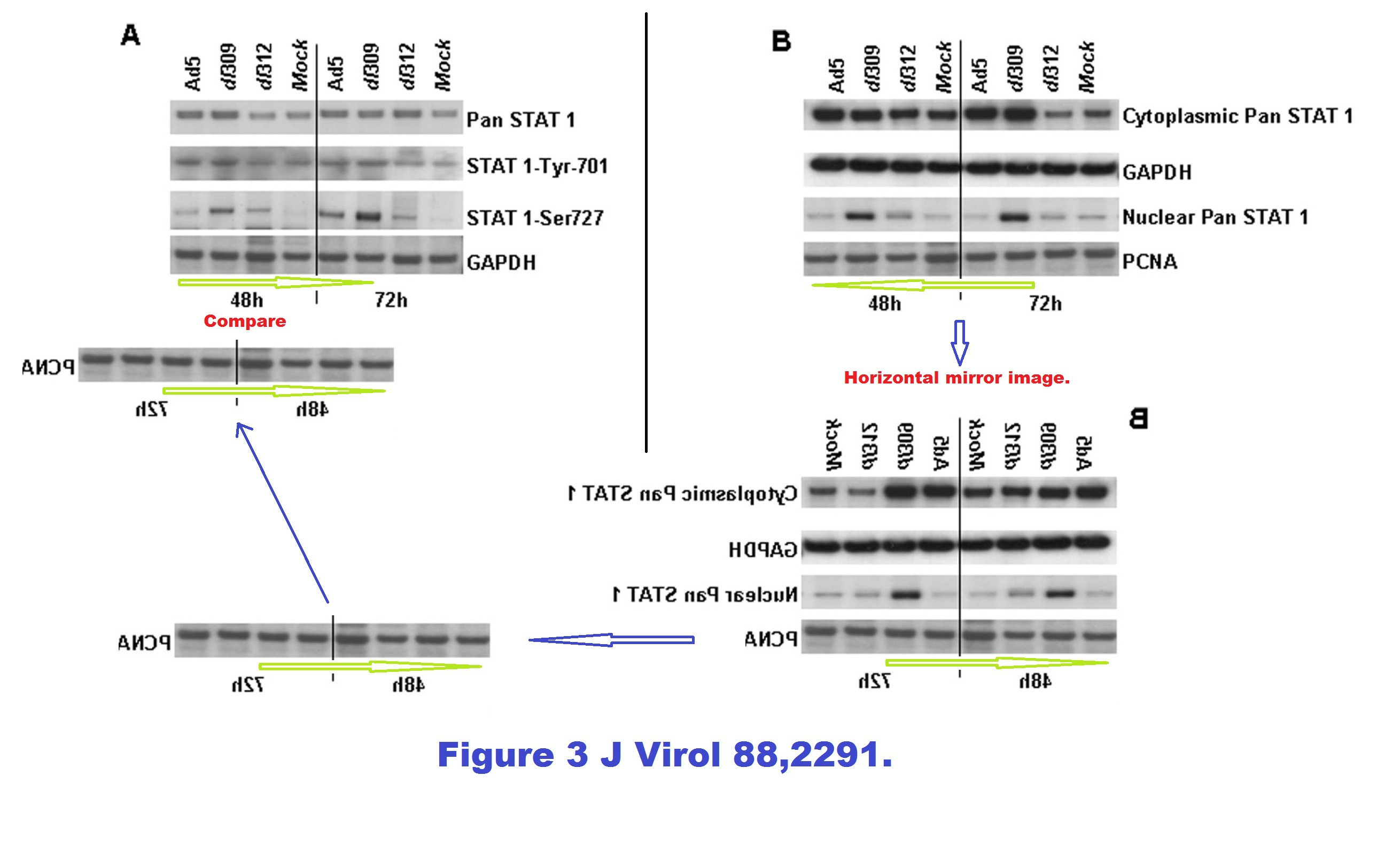
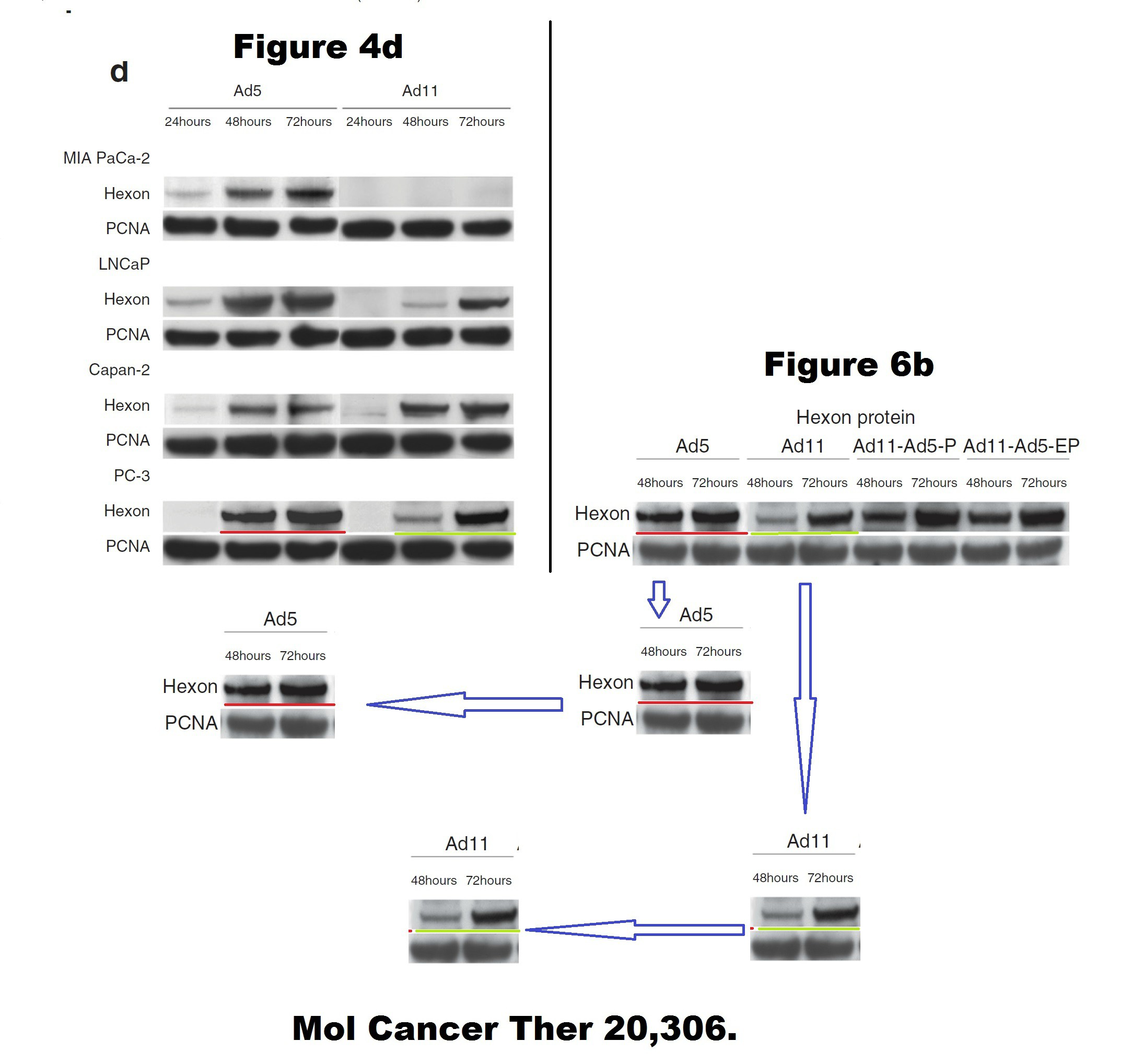
Barts College apparently decided instead to wait until this Photoshop travesty passes the 10 year statute of limitations. Expect another passive-aggressive investigative report in 2025, declaring Limoine and Wang innocent and all conclusions valid and not affected.
Peter St George-Hyslop, OC, FRS, FRSC, FRCPC
I think this name is so impressive, you can’t be more of English upper class, both in science and in society with a name like this. Of course Professor Peter St George-Hyslop is located in Cambridge, where he works on clinical neuroscience, previously he was in Canada where he was proclaimed “one of the most cited authors in the field of Alzheimer’s disease research”.
There are a number of papers coauthored by St George-Hyslop on PubPeer, here is one from his old lab at the University of Toronto:
Fusheng Chen, Gang Yu, Shigeki Arawaka, Masaki Nishimura, Toshitaka Kawarai, Haung Yu, Anurag Tandon, Agnes Supala, You Qiang Song, Ekaterina Rogaeva, Paul Milman, Christine Sato, Cong Yu, Christopher Janus, Julie Lee, Lixin Song, Lili Zhang, Paul E. Fraser, P. H. St George-Hyslop Nicastrin binds to membrane-tethered Notch Nature Cell Biology (2001) doi: 10.1038/35087069
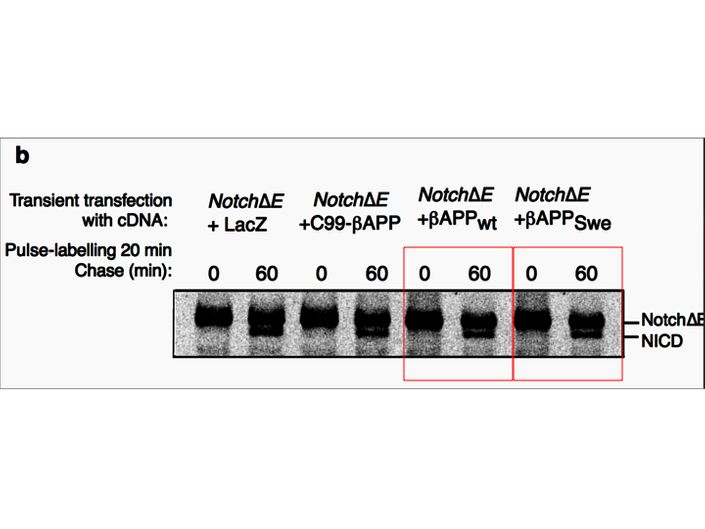
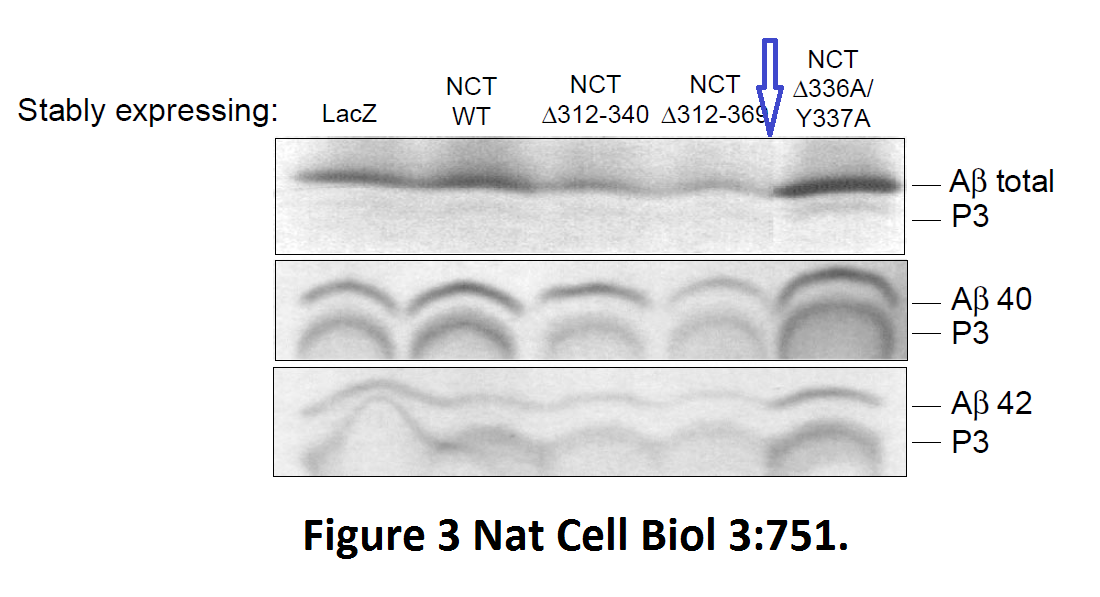
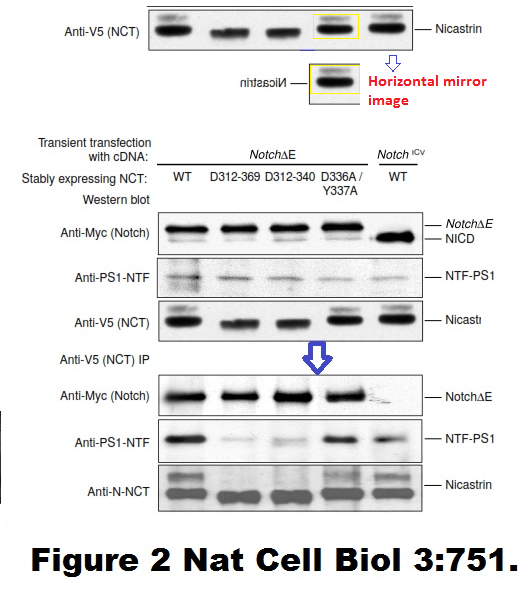
Cloned gel bands, spotted by Clare Francis. No action at all form that elite Nature-themed journal. Another St George-Hyslop fabrication, also done with Toronto colleagues:
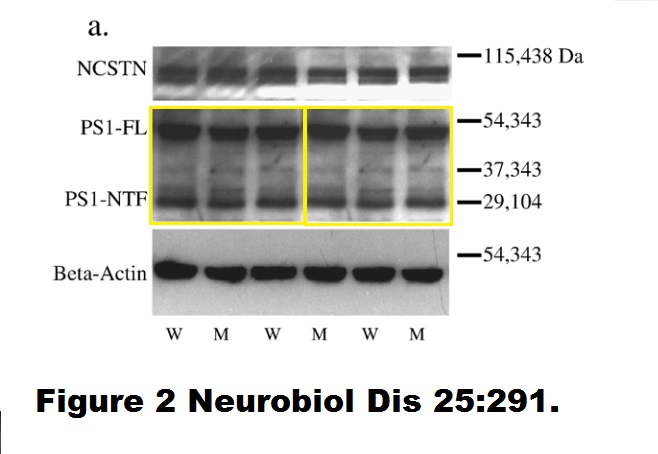
Sonya Brijbassi, Zareen Amtul, Susan Newbigging, David Westaway, Peter St George-Hyslop, Richard F. Rozmahel Excess of nicastrin in brain results in heterozygosity having no effect on endogenous APP processing and amyloid peptide levels in vivo Neurobiology of Disease (2007) doi: 10.1016/j.nbd.2006.09.013
But the worst ones were done in collaboration with Frederic Checler, professor of neuroscience at CNRS in France. Like this, where the authors shamelessly double-published to increase their publication record:
Julie Dunys, Toshitaka Kawarai, Emilie Giaime, Sherwin Wilk, M. Herrant, P. Auberger, Peter St George-Hyslop, Cristine Alves Da Costa, Frédéric Checler Study on the putative contribution of caspases and the proteasome to the degradation of Aph-1a and Pen-2 Neuro-degenerative diseases (2007) doi: 10.1159/000101840
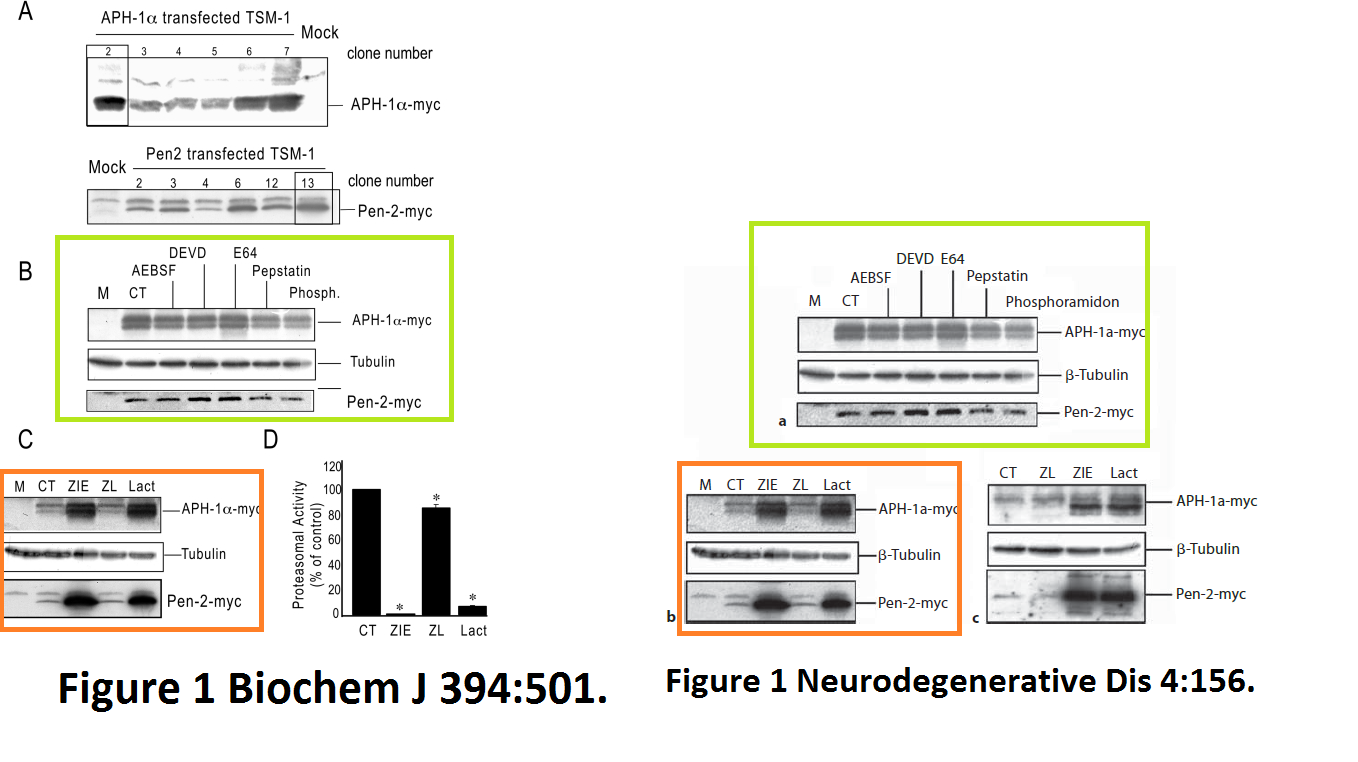
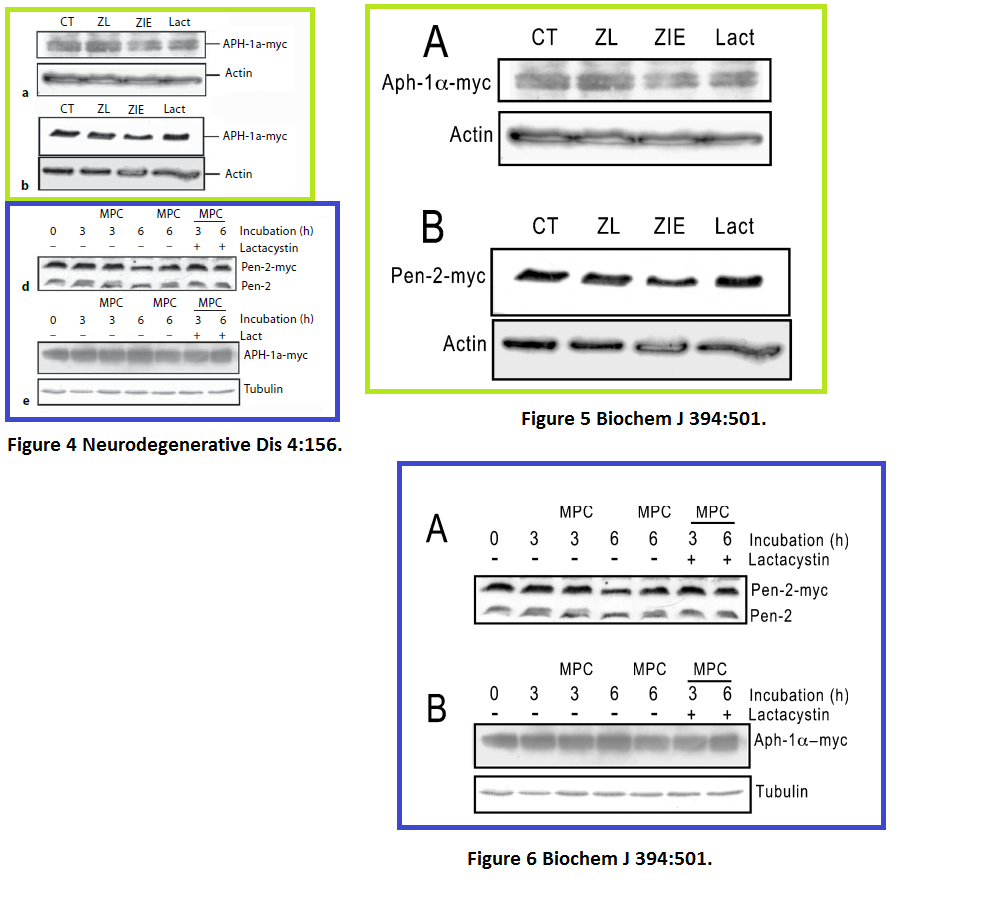
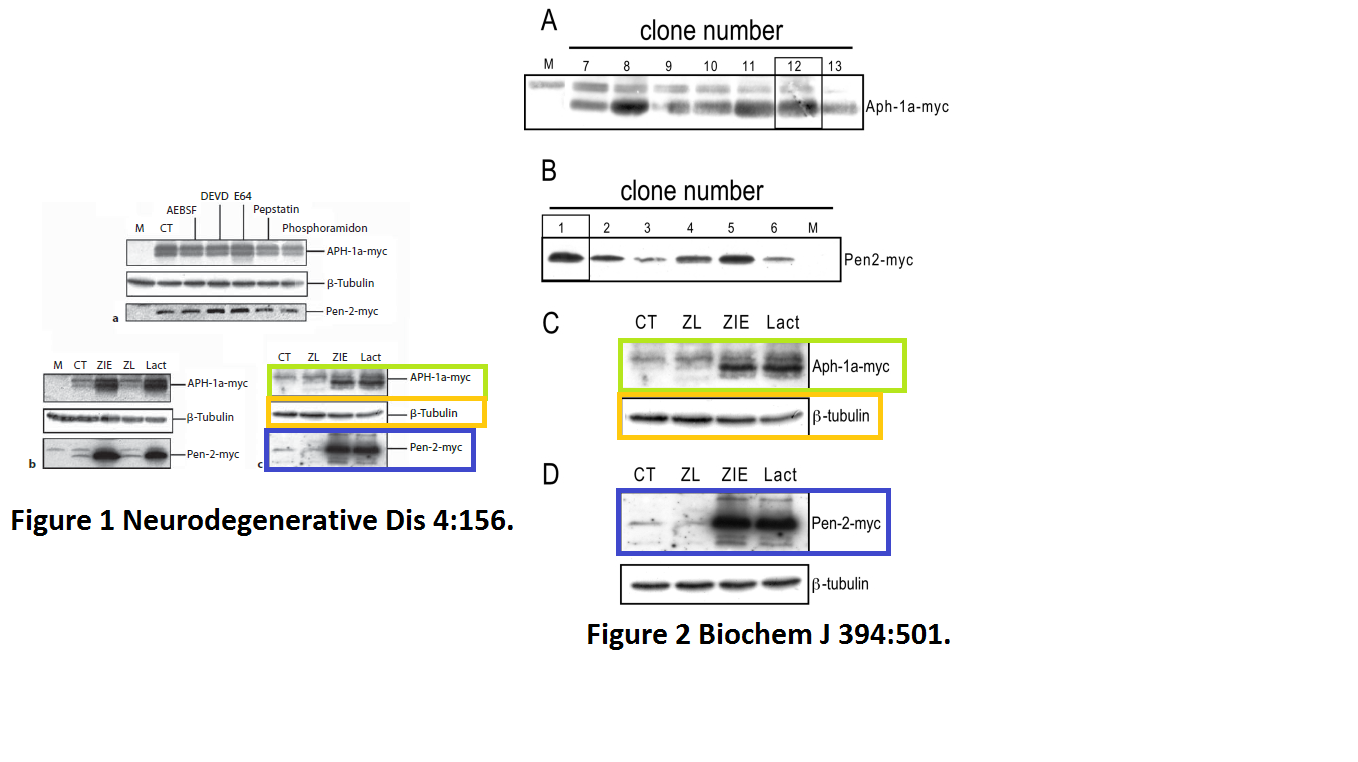
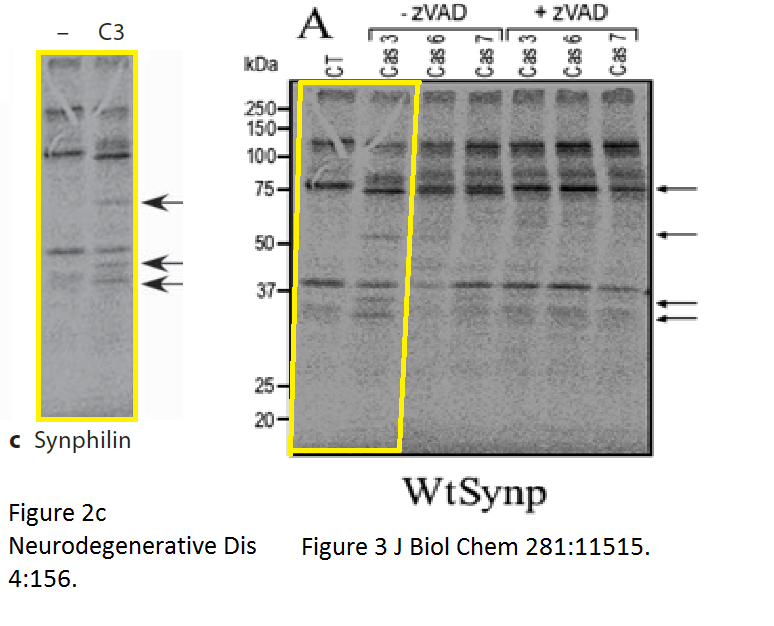
There was more data recycling, basically that paper in Neurodeg Dis is a copy of the previously published paper Dunys et al Biochemical J 2006, with all other authors the same. Neither journal, one by Portland Press, one by Karger, cares, never mind for research integrity, not even for their own infringed copyright.
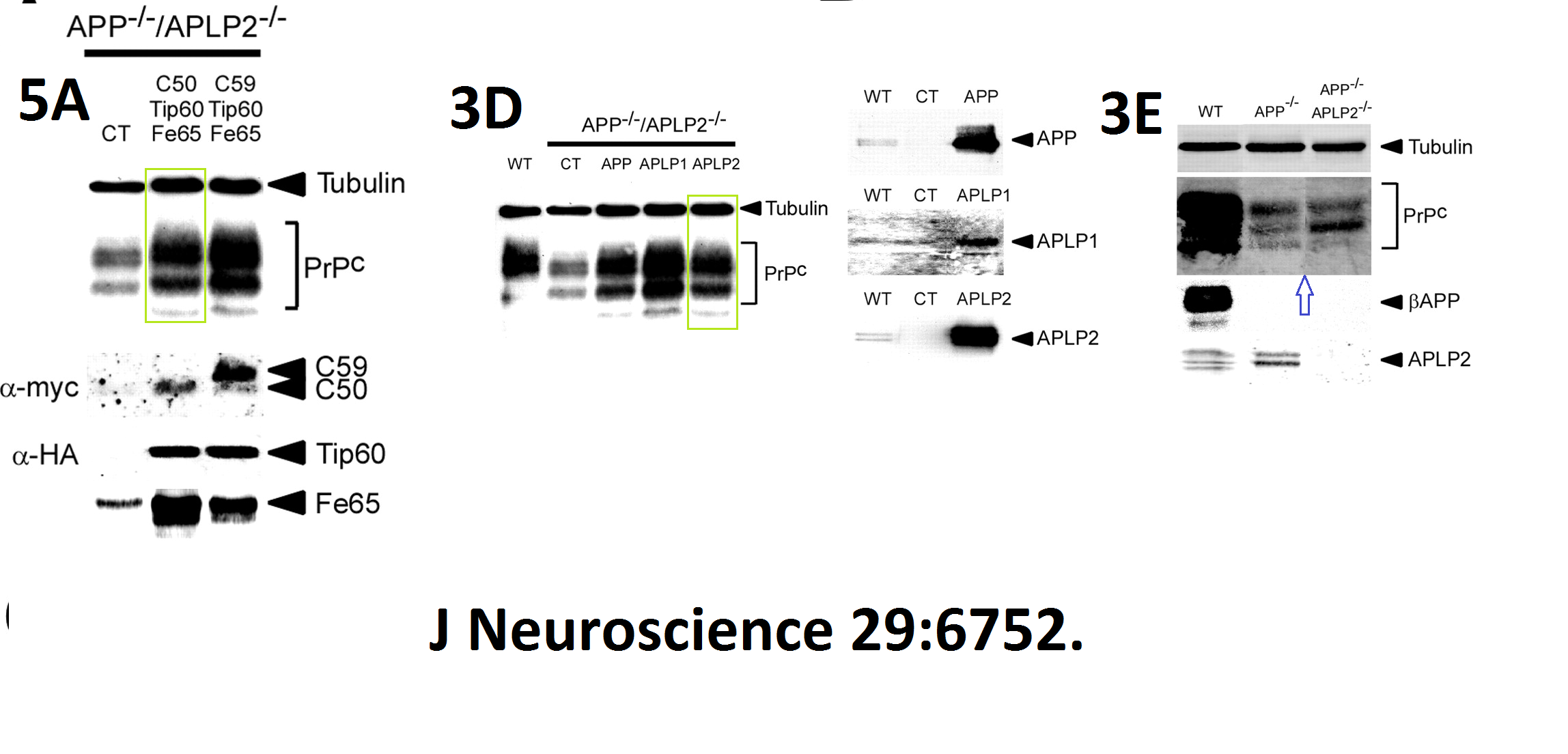
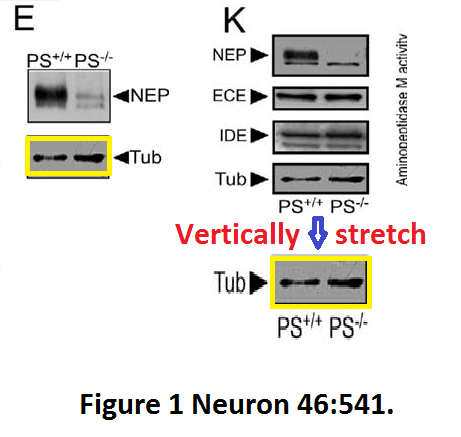
Here more by St George-Hylop and his French ally, some gel band copy-pasting:
Here another interesting collaboration of our esteemed English upper class scientist, this time with Masaya Tohyama in Japan:
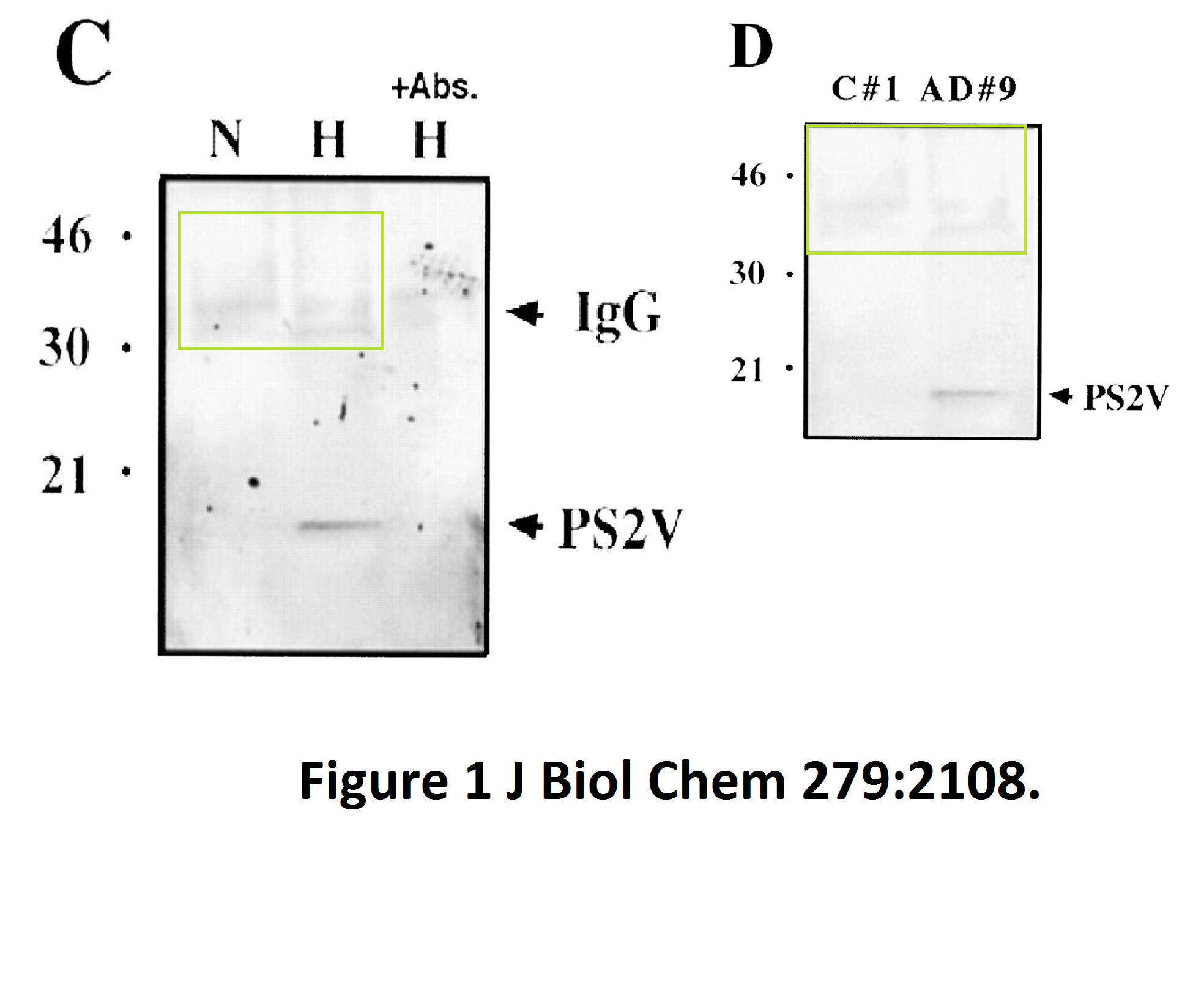
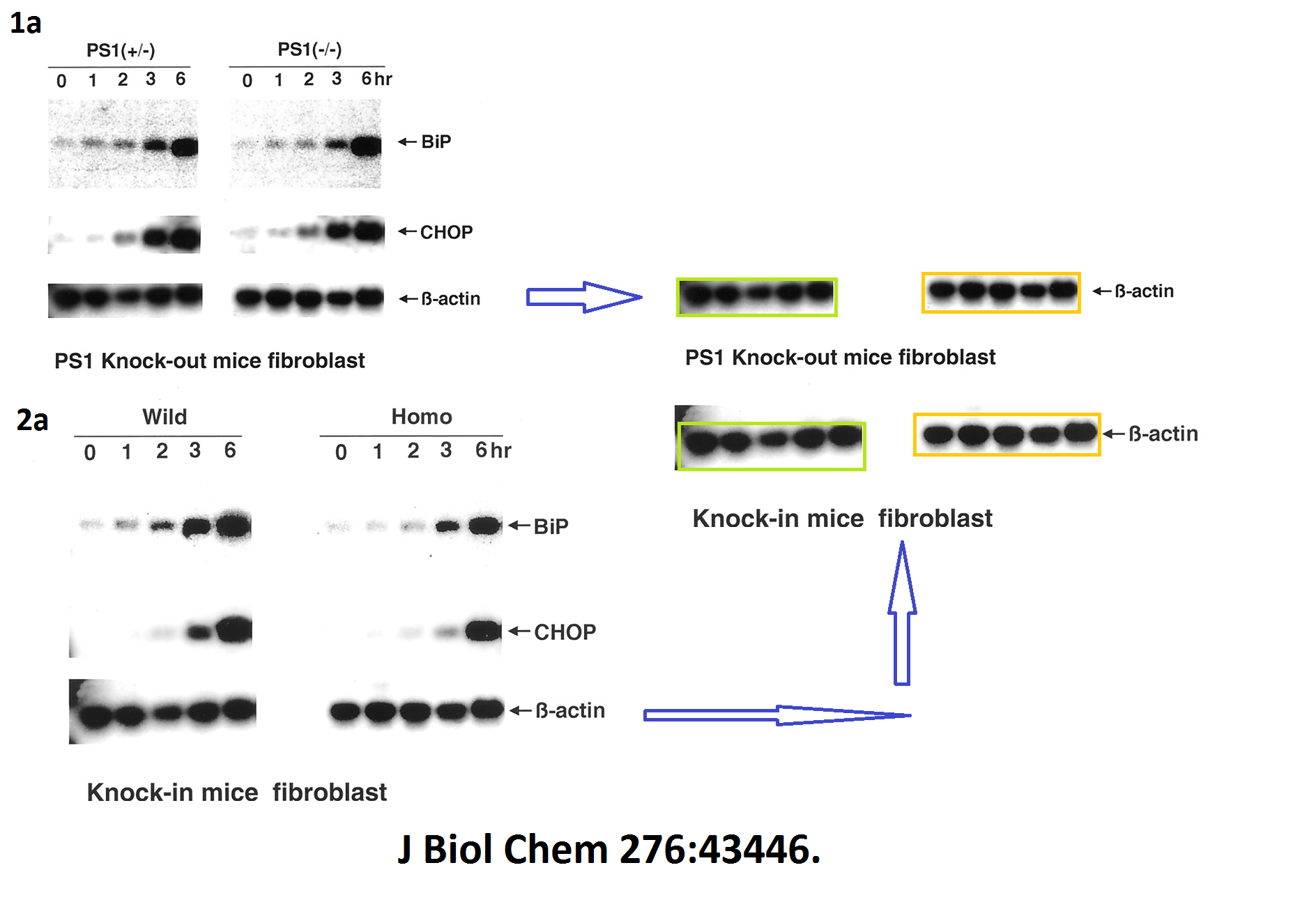
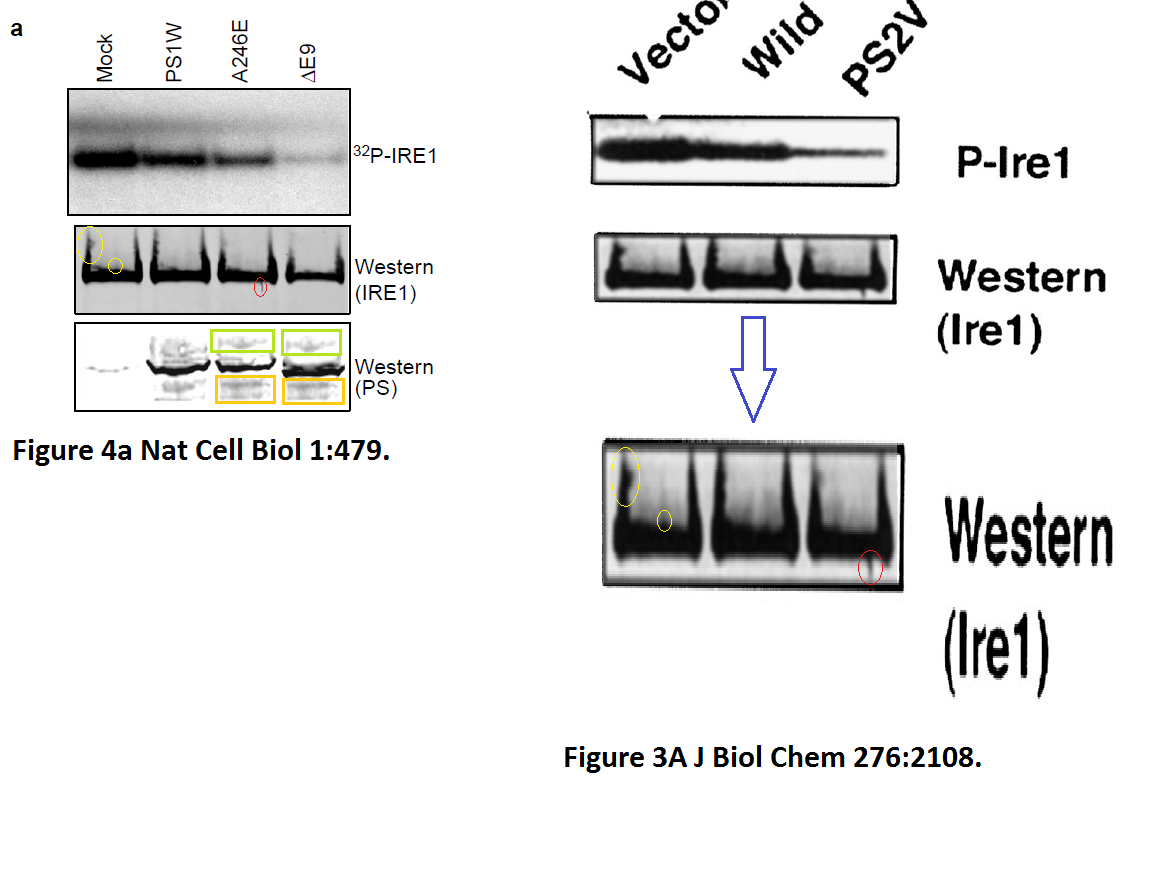
The evidence is years old, but nothing has happened so far. Yet one St George-Hyslop coauthored publication was retracted in 2020. Its first author Sabine Wislet is professor in Belgium and has a number of other papers questioned on PubPeer, including another retraction.
Sabine Wislet-Gendebien, Cheryl D’Souza, Toshitaka Kawarai, Peter St George-Hyslop, David Westaway, Paul Fraser, Anurag Tandon Cytosolic proteins regulate alpha-synuclein dissociation from presynaptic membranes The Journal of biological chemistry (2006) doi: 10.1074/jbc.m605965200
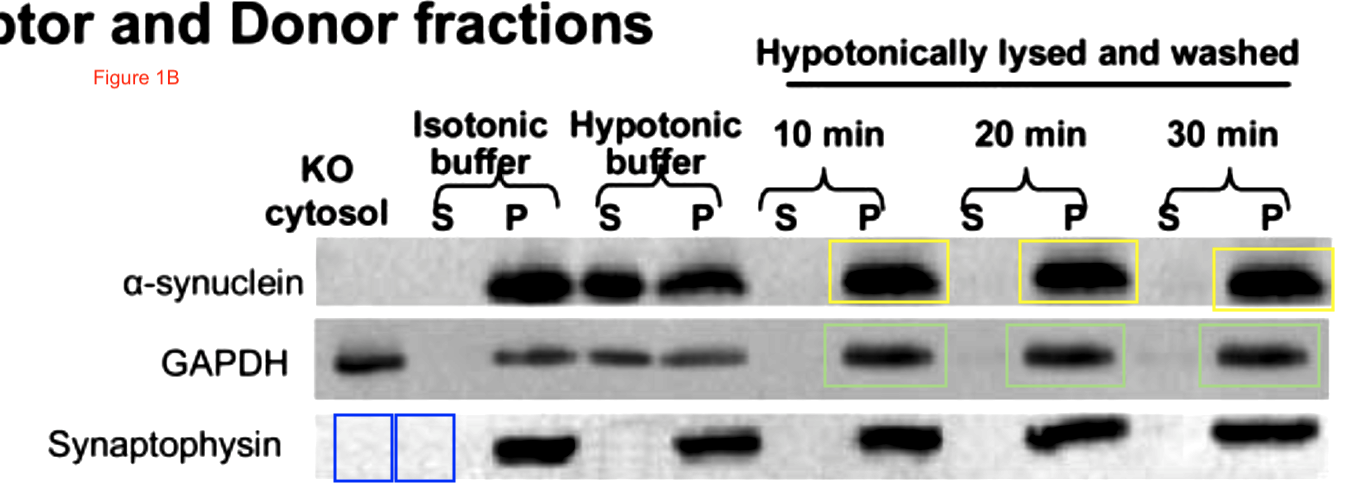
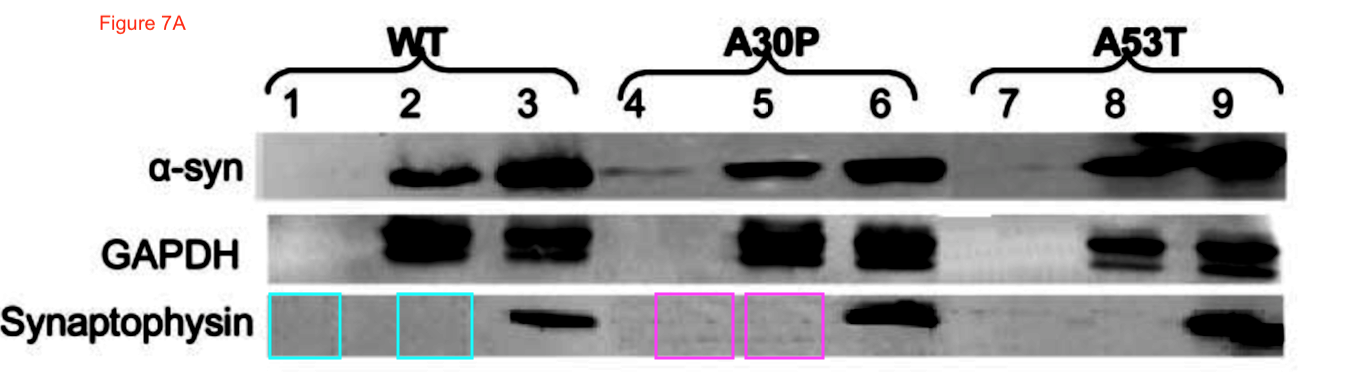
Now the fun starts. Clare Francis of course notified the University of Cambridge and the Wellcome Trust (which funds St Seorge-Hyslop’s research). This was their decision, as penned to Clare Francis by the Policies & Governance Officer of Wellcome Trust, Lucy Douch, in February 2017:
“Further to your email of 17 August 2016, we raised your concerns about Professor Peter St George-Hyslop with the University of Cambridge, the employing institution.
The University conducted an investigation under its Misconduct in Research policy. The investigation concluded that the allegations made are entirely unfounded.”
This is not even passive aggressive, it sounds almost like a legal threat from Wellcome Trust. In fact, this is a proud English Fuck You to every single whistleblower who dares to impugn the greatness of English science genius.
Although, to be fair, I suspect the Cambridge University probably has same statute of limitations on research fraud as Oxford, of 3 years. Because there was nothing for them to investigate in those older paper, they declared the allegations as “entirely unfounded”.
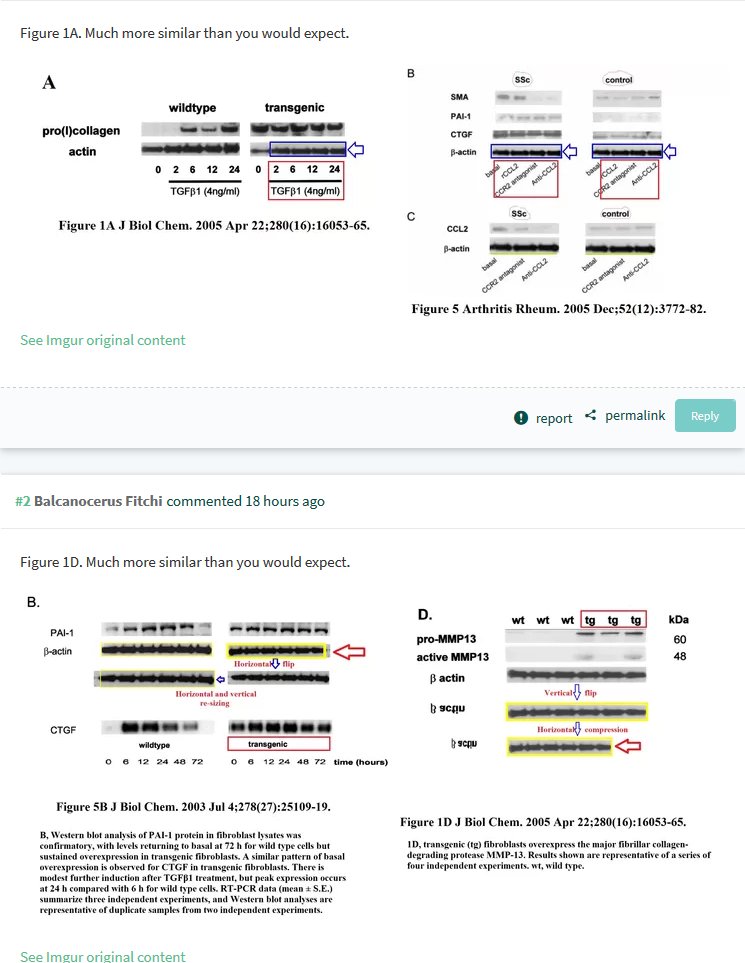
If you enjoyed St George-Hyslop’s aristocratic antics, you should also have a look at the PubPeer record of another Cambridge professor, Dame Carol Mary Black, DBE, FRCP, BSD, Principal of the Newnham College. Here a sample, with the Dame Commander of the Order of the British Empire as last author, Denton et al JBC 2005:
Xin Lu, FRS
Britain is open to foreigners, as we know. Not the lowly kind who don’t know how to get rich quick. If you know how to play the game, you can become part of the English science elite. Xin Lu studied in her home land China, and in UK she eventually arrived to the Ludwig Cancer Centre, first at its London branch and later to take over the directorship of the central seat in Oxford.
Yes, Oxford is the university with 3 year statute of limitation for research misconduct. Nothing to see here at all:
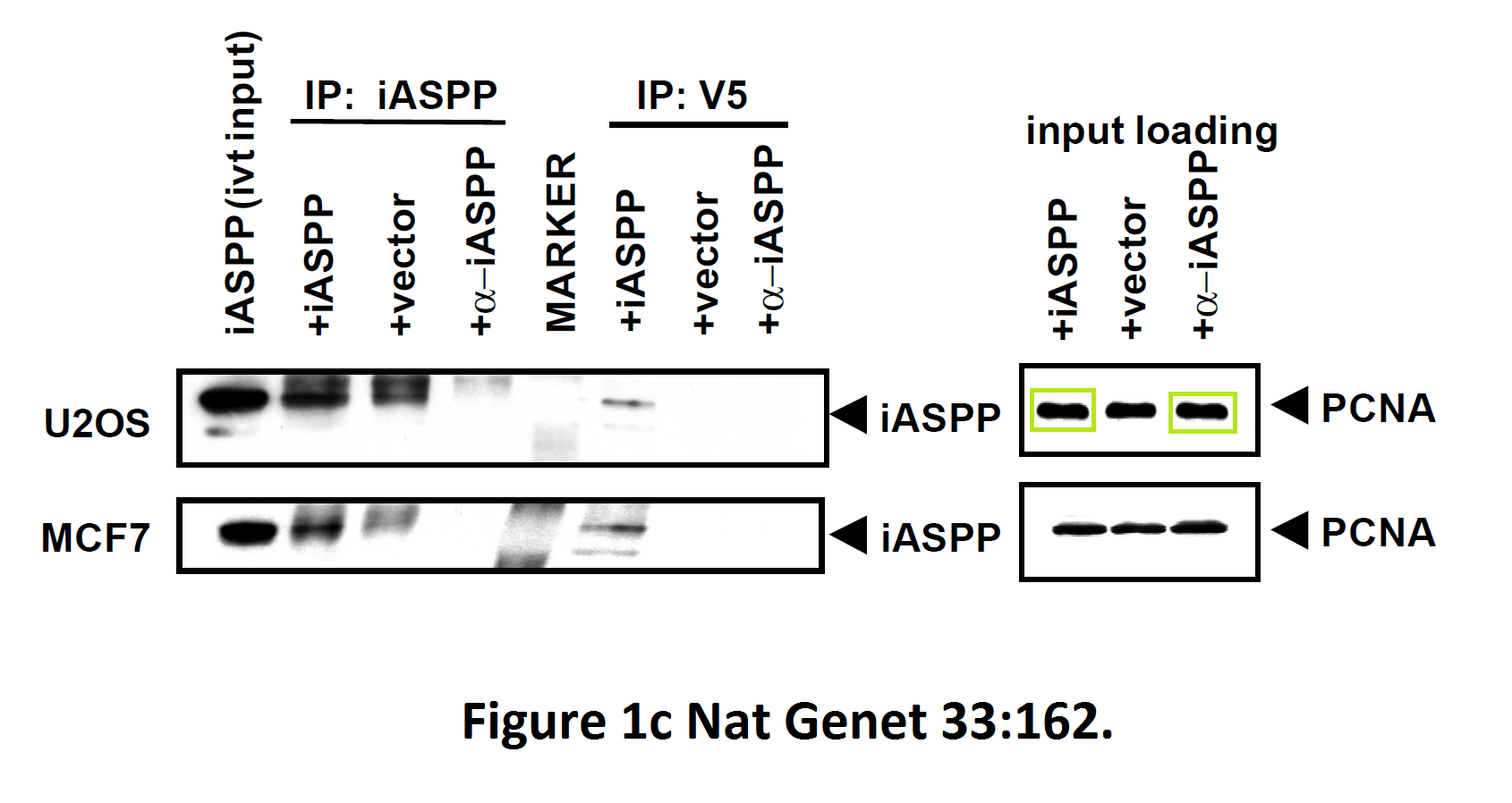
Daniele Bergamaschi, Yardena Samuels, Alexandra Sullivan, Marketa Zvelebil, Hilde Breyssens, Andrea Bisso, Giannino Del Sal, Nelofer Syed, Paul Smith, Milena Gasco, Tim Crook, Xin Lu iASPP preferentially binds p53 proline-rich region and modulates apoptotic function of codon 72–polymorphic p53 Nature Genetics (2006) doi: 10.1038/ng1879
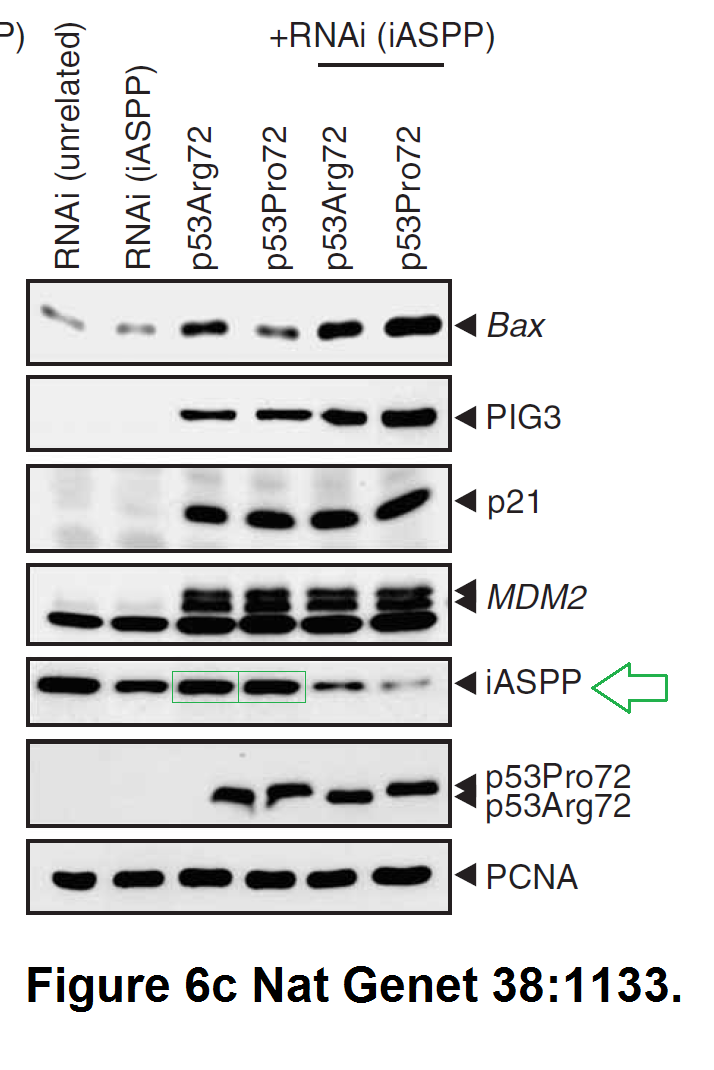
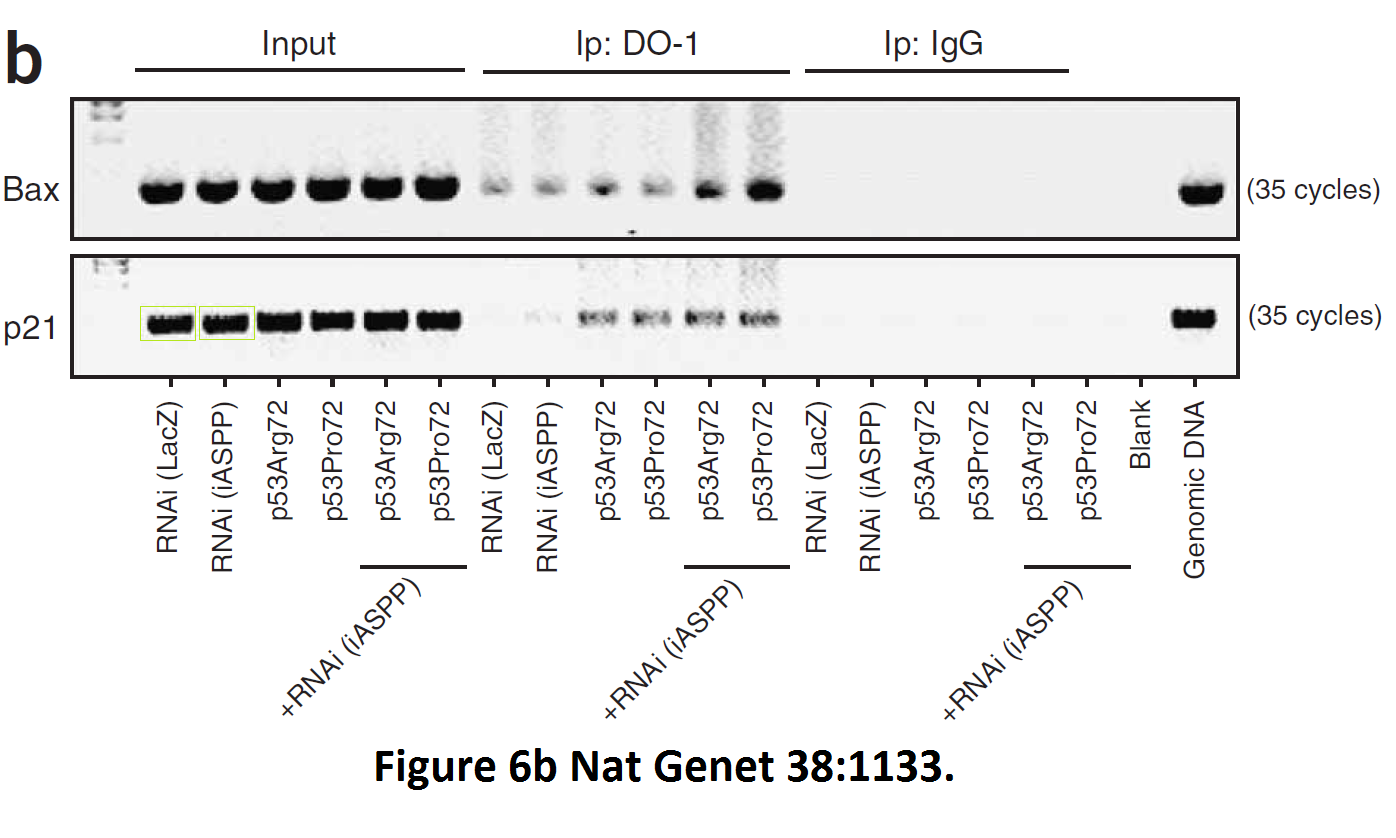
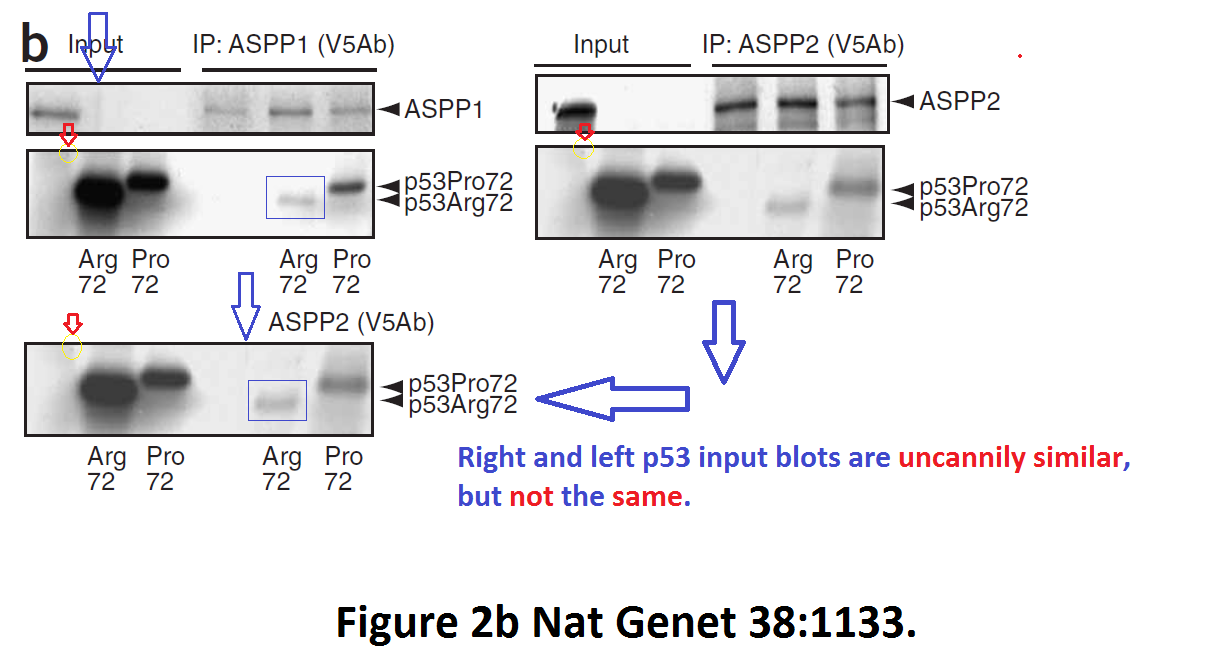
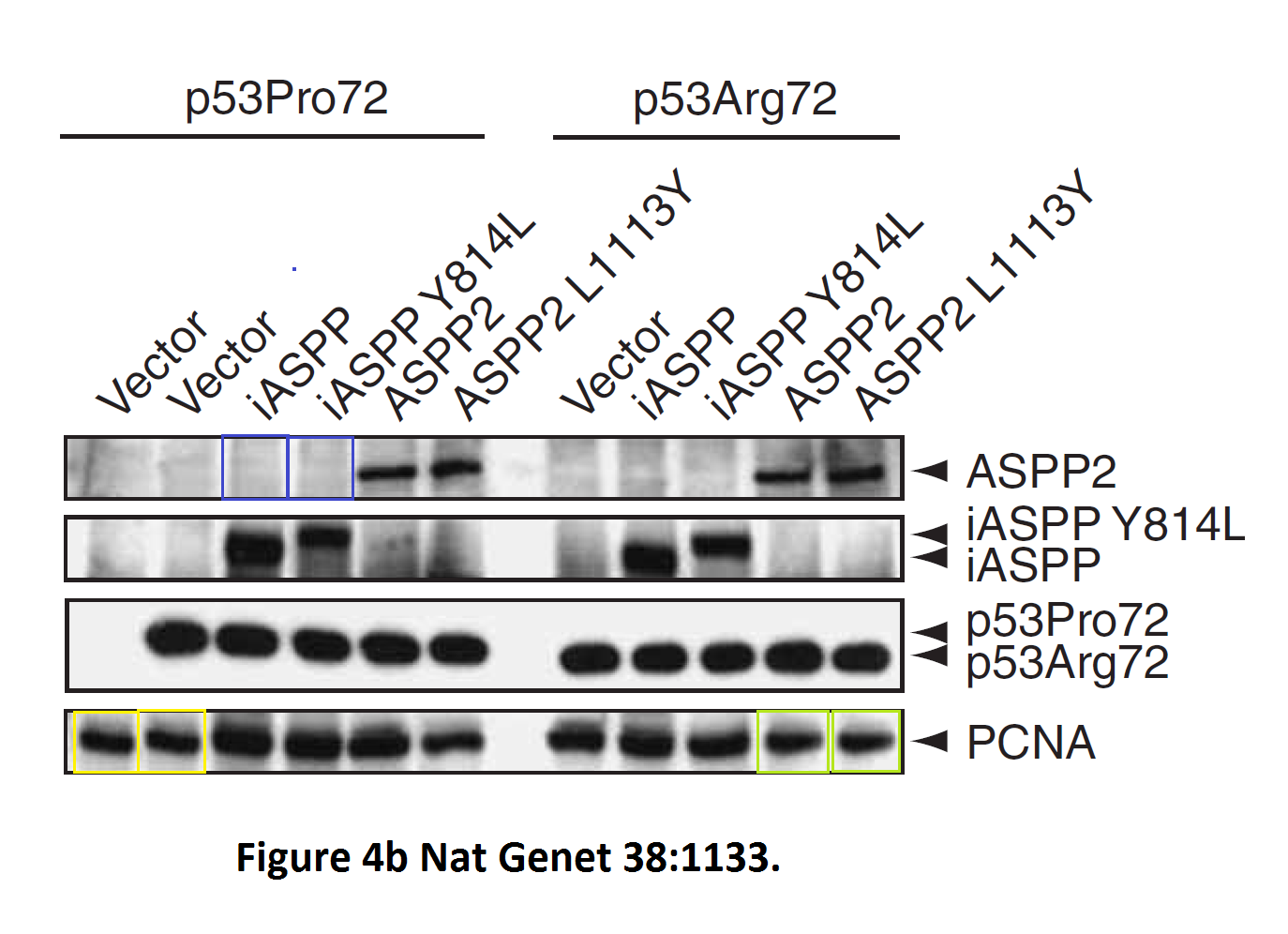
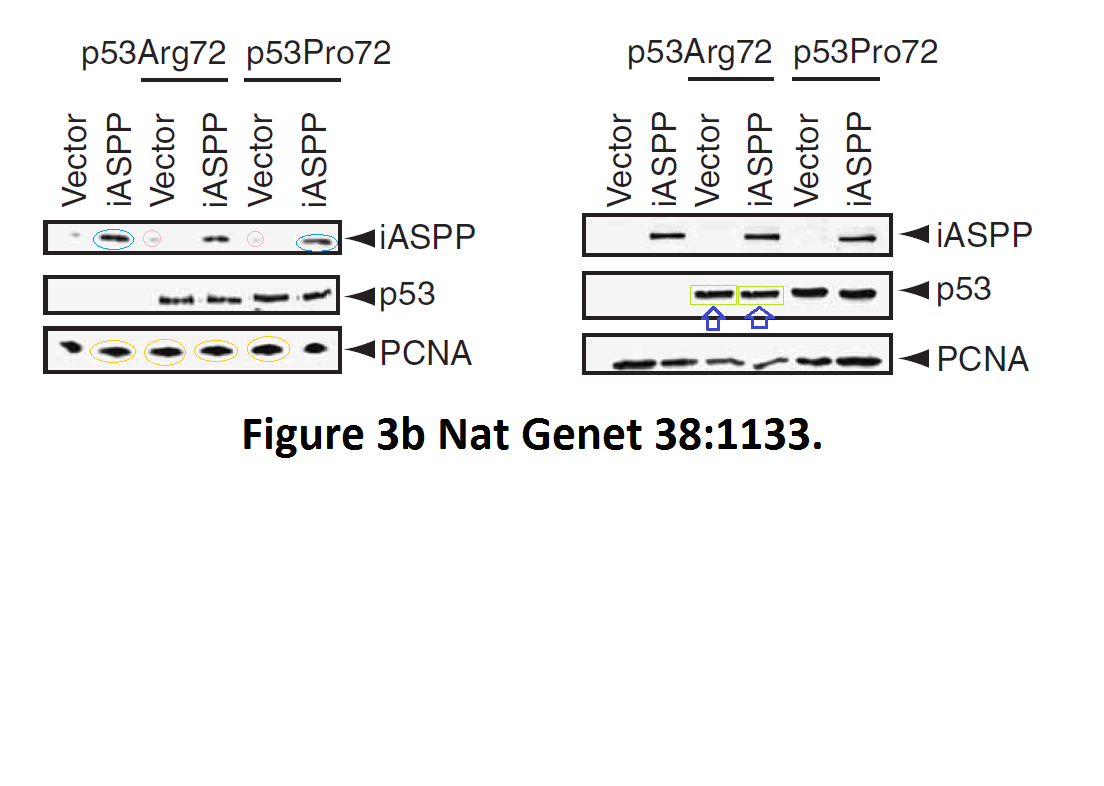
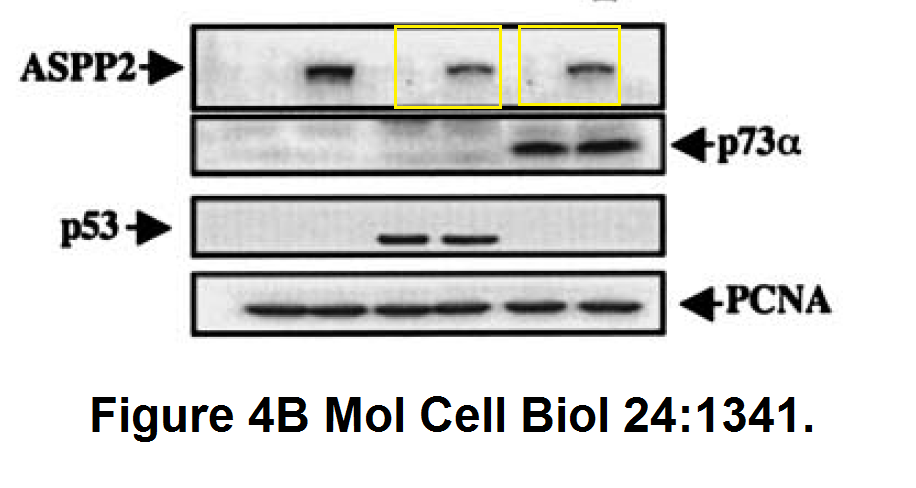
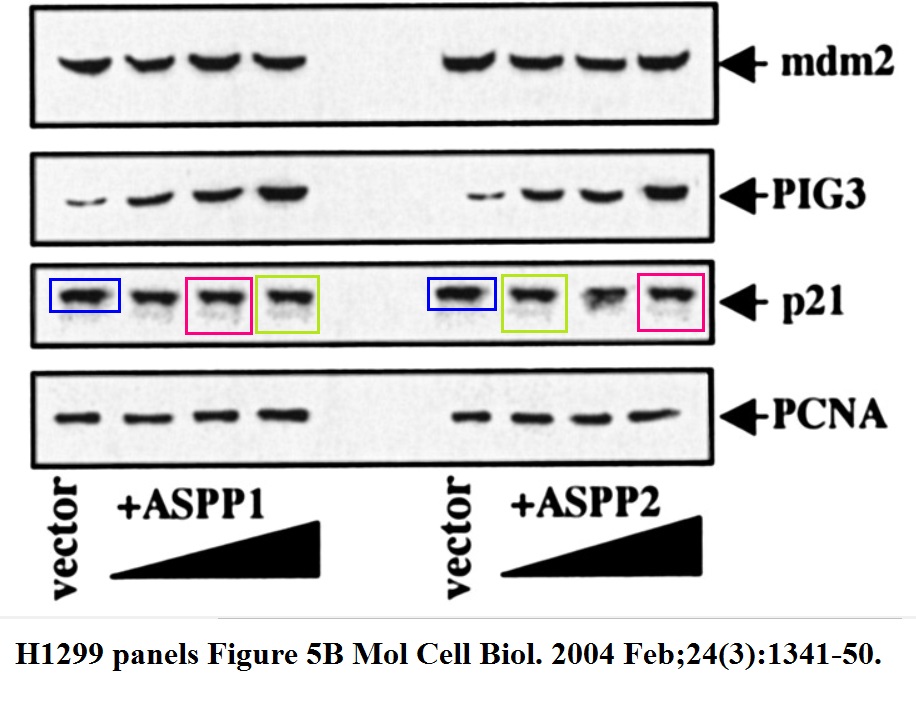
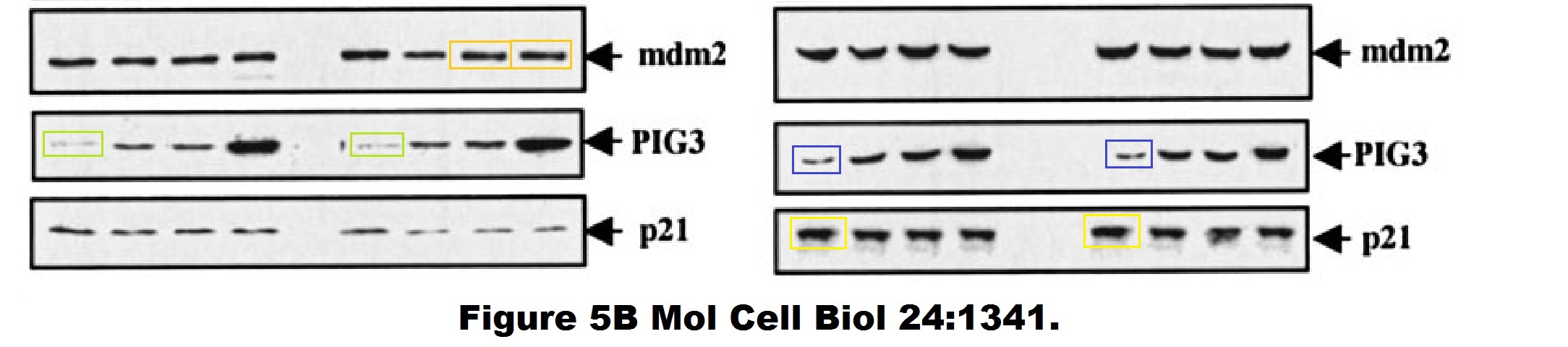
So many cloned gel bands, and yes, Clare Francis informed the University of Oxford of this and other masterpieces. The first author on that paper, Daniele Bergamaschi is now lecturer at the Queen Mary University of London, his lab is at Barts. You see again which kind of talents Barts boss Lemoine expects from his principal investigators. Bergamaschi also authored this work of art with Lu:
Daniele Bergamaschi, Yardena Samuels, Boquan Jin, Sai Duraisingham, Tim Crook, Xin Lu ASPP1 and ASPP2: common activators of p53 family members Molecular and Cellular Biology (2004) doi: 10.1128/mcb.24.3.1341-1350.2004
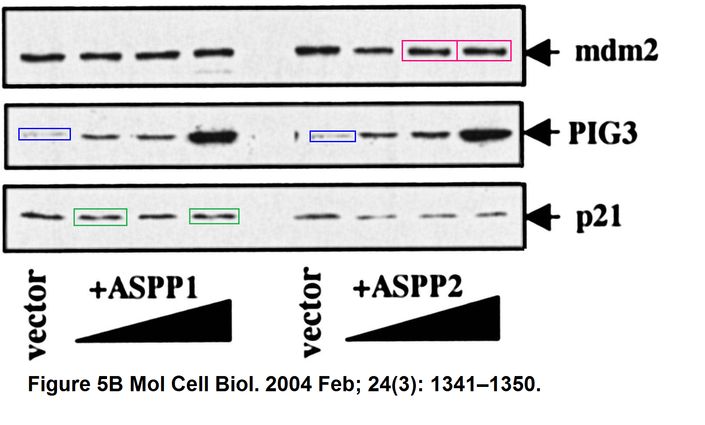
And this one by Bergamaschi and Lu, in Oncogene (remember the Editor-in-Chief Justin Stebbing?):
Daniele Bergamaschi, Yardena Samuels, Shan Zhong, Xin Lu Mdm2 and mdmX prevent ASPP1 and ASPP2 from stimulating p53 without targeting p53 for degradation Oncogene (2005) doi: 10.1038/sj.onc.1208535
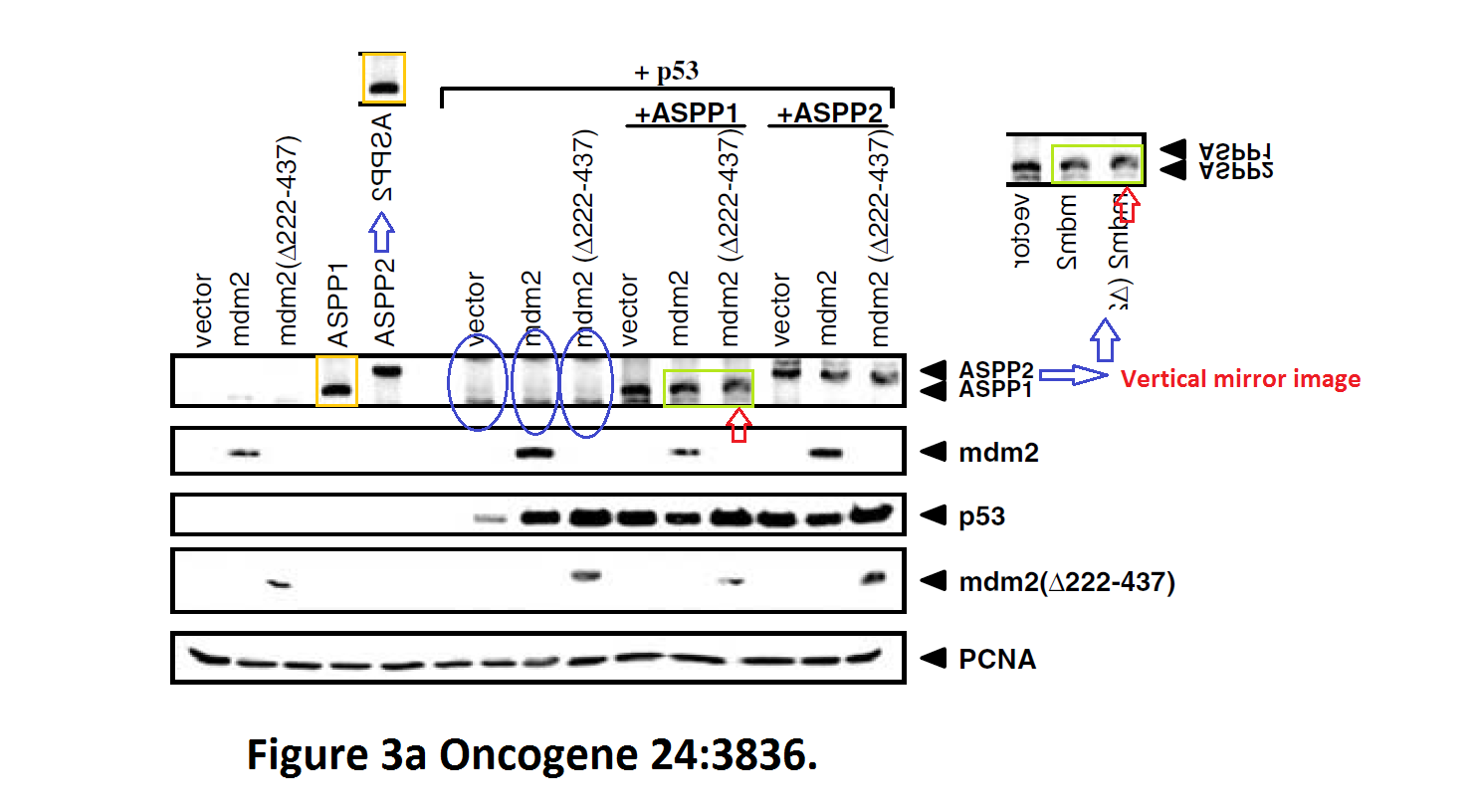
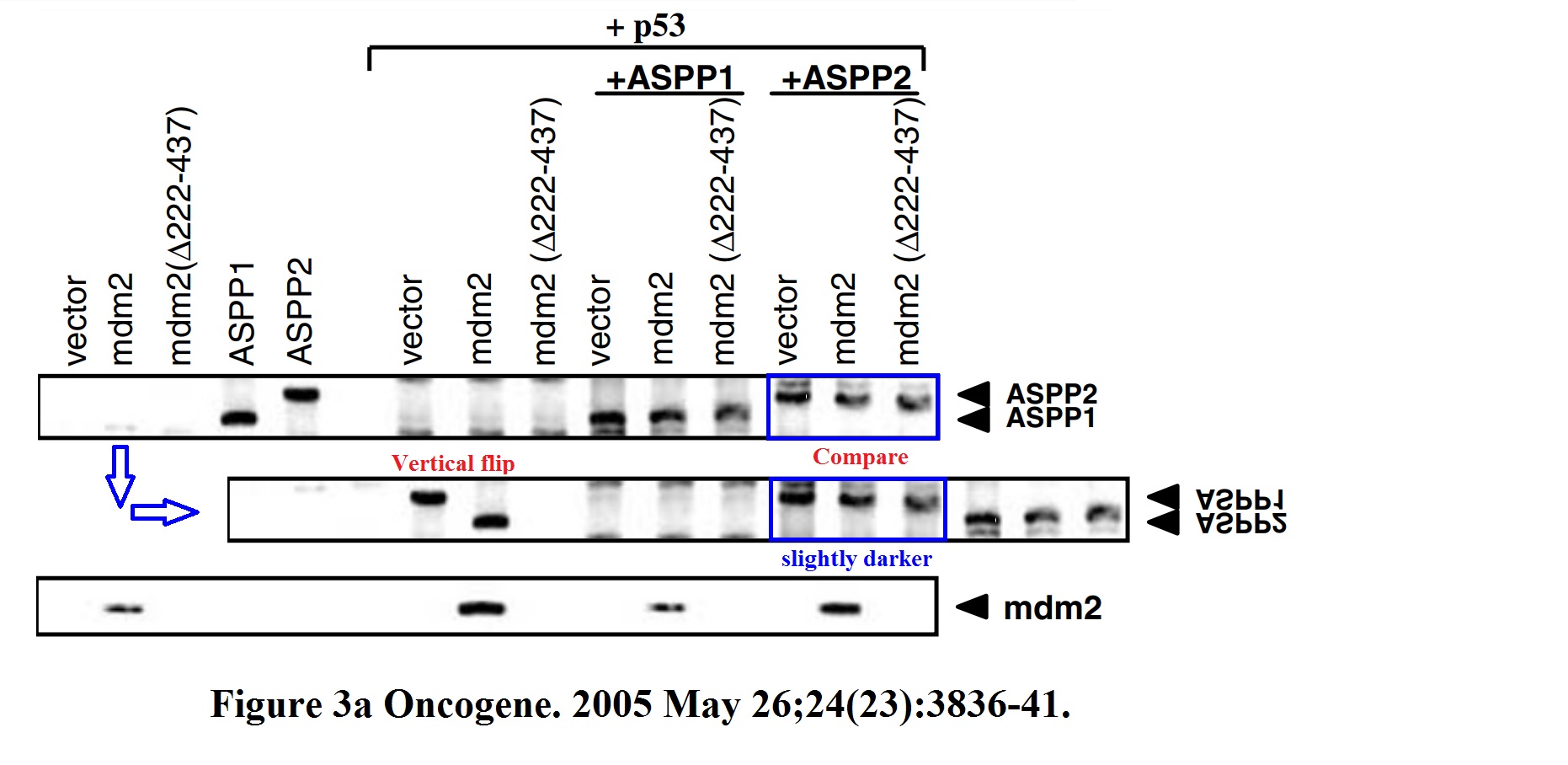
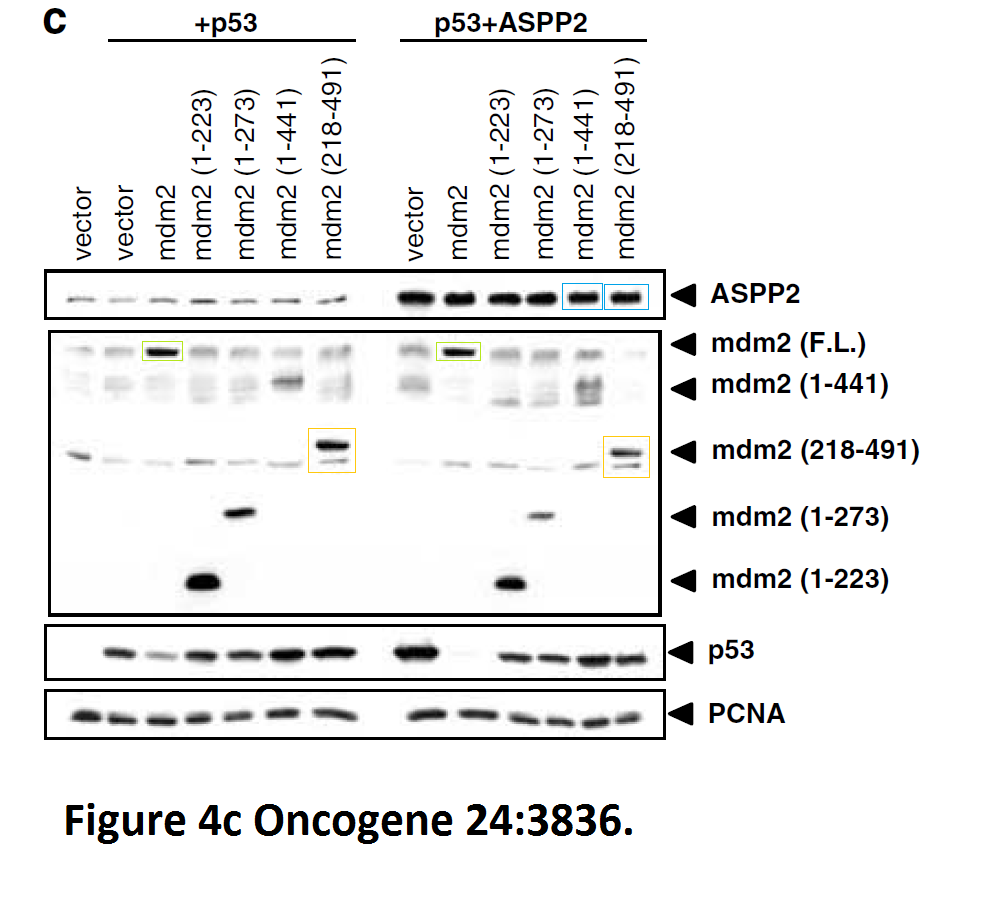
I hope you are learning from Bergamaschi and Lu how to make career in English science. It’s not that difficult, all you need is the will to succeed. Another common author on all these papers is Yardena Samuels. She went back to Israel where she is now professor at the Weizmann Institute. Here more by Bergamaschi (and Samuels):
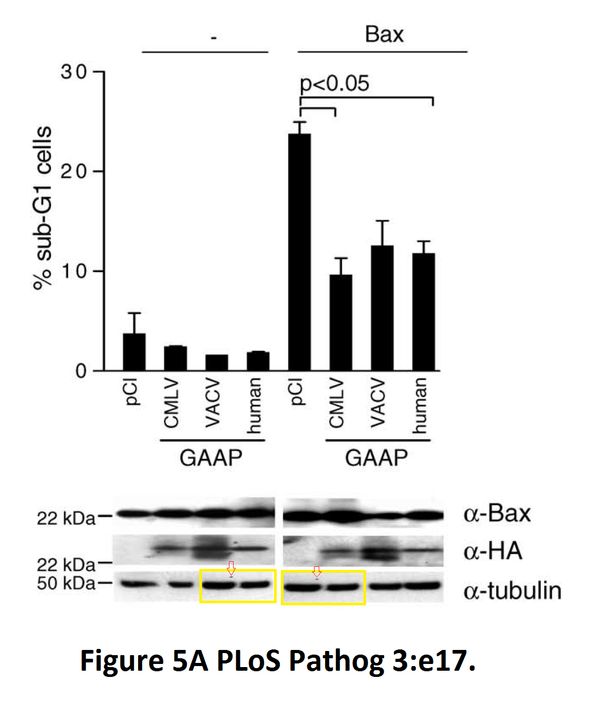
The last author on one of those papers is Geoffrey Smith, head of Pathology Department at University of Cambridge and member of all possible learned societies including the German Leopoldina. People of this calibre can’t be associated with bad science, so don’t expect even a correction.
But the next two papers from Lu lab doesn’t have Bergamaschi among its authors. Here one:

Damian B. S. Yap, Jung-Kuang Hsieh, Shan Zhong, Vicky Heath, Barry Gusterson, Tim Crook, Xin Lu Ser392 phosphorylation regulates the oncogenic function of mutant p53 Cancer Research (2004) doi: 10.1158/0008-5472.can-1305-2
These are two very fraudulent figures, bands were erased in one version by a rascal. But this paper, like others, is too old for anyone to give a toss about. Here something more recent:
Min Lu, Hilde Breyssens, Victoria Salter, Shan Zhong, Ying Hu, Caroline Baer, Indrika Ratnayaka, Alex Sullivan, Nicholas R. Brown, Jane Endicott, Stefan Knapp, Benedikt M. Kessler, Mark R. Middleton, Christian Siebold, E. Yvonne Jones, Elena V. Sviderskaya, Jonathan Cebon, Thomas John, Otavia L. Caballero, Colin R. Goding, Xin Lu Restoring p53 function in human melanoma cells by inhibiting MDM2 and cyclin B1/CDK1-phosphorylated nuclear iASPP Cancer Cell (2013) doi: 10.1016/j.ccr.2013.03.013
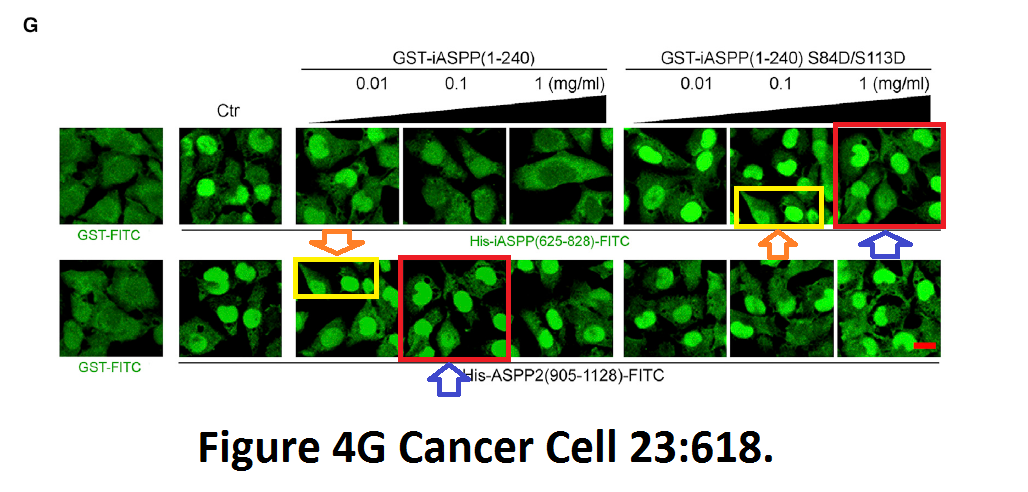
An Erratum was issued by Cell Press in 2016 and declared:
“This error does not affect any of the findings reported in the paper.”
With English research fabrications it is just like with Brexit: get over it, they won. Science is an English colony and the rotten upper classes are busy plundering it.
Donate!
If you are interested to support my work, you can leave here a small tip of $5. Or several of small tips, just increase the amount as you like (2x=€10; 5x=€25). Or you can donate to Barts or Ludwig centres for cancer research!
€5.00

 For Better Science
Br J Cancer. 1999 Jan; 79(2): 267–277.doi: 10.1038/sj.bjc.6690044PMCID: PMC2362206PMID: 9888468
Cell cycle perturbations and apoptosis induced by isohomohalichondrin B (IHB), a natural marine compound
D Bergamaschi,1 S Ronzoni,1 S Taverna,1 M Faretta,1 P De Feudis,1 G Faircloth,2 J Jimeno,3
E Erba,1 and M D’Incalci 1
Author information
1 Department of Oncology, Cancer Pharmacology Laboratory, Istituto di Ricerche Farmacologiche ‘Mario Negri’, via Eritrea 62, Milan, 20157, Italy
2 PharmaMar USA Inc., 26 Landsdowne Street, Cambridge, MA, USA
3 PharmaMar SA, Research and Development, c/Caldera, 28760 Tres Cantos, Madrid, Spain
Problematic data figure 2C. Much more similar than expected.
LikeLike
Additional problematic data Br J Cancer. 1999 Jan; 79(2): 267–277. Br J Cancer poor quality control.
Present address first author:
Centre for Cell Biology and Cutaneous Research, Blizard Institute,
Barts and The London School of Medicine and Dentistry,
Queen Mary University of London, London E1 2AT, UK
email: d.bergamaschi@qmul.ac.uk
Problematic data figure 2B. Much more similar than expected.
LikeLike
Br J Cancer. 1999 Jan; 79(2): 267–277. Br J Cancer
continued.
Figures 6 and 7 appear to be the same except for some labelling.
https://pubpeer.com/publications/516328128DAFCE59EDD26913DCBED5#3
LikeLike
Br J Cancer. 1997; 75(7): 1028–1034.doi: 10.1038/bjc.1997.176PMCID: PMC2222756PMID: 9083339
Treatment with inhibitors of polyamine biosynthesis, which selectively lower intracellular spermine, does not affect the activity of alkylating agents but antagonizes the cytotoxicity of DNA topoisomerase II inhibitors.M. A. Desiderio, D. Bergamaschi, E. Mascellani, P. De Feudis, E. Erba, and M. D’Incalci
Affiliation1Istituto di Patologia Generale, Università degli Studi di Milano, CNR,Milan, Italy.
Problematic data figures 3A and 3D much more similar than expected (identical).
First reported Pubpeer March 2017.https://pubpeer.com/publications/5B094D6A44C85F2888A9CE8A868DA4#1
First author has 5 retractions.http://retractiondatabase.org/RetractionSearch.aspx?#?auth%3dMaria%2bAlfonsina%2bDesiderio
Gormless reply from first author at Pubpeer:https://pubpeer.com/publications/5B094D6A44C85F2888A9CE8A868DA4#2
“I am not the corresponding author and I did not perform these experiments, since it is not my expertise.”
LikeLike
https://www.sgul.ac.uk/profiles/anissa-chikh
https://www.sgul.ac.uk/news/dr-anissa-chikh-wins-prestigious-academy-of-medical-sciences-springboard-award
Problematic data Dr Anissa Chikh:-
https://pubpeer.com/publications/43FB16ED19FAEB3AEB42F460FFCC66
https://pubpeer.com/publications/B5F23105E2819B01007B9485C13C2A
https://pubpeer.com/publications/B093AEE63FEB8F3E638CA6CFC74AC1
https://pubpeer.com/publications/E27C22ED86F9F3FB218924CD703763
https://pubpeer.com/publications/2C8112926FA0AE1307E2F42FE004E3
https://pubpeer.com/publications/CC7F24A1577FB8CB457AF7D781ACD9
https://pubpeer.com/publications/4039FB9E598847ECF4C13B89A169FE
https://pubpeer.com/publications/3A10741901F54FD8699C1C4ACB51B8
LikeLike
Hum Mol Genet . 2010 Jul 1;19(13):2594-605. doi: 10.1093/hmg/ddq145. Epub 2010 Apr 12.
Interleukin-1 alpha blockade prevents hyperkeratosis in an in vitro model of lamellar ichthyosis
Ryan F L O’Shaughnessy 1, Ishaan Choudhary, John I Harper
Affiliation
1
Department of Immunobiology and Dermatology, UCL Institute of Child Health, and Department of Paediatric Dermatology, Great Ormond Street Hospital for Sick Children, London, UK. r.oshaughnessy@ich.ucl.ac.uk
PMID: 20385541 DOI: 10.1093/hmg/ddq145
Problematic data figures 4B and 7B. Much more similar and different than expected.
LikeLike
https://blogs.biomedcentral.com/on-medicine/2009/01/15/alan-storey-new-editor-in-chief-of-molecular-cancer/
Alan Storey new Editor-in-Chief of Molecular Cancer
Lisa Phelps 15 Jan 2009
We are delighted to welcome Dr Alan Storey as the new Editor-in-Chief of Molecular Cancer. Dr Storey is the Head of HPV Apotosis and Cancer Group at the University of Oxford with much of his research being based on the most commonly diagnosed cancer in the UK, non-melanoma skin cancer (NMSC). Dr Storey is pleased to be taking on this new role and is looking forward to building on the previous successes of the journal.
We would like to take the opportunity to thank Dr Munger who is stepping down as Editor-in-Chief. His efforts in the last two years have been crucial to the journal’s development, which is reflected in the journal’s first official impact factor of 3.69, received in 2008. We are pleased to have Dr Munger’s ongoing support for the journal as a member of the Editorial Board.
Molecular Cancer was first launched in 2002 and aims to promote the exchange of ideas, concepts and findings in any area of cancer and related biomedical science. To find out more about Molecular Cancer, please visit the journal website.
Written by Tim Allen, Acquisitions Editor.
Problematic data:-
https://pubpeer.com/publications/F8236C631ED57858ACDC2CA1F032DE
https://pubpeer.com/publications/C798199E2569D1F2BBB1F62FA95D35
https://pubpeer.com/publications/7476D8C3CD3A61DA534E3610B5B455
LikeLike
Problematic data MRC Laboratory for Molecular Cell Biology and Cell Biology Unit.
Mol Cell Biol. 2004 Feb; 24(4): 1736–1746.
doi: 10.1128/MCB.24.4.1736-1746.2004
PMCID: PMC344169
PMID: 14749388
Human CNK1 Acts as a Scaffold Protein, Linking Rho and Ras Signal Transduction Pathways
Aron B. Jaffe,1 Pontus Aspenström,2 and Alan Hall1,*
Author information
MRC Laboratory for Molecular Cell Biology and Cell Biology Unit, Cancer Research UK Oncogene and Signal Transduction Group, and Department of Biochemistry, University College London, London WC1E 6BT, United Kingdom,1 Ludwig Institute for Cancer Research, S-751 24 Uppsala, Sweden2
*Corresponding author. Mailing address: MRC Laboratory for Molecular Cell Biology and Cell Biology Unit, Cancer Research UK Oncogene and Signal Transduction Group, and Department of Biochemistry, University College London, London WC1E 6BT, United Kingdom. Phone: 44 020 7679 7806. Fax: 44 020 7679 7805. E-mail: allan.hall@ucl.ac.uk
Problematic data Figure 4B.
Vertical and horizontal splices (sharp, straight changes in signal) in hCNK1 panel, but not in L63Rho panel. Band rightmost lane hCNK1 panel looks like it is on its own rectangle of background.
Senior author is dead so the MRC will have to write to the extant authors otherwise it will never get a reply.
https://journals.biologists.com/jcs/article/128/17/3167/55195/In-memoriam-Alan-Hall
LikeLike
Mol Pharmacol . 2004 Dec;66(6):1508-16. doi: 10.1124/mol.104.002949. Epub 2004 Aug 23. Galphaz inhibits serum response factor-dependent transcription by inhibiting Rho signaling Parmesh Dutt 1 , Aron B Jaffe, Keith D Merdek, Alan Hall, Deniz Toksoz
https://molpharm.aspetjournals.org/content/66/6/1508/tab-article-info
Author Information Parmesh Dutt1, Aron B. Jaffe, Keith D. Merdek, Alan Hall and Deniz Toksoz
Physiology Department,
Tufts University School of Medicine,
Boston, Massachusetts (P.D., K.D.M., D.T.); and
Medical Research Council Laboratory for Molecular Cell Biology,
Cancer Research UK Oncogene and Signal Transduction Group,
University College London, London, United Kingdom (A.B.J., A.H.)
Address correspondence to:
Dr. Keith D. Merdek, Physiology Department, Tufts University School of Medicine, Boston, MA 02111.
E-mail: keith.merdek@tufts.edu
DOI https://doi.org/10.1124/mol.104.002949
PubMed 15326221
Problematic data figure 4. Much more similar than expected.
//s.imgur.com/min/embed.js
LikeLike
https://www.theguardian.com/science/occams-corner/2015/may/06/alan-hall-leading-light-cell-biology-goes-out
Allan Hall, a hint of being overrated?
https://pubpeer.com/publications/8889B59676AB3E7CEA83A696658164
https://pubpeer.com/publications/0ED10258125B6BAAE3647B7A94A9C5
https://pubpeer.com/publications/08AA67135F841D9BB0F54862DD5FD8
Glenda Jackson lookalike, Anne Ridley, also deeply into Rac and Rho.
https://www.bristol.ac.uk/people/person/Anne-Ridley-68d1bf7e-4a1b-4bcb-abd8-316e35f5f768/
Pubpeer record.
https://pubpeer.com/publications/9F42D009DCFC80378874AAA6892E5A
https://pubpeer.com/publications/9B282122FC3FFA600327E9AAAD123E
https://pubpeer.com/publications/582094619A34CB5807C4157C0B5AFF
https://pubpeer.com/publications/98C6E3D22B00EF2BE3A4C6028D1F27
https://pubpeer.com/publications/9E787A8D4D00A13B2521A241B42B99
https://pubpeer.com/publications/EABFDADD370EA8DD9CFCCEDE87F6D9#1
LikeLike
Arthritis Rheum . 2005 Dec;52(12):3955-65. doi: 10.1002/art.21416.
Decreased Lyn expression and translocation to lipid raft signaling domains in B lymphocytes from patients with systemic lupus erythematosus
Fabian Flores-Borja 1, Panagiotis S Kabouridis, Elizabeth C Jury, David A Isenberg, Rizgar A Mageed
Affiliation
1
William Harvey Institute, Queen Mary School of Medicine and Dentistry, London, UK.
PMID: 16320343 DOI: 10.1002/art.21416
Problematic data figure 4. Vertical changes in signal at different positions in different panels.
LikeLike
Cancer Res . 2005 Aug 15;65(16):7328-37. doi: 10.1158/0008-5472.CAN-03-1563.
B-cell receptor translocation to lipid rafts and associated signaling differ between prognostically important subgroups of chronic lymphocytic leukemia
David J Allsup 1, Aura S Kamiguti, Ke Lin, Paul D Sherrington, Zoltan Matrai, Joseph R Slupsky, John C Cawley, Mirko Zuzel
Affiliation
1
Department of Haematology, Royal Liverpool University Hospital, Liverpool, United Kingdom. david.allsup@hey.nhs.uk
PMID: 16103084 DOI: 10.1158/0008-5472.CAN-03-1563
Problematic data figure 1B. Much more similar than expected.
LikeLike
“The first author on that paper, Daniele Bergamaschi is now lecturer at the Queen Mary University of London, his lab is at Barts.”
25 July retraction
https://journals.biologists.com/jcs/article/135/14/jcs259757/276064/Retraction-iASPP-is-a-novel-autophagy-inhibitor-in
The journal is retracting J. Cell Sci. (2014) 127, 3079-3093 (doi:10.1242/jcs.144816).
Issues initially raised on PubPeer and by our own subsequent analysis suggest that there are potential duplications in several western blots in Figs 1, 4, 5 and 6. Journal of Cell Science contacted Dr Bergamaschi, the corresponding author, to request the original full blots, but the data are no longer available.
An investigation by the Dean for Research and Research Impact of the Faculty of Medicine, Queen Mary University of London, stated:
‘The overall conclusion is that duplication of images is less likely for the majority detected by your screening: equally, I am fully aware that without the original images duplication cannot completely excluded. However, Queen Mary University of London acknowledge the authors’ transparency and openness throughout this process. The authors have the full support of QMUL.’
Owing to the five remaining unresolved issues with these data and the fact that the original data are no longer available, the journal has lost confidence in the reliability of the results presented in this article and is therefore retracting the paper.
All authors were contacted and do not agree with this retraction.
LikeLike
To me it reads like QMUL tried to threaten the journal and the publishing society.
I am glad these posh wankers failed.
LikeLike
An investigation by the Dean for Research and Research Impact of the Faculty of Medicine, Queen Mary University of London, stated:
“The overall conclusion is that duplication of images is less likely for the majority detected by your screening: equally, I am fully aware that without the original images duplication cannot completely excluded”.
“The overall conclusion is that duplication of images is less likely for the majority detected by your screening”. It must be some of them otherwise he would have stated none of them. Why doesn’t the Dean for Research and Research Impact of the Faculty of Medicine, Queen Mary University of London state which instances the duplication of images is more likely?
LikeLike
It doesn’t matter because the main conclusions, that Bergamschi brings a lot of grant money and has powerful friends, remain entirely unaffected by any of the fraud.
LikeLike
Actually, this retraction is very unexpected.
Same journal, same editor, and back then they chickened and chose not to retract Catherine Jessus’ paper because of CNRS orders.
https://forbetterscience.com/2018/08/01/catherine-jessus-case-journals-hide-behind-sorbonne-cope-to-avoid-retractions/
LikeLike
https://journals.biologists.com/jcs/article/135/14/jcs259757/276064/Retraction-iASPP-is-a-novel-autophagy-inhibitor-in
RETRACTION| 25 July 2022
Retraction: iASPP is a novel autophagy inhibitor in keratinocytes
Anissa Chikh,Paolo Sanzà,Claudio Raimondi,Olufolake Akinduro,Gary Warnes,Giovanna Chiorino,Carolyn Byrne,
Catherine A. Harwood,Daniele Bergamaschi
Author and article information
J Cell Sci (2022) 135 (14): jcs259757.https://doi.org/10.1242/jcs.259757
First author:https://www.sgul.ac.uk/profiles/anissa-chikh
Dr Anissa Chikh wins prestigious Academy of Medical Sciences Springboard Award
Published: 11 June 2021
Just wondering about any disclosure of investigation into J. Cell Sci. (2014) 127, 3079-3093 (doi:10.1242/jcs.144816) during the selection process for the Academy of Medical Sciences Springboard Award.
https://www.sgul.ac.uk/news/dr-anissa-chikh-wins-prestigious-academy-of-medical-sciences-springboard-award
LikeLike
https://pubpeer.com/publications/79C10FCB7F35089F52CD952E16B7CA
Comment#4.
Nick Lemoine. January 2023 correction for quite a lot of image duplication.
Conclusions not affected.
LikeLike
“Iman El-Hariry, Massimo Pignatelli, Nicholas R. Lemoine FGF-1 and FGF-2 regulate the expression of E-cadherin and catenins in pancreatic adenocarcinoma International Journal of Cancer (2001) DOI: 10.1002/ijc.1515”
Massimo Pignatelli:-
https://pubpeer.com/publications/A147592472E39759BD7617352B95F7#3
https://pubpeer.com/publications/68FB3186BDB8EDBC68CD41D54931E5
LikeLike
Quite serious problematic data in 2 Nick Lemoine papers comes to light.
https://pubpeer.com/publications/C1E2D6B6031625EEAA5A7BAC4CF3A9
https://pubpeer.com/publications/C45AFF699177A36A92E89E1F043FA9
LikeLike
“We shall start with Nicholas Lemoine. This cancer researcher is professor at the Queen Mary University of London and director of the Cancer Research UK Barts Centre.”
Expression of Concern for Nicholas Lemoine. It doesn’t matter, still director, loads of money in the bank.
https://pubpeer.com/publications/E76D4CD96F41333C88C84A8EFBC57C#7
LikeLike
According to the Expression of Concern the paper could not be corrected because the primary data could not be found, then why not retract as the data are degraded (the Expression of Concern admits two duplications)?
Imperial values. Celebrating the first author as head of department. Not sour grapes, but the way of the world. Steal a march and keep the advantage.
https://www.imperial.ac.uk/people/i.mcneish
LikeLike
Another one for St George and England!
https://pubpeer.com/publications/C5FD403C5DB7C99D0501895CE2A323
LikeLike