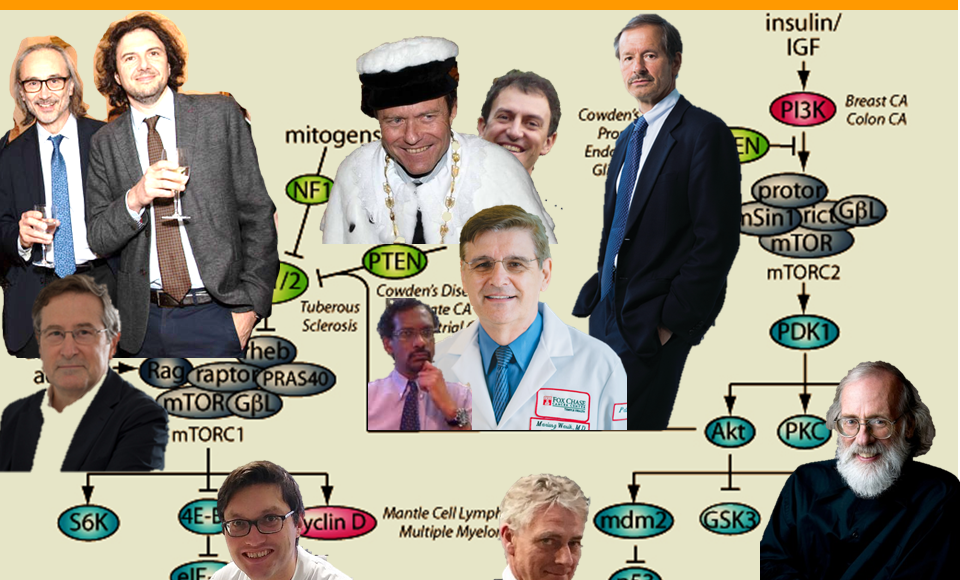

The affair around the many data manipulations in papers by US genius of molecular cell biology, the mTOR man David Sabatini of Whitehead Institute at MIT in Boston, was short-lived. No retractions, not much on corrections, and the one or two which were issued always state: “This error does not affect the conclusions of the paper“. Sabatini’s PubPeer record grew since my reporting, but he needn’t worry: presumably the unbiased MIT investigators decided that since Sabatini’s results were financially groundbreaking, Naturally impactful, and most importantly, they surely must have been reproduced by other labs, hence the data irregularities irrelevant. It seems Sabatini was right in calling his PubPeer detractors “steaming turds“.
And because Sabatini’s data is supported by that of his peers, the field of mTOR signalling which he established by co-discovering the gene, once associated with cell growth, now promises to solve all the big diseases, like cancer, cardiovascular issues, obesity, diabetes and of course also old age.
I would like you to meet a couple of very important gentlemen toiling in the mTOR field.

John Blenis
with Stephen Gygi, Lewis Cantley and Andrew Tee
Once in Harvard and now pharmacology professor at Weill Cornell medical school, John Blenis is a very significant researcher of the mTOR field. Would you like to see what he published with Sabatini?
Stefanie S. Schalm, Diane C. Fingar, David M. Sabatini, John Blenis TOS Motif-Mediated Raptor Binding Regulates 4E-BP1 Multisite Phosphorylation and Function Current biology (2003) doi: 10.1016/s0960-9822(03)00329-4
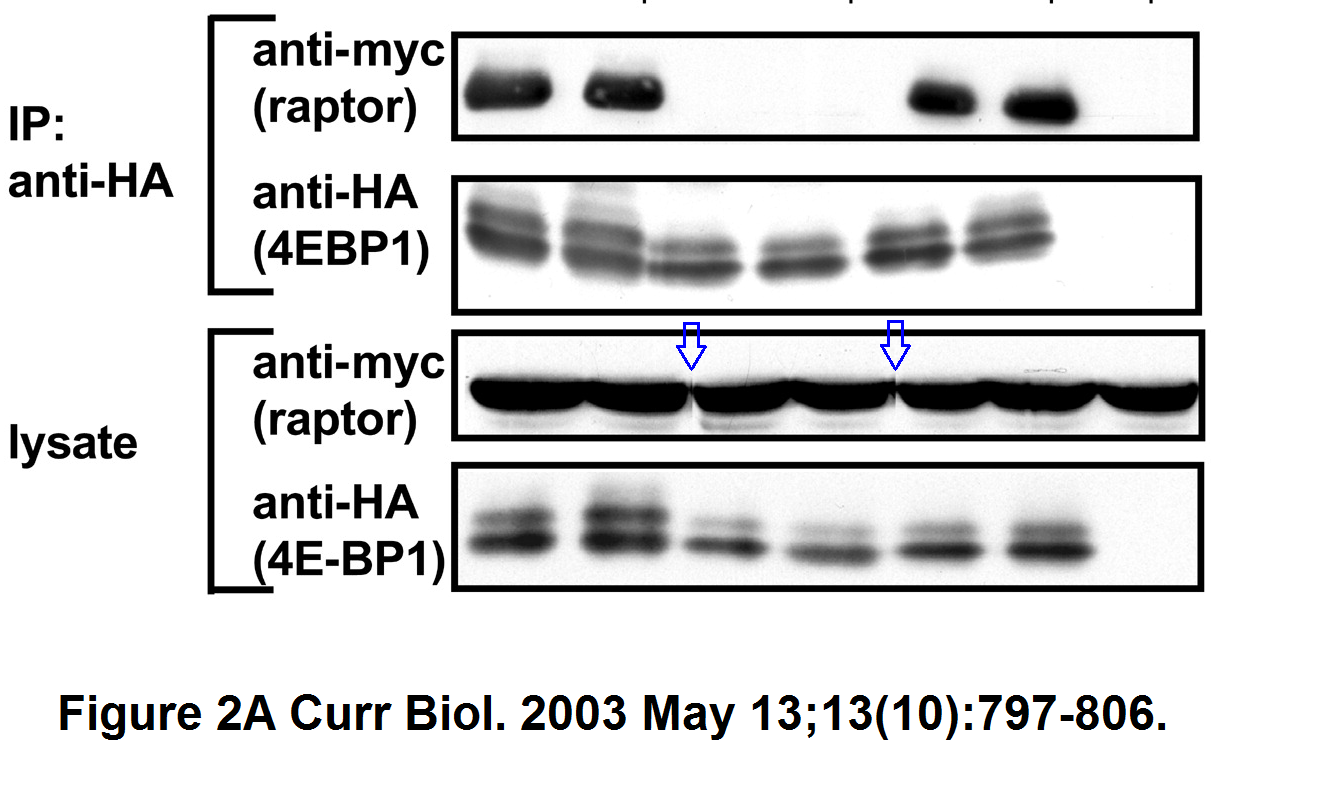

In both Figures two bands were spliced in. What is also worrisome, that the anti-HA panel in Figure 2 D ends with an empty lane stitched on.
It gets better:
Marina K. Holz, Bryan A. Ballif, Steven P. Gygi, John Blenis mTOR and S6K1 mediate assembly of the translation preinitiation complex through dynamic protein interchange and ordered phosphorylation events Cell (2005) doi: 10.1016/j.cell.2005.10.024
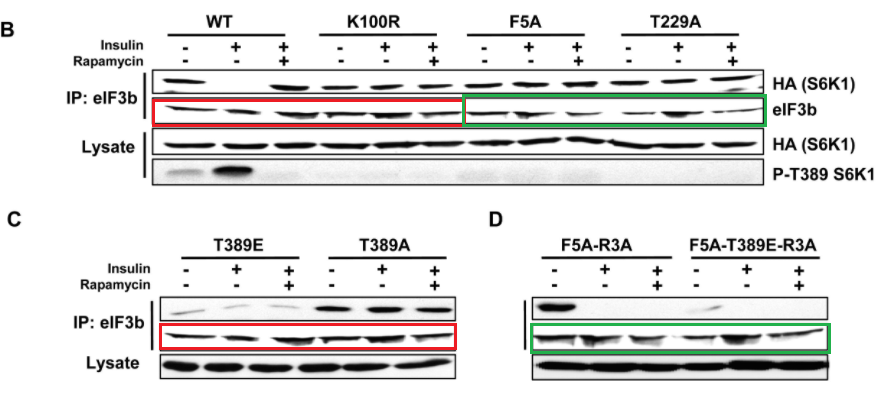
Various takes on Figure 2, with same bands recycled as eIF3b signal for various samples and experiments. But this is in Cell, where such things are actually not just tolerated, but possibly even expected.
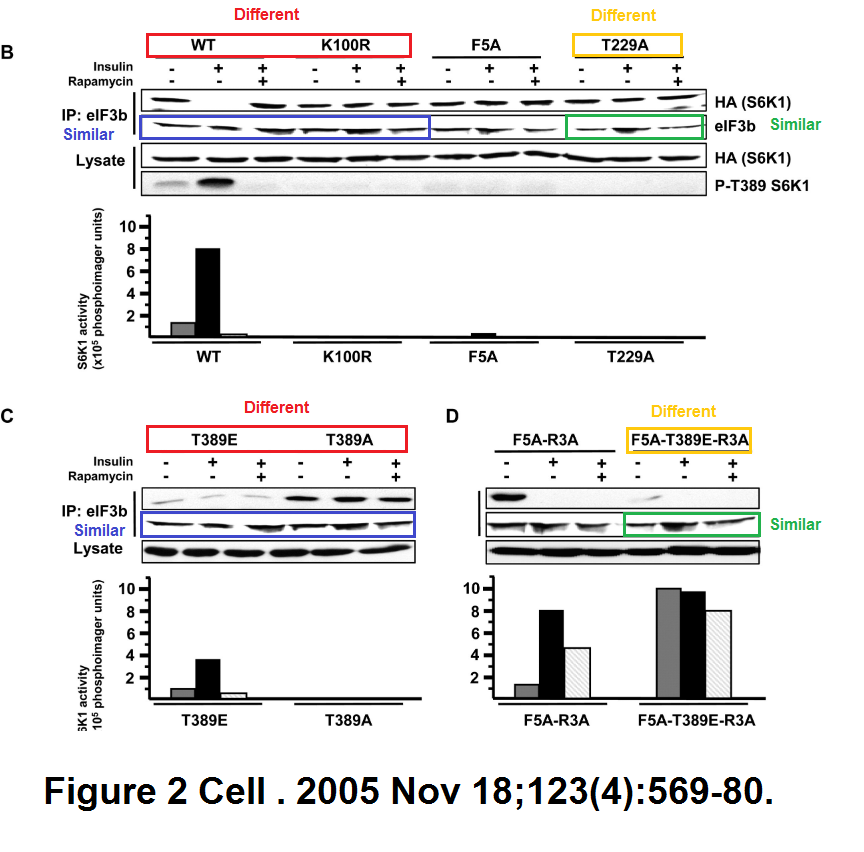
Update 16.04.2021: a Cell Press correction was issued for this paper yesterday, in the typical shin-kicking, nose-punching, in-your-face farting attitude of that parasitic Elsevier outlet:
“We, the editors of Cell, were contacted by a concerned reader regarding a duplication in Figure 2 of the above paper. Dr. John Blenis, the corresponding author, determined that the error was introduced during revision of the manuscript. In preparing the final version of Figure 2B, the panel showing results for eIF3b was mislabeled as HA (S6K1) lysate. A different exposure of the eIF3b panels published in Figures 2C and 2D was then mistakenly used for eIF3b, resulting in the duplication.The authors no longer have access to the original data for the HA (S6K1) lysate published 16 years ago, and as a consequence, a Correction is not possible. Given the age of the paper and that the duplication does not compromise the conclusions of the paper, based on the information available to us at this time, we believe that no further action is warranted.”
Steven Gygi is professor of cell biology at Blavatnik Institute in Harvard, his name pops up on several Blenis papers flagged on PubPeer. Gygi however also contributed to problematic papers with Sabatini and Harvard’s titan Bruce Spiegelman, the discoverer of the mythical and likely imaginary slimness hormone, Irisin. Here another study by Gygi and Blenis, also on mTOR signalling:
Sang-Oh Yoon, Sejeong Shin, Yuzhen Liu, Bryan A. Ballif, Michele S. Woo, Steven P. Gygi, John Blenis Ran-binding protein 3 phosphorylation links the Ras and PI3-kinase pathways to nucleocytoplasmic transport Molecular Cell (2008) doi: 10.1016/j.molcel.2007.12.024
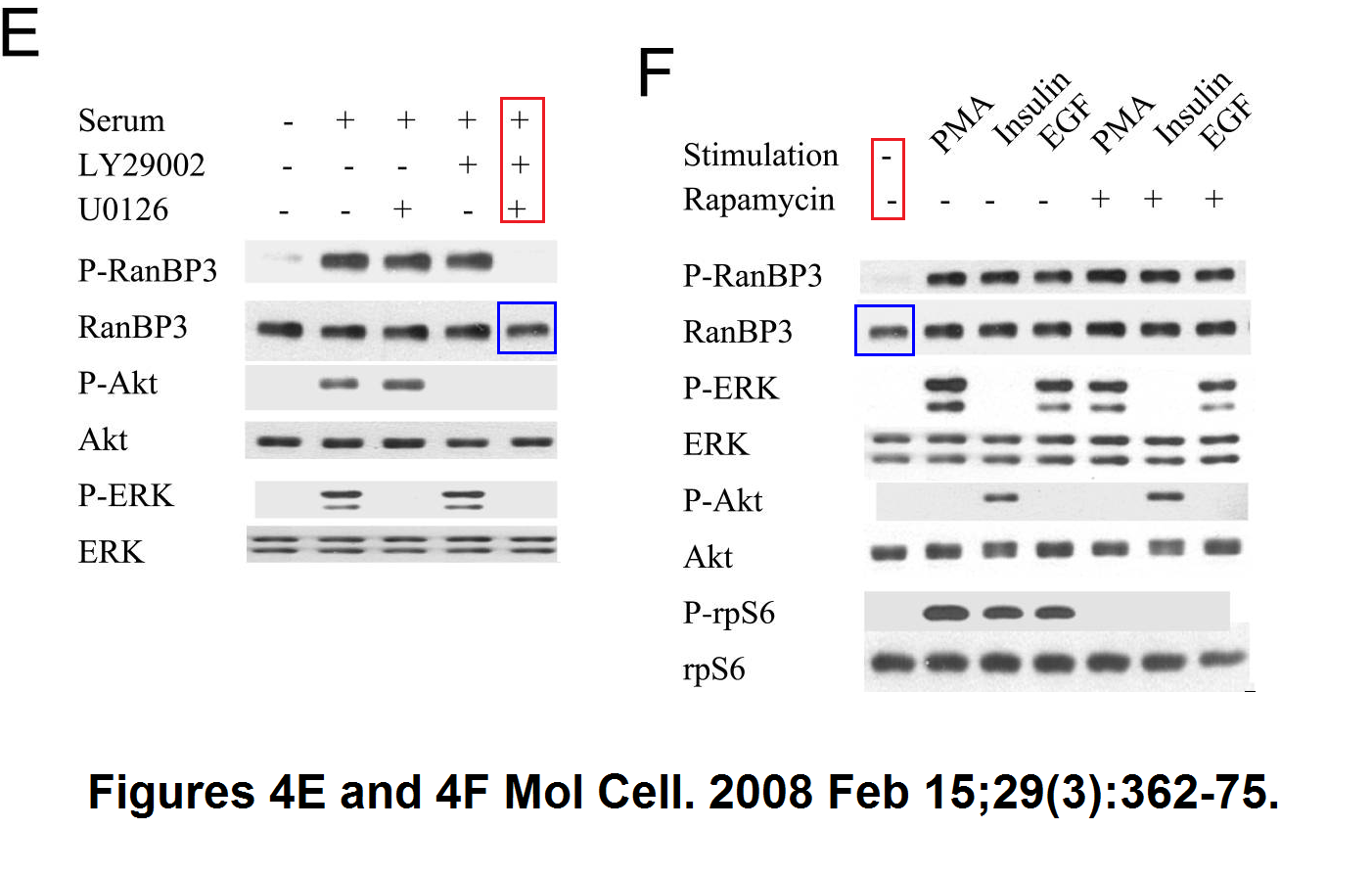
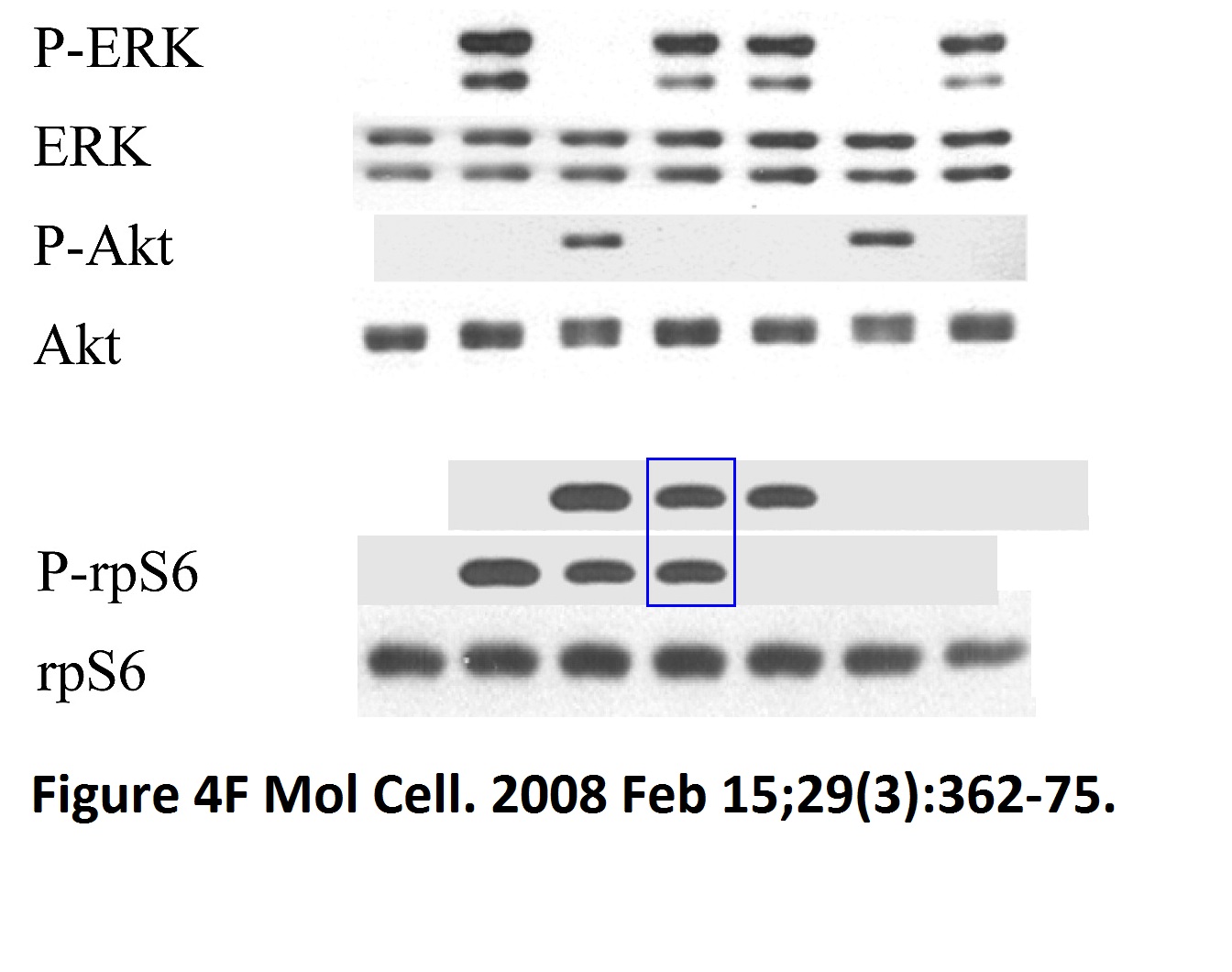
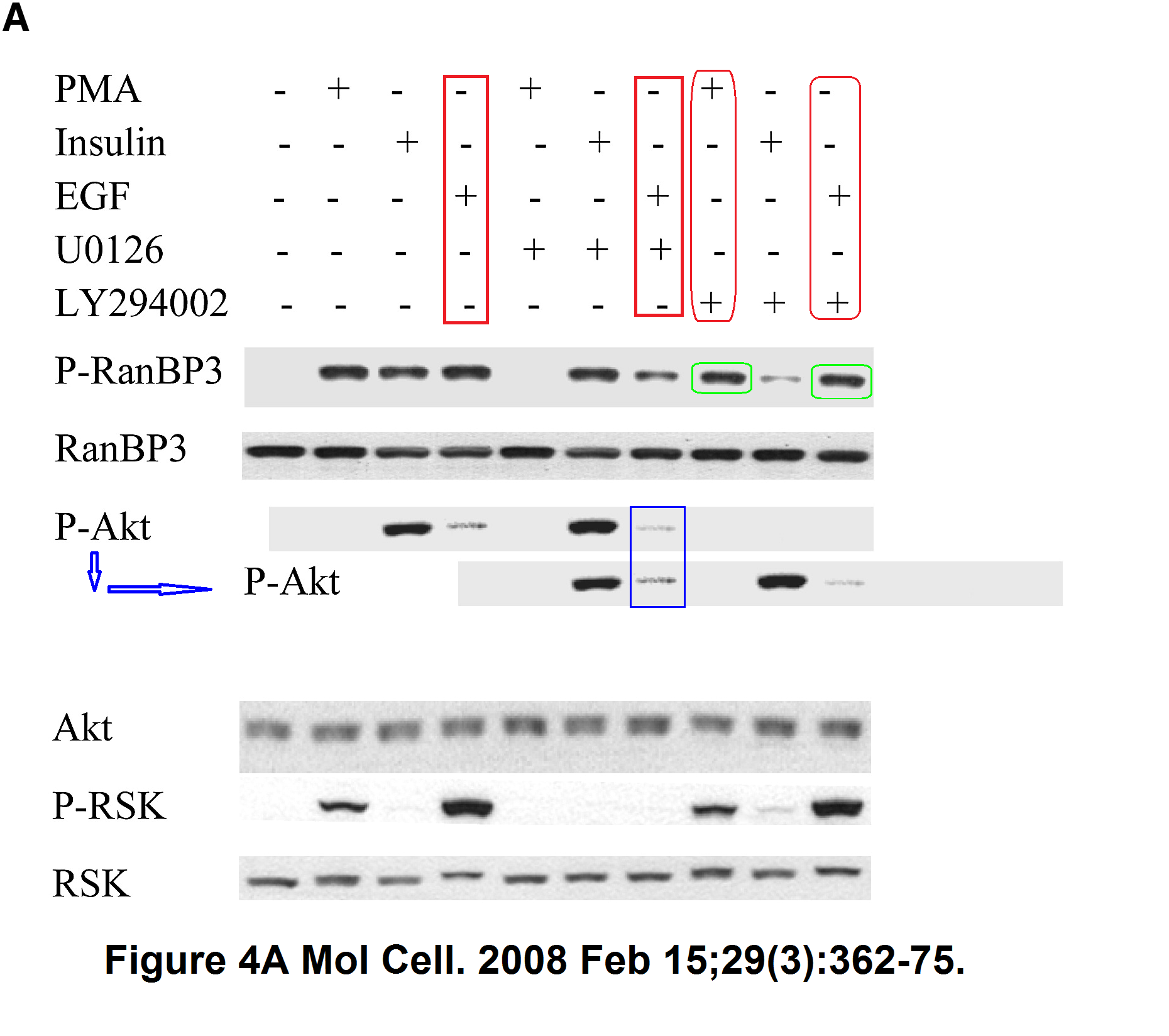
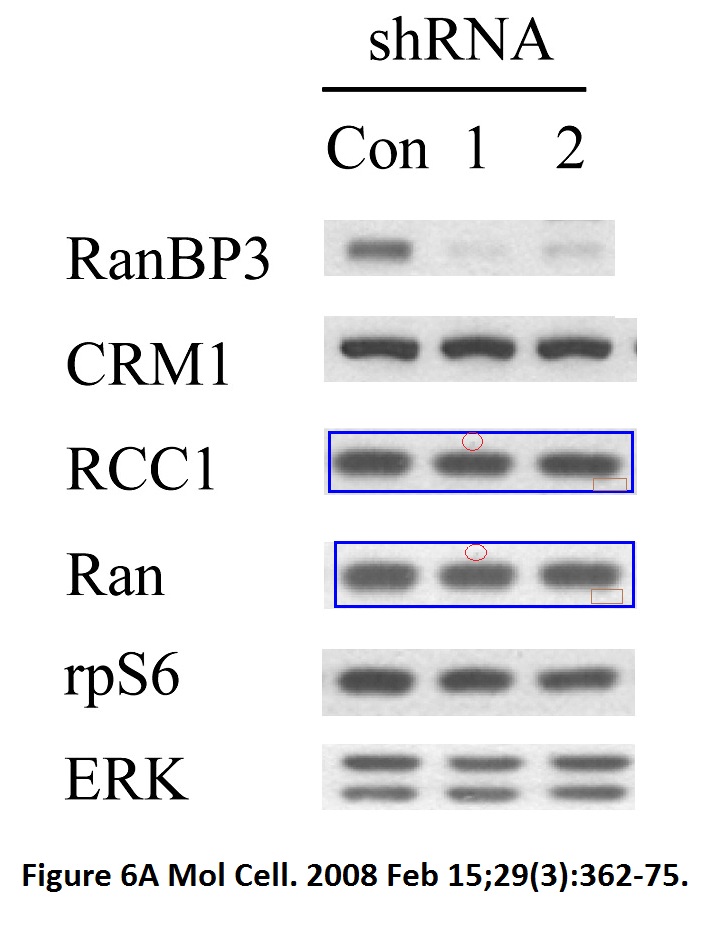
You add some rapamycin to get mTOR going, and look what happens. Bands duplicate themselves willy-nilly. Including in S6K1 kinase, an mTOR downstream effector and a very dodgy protein to make western blot figures with (cf Sabatini lab).
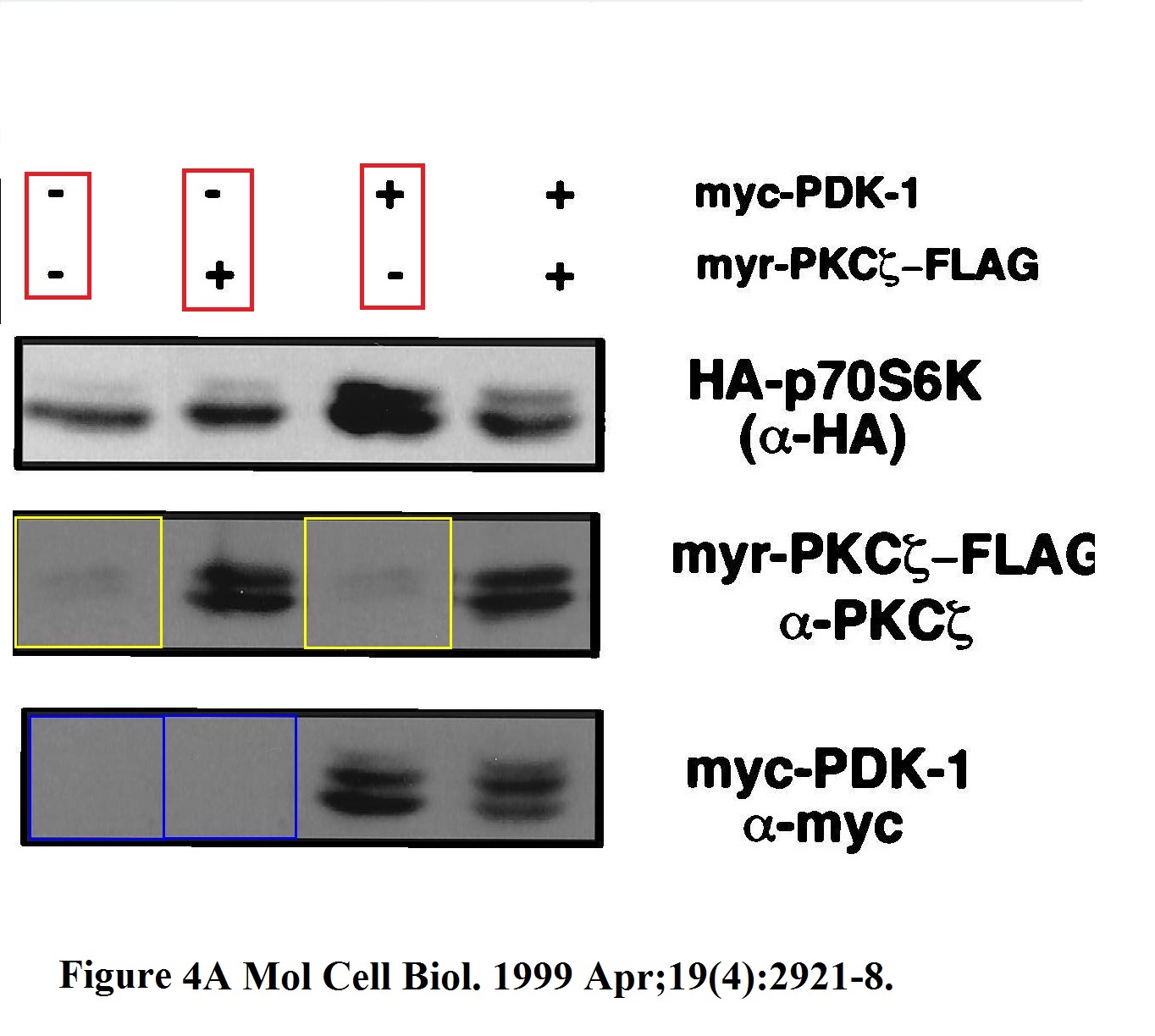
There are some old Blenis classics on Pubpeer, like this 21 year old Romanelli et al Mol Cell Biol 1999 which gels bands look like a stamp collection, with some stamps used twice, probably by mistake of an early edition of the Photoshop. But no time for such vintage classics from Harvard, so here is a rather recent paper from Cornell, so you can see the practice somehow continued.
Jing Li, Alfredo Csibi, Sun Yang, Gregory R. Hoffman, Chenggang Li, Erik Zhang, Jane J. Yu, John Blenis Synthetic lethality of combined glutaminase and Hsp90 inhibition in mTORC1-driven tumor cells Proceedings of the National Academy of Sciences of the United States of America (2015) doi: 10.1073/pnas.1417015112
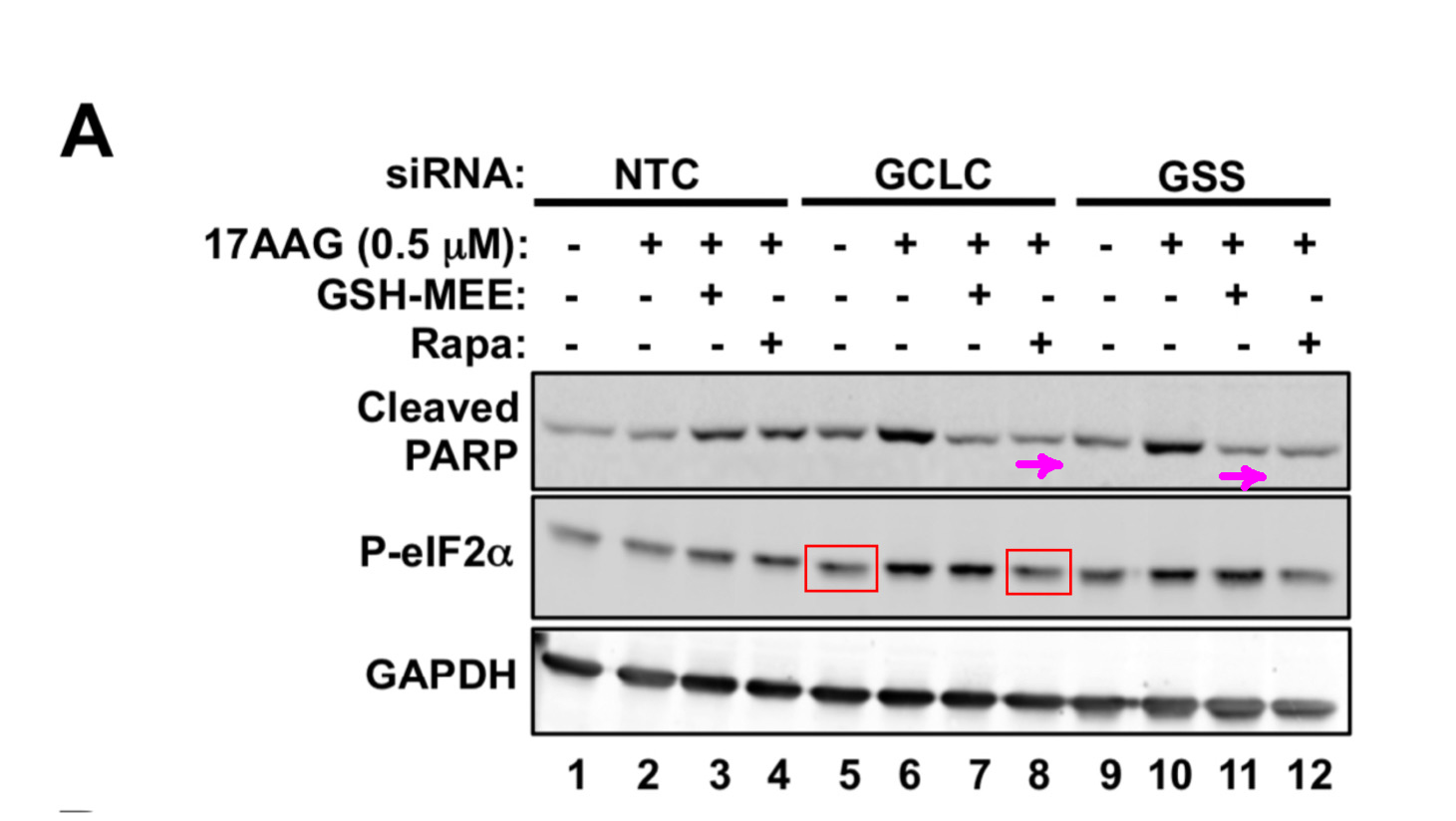
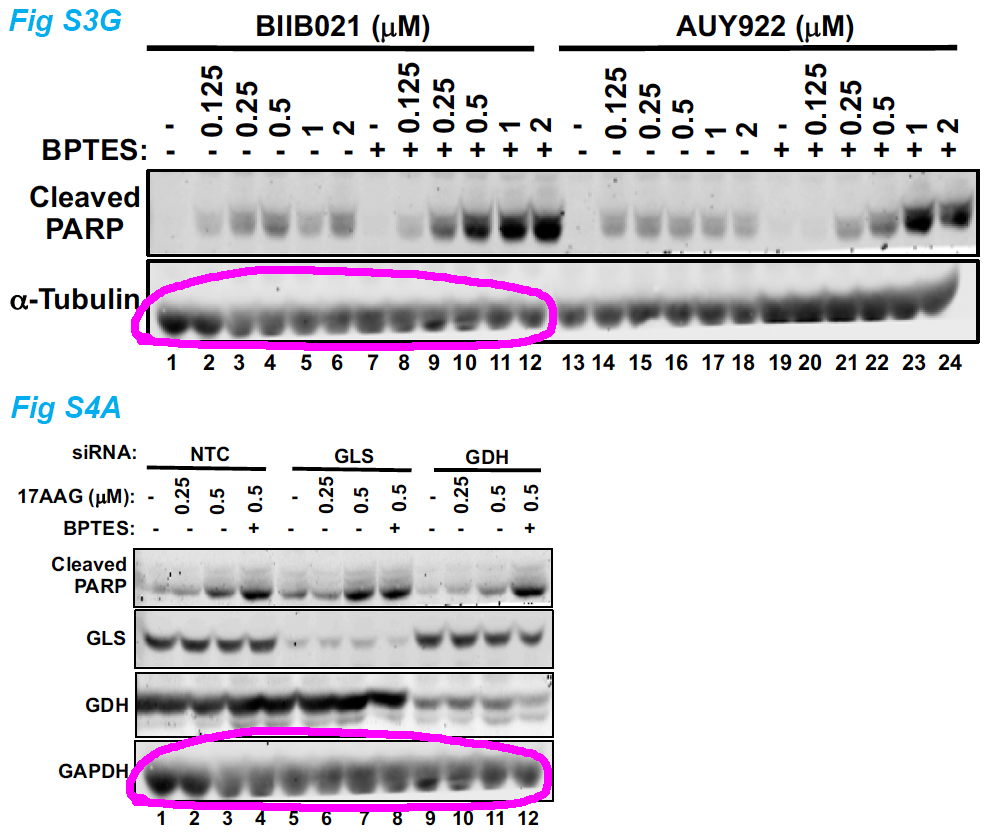
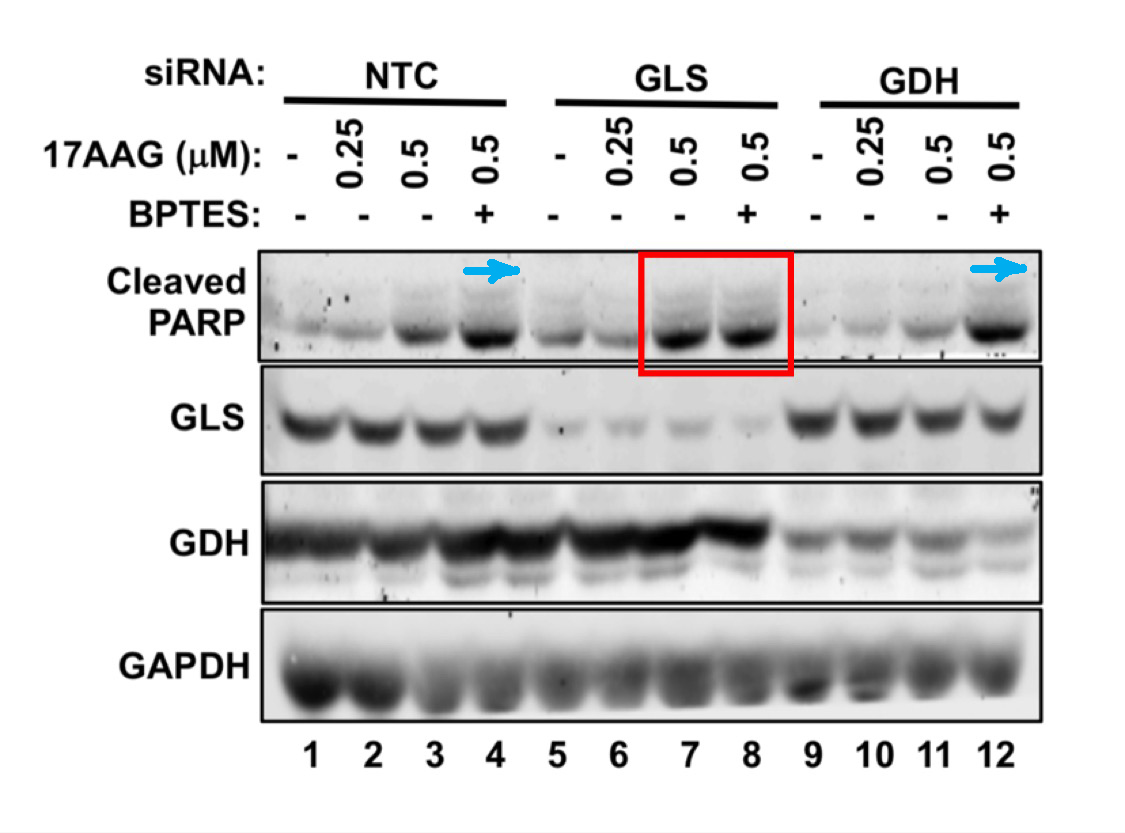
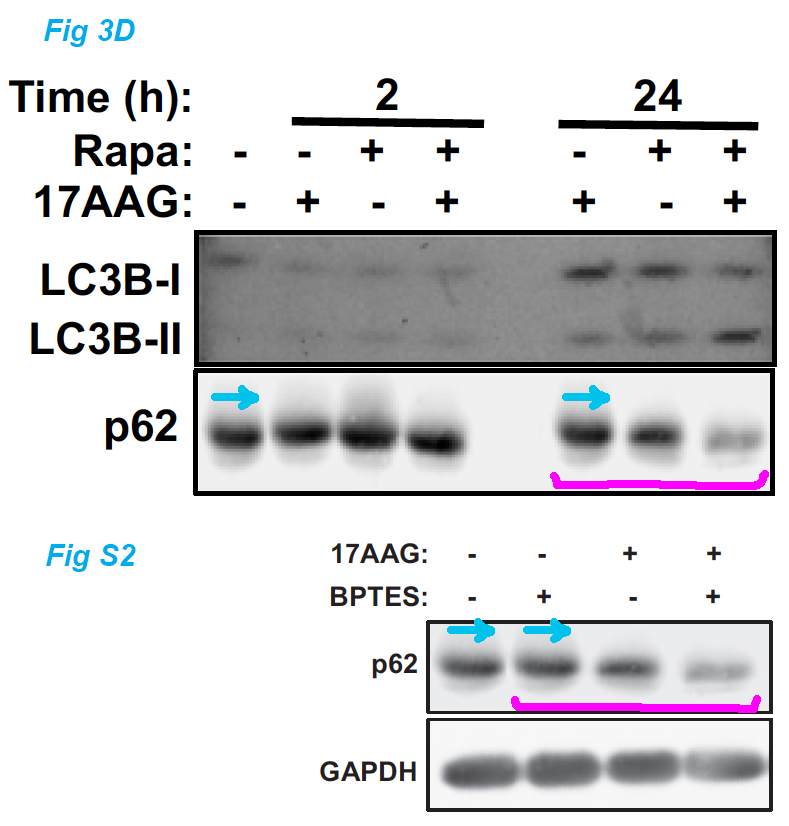
I find these many cloned bands worrisome, but then again, maybe it is supposed to be like this in mTOR research? Good thing that PNAS is not the kind of journal which would damage scientific progress by retracting papers just because of some fraudulent figures made up in Photoshop. No, Sir. Let’s have some more:
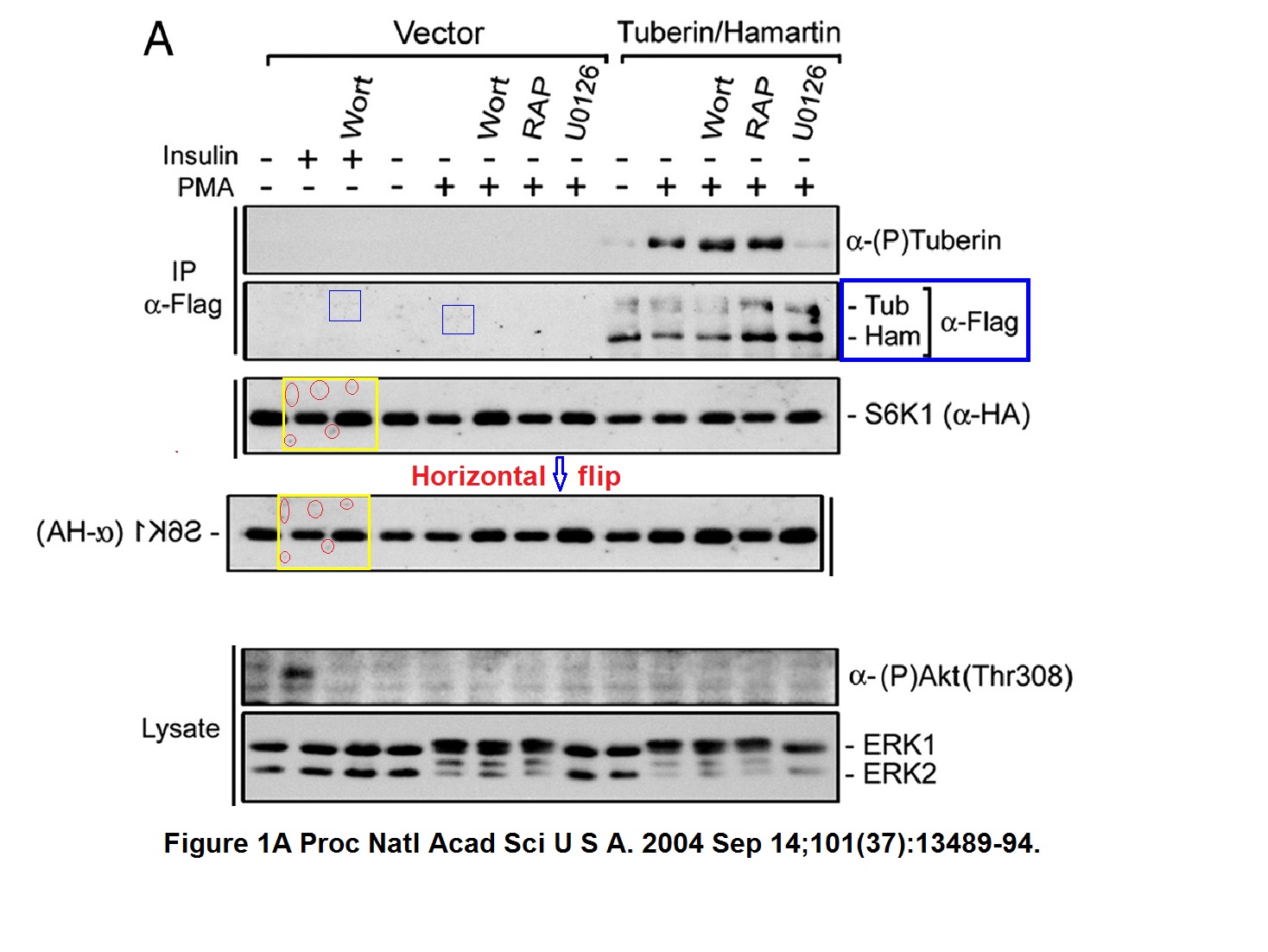
Philippe P Roux, Bryan A Ballif, Rana Anjum, Steven P Gygi, John Blenis Tumor-promoting phorbol esters and activated Ras inactivate the tuberous sclerosis tumor suppressor complex via p90 ribosomal S6 kinase Proceedings of the National Academy of Sciences of the United States of America (2004) doi: 10.1073/pnas.0405659101
A bit of empty background and a pair of bands seem duplicated. Nothing sinister surely, probably there were antibody signals were the researchers did not expect any, and you know how this naughty S6K1 protein behaves. So the bands had to do as told as not to affect the mTOR conclusions. The first author Philippe Roux is now professor at the University of Montreal in Canada, he and Blenis also published this paper:
Andrew R Tee, Brendan D Manning, Philippe P Roux, Lewis C Cantley, John Blenis Tuberous Sclerosis Complex Gene Products, Tuberin and Hamartin, Control mTOR Signaling by Acting as a GTPase-Activating Protein Complex toward Rheb Current biology doi: 10.1016/s0960-9822(03)00506-2
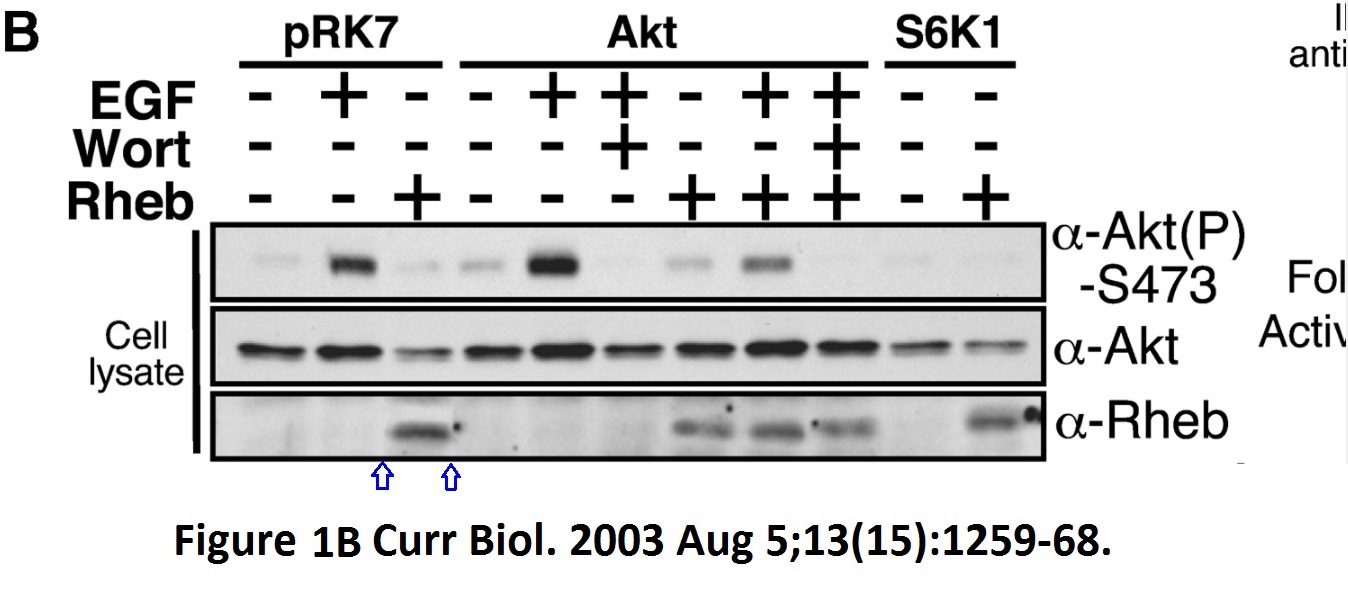

Someone very cack-handedly spliced-in a lane in the Rheb panel of Figure 1B. What was wrong with the original signal? And Figure 3 has issues with a duplicated S6K1 lane, but this is OK, since S6K1 protein is known to be dodgy and to cause band duplications without ever affecting any of the conclusions, remember? Actually, are any published S6K1 results real, at all? Better not to go down that rabbit hole.
Now, you might recognise the penultimate name on that paper above: Lewis Cantley, also at Weill Cornell, a real cancer research bigwig who won many awards and prizes, member of various Academies, and is credited with having discovered the PI3-Kinase. Cantley welcomed Blenis’ arrival at Weill Cornell with wine and cheese in 2014. I mentioned Cantley’s own Pubpeer record and presented some of his problematic papers which do not feature Blenis as coauthor in my earlier article about the Wizard Men of Breast Cancer. In fact, Cantley also coauthored some mTOR-relevant papers with Nabeel Bardeesy from Harvard (I once wrote about Bardeesy’s mentee Ruben Plentz), Bardeesy has his own serious PubPeer record. Here a common paper about the discovery of mTOR being regulated by the kinase LKB1:
Reuben J Shaw, Nabeel Bardeesy, Brendan D Manning, Lyle Lopez Monica Kosmatka, Ronald A DePinho, Lewis C Cantley The LKB1 tumor suppressor negatively regulates mTOR signaling Cancer Cell (2004) doi: 10.1016/j.ccr.2004.06.007
Reuben J Shaw, Katja A Lamia, Debbie Vasquez, Seung-Hoi Koo, Nabeel Bardeesy, Ronald A Depinho, Marc Montminy, Lewis C Cantley The kinase LKB1 mediates glucose homeostasis in liver and therapeutic effects of metformin Science (2005) doi: 10.1126/science.1120781
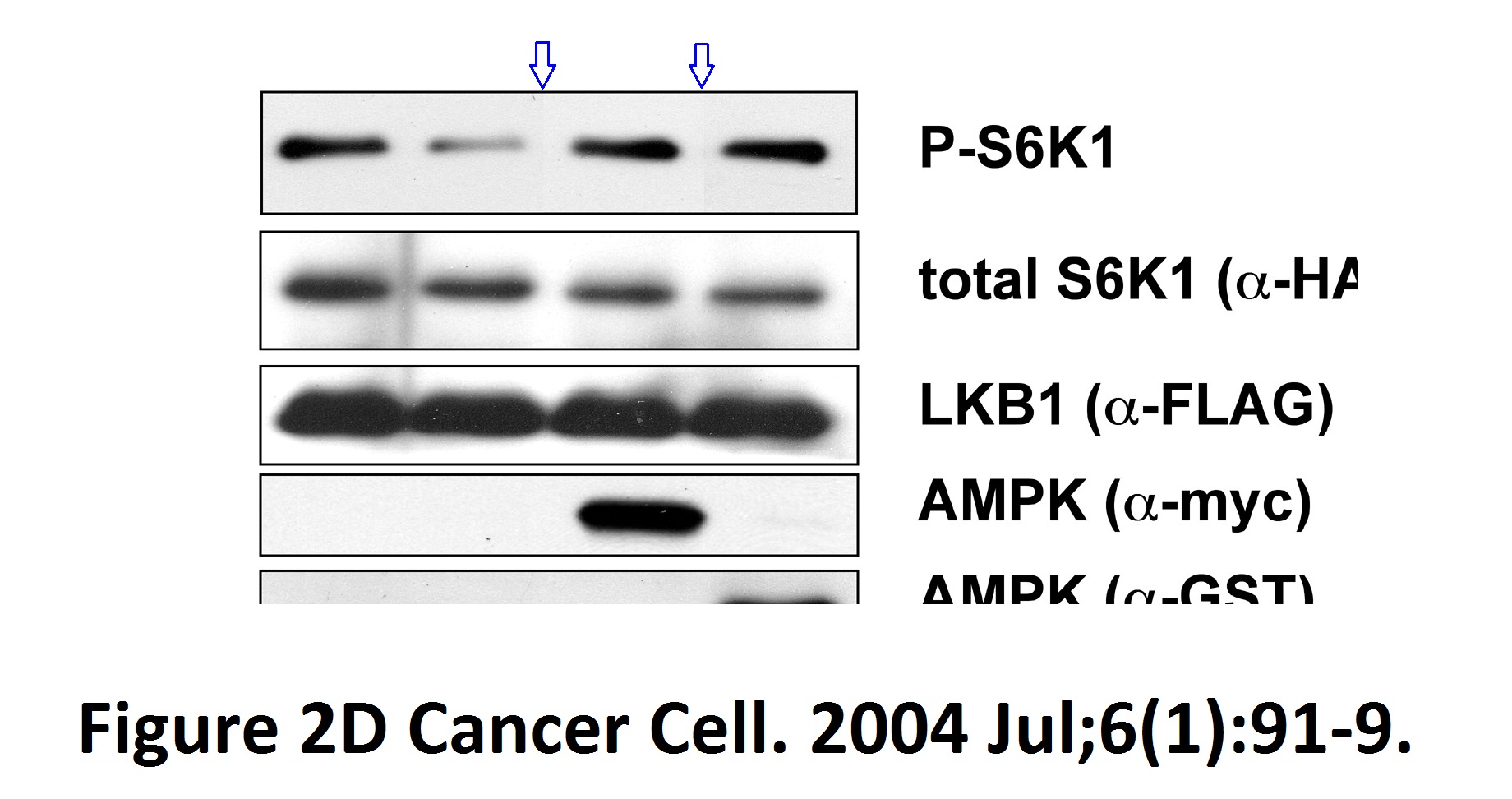
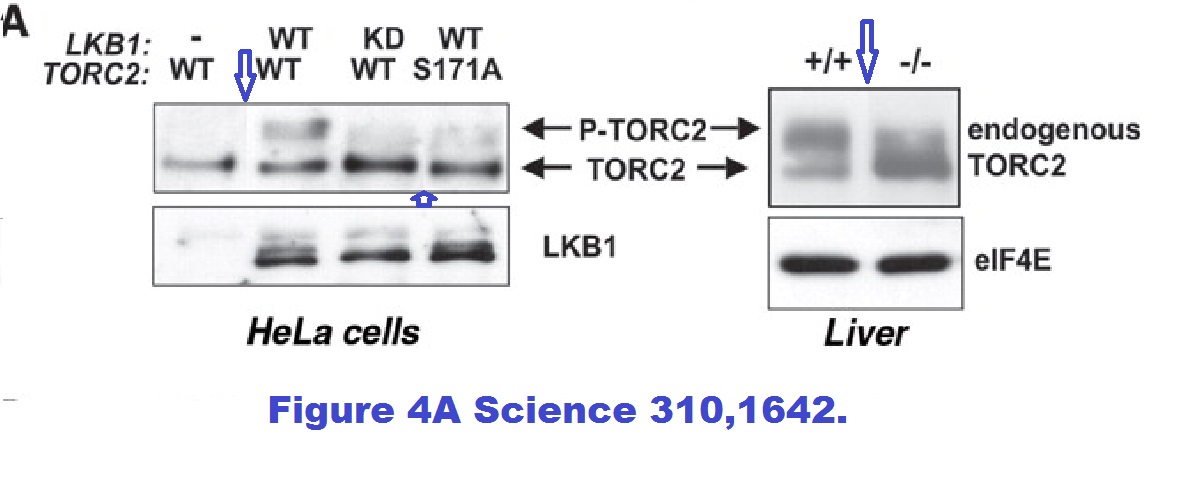
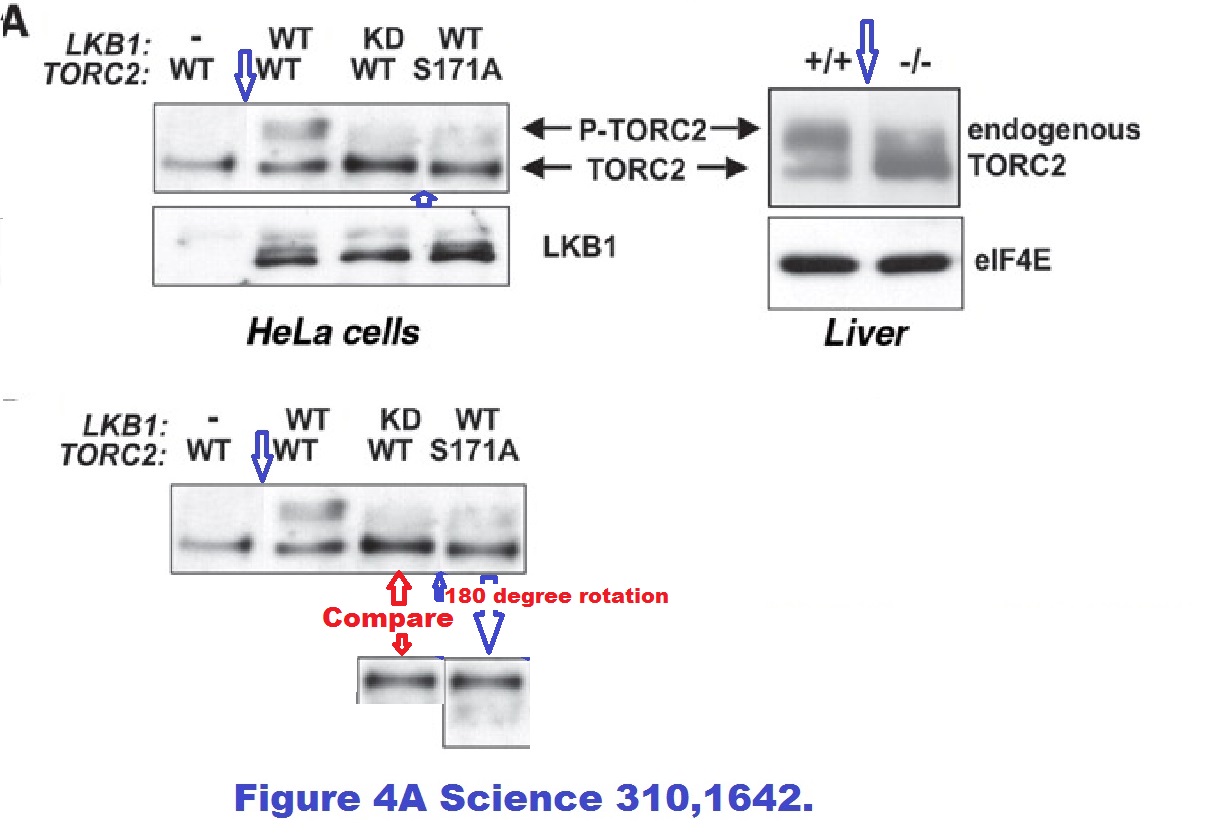
Spliced gels with without proper loading controls and but possibly with duplicated gel bands. Are these top-rank journal papers trustworthy? In this regard, a coauthor on both studies is former MD Anderson Cancer Center president Ron DePinho, with 26 papers on Pubpeer (I briefly wrote about him here). See how it goes, as if there was some kind of mutual attraction between this kind of scientists, you keep recognising the names. In fact, Brendan Manning, coauthor on two Blenis lab papers discussed above, continued with the attitude as a Harvard professor in his own right:
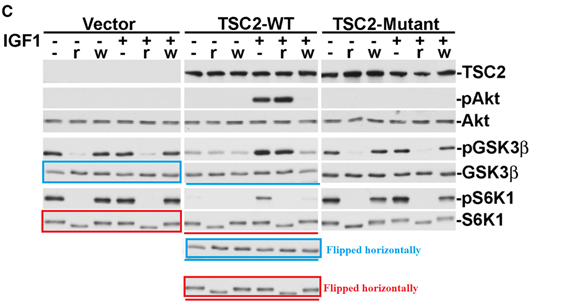
Hui H. Zhang, Alex I. Lipovsky, Christian C. Dibble, Mustafa Sahin, Brendan D. Manning S6K1 regulates GSK3 under conditions of mTOR-dependent feedback inhibition of Akt Molecular cell (2006) doi: 10.1016/j.molcel.2006.09.019
Damn that S6K1, really. The protein can’t be real, no?
But back to the Blenis and Cantley team, which has five mTOR papers flagged on PubPeer. For example, the following study featuring another Blenis’ mentee whom we met above, Andrew Tee, which was personally “contributed” to PNAS by the National Academy of Sciences member Cantley. Even though someone did something very horribly wrong to the figures from a JBC paper which was published by Tee and Blenis just 2 months before:
Andrew R Tee, Diane C Fingar, Brendan D Manning, David J Kwiatkowski, Lewis C Cantley, John Blenis Tuberous sclerosis complex-1 and -2 gene products function together to inhibit mammalian target of rapamycin (mTOR)-mediated downstream signaling Proceedings of the National Academy of Sciences of the United States of America (2002) doi: 10.1073/pnas.202476899

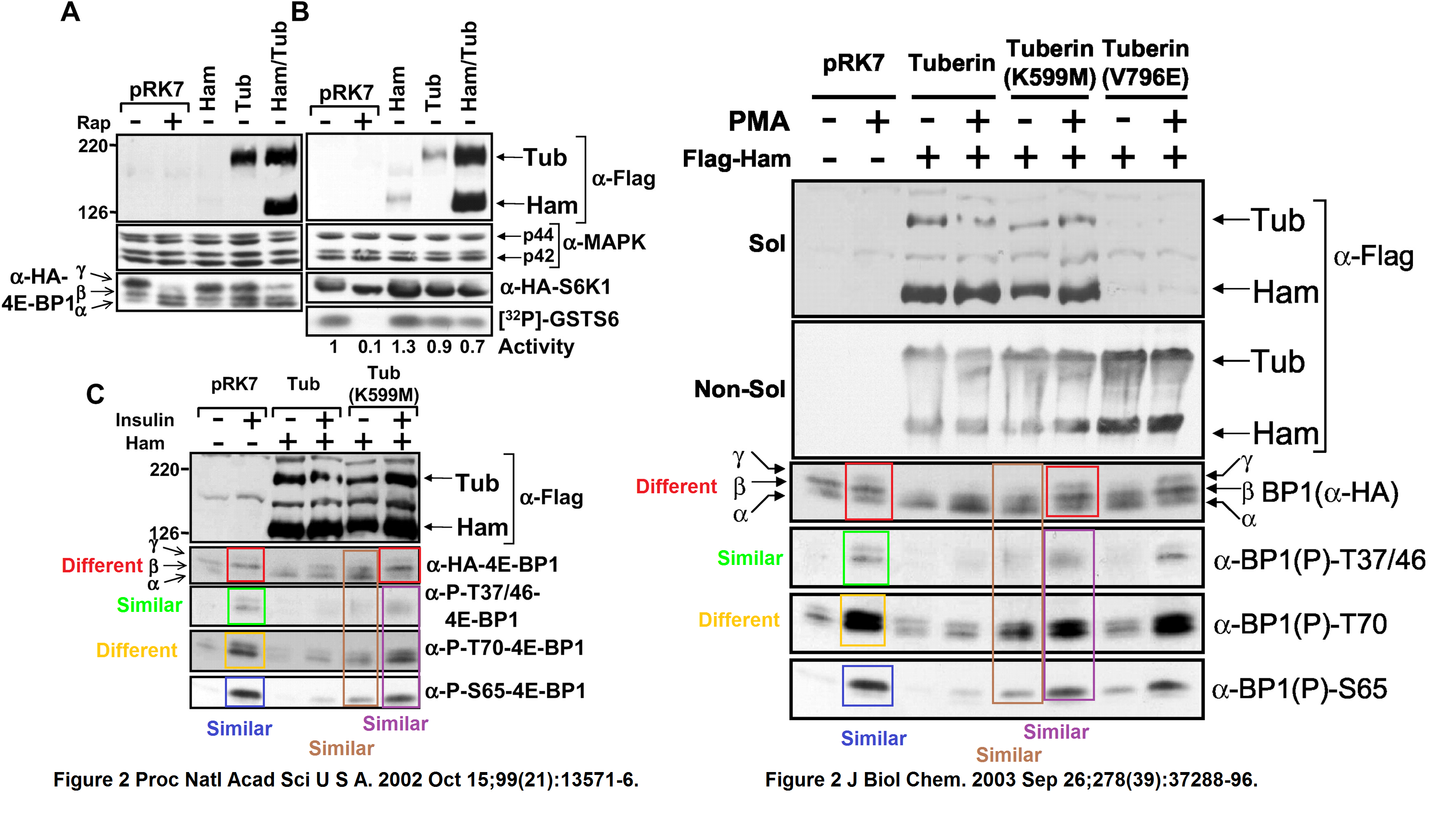
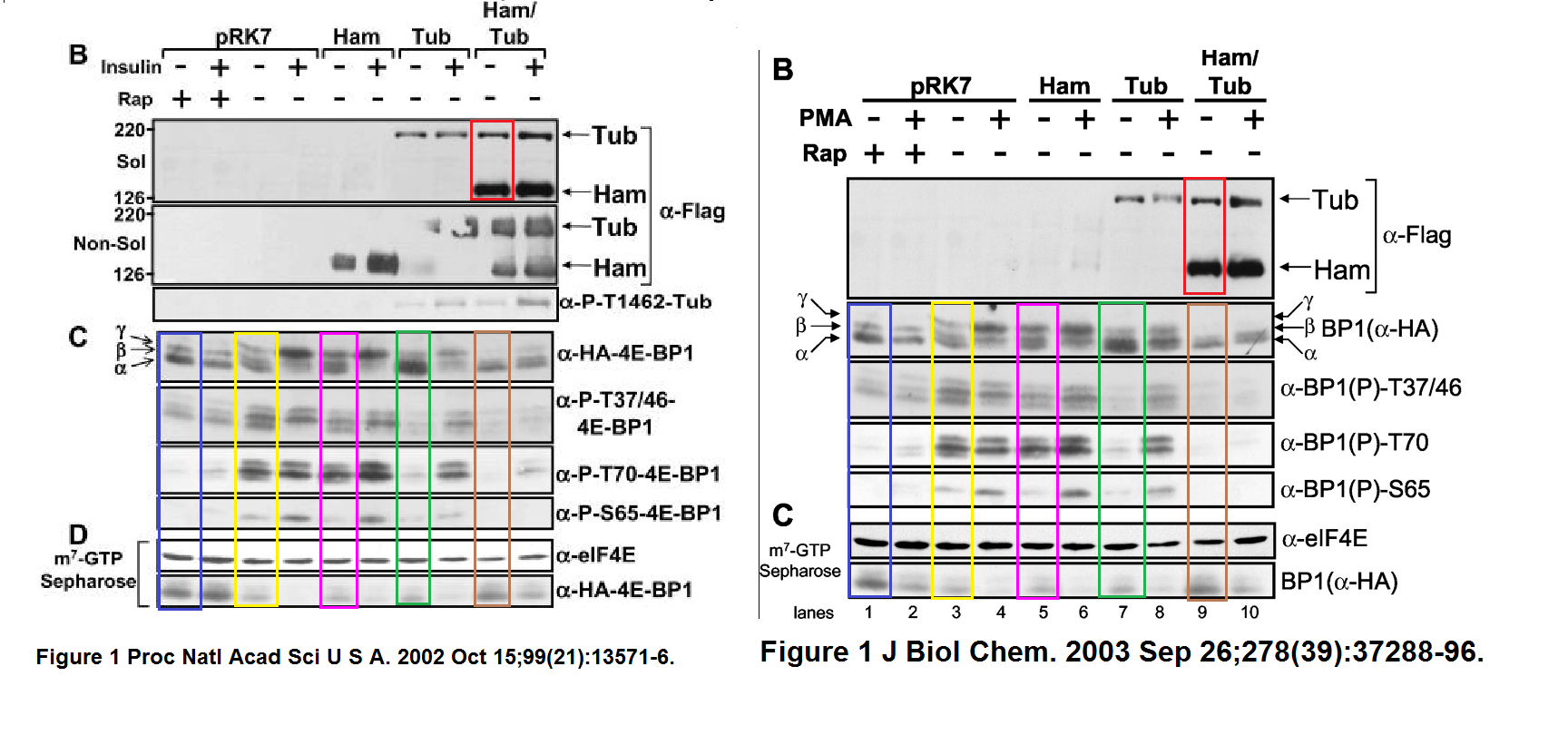
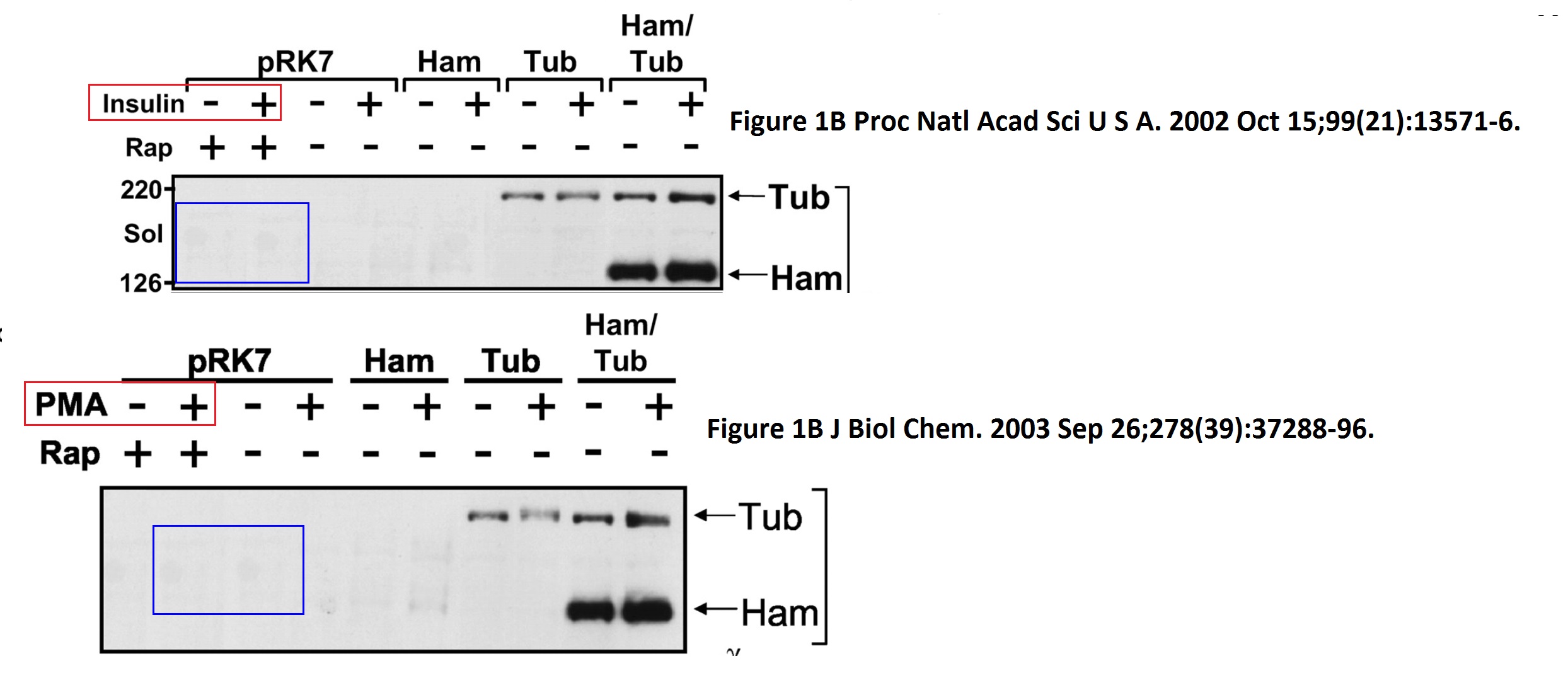
That other JBC paper, ravished, tarred and feathered for the purpose of PNAS submission, was this:
Andrew R. Tee, Rana Anjum, John Blenis Inactivation of the tuberous sclerosis complex-1 and -2 gene products occurs by phosphoinositide 3-kinase/Akt-dependent and -independent phosphorylation of tuberin Journal of Biological Chemistry (2003) doi: 10.1074/jbc.m303257200
It had its own issues of cloned gel lanes, with bands and without:
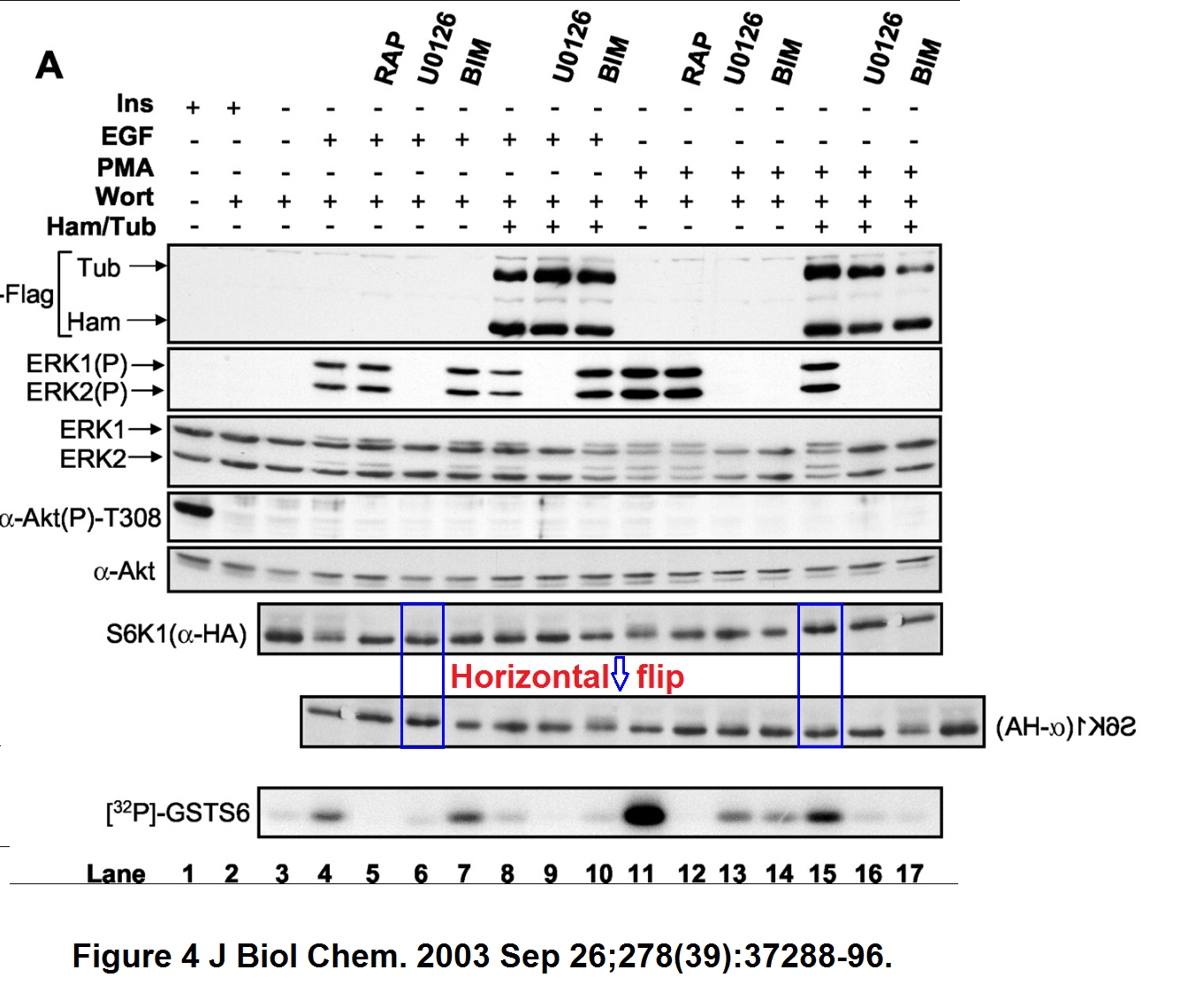

And now you can guess why Rana Anjum did not make it to the PNAS authors list: the western blot data from her JBC paper with Tee and Blenis “evolved” into something else, when Cantley “contributed” those to PNAS to bypass proper peer review.
Otherwise, the creativity paid off for all involved: Dr Tee is now professor at the Cardiff University in UK, working in mTOR signalling (and perfectly safe there, Cardiff even protects photoshopped TCM quackery).
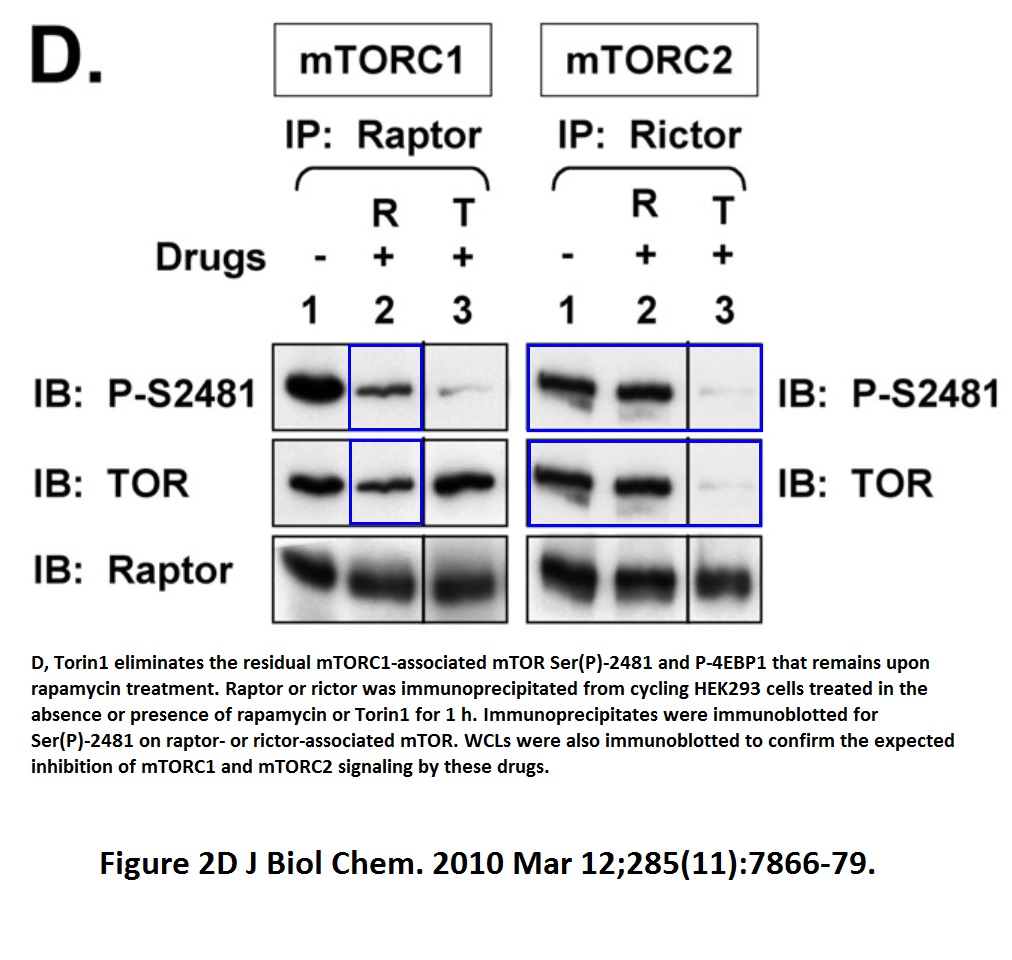
In fact, Tee continued publishing stuff like that, continuing in the mTOR area: look at the Figure 2D from Soliman et al J Biol Chemistry 2010 which he published as newly appointed Cardiff professor. If this is an accident of oversight, then Tee had something in his tea.
But do not expect much action about Blenis’ papers on the side of Weill Cornell either. They not only never bothered about Cantley’s old PubPeer record, they also diligently neglected the unsavoury mess caused by Andrea Cerutti (who incidentally also published some falsified research on the mTOR topic, Sintes et al Nature Comms 2017) and now probably think of the ways to sit out the affair about their own dean, Augustine Choi, who decided that the most toxic gas, carbon monoxide, is actualyl good for your health. You see, once you reach a certain status in academia, the pedestrian rules of research ethics stop applying to you.
A failed scientist is someone who failed to reach this status.
Michael Hall
The Swiss-based mTOR co-discoverer Michael Hall is Sabatini’s counterpart heavyweight in Europe. Even if to a much smaller extent, his lab at the University of Basel, Switzerland, still somehow produced some accidents of oversight in their mTOR research. Seven years ago, Hall corrected a paper in Cell (Thedieck et al 2013), there might be need to correct another one:
Dietmar E. Martin, Alexandre Soulard, Michael N. Hall TOR regulates ribosomal protein gene expression via PKA and the Forkhead transcription factor FHL1 Cell (2004) doi: 10.1016/j.cell.2004.11.047
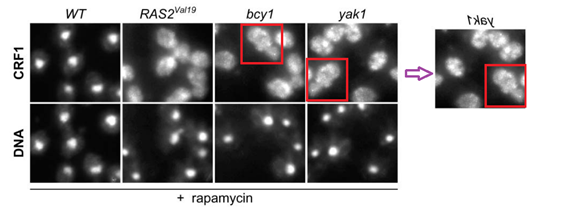
How come cells transfected with different genetic constructs start looking so similar?
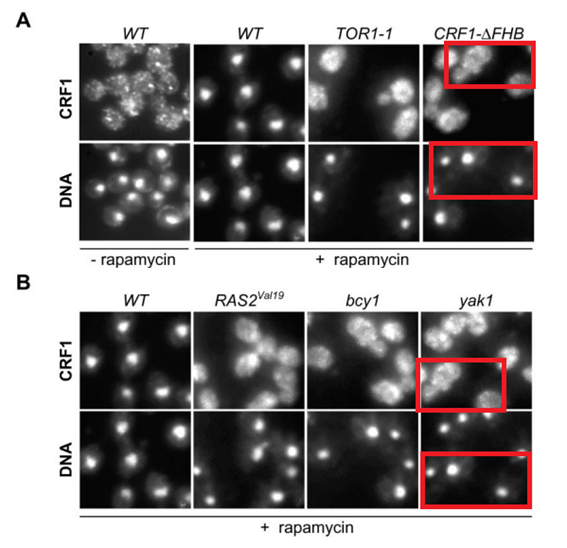
Also these two papers from Hall lab in Basel might need a correction:
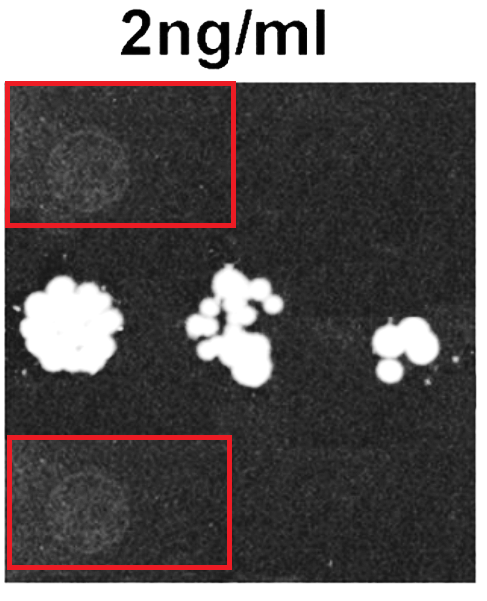

And maybe also this paper could profit from a correction to preserve its conclusions:
Pazit Polak, Nadine Cybulski, Jerome N. Feige, Johan Auwerx, Markus A. Rüegg, Michael N. Hall Adipose-specific knockout of raptor results in lean mice with enhanced mitochondrial respiration Cell Metabolism (2008) doi: 10.1016/j.cmet.2008.09.003
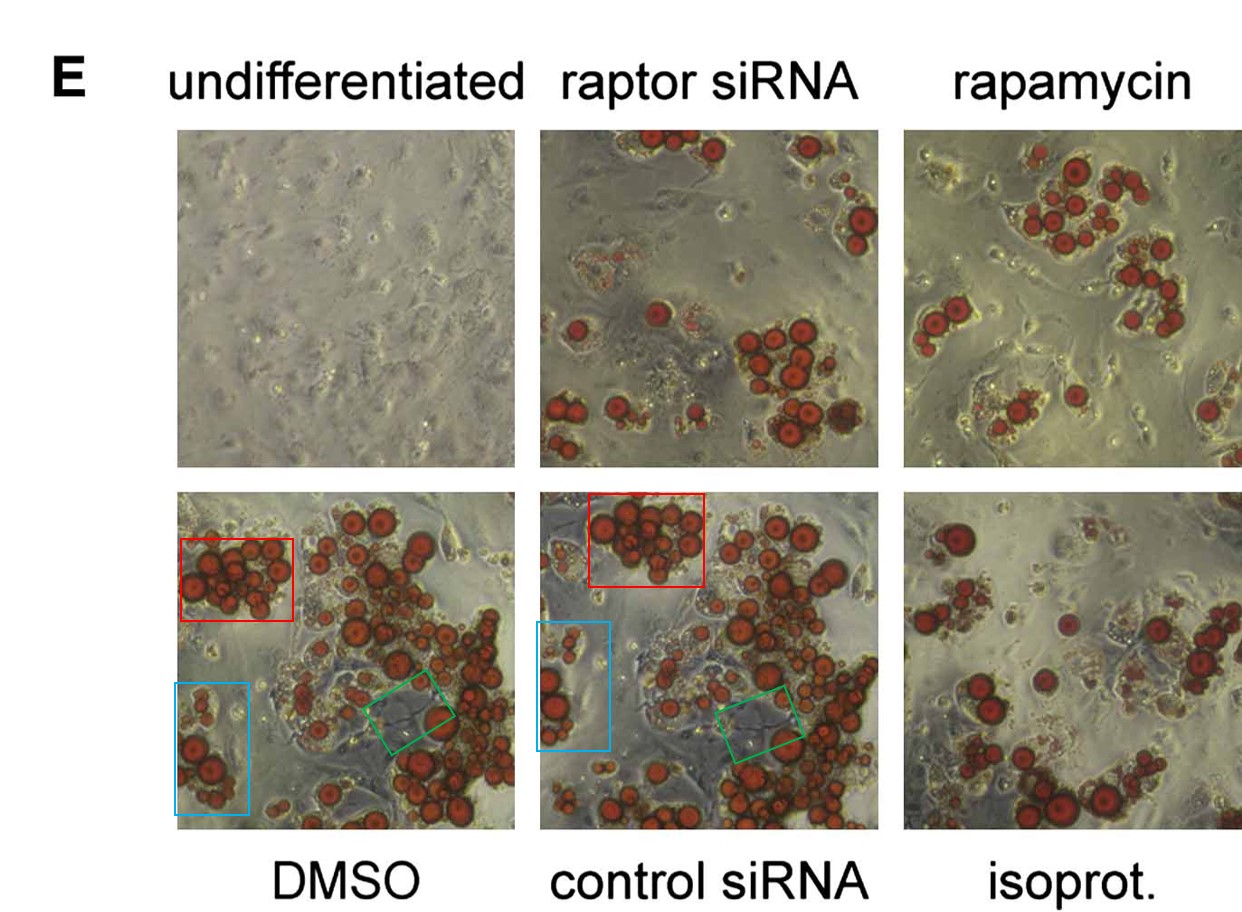
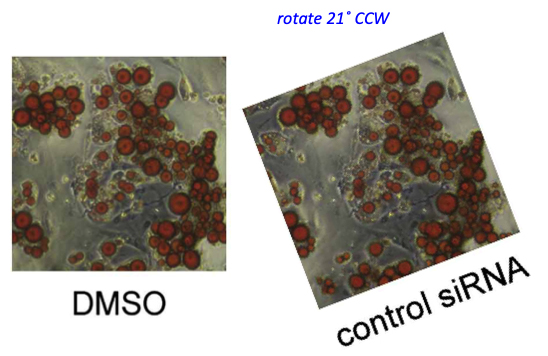
An image, accidentally rotated before reuse. Worth mentioning that the coauthor, Johan Auwerx, is another bigwig in European biomedicine and professor at EPFL in Lausanne, Switzerland, and has 26 papers on PubPeer. In this regard, the only reaction so far was Auwerx’ first author and now EPFL professor Lluis Fajas seemingly taunting his critics on PubPeer. Retractions are something our academic research enterprise reserves for people in Asia, presumably. There were not even corrections for Auwerx (and Fajas). Let’s hope Hall won’t listen to Auwerx’ advice.
Tony Hunter
I wrote about this Gandalf the Wizard of US biomedicine and discoverer of tyrosine phosphorylation before, which earned me a Twitter black by the Salk Institute where Tony Hunter works. So here briefly as small collage from Hunter’s papers on the topic of mTOR and S6K1 signalling, for more read this article.

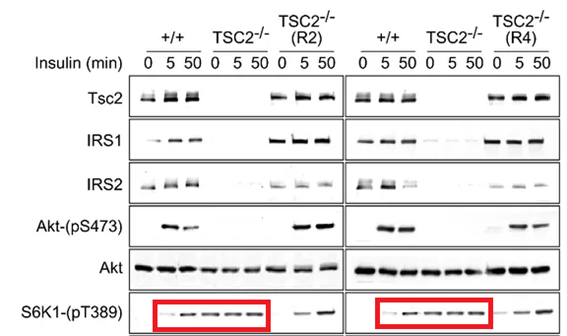
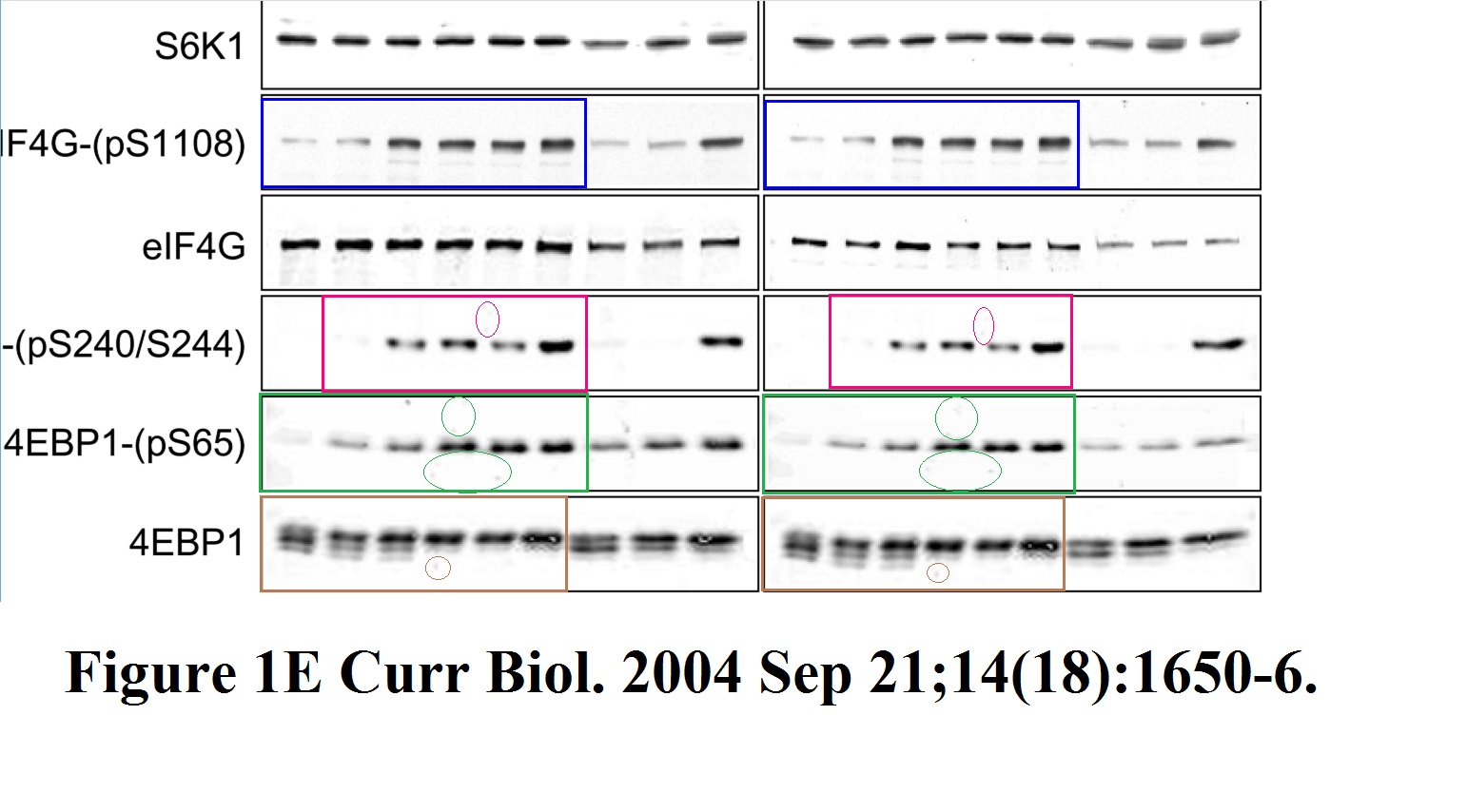
None of that will ever get a correction, or god beware, a retraction. These works of scholarly learning are safe as houses, just like other problematic papers from Hunter lab at Salk. Some scientists are more equal than others.
Mariusz Wasik
with Erle Robertson
Hence, here another mTOR researcher: Mariusz Wasik, originally from Wroclaw, Poland, now professor and associate director of Fox Chase Cancer Center at Temple University. Yes, same Philadelphia-based university where Domenico Pratico and Antonio Giordano are also professors at, what coincidence.
Wasik has currently 16 papers on Pubpeer, and like with Blenis above, I will sure only the worst mTOR excesses.
Pawel Wlodarski, Monika Kasprzycka, Xiaobin Liu, Michal Marzec, Erle S. Robertson, Artur Slupianek, Mariusz A. Wasik Activation of mammalian target of rapamycin in transformed B lymphocytes is nutrient dependent but independent of Akt, mitogen-activated protein kinase/extracellular signal-regulated kinase kinase, insulin growth factor-I, and serum Cancer Research (2005) doi: 10.1158/0008-5472.can-04-4180

Kind of reminiscent of the Tee & Blenis artworks, no?
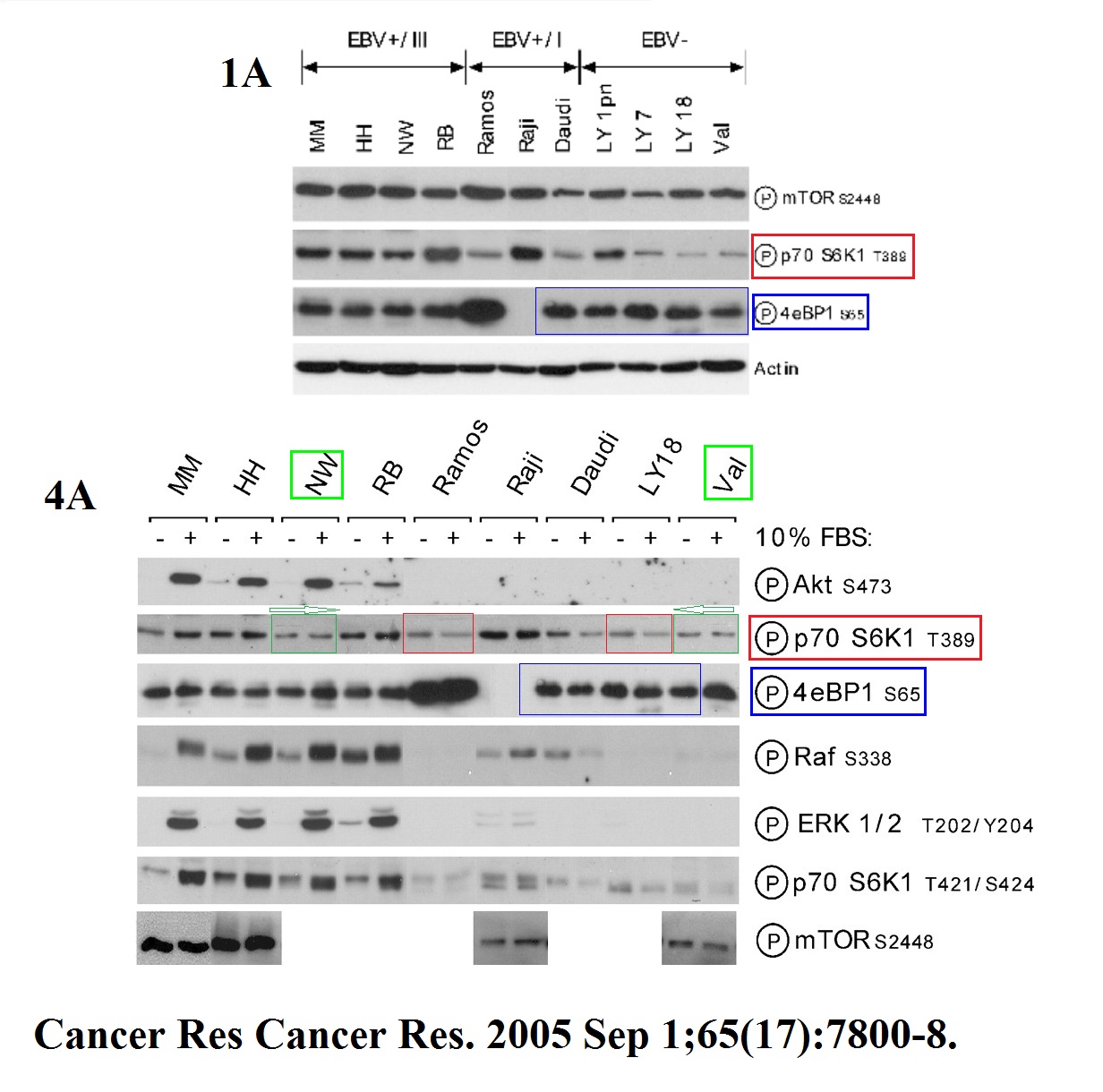
A coauthor of this paper is Wasik’s Philly neighbour Erle Robertson, virology professor at the University of Pennsylvania. This gentleman has his own Pubpeer record of almost 50 papers. There is a massive evidence of hair-raising data fakery in the papers from Robertson lab, so you will be surely reassured that he is now fighting on the COVID-19 front and “has developed a “PathoChIP”, which is a metagenomics assay for parallel DNA and RNA detection of all known viruses, and a comprehensive group of human pathogens which include bacteria, fungi, protozoa, helminths.“, as the Medical School at UPenn proudly reported. I would not trust that assay much, it probably runs on Photoshop.
So here another Wasik-Robertson copro-duction on the topic of mTOR signalling:

Mouna El-Salem, Puthiyaveettil N. Raghunath, Michal Marzec, Xiaobin Liu, Monika Kasprzycka, Erle Robertson, Mariusz A. Wasik Activation of mTORC1 signaling pathway in AIDS-related lymphomas American Journal Of Pathology (2009) doi: 10.2353/ajpath.2009.080451
More? The two men are really a dream team:
Michal Marzec, Xiaobin Liu, Monika Kasprzycka, Agnieszka Witkiewicz, Puthiyaveettil N. Raghunath, Mouna El-Salem, Erle Robertson, Niels Odum, Mariusz A. Wasik IL-2– and IL-15–induced activation of the rapamycin-sensitive mTORC1 pathway in malignant CD4+ T lymphocytes Blood (2008) doi: 10.1182/blood-2007-06-095182


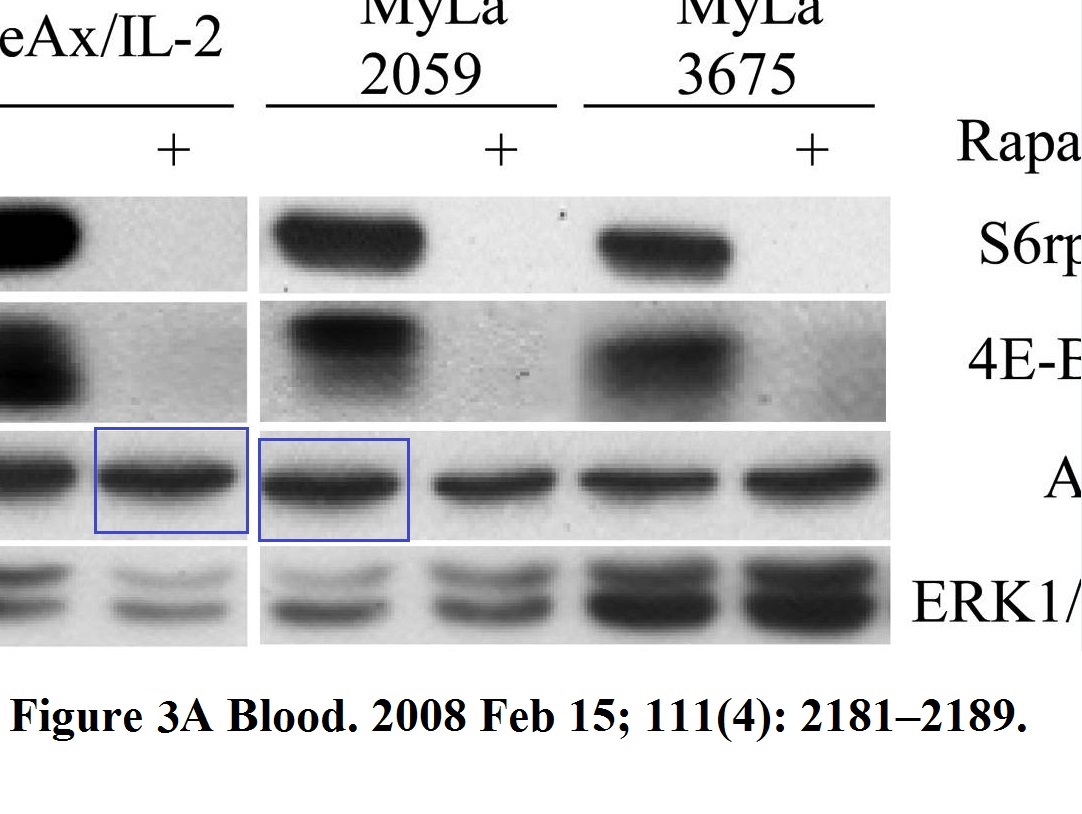
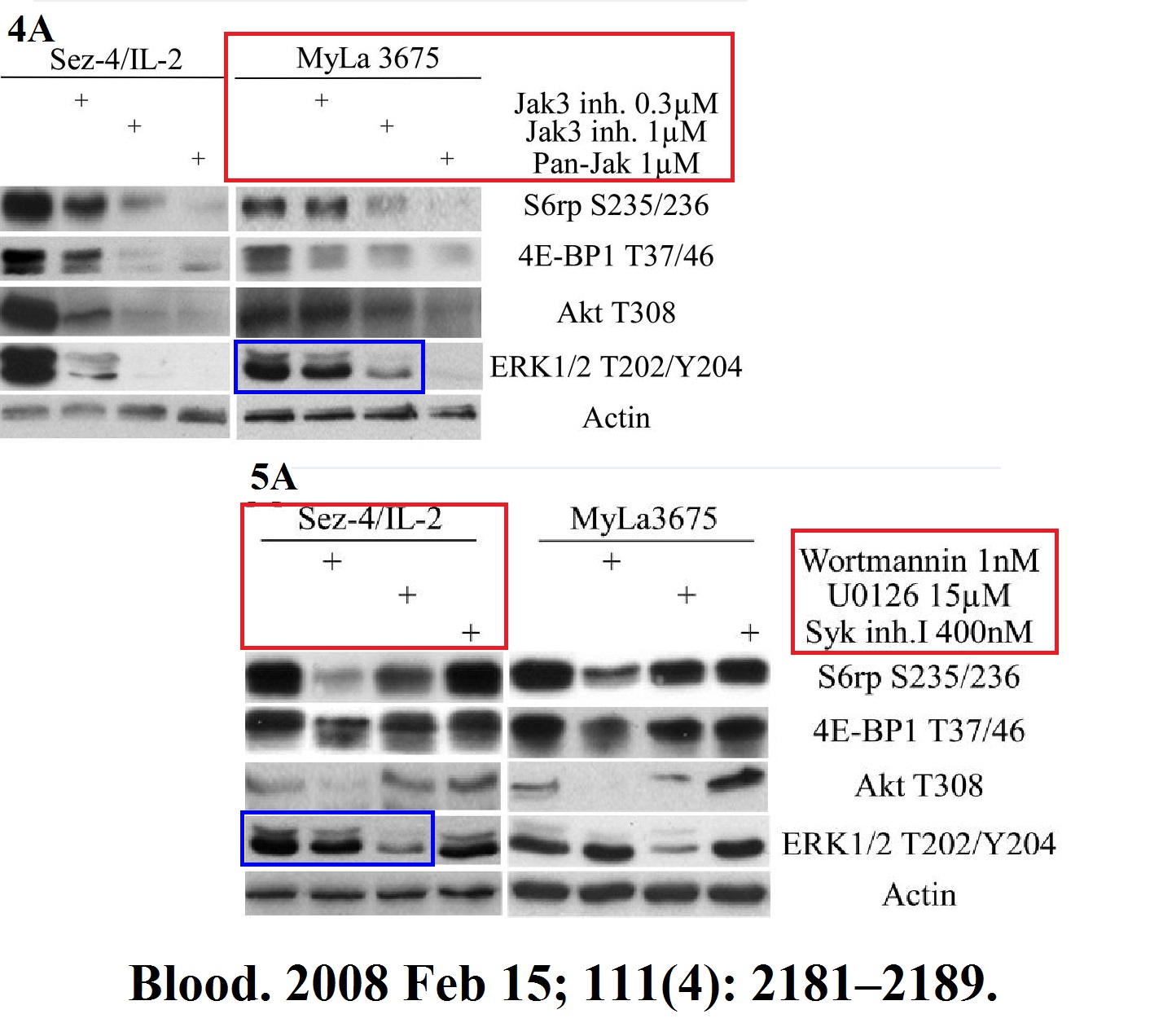
It’s not all about mTOR of course, look here is HIF1 field, for which Gregg Semenza was awarded with the Nobel Prize. Wasik’s research there follows Semenza’s pattern:
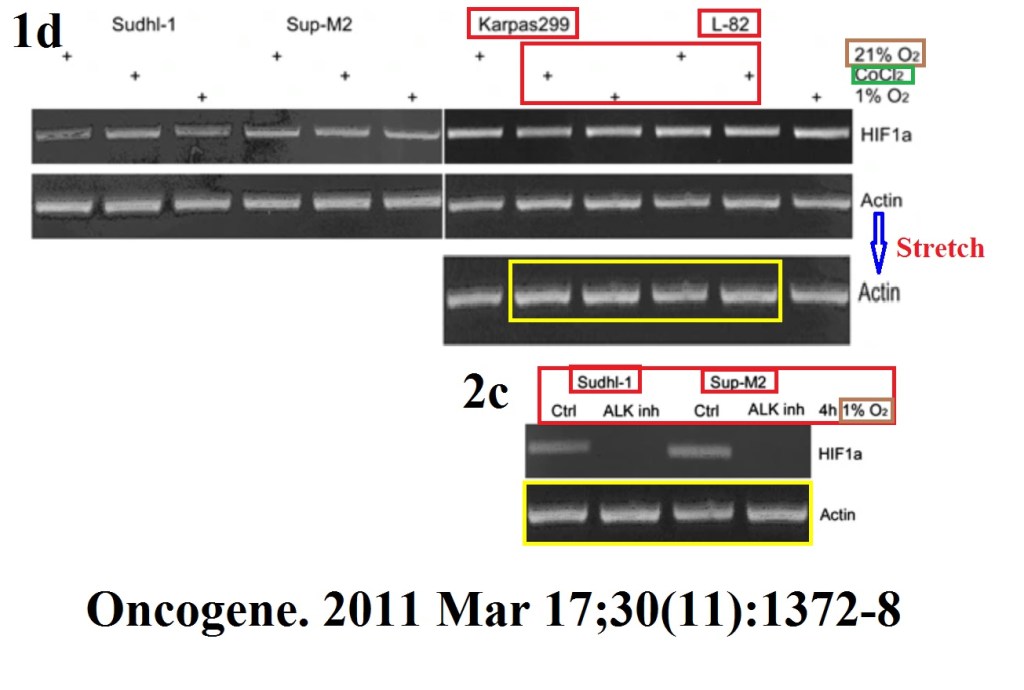
M Marzec, X Liu, W Wong, Y Yang, T Pasha, K Kantekure, P Zhang, A Woetmann, M Cheng, N Odum, M A Wasik Oncogenic kinase NPM/ALK induces expression of HIF1α mRNA Oncogene (2011) doi: 10.1038/onc.2010.505
A paper from Wasik’s lab, featuring same first author Michal Marzec (now associate professor at University of Copenhagen, Denmark) Marzec et al PLOS One 2011 was recently retracted, for data manipulation. Professor Wasik went to PubPeer to protest:
“We find the retraction decision unjustified, based on the available data. While we do not have the original films due to the passage of time (> 9 years since the publication) […]
- the questioned 4 bands are negative controls without a significant impact on the study’s results and conclusions
- this publication has gained 57 citations, all confirming and extending conclusions of the study with none questioning its results
[…] In summary, while we appreciate and have always taken very seriously the need for research integrity, we find the editorial decision in this case to be very harsh and unjust…”
Indeed, as Sabatini said:
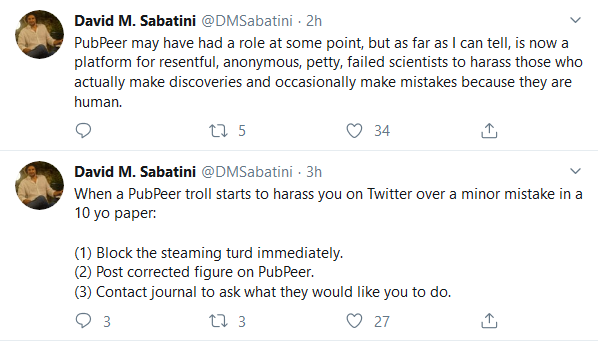
It’s just another hot field
I put “title:mTOR” into Pubpeer search function and came up with 235 results, and that is just for paper titles. Much of it from China, which may just as well be utterly fictional fabrications by paper mills. But some names ring a bell. Luca Maria Neri and Giorgio Zauli, for example, from the University of Ferrara in Italy, people not to be messed with.
There will never be a single retraction for Neri and his boss and coauthor, the University of Ferrara rector Giorgio Zauli, despite a jaw-dropping PubPeer record of data fakery. Not just because Zauli is friends with Italian fascists (yes, literal fascists), but because he sues everyone. The Italian journalist Sylvie Coyaud was reported by Zauli to state prosecutor and fined for… my own writings on my site and Twitter. She only learned of all that when the fine was delivered.
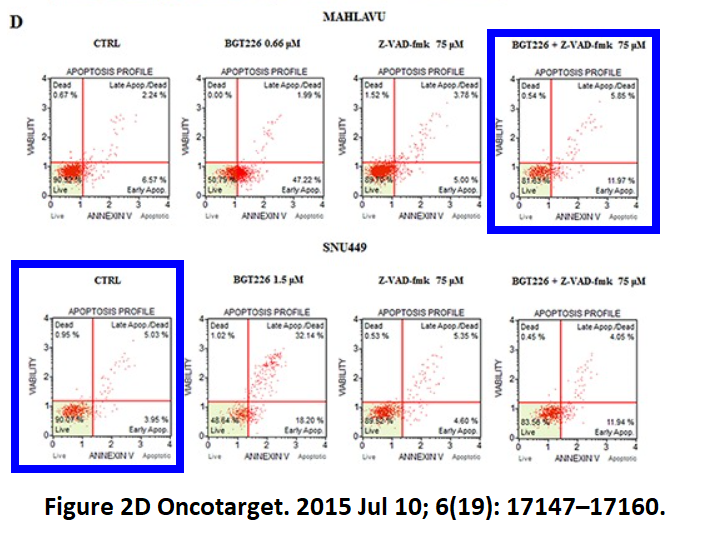
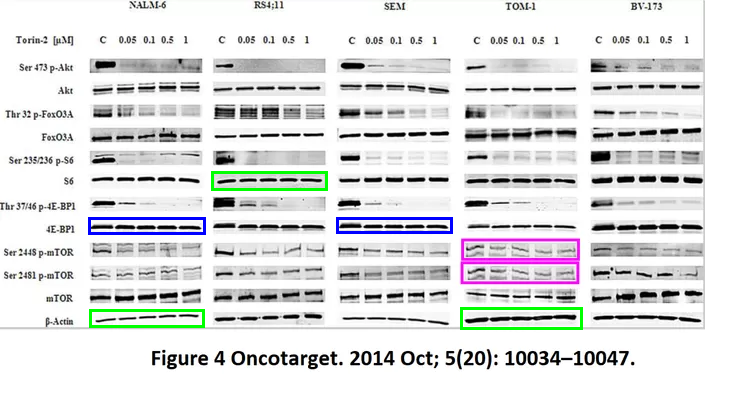
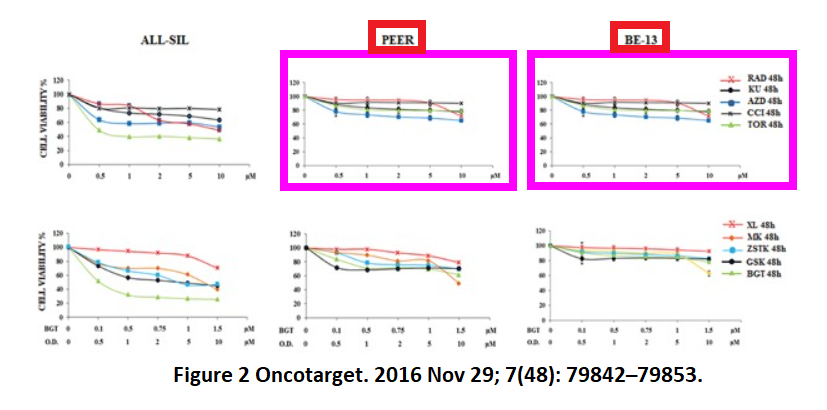
Among other names popping up in the PubPeer search is another Italian genius, Pier Paolo Pandolfi, who lost his job in Harvard while trying to “win” a female postdoc (read here). And Jose Baselga, last year sacked as president by Memorial Sloan Kettering Cancer Center, officially for hidden financial conflicts of interests (a “crime” many in academia commit with zero consequences, which makes the Baselga case rather unique). Former MD Anderson researcher researcher Dina Chelouche Lev (around a dozen papers on PubPeer) also dabbed in mTOR research, before she abruptly returned to Israel in 2013 to find a new faculty appointment 4 years later.
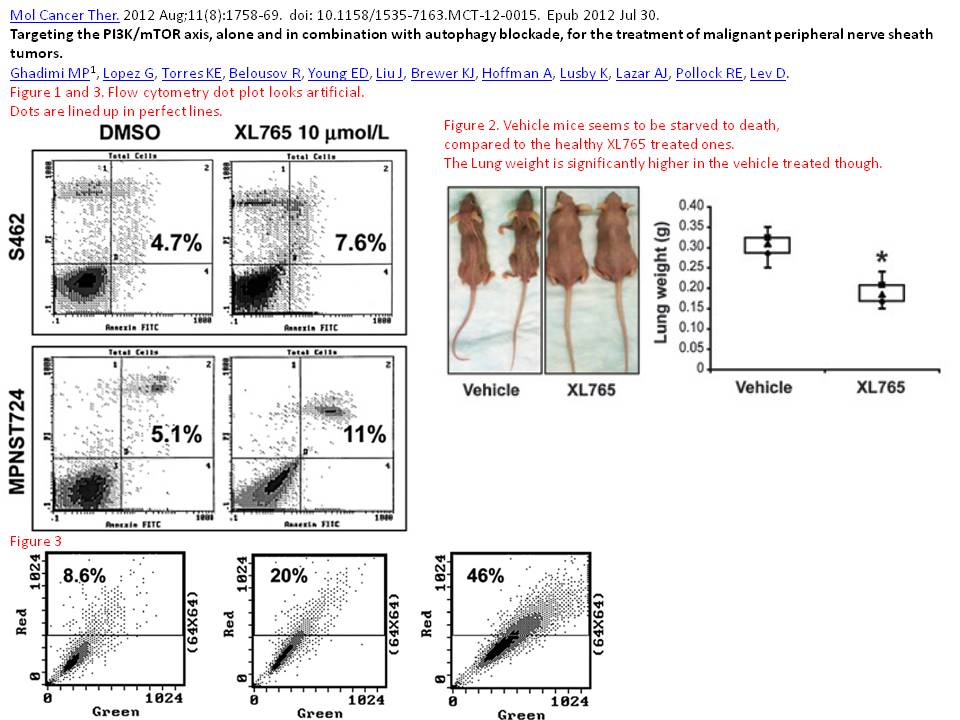
Markus P Ghadimi, Gonzalo Lopez, Keila E Torres, Roman Belousov, Eric D Young, Jeffery Liu, Kari J Brewer, Aviad Hoffman, Kristelle Lusby, Alexander J Lazar, Raphael E Pollock, Dina Lev Targeting the PI3K/mTOR axis, alone and in combination with autophagy blockade, for the treatment of malignant peripheral nerve sheath tumors Molecular cancer therapeutics (2012) doi: 10.1158/1535-7163.mct-12-0015
Mice “starved to death” to prove something about mTOR….
Another US-based Israeli, Count Fakula Michael Karin, of course also published about mTOR signalling. Then there was in that Pubpeer search a French researcher with penchant for self-introspection, Patrick Legembre, I wrote about him. Clare Francis pointed, among other names, to a paper by Amato Giaccia (whom I wrote about before), as well as to David Danielpour of Case Western Reserve University, who had one retraction for data manipulation and one embarrassing correction for his mTOR research contributions. Not to be forgotten is Mikhail Blagosklonny of Roswell Park Institute, editor of Oncotarget and Cell Cycle, who somehow has a Wikipedia page to educate the masses that:
“Blagosklonny has formulated a hypothesis about the possible role of TOR signaling in aging and cancer and proposed using rapamycin, a popular cancer drug as a possible treatment for life extension.[5] He advocates for rapamycin use in longevity research.[6]“
I discussed Blagosklonny’s questionable research in an article after his lawyer once tried to force me to love the fraud-peddling Oncotarget. Another mTOR enthusiast used to be the deceased Milanese cancer researcher Cesare Peschle, close collaborator of the godfather of fake cancer research, Carlo Croce. Peschle, described in the 2011 obituary as “father of studies of miRNA in tumours“, left behind a legacy of studies like this mTOR masterpiece:
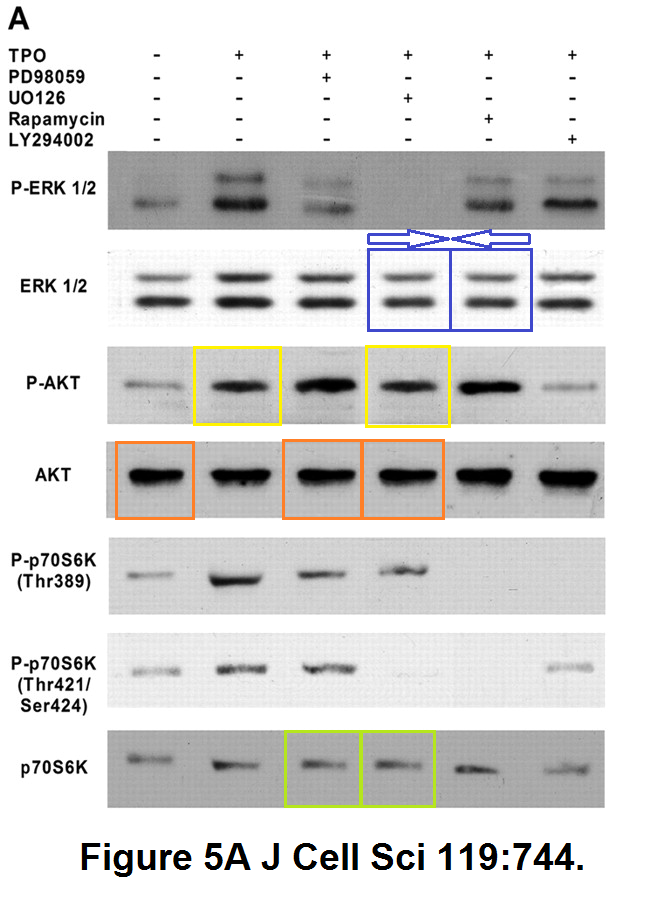
Raffaella Guerriero, Isabella Parolini, Ugo Testa, Paola Samoggia, Eleonora Petrucci, Massimo Sargiacomo, Cristiana Chelucci, Marco Gabbianelli, Cesare Peschle Inhibition of TPO-induced MEK or mTOR activity induces opposite effects on the ploidy of human differentiating megakaryocytes Journal of Cell Science (2006) doi: 10.1242/jcs.02784
In 2019, the Journal of Cell Science issued an eternally unresolvable Expression of Concern, a kind of tombstone for Peschle’s Pubpeer record, which went like this:
“After discussions with the first author, Raffaella Guerriero, who was unable to locate the original data, the journal referred this matter to the Istituto Superiore di Sanità. […] Following the investigation, the ISS Research Ethics Committee and the ISS Bioethics Unit confirm the results and conclusions of the paper by Guerriero et al. (2006).“
The conclusions are never affected because other dishonest scientists in the field published same fabricated junk. Now you know how the sausages are made.
And then of course also my most favourite of all scientists, Guido Kroemer, whom I believe to be some kind of metaphysical centre of the scientific dishonesty universe, contributed to the mTOR reserach area:
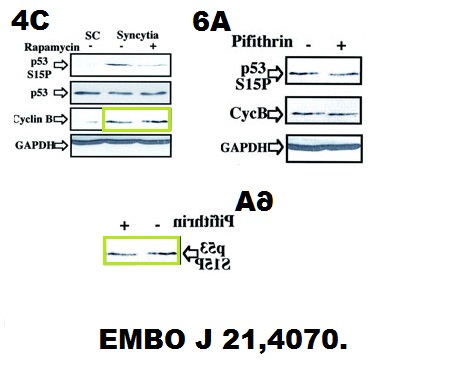
Maria Castedo, Thomas Roumier, Julià Blanco, Karine F Ferri, Jordi Barretina, Lionel A Tintignac, Karine Andreau, Jean-Luc Perfettini, Alessandra Amendola, Roberta Nardacci, Philip Leduc, Donald E Ingber, Sabine Druillennec, Bernard Roques, Serge A Leibovitch, Montserrat Vilella-Bach, Jie Chen, José A Este, Nazanine Modjtahedi, Mauro Piacentini, Guido Kroemer Sequential involvement of Cdk1, mTOR and p53 in apoptosis induced by the HIV-1 envelope The EMBO Journal (2002) doi: 10.1093/emboj/cdf391

Science gave up on Kroemer. He is free do do whatever he wants and no paper of his will be ever molested.
And this is how the mTOR field operates. To be fair, it’s not different from any other hot field of molecular signalling research.
But now you know why even results based on falsified figures are always scientifically reproducible, their conclusions not affected.
The article was supplemented with extra information after it was first published.
Donate!
If you are interested to support my work, you can leave here a small tip of $5. Or several of small tips, just increase the amount as you like (2x=€10; 5x=€25). Instead of wasting money to listen to these characters at conferences.
€5.00

 For Better Science
Cancer Res. 2006 Dec 1;66(23):11381-8. doi: 10.1158/0008-5472.CAN-06-2316.
Targeting the AIB1 oncogene through mammalian target of rapamycin inhibition in the mammary gland
Maria I Torres-Arzayus 1, Jing Yuan, Jamie L DellaGatta, Heidi Lane, Andrew L Kung, Myles Brown
Affiliation
1Division of Molecular and Cellular Oncology, Department of Medical Oncology, Dana-Farber Cancer Institute, Harvard Medical School, Boston, MA 02115, USA.
PMID: 17145884 DOI: 10.1158/0008-5472.CAN-06-2316
Figure 3E. Much more similar than expected.
LikeLike
Pingback: Steven Houser and the Temple of Fraud – For Better Science
J Biol Chem. 2012 Aug 24;287(35):29579-88. doi: 10.1074/jbc.M112.386854. Epub 2012 Jul 7.
Identification of Akt-independent regulation of hepatic lipogenesis by mammalian target of rapamycin (mTOR) complex 2
Minsheng Yuan 1, Elizabeth Pino, Lianfeng Wu, Michael Kacergis, Alexander A Soukas
Affiliation
1
Center for Human Genetics and Diabetes Unit, Department of Medicine, Massachusetts General Hospital, and Department of Medicine, Harvard Medical School, Boston, MA 02114, USA.
PMID: 22773877 PMCID: PMC3436168 DOI: 10.1074/jbc.M112.386854
Problematic data figures 4B and 4C. Much more similar than expected.
LikeLike
“It seems Sabatini was right in calling his PubPeer detractors “steaming turds“.”
Where he was perhaps wrong was in expecting reasonable social media exchange on the modern internet. As the reach of the Internet has exponentially risen in recent years so has the quantity of web trolling or unreasonable exchanges.
LikeLike
On seeing the evidence reasonable change their opinion.
LikeLike
Nat Cell Biol. 2013 Nov;15(11):1340-50.
doi: 10.1038/ncb2860. Epub 2013 Oct 27.
Sin1 phosphorylation impairs mTORC2 complex integrity and inhibits downstream Akt signalling to suppress tumorigenesis
Pengda Liu 1 , Wenjian Gan, Hiroyuki Inuzuka, Adam S Lazorchak, Daming Gao, Omotooke Arojo, Dou Liu, Lixin Wan, Bo Zhai, Yonghao Yu, Min Yuan, Byeong Mo Kim, Shavali Shaik, Suchithra Menon, Steven P Gygi, Tae Ho Lee, John M Asara, Brendan D Manning, John Blenis, Bing Su, Wenyi Wei
Affiliation
1
Department of Pathology, Beth Israel Deaconess Medical Center, Harvard Medical School, Boston, Massachusetts 02215, USA.
PMID: 24161930 PMCID: PMC3827117 DOI: 10.1038/ncb2860
Pubpeer comment by author: https://pubpeer.com/publications/BA50DC66D7811A318581354908BEC5#3
“Given that there is no signal in these blank blots, we failed to find this mistake at the time of submission.”
Figure 2e. lease look inside the yellow rectangles. There does seem to be quite high resolution signal.
Figure 3c. Much more similar than expected.
Figure 7d. Much more similar than expected.
The 2013 correction mentions figures 3b and 9.https://www.nature.com/articles/s41556-019-0280-y
LikeLike
Looks like fraud to me . And the first author is now a faculty in a very respected department, pursuing the american dream. This is very american, as out last president was kind of like this.
LikeLike
Mol Cell Biol. 2004 Jul;24(14):6231-40. doi: 10.1128/MCB.24.14.6231-6240.2004.
Deletion of ribosomal S6 kinases does not attenuate pathological, physiological, or insulin-like growth factor 1 receptor-phosphoinositide 3-kinase-induced cardiac hypertrophy
Julie R McMullen 1, Tetsuo Shioi, Li Zhang, Oleg Tarnavski, Megan C Sherwood, Adam L Dorfman, Sarah Longnus, Mario Pende, Kathleen A Martin, John Blenis, George Thomas, Seigo Izumo
Affiliation
1Beth Israel Deaconess Medical Center, Cardiovascular Division, 330 Brookline Ave., SL-408, Boston, MA 02215, USA. jmcmulle@bidmc.harvard.edu
PMID: 15226426
4 comments on PubPeer (by: Vernonia Abyssinica, Mario Pende, Actinopolyspora Biskrensis)
PMCID: PMC434247 DOI: 10.1128/MCB.24.14.6231-6240.2004
Image duplication figure 5.
https://pubpeer.com/publications/EA13E104B709AA49337571EF3CA7C6
2021 correction.
https://mcb.asm.org/content/41/2/e00635-20
AUTHOR CORRECTION
Volume 24, no. 14, p. 6231–6240, 2004, https://doi.org/10.1128/MCB.24.14.6231-6240.2004
. Page 6234, Fig. 5, top panel: Because of an error in figure assembly, the first and second lanes and fifth and sixth lanes are unintentional duplicates. The correct panel should appear as shown below. This correction does not change any conclusions made in the article. We apologize for this error and any confusion it may have caused.
LikeLike
Mol Cell Biol. 2004 Jul;24(14):6231-40. doi: 10.1128/MCB.24.14.6231-6240.2004.
https://scienceintegritydigest.com/2020/01/08/oops-i-did-it-again/?shared=email&msg=fail
Category I duplications: simple, identical duplications.
Category II duplications: duplications involving shift, rotation, or a flip.
Category III duplications: parts within the same panel are duplicated or parts from other panels are duplicated into another panel.
Figure 5 appears to be a type III duplication.
Category I is the most likely to be the result of an honest error, while Category III is really hard to explain by an honest error and the most likely to be done intentionally.
LikeLike
Elife. 2016 Jan 7;5:e11058. doi: 10.7554/eLife.11058.
Control of TSC2-Rheb signaling axis by arginine regulates mTORC1 activity
Bernadette Carroll 1, Dorothea Maetzel 2, Oliver Dk Maddocks 3, Gisela Otten 1, Matthew Ratcliff 1, Graham R Smith 1, Elaine A Dunlop 4, João F Passos 1, Owen R Davies 1, Rudolf Jaenisch 2, Andrew R Tee 4, Sovan Sarkar 5, Viktor I Korolchuk 1
Affiliations
1Institute for Cell and Molecular Biosciences, Newcastle University, Newcastle upon Tyne, United Kingdom.
2Whitehead Institute for Biomedical Research, Massachusetts Institute of Technology, Cambridge, United States.
3The Beatson Institute for Cancer Research, Glasgow, United Kingdom.
4Institute of Cancer and Genetics, Cardiff University, Cardiff, United Kingdom.
5Institute of Cancer and Genomic Sciences, Institute of Biomedical Research, College of Medical and Dental Sciences, University of Birmingham, Birmingham, United Kingdom.
PMID: 26742086
3 comments on PubPeer (by: Hemiphanes Flavipes, Viktor I Korolchuk, Chaetostrichella Pungens)
PMCID: PMC4764560 DOI: 10.7554/eLife.11058
https://pubpeer.com/publications/231D2412A9E0257953EF45A79C6227
Figure 2. Much more similar than expected.
Correction Dec 16, 2020
https://elifesciences.org/articles/65744
It has come to our attention that in the published article, the loading control (total S6K) for Figure 1-figure supplement 1B was inadvertently duplicated from Figure 1-figure supplement 1D, a mistake that occurred during figure preparation. Figure 1-figure supplement 1B has now been corrected and no other changes were made to figures, figure legends or text.
LikeLike
Marina Holz: Poised and precise while mentoring (yet the fraud in her paper is pretty obvious):
LikeLike
Marina again, 0:40, (work) “should be held to high standards of method and originality.” She could be Augustine Choi’s sister…
LikeLike
“…Erle Robertson, virology professor at the University of Pennsylvania. This gentleman has his own Pubpeer record of almost 50 papers.”
4 recent corrections for Erle Robertson:-
https://pubpeer.com/publications/1BC4A7947017A5889DE09C12338504#2
https://pubpeer.com/publications/92ED60663F4DF0B55BA8ECC78B7C17#2
https://pubpeer.com/publications/F5ABEADCAC07A5AC1060153CC10299#2
https://pubpeer.com/publications/E23201CBD6B1E8EFC56CFB5EDB3E50
LikeLike
Pingback: The communal misconduct by Zhenhe Suo in Olso – For Better Science
Pingback: Pier Paolo Pandolfi shrouded in Turin! – For Better Science
Mol Cell. 2010 May 28;38(4):487-99. doi: 10.1016/j.molcel.2010.05.007.
Glucose addiction of TSC null cells is caused by failed mTORC1-dependent balancing of metabolic demand with supply
Andrew Y Choo 1, Sang Gyun Kim, Matthew G Vander Heiden, Sarah J Mahoney, Hieu Vu, Sang-Oh Yoon, Lewis C Cantley, John Blenis
Affiliation
1Department of Cell Biology, Harvard Medical School, Boston, MA 02115, USA.
PMID: 20513425 PMCID: PMC2896794 DOI: 10.1016/j.molcel.2010.05.007
Figures 2A and supplemental figure 1E. Much more similar than expected. Legends included.https://pubpeer.com/publications/71484B8879A7E765F7842C622C2D56#4
2021 correction.https://pubpeer.com/publications/71484B8879A7E765F7842C622C2D56#5
https://www.cell.com/molecular-cell/fulltext/S1097-2765(21)00539-6
Editorial Note to: Glucose Addiction of TSC Null Cells Is Caused by Failed mTORC1-Dependent Balancing of Metabolic Demand with Supply
We, the editors of Molecular Cell, were contacted by a concerned reader who informed us about a duplicated image that appears in Figure 2A and Figure S1E of the above paper. These images are pictures of untreated control TSC2-/- p53-/- mouse embryonic fibroblasts. The authors no longer have access to the original data published 11 years ago, but they believe that these images likely came from the same experiment. Dr. Blenis apologized for the inadvertent duplication and not clearly labeling that these images are from the same experiment. Without access to the original data, a correction is not possible. Given the age of the paper and that the duplication does not compromise the conclusions of the paper, based on the information available to us at this time, we believe that no further action is warranted.
LikeLike
The first comment was placed on 28th of January 2015, the paper was less than 5 years old then.
The comment by Vernonia Abyssinica is from 2017-06-14
The journal was likely informed in time.
This means, Cell was waiting 6 years to declare that the paper is finally too old to ask for raw data and to do anything about. This may be clever, but it’s not nice.
Elsevier is taking us all for a ride and having a laugh while we pay them millions in tax money.
LikeLike
There is something about Mol Cell. One of the finest repositories of modern art.
Mol Cell. 2006 Jun 23;22(6):769-781. doi: 10.1016/j.molcel.2006.05.008.
Comparative analysis identifies exonic splicing regulatory sequences–The complex definition of enhancers and silencers
Amir Goren 1, Oren Ram 1, Maayan Amit 1, Hadas Keren 1, Galit Lev-Maor 1, Ida Vig 1, Tal Pupko 2, Gil Ast 3
Affiliations
1Department of Human Molecular Genetics and Biochemistry, Sackler Faculty of Medicine, Tel Aviv University, Tel Aviv 69978, Israel.
2Department of Cell Research and Immunology, George S. Wise Faculty of Life Sciences, Tel Aviv University, Tel Aviv 69978, Israel.
3Department of Human Molecular Genetics and Biochemistry, Sackler Faculty of Medicine, Tel Aviv University, Tel Aviv 69978, Israel. Electronic address: gilast@post.tau.ac.il
PMID: 16793546 DOI: 10.1016/j.molcel.2006.05.008
https://pubpeer.com/publications/375AC4768925ECF2E9D91014F2F6F2
Figure 4c.
https://pubpeer.com/publications/375AC4768925ECF2E9D91014F2F6F2#3
https://imgur.com/QsJNICs
It almost goes without saying, but large expanses of red, and the repeating elements, suggest the artist is paying homage to Mark Rothko.
LikeLike
Molecular Cell once told a Dutch university to go f*** themselves, their retraction requests were rejected.
The university (LUMC Leiden) then kept twisting the last author’s (Leon Mullenders’) arm so he writes to Mol Cell and asks for retraction, eventually Mullenders complied.
Molecular Cell said no.
https://forbetterscience.com/2018/11/09/fousteri-affair-dutch-integrity-thwarted-by-academic-indecency/
The Mol Cell papers by former CNRS president Anne Peyroche were found to be fraudulent by an investigation. There wasn’t even the usual editorial notice telling critics to f*** off.
https://forbetterscience.com/2018/10/09/fraud-found-in-papers-of-former-cnrs-president-anne-peyroche/
I personally suspect that Cell Press screens all submitted manuscripts to reject all those they suspect to be free of falsifications, then blacklist their authors.
LikeLike
Welcome to the mTor party! And Mol Cell too! What a surprise!
Mol Cell. 2011 Oct 7;44(1):134-46. doi: 10.1016/j.molcel.2011.06.038.
p62 is a key regulator of nutrient sensing in the mTORC1 pathway
Angeles Duran 1, Ramars Amanchy, Juan F Linares, Jayashree Joshi, Shadi Abu-Baker, Aleksey Porollo, Malene Hansen, Jorge Moscat, Maria T Diaz-Meco
Affiliations collapse
Affiliation
1Sanford-Burnham Medical Research Institute, 10901 North Torrey Pines Road, La Jolla, CA 92307, USA.
PMID: 21981924 PMCID: PMC3190169 DOI: 10.1016/j.molcel.2011.06.038
https://pubpeer.com/publications/FD642A46A42A9513B1546E55164262#1
#1 Stachys Mucronata
Figure 4C: More similar than expected, could authors check please?
LikeLike
Extensvie 2021 correction for:
J Virol . 2009 May;83(9):4652-69. doi: 10.1128/JVI.02408-08. Epub 2009 Feb 25.
Epstein-Barr virus nuclear antigen 3C augments Mdm2-mediated p53 ubiquitination and degradation by deubiquitinating Mdm2
Abhik Saha 1, Masanao Murakami, Pankaj Kumar, Bharat Bajaj, Karen Sims, Erle S Robertson
Affiliation
1
Department of Microbiology and Tumor Virology Program of the Abramson Comprehensive Cancer Center, University of Pennsylvania Medical School, Philadelphia, PA 19104, USA.
PMID: 19244339 PMCID: PMC2668485 DOI: 10.1128/JVI.02408-08
https://pubpeer.com/publications/A1AC3F6699174A7E1A26E644F3D6C9
2021 correction.
https://journals.asm.org/doi/10.1128/JVI.00758-21
AUTHOR CORRECTION
Volume 83, no. 9, p. 4652–4669, 2009, https://doi:10.1128/JVI.02408-08. Page 4661, Fig. 6C, part V: Due to an error that occurred during copying and pasting to generate the Fig. 6C panels, the middle (Mdm2) panel is an inadvertent duplicate of the middle (Mdm2) panel in Fig. 6C, part I.
The Mdm2 panel of Fig. 6C, part V, should appear as shown below.
Page 4664, Fig. 9A: The bottom right (WB: αMyc/Lysate) panel was inadvertently cropped, with one lane less to the left.
The bottom right (WB: αMyc/Lysate) panel of Fig. 9A should appear as shown below.
Correction of these figures does not change the conclusions of this paper.
LikeLike
PLoS One. 2009 Sep 28;4(9):e7214. doi: 10.1371/journal.pone.0007214.
Early events associated with infection of Epstein-Barr virus infection of primary B-cellsSabyasachi Halder 1, Masanao Murakami, Subhash C Verma, Pankaj Kumar, Fuming Yi, Erle S RobertsonAffiliation1Department of Microbiology, University of Pennsylvania School of Medicine, Philadelphia, Pennsylvania, United States of America.PMID: 19784370 PMCID: PMC2746279 DOI: 10.1371/journal.pone.0007214
https://pubpeer.com/publications/89E7617016286B265F1C7EC411A755
2021 Expression of Concern.
Expression of Concern: Early Events Associated with Infection of Epstein-Barr Virus Infection of Primary B-Cells (plos.org)
Following the publication of this article [1], concerns were raised regarding results presented in Figs 3, 9, and 10.
Specifically,
In Fig 3A, irregularities have been detected in the background signal surrounding bands in the following lanes: ○ BamHI T panel: lanes 1–7 ○ BamHI K panel: lanes 2–7 ○ BamHI E panel: lane 7 ○ BamHI H panel: lanes 3–7 ○ BamHI C panel: lanes 1, 3, 5, 7 ○ Puro panel: lanes 3, 5, 6 ○ EGFP panel: lanes 1, 5, 7
In Fig 9B, the ACV25 24hrs Fluorescence panel appears similar to the ACV25 72 hrs Fluorescence panel.In Fig 10A, the ACV 0 96 hrs DAPI panel appears similar to the ACV 25 96 hrs DAPI panel.
The authors clarified that the Fig 9B ACV25 24hour panel and the Fig 10A ACV 0 (96h) DAPI panel were inadvertently duplicated during figure preparation and provided the updated Figs 9 and 10 below to correct the duplicated panels. Furthermore, the authors indicated that the irregularities in the Fig 3A results are due to the resolution of the camera, dust or particulate matter on the gel, and the way the images were captured in the gel documentation system. They explained that raw data underlying the published PCR results are no longer available due to the Gel Doc system having been replaced in the time since the experiments were conducted.
In the absence of the original data underlying the Fig 3A results, the concerns cannot be resolved.The original data underlying the results presented in Figs 3A and 9A are no longer available. The individual level data underlying Fig 9C and 9D are provided in the S1 and S2 Files below. The data underlying the remaining results presented in this article are available from the corresponding author upon request.
The PLOS ONE Editors issue this Expression of Concern to notify readers of the above concerns and relay the supporting data and updated figures provided by the corresponding author.
Reference1.Halder S, Murakami M, Verma SC, Kumar P, Yi F, Robertson ES (2009) Early Events Associated with Infection of Epstein-Barr Virus Infection of Primary B-Cells. PLoS ONE 4(9): e7214. https://doi.org/10.1371/journal.pone.0007214 pmid:19784370
LikeLike
“Blenis’ mentee whom we met above, Andrew Tee”
2021 correction for:
Proc Natl Acad Sci U S A. 2002 Oct 15;99(21):13571-6. doi: 10.1073/pnas.202476899. Epub 2002 Sep 23.
Tuberous sclerosis complex-1 and -2 gene products function together to inhibit mammalian target of rapamycin (mTOR)-mediated downstream signaling
Andrew R Tee 1, Diane C Fingar, Brendan D Manning, David J Kwiatkowski, Lewis C Cantley, John Blenis
Affiliation
1Department of Cell Biology, Harvard Medical School, Boston, MA 02115, USA.
PMID: 12271141 PMCID: PMC129715 DOI: 10.1073/pnas.202476899
2021 correction. https://www.pnas.org/content/118/33/e2112628118
The authors wish to note the following:
“We recently learned of concerns related to Figs. 1 and 2C in our article.
“The goals of the experiments shown in Figs. 1 and 2 were to provide evidence that hamartin (Tsc1) and tuberin (Tsc2) function together to inhibit PI3K-dependent 4E-BP1 phosphorylation as well as 4E-BP1 phosphorylation in serum-starved cells that were then stimulated with insulin. These experiments were representative of several reproduced, large experiments that originally involved using both insulin or PMA agonists. We observed that insulin was utilizing Akt upstream of mTORC1 signaling whereas PMA was not using Akt, but ERK-mediated signaling (see Fig. 1, lane 9). As it was unknown at the time how PMA activated mTORC1 signaling, we made the decision to focus on how Tsc1 and Tsc2 were suppressing insulin and Akt-dependent regulation of 4E-BP1 phosphorylation. Thus, to clarify the presentation, we removed the PMA lanes from the original autoradiogram in preparing the final figures (Figs. 1 and 2C).
“Our intention was to keep the PNAS paper specifically focused on insulin and Akt signaling. In assembling these figures there was no intention to deceive the PNAS readership, and the removal of the PMA data in no way compromises the conclusions of the paper.
“As these experiments were completed more than 18 y ago, the original autoradiographs have not been located. Thus, to support the original data in Figs. 1 and 2C, we have carried out two new replicates for each figure using the same HEK293 cell lines, DNA vectors, and methodologies, as previously used. Representative figures of the new data presented below show that the original data are reproducible and support the original observations in full. The new figures follow current best-practice procedures for figure assembly. As the experiments were carried out exactly the same as the original, the figure legends for Figs. 1 and 2 are unchanged.”
The corrected Figs. 1 and 2 appear below with their legends.
LikeLike
No, of course no malicious intent here.

FFS.
LikeLike
Arnold J Levine’s contribution to mTor-world. Nothing happens.
Cancer Res. 2007 Apr 1;67(7):3043-53. doi: 10.1158/0008-5472.CAN-06-4149.
The regulation of AMPK beta1, TSC2, and PTEN expression by p53: stress, cell and tissue specificity, and the role of these gene products in modulating the IGF-1-AKT-mTOR pathways
Zhaohui Feng 1, Wenwei Hu, Elisa de Stanchina, Angelika K Teresky, Shengkan Jin, Scott Lowe, Arnold J Levine
Affiliation
1Cancer Institute of New Jersey, University of Medicine and Dentistry of New Jersey, New Brunswick, New Jersey, USA.
PMID: 17409411 DOI: 10.1158/0008-5472.CAN-06-4149
See: https://pubpeer.com/publications/0C9309BDDF091E165990F63692B4E1
LikeLike
Pingback: The Sex Privileges of mTORman David Sabatini – For Better Science
” Erle Robertson, virology professor at the University of Pennsylvania. This gentleman has his own Pubpeer record of almost 50 papers. ”
https://retractionwatch.com/2022/06/15/extensive-correction-adds-to-five-flagged-papers-for-upenn-professor/#more-125107
LikeLike