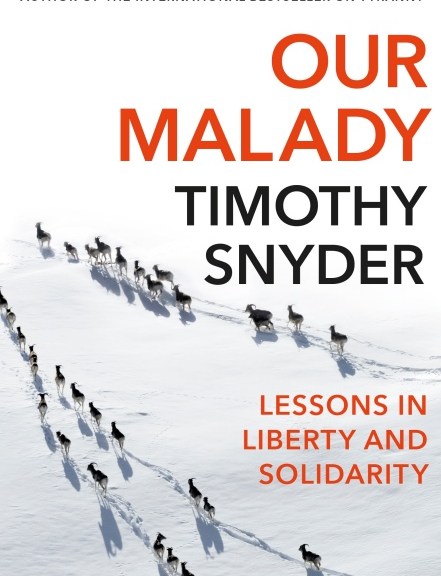
Our Malady, by Timothy Snyder: book review
US Historian Timothy Snyder is expert for murderous totalitarian systems. Now, he himself almost died when he succumbed to the inhuman US profiteering industry which America calls healthcare.
By Leonid Schneider, on research integrity, biomedical ethics and academic publishing
US Historian Timothy Snyder is expert for murderous totalitarian systems. Now, he himself almost died when he succumbed to the inhuman US profiteering industry which America calls healthcare.
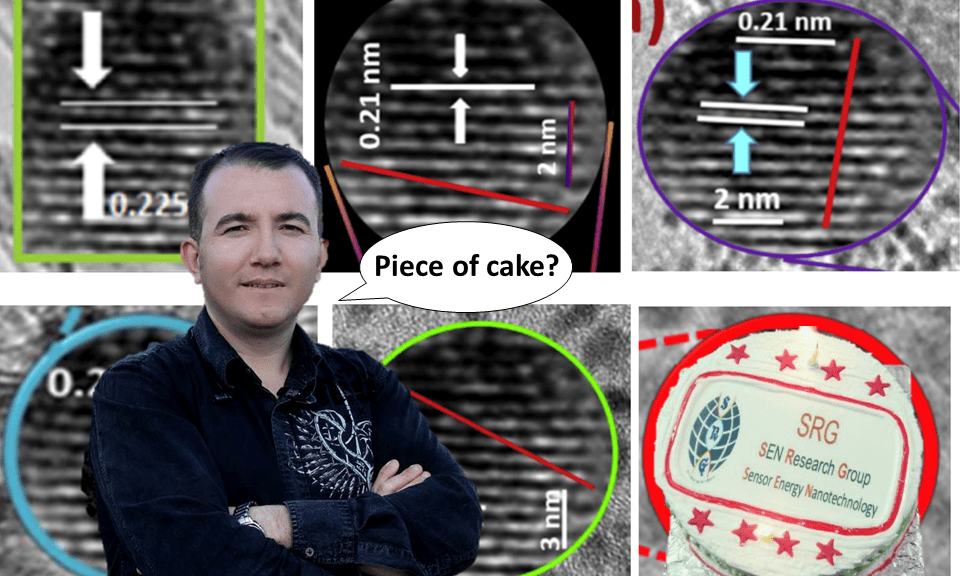
Fake nanotechnology is always fun, but it does get extreme here. Word of advice: if you are in Turkey, better don’t point fingers at Professor Fatih Sen’s research. Things get broken easily.
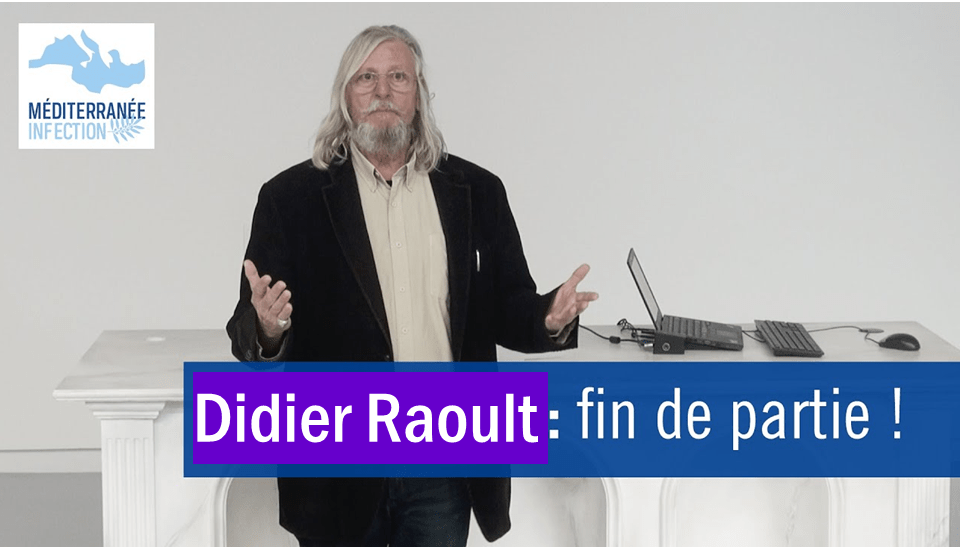
As chloroquine miracle cure for COVID-19 is discredited by day, what will become of its inventor, Didier Raoult?
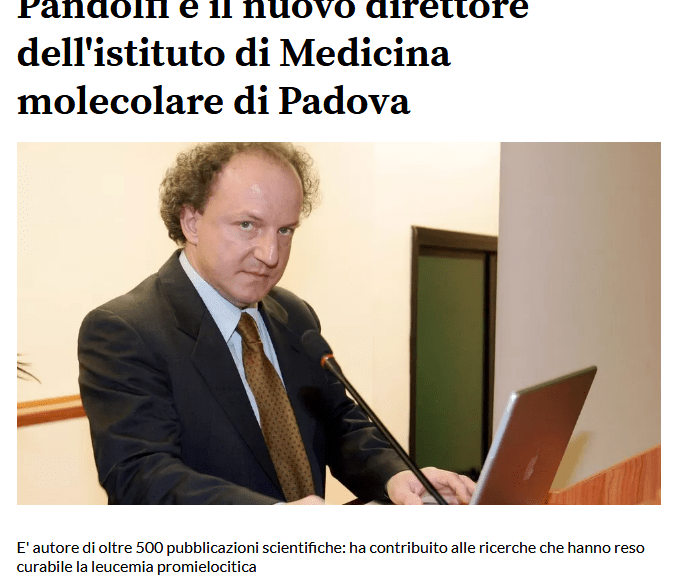
Star cancer researcher Pier Paolo Pandolfi left Harvard. The allegations are very serious, but do his new employers in Nevada and Italy mind?
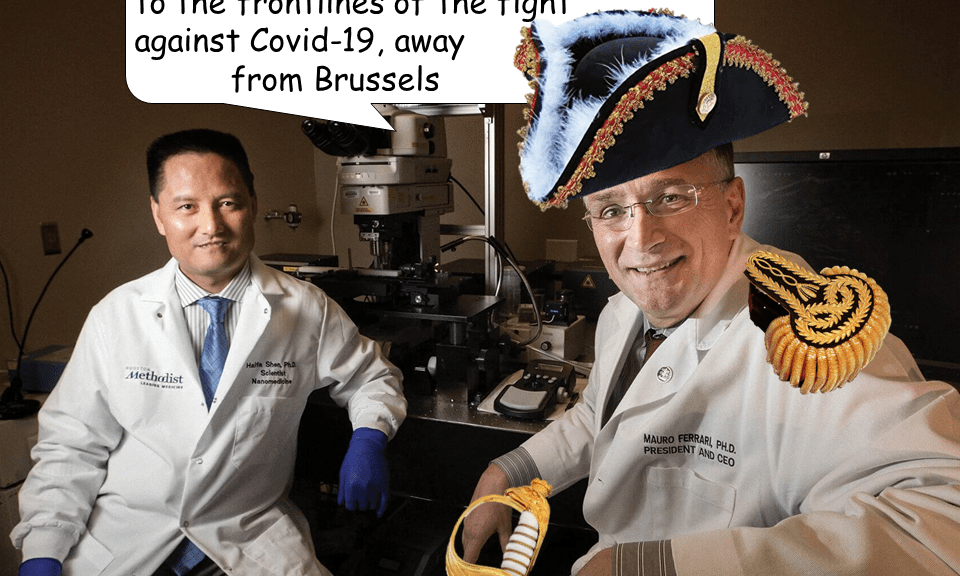
Mauro Ferrari was made to resign as ERC president. In his 3 months in office, he published a ridiculously fraudulent paper with Houston colleagues. Now Ferrari announces from his Texas lockdown “trenches” to cure COVID-19.
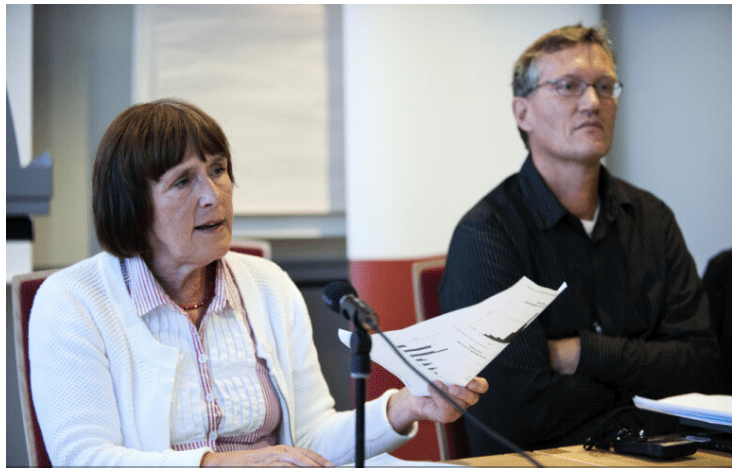
Swedish academics Nele Brusselaers, Lynn Kamerlin and Pernilla Wittung-Stafshede react to COVID-19 pandemic and ask Swedish authorities: “Yes, it is important to avoid panic – but is it not better to be over-prepared?”

Former CNRS president Anne Peyroche has been symbolically sanctioned for research misconduct. Despite previous fraud findings, conclusions are not affected, and so is her employment by the Atomic Energy Commission. I present two more falsified figures.
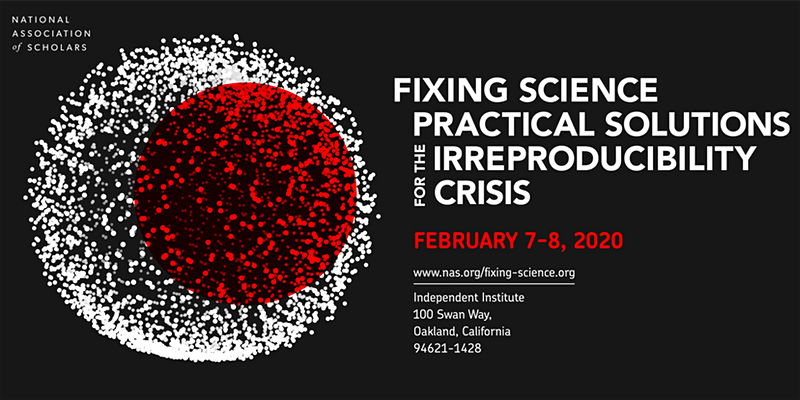
A conservative think tank organises a research integrity conference to prove climate change is not real. It is a white men-only academic event, and there are good reasons for that.
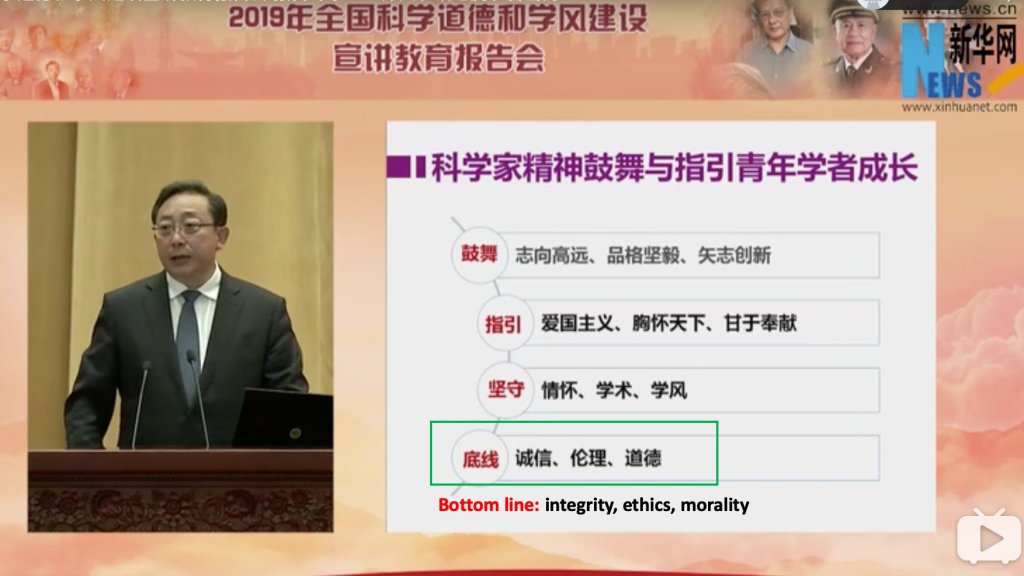
Are you excited about the massive research integrity hypocrisy around China’s first immunologist Xuetao Cao? Smut Clyde will explain to you the Flaw Cytometry and other naughtiness they uncovered, led by Elisabeth Bik.
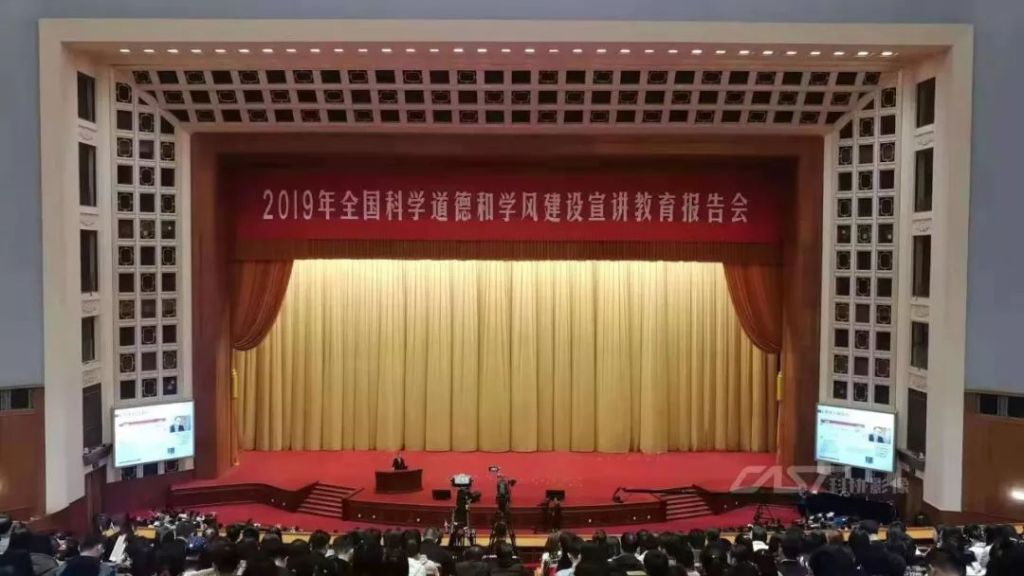
The immunologist Xuetao Cao is one of the most important scientists in China. The Academician and General is also Chairman of research integrity of all Chinese research. Now Elisabeth Bik scrutinised his papers.
Have a WordPress.com account? Log in now.

