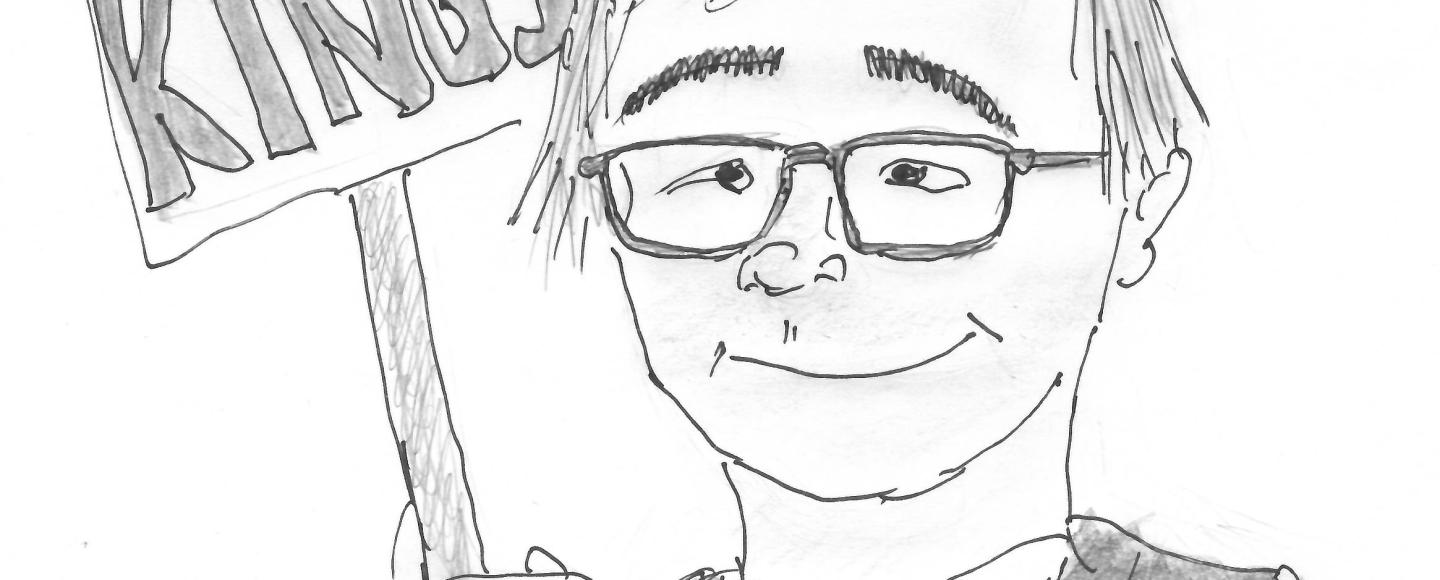

This is a tour de force by the PubPeer sleuth Carabus maleki, about Rui Reis, born 1967, still looking like a nerdy boy, but in reality the king of Portuguese regenerative medicine who cured all diseases with biomaterials and stem cells. At least his publication metrics say so.
Or maybe it is all a huge scam. Over 90 papers on PubPeer, even Iranian and Chinese papermills seem to be involved.
It is possible that Reis used his enormous institutional power to impose himself as coauthor on every paper coming from his institute. We don’t know if he read all of them, but we can safely assume he personally profited from them all, financially and otherwise. We also can’t know what the punishment for not adding Rui as author was (sacking? whip-lashing?), but all these papers should by no means cease being his own now that we see how ridiculously fraudulent they are.
The big powerful man never replied to my email. And neither did his coauthors, including the university’s Vice-Rector for Research.

Now, over to the amazing sleuth, Carabus maleki, whose writings you may have read on this website before, under a different pseudonym.
The Kingdom of Rui Reis
by Carabus maleki
We are about to meet the top scientist of the top scientists in Portugal, Rui Luís Reis (he has his own Wikipedia page, informing us that he is “a strong supporter of FC Porto”). A native of Porto, he is the pride and joy of the charming city of Guimarães, where he founded and still presides over i3Bs, the Research Institute on Biomaterials, Biodegradables and Biomimetics. He is a Full Professor of Tissue Engineering, Regenerative Medicine and Stem Cells in the Department of Polymer Engineering at the School of Engineering, University of Minho; and Director of the PhD Program in Tissue Engineering, Regenerative Medicine and Stem Cells. He is the CEO the European Institute of Excellence on Tissue Engineering and Regenerative Medicine formally known as EXPERTISSUES EEIG, headquartered at the 3B´s Research Group facilities. He is the President, Chairman and Chief Scientific Officer of Stemmatters, a Portuguese biotechnology Contract Development and Manufacturing Organization (CDMO) specialized in regenerative medicine, advanced cell therapies, and blood-derived biologicals.

Zombie scientist Sonia Melo awarded by AstraZeneca
Sonia Melo is back, and not to be messed with. The Portuguese zombie scientist is responsible for a number of papers with manipulated data (only one was retracted, Melo et al, Nature Genetics, 2009), saw her EMBO Young Investigator funding withdrawn in 2016, but was whitewashed and reinstalled by her employing institute Instituto de Investigação e…

In the past 30 years, Rui Reis’s work promised to engineer all types of damaged biological tissues, build biomaterials from natural polymers, harness stem cells, develop artificial organs, and cure cancer with all sorts of nano-stuff, pretty much the full sci-fi starter pack, documented in the numerous videos on the i3Bs YouTube channel. For this, he has been generously funded, not only by drawing on the multimillion-euro budgets and human resources of the institutions and consortia he controls, but also through numerous national and European grants. For example, a €2.35 million ERC Advanced Grant awarded in 2012 to develop methods to evaluate the complex interactions between stem cells and materials, and about €1 million in 2024 from “Fundação laCaixa” to develop a synthetic retina, aimed at restoring vision in cases of blindness caused by retinitis pigmentosa, together with the legendary Maria Pia Cosma, an Italian superstar in Barcelona.
The list of Rui Reis prizes and honours is too long to enumerate here, but it includes a hat-trick of major European biomaterials awards: the young scientist prize (Jean Leray Award, Barcelona, 2002), the career achievement award (George Winter Award, Dublin, 2011), and, more recently, the mentoring and support of young researchers prize, the Klaas de Groot Award from the European Society for Biomaterials (ESB). As expected, Professor Reis has an impressive publication record, with nearly 2 000 papers indexed in Scopus, over 95,000 citations, and an h-index of 168, quite unparalleled for any researcher in Portugal, something that is regularly celebrated in the Portuguese press. Rui Reis is, without a doubt, the crowned king of Portuguese science, which conveniently fits his name, since “Reis” literally means “kings” in Portuguese.
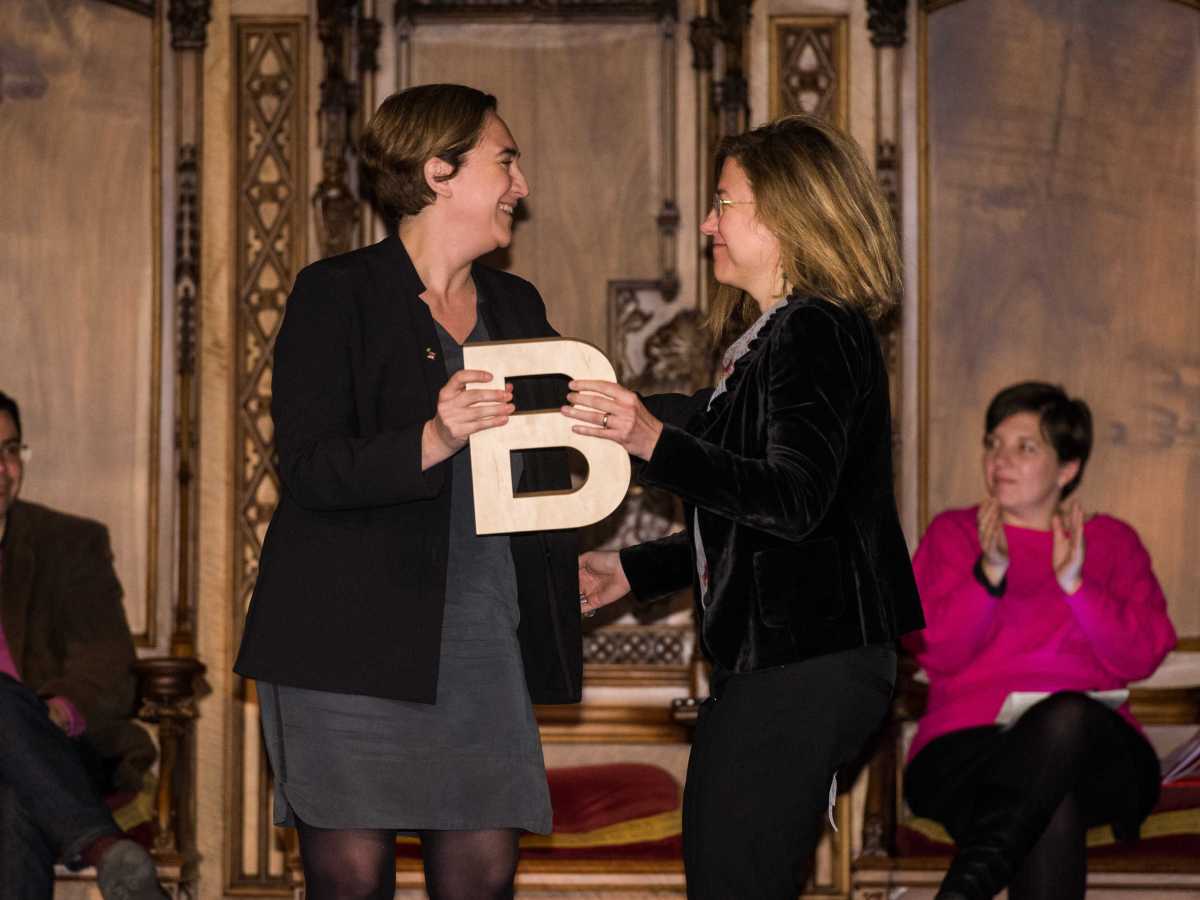
However, not everything appears to be quite right in the kingdom of Reis. Buried among the innumerable news pieces celebrating Professor Reis’s achievements, a rather intriguing newspaper report dated from 3 years ago, mentions a police raid on his office over the alleged misuse of university funds to pay for luxury travel around the world for him, his family, and his friends. However, the newspaper that published this, Correio da Manhã, is often dismissed as somewhat populist and tabloid-leaning. More respectable, intellectually polished newspapers do not dare publish such unflattering news about top academics, which are generally treated as deities in Portugal. Professor Reis also has an astonishing number of papers commented on PubPeer, for all the wrong reasons, over 90 (and counting), which must surely be another record for any Portuguese scientist!
His travels around the world, which seem to have put him at odds with the Portuguese justice system, certainly contributed to some of his productivity and PubPeer record, including, for example, authorships from South Korea with Gilson Khang, one of the founders of the Asian Tissue Engineering Society (ATES).
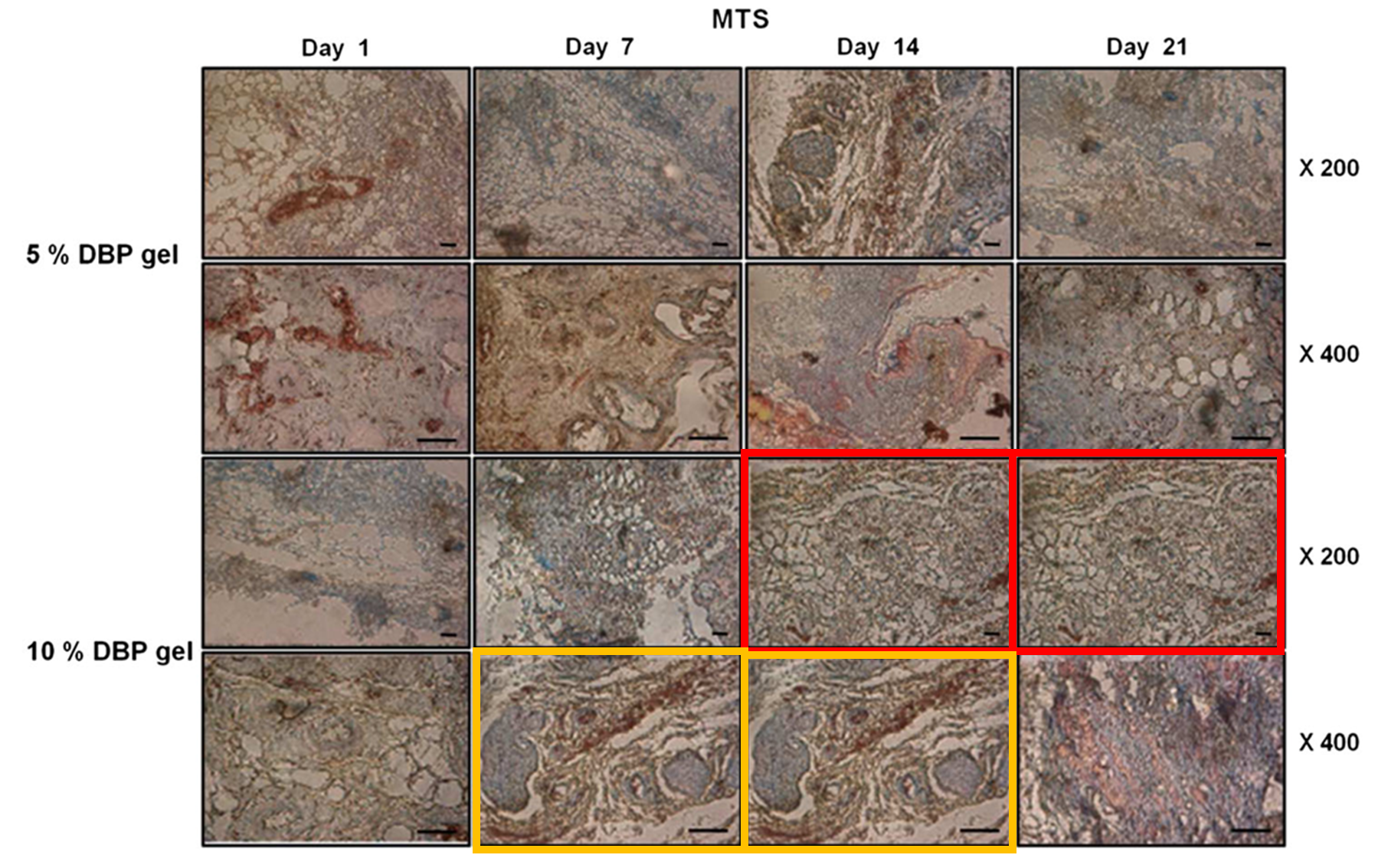
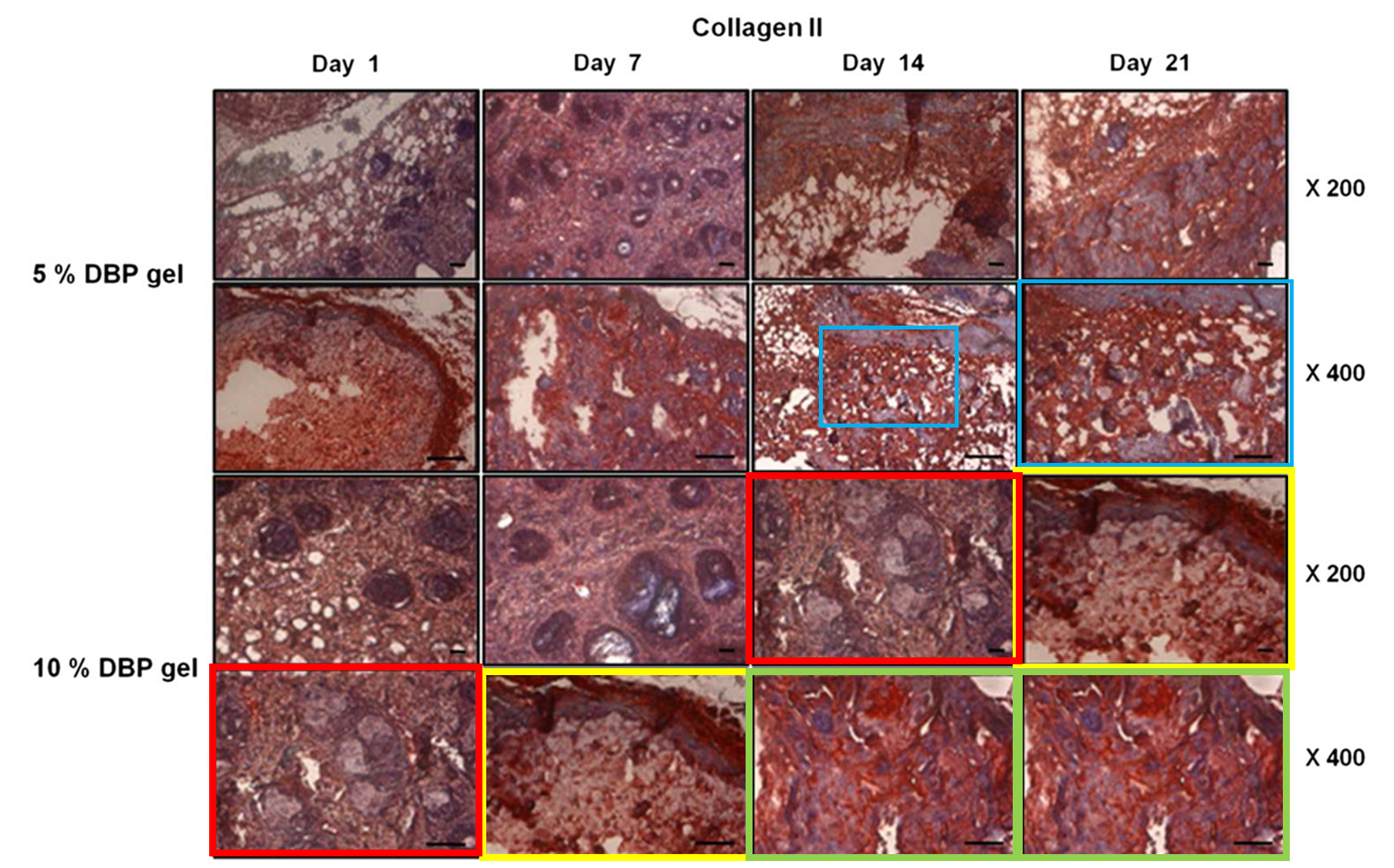
Jeong Eun Song , Eun Young Kim , Woo Young Ahn , Yu Jeong Lee , Dongwon Lee , Rui Reis , Gilson Khang The potential of DBP gels containing intervertebral disc cells for annulus fibrosus supplementation:in vivo Journal of Tissue Engineering and Regenerative Medicine (2015) doi: 10.1002/term.1699
Another attempt at regenerative medicine by Kang and Reis:
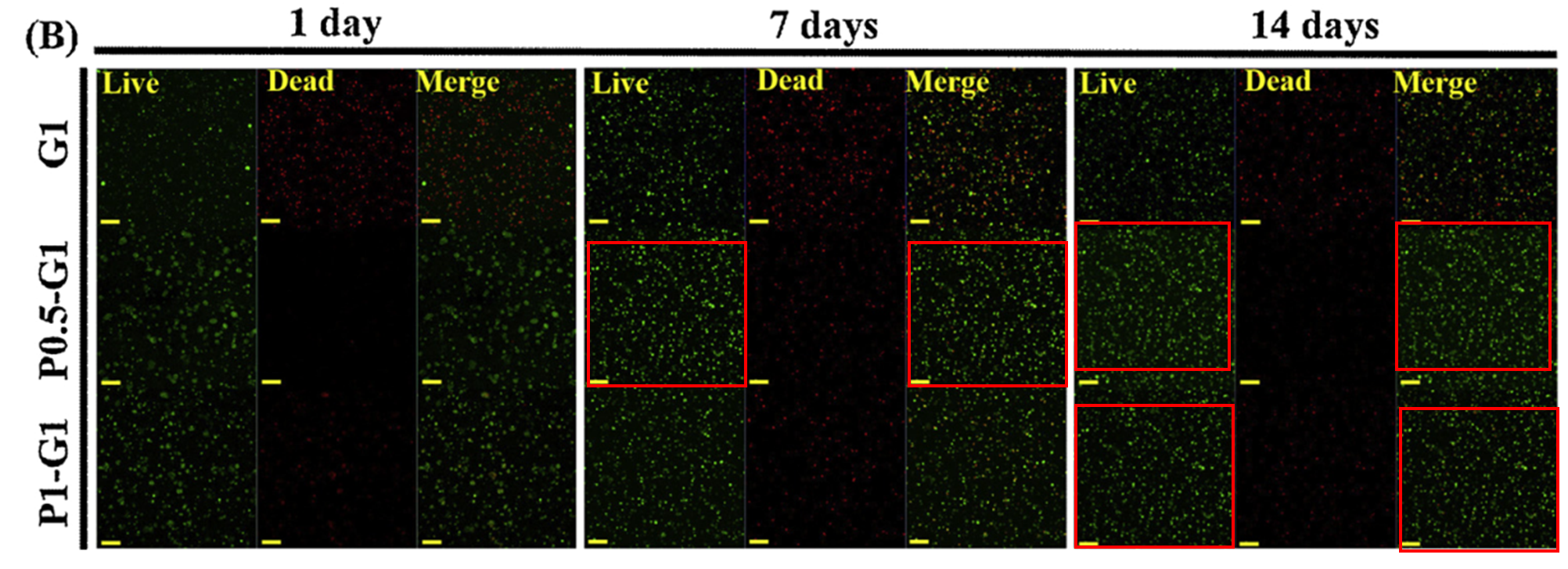
Joo Hee Choi, Ok Kyun Choi , Jeonghun Lee , Joungyoun Noh , Sumi Lee , Ain Park , Min A. Rim , Rui L. Reis , Gilson Khang Evaluation of double network hydrogel of poloxamer-heparin/gellan gum for bone marrow stem cells delivery carrier Colloids and Surfaces B Biointerfaces (2019) doi: 10.1016/j.colsurfb.2019.06.041
More stuff from South Korea:
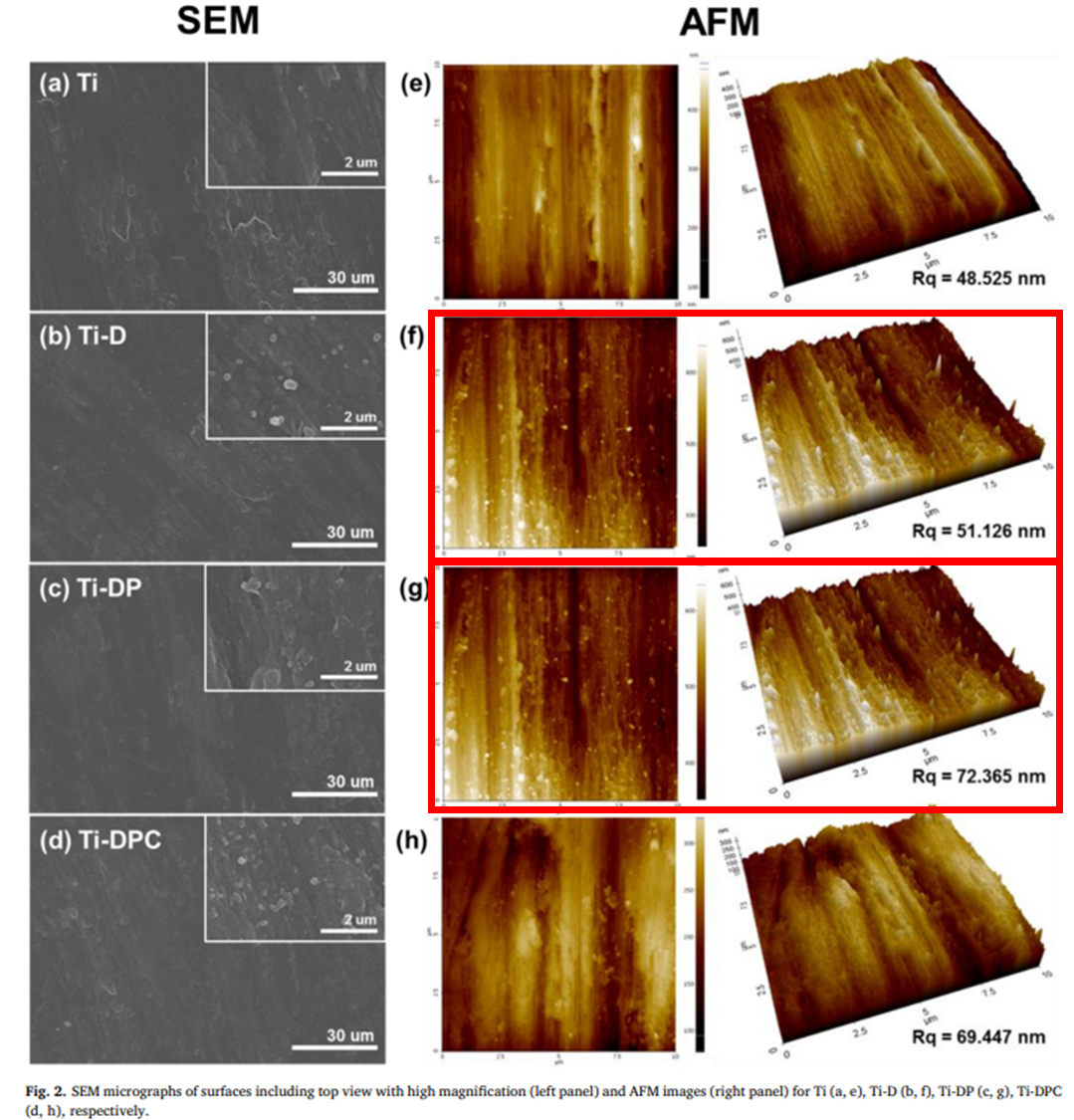
Jae Seo Lee , Sang Jin Lee , Seok Bin Yang , Donghyun Lee , Haram Nah , Dong Nyoung Heo , Ho-Jin Moon , Yu-Shik Hwang , Rui L. Reis , Ji-Hoi Moon , Il Keun Kwon Facile preparation of mussel-inspired antibiotic-decorated titanium surfaces with enhanced antibacterial activity for implant applications Applied Surface Science (2019) doi: 10.1016/j.apsusc.2019.143675
And from China, hopefully a papermill product, and hopefully no real mouse had to suffer through such humongous tumours:
Xuerui Chen , Xuelian Yin , Lin Zhan , Junfeng Zhang , Yuxi Zhang , Yinghua Wu , Jiale Ju , Yajie Li , Qianghua Xue , Xu Wang , Chenchen Li , Rui L. Reis , Yanli Wang Organelle‐Specific Anchored Delivery System Stretching a Reversal of Tumor Hypoxia Microenvironment to a Combinational Chemo‐Photothermal Therapy Advanced Functional Materials (2022) doi: 10.1002/adfm.202108603
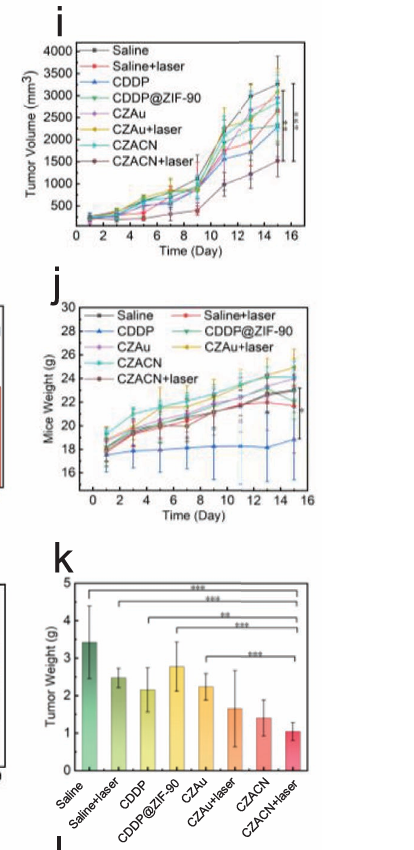
On Fig. 2, panels i and k appear to show tumor burdens that may exceed commonly accepted IACUC humane endpoints. For rodent tumor studies, maximum tumor size is typically limited to about 20 mm (2 cm) in diameter in mice (~2000–2500 mm³) to minimize pain and distress. In panel i, tumor volumes reach ~3000–3500 mm³ by day 14–16. Panel k further suggests tumor weights exceeding ~4 g in some groups, which would represent a substantial fraction of total body weight for a typical mouse.
However, most of Professor Reis’s astonishing productivity is home-made, driven by the obligatory practice of his name adorning virtually every paper from the research teams at i3Bs. Thus, we cannot dissect the achievements and alleged misdeeds of Professor Reis without telling the story of a broader network of researchers, mostly in Portugal, who are part of this mess. A king’s power depends on his court and subjects, and Reis’s court includes quite a collection of high achievers: recipients of multi-million-euro European grants, highly cited researchers who went on to top positions at several institutions, and even a Forbes Portugal “30 Under 30.” King Reis, it seems, is also something of a king-maker. So, let’s begin.

Moravian Rhapsody
“Please, can you tell me more about the web page and mechanism behind? Is there any “scheme” of scanning published papers?” asks Professor Vojtech Adam. Yes, it’s Elisabeth Bik.
Multitalented student
Joaquim Miguel Oliveira is a Principal Investigator with habilitation at 3B’s, Vice-President of i3Bs, and Editor-in-Chief of the In Vitro Models journal. Having worked with Rui Reis since at least his PhD thesis (concluded in 2009), Oliviera’s research seems to focus virtually on all fields developed at i3Bs: biomaterials for tissue engineering, nanomedicine, stem cells, and cell/drug delivery. In practice, he seems to have placed his name on as many papers as possible: more than 400 publications indexed in Scopus and an h-index of 69, co-authoring 17 of the Rui Reis papers commented on PubPeer.
Such as this one with some Brazilian co-authors:
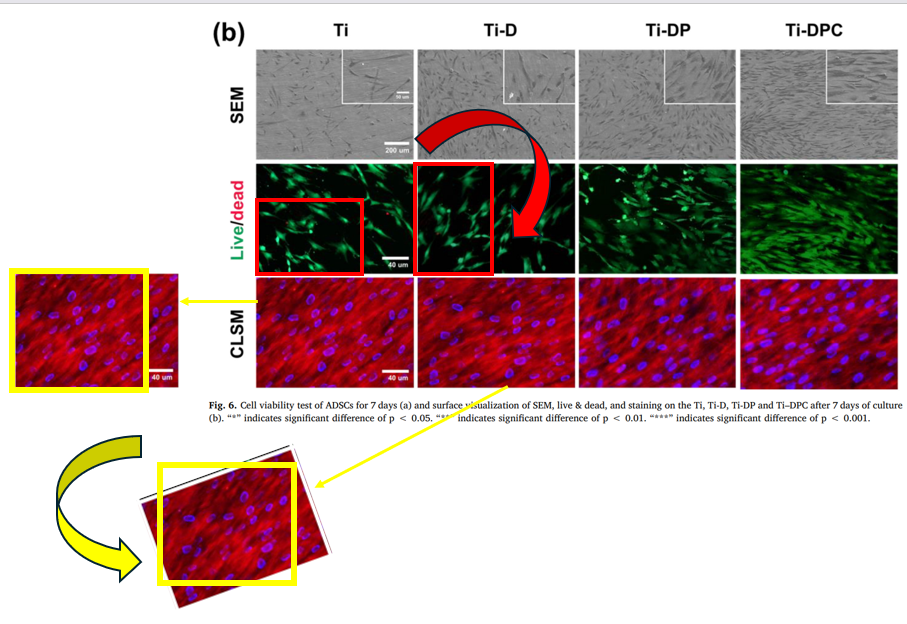
Talita Kathleen Correia De Sousa, Fátima Raquel Maia , Sandra Pina , Rui L. Reis, Joaquim Miguel Oliveira , João Pedro Aquiles Carobolante , Ana Lúcia Do Amaral Escada , Guilherme Arthur Longhitano , Ana Paula Rosifini Alves Anodic Oxidation of 3D Printed Ti6Al4V Scaffold Surfaces: In Vitro Studies Applied Sciences (2024) doi: 10.3390/app14041656
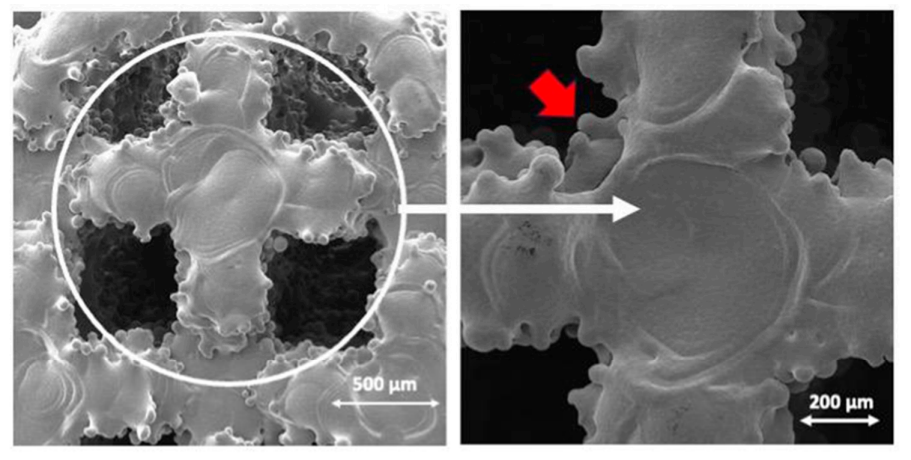
However Djordje Bozic, MDPI’s Journal Relations Specialist from the Applied Sciences editorial office does not think this deserves any correction. Here is his replay to the post on PubPeer:
“The Editorial office, in consultation with our Editorial Board and Ethic Committee, have thoroughly investigated the concerns that you raised and determined that the authors’ explanation and data provided (original SEM micrographs at 50x, 100x, and 200x acquired during the experiments) adequately resolved the issue. The differences observed between the images at different magnifications are consistent with the expected local morphological heterogeneity of PBF-EB Ti6Alav scaffold surfaces, where partially melted and unmelted particles are inherently non-uniformly distributed.
The raw SEM images show clear structural consistency across magnifications and do not indicate any concerns regarding data integrity or image manipulation.
Overall, the provided data fully support the reliability of the published figure, and no further action is required.
This investigation is now closed and we are not planning any further action.“
MDPI indeed has the best experts, and now we learned that fraud is when the magnifications look similar to the full picture.
There is also this paper by Oliviera as last author, with some co-authors from Singapore, proving that one can repair peripheral nerves with chitosan/keratin and some creative image reuse:
Cristiana R. Carvalho , João B. Costa , Lígia Costa , Joana Silva-Correia , Zi Kuang Moay , Kee Woei Ng , Rui L. Reis , Joaquim M. Oliveira Enhanced performance of chitosan/keratin membranes with potential application in peripheral nerve repair Biomaterials Science (2019) doi: 10.1039/c9bm01098j
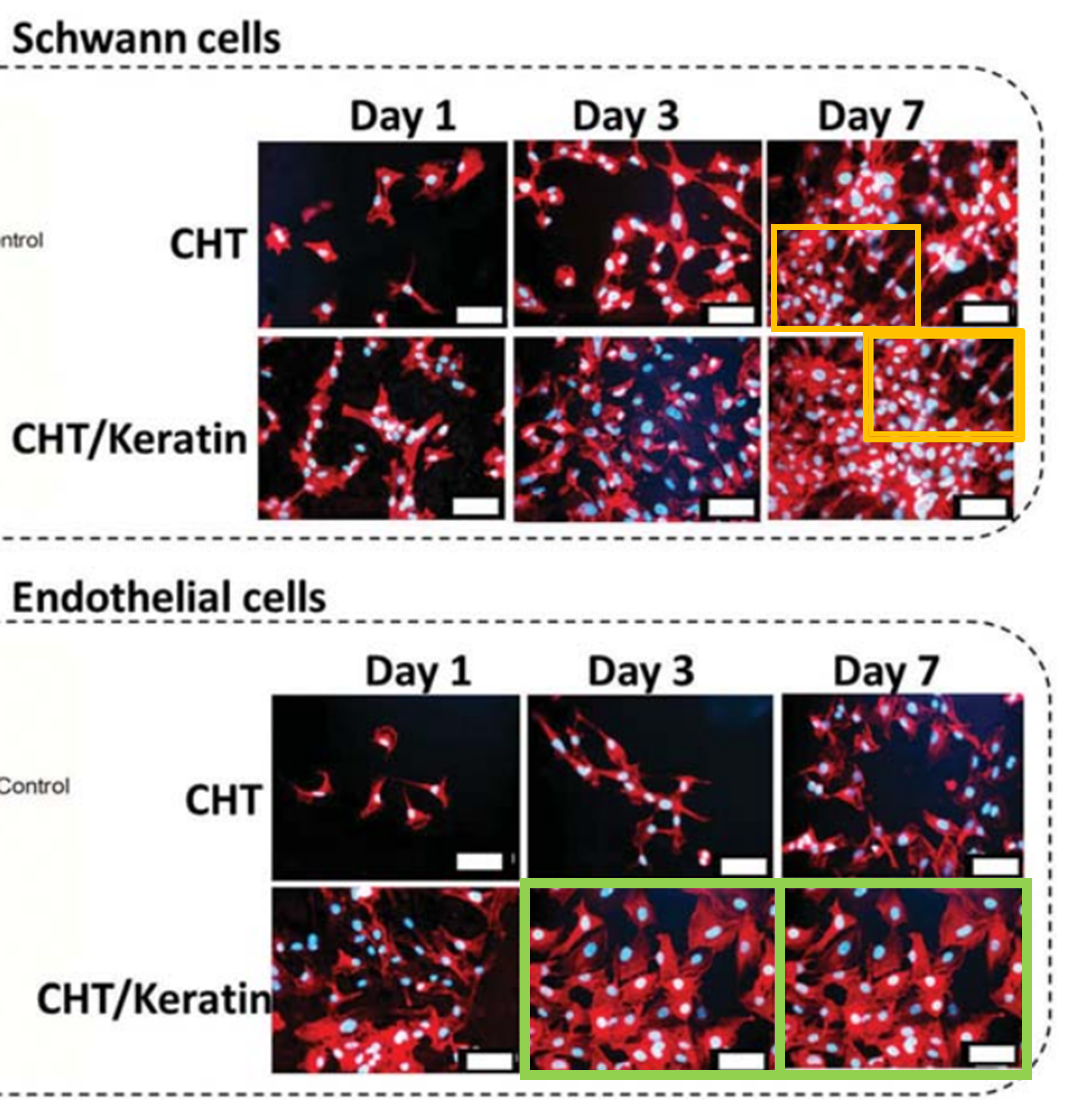
n Fig. 4 (right panels), there appear to be unexpected overlaps between some panels (highlighted by boxes of the same color).
Or this one, with co-author Utkan Demirci, professor at Stanford University School of Medicine, and some Chinese friends:
Raphaël F. Canadas, João B. Costa , Zhengwei Mao , Changyou Gao , Utkan Demirci , Rui L. Reis , Alexandra P. Marques , Joaquim M. Oliveira 3DICE coding matrix multidirectional macro-architecture modulates cell organization, shape, and co-cultures endothelization network Biomaterials (2021) doi: 10.1016/j.biomaterials.2021.121112
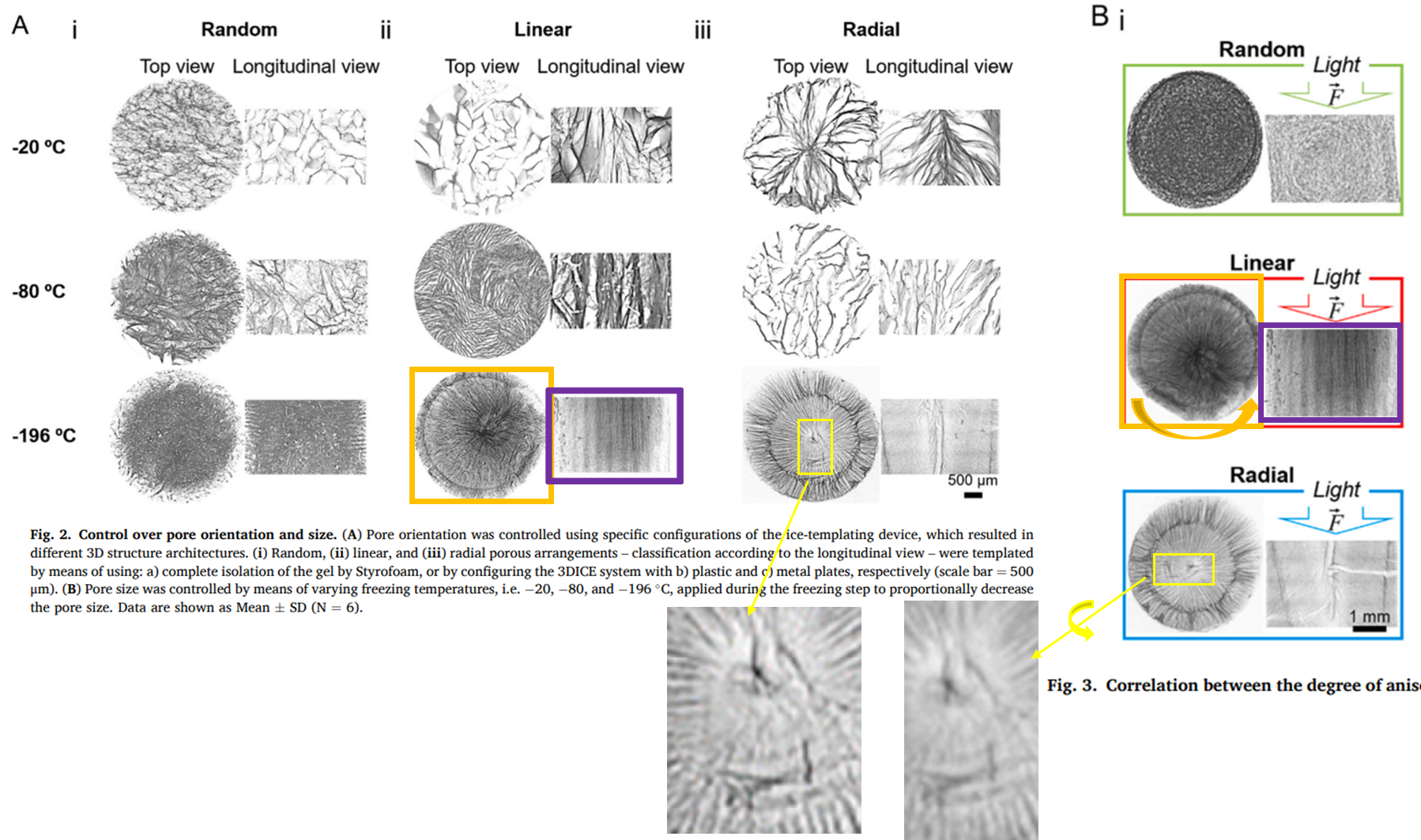
Another one with their Stanford colleague:
Raphaël F. Canadas , Tanchen Ren , Alessandro Tocchio , Alexandra P. Marques , Joaquim M. Oliveira , Rui L. Reis, Utkan Demirci Tunable anisotropic networks for 3-D oriented neural tissue models Biomaterials (2018) doi: 10.1016/j.biomaterials.2018.07.055
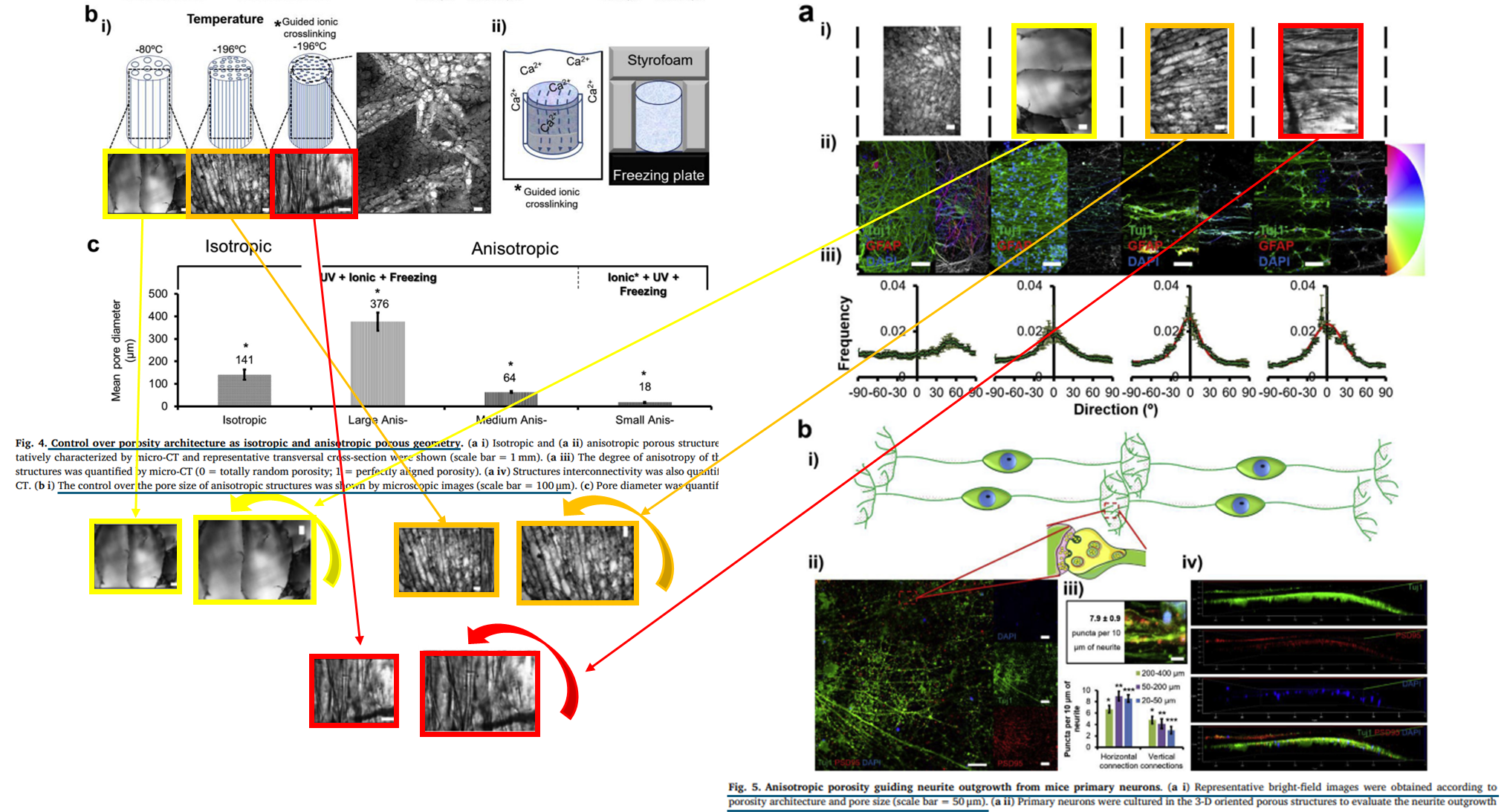
More recently, Oliviera launched a new research line within ICVS/3B’s on 3D in vitro models for cancer research. How that effort is progressing is unclear, but his name has recently begun appearing as co-author on a series of papers on cancer research that look suspiciously like paper-mill products.
Sylvain Lesné is a failed scientist
From Lesné’s public shame to successful role models of neuroscience like Aguzzi and Tessier-Lavigne.
Such as these two examples, also co-authored by Axel Behrens, a former postdoc of Adriano Aguzzi and currently Scientific Director of the Cancer Research UK Convergence Science Centre at ICR London:
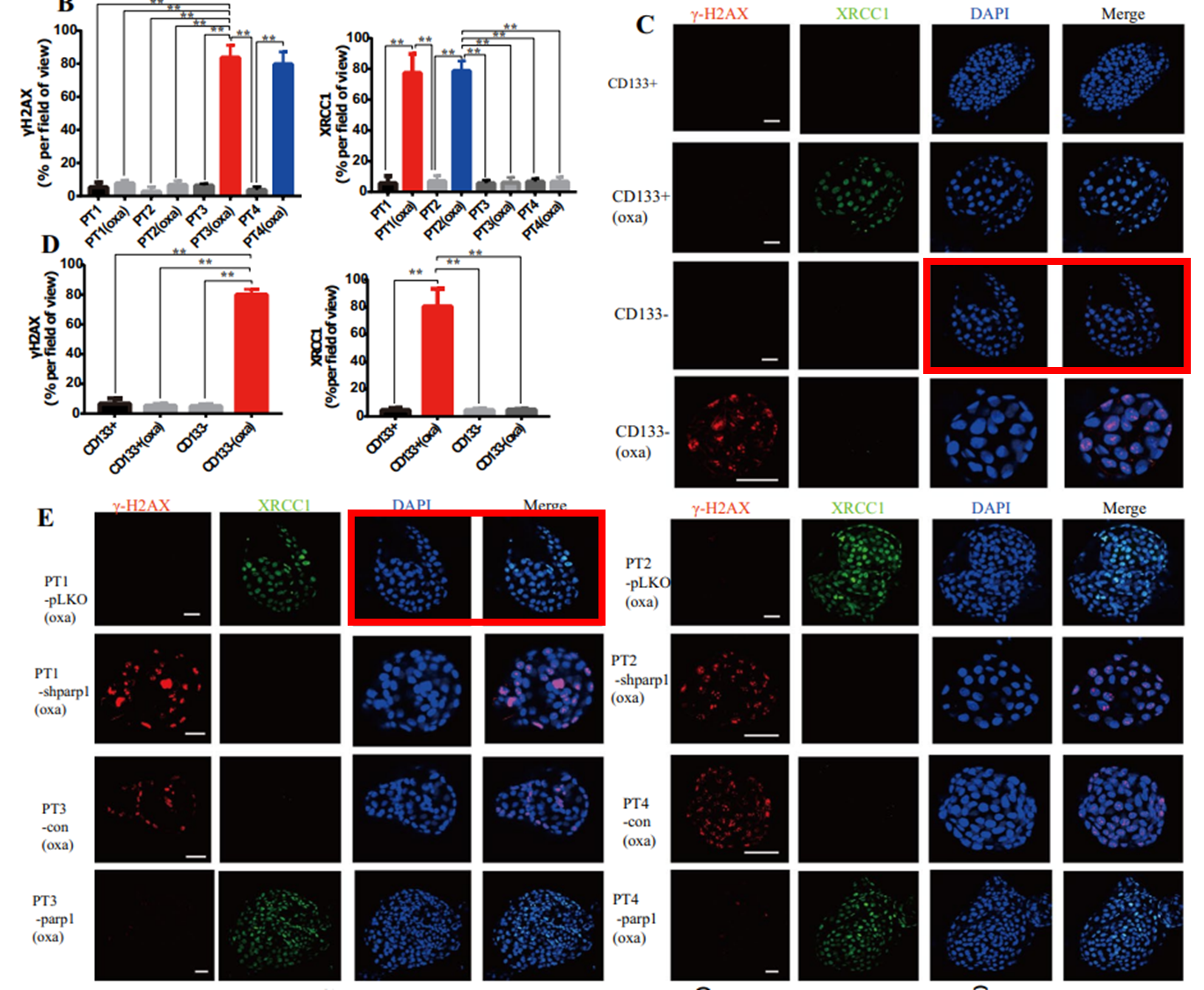
Huafu Li , Chunming Wang , Linxiang Lan , Leping Yan , Wuguo Li , Ian Evans , E. Josue Ruiz , Qiao Su , Guangying Zhao , Wenhui Wu , Haiyong Zhang , Zhijun Zhou , Zhenran Hu , Wei Chen , Joaquim M. Oliveira , Axel Behrens, Rui L. Reis, Changhua Zhang METTL3 promotes oxaliplatin resistance of gastric cancer CD133+ stem cells by promoting PARP1 mRNA stability Cellular and Molecular Life Sciences (2022) doi: 10.1007/s00018-022-04129-0
To be fair, the ICR London is the perfect place for scientists like Behrens who learned their tricks from scientists like Aguzzi.
Fake data, untouchable men and guilty women at ICR London
With nobody above him, ICR director Paul Workman was seemingly investigating himself, and found two female colleagues guilty of placing fake data into his papers, primarily the ICR emeritus Ann Jackman. One paper was retracted, another received an outrageous correction. The previous ICR CEO, Alan Ashworth, together with his right-hand man Chris Lord, have their…
Thus, here another totally not-papermilled study by Reis, Oliviera and Behrens with their Chinese providers:
Huafu Li , Chunming Wang , Linxiang Lan , Wenhui Wu , Ian Evans , E. Josue Ruiz , Leping Yan , Zhijun Zhou , Joaquim M. Oliveira , Rui L. Reis , Zhenran Hu , Wei Chen , Axel Behrens , Yulong He, Changhua Zhang PARP1 Inhibitor Combined With Oxaliplatin Efficiently Suppresses Oxaliplatin Resistance in Gastric Cancer-Derived Organoids via Homologous Recombination and the Base Excision Repair Pathway Frontiers in Cell and Developmental Biology (2021) doi: 10.3389/fcell.2021.719192
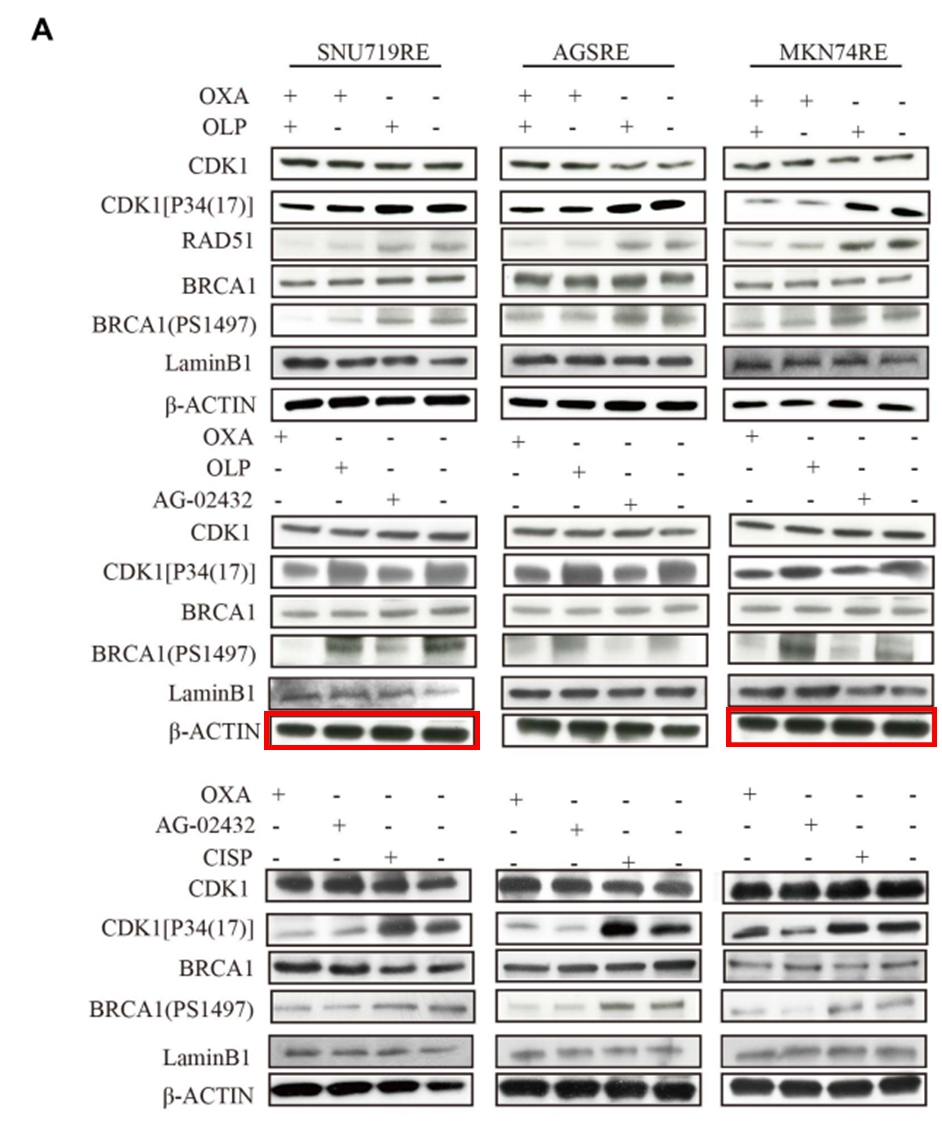
More similar than expected (highlighted by the red boxes) in Fig. 6A;
Bioink and jellyfish
Another loyal student of Reis’s is Alexandra Pinto Marques, a coordinator researcher at i3Bs, (PubPeer record). In 2017 she was awarded an ERC Consolidator Grant of around €2 million (“ECM-INK -Cells-self Extracellular Matrices-based Bioinks to create accurate 3D diseased skin tissue models”, ERC-2016-COG-726061), which resulted in several papers including this one:
Daniel P. Reis , Beatriz Domingues , Cátia Fidalgo , Rui L. Reis , Luca Gasperini , Alexandra P. Marques Bioinks Enriched with ECM Components Obtained by Supercritical Extraction Biomolecules (2022) doi: 10.3390/biom12030394
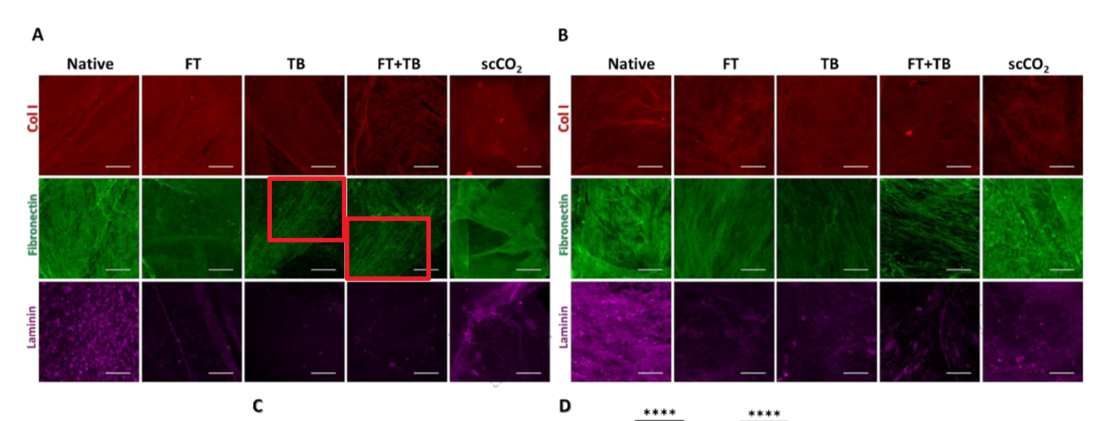
Then we have Rogério P. Pirraco, another long-term researcher at i3Bs (PubPeer record), and an ERC Starting Grant awardee (€1.5 million, 2018) with the project “CapBed – Engineered Capillary Beds for Successful Prevascularization of Tissue Engineering Constructs”, aimed at developing bioengineered capillary networks to improve the vascularization of lab-grown tissues for transplantation. I wonder if these papers helped him and Marques to get those big ERC grants:
M.T. Cerqueira , R.P. Pirraco , A.R. Martins , T.C. Santos , R.L. Reis , A.P. Marques Cell sheet technology-driven re-epithelialization and neovascularization of skin wounds Acta Biomaterialia (2014) doi: 10.1016/j.actbio.2014.03.006
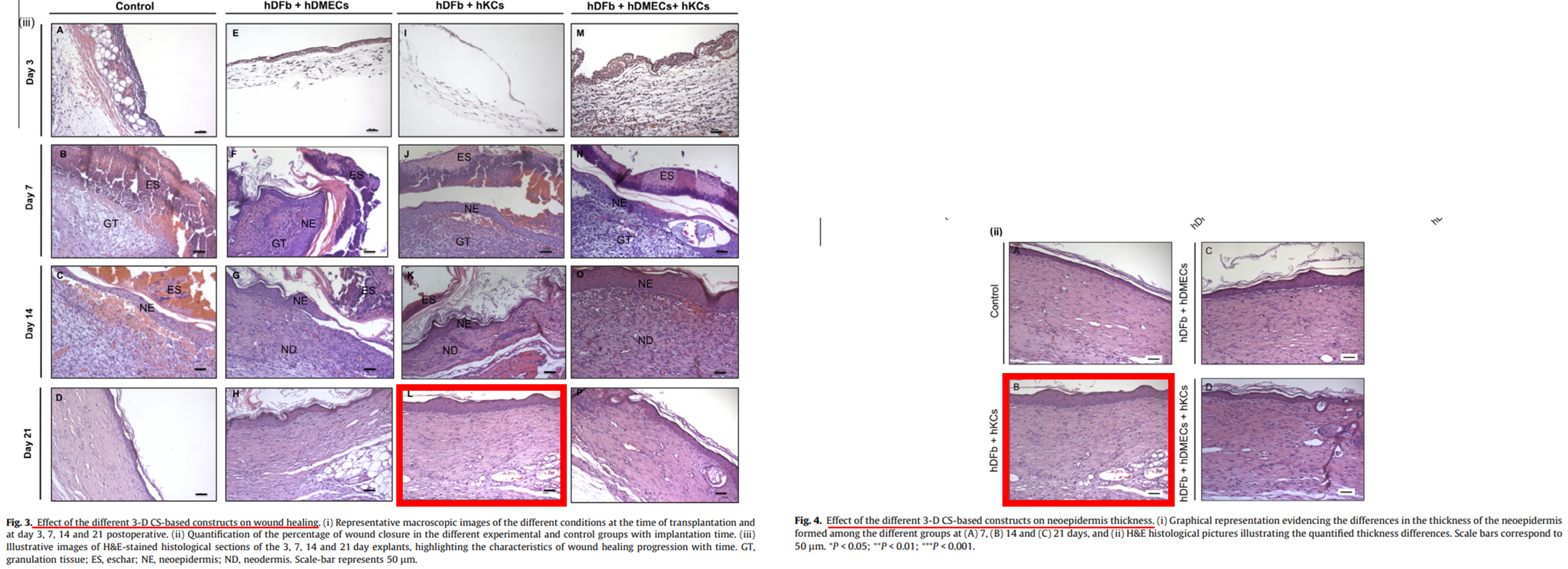
In March 2026, Marques announced on PubPeer that the figure reuse was perfectly fine (“panel 4(ii) is not labeled with the corresponding time point, which is 21 days” and announced “corrections to the figure labeling and legends“. No comment was made here:
Lucília P Da Silva , Sílvia Oliveira , Rogério P Pirraco , Tírcia C Santos , Rui L Reis , Alexandra P Marques , Vitor M Correlo Eumelanin-releasing spongy-like hydrogels for skin re-epithelialization purposes Biomedical Materials (2017) doi: 10.1088/1748-605x/aa5f79
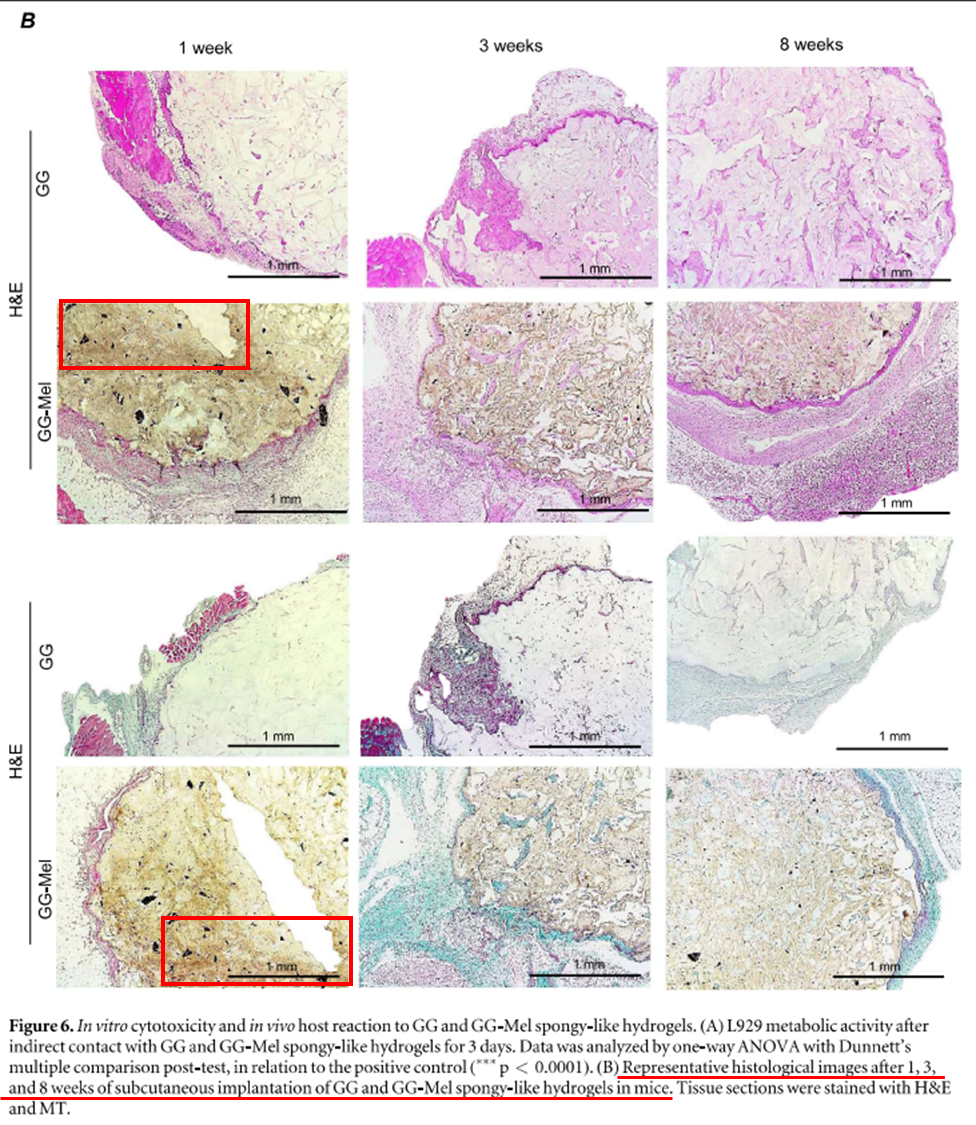
There is an apparent overlap between two panels in Fig. 6B (red boxes), which is unexpected if the panels correspond to different representative histological images.
The Principal Researcher Tiago Henriques Silva works on developing marine-inspired biomaterials for tissue engineering and other advanced applications. We can see some results on PubPeer, including this paper, describing how jellyfish collagen supposedly regenerates cartilage, done in collaboration with the British manufacturer Jellagen Ltd (author Andrew Mearns-Spragg is founder and CSO):
Duarte Nuno Carvalho, Michael Gelinsky , David S. Williams, Andrew Mearns-Spragg, Rui L. Reis, Tiago H. Silva Marine collagen-chitosan-fucoidan/chondroitin sulfate cryo-biomaterials loaded with primary human cells envisaging cartilage tissue engineering International journal of biological macromolecules (2023) doi: 10.1016/j.ijbiomac.2023.124510
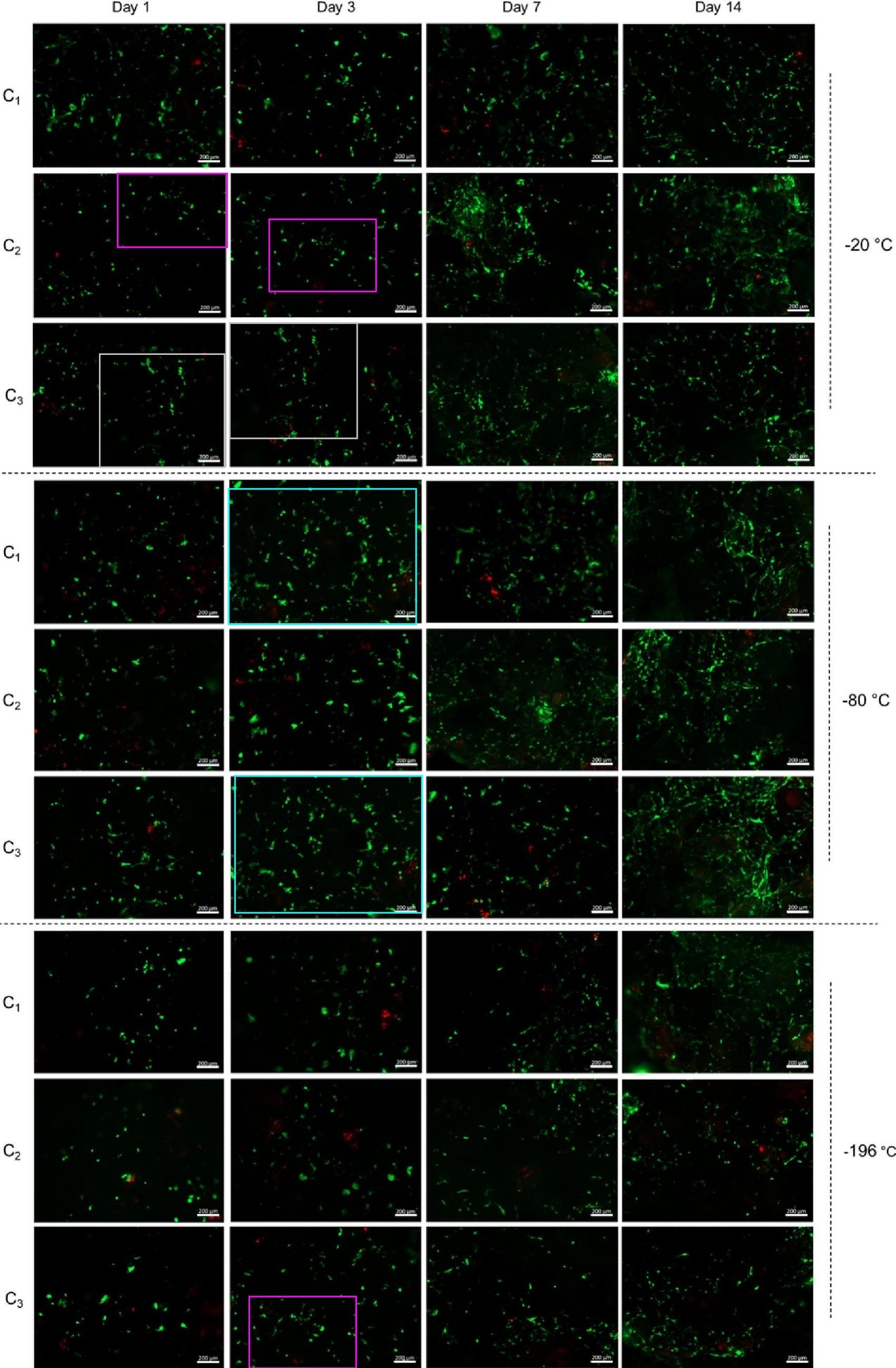
Alexander Magazinov: “In Fig. 9, a number of overlaps across panels are present. Some pairs are described as coming from different samples.
In April 2023, Silva apologised on PubPeer “for the unfortunate mistake in Figure 9, which was already detected during the final proofing process“, blamed the publisher for failing to use the correct proofs, and added that “this mistake does not affect the discussion of the results.” In November 2024, he published this Corrigendum:
“The authors regret an unfortunate mistake in Fig. 9 of the original version of the article, caused by a mislabeling of original fluorescence microscopy images, which resulted in the use of incorrect images for the conditions “C1 −80 °C day 3” and “C1 −80 °C day 14” when assembling the fluorescence images on the panel to produce the said Fig. 9.
After a thorough revision of the acquired fluorescence microscopy images taking into consideration the equivalent records, the labeling has been revised. The correct images corresponding to the two referred conditions were identified and have now been placed in the due positions in the panel corresponding to Fig. 9, as follows.
We would like to emphasize that this error does not affect the interpretation or discussion of the obtained results, neither the drawn conclusions indicated in the article.
The authors would like to apologise for any inconvenience caused.”
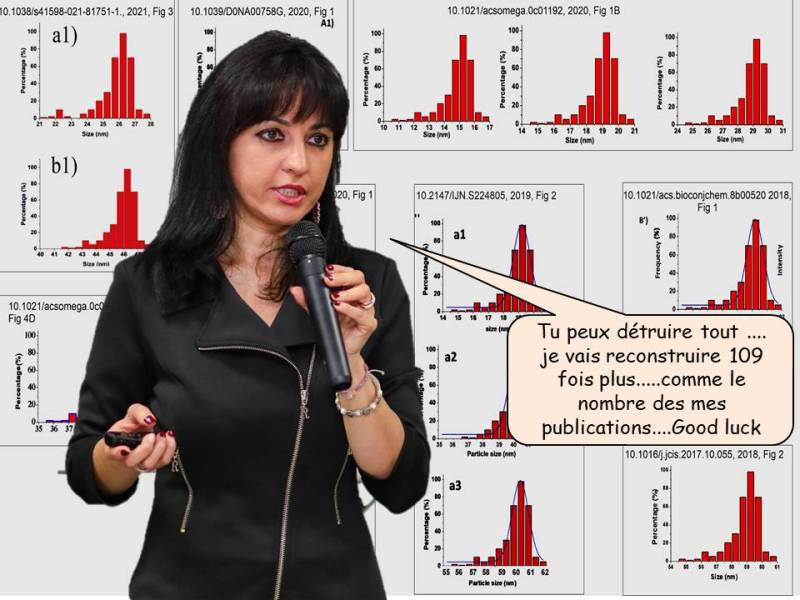
Good luck, Jolanda Spadavecchia!
CNRS research director Jolanda Spadavecchia was sanctioned with two years suspension for “serious and repeated breaches of her duty of scientific integrity”, 19 retractions were requested.
Another Jellagen Ltd collaboration (coauthor David S Williams later left Jellagen to work for another company):
Duarte Nuno Carvalho , David S. Williams , Carmen G. Sotelo , Ricardo I. Pérez-Martín , Andrew Mearns-Spragg , Rui L. Reis , Tiago H. Silva Marine origin biomaterials using a compressive and absorption methodology as cell-laden hydrogel envisaging cartilage tissue engineering Biomaterials Advances (2022) doi: 10.1016/j.bioadv.2022.212843
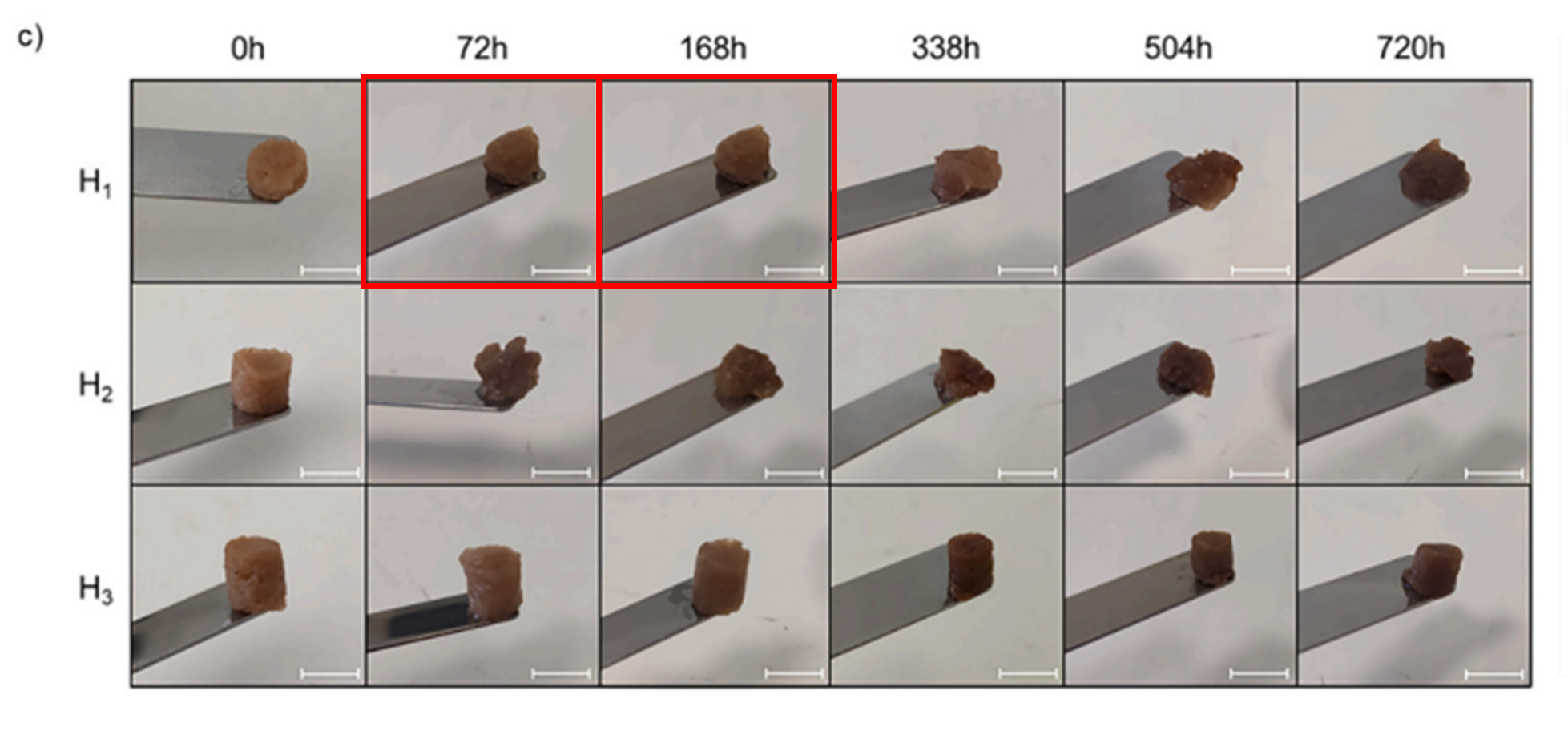
More marine gelatines, this time Made in Portugal, to regenerate corneas:
Ana L. Alves , Ana C. Carvalho , Inês Machado , Gabriela S. Diogo , Emanuel M. Fernandes , Vânia I. B. Castro , Ricardo A. Pires , José A. Vázquez , Ricardo I. Pérez-Martín , Miguel Alaminos , Rui L. Reis , Tiago H. Silva Cell-Laden Marine Gelatin Methacryloyl Hydrogels Enriched with Ascorbic Acid for Corneal Stroma Regeneration Bioengineering (2023) doi: 10.3390/bioengineering10010062
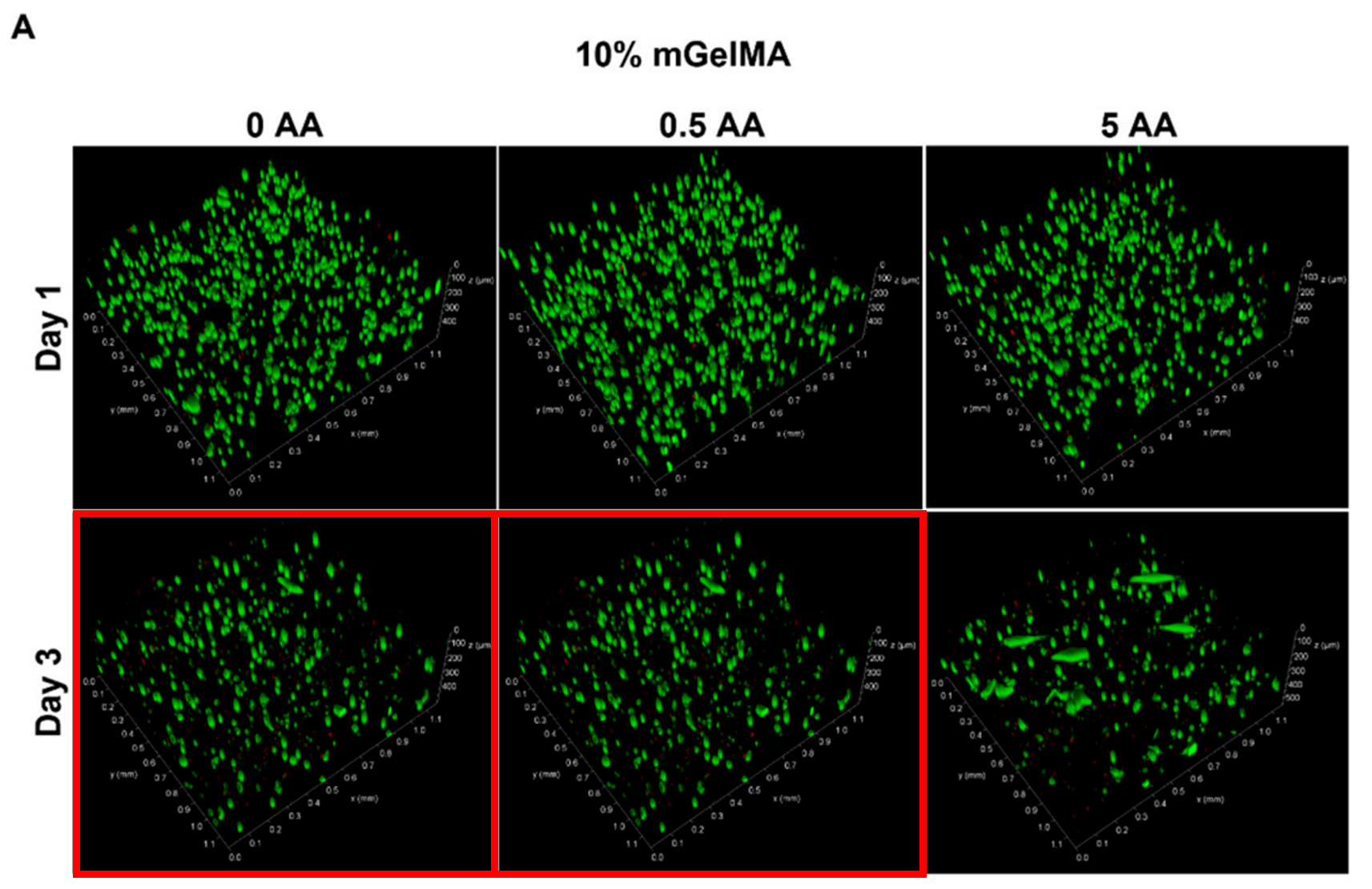
Two panels in Fig. 10A appear more similar than expected (as highlighted by the red boxes), considering that they correspond to different treatments.
We must mention the latest generation of i3Bs genius, particularly Carlos F. Guimarães, a very promising young researcher. He invented “Living Optical Fibers” which can digitalize 3D biological processes, and in 2024 was included in the prestigious list of 30-under-30 from Forbes (Portugal). He only has one paper on PubPeer, but hey! He is still under 30.
Bingcheng Yi , Lei Yu , Yating Yang , Carlos F. Guimarães , Ruijie Xu , Thavasyappan Thambi , Boya Zhou , Qihui Zhou , Rui L. Reis Light-stimulated smart thermo-responsive constructs for enhanced wound healing: A streamlined command approach Asian Journal of Pharmaceutical Sciences (2025) doi: 10.1016/j.ajps.2025.101057
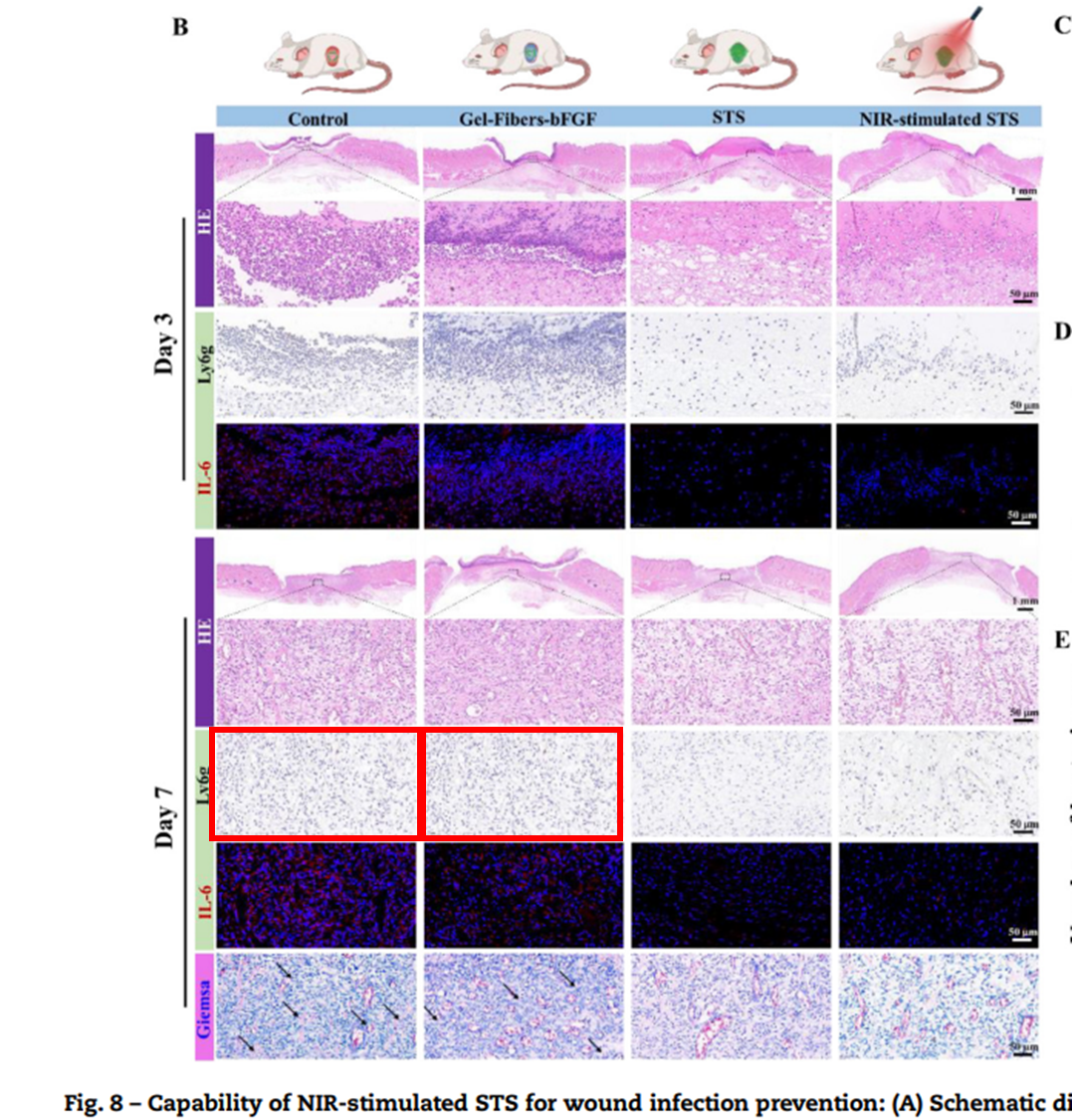
Two panels in Fig. 8B appear more similar than expected (highlighted by the red boxes), considering that they represent different treatments.
The papermiller
Finally, we have the expat Subhas Chandra Kundu. He was the Founder Head and Full Professor in the Department of Biotechnology at the Indian Institute of Technology (Kharagpur), before moving from West Bengal to the greener pastures of north-west Portugal. In 2016, he joined 3B’s as an ERA-Chair (European Research Area Chair), becoming Research Coordinator in 2020. The justification for his appointment as an ERA-Chair was his expertise in biomaterials and tissue engineering, particularly in the development of 3D tumour microenvironments in vitro.

Tiwari’s IAAM honours Magdeburg
Ashutosh Tiwari’s scamference activities continue. Now the University of Magdeburg in Germany is very excited about a medal from the International Association of Advanced Materials.
Here some relevant cancer research from i3B, which Kundu announced to correct in January 2026:
Virginia Brancato, Banani Kundu , Joaquim Miguel Oliveira , Vitor Manuel Correlo , Rui Luis Reis , Subhas C. Kundu Tumor-Stroma Interactions Alter the Sensitivity of Drug in Breast Cancer Frontiers in Materials (2020) doi: 10.3389/fmats.2020.00116
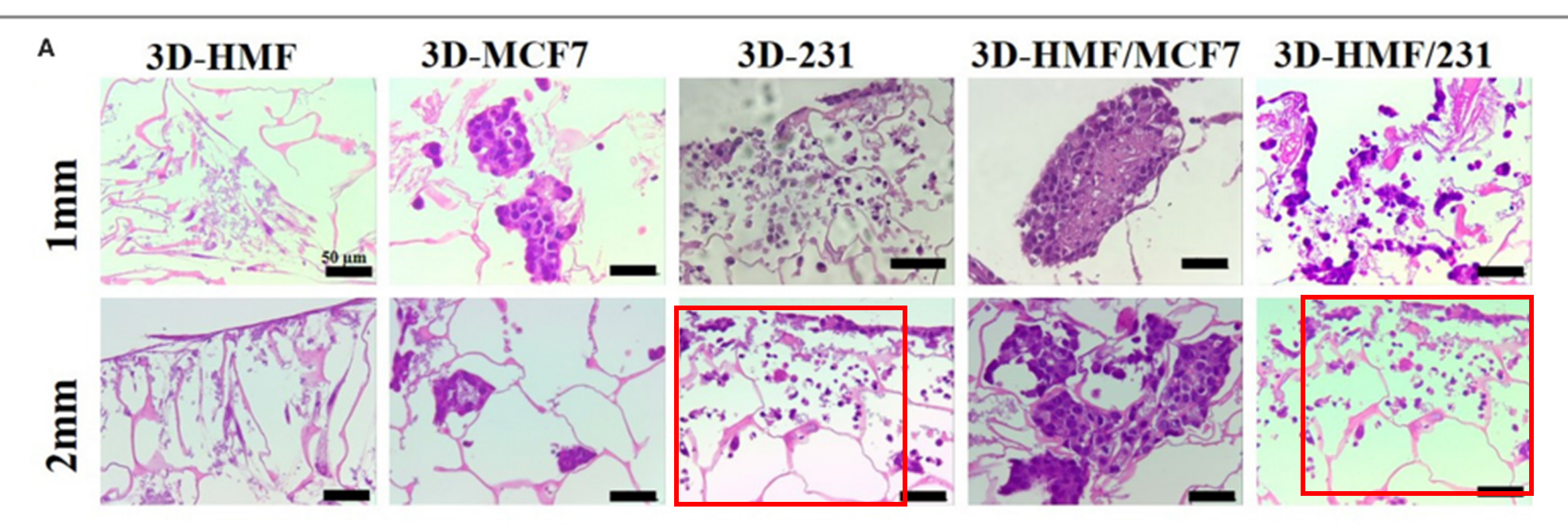
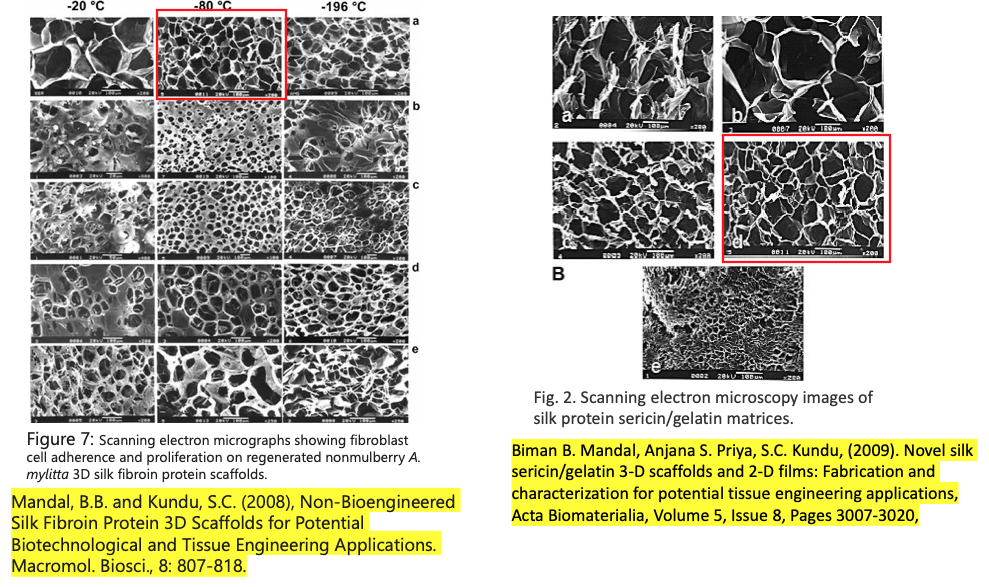
In my view, and this is strictly an opinion, which may well be proven wrong, he is just a shameless papermiller, and his papermilling skills and networks came in handy to keep the productivity within the i3Bs increasingly outlandish biomaterial-regeneration-nano-cancer-curing-fantastic projects. Professor Kundu has a PubPeer record of about 30 papers, a third of them co-authored with Ruis Reis. The oldest of Kundu’s papers on PubPeer date from 2008-2009, well before his move to Portugal, such as this image reuse:
- Biman B. Mandal, Subhas C. Kundu Non‐Bioengineered Silk Fibroin Protein 3D Scaffolds for Potential Biotechnological and Tissue Engineering Applications Macromolecular Bioscience (2008) doi: 10.1002/mabi.200800113
- Biman B. Mandal , Anjana S. Priya , S.C. Kundu Novel silk sericin/gelatin 3-D scaffolds and 2-D films: Fabrication and characterization for potential tissue engineering applications Acta Biomaterialia (2009) doi: 10.1016/j.actbio.2009.03.026
Since Professor Kundu’s move to Portugal, Reis’s name started to adorn the author list of some masterpieces, like this one with Rassoul Dinarvand and other Iranian friends:
Fatemeh Mottaghitalab , Melika Kiani , Mehdi Farokhi , Subhas C. Kundu , Rui L. Reis , Mahdi Gholami , Hassan Bardania , Rassoul Dinarvand , Parham Geramifar , Davood Beiki , Fatemeh Atyabi Targeted Delivery System Based on Gemcitabine-Loaded Silk Fibroin Nanoparticles for Lung Cancer Therapy ACS Applied Materials & Interfaces (2017) doi: 10.1021/acsami.7b10408
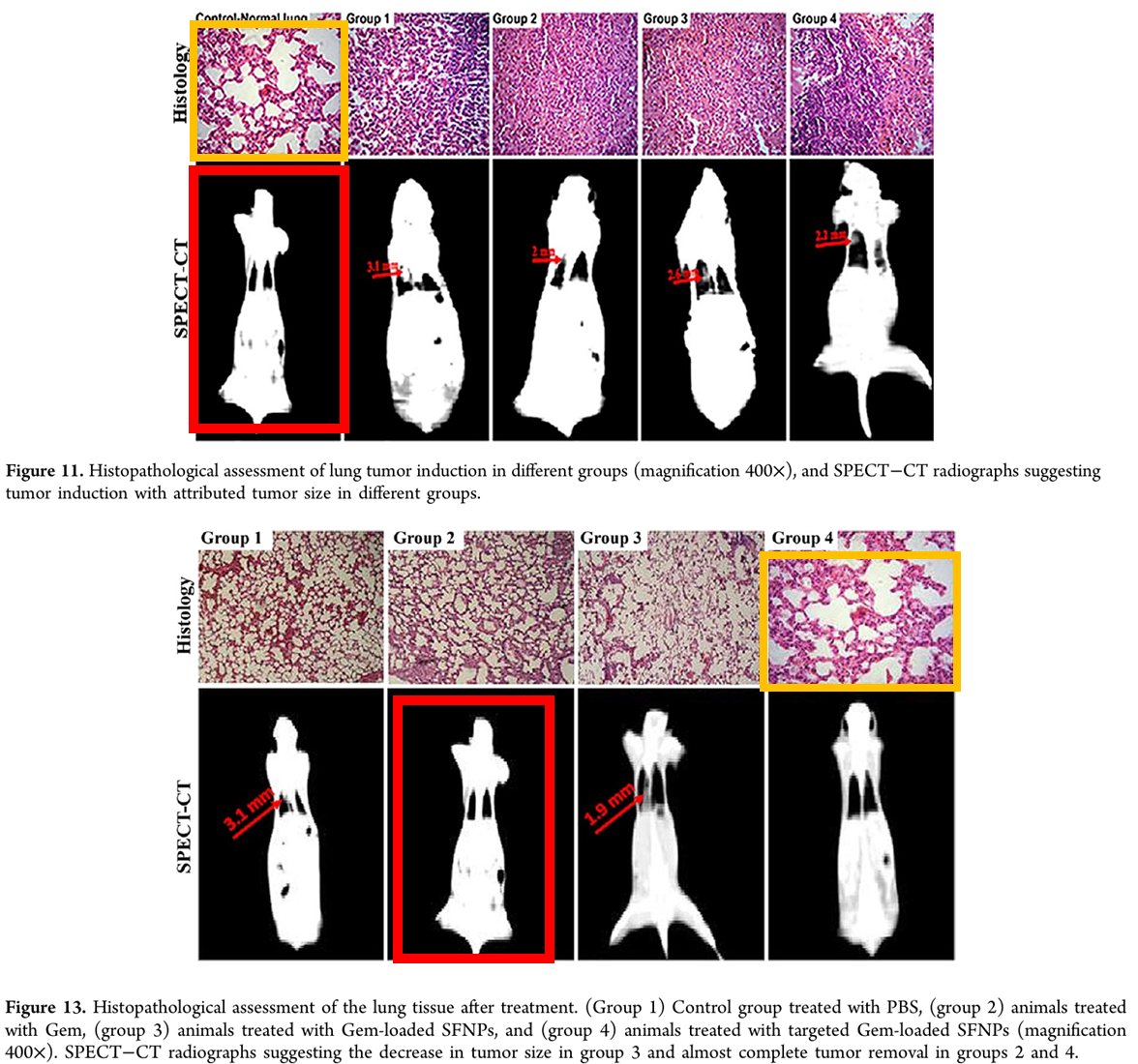
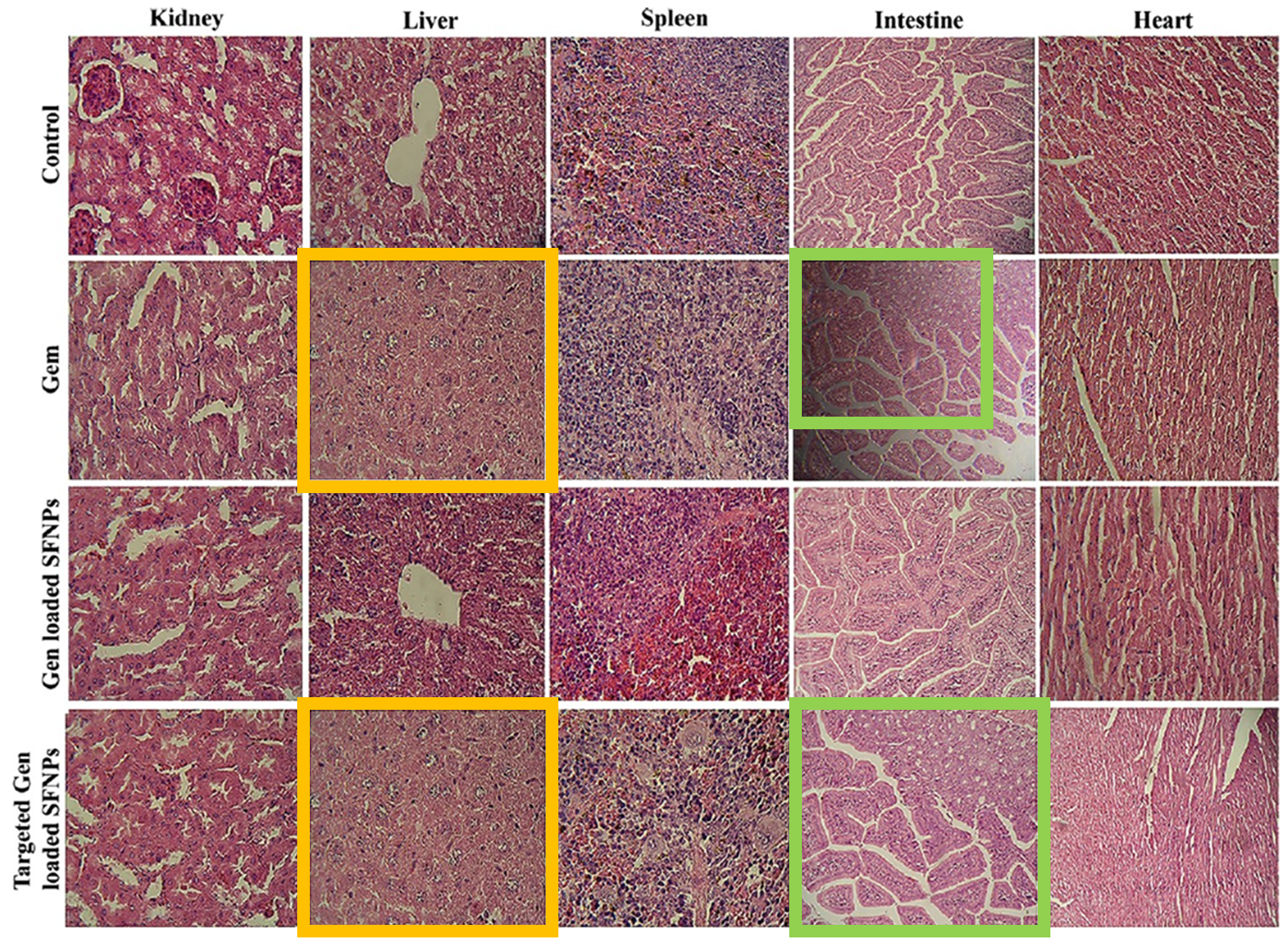
The last author Fatemeh Atyabi assured in May 2026 that this was merely “an unintentional layout error during final figure preparation“, and that “the scientific validity and interpretation of the results remain unchanged“. This Iranian scholar has over 40 papers on PubPeer and some retractions, see Talaie et al 2011 or Izadi et al 2020, and January 2026 Shorts. Her regular coauthors are fellow Iranian papermillers like Farhad Jadidi-Niaragh.
Kundu may even have dragged Reis into his first retraction with this paper, co-authored with a very international team of cheaters, including Alexander Seifalian, former professor at UCL in London, collaborator of Martin Birchall and Paolo Macchiarini. After Seifalian was found guilty of research misconduct and sacked in 2017, he continued pushing degenerative medicine (artificial vagina and pelvic implants, anyone?) and turned to papermilling with fellow Persians, read here and below:
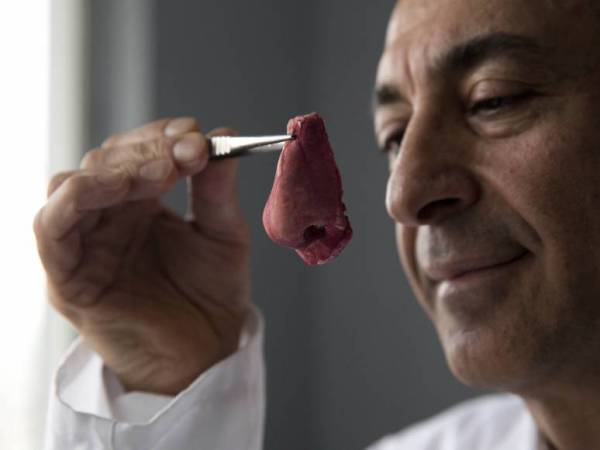
UCL trachea transplant inquiry: scapegoating, obfuscation and a lost nose
In 2017, UCL invited an external expert commission to investigate the deadly trachea transplants performed by the former UCL honorary professor Paolo Macchiarini. An already sacked UCL nanotechnology professor, Alexander Seifalian, whose lab made the two UCL plastic POSS-PCU tracheas in 2011, was announced as the main culprit on UCL side. All this despite Seifalian’s…
Here, the Iranian papermillers invited next to Reis, Kundu and Seifalian also the Lancaster University professor John Hardy and a Polish postdoc in USA, Aleksandra Urbanska:
Mazaher Gholipourmalekabadi, Alexander M. Seifalian, Aleksandra M. Urbanska , Mir Davood Omrani , John G. Hardy, Zahra Madjd , Seyed Mahmoud Hashemi , Hossein Ghanbarian, Peiman Brouki Milan , Masoud Mozafari , Rui L. Reis , Subhas C. Kundu , Ali Samadikuchaksaraei 3D Protein-Based Bilayer Artificial Skin for the Guided Scarless Healing of Third-Degree Burn Wounds in Vivo Biomacromolecules (2018) doi: 10.1021/acs.biomac.7b01807


The paper received a huge correction on 5 March 2025, where the authors replaced the offending figures and assured:
“These corrections do not affect the interpretation and conclusion of the article. The authors confirm that the new data presented are obtained from the system studied in the work.
The authors would like to apologize for any inconvenience caused.
The authors are committed to maintaining the highest standards of scientific integrity and appreciate the opportunity to correct these errors.”
Despite all those assurances, the correction proved to be shamelessly fraudulent:

Sholto David: “The correction has unexpected overlapping images”
Even ACS felt that a red line has been crossed, a Retraction was published on 10 January 2026:
“The authors retract this article […] due to partial image duplication in Figures 5a,b, 7a, and 8a. On March 5, 2025, a Correction was issued due to overlap in the aforementioned figures (DOI: 10.1021/acs.biomac.5c00225). However, due to additional partial image duplication in the same figures, the authors have agreed that this impacts the accuracy of the work, though it does not alter the conclusions. As such, to avoid confusion, the article and the associated Correction are being retracted.
The original article was published on March 12, 2018 and corrected on March 5, 2025, and both of these were retracted on February 10, 2026.”
Hopefully this paper about fantasy artificial skin made from decellularized human amniotic membrane and silk fibroin was totally fabricated , and no real mice were burned alive for its testing, and no real human burn victims were ever tortured with this nonsense. Natural silk, in fact, seems to be a passion of Prof. Kundu, and he is actively inventing all sorts of high-tech healing applications and made-up papers with several Chinese friends, some with Reis as co-author. Like this:
Shixiong Yi , Ying Zhou , Jiamei Zhang , Min Wang , Shaohui Zheng , Xiao Yang , Lian Duan , Rui L. Reis , Fangyin Dai , Subhas C. Kundu, Bo Xiao Flat Silk Cocoon‐Based Dressing: Daylight‐Driven Rechargeable Antibacterial Membranes Accelerate Infected Wound Healing Advanced Healthcare Materials (2022) doi: 10.1002/adhm.202201397
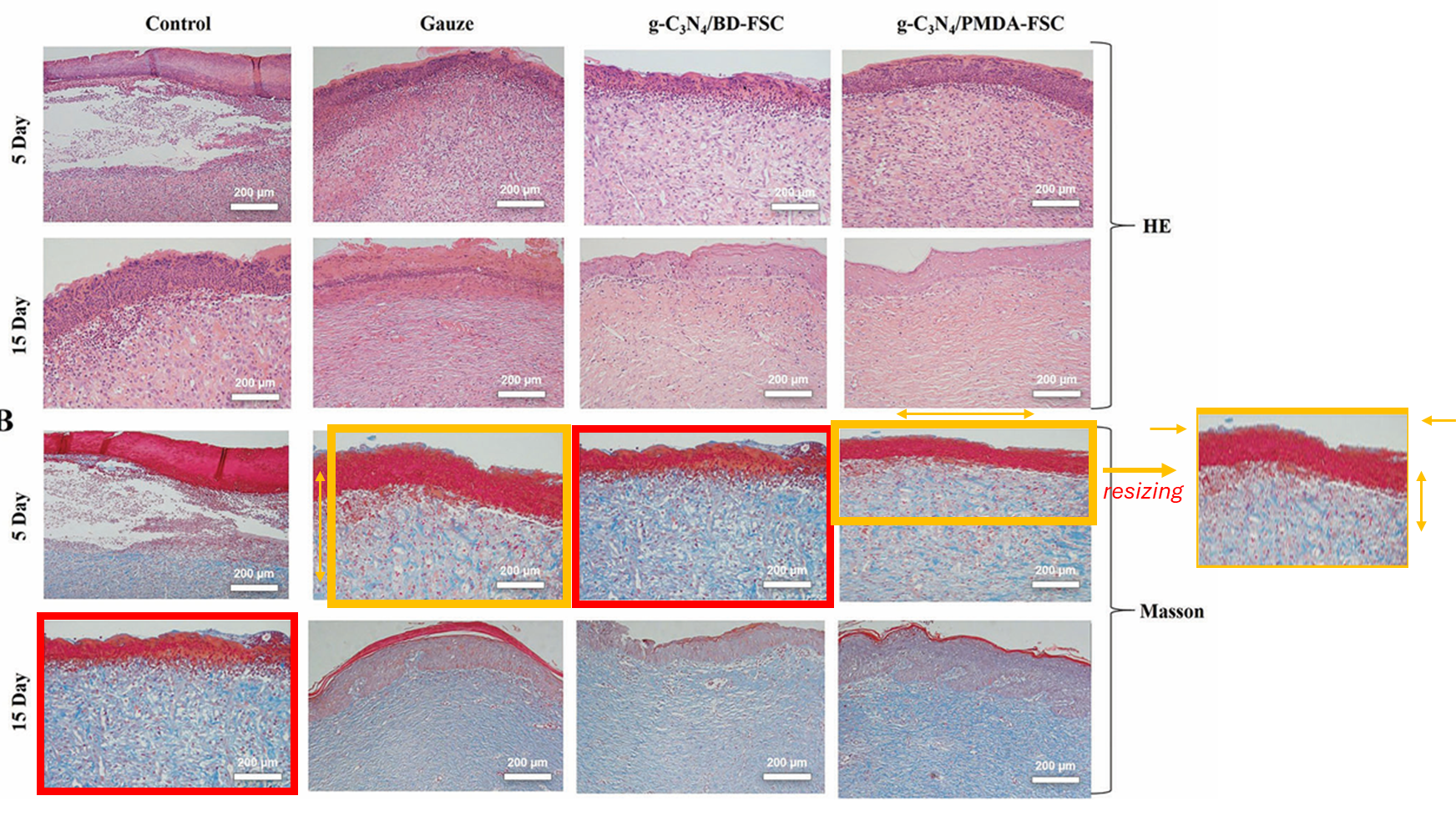
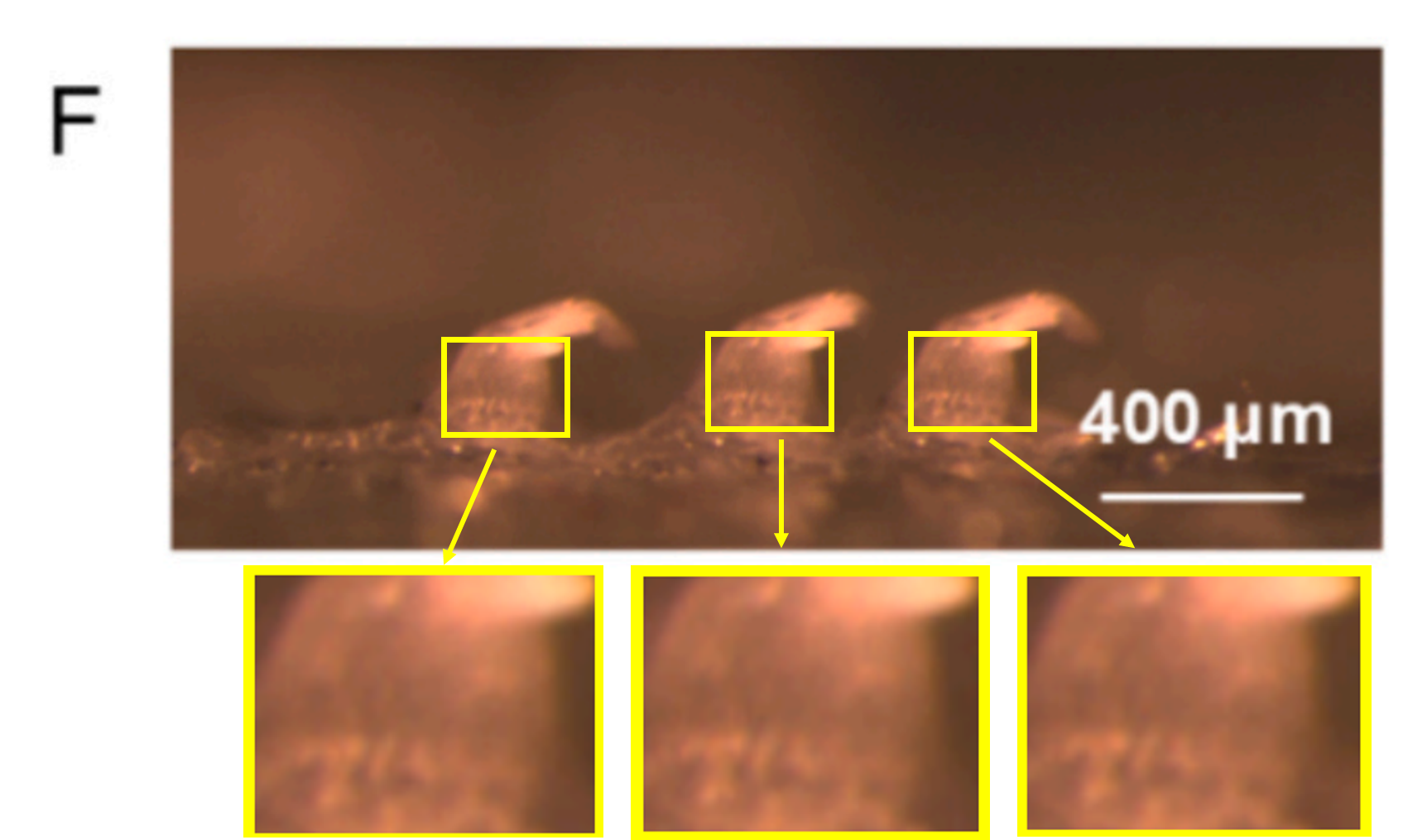
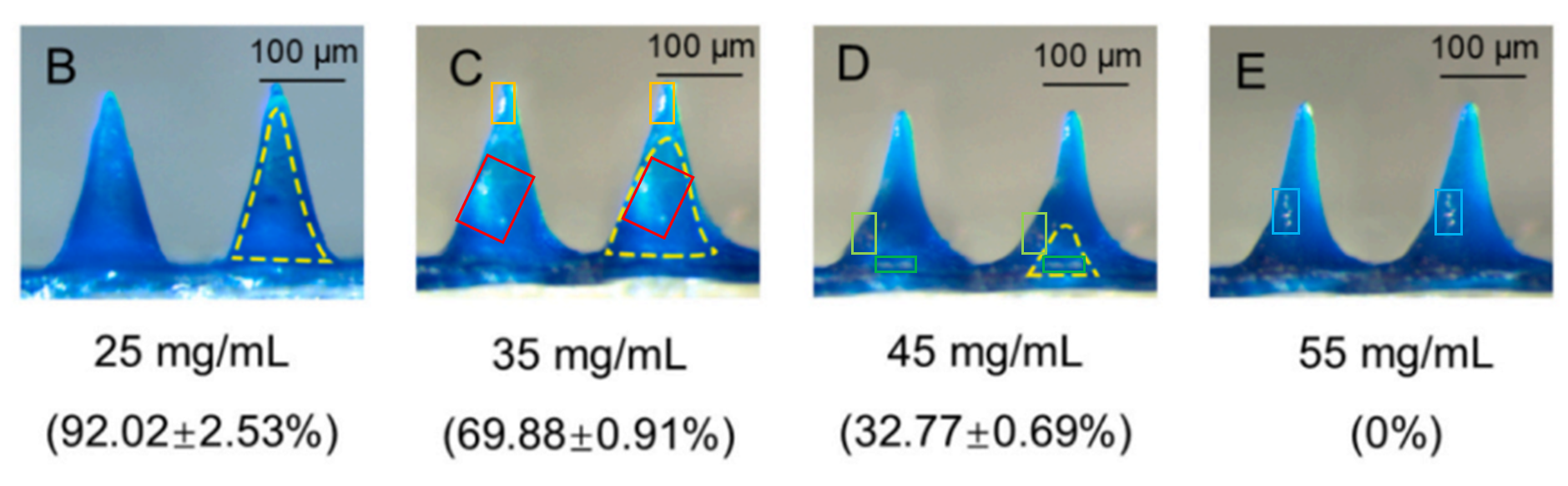
Here, Reis was somehow left out, but with the affiliations of i3B’s and UMinho in place, I guess this puts Portugal firmly on the silk papermilling road:
Tianshuo Jia , Yiyu Geng , Huiyan Shao , Guohongfang Tan , Xiaofeng Zhang , Subhas C. Kundu , Shenzhou Lu Silk fibroin hollow microneedle system for sustained transdermal administration of liraglutide: development and characterization International Journal of Biological Macromolecules (2025) doi: 10.1016/j.ijbiomac.2025.146884
All previously mentioned researcher appear to hold contracts through the i3Bs centre which is not a fully permanent and insulated entity. Thus, although titles such as tenure-track researcher, principal/coordinator investigator, or group leader suggest stability, in practice salaries and roles are dependent on external funding sources such as FCT (recently dissolved by the government, with its replacement still uncertain), Associate Laboratory block funding, EU funding, and competitive research grants. These positions are therefore dependent on evaluation cycles and periodic funding renewals.
As a result, these researchers are largely under Professor Reis’s thumb, while he himself holds a comfortable and secure university position, all within a system that exerts considerable pressure to publish and secure funding.
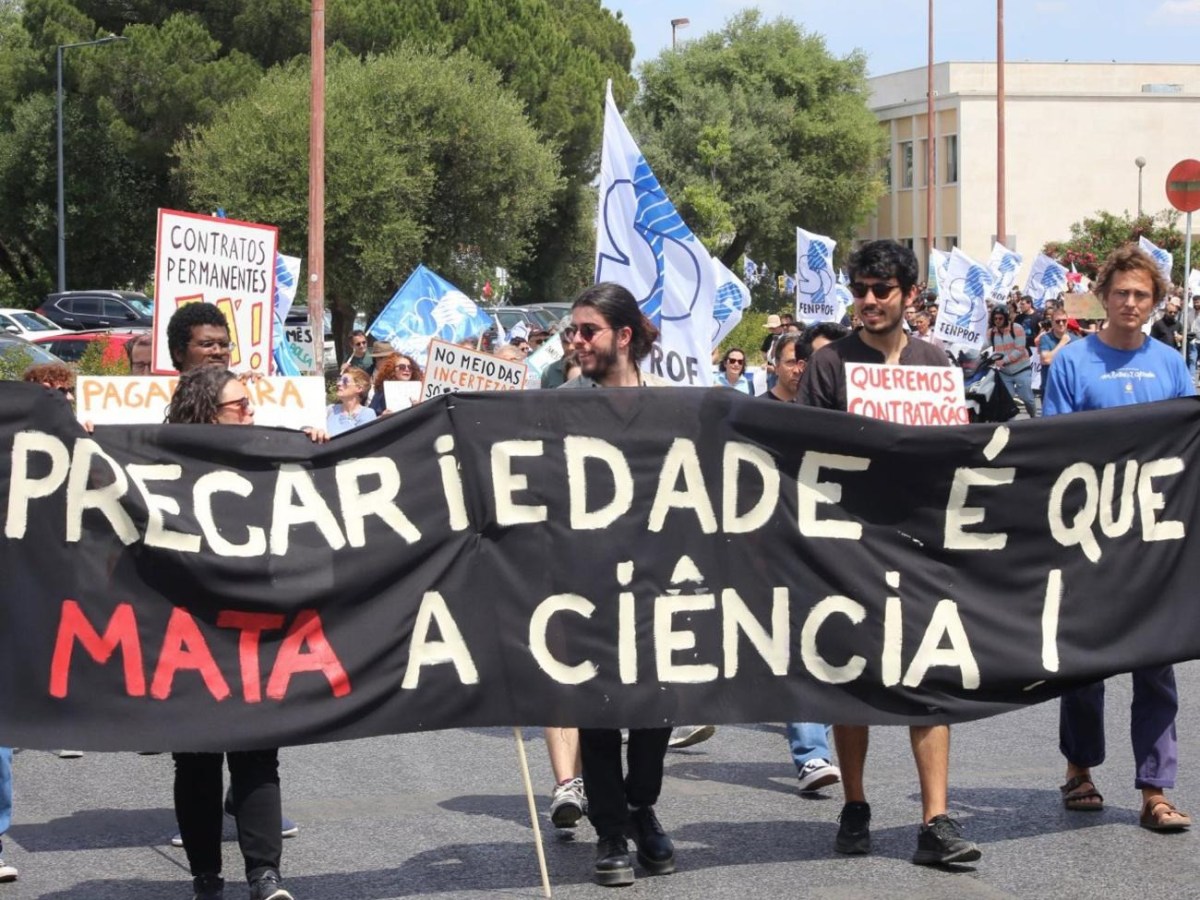
Academic precarity in Portugal
“In Portugal more than 95% of all research activities are carried out under precarious labour conditions, by undergraduate and PhD researchers employed under a variety of temporary contracts, often with limited or no benefits, and no access to a career.” –
Vice-Rector for Research and Science Policy
But we should also talk about Professor Nuno Meleiro Neves, who made it into the safe position of associate professor at the University of Minho. His PubPeer record is modest by i3Bs standards, perhaps because he is not under the same level of pressure to publish at any cost. Still, this paper published in 2010 with an international team of co-authors, from the UK and USA, deserves mentioning:
M.L. Alves Da Silva, A. Crawford , J.M. Mundy , V.M. Correlo , P. Sol , M. Bhattacharya , P.V. Hatton , R.L. Reis , N.M. Neves Chitosan/polyester-based scaffolds for cartilage tissue engineering: Assessment of extracellular matrix formation Acta Biomaterialia (2010) doi: 10.1016/j.actbio.2009.09.006
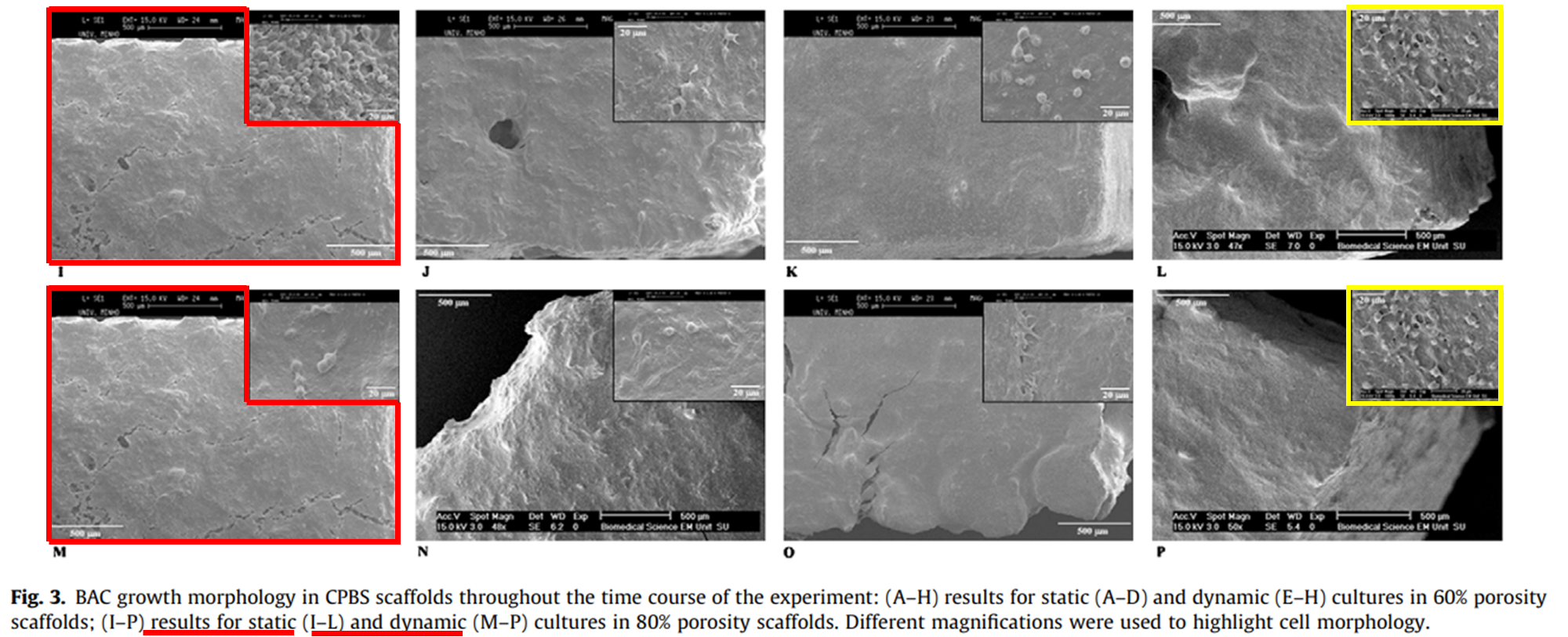
Hopefully, these chitosan/polyester cartilage scaffolds did not find their way into anyone’s joints.
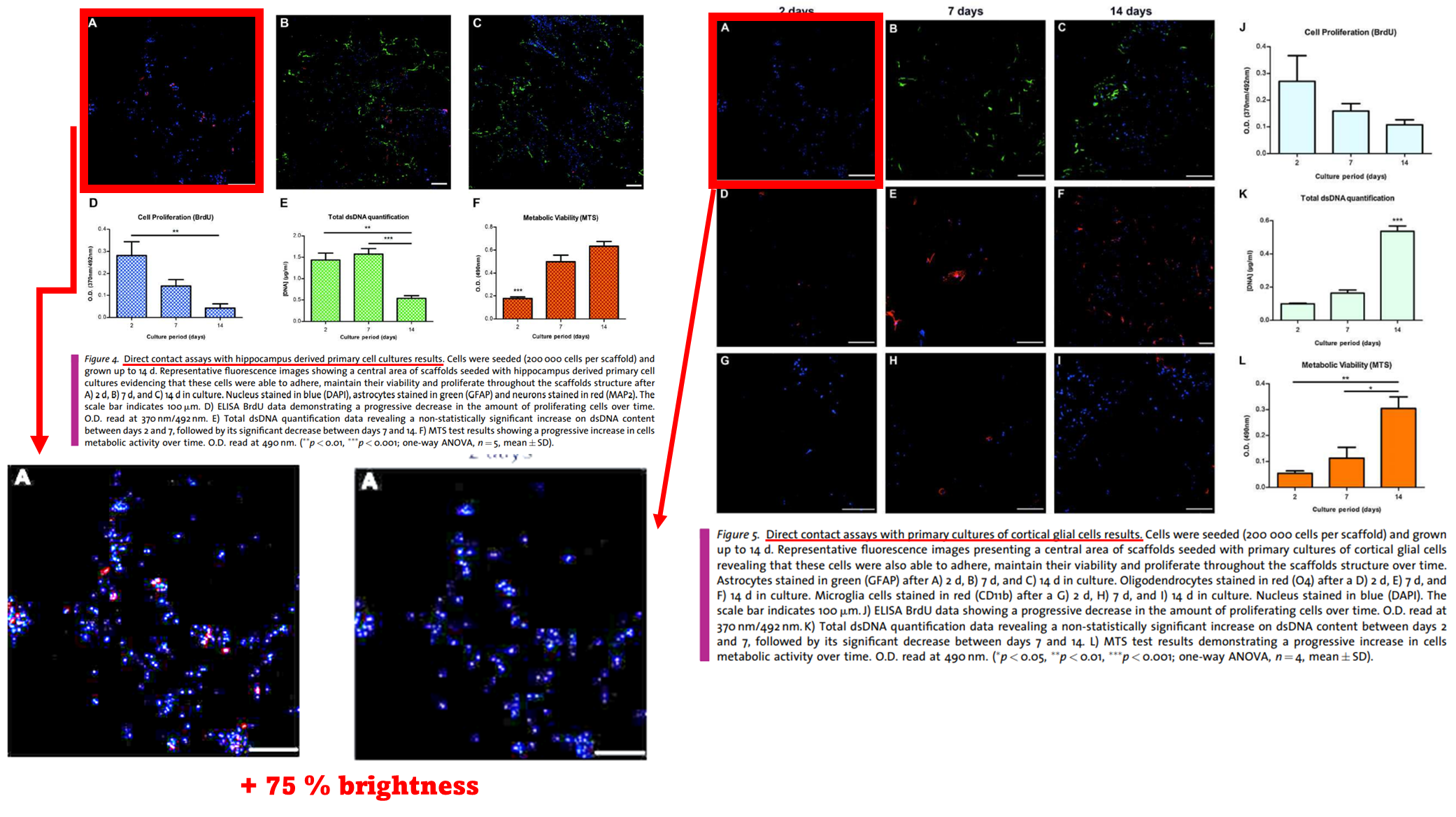
And to whom within the University of Minho, which hosts i3Bs, should we report this PubPeer extravaganza? Who should we complain to if we think that i3Bs research practices should be reviewed, and perhaps gently chaperoned a little more closely? Since Portuguese universities are nothing more than feudal fiefdoms under the absolute control of the rectors and their offices, the most logical step would be to warn the Vice-Rector for Research and Science Policy. And this is who presently holds that office: Professor António J. Salgado, a former mentee of Rui Reis and associate of i3Bs, and reportedly co-author of a couple of Rui Reis PubPeer entries.
Silvina Ribeiro‐Samy , Nuno A. Silva , Vitor M. Correlo , Joana S. Fraga , Luísa Pinto , Andreia Teixeira‐Castro , Hugo Leite‐Almeida , Armando Almeida , Jeffrey M. Gimble , Nuno Sousa , António J. Salgado, Rui L. Reis Development and Characterization of a PHB‐HV‐based 3D Scaffold for a Tissue Engineering and Cell‐therapy Combinatorial Approach for Spinal Cord Injury Regeneration Macromolecular Bioscience (2013) doi: 10.1002/mabi.201300178
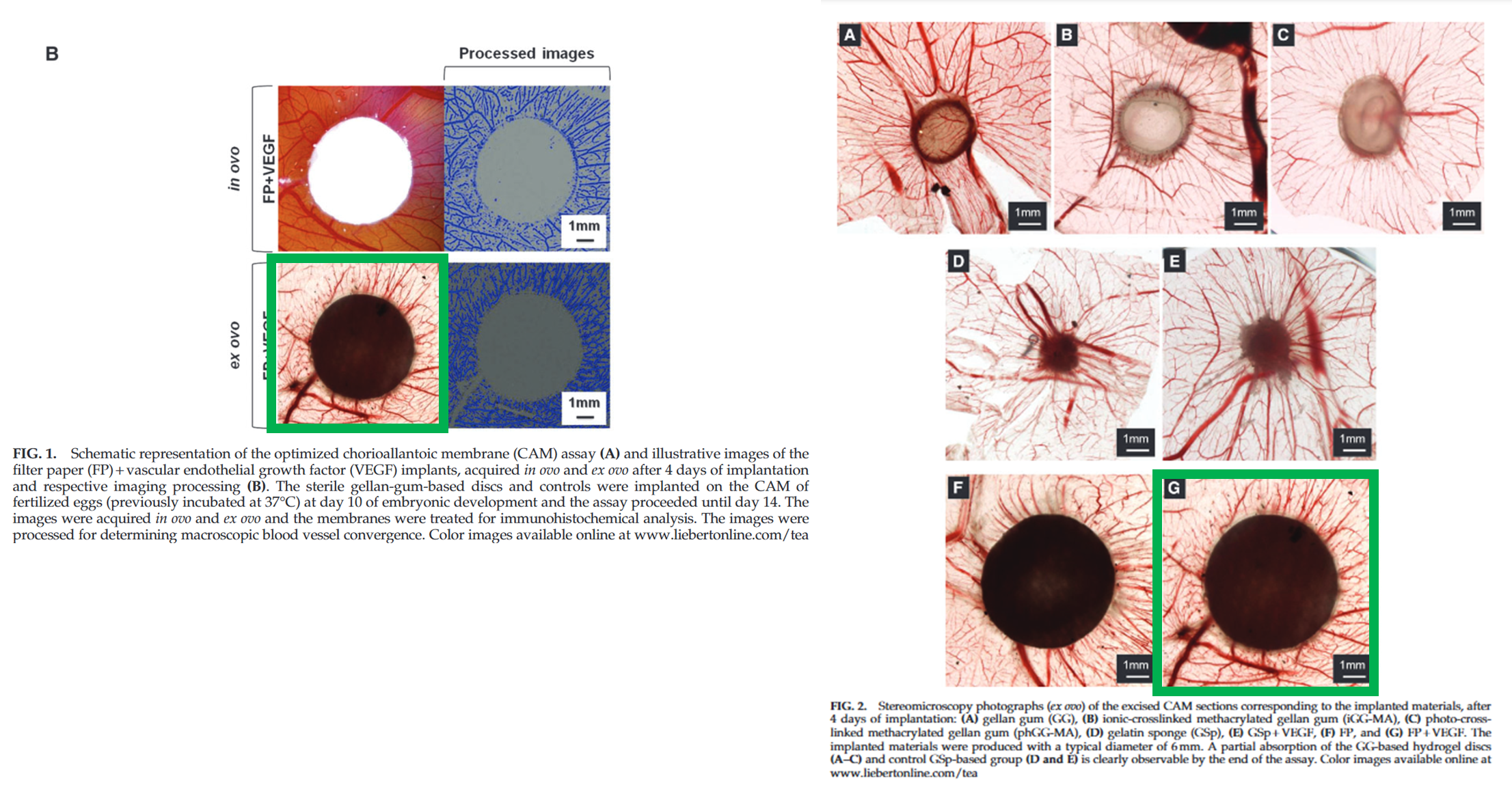
There are two Reises on this paper, Rui Manuel Reis is also a researcher at Minho University, we don’t know if they are related:
Joana Silva-Correia, Vera Miranda-Gonçalves , António J. Salgado, Nuno Sousa , Joaquim M. Oliveira, Rui M. Reis, Rui L. Reis Angiogenic Potential of Gellan-Gum-Based Hydrogels for Application in Nucleus Pulposus Regeneration: In Vivo Study Tissue Engineering Part A (2012) doi: 10.1089/ten.tea.2011.0632
The Alumini
We should also mention former members of i3Bs who, after contributing to Professor Reis’s remarkable publication and PubPeer record, while cushioning their own CVs, went on to secure top positions at other academic institutions. Many others probably fell through the cracks and are not worthy of mention here.
The first of these alumni is Professor João F. Mano. With nearly 1,000 papers indexed in Scopus and an h-index of 110, he is second only to Professor Reis, including in his PubPeer record. While at i3Bs, he coordinated works like this one:
Joana M. Silva , Ana Rita C. Duarte , Sofia G. Caridade , Catherine Picart , Rui L. Reis , João F. Mano Tailored freestanding multilayered membranes based on chitosan and alginate Biomacromolecules (2014) doi: 10.1021/bm501156v
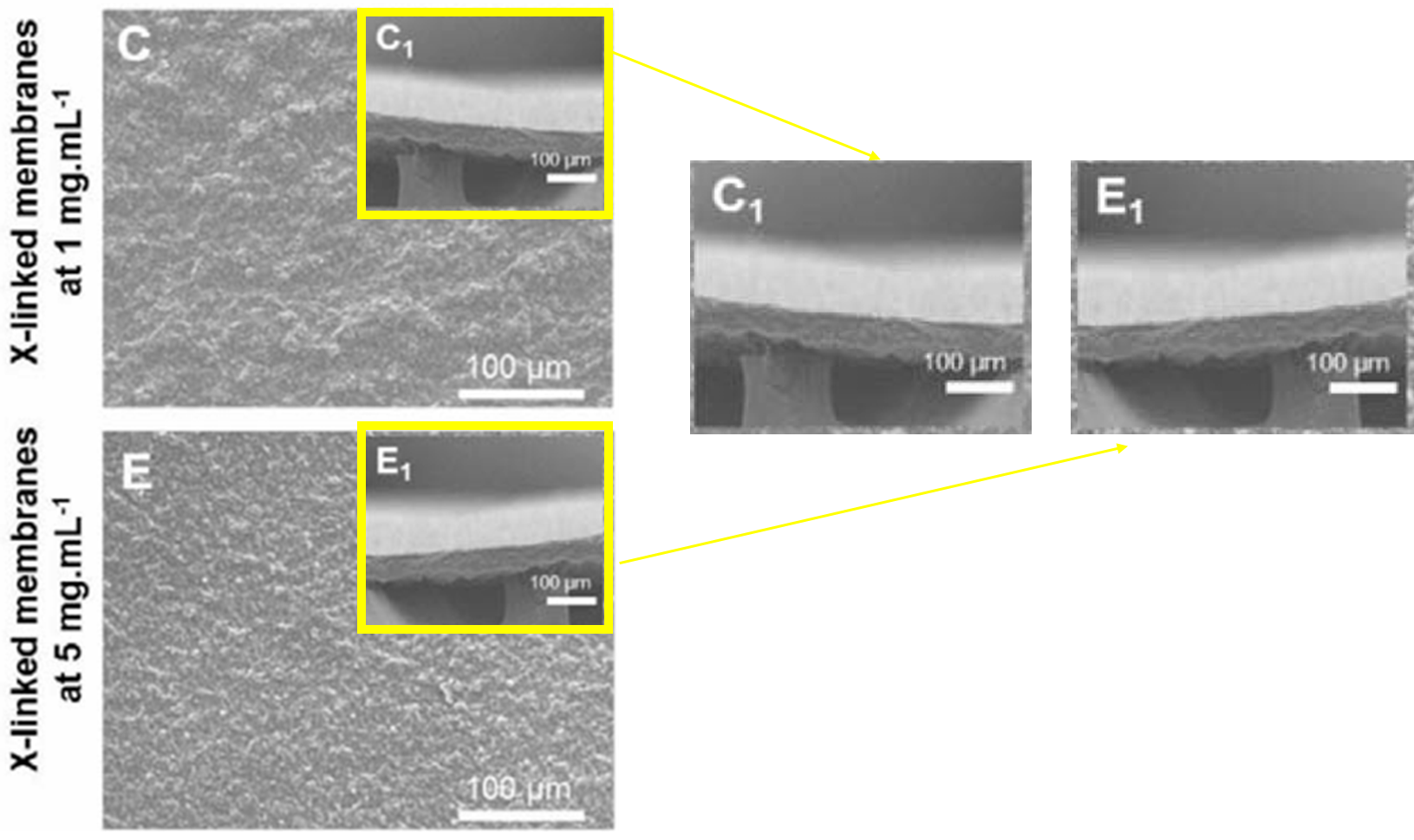
After about 20 years at i3Bs, he stepped out of the shadow of King Reis, and in 2016, became Full Professor of Biotechnology at the University of Aveiro. There, he founded and now directs the COMPASS Research Group, where his research focuses on the use of biomaterials and cells to develop transdisciplinary concepts for regenerative and personalized medicine. In 2022, Professor Mano was awarded a European Research Council (ERC) Proof of Concept grant entitled “HumanINK – validation and commercialization of a new family of bioinks based on human-derived proteins obtained from blood fractions or placental tissues.” Not a multimillion-euro ERC grant, the Proof of Concept scheme provides just €150,000 in funding, but still very prestigious. In Aveiro, Professor Mano continued the tradition of fitting the data into whatever suits better to prove his fantastic science, with more recent papers commented on PubPeer that were not co-authored with Rui Reis, such as these ones already flagged six years ago:
Pedro Lavrador , Vítor M. Gaspar , João F. Mano Bioinstructive Naringin-Loaded Micelles for Guiding Stem Cell Osteodifferentiation Advanced Healthcare Materials (2018) doi: 10.1002/adhm.201800890
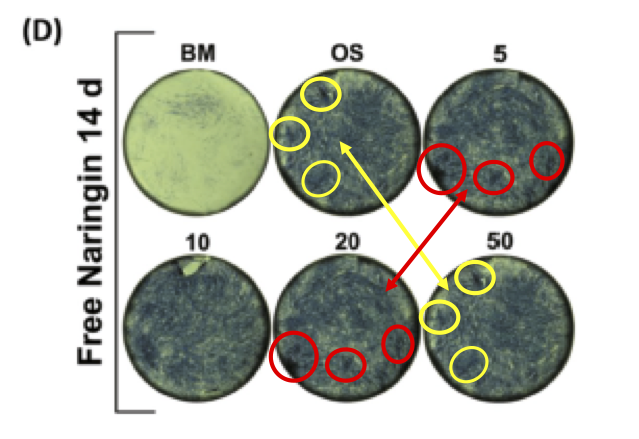
Dicranocarpus parviflorus: “same images to represent effects from different conditions, as presented in Fig. 4D”
This was addressed with a Correction in October 2019: “This mistake was due to errors in the assembly of the original figure, and do not affect the conclusions published in this work.”

The Apprentice of the One-Man Papermill
“‘More than 80 articles and H-index over 25 (Scopus) have been achieved’.” – M.K. Ahmed


Manuela E. Gomes spent essentially her entire career at i3Bs, likely moving from contract to contract and grant to grant. In May 2024, she finally became Full Professor of Bioengineering at the nearby University of Porto. As with several other top i3Bs researchers, she was the recipient of a multimillion-euro ERC Consolidator Grant for the project “MagTendon – Magnetically Assisted Tissue Engineering Technologies for Tendon Regeneration” (awarded in 2018, around €2 million). Later, in 2022, she received a more modest ERC Proof of Concept grant for “BioCHIPS – Biofabricated microfluidics chips based on the self-assembly of CNCs to recreate the hierarchical fibrillar structure of the extracellular matrix in human tissues.” She has also been involved in the COST Action TENETand, since June 2024, has served as Chair of the European chapter of the Tissue Engineering and Regenerative Medicine International Society (TERMIS-EU).
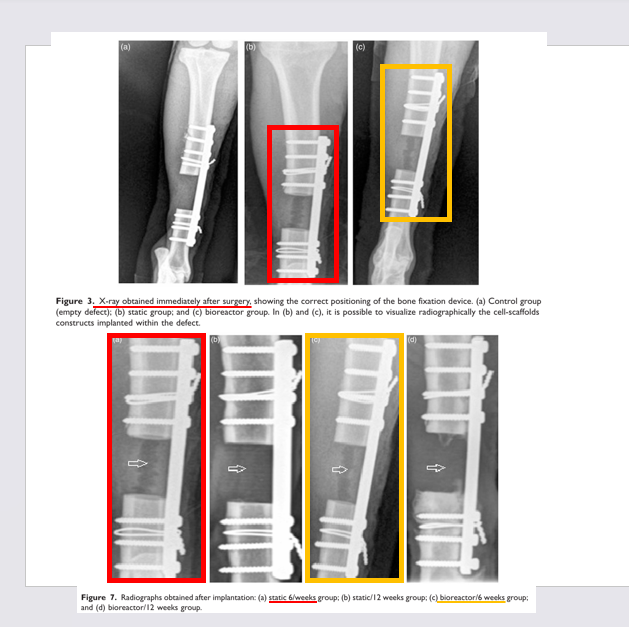
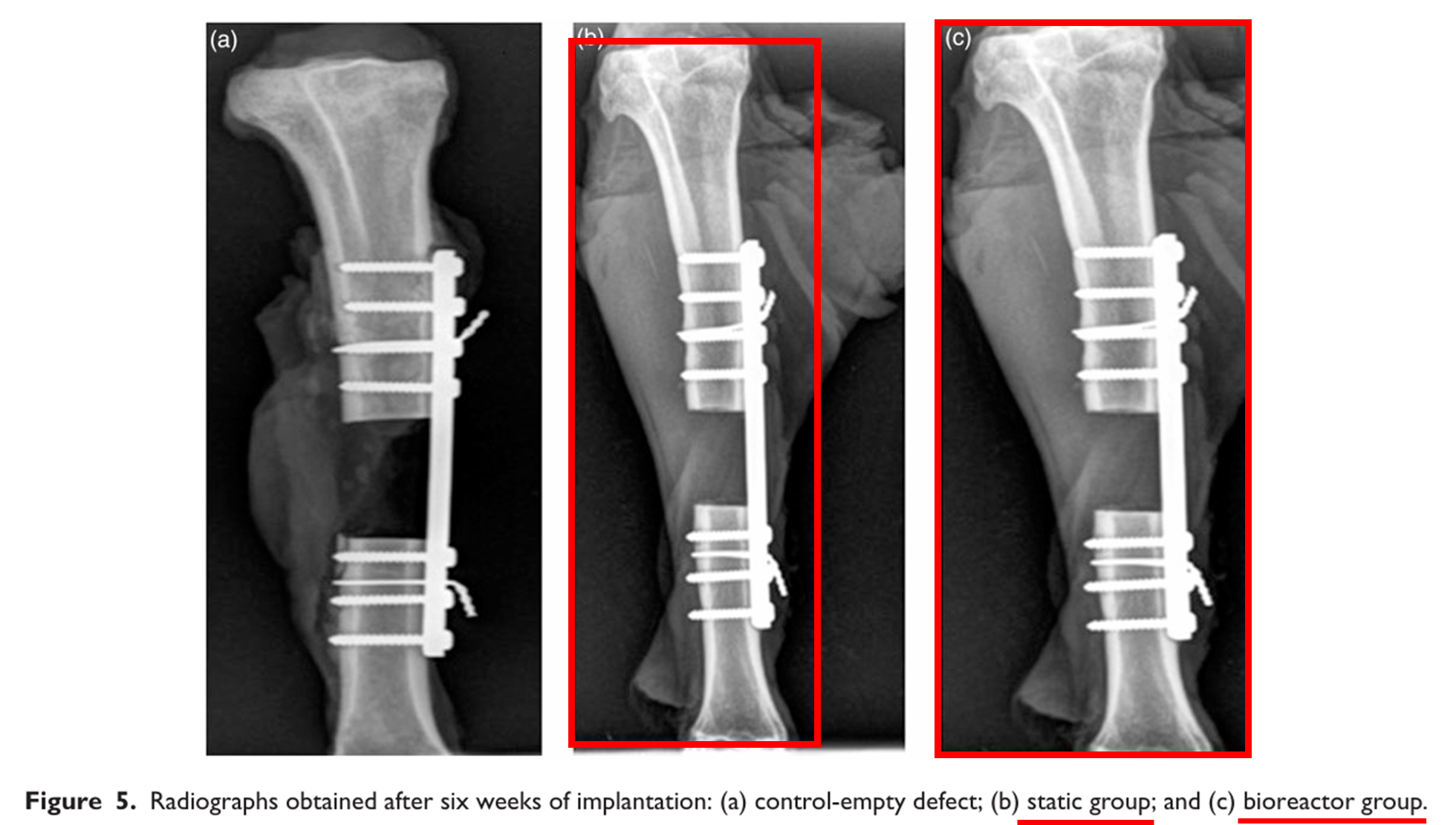
As we can see Professora Manuela work is all about engineering and regenerating Musculo-skeletal tissues. However, according to her PubPeer record, at least some these bone tissue-engineered constructs do not appear to have worked very well, as it is the case here (I am afraid real goats were tortured to produce this trash):
LS Gardel, M Afonso , C Frias , ME Gomes , RL Reis Assessing the repair of critical size bone defects performed in a goat tibia model using tissue-engineered constructs cultured in a bidirectional flow perfusion bioreactor Journal of Biomaterials Applications (2014) doi: 10.1177/0885328213519351
But we should also mention this stem cell study:
Raquel Costa-Almeida , Isabel Calejo , Rui L. Reis , Manuela E. Gomes Crosstalk between adipose stem cells and tendon cells reveals a temporal regulation of tenogenesis by matrix deposition and remodeling Journal of Cellular Physiology (2018) doi: 10.1002/jcp.26363
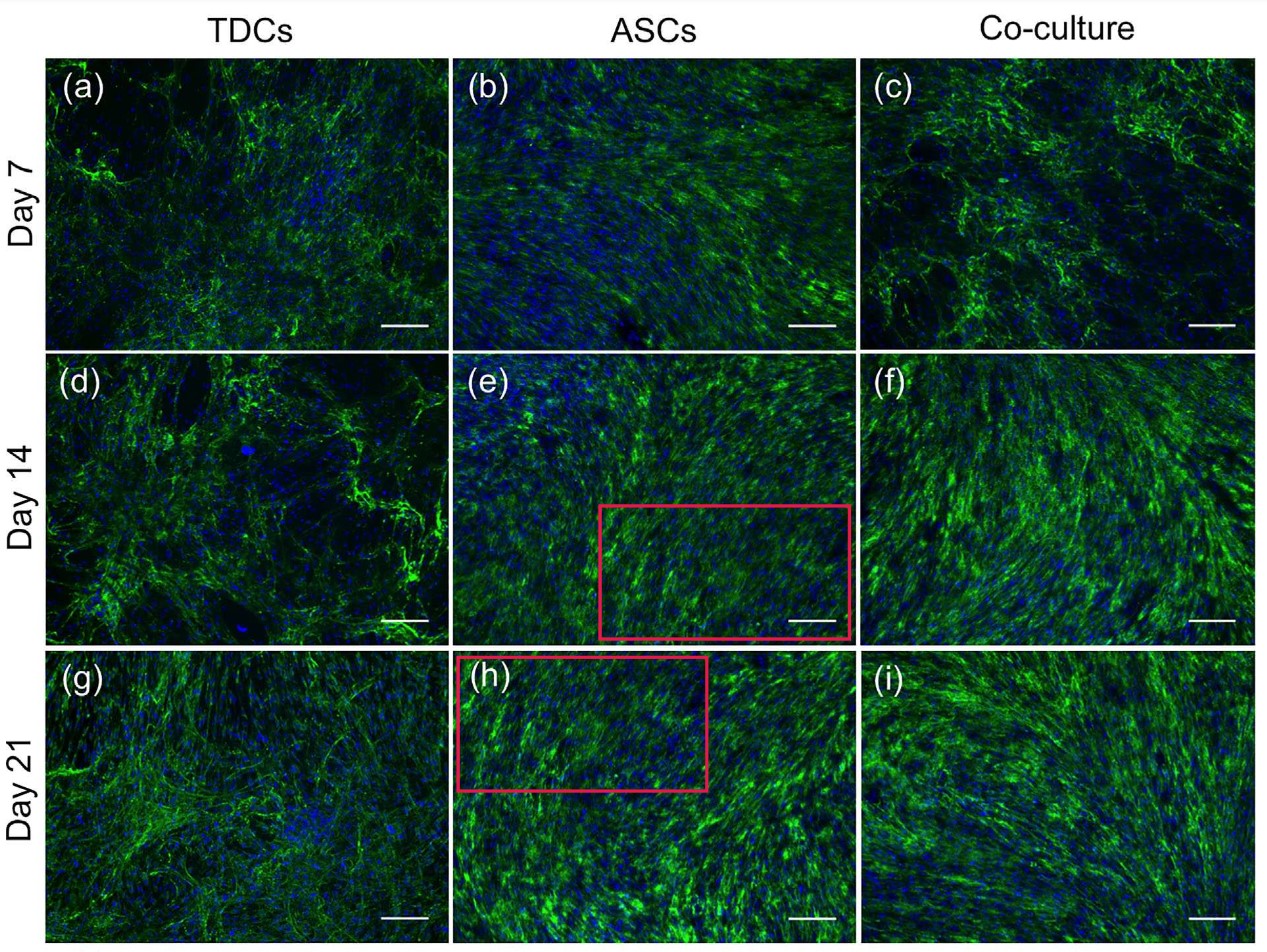
Actinopolyspora biskrensis: “Figures 4e and 4h appear to overlap.”
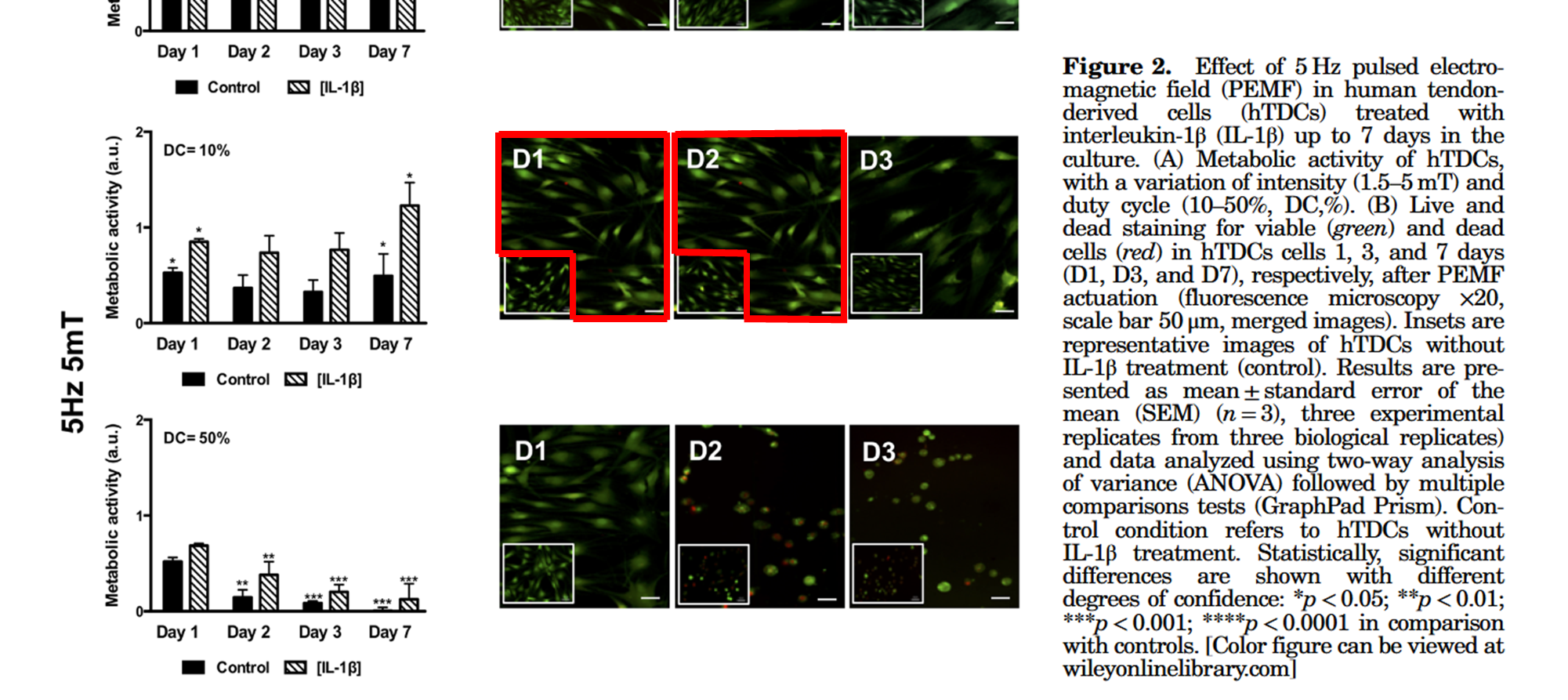
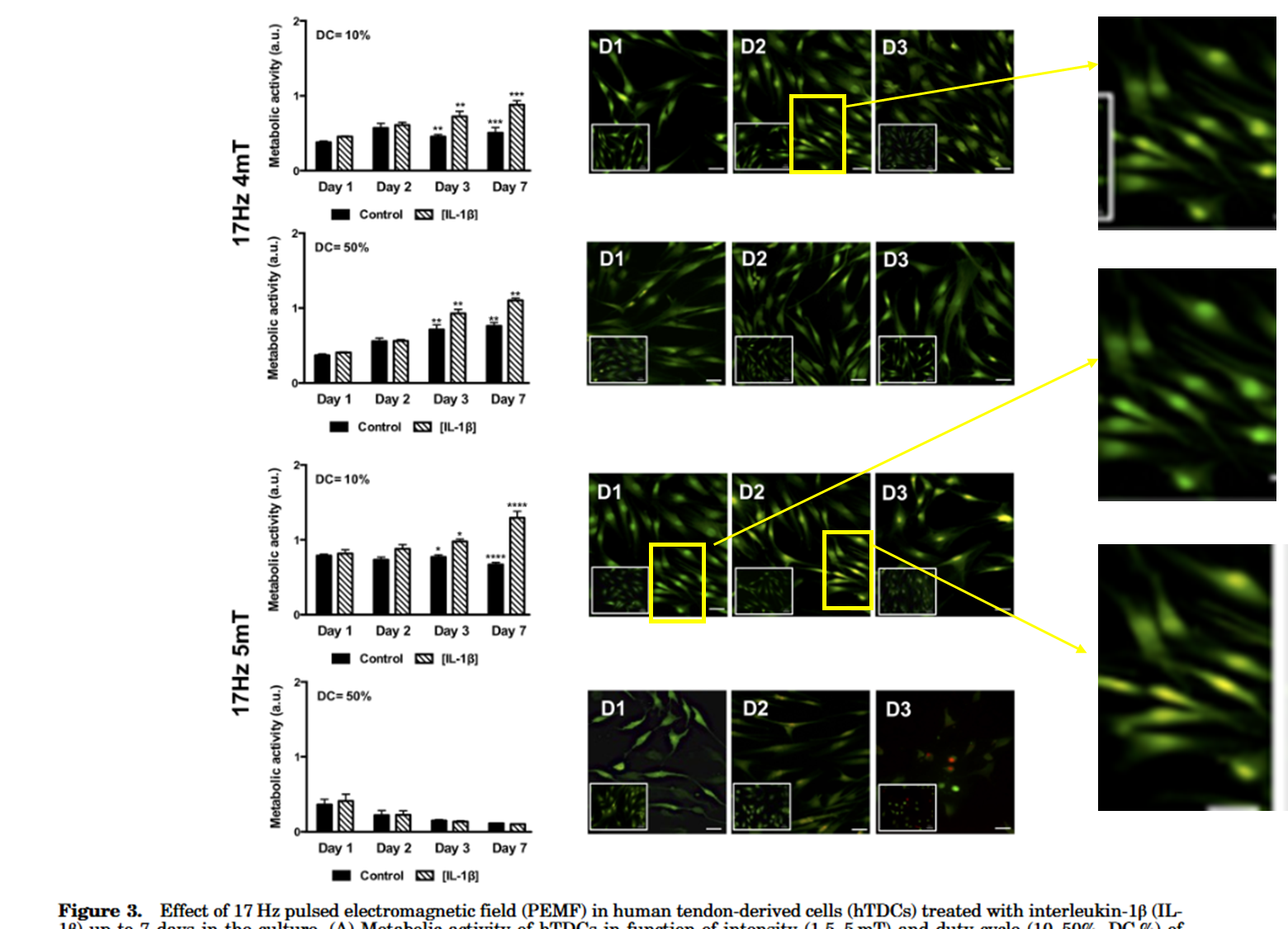
And this tendon study, where in January 2026 Professor Gomes was quick to reply on PubPeer, but she so far did not bother to publish a correction, because “this was a purely clerical mistake in the preparation of the figure and does not affect the underlying data, the experimental results, or the conclusions of the study“:
Adriana Vinhas , Márcia T Rodrigues , Ana I Gonçalves , Rui L Reis , Manuela E Gomes Pulsed Electromagnetic Field Modulates Tendon Cells Response in IL-1β-Conditioned Environment Journal of Orthopaedic Research (2020) doi: 10.1002/jor.24538
And we mustn’t miss this study with a celebrity of regenerative medicine, the lagendary transplanter of artificial bladders Anthony Atala of Wake Forest Medicine, a friend of Paolo Macchiarini:
Ana I. Gonçalves , Márcia T. Rodrigues , Sang-Jin Lee , Anthony Atala , James J. Yoo , Rui L. Reis , Manuela E. Gomes Understanding the role of growth factors in modulating stem cell tenogenesis PLOS One (2013) doi: 10.1371/journal.pone.0083734

Actinopolyspora biskrensis: “Figure 2 appears to include at least three sets of repeated images. Two sets in the upper panel, one set in the lower panel”.
It was corrected in May 2024, where the journal also noted “a potential conflict of interest between the authors and the original Academic Editor who handled the peer review of this article“, a newly appointed editor “verified the article and its findings“.
Several of Manuela E. Gomes’s problematic papers involve one of her former PhD students, Sílvia Maria Mihaila, whom she co-supervised together with the aforementioned Alexandra P. Marques. A Romanian native, Mihaila enrolled in a PhD at the University of Minho, working on “advanced vascularized bone tissue-engineering constructs.” During her PhD program she participate on the MIT-Portugal program, which gave her the opportunity to work in the lab of Ali Khademhosseini, the results of which are on PubPeer. One of Mihaila’s and Khademhosseini’s papers , coauthored by Marques and Reis (Gaharwar et al 2013) and its ridiculous correction were discussed here:
Fake-O-Meat by Ali Khademhosseini
Ali Khademhosseini is the greatest American researcher in regenerative medicine. His mentees are all professors themselves now. In his own Californian institute, he grows not only all possible organs, but even hamburgers!
This paper with Mihaila as first author and her supervisors as last authors, is a real work of art:
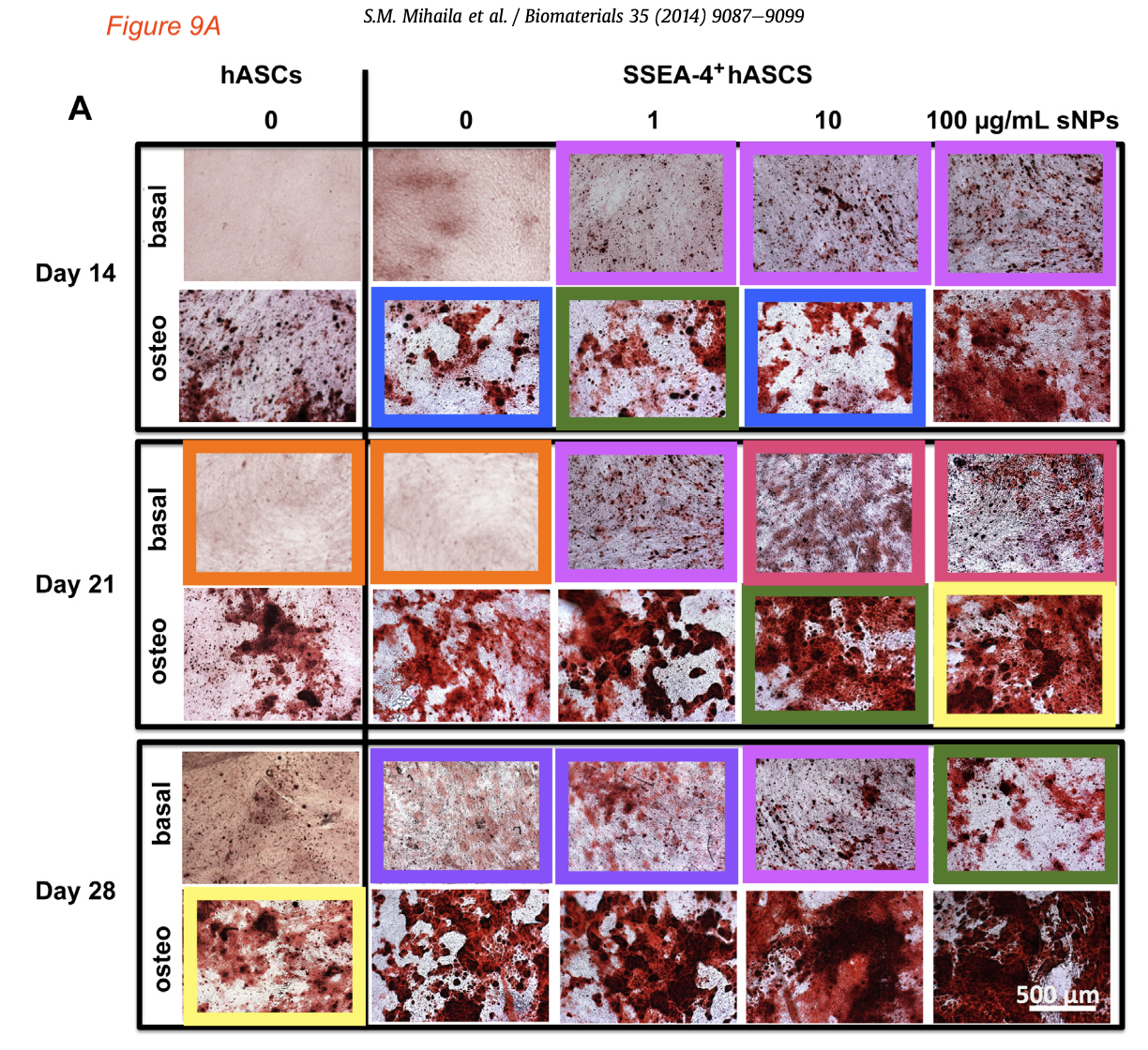
Silvia M. Mihaila, Akhilesh K. Gaharwar, Rui L. Reis, Ali Khademhosseini, Alexandra P. Marques, Manuela E. Gomes The osteogenic differentiation of SSEA-4 sub-population of human adipose derived stem cells using silicate nanoplatelets Biomaterials (2014) doi: 10.1016/j.biomaterials.2014.07.052
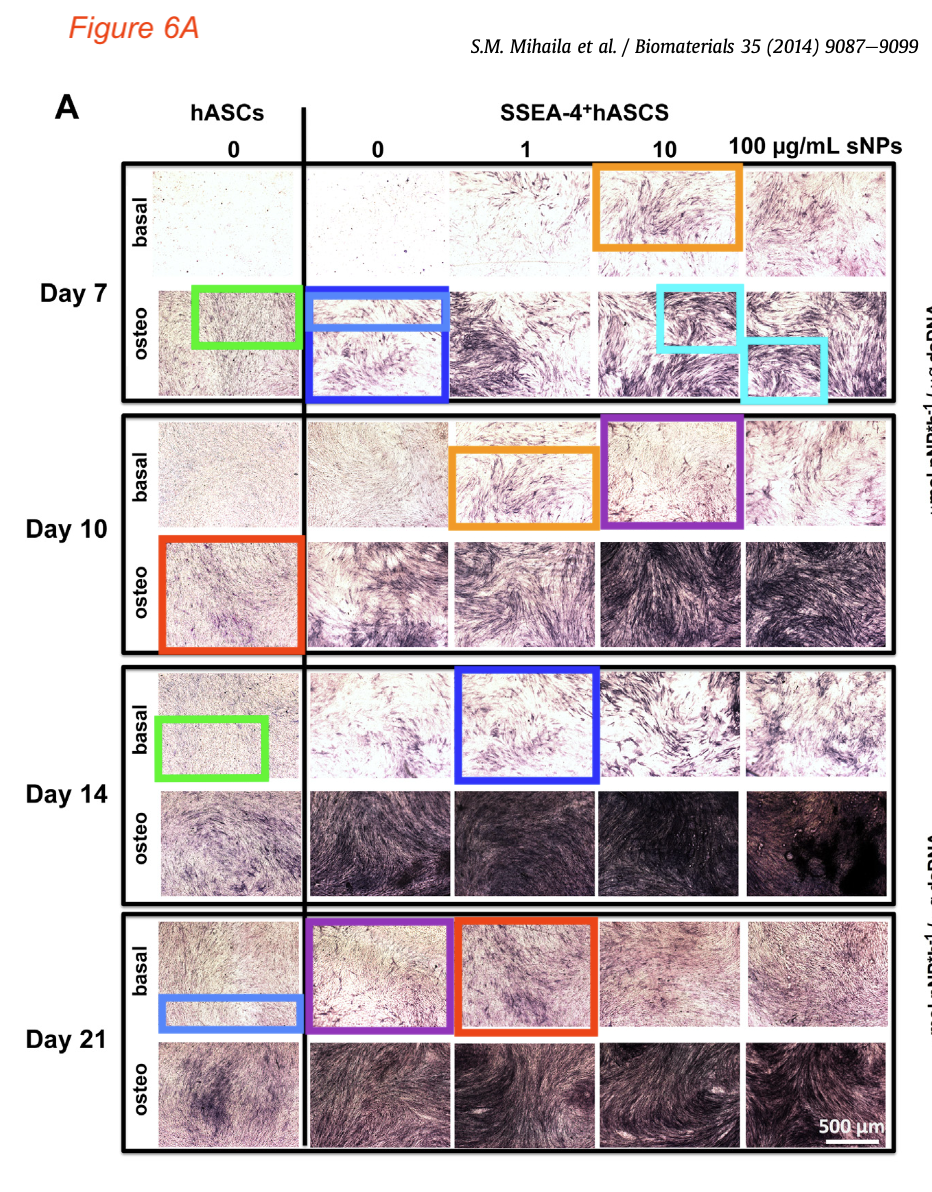
Boxes of the same color illustrate overlapping panels.”
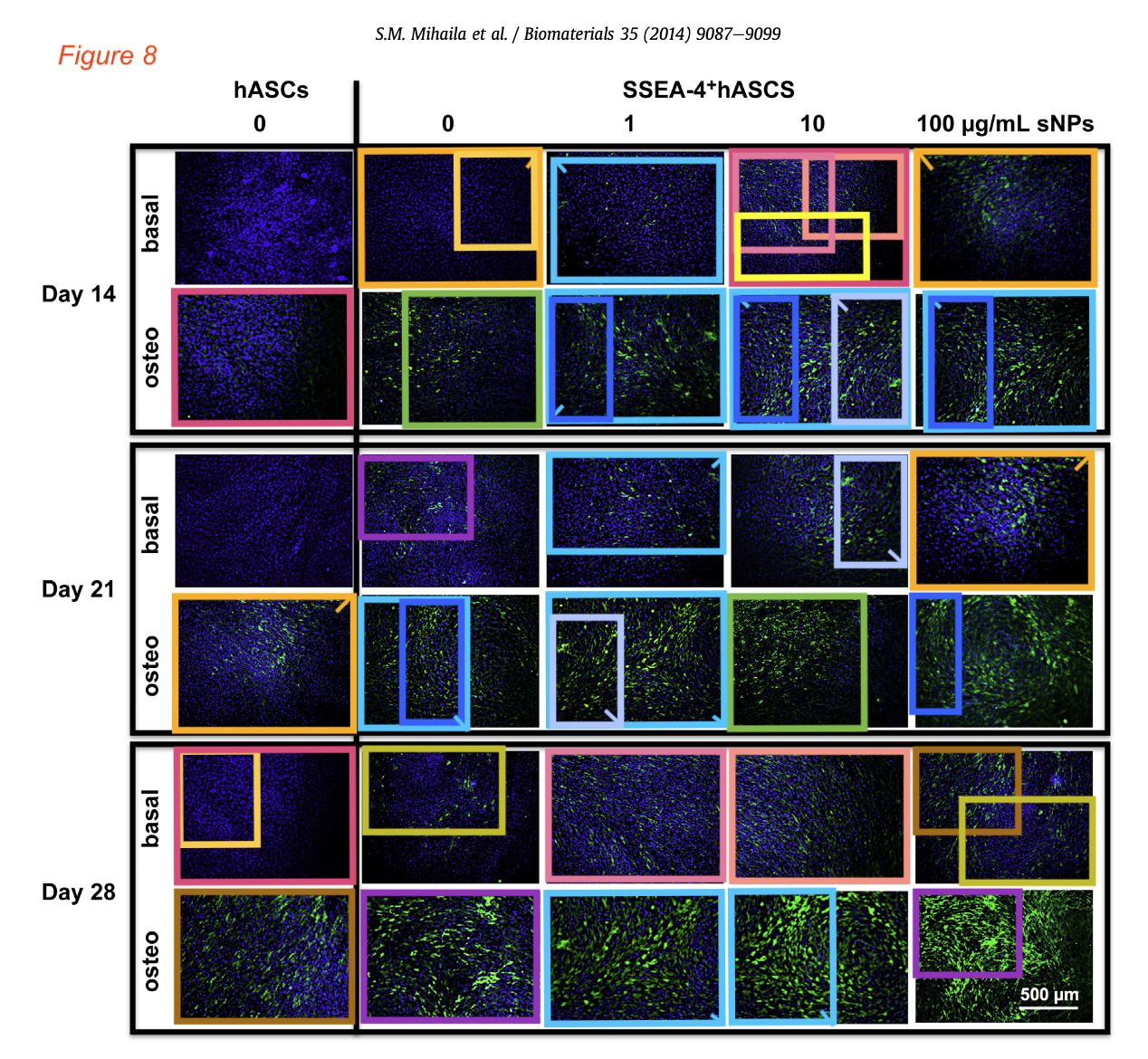
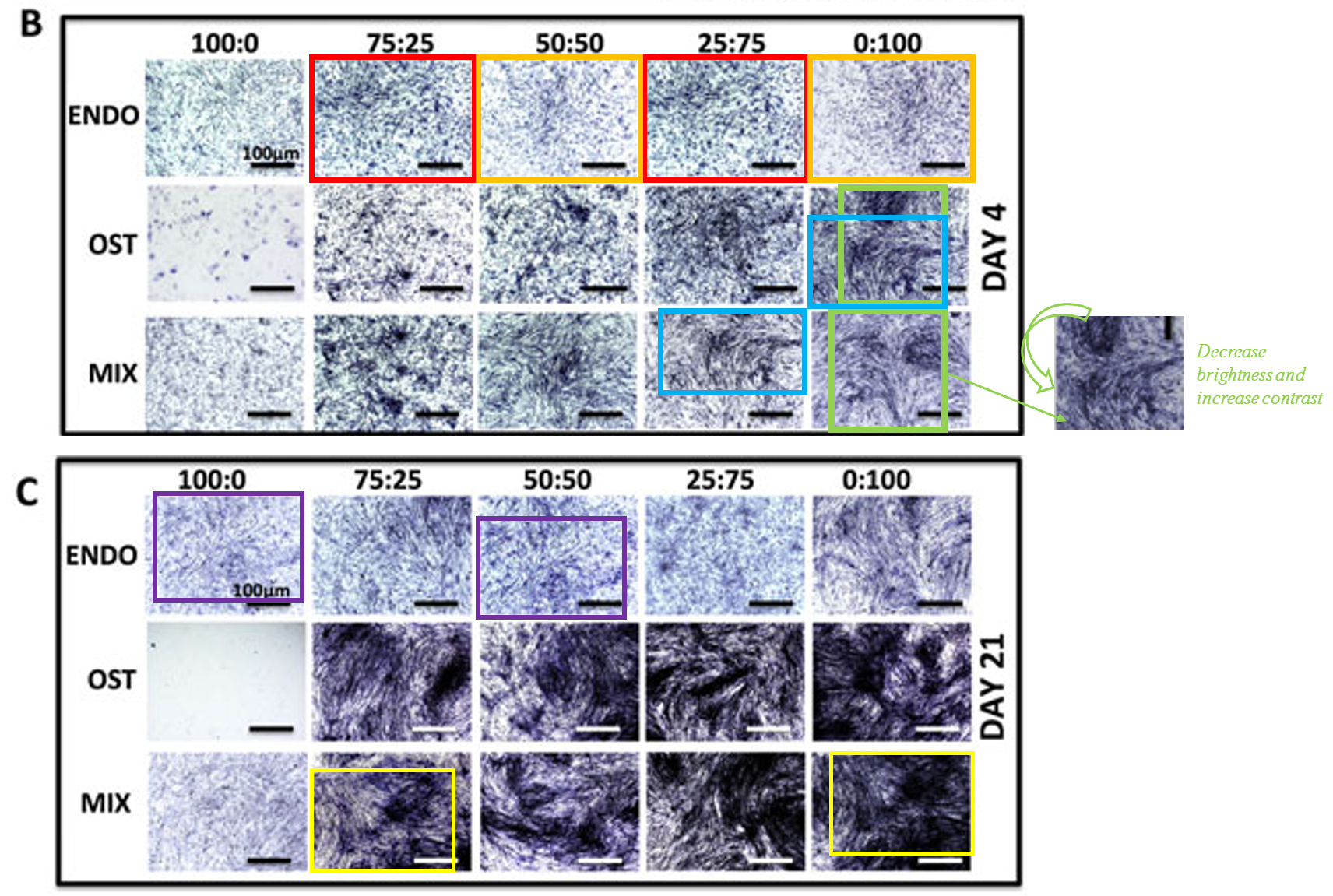
Boxes of the same color highlight panels that appear to overlap. Several images appear to all have been derived from the same sample, with several rotations, mirrorings, changes in magnification, and changes in blue/green ratios. There were so many that I did not mark all very precisely.”
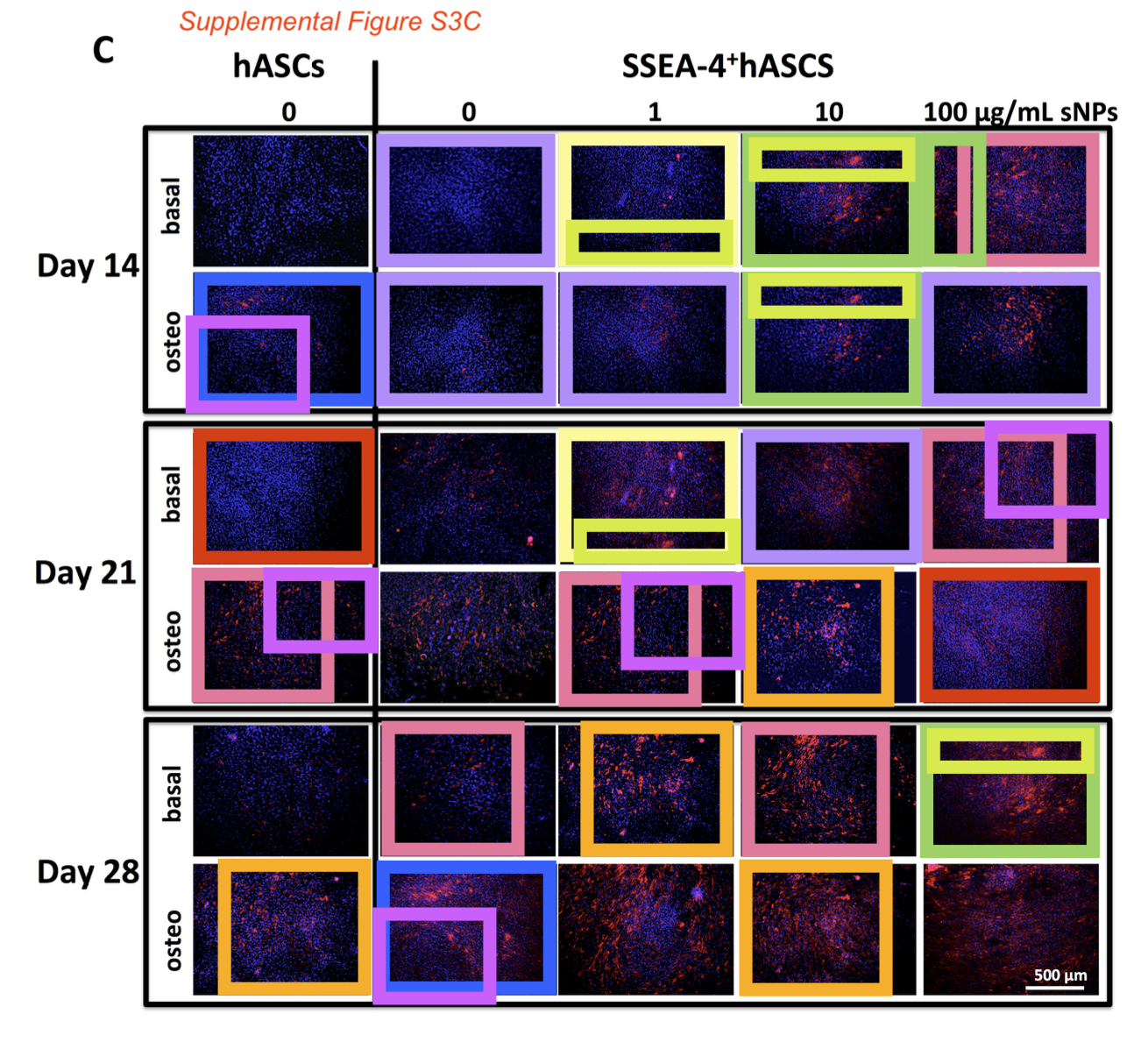
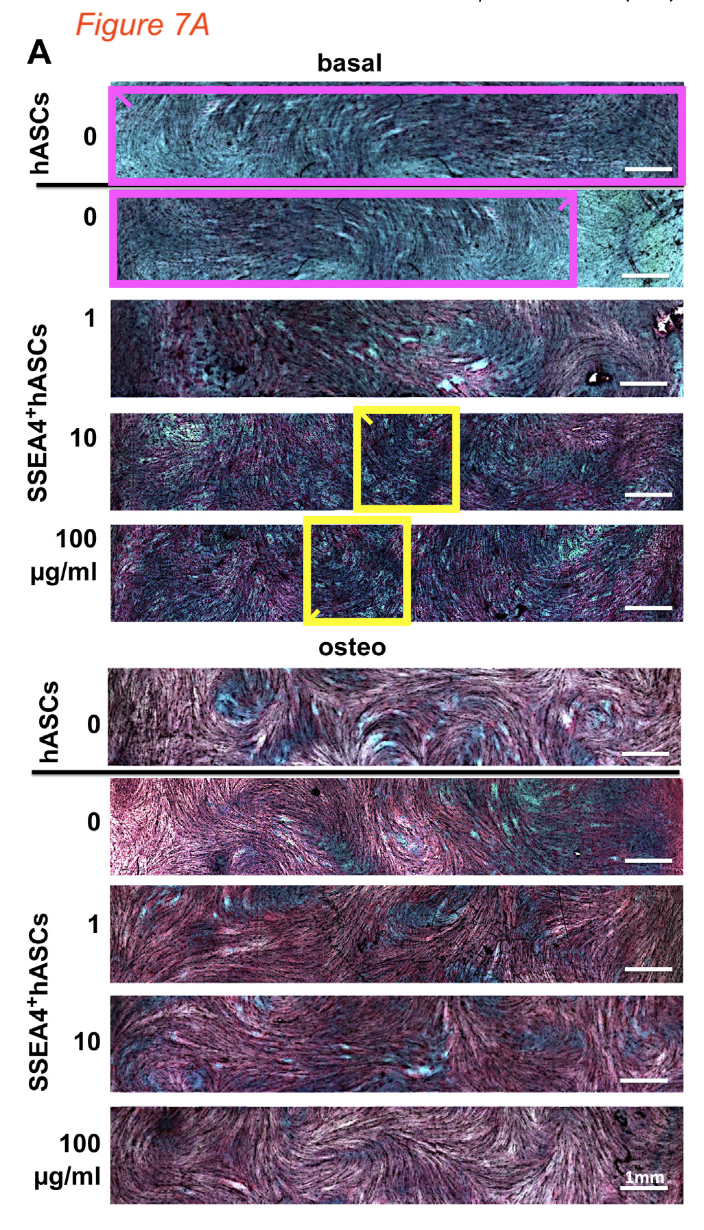
Here, boxes of the same color highlight panels that overlap with each other, without noting the precise areas of overlap or orientations”
In April 2025, Khademhosseini announced on PubPeer: “The authors regret the error and are working with publishers using COPE policies.” A year passed, and Elsevier is still unsure what to do with that paper. Akhilesh Gaharwar is now professor at Texas A&M University.
But we also have this one without Khademhosseini with the same type of problems:
Silvia M. Mihaila , Margarida F. Resende , Rui L. Reis , Manuela E. Gomes , Alexandra P. Marques Interactive endothelial phenotype maintenance and osteogenic differentiation of adipose tissue stromal vascular fraction SSEA-4+-derived cells Journal of Tissue Engineering and Regenerative Medicine (2017) doi: 10.1002/term.2096
After completing her PhD in 2015, Mihaila continued her remarkable academic trajectory as a Marie Curie postdoctoral fellow at the Department of Urology of Radboud UMC (Nijmegen, Netherlands). She later became Assistant Professor at Utrecht University, where she is developing artificial kidneys.
There is also Ana Leite Oliveira (PubPeer record), who became an Assistant Professor at the School of Biotechnology of the Catholic University in Porto. She completed her PhD under Rui Reis supervision in 2008, followed by a postdoctoral position in collaboration with Tufts University, where she worked with David L. Kaplan, who has his own PubPeer record. Here is a paper with Reis and Kaplan:
A.L. Oliveira, L. Sun , H.J. Kim , X. Hu , W. Rice , J. Kluge , R.L. Reis , D.L. Kaplan Aligned silk-based 3-D architectures for contact guidance in tissue engineering Acta Biomaterialia (2012) doi: 10.1016/j.actbio.2011.12.015
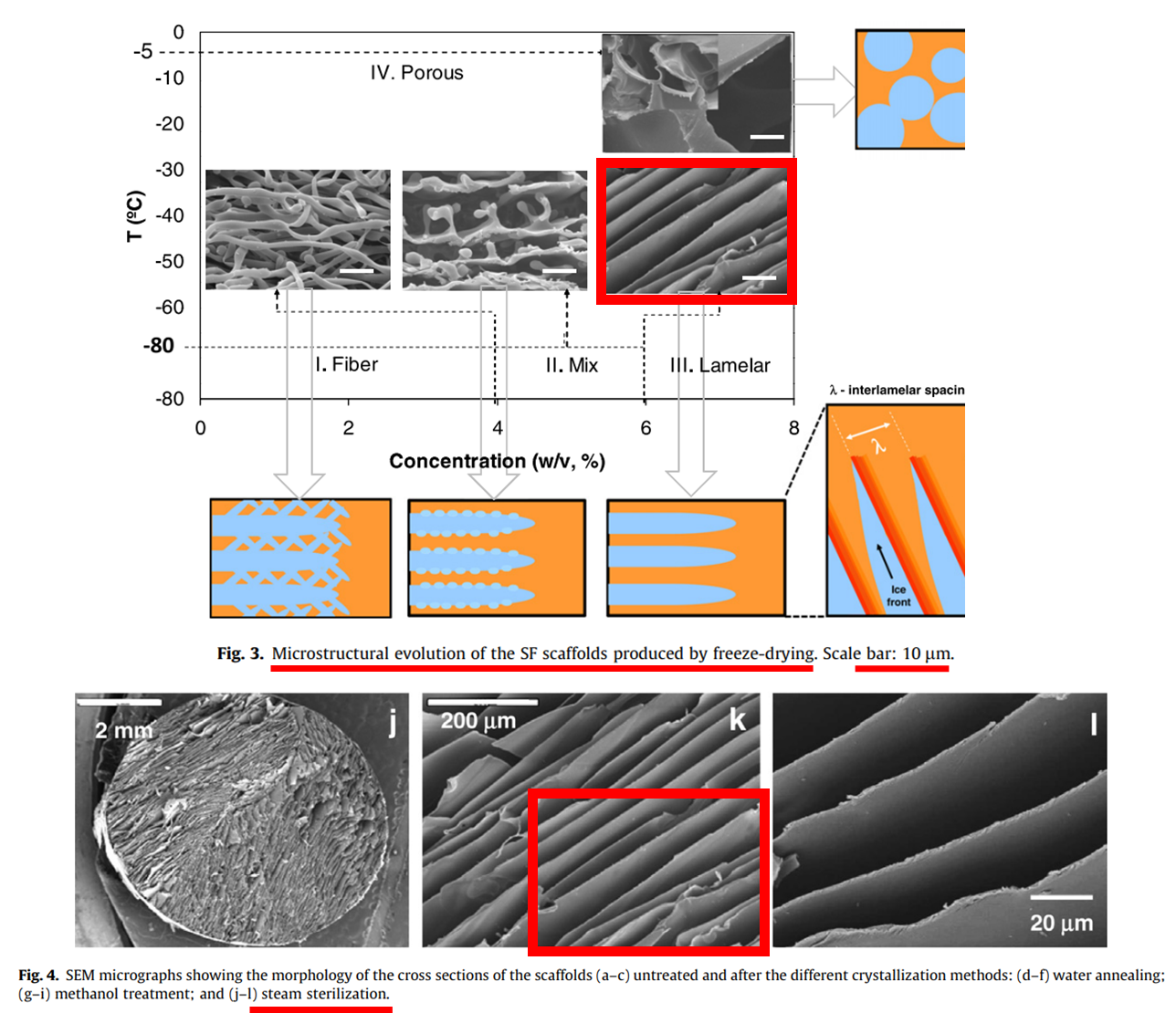
There is an apparent partial overlap between a panel in Fig. 3 and Fig. 4K (highlighted by the red boxes), which is unexpected since Fig. 3 represents the microstructure of the SF scaffolds produced by freeze-drying, while Fig. 4K shows cross-sections of the scaffolds after steam sterilization.
Problematic papers followed Professor Oliveira into her new position, suggesting she learned well during her time at the i3Bs center:
Anabela Veiga , Rui Magalhães , Marta M. Duarte , Juliana R. Dias , Nuno M. Alves , Ana Rita Costa-Pinto , Filipa Castro , Fernando Rocha , Ana L. Oliveira Continuous Production of Highly Tuned Silk/Calcium-Based Composites: Exploring New Pathways for Skin Regeneration Molecules (2022) doi: 10.3390/molecules27072249
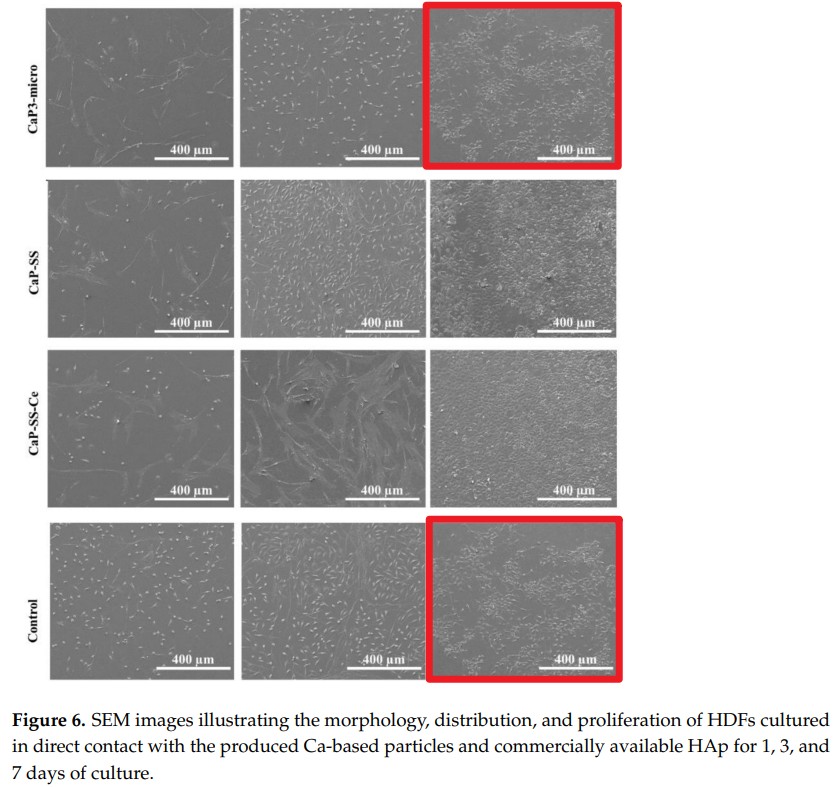
Stachys persepolitana: “In Figure 6, figcheck software indicated that two images that collected from different experiment (DAY 7: CaP3-micro vs Control) are identical.”
Finally, we should mention Ana Rita C. Duarte, who spent 10 years as a research assistant at i3Bs after completing her PhD in 2006 at NOVA University Lisbon, building quite an interesting PubPeer record with papers published during this time, most of them with her as first or last author. Such as this one:
Joana M Silva, Luísa C Rodrigues, Simone S Silva, Rui L Reis, Ana Rita C Duarte Engineered tubular structures based on chitosan for tissue engineering applications Journal of Biomaterials Applications (2018) doi: 10.1177/0885328217744698
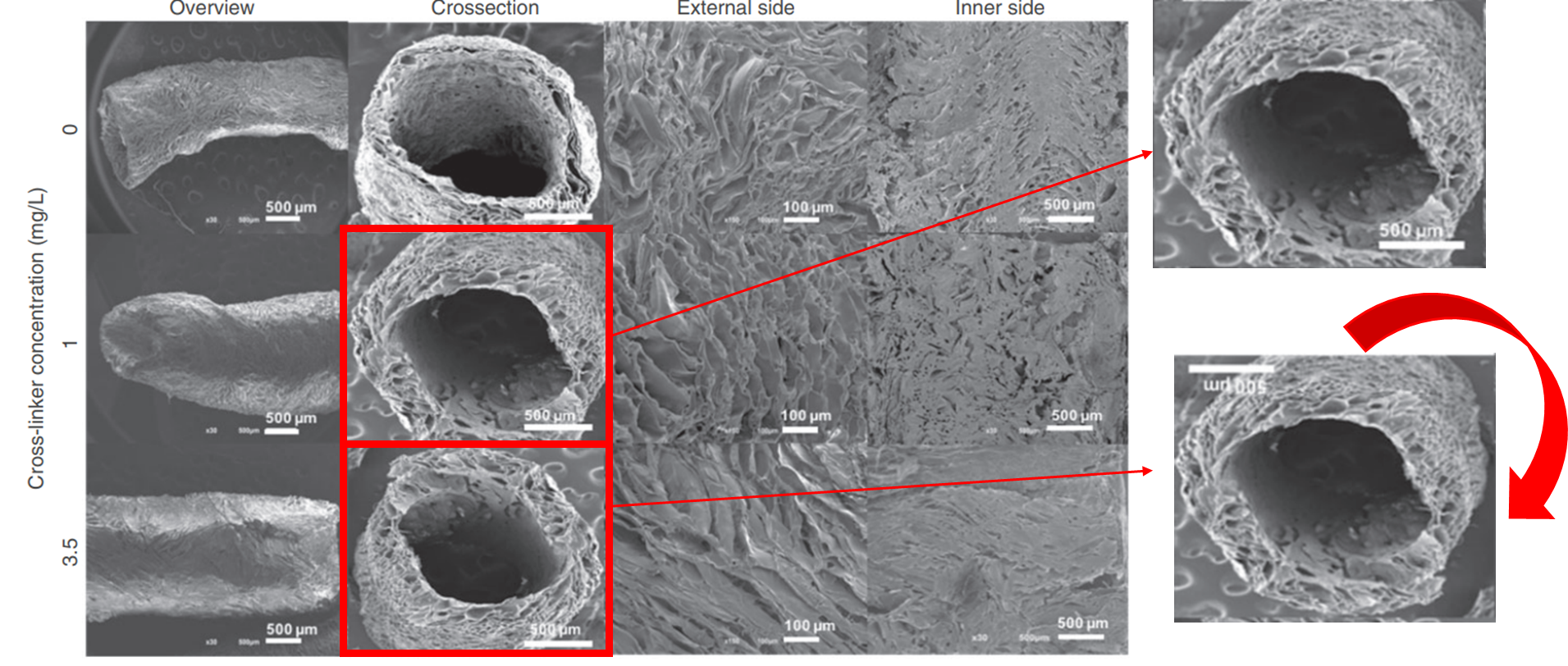
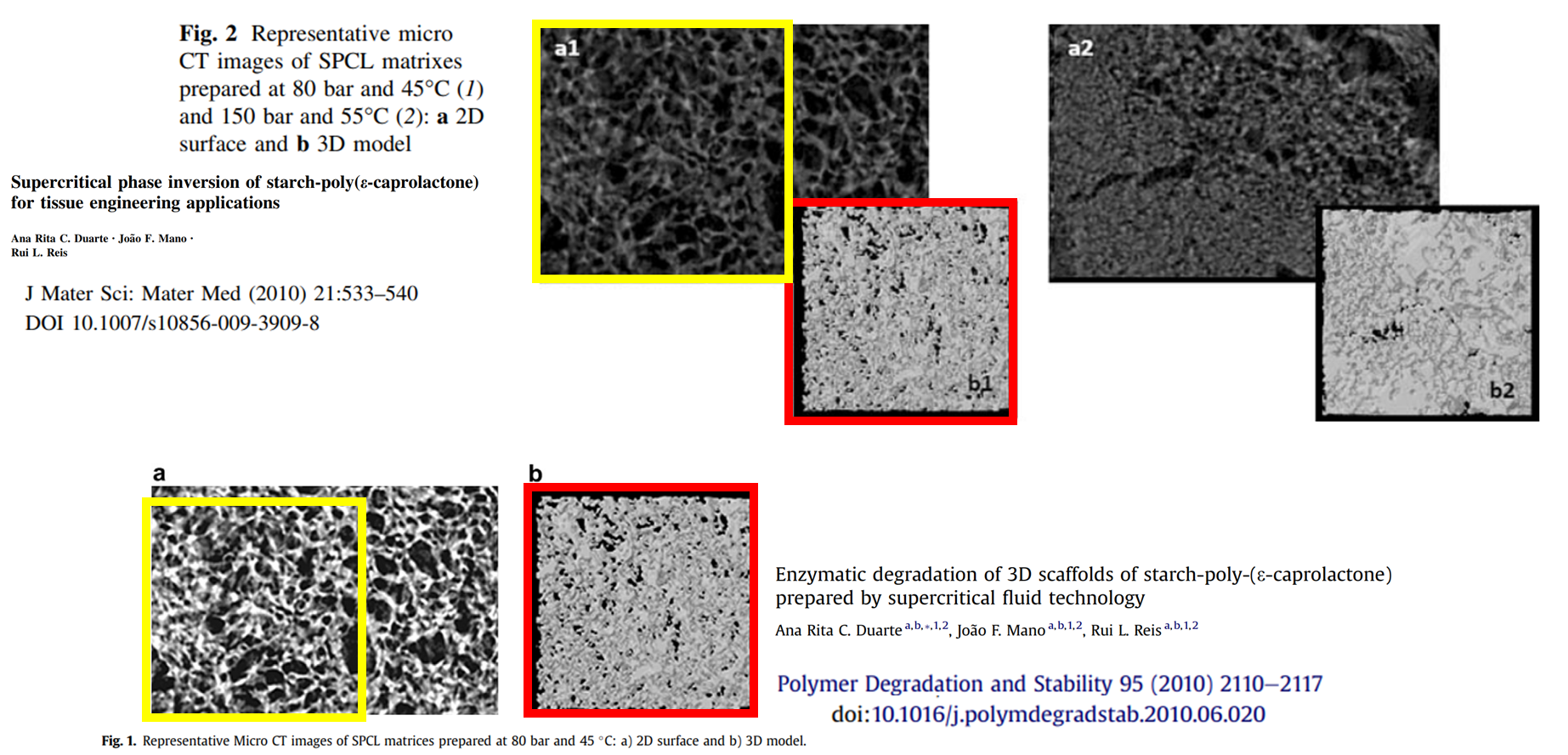
Or this panel reuse in different papers, with the aforementioned Joao Mano:
- Ana Rita C. Duarte, João F. Mano , Rui L. Reis Supercritical phase inversion of starch-poly(epsilon-caprolactone) for tissue engineering applications Journal of Materials Science Materials in Medicine (2010) doi: 10.1007/s10856-009-3909-8
- Ana Rita C. Duarte, João F. Mano , Rui L. Reis Enzymatic degradation of 3D scaffolds of starch-poly-(ɛ-caprolactone) prepared by supercritical fluid technology Polymer Degradation and Stability (2010) doi: 10.1016/j.polymdegradstab.2010.06.020
Duarte’s stay at i3Bs most certainly helped her secure a nearly €2 million ERC Consolidator Grant after she returned to Lisbon in 2016: “DES.solve – When solids become liquids: natural deep eutectic solvents for chemical process engineering”. She later received another ERC grant, this time a Proof of Concept award of €150,000 for 18 months, to develop the project “CryoDES – Nature-inspired Cryopreservation Systems using Natural Deep Eutectic Systems.” She has already become an Associate Professor at NOVA University Lisbon and will no doubt soon progress to Full Professor.
At the end of all this, I must confess that I stopped believing in any science related to tissue engineering, biomaterials, or whatever… I think this story shows the debacle and corruption of entire research fields that become just a very expensive show of bad science-fiction. And, of course it is the best (or the worst, depending on one’s perspective) example of what an absolutely dysfunctional Portuguese academia can produce. What should we expect from academic research system that imposes a relentless push to publish, where most researchers are always one paper away from losing their jobs, judged almost entirely by h-index and citations, under the rule of a small elite accustomed to unchecked power? Add to this virtually no oversight and no enforcement of scientific misconduct, and a press that simply parrots what comes out of research centers’ communication offices, serving merely as propaganda vehicles to aggrandize powerful figures within the system, and we have a perfect storm like Rui Reis. And judging by the absurd amount of EU funding that has been funneled to Reis and his circle, this dysfunction appears to extend to European research funding schemes as well.
Donate!
If you are interested to support my work, you can leave here a small tip of $5. Or several of small tips, just increase the amount as you like (2x=€10; 5x=€25). Your generous patronage of my journalism will be most appreciated!
€5.00

 For Better Science
61 comments on “The Kingdom of Rui Reis”