
German Authorities on Papermills and Whistleblowing
“I am not familiar with Iranian papermills!” – Prof Dr med Henning Madry, Saarland University.
By Leonid Schneider, on research integrity, biomedical ethics and academic publishing
“I am not familiar with Iranian papermills!” – Prof Dr med Henning Madry, Saarland University.

Schneider Shorts 8.12.2022 – with a harassed nano-fabricator in France, growing pressure on Stanford president, a resigned dean of Weill Cornell, a resigned psychology editor, a Chilean cheater suspended for 2 months, Elon’s monkey torture, stolen fossils kerfuffle, Elisabeth Bik finds an Easter Egg, and as usual, scholarly publishers misbehaving.

“here is my advice to Clarivate: better get lost. ” – Alexander Magazinov
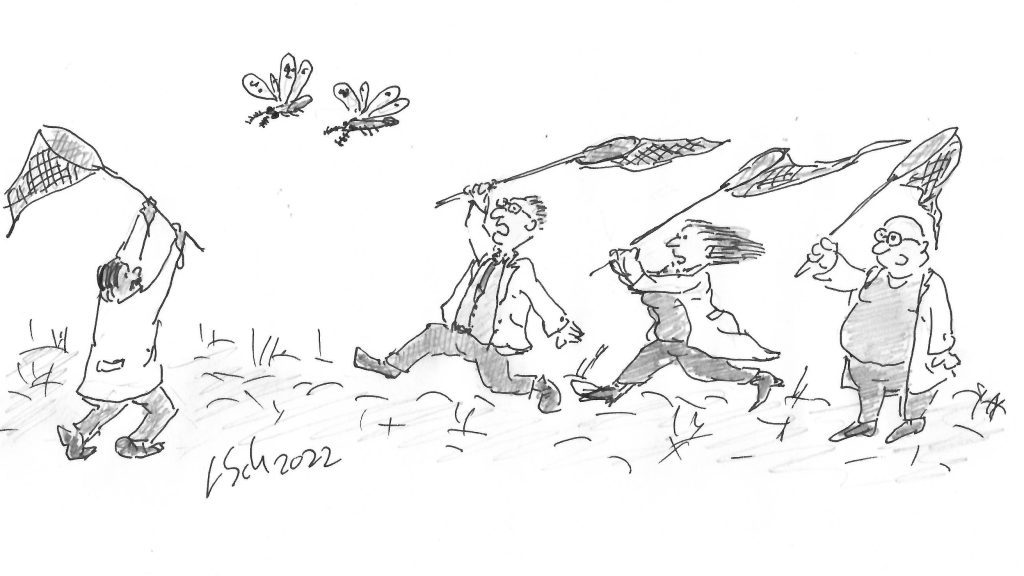
What do moth pheromones on one side have to do with cancer research, petrochemistry, materials science, e-commerce, psychology, forestry and gynaecology on the other? They are separated by just one citation!
Schneider Shorts 30.09.2022 – with an undesired fourth patient in NEJM, superconductive fraud in Nature, killer Lancet, heroic Wiley, dead rabbits of London, Aduhelm 2.0, micronanorobots, coffee vs death, and a toxic antivaxxer awarded by toxic elites.
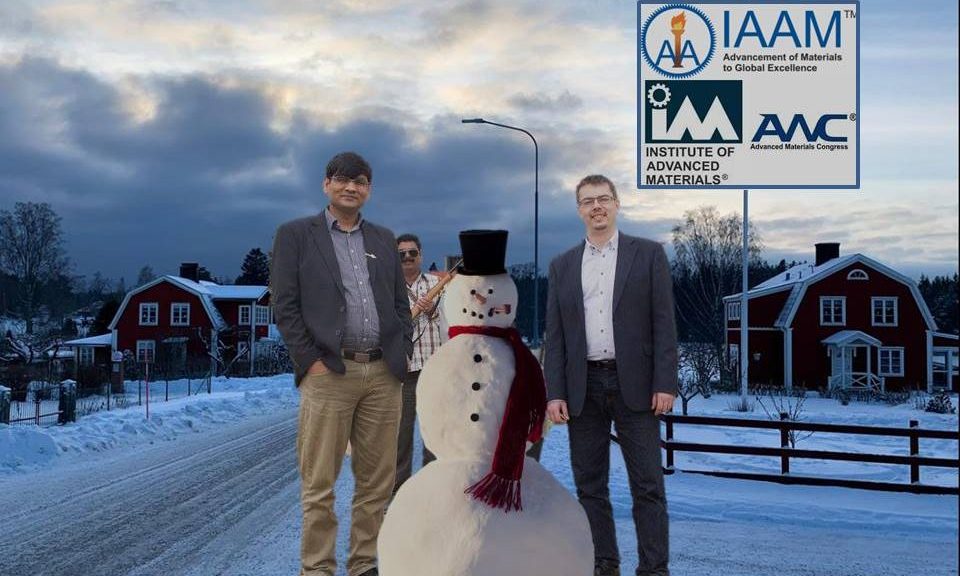
Four years after Ashutosh Tiwari’s scamferences and research fraud were exposed, his impressive-sounding yet fictional “International Association of Advanced Materials”, or IAAM, still opens doors, hearts and wallets.

Smut Clyde chases free radicals in a German-run lab in China
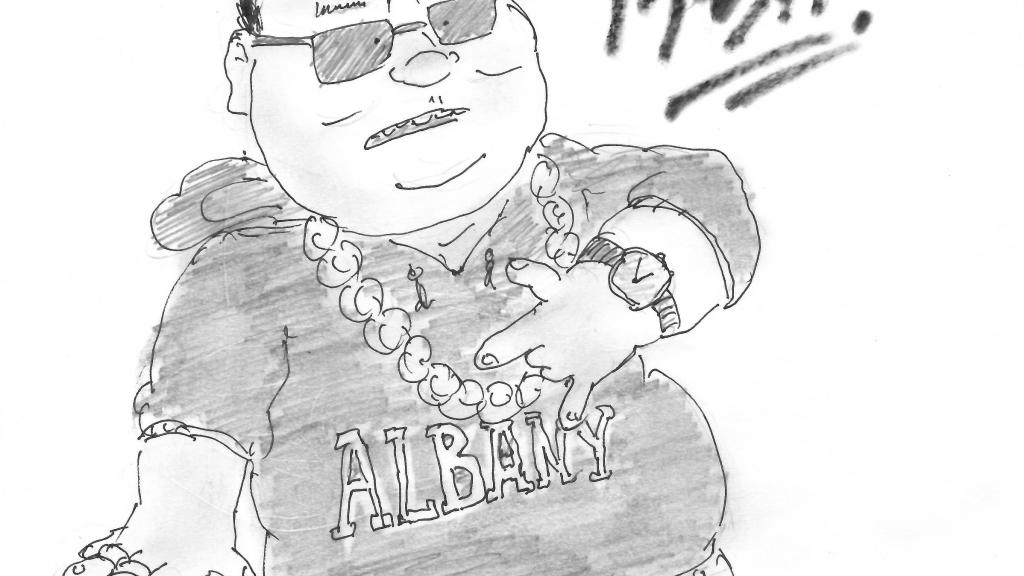
Yo, what’s up, my homies, Shaker Mousa is in da house.

“‘More than 80 articles and H-index over 25 (Scopus) have been achieved’.” – M.K. Ahmed
“We have initiated post-acceptance peer review with independent reviewers… ” – Wiley.
Have a WordPress.com account? Log in now.

