
Student, Meet Bus
What led to retraction of the Sensei RNA paper by Arati Ramesh in Bangalore: the “factually inaccurate, anonymous, and unverified” version, which “quite frankly, can be termed slander”.
And a guest post by “Paul Jones” at the end!
By Leonid Schneider, on research integrity, biomedical ethics and academic publishing
What led to retraction of the Sensei RNA paper by Arati Ramesh in Bangalore: the “factually inaccurate, anonymous, and unverified” version, which “quite frankly, can be termed slander”.
And a guest post by “Paul Jones” at the end!

“you can rest your concerns. As you can see, we have not manipulated any images.” – Dr Arati Ramesh

This week’s Schneider Shorts are about unaffected conclusions and destroyed raw data, the war on virus, vaccines and antivaxxers, and the virtues of having a long nose.

“ऑथर ने किसी हित संघर्ष की घोषणा नहीं की है”

COVID-19 pandemic is a good occasion to reassess our attitude to research fraud. Smut Clyde will show you some nanotechnologists who specialise on fabricating vaccine research data in Photoshop.
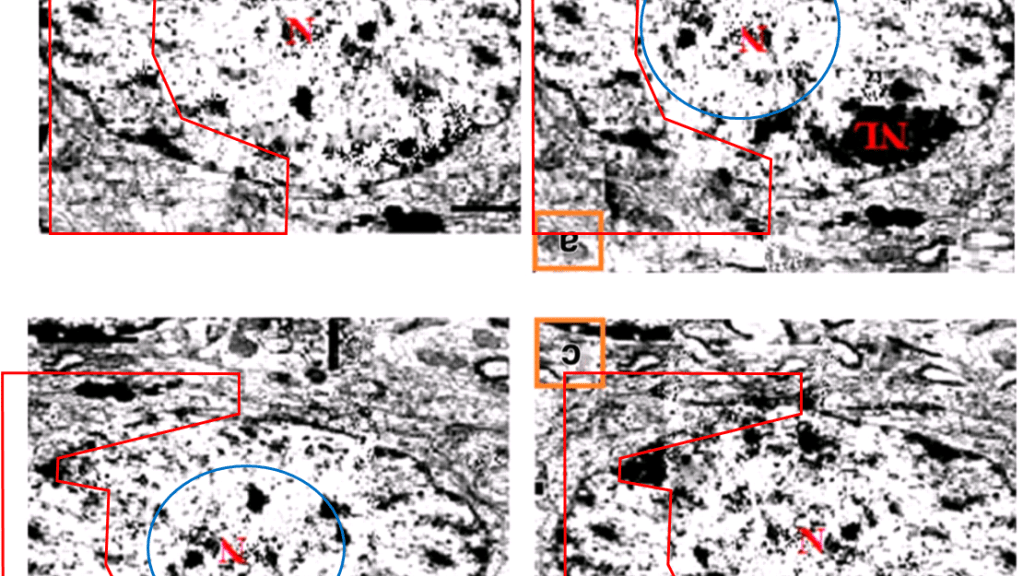
“now we have equipped with our own photo microscopy, we didn’t depend on the out sourcing fellows to take the photography our slides”. – Dr Milton Prabu.

Smut Clyde is back with more fraudulent nanotechnology. This time, he presents the works of Dhanaraj Gopi, who designs fabricated surfaces for surgical implants. In Photoshop, or with a pencil.
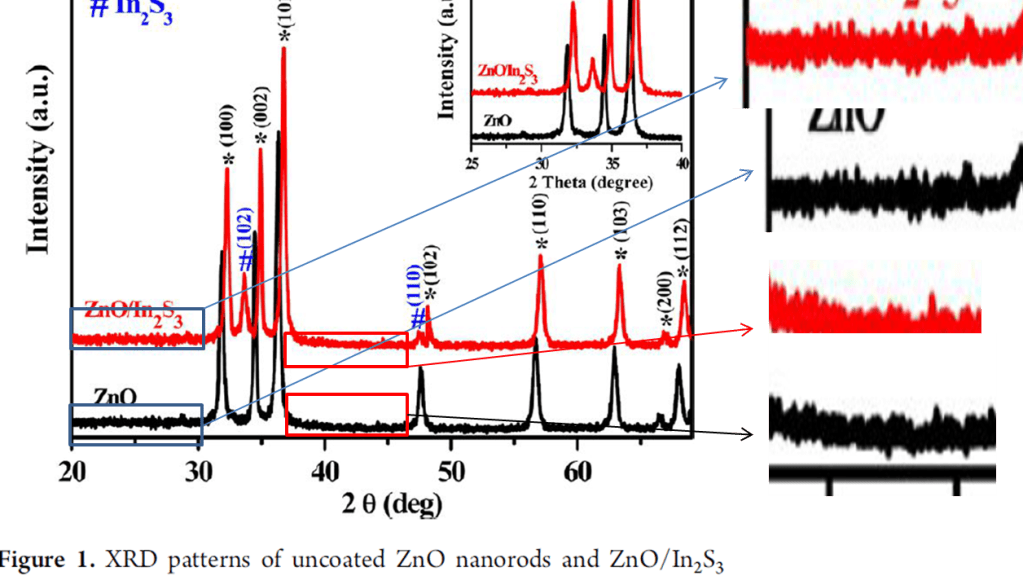
This guest post invites you to join the hunt for fabricated data in your science field of interest. Use Google image search to #CleanYourScience!

Ashutosh Tiwari and his patron Tony Turner were found guilty of research misconduct by Linköping University. Turner is to be sacked as EiC of his Elsevier journal Biosensors and Bioelectronics, a paper he tried to correct there will be retracted. Meanwhile, Tiwari and his LiU colleague Mikael Syväjärvi started a new business: they offer heart surgeries in India.

Professor Shukla is a bigwig in Indian toxicology because he uses fresh fruit, tea and curry spices to cure cancer. For maximum effect, his lab resorts to fabricating data in Photoshop.

 For Better Science