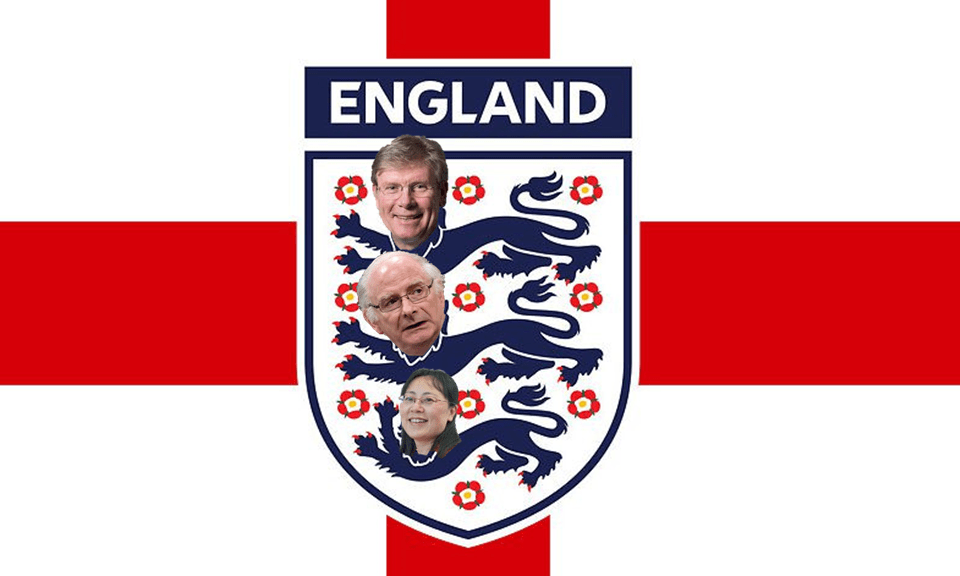
The English science supremacy
England leads the world in science,
any fule kno. Meet some more of the star jesters: Nick Lemoine, Peter St George-Hyslop and Xin Lu. They are curing cancer and Alzheimer with Photoshop.
By Leonid Schneider, on research integrity, biomedical ethics and academic publishing
England leads the world in science,
any fule kno. Meet some more of the star jesters: Nick Lemoine, Peter St George-Hyslop and Xin Lu. They are curing cancer and Alzheimer with Photoshop.
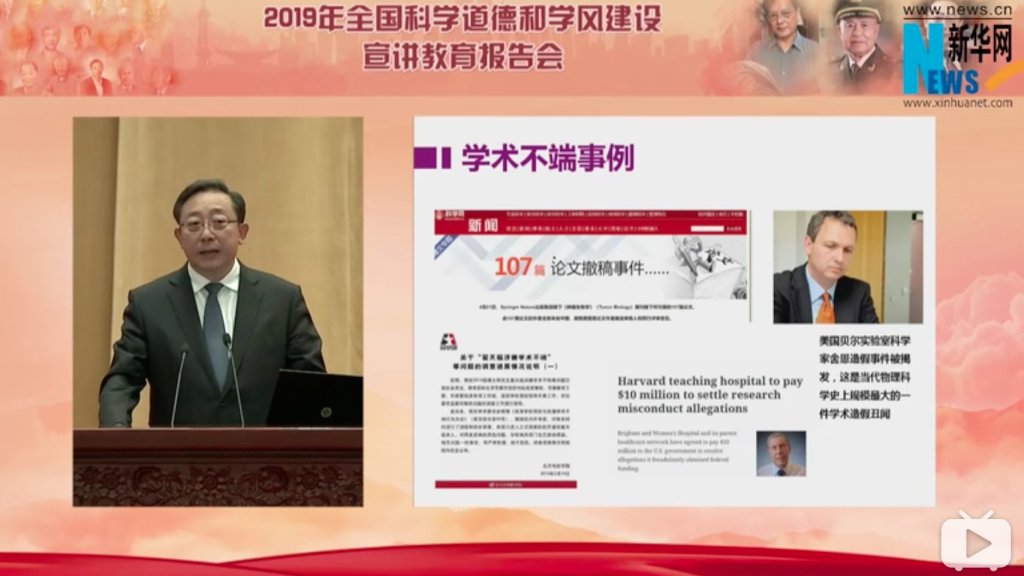
“The 63 papers of Academician Cao Xuetao were questioned on the Internet. After investigation, no fraud, plagiarism and plagiarism were found, but many papers were found to have misuse of pictures, reflecting the lack of a strict laboratory management.”
Gel images are full of fraud and luckily a thing of the past. Science of today is digital, the figures are diagrams, charts and bar plots where image integrity sleuths can take a hike.
Moshe Szyf and Shafat Rabbani of McGill University in Canada accomplished this transition.

“Patients affected with ALS now need to know that we are working for them […] We feel completely motivated and convinced to dedicate our careers to fight ALS.” Claudio Hetz, Photoshop artist.
“We all hype our work. We want to tell people our work is important. These patients, many of them coming to enroll in these trials, they have no other hope.” -Steven Houser, Hero of Research Ethics, Temple University
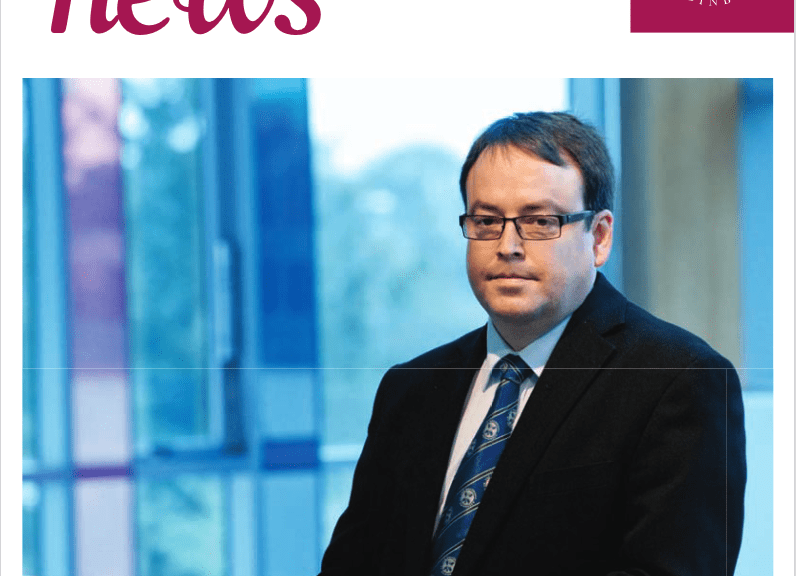
David Argyle was about to become President of the Royal College of Veterinary Surgeons. But then bullying allegations emerged, which the University of Edinburgh swiftly dismissed and suppressed. Now they can do same with the data integrity concerns in Argyle’s research.

“The Board assesses that there are no scientifically acceptable explanations for why the notified researchers have fabricated research results in the manner that has occurred in the notified articles. Raw data also does not support the reported results. [..]
In summary, the Board finds therefore that the notified researchers have been guilty of misconduct in research.”
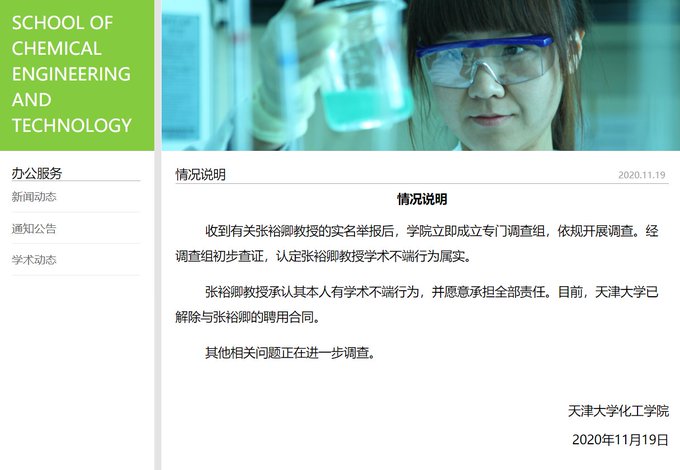
“All these SEM, EDX, TEM, BET, XRD, FT-IR, and contact angles in the theses and papers from our lab, where do they come from? We made them up. “

David Sabatini, remember that story? Well, it seems the conclusions were not affected. I take an ill-informed look at the mTOR signalling research field, to understand how photoshopped data gets to be independently verified by other labs.
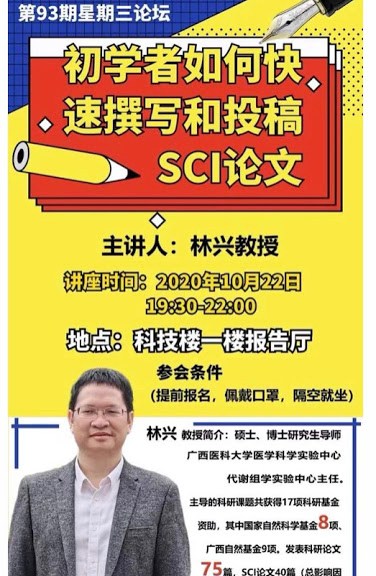
“For TCM : Chairman Xi :: Lysenkoism : Stalin, and no Chinese academics are losing their positions because they pretended to vindicate the curative claims of TCM. Thus pratersein, genistein, didymin, helenalin, Tormentic acid and of course Trolline.”
Have a WordPress.com account? Log in now.

