Lill space-time-blot anomaly in Marburg
The biochemistry research lab of professor Roland Lill at the Philipps University Marburg in Germany is a place where space,Continue Reading
By Leonid Schneider, on research integrity, biomedical ethics and academic publishing
The biochemistry research lab of professor Roland Lill at the Philipps University Marburg in Germany is a place where space,Continue Reading
Gandalf the Wizard has been awarded €75k in cash and Pezcoller-AACR International Award for Extraordinary Achievement in Cancer Research, forContinue Reading
The University of Iceland in Reykjavik previously published an external investigation report into the first ever plastic trachea transplant, performedContinue Reading
If you wish to report data irregularities, especially a recurrent pattern thereof, one is well adviced not to write toContinue Reading
Bad news for regenerative medicine enthusiasts, the data manipulating biologist Suchitra Sumitran-Holgersson and her surgeon partner Michael Olausson, both professors atContinue Reading
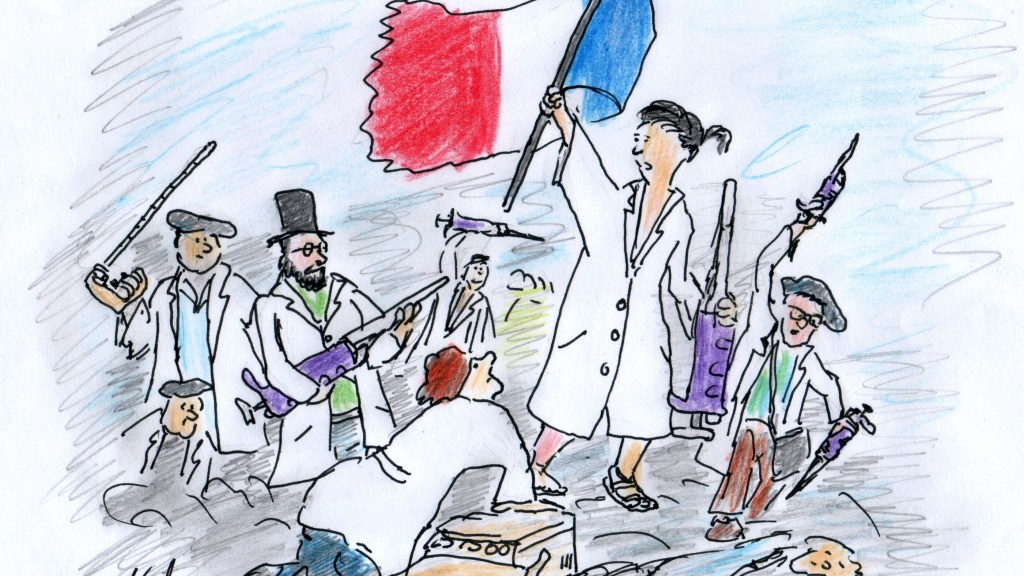
An update to the ongoing cartoon Stalinism propaganda and purge activities at the EU largest research institution, the French CNRS,Continue Reading
Following my recent article about attempts to fix data irregularities in the papers by CNRS’ chief biologist and director ofContinue Reading
UPDATED. My earlier reporting about image irregularities in the papers by CNRS’ chief biologist and director of l’Institut des sciencesContinue Reading
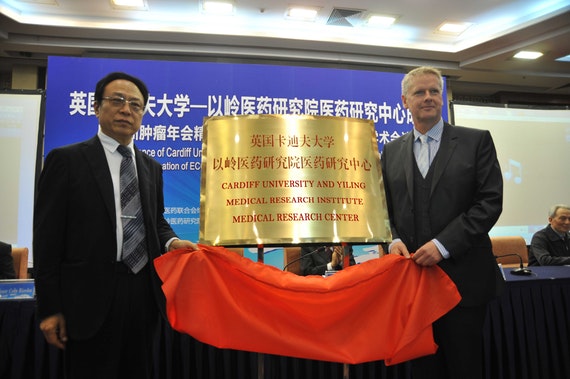
The Cardiff University in UK is now investigating two cancer researchers, both senior professors, for suspected scientific misconduct. The evidenceContinue Reading
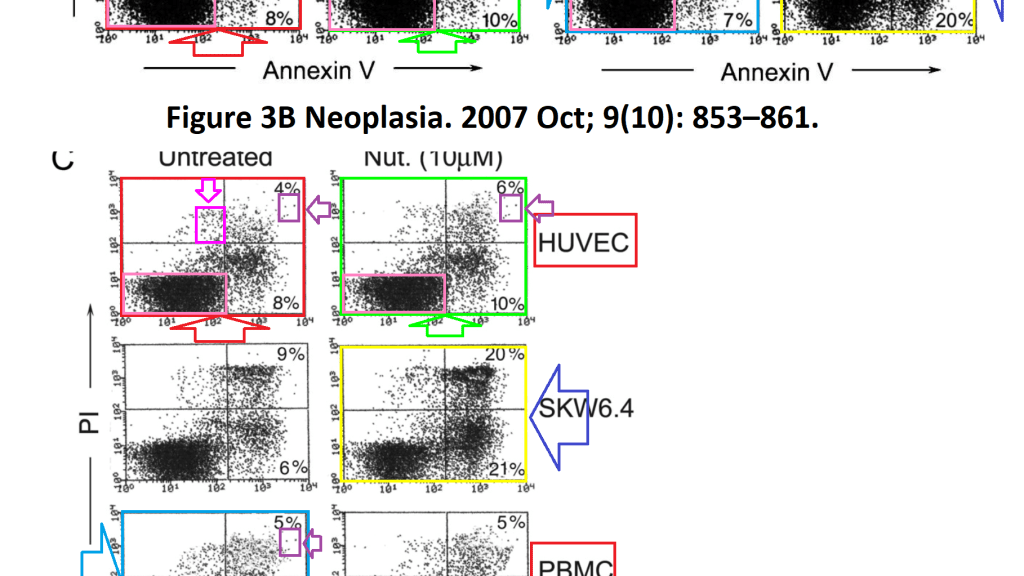
Before biology became digital, with its -omics and big data, there were mostly gels and microscopy images. The peak of image use in biomedical papers was reached at the turn of the century, those became the golden times of Photoshop-assisted data manipulation. To celebrate that period, I selected an example of the British cancer researcher Paul Workman, President and CEO of the huge Institute of Cancer Research (ICR) in London.