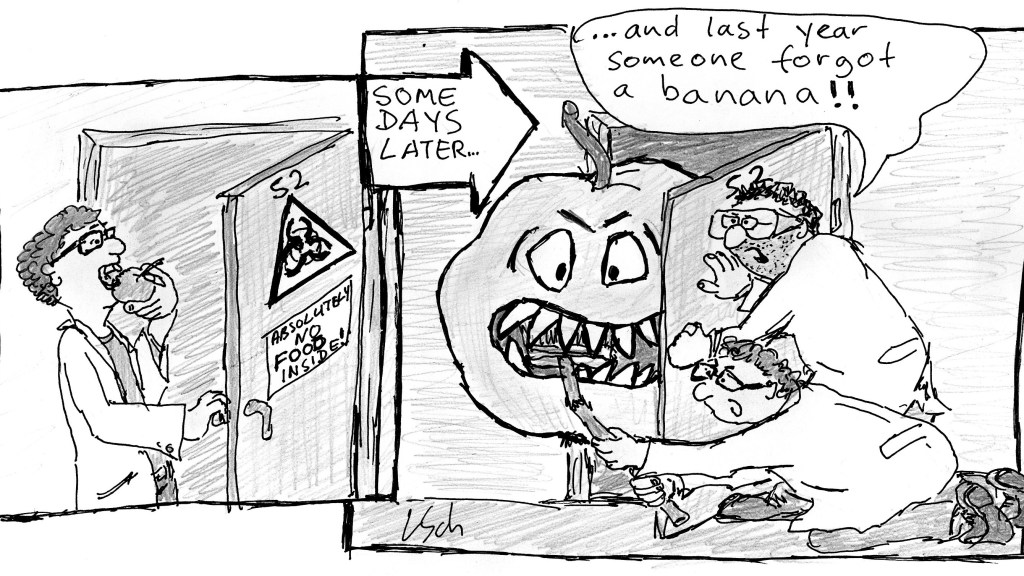
Pest Management
” I have been receiving too much of these types of papers lately and I think we all are wasting our time with made up science” = Orthopyxis integra
By Leonid Schneider, on research integrity, biomedical ethics and academic publishing
” I have been receiving too much of these types of papers lately and I think we all are wasting our time with made up science” = Orthopyxis integra

“The proposition that a niche of citation brokers exists, opens our eyes to other transaction options..” . Smut Clyde
“This bullshit is a form of greenwashing, as policymakers might believe that with growing amount of “research” we are making progress. Except we are heading nowhere.” – Alexander Magazinov
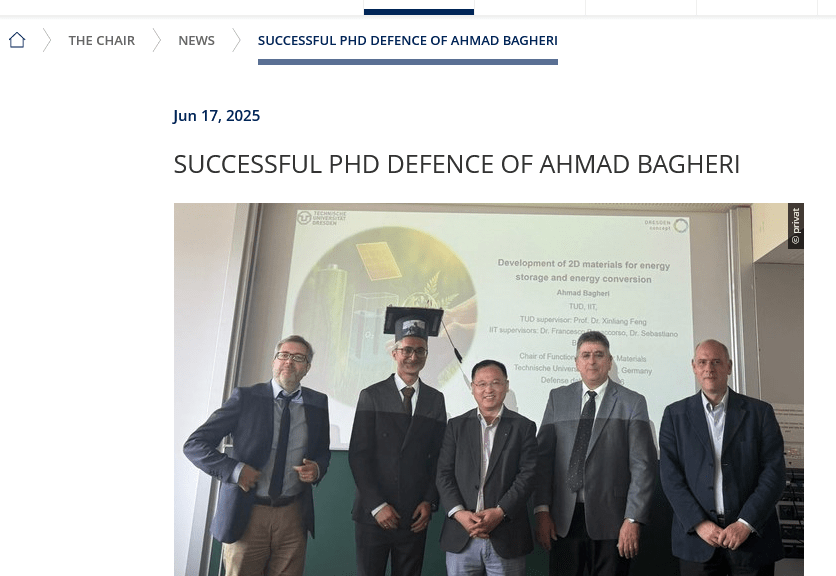
A guide on what qualities universities in Germany, Italy and elsewhere in Europe expect from their foreign PhD students and postdocs.

“if you can solve a captcha you should be able to identify fabricated comet assay images. If you can’t, you can absolutely sit this one out, Springer Nature probably has a job for you instead.”- Sholto David
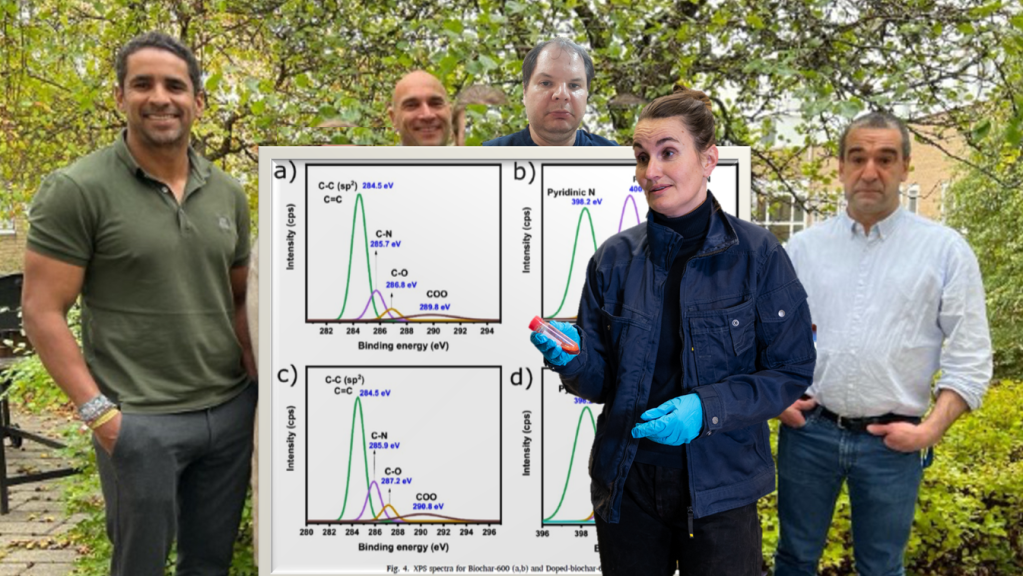
“We can always make mistakes in our publications but never acting intensionally. Regarding Prof. Eder works, I know him well and I don’t believe he has anything wrong” – Glaydson S. Dos Reis
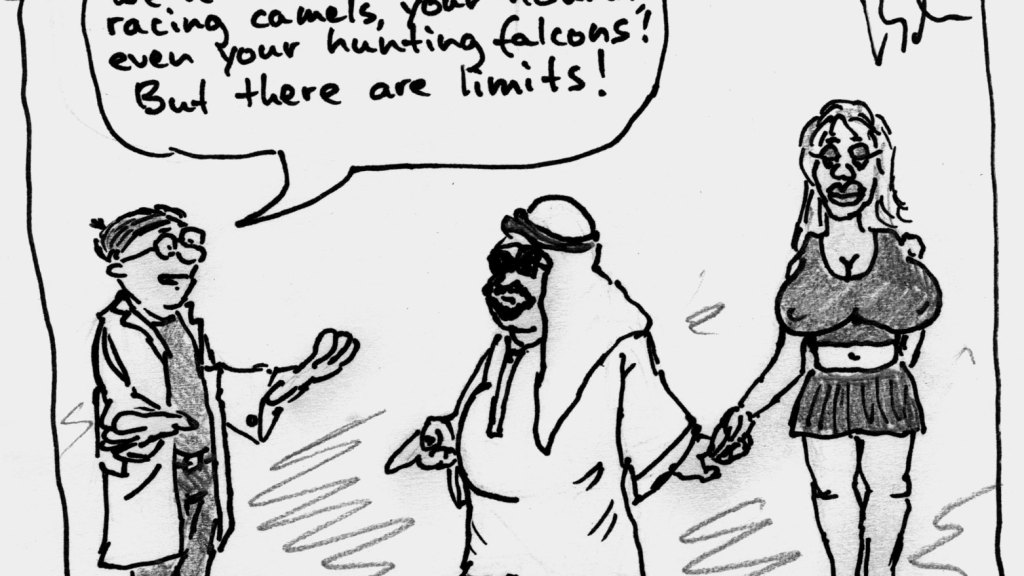
Celebrating the ten greatest science geniuses of the King Saud University.
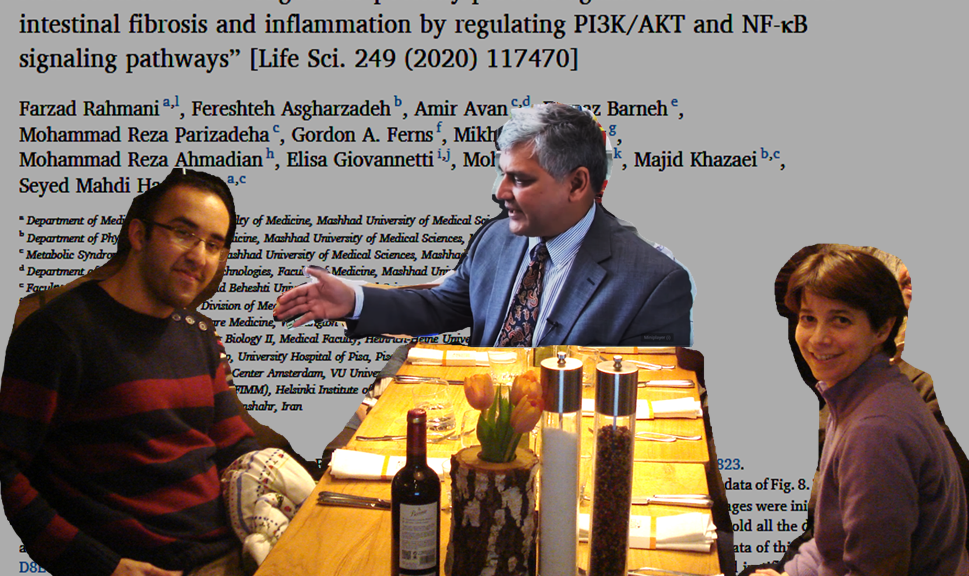
“no further steps will be taken as a result.”
“It’s clear that any academically corrupt individual — particularly one with editorial connections — could easily “place” dozens of these Anzen products into indexed journals and collect a handsome side income in the process.” – Csaba Szabo
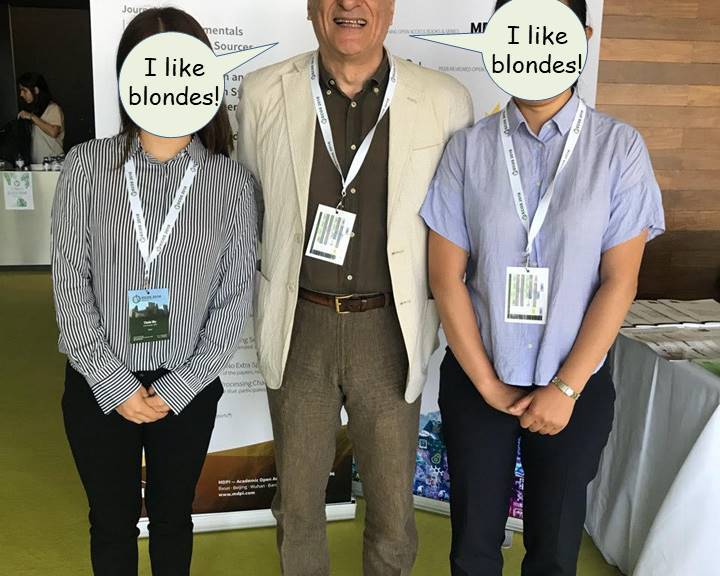
“I know you cannot understand such matters, since you appear to have strong mother-related problems that most likely have denied you of a satisfactory sexual life”, _ Enrico Sciubba, Editor-in-Chief
Have a WordPress.com account? Log in now.

