

Schneider Shorts of 24 January 2025 – a retirement party in Bristol, a Canadian without worries, papermilling across the Irish sea and other things MDPI lets through, with a pile of retractions, a corrected cure for Parkinson’s, and finally, coffee, milk and strawberries to avoid death.
Table of Discontent
Science Elites
- A journey through joy, success and challenges in science – Paolo Madeddu’s retirement party
- Honest and most probable copy/paste mistake – Borhane Annabi not worried
Scholarly Publishing
- Swiss pale-skinned person mice – MDPI doesn’t mind theft and fraud by Murtaza Tambuwala
- Serious tomatoes, ordinarily under the oversight of a herder – Dorothy Bishop trying to read an MDPI paper
Retraction Watchdogging
- Substantially compromised – will Domenico Pratico sue another former student?
- Offered on the Telegram messaging platform – Christophe Len caught buying authorships
- Violations of journal’s policies – post-mortem retraction for Jiri Jaromir Klemes
- An exercise in futility – Maarten van Kampen destroys papers by Karimipour and Toghraie
- Unable to verify the contribution of any of the authors – Marek Jaszczur sulks in silence, loses more papers
Science Breakthroughs
- Successful in preventing further spread – how Mr & Mrs Dawson cure Parkinson’s
- We must accept the now substantial evidence – morning coffee prevents death all day
- People who consume strawberries – Robert Krikorian says he is not a shill
- A glass of milk a day could help keep bowel cancer away – Justin Stebbing, a Conversation columnist
Science Elites
A journey through joy, success and challenges in science
The greatest Italian cardiologist whom the British academia had the high honour to employ, has retired by the end of 2024, at the age of 72. You can read about Paolo Madeddu‘s fake science below, needless to say all our notifications to his University of Bristol were duly ignored. His PubPeer record stands at around 30 papers now.

Bristol Madness
“People should believe in themselves; to search the treasures that they have inside and use them to reinterpret the role.” – Paolo Madeddu,, Professor and Chair at University of Bristol.

Instead of research misconduct investigation and retractions, Madeddu got a huge farewell party, a whole symposium:
“On December 6th, a symposium entitled “Recent Advances in Cardiovascular Research: From Disease Mechanisms to Novel Therapeutic Approaches” was held at Wills Hall to honour Professor Paolo Madeddu’s retirement after 20 years of leading Cardiovascular Regenerative Medicine research.”
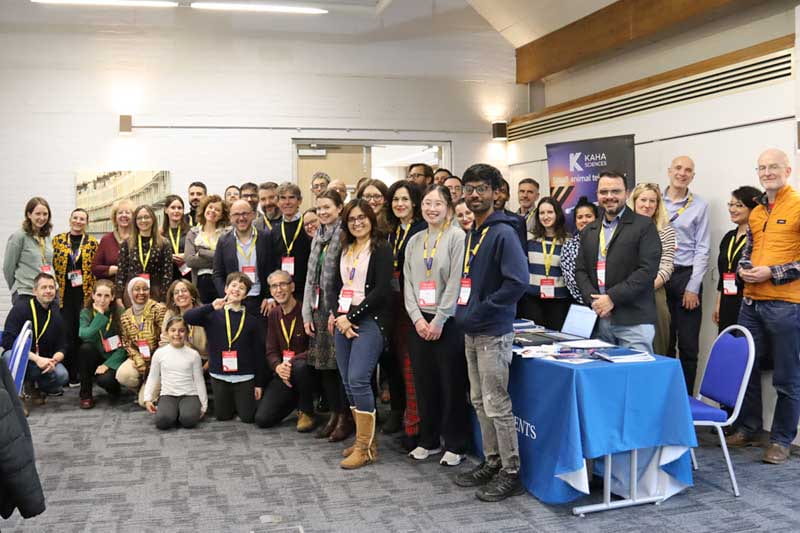
We learn from the Symposium’s programme that the Organising Committee consisted of his former mentees, the Bristol University research fellows Elisa Avolio, Valeria Alvino, Giovanni Biglino, Sadie Slater, Yan Qiu, and Paola Campagnolo, the latter now lecturer at University of Surrey.
The great man himself had a talk titled “Reflections on my long, adventurous journey in cardiovascular research”. The welcome address was given by the head of regenerative medicine section at Bristol Medical School. Various heart researchers, either mentees of Madeddu or his collaborators, from Bristol and UK, but also from abroad (Italy, Germany, France, Emirates) spoke. Also Madeddu’s former mentee Andrea Caporali arrived from Edinburgh, where he is deficiently not being investigated for the fake science he published with and without Madeddu. Here a nice paper of his with other Symposium speakers and former Madeddu mentees, Tijana Mitic (now Edinburgh) and Marco Meloni (Sanofi Paris):
Andrea Caporali , Marco Meloni , Ashley M Miller , Klemens Vierlinger , Alessandro Cardinali , Gaia Spinetti , Audrey Nailor , Ezio Faglia , Sergio Losa , Ambra Gotti , Orazio Fortunato , Tijana Mitic , Manuela Hofner , Christa Noehammer , Paolo Madeddu , Costanza Emanueli Soluble ST2 is regulated by p75 neurotrophin receptor and predicts mortality in diabetic patients with critical limb ischemia Arteriosclerosis, Thrombosis, and Vascular Biology (2012) doi: 10.1161/atvbaha.112.300497

Not invited to the Symposium was Madeddu’s ex-wife and coauthor of many fake papers like the above, Costanza Emanueli, who is also most definitely not being investigated by her university. Instead, her fellow professor at Imperial College London, Sian Harding, presented his book “The Exquisite Machine: The New Science of the Heart” in a talk titled “Everyday awe: a journey through joy, success and challenges in science“.

Yes, they are taking the piss.
To celebrate the retirement, Claire Francis had a look at Madeddu’s papers again, and found new stuff. Here, coauthors are some Symposium speakers: Madeddu’s mentee Elisa Avolio, and his collaborators at IRCCS Multimedica Milan in Italy, Gaia Spinetti and Annibale Puca:
Zexu Dang , Elisa Avolio , Anita C. Thomas , Ashton Faulkner , Antonio P. Beltrami , Celeste Cervellin , Albino Carrizzo , Anna Maciag , Yue Gu , Elena Ciaglia , Nicoletta Finato , Antonio Damato , Gaia Spinetti , Aishah Alenzi , Stephen J. Paisey , Carmine Vecchione , Annibale A. Puca , Paolo Madeddu Transfer of a human gene variant associated with exceptional longevity improves cardiac function in obese type 2 diabetic mice through induction of the SDF‐1/CXCR4 signalling pathway European Journal of Heart Failure (2020) doi: 10.1002/ejhf.1840

Another finding, again with Spinetti, who has currently 8 fake papers with her former mentor Madeddu on PubPeer:
Gloria Garoffolo , Matthijs S. Ruiter , Marco Piola , Maura Brioschi , Anita C. Thomas , Marco Agrifoglio , Gianluca Polvani , Lorenzo Coppadoro , Stefano Zoli , Claudio Saccu , Gaia Spinetti , Cristina Banfi , Gianfranco B. Fiore , Paolo Madeddu , Monica Soncini , Maurizio Pesce Coronary artery mechanics induces human saphenous vein remodelling via recruitment of adventitial myofibroblast-like cells mediated by Thrombospondin-1 Theranostics (2020) doi: 10.7150/thno.40595

And another trash paper, on PubPeer since last July, by Madeddu’s mentees and Symposium speakers Spinetti, Caporali and Nicolle Kraenkel from Germany, now Secretary of the European association of Preventive Cardiology. Another coauthor: Rajesh Katare, now in New Zealand and like Madeddu’s ex-wife not invited to the Symposium.
Atsuhiko Oikawa , Mauro Siragusa , Federico Quaini , Giuseppe Mangialardi , Rajesh G Katare , Andrea Caporali , Jaap D Van Buul , Floris P J Van Alphen , Gallia Graiani , Gaia Spinetti , Nicolle Kraenkel , Lucia Prezioso , Costanza Emanueli , Paolo Madeddu Diabetes mellitus induces bone marrow microangiopathy Arteriosclerosis, Thrombosis, and Vascular Biology (2010) doi: 10.1161/atvbaha.109.200154

By the way, look at this opinion piece:
Gaia Spinetti and Paolo Madeddu The Peter Principle in Cardiovascular Cell Therapy: The Decline of a Theory or the Theory of a Decline Circulation Research (2019) doi: 10.1161/CIRCRESAHA.116.310017
“…controversies are often unproductive, that is, during the flat stage of postdiscovery S-curve, experts are mainly occupied in defending or attacking the theory, with the result that they are only picking the low-hanging fruit from the science tree. Not surprisingly, a rapid flourishing of new ideas occurs immediately after the disappearance of imposing leaders”
Lol.
The Peter Principle actually says that in a hierarchy (which academia is), people tend to rise to “a level of respective incompetence”. But actually Madeddu was very competent to become a professor of medicine. Unlike some naive country bumpkins think, competence in academia is defined by your ability to publish papers and to draw public money, and certainly not by any scientific skills.
Honest and most probable copy/paste mistake
Meet Borhane Annabi, Chair in Cancer Prevention at Université du Québec à Montréal in Canada.
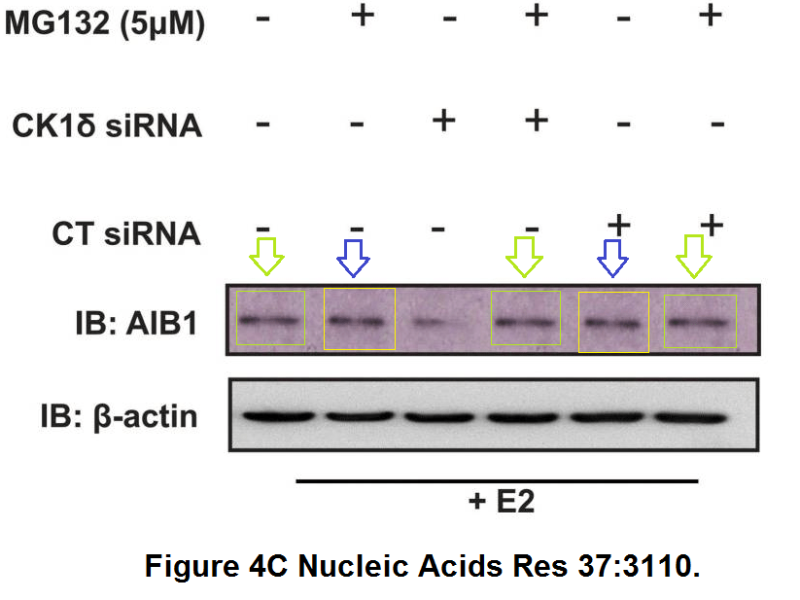
Previously, he corrected this paper in MDPI, after a gel duplication was flagged on PubPeer in February 2023:
Loraine Gresseau , Marie-Eve Roy , Stéphanie Duhamel , Borhane Annabi A Signaling Crosstalk Links SNAIL to the 37/67 kDa Laminin-1 Receptor Ribosomal Protein SA and Regulates the Acquisition of a Cancer Stem Cell Molecular Signature in U87 Glioblastoma Neurospheres Cancers (2022) doi: 10.3390/cancers14235944

Correction 6 March 2024: “there was an honest mistake in Figure 4D (P-AKT panel) as published. The P-AKT expression was erroneously duplicated from Figure 5D. The authors apologize for any inconvenience caused and state that the scientific conclusions are unaffected.”
However, another PubPeer user found more issues:

And a figure was reused in a recent paper by Annabi, published just when the previous issue was caught:
Sahily Rodriguez Torres , Loraine Gresseau , Meriem Benhamida , Yuniel Fernandez-Marrero , Borhane Annabi Epigallocatechin-3-Gallate Prevents the Acquisition of a Cancer Stem Cell Phenotype in Ovarian Cancer Tumorspheres through the Inhibition of Src/JAK/STAT3 Signaling Biomedicines (2023) doi: 10.3390/biomedicines11041000

In March 2024, Annabi replied on PubPeer and apologised “for that honest copy/paste mistake”. He also announced corrections which failed to materialise 10 months on.
Sholto David now had a fresh look. These two papers with reused western blot have just one author in common: Annabi.
- Borhane Annabi, Elizabeth Tahanian , Sabrina Peiro Low intracellular ATP levels exacerbate carcinogen-induced inflammatory stress response and inhibit in vitro tubulogenesis in human brain endothelial cells Journal of Inflammation Research (2011) doi: 10.2147/jir.s15880
- Borhane Borhane Annabi, Eric Eric Vaillancourt-Jean , Alexander G Alex Weil , Richard Richard Béliveau Pharmacological targeting of β-adrenergic receptor functions abrogates NF-κB signaling and MMP-9 secretion in medulloblastoma cells OncoTargets and Therapy (2010) doi: 10.2147/ott.s14503


Annabi replied to me:
“Thank you for your email and for addressing the several concerns.
I took a look at them, most raw data should be relatively easy to retrieve to correct what I consider a honest and most probable copy/paste mistake that fortunately does not appear to change the primary conclusions reached.
Understandably, some may however require experimentations to be performed given the date of publication.
Anyhow, all will be seriously addressed within the next weeks/months.“
I asked Annabi how the following can be deemed a honest copy/paste mistake which doesn’t change the primary conclusions:
Anissa Belkaid, Jean-Christophe Currie , Julie Desgagnés , Borhane Annabi The chemopreventive properties of chlorogenic acid reveal a potential new role for the microsomal glucose-6-phosphate translocase in brain tumor progression Cancer Cell International (2006) doi: 10.1186/1475-2867-6-7


Sholto David: “ImageTwin.ai suggested a further concerning similarity.”
Annabi never replied to that.
Scholarly Publishing
Swiss pale-skinned person mice
MDPI is about to issue a correction for stolen and relabelled figures. Because conclusions are unaffected, you know.
The main author is a certain Murtaza Tambuwala, since 2022 associate professor at the University of Lincoln, previously lecturer at Ulster University, both in UK. Before that, he was PhD student and then postdoc at University College Dublin in Ireland.
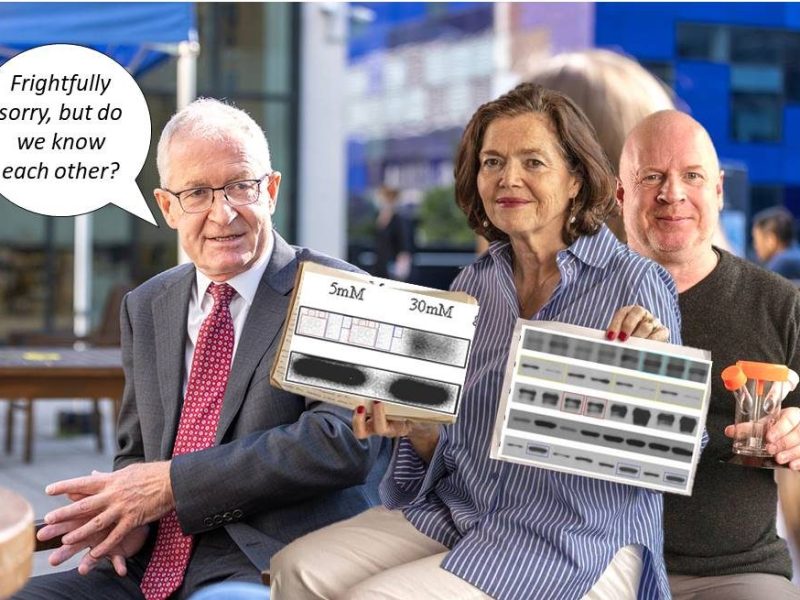
Imperial Irishman Hugh Brady (and his Dublin leprechauns)
When your Irish past catches up with your English future.
While there, he managed to publish some dodgy stuff with Catherine Godson (read the article above):
Miguel A. S. Cavadas , Marion Mesnieres , Bianca Crifo , Mario C. Manresa , Andrew C. Selfridge , Ciara E. Keogh , Zsolt Fabian , Carsten C. Scholz , Karen A. Nolan , Liliane M. A. Rocha , Murtaza M. Tambuwala, Stuart Brown , Anita Wdowicz , Danielle Corbett , Keith J. Murphy , Catherine Godson , Eoin P. Cummins , Cormac T. Taylor , Alex Cheong REST is a hypoxia-responsive transcriptional repressor Scientific Reports (2016) doi: 10.1038/srep31355

The weird thing is that the earlier paper by the Dublin researchers, Cavadas et al 2015, includes neither Tambuwala nor Godson as coauthors. Here an Ulster paper by Tambuwala:
Yusuf Haggag , Mohamed Elshikh , Mohamed El-Tanani , Ibrahim M Bannat , Paul McCarron , Murtaza M. Tambuwala Nanoencapsulation of sophorolipids in PEGylated poly(lactide-co-glycolide) as a novel approach to target colon carcinoma in the murine model Drug Delivery and Translational Research (2020) doi: 10.1007/s13346-020-00750-3

This was flagged by Elisabeth Bik:
Seemaisamy Revathi, Faruck Lukmanul Hakkim , Neelamegam Ramesh Kumar , Hamid A Bakshi, Alagar Yadav Sangilimuthu , Murtaza M Tambuwala, Mohammad Changez , Mohamed M Nasef , Muthukalingan Krishnan , Nagarajan Kayalvizhi In Vivo Anti Cancer Potential of Pyrogallol in Murine Model of Colon Cancer Asian Pacific Journal of Cancer Prevention (2019) doi: 10.31557/apjcp.2019.20.9.2645


To be fair, also Oncotarget previously corrected a Tambuwala paper with stolen data. Tambuwala again cleverly included as coauthor his then-boss in Ulster University, the head of school of pharmacology Paul McCarron. Journals don’t like to retract papers by white authors, especially such senior ones:
Faruck L. Hakkim , Hamid A. Bakshi , Shabia Khan , Mohamad Nasef , Rabia Farzand , Smitha Sam , Luay Rashan , Mohammed S. Al-Baloshi , Sidgi Syed Anwar Abdo Hasson , Ali Al Jabri , Paul A. McCarron , Murtaza M. Tambuwala Frankincense essential oil suppresses melanoma cancer through down regulation of Bcl-2/Bax cascade signaling and ameliorates heptotoxicity via phase I and II drug metabolizing enzymes Oncotarget (2019) doi: 10.18632/oncotarget.26930


The June 2020 Correction replaced the “accidental duplicates” but failed to detect this:


The sources for the stolen images were Ruan et al 2017 from China and Spampanato et al 2011 from Italy.
Now, to the MDPI paper from University of Lincoln which also contains stolen data and is about to be corrected:
Abdulmajeed G. Almutary , Abdullah M. Alnuqaydan , Saleh A. Almatroodi , Hamid A. Bakshi , Dinesh Kumar Chellappan , Murtaza M. Tambuwala Development of 3D-Bioprinted Colitis-Mimicking Model to Assess Epithelial Barrier Function Using Albumin Nano-Encapsulated Anti-Inflammatory Drugs Biomimetics (2023) doi: 10.3390/biomimetics8010041

The “previous publication” Madden et al 2018 belongs to an utterly unrelated group of US researchers from the biotech Organovo and the pharma giant Merck & Co. Most obviously Tambuwala and his “coauthors” from Saudi Arabia and Malaysia again stole the images and relabelled them. Or more likely, the papermill which they paid for authorships, stole those images, which doesn’t make it any better.
MDPI and the University of Lincoln were informed already in October 2023, the publisher announced to “coordinate with the journal’s editorial office” and “investigate this situation further“. Tambuwala himself wrote to the sleuth, also in October 2023:
“This work was done by my previous PhD students Hamid Bakshi who has graduated from Ulster University and gone to USA for a Posdoc. I have trusted the PhD student for the images provided and did not double check. However now I will re visit all the images and check this myself and will contact with the journal to amend this error / mistake by way of correction.”
Nothing happened, and the sleuth wrote a reminder in late December 2024. An MDPI managing editor from Wuhan in China replied on 25 December 2024:
“We have been in regular communication with the author and the journal’s editorial board regarding this manuscript. The author has already updated the relevant content, after discussion we will be issuing a correction as soon as possible.”
A correction for stolen data. And it turns out, it wasn’t even MDPI’s idea! On 20 January 2025, the sleuth received this email from Jamie Read, Dean of the Lincoln Medical School (highlights mine):
“I can confirm that a research misconduct hearing was held last year and that the panel found that research misconduct had occurred. Subsequent to this, Dr Tambuwala has been in contact with the journal editors to ask for the paper to be corrected, but I understand that the journal has not yet fully actioned this request. Dr Tambuwala has provided us with copies of correspondence which started in May 2024 and he has contacted the editors on several occasions to ask for an update. We have received the latest update in the last few days that the corrected paper should be online very soon.”
Presumably, this British university found that the paper is fraudulent, possibly even finding Tambuwala guilty (more likely just Bakhshi though). But they don’t want a retraction on their record! Indeed, since when did fraud and theft affect the scientific conclusions.

The Highly Cited Researchers of Clarivate
“here is my advice to Clarivate: better get lost. ” – Alexander Magazinov

In this regard, Tambuwala’s PubPeer record is more than enough to sack him several times and to retract all his papers. You saw some of it already.
Also, Tambuwala coauthored obvious papermill fraud like Gao et al 2024 together with the papermill celebrity Navid Rabiee, plus fellow papermill fraudsters Ali Zarrabi, Milad Ashrafizadeh and Gautam Sethi (see April 2024 Shorts), plus Mohammad Reza Saeb (the one in Gdansk, Poland!). Or Panda et al 2022 with another papermill titan, Rajender Varma.
Tambuwala also published Guo et al 2024, again with Ashrafizadeh but also with with Jun Ren, who was sacked in USA and returned to China to continue with fraud and papermilling. Read here:
Hymie Dearness – Confessions of a Mitochondriac
“I am not angry with the post-publication surgery that the publisher performed on the affected papers after discovering the shenanigans, scrubbing off the names of spurious reviewers. Just very disappointed.” – Smut Clyde

Let me show you some more MDPI-related examples. Here two papers by Tambuwala, the first one in MDPI, the second in Elsevier, with the same cursed Bakshi and a group of Spanish colleagues led by Angel Serrano-Aroca, professor at Universidad Católica de Valencia:
- Alba Cano-Vicent, Alberto Tuñón-Molina, Hamid Bakshi, Iman M. Alfagih, Murtaza M. Tambuwala, Ángel Serrano-Aroca Biocompatible Alginate Hydrogel Film Containing Acetic Acid Manifests Broad-Spectrum Antiviral and Anticancer Activities Biomedicines (2023) doi: 10.3390/biomedicines11092549
- Alba Cano-Vicent, Andrea Martínez-Agut , Alberto Tuñón-Molina, Hamid Bakshi, Roser Sabater I Serra , Iman M. Alfagih , Murtaza M. Tambuwala , Ángel Serrano-Aroca In vivo and in vitro biocompatible alginate film crosslinked with Ca2+ and Co2+ manifests antiviral, antibacterial and anticancer activity European Polymer Journal (2023) doi: 10.1016/j.eurpolymj.2023.112377


Mycosphaerella arachidis: “Figure 8: The time values represent distinct experimental conditions. So the similarity between the red rectangles is unexpected.”
MDPI issued in February 2024 a Correction:
“In the original publication [1], there was a mistake in Figure 1 as published. Figure 1 had a human error. When we made the Figure, an image was taken as a reference and there was confusion with the photos. […]
Moreover, there was a mistake in Figure 8 as published. In Figure 8, the images that represent the control at 24 h and the control at 30 min are the same. This was a human error. […]
The authors state that the scientific conclusions are unaffected.”
MDPI hasn’t yet corrected this, maybe they will one day. Don#t expect any retractions though. Bakshi is first author, McCarron penultimate, Tumbawala last, accompanied by his close associate from Egypt, Alaa Aljabali:
Hamid A. Bakshi , Mazhar S Al Zoubi , Hakkim L. Faruck , Alaa A A Aljabali, Firas A. Rabi , Amin A. Hafiz , Khalid M Al-Batanyeh , Bahaa Al-Trad , Prawej Ansari , Mohamed M. Nasef , Nitin B. Charbe , Saurabh Satija , Meenu Mehta , Vijay Mishra , Gaurav Gupta , Salem Abobaker , Poonam Negi , Ibrahim M. Azzouz , Ashref Ali K Dardouri , Harish Dureja , Parteek Prasher, Dinesh K. Chellappan, Kamal Dua, Mateus Webba Da Silva, Mohamed El Tanani, Paul A. McCarron, Murtaza M. Tambuwala Dietary Crocin is Protective in Pancreatic Cancer while Reducing Radiation-Induced Hepatic Oxidative Damage Nutrients (2020) doi: 10.3390/nu12061901


Obviously saffron cures cancer, hence no need to retract or even correct anything about this MDPI paper by Tambuwala, McCarron, Bakshi, Aljabali and their Spanish friends either. Especially since also here, the data was stolen and relabelled!
Hamid A. Bakshi, Gerry A. Quinn, Mohamed M. Nasef, Vijay Mishra, Alaa A. A. Aljabali, Mohamed El-Tanani , Ángel Serrano-Aroca, Mateus Webba Da Silva , Paul A. McCarron, Murtaza M. Tambuwala Crocin Inhibits Angiogenesis and Metastasis in Colon Cancer via TNF-α/NF-kB/VEGF Pathways Cells (2022) doi: 10.3390/cells11091502

The images in Figure 2B appear to substantially overlap (offset by about 80-degrees)”


The sources of stolen figures was a paper from Korean researchers in Oncotarget Cha et al 2016, which has further issues with data reuse in unrelated papers before and after its publication, and a paper Ho et al 2012 from Taiwan, which contains further image duplications. The simple explanation is that all these 3 papers derive from the same Asian papermill. Again, don’t expact any retractive action from MDPI or in fact, from Tambuwala’s employer, the University of Lincoln.
On the topic of saffron, there is also this masterpiece, in an aptly titled Elsevier journal. It is hilariously funny due to its tortured phrases flagged by Dorothy Bishop and Nick Wise, like “marks of shame“, “creature models” and “huge hydrogen peroxide rummaging movement“:
Hamid A. Bakshi , Hakkim L. Faruck , Sangilimuthu Alagar Yadav , Murtaza M. Tambuwala The Remarkable Pharmacological Efficacy of Saffron Spice via Antioxidant, Immunomodulatory, and Antitumor Activities Saffron (2020) doi: 10.1016/b978-0-12-818462-2.00019-x
“Since antiquated occasions, saffron collected from the dried, dim red marks of shame of C. sativus L. blossoms has been used as a medication to treat different human wellbeing conditions including hack, fart, stomach issue, colic, sleep deprivation, gynecological issue (counting guideline of feminine cycle, easing awkward period or absence of monthly cycle), red fever, little pox, colds, asthma, and cardiovascular issue”
Stlen from From ‘Crocus Sativus against cancer’, 2003
More quotes from Tambuwala’s paper:
“The orally controlling saffron ethanolic concentrates upgraded the life expectancy of Swiss pale-skinned person mice intraperitoneally joined with sarcoma-180 (S-180) cells…”
Paraphrased “Swiss albino mice”
“The clinical study involved a twofold, visually impaired, fake treatment controlled, hybrid preliminary of 21 sound grown-up men with a gentle rest objection. “
Paraphrased “double blind placebo controlled randomised clinical trial” etc
“no unfriendly impacts have been related with ingestion of 4 g of saffron for every day for a few days, incorporating into pregnant ladies”
See the rest of Tambuwala’s fake papermilled gabage on PubPeer.
Serious tomatoes, ordinarily under the oversight of a herder
We remain on the topic of MDPI and phrase-torturing.
Dorothy Bishop blogged on 18 January 2025 about an MDPI contribution by a Rizwan Abbas, currently PhD student at Zhejiang University in China.
“…the first indication of problems came via the Problematic Paper Screener, the excellent system that checks articles for various red flags, including “tortured phrases”. These provide an indicator that a paper has probably been plagiarised but then passed through a process that substitutes synonyms for main words, with the aim of evading plagiarism detection software. So, as noted on PubPeer, in this case we have “fluffy logic” for fuzzy logic, and “unaided ML” for unsupervised machine learning.
However, example sentences in which tortured phrases were embedded indicated a deeper problem.”
Here is the masterpiece, brace yourself for an excerpt from that paper.
Rizwan Abbas, Gehad Abdullah Amran , Irshad Hussain , Shengjun Ma A Soft Computing View for the Scientific Categorization of Vegetable Supply Chain Issues Logistics (2022) doi: 10.3390/logistics6030039

“…. the third creation framework considered for the creation phase is tomatoes. This creation framework is devoted to developing homegrown creatures brought up in rural settings to create vegetables. This can bring domesticated tomatoes likewise to broad or serious frameworks. Broad frameworks include creatures wandering meadows (ordinarily under the oversight of a herder). Differently, serious tomatoes are situated in shut foundations and are outfitted with ICT innovation, which empowers creatures to be observed continuously. Inside these creation frameworks, the most run-of-the-mill issues we run over are meadow observing [75], creature government assistance [76], creature conduct following [77], and tomato creation forecast and enhancement [78,79]”

Bishop wasn’t impressed by Abbas’s long replies on PubPeer either:
“A clue to the origin of this material comes from the cited references, which are about pigs and cattle. Anonymous PubPeer commenter Nerita vitiensis found that a substantial part of the text was adapted from a previous work by different authors, but with the topics of “livestock and fish” changed to “tomatoes and cruciferous vegetables”. This explains the description of tomatoes as “creatures” under the oversight of a herder.
The authors of this piece seem seriously out of their depth, as evidenced by the bland comments apparently written by Chat GPT that they provided on PubPeer. “
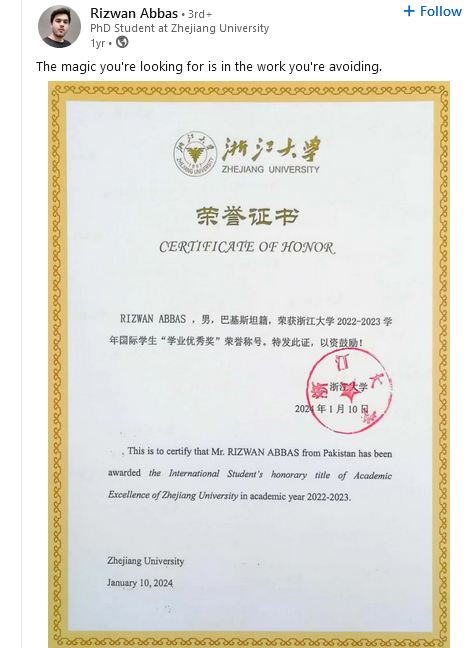
That paper was allegedly read by an editor and 3 reviewers, who all understood and liked it. Unlike Bishop, who reported it to MDPI and was told that “this case is a priority for us“.
The avid ChatGPT user Abbas published more in MDPI of course. How about tortured phrases like “brain organization” (neural network), “shrewd gadget” (smart device) and “sluggish student” in Abbas et al Electronics 2022a, or “inclination plummet” in Abbas et al Electronics 2022b, or “ravenous calculation” in Abbas et al Electronics 2022c. However there are also “unearthly proficiency” and “ghastly productivity” in Abbas 2023 in an Elsevier journal. On each thread, Abbas deployed ChatGPT to post long and idiotic replies.
I am merely posting this here in case any European professors are searching for postdocs with impressive publication record, in case the applications you received so far aren’t what you were hoping for.
Retraction Watchdogging
Substantially compromised
Yet another retraction for the Temple University neuroscience professor Domenico Pratico, who is still officially totally innocent.
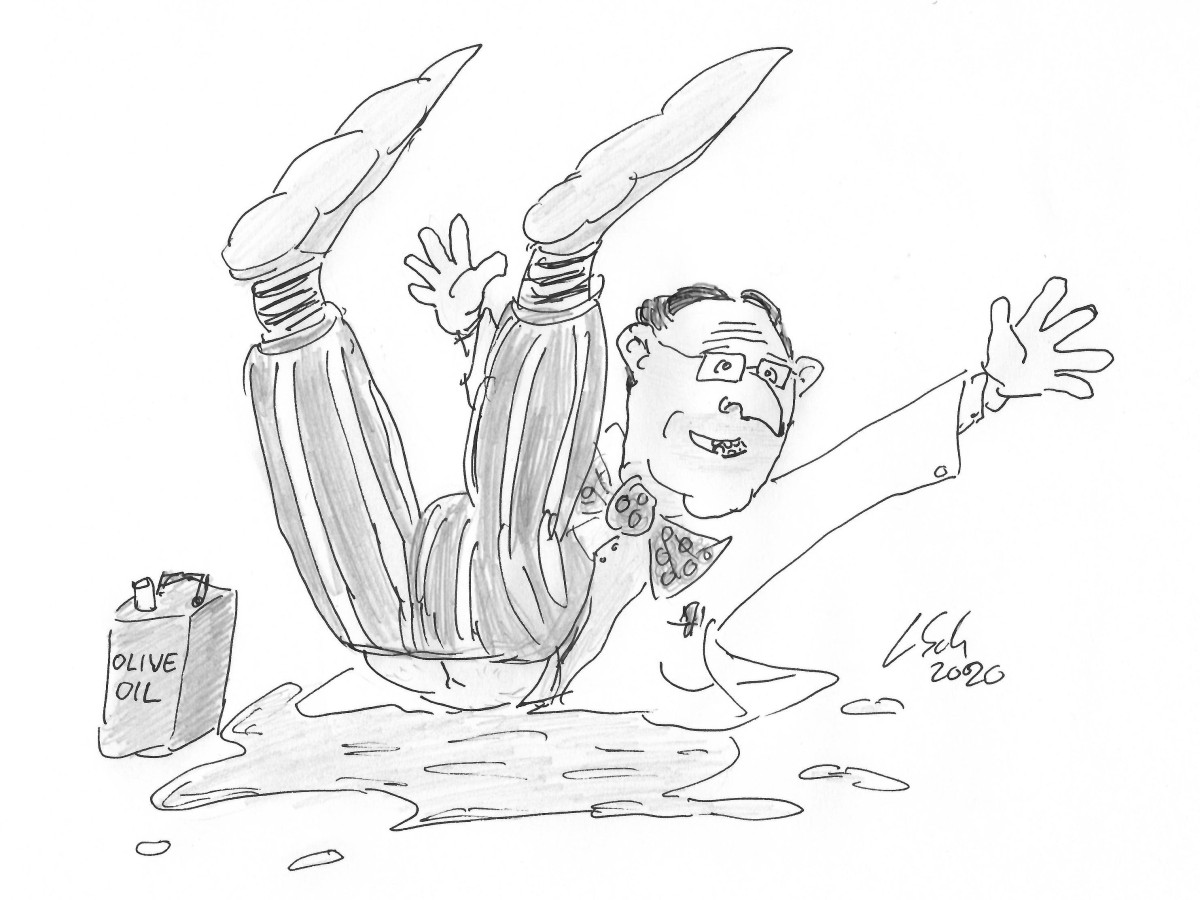
The Pratfalls of Domenico Pratico
Next time you wonder why mouse research does not translate to humans, think of Domenico Pratico work on Alzheimer’s and other brain diseases.
The previous retractions affected papers coauthored by Pratico’s former PhD student Phillip Giannopoulos, whom Pratico accused of faking data behind his honest back and sued Giannopoulos for defamation. Pratico lost that lawsuit, read August 2024 Shorts.
This newly retracted paper however lacks any Giannopoulos to blame:
Jin Chu , Jia-Min Zhuo , Domenico Praticò Transcriptional regulation of β-secretase-1 by 12/15-lipoxygenase results in enhanced amyloidogenesis and cognitive impairments Annals of Neurology (2012) doi: 10.1002/ana.22625

Some blots in the APP row look similar.”
This is the retraction from 20 January 2025:
The above article, published online on 12 September 2011 in Wiley Online Library (wileyonlinelibrary.com), has been retracted by agreement between the authors, J.-M. Zhuo and D. Praticò; the journal Editor-in-Chief, Kenneth L. Tyler; the American Neurological Association and Wiley Periodicals LLC. The retraction has been agreed upon due to the duplication of the actin blots and one of the APP blots shown in figures 2A and 4A. The authors were unable to provide the original data. The editors and the authors, J.-M. Zhuo and D. Praticò, have lost confidence in the data presented and consider the conclusions to be substantially compromised. The author, J. Chu, could not be contacted to inform them of the retraction.
As you see, here Pratico blames his other student, Jin Chu. Expect another defamation lawsuit?
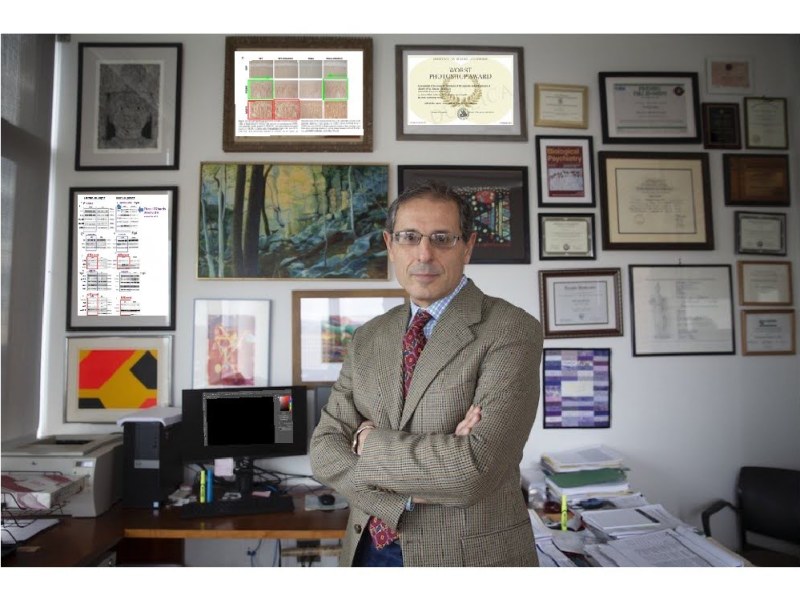
Research misconduct: Theory & Pratico
A whistleblower tried to report fraud in Domenico Pratico’s papers via proper channels, and hit a wall everywhere.
Offered on the Telegram messaging platform
Two retractions for the French professor and papermiller, Christophe Len. Len is a close friend of the famous Rafael Luque, in fact Len’s son Thomas is or used to be Luque’s postdoc. The Editor-in-Chief of the Elsevier journal where this paper was now retracted, Klaus Kümmerer, used to be a friend of Len’s and Luque’s, and he is also Germany’s national hero. Read here:
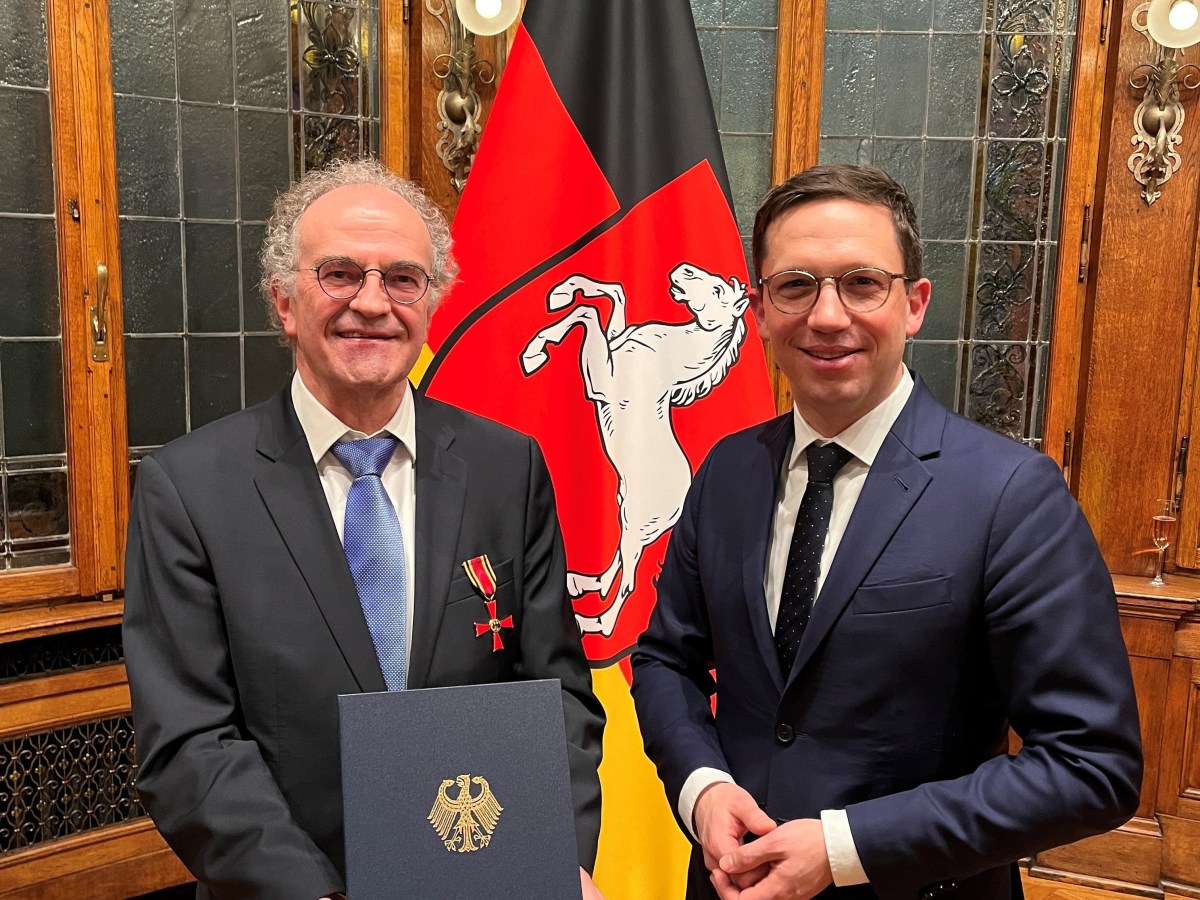
Bundesverdienst-Kümmerer am Bande
“Benign-by-design, circular economy in the plastics industry, biodegradable antibiotics – the sustainable design of chemistry is the central theme of Prof. Klaus Kümmerer’s work. “
Now, the first retracted paper, for Len and Luque:
Pouya Ghamari Kargar, Christophe Len, Rafael Luque Cu/cellulose-modified magnetite nanocomposites as a highly active and selective catalyst for ultrasound-promoted aqueous O-arylation Ullmann and sp-sp2 Sonogashira cross-coupling reactions Sustainable Chemistry and Pharmacy (2022) doi: 10.1016/j.scp.2022.100672


Also, 6 of this study’s references, for the papers by the first author Pouya Ghamari Kargar. were retracted. This papermilling gentleman has over 30 more papers on PubPeer in need of retractions. And now this one was also retracted, with an undated notice:
“This article has been retracted at the request of the Editor:
There appears to be data manipulation of the following figures in the article:
- Fig. 10: the caption says “(b) FESEM image of Fe3O4@CNF@Cu magnetic nanocomposite after six times reuse” but the (b) panel is clearly not a FESEM image, it’s an XRD pattern.
- Fig. 2: there is inconsistency between the two EDX spectra. The Fe Kα line is at 6.35 keV on the right (as expected) but 6.9 kEv on the left spectrum.
- The Fe Kβ line is at 6.9 keV on the right, but at 7.6 on the left. Even the Fe Lα line is at 0.7 on the right, but 0.6 on the left. Also, some of the tick marks are missing on the x axis.
- Fig. 3: The 20 nm bar appears to be off by a factor of 25 (unless it is the correct, but then 1um bar is incorrect). Error bars are missing in Fig 3C, number of replicates is missing
- Fig. 4 top row: the two SEM images show an area of overlap that suggests a scale difference of approximately a factor two, but the scale bars in the two images differ by a factor ∼50.”
And here is Len’s other retracted paper in the same journal, which was already criticised as Elsevier preprint. Kargar is on board, but Luque is not co-author, maybe he was the handling editor or reviewer:
Sabikeh Azimi , Muna S. Merza , Fatemeh Ghasemi , Hasan Ali Dhahi , Farid Baradarbarjastehbaf , Mehdi Moosavi , Pouya Ghamari Kargar , Christophe Len Green and rapid and instrumental one-pot method for the synthesis of imidazolines having potential anti-SARS-CoV-2 main protease activity Sustainable Chemistry and Pharmacy (2023) doi: 10.1016/j.scp.2023.101136

Simnia avena: “This paper matches one whose authorship has been for sale on Telegram”


The authors also stated on the subject of Data availability: “No data was used for the research described in the article.” What was used instead, were nonsense references and nonsense statements. PubPeer users also noticed:
“A notable difference: in the preprint, Christophe Len was affiliated to “Peoples Friendship University of Russia (RUDN University), 6 Miklukho Maklaya str., 117198, Moscow, Russian Federation”. In the final version, the affiliation is changed to “Sorbonne Universités, Universite de Technologie de Compiegne, F-60200, Compiegne, France”.
Of note, RUDN University is also famous as the once affiliation of Rafael Luque“
What with the war and genocide in Ukraine, Len decided to hide his glowing love for russia and russian money, and changed his affiliation. Luque does the same these days.
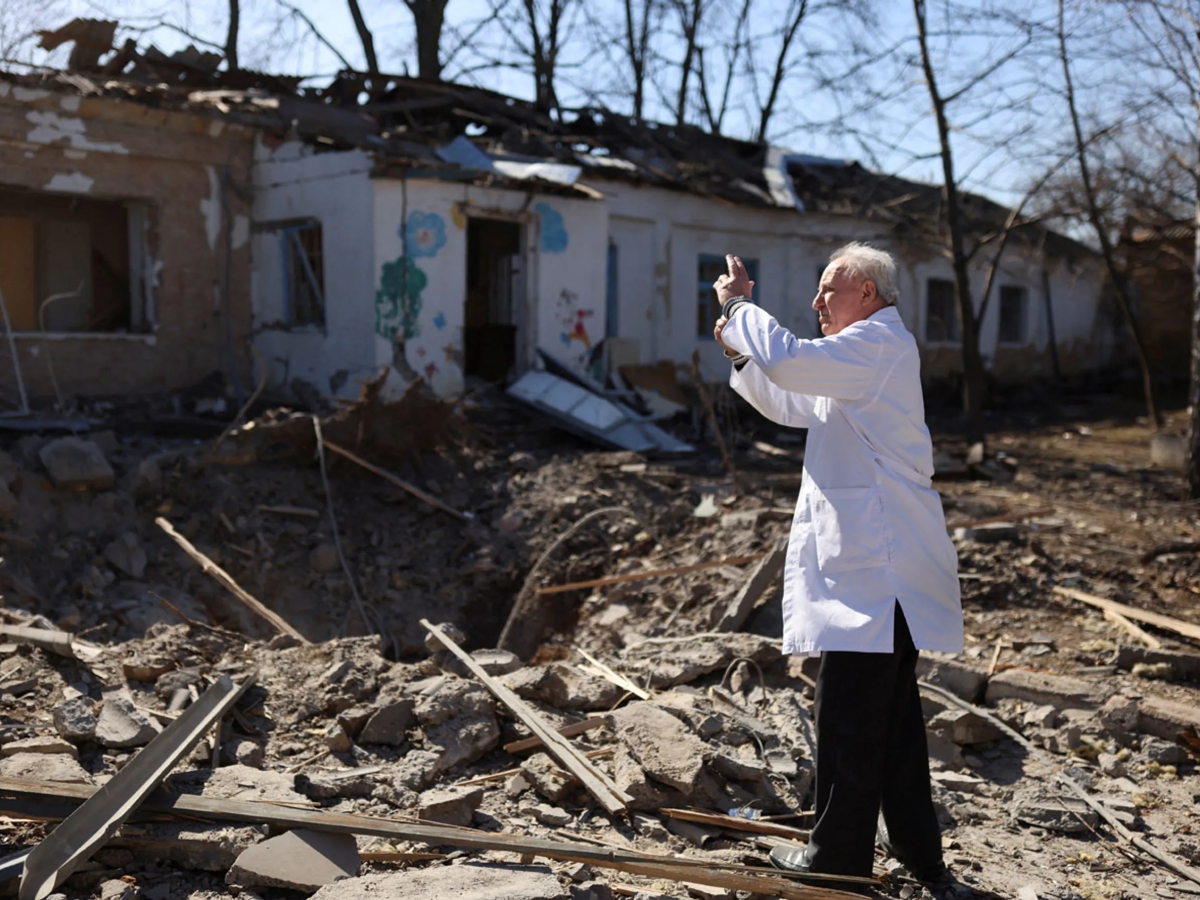
Boycott Russian Science (and Everything Else) – Thoughts on War in Ukraine
The state it’s in, we don’t need Russian science anyway.
The undated recent retraction notice also didn’t specify which editor issued it. Was it really Len’s friend, the chief editor Kümmerer?
“This article has been retracted at the request of the Editor.
Authorship of this articles appears to have been offered on the Telegram messaging platform which conflicts with the policies of the journal.
- Fig. 1 shows serious errors. The figure represents the yields of reactions in different solvents, with a scale that extends up to 180%. Although the actual yields are well below 100%, additional experimental data (reaction time, in minutes) is added to the yields. Such an overlap of data of completely different natures on the same scale makes no sense.
- Fig. 5d seems to be manipulated. The figure displays identical curve portions (including fluctuations) for systems supposed to be different (protein alone and protein-ligand complex). This cannot have any rational explanation other than manipulation of this figure. Also the caption of the figure does not match with the figure.”
Violations of journal’s policies
The members Papermill International gang of Pau Loke Show – Muhammad Mubashir, Awais Bokhari and Kuan Shiong Khoo – lose a paper. Also the dead Czech papermiller Jiří Jaromír Klemeš is on board, although in fairness he wasn’t dead yet when the paper was published. Show himself is not a coauthor, but he was likely a reviewer.
The paper was flagged on PubPeer for misreported instruments and nonsense results, it then fell prey to spring cleaning at Elsevier journal Chemosphere (which has been delisted by Clarivate over papermilling):
Sumreen Dawood , Mushtaq Ahmad , Muhammad Zafar , Saira Asif , Jiří Jaromír Klemeš , Awais Bokhari , Muhammad Mubashir , Ning Han , Mohamed M. Ibrahim , Zeinhom M. El-Bahy , Kuan Shiong Khoo Biodiesel synthesis from Prunus bokhariensis non-edible seed oil by using green silver oxide nanocatalyst Chemosphere (2022) doi: 10.1016/j.chemosphere.2021.132780
“A journal-wide investigation by Elsevier’s Research Integrity & Publishing Ethics team identified violations of the journal’s policies on conflict of interest related to the submission and review of this paper.
Review of this submission was handled by Guest Editor Senthil Kumar Ponnusamy despite a recent record of collaboration, including co-publication, with one of the paper co-authors (Kuan Shiong Khoo). Acceptance of the article was partly based upon the positive advice of reviewers who were closely linked to five of the authors (Saira Asif, Awais Bokhari, Jiří Jaromír Klemeš, Kuan Shiong Khoo, Muhammad Mubashir). This compromised the editorial process and breached the journal’s policies.
Kuan Shiong Khoo acknowledged the retraction. Sumreen Dawood disagrees with the retraction and disputes the grounds for it. The other authors have not responded to this retraction.”
Undated recent retraction
An exercise in futility
Here a retraction for another cluster of papermillers, led by Arash Karimipour. The retraction happened after Mu Yang exposed that journal as a papermill factory, read here:
Journal of Molecular Liquids vs One-Man Papermills
Mu Yang catches two crooks, Ayman Atta and S Muthu, who flooded one Elsevier journal (and several others) with ridiculous hand-drawn fraud. Whom to believe, the peer review, or your own eyes?
The authors are known fraudsters Amirhosein Mosavi and Davood Toghraie, while “Aliakbar Karimipour” is a fictional sockpuppet of Arash Karimipour, presumably designed to act as editor and peer reviewer of his own papers. In fact, “Amirhossein Mosavi” is the same person as Amir Mossavi, for the same reason of sockpuppeting.
The retracted paper was one from a set of 7 papers by Toghraie, Karimipour and Mosavi, which Maarten van Kampen exposed in detail in a long PubPeer thread from November 2024.
Amirhosein Mosavi , Majid Zarringhalam , Davood Toghraie , Amin Rahmani , Aliakbar Karimipour Boiling of Argon flow in a microchannel by considering the spherical geometry for roughness barriers using molecular dynamics simulation Journal of Molecular Liquids (2021) doi: 10.1016/j.molliq.2020.114462


“Same data in papers 7, 6 and 2 [this paper] The author(s) did not re-run simulations, but instead used the ‘smooth wall’ results from earlier publications. Davood Toghraie is the only shared author.”

Maarten’s conclusion:
“The results are non-sensical and inconsistent with the model description. Citations are off-topic and to usual suspects. The paper itself is an exercise in futility, purporting to solve a small permutation of a irrelevant problem.”
An undated retraction arrived recently (highlights mine) and credits the editor with Maarten’s work on citation analysis:
“Post-publication, the editor discovered suspicious changes in authorship between the original submission and the revised version of this paper.
During revision, one author was removed. The authors’ names Aliakbar Karimipour, Amirhosein Mosavi, and Amin Rahmani were all added to the revised paper. Notably, Amirhosein Mosavi claims to be the “lead author” despite his name not appearing on the original submission.
Furthermore, acceptance of this article was partly based upon the positive advice of a reviewer who was closely linked to one of the authors (Davood Toghraie). This compromised the editorial process and breached the journal’s policies.
The editor also found a significant increase of citations to papers published by the author, (Davood Toghraie), between the original submission and the revised version of this article. In summary, 10 papers by the author were cited in the original version of the article. This increased to 19 papers in the revised version of the article.
Similarly, the editor also found a significant increase of citations to papers published by the author, (Majid Zarringhalam), between the original submission and the revised version of this article. In summary, 7 papers by the author were cited in the original version of the article. This increased to 13 papers in the revised version of the article.
The editor has lost confidence in the findings of the article and has determined that it should be retracted.
The authors disagree with the retraction of the article and dispute the grounds for it.”

Karimipour Saga I: Setting Boundaries
“The business of selling authorships and citations needs a steady supply of paper-shaped vehicles. It is most efficient to produce these in assembly lines that focus on a narrow topic.” – Maarten van Kampen

In fact, another paper from that cluster by Toghraie was also recently retracted, among above described problems, it also heavily cited the papermill fraudster Yasin Orooji, member of Pau Loke Show‘s network:
Ying Xu , Xinying Zhang , Seyedmahmoodreza Allahyari , As’ad Alizadeh , Davood Toghraie , Amin Rahmani The effects of shape of barriers on normal distribution of fluid within different regions of microchannels using molecular dynamics simulation Journal of Molecular Liquids (2021) doi: 10.1016/j.molliq.2021.116672
“This article has been retracted at the request of the Editor-in-Chief. Post-publication, the editor discovered suspicious changes in authorship between the original submission and the revised version of this paper. During revision, one author was removed. The authors’ names Ying Xu, Xinying Zhang, Amin Rahmani and Seyedmahmoodreza Allahyari were all added to the revised paper without explanation and without the exceptional approval by the journal editor, which is contrary to the journal policy on changes to authorship.”
Undated retraction notice
Issues of global relevance
“I like ImageTwin, but seeing things with just eyes is like hand-to-hand combat….” – Mu Yang
Since this Elsevier journal is currently undergoing spring cleaning, Toghraie received another retraction there, with another major papermill fraudster, Masoud Afrand:
Yeping Peng , Majid Zarringhalam , Azeez A. Barzinjy , Davood Toghraie , Masoud Afrand Effects of surface roughness with the spherical shape on the fluid flow of argon atoms flowing into the microchannel, under boiling condition using molecular dynamic simulation Journal of Molecular Liquids (2020) doi: 10.1016/j.molliq.2019.111650
“Post-publication, the editor discovered suspicious changes in authorship between the original submission and the revised version of this paper.
During revision two authors were removed. The authors’ names Yeping Peng, Azeez A. Barzinjy and Masoud Afrand were all added to the revised paper without explanation and without the exceptional approval by the journal editor, which is contrary to the journal policy on changes to authorship.
The editor reached out to the authors for an explanation, but they failed to provide a satisfactory explanation to these changes.
Overall, the editor feels that the findings of the manuscript cannot be relied upon, and the article needs to be retracted.
The authors disagree with the retraction of the article and dispute the grounds for it.”
Undated retraction notice
Unable to verify the contribution of any of the authors
Also Elsevier’s Journal of Energy Storage continues tidying up. This time, the retraction hit Marek Jaszczur, vice-dean at the AGH University in Kraków, Poland, his former PhD student and Iraqi trash papermiller Qusay Hassan, and Hassan’s papermill dealer Ali Khudhair Al-Jiboory. Read about them here:
Anyone can start a papermill!
“There are no capital requirements or significant technological barriers, anyone can create papers by rewriting already published works, either themselves or with the assistance of ChatGPT or other software. With a Telegram channel or WhatsApp group the papermiller can easily organise the sale of authorship” – Nick Wise

Jaszczur and his university refuse all communications with me, but an earlier retraction notice for that gang indicated that AGP Krakow believes that Hassan is the sole culprit and Jaszczur his innocent and honest victim (See November 2024 Shorts).
So here is the new retraction, the paper wasn’t even flagged on PubPeer before:
Qusay Hassan , Aws Zuhair Sameen , Hayder M. Salman , Marek Jaszczur , Ali Khudhair Al-Jiboory Hydrogen energy future: Advancements in storage technologies and implications for sustainability Journal of Energy Storage (2023) doi: 10.1016/j.est.2023.108404
“This article has been retracted at the request of the Editor-in-Chief.
In investigating concerns regarding late-stage authorship changes to this article, the editors reached out to the authors for an explanation. In addition to the concerns regarding the late-stage authorship change the editors were unable to verify the contribution of any of the authors.
Ali Khudhair Al-Jiboory was added to this paper after the first round of revision. This change was made without explanation and without the exceptional approval by the handling Editor, which is contrary to the journal policy on changes to authorship. The editor therefore feels that the findings of the manuscript cannot be relied upon and that the article needs to be retracted.”
Undated retraction
Maybe stop accepting submissions, Herr Prof Dr Sauer?
Who needs science if you can have a 75 paper strong special edition by Afrand and Karimi? A guest post by Alexander Magazinov.
And here is another retraction for the Polish scholar and his friends, in another Elsevier journal. Here, the authorship additions were even funnier.
Qusay Hassan , Anees A. Khadom , Sameer Algburi , Ali Khudhair Al-Jiboory , Aws Zuhair Sameen , Mohamed Ayad Alkhafaji , Haitham A. Mahmoud , Emad Mahrous Awwad , Hameed B. Mahood , Hussein A. Kazem , Hayder M. Salman , Marek Jaszczur Implications of a smart grid-integrated renewable distributed generation capacity expansion strategy: The case of Iraq Renewable Energy (2024) doi: 10.1016/j.renene.2023.119753
“This article has been retracted at the request of the Editor-in-Chief.
In investigating concerns regarding late-stage authorship changes to this article, the editors reached out to the authors for an explanation. In addition to the concerns regarding the late-stage authorship changes the editors were unable to verify the contribution of any of the added authors.
Sameer Algbur, and Marek Jaszczur were added to the paper after the first round of revision. Mohamed Ayad Alkhafaji, Haitham A. Mahmoud, and Emad Mahrous Awwad, were added to the paper at the 5th round of revision. An additional author was also added here before being removed on revision six. Ali Khudhair Al-Jiboory was added post acceptance. These changes were made without explanation and without the exceptional approval by the handling Editor, which is contrary to the journal policy on changes to authorship. The editor therefore feels that the findings of the manuscript cannot be relied upon and that the article needs to be retracted.”
Undated retraction
Nearly all of the insane number of papers Jaszczur published between 2020 and today were coauthored by Hassan, plus further fellow papermillers. Imagine all those eventually getting retracted.
Science Breakthroughs
Successful in preventing further spread
Science Alert published on 20 January 2025 some exciting news, a cure for Parkinson’s was found, already on the market:
“Researchers have discovered how a cell surface protein called Aplp1 can play a role in spreading material responsible for Parkinson’s disease from cell-to-cell in the brain. […]
In a paper published last year, an international team of scientists describes how the two proteins work together to help harmful alpha-synuclein protein clumps get into brain cells. […]
“Our work previously demonstrated that Lag3 wasn’t the only cell surface protein that helped neurons absorb alpha-synuclein, so we turned to Aplp1 in our most recent experiments,” said Johns Hopkins neuroscientist Valina Dawson. […]
The researchers gave normal mice the drug nivolumab/relatlimab, a melanoma medication that contains a Lag3 antibody, and found that it also stopped Aplp1 and Lag3 from interacting, again almost completely blocking the formation of disease-causing alpha-synuclein clumps in neurons.
“The anti-Lag3 antibody was successful in preventing further spread of alpha-synuclein seeds in the mouse models and exhibited better efficacy than Lag3-depletion because of Aplp1’s close association with Lag3,” said Ted Dawson, a neuroscientist at Johns Hopkins University.”
This is the groundbreaking paper by Mr and Mrs Dawson, in fact it was already celebrated by Science Alert in June 2024:
Xiaobo Mao , Hao Gu , Donghoon Kim , Yasuyoshi Kimura , Ning Wang , Enquan Xu , Ramhari Kumbhar , Xiaotian Ming , Haibo Wang , Chan Chen , Shengnan Zhang , Chunyu Jia , Yuqing Liu , Hetao Bian , Senthilkumar S. Karuppagounder , Fatih Akkentli , Qi Chen , Longgang Jia , Heehong Hwang , Su Hyun Lee , Xiyu Ke, Michael Chang, Amanda Li, Jun Yang, Cyrus Rastegar, Manjari Sriparna, Preston Ge, Saurav Brahmachari, Sangjune Kim, Shu Zhang, Yasushi Shimoda, Martina Saar, Haiqing Liu, Sin Ho Kweon, Mingyao Ying, Creg J. Workman, Dario A. A. Vignali, Ulrike C. Muller, Cong Liu, Han Seok Ko, Valina L. Dawson, Ted M. Dawson Aplp1 interacts with Lag3 to facilitate transmission of pathologic α-synuclein Nature Communications (2024) doi: 10.1038/s41467-024-49016-3

So why the new reporting? Well, obviously to combat the evidence that the results are trash or maybe even falsified. Which is no small issues considering that the COI section mentions that the University of Pittsburgh professors Dario Vignali and Creg Workman “have submitted patents on Lag3 that are approved or pending and are entitled to a share in net income generated from licensing of these patent rights for commercial development.”
On 30 July the paper was corrected by the authors, where they decided that results previously considered not significant became significant, and those just significant became very significant, while those very significant became extremely significant:
A PubPeer user was not impressed and stated:
“The raw data is available at the website and at Dryad and are identical but the p value is 0.0641 so not significant, and not the revised version“
Another PubPeer iuser found something even more concerning:

Here an earlier Parkinson’s study by Johns Hopkins researchers Mr and Mrs Dawson:
Hyojung Kim , Jeong-Yong Shin , Areum Jo , Ji Hun Kim , Sangwook Park , Jeong-Yun Choi , Ho Chul Kang , Valina L Dawson , Ted M Dawson , Joo-Ho Shin , Yunjong Lee Parkin interacting substrate phosphorylation by c-Abl drives dopaminergic neurodegeneration Brain (2021) doi: 10.1093/brain/awab356

And another one, also flagged by Mu Yang:
Cheng Wang , Han Seok Ko , Bobby Thomas , Fai Tsang , Katherine C M Chew , Shiam-Peng Tay , Michelle W L Ho , Tit-Meng Lim , Tuck-Wah Soong , Olga Pletnikova , Juan Troncoso , Valina L Dawson , Ted M Dawson , Kah-Leong Lim Stress-induced alterations in parkin solubility promote parkin aggregation and compromise parkin’s protective function Human Molecular Genetics (2005) doi: 10.1093/hmg/ddi413

Another classic by Ted Dawson, who, according to his totally unbiased Wikipedia page “published over 550 publications and has an H-index of 150“:
Antonella Riccio, Rebecca S. Alvania , Bonnie E. Lonze , Narendrakumar Ramanan , Taeho Kim , Yunfei Huang , Ted M. Dawson , Solomon H. Snyder , David D. Ginty A nitric oxide signaling pathway controls CREB-mediated gene expression in neurons Molecular Cell (2006) doi: 10.1016/j.molcel.2005.12.006

In figure 4b the control WT CREB ChIP signal seems to be from a gel or exposure different from the other mutant CREBs, as the background is different”
The namelss author(s) assured on PubPeer that “Such alignment adjustment was common practice ten years ago; there is no attempt at deceit“.
This one by Mr & Mrs Dawson was already corrected:
Yunjong Lee , Senthilkumar S Karuppagounder , Joo-Ho Shin , Yun-Il Lee , Han Seok Ko , Debbie Swing , Haisong Jiang , Sung-Ung Kang , Byoung Dae Lee , Ho Chul Kang , Donghoon Kim , Lino Tessarollo , Valina L Dawson , Ted M Dawson Parthanatos mediates AIMP2-activated age-dependent dopaminergic neuronal loss Nature Neuroscience (2013) doi: 10.1038/nn.3500
The Correction in November 2015 replaced all images in Figure 2, and suddenly the results became even more significant! Just as in Mr & Mrs Dawson’s most recent correction above.
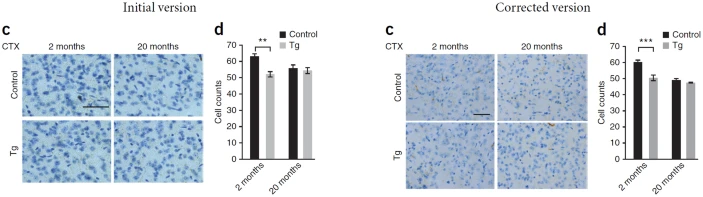
They will also need to correct this figure and find even more significance:

Also an earlier Science paper by Mr & Mrs Dawson, plus Workman and Vignali, had to be corrected. It originally postulated the presence of LAG3 portein in neurons, something not everyone was convinced of, suspecting a confounding signal form the microglia immune cells:
Xiaobo Mao , Michael Tianhao Ou , Senthilkumar S. Karuppagounder , Tae-In Kam , Xiling Yin , Yulan Xiong , Preston Ge , George Essien Umanah , Saurav Brahmachari , Joo-Ho Shin , Ho Chul Kang , Jianmin Zhang , Jinchong Xu , Rong Chen , Hyejin Park , Shaida A. Andrabi , Sung Ung Kang , Rafaella Araújo Gonçalves , Yu Liang , Shu Zhang , Chen Qi, Sharon Lam, James A. Keiler, Joel Tyson, Donghoon Kim, Nikhil Panicker, Seung Pil Yun, Creg J. Workman, Dario A. A. Vignali, Valina L. Dawson, Han Seok Ko, Ted M. Dawson Pathological α-synuclein transmission initiated by binding lymphocyte-activation gene 3 Science (2016) doi: 10.1126/science.aah3374

Someone named Jessica Slater (who is not a coauthor) announced in February 2024 on PubPeer:
“Correction 5 July 2023: During figure assembly, two panels in fig. S9A—second row (None/oligomer), 250 and 100 nM—were inadvertently duplicated. This was a figure assembly error only and does not affect any data or results. Figure S9 has been corrected.”
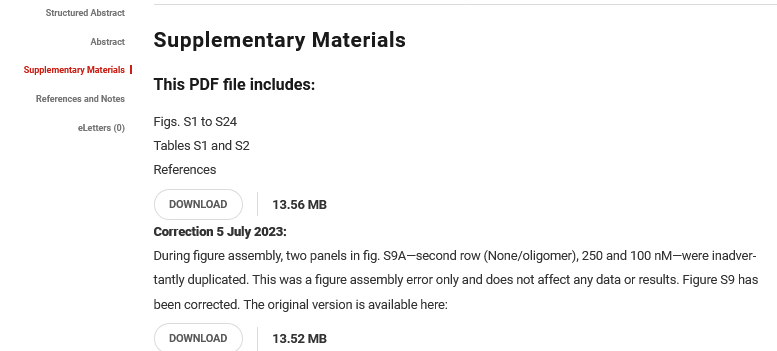
This correction is not linked to the article’s main page as expected by COPE guidelines, but hidden in the Supplemental data. That’s because Science Editor-in-Chief Holden Thorp is the greatest champion of research integrity of all times, so if he thinks etc.
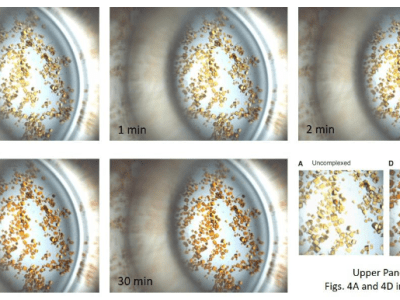
Magic crystals and Nobel Science rules
As one Nobelist retracted her Science paper, another Nobelist has stealthily corrected his. The correction opens new dimensions of probabilities and is indeed best kept hidden.
We must accept the now substantial evidence
Once again, science has spoken that failure to drink coffee kills people.
Take it from the highest authorities, the European Society of Cardiology which published the study, and The Guardian which celebrates it, in an article from 8 January 2024:
“Analysis of the coffee consumption of more than 40,000 adults found that morning coffee drinkers were 16% less likely to die of any cause and 31% less likely to die from cardiovascular disease during a 10-year follow-up period than those who went without.
But the benefits to heart health appeared to vanish in people who drank coffee throughout the day, the researchers found, with medical records showing no significant reduction in mortality for all-day drinkers compared with those who avoided coffee.
“It’s not just whether you drink coffee or how much you drink, but the time of day when you drink coffee that’s important,” said Prof Lu Qi, an expert in nutrition and epidemiology at Tulane University in New Orleans. “We don’t typically give advice about timing in our dietary guidance, but perhaps we should be thinking about this in the future.””
This is the paper:
Xuan Wang , Hao Ma , Qi Sun , Jun Li , Yoriko Heianza , Rob M Van Dam , Frank B Hu , Eric Rimm , JoAnn E Manson , Lu Qi Coffee drinking timing and mortality in US adults European Heart Journal (2025) doi: 10.1093/eurheartj/ehae871
The paper was acclaimed in an ediorial titled “Start your day with a morning coffee!” from the journal’s former Editor-in-Chief (now senior editor) Thomas Lüscher, who himself is a Nestle chocolate shill.
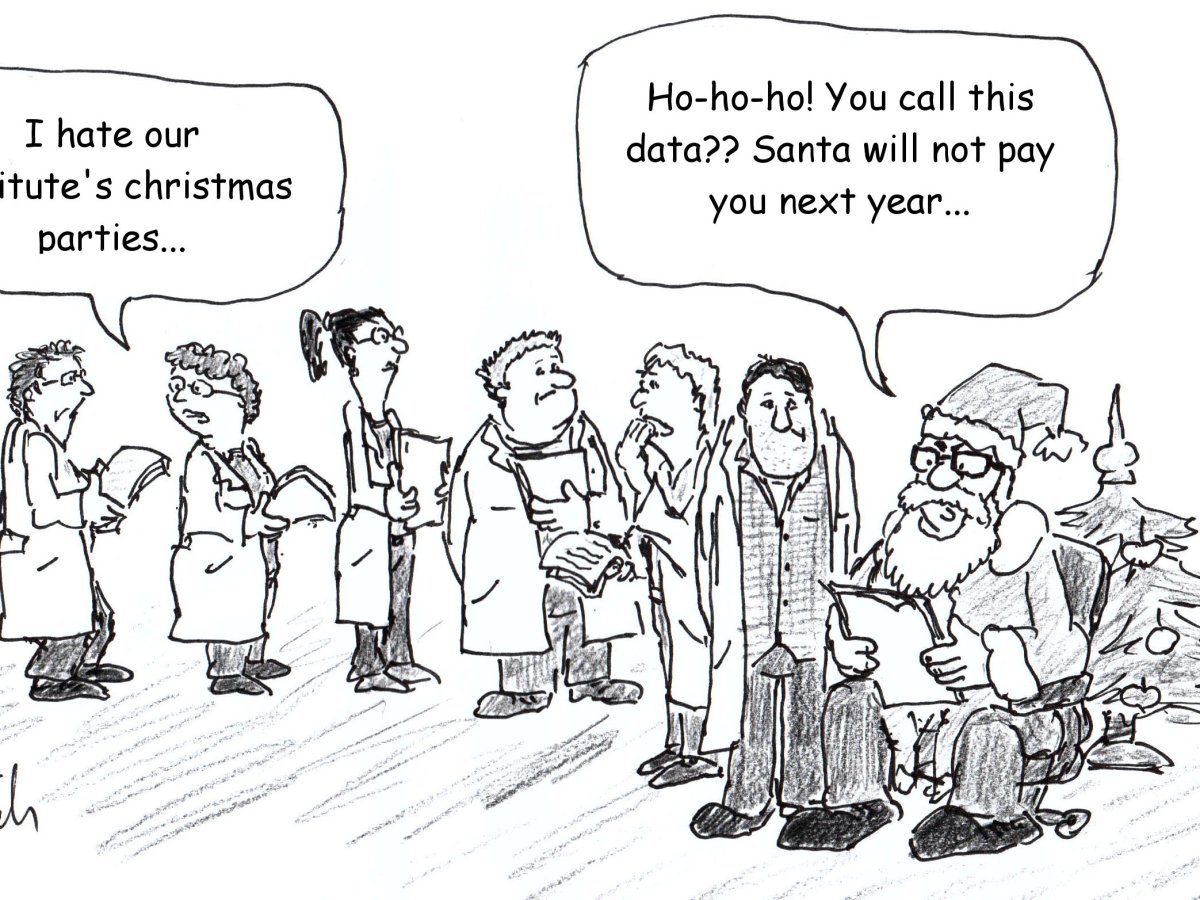
Chocolate health: advice by Thomas Lüscher and peer review by Jonas Malmstedt
Christmas season is the time to eat lots of chocolate. And as science teaches us, your confectionery is actually the superfood which will make you healthy, slim and clever. Good for you, good for the chocolate industry which often generously sponsors such scientists. In May 2016, I brought a story about chocolate health research and…
The Guardian cites him:
““Overall, we must accept the now substantial evidence that coffee drinking, particularly in the morning hours, is likely to be healthy,” Lüscher writes. “Thus, drink your coffee, but do so in the morning!””
Maybe because of Lüscher’s own history, the society journal doesn’t ask the authors to declare their conflicts of interests. As it happens, the same authors from Harvard T.H. Chan School of Public Health led by Qi Sun, JoAnn Manson and Eric Rimm just recently postulated in The BMJ (Liu et al 2024) that “Increased consumption of dark, but not milk, chocolate was associated with lower risk of” Type 2 diabetes (read December 2024 Shorts).
Yes, chocolate PREVENTS diabetes. And coffee prevents even death from any cause.
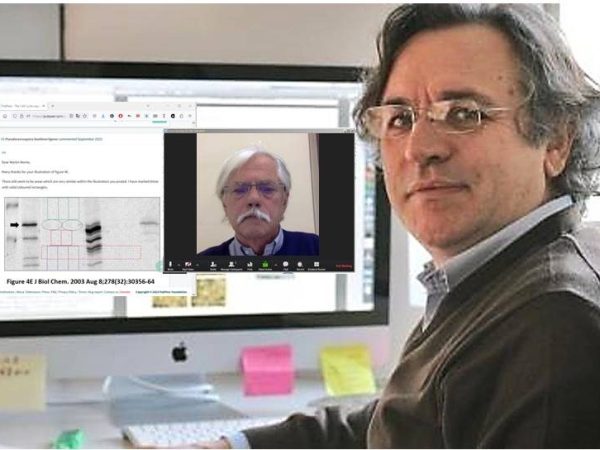
Claudio and Giannino evaluate and analyze
“together with my colleagues we are actively analyzing the points raised on pubpeer.” – Claudio Schneider “we will evaluate Pubpeer comments” – Giannino Del Sal
By the way, here a paper by Lüscher and his successor as EiC, Filippo Crea, in their own journal. Coauthored with Giannino Del Sal, who featured in the article above:
Francesco Paneni , Sarah Costantino , Lorenzo Castello , Rodolfo Battista , Giuliana Capretti , Sergio Chiandotto , Domenico D’Amario , Giuseppe Scavone , Angelo Villano , Alessandra Rustighi , Filippo Crea , Dario Pitocco , Gaetano Lanza , Massimo Volpe , Giannino Del Sal , Thomas F. Lüscher , Francesco Cosentino Targeting prolyl-isomerase Pin1 prevents mitochondrial oxidative stress and vascular dysfunction: insights in patients with diabetes European Heart Journal (2015) doi: 10.1093/eurheartj/ehu179

Don’t expect a correction.
People who consume strawberries
How about some strawberries?
News reporting from 7 January 2025:
“Middle-aged adults seeking ways to maintain mental sharpness might find an unexpected boost in strawberries. A recent study led by Dr. Robert Krikorian at the University of Cincinnati highlights how this nutrient-packed fruit could help reduce the risk of dementia for certain populations. […]
His 2022 study highlighted the cognitive benefits of blueberries in delaying dementia. Building on this berry-focused research, Dr. Krikorian’s team has now turned its attention to strawberries, finding that these tasty fruits may offer more than just a delicious treat.
“Both strawberries and blueberries contain antioxidants called anthocyanins, which have been implicated in a variety of berry health benefits such as metabolic and cognitive enhancements,” explains Krikorian. He underscores the significance of consistent consumption: “There is epidemiological data suggesting that people who consume strawberries or blueberries regularly have a slower rate of cognitive decline with aging.””
The article is supplemented with a huge portrait of the youthful-looking emeritus professor Robert Krikorian. His blueberry adventures featured in May 2022 Shorts. The new strawberry breakthrough study was again published in MDPI, where else.
Robert Krikorian , Marcelle Shidler , Suzanne Summer Early Intervention in Cognitive Aging with Strawberry Supplementation Nutrients (2023) doi: 10.3390/nu15204431
In his papers on health benefits of berries, Krikorian almost always insists to have “no conflict of interest“. That is of course a shameless lie, in 2018 Krikorian admitted his COI in a strawberry clinical study:
Robert K. McNamara, Wilhelmina Kalt, Marcelle D. Shidler, Jane McDonald, Suzanne S. Summer, Amanda L. Stein, Amanda N. Stover, Robert Krikorian Cognitive response to fish oil, blueberry, and combined supplementation in older adults with subjective cognitive impairment Neurobiology of Aging (2018) doi: 10.1016/j.neurobiolaging.2017.12.003
“RK has received research support from the NIH, the U.S. Highbush Blueberry Council, The Wild Blueberry Association of North America, and served on the Ketone Advisory Board of Accera, Inc.”
No, the berry industry doesn’t pay Krikorian in berries only.
A glass of milk a day could help keep bowel cancer away
A zombie arrived to offer you a glass of milk.
Justin Stebbing, who was forced to retract a paper for fraud, got kicked out by Imperial College London (read October 2022 Shorts) and was found guilty of scamming his terminally ill cancer patients with expensive quack cures (read December 2021 Shorts), now became a columnist for The Conversation.
Oncogene EiC Justin Stebbing, a hypocrite of research integrity?
‘The results have been replicated by ourselves or others, so the image manipulation is irrelevant.’ – Justin Stebbing, double bluffing
There, the upper professional class Englishman Stebbing brings us celebrity news about King Charles’ eating habits, Princess of Wales Kate Middleton’s cancer status, actor Dolph Lundgren’s cancer recovery, or scientific breakthroughs like Liu et al 2024 where “COVID caused cancer tumours to shrink“, or nutrition advice like “All the reasons a cup of coffee really can be good for you“.
And now, Stebbing explains “Why a daily glass of milk really could reduce bowel cancer risk“:
“A glass of milk a day could help keep bowel cancer away – or so finds a study by Oxford University and Cancer Research UK. The research suggests that increasing daily milk intake by as little as one glass could have a significant impact on lowering the likelihood of developing bowel cancer. […]
The analysis revealed that participants who consumed an additional 244g of milk per day – roughly equivalent to one large glass containing 300mg of calcium – had a 17% lower risk of developing bowel cancer. This reduction in risk applied to various types of milk, including whole, semi-skimmed and skimmed.”
Here is what Stebbing describes as “groundbreaking research“:
Keren Papier, Kathryn E. Bradbury , Angela Balkwill , Isobel Barnes , Karl Smith-Byrne , Marc J. Gunter , Sonja I. Berndt , Loic Le Marchand , Anna H. Wu , Ulrike Peters , Valerie Beral , Timothy J. Key , Gillian K. Reeves Diet-wide analyses for risk of colorectal cancer: prospective study of 12,251 incident cases among 542,778 women in the UK Nature Communications (2025) doi: 10.1038/s41467-024-55219-5
The study’s abstract indeed stated:
“Genetically predicted milk consumption was inversely associated with risk of colorectal, colon, and rectal cancers. We conclude that dairy products help protect against colorectal cancer, and that this is driven largely or wholly by calcium.”
This is of course all very silly, but even sillier is that a Nobel Prize laureate, the late Harald zur Hausen, insisted so much that milk CAUSES cancer that he became an embarrassment to everyone. Read here:
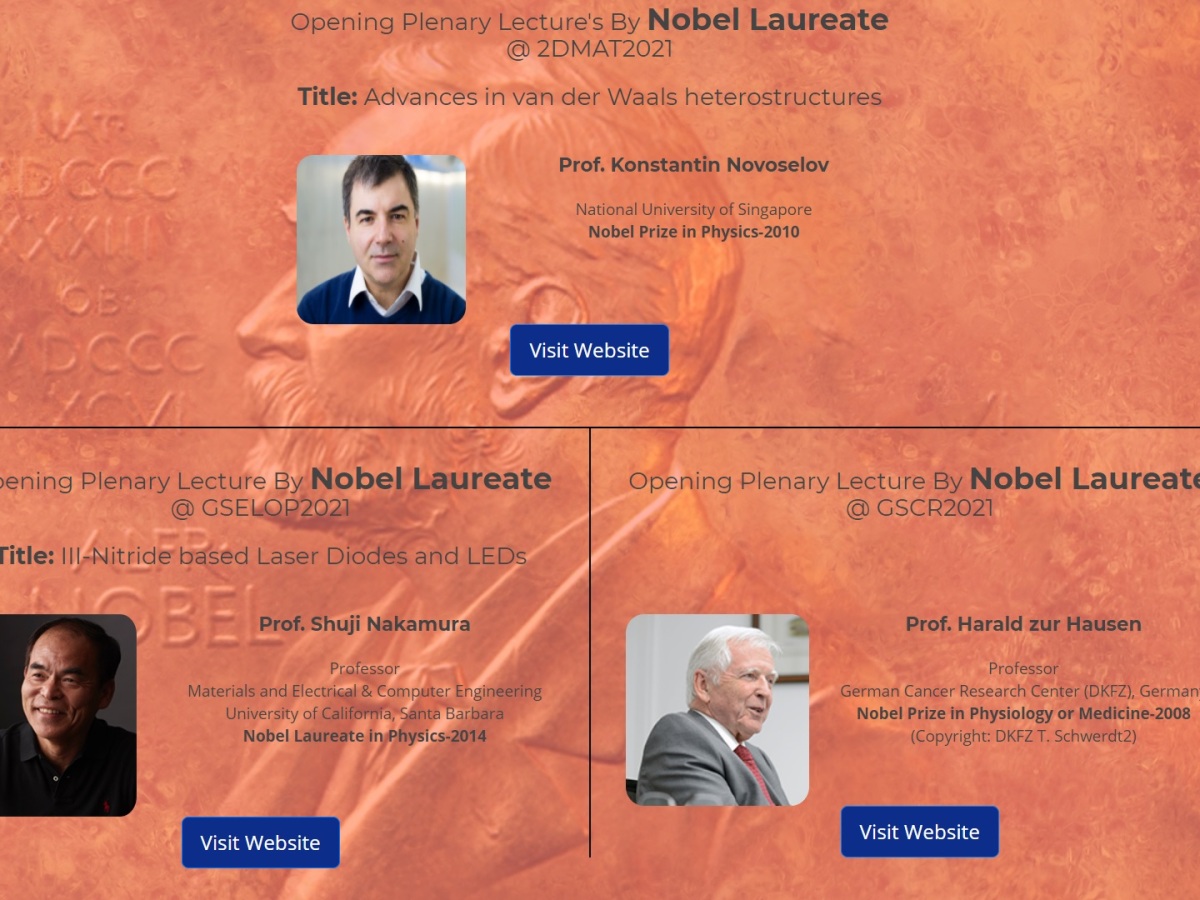
Nobelist Harald zur Hausen and the Scamferences
Smut Clyde tells you about some abysmally bad scamferences and the kind of scholars frequenting them, and I explain why Nobel Prize winner Harald zur Hausen is one of them.
Donate!
If you are interested to support my work, you can leave here a small tip of $5. Or several of small tips, just increase the amount as you like (2x=€10; 5x=€25). Your generous patronage of my journalism will be most appreciated!
€5.00


Science Breakthrough
Ergodic Lagrangian dynamics in a superhero universe
https://pubs.aip.org/aapt/ajp/article/93/2/127/3331568/Ergodic-Lagrangian-dynamics-in-a-superhero
I. L. Tregillis; George R. R. Martin
‘It is perhaps best used within a senior honors seminar or within a brief (e.g., January term) elective class.’ #Clownworld
LikeLiked by 1 person
News coverage:
George R.R. Martin Coauthored a Scientific Paper | WIRED https://www.wired.com/story/george-rr-martin-coauthored-a-scientific-paper-physics/
LikeLike
“… And Martin’s contribution was what, exactly? A completely fabricated universe. Bravo!
I do think more scientists should start crediting fiction writers in their papers—it really does help to put things in perspective, doesn’t it?”
LikeLike
White House Orders Pause in All Federal Grants and Loans – The New York Times
In the meantime universities and scientific institutions could perform audits of their output.
This provides the opportunity.
LikeLike
LikeLike
NIH grants are grants, not entitlements. Perhaps the medical- industrial complex has become entitled. Always wanting the same budget as last year plus inflation.
If most things were correct in the scientific record the medical-industrial complex might have a leg to stand on, but they are not as evidenced by many articles by Leonid Schneider for a start
They were so clever, but didn’t see it coming!
LikeLiked by 1 person