

Schneider Shorts of 15 December 2023 – historical fraud deemed inconclusive, Sir Gilles transits from neuroscience to biofuels, why most Ioannidis findings are false, with media’s heroes in Italy, Belgium and UK, corrective trolling, belated retractions, money as anti-aging drug, and a true expert resolves the Vickers Curse.
Table of Discontent
Science Elites
- Perverse conclusions – Bristol inconclusive about Madeddu’s historical fraud
- Hardship on relevant persons involved – current state of Guillemin affair
- Value of centralized, science-wide, quantitative resources – in praise of Ioannidis’ metrics
- Vickers Cursed – the real expert (on everything) takes over!
- Scientific-cultural project of great depth and strategic importance – led by Massimiliano Ferarra
- Fundamental scientific discoveries – Grauniad adores Kristian Helin
Scholarly Publishing
- The authors apologize for any inconvenience – 3 Oncogene corrections for Patricia Elizalde
- Same title and conclusions – Bart De Strooper trolls reproducibility at JBC
- No longer available – Robin Ali trolls sleuths at PLOS One
Retraction Watchdogging
- Inadvertent errors during figure preparation – PLOS One retraction hits Jorge Goldstein after 9 years
- Blaming the dead – authors blame Graeme Carnegie in retraction notice
Science Breakthroughs
- Glasses with broken lenses – Francois Fuks solves cancer, again
- Renting, rather than owning – English racism and sociodarwinism, again
Science Elites
Perverse conclusions
The nightmare couple of cardiology professors, Paolo Madeddu and Costanza Emanueli (former husband and wife), are about to be whitewashed in full by their (in Emanueli’s case former) employer, the University of Bristol. Read about them and their successful mentees Rajesh Katare and Andrea Caporali here:

Bristol Madness
“People should believe in themselves; to search the treasures that they have inside and use them to reinterpret the role.” – Paolo Madeddu,, Professor and Chair at University of Bristol.

I reported Madeddu’s PubPeer record to the University of Bristol. To recap, here is just one representative example:
Rajesh Katare, Federica Riu , Kathryn Mitchell , Miriam Gubernator , Paola Campagnolo , Yuxin Cui , Orazio Fortunato , Elisa Avolio , Daniela Cesselli, Antonio Paolo Beltrami, Gianni Angelini , Costanza Emanueli, Paolo Madeddu Transplantation of human pericyte progenitor cells improves the repair of infarcted heart through activation of an angiogenic program involving micro-RNA-132 Circulation Research (2011) doi: 10.1161/circresaha.111.251546


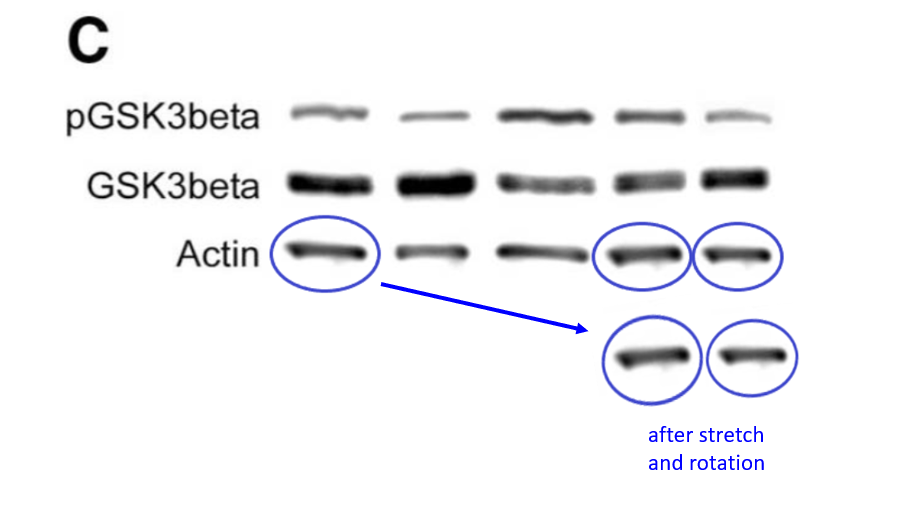


Well, brace yourself for what I received back on 13 December 2023, from none other but Professor Phil Taylor, Pro Vice-Chancellor (Research and Enterprise):
“Dear Mr Schneider,
Your recent messages questioning some images in various historic publications on which Professor Paolo Madeddu is a named author have been referred to me as Pro Vice-Chancellor for Research and Enterprise. A preliminary review of the images has proved inconclusive and I am therefore writing to ask you for further information.
Please could you clarify whether the allegations that you wish me to investigate relate only to the nature of the specified images, or whether there is any suggestion that these images were used to draw any perverse conclusions in terms of the outcome of the research. I look forward to hearing from you.“
“Historic”, “inconclusive”, “perverse conclusions” – those words were chosen on purpose, to discredit and sabotage all attempts of actual investigation of Madeddu’s papers. Because those “images” are just decorative illustrations which serve merely the purpose of a visual aid for dyslexic readers. Like in a children’s book.
To be fair, this is how they always investigate research misconduct in England. But Taylor said the silent part out loud in his email to me. He is that smart.
Hardship on relevant persons involved
In Australia, the universities are just as rotten. But there is at least a national authority to complain to, and this is what David Vaux did, regarding the failure of University of News South Wales (UNSW) to investigate a mentee of the neuroscience cheater Gilles Guillemin. The latter has around 40 papers on PubPeer, his former PhD student and now UNSW faculty member Nady Braidy almost 20, mostly co-authored with Guillemin. Read about the affair here:
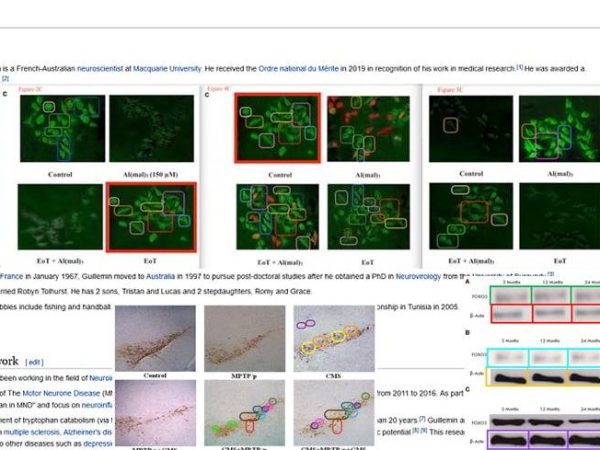
“NONE of the work HAS NOT BEEN DONE in my lab”
“you can make a mistake once, but twice hmmmm I’d like to have my name removed from the potential revised version of this manuscript”, – Prof Guillemin.
ABC News reported on 10 December 2023:
“The Australian Research Integrity Committee (ARIC) is set to investigate UNSW’s handling of an alleged case of research misconduct. The allegations were first brought to the attention of UNSW in September 2021 by two research integrity experts. […]
ARIC’s review of the UNSW case will focus on “whether the time taken to complete the preliminary assessment, considering all circumstances, could prejudice the findings or fairness of this assessment, or impose hardship on relevant persons involved”. […] ARIC’s review is centred on a UNSW investigation into brain research that began in 2021. […]
Soon after the allegations of image duplication appeared on PubPeer, David Vaux, retired deputy director of the Walter & Eliza Hall Institute of Medical Research and a research integrity specialist, and Simon Gandevia, the deputy director of Neuroscience Research Australia, emailed UNSW and raised their concerns.
Nine of the papers flagged for investigation were led by Dr Nady Braidy, who leads CHeBA’s Brain and Ageing Lab. […] Correspondence seen by the ABC suggests the preliminary assessment will not be completed before March 2024.”
Guillemin himself was whitewashed by his Macquarie University, as I reported almost a year ago in Friday Shorts. His employment was however terminated soon after, as Retraction Watch found out in June 2023. Two of Guillemin’s papers were retracted: Braidy et al 2014 and Janakiraman et al 2014.
So what is Guillemin up to these days? Papermilling. The sacked neuroscientist became an expert in cancer research and pulmonology, thanks to the help from papermillers Meisam Tabatabaei and Mortaza Aghbashlo:
Hamed Kazemi Shariat Panahi , Mona Dehhaghi , Gilles J. Guillemin , Wanxi Peng , Mortaza Aghbashlo , Meisam Tabatabaei Targeting microRNAs as a promising anti-cancer therapeutic strategy against traffic-related air pollution-mediated lung cancer Cancer and Metastasis Reviews (2023) doi: 10.1007/s10555-023-10142-x
Years ago, this journal’s Editor-in-Chief, Wayne State University professor Avraham Raz, wrote me regarding a case of self-plagiarism in 2016:
“We aspire for the Truth which is the Beacon of honest research and we attempt to put all the available safeguards in place. For example, to minimize rouge scientists’ publications, we do not consider any submissions from a Private Email Address, we screen each submission for its content, value, general interest to the readers of the Journal and author expertise, Consequently, we reject ~ 90% prior to sending out for an expert review.
Our work is tedious but meticulous aimed at maintaining the highest scientific standards. Basically we do what we were trusted to do.”
How things changed. However, Raz told me he was not Editor-in-Chief anymore, newly appointed people were responsible for accepting that papermill product. But anyway, Raz himself has a serious PubPeer record which he did not comment on:


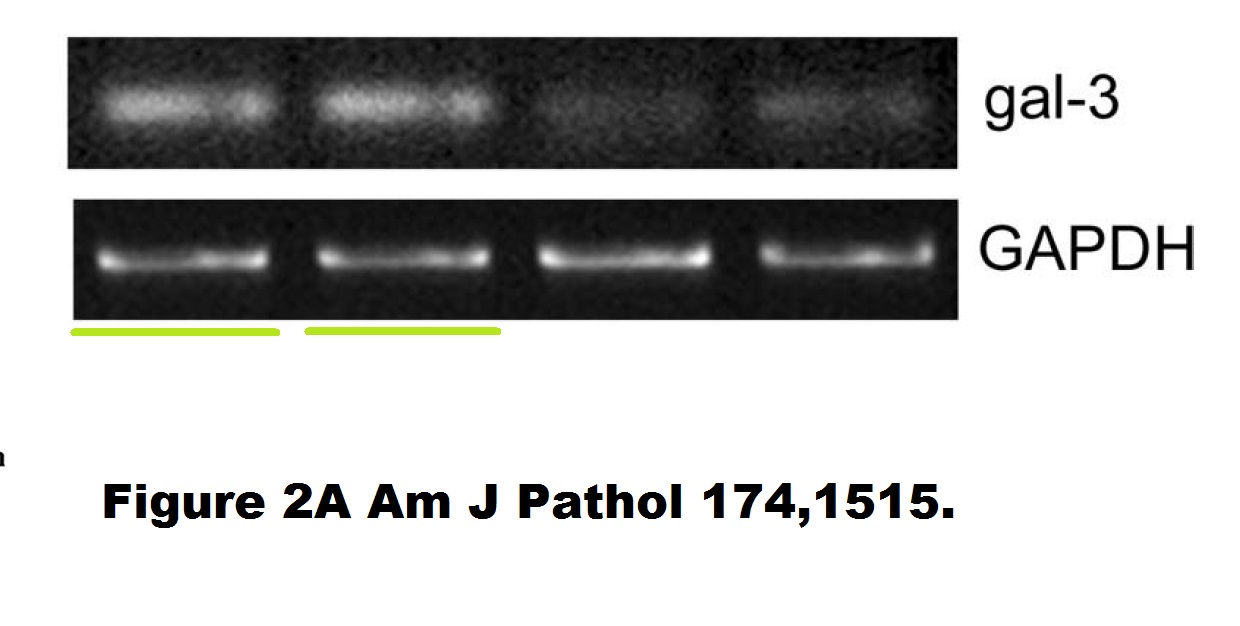

Here is our Guillemin with the Iranian papermillers again, in what looks like a predatory journal:
Homa Hosseinzadeh-Bandbafha, Hamed Kazemi Shariat Panahi, Mona Dehhaghi, Yasin Orooji, Hossein Shahbeik, Omid Mahian, Hassan Karimi-Maleh, Alawi Sulaiman, Changtong Mei, Mohammadali Kiehbadroudinezhad, Abdul-Sattar Nizami, Gilles G. Guillemin, Su Shiung Lam, Wanxi Peng, Xiangmeng Chen, Ki-Hyun Kim, Mortaza Aghbashlo, Meisam Tabatabaei Nanomaterials and their role in advancing biodiesel feedstock production: A comprehensive review Biofuel Research Journal (2023) doi: 10.18331/brj2023.10.3.4
Yes, the neuroscience cheater now became a biofuels papermiller. Brains or organic diesel, same thing really, at least for Sir Gilles (as he likes to call himself).

Elsevier chooses Papermills and Patriarchy, Chief Editor resigns
“Among these candidates that you “vetted” were people with no expertise in the field (either 0 or 1 publication), people with longer PubPeer profiles and more retractions than most people have articles on their CVs, and people whose names appear as authors on sold paper sites. ” – Jillian Goldfarb
And now more biofuels, and with a celebrity: Rafael Luque!
Hossein Shahbeik , Hamed Kazemi Shariat Panahi , Mona Dehhaghi , Gilles J. Guillemin , Alireza Fallahi , Homa Hosseinzadeh-Bandbafha , Hamid Amiri , Mohammad Rehan , Deepak Raikwar , Hannes Latine , Bruno Pandalone , Benyamin Khoshnevisan , Christian Sonne , Luigi Vaccaro , Abdul-Sattar Nizami , Vijai Kumar Gupta , Su Shiung Lam , Junting Pan , Rafael Luque, Bert Sels , Wanxi Peng, Meisam Tabatabaei, Mortaza Aghbashlo Biomass to biofuels using hydrothermal liquefaction: A comprehensive review Renewable and Sustainable Energy Reviews (2024) doi: 10.1016/j.rser.2023.113976
Other known papermiller on this trash masterpiece is the Dane Christian Sonne at Aarhus University. Unexpected: a Belgian KU Leuven professor, Bert Sels (likely the brother of the rector Luc Sels), who did not reply to my email.
This Elsevier journal has an Impact Factor of almost 16, its Editor-in-Chief, the University of Manchester professor Aoife Foley, is well aware that her journal has been taken over by fraudsters and Iranian papermills (read here). But her real enemy is me, here some flowery things she tells to fellow editors:
- “I suggest that you do not respond to Leonid Schneider. He is well known in academic harasser on the web.“
- “When is started first, and they realised o was a female I was hounded!”.
Recent papers provide this sole affiliation for Guillemin: “ICTRYM Pty Ltd, Sydney, Australia”. It’s a consulting company he founded a decade ago.
Value of centralized, science-wide, quantitative resources
Nature reported on 11 December 2023:
“Up to four times more researchers pump out more than 60 papers a year than less than a decade ago1. Saudi Arabia and Thailand saw the sharpest uptick in the number of such scientists over the past few years, according to a preprint posted on bioRxiv on 24 November. The increase in these ‘extremely productive’ authors raises concerns that some researchers are resorting to dubious methods to publish extra papers.
“I suspect that questionable research practices and fraud may underlie some of the most extreme behaviours,” says study co-author John Ioannidis, a physician specializing in metascience at Stanford University in California. “Our data provide a starting point for discussing these issues across all science.
Ioannidis and his colleagues examined articles, reviews and conference papers indexed in the Scopus database between 2000 and 2022. […] In 2022 alone, 1,266 non-physics authors published the equivalent of one paper every 5 days, including weekends, compared with 387 in 2016. The accelerated growth since 2016 was surprising, says Ioannidis, because an earlier analysis2 showed that extreme productivity was beginning to plateau in 2014. “There has been a very fast increase,” he says.
Ioannidis thinks that, to stem the rising tide of extremely productive authors, research institutions and funding agencies should focus on the quality of a researcher’s work instead of on the volume of papers they publish. This would prevent scientists from cutting corners. “The number of papers should not really count as positive or negative,” he says.”
Shocking, the Stanford deity who established and proselytised publication metrics discovered that people in Asia abuse them by buying authorships from papermills. This is Ioannidis’ preprint:
Ioannidis, J. P. A., Collins, T. A. & Baas, J. Evolving patterns of extremely productive publishing behavior across science bioRxiv (2023) doi: 10.1101/2023.11.23.568476
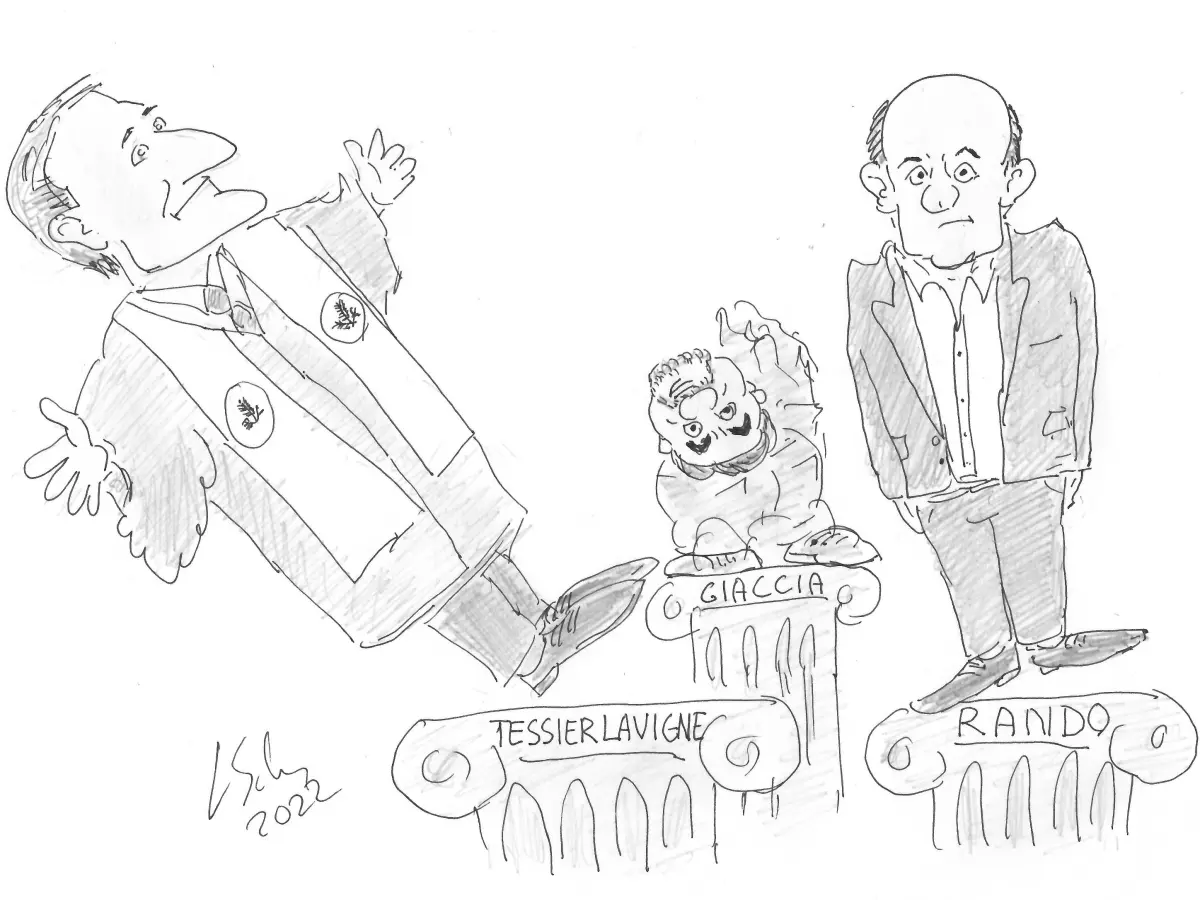
Toppling Giants in Stanford
Everyone is talking about Stanford’s President Marc Tessier-Lavigne now. OK, let’s talk about him, and how Stanford deals with research fraud. And then let’s talk about Thomas Rando.
But this is of course not all. Smut Clyde pointed me to another paper Ioannidis published in parallel, on 4 December 2023:
John P. A. Ioannidis , Zacharias Maniadis In defense of quantitative metrics in researcher assessments PLOS Biology (2023) doi: 10.1371/journal.pbio.3002408
“Qualitative assessments of researchers are resource-intensive, untenable in nonmeritocratic settings, and error-prone. Although often derided, quantitative metrics could help improve research practices if they are rigorous, field-adjusted, and centralized.”
Yes, it is the exact opposite of what his bioRxiv preprint says. In the “nonmeritocratic settings” of Asia, Ioannidis’ metrics are exactly the only right and true method to assess scientists’ performance.
Ioannidis refers in his PLOS Biology article to the affairs of Marc Tessier-Lavigne and Augustine MK Choi when advocating for his metrics approach to be used in non-white countries only (again, in the preprint he calls for exactly the opposite):
“The potential value of centralized, science-wide, quantitative resources becomes even greater, if we also realize that qualitative assessments lead to many poor choices even in top institutions. Seemingly high-quality, but flawed, peer assessments then exert potent, negative influences on wider environments. The resignation of several leading scientists, including presidents and deans, from institutions such as Stanford and Cornell following documentation of problems with their research practices is probably just the tip of the iceberg.”
As Ioannidis openly admits, he himself is employed at Stanford because of his own enormous metrics performance:
“Highly Cited Researcher (Clarivate) in both Clinical Medicine and in Social Sciences. h=247 (Google Scholar), current citation rate: >6,000 new citations per month (among the 6 scientists worldwide who are currently the most commonly cited).”
In fact, some of Ioannidis’ citations come from papermills, read here:

The Rise of the Papermills
“Is it possible that through no fault of Zintzaras & Ioannidis, their work was incorporated into a papermill template, accruing hundreds of spurious citations?” – Smut Clyde

Vickers Cursed
Maybe you recall The Vickers Curse?
A 2017 editorial about moth pheromones by the entomologist Neil Vickers got cited almost 1300 times.
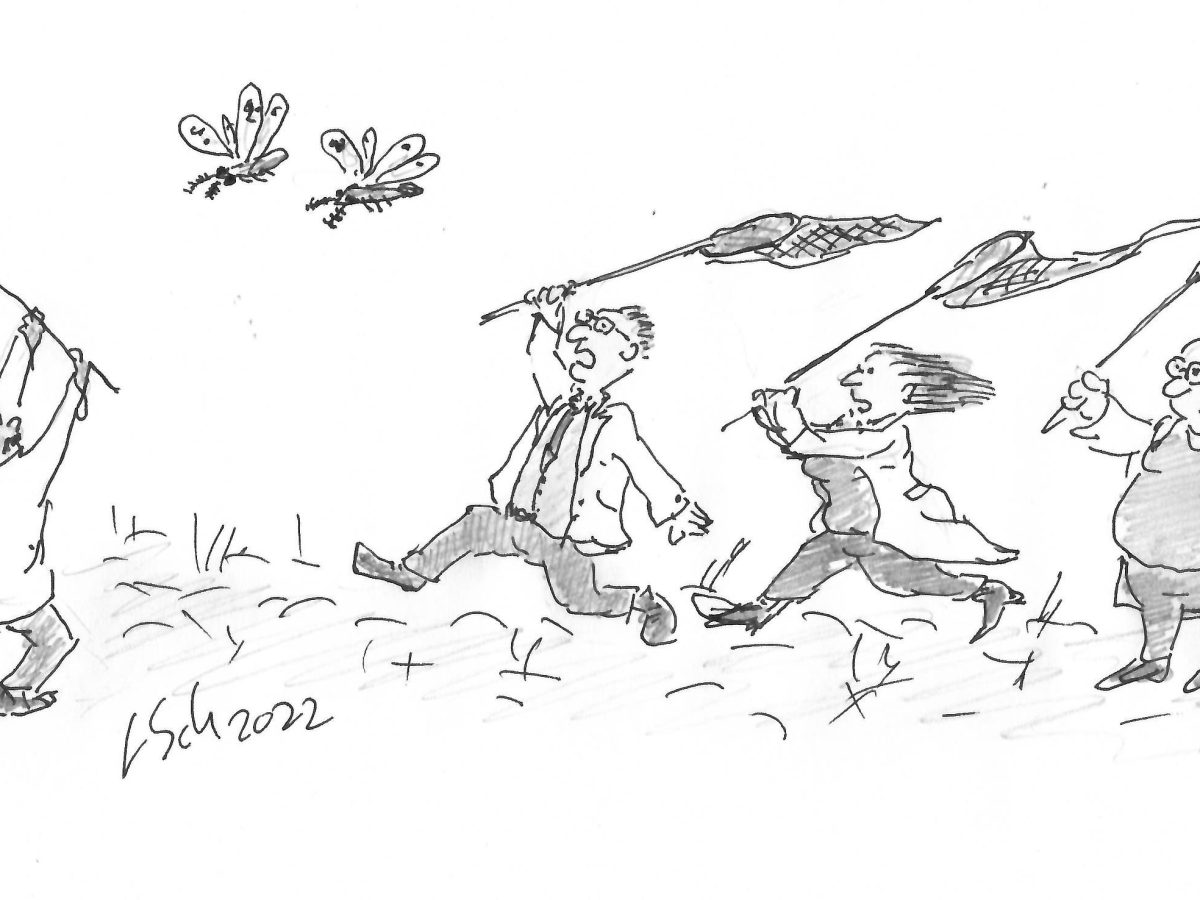
When I’m citing you, will you answer too?
What do moth pheromones on one side have to do with cancer research, petrochemistry, materials science, e-commerce, psychology, forestry and gynaecology on the other? They are separated by just one citation!
Only once correctly, the rest were papermills whose writers accidentally introduced a space into the DOI of the article they wanted to cite. Because of this break, all 10.1016/j DOI links due to some funny bug resolved to Vickers’ editorial. And almost all Elsevier-published papers have DOI’s starting with 10.1016/j. The investigation was done by Alexander Magazinov and Maarten van Kampen. They never got any credit, because their work was published on For Better Science.
Still, Crossref swiftly fixed the bug after our article appeared, and the mass citations dwindled and will eventually cease as soon as the last prior submitted papermill product is published.
The Vickers Curse: secret revealed!
How did an editorial about insect pheromone communication get to receive 1200 irrelevant citations, almost all from papermills? Alexander Magazinov reveals The Secret of The Vickers Curse!

But now, Vickers engaged the help of a REAL expert, and together they published a peer reviewed study about this incident, which now will surely make into all the science news worldwide.
Jaime A. Teixeira Da Silva , Neil J. Vickers, Serhii Nazarovets From citation metrics to citation ethics: Critical examination of a highly-cited 2017 moth pheromone paper Scientometrics (2023) doi: 10.1007/s11192-023-04855-7
Yes, the expert is the stalker loony Jaime Teixeira Da Silva (JATdS), who mostly publishes in predatory journals, including masterpieces like these:
- “Leonid Schneider calls Springer Nature’s Science and Engineering Ethics Predatory, Without Proof“
- “Slang and profanity: poor moderation and journalistic / editorial standards by Retraction Watch“
- “Science Watchdogs” “it is in fact necessary and important to hold this new class of individuals as accountable as the parties that they are trying to watch over by carefully examining their modus operandii.”
- “A new dimension in publishing ethics: social media-based ethics-related accusations” “false claims made on Twitter by another science watchdog, Leonid Schneider“
- “RETRACTION WATCH IS APPARENTLY NOT INTERESTED IN RETRACTIONS”
- “Why does ‘PubPeer’ not acknowledge ‘Retraction Watch’ as a media source?”
- “The opacity of the PubPeer Foundation: what PubPeer’s “About” page tells us”
- “Are Pseudonyms Ethical in Publishing? Neuroskeptic as a Case Study“
- “Jeffrey Beall’s “predatory” lists must not be used: they are biased, flawed, opaque and inaccurate“
- MODERATION BY RESEARCHGATE RELATED TO COMMENTS ON “PREDATORY” PUBLISHING PRACTICES
- Intellectual Phishing, Hidden Conflicts of Interest and Hidden Data: New Risks of Preprints
Yes, JATdS is an expert. On everything. Academics and editors love referencing his “papers” because those are a) allegedly peer reviewed and b) not published by Schneider. Examples:
Editors and other real papermill heroes
“Long story short, we investigated our published papers and then retracted those with data integrity issues. That is it.” – Dr Heather Smith, Editor-in-Chief
So what did Vickers get, for agreeing to put his name on whatever verbal diarrhoea which JATdS offered him? Of course their paper does not reference our two articles properly. Magazinov gets mentioned briefly and in passing, van Kampen not at all, that despite Vickers having exchanged many emails with my colleagues and me in 2022. But who does gets referenced well, is of course JATdS – he always uses his “publications” as citations vehicles for himself.
And of course this peer-reviewed “study” is also otherwise amazingly stupid and incompetent:
“To verify this version and to make sure that the case of the Vickers article is unique, we took the DOI prefixes of the largest scientific publishers Springer, Taylor & Francis, Elsevier, Wiley, and SAGE, at least according to a web-scraping technique employed by Nishikawa-Pacher (2022), added /j to them, then conducted a GS search on 28 July 2023.
In total, we found 15 similar cases with DOI prefixes from all the analyzed publishers, but other than the article being discussed, the other papers we found did not have this many citations (Table 1). Thus, the Vickers case is not unique, but only in this case, out of all the examples we had identified, has it led to numerous irrelevant citations.”
Magazinov explains on PubPeer what’s wrong with that test:
“The primary reason is not their absence, but rather the methodology. Had the authors put more diligence into figuring out the DOI structure of individual publishers, they would have found at least two more.
- Derived from the 10.1371/journal. prefix: https://doi.org/10.1371/journal.pone.0020592. A sample PubPeer entry.
- Derived from the 10.1038/s41598 prefix: https://doi.org/10.1038/s41598-018-32710-w. A sample PubPeer entry. There are more.
The number of citations to each of them is naturally much smaller than to (Vickers, 2017), since the output of PLoS journal series, and the output of Scientific Reports are naturally much lower than the output of nearly the entire Elsevier portfolio (to be more precise, all those journals that assign 10.1016/j.* DOIs).
That has been commented upon in both For Better Science blog posts referenced here as footnotes (see the comments section of the former, the “P.S.” of the latter). It is a pity that the authors have paid no attention.”
How did this pass peer review, you may wonder? The chief editor of Scientometrics, the KU Leuven emeritus professor from Germany, Wolfgang Glänzel, is an old associate of JATdS. Together they did naughty things before.
In September 2021, Retraction Watch reported how Frontiers’ Executive Editor Frederik Fenter convinced Glänzel to retract a paper on the topic of predatory publishing by Czech researchers (Macháček & Srholec 2021). What was their crime? Their study “used Jeffrey Beall’s now-defunct list of allegedly predatory publishers to identify relevant journals“, and Beall’s list of potential predatory publishers is defunct exactly because the former librarian put Frontiers on it, and Frontiers retaliated with everything, including lawyers, to get Beall sacked and his list deleted. Read here:
Beall-listed Frontiers empire strikes back
The Swiss publishing business Frontiers was placed by the US librarian Jeffrey Beall on his well-known and hotly disputed list as “potential, possible or probable predatory publisher”. Frontiers however was not prepared to take this lying down. The publisher’s Executive Editor Frederick Fenter first tried it nicely. Shortly before Christmas 2015, he flew to visit Beall at…
Now, Retraction Watch reported that Glänzel sent that paper for post-publication review, and the only reviewer decided that the Czech study must be retracted, the retraction notice duly took over the reviewer’s arguments. The reviewer’s identity however was in fact clear from the authors’ rebuttal letter, because that anonymous reviewer kept referencing this studyas the only acceptable authority:
- Teixeira da Silva, J. A., & Tsigaris, P. (2018). What value do journal whitelists and blacklists have in academia?
Of course someone who generally publishes in predatory journals is strongly opposed to such definition and to the concept of blacklists. I wrote to Glänzel back then, and he did reply to me (by mistake!), but never denied that JATdS was indeed his invited expert. By the way, Glänzel’s journal has a strange tradition of issuing a medal (named after the late science metrics inventor Derek John de Solla Price) to its editors and their friends, Glänzel himself is of course a proud laureate. Maybe JATdS is next?
Anyway, this strange male bonding between Glänzel and JATdS explains why the latter’s trash studies keep passing peer review at Scientometrics.
Vickers did not reply to my emails this time. He has a new friend now 😉
Scientific-cultural project of great depth and strategic importance
News from Italy. And from Springer Nature.
A local newspaper reports excitedly on 12 December 2023 (Google-translated):
“The prestigious journal Scientific Reports NATURE [SIC!] […] has entrusted Professor Massimiliano Ferrara with the role of Editor-in-chief of a Collector of new research to be published – after a tight and rigorous selection in peer reviewing – on a special dedicated issue.
The title of this scientific-cultural project of great depth and strategic importance in a futuristic key “Explainability Methods for Deep Learning Neural Networks” will concern the fascinating and unexplored theme of the c.d. “explainable” artificial intelligence, that is, of that set of processes and methods that allow “human” users to understand and consider reliable the results and outputs generated by Machine Learning algorithms. […]
Professor Massimiliano Ferrara will share the editorial management of the new Collection with the brilliant researcher Dr. Fang Wang of Brunel University in London (UK) as evidence of the scientific relevance of the international platform and the global stage interested in the aforementioned scientific cultural project.”
This economics professor at the University of Reggio Calabria and “Knight of the Order of Merit of the Italian Republic” was appointed as editor of a special issue at some papermill-infested trash journal. And it’s major news in Reggio Calabria where apparently nothing else happens.

The incredible collaborations of Renaissance men and women
Nick Wise and Alexander Magazinov on the authorships-for-sale market on social media. Merely $700 for the 7th position on some paper way outside your expertise!
But of course there’s more to that. Ferrara is a known papermiller, and this exactly why Scientific Reports engaged him as editor. They retracted his paper a year ago:
Pritam Saha , Debadyuti Mukherjee , Pawan Kumar Singh , Ali Ahmadian, Massimiliano Ferrara , Ram Sarkar GraphCovidNet: A graph neural network based model for detecting COVID-19 from CT scans and X-rays of chest Scientific Reports (2021) doi: 10.1038/s41598-021-87523-1
“The Editors have retracted this Article.
The testing accuracy for the method reported in the Article was found to be over 99% for all datasets. However, it has been brought to the Editors’ attention after the publication of the Article that the graph labels were included as node-level attributes. These attributes were then used by the classifier to predict the graph label, violating the testing procedure, and leading to an over-estimation of the model’s classification accuracy.
Ali Ahmadian and Massimiliano Ferrara disagree with this retraction. Pritam Saha, Debadyuti Mukherjee, Pawan Kumar Singh and Ram Sarkar have not responded to correspondence from the Editors about this retraction.”
Retraction, 30 November 2021
The retraction notice is dishonest and hides the true reasons, because the publisher Springer Nature decided to harness Ferrara’s papermilling talents for their journal business. This retraction notice was much more revealing:
Indu Dohare , Karan Singh , Bruno A. Pansera , Ali Ahmadian , Massimiliano Ferrara Modified sailfish optimization for energy efficient data transmission in IOT based sensor network Annals of Operations Research (2023) doi: 10.1007/s10479-021-04455-9
“The Editor-in-Chief and the publisher have retracted this article. The article was submitted to be part of a guest-edited issue. An investigation by the publisher found a number of articles, including this one, with a number of concerns, including but not limited to compromised editorial handling and peer review process, inappropriate or irrelevant references or not being in scope of the journal or guest-edited issue. Based on the investigation’s findings the Editor-in-Chief therefore no longer has confidence in the results and conclusions of this article.
Authors Ali Ahmadian and Massimiliano Ferrara disagree with this retraction. The other authors have not responded to correspondence regarding this retraction.”
Retraction 8 June 2023

Here is another papermilled contribution to COVID-19 research by Ferrara, flagged by Elisabeth Bik, who suspects that it “might be related to the “COVID molecular dynamics paper mill” from Iran, which was flagged by Smut Clyde before.
Ali Raza , Ali Ahmadian, Muhammad Rafiq , Soheil Salahshour , Massimiliano Ferrara An analysis of a nonlinear susceptible-exposed-infected-quarantine-recovered pandemic model of a novel coronavirus with delay effect Results in Physics (2021) doi: 10.1016/j.rinp.2020.103771
Bik: “13 of the 35 references (37%) are all authored by co-authors A Raza, Ali Ahmadian, and M Rafiq – a very high percentage. Some references do not make any sense. What does reference [6] “Emotion classification based on brain wave: a survey” have to do with a paper about mathematical modeling of coronavirus?”

Fundamental scientific discoveries
The Guardian is a left-wing British newspaper which a very peculiar science/health division. They have took it upon themselves to constantly celebrate biomedical elites of London, to show those sad losers in Europe how Great British science is. Problem is, Grauniad often knowingly goes for the worst crooks and cheaters. Trachea transputers Martin Birchall and Paolo De Coppi both got journalistically honoured and defended as the exact opposites of the evil Paolo Macchiarini, exactly when their reputations were already circling the drain.
And now, whom did Guardian invite now to troll cancer sufferers?

Kristian Helin gets the perfect job
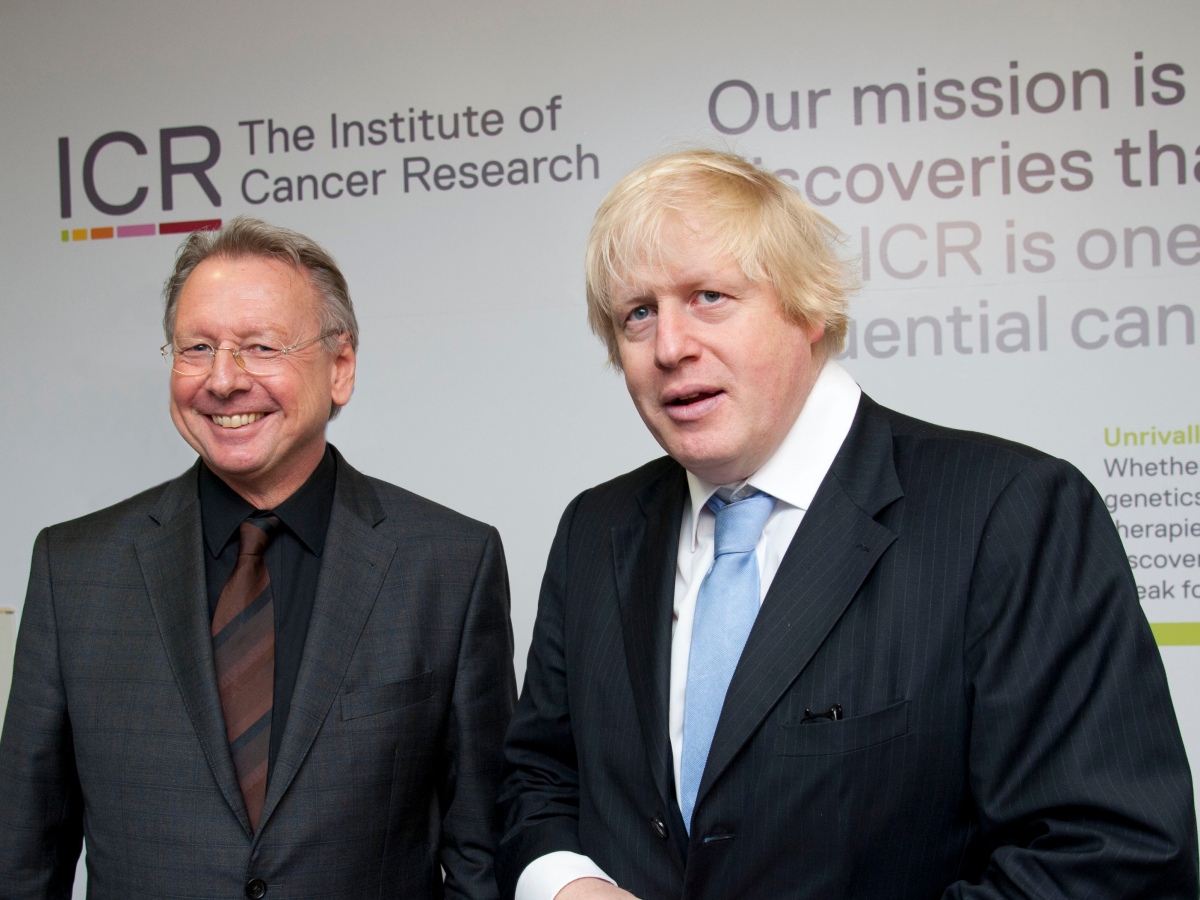
ICR London has a new director. The Great Dane Kristian Helin is the perfect successor to continue the ideological line of fictional cancer research.
The rotten Danish cancer cheater Kristian Helin, so toxic and dishonest, that the only job available to him was that of the president of the fraud factory called Institute for Cancer Research (ICR) London.
So here is Helin’s guest post in The Guardian, from 10 September 2023 and titled: “We’re beating cancer, but is the NHS in a fit state to offer these life-saving treatments?” Spoiler: he is beating cancer with fudged science as his PubPeer record with over 30 fraudulent papers, spanning his academic career in UK, Italy and Denmark, convincingly demonstrates.
“I have great hope for the future of cancer treatment, and I am confident that the UK will play a major part in that. The fundamental scientific discoveries we are making today will generate new and more efficient targeted therapies. With improved funding for cancer research, support for clinical trials that cuts red tape and a robust cancer plan for the NHS, we will see substantial improvements in early cancer diagnosis, and the emergence of ever kinder, smarter treatments that mean many more people survive the disease.
“Professor Kristian Helin is chief executive of The Institute of Cancer Research, London”
While cases of cancer may be rising, we’ve never been more prepared to detect and treat it.”
Well, here are some recent PubPeer additions to Helin’s “method of “fundamental scientific discoveries” for which he demands all red tape to be removed.
Eros Lazzerini Lazzerini Denchi, Claire Attwooll , Diego Pasini , Kristian Helin Deregulated E2F activity induces hyperplasia and senescence-like features in the mouse pituitary gland Molecular and Cellular Biology (2005) doi: 10.1128/mcb.25.7.2660-2672.2005


And this paper shares data with another one by same lead authors:
Eros Lazzerini Denchi, Kristian Helin E2F1 is crucial for E2F-dependent apoptosis EMBO Reports (2005) doi: 10.1038/sj.embor.7400452

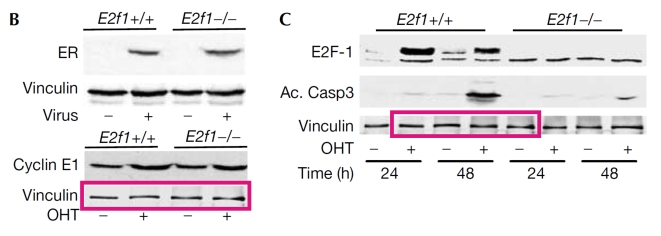

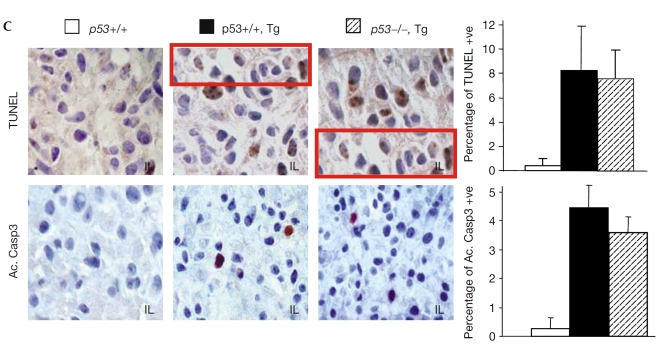
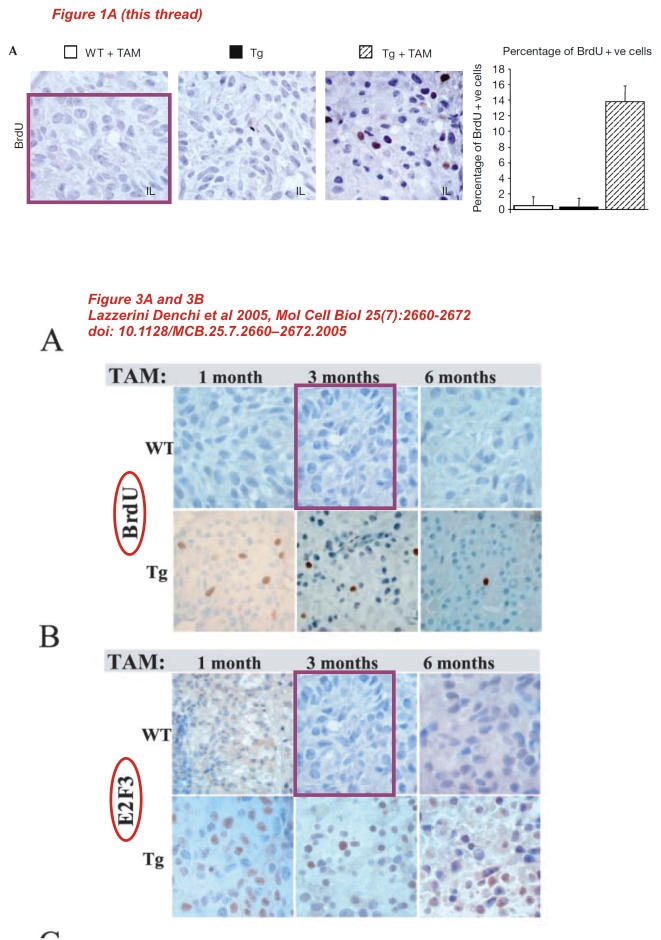

The society publisher stated on PubPeer: “EMBO Press is assessing this matter“, but the editors refused communication with the sleuth Aneurus Inconstans. That is because Helin is EMBO Member since 2002 already, and it seems to be an unwritten police at EMBO Press never to retract fraudulent papers by EMBO members.
Fake data, untouchable men and guilty women at ICR London
With nobody above him, ICR director Paul Workman was seemingly investigating himself, and found two female colleagues guilty of placing fake data into his papers, primarily the ICR emeritus Ann Jackman. One paper was retracted, another received an outrageous correction. The previous ICR CEO, Alan Ashworth, together with his right-hand man Chris Lord, have their…
Guardian editors know very well about Helin’s PubPeer record, and they know about the fraud which went on under and with the previous ICR presidents, Alan Ashworth and Paul Workman. But their journalistic loyalty strangely lies with elite London scientists and doctors. Not with science or patients.
Scholarly Publishing
The authors apologize for any inconvenience
Oncogene is a journal of the Nature family and it has been run for many years by Justin Stebbing, who is, well, how to put it mildly, an utter crook. Fake science is only the smaller problem with him – Stebbing also scammed terminally ill cancer patients with fake cures. But he is white, male, English and very rich, so he wasn’t even struck-off as doctor (although made to resign at Imperial College London).
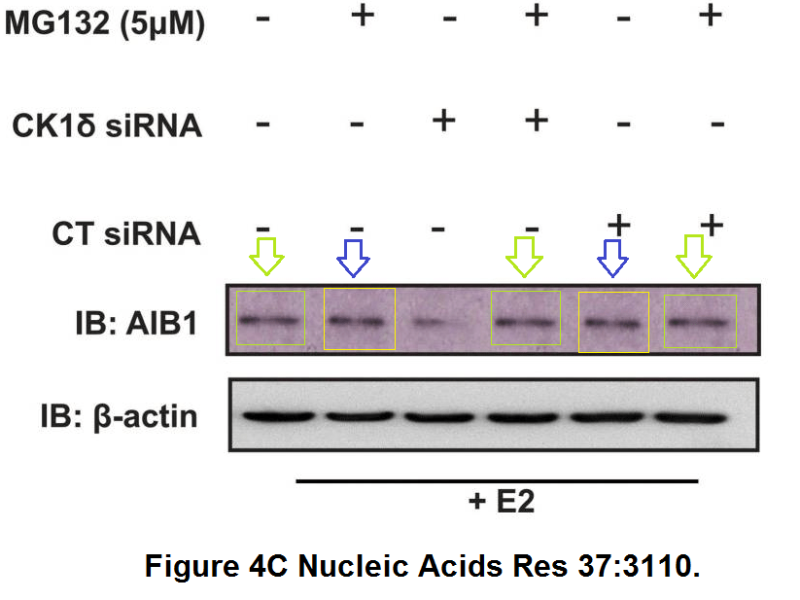
Oncogene EiC Justin Stebbing, a hypocrite of research integrity?
‘The results have been replicated by ourselves or others, so the image manipulation is irrelevant.’ – Justin Stebbing, double bluffing
Why Springer Nature keeps Stebbing employed as chief editor is somewhat a mystery. And now, he issued 3 correction for the Argentinian cheater Patricia Elizalde.
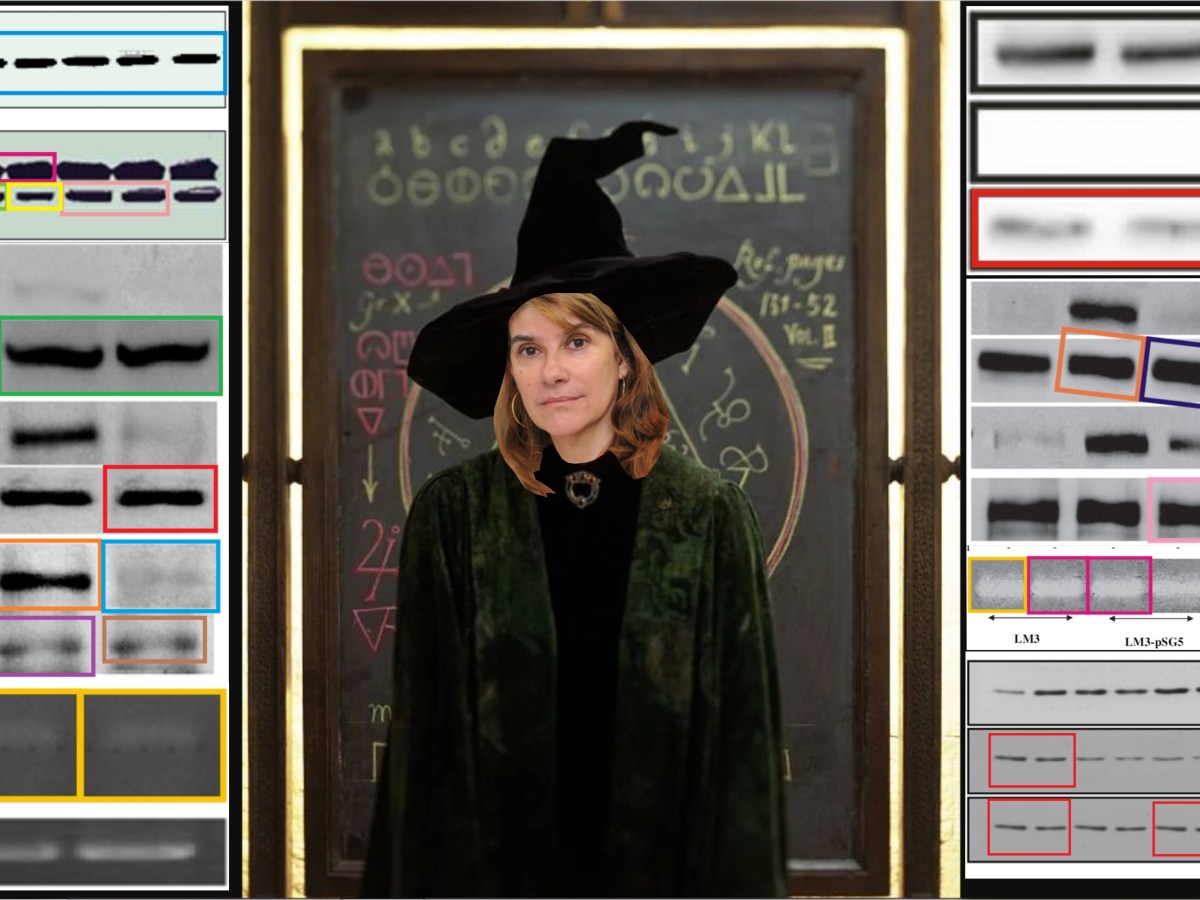
Prof Elizalde’s Magic Cancer Research at CONICET
“No matter if the data behind medical protocols and oncological treatments are imaginary! Since science is long dead, we can always rely on the haruspices.” – Aneurus Inconstans

Nr 1:
R I Cordo Russo , W Béguelin, M C Díaz Flaqué , C J Proietti, L Venturutti , N Galigniana , M Tkach , P Guzmán , J C Roa , N A O’Brien , E H Charreau , R Schillaci , P V Elizalde Targeting ErbB-2 nuclear localization and function inhibits breast cancer growth and overcomes trastuzumab resistance Oncogene (2015) doi: 10.1038/onc.2014.272

A lengthy Correction was published on 8 September 2023:
“Following the publication of this article, it was noted a mistake in the Western blot (WB) shown in Figure 3f. The band corresponding to JIMT-1 cells stimulated with HRGβ1 and treated with trastuzumab in the second panel of Figure 3f (WB revealed with the ErbB-2 antibody) was inadvertently duplicated. This mistake occurred when bands in the original WB were spliced to assemble Figure 3f. […] The authors apologize for the mistake in the assembly of Figure 3f, which does not affect the conclusions of the article.”
Nr 2:
Maria Eugenia Balañá , Leticia Labriola , Mariana Salatino , Federico Movsichoff , Giselle Peters , Eduardo H Charreau , Patricia V Elizalde Activation of ErbB-2 via a hierarchical interaction between ErbB-2 and type I insulin-like growth factor receptor in mammary tumor cells Oncogene (2001) doi: 10.1038/sj.onc.1204050

The Correction was published on 4 October 2023:
“Following publication of this article it was noted that a Western blot (WB) in Figure 4 was inadvertently reproduced from Figure 6, panel D, of an article [1] published by the authors in the journal in 1999. The authors have provided the correct raw data corresponding to Figure 4 and the corrected figure […] The authors apologize for any inconvenience caused and confirm the error in assembly does not affect the conclusions of the article.”
Nr 3:
L Venturutti, R I Cordo Russo , M A Rivas , M F Mercogliano , F Izzo , R H Oakley , M G Pereyra , M De Martino , C J Proietti , P Yankilevich , J C Roa , P Guzmán , E Cortese , D H Allemand , T H Huang , E H Charreau , J A Cidlowski , R Schillaci , P V Elizalde MiR-16 mediates trastuzumab and lapatinib response in ErbB-2-positive breast and gastric cancer via its novel targets CCNJ and FUBP1 Oncogene (2016) doi: 10.1038/onc.2016.151

Also here, a lengthy Correction appeared on 17 November 2023:
“Following publication of this article, mistakes were noted in the panels of the Western blot (WB) in Fig. 3c (right), which shows results in the model of BT-474 cells grown as xenografts in nude mice (Fig. 1b of the article). Specifically, we made the mistakes of placing the results of the WB revealed with CCNE in the panels corresponding to the expression of c-Myc, the phosphorylation state of Akt (pAkt) and the levels of beta tubulin (the loading control) from two representative tumors of mice treated with TZ and two control tumors of mice treated with IgG. […] …consecutive incubations of the membranes with three antibodies, the stripping among incubations and the simultaneous incubation with beta tubulin of the membranes which were first revealed with different antibodies, led to the mistakes in Fig. 3c (right). […]
In this article, the results on the mechanisms of TZ regulation of c-Myc expression (Fig. 3c) were also validated using several experimental strategies in multiple cell lines. […] The mistake in Fig. 3c does not affect the results or conclusions of the article.”
We inadvertently keep faking data in our papers spanning two decades, but luckily it never affects any of the conclusions.
Same title and conclusions
Special rules for special people. Society-owned Journal of Biological Chemistry used to be the most ethical journal, they have previously mass-retracted papers by the biggest cheaters like Carlos Lopez-Otin and Xuetao Cao. Against aggressive opposition from their institutions.

The 16 secret retractions of Xuetao Cao at JBC
Chairman Cao’s 16 Retractions They Don’t Want You to Know About
And then the society got rid of its best people, replaced them with pompous nincompoops, and made a deal with Elsevier. JBC stopped retracting fraud unless the authors (pressured by their institutions) ask for it. As it was done for the Bart De Strooper, professor in Belgium and in UK with zero grasp on ethics but a huge grasp on power. I wrote about this bad paper in August 2023, when it was retracted:
Leen Bammens , Lucía Chávez-Gutiérrez , Alexandra Tolia , An Zwijsen , Bart De Strooper Functional and Topological Analysis of Pen-2, the Fourth Subunit of the γ-Secretase Complex Journal of Biological Chemistry (2011) doi: 10.1074/jbc.m110.216978


In December 2022, De Strooper insisted on PubPeer that “no alterations to the conclusions of the paper have to be made” and tried to negotiate a correction. In July 2023, a retraction was published:
“This article has been withdrawn by the authors. The journal concluded that there was possible undeclared splicing in Fig. 2C, 3A, 4B, and possible image manipulation in figure 7B. The raw data provided was not able to resolve these issues. The withdrawing authors stand by the overall findings and conclusions of the article, and they will make an updated version of the manuscript available for the community.”
And now look what JBC did. In December 2023, De Strooper stated on PubPeer:
“A corrected version with the same title and conclusions is now published“
Here it is, much of its results re-used, some faithfully reproduced after 12 years, and featuring a new co-author, in the first position no less – De Strooper’s current lab member Lutgarde Serneels:
Lutgarde Serneels , Leen Bammens , An Zwijsen , Alexandra Tolia , Lucía Chávez-Gutiérrez , Bart De Strooper Functional and topological analysis of PSENEN, the fourth subunit of the γ-secretase complex Journal of Biological Chemistry (2023) doi: 10.1016/j.jbc.2023.105533
This is outright piss-taking by De Strooper. This same retracted paper will now serve to draw grants AGAIN, 12 years later. But fat cats like De Strooper are allowed to do that, certainly at Elsevier.
No longer available
Also London researchers found a rather English way of telling everyone concerned about research integrity to get stuffed. And because these researchers are very big and influential, PLOS One let them.
Just in last week’s Friday Shorts, I wrote about this paper by the ophthalmologists Robin Ali and James Bainbridge (who just received a million Euro award just for themselves):
Anastasios Georgiadis , Marion Tschernutter , James W. B. Bainbridge , Kamaljit S. Balaggan , Freya Mowat , Emma L. West , Peter M. G. Munro , Adrian J. Thrasher , Karl Matter , Maria S. Balda, Robin R. Ali The Tight Junction Associated Signalling Proteins ZO-1 and ZONAB Regulate Retinal Pigment Epithelium Homeostasis in Mice PLoS ONE (2010) doi: 10.1371/journal.pone.0015730

A Correction was published on 7 December 2023
“The sample in Fig 5A [1] was inadvertently used to represent the Fig 5D results. The panel in Fig 5D has been replaced with the correct image. Original microscopy images for Fig 5 are provided in S1 File.
Additionally, the ×20 magnification image for Fig 5A [1] does not match the corresponding ×40 magnification image. The ×20 magnification image in Fig 5A has therefore been replaced.
The primary data underlying the rest of the results reported in this article are no longer available.”
Yes, they do say that nothing on raw data is available for this paper except for the one single picture which got duplicated. Only that one happened to have been stored properly, what coincidence. If you find this beyond ridiculous, then you are advised by Professors Ali and Bainbridge to go f*** yourself. And don’t even think of finding more issues.
Retraction Watchdogging
Inadvertent errors during figure preparation
PLOS One continues processing evidence which Elisabeth Bik submitted almost a decade ago to the previous chief editor, who chose to do nothing.
This study from Argentina, which Figure 6 was reported by Bik to the journal in 2014, was now retracted:
Alipio Pinto , Mariana Jacobsen , Patricia A. Geoghegan , Adriana Cangelosi , María Laura Cejudo , Carla Tironi-Farinati , Jorge Goldstein Dexamethasone rescues neurovascular unit integrity from cell damage caused by systemic administration of shiga toxin 2 and lipopolysaccharide in mice motor cortex PLoS ONE (2013) doi: 10.1371/journal.pone.0070020


The retraction was published on 7 December 2023:
“Following the publication of this article [1], concerns were raised regarding results presented in Figs 3, 4, 5, 6, 7, and 8. Specifically,
- The following panels appear similar, despite being used to represent different experimental conditions:
- Fig 3A and Fig 4F (Control 2 days and LPS Dexamethasone respectively)
- Fig 3B and Fig 4H (LPS 2 days and Stx2+LPS Dexamethasone respectively)
- Fig 3D, Fig 3F, and Fig 4C (Stx2+LPS 2 days, LPS 4 days, and Stx2 Without Dexmethasone respectively)
- Fig 7L and Fig 8D (Stx2+LPS 7 days and Stx2+LPS Without Dexamethasone respectively)
- Fig 7P and Fig 8C (Stx2+LPS 20 days and Stx2 Without Dexamethasone respectively)
- The following panels appear to partially overlap, despite being used to represent different experimental conditions:
- Fig 3I and Fig 3M (Control 7 days and Control 20 days respectively)
- Fig 5O and Fig 5P (Stx2 20 days and Stx2+LPS 20 days respectively)
- Fig 6A and Fig 6E (Control Without Dexamethasone and Control Dexamethasone respectively)
- Fig 4J and Fig 6J appear similar.
The corresponding author stated that the panel duplications are the result of inadvertent errors during figure preparation. The original images underlying these results are no longer available. In the absence of the underlying data, the concerns listed in this notice cannot be resolved.
The extent of the image concerns observed in this article raise serious concerns regarding the handling of the data obtained during this study and the overall reliability of the published results. In light of these concerns the PLOS ONE Editors retract this article.
AP and JG did not agree with the retraction and stand by the article’s findings. MJ, PAG, AC, MLC, and CTF either did not respond directly or could not be reached.”
Here another one by same lead authors, flagged by Bik just now:
Alipio Pinto , Adriana Cangelosi , Patricia A. Geoghegan , Jorge Goldstein Dexamethasone prevents motor deficits and neurovascular damage produced by shiga toxin 2 and lipopolysaccharide in the mouse striatum Neuroscience (2017) doi: 10.1016/j.neuroscience.2016.12.036

Blaming the dead
Another retraction in PLOS One. Here the authors seem to blame a colleague, Graeme K. Carnegie, who died from leukemia aged 40, and thus can’t defend himself. I wrote about that paper in earlier Friday Shorts.
Matthew J. Spindler, Brian T. Burmeister , Yu Huang , Edward C. Hsiao , Nathan Salomonis , Mark J. Scott , Deepak Srivastava , Graeme K. Carnegie , Bruce R. Conklin AKAP13 Rho-GEF and PKD-binding domain deficient mice develop normally but have an abnormal response to β-adrenergic-induced cardiac hypertrophy PLoS ONE (2013) doi: 10.1371/journal.pone.0062705


The retraction was published on 12 December 2023:
“Following the publication of this article [1], concerns were raised regarding Fig 2.
Specifically:
- In Fig 2B, AKAP LBC V5 panel band 1 appears similar to band 4 when horizontally flipped.
- In Fig 2D:
- ○ Bands 1, 2, and 4 of the AKAP Lbc V5 panel appear similar when band 2 is horizontally flipped. Additionally, these bands appear similar to band 1 in the AKAP Lbc V5 panel in Fig 2C.
- ○ When levels are adjusted to visualize the background, there appear to be vertical discontinuities in the AKAP Lbc V5 panel between lanes 1 and 2 and lanes 3 and 4.
The authors stated that the underlying data for the figures of concern could not be recovered, as the Carnegie lab, which conducted these experiments, closed following his death in 2014. Regarding the concern in Fig 2B, the authors provided a raw blot from a replicate experiment corroborating the data provided in the published panel. The authors additionally provided individual level data for the RHO-Gef and PKA activity assays in Fig 2, but were unable to provide the original underlying data for the blots in Fig 2C and 2D. The PLOS Editors remain concerned about the unresolved issues in these panels.
In light of the concerns affecting multiple panels in Fig 2 that question the reliability of these data, the PLOS ONE Editors retract this article.
The corresponding author noted that GC is deceased. MJSpindler, BTB, ECH, NS, DS, and BRC agreed with the retraction. YH and MJScott either did not respond directly or could not be reached.”
Framing the dead for your own research misconduct is not nice. But it happened before:
How Irun Cohen and Weizmann Institute almost cured diabetes
This is a new episode of the data manipulation affair around Weizmann Institute of Science in Rehovot, Israel (and another guest post by “Smut Clyde”), with the hope that Israeli researchers and their state officials finally step in and investigate what goes on in this institute, supported by external experts from the academic community. There are…
Science Breakthroughs
Glasses with broken lenses
A cancer breakthrough in Belgium! National news reported on 7 December 2023 (translated):
“To treat cancer, or rather cancers, to cure them one day, we must understand their mechanisms. This is the daily task of Professor François Fuks (ULB) and his cancer epigenetics laboratory. […]
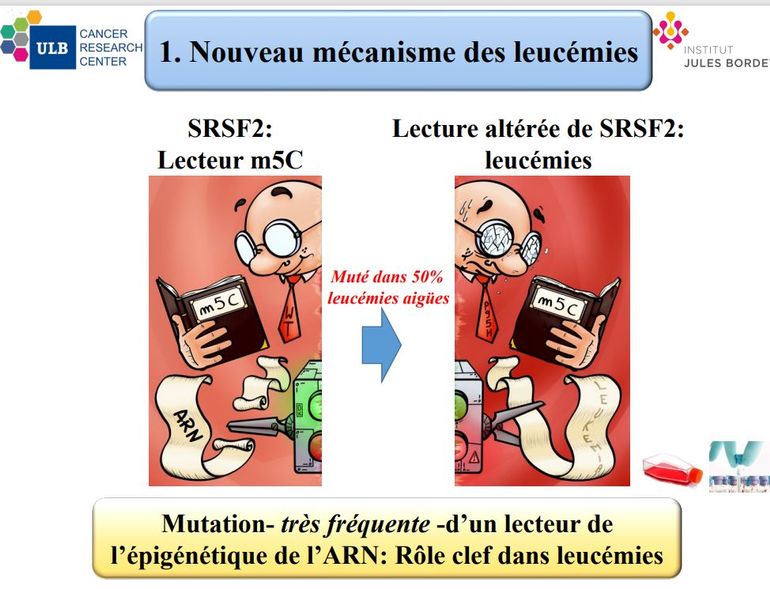
Thanks to the analysis of nearly 700 samples from patients suffering from this cancer, the research team was able to identify a problem: […] SRSF2 gene, mutated in 50% of cases of certain leukemias, is as if it had a blindfold on its eyes or at least glasses with broken lenses. It is not able to read m5C [5-methylcytosine, -LS] correctly. As a result, since the reader is broken, m5C is not recognized and cannot play its role of correct regulation of messenger RNA.[…]
This discovery could be made it possible to specifically diagnose this type of patient who has a poor vital prognosis. And why not, one day, develop a new therapeutic weapon, a sort of “glasses glue” which could “restore sight” to this SRSF2 gene…”
Professor François Fuks (ULB Cancer Research Center – Institut Jules Bordet)”
This is the paper:
Hai-Li Ma , Martin Bizet , Christelle Soares Da Costa , Frédéric Murisier , Eric James De Bony , Meng-Ke Wang , Akihide Yoshimi , Kuan-Ting Lin , Kristin M. Riching , Xing Wang , John I. Beckman , Shailee Arya , Nathalie Droin , Emilie Calonne , Bouchra Hassabi , Qing-Yang Zhang , Ang Li , Pascale Putmans , Lionel Malbec , Céline Hubert , Jie Lan, Frédérique Mies, Ying Yang, Eric Solary, Danette L. Daniels, Yogesh K. Gupta, Rachel Deplus, Omar Abdel-Wahab, Yun-Gui Yang, François Fuks SRSF2 plays an unexpected role as reader of m5C on mRNA, linking epitranscriptomics to cancer Molecular Cell (2023) doi: 10.1016/j.molcel.2023.11.003
It mentions something the professional journalists totally forgot or deemed irrlelevant:
“F.F. is a co-founder of Epics Therapeutics (Gosselies, Belgium)”
Fuks’ company, founded in 2018, sells cancer therapeutics aimed at RNA methylation.
An earlier achievement by Fuks in the field of DNA methylation, in Nature no less, and the gels look fake from far away already:
Emmanuelle Viré , Carmen Benner , Rachel Deplus , Loïc Blanchon , Mario Fraga , Céline Didelot , Lluis Morey , Aleyde Van Eynde , David Bernard , Jean-Marie Vanderwinden , Mathieu Bollen , Manel Esteller, Luciano Di Croce, Yvan De Launoit , François Fuks The Polycomb group protein EZH2 directly controls DNA methylation Nature (2006) doi: 10.1038/nature04431


Schneider rule applies – it is a collaboration with the Spanish cheater Manel Esteller:
Manel Esteller, the Schrödinger cat of Barcelona
This text was first published on September 30th as Spanish translation on Hipertextual. The Spanish Institut d’Investigació Biomèdica de Bellvitge (IDIBELL) in Barcelona has discovered a new application of the famous Schrödinger uncertainty theory, by extending quantum mechanics from single atoms to entire scientific publications and its authors. The traditional Schrödinger cat inside a box…
And here is a Science collaboration with Pier Giuseppe Pelicci:
Luciano Di Croce , Veronica A. Raker , Massimo Corsaro , Francesco Fazi , Mirco Fanelli , Mario Faretta , Francois Fuks , Francesco Lo Lo Coco , Tony Kouzarides , Clara Nervi , Saverio Minucci , Pier Giuseppe Pelicci Methyltransferase recruitment and DNA hypermethylation of target promoters by an oncogenic transcription factor Science (2002) doi: 10.1126/science.1065173


Pier Paolo and Pier Giuseppe, the titans of IFOM-IEO
Meet two grand cancer researchers from Milan: Pier Paolo Di Fiore and Pier Giuseppe Pelicci. Then decide if you want to give them your tax and charity money.
Another nice work by Fuks:
Silvina Epsztejn-Litman , Nirit Feldman , Monther Abu-Remaileh , Yoel Shufaro , Ariela Gerson , Jun Ueda , Rachel Deplus , François Fuks , Yoichi Shinkai , Howard Cedar , Yehudit Bergman De novo DNA methylation promoted by G9a prevents reprogramming of embryonically silenced genes Nature Structural & Molecular Biology (2008) doi: 10.1038/nsmb.1476

More on PubPeer, but I am not sure Fuks or his university give any fuks.
Renting, rather than owning
Groundbreaking discovery by British and Australian researchers, celebrated in a press release: by the University of Adelaide:
“A new study, jointly conducted by the University of Adelaide and University of Essex, has found that renting, rather than owning, a private-sector home leads to faster biological ageing.
The negative health impacts of renting were shown to be greater than those of experiencing unemployment or being a former smoker.
“Our findings demonstrate that housing circumstances have a significant impact on biological ageing, even more so than other important social determinants, such as unemployment, for example, and therefore health impacts should be an important consideration shaping housing policies,” said lead researcher Dr Amy Clair, from the University of Adelaide’s Australian Centre for Housing Research. […]
The researchers found it is likely that the insecurity and poor affordability of private rented homes is driving the link between renting and biological ageing.
“We hope to build on this work using data from different countries and exploring whether the association between housing tenure and biological ageing changes over time,” said Dr Clair.
The researchers also found the epigenetic impacts of renting are potentially reversible, making the implementation of health interventions for renters all the more necessary.”
I struggle to believe educated people can be really THAT stupid, because it is being POOR which makes you rent your housing, usually in stressful and polluted urban poverty ghettos. Especially in the UK, people as good as never rent by choice. It is poverty and everything associated with it – overwork, bad food, pollution, stress, substance abuse, and often also racism – which all make poor people age faster. Not their allegedly self-chosen habit of renting. Here is the stupid, racist and social-Darwinist paper anyway, analysing 1420 adults from the UK Household Longitudinal Study and the British Household Panel Survey, published in a BMJ family journal:
Amy Clair , Emma Baker , Meena Kumari Are housing circumstances associated with faster epigenetic ageing? Journal of Epidemiology & Community Health (2023) doi: 10.1136/jech-2023-220523

Bah Humbug
Edinburgh psychologists announce in Nature Communications genes for being rich. A Christmas Carol.
I thank all my donors for supporting my journalism. You can be one of them!
Make a one-time donation:
I thank all my donors for supporting my journalism. You can be one of them!
Make a monthly donation:
Choose an amount
Or enter a custom amount
Your contribution is appreciated.
Your contribution is appreciated.
DonateDonate monthly
 For Better Science
New suggested policy: To replace any images or data in a paper authors should be asked to submit all the raw data for the study, whether it requires correction or not. This business of digging out just one image for a correction and losing everything else is beyond silly.
LikeLike
I actually believe PLOS One asked Ali for all raw data.
But then the legal departments of UCL and King’s kindly reminded PLOS One who they are, and the matter was agreed to be solved with a correction.
I am not joking. I know that such universities even threaten to sue UK funders if their grants aren’t approved.
LikeLike
Recently Jaime A. Teixeira da Silva suggested that Springer should compile their own list of predatory journals. In this case, we might as well use Beall’s list.
“Все это может повлечь оговаривание и/или порицание ученых, носящее неиз- бирательный характер, в том числе тех, которые связаны с журналами под эгидой Springer Nature. Принимая во внимание искреннее намерение Springer Nature предостеречь редакторов и авторов от цитирования статей, опубликованных в подозрительных научных изданиях, автор утверждает, что настоящую редакционную политику следует либо скорректировать, чтобы она опиралось на более четкие критерии, нежели сейчас, либо отвергнуть как не соответствующую поставленным перед ней задачам. В новую версию редакционной политики следует включить окончательный перечень жур- налов, определенных как «хищнические», а также установить и прописать параметры определения «хищничества» как такового. ”
https://www.researchgate.net/publication/376398519_Razmyslenia_o_tekusej_redakcionnoj_politike_kompanii_Springer_Nature_v_otnosenii_hisniceskih_zurnalov_i_ssylok_na_publikacii_v_takih_zurnalah
LikeLike
I am not really surprised that JATdS (a Portuguese in Japan) started to support russia by publishing in ruscist journals. He often associates with bad people.
I do find it funny he google-translated his text into russian, a language he doesn’t understand, to get published there.
LikeLike
Another Breaktrough:
James L. Kirkland (of non-profit? Mayo Clinic) has his name on this paper. Well, just for ‘proposing’ stuff, but anyways… the results do so not reflect his usual ‘findings’.
Astaxanthin and meclizine extend lifespan in UM-HET3 male mice; fisetin, SG1002 (hydrogen sulfide donor), dimethyl fumarate, mycophenolic acid, and 4-phenylbutyrate do not significantly affect lifespan in either sex at the doses and schedules used
https://link.springer.com/article/10.1007/s11357-023-01011-0
Usually he comes up with stuff like this:
Senolytic drugs: from discovery to translation
https://onlinelibrary.wiley.com/doi/abs/10.1111/joim.13141
Cellular senescence and senolytics: the path to the clinic
https://www.nature.com/articles/s41591-022-01923-y
Or this:
https://pubpeer.com/search?q=james+l.+kirkland
… and some fisetin trials registered years ago… but curiously not moving forward.
The Emperor might need to send Captain Clyde on a mission to sectors infested with xenolytics. ;p
LikeLiked by 1 person
I made a court settlement where in return of covering all my legal fees I won’t directly discuss senolytics garbage of a former Mayo Clinic professor…
But in any case, Unity Bio is circling the drain.
LikeLike
Ah, the untouchables… I somehow had the impression that was about the mob. Oh, wait…
LikeLike
Wow, pro-vice chancellor of research and enterprise (‘laugh’) Taylor’s unprofessional email left me speechless. UBristol should change its motto to “cheating promotes one’s innate power”.
LikeLike
Shame on Neil Vickers… he really should thank Magazinov and van Kampen for becoming such a big name of (post)modern science history.
Btw, did I miss something?
Nature Vol. 623 asks “How big is science’s fake paper problem?” (Richard van Noorden), crediting some Elisabeth Bik and Smut Clyde. Article mentions a newly developed “The Papermill Alarm” program… is it better than the one and only “Proofuck” from the one and lovely Erez Irreal?
LikeLike
The Papermill Alarm is Adam Day’s project. His idea is to flag papers for closer inspection if they’re stylistically close to known papermill products. I do think it’s better than Profrock.
LikeLike
Sounds like some kind of real progress! At least as long as it can be protected from the Teixeira da Silvas of the world…
LikeLike
I am often surprised by the fact that Mika Sillanpää is seldom cited here. He is in my LinkedIn contacts list and he adds a new academic affiliation roughly every 6 months; moreover, most of his papers seem to involve improbable collaborations.
LikeLike
Sillanpää is a papermiller, and apparently a very obnoxious one. Who knows where he is or was really employed.
LikeLike
20 December 2023 Expression of Concern, Cardiovasc Res
https://academic.oup.com/cardiovascres/advance-article/doi/10.1093/cvr/cvad181/7484550?login=false
This is an expression of concern about: Cardiovascular Research, Volume 97, Issue 1, 1 January 2013, Pages 55–65, https://doi.org/10.1093/cvr/cvs291
This is an Expression of Concern regarding: Rajesh Katare, Atsuhiko Oikawa, Daniela Cesselli, Antonio P. Beltrami, Elisa Avolio, Deepti Muthukrishnan, Pujika Emani Munasinghe, Gianni Angelini, Costanza Emanueli, Paolo Madeddu, Boosting the pentose phosphate pathway restores cardiac progenitor cell availability in diabetes, Cardiovascular Research, Volume 97, Issue 1, 1 January 2013, Pages 55–65, https://doi.org/10.1093/cvr/cvs291
The Journal has been made aware of concerns raised by multiple readers regarding western blot images in Figures 2, 3, 4, 5 and 6 in the paper. The Journal is publishing this expression of concern while an investigation is carried out.
LikeLiked by 1 person
The expression of concern in Cardiovasc Res is at least a kitten amongst the pigeons.
LikeLike