

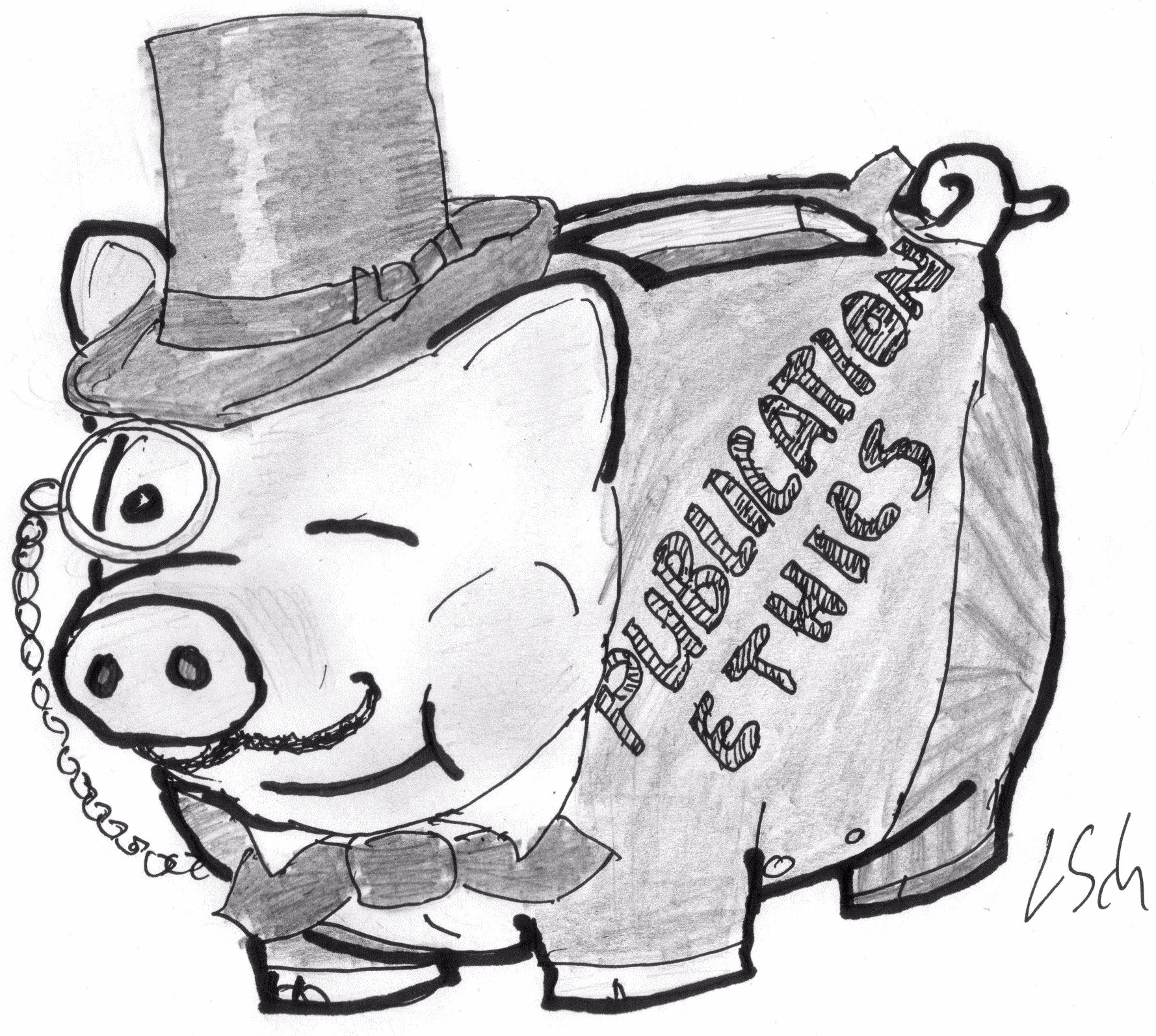
England. A world superpower. Not just in everything else, but also in science, which is world-beating. English spitfire pluckiness destroyed the Huns in two world wars and in Brexit, but also in scientific performance, both impact-factor and money-wise. Brexit Britain will be free of all diseases, because whatever an English scientist does, conclusions remain not affected.
The secret to English science supremacy is not just the limitless capacity of certain English researchers to fabricate exciting results and phony cures, anyone can do that. It is the unique arrogance and corruption of English universities and of British health authorities who regularly decree all data fakeries to be quality science, outside statute of limitations, and verified independently by many citations, while telling whistleblowers to get lost.
It is a game only the crooks can win. And tax payers, charity donors and patients pay the price.
Not matter what you hear from Brexit, it’s not like England is not tolerant and welcoming. Clean of foreign detritus, free Britain can now freely choose what kind of foreigner it will let it. The foreigner must bring the right skill, like Amato Giaccia did, when he arrived to Oxford from Stanford in USA, trailed by a string of questionable research. Brexit and the COVID-19 pandemic showcased what the English ruling elites value most: defrauding and bullshitting the public. Science is just another coffer to plunder in this scam.
I previously celebrated the English science genius, with superior English minds like regenerative medicine enthusiast Martin Birchall, who took over Paolo Macchiarini‘s deadly technology to run some trachea transplants of his own. Birchall was acquitted in full by his own UCL, including for data irregularities, foreign scapegoats were assigned. Also Master of Birkbeck Sir David Latchman, CBE, was saved by UCL from unruly investigators whose reports were overruled by officials to determine no misconduct. Dame Kay Davies, DBE, was defended by her University of Oxford thanks to statute of limitations of 3 years for research misconduct charges, and by the publisher Oxford University Press where she as Editor-in-Chief retaliated against a fraud whistleblower. Paul Workman and Alan Ashworth, current and former director of ICR London, were both absolved in full, nothing at all worth retracting was found, while minor characters (not their protegees though) got the blame. Richard Marais of Cancer Research UK in Manchester weathered a research fraud scandal in his lab and a mountain of bullying accusations, he is still director of the institute.
Now, I shall celebrate more such talents, based on the sleuthing of Clare Francis. Cancer is cured, brain diseases vanquished, all thanks to the English scholars I want you to admire. Please raise, tuck in your shirt and comb your hair. The honour is all yours:

Nick Lemoine, FRCPath FMedSci
We shall start with Nicholas Lemoine. This cancer researcher is professor at the Queen Mary University of London and director of the Cancer Research UK Barts Centre. He is also an extremely high-ranking expert at the MRC (Medical Research Council), which means Dr Nick decides which biomedical researchers in UK gets funded and which don’t:
“He has served as Chair of the Clinical Training and Career Development Panel at the Medical Research Council, and as Vice-Chair of the MRC Stratified Medicine Expert Panel. He has previously served as Chair of the MRC Stem Cell Strategic Grant and Fellowship Panels, and has been a member of the MRC’s Molecular & Cellular Medicine Board.“
As medical director of NIHR Clinical Research Network, Dr Nick is now in charge of UK’s COVID-19 response:
So what kind of science are you, a humble British scientist seeking to eke out a meagre grant from MRC or NIHR, expected to deliver in order to impress Professor Lemoine? Well, you could study from his own papers, here is one:
Iman El-Hariry, Massimo Pignatelli, Nicholas R. Lemoine FGF-1 and FGF-2 regulate the expression of E-cadherin and catenins in pancreatic adenocarcinoma International Journal of Cancer (2001) DOI: 10.1002/ijc.1515
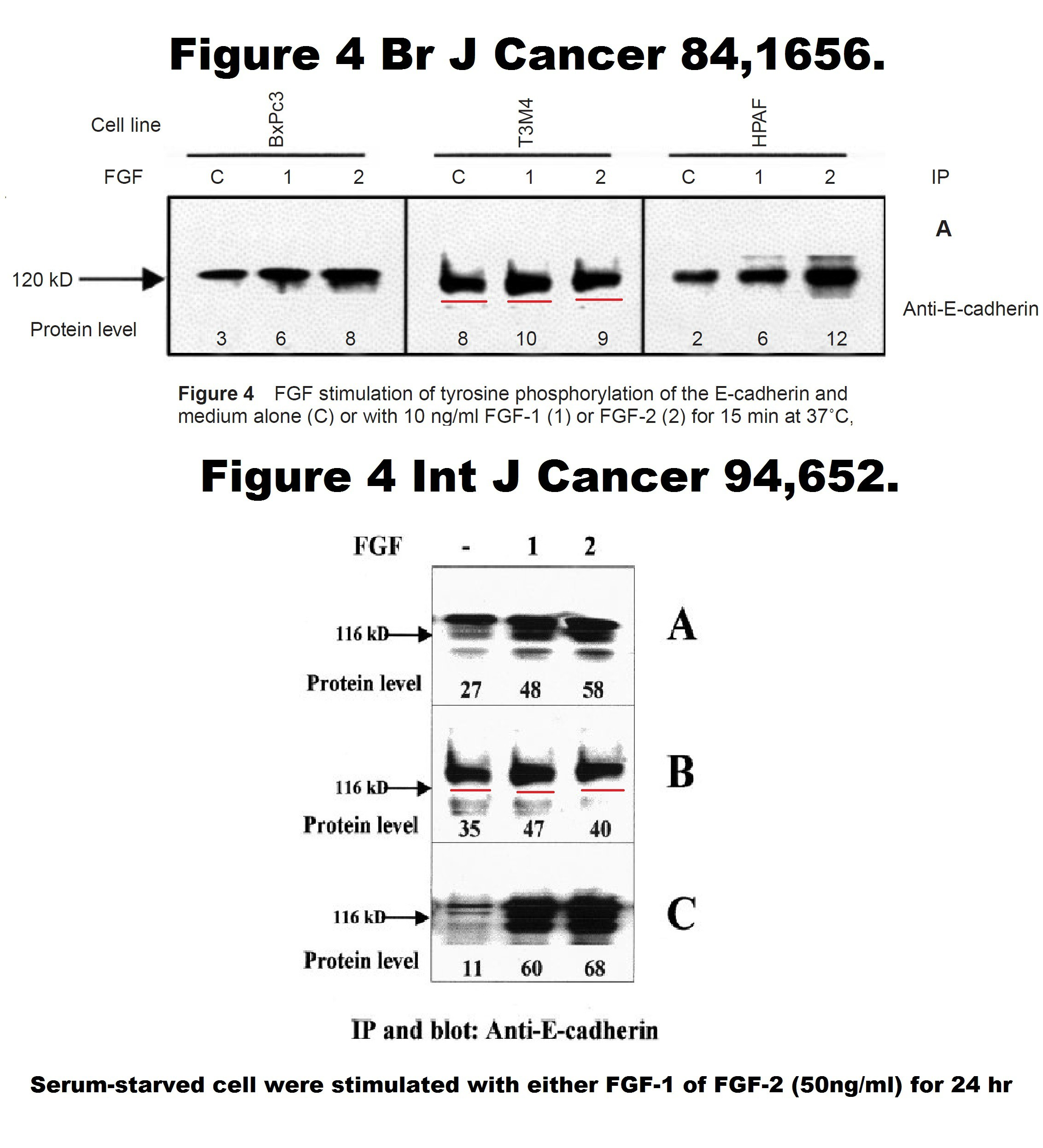
As you see, the Figure 4 is fake, it has 3 cloned bands. Which means, the conclusions are not affected. A correction was issued by the publisher Wiley in 2019:
“There is an error in the experimental conditions reported for the data presented in Figure 4 panel B. We apologize for these circumstances, which required clarification of the data.”
As it happens, Ashworth’s mentee and first author on a bunch of hilariously fake papers, Sarah Martin, is presently faculty member and Deputy Centre Lead at the Lemoine-ruled Bart’s and, this is really cruel: director of the graduate school. Now you see which qualifications you need to get employed at Barts, plus they probably sack PhD students for refusing to fake data there.
Maybe they use this paper by Limoine and his Barts colleagues to teach the students how to do cancer research properly:
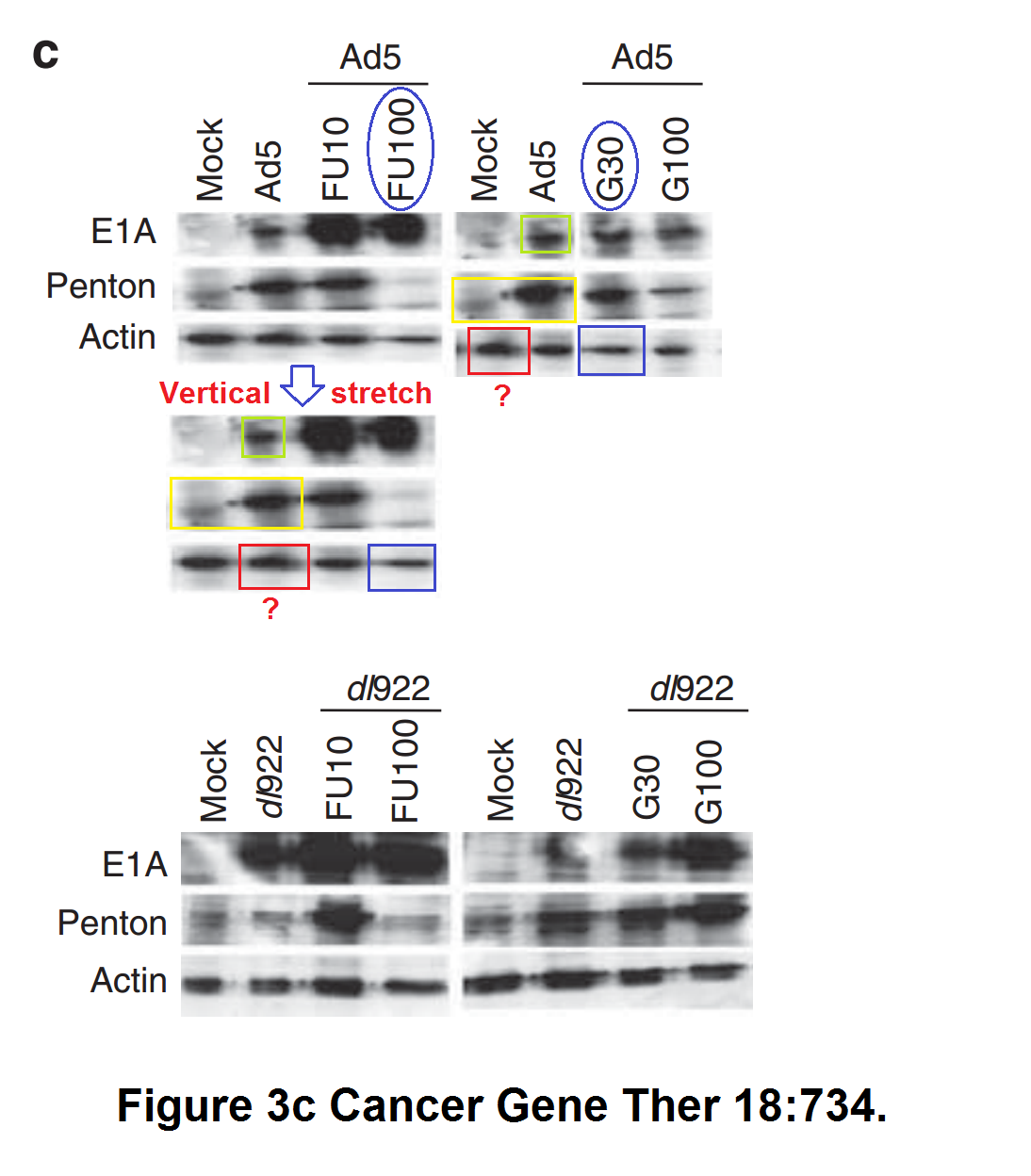
M Bhattacharyya, J Francis, A Eddouadi, N R Lemoine, G Halldén An oncolytic adenovirus defective in pRb-binding (dl922–947) can efficiently eliminate pancreatic cancer cells and tumors in vivo in combination with 5-FU or gemcitabine Cancer Gene Therapy (2011) doi: 10.1038/cgt.2011.45
Nothing was done. The Editor-in-Chief of this Nature Research Group journal is another professor in England, Georgios Giamas, owner of his own PubPeer record, and protege of the controversial, yet perfectly safe in his job, Imperial College professor Justin Stebbing. Giamas also holds a visiting professorship at Imperial, and he will definitely never do anything about the following paper by Limoine in Cancer Gene Therapy:
I A McNeish, T Tenev, S Bell, M Marani, G Vassaux, N Lemoine Herpes simplex virus thymidine kinase/ganciclovir–induced cell death is enhanced by co-expression of caspase-3 in ovarian carcinoma cells Cancer Gene Therapy (2001) doi: 10.1038/sj.cgt.7700305
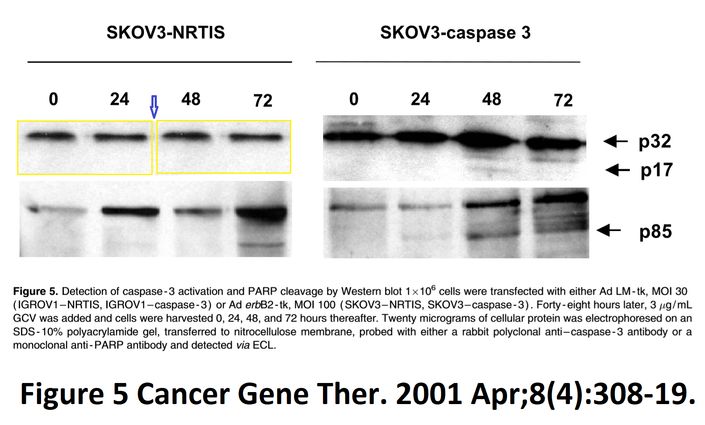
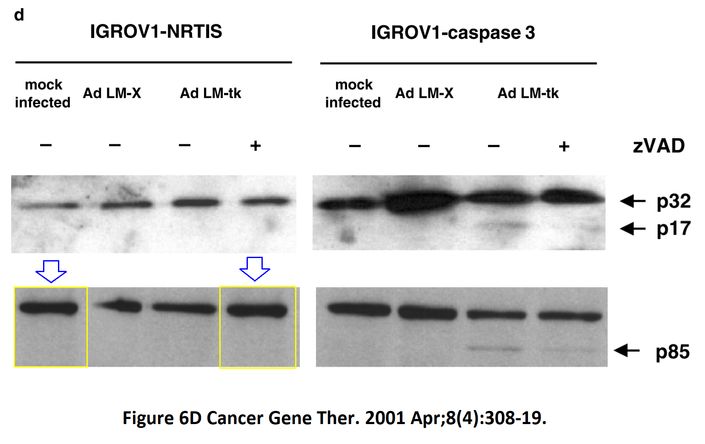
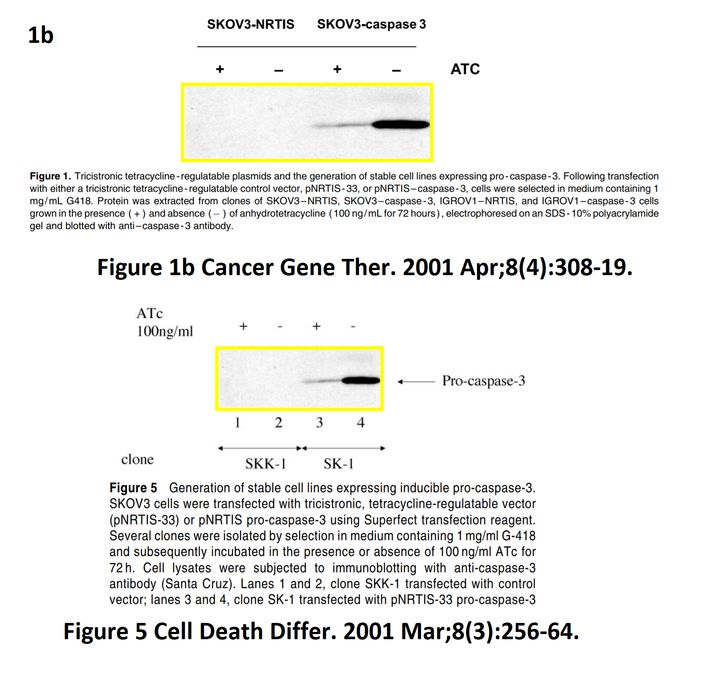
In November 2018, the first author and another Imperial College professor Ian McNeish posted on PubPeer the full investigative report by Limoine’s employer, Barts College, which was also approved by Imperial. McNeish, Limoine and the unnamed investigator agree that the raw data doesn’t exist (anymore, they say), that the two papers were submitted and reviewed simultaneously and that the gel bands are indeed duplicated. The investigator’s conclusions, as quoted by McNeish:
“None of these issues in my opinion change the conclusions made in the papers. I see no merit in retracting these important publications or publishing an erratum at this late stage, although agree that there have been errors made in producing the figures. […] The investigation stated that the conclusions made from the published studies were valid and important, even accounting for these reporting errors.“
This is the standard attitude of all English and in fact British universities. The wording is typical English passive-aggressiveness towards whistleblowers warning them never to waste the university’s time ever again or meet their due fate.
Below some more of Limoine papers, the rest is on PubPeer. The following is 7 years old, when it was posted the raw data was rather fresh, sometimes even piping hot. A key coauthor on all these papers is Yaohe Wang, another professor at Barts.
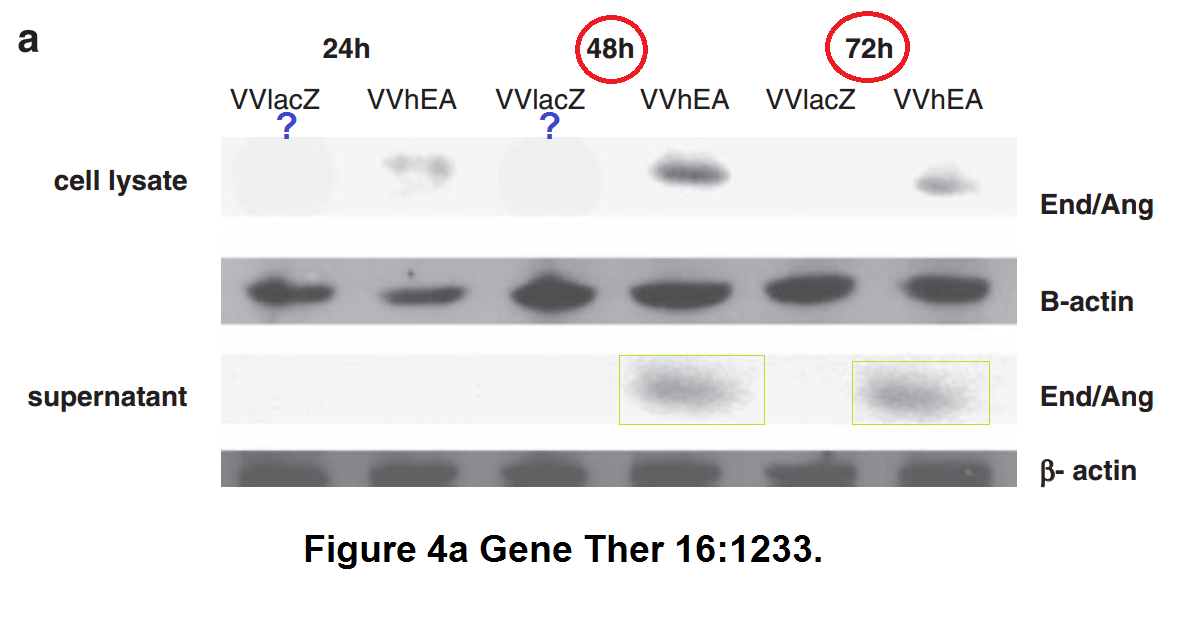
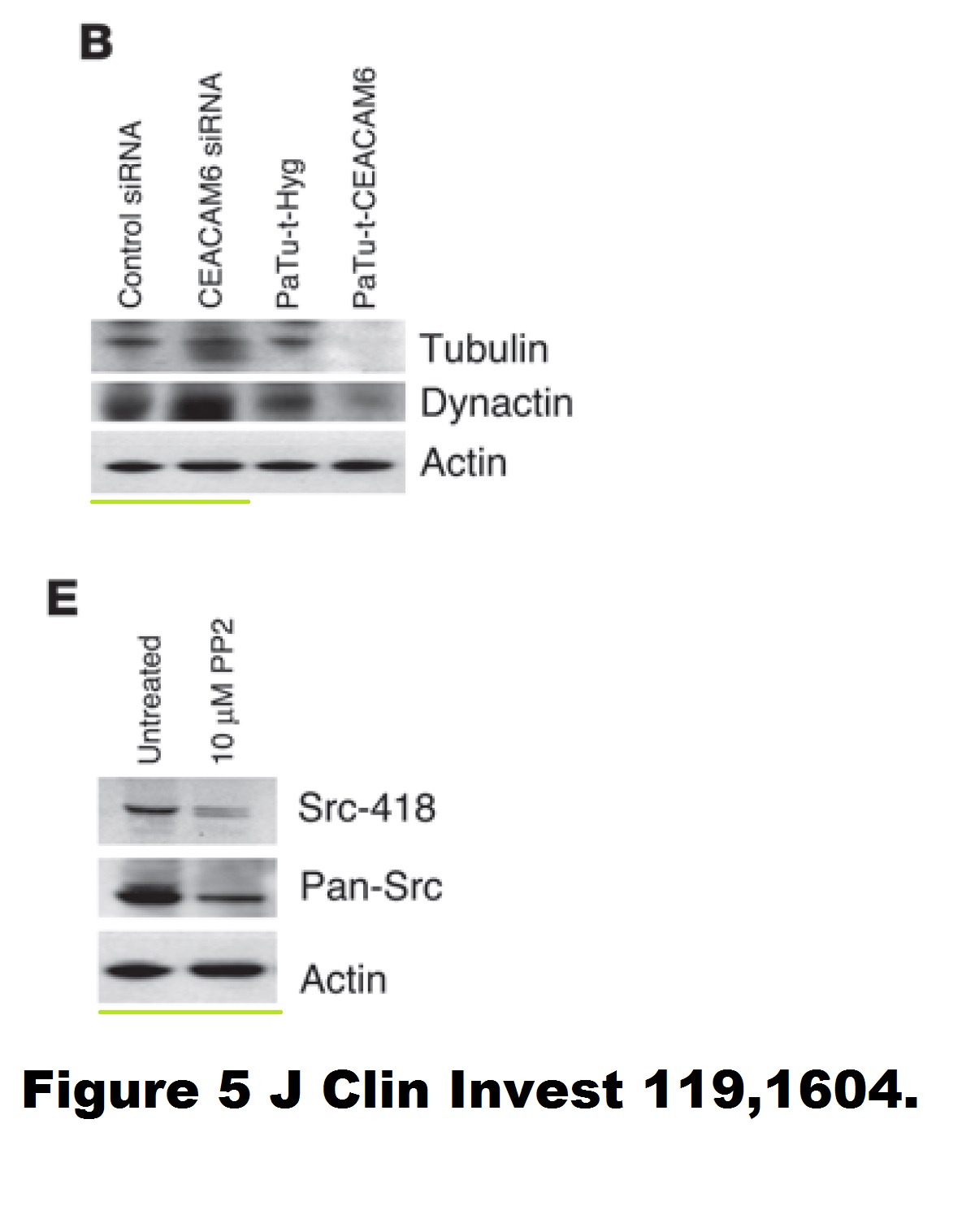
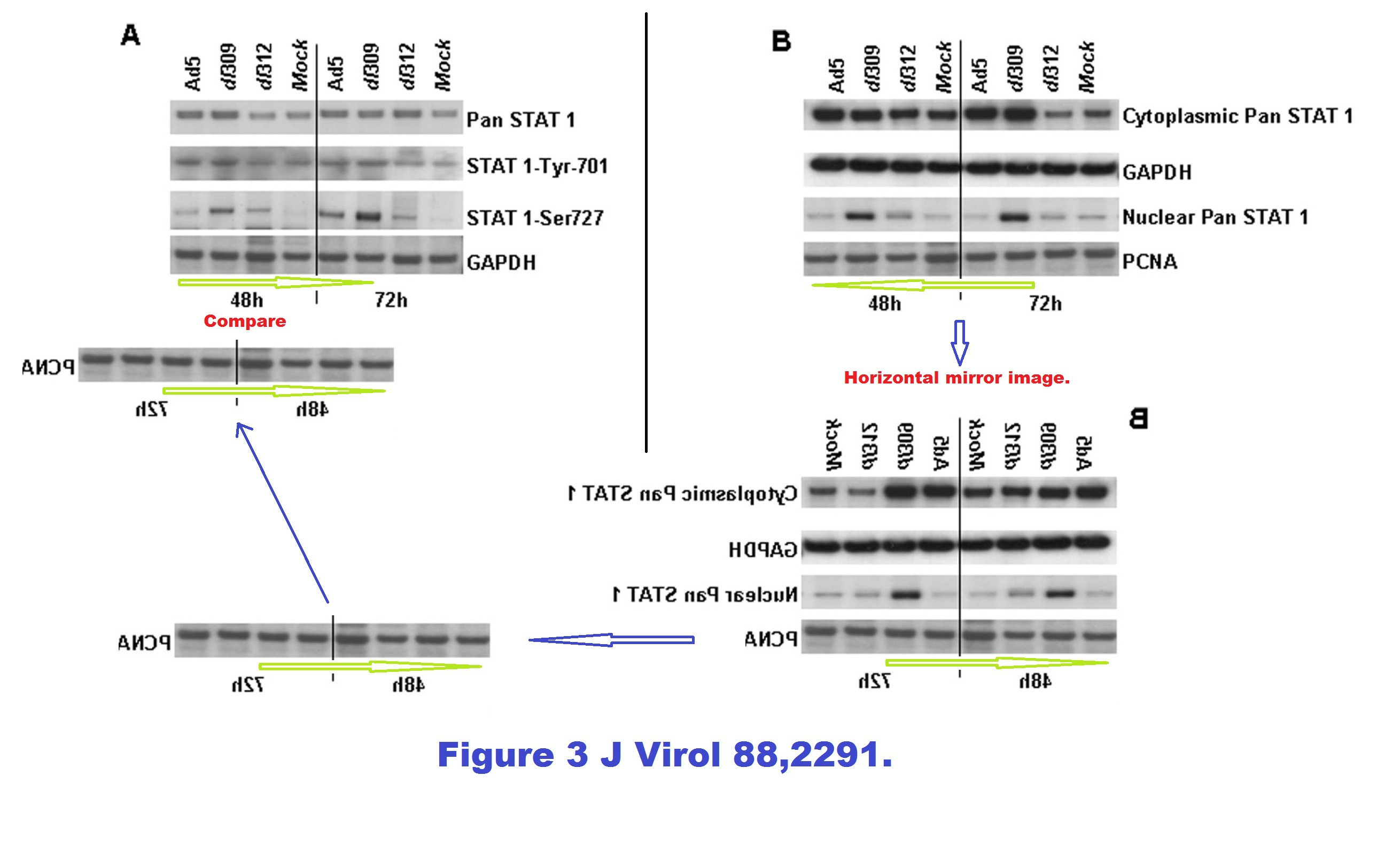
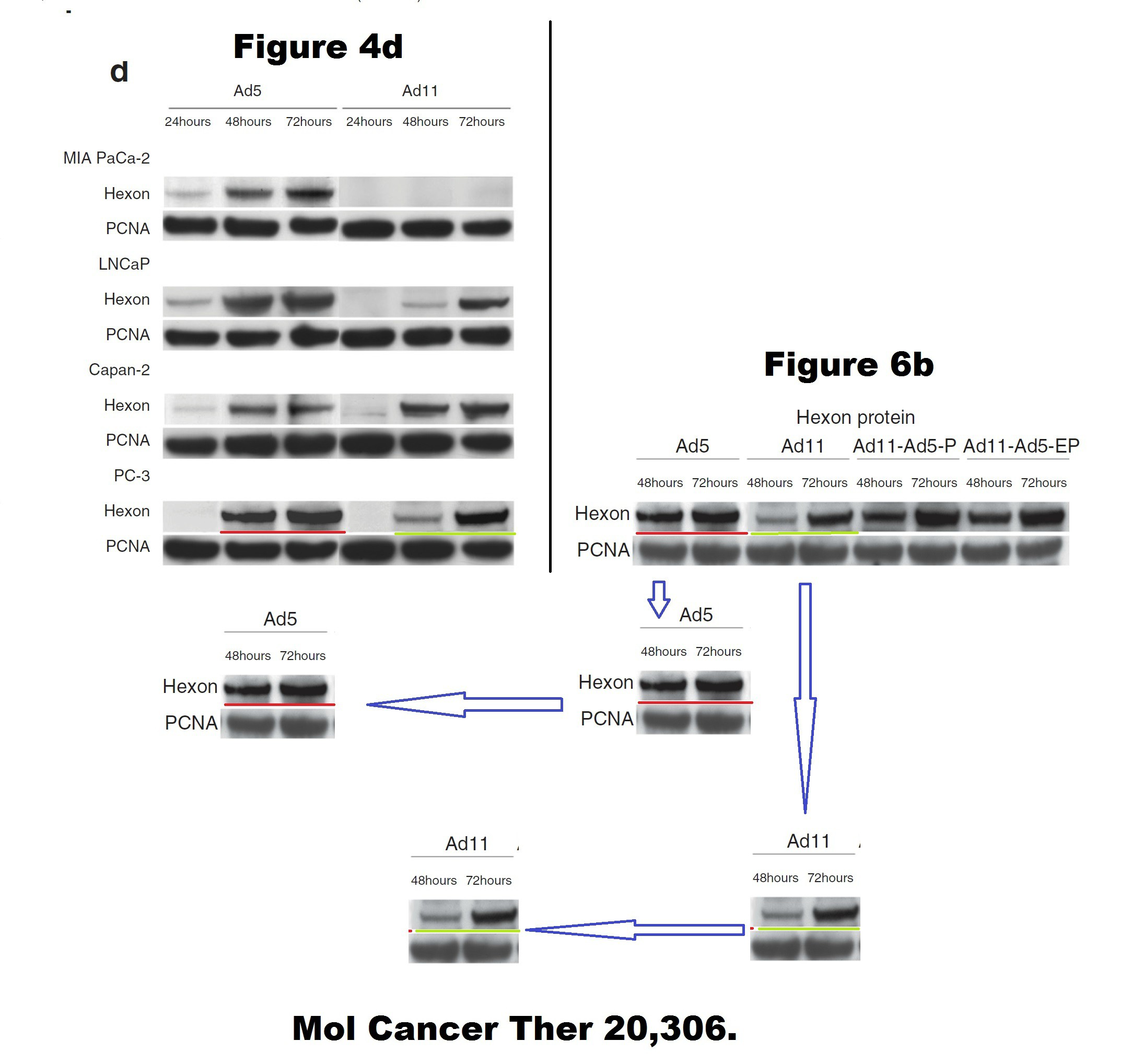
Barts College apparently decided instead to wait until this Photoshop travesty passes the 10 year statute of limitations. Expect another passive-aggressive investigative report in 2025, declaring Limoine and Wang innocent and all conclusions valid and not affected.
Peter St George-Hyslop, OC, FRS, FRSC, FRCPC
I think this name is so impressive, you can’t be more of English upper class, both in science and in society with a name like this. Of course Professor Peter St George-Hyslop is located in Cambridge, where he works on clinical neuroscience, previously he was in Canada where he was proclaimed “one of the most cited authors in the field of Alzheimer’s disease research”.
There are a number of papers coauthored by St George-Hyslop on PubPeer, here is one from his old lab at the University of Toronto:
Fusheng Chen, Gang Yu, Shigeki Arawaka, Masaki Nishimura, Toshitaka Kawarai, Haung Yu, Anurag Tandon, Agnes Supala, You Qiang Song, Ekaterina Rogaeva, Paul Milman, Christine Sato, Cong Yu, Christopher Janus, Julie Lee, Lixin Song, Lili Zhang, Paul E. Fraser, P. H. St George-Hyslop Nicastrin binds to membrane-tethered Notch Nature Cell Biology (2001) doi: 10.1038/35087069
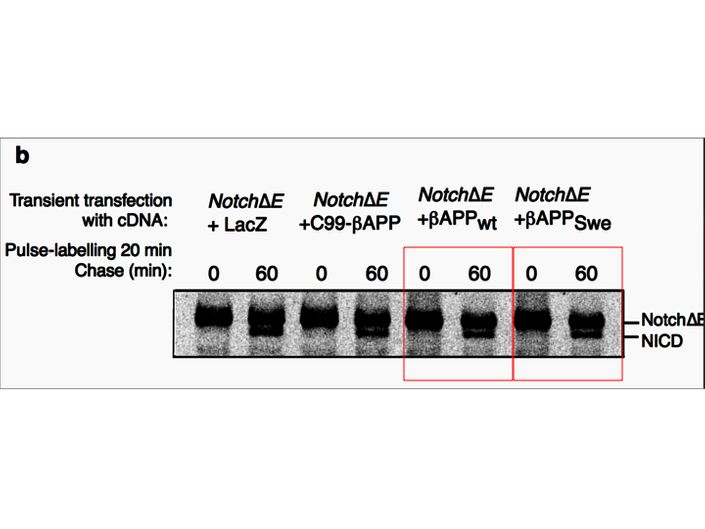
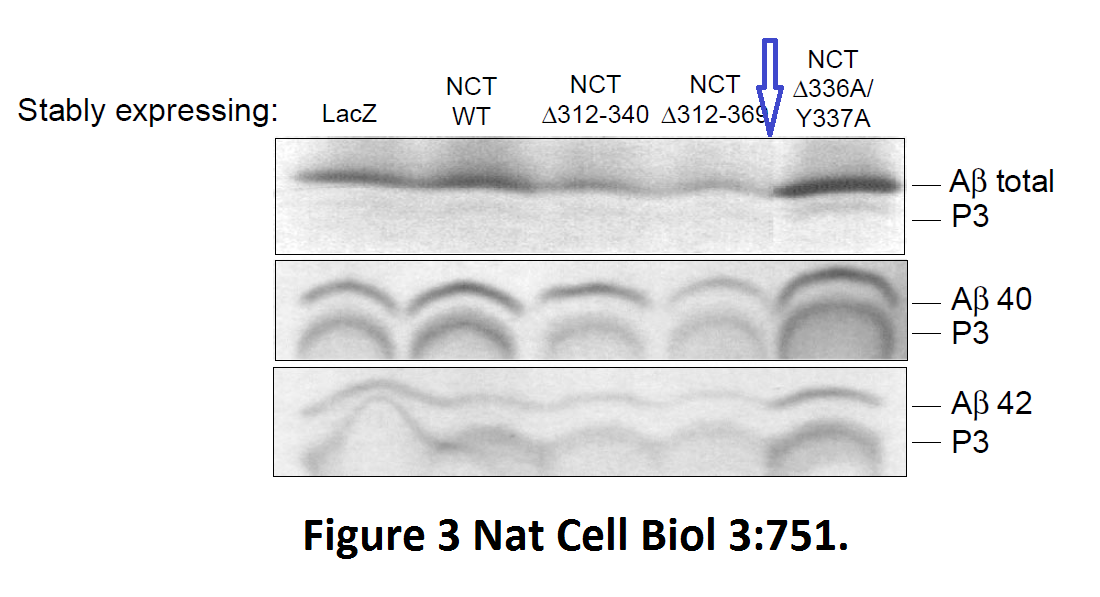
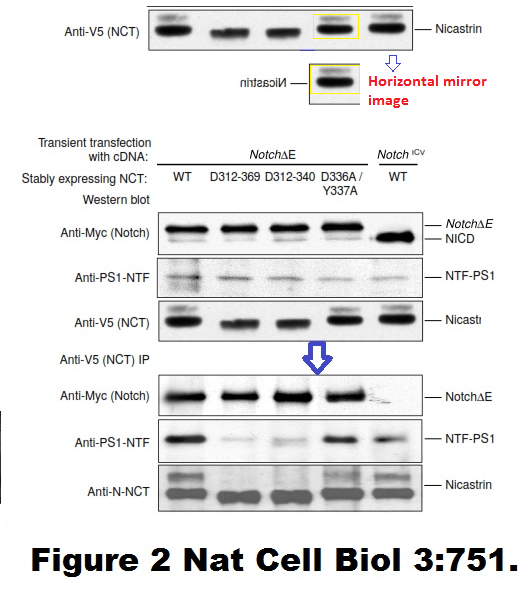
Cloned gel bands, spotted by Clare Francis. No action at all form that elite Nature-themed journal. Another St George-Hyslop fabrication, also done with Toronto colleagues:
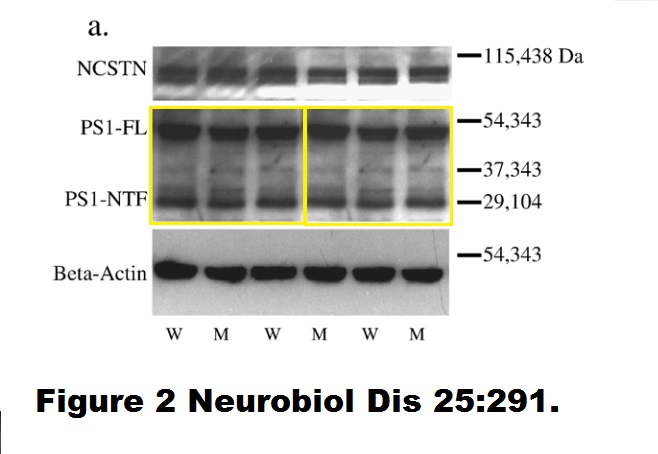
Sonya Brijbassi, Zareen Amtul, Susan Newbigging, David Westaway, Peter St George-Hyslop, Richard F. Rozmahel Excess of nicastrin in brain results in heterozygosity having no effect on endogenous APP processing and amyloid peptide levels in vivo Neurobiology of Disease (2007) doi: 10.1016/j.nbd.2006.09.013
But the worst ones were done in collaboration with Frederic Checler, professor of neuroscience at CNRS in France. Like this, where the authors shamelessly double-published to increase their publication record:
Julie Dunys, Toshitaka Kawarai, Emilie Giaime, Sherwin Wilk, M. Herrant, P. Auberger, Peter St George-Hyslop, Cristine Alves Da Costa, Frédéric Checler Study on the putative contribution of caspases and the proteasome to the degradation of Aph-1a and Pen-2 Neuro-degenerative diseases (2007) doi: 10.1159/000101840
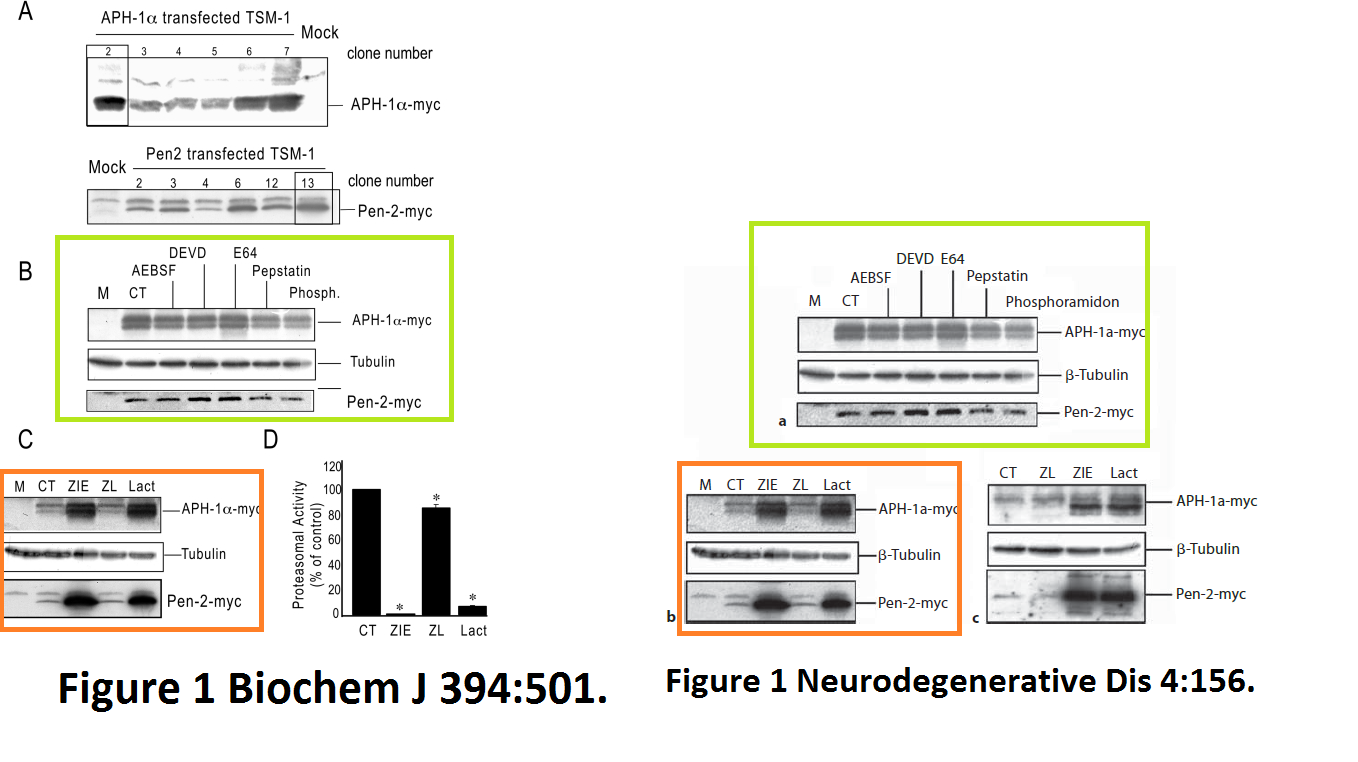
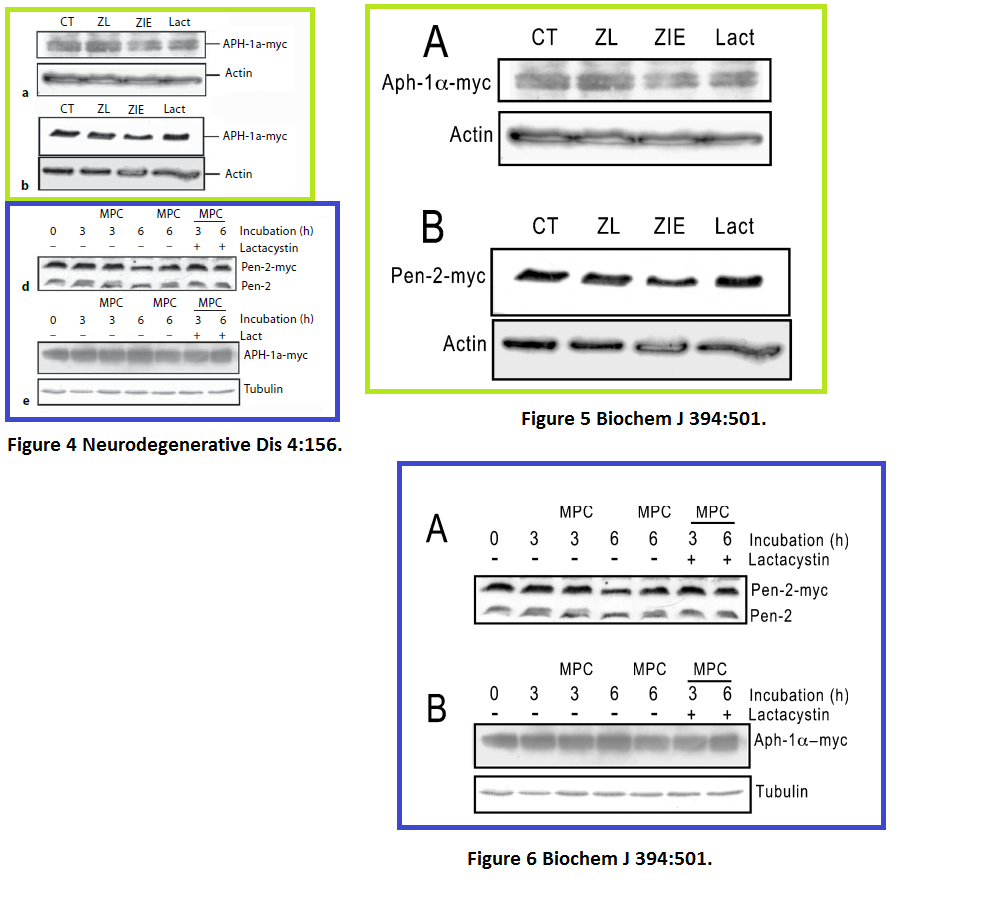
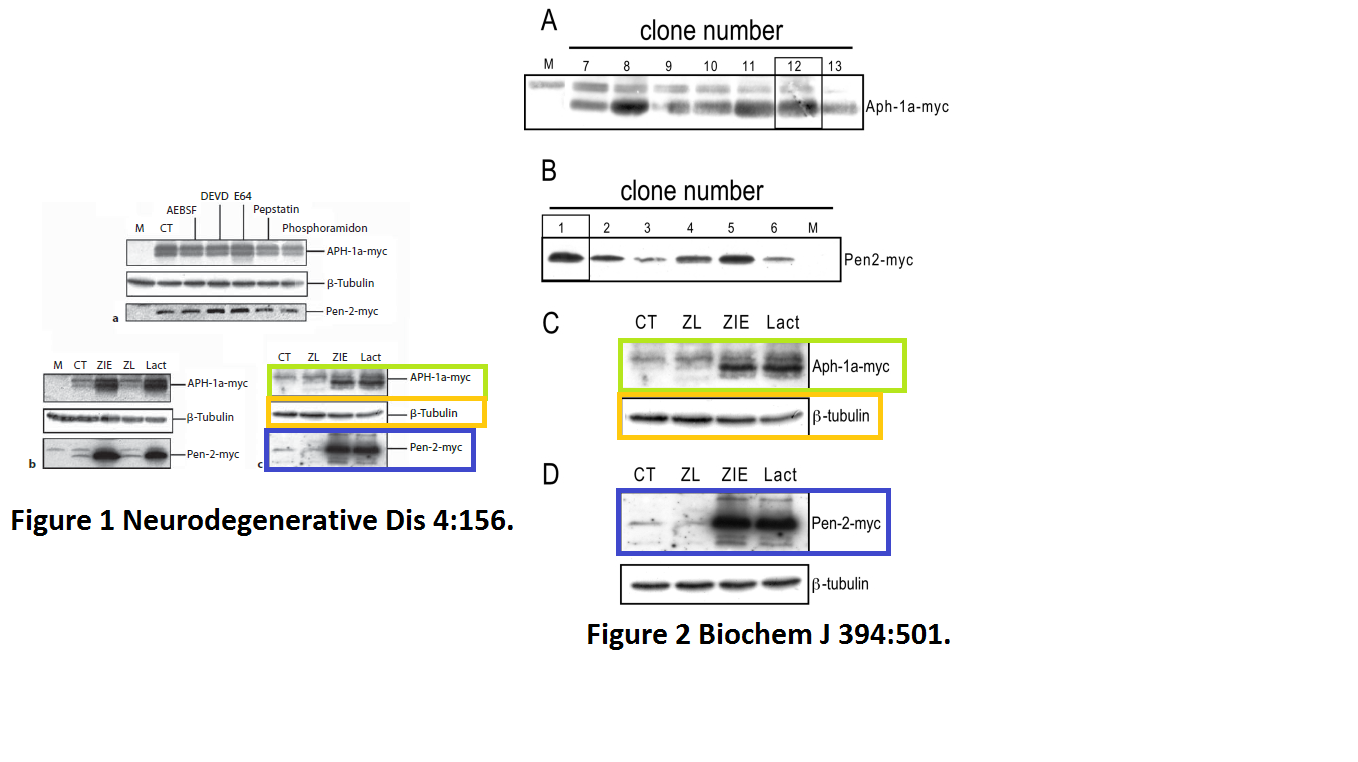
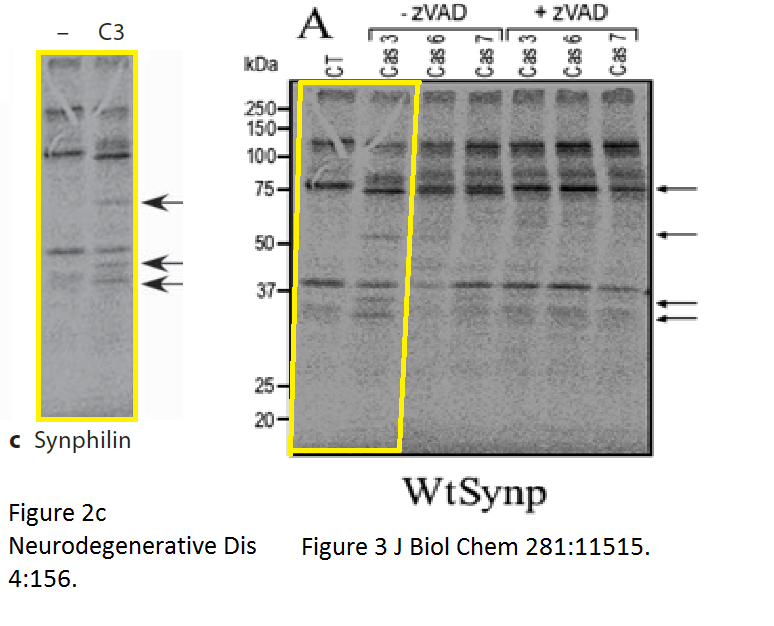
There was more data recycling, basically that paper in Neurodeg Dis is a copy of the previously published paper Dunys et al Biochemical J 2006, with all other authors the same. Neither journal, one by Portland Press, one by Karger, cares, never mind for research integrity, not even for their own infringed copyright.
Here more by St George-Hylop and his French ally, some gel band copy-pasting:
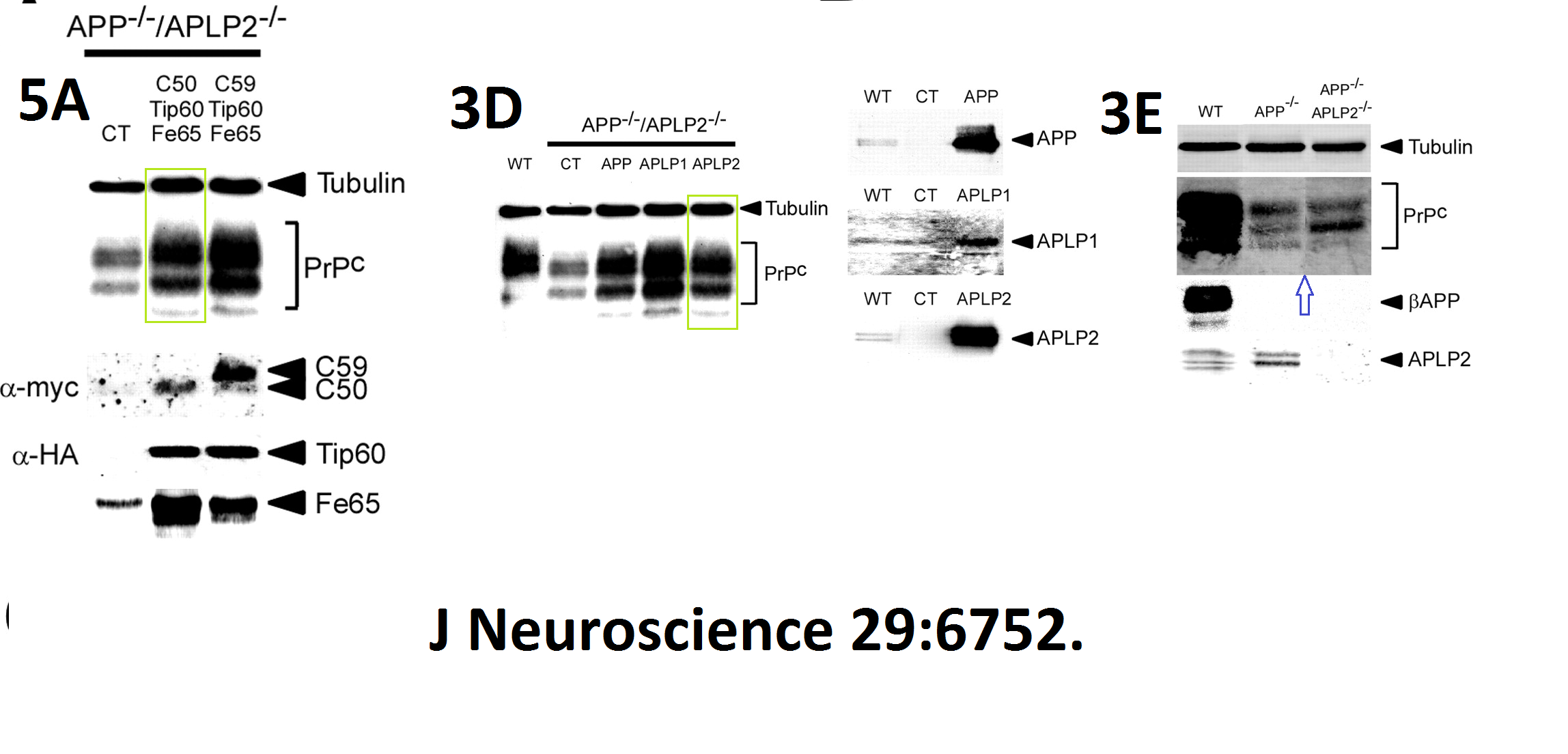
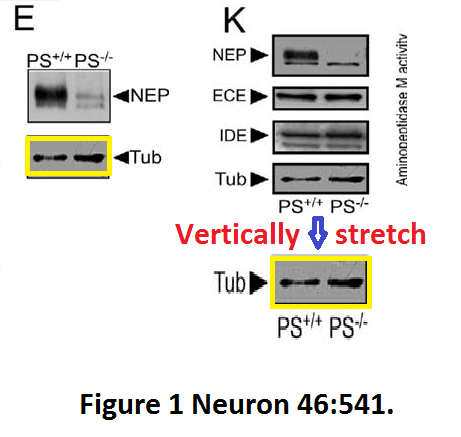
Here another interesting collaboration of our esteemed English upper class scientist, this time with Masaya Tohyama in Japan:
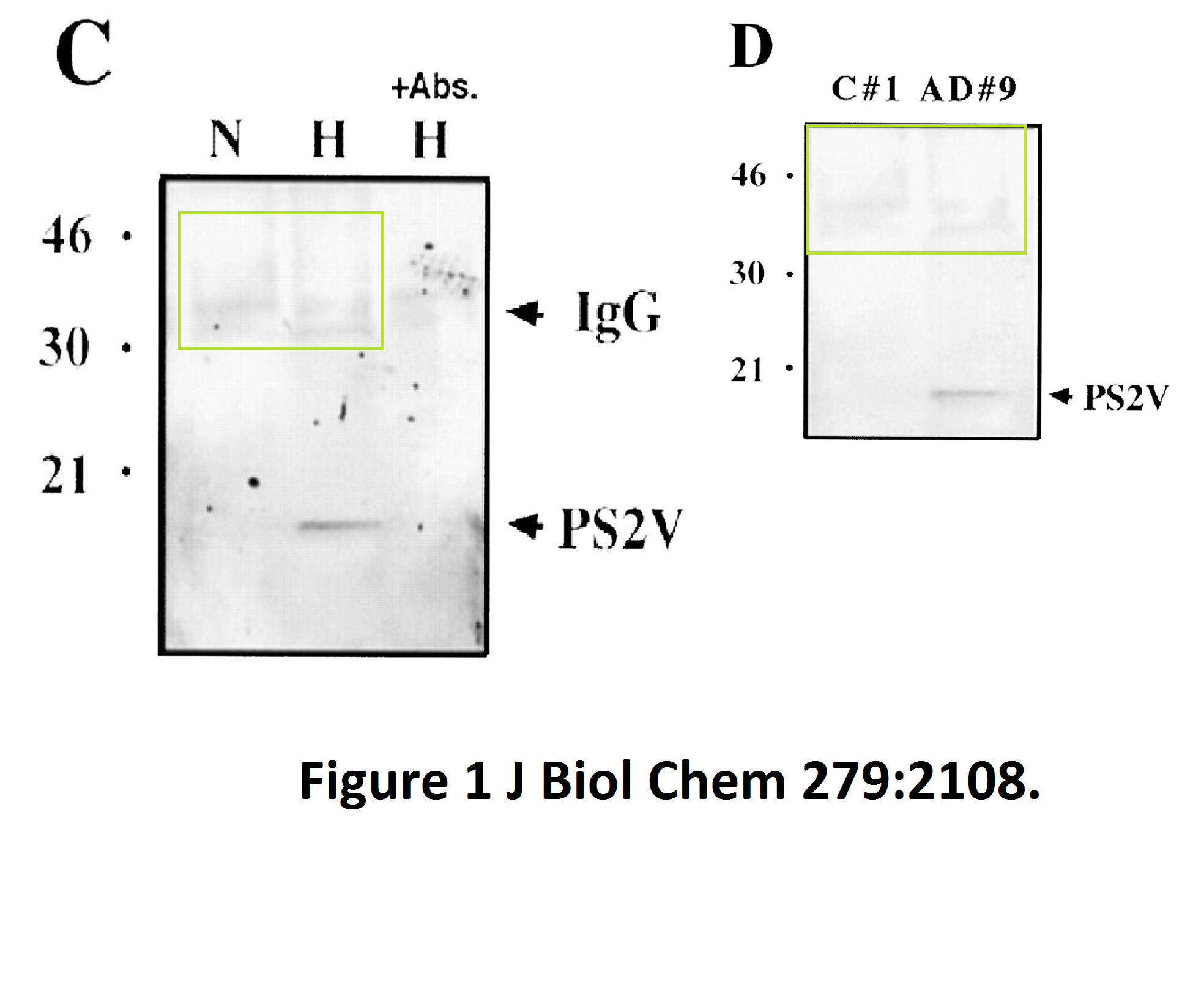
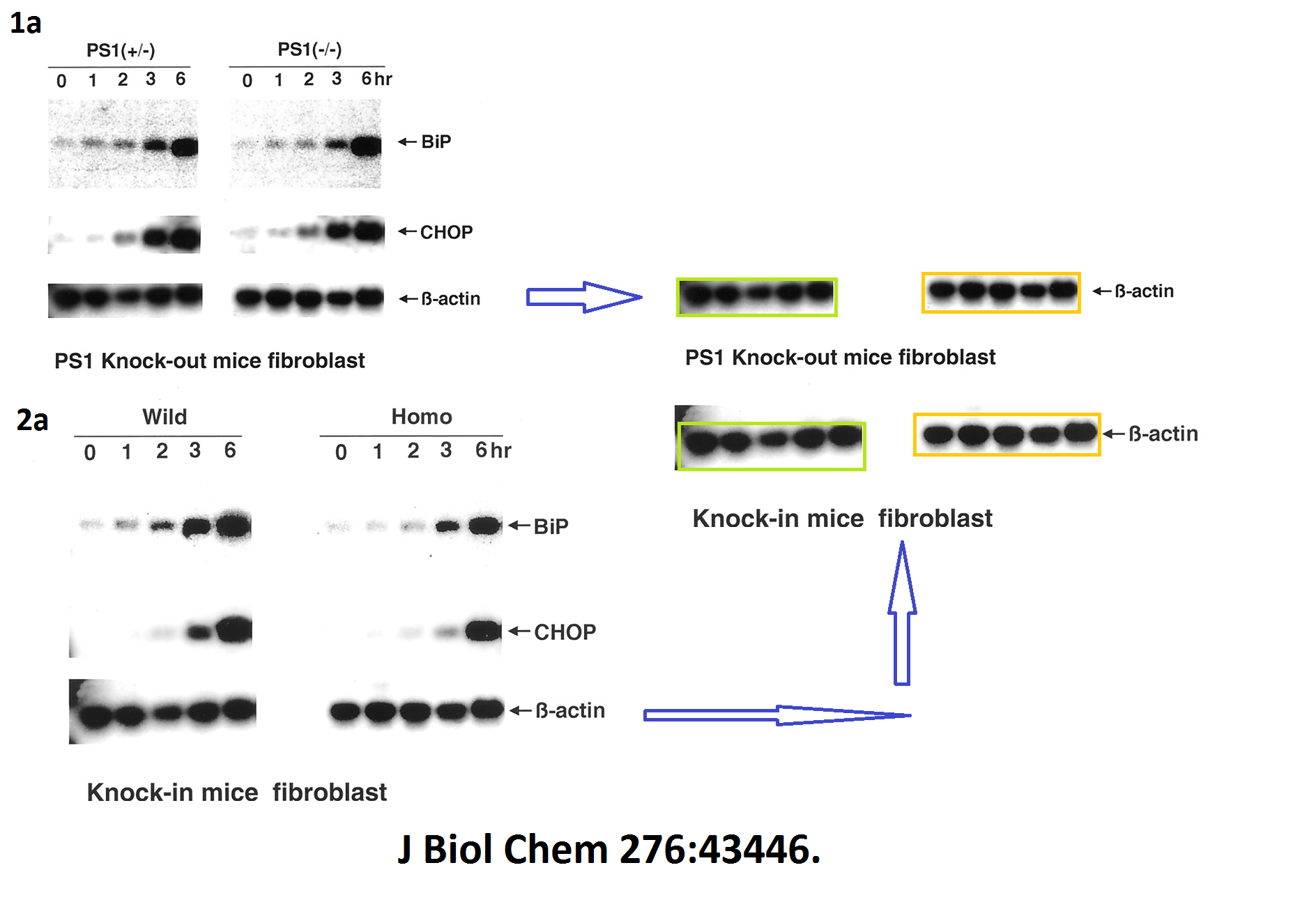
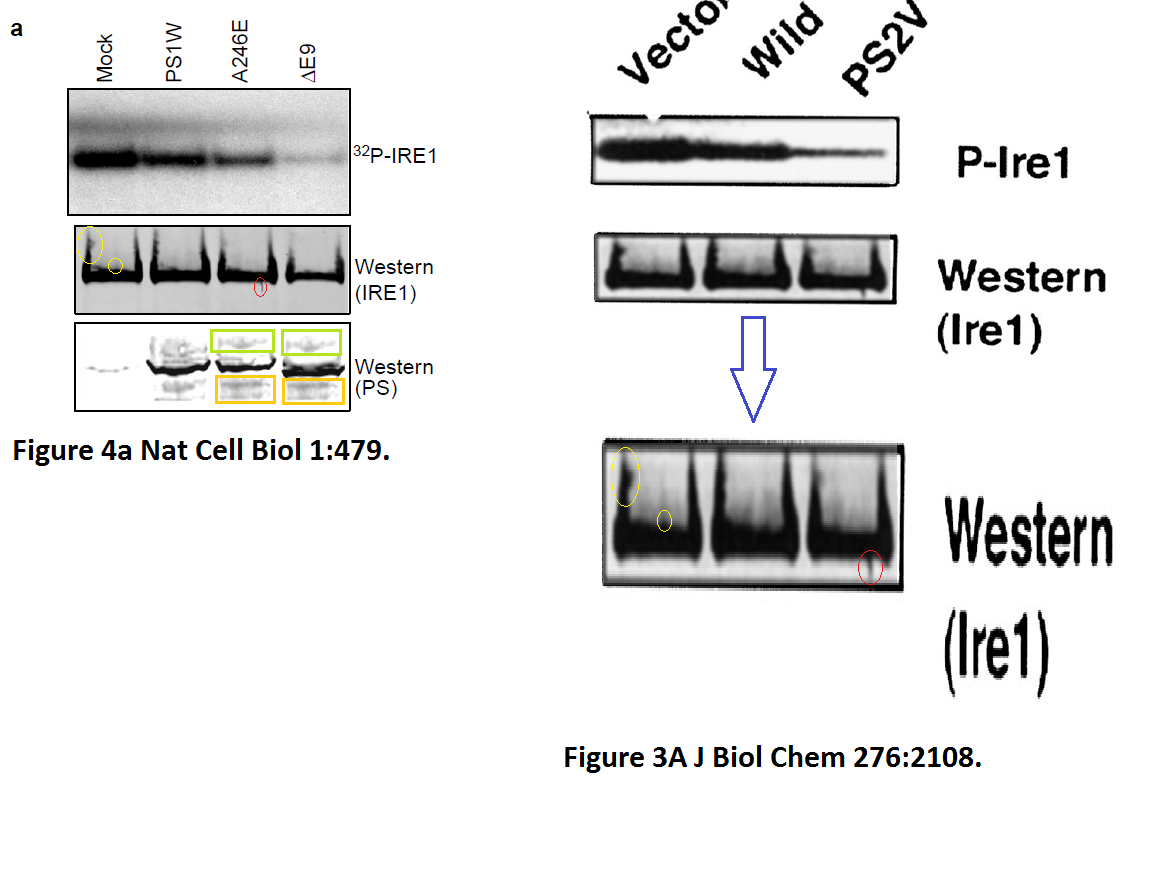
The evidence is years old, but nothing has happened so far. Yet one St George-Hyslop coauthored publication was retracted in 2020. Its first author Sabine Wislet is professor in Belgium and has a number of other papers questioned on PubPeer, including another retraction.
Sabine Wislet-Gendebien, Cheryl D’Souza, Toshitaka Kawarai, Peter St George-Hyslop, David Westaway, Paul Fraser, Anurag Tandon Cytosolic proteins regulate alpha-synuclein dissociation from presynaptic membranes The Journal of biological chemistry (2006) doi: 10.1074/jbc.m605965200
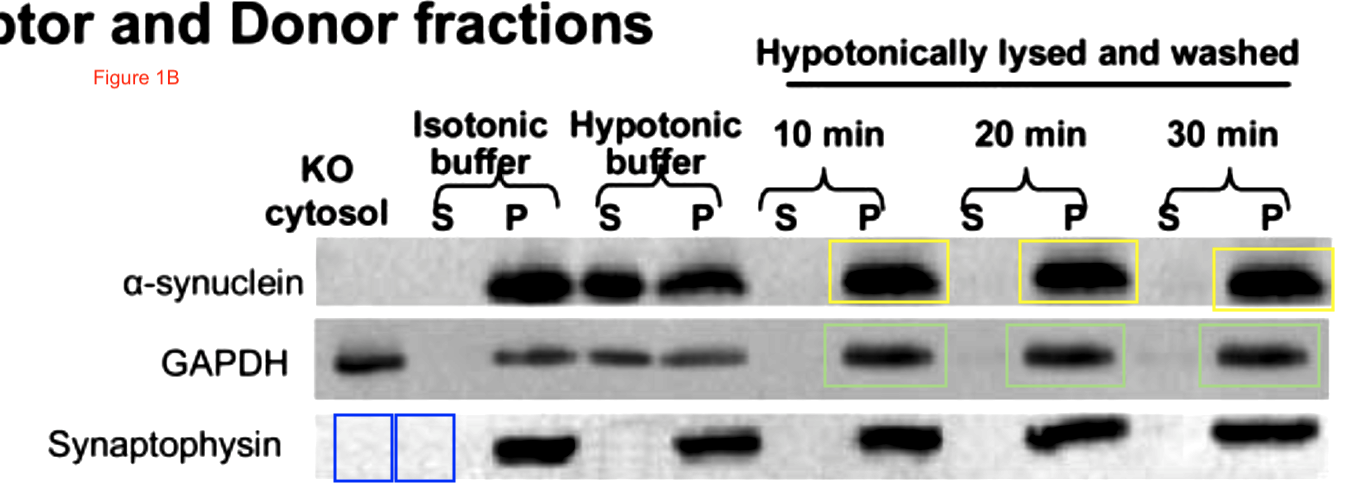
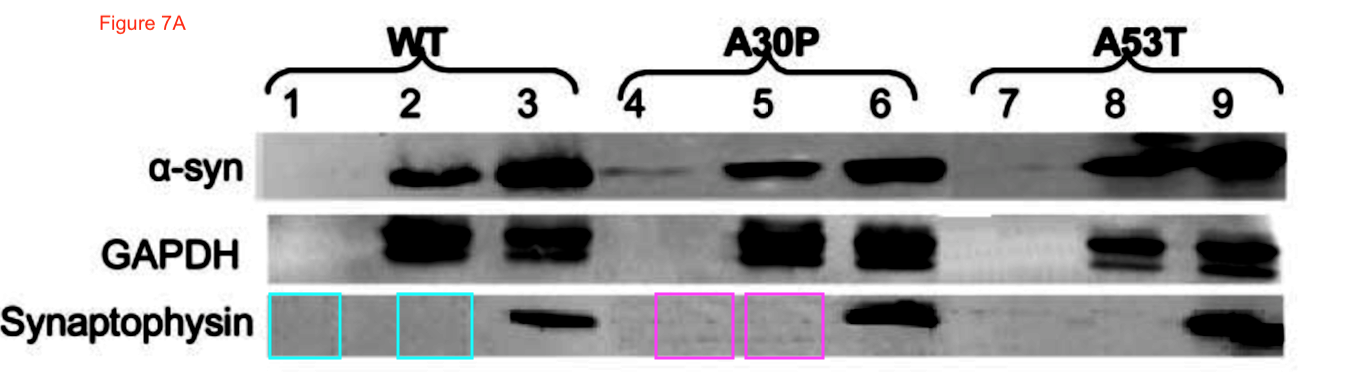
Now the fun starts. Clare Francis of course notified the University of Cambridge and the Wellcome Trust (which funds St Seorge-Hyslop’s research). This was their decision, as penned to Clare Francis by the Policies & Governance Officer of Wellcome Trust, Lucy Douch, in February 2017:
“Further to your email of 17 August 2016, we raised your concerns about Professor Peter St George-Hyslop with the University of Cambridge, the employing institution.
The University conducted an investigation under its Misconduct in Research policy. The investigation concluded that the allegations made are entirely unfounded.”
This is not even passive aggressive, it sounds almost like a legal threat from Wellcome Trust. In fact, this is a proud English Fuck You to every single whistleblower who dares to impugn the greatness of English science genius.
Although, to be fair, I suspect the Cambridge University probably has same statute of limitations on research fraud as Oxford, of 3 years. Because there was nothing for them to investigate in those older paper, they declared the allegations as “entirely unfounded”.
If you enjoyed St George-Hyslop’s aristocratic antics, you should also have a look at the PubPeer record of another Cambridge professor, Dame Carol Mary Black, DBE, FRCP, BSD, Principal of the Newnham College. Here a sample, with the Dame Commander of the Order of the British Empire as last author, Denton et al JBC 2005:
Xin Lu, FRS
Britain is open to foreigners, as we know. Not the lowly kind who don’t know how to get rich quick. If you know how to play the game, you can become part of the English science elite. Xin Lu studied in her home land China, and in UK she eventually arrived to the Ludwig Cancer Centre, first at its London branch and later to take over the directorship of the central seat in Oxford.
Yes, Oxford is the university with 3 year statute of limitation for research misconduct. Nothing to see here at all:
Daniele Bergamaschi, Yardena Samuels, Alexandra Sullivan, Marketa Zvelebil, Hilde Breyssens, Andrea Bisso, Giannino Del Sal, Nelofer Syed, Paul Smith, Milena Gasco, Tim Crook, Xin Lu iASPP preferentially binds p53 proline-rich region and modulates apoptotic function of codon 72–polymorphic p53 Nature Genetics (2006) doi: 10.1038/ng1879
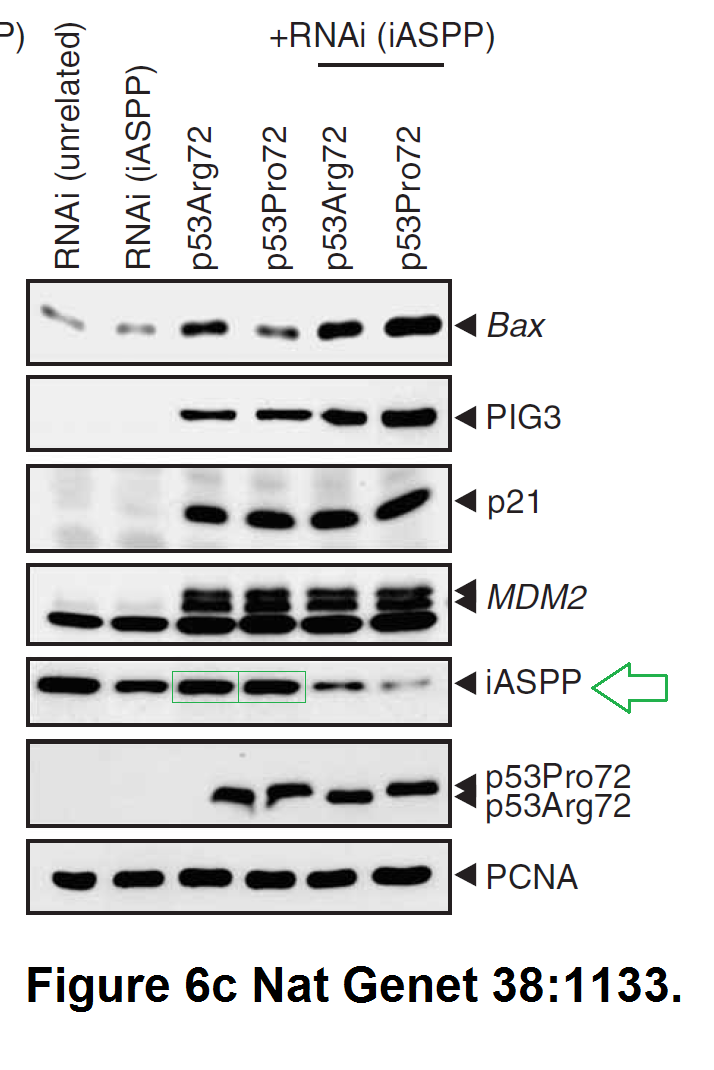
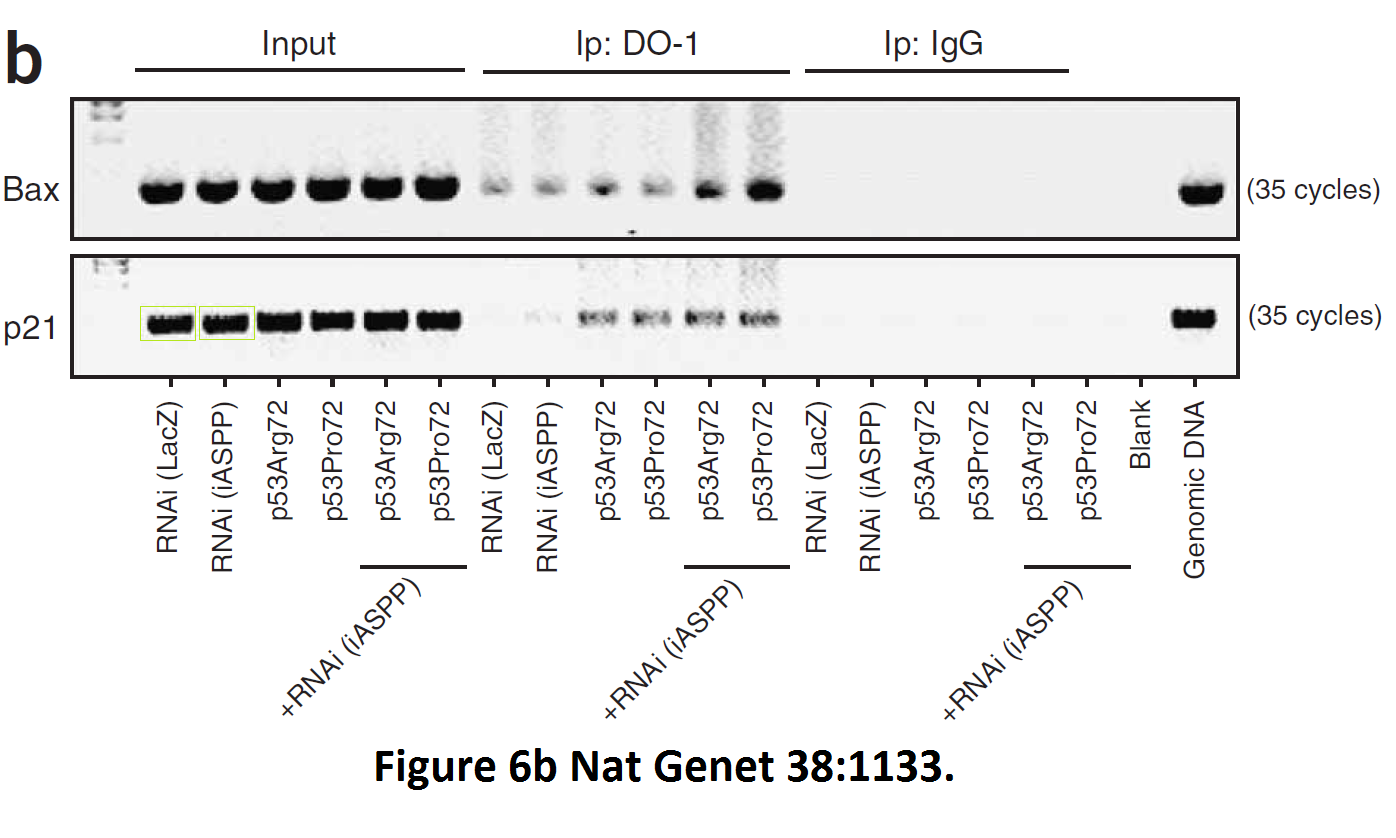
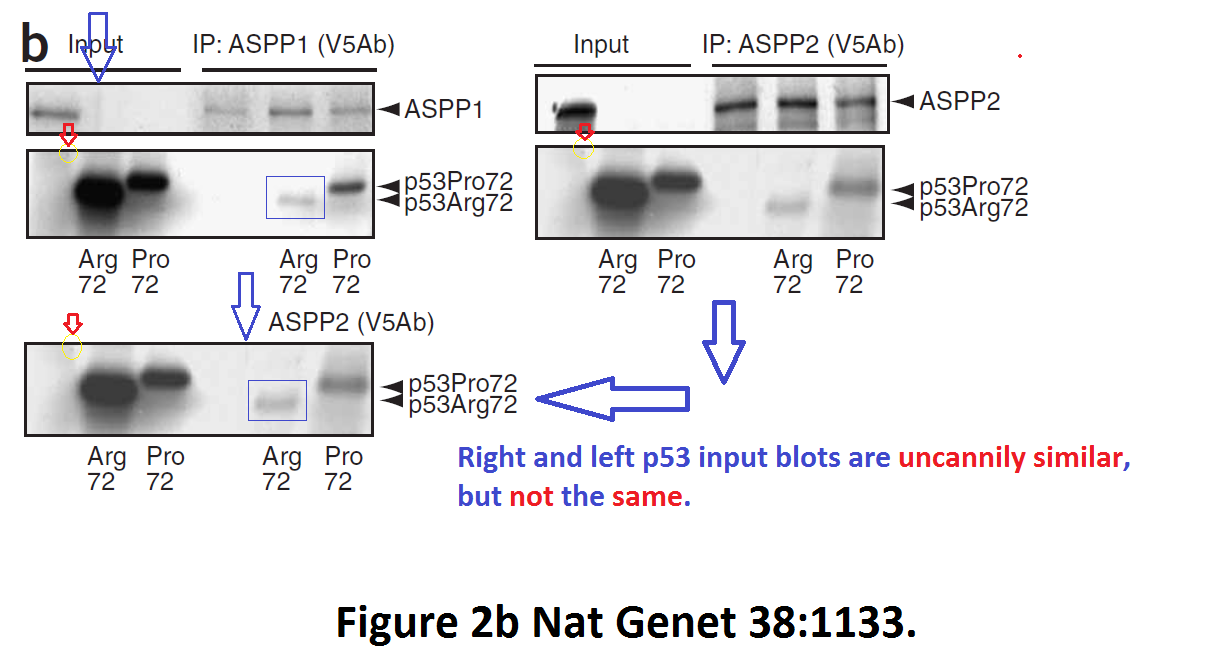
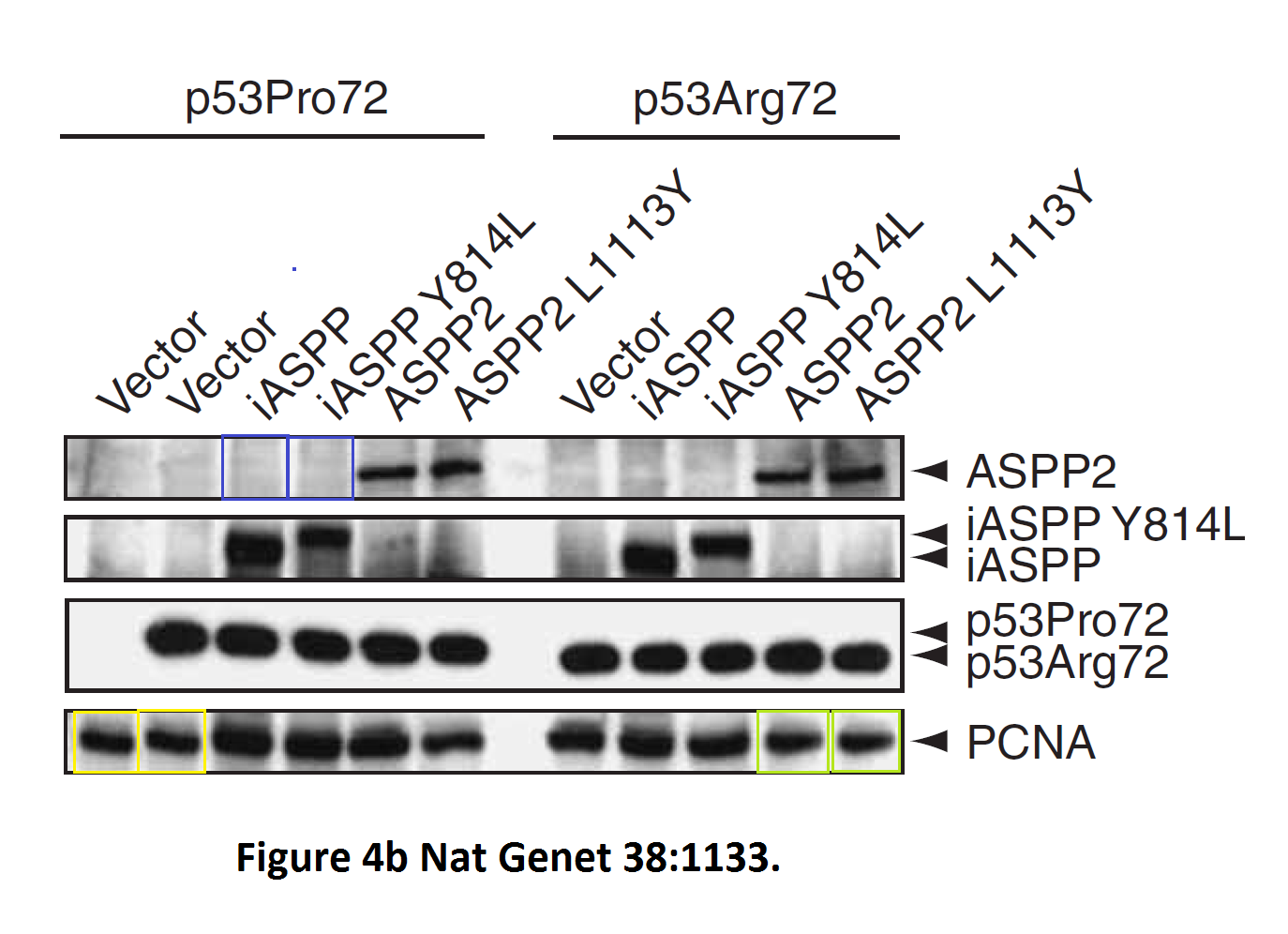
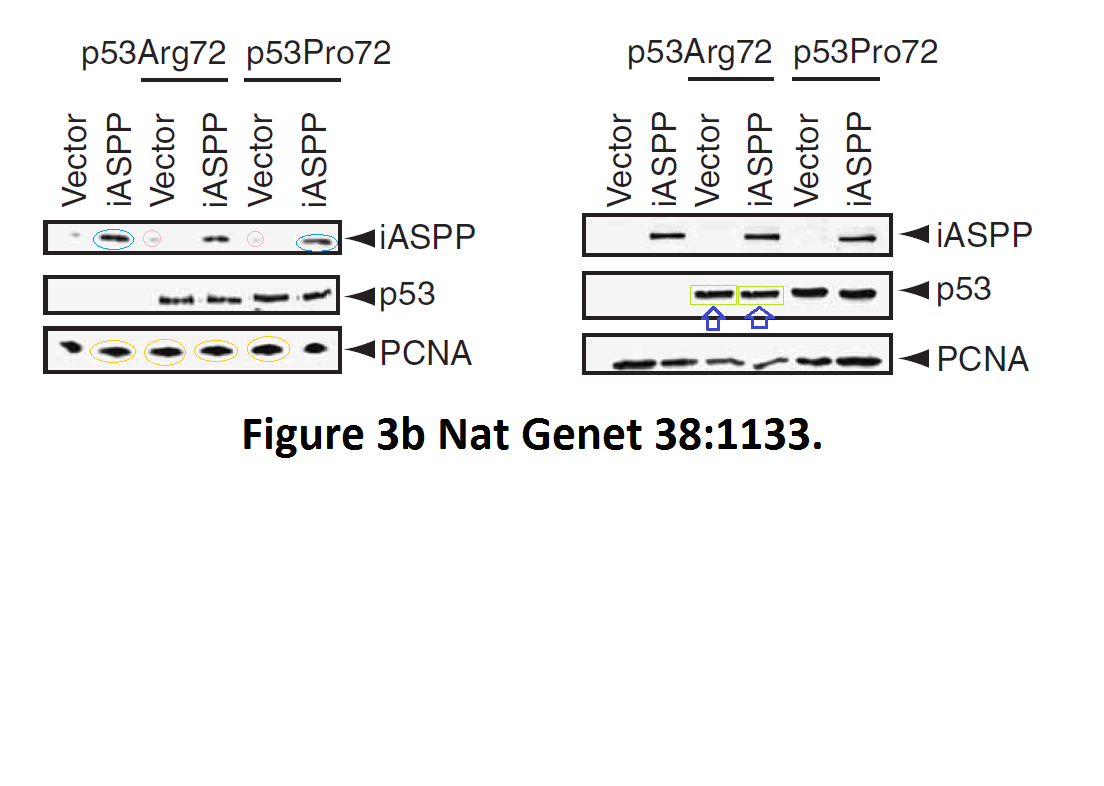
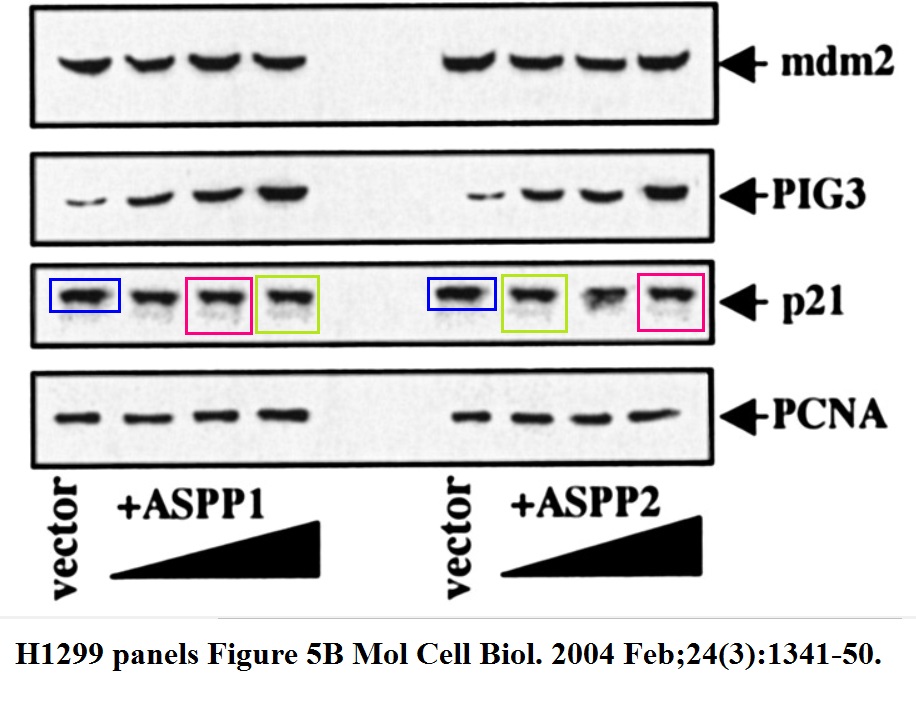
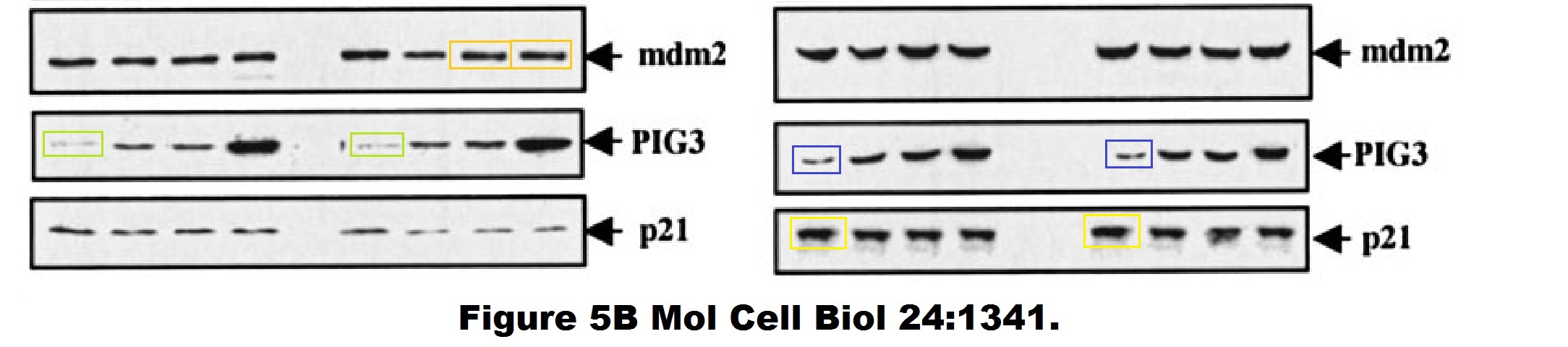
So many cloned gel bands, and yes, Clare Francis informed the University of Oxford of this and other masterpieces. The first author on that paper, Daniele Bergamaschi is now lecturer at the Queen Mary University of London, his lab is at Barts. You see again which kind of talents Barts boss Lemoine expects from his principal investigators. Bergamaschi also authored this work of art with Lu:
Daniele Bergamaschi, Yardena Samuels, Boquan Jin, Sai Duraisingham, Tim Crook, Xin Lu ASPP1 and ASPP2: common activators of p53 family members Molecular and Cellular Biology (2004) doi: 10.1128/mcb.24.3.1341-1350.2004
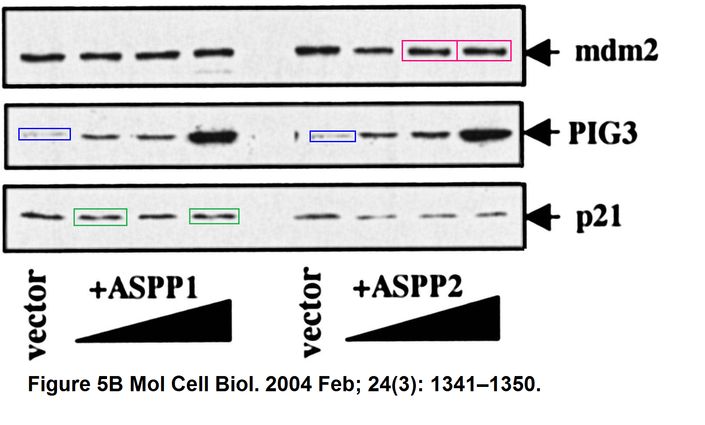
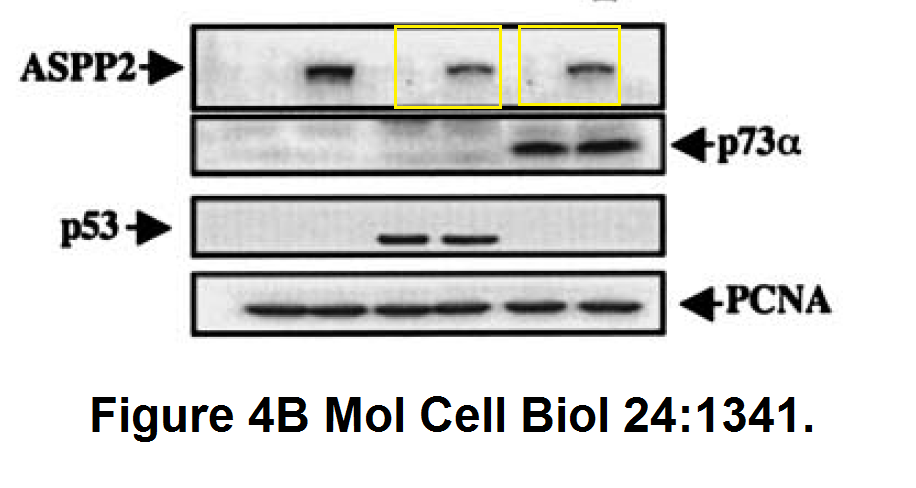
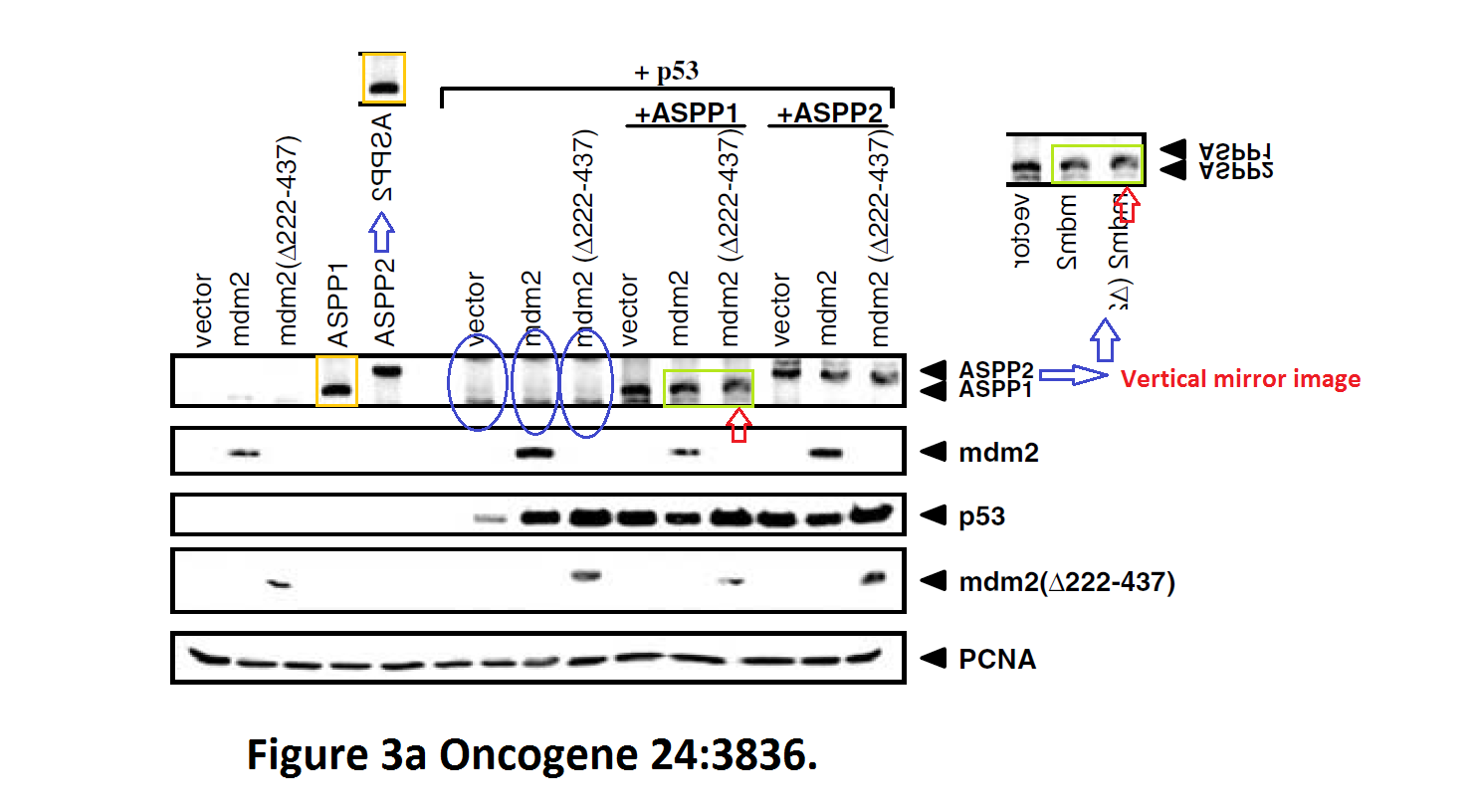
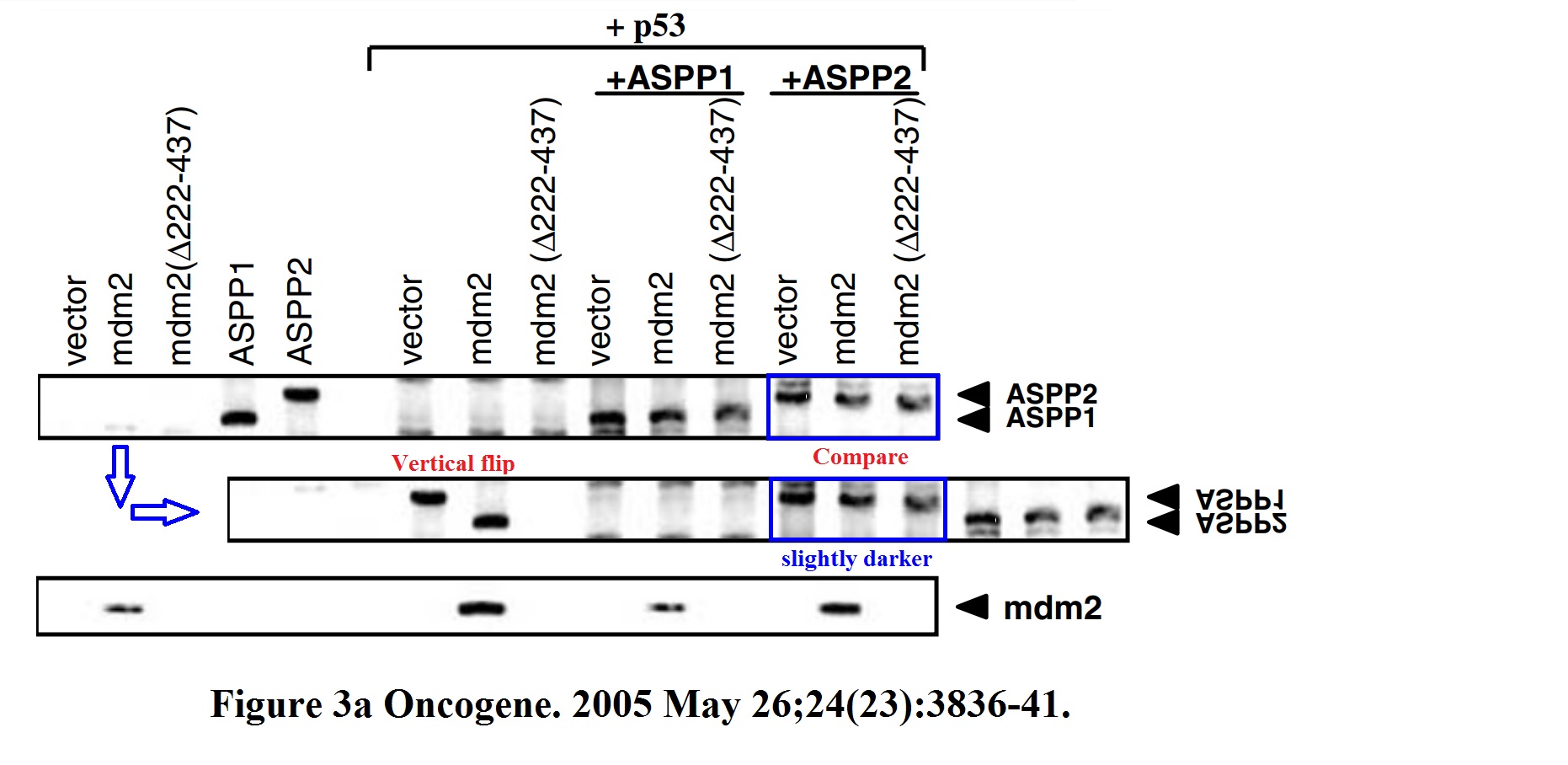
And this one by Bergamaschi and Lu, in Oncogene (remember the Editor-in-Chief Justin Stebbing?):
Daniele Bergamaschi, Yardena Samuels, Shan Zhong, Xin Lu Mdm2 and mdmX prevent ASPP1 and ASPP2 from stimulating p53 without targeting p53 for degradation Oncogene (2005) doi: 10.1038/sj.onc.1208535
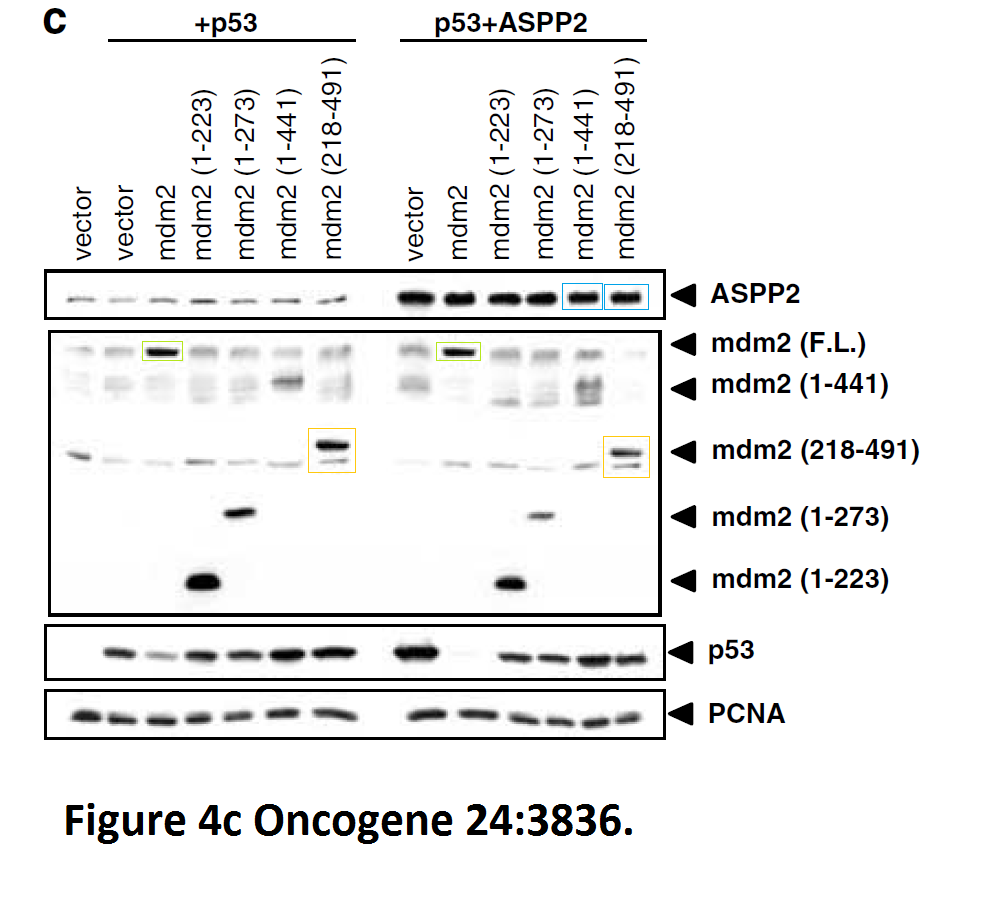
I hope you are learning from Bergamaschi and Lu how to make career in English science. It’s not that difficult, all you need is the will to succeed. Another common author on all these papers is Yardena Samuels. She went back to Israel where she is now professor at the Weizmann Institute. Here more by Bergamaschi (and Samuels):
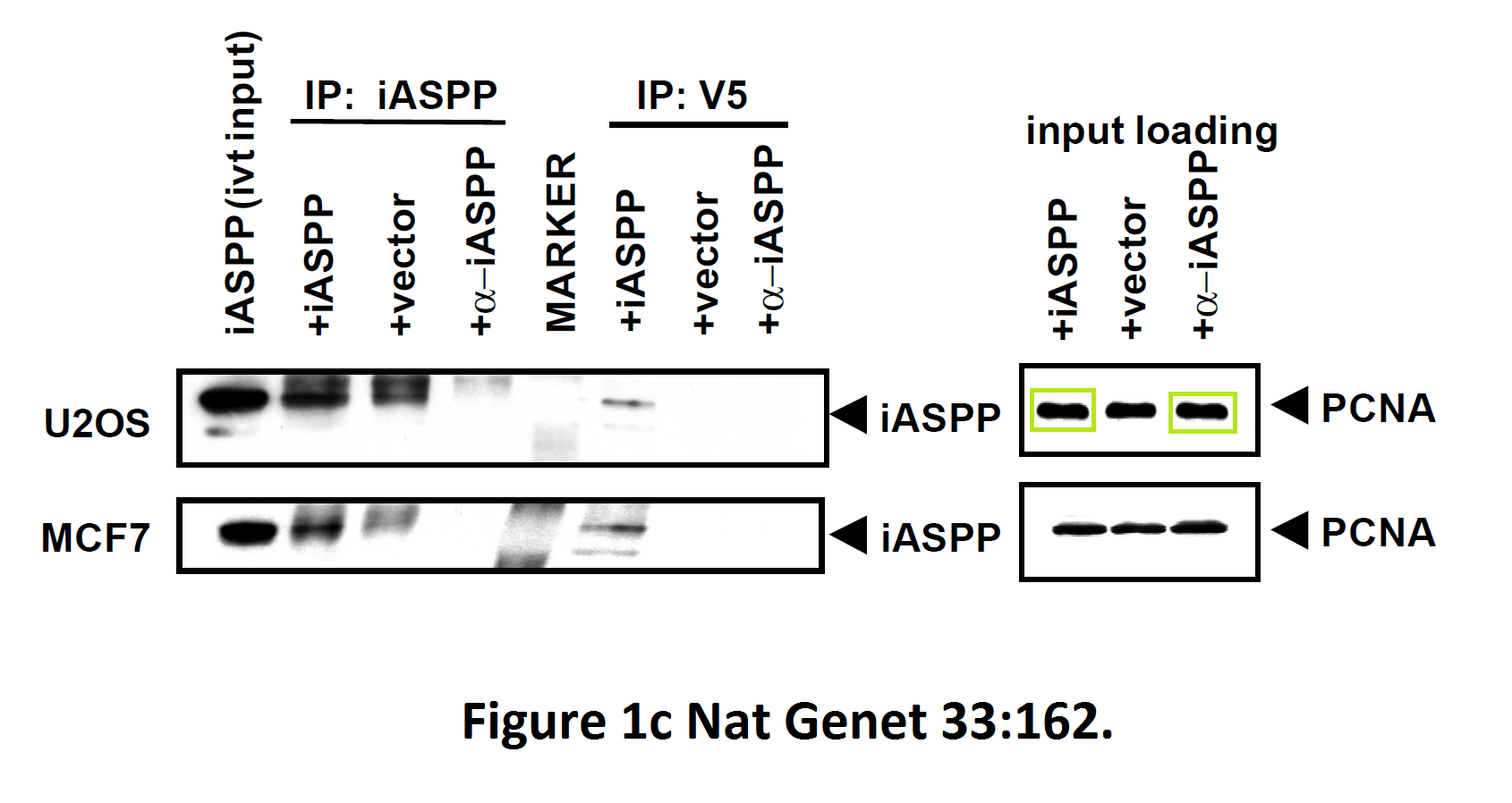
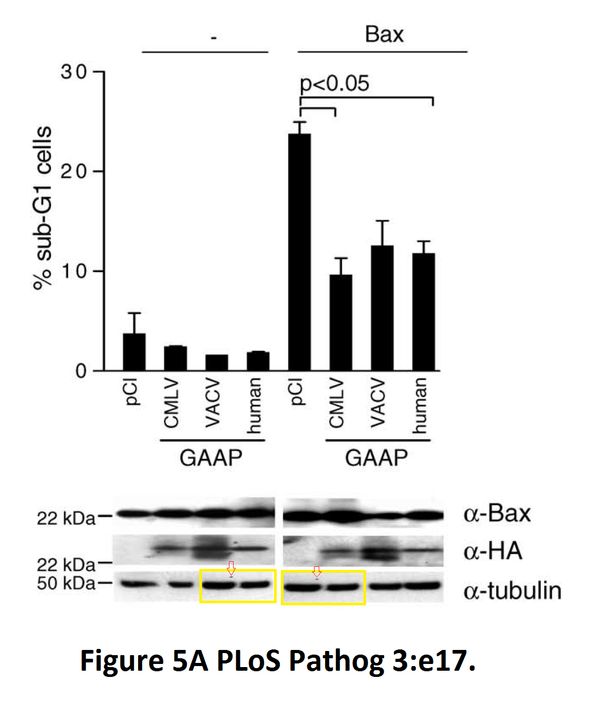
The last author on one of those papers is Geoffrey Smith, head of Pathology Department at University of Cambridge and member of all possible learned societies including the German Leopoldina. People of this calibre can’t be associated with bad science, so don’t expect even a correction.
But the next two papers from Lu lab doesn’t have Bergamaschi among its authors. Here one:

Damian B. S. Yap, Jung-Kuang Hsieh, Shan Zhong, Vicky Heath, Barry Gusterson, Tim Crook, Xin Lu Ser392 phosphorylation regulates the oncogenic function of mutant p53 Cancer Research (2004) doi: 10.1158/0008-5472.can-1305-2
These are two very fraudulent figures, bands were erased in one version by a rascal. But this paper, like others, is too old for anyone to give a toss about. Here something more recent:
Min Lu, Hilde Breyssens, Victoria Salter, Shan Zhong, Ying Hu, Caroline Baer, Indrika Ratnayaka, Alex Sullivan, Nicholas R. Brown, Jane Endicott, Stefan Knapp, Benedikt M. Kessler, Mark R. Middleton, Christian Siebold, E. Yvonne Jones, Elena V. Sviderskaya, Jonathan Cebon, Thomas John, Otavia L. Caballero, Colin R. Goding, Xin Lu Restoring p53 function in human melanoma cells by inhibiting MDM2 and cyclin B1/CDK1-phosphorylated nuclear iASPP Cancer Cell (2013) doi: 10.1016/j.ccr.2013.03.013
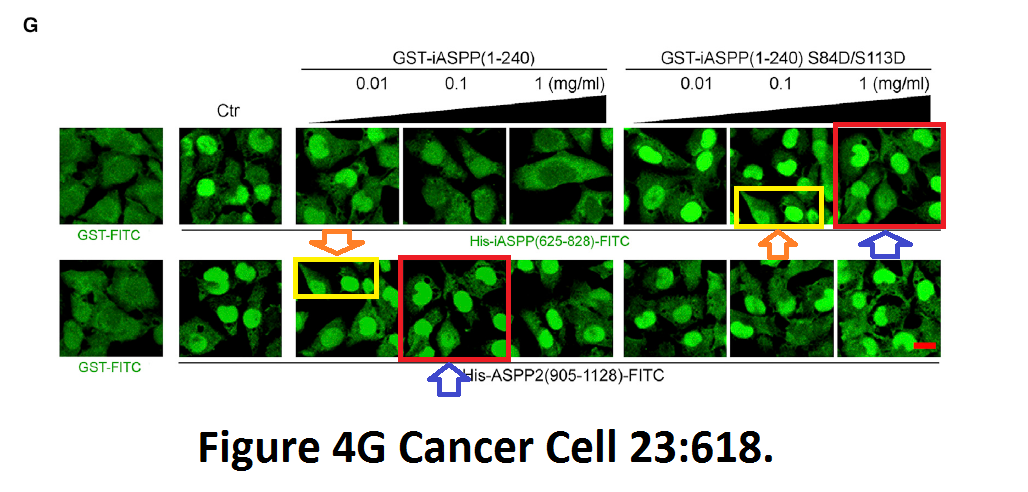
An Erratum was issued by Cell Press in 2016 and declared:
“This error does not affect any of the findings reported in the paper.”
With English research fabrications it is just like with Brexit: get over it, they won. Science is an English colony and the rotten upper classes are busy plundering it.
Donate!
If you are interested to support my work, you can leave here a small tip of $5. Or several of small tips, just increase the amount as you like (2x=€10; 5x=€25). Or you can donate to Barts or Ludwig centres for cancer research!
€5.00

 For Better Science
Nat Cell Biol. 2001 May;3(5):445-52. doi: 10.1038/35074506.
Stabilization of p53 by p14ARF without relocation of MDM2 to the nucleolus
S Llanos 1, P A Clark, J Rowe, G Peters
Affiliation
1Imperial Cancer Research Fund, 44 Lincoln’s Inn Fields, London WC2A 3PX, UK.
PMID: 11331871 DOI: 10.1038/35074506
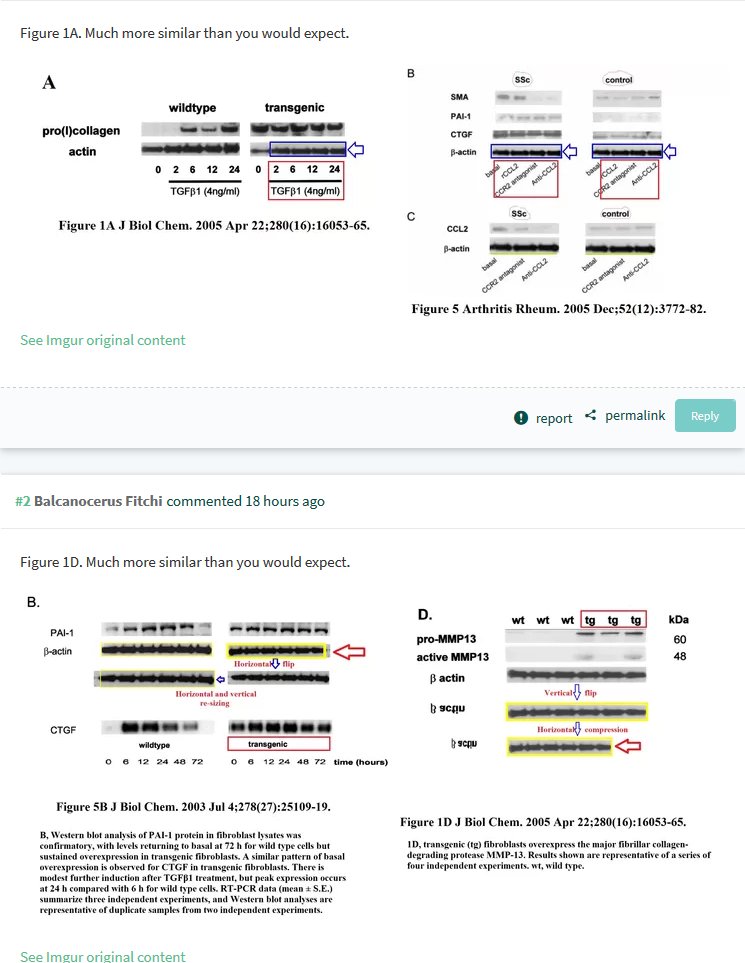
Figure 8c. Much more similar than expected.
LikeLike
Cancer Res. 2001 Nov 1;61(21):8005-13.
Direct relation between BCR-ABL tyrosine kinase activity and cyclin D2 expression in lymphoblasts
M W Deininger 1, S A Vieira, Y Parada, L Banerji, E W Lam, G Peters, F X Mahon, T Köhler, J M Goldman, J V Melo
Affiliation
1Department of Haematology, Faculty of Medicine, Imperial College of Science, Technology and Medicine, Hammersmith Hospital, London W12 0NN, United Kingdom.
PMID: 11691826
Figure 3(a). Much more similar than expected.
https://pubpeer.com/publications/11CD6B394C5CC0B0DD36A3DCB210C9#1
Figure 3(c). Much more similar than expected.
https://pubpeer.com/publications/11CD6B394C5CC0B0DD36A3DCB210C9#3
LikeLike
Oncogene. 2000 Jan 27;19(4):592-8. doi: 10.1038/sj.onc.1203339.
E6 proteins from diverse cutaneous HPV types inhibit apoptosis in response to UV damage
S Jackson 1, A Storey
1
ICRF Skin Tumour Laboratory, Centre for Cutaneous Research, London, UK.
PMID: 10698529 DOI: 10.1038/sj.onc.1203339
Problematic data figure 1a. Much more similar than expected.
Problematic data figure 5. Much more similar than expected.
LikeLike
Mol Cancer Ther. 2008 May;7(5):1319-28. doi: 10.1158/1535-7163.MCT-07-0475.
Inhibition of DNA binding of the NF-Y transcription factor by the pyrrolobenzodiazepine-polyamide conjugate GWL-78
Minal Kotecha 1, Jerome Kluza, Geoff Wells, C Caroline O’Hare, Claudia Forni, Roberto Mantovani, Philip W Howard, Peter Morris, David E Thurston, John A Hartley, Daniel Hochhauser
Affiliation1Cancer Research UK Drug-DNA Interac Research Group, UCL Cancer Institute, University College London, London, United Kingdom.
PMID: 18483319 DOI: 10.1158/1535-7163.MCT-07-0475
Problematic data figure 6. Splicing in some panels, but not in other panels.
LikeLike
Hum Mol Genet. 2004 Dec 1;13(23):2937-45. doi: 10.1093/hmg/ddh316. Epub 2004 Sep 30.
ATM is required for the cellular response to thymidine induced replication fork stress
Emma Bolderson 1, Jennifer Scorah, Thomas Helleday, Carl Smythe, Mark Meuth
Affiliation
1
Institute for Cancer Studies, School of Medicine, University of Sheffield, UK.
PMID: 15459181 DOI: 10.1093/hmg/ddh316
Problematic data figure 2B. Much more similar than expected.
LikeLike
Hum Mol Genet. 2004 Jan 15;13(2):203-12. doi: 10.1093/hmg/ddh022. Epub 2003 Nov 25.
A tumour-derived mutant allele of XRCC2 preferentially suppresses homologous recombination at DNA replication forks
Atul Mohindra 1, Emma Bolderson, Jason Stone, Michael Wells, Thomas Helleday, Mark Meuth
Affiliation1Institute for Cancer Studies, University of Sheffield, School of Medicine, Sheffield, UK.
PMID: 14645207 DOI: 10.1093/hmg/ddh022
Problematic data figure 1B. Much more similar after vertical stretch than expected.
Thomas Helleday’s Group | Karolinska Institutet
https://ki.se/en/onkpat/thomas-helledays-group
In 2018, Professor Helleday reestablished a laboratory in the UK as founding Director of the Weston Park Cancer Center at the University of Sheffield. Today Prof. Helleday shares his time between KI and Sheffield University. The Helleday team at KI is fully active under the lead of deputy group head Dr Ulrika Warpman Berglund.
LikeLike
Nucleic Acids Res. 2005; 33(12): 3799–3811.
Published online 2005 Jul 11. doi: 10.1093/nar/gki681PMCID: PMC1174933PMID: 16009812
Methyl methanesulfonate (MMS) produces heat-labile DNA damage but no detectable in vivo DNA double-strand breaks
Cecilia Lundin,1 Matthew North,2 Klaus Erixon,1 Kevin Walters,3 Dag Jenssen,1 Alastair S. H. Goldman,2 and Thomas Helleday1,4,
*Author information
1 Department of Genetics, Microbiology and Toxicology, Stockholm University, Svante Arrhenius väg 16, S-106 91 Stockholm, Sweden
2 Department of Molecular Biology and Biotechnology, University of Sheffield, Sheffield S10 2TN, UK
3 Mathematical Modelling and Genetic Epidemiology, University of Sheffield, Sheffield S10 2TN, UK
4 The Institute for Cancer Studies, Division of Genomic Medicine, University of Sheffield, Sheffield S10 2TN, UK
*To whom correspondence should be addressed at Department of Genetics, Microbiology and Toxicology, Stockholm University, Svante Arrhenius väg 16, S-106 91 Stockholm, Sweden. Tel: +46 8 16 29 14; Fax: +46 8 16 43 15; Email: helleday@gmt.su.se
The authors wish it to be known that Dr A. Goldman is considered as joint senior (last) author (contact details: Tel: +44 114 222 2779; Fax: +44 114 272 8697; Email: a.goldman@sheffield.ac.uk
Problematic data figure 2C.
Much more similar than expected.
Corrected 2012. https://www.ncbi.nlm.nih.gov/pmc/articles/PMC3384354/
but Oops I did it again!
See: https://pubpeer.com/search?q=thomas+helleday
LikeLike
Pingback: Kristian Helin gets the perfect job – For Better Science
2021 correction for:
Clin Cancer Res. 2020 Jan 15;26(2):465-476. doi: 10.1158/1078-0432.CCR-19-1395. Epub 2019 Nov 25.
A Virus-Infected, Reprogrammed Somatic Cell-Derived Tumor Cell (VIReST) Vaccination Regime Can Prevent Initiation and Progression of Pancreatic Cancer
Shuangshuang Lu 1, Zhe Zhang 1, Pan Du 1, Louisa S Chard 2, Wenli Yan 1, Margueritte El Khouri 2, Zhizhong Wang 1, Zhongxian Zhang 1, Yongchao Chu 1, Dongling Gao 1, Qinxian Zhang 3, Lirong Zhang 3, Ai Nagano 2, Jun Wang 2, Claude Chelala 2, Jing Liu 4 5, Jiekai Chen 4 5, Pentao Liu 6, Yunshu Dong 7, Shengdian Wang 7, Xiaozhu Li 7, Jianzeng Dong 8, Nick R Lemoine 1 2, Duanqing Pei 9 5, Yaohe Wang 10 2
Affiliations
1National Center for International Research in Cell and Gene Therapy, Sino-British Research Centre for Molecular Oncology, Academy of Medical Sciences, Zhengzhou University, Zhengzhou, China.
2Centre for Molecular Oncology, Barts Cancer Institute, Queen Mary University of London, London, United Kingdom.
3School of Basic Medical Sciences, Academy of Medical Sciences, Zhengzhou University, Zhengzhou, China.
4CAS Key Laboratory of Regenerative Biology, South China Institute for Stem Cell Biology and Regenerative Medicine, Guangzhou Institutes of Biomedicine and Health, Chinese Academy of Sciences, Guangzhou, Guangzhou, China.
5Guangzhou Regenerative Medicine and Health Guangdong Laboratory, Guangzhou, China.
6School of Biomedical Sciences, Li Ka Shing Faculty of Medicine, The University of Hong Kong, Hong Kong, China.
7CAS Key Laboratory of Infection and Immunity, Institute of Biophysics, Chinese Academy of Sciences, Beijing, China.
8Department of Cardiology, Beijing Anzhen Hospital, Capital Medical University, Beijing, China.
9CAS Key Laboratory of Regenerative Biology, South China Institute for Stem Cell Biology and Regenerative Medicine, Guangzhou Institutes of Biomedicine and Health, Chinese Academy of Sciences, Guangzhou, Guangzhou, China. Yaohe.wang@qmul.ac.uk Pei_duanqing@gibh.ac.cn.
10National Center for International Research in Cell and Gene Therapy, Sino-British Research Centre for Molecular Oncology, Academy of Medical Sciences, Zhengzhou University, Zhengzhou, China. Yaohe.wang@qmul.ac.uk Pei_duanqing@gibh.ac.cn.
PMID: 31767564
DOI: 10.1158/1078-0432.CCR-19-1395
2021 correction.
https://clincancerres.aacrjournals.org/content/27/9/2663
In the original version of this article (1), five immunofluorescence panels in Fig. 3A were incorrect: DE-KPC-Oct4/DAPI, PPLC-KPC-Nanog/DAPI, PPLC-KPC-Sox17/DAPI, PPLC-WT-KP-Nanog/DAPI, and PPLC-WT-KP-Sox17/DAPI. In addition, the legend for Fig. 2E did not provide clarification about the teratoma section used. These errors have been corrected in the latest online HTML and PDF versions of the article. The authors regret these errors.
https://pubpeer.com/publications/2CF10357FD9372276AEAA97D7F2C35
Reference
1.↵Lu S, Zhang Z, Du P, Chard LS, Yan W, El Khouri M, et al. A virus-infected, reprogrammed somatic cell–derived tumor cell (VIReST) vaccination regime can prevent initiation and progression of pancreatic cancer. Clin Cancer Res 2020;26:465–76.
LikeLike
2021 retraction for:
Respir Res . 2018 May 9;19(1):85. doi: 10.1186/s12931-018-0788-x.
The anti-proliferative and anti-inflammatory response of COPD airway smooth muscle cells to hydrogen sulfide
Mark M Perry 1, Bernadett Tildy 2, Alberto Papi 3, Paolo Casolari 3, Gaetano Caramori 4, Karen Limbert Rempel 5, Andrew J Halayko 5, Ian Adcock 2, Kian Fan Chung 2
Affiliations
1
School of Pharmacy & Biomedical Sciences, University of Portsmouth, St. Michael’s Building, White Swan Road, Portsmouth, PO1 2DT, UK. mark.perry@port.ac.uk.
2
Airways Disease, National Heart and Lung Institute, Imperial College, London & Royal Brompton NIHR Biomedical Research Unit, London, SW3 6LY, UK.
3
Sezione di Medicina Interna e Cardiorespiratoria, Centro Interdipartimentale per lo Studio delle Malattie Infiammatorie delle Vie Aeree e Patologie Fumo-Correlate (CEMICEF, formerly termed Centro di Ricerca su Asma e BPCO), Università di Ferrara, Ferrara, Italy.
4
Unità Operativa Complessa di Pneumologia, Dipartimento di Scienze Biomediche, Odontoiatriche e delle Immagini Morfologiche e Funzionali (BIOMORF), Università degli Studi di Messina, Messina, Italy.
5
Departments of Internal Medicine & Physiology, Respiratory Hospital, Sherbrook Street, Winnipeg, MB, R3A 1R9, Canada.
PMID: 29743070 PMCID: PMC5944010 DOI: 10.1186/s12931-018-0788-x
2021 retraction notice.
Retraction to: Respiratory Research (2018) 19:85 https://doi.org/10.1186/s12931-018-0788-x
The Editors-in-Chief have retracted this article. After publication concerns were raised about two of the figures, specifically:
In Figure 3a, the MPST blot for non-smokers appears to be the same as the CBS blot for smokers.
In Figure 5a, the beta-actin blot for smokers appears to be the same as the beta-actin blot for smokers in Figure 3c in a previous article [1].
An investigation by Imperial College into the integrity of these images was unable to reach a conclusion as it was established that the raw data and images from this study are not available for examination; it was therefore recommended that the article be retracted.
Bernadett Tildy, Alberto Papi, Paolo Casolari, Gaetano Caramori, Karen Limbert Rempel, Andrew J. Halayko, Ian Adcock and Kian Fan Chung agree with this retraction. Mark Perry has not responded to correspondence from the Publisher about this retraction.
Reference
1.
O’Leary L, Sevinç K, Papazoglou IM, Tildy B, Detillieux K, Halayko AJ, Chung KF, Perry MM. Airway smooth muscle inflammation is regulated by microRNA-145 in COPD. FEBS Lett. 2016;590:1324–1334.
LikeLike
Senior author, Kian Fan Chung, has fair sized Pubpeer record.
https://pubpeer.com/search?q=Kian+Fan+Chung
LikeLike
Co-author, Ian M Adcock, has extensive Pubpeer record.
https://pubpeer.com/search?q=ian+adcock
LikeLike
Correction for:
Respir Res. 2021 Jan 7;22(1):10. doi: 10.1186/s12931-020-01605-8.
Sputum ACE2, TMPRSS2 and FURIN gene expression in severe neutrophilic asthma
Nazanin Zounemat Kermani # 1 2, Woo-Jung Song # 2 3, Yusef Badi 1 2, Ali Versi 1 2, Yike Guo 1, Kai Sun 1, Pank Bhavsar 2, Peter Howarth 4 5, Sven-Erik Dahlen 6, Peter J Sterk 7, Ratko Djukanovic 4 5, Ian M Adcock 1 2, Kian Fan Chung 8 9, U-BIOPRED Consortium
Collaborators, Affiliations
Collaborators
U-BIOPRED Consortium: Uruj Hoda, Christos Rossios, Elisabeth Bel, Navin Rao, David Myles, Chris Compton, Marleen Van Geest, Peter Howarth, Graham Roberts, Diane Lefaudeux, Bertrand De Meulder, Aruna T Bansal, Richard Knowles, Damijn Erzen, Scott Wagers, Norbert Krug, Tim Higenbottam, John Matthews, Veit Erpenbeek, Leon Carayannopoulos, Amanda Roberts, David Supple, Pim deBoer, Massimo Caruso, Pascal Chanez, Sven-Erik Dahlen, Ildikó Horváth, Nobert Krug, Jacek Musial, Thomas Sandström
Affiliations
1
Data Science Institute, Imperial College London, London, UK.
2
National Heart and Lung Institute, Imperial College London, Dovehouse St, London, SW3 6LY, UK.
3
Department of Allergy and Clinical Immunology, Asan Medical Center, University of Ulsan College of Medicine, Seoul, Korea.
4
Faculty of Medicine, Southampton University, Southampton, UK.
5
NIHR Southampton Respiratory Biomedical Research Unit, University Hospital Southampton, Southampton, UK.
6
Centre for Allergy Research, Karolinska Institute, Stockholm, Sweden.
7
Amsterdam University Medical Centers, University of Amsterdam, Amsterdam, Netherlands.
8
Data Science Institute, Imperial College London, London, UK. f.chung@imperial.ac.uk.
9
National Heart and Lung Institute, Imperial College London, Dovehouse St, London, SW3 6LY, UK. f.chung@imperial.ac.uk.
#
Contributed equally.
PMID: 33413387 PMCID: PMC7788167 DOI: 10.1186/s12931-020-01605-8
2021 correction.
Correction to: Sputum ACE2, TMPRSS2 and FURIN gene expression in severe neutrophilic asthma | Respiratory Research | Full Text (biomedcentral.com)
Following publication of the original article [1], we were notified that Fig 2b and 2c were duplicated. Figure 2c should be the data from bronchial biopsy.
Also, in Additional Table S1, the values for Female Asthma and Control under Bronchial Brushing were swapped and the last table column should read “Bronchial biopsy” instead of “Bronchial Brushing”.
1.
Kermani ZK, Song W-J, Badi Y, Versi A, Guo Y, Sun K, Bhavsar P, Howarth P, Dahlen S-E, Sterk PJ, Djukanovic R, Adcock IM, Chung KF, on behalf of U-BIOPRED Consortium. Sputum ACE2, TMPRSS2 and FURIN gene expression in severe neutrophilic asthma. Respir Res. 2021;22:10. https://doi.org/10.1186/s12931-020-01605-8.
LikeLike
J Exp Med . 1995 Dec 1;182(6):1951-8. doi: 10.1084/jem.182.6.1951.
Abnormal glucocorticoid receptor-activator protein 1 interaction in steroid-resistant asthma
I M Adcock 1, S J Lane, C R Brown, T H Lee, P J Barnes
Affiliation
1Department of Thoracic Medicine, National Heart and Lung Institute, London, United Kingdom.
PMID: 7500041
Am J Physiol . 1995 Feb;268(2 Pt 1):C331-8. doi: 10.1152/ajpcell.1995.268.2.C331.
Effects of glucocorticoids on transcription factor activation in human peripheral blood mononuclear cells
I M Adcock 1, C R Brown, C M Gelder, H Shirasaki, M J Peters, P J Barnes
Affiliation
1Department of Thoracic Medicine, National Heart and Lung Institute, London, United Kingdom.
PMID: 7864072 DOI: 10.1152/ajpcell.1995.268.2.C331
Figure 5 J Exp Med . 1995 Dec 1;182(6):1951-8. doi: 10.1084/jem.182.6.1951.
much more similar and different to figure 7 Am J Physiol . 1995 Feb;268(2 Pt 1):C331-8. doi: 10.1152/ajpcell.1995.268.2.C331.
than expected.
LikeLike
Neoplasia. 2011 Nov; 13(11): 1069–1080.
doi: 10.1593/neo.111032
PMCID: PMC3223610
PMID: 22131882
DNA-PK Mediates AKT Activation and Apoptosis Inhibition in Clinically Acquired Platinum Resistance1,2
Euan A Stronach, Michelle Chen, Elaina N Maginn, Roshan Agarwal, Gordon B Mills,† Harpreet Wasan, and Hani Gabra
Author information
Address all correspondence to: Euan A. Stronach, PhD, Ovarian Cancer Action Research Centre, 4th Floor Laboratories, Institute of Reproductive and Developmental Biology, Du Cane Rd, London W12 0NN, United Kingdom. E-mail: e.stronach@imperial.ac.uk
Problematic data figure 2. Much more similar and different than expected.
LikeLike
Previously in Scotland.
Cancer Res . 2001 Oct 1;61(19):6977-81.
BARX2 induces cadherin 6 expression and is a functional suppressor of ovarian cancer progression
G C Sellar 1, L Li, K P Watt, B D Nelkin, G J Rabiasz, E A Stronach, E P Miller, D J Porteous, J F Smyth, H Gabra
Affiliation
1
Imperial Cancer Research Fund Medical Oncology Unit and University of Edinburgh Department of Clinical Oncology, Edinburgh EH4 2XU, United Kingdom.
PMID: 11585719
Problematic data figure 1(a). Much more similar than expected.
LikeLike
Previously in Scotland.
Nat Genet. 2003 Jul;34(3):337-43. doi: 10.1038/ng1183.
OPCML at 11q25 is epigenetically inactivated and has tumor-suppressor function in epithelial ovarian cancer
Grant C Sellar 1, Karen P Watt, Genevieve J Rabiasz, Euan A Stronach, Li Li, Eric P Miller, Charles E Massie, Jayne Miller, Bruno Contreras-Moreira, Diane Scott, Iain Brown, Alastair R Williams, Paul A Bates, John F Smyth, Hani Gabra
Affiliation
1Cancer Research UK Edinburgh Oncology Unit, University of Edinburgh Cancer Research Centre, Crewe Road South, Edinburgh EH4 2XR, UK. grant.sellar@cancer.org.uk
PMID: 12819783 DOI: 10.1038/ng1183
Figure 3c. Much more similar than expected.
LikeLike
4th problematic paper Hani Gabra.
https://pubpeer.com/publications/C9ED9AEDDD0FBBABF55B3C85D19003
Cancer Discov . 2012 Feb;2(2):156-71. doi: 10.1158/2159-8290.CD-11-0256
The OPCML tumor suppressor functions as a cell surface repressor-adaptor, negatively regulating receptor tyrosine kinases in epithelial ovarian cancer
Arthur B McKie 1, Sebastian Vaughan, Elisa Zanini, Imoh S Okon, Louay Louis, Camila de Sousa, Mark I Greene, Qiang Wang, Roshan Agarwal, Dmitry Shaposhnikov, Joshua L C Wong, Hatice Gungor, Szymon Janczar, Mona El-Bahrawy, Eric W-F Lam, Naomi E Chayen, Hani Gabra
Affiliation
1
Ovarian Cancer Action Research Centre, Division of Cancer, Imperial College London Hammersmith Campus, London, United Kingdom. a.mckie@imperial.ac.uk
PMID: 22585860 PMCID: PMC3378039 DOI: 10.1158/2159-8290.CD-11-0256
Problematic data figure 3(d). Much more similar than expected.
LikeLike
Re: https://www.imperial.ac.uk/people/h.gabra
Official bio fits with time in Edinburgh.
“He [Hani] then completed his specialist training in Cancer Medicine in Edinburgh and was CRUK Clinical Scientist and Consultant Medical Oncologist at the CRUK Edinburgh Medical Oncology Unit from 1998-2003, following which he took up his Chair appointment at Imperial College.”
LikeLike
Pingback: Cell Death and Depravity – For Better Science
“Not matter what you hear from Brexit, it’s not like England is not tolerant and welcoming. Clean of foreign detritus, free Britain can now freely choose what kind of foreigner it will let it.”
https://www.ucl.ac.uk/uk-dementia-research-institute/bart-de-strooper
Prof Bart De Strooper
Director of UK Dementia Research Institute
UK Dementia Research Institute HQ
Faculty of Brain Sciences
Biography
Prof Bart De Strooper is a world-renowned Alzheimer’s disease researcher. He is best known for his work on the proteolytic processing of the amyloid precursor protein, the functional studies of presenilin and the identification of gamma-secretase. More recently he has worked on a cellular theory for Alzheimer to explain how different cell types underlay the progressive disease process. He was formerly based at the K.U.Leuven. He was Director at the Vlaams Instituut voor Biotechnologie and led a neuroscience department of over 250 researchers. He was elected to the Academy of Medical Sciences Fellowship in 2020, and has received several awards including the Potamkin prize, the Metlife Foundation Award for Medical Research, Alois Alzheimer’s prize, the highly prestigious Brain Prize 2018 and Commander in the Order of Leopold I. In addition to steering the UK DRI as National Director, his new research group at the UK DRI at UCL will interrogate the fundamental mechanisms behind Alzheimer’s and Parkinson’s disease.
Paper 1.
Proc Natl Acad Sci U S A . 2005 Feb 1;102(5):1719-24. doi: 10.1073/pnas.0408901102. Epub 2005 Jan 21.
Differential contribution of the three Aph1 genes to gamma-secretase activity in vivo
Lutgarde Serneels 1, Tim Dejaegere, Katleen Craessaerts, Katrien Horré, Ellen Jorissen, Thomas Tousseyn, Sébastien Hébert, Marcel Coolen, Gerard Martens, An Zwijsen, Wim Annaert, Dieter Hartmann, Bart De Strooper
Affiliation
1
Neuronal Cell Biology, Flanders Interuniversity Institute for Biotechnology and Katholieke Universiteit Leuven, Leuven B-3000, Belgium.
PMID: 15665098 PMCID: PMC547495 DOI: 10.1073/pnas.0408901102
Bart de Strooper has too many papers. He puts the same waffles on different plates, pretending they are different waffles. He has fewer waffles than he is letting on. This paper is a case in point.
Problematic data figure 4A. Much more similar than expected.
Paper 2.
EMBO Rep . 2006 Jul;7(7):739-45. doi: 10.1038/sj.embor.7400704. Epub 2006 May 19.
Regulated intramembrane proteolysis of amyloid precursor protein and regulation of expression of putative target genes
Sébastien S Hébert 1, Lutgarde Serneels, Alexandra Tolia, Katleen Craessaerts, Carmen Derks, Mikhail A Filippov, Ulrike Müller, Bart De Strooper
Affiliation
1
Neuronal Cell Biology and Gene Transfer, CME, Flanders Interuniversity Institute for Biotechnolog, VIB4, and Katholieke Universiteit Leuven, Herestraat 49, Leuven 3000, Belgium.
PMID: 16729020 PMCID: PMC1500829 DOI: 10.1038/sj.embor.7400704
Problematic data figures 1A and 1B. Much more similar than expected.
Bart de Strooper papers at Pubpeer: https://pubpeer.com/search?q=de+strooper
LikeLike
Continuation EMBO Rep . 2006 Jul;7(7):739-45.
Figures 1A and 1B. Much more similar and different than expected.
LikeLike
Bart de Strooper “received several awards including the Potamkin prize”
Potemkin prize.
LikeLike
J Biol Chem . 2006 Sep 8;281(36):26569-77. doi: 10.1074/jbc.M600592200. Epub 2006 Jul 14.
Presenilin-1 maintains a nine-transmembrane topology throughout the secretory pathway
Dragana Spasic 1, Alexandra Tolia, Katleen Dillen, Veerle Baert, Bart De Strooper, Stefan Vrijens, Wim Annaert
Affiliation
1Laboratory of Membrane Trafficking, Department of Human Genetics, Gasthuisberg, Katholieke Universiteit Leuven/VIB11, B-3000 Leuven, Belgium.
PMID: 16846981 DOI: 10.1074/jbc.M600592200
Figure 4B. Splice one panel, not in the other panels.
Pubpeer comment Dec 2019
https://pubpeer.com/publications/D50196CB14D8A2F0B571E45C37E870
LikeLike
J Neurosci. 2004 Dec 1;24(48):10908-17. doi: 10.1523/JNEUROSCI.3987-04.2004.
Peroxisome-proliferator-activated receptor gamma induces a clearance mechanism for the amyloid-beta peptide
Ira Espuny Camacho 1, Lutgarde Serneels, Kurt Spittaels, Pascal Merchiers, Diana Dominguez, Bart De Strooper
Affiliation
1Neuronal Cell Biology and Gene Transfer Laboratory, Center for Human Genetics, Vlaams Interuniversitair Instituut voor Biotechnologie and Katholieke Universiteit Leuven, 3000 Leuven, Belgium.
PMID: 15574741 PMCID: PMC6730204 DOI: 10.1523/JNEUROSCI.3987-04.2004
Figure 7D. Splice in one pane, but not in the other. There are only 3 lanes.
LikeLike
https://retractionwatch.com/2021/11/11/exclusive-university-of-glasgow-seeking-retraction-of-multiple-papers-after-findings-of-image-manipulation/
University of Glasgow (Scotland) takes problematic data more seriously,
than
University College London (UCL) (England),
https://forbetterscience.com/?s=latchman
or Queen Mary University London (QMUL) (England).
Thomas T MacDonald.
https://www.qmul.ac.uk/blizard/all-staff/profiles/tom-macdonald.html
Impressive Pubpeer record:-
https://pubpeer.com/publications/672F4F8A70BFBC3BE050D774C71488
https://pubpeer.com/publications/03ED65961D0E5B83FEAC28BBD5BD4D
https://pubpeer.com/publications/7F8A877887CF4CA7CA96B10A75674D
https://pubpeer.com/publications/9D805B95C0D61C5C559B350ED10869
https://pubpeer.com/publications/65E51DC922E5C8D1853A284C81652E
https://pubpeer.com/publications/955A28B11F388331A0A51B0E03C4BB
https://pubpeer.com/publications/798054ACD94648BB3748E20D75B1EE
https://pubpeer.com/publications/4861C25530B30ABEE6AA025C746C3C
https://pubpeer.com/publications/EED4F09DE9438C380E169D4EC96E98
https://pubpeer.com/publications/E4C7771CBD8F9F54EEAB54CB39905A
https://pubpeer.com/publications/A98514FE2714F2F8063CED78D8516B
https://pubpeer.com/publications/8482F49638E7E61D86CD257354FAE4
https://pubpeer.com/publications/8F7F07118764E28B1F6F59B0D2B25B
https://pubpeer.com/publications/7063BE20879224A9DFA37D198D8639
https://pubpeer.com/publications/6ED16FD333575E90EF97F2B85FB81B
https://pubpeer.com/publications/3BD205655E0AB5927B48AB9B8DE393
https://pubpeer.com/publications/57FF58D9434D8A758AD55DDF168DEE
https://pubpeer.com/publications/90E0BB37F60D3AFBD7E66AFF778513
https://pubpeer.com/publications/E84EC20226D7032AAB99605FF4561
I get the distinct impression that the University of Glasgow does not run science as a “business model”,
to be farmed for cash, whereas University College London (UCL) (England), and Queen Mary University London (QMUL) (England).ignore the problematic data as it would likely come in the way of money making, and are quite shameless about it.
LikeLike
“I get the distinct impression that the University of Glasgow does not run science as a “business model”,
to be farmed for cash, whereas University College London (UCL) (England), and Queen Mary University London (QMUL) (England).ignore the problematic data as it would likely come in the way of money making, and are quite shameless about it”
https://www.qmul.ac.uk/media/news/2021/hss/queen-mary-university-of-london-expands-partnership-with-leading-law-firm-mishcon-de-reya.html
“Queen Mary’s School of Law has strengthened its longstanding partnership with leading law firm Mishcon de Reya LLP, which has generously pledged a donation of £100,000 spread over four years to sponsor ‘The Mishcon de Reya LLM Scholarship’ at the Centre for Commercial Law Studies (CCLS).”
Queen Mary University London (QMUL) has got the most expensive lawyers you can buy on board to defend its shameless scientific practices, or was Queen Mary University London (QMUL) bought by Mishcon de Reya’s LLP £100,000 donation?
Same lawyers as used by David Latchman to silence University College London (UCL). Same small world of ultra expensive fat cat lawyers.
https://www.theguardian.com/education/2017/jan/03/top-uk-geneticist-david-latchman-faces-new-inquiry-over-research-misconduct-claims
“In a statement, the London law firm Mishcon de Reya said Latchman rejected the allegations. “On 26 August 2015 UCL announced that David Latchman had no case to answer following the allegations of research misconduct made by an anonymous source in December 2013. This decision was reached following a thorough 20-month investigation. These new anonymous allegations go over the same ground as the original one and in our view provide no basis for further investigation of Professor Latchman.””
Despite law firm Mishcon de Reya rejecting the allegations, they seem to have been true.
https://www.theguardian.com/education/2020/feb/01/david-latchman-geneticist-should-resign-over-his-team-science-fraud
https://www.theguardian.com/science/2019/jul/01/research-misconduct-claim-upheld-against-former-head-of-ucl-lab
Whatever the case, law firm Mishcon de Reya will only make more money.
LikeLike
Mishcon de Reya lawyers basically wrote the final UCL report, because they didn’t agree with the one UCL Investigators submitted.
Now QMUL has the right experts on board to whitewash their own fraudsters!
LikeLike
Cancer Cell . 2003 Apr;3(4):387-402. doi: 10.1016/s1535-6108(03)00079-5.
p53 polymorphism influences response in cancer chemotherapy via modulation of p73-dependent apoptosis
Daniele Bergamaschi 1, Milena Gasco, Louise Hiller, Alexandra Sullivan, Nelofer Syed, Giuseppe Trigiante, Isik Yulug, Marco Merlano, Gianmauro Numico, Alberto Comino, Marlene Attard, Olivier Reelfs, Barry Gusterson, Alexandra K Bell, Victoria Heath, Mahvash Tavassoli, Paul J Farrell, Paul Smith, Xin Lu, Tim Crook
Affiliation
1
Ludwig Institute for Cancer Research, Imperial College Faculty of Medicine, St. Mary’s Campus, London, England.
PMID: 12726864 DOI: 10.1016/s1535-6108(03)00079-5
Problematic data figure 3A. Much more similar than expected.
LikeLike
Fresh problematic data Nat Genet . 2003 Feb;33(2):162-7. doi: 10.1038/ng1070. Epub 2003 Jan 13.
iASPP oncoprotein is a key inhibitor of p53 conserved from worm to human
Daniele Bergamaschi 1, Yardena Samuels, Nigel J O’Neil, Giuseppe Trigiante, Tim Crook, Jung-Kuang Hsieh, Daniel J O’Connor, Shan Zhong, Isabelle Campargue, Matthew L Tomlinson, Patricia E Kuwabara, Xin Lu
Affiliation
1
Ludwig Institute for Cancer Research, Imperial College School of Medicine, St. Mary’s Campus, Norfolk Place, London, W2 1PG, UK.
PMID: 12524540 DOI: 10.1038/ng1070
Fresh problematic data figure 3. Much more similar than expected.
Previous Pubpeer comment:
Problematic data Figure 1c. Much more similar than expected.
https://pubpeer.com/publications/06080F7D25D1A1B598F4DE8DEF5238
LikeLike