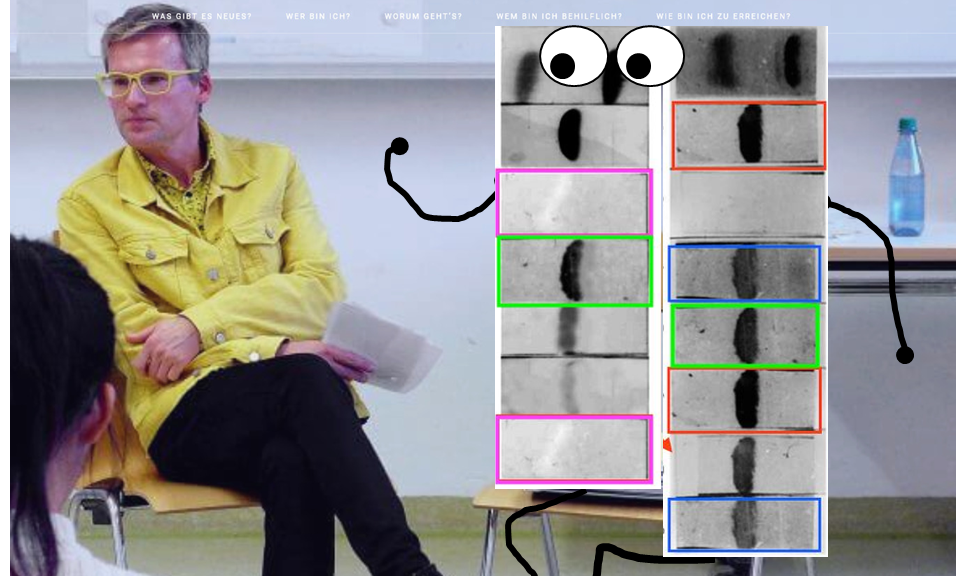
From Russia, with Photoshop
Germany recruits the very best of the best in international science to its elite institutions. Professor Alexandr Bazhin is one of them.
By Leonid Schneider, on research integrity, biomedical ethics and academic publishing
Germany recruits the very best of the best in international science to its elite institutions. Professor Alexandr Bazhin is one of them.

Katrin Amunts and University of Düsseldorf deploy lawyers to silence whistleblowers. After I was threatened with lawsuit, this post replaces the previous one. Learn the truth of who owns the brains in Moscow.

Katrin Amunts is director of Human Brain Project. Back when the Berlin Wall fell, this Moscow-trained young neuroscientist from GDR found a new mentor in Western Germany: Professor Karl Zilles. It is a remarkable story of a literal brain drain.
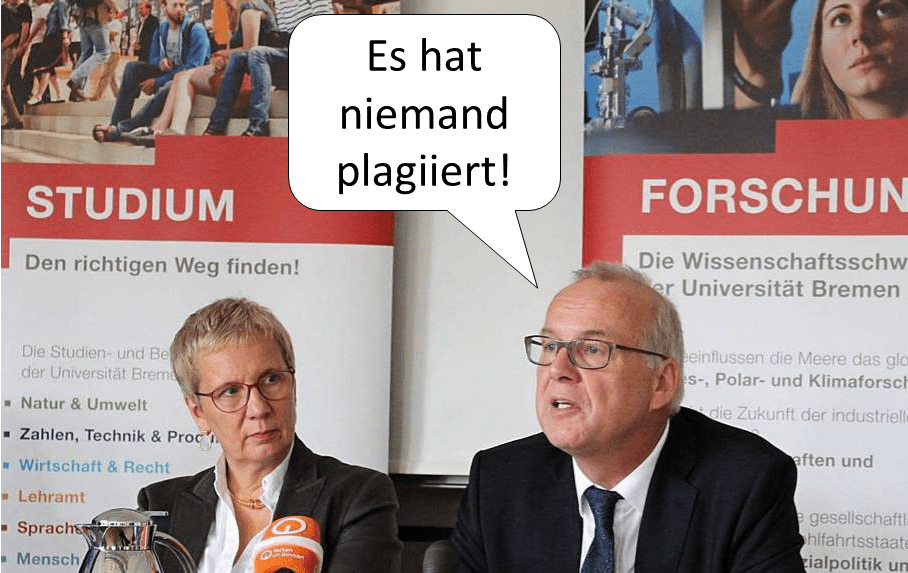
Bremen rector Bernd Scholz-Reiter previously explained his predatory publishing and self-plagiarism as a personal crusade for Open Access. Now a closed access conference paper he coauthored was declared by his university as definitely not plagiarised.
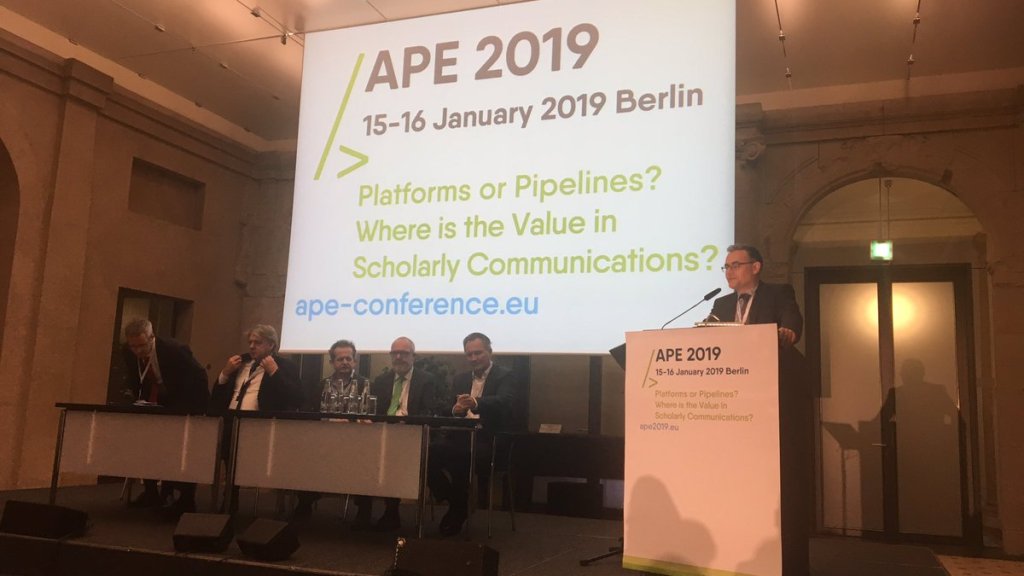
Plan S, designed by the former EU Commissioner Robert-Jan Smits, became a complete and chaotic mess where everyone, including the members of the signatory cOAlition S of research founders, does whatever they want. I learned all that while participating at the Academic Publishing Europe (APE) conference in Berlin, on 15-16 January.
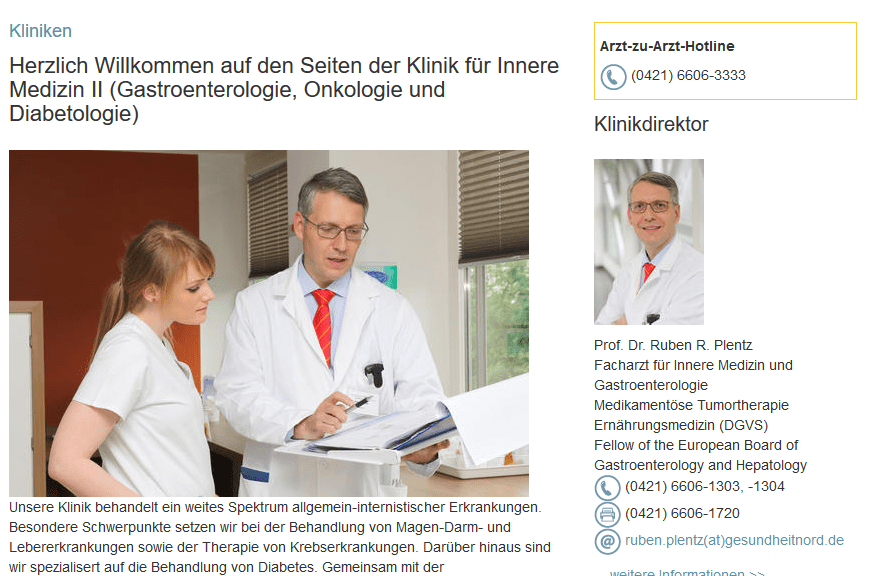
Professor Ruben Plentz chose to focus his career on clinical medicine in Bremen, despite his tremendous academic achievements in cancer research. Was it because malicious critics harassed him with frivolous investigations and corrections, envious at all those peer-reviewed cancer cures the great doctor invented?

Research by German journalists revealed whole lists of German academics engaging in predatory publishing and scamferences. Named on over 60 predatory conference papers is Bernd Scholz-Reiter, Rector of the University of Bremen and former Vice-President of DFG. Several such papers are even self-plagiarised, and were used in DFG project reports and Scholz-Reiter’s rectorship application from 2011
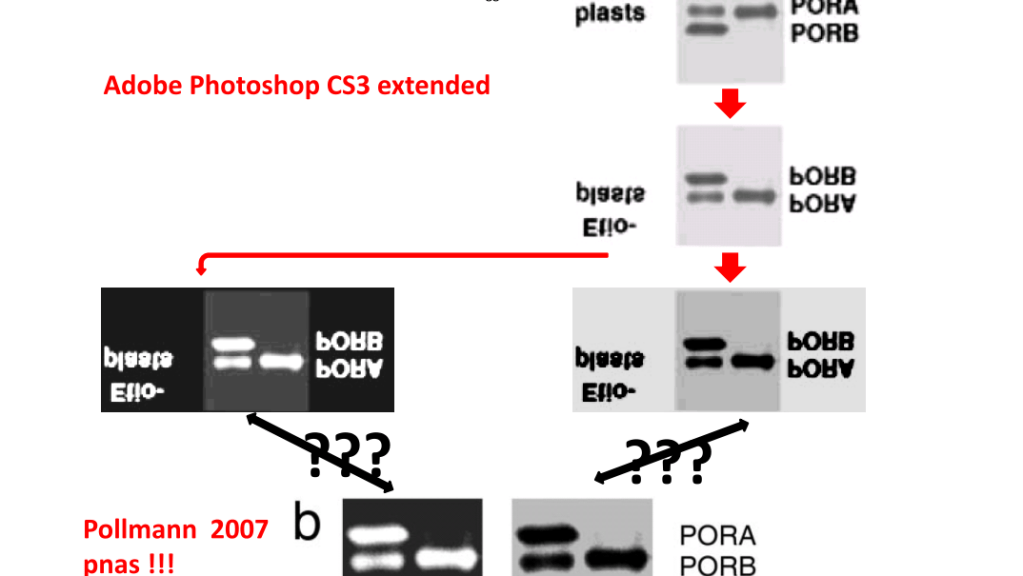
This is a story of a plant scientist in France, Steffen Reinbothe. He and his sister Christiane used to hold academic positions in Germany, but now they both returned to France, to Grenoble. The move might have had to do with a dossier from 2009, made by a former lab member and circulated among peers.
Whatever concerns any peers might have had: Steffen and Christiane Reinbothe could rely on the “contributed” track at PNAS.

I finally succeeded to interview the only woman among Human Brain Project leaders, the scientific director Katrin Amunts. In my previous article, I published a non-interview, using bits from HBP website as stand-in for her answers. Now, in this long read, Professor Amunts provided me with her replies.
I was keen to interview the only woman among Human Brain Project leaders, the scientific director Katrin Amunts. In November 2017, she agreed to do an interview by email. In March 2018, Amunts announced that “the manuscript already has a veritable size of several pages”. She never contacted me since. This is therefore a non-interview.
Have a WordPress.com account? Log in now.

