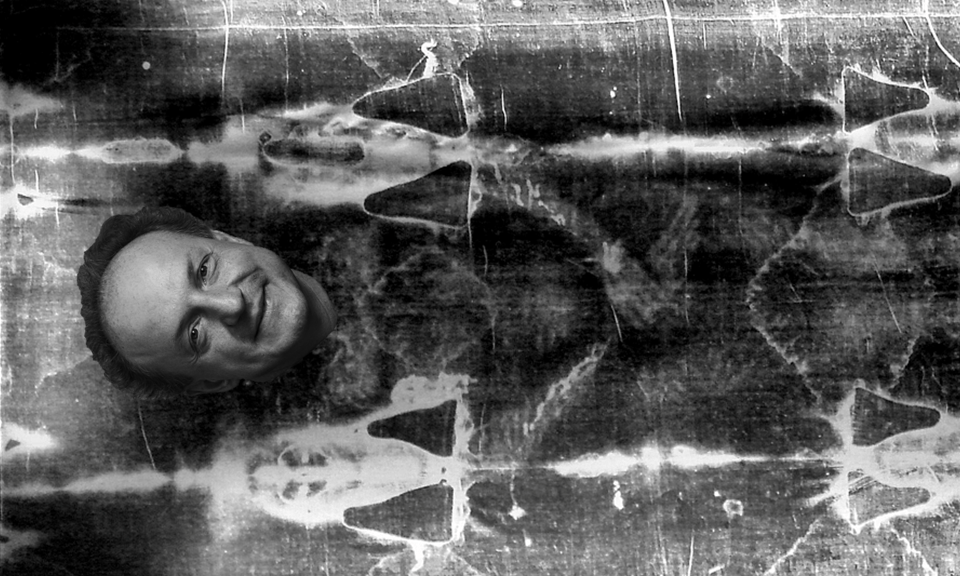
Pier Paolo Pandolfi shrouded in Turin!
Pier Paolo Pandolfi’s secret job in Italy found!
By Leonid Schneider, on research integrity, biomedical ethics and academic publishing
Pier Paolo Pandolfi’s secret job in Italy found!

Schneider Shorts 28.05.2021: research misconduct investigations concluded and in process, real experts opining on Chinese paper mills, some more “bullshit”, environmental pollution in Russia, and Russian men obsessed with eternal life.

Unlike those fake paper mill products, this interview failed editorial review and journal quality control.

Smut Clyde congratulates Aging: “This is bespoke tailoring, in contrast to the off-the-rack products cranked out by the average papermill […] no shame befalls the journals that accept these confections.”
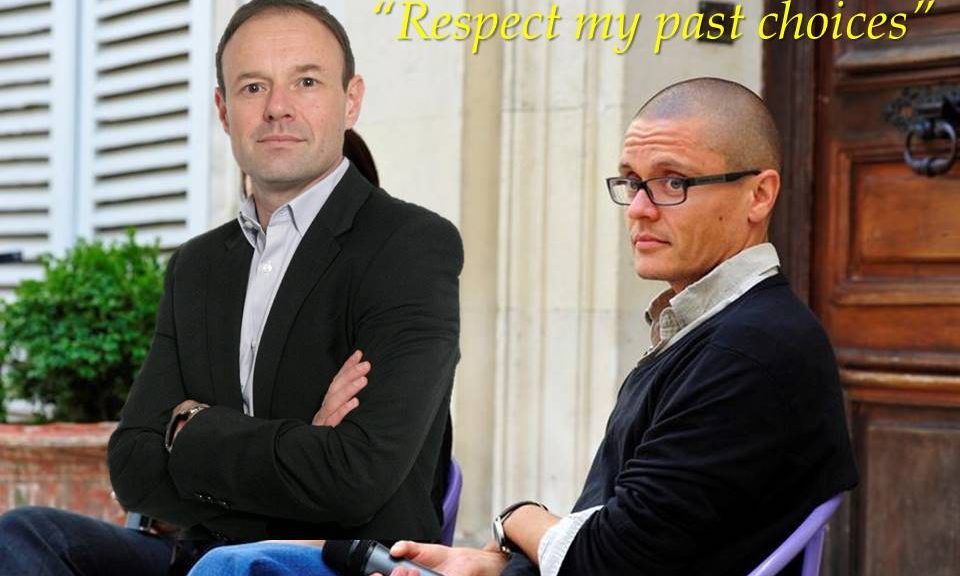
Charles-Henri Lecellier is about to get promoted to CNRS research director 2nd class. Time to dig up old stories and let the ghosts rise to wash their dirty laundry.
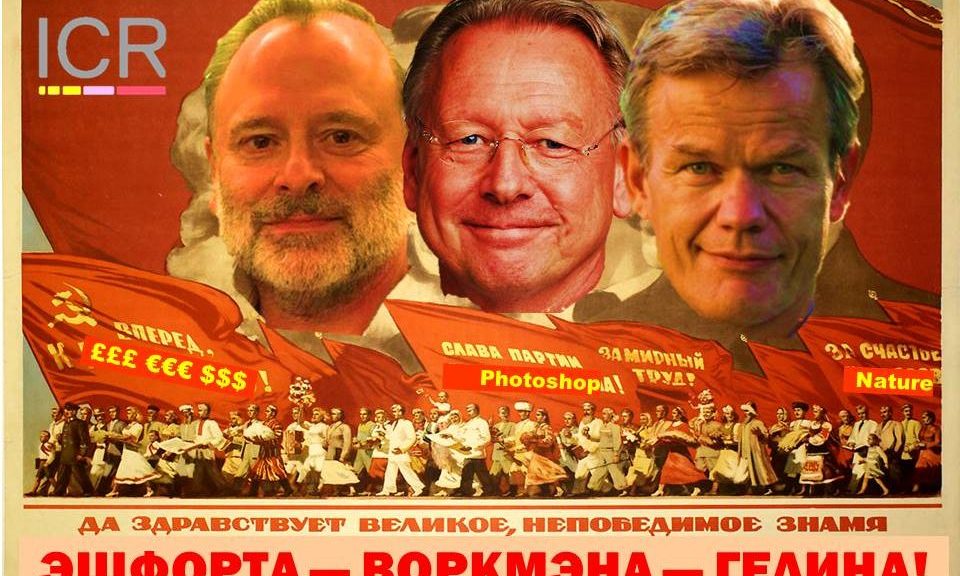
ICR London has a new director. The Great Dane Kristian Helin is the perfect successor to continue the ideological line of fictional cancer research.
Papermills run by Chinese universities and funding a notorious Greek publisher. Smut Clyde tells it all!
Schneider Shorts 23 April 2021: exciting COVID-19 clinical trials, blood tests for depression, photoshopped plant science, more tea with Professor Seeberger, chocolate diets, amazing cancer cures, and an Italian mystery troll obsessed with me.
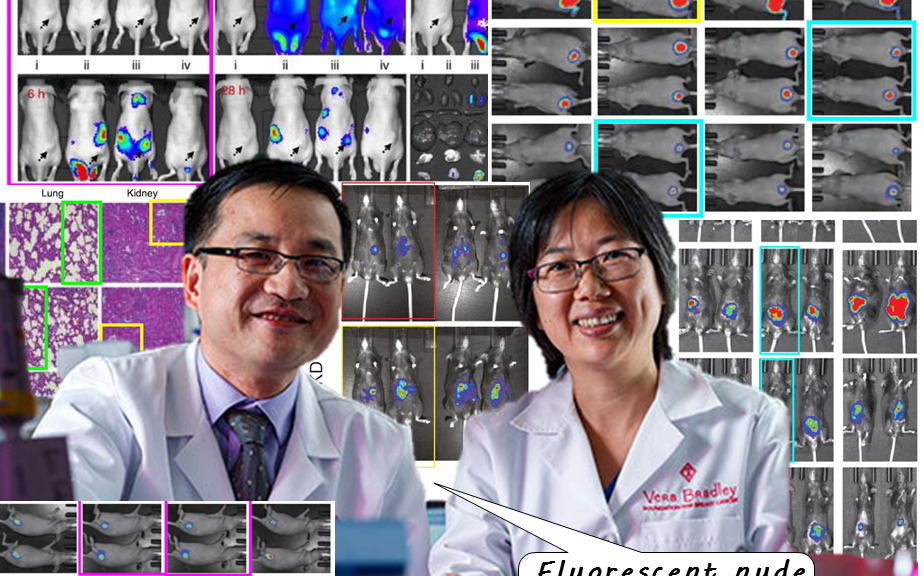
“IU School of Medicine scientists discover ‘game-changer’ treatment for triple negative breast cancer”
Introducing new For Better Science weekly format: Schneider Shorts
Have a WordPress.com account? Log in now.

