

Schneider Shorts of 28 March 2025 – a sexual harassers special, a multimillionaire sponsors a sleuth-on-a-leash, COPE officer loses her only paper, how to troll Elsevier, with cheaters in Florida and breakthroughs in degenerative medicine in Japan and USA.
Table of Discontent
Science Elites
- I wanted him dead – David Sabatini planned to kill a guy
- Resigned of his own volition – a sexual harasser at Radboud University
- Academic Cosiness – a sexual harasser at Ghent University
- Remediation process – a sexual harasser at KU Leuven
- A generous donation from George Tidmarsh – Retraction Watch seeks a sleuth-on-a-leash
Retraction Watchdogging
- A clearer presentation of the findings – COPE’s research integrity officer Iraxte Puebla loses her only paper
- Miami Vice – Wael El-Rifai earns his first retraction
Scholarly Publishing
- An independent expert has concluded – Florian Stadler asks you to ignore a figure
- Accurate depiction – how a sleuth cruelly trolls Elsevier
Industry Giants
- You can be forgiven even in failure – Japanese entrepreneurs use stem cells to let the lame walk
- Save life and limb in this wartime setting – US entrepreneurs get FDA approval for deadly grafts
Science Elites
I wanted him dead
As some of your may know, the former MIT superstar David Sabatini is suing the Whitehead Institute which sacked him and his former lab member Kristin Knouse, who reported him for sexual harassment, which led to his sacking. Read here:
The Sex Privileges of mTORman David Sabatini
“The Plaintiff is Professor Sabatini […] the self-described powerful senior scientist, who had demanded sex of her when she was a graduate student ending her studies and about to start a fellowship at the Whitehead, in a program Sabatini would direct. […] And it is the man who had made it clear – throughout her…

Now, new court documents have been released, which you can find here (search for Court Department: “The Superior Court” > Court Division: “Suffolk County Civil” > Last Name: “Sabatini”, First Name: “D” > Search for file 2284CV01449 > Scroll down to docket #255 Exhibits/appendix).
I cite below some remarkable quotes.
A lab member quoted Sabatini with:
“He said that he can fuck anyone he wants. […] And I said, no, you can’t. And then he said, trust me, when you get to be as powerful and successful as I am, you can.”
In an email to a MIT colleague, Sabatini wrote about one of his female postdoc: “I agree,. she is a fucking retard.” Q is question posted by the lawyer to Sabatini, A is his answer.
“Q. So you refer to your own postdoc to a faculty member at MIT as a fucking retard, correct?
A. I’m obviously frustrated talking about her performance, yeah.”
Another lab member confirmed that Sabatini indeed said “a lot of
things in private or small groups that are truly, truly horrendous” regarding his lab members. There were also racist comments, references by a witness as:
“…he said being Hispanic would get him further than being a woman
would get her, in reference to Dr. Knouse.”
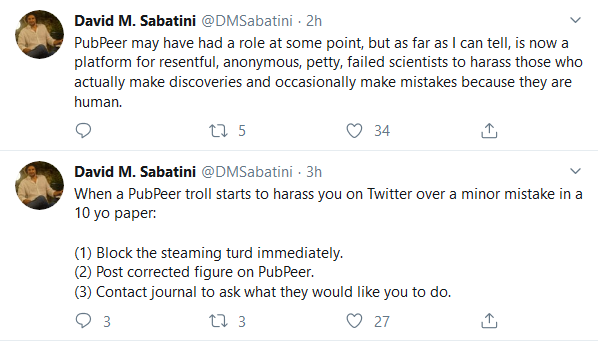
Some questioning surrounded Sabatini’s tweets from 29 January 2020, where he and his lab members admitted the academic titulation of “steaming turd” was directed at yours truly:
And here is again something else, the answers are by Sabatini himself:
“Q. Okay, now do you remember having a meeting where you told people in your lab that you you’d kill a guy?
A. That I’d what?
Q. That you’d kill a guy?
A. Oh, this was when I was upset about Leonard Schneider.
Q. Okay, and you told people in your lab that you’d kill a guy, right?
A. No, I didn’t say it like that. I obviously was speaking in some like, you know, emphatic way that I wanted him dead.”
I don’t know if it’s only Sabatini who imagines murdering me, or maybe this is a common fantasy among top cancer researchers.
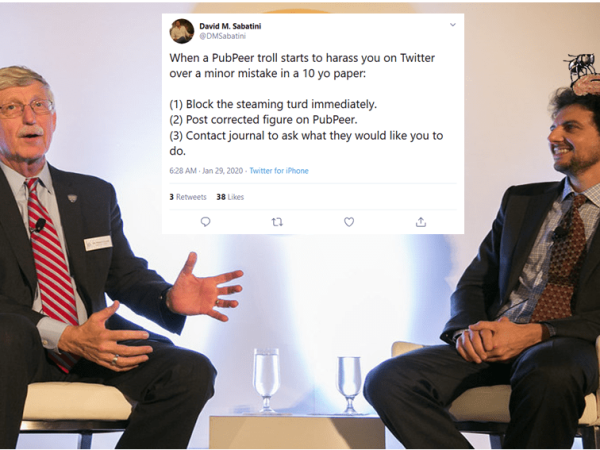
David Sabatini TORmented by steaming turds
David Sabatini is an absolute star scientist, and now he is being harassed. On PubPeer and Twitter. It is all very unfair.
I invite the scholarly community to consider whether maybe it is not my writing style, but these professors’ slurs and even death threats towards me and my colleagues which are offensive and inappropriate.
Resigned of his own volition
A case of sexual harassment in The Netherlands involving a “prominent professor of psychology” was resolved with a resignation. It was preceded by an investigation, which ended in May 2024. On 13 March 2025, VOX, the independent magazine of the Radboud University of Nijmegen, reported:
“In September 2023, the radio programme Argos revealed that a Psychology professor had bombarded a student with inappropriate messages from 2017 to 2020, leading her to develop a burnout. The then dean issued the professor with a warning that was added to his personnel file.
The radio broadcast unleashed a commotion at the Faculty of Social Sciences. In response to new reports and signals, the Faculty Board instigated an external investigation into the conduct of the professor, who has not been seen on campus since.
The professor in question has now resigned of his own volition, as Dean Evelyn Kroesbergen informed Vox. As of 1 April, he will no longer be working at Radboud University.”
The linked VOX article (here an English version) mentions two victims of that professor’s sexual advances, one his former PhD student, then in her mid-twenties (she suffered a burnout), the other victim was an employee of the company that prominent psychology professor co-founded.
Back in 2023, Radboud University barely reacted, which is probably due to its then rector Han van Krieken being a sexual harasser himself. The rector had to resign in October 2023 over inappropriate remarks towards a female employee which he made some years ago.
But the psychology professor is not named. I learned that the peer community suspects the 56 year old social psychologist Albert Jan “Ap” Dijksterhuis to be the accused party. He is certainly “prominent”, being a major figure in his field, a TV presence and an author of popular psychology books and fiction novels. Just like the nameless sexual harasser, he co-owns a company, in Dijksterhuis’ case its Behavior Change Group.
I wrote two emails to Dijksterhuis and the dean Kroesbergen, asking them to urgently denied the rumours. Nobody replied, but my last email from 23 March received an auto-reply from Dijksterhuis:
“Thank you for your mail. I’m in Manchester, my second city, working on my new book and I may be much slower in responding to e-mail. Best wishes, Ap“
Funny, the nameless sexual harasser left Radboud University at around the same time.
Bullies and Harassers of Cologne
“the professor insults her doctoral students, calling them “stupid”, “useless” or “retarded”, for example. She is said to sometimes require her employees to work more than 80 hours a week. The report speaks of a “quasi-feudal relationship of dependence” and a “climate of fear” at the institute in question.”
Anyway, Dijksterhuis isn’t such a great scholar. Nature wrote about his research in 2013:
“A paper published in PLoS ONE last week1 reports that nine different experiments failed to replicate this example of ‘intelligence priming’, first described in 1998 (ref. 2) by Ap Dijksterhuis, a social psychologist at Radboud University Nijmegen in the Netherlands, and now included in textbooks.
David Shanks, a cognitive psychologist at University College London, UK, and first author of the paper in PLoS ONE, is among sceptical scientists calling for Dijksterhuis to design a detailed experimental protocol to be carried out indifferent laboratories to pin down the effect. Dijksterhuis has rejected the request, saying that he “stands by the general effect” and blames the failure to replicate on “poor experiments”. […]
Bargh, Dijksterhuis and their supporters argue that social-priming results are hard to replicate because the slightest change in conditions can affect the outcome. “There are moderators that we are unaware of,” says Dijksterhuis.
But Hal Pashler, a cognitive psychologist at the University of California, San Diego — a long-time critic of social priming — notes that the effects reported in the original papers were huge. “If effects were that strong, it is unlikely they would abruptly disappear with subtle changes in procedure,” he says.”
Radboud should have investigated Dijksterhuis’ improbable results already in 2013, and acted accordingly. Maybe this would have prevented certain later problems, you know.
Academic Cosiness
And yet another case of sexual harassment, this time in Belgium.

Hilde Van Liefferinge wrote a book named “Academic Cosiness”, a novel based on her own experiences. The accused professor there is not named, but it is her former doctoral advisor Carl Devos, chair of the Department of Political Sciences (PS03) at the Ghent University. Davos and his lawyer already announced a lawsuit against this book, which is probably why his name was revealed now in all the Belgian media.
On 24 March 2025, HUMO magazine reported (Google-translated):
“She describes an incident after a reception that starts with a hug, but soon ends in unwanted intimacy. “Fear takes the upper hand, because your whole future seems to be faltering,” says Van Lieferinge in an interview with Humo. […]
Van Lieferinge raised the facts within the university, but hit a wall. She left the political science department in 2015 and now decided to put her trauma into words in a novel that will be released on Tuesday. […]
In the wake of the book, other complaints also come up that employees have already formulated about Devos in the past. Humo and De Morgen
looked at a letter in which they are listed. The letter was written when Devos acted as a candidate for the UGent board of directors in 2022. In addition to the supposed sexual cross -border behavior, there is, among other things, abuse of power, unsubstantial statements, plagiarism and ‘points fraud’. […]According to Humo, at least five employees from his research group have stepped into the UGent confidant with complaints.”
Specifically, Davos is accused of having used “a researcher’s texts in his books, without referring to the original author” and have “raised the figures for exams if too few students succeeded“.
Remediation process
In this regard, an earlier case of sexual harassment from Belgium, this time at KU Leuven. We don’t know if the sexual harassment stopped though.
De Standaard reported in February 2022 (Google-translated):
“”He clearly had his favorites and I was in the top rank.” A woman who started her doctorate at KU Leuven about five years ago. Her promoter at the time, professor at the Faculty of Sciences and former Department Head, regularly sent her messages and emails about her private life. “He came to visit me in public places where I was with my friends,” she says. “He also bought presents, that was uncomfortable. If you let him do it, if you were allowed to go to the best congresses and you received extra financial support for your research. If you didn’t do that, he threatened with dismissal and called you ungrateful. […]
When the woman filed a complaint three years ago and changed a promoter, she was told by the Ombuderson of the Faculty that she was not the first to submit a complaint against the man. “A few steps were taken. They were insufficient to avoid this behavior in the future. ”
The first complaints against the unnamed professor were lodged in 2019. The Belgian university ended the affair with a “remediation process” for the entire lab and a behaviour course for the professor, and that was it. Apparently, KU Leuven rector Luc Sels (rector KUL) held his protective hand over the colleague, who was even allowed to continue to teach.
The description of the the former department head, especially in the video in a related article on HLN (which specifically referred to “biology department”), could possibly fit to Joris Winderickx, who indeed used to be until 2021 head of the Biology Department at KU Leuven (also according to his LinkedIn), and who even works in the building shown in the video (most of the biology department is located elsewhere).
I wrote to Winderickx, twice, but he never replied. Also KU Leuven’s vice-rector Jan D’hooge didn’t reply when put in cc, but he previously wrote to me in another case that he doesn’t appreciate my insolent inquiries about KU Leuven professors.

Catherine Verfaillie, the Zombie Scientist of KU Leuven
Catherine Verfaillie is a zombie scientist: her past stem cell research long discredited, but she still is an influential and very well funded star of Belgian science. Now Elisabeth Bik had a fresh new look at Verfaillie’s papers
Update: it seems, KU Leuven only sacks professors for full-scale rape. Here media reporting from 2023 about Filip Dochy, professor for learning and development, who was sacked by KU Leuven in 2016 for raping a student. Dochy was initially sentenced ot 54 months in prison, but because he is a rich white man, the sentence was later reduced to 48 month and half of it suspended. P-Magazine wrote in 2022:
“In its motivation, the court takes a hard line at the Leuven professor and calls him a “manipulator” and a “sexual predator”. “The defendant only wanted to stay in the apartment with the victim in order to commit the acts, knowing that she was alone with him and dependent on him. During the journey, he struck twice as a sexual predator in search of prey in the night, by assaulting her in bed on the second night of the journey and by raping her in bed on the fourth night. […]
“If you hadn’t wanted sex, you shouldn’t have come along,” Dochy told the student on the morning after he raped her during a two -day congress in Barcelona. His ‘favorites’ were allowed to go to congresses. He adds that “eighty percent of men” would abuse her. “By the way, I have been getting oral turns in exchange for good points for years.””
A generous donation from George Tidmarsh
On 2 January 2025, Retraction Watch proudly announced a Sleuth-On-A Leash program:
“We’re thrilled to announce the creation of the Retraction Watch Sleuth in Residence Program, an opportunity for a sleuth to spend a year working with us. […]
The goal of this program – funded by a generous donation from George Tidmarsh – is to offer a secure and paid position for an active sleuth with a proven track record. The Sleuth in Residence would work closely with our research team on specific projects, and with our journalism team to publish their findings. All of that work would go through rigorous review…”
Almost 3 months on, the job seems to be still vacant. None of the sleuths I know applied, and I will be surprised if any actual sleuth will. The salary is rather low, there is no health insurance, you are bound to full-time work on US time, and the perspective to be mentored by Ivan Oransky on daily basis is anything but tempting.
But who is this George Tidmarsh? He is a businessman and biotech investor with net worth of almost half a billion dollars, otherwise known as adjunct professor of pediatrics at Stanford School of Medicine. Tidmarsh also has certain views on the pandemic –Joe Bak-Coleman provided a helpful a Bluesky post in January 2025. Together with Berna Devezer, Bak-Coleman previously debunked a research integrity study by another hero of research ethics, Brian Nosek. Read here, paranormal activities included:
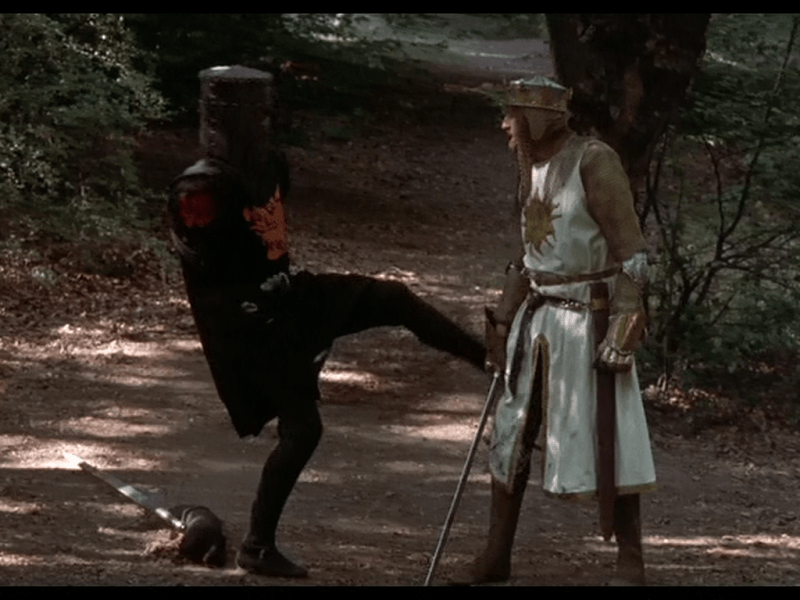
Decline and Fall
“Gather round the campfire, everyone, while Uncle Smut regales you with another blood-chilling, spine-curdling tale… this time, about psychologists not sciencing properly.” – Smut Clyde

Tidmarsh recently sponsored the conference “Pandemic Policy: Planning the Future, Assessing the Past“, which was held in October 2024 at Stanford. Organisers and participants were people who opposed COVID-19 restriction measures and demanded that one lets the virus run free to achieve “herd immunity”: John Ioannidis, and the Trump-appointed new NIH director Jay Bhattacharya, author of the “Great Barrington Declaration”, who now claims to have been a victim of government censorship because his pro-virus orders were not implemented during the pandemic. Also on board was Marty Makary, Trump’s appointee as FDA head, who blames COVID-19 vaccines and fluoride for everything, Vinay Prasad, another critic of COVID-19 vaccines, Anders Tegnell, Sweden’s controversial ex-epidemiologist, and a number of other questionable people.
Tidmarsh himself chaired the panel “Misinformation, Censorship, and Academic Freedom“, featuring Scott Atlas (Trump’s former advisor, condemned by Stanford over his covidiocies) and Alex Berenson (“The Pandemic’s Wrongest Man“). Another session was chaired by Jan Jekielek, editor of the far-right Falun Gong newspaper The Epoch Times. You can also read David Gorski’s criticism of this conference.
Several people mentioned above featured here:

Right Men and Anti-Cassandras
“These people are anti-Cassandras… they are optimistic and always wrong, receiving endless interviews about the censorship of their views, while their confident opinionation is always taken respectively by other Public Intellectuals because they are Serious People.” – Smut Clyde
The Great Barringtons were listened to by Trump and all antivaxxers, but most certainly not by the virus. A SARS-CoV2 infection (or even a vaccination) doesn’t provide an immunity against further infections. Without restrictions and vaccines, millions more would have died at that early stage of the pandemic when the virus was at its most lethal.
In early 2025, Tidmarsh celebrated the launch of the new “Journal of the Academy of Public Health“, edited by the Covid contrarians Bhattacharya, Ioannidis, Makary, Atlas, Martin Kulldorff, Peter Gøtzsche, and many others (read criticism in Science)
The RealClear Foundation behind this journal awarded Bhattacharya in 2023, it also employs as its editor a Charlie Tidmarsh, who might be George Tidmarsh’s son.
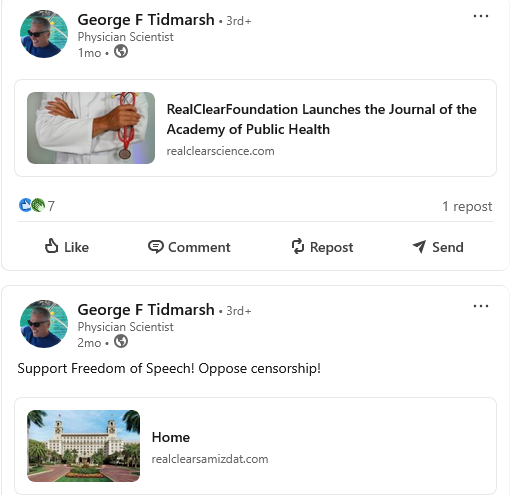
Tidmarsh is clearly in love with Bhattacharya, but he also seems to be a supporter of Trump, the pro-russian entrepreneur Vivek Ramaswamy, and the far-right billionaire Peter Thiel:


Another Bluesky user found Tidmarsh defending a fellow white academic multi-millionaire, Marc Tessier-Lavigne, who had to resign as Stanford president because of the fraud he had to retract:
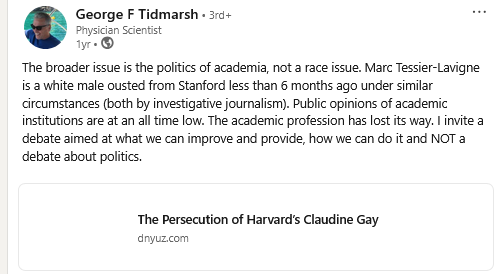
Evil tongues might say Tidmarsh seeks to address certain problems by giving money to Retraction Watch and whatever other journalists he sponsors. Problems like the negative coverage of covidiots and Trumpsters, and those science sleuths and investigative journalists causing trouble to rich white men in academia.
Would you like to be the watchdogs’ Sleuth-On-A-Leash now?
Retraction Watchdogging
A clearer presentation of the findings
In January 2024 Shorts, I wrote about a problematic paper. Its first authors was Iratxe Puebla, since 2012 Facilitation and Integrity Officer of the Committee on Publication Ethics (COPE). When your contact COPE about journals refusing ot act on bad science, your complaints are usually processed by Puebla.
Thus, back in January 2024, I contacted the COPE Facilitation and Integrity Officer with this newly posted PubPeer thread concerning a 20 year old paper in an Elsevier journal:
Iratxe Puebla, Selma Esseghir , Alison Mortlock , Anthony Brown , Andrea Crisanti , Walter Low A recombinant H1 histone-based system for efficient delivery of nucleic acids Journal of Biotechnology (2003) doi: 10.1016/j.jbiotec.2003.07.006
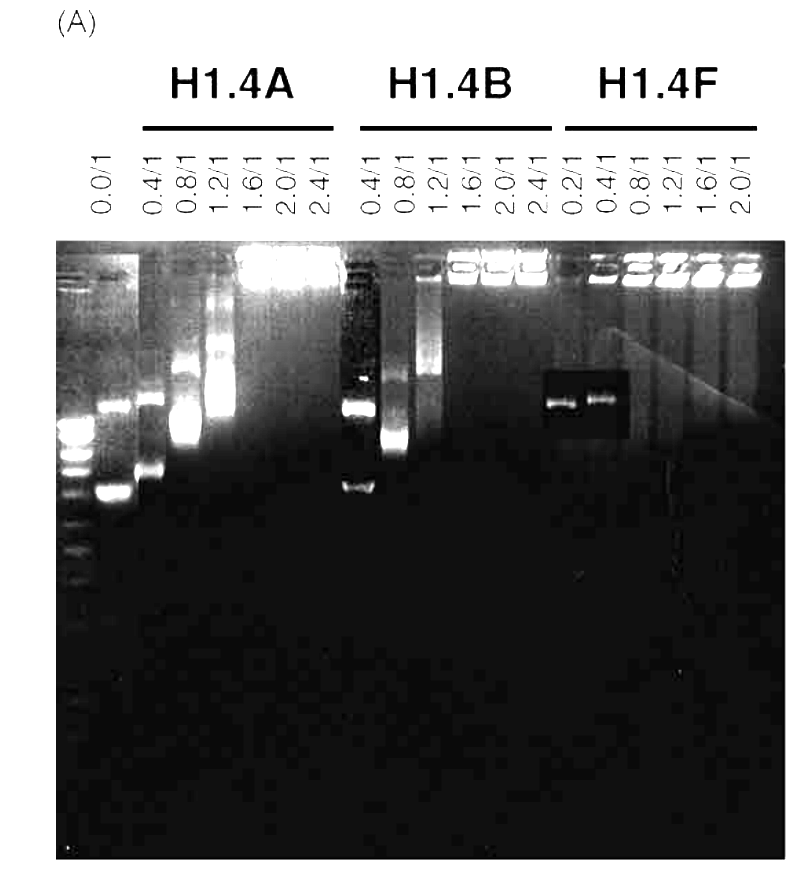
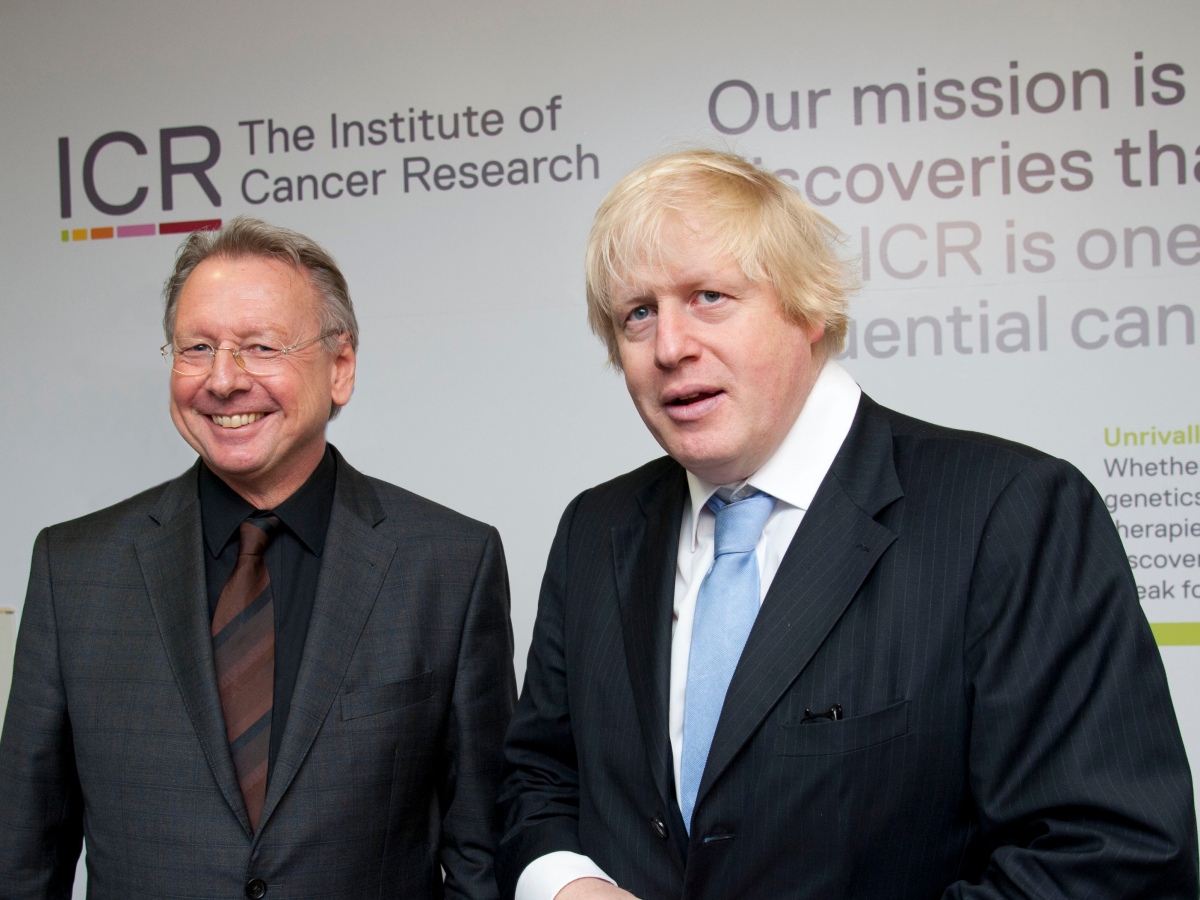
As I understand, this is Ms Puebla’s only research paper, she completed her BSc studies in 1999 and went into publishing business in 2003. Ironically, she trained at the Institute of Cancer Research (ICR) in London, a place where cheating is standard practice.
Fake data, untouchable men and guilty women at ICR London
With nobody above him, ICR director Paul Workman was seemingly investigating himself, and found two female colleagues guilty of placing fake data into his papers, primarily the ICR emeritus Ann Jackman. One paper was retracted, another received an outrageous correction. The previous ICR CEO, Alan Ashworth, together with his right-hand man Chris Lord, have their…
The COPE Retraction Guidelines Puebla co-wrote state:
“Editors should consider retracting a publication if:
– They have clear evidence that the findings are unreliable, either as a result of major error (eg, miscalculation or experimental error), or as a result of fabrication (eg, of data) or falsification (eg, image manipulation)”
And the gel you saw above is fake. Unfortunately, the COPE Facilitation and Integrity Officer never replied to my email, you will soon see why. But I notified Elsevier and the journal’s Editor-in-Chief Christoph Sensen, who previously achieved a retraction for Heike Walles (Schanz et al 2010) because of one fake image and some plagiarism, and against a massive opposition from her current employer, the University of Magdeburg.

Heike Walles guilty of research misconduct
Former star of German regenerative medicine Heike Walles gets slapped with research misconduct and a retraction by her former employer, the University of Würzburg. She and her husband, the Macchiarini-trained surgeon Thorsten Walles, left Würzburg years ago for Magdeburg where nobody minds.
In March 2025, the retraction arrived:
“This article has been retracted at the request of the Editor-in-Chief.
The concerns are that in Figure 2, panel A, there are two bands in the H1.4F samples, lanes 0.2/1 and 0.4/1 which have a dark box around them where the background does match the surrounding area. Additionally, the leftmost lanes in H1.4A, 0.0/1 and 0.4/1, the entire 2 lanes look out of place. These regions at the minimum have been “spliced” in from other samples and presented, as if they were adjacent within the same gel. The scientific community takes a very strong view on this matter and apologies are offered to readers of the journal that this was not detected during the submission process.
The first author agrees that there appears to be evidence of splicing in their saved files related to the experiment in the figure. This step would have been taken with the intention of providing a clearer presentation of the findings, however they acknowledge that this would not be acceptable by modern standards of figure presentation, for which apologies were offered.
Without raw data that can conclusively indicate that the conclusions drawn in this publication are unaffected by this error, the journal has decided that it is appropriate to retract the article. The first author has expressed support for the decision to retract.”
World’s highest authority on publication ethics felt in 2003 it was permissible to digitally insert two bands where there were none, for the purpose of “providing a clearer presentation of the findings“.
For this retraction, there is a back story with a funny aspect.
In September 2023 Shorts, I wrote about an falsified MDPI paper, which ended up being corrected. Sholto David spotted this image duplication:
Irene Del Molino Del Barrio , Georgina C Wilkins, Annette Meeson, Simi Ali, John A Kirby Breast Cancer: An Examination of the Potential of ACKR3 to Modify the Response of CXCR4 to CXCL12 International Journal of Molecular Sciences (2018) doi: 10.3390/ijms19113592

Back then, Jesus Garcia Cano, MDPI Journal Relations Specialist told Sholto off and announced that “since this article was published long ago“, there will be not even a correction because he “convened together with the Journal Management and the Academic Editors Board to dismiss any proposal of correction derived from this particular situation.” Garcia-Cano also stated:
“…the correction process is a very complex procedure that must stick in an absolute strict way to the standard guidelines accepted by our Ethic Committees in agreement with common statements such as those of the Committee on Publication Ethics (COPE) and what is to be required from the top scientific publication databases. In this sense, as it has already been indicated, we are not in position to issue a correction of the article for a minor mistake that will not affect the scientific interpretation or the final conclusions of the work.“
Sholto complained to Puebla and COPE, and in December 2023 the paper was corrected with a seemingly unrelated picture with a different magnification (“The authors state that the scientific conclusions are unaffected“).
In between, Sholto found data falsifications in Garcia-Cano’s own papers, from his time in the lab of Ricardo Sánchez-Prieto (see again September 2023 Shorts), to which Garcia-Cano and MDPI reacted by sending their in-house lawyer to demand removal of my reporting (read November 2023 Shorts). Later on, one of those fraudulent papers coauthored by Garcia-Cano got retracted by Springer Nature, against his protests (read March 2024 Shorts).
But we still didn’t get to the funny bit and what this MDPI circus has to do with Puebla’s own retraction.
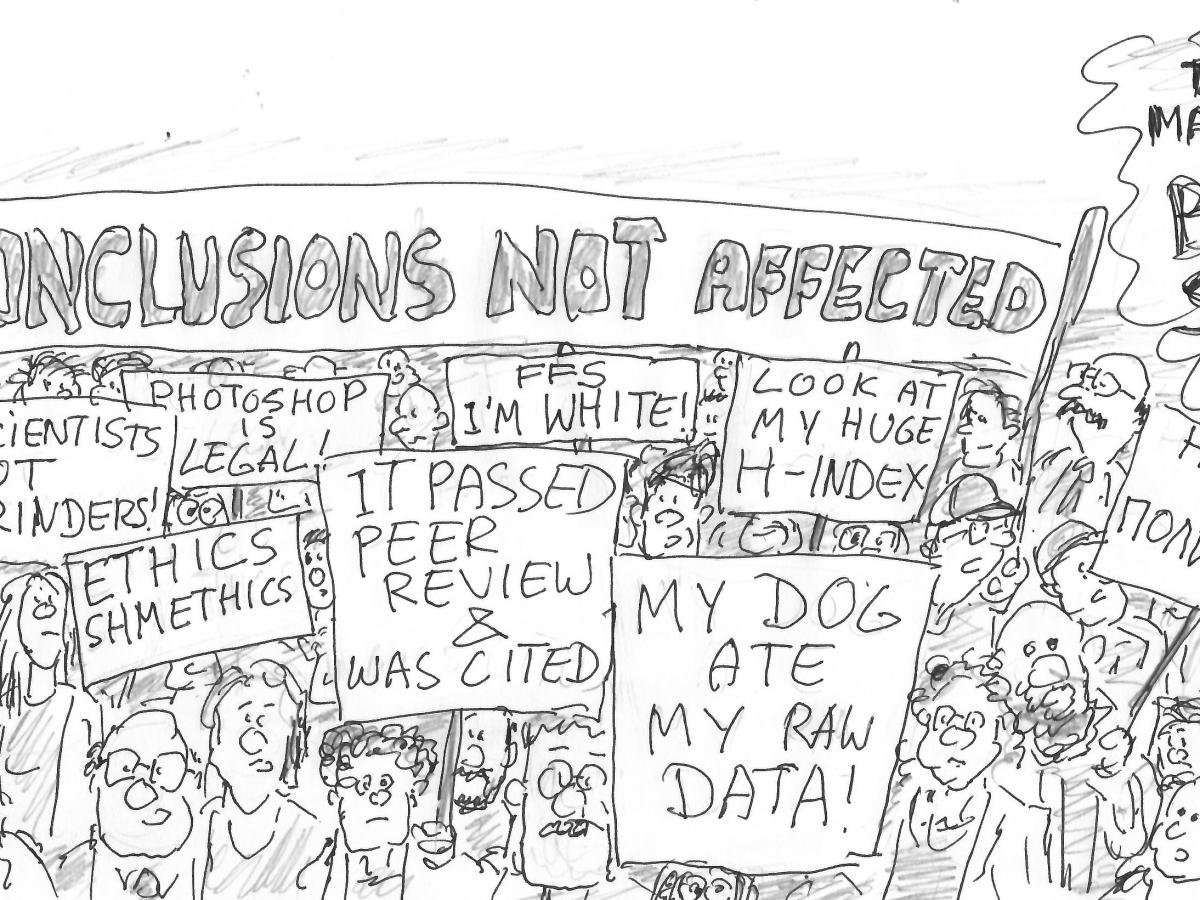
Concerns for whites, retractions for the rest?
“Expressions of Concern may be used as an interim notice to flag a potential issue that may be ultimately resolved with another amendment outcome (e.g. retraction or correction) or they may remain as the final outcome in cases where conclusive evidence cannot be obtained. ” – COPE
As reminder, back in 2023 Sholto complained to COPE and Puebla about MDPI’s refusal to issue even a correction, and indeed, Puebla convinced Garcia-Cano to publish one. In parallel, in December 2023, Sholto received this email from Puebla:
“Dear Dr David,
I am writing regarding the concerns you raised to COPE about the article in the International Journal of Molecular Sciences titled ‘Breast Cancer: An Examination of the Potential of ACKR3 to Modify the Response of CXCR4 to CXCL12’.
It has come to our attention that Leonid Schneider has had access to correspondence related to this case, and that Leonid Schneider discussed aspects of the case publicly in the For Better Science blog. The framework for the Facilitation and Integrity process stipulates an expectation that there will not be any public commentary on the case (via social media, blogging sites, Pubpeer or other) while COPE is actively facilitating a concern, this is also outlined in the form presenters complete to submit cases to COPE, and which you completed when you raised the matter to COPE’s attention.
Could you comment on any insights you have regarding Leonid Schneider’s access to the correspondence about this case? We would be grateful if you could clarify whether you have been in touch with Leonid Schneider directly about this matter, and if so, whether you have had any further interaction about this case since the publication of the blog post.”
It was followed by Puebla’s announcement that a Facilitation and Integrity subcommittee will be now investigating Sholto’s crimes:
“As noted, the framework for the Facilitation and Integrity process stipulates an expectation that there will not be any public commentary on the case while it is active with COPE, and this type of breach of that expectation impacts what progress we can make in our review of a case. I will be in touch once the subcommittee provides advice.”
If COPE ever found Sholto guilty and sanctioned him to a spanking, they forgot to summon him to collect his punishment. Instead, Sholto has been posting things on PubPeer, and one of them now led to a retraction.
Maybe you understand now what COPE considers to be misconduct. Fake gels are certainly not.
Miami Vice
A retraction for researchers at Vanderbilt University in USA and the Korean biotech ProCell Therapeutics. The paper was originally flagged on PubPeer in 2014, and illustrated by Elisabeth Bik in 2019.
Junghee Lim , Giyong Jang , Seeun Kang , Guewha Lee , Do Thi Thuy Nga , Do Thi Lan Phuong , Hyuncheol Kim , Wael El-Rifai, H. Earl Ruley , Daewoong Jo Cell-Permeable NM23 Blocks the Maintenance and Progression of Established Pulmonary Metastasis Cancer Research (2011) doi: 10.1158/0008-5472.can-11-2015


A retraction was issued by the society publisher AACR on 14 March 2025:
“This article (1) has been retracted at the request of the editors. An internal review by the editors found that:
- In Fig. 1A, the β-actin bands in lanes 1 to 2 were duplicated in lanes 1 to 2 of Fig. 1B. Additionally, the β-actin bands in lanes 5 to 6 of Fig. 1A were duplicated in lanes 1 to 2 of Fig. 1C.
- In Fig. 2A, there were four instances of duplication amongst the Matrigel invasion assay images.
- In Fig. 2B, there were three instances of duplication amongst the wound healing assay images.
- In Fig. 5, there were seven instances of duplication amongst the immunohistochemistry images.
- There were seven instances of duplication between the images in Supplementary Fig. S1B, S1C, and Supplementary Fig. S3.
- In Supplementary Fig. S2, there were four instances of duplication amongst the gel electrophoresis images.
A copy of this Retraction Notice was sent to the last known email addresses for all 10 authors. Four authors (Junghee Lim, Giyong Jang, Hyuncheol Kim, and H. Earl Ruley) agreed to the retraction; six authors (Seeun Kang, Guewha Lee, Do Thi Thuy Nga, Do Thi Lan Phuong, Wael El-Rifai, and Daewoong Jo) did not respond.”
This same author team has another problematic paper which was also flagged in 2014, but not yet addressed by the society publisher AACR:
Junghee Lim , Tam Duong , Nga Do , Phuong Do , Jaetaek Kim , Hyuncheol Kim , Wael El-Rifai , H. Earl Ruley , Daewoong Jo Antitumor activity of cell-permeable RUNX3 protein in gastric cancer cells Clinical cancer research (2013) doi: 10.1158/1078-0432.ccr-12-2692

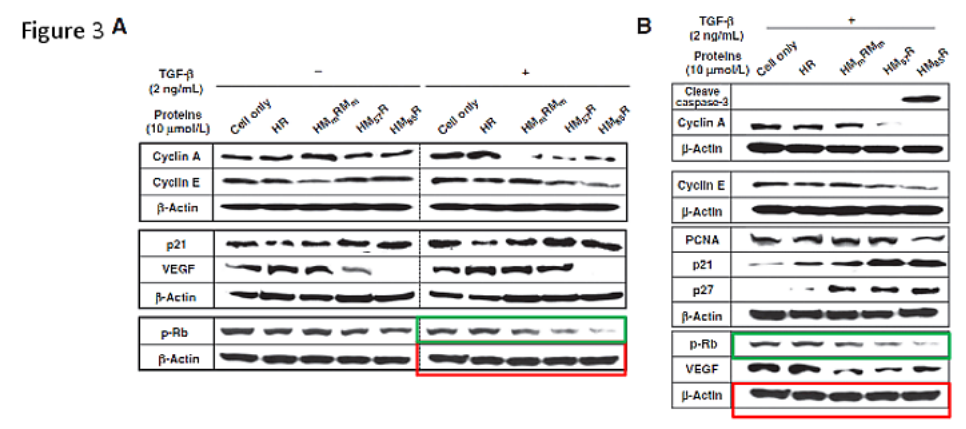
The main “target” of sleuths’ attention was the coauthor Wael El-Rifai, who until 2017 was at Vanderbilt, and is now Associate Director of Basic Science and Associate Vice Chair of Surgery at University of Miami. He has further 14 papers on PubPeer, many coauthored by his fellow Miami professor Alexander Zaika, a former mentee of Ute Moll. Read about Zaika here:
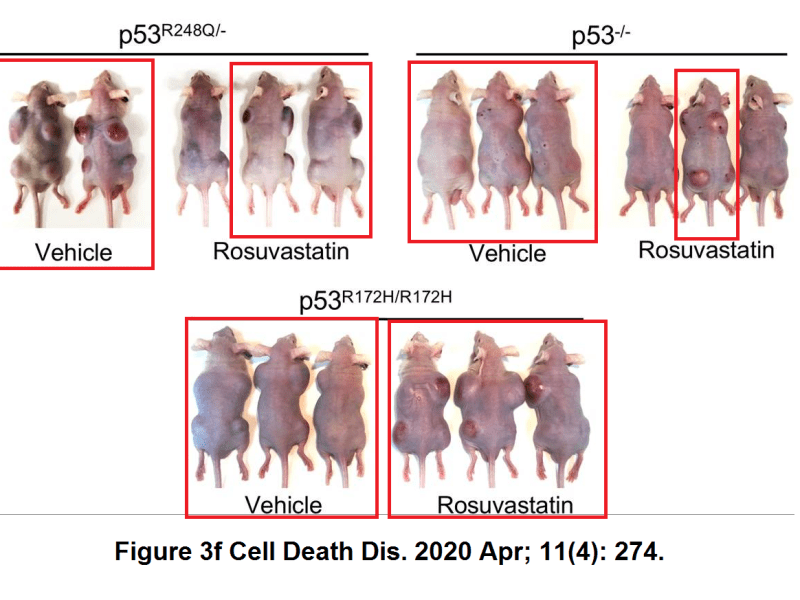
Torturing Small Animals
Animal abuse and bad science go hand in hand. Meet professors Ute Moll, Jordi Muntané, Sam W Lee and others.
This in Cancer Research was also rotting on PubPeer since 2014:
Abbes Belkhiri , Altaf A. Dar , Alexander Zaika , Mark Kelley , Wael El-Rifai t-Darpp promotes cancer cell survival by up-regulation of Bcl2 through Akt-dependent mechanism Cancer Research (2008) doi: 10.1158/0008-5472.can-07-1580
Elisabeth Bik on Fig 6B: “unexpected similarities between lanes 1 of the t-Darpp and Bcl2 panels.”

El-Rifai’s mentee Abbes Belkhiri is now research assistant professor at Vanderbilt. Here some sophisticated Photoshop forgery:
Mohammed Soutto , Zheng Chen , Mohamed A. Saleh , Ahmed Katsha , Shoumin Zhu , Alexander Zaika , Abbes Belkhiri , Wael El-Rifai TFF1 activates p53 through down-regulation of miR-504 in gastric cancer Oncotarget (2014) doi: 10.18632/oncotarget.2156


In another AACR journal, again flagged in 2014:
Vikas Sehdev , Ahmed Katsha , Janet Arras , Dunfa Peng , Mohammed Soutto , Jeffrey Ecsedy , Alexander Zaika , Abbes Belkhiri , Wael El-Rifai HDM2 regulation by AURKA promotes cell survival in gastric cancer Clinical cancer research (2014) doi: 10.1158/1078-0432.ccr-13-1187


Vikas Sehdev now works for Astra Zeneca. Figure 5A was corrected in 2015 (“this clarification does not change the results, scientific content, interpretations, or conclusions of the article“), and all further evidence was ignored.
This for example is just lazy, and it features not just El-Rifai, Zaika, Sehdev and Belkhiri, but also the German cheater Regine Schneider-Stock (read here):
Vikas Sehdev , Ahmed Katsha , Jeffrey Ecsedy , Alexander Zaika , Abbes Belkhiri , Wael El-Rifai The combination of alisertib, an investigational Aurora kinase A inhibitor, and docetaxel promotes cell death and reduces tumor growth in preclinical cell models of upper gastrointestinal adenocarcinomas Cancer (2013) doi: 10.1002/cncr.27801
Vikas Sehdev , DunFa Peng , Mohammed Soutto , M. Kay Washington , Frank Revetta , Jeffrey Ecsedy , Alexander Zaika , Tilman T. Rau , Regine Schneider-Stock , Abbes Belkhiri , Wael El-Rifai The aurora kinase A inhibitor MLN8237 enhances cisplatin-induced cell death in esophageal adenocarcinoma cells Molecular Cancer Therapeutics (2012) doi: 10.1158/1535-7163.mct-11-0623

Also lazy by El-Rifai and Belkhiri:
Shoumin Zhu , Abbes Belkhiri, Wael El-Rifai DARPP-32 increases interactions between epidermal growth factor receptor and ERBB3 to promote tumor resistance to gefitinib Gastroenterology (2011) doi: 10.1053/j.gastro.2011.06.070


Elisabeth Bik: “unexpected similarity between two different panels can be observed in Figure 2A.”
Funny coauthorship next: Antoni Castells was a former colleague of Paolo Macchiarini in Barcelona, Spain. After the scandal erupted, Castells worked to denounce the killer surgeon while avoiding the retraction of the fraudulent Macchiarini et al 2008 trachea transplant paper in The Lancet.
Altaf A. Dar , Alexander Zaika , Maria B. Piazuelo , Pelayo Correa , Tatsuki Koyama , Abbes Belkhiri , Kay Washington , Antoni Castells , Manuel Pera , Wael El-Rifai Frequent overexpression of Aurora Kinase A in upper gastrointestinal adenocarcinomas correlates with potent antiapoptotic functions Cancer (2008) doi: 10.1002/cncr.23371

Why only that one Cancer Research paper by El-Rifai was retracted, is a mystery.
Scholarly Publishing
An independent expert has concluded
Florian Stadler, a dishonest German in China, achieved a bizarre correction with the Royal Society of Chemistry. Read about Stadler here:

Epileptic spasms of tics and glitches in Krautrock diffractograms
Smut Clyde chases free radicals in a German-run lab in China
This is the paper, flagged in June 2022:
Mina Namvari , Lei Du , Florian J. Stadler Graphene oxide-based silsesquioxane-crosslinked networks – synthesis and rheological behavior RSC Advances (2017) doi: 10.1039/c7ra02764h

On 29 January 2025, this Correction was published:
“The authors regret that the Raman data in Fig. 3 cannot be relied upon. They found after publishing the data that the background scatter compensation routine of the Raman measurement was omitted by the operator but that it does not affect the peaks that are used to prove the successful synthesis.
An independent expert has concluded that the other data does support the conclusions that the material has been synthesised.
The Royal Society of Chemistry apologises for these errors and any consequent inconvenience to authors and readers.”
The data is fake, but the conclusions are not affected, because at least some experiments were possibly done.
Accurate depiction
A comedy classic where the publisher (here Elsevier) quickly corrects a paper without looking. A microbiology study from India
Manash C. Das , Sourabh Samaddar , Junaid Jibran Jawed , Chinmoy Ghosh , Shukdeb Acharjee , Padmani Sandhu , Antu Das , Akshay Vishnu Daware , Utpal C. De , Subrata Majumdar , Sujoy K. Das Gupta , Yusuf Akhter , Surajit Bhattacharjee Vitexin alters Staphylococcus aureus surface hydrophobicity to obstruct biofilm formation Microbiological Research (2022) doi: 10.1016/j.micres.2022.127126

The Corrigendum from January 2025 fixed the duplication:
“The authors regret to state that an unintended overlap between two panels in Fig. 5 (panel 3 and panel 5), which represents different histological treatment levels. The attached revised Fig. 5 accurately depicts the original experimental data without compromising the scientific integrity or conclusions of the research.”
Accurately, really?
Archasia belfragei: “I am a bit confused by this statement, and have to disagree, because there seems to be an overlapping panel in the corrected version of the figure representing different experimental conditions:”

Needless to point out that Surajit Bhattacharjee and his gang of course have more fake stuff on PubPeer. In fact, here is another failed correction:
Chinmoy Ghosh , Joyanta Bhowmik , Ranjit Ghosh , Manash C Das , Padmani Sandhu , Monika Kumari , Shukdeb Acharjee , Akshay Vishnu Daware , Yusuf Akhter , Birendranath Banerjee , Utpal Chandra De, Surajit Bhattacharjee The anti-biofilm potential of triterpenoids isolated from Sarcochlamys pulcherrima (Roxb.) Gaud Microbial Pathogenesis (2020) doi: 10.1016/j.micpath.2019.103901

Also this was swiftly corrected by Elsevier in January 2025:
“The authors regret to report an inadvertent error in Fig. 9(ii) of the published article, where panels corresponding to the control and Str (70 μg/mL) conditions were erroneously overlapped during the formatting of the manuscript for publication.
The corrected Fig. 9(ii), provided below, now accurately depicts the respective experimental conditions, ensuring the validity of the visual data. Importantly, this correction does not affect the overall conclusions or interpretations presented in the article.”

Both cases probably closed for Elsevier?
Industry Giants
You can be forgiven even in failure
On 24 March 2025, Nature reported a miracle. Lame can walk!
“A paralysed man can stand on his own after receiving an injection of neural stem cells to treat his spinal cord injury. The Japanese man was one of four individuals in a first-of-its-kind trial that used reprogrammed stem cells to treat people who are paralysed.
Another man can now move his arms and legs following the treatment, but the two others did not show substantial improvements. The trial was run by Hideyuki Okano, a stem-cell scientist at Keio University in Tokyo, and his colleagues.
The results, which were announced at a press conference on 21 March and have not yet been peer reviewed, suggest that the treatment is safe, say researchers.”
How Sampaolesi and Cossu cured Muscular Dystrophy with stem cells
Gather round children, and hear a fairy tale from the golden age of degenerative medicine.
Here are the technical details:
“In this trial, iPS cells derived from a donor were used to create neural precursor cells. Two million of these were injected into each patient’s injury site, in the hope that they would eventually develop into neurons and glial cells.
The trial’s first surgery was performed in December 2021; the other three were conducted between 2022 and 2023. All four recipients were adult males and two were aged 60 or older. They all had surgery between two and four weeks after the damage was done, says Okano. Recipients were given immune-suppressing drugs to prevent their bodies from attacking the cells for six months after the surgery. […]
All individuals started the trial with the highest injury classification of A, as measured by the American Spinal Injury Association Impairment Scale (AIS). People with this level of impairment have no sensory or motor function below the point of injury. Two of the participants did not show improvements in their ability to feel or move in the lowest section of their spinal cord. One individual moved up to a classification of C in the period after surgery, and can move some of their arm and leg muscles but cannot stand on their own. Another individual improved to a level D (normal function is classified as E) and can stand independently. “That person is now training to walk,” says Okano. “This is a dramatic recovery.”
Preliminary analysis of the data suggests the treatment works, says Okano. […]
Okano says imaging studies of his four iPS-cell recipients suggest some of the transplanted cells did survive.”
Asahi Shimbun has further details:
“Clinical trials will be expanded through K Pharma Inc., a venture capital company established by Keio University, to confirm the safety and effectiveness of the treatment.”
Okano is CSO of K Pharma Inc, his colleague and Vice Dean of Keio University School of Medicine, Masaya Nakamura, is CTO. In an interview with them both, Nakamura gives this advice:
“Passion, Vision, Action. Embrace these ideas, and you can be forgiven even in failure.”
You know where this is going, right? To PubPeer failure.
This was posted already in 2016:
Ana Cuadrado , Luis F. García-Fernández , Takao Imai , Hideyuki Okano , Alberto Muñoz Regulation of tau RNA maturation by thyroid hormone is mediated by the neural RNA-binding protein musashi-1 Molecular and Cellular Neuroscience (2002) doi: 10.1006/mcne.2002.1131


OK, Alberto Muñoz, professor at the Institute Alberto Sols in Madrid, Spain, and president of Fundación de Investigación HM Hospitales (FiHM). has a massive PubPeer record of his own, with toxic characters like Antonio García De Herreros, Manel Esteller, Pura Muñoz-Canoves, and even with Antonio Giordano, Michael Lisanti and Richard Pestell, a common paper discussed here:

The Pestilence of Pestell
Richard Pestell MB, BS, MD, PhD, FACP, FRACP. MBA, FRCP, FRSB, AO is the most dashing doctor a girl or a boy can ever dream of. What luck for Michael Lisanti to have been invited for a ride!
But there are other papers by Okano where no Spanish cheaters can be blamed.
Masahiro Nogami , Osamu Sano , Keiko Adachi-Tominari , Yoshika Hayakawa-Yano , Takako Furukawa , Hidehisa Iwata , Kazuhiro Ogi , Hideyuki Okano , Masato Yano DNA damage stress-induced translocation of mutant FUS proteins into cytosolic granules and screening for translocation inhibitors Frontiers in Molecular Neuroscience (2022) doi: 10.3389/fnmol.2022.953365


But now Sholto David read the amazing news in Nature, and joined the treasure hunt.
Here is Okano collaborating with none other but the Nobel Prize laureate Shinya Yamanaka himself, the discoverer of induced pluripotency:
Shigeki Ohta , Yoichi Imaizumi , Yohei Okada , Wado Akamatsu , Reiko Kuwahara , Manabu Ohyama , Masayuki Amagai , Yumi Matsuzaki , Shinya Yamanaka , Hideyuki Okano, Yutaka Kawakami Generation of Human Melanocytes from Induced Pluripotent Stem Cells PLOS One (2011) doi: 10.1371/journal.pone.0016182

Okano and Yamanaka working to cure Alzheimer’s:
Takuya Yagi , Daisuke Ito, Yohei Okada , Wado Akamatsu , Yoshihiro Nihei , Takahito Yoshizaki , Shinya Yamanaka , Hideyuki Okano, Norihiro Suzuki Modeling familial Alzheimer’s disease with induced pluripotent stem cells Human Molecular Genetics (2011) doi: 10.1093/hmg/ddr394

More great science by Okana, this time duplicated flow cytometry, but with different numbers, thus unlikely to happen by mistake:
Daisuke Sakai, Yoshihiko Nakamura , Tomoko Nakai , Taishi Mishima , Shunichi Kato , Sibylle Grad , Mauro Alini , Makarand V. Risbud , Danny Chan , Kathryn S.E. Cheah , Ken-ichi Yamamura , Koichi Masuda , Hideyuki Okano , Kiyoshi Ando, Joji Mochida Exhaustion of nucleus pulposus progenitor cells with ageing and degeneration of the intervertebral disc Nature Communications (2012) doi: 10.1038/ncomms2226

Sholto David: “Figure S3: Samples taken on different days stained for different proteins are not expected to share matching data points in plots like this.”
Now, let us see what amazing technology Dr Okano deploys to create neurons from pluripotent stem cells:
Yohei Okada , Takuya Shimazaki , Gen Sobue , Hideyuki Okano Retinoic-acid-concentration-dependent acquisition of neural cell identity during in vitro differentiation of mouse embryonic stem cells Developmental Biology (2004) doi: 10.1016/j.ydbio.2004.07.038

Sholto David: “Figure 8: Unexpected overlap between images. I’ve added the shapes to show where I mean.”
Also here is Okano last author, and his aforementioned business partner Nakamura is second author. They are working to cure spinal cord injury, rather relevant to current news:
Seiji Okada , Masaya Nakamura , Hiroyuki Katoh , Tamaki Miyao , Takuya Shimazaki , Ken Ishii , Junichi Yamane , Akihiko Yoshimura , Yukihide Iwamoto , Yoshiaki Toyama , Hideyuki Okano Conditional ablation of Stat3 or Socs3 discloses a dual role for reactive astrocytes after spinal cord injury Nature Medicine (2006) doi: 10.1038/nm1425


Here is Nakamura again:
Tomoya Soma , Ryotaro Iwasaki , Yuiko Sato , Tami Kobayashi , Eri Ito , Tatsuaki Matsumoto , Atsushi Kimura , Kana Miyamoto , Morio Matsumoto , Masaya Nakamura , Mayu Morita , Seiji Asoda , Hiromasa Kawana , Taneaki Nakagawa , Takeshi Miyamoto Osteonecrosis development by tooth extraction in zoledronate treated mice is inhibited by active vitamin D analogues, anti-inflammatory agents or antibiotics Scientific Reports (2022) doi: 10.1038/s41598-021-03966-6

Consider the possibility that Okano and his colleagues can’t be trusted, certainly not with miracle cures.
Save life and limb in this wartime setting
Elsewhere, a US biotech company claimed success where there was only a failure. And obtained FDA approval!
New York Times reported on 25 March 2025:
“When the biotech company Humacyte designed a study to see if its lab-grown blood vessel worked, it decided to measure whether blood was flowing freely through the high-tech tube 30 days after it was implanted in a person.
As those days passed, some of the 54 patients in the study ran into trouble. Doctors lost track of one. Four died. Four more had a limb amputated, including one who developed a clot and infection in the artificial vessel, Food and Drug Administration records show.
Humacyte, which is traded on the Nasdaq, counted all those patients as proof of success in talks with investors and in an article in JAMA Surgery.
At the F.D.A., though, scientists counted the deaths, amputations and the lost case as failures, records show, noting a lack of information to determine if the vessels were clear.
Still, the agency approved the vessels in December without a public review of the study. Top officials authorized it over the concerns of staff members who said in F.D.A. records that they found the study severely lacking or were alarmed by the dire consequences for patients when the vessels fell apart.
Now the company is ramping up its marketing efforts to hospitals and for use on the battlefield.”
This is the paper:
Ernest E Moore , Michael Curi , Nicholas Namias , Rishi Kundi , Ying Wei Lum , Charles J Fox , Ravi R Rajani , Todd E Rasmussen , Oleksandr Sokolov , Laura E Niklason , Zakaria Khondker , Shamik J Parikh Bioengineered Human Arteries for the Repair of Vascular Injuries JAMA Surgery (2025) doi: 10.1001/jamasurg.2024.4893
There is one Ukrainian coauthor for a reason. The trial was perfomed (at least its retrospectively registered part) in war-torn Ukraine.
The company Humacyte was founded twenty years ago by its CEO Laura Niklason, it sold nothign so far and run up a deficit of $665 million. In November 2023; Niklason he informed her company’s investors:
“And the results in Ukraine were “remarkable,” she said. “We’re proud to be able to help our Ukrainian surgeon colleagues save life and limb in this wartime setting.”
Another regenerative medicine cheater, May Griffith (then in Sweden, now back in Canada), also used to run her clinical studies with artificial corneas in Ukraine because western money buys you a lot of ethics dumping. Read here:
May Griffith innocent of misconduct, decide Montreal, Swedish Court and Ethics Board
After her lawyers threatened Linköping whistleblower Jaywant Phopase, accusing him of slander and demanding money, regmed researcher May Griffith wrote to me. She sent me a whole dossier: all misconduct findings against her were overruled, even in court. Turns out, ethics dumping is good and anyway, she is not responsible for her own publications.
And in Germany, Paolo Macchiarini‘s former patron Axel Haverich, decided to outsource his clincial studies with regmed heart valves on children in Moldova. It was so bad that Haverich was denied the already announced highest national award of Bundesverdienstkreuz.
Regenerating in Hannover, Part 2: Axel Haverich’s “growing” heart valves
The science of the fallen star of regenerative medicine Paulo Macchiarini was simple: take a dead organ, strip it of its cells and seed the carcass with stem cells (usually the magic cells from bone marrow). After some days in a “bioreactor”, you take out a living trachea, esophagus, even heart, and implant it into a…
NYT described the artificial blood vessel technology, branded as “Symvess”:
“The Humacyte vessel is made from a mesh tube seeded with cells from the human heart. The cells grow over two months in a bioreactor, and at the end of the process, the human cells and genetic material are removed. A lab-grown tube, mostly made of collagen developed from the aortic cells, remains.”
It is different from the regmed veins created by the Swedish researchers (and Macchiarini’s past collaborators!) Suchitra Sumitran-Holgersson and Michael Olausson, which were based on research fraud and caused harm to child patients.
Sumitran-Holgersson and Olausson guilty of misconduct and unethical experiments on children
Game over apparently near for the indestructible Swedish regenerative medicine researcher Suchitra Sumitran-Holgersson, after investigations at her University of Gothenburg draw to an end. It is about experimental transplants of decellurised veins “regenerated” with the patient’s own bone marrow cells into three child patients, all of whom ended up in life-long medical care, one patient received a…
In 2012, Niklason, then vice-chair of anesthesiology at Yale University, was quoted commenting on Sumitran-Holgersson’s allegedly successful experiments on children, where Niklason announced “lab-made vessels in about five years” and more:
“…she said getting organs made in laboratories was no longer science fiction. While producing complicated things like kidneys, lungs and livers might take a bit longer, other body parts — like engineered skin and cartilage — are already widely available.”
Indestructible Sumitran-Holgersson: Commit misconduct on patients, get EU funding to continue
Swedish start-up Verigraft received €2.2 Million from European Union, to further develop regenerative medicine technology tainted by research misconduct and patient abuse. The founder of this very company: Suchitra Sumitran-Holgersson. A clinical trial is scheduled based on debunked science of recellurising dead blood vessel grafts.
Donate!
If you are interested to support my work, you can leave here a small tip of $5. Or several of small tips, just increase the amount as you like (2x=€10; 5x=€25). Your generous patronage of my journalism will be most appreciated!
€5.00

 For Better Science
A blog by Iraxte Puebla https://everyone.plos.org/2017/05/02/data-sharing-in-clinical-research/
LikeLike
See below for more backgrounds about Iraxte Puebla https://datacite.org/blog/iratxe-puebla-joining-datacite-as-make-data-count-director/
LikeLike
Another publication by Iratxe Puebla https://journals.plos.org/ploscompbiol/article?id=10.1371/journal.pcbi.1012296
LikeLike
About Sabatini case, some other interesting findings:
i) His email to Nav: https://www.reddit.com/r/labrats/comments/1i7n62c/pis_shouldnt_been_talking_like_this_with_other_pis/
LikeLike
LikeLike
If Sabi had any humility in the past, he really lost it all as his career progressed. On top of that he published a LOT of irreproducible crap; I really wish that got more attention, rather than his judgments of others.
Maybe the worst example of how bad a “productive” lab can get.
LikeLike
See https://www.voxweb.nl/nieuws/in-opspraak-geraakte-hoogleraar-mag-geen-colleges-meer-geven-aan-opleiding-geestelijke-verzorging for another recent case at Radboud University [in Dutch]. Apparently, it was no problem in this case to disclose the full name of the person in question, Thomas Quartier.
The homepage of Ap Dijksterhui indicates that he has not received grants for already quite some years. This homepage informs us that Ab Dijksterhuis is right now only involved as a teacher in one course. The details of this course indicate that Ab Dijksterhuis has a minor role in this course.
LikeLike
” Professor Thomas Quartier will no longer be giving lectures in the Spiritual Care programme from April onwards. The faculty board decided this after earlier reports about transgressive behaviour in a monastery.”
In academia, you can’t even pray safely.
LikeLiked by 1 person
https://www.voxweb.nl/en/professor-thomas-quartier-accused-of-transgressive-behaviour-towards-younger-brother [in English]. Note that Radboud University, Nijmegen, The Netherlands, used to be a Roman catholic university, but, similar to VU Amsterdam, fully funded by the Dutch government.
I fail to understand why Dutch journalists have until now been unable to report the name of the other professor at Radboud University.
LikeLike
It seems that until now no one has refuted / rebutted / denied, etc., that the case at Radboud University refers to Ab Dijksterhuis? This homepage still exists. https://www.ru.nl/en/people/dijksterhuis-a
LikeLike
See below for another recent case at Leuven https://www.vrt.be/vrtnws/nl/2025/04/01/student-geneeskunde-verkrachting-geen-straf/ [in Dutch].
LikeLiked by 1 person
Everybody that ever worked in that building shown in the HLN movie knows about how Joris Winderickx was harrasing females in his lab. It was a public secret! But of course, being the head of the department and being in a power position, not much was done. You might want to contact Rik Torfs, former rector, but I am sure he will also either not reply or just deny anything. It’s amazing how Winderickx managed to keep his name in the clear for so long. He must have good laywers (I guess paid by the KUL to keep the lid on everything).
LikeLike
The university homepage of Ap Dijksterhuis, see above, does not exist anyone. See https://archive.is/KRYu0 for an archived version of this homepage (archived on 28 March 2025). Does this imply that Ab Dijksterhuis has left Radboud University?
LikeLike
Funniest shit was seeing David Sabatini retweeting a Science Guardian’s post on X last week.
LikeLike
Lol.

LikeLike