

Mu Yang, mouse behaviour core director at Columbia University in USA and a fearless sleuth, examined yet another journal. This time, it is Elsevier’s Journal of Molecular Lipids (impact factor 5.3), with a particular focus on its certain contributors and one-man papermills, the Egyptian Ayman Atta and the Indian S. Muthu. Of course they also polluted other allegedly respectable journals, in Elsevier, MDPI or ACS, but on the other hand: it is all those journals’ own fault.
Because you don’t need to be an expert in the field to see that this “research” is completely fabricated. You don’t need any of a scientific training even. All that is required is to actually look at those darn figures and see that the spectra are all hand-drawn by a drunk idiot and the electron microcopy images consist of the same sodding nanoparticle cloned dozens of times.
So much for the peer review, eh?
Just like with Mu’s previous case, we witness a whimpering older male Editor-in-Chief cowering under the table, unable to deal with the massive fraud in his journal which a woman has exposed.
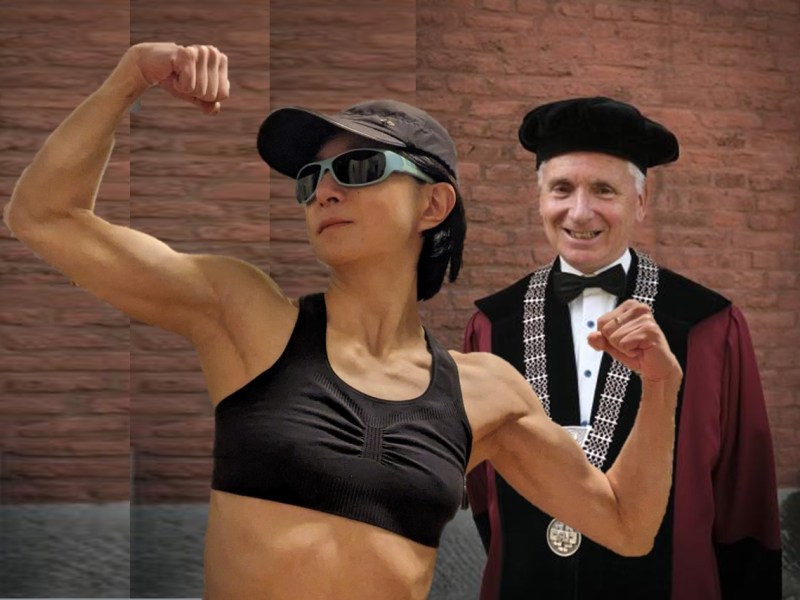
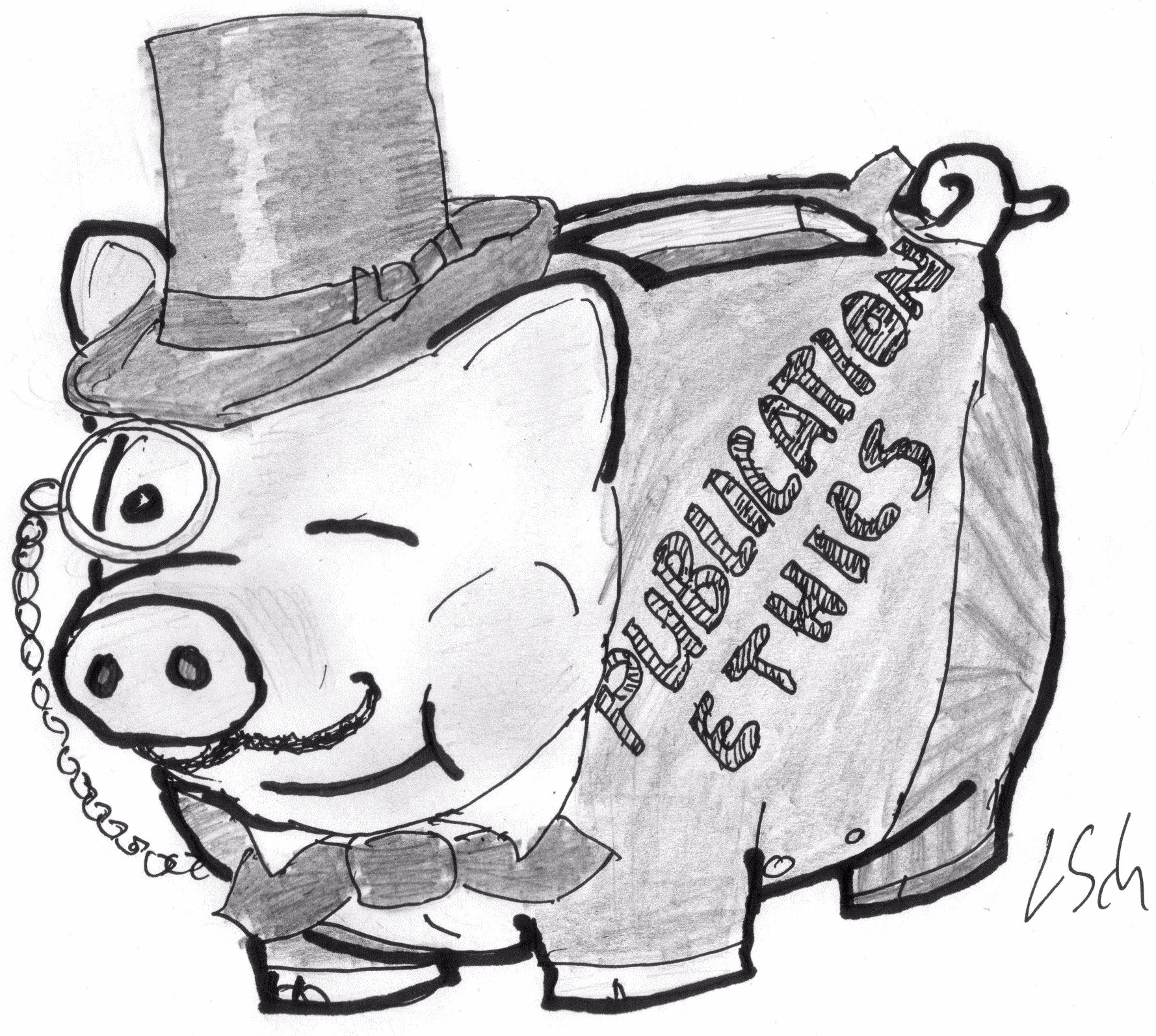
Sir Harry’s Full Withdraw
“First you are starting that this issue is fraud, which is a negative attitude. I always would like to give the other part the benefit of the doubt.” – Sir Prof. dr. Harry W.M. Steinbusch

S Muthu, small-time crook
S Muthu self-describes as “assistant professor in physics” at Arignar Anna College in India, where he graduated with BSc only in 2023. In that same year, Muthu published 27 papers in Journal of Molecular Lipids alone. Obviously nobody read his submissions before publication.
But Mu Yang did, and commented on PubPeer as Dysdera arabisenen. Here is a nice example:
M. Vimala , S. Stella Mary , R. Ramalakshmi , S. Muthu , Ahmad Irfan Computational prediction of polar and non-polar solvent effect on the electronic property of N-BOC- Piperidine-4-Carboxylic acid Journal of Molecular Liquids (2021) doi: 10.1016/j.molliq.2021.117222
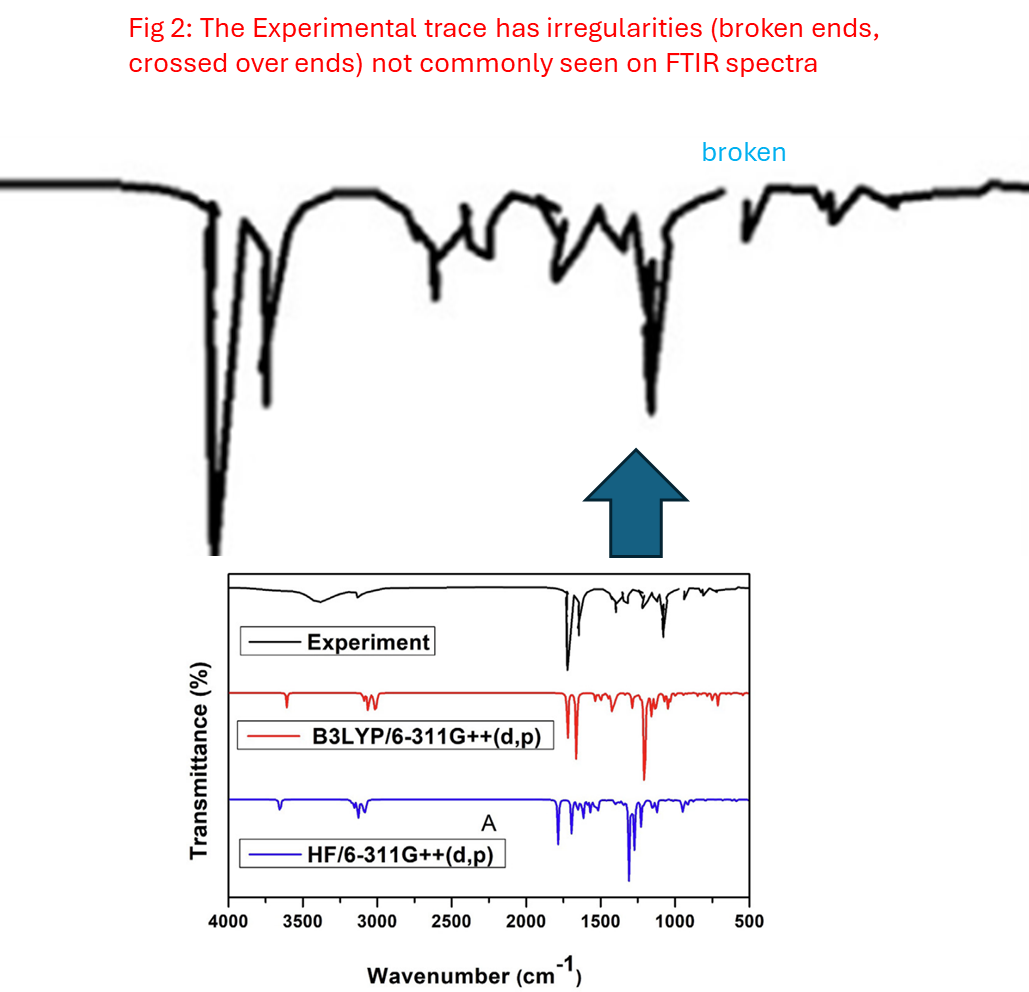

Ahmad Irfan is allegedly affiliated with the King Khalid University in Saudi Arabia, some other of Muthu’s coauthors claim a King Saud University affiliation. Despite Muthu being employed in India, only Saudi funding is acknowledged. Indeed, Muthu has no money, no personnel and no lab to do research. But he doesn’t need that to be a successful scientist.
It often took just 3 weeks for Muthu’s papers to pass peer review at Journal of Molecular Liquids. But even if it sometimes took a wee bit longer: the editors and reviewers were always satisfied at the end. By this:
M. Vennila , R. Rathikha , S. Muthu , A. Jeelani , Ahmad Irfan Structural, spectral inspection, electronic properties in different solvents, Fukui functions, 6-acetyl-2H-1,4-benzoxazin-3(4H)-one – Multiple sclerosis and auto immune disorders therapeutics Journal of Molecular Liquids (2022) doi: 10.1016/j.molliq.2022.119248


I blame alcoholism. On all sides. More by Muthu and friends:
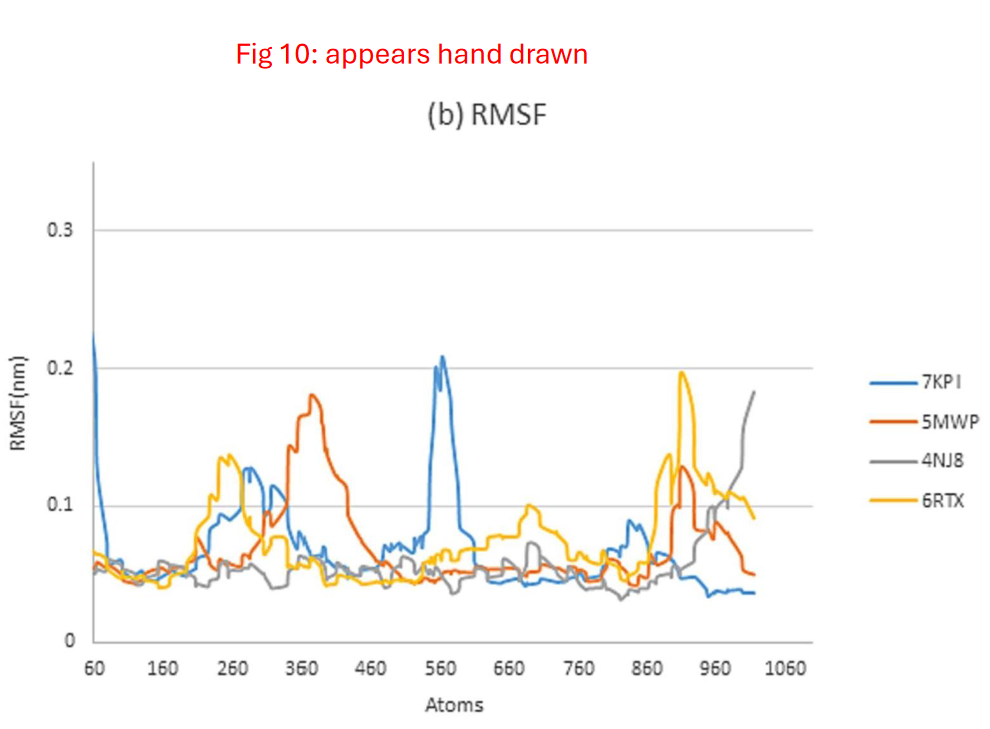
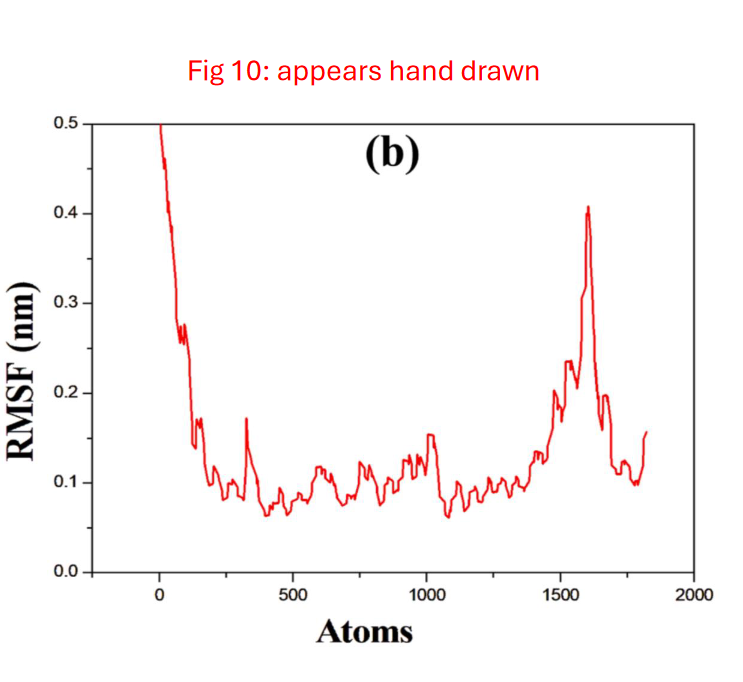
It seems the editors and reviewers of Journal of Molecular Liquids never look at the figures, what with those being at the end of the manuscript. Maybe they think they are big boys who can read all by themselves and don’t need pictures to understand the story. Or more likely, they never read anything beyond the title. Especially if the title promises to cure diseases!
In this regard, there are experimental papers by Muthu announcing “effective” or “potent” cancer drugs where no cancer-related data is shown. None at all. Nobody minded.
But now look at this paper and its once again hand-drawn spectra, which Yang’s anonymous colleague reported to the journal in July 2024:
M. Vimala , S. Stella Mary , Ahmad Irfan , S. Muthu Solvent role in molecular structure, thermodynamic quantities, reactions and electronic transitions (TDDFT) on 2-[piperidin-1-yl] phenol Journal of Molecular Liquids (2023) doi: 10.1016/j.molliq.2023.121313


On 12 July 2024, the sleuth received a reply from the Editor-in-Chief Toshio Yamaguchi, emeritus professor at Fukuoka University, Japan, currently professor at Qinghai Institute of Salt Lakes in China:
“Thank you very much for your comments.
I am attaching the revised version of the manuscript for your reference.
It seems that the experimental FTIR spectra int Figs. 2 and 3 look like hand-drawing.
If it would be essential, I could ask the author to revise Figs. 2 and 3.”
You see, Yamaguchi doesn’t see fake hand-drawn spectra as anything which might even remotely affect even the slightest of conclusions.
This duplication looks almost innocent compared to what we saw above:
V.S. Jeba Reeda , V. Bena Jothy , Mohd Asif , Malik Nasibullah , Naiyf S. Alharbi , Ghulam Abbas , S. Muthu Synthesis, solvent polarity(polar and nonpolar), structural and electronic properties with diverse solvents and biological studies of (E)-3-((3-chloro-4-fluorophenyl) imino) indolin-2-one Journal of Molecular Liquids (2023) doi: 10.1016/j.molliq.2023.121709

Of course, Muthu polluted not just Journal of Molecular Liquids, but other journals also, like this in Elsevier:
M. Vennila , R. Rathikha , S. Muthu , A. Senthil , A. Jeelani , Ahmad Irfan Structural vibrational analysis (FT-IR, FT-Raman), electronic studies based on solvents (UV–Vis, non-linear optics, frontier molecular orbitals, molecular electrostatic potential, natural bond orbital and Fukui evaluation) and Hirshfeld surface analysis on 4-chloroacetophenone Journal of the Indian Chemical Society (2023) doi: 10.1016/j.jics.2022.100871
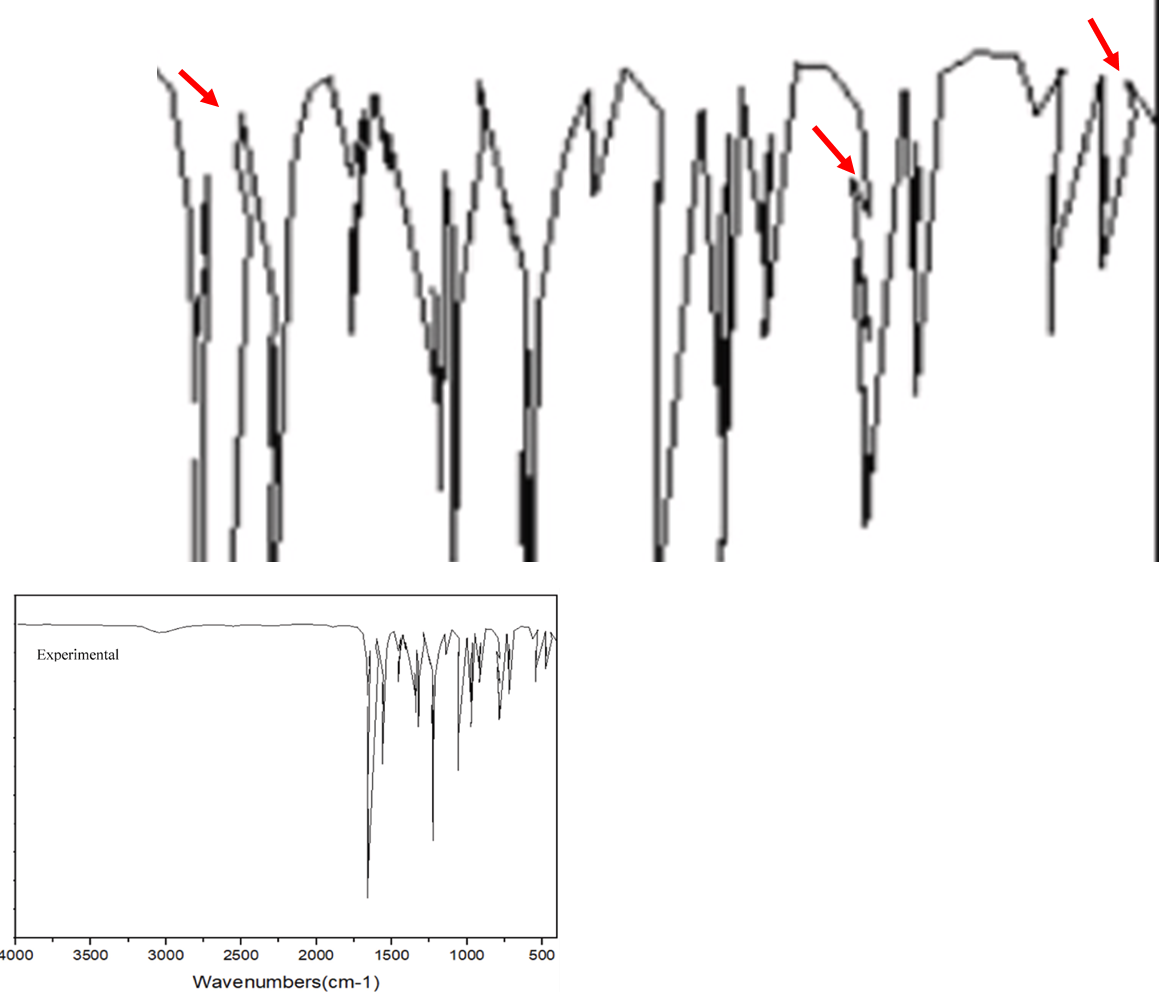

A paper in Springer, look at the zoom-in:
S. Sarala , S. K. Geetha , S. Muthu , Ahmad Irfan Computational investigation, comparative approaches, molecular structural, vibrational spectral, non-covalent interaction (NCI), and electron excitations analysis of benzodiazepine derivatives Journal of Molecular Modeling (2021) doi: 10.1007/s00894-021-04877-z

One bad journal?
Back to Journal of Molecular Liquids. It wasn’t just Muthu and his Saudi friends of course. In fact, the journal is clearly overrun by fraudsters from Asia.
Some Saudis:
Md. Khalid Anwer , Muqtader Mohammad , Nasr Y. Khalil , Faisal Imam , Mohammad Javed Ansari , Mohammed F. Aldawsari , Faiyaz Shakeel , Muzaffar Iqbal Solubility, thermodynamics and molecular interaction studies of delafloxacin in environmental friendly ionic liquids Journal of Molecular Liquids (2020) doi: 10.1016/j.molliq.2020.112854


Some Egyptians:
Mostafa Y. Nassar , Ibrahim S. Ahmed , Hend S. Hendy A facile one-pot hydrothermal synthesis of hematite (α-Fe2O3) nanostructures and cephalexin antibiotic sorptive removal from polluted aqueous media Journal of Molecular Liquids (2018) doi: 10.1016/j.molliq.2018.09.057

Fig 1 “a and b are more similar than expected; c and d are more similar than expected”
Fig 2 “b,c,d are more similar than expected” Fig 3: “c and d are more similar than expected”


Some Iranians with hand-drawn peaks:
Sahar Zinatloo-Ajabshir , Masoud Salavati-Niasari Facile route to synthesize zirconium dioxide (ZrO2) nanostructures: Structural, optical and photocatalytic studies Journal of Molecular Liquids (2016) doi: 10.1016/j.molliq.2016.01.062

And a celebrity author, the great Ali Fakhri himself!
Ali Fakhri, Sajjad Behrouz , Mohammad Asif , Inderjeet Tyagi , Shilpi Agarwal , Vinod Kumar Gupta Synthesis, structural and morphological characteristics of NiO nanoparticles Co-doped with boron and nitrogen Journal of Molecular Liquids (2016) doi: 10.1016/j.molliq.2015.09.004


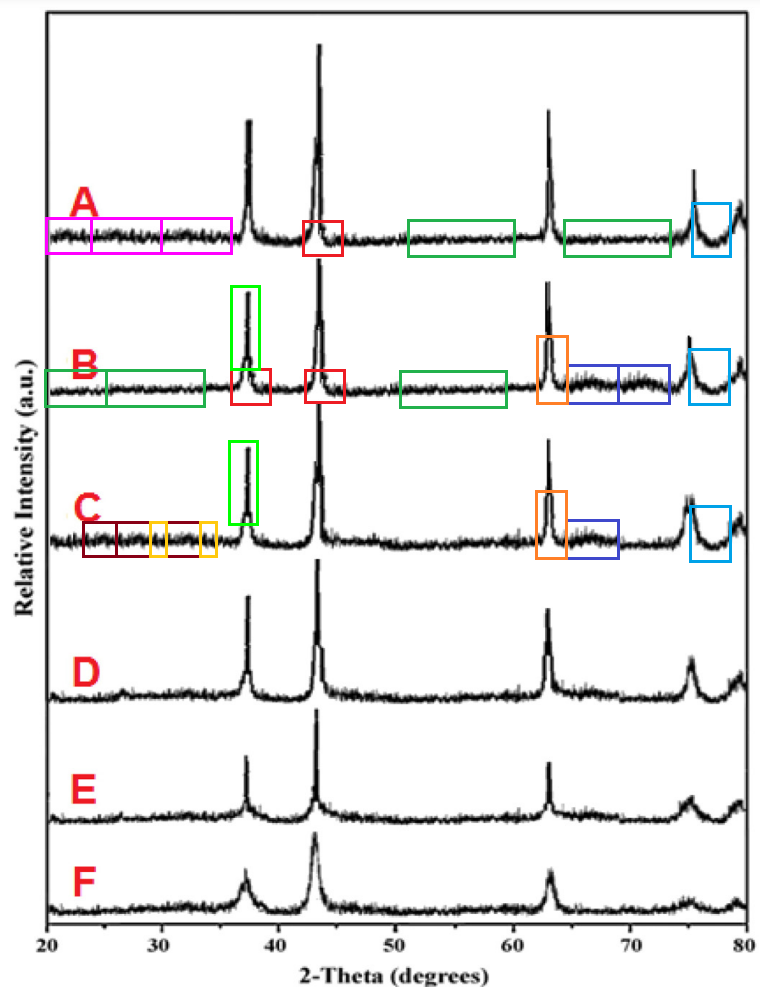



Synthetic Communications with Ali Fakhri and his real or imaginary friends
“the entire dramatis personae seem to have crawled out of our man’s sock drawer, and the page-count of Synthetic Communications would be grievously impoverished without his contributions, whether direct or uncredited.”- Smut Clyde

Before Mu Yang’s additional contribution, that paper was flagged by Smut Clyde in June 2023. Presumably the Editor-in-Chief Yamaguchi disagreed with the importance of their findings?
At least at the Journal of Molecular Liquids, Yanaguchi has no say anymore. Elsevier took over, which under the circumstances, is a good sign. Mihail Grecea, Senior Expert in Publishing Ethics at Elsevier, informed me:
“Please be aware that the complaints regarding the mentioned papers from the Journal of Molecular Liquids are currently being assessed and investigated by the Editors of the journal with the support from the Elsevier Ethics team.”
However, Ali Fakhri aside, all these above are pathetic amateur fraudsters compared to another Major contributor to Journal of Molecular Lipids whom Mu caught.
Ayman Atta, the papermill
Ayman Mohamady Atta is professor at Egyptian Petroleum Research Institute with a second affiliation at King Saud University in Saudi Arabia, because it brings even more Big Oil money into his pockets. After Mu Yang’s digging, he now has around 85 papers on PubPeer. All fraudulent.
Atta’s case is truly massive, almost too much even for a superhero like Mu Yang. This is why she recruited help from some named and unnamed experts, especially from Valentin Rodionov, chemistry professor at Case Western Reserve University in USA.
This is one of Atta’s contribution to Journal of Molecular Liquids:
Mahmood M.S. Abdullah , Abdulrahman A. AlQuraishi , Hamad A. Allohedan , Abdullah O. AlMansour , Ayman M. Atta Synthesis of novel water soluble poly (ionic liquids) based on quaternary ammonium acrylamidomethyl propane sulfonate for enhanced oil recovery Journal of Molecular Liquids (2017) doi: 10.1016/j.molliq.2017.02.113

“Fig 3a has several features that are unusual”
“Fig 3b, also identical to Figure 1”
“Fig 5: Green circles indicate unexpected line breaks”

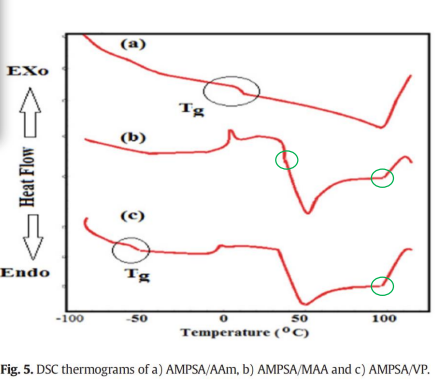
Hand-drawn peaks again:
Ayman M. Atta , Gamal A. El-Mahdy , Hamad A. Al-Lohedan , Abdel-Rahman O. Ezzat Synthesis of nonionic amphiphilic chitosan nanoparticles for active corrosion protection of steel Journal of Molecular Liquids (2015) doi: 10.1016/j.molliq.2015.07.035
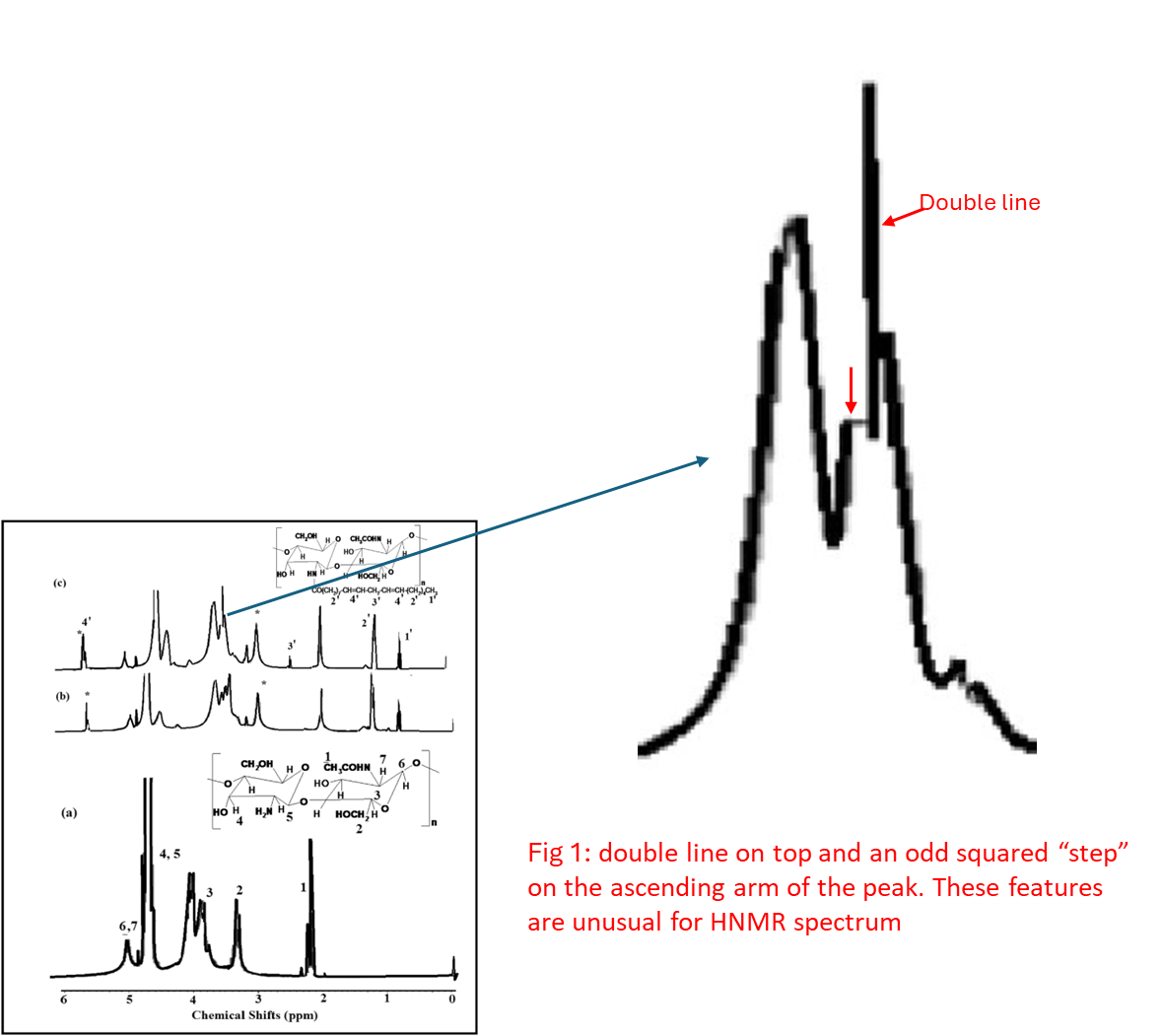
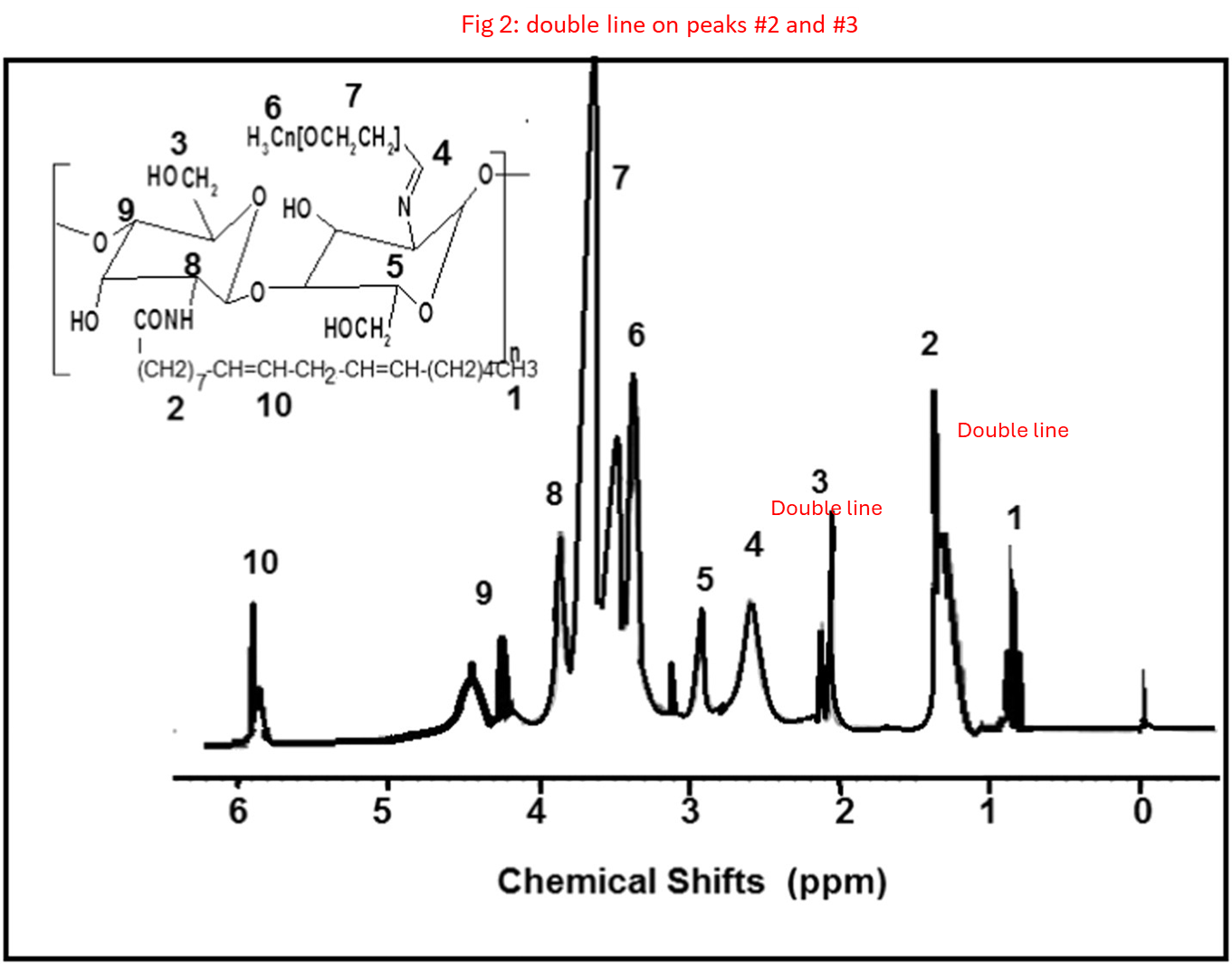
Maybe the journal expects the spectra to be all hand-drawn?


Look at this:
Abdelrahman O. Ezzat , Ayman M. Atta , Hamad A. Al-Lohedan , Ali Aldalbahi New amphiphilic pyridinium ionic liquids for demulsification of water Arabic heavy crude oil emulsions Journal of Molecular Liquids (2020) doi: 10.1016/j.molliq.2020.113407


Every piece of data is crudely forged in Atta’s papers:
Abdelrahman O. Ezzat , Ayman M. Atta , Hamad A. Al-Lohedan , Ahmed I. Hashem Synthesis and application of new surface active poly (ionic liquids) based on 1,3-dialkylimidazolium as demulsifiers for heavy petroleum crude oil emulsions Journal of Molecular Liquids (2018) doi: 10.1016/j.molliq.2017.12.081

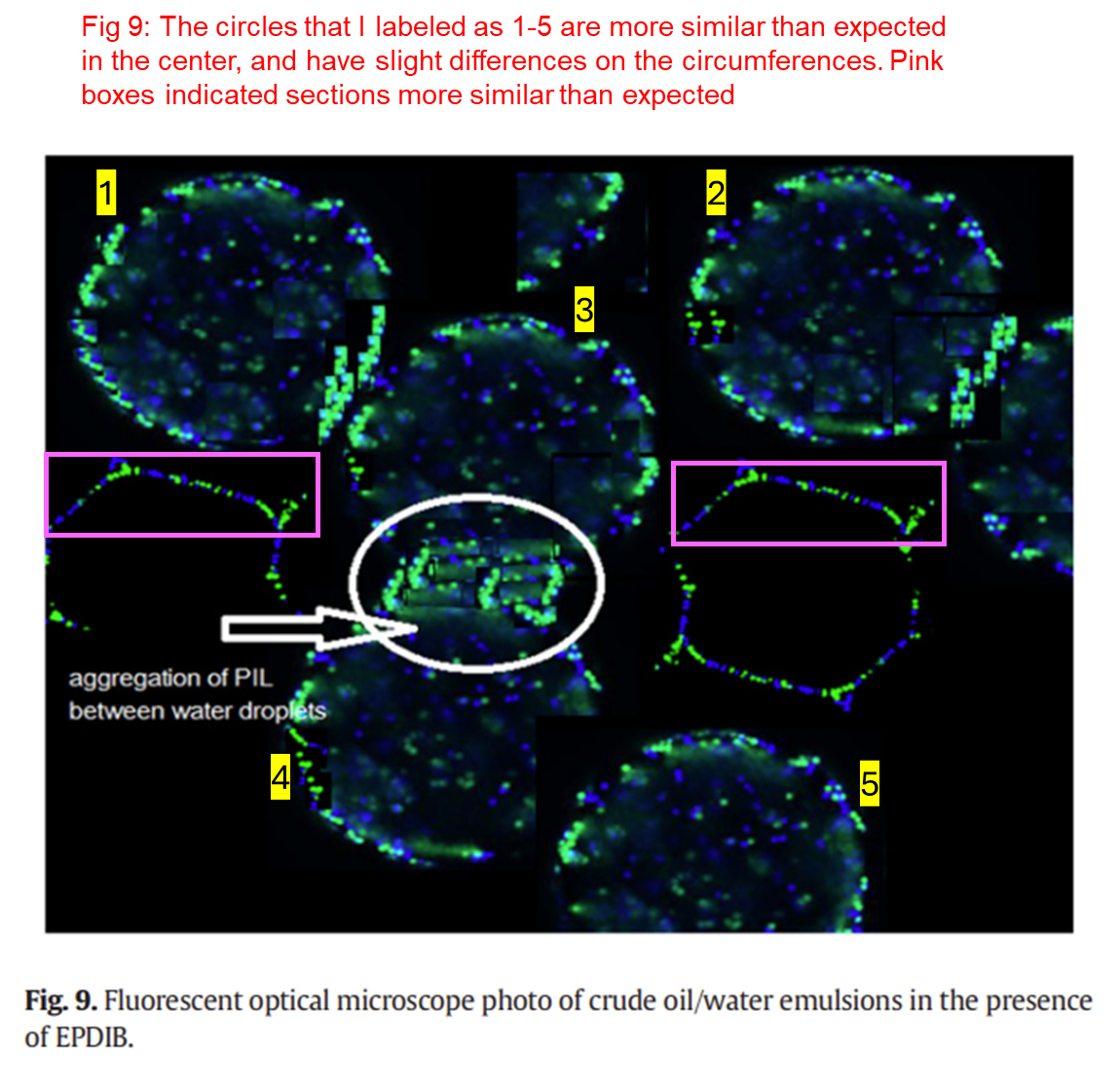

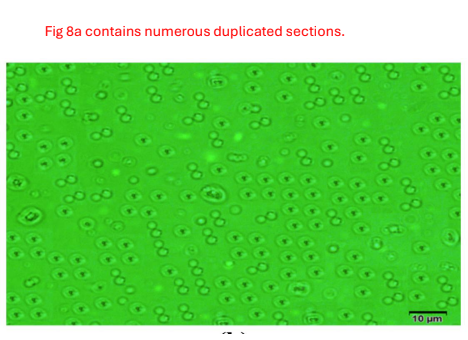
While I hear the editors of Journal of Molecular Liquids scream “THOSE ARE JUST ILLUSTRATIONS RESULTS ARE UNAFFECTED” – also Atta’s numerical data is fake, utterly made-up.
Ayman M. Atta , Hamad A. Al-Lohedan , Abdelrahman O. Ezzat Synthesis and application of geminal dicationic ionic liquids and poly (ionic liquids) combined imidazolium and pyridinium cations as demulsifiers for petroleum crude oil saline water emulsions Journal of Molecular Liquids (2021) doi: 10.1016/j.molliq.2020.115264
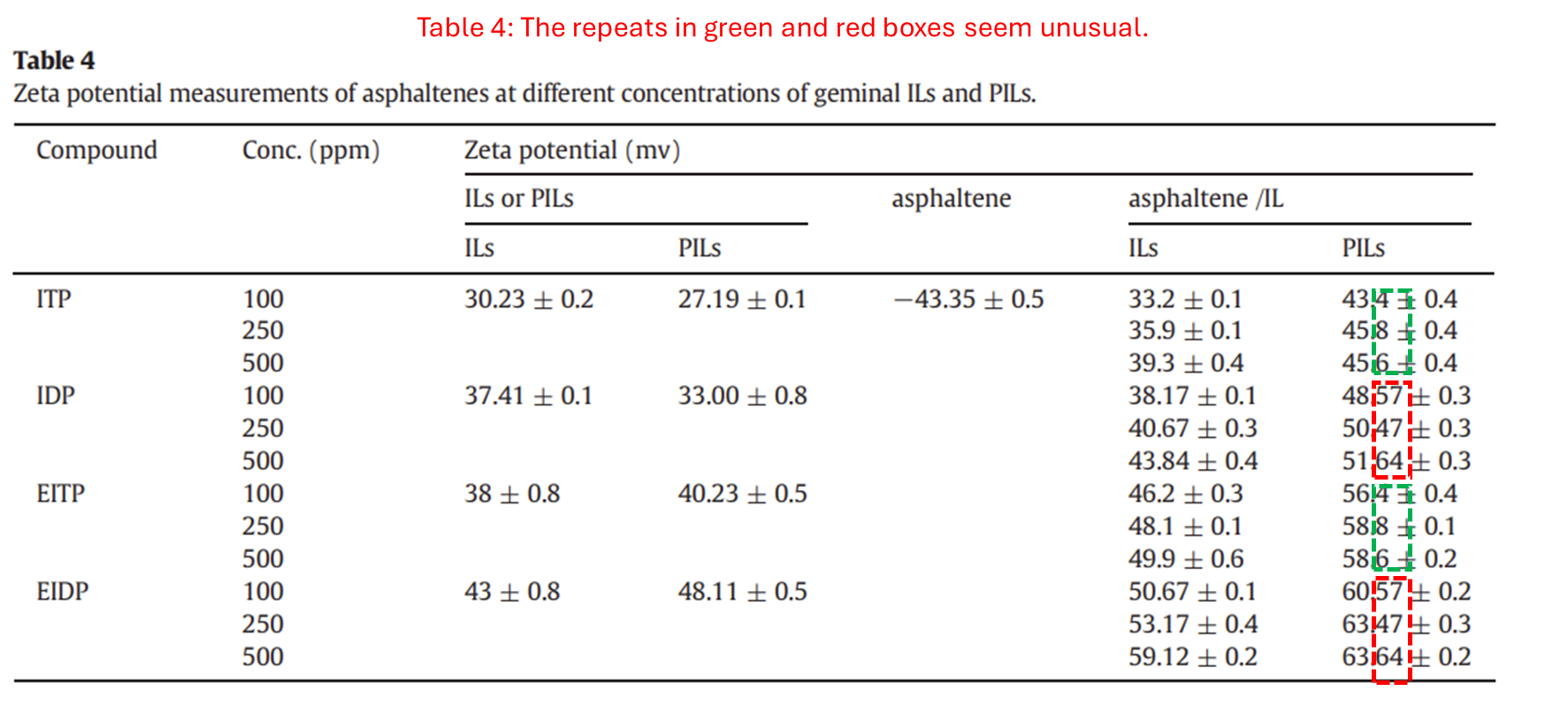

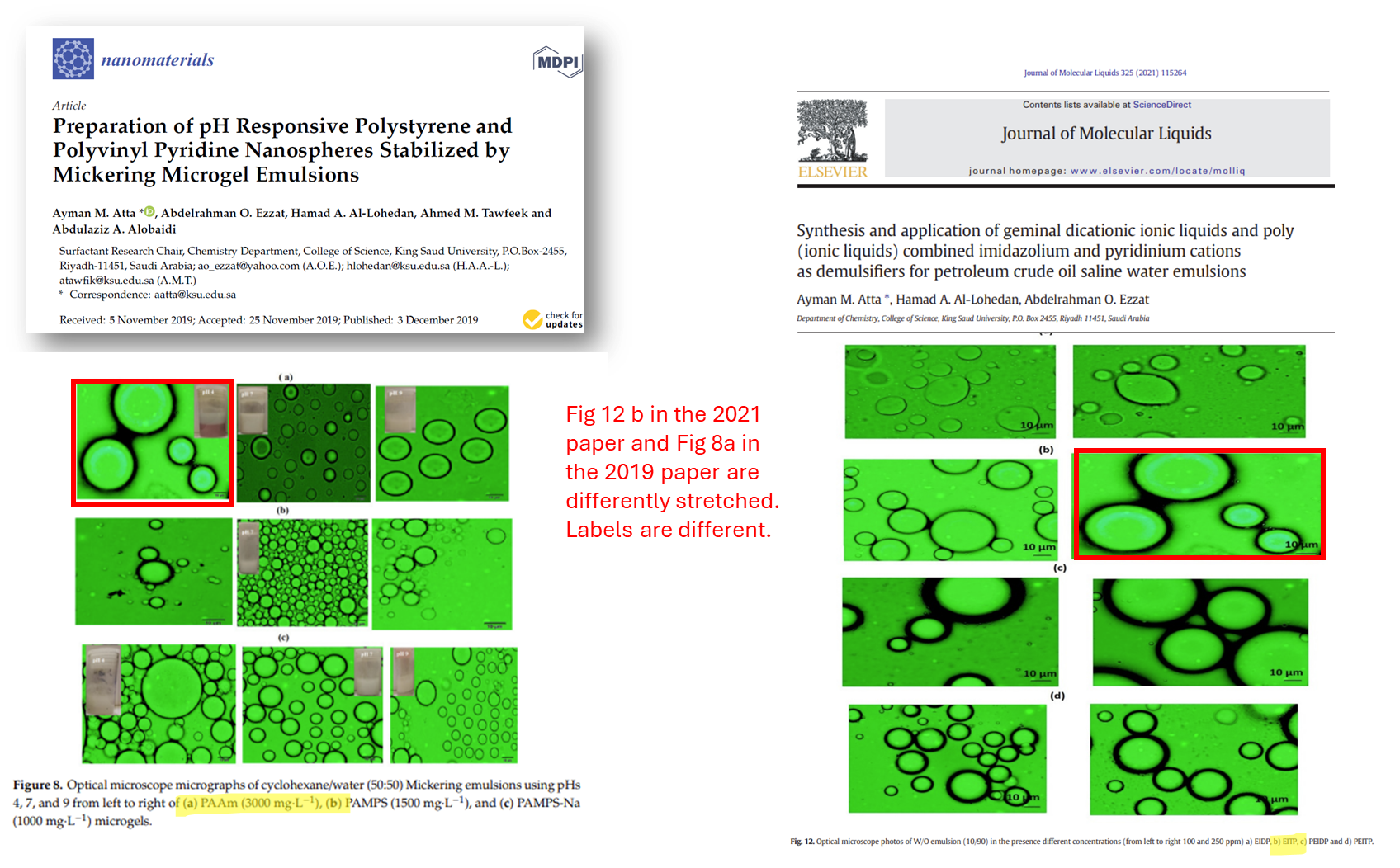
Atta is 59 years old, a full professor since 2005, with almost 250 publications. According to his CV, he spent most of its career in Egypt, except for short postdoc stays in Germany (2000/2002) and USA (2006). This fabrication was Atta’s present to his host at the University of North Texas, Jose M. Perez:
Ayman M. Atta , Witold Brostow , Tea Datashvili , Rasha A. El‐Ghazawy , Haley E. Hagg Lobland , Abdul‐Raheim M. Hasan , Jose M. Perez Porous polyurethane foams based on recycled poly(ethylene terephthalate) for oil sorption Polymer International (2013) doi: 10.1002/pi.4325
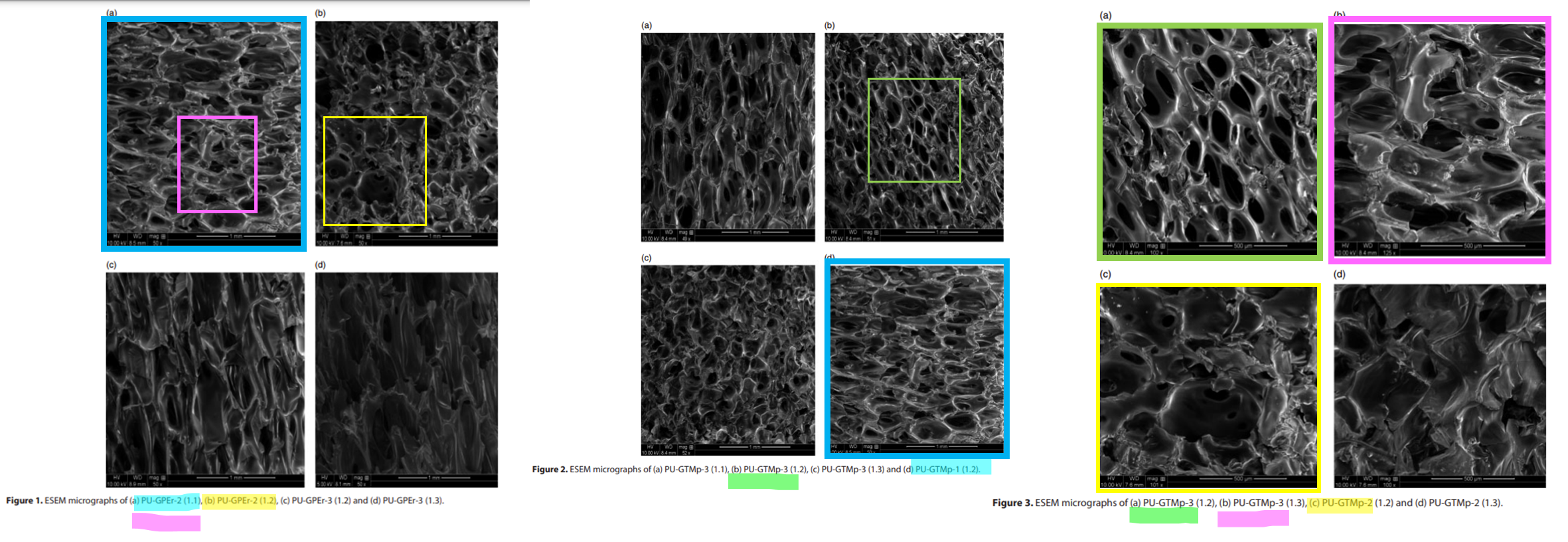
Otherwise, Atta’s coauthors are fellow Egyptians, the names often recurr. Instead of banning that lot of fraudsters forever, the academic editors went ahh and ohh and kept accepting all their hand-faked trash without looking, because some male Arab Big Oil shill must count as “diversity“. And not just the journal editors: all this fraud helped Atta get his hands on US money, via the US-Egypt Science and Technology Joint Fund.
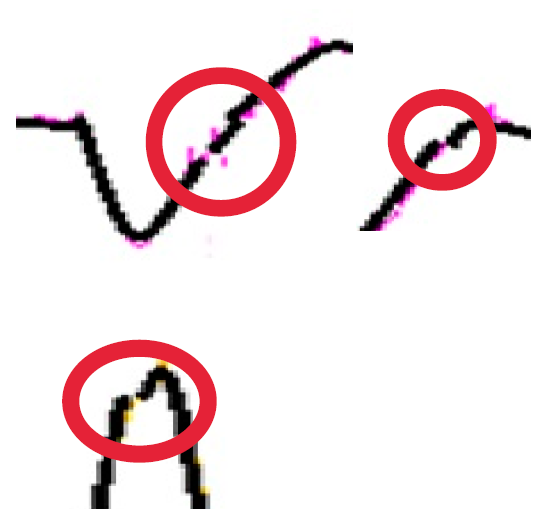
Look what Atta published in another Elsevier journal called Progress in Organic Coatings (impact factor 6.5). Obviously hand-drawn in a hurry, but do you think the Editor-in-Chief, the Swedish professor Mats Johansson, noticed? Or cared?
Ayman M. Atta , Hamad A. Al-Lohedan , Abdelrahman O. Ezzat , Sami A. Al-Hussain Characterization of superhydrophobic epoxy coatings embedded by modified calcium carbonate nanoparticles Progress in Organic Coatings (2016) doi: 10.1016/j.porgcoat.2016.10.008

Fig 1: “Red circles indicate peaks that are top-heavy or leaning. The peak circle indicate a black peak that seems to have been added to the blue trace. Purple circles indicate places where there is an “underline” a of different color exceeding the edges of the main trace. The last point is similar to an earlier post on another paper by this group (https://pubpeer.com/publications/815FB8970100C5CDCED562BF4A86C3 )”
Also by Atta, again in Progress in Organic Coatings and in yet another Elsevier journal, Journal of Environmental Sciences (impact factor 5.9):


And now, Atta’s grand opus in Elsevier’s International Journal of Electrochemical Science:
Ayman M. Atta, Gamal A. El-Mahdy , Hamad A. Al-Lohedan, Sami A. Al-Hussain Corrosion Inhibition of Mild Steel in Acidic Medium by Magnetite Myrrh Nanocomposite International Journal of Electrochemical Science (2014) doi: 10.1016/s1452-3981(23)11059-5

This International Journal of Electrochemical Science is published since 2023 by Elsevier “on behalf of the Agency for Publishing and Internet Services (ESG)” from Serbia, which “oversees and is responsible for all aspects of the day-to-day editorial operations and peer review of the journal“. Somehow this Belgrade-based ESG and their Serbian Editor-in-Chief Milan Antonijevic of University of Belgrade saw nothing untoward also in this impactful study in their journal:
Ayman M. Atta , Gamal A. El-Mahdy , Hamad A. Al-Lohedan , Ashraf M. El-saeed , Ahmed M. Tawfeek Electrochemical Behavior of Self-Assembly Monodisperse Nanogels Based on Poly (vinyl alcohol) / Poly (acrylic acid) Semi-Interpenetrating Networks International Journal of Electrochemical Science (2015) doi: 10.1016/s1452-3981(23)06563-x

Fig 2b and 2c: ” Same-color circles indicate images more similar than expected”

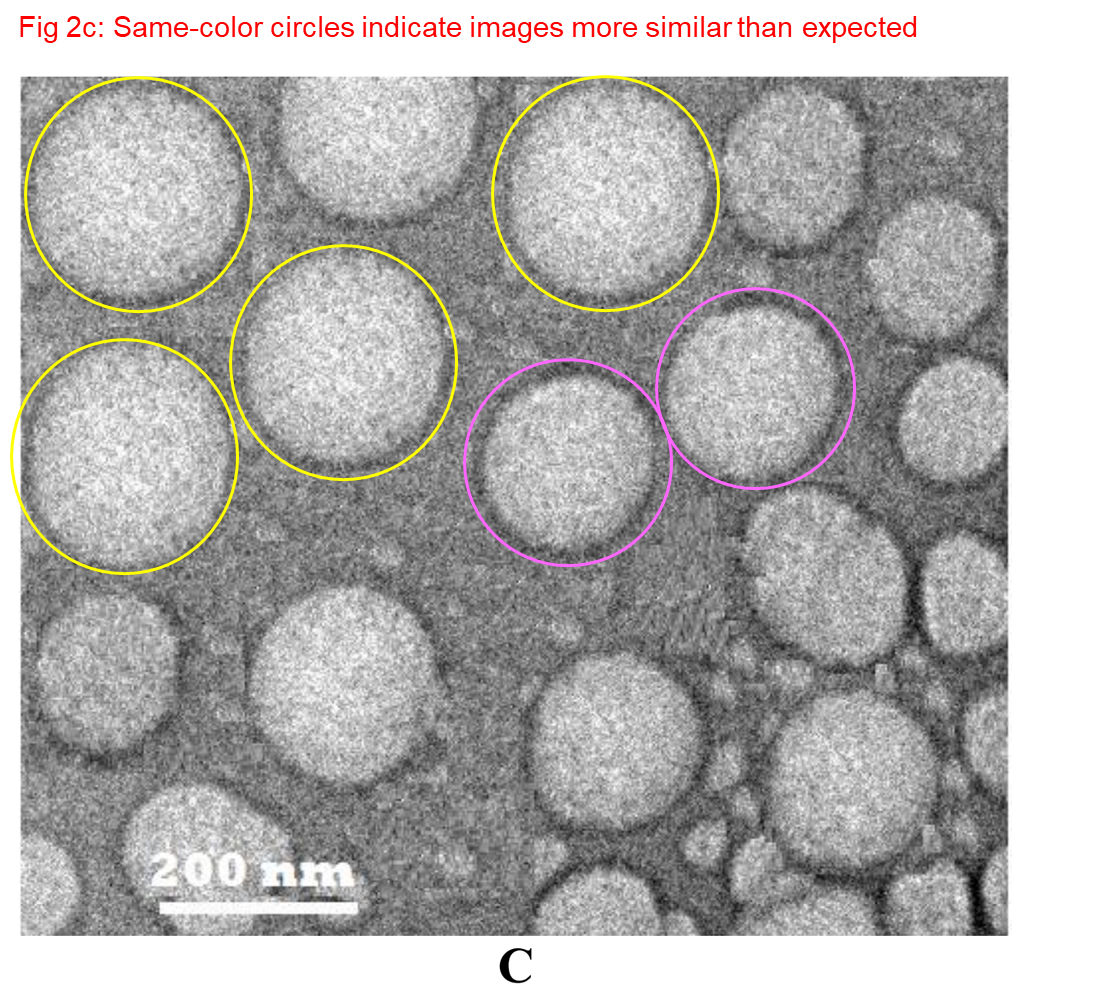
Same year, same Serbo-Elsevierian journal, same kind of Egyptian fraud. Milan, can you count till 14?
Ayman M. Atta , Gamal A. El-Mahdy , Hamad A. Al-Lohedan , Ahmed M. Tawfeek , Shaban R. Sayed Corrosion Performance of Nanostructured Clay Hybrid Film based on Crosslinked 3-(Acrylamidopropyl) Trimethylammonium Chloride –co-Acrylamide on Mild Steel in Acidic Medium International Journal of Electrochemical Science (2015) doi: 10.1016/s1452-3981(23)04853-8

2015 was a good year for all involved, the Serbs, the Egyptians, the Elsevier:
Ayman M. Atta , Gamal A. El-Mahdy , Hamad A. Al-Lohedan Application of Amphiphilic 2-Acylamido-2-Methylpropane Sulfonic Acid – co-N-Isopropyl Acrylamide Nanogels as Thin Film Coatings International Journal of Electrochemical Science (2015) doi: 10.1016/s1452-3981(23)04978-7


We return to Elsevier’s other garbage journal, Progress in Papermill Coatings:
Ayman M. Atta , Abdelrahman O. Ezzat , Ashraf M. El-Saeed , Ahmad M. Tawfeek , Nourah I. Sabeela Self-healing of chemically bonded hybrid silica/epoxy for steel coating Progress in Organic Coatings (2020) doi: 10.1016/j.porgcoat.2020.105549
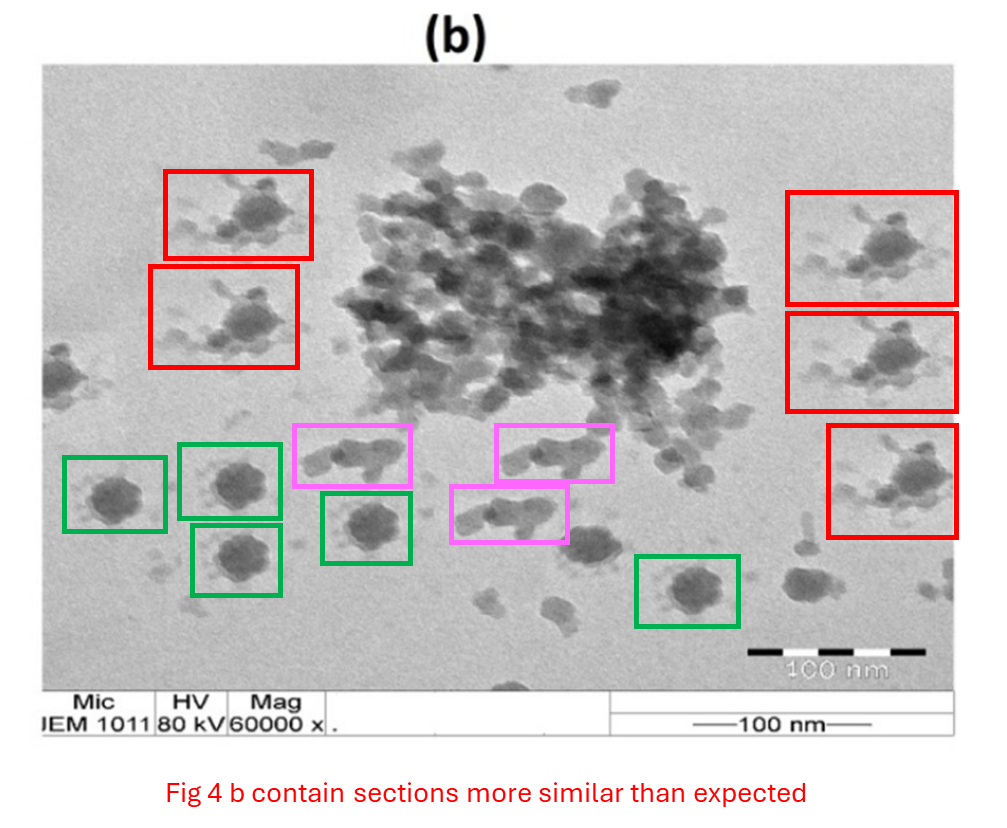


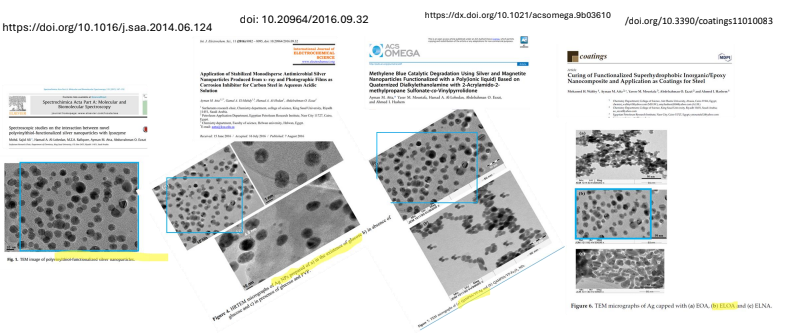
In this regard, the referenced 2019 ACS paper:
Nourah I. Sabeela , Tahani M. Almutairi , Hamad A. Al-Lohedan , Ayman M. Atta Surface Activity of Smart Hybrid Polysiloxane-co–N-isopropylacrylamide Microgels ACS Omega (2019) doi: 10.1021/acsomega.9b03102

Cloned nanoparticles, again, and then cloned again, in the same journal! In this regard, the other 2019 ACS paper:
Nourah I. Sabeela , Tahani M. Almutairi , Hamad A. Al-Lohedan , Abdelrahman O. Ezzat , Ayman M. Atta New Smart Magnetic Ionic Liquid Nanocomposites Based on Chemically Bonded Imidazole Silica for Water Treatment ACS Omega (2019) doi: 10.1021/acsomega.9b02820

Indeed, next to Journal of Molecular Liquids, a journal which also suffered much from Atta’s fraud was the Open Access journal ACS Omega (impact factor 4). Although, American Chemical Society (ACS) does not suffer from fraud, this society publisher embraces it, the faker the better (read for example August 2024 Shorts), and in the worst case, one can always issue a correction about unaffected conclusions.

Zombie fingers inside corroded nano-piecrusts
Smut Clyde is back with more fraudulent nanotechnology. This time, he presents the works of Dhanaraj Gopi, who designs fabricated surfaces for surgical implants. In Photoshop, or with a pencil.
Again, cloned nanoparticles but also hand-drawn spectra:
Abdelrahman O Ezzat , Hamad A Al-Lohedan , Ayman M Atta New Amphiphilic Tricationic Imidazolium and Pyridinium Ionic Liquids for Demulsification of Arabic Heavy Crude Oil Brine Emulsions ACS Omega (2021) doi: 10.1021/acsomega.1c00188
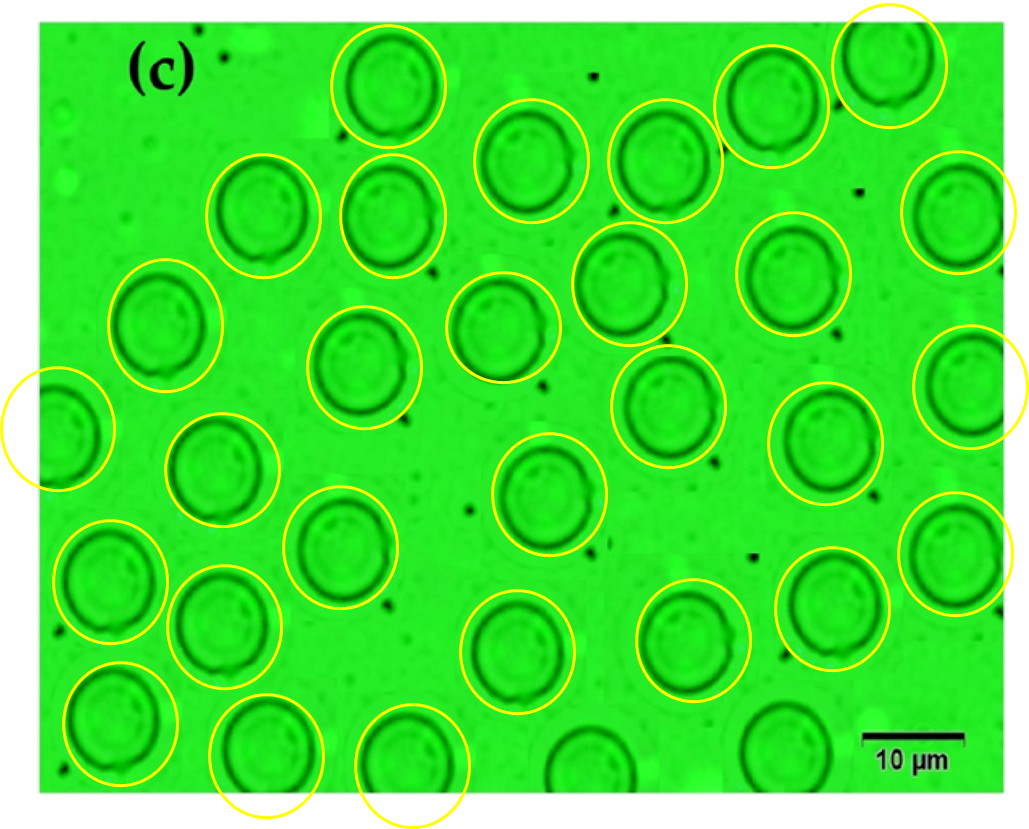
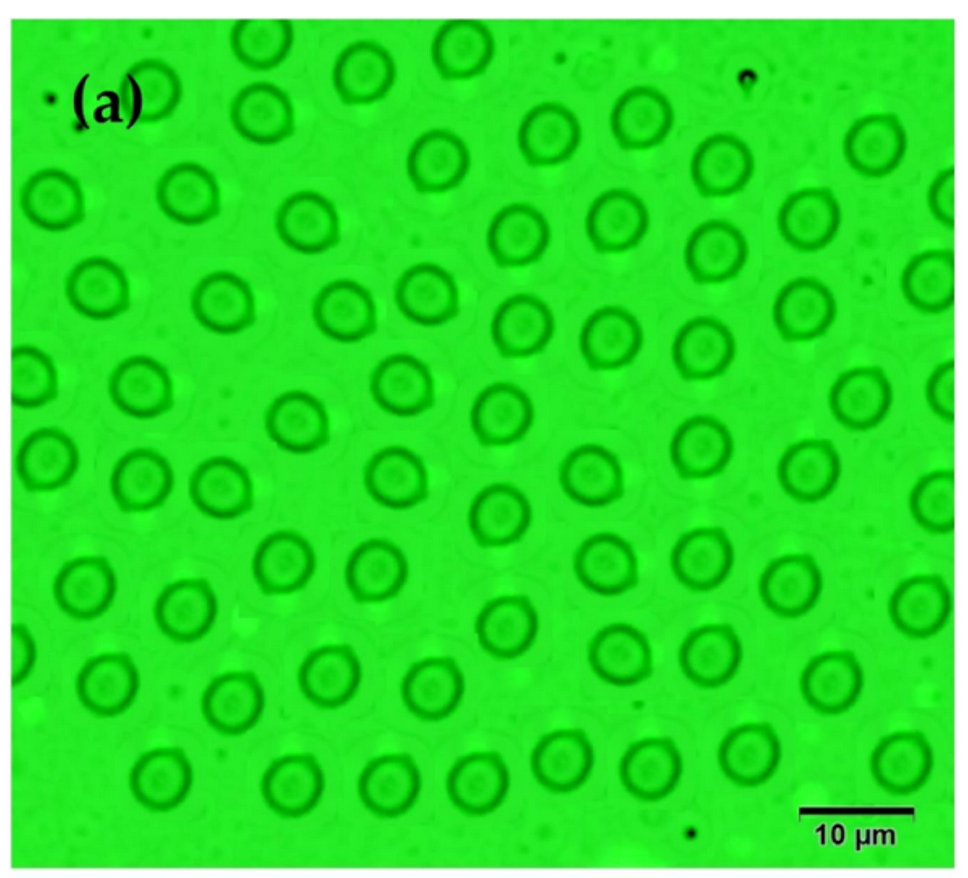

Now, you must trust the ACS Omega Editor-in-Chief Krishna N. Ganesh of Jawaharlal Nehru Centre in India that those papers are, despite those minor presentation issues, scientifically fine and peer-reviewed. An editor named after not one but two Hindu gods must be infallible!
Still, this is impressive:
Ayman M Atta , Yaser M Moustafa , Hamad A Al-Lohedan , Abdelrahman O Ezzat , Ahmed I Hashem Methylene Blue Catalytic Degradation Using Silver and Magnetite Nanoparticles Functionalized with a Poly(ionic liquid) Based on Quaternized Dialkylethanolamine with 2-Acrylamido-2-methylpropane Sulfonate–Vinylpyrrolidone ACS Omega (2020) doi: 10.1021/acsomega.9b03610

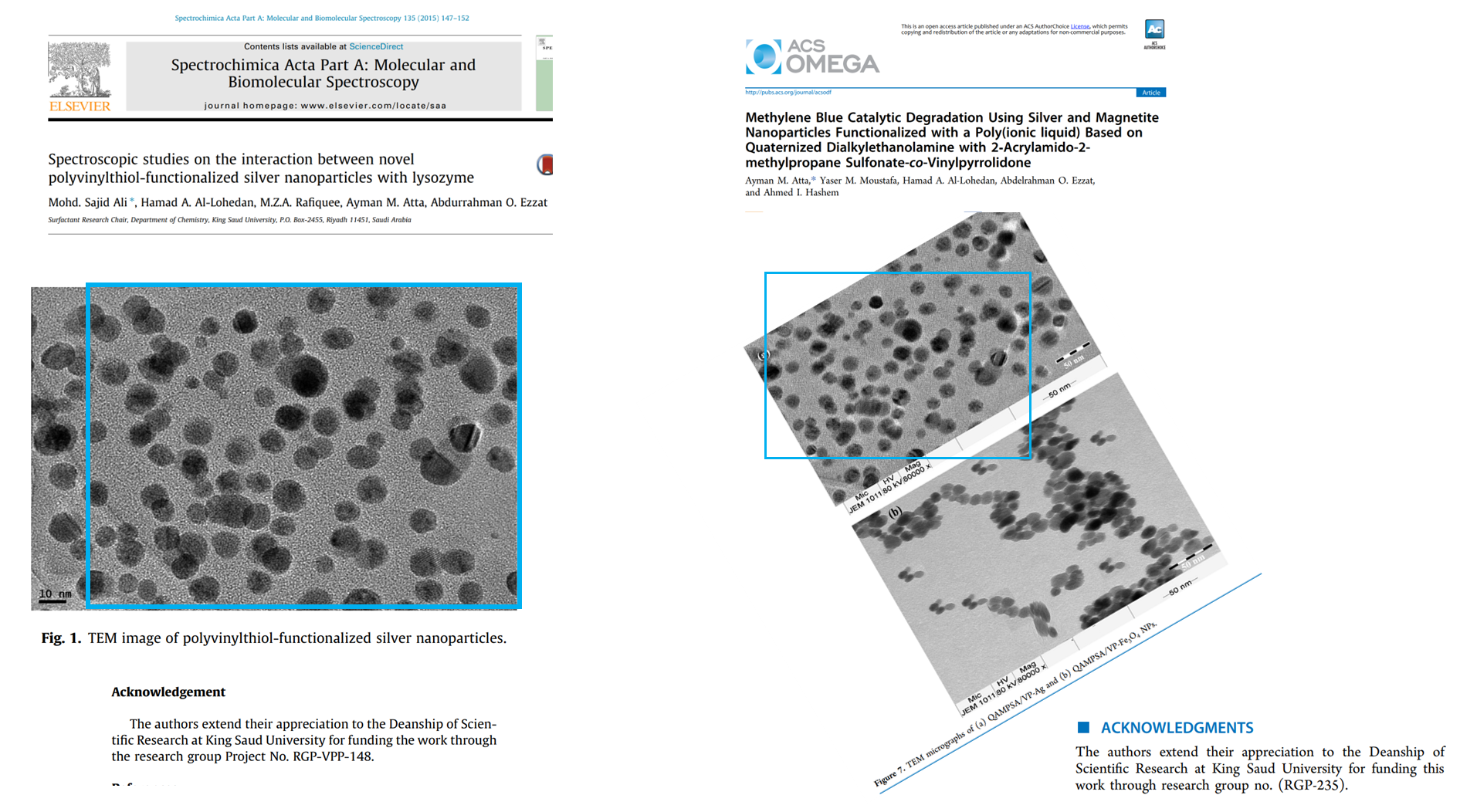
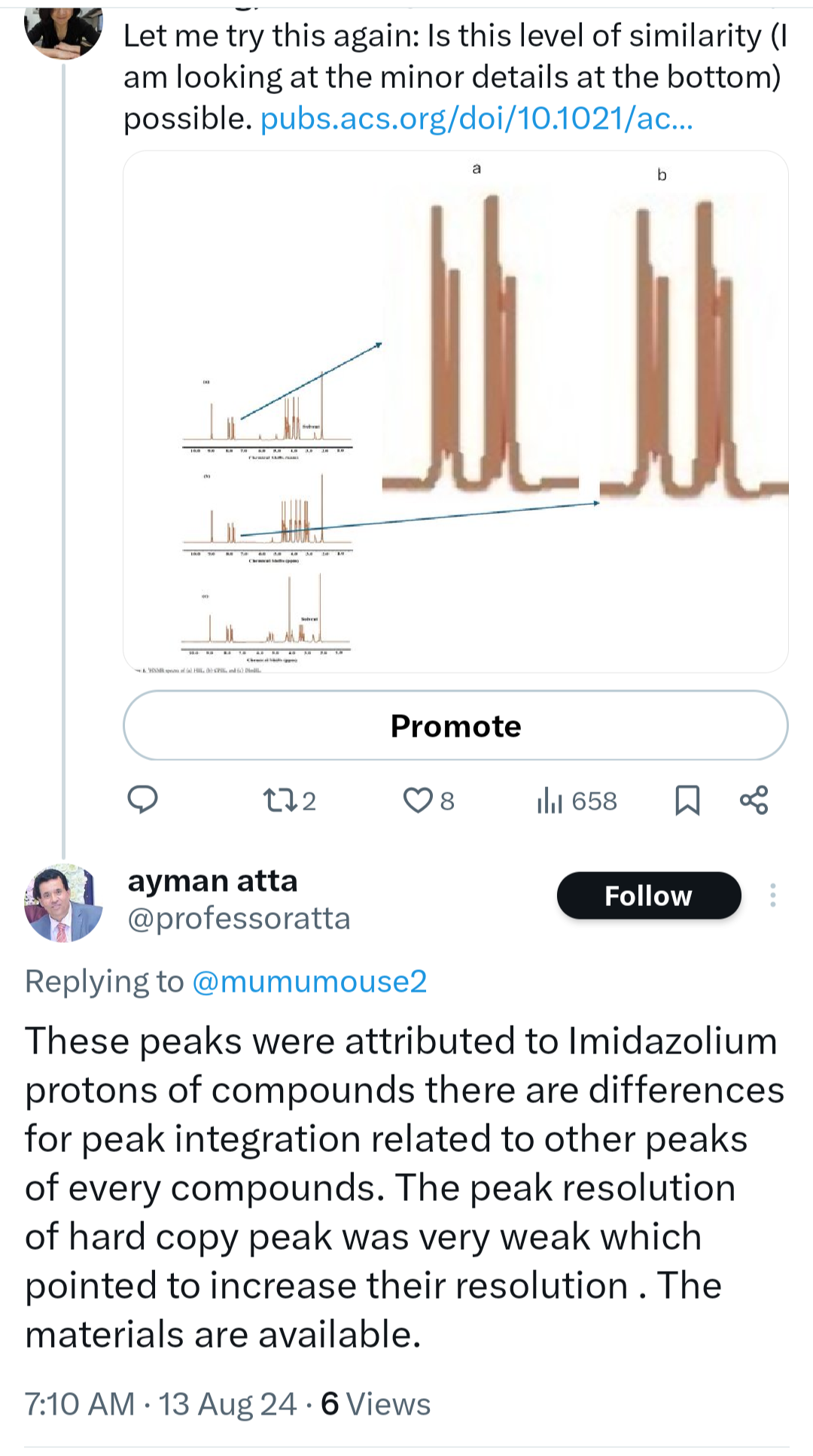
Because Mu Yang posted the next case on X, Atta replied (and soon deleted his nonsense reply) that his “hard copy peak was very weak“. I am sure the explanation is fine with ACS Omega.
Meanwhile, Thomas Kesteman, a microbiologist at Oxford’s Clinical Research Unit in Hanoi, Vietnam, joined the treasure hunt:
Ihab Shawish , Samha Al Ayoubi , Mohamed Bououdina, Abeer A. El-Segaey , Alia A. Melegy , Ayman M. Atta New Functionalized Di-substituent Imidazolium Ionic Liquids as Superior Faster Absorbents for Carbon Dioxide Gas ACS Omega (2024) doi: 10.1021/acsomega.4c02335


Elsewhere at ACS at Energy & Fuels (impact factor 5.2):
Ayman M. Atta , Abdelrhman O. Ezzat , Mahmood M. Abdullah , Ahmed I. Hashem Effect of Different Families of Hydrophobic Anions of Imadazolium Ionic Liquids on Asphaltene Dispersants in Heavy Crude Oil Energy & Fuels (2017) doi: 10.1021/acs.energyfuels.7b01167

But since we are at it, let me show you more Atta trash Mu Yang has found outside of Elsevier and ACS. As reminder, his PubPeer record currently stands at EIGHTY-FIVE outrageously fraudulent papers.
Wiley has a vintage Atta, quarter a century old:
Ahmed M Al-Sabagh , Aiman M Atta Water-based non-ionic polymeric surfactants as oil spill dispersants Journal of Chemical Technology & Biotechnology (1999) doi: 10.1002/(sici)1097-4660(199911)74:11<1075::aid-jctb125>3.0.co;2-3

Also Springer is affected:
Ayman M. Atta , Magda Akel , R. A. Elghazawy , Mohamed Alaa Characterization of modified styrene-co-2-acrylamido-2-methylpropane sulfonic acid magnetite nanoparticles Polymer Science Series A (2013) doi: 10.1134/s0965545x13050064

Also nice:
Ayman M. Atta , Hamad A. Al-Lohedan , Ashraf M. El-Saeed , Hussin I. Al-Shafey , Mohamed Wahby Salt-controlled self-healing nanogel composite embedded with epoxy as environmentally friendly organic coating Journal of Coatings Technology and Research (2017) doi: 10.1007/s11998-017-9917-6
“Fig 9 contains many sections that are more similar than expected.”

Circular zero-waste economy:
Ayman M. Atta , Hamad A. Al‐Lohedan Influence of Nonionic Rosin Surfactants on Surface Activity of Silica Particles and Stability of Oil in Water Emulsions Journal of Surfactants and Detergents (2014) doi: 10.1007/s11743-014-1589-y

And of course there’s much to be found in MDPI. Where you can abandon all hope for a minimum of research ethics. You can only pray that some of Atta’s papers will be included into MDPI’s rare retraction events to save their reputation from the abyss.
This was flagged by an anonymous PubPeer commenter almost 5 years ago:
Ayman M Atta, Hamad A Al-Lohedan, Sami A Al-Hussain Synthesis of stabilized myrrh-capped hydrocolloidal magnetite nanoparticles Molecules (2014) doi: 10.3390/molecules190811263
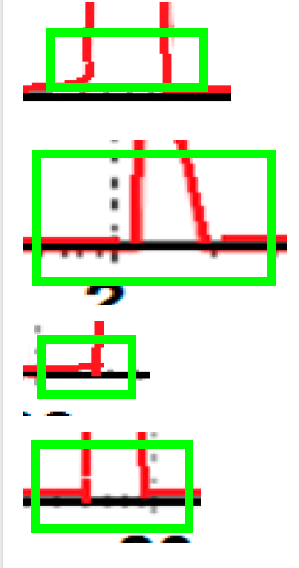
In December 2019. Atta replied on PubPeer by blaming the journal:
“The journal required high resolution images and it should be improved by colour change from bright colour to black“

As you see, there were no consequences. So Atta published more of butt-drawn spectra:


Maybe you wish to see more copy-pasted nanoparticles?
Ayman Atta , Gamal El-Mahdy , Hamad Al-Lohedan , Abdelrahman Ezzat Preparation of Crosslinked Amphiphilic Silver Nanogel as Thin Film Corrosion Protective Layer for Steel Molecules (2014) doi: 10.3390/molecules190710410
“Fig 3c contain sections more similar than expected”

More, you say?
Ayman M Atta , Mohamed H El-Newehy , Meera Moydeen Abdulhameed , Mohamed H Wahby , Ahmed I Hashem Seawater Absorption and Adhesion Properties of Hydrophobic and Superhydrophobic Thermoset Epoxy Nanocomposite Coatings Nanomaterials (2021) doi: 10.3390/nano11020272


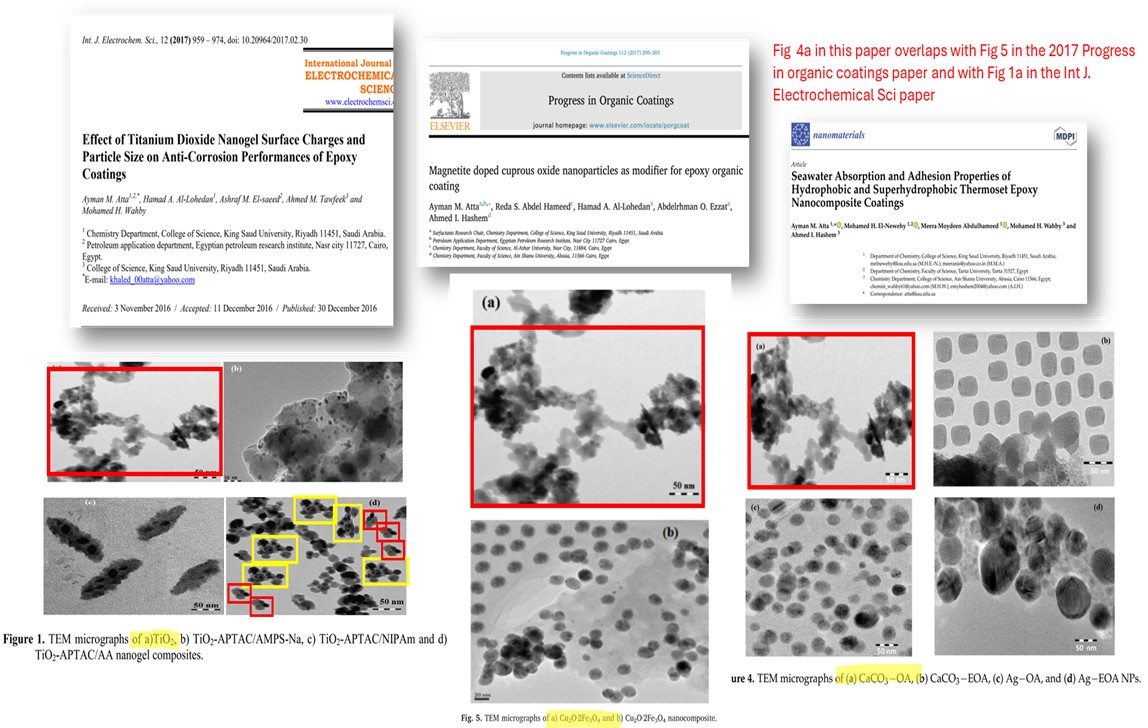
Quite possibly MDPI accepted things from Atta which were rejected elsewhere as way too fake:
Nourah I Sabeela , Tahani M Almutairi , Hamad A Al-Lohedan , Abdelrahman O Ezzat , Ayman M Atta Reactive Mesoporous pH-Sensitive Amino-Functionalized Silica Nanoparticles for Efficient Removal of Coomassie Blue Dye Nanomaterials (2019) doi: 10.3390/nano9121721

This was originally flagged by Nick Wise:
Ayman M Atta , Abdelrahman O Ezzat , Hamad A Al-Lohedan , Ahmed M Tawfeek , Abdulaziz A Alobaidi Preparation of pH Responsive Polystyrene and Polyvinyl Pyridine Nanospheres Stabilized by Mickering Microgel Emulsions Nanomaterials (2019) doi: 10.3390/nano9121693


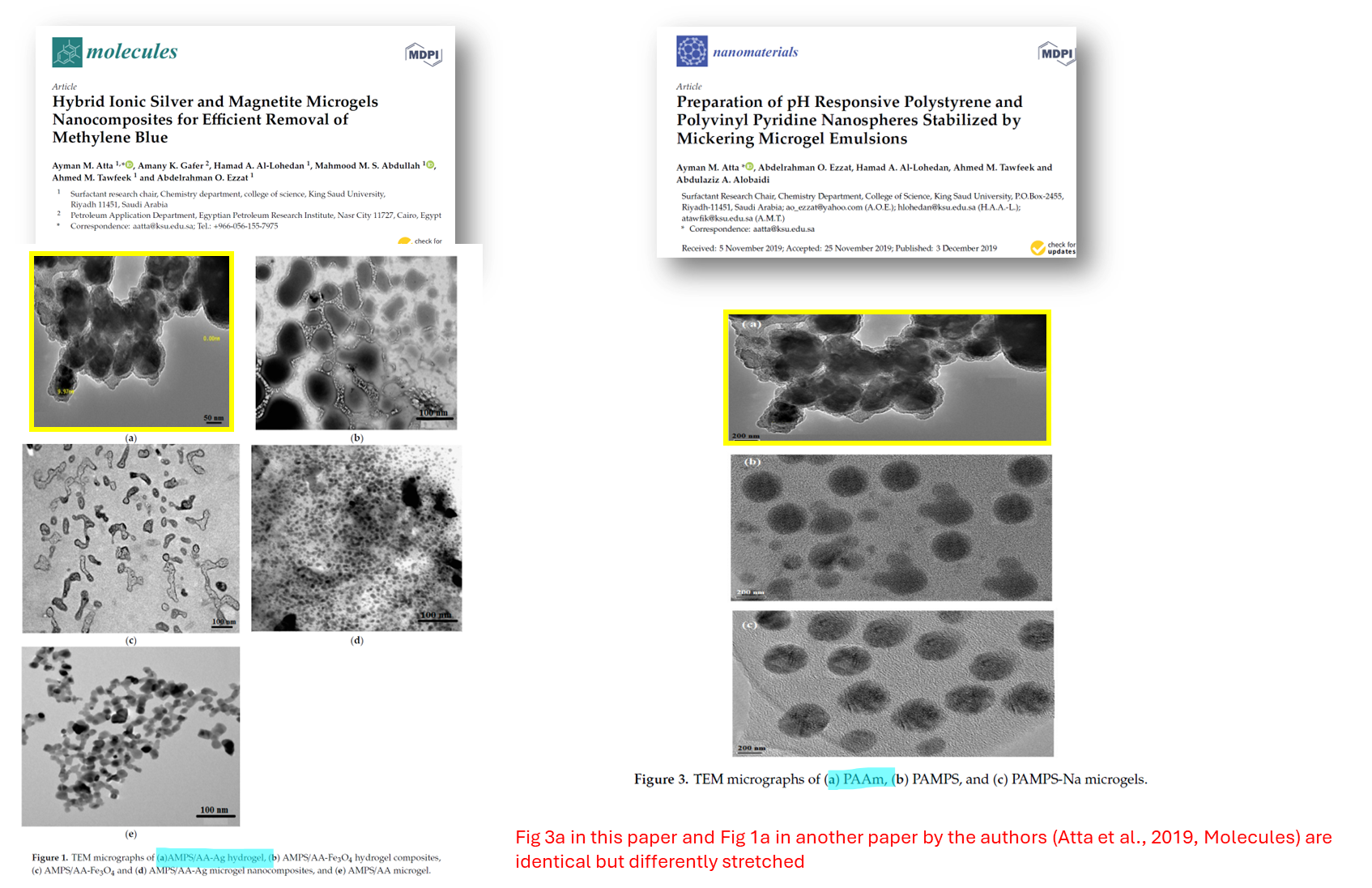


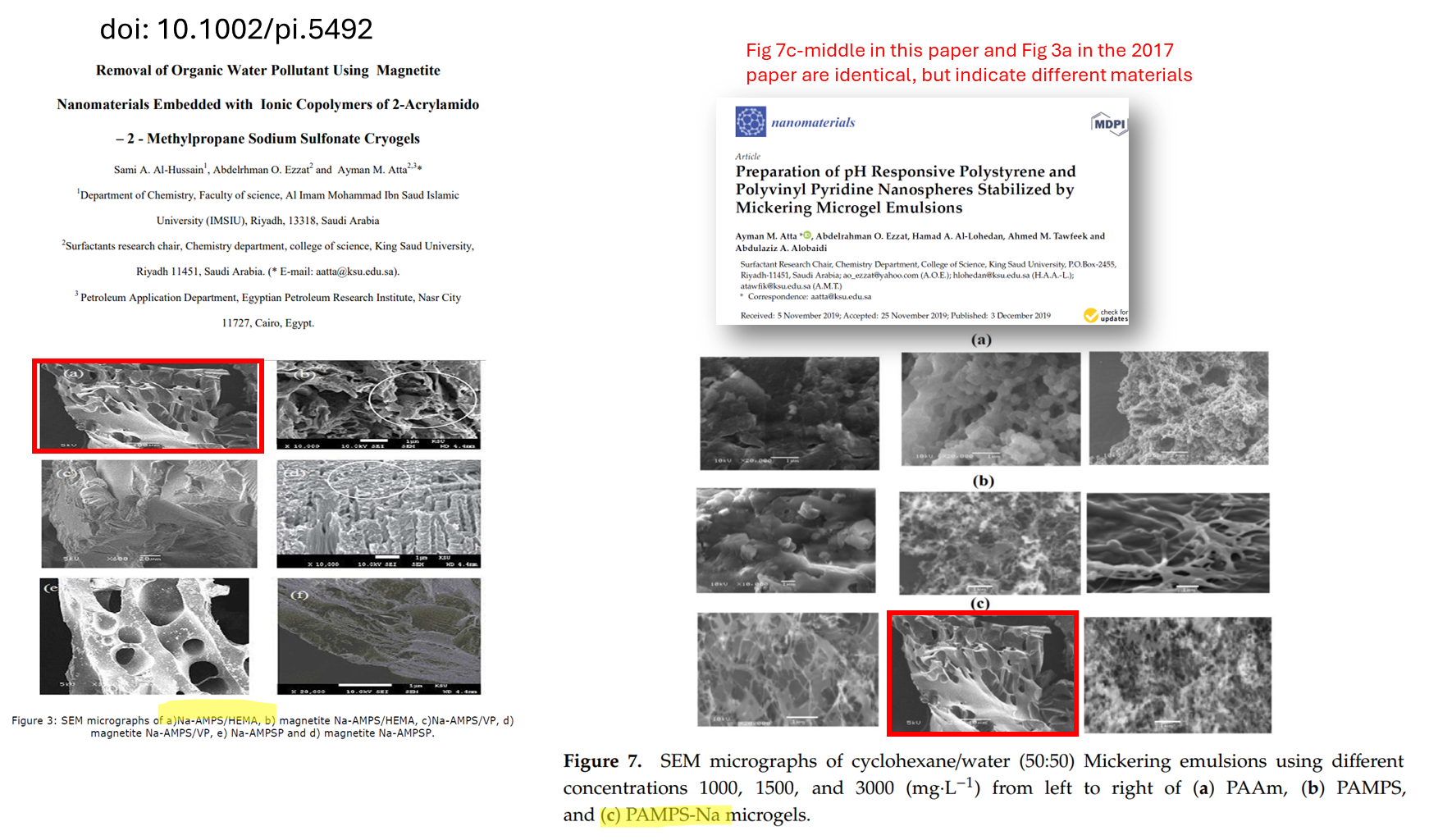
Now, the best of. This is also courtesy of MDPI, flagged on X by Moritz Ernst Jacob:
Ayman M Atta , Hamad A Al-Lohedan , Ahmed M Tawfeek , Nourah I Sabeela Magnetic Ionic Liquid Nanocatalyst to Improve Mechanical and Thermal Properties of Epoxy Nanocomposites Nanomaterials (2020) doi: 10.3390/nano10122325

Or this MDPI masterpiece, again a joint effort:
Ayman Atta , Gamal El-Mahdy , Hamad Al-Lohedan , Sami Al-Hussain Synthesis of Environmentally Friendly Highly Dispersed Magnetite Nanoparticles Based on Rosin Cationic Surfactants as Thin Film Coatings of Steel International Journal of Molecular Sciences (2014) doi: 10.3390/ijms15046974

All passed peer review, you know.
Donate!
If you are interested to support my work, you can leave here a small tip of $5. Or several of small tips, just increase the amount as you like (2x=€10; 5x=€25). Your generous patronage of my journalism will be most appreciated!
€5.00

 For Better Science
If scholarly publishing were a serious enterprise, Clarivate and Scopus and PubMed would immediately delist all those journals mentioned in this astonishing article, bit it isn’t.
LikeLike
I absolutely agree. What used to be done by journals defined as ‘’predatory‘’ is now being done by journals that can be categorised as medium and high impact factor. Publishers like Elsevier allow this. However, if they wish, they can prevent this with very simple measures such as firing the papermiller editors and showing the handling editor for each published paper.
I would add that for Journal of Molecular Liquids, they have been publishing Nader Karimi’s nanofluid studies for the last 2-3 years: https://www.sciencedirect.com/search?pub=Journal%20of%20Molecular%20Liquids&cid=271359&authors=nader%20karimi . Yet, I have not been able to look at their entire content, but there are 3 Nader Karimi studies only in 2023, all of them related to nanofluids.
LikeLike
Business as usual on enterprise level, papers and citations get higher and higher hence IF also follows no matter how. The mentioned tools are an essential part of the problem, expecting them to stand for better science is like believing in Santa Claus. As long as the rules are IF & h-index, this will go on and get even worse. And it’s getting, these spectra can be drawn by almost anyone, and AI can write the paper and everyone’s happy, “authors”, “reviewers”, “journals”, “publishers”, “institutions”, “politicians”, …
LikeLiked by 2 people
Not all hand-drawn graphs are problematic, it is possible to have correct hand-drawn graphs too. I have many such graphs. But those mentioned above are surely problematic.
LikeLike
Yes, but in 21-st century it looks suspicious. Several years ago we were not allowed to publish even hand-drawn scanned scheme and remade it with a software tool. They were almost the same since the hand-drawn one was very carefully prepared in the old-gen style when computers were scarce.
LikeLike
Well, not everyone can be arsed indeed.
This is the reply Mu Yang received from Editor-in-chief Mats Johansson to her message titled ” Ten papers with significant concern in Progress in Organic Coatings, by Ayman Atta”:
” The semester has just started and I am currently having an extremely hectic schedule. My plan is to start looking into the fine details of the material you provided as soon as possible but I do not have time the coming weeks. Thus I will start in October-November – just so you know that I have not forgotten it. You mentioned that this is a part of a larger investigation against Atta – do you have a time-line for this and any other information about this and any additional information about this investigation?
I also discussed the issue with my journal manager at Elsevier and it seems that I as EiC will have to initiate the process. They will support me but I have to take the initiative.”
October-November. Not urgent. Actually why is he being pestered in the first place.
LikeLike
From that journal, by Atta, found by Elizabeth Bik:


https://pubpeer.com/publications/63DC6CC7F5CBEC943D449F2813FB69
LikeLike
Name:
Ayman
Message:
Clarification
We would like to confirm that:
The published articles have citation since their publication on your system to confirm the originality of research.
The published articles were reviewed by journal reviewer list without nomination of the authors and all comments were answered before publication to confirm the originality of the work.
There are many tools of analyses used to confirm the conclusions to confirm the originality of the work.
At the end of every articles authors state that the materials are available to confirm any analyses and to elucidate the originality of analyses.
The system of analysis on devices in Arab universities depends on sending samples to central laboratories supervised by professionals who work on scientific devices. We communicate with them by sending samples and sending the conditions for the sample analyses. The results are sent as images only due to the lack of recent analysis drivers for these devices. It was printed and sent on printed paper. A snapshot of hard copy sent to journals for reviewing. The reviewers and publisher ask us to increase the resolution of drawing. we repeated redrawing them and left the original drawing in its color until the results became real and had no tampering. Most of the skepticism is about redrawing the tests, especially in the nuclear magnetic resonance and infrared spectrum analyses.
We have used many methods to identify the chemical composition, and they were reviewed by reviewers and publishers before publishing them. we repeat drawing the analyses with broad lines and did not repeat the same color as the analyzes to clarify the originality of thin line of analyses. So, it would appear that the analyzes are real, because we are not professionals, we do not have advanced programs, and we do not manipulate the results.
Regarding to analyses based on TEM, SEM and optical microscope were carried out by specialist in central labe and were not carried out by us. They send the results as phots and there is no any raw data except images that send to us by image format (jpg or tiff). We collect the data in one figure by capture that sometimes reflect on the resolution of the data. We confirm the originality of data after the acceptance of journals and publishers to these data.
Regarding to Pubpeer comments: They focused on drawings for analyzes of old devices that were not equipped with the capabilities of modern scientific devices Puppeer allegations come from anonymous accounts that intend to cast doubt on scientists and researchers by using modern means to reveal drawings and pictures that were placed in scientific research that has been published and used as references in advanced scientific research.
Finally, if the data were not available to us because the files damaged due to technical problems of computer or hard disc, we confirm that we can do new analyses for doubting or repeated photos from our research group due to overlap of data and send to journal to add as erratum or corrections to the published articles.
Please be informed that I planned for the research and supervise the research group when I was working at king saud university from 2011 to 2021 and my e-mail aatta@ksu.edu.sa was blocked after finishing this period and I am not responsible for any mail sent to this mail and I did not answer rapidly. My mail is Khaled_00atta@yahoo.com or aatta@epri.sci.eg are available to answer your request or concerns.
We regret this oversight and apologize for any inconvenience it may have caused.
We apologize for any delay reply.
Best regards
On behalf of research group
Professor Ayman
LikeLike
Atta wrote to me again, TL;DR: you have to repeat ALL his experiments first yourself before criticising him.
Also, he seems to suspect a massive Zionist conspiracy:
“You published her article, and she is not specialized in materials science, and she attacks me and what I presented without evidence rather than labeling images that were analyzed with devices and all analyzes and their origins are available. I challenge her and I challenge anyone who prepare all the materials published in my research in the manner mentioned in the laboratory, and it does not give him the same results. The author of the article is accustomed to attacking scientists who cooperate with Arab universities, especially Saudi Arabia, and I do not know the reason for that, either for a political goal or another goal that I do not know because I have no evidence for”
LikeLike
Pingback: Science Integrity Digest, August 2024 – Science Integrity Digest
This is definitely a serious issue. These fraudsters are maligning the name of reputed journals. The role of the journals in publishing these fraud papers must be scrutinized. However, I have a serious concern. When Web of Science is delisting these journals and their impact factors are gone, it is really painful for those good researchers whose hard works were published in those prestigious journals. The IF is gone in a moment for some malicious elements! Why the real researchers should suffer? This is a grave point of concern indeed. Such papermill fraudsters are everywhere – who are publishing load of papers and getting awards.
LikeLike