Schneider Shorts 17.11.2023 – This brilliant scientist has been punished enough
Schneider Shorts 17.11.2023 - a sexual harasser comes to Prague, cover-ups in London and Florence, with a Dutch scam, many retractions, Alzheimer's infectively uncorked, and finally, another Alzheimer's superstar exposed as a fraud.
Schneider Shorts of 17 November 2023 – a sexual harasser comes to Prague, cover-ups in London and Florence, with a Dutch scam, many retractions, Alzheimer’s infectively uncorked, and finally, another Alzheimer’s superstar exposed as a fraud.
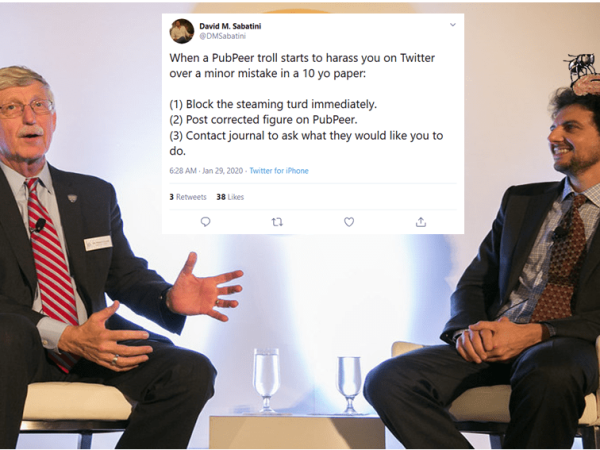
“The Plaintiff is Professor Sabatini […] the self-described powerful senior scientist, who had demanded sex of her when she was a graduate student ending her studies and about to start a fellowship at the Whitehead, in a program Sabatini would direct. […] And it is the man who had made it clear – throughout her…
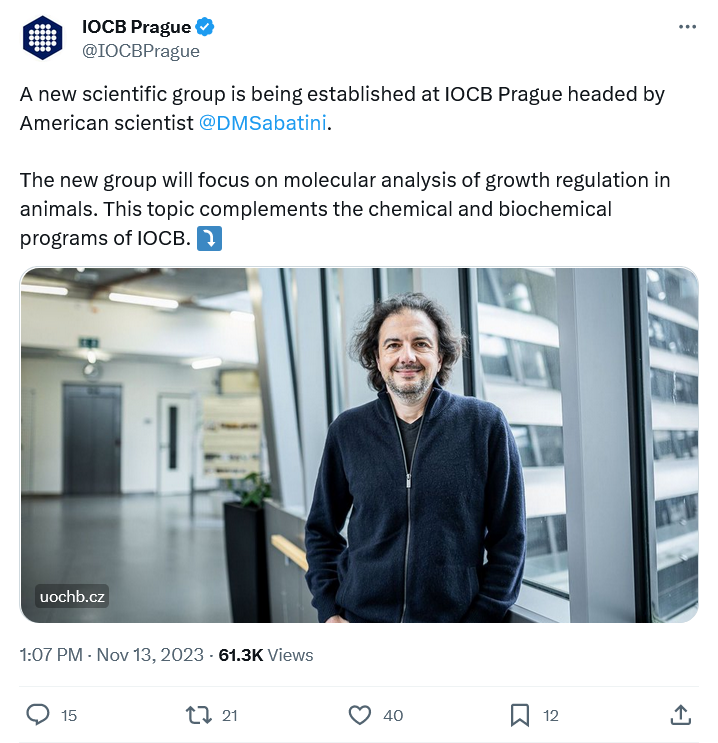
“Sabatini, of Cambridge, confirmed in a phone call from Prague that he has accepted a position as a “senior group leader” at the Institute of Organic Chemistry and Biochemistry, known as IOCB Prague. Sabatini said he will be recruiting staff and running a laboratory in the Czech Republic capital to investigate scientific questions in the areas of cell growth and metabolism, similar to his past research in Cambridge.
“I’m very grateful to be given the opportunity to do science again,” said Sabatini,who began working at the institute last month. […] Sabatini, 55, told the Globe that he has aspirations to eventually launch a Boston-area branch of IOCB Prague, with the intention to create a binational lab. He did not detail how it would be funded. […]
Sabatini first visited IOCB Prague in the fall of 2022, when the then-unemployed scientist was invited to give a scientific talk, according to IOCB.”
We all know how the IOCB leaders want the sexual harassment and mTOR fraud to be funded. EU Commission pumps enormous money into Czech research, and yes, they will fund Sabatini, simply because he published in Nature and Cell. They are that stupid.
In parallel, also on 13 November 2023, IOCB issued this public announcement, where they mention:
“The management of IOCB Prague is aware of the problems that David Sabatini encountered with his former employer. Prof. Jan Konvalinka comments: “We believe that he has been punished enough for his previous actions – IOCB would have proceeded differently – and that the research community will be served best if this brilliant scientist returns to conducting research. The Czech and global research community can only gain from giving David Sabatini a second chance.”
Similar to Prof. Konvalinka, junior principal investigator Dr. Zuzana Kečkéšová, who also serves as the ethical proxy of the institute, supports David Sabatini’s hiring at the IOCB: “I am well aware of the controversy that has upended Dr. Sabatini’s career, and I understand its complex nature, which still resonates throughout US academia. At the same time, I do not believe that striking Dr. Sabatini from the list of people who can ever hold a job again and handing out additional exemplary punishments helps solve the structural problems of women in science.“
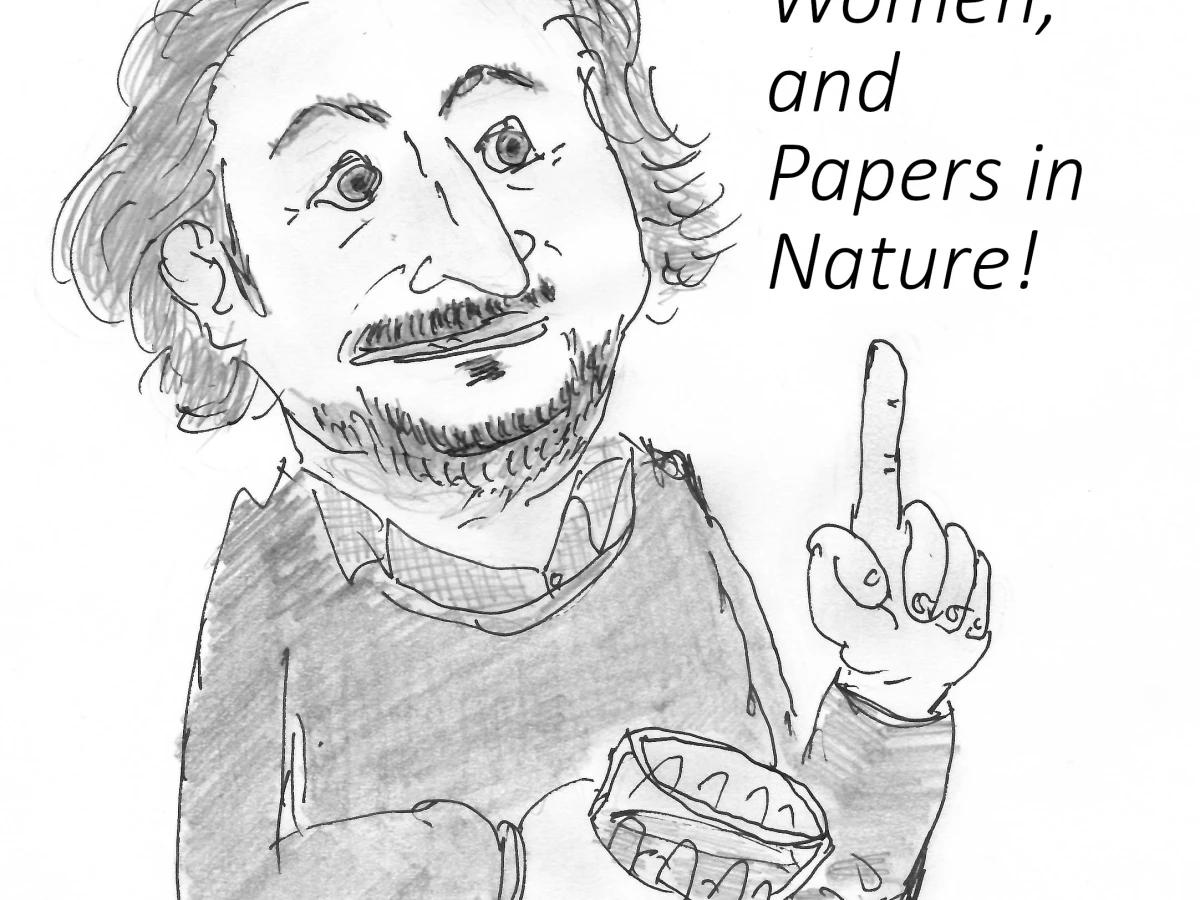
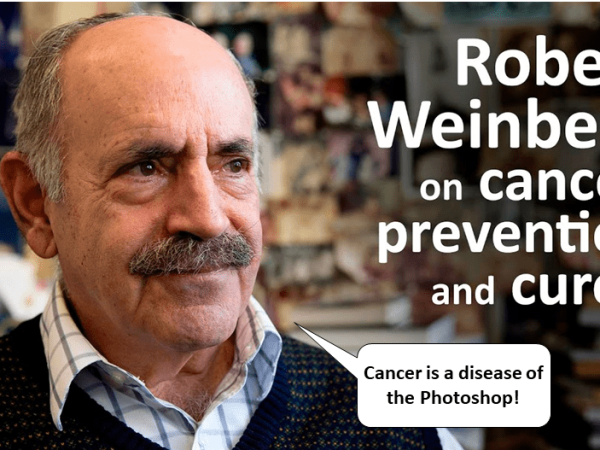
Zuzana Keckesova befriended mTORman during her postdoctoral stay at MIT, where she worked in the lab of Robert Weinberg, a fake cancer researcher who published lots of fraud.
A breast cancer foundation celebrates its research heroes. Read now here about how great US scientists from Harvard, MIT, Weill Cornell and MD Anderson cure cancer.
You won’t reach this WomenInSTEM champion with arguments about research integrity either. Here is Keckesova’s very first paper, from her PhD at UCL in London and specifically highlighted on her Wikipedia profile:
I propose to apply the good Czech tradition which the Prague academic Jan Hus established centuries ago. Defenestration.
Heroic interventions
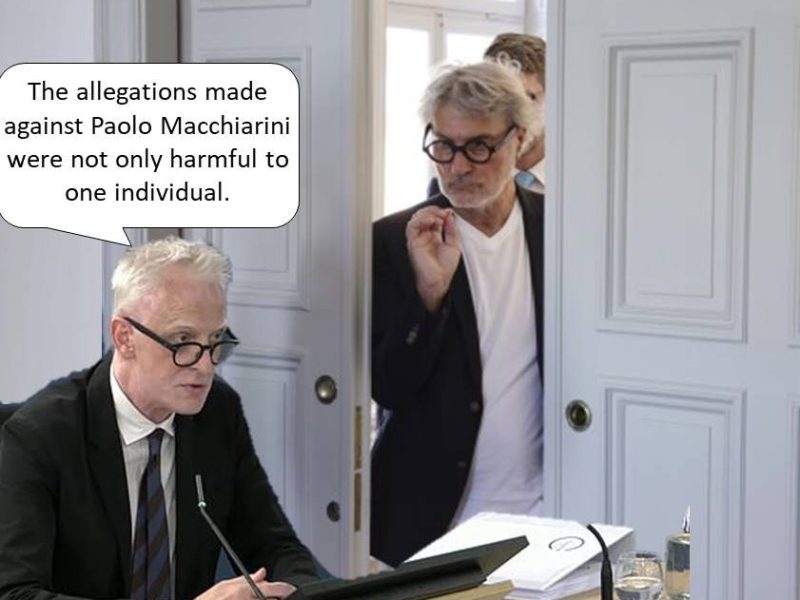
Again, news about the murderous trachea transplant surgeon Paolo Macchiarini, this time from Italy. As reminder, before coming to Karolinska Institutet in Sweden (where he was now sentenced to jail term), Macchiarini practised trachea transplants in Spain and in Italy, which left several people dead and the rare survivors mutilated. Five patients were treated by Macchiarini and his henchmen at the Careggi University Hospital in Florence, 4 of them died. Read here:
This is an Open Letter I sent today by email to the Italian Senate and its Health Committee, appealing for an investigation into the trachea transplants of the scandal surgeon Paolo Macchiarini. It is published below bilingually, in Italian and in English. After the earlier Open Letter by Prof Rafael Cantera was signed by over…
The fifth patient barely survived. This is what I previously wrote about her, thanks to the Florentine journalist Alessio Gaggioli:
G.M, female, born 1987, diagnosed with left-side bronchomalacia (softness of bronchi). She was operated on 28.09.2010 at Careggi, Florence and received a cadaveric trachea graft to replace her left bronchus. Macchiarini’s clinical partners were Gonfiotti, Jaus. As severe complications with the graft ensued 2 months after the operation (aorto-bronchial fistula), she had her left lung removed and suffered “serious permanent brain damage”. Between 2010 and 2011 she underwent 7 interventions after transplantation (see also Corriere article).
Now, Gaggioli has a new scoop, published in Corriere Fiorentino on 11 November 2023. Translated (with help of Google Translate):
“The protagonist is a girl – whose name we cannot name for privacy reasons – who had a bronchus problem that caused her to cough and have difficulty breathing when she was under stress. After two surgeries the situation only slightly improved. However, she wanted to completely eliminate the problem and against the contrary opinions of at least three different surgeons who advised against another operation (the risks were greater than the possible benefits); when the young woman met Macchiarini who proposed the transplant to her as an indispensable choice for leading a normal life, she agreed to undergo an operation never performed before in the history of thoracic surgery: the bronchus transplant.”
Correction: Macchiarini’s first ever trachea transplant (in Barcelona in 2008) was in fact of a bronchus, the relevant two Lancet papers were recently retracted:
NPOF, again and again: “Philipp Jungebluth and Paolo Macchiarini guilty of research misconduct” Lancet: “Paolo Macchiarini is not guilty of scientific misconduct”
“Even though three surgeons were opposed to even a minimally invasive operation which would still have entailed too many risks compared to the slight discomfort suffered by the young woman, Macchiarini convinced her to undergo an extreme operation. The result was the onset of a serious post-operative problem that put her life in danger : she needed a new operation, she was saved by a miracle, but with serious and irreversible physical consequences.
The woman then signed an out-of-court agreement with Careggi , in which she was awarded a large compensation, in exchange for total confidentiality on the matter. In the documents attached to that agreement, which we have come into possession of, we read how the young woman was suffering from a “very modestly disabling” illness which did not require “heroic” interventions”. Words that perhaps suggest a possible lack of third-party controls on the activities carried out by Macchiarini in Careggi”
This article lists all known (including those not officially declared) patients of the scandal surgeon Paolo Macchiarini, who received from him a cadaveric or plastic trachea. It will be updated whenever I receive any new evidence.
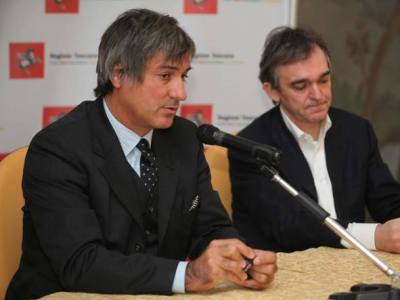
Oversight and medical ethics are foreign, barbaric words at Careggi. In fact, Macchiarini was always protected from the very top, by the then-governor of Tuscany, Enrico Rossi. Gaggioli reminds us:
“The then-governor underlined that those interventions obtained the green light from the Careggi Ethics Committee and the Superior Council of Health. But he reiterated: «If there were errors or shortcomings with respect to the protocol (…), all the necessary checks and investigations will be carried out».
The checks , while carried to the end in Sweden – with the criminal conviction of Macchiarini and the proof of false data in his research by the scientific authorities -, in Italy they were never carried out. Even more so since, contrary to Rossi’s words, the transplants appear to have been performed on at least one patient who was not terminally ill. “
Gaggioli asks at the end:
“Could Macchiarini have been stopped sooner? Did the hospital and consequently the Region have to pay further compensation for the — unsuccessful transplants performed in Florence? And what is the (clinical) history of the other four patients who underwent previously untested interventions in a public facility?”
Careggi leaders, Rossi and other Tuscany officials have blood on their hands and they actively sabotage all attempts at investigation. It is the same in Spain.
Paloma was supposed to the second trachea transplant patient of Paolo Macchiarini’s in Barcelona, in summer 2008. The scandal surgeon gave her a fake diagnosis of a lethal tracheal cancer which she never had, and also “accidentally” mislocated her stent during a enforced bronchoscopy. All to coerce his patient to agree to a trachea transpalnt.…
Sciencereports another case of massive fraud in Alzheimer’s research. The perpetrator: Berislav Zlokovic, Serbia-born Professor and Chair of the Department of Physiology & Neuroscience at the Keck School of Medicine at the University of Southern California (USC).
Zlokovic forced his lab members to fake data, Now, he is about to run a clinical trial on 1400 patients with a drug against acute ischaemic stroke, called 3K3A-APC. This trial is funded by NIH with $30 million, the company behind the drug, ZZ Biotech, is owned by Zlokovic. There is now a small setback, as Science reports in a long article from 13 November 2023:
“But a 113-page dossier obtained by Science from a small group of whistleblowers paints a less encouraging picture. The dossier, which they submitted to NIH, highlights evidence from the phase 2 trial that the experimental remedy might have actually increased deaths in the first week after treatment: Six of the 66 stroke patients who received 3K3A-APC died within this period, compared with one among 44 in the placebo group, although the death rate evened out after a month. Patients who received the drug also trended toward greater disability and dependency at the end of the trial, 90 days after treatment.
Deepening the concern, the dossier also highlights evidence that dozens of papers from Zlokovic’s lab—including many supporting the idea that the compound was ready for human testing—contain seemingly doctored data that suggest scientific misconduct. The whistleblowers say apparent changes to images used for protein identification and other purposes seem to skew results in favor of the scientist’s hypotheses, which include influential ideas about the blood-brain barrier and its role in stroke and Alzheimer’s disease, as well as how 3K3A-APC supposedly affects it.”
Science‘s dossier is unavailable, they only released under this link a list of 37 papers, in top journals like Cell, Nature, Nature Neuroscience, Nature Medicine, Journal of Neuroscience, Neuron etc. One of them is Lyden et al 2019, which announced the “Final Results of the RHAPSODY Trial: A Multi-Center, Phase 2 Trial Using a Continual Reassessment Method to Determine the Safety and Tolerability of 3K3A-APC“, and which served as the basis for the NIH-funded phase 3 trial mentioned above. According to Science, the clinical data there is manipulated.
It seems to me, it was Matthew Schrag who originally exposed Zlokovic’s data fabrications. The same whistleblower who uncovered the Alzheimer’s fraud affairs of Cassava Sciences and Sylvain Lesne:
Eurymeloides lineata in August 2019Matthew Schrag in November 2023
Nothosaerva brachiata in October 2019Matthew Schrag in November 2023
Thanks to Schrag’s investigation, to which later Elisabeth Bik and Cheshire (Actinopolyspora biskrensis) contributed, Zlokovic has presently a massive record on PubPeer, all flagged for outright data forgery. Here is a join effort by Schrag and Bik:
Zhen Zhao , Abhay P Sagare , Qingyi Ma , Matthew R Halliday , Pan Kong , Kassandra Kisler , Ethan A Winkler , Anita Ramanathan , Takahisa Kanekiyo , Guojun Bu , Nelly Chuqui Owens , Sanket V Rege , Gabriel Si , Ashim Ahuja , Donghui Zhu , Carol A Miller , Julie A Schneider, Manami Maeda , Takahiro Maeda , Tohru Sugawara , Justin K Ichida, Berislav V Zlokovic Central role for PICALM in amyloid-β blood-brain barrier transcytosis and clearanceNature Neuroscience (2015) doi: 10.1038/nn.4025
Anonymous in June 2015, likely Schrag
Actinopolyspora biskrensis in September 2022
Elisabeth Bik, January 2023. Zlokovic in November 2023: “A correction is in press with the journal.”
Zlokovic is already successfully correcting his papers:
Correction October 2023: “The authors noticed two inadvertent errors in representative images showing neuronal TO-PRO3 and SMI-32 neuritic density staining in Figure 8A and NeuN neuronal staining in Figure 8C. […] Importantly, these errors in the representative images do not affect the data analysis or change scientific conclusions of the paper in any way.“
Either Science or Schrag himself doesn’t want him to be credited with looking into Zlokovic’s papers since at least 2015. Science says first PubPeer posts about Zlokovic “began to surface in 2017“, while June 2015 is true, followed by another wave in late 2019, and a third wave from 2022 till now. Remarkably, Cheshire outed his real identity in Science:
“Over a few weeks Schrag examined Zlokovic’s publications, many in leading journals, and the 3K3A-APC clinical trial reports. He also recruited Kevin Patrick, a forensic image analyst who is not a scientist and uses the pseudonym “Cheshire” on social media. (Patrick, who agreed to have his identity revealed publicly for the first time in this article, made additional findings.) Mu Yang, a neurobiologist at Columbia University, also contributed. Schrag and Yang worked independently from their respective universities. The dossier they compiled also folds in comments about Zlokovic’s research posted to PubPeer by Patrick and microbiologist and forensic image analyst Elisabeth Bik, among others.”
If you follow Cheshire on Twitter, you surely heard him referencing a certain “Dr who?”. The following guest post exposes a very toxic fraudster and covidiot.
Science invited experts to assess the dossier by Schrag, Bik and Cheshire:
“One of seven neuroscientists who reviewed the dossier is Stanford University’s Thomas Südhof, a Nobel laureate who has seen some of his own papers criticized on PubPeer. (He conceded some errors and rejected other critiques as unfounded.) He cautions against uncritically accepting every apparent image anomaly as evidence of misconduct. “I’m not implying that some of the key papers underlying the clinical trials have fraudulent elements,” Südhof says. […] He was particularly struck by a 2004 Nature Medicine paper that appears to show a single blood vessel cross section copied and pasted digitally in two other places within an image (see image, above). Südhof calls it “almost impossible” to explain as unintended.”
Funny, Südhof is perfectly able to explain duplications of numerical raw data in his own papers as totally innocent, unindented and unaffecting the conclusions.
This is what went on in Zlokovic’s lab, according to the whistleblowers:
“The four former lab members who allege Zlokovic pushed them and others to manipulate data paint a picture of a pressure cooker environment in which their boss expected new data almost every week, always in line with his hypotheses. […]
In lab meetings, the accusers say, researchers were discouraged from speaking up and contributing intellectually to the lab’s work, which was tightly controlled by Zlokovic. “It’s science. So normally you would express your opinions,” one notes. Instead, that person says, newcomers soon learned that speaking up meant facing “humiliation”—a term three of the insiders used—and dismissal of their comments. Except to answer questions, one researcher says, “we were all silent.”
All four say Zlokovic routinely castigated junior scientists when his desired experimental results were not obtained. “If you are not in agreement with him, you will lose the lead authorship on a paper or on a project,” one of the scientists says. “Of course, this is important for your career.” Another says, “If the data does not look like the hypothesis, we were afraid to even bring it to the lab meeting.”
One researcher described how a group of lab members approached Zilkha’s human resources department about the “toxic environment.” The complaint was rejected because they insisted on remaining anonymous for fear of retaliation. […]
Several former lab members provided details of experimental data from Zlokovic’s lab that they say were falsified. These included experiments referenced in the whistleblower dossier. In some cases, they said, data points that would have invalidated the desired results were removed. “It was not real science. He already knew what he wanted to say” before the experiment was completed, one says. “I started hating science. … It made me sick.” […]
But two of the former lab members say that after an experiment was completed and its results published, Zlokovic sometimes admonished his scientists to make sure the notebooks were “clean.” That was understood to mean pasting into them printouts of the published results and methodology or omitting contrary details that challenged the paper’s conclusions. Zlokovic explained that those changes were needed in case of an “audit,” according to the two scientists.”
Perfectly common approach to science, no? Also here, Zlokovic announced that “Correction is in press with the journal“:
Axel Montagne , Angeliki M Nikolakopoulou , Zhen Zhao , Abhay P Sagare , Gabriel Si , Divna Lazic , Samuel R Barnes , Madelaine Daianu , Anita Ramanathan , Ariel Go , Erica J Lawson , Yaoming Wang , William J Mack , Paul M Thompson , Julie A Schneider , Jobin Varkey, Ralf Langen , Eric Mullins, Russell E Jacobs, Berislav V Zlokovic Pericyte degeneration causes white matter dysfunction in the mouse central nervous systemNature Medicine (2018) doi: 10.1038/nm.4482
It is not at all certain that Zlokovic will be sacked and any his papers retracted. The man brings enormous money to USC:
“Under Zlokovic’s leadership, the USC institute has expanded to more than 30 labs and grown its annual funding more than 10-fold, exceeding $39 million in 2022. NIH grants to Zlokovic have totaled about $93 million. A prodigious fundraiser, in the past decade alone he has added at least $28 million from private sources, according to USC.”
The Queen Mary University London (QMUL) just shat itself. There is no other word to describe their statement regarding their professor Jesmond Dalli. You can read about Dalli’s fake science and his failed QMUL spin-off Resolomics in earlier Friday Shorts, and here:
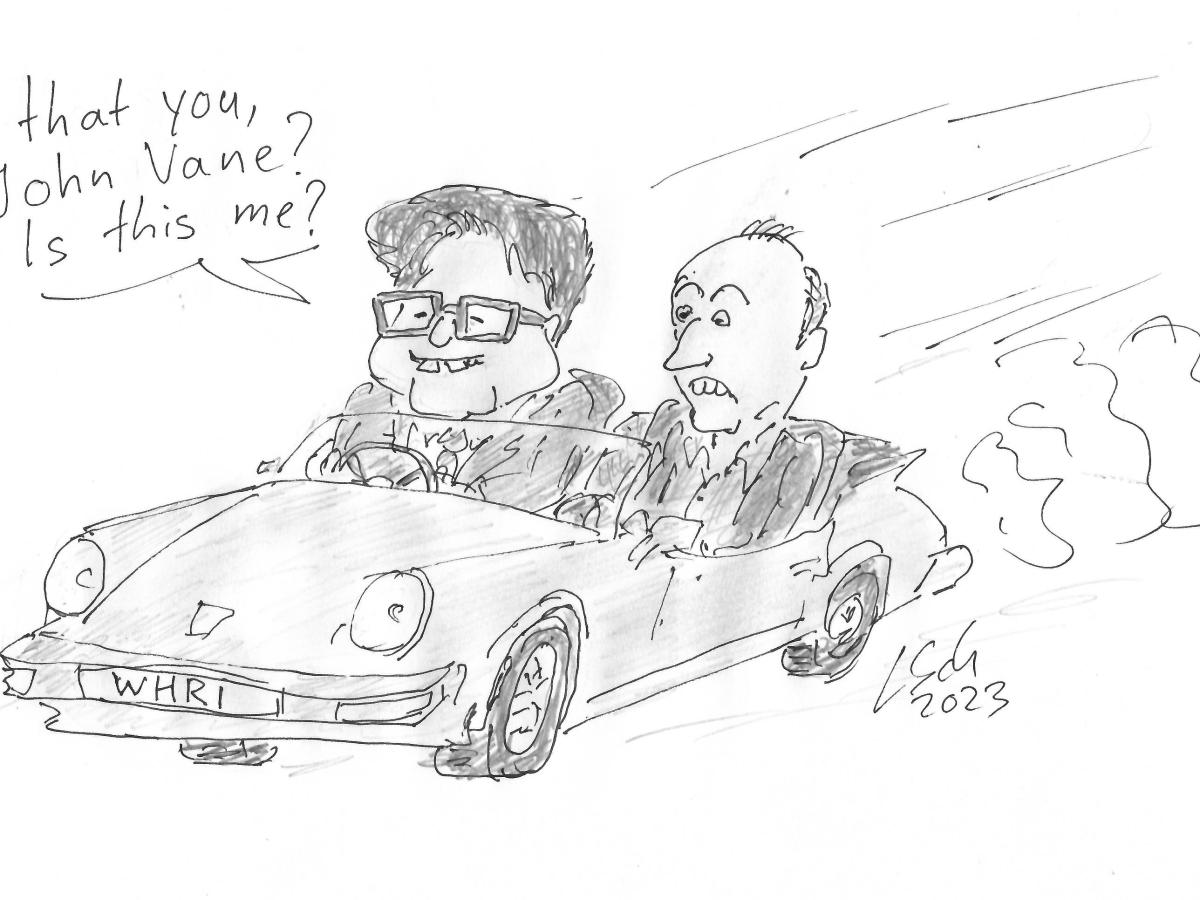
Welcome to the the William Harvey Research Institute in London. Meet two proteges of its founder, the late Nobelist Sir John Vane: Chris Thiemermann and Mauro Perretti. Then meet their own rotten mentees, especially Salvatore Cuzzocrea and Jesmond Dalli.
Basically, Dalli and his Harvard mentor Charles Serhan invented the so-called Specialized Pro-resolving mediators (SPMs) in the blood, which would have revolutionised immunology were they not a noise artefact, or rather a fabrication by Dalli’s garbage research. 70 papers are affected, and Dalli even admitted the figures were made-up, which he declared to be “representative illustrations“.
Two independent investigations resolve complaints of research misconduct against Jesmond Dalli
Two independent investigations – by Queen Mary University of London and Harvard Medical School – have resolved complaints of research misconduct against Dr Dalli.
At Queen Mary University of London, we take research integrity very seriously. We are committed to creating an environment that supports the highest standards and have put in place measures to support this. Any allegations of research misconduct are investigated thoroughly.
Following allegations of research misconduct, Queen Mary conducted an independent investigation into the allegations around analytical methods and data presentation by Professor Jesmond Dalli. There was a finding related to the potential misinterpretation of an illustration as data which has been dealt with in correspondence with journals and senior authors. There were absolutely no findings of data falsification or fabrication of data.
We are also aware that a parallel investigation by Harvard Medical School into the same complaint has found no research misconduct or falsification of data.
Queen Mary University of London believes the matter to be now closed. Further allegations of a substantially similar nature will be treated as vexatious. Our position is that the methodological debate should be resolved through the academic literature and discourse.
Can one ever look more gormless clever?
Told you, they shat themselves. They almost literally say that yes, everything Dalli published is fake trash, but being an inept, ignorant and learning-resistant utter moron seeking to dishonestly enrich himself is what English science is really all about. Go to hell, you vexatious critics, and write your complaints in peer-reviewed journals. Which is indeed what the critics keep doing. On 9 November 2023, Nature Communications published this Matters Arising:
Valerie B. O’Donnell , Nils H. Schebb , Ginger L. Milne , Michael P. Murphy , Christopher P. Thomas , Dieter Steinhilber , Stacy L. Gelhaus , Hartmut Kühn , Michael H. Gelb , Per-Johan Jakobsson , Ian A. Blair , Robert C. Murphy , Bruce A. Freeman , Alan R. Brash , Garret A. FitzGerald Failure to apply standard limit-of-detection or limit-of-quantitation criteria to specialized pro-resolving mediator analysis incorrectly characterizes their presence in biological samplesNature Communications (2023) doi: 10.1038/s41467-023-41766-w
It starts with:
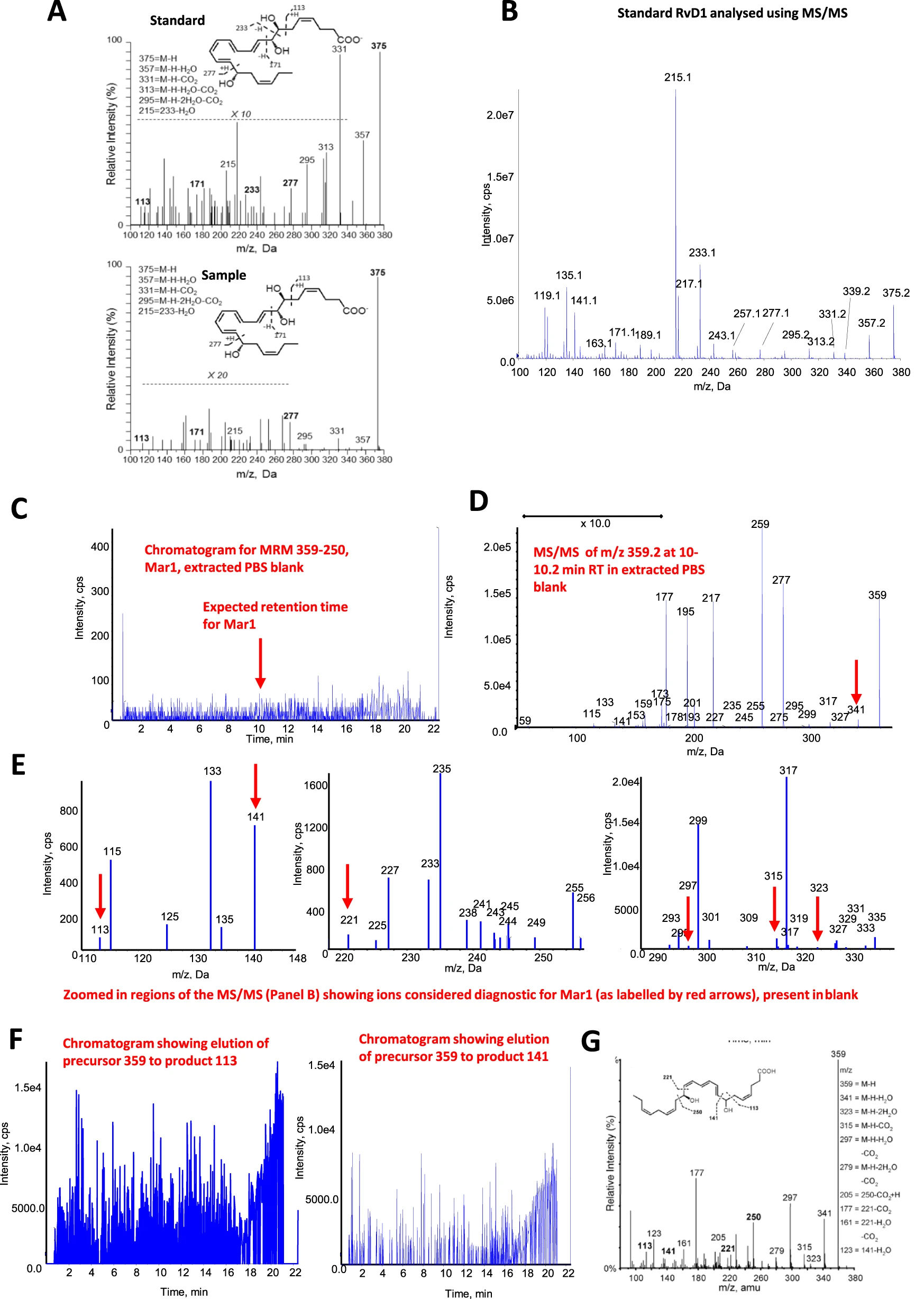
“Specialized pro-resolving mediators (SPM) derived from oxygenation of long chain polyunsaturated fatty acids (PUFA) were originally described by Serhan and colleagues and have been proposed as mediators of inflammation resolution. Families of SPM described in the literature include lipoxins, resolvins, maresins, protectins and their peptide conjugates. Gomez and co-authors reported that levels of plasma SPM from patients with early rheumatoid arthritis predict response to biologic therapy after 6 months. SPM were measured in this study using liquid chromatography tandem mass spectrometry (LC-MS/MS). On reviewing the methods, supplementary analytical data, and the online peer review file, we note serious concerns, regarding both analytical methods and experimental conclusions. Application of this flawed methodology to SPM analysis brings into question the very occurrence of many of these lipids in biological samples, their proposed impact on inflammatory processes, and claims of their utility as biomarkers.”
Fig 2 “This data affirms that high sensitivity mass spectrometers can generate extremely poor quality noise MS/MS spectra from blanks, which have been analyzed incorrectly to infer the presence of SPM“
And ends with:
“In summary, methanol or buffer blanks can generate integrated areas in excess of 2000 cps, as well as poor quality MS/MS data that can erroneously suggest SPM precursor and product ions that are reported in datasets from Gomez et al1. The method used by Gomez1 and cited articles4,5,6,7,8,9,10,11 is flawed, artifactually detecting lipids where none exist. Since this is the analytical approach most commonly used for SPM analysis, the evidence for the presence of SPM in biological matrices and their inferred role in inflammation resolution needs re-evaluation.
Having shat themselves in public, there is only one way for QMUL. These tossers must issue the same statement for Dalli’s besieged colleagues like Christoph Thierermann or Ken Suzuki now.
“The only difficult part might be deciding whether Ken has been intentionally deceptive or wildly incompetent, although the difference in practice doesn’t seem so important.” – Sholto David
“But a source at QMUL familiar with its inquiry tells Science that the university’s research investigative panel did find evidence of misconduct. Science has also obtained an email sent by the QMUL vice principal of research and innovation stating that the panel “upheld all the allegations” against Dalli and a colleague at the school and that the matter “is now progressing to QMUL’s disciplinary process.” Furthermore, a spokesperson for the Wellcome Trust, a funder of Dalli’s research, tells Science it “has put in place some conditions in relation to any future applications from Professor Dalli.””
There are zombie papers, those are the long-discredited or even misconduct-riddled publications, which somehow avoid retractions and continue contaminating scientific literature. The “Arsenic Life” paper in Science is such a parade example, but also cancer and stem research hide an impressive collection of zombie papers. Zombie scientists are those once renowned researchers, who were caught…
The Dutch magazine Follow The Money reports a scandal, Google-translated:
“At the end of 2021, the vice-chairman of the board of directors of the Leiden Academic Hospital (LUMC) Pancras Hogendoorn was warned that a hired company with European subsidies was fraudulent. The top of the LUMC already knew in detail in 2019 that a company that regulated millions of European research grants for the hospital was suspected of serious fraud. “The LUMC was aware of this, voluntarily accepted and coordinated, and used all possible means to prevent this from coming to light.”
The whistleblower was Celine Johnson, a PhD student in the lab of Professor Ferry Ossendorp.
“Johnson’s refusal to cooperate in the cover up of the fraud ultimately cost her job. She decides to ring the bell in December 2021 at dean and vice-chairman of the board of directors of the Leiden University Medical Center (LUMC) Pancras Hogendoorn. A second interview will take place in January 2022. “I put everything on the table,” she told Follow the Money and Omroep West.
His influential position gave Johnson confidence that Hogendoorn would take her complaint seriously. He appeared at the appointment with a lawyer and listened attentively according to the PhD candidate.
Johnson had been trying to get attention for a year for fraud with European research funding in the department of the Leiden hospital where she obtained her PhD. Before she turned to Hogendoorn, she had already raised the problem with her staff member, a confidant and two professors of the department. With no results. “We can’t do anything for you,” she was told.”
“Scientific articles often have more than one author, with different contributions and responsibilities. It cannot be the case that in all events of demonstrated malpractice in publications, where one or more authors have been shown to have breached the scientific integrity, all other authors are therefore suspect without any further indication.” Leiden University defends Bernhard…
Johnson eventually turned to the European Research Executive Agency (REA):
“On 21 December 2022, the LUMC will receive an alarming letter: the REA wants to put the hospital out of various European research projects. systematic fraud with European research grants has been discovered and the subsidy give firm accusations against the Leiden hospital. […]
The fraud was committed, among other things, through ‘ghost postings’ such as Johnson’s, who only worked on paper abroad. Those secondments were made via Percuros B.V. […] specialized in writing applications for such subsidies. […]
The driving forces behind Percuros are Alan Chan, Clemens Lowik and Marcel Karperien. Luwik and Carpien were both professors and worked at the Endocrinology and Metabole Diseases department at the LUMC. “
“A complex fraud involving a Greek scientist and her network of international researchers has been uncovered by investigators from the European Anti-Fraud Office (OLAF).”
“Percuros places researchers at another hospital or other university, often abroad, to conduct part of their research there. The European Commission is giving money for this.
But many of the secondments from the LUMC appear to exist only on paper. The academic hospital played a crucial role in the coordination of this fraud and has also tried to conceal the scandal, according to letters from REA in the hands of the Follow the Money and Omroep West. “Based on the findings, REA concluded that the LUMC was aware of the fraud, accepted and coordinated it voluntarily, and sought and used all possible means to prevent it from coming to light.” […]
The PhD students work without knowing it on paper abroad when they are actually working in the Leiden hospital. The EU pays extra for a PhD student who goes on secondment and via this route more money in the draw for the hospital.”
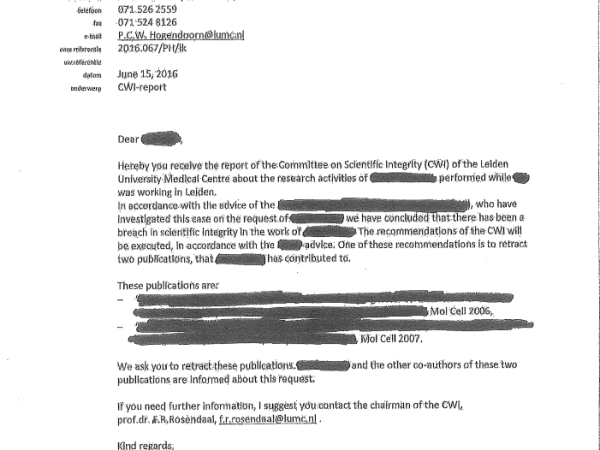
Two and a half years after Maria Fousteri was found guilty of scientific misconduct by her former employer, the Leiden University Medical Center (LUMC), exactly nothing at all happened. ERC and Molecular Cell ignored LUMC letters from June 2016, while Fouster’s British co-authors interfered to save own papers. Of 4 scheduled retractions, none took place.
“On 11 May 2023, the LUMC will be definitively expelled from five international projects by the REA. In a letter it writes: “We note that you [..] repeatedly acknowledge the violation of the contractual clauses. [..] That is why REA maintains its conclusions and concludes that LUMC has systematically committed serious breaches of contractual obligations.
Professor Ferry Ossendorp plays a key role in the fraud case, according to the REA. He was involved in the recruitment of researchers and allegedly violated several grant agreements.
The REA writes: ‘Based on our assessment, it is Professor Ossendorp who is responsible for many of the irregularities’ and ‘we are particularly concerned about Professor Ossendorp’s repeated involvement in the various violations of the grant agreement.’
Celine Johnson has a burnout from the situation. Ossendorp’s reaction when she reported that, speaks volumes. “He said to me, ‘It’s not a playground here, this is work.’”
Well, I say this is nothing. This is how one defrauds EU research grants properly and, most importantly, LEGALLY:
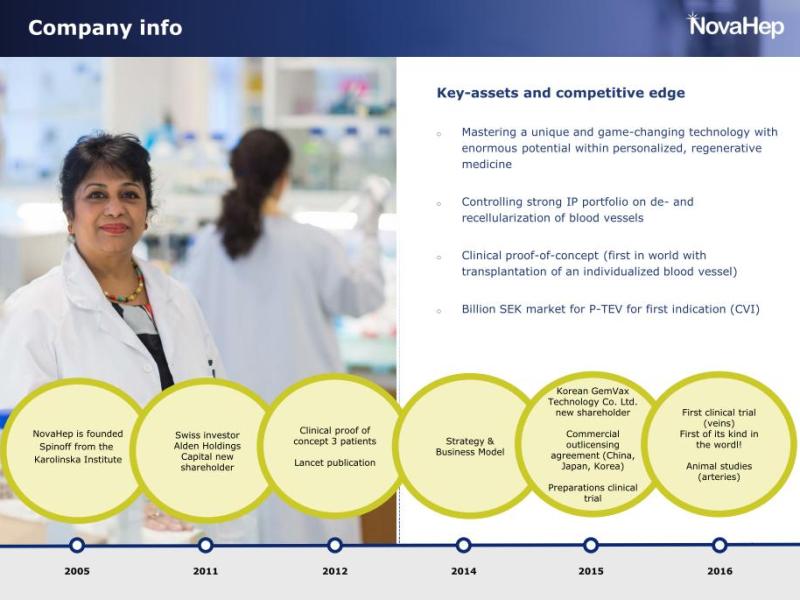
Swedish start-up Verigraft received €2.2 Million from European Union, to further develop regenerative medicine technology tainted by research misconduct and patient abuse. The founder of this very company: Suchitra Sumitran-Holgersson. A clinical trial is scheduled based on debunked science of recellurising dead blood vessel grafts.
Mycosphaerella arachidis: “This paper is one of a series of nine, where the same images of invasion and migration assays have been used to represent a range of different cell types and treatment conditions.”
These nine papers are all from China but have different authors, it is obvious they all are a product of a papermill. Sholto David contacted the publisher Dove Press (part of Taylor & Francis) on 30 October 2023. On 5 November, he received a reply that the paper will be retracted.
“We, the Editors and Publisher of Clinical, Cosmetic and Investigational Dermatology, have retracted the following article.
Following publication of the article, concerns were raised about the duplication of images from Figure 4 with images from other unrelated articles. Specifically,
Images for Figure 4A and 4B have been duplicated with images in Figure 4A from Xu L, Ni N, Gao H, Hu P. MicroRNA‑1301‑3p promotes the progression of non‑small cell lung cancer by targeting Thy‑1 and predicts poor prognosis of patients. Oncology Letters. 2021;21:327. https://doi.org/10.3892/ol.2021.12589; Figure 4A from Dong A, Zhang J, Sun W, Hua H, Sun Y. Upregulation of miR-421 predicts poor prognosis and promotes proliferation, migration, and invasion of papillary thyroid cancer cells. Journal of the Chinese Medical Association. 2020;83(11):991–996. https://doi.org/10.1097/JCMA.0000000000000426; and Figure 4a from Long K, Zeng Q, Dong W. The clinical significance of microRNA-409 in pancreatic carcinoma and associated tumor cellular functions. Bioengineered. 2021;12(1):4633–4642. https://doi.org/10.1080/21655979.2021.1956404.
The authors did not respond to our queries and were unable to provide an explanation for the duplicated images or provide data for the study. As verifying the validity of published work is core to the integrity of the scholarly record, we are therefore retracting the article and the authors were notified of this.”
Here are the other papers, two were published with Spandidos, one by Chinese Medical Association, one with Taylor and Francis, and the other four with Dove Press (those are also now retracted as per 10 November 2023):
Not as fast as Dove Press, but also PLOS One‘s 9 retractions happened soon after Sholto David made his notification. How it started, in September 2023:
“The same negative control image of gastric mucosa has been used in three different papers.”
“The same image has been used in four different papers and labelled as different experimental conditions.”
“The same histology image has been used in five different papers. Three labels say that the treatment condition is Tween 20 (10%), the others say CMC at either (0.25%) or (0.5%). The experimental details do not match between different papers”“The same image has been used to represent various experimental conditions in seven different papers.”
Of course this paper was NOT retracted, because it was published by Wiley. Also the other publishers catered by same papermill saw no reason for action. But PLOS One retracted these NINE papers on 10 November 2023:
“Some of the similar (or reused) images were used to represent controls in these articles, but different methodological details were reported for the indicated experiments in the articles’ Materials and Methods sections. Given the nature and extent of the issues, the PLOS ONE Editors are concerned about the reliability of data management and/or reporting for this study”
Most authors are affiliated with University of Malaya in Kuala Lumpur, Malaysia. Not all agreed to retractions, or replied at all.
Suspicious changes in authorship
What else PLOS One needs to retract, is their member of editorial board, Kittisak Jermsittiparsert. This dude runs several hijacked journals and a papermill to supply them. Read here:
“Of course the sentient rubber-stamps guest-editing Special Issues on behalf of papermills would have accepted anything – they don’t give two tugs on a dead dingo’s dick about content ” – Smut Clyde
The undated, but newly published retraction notice stated:
“This article has been retracted at the request of the Editor-in-Chief.
Post-publication, the editors discovered suspicious changes in authorship between the original submission and the revised version of this paper. The changes were made without explanation and without the exceptional approval of the handling Editor, which is contrary to the journal policy on changes to authorship. The editor investigated further and the explanation provided by the corresponding author was deemed unsatisfactory.”
Valid despite the potential replication
And now, a retraction which took 4 years. The offending scientist is Yogeshwer Shukla, an Ayurveda cheater from India. Read about him here:
Professor Shukla is a bigwig in Indian toxicology because he uses fresh fruit, tea and curry spices to cure cancer. For maximum effect, his lab resorts to fabricating data in Photoshop.
In April 2022, an editorial Expression of Concern was published, declaring Figures 3, 4, 5 and 6 to be falsified, but:
“Following an investigation, it was concluded that the conclusions of this article are still valid despite the potential replication, but the Editors-in-Chief would like to urge the readers to use caution when interpreting the results of the article.”
A year and a half later, more “replications” were found and the conclusions went from valid to the opposite. A retraction was published on 13 November 2023:
“The Editors-in-Chief therefore no longer have confidence in the presented data. None of the authors have responded to any correspondence from the editor or publisher about this retraction.”
It took them over 4 years to cautiously lose confidence.
A satisfactory explanation
At Elsevier, a journal which publishes largely papermill forgeries, decided to retract 10 representative papers to have peace from criticism. Read about Ceramics International here:
“Even university management eventually realised that self-citations of your work, in your own papers, shouldn’t really count (“see ‘Toenail Clipping Microphotographs, Part 1’, S, Clyde 2018″). So people progressed to citation cabals among cronies, referring to each other’s work” – Smut Clyde
Retraction regarding previously published articles
These articles have been retracted at the request of the Editor-in-Chief.
In investigating concerns brought up regarding the authenticity of the articles, the Editor reached out to the corresponding authors for an explanation.
The corresponding authors failed to provide a satisfactory explanation. The Editors therefore feel that the findings of the manuscript cannot be relied upon and that the articles needs to be retracted.
These are the retracted papers in Ceramics International, all from China:
All other papermill trash in this journal can be relied upon.
Science Breakthroughs
Fecal samples
Irish researchers discovered that you can infect yourself with Alzheimer’s from patients who don’t wash their hands. Yes, seriously.
A press release from the University College Cork describes “A groundbreaking study“:
“For the first time, a study has demonstrated that Alzheimer’s symptoms can be transmitted to a healthy young organism through the gut microbiota, confirming its role in the disease. […]
Alzheimer’s patients had a higher abundance of inflammation-promoting bacteria in fecal samples, and these changes were directly associated with their cognitive status.
Professor Yvonne Nolan said: “The memory tests we investigated rely on the growth of new nerve cells in the hippocampus region of the brain. We saw that animals with gut bacteria from people with Alzheimer’s produced fewer new nerve cells and had impaired memory.””
Yes, they shoved the poo from demented old people into the bums of lab rats, and lo and behold, rats went stupid. This is the paper:
Stefanie Grabrucker , Moira Marizzoni , Edina Silajdžić , Nicola Lopizzo , Elisa Mombelli , Sarah Nicolas , Sebastian Dohm-Hansen , Catia Scassellati , Davide Vito Moretti , Melissa Rosa , Karina Hoffmann , John F Cryan , Olivia F O’Leary , Jane A English , Aonghus Lavelle , Cora O’Neill , Sandrine Thuret , Annamaria Cattaneo , Yvonne M Nolan Microbiota from Alzheimer’s patients induce deficits in cognition and hippocampal neurogenesis Brain (2023) doi: 10.1093/brain/awad303
Its abstract says:
“To understand the involvement of Alzheimer’s patient gut microbiota in host physiology and behaviour, we transplanted faecal microbiota from Alzheimer’s patients and age-matched healthy controls into microbiota-depleted young adult rats. We found impairments in behaviours reliant on adult hippocampal neurogenesis, an essential process for certain memory functions and mood, resulting from Alzheimer’s patient transplants. Notably, the severity of impairments correlated with clinical cognitive scores in donor patients. […] Serum from Alzheimer’s patients decreased neurogenesis in human cells in vitro and were associated with cognitive scores and key microbial genera.”
How sphincter affects academic performance (images: X/Twitter)
The main reason why the lead authors fabricated this nonsense was to please their boss, as becomes clear from the press release:
“Professor. John F. Cryan, UCC Vice President for Research and Innovation, who was also involved in this research said: “I’m delighted to be involved in this exciting study that […] aligns with our UCC Futures Framework and the strategic plan for the University in the areas of Food, Microbiome, and Health and the soon-to-be-launched Future Ageing and Brain Science.”
I personally do not know how this nonsense can be fabricated by inadvertent sloppiness alone. But Cork microbiology can be very, uhm, screwed-up.
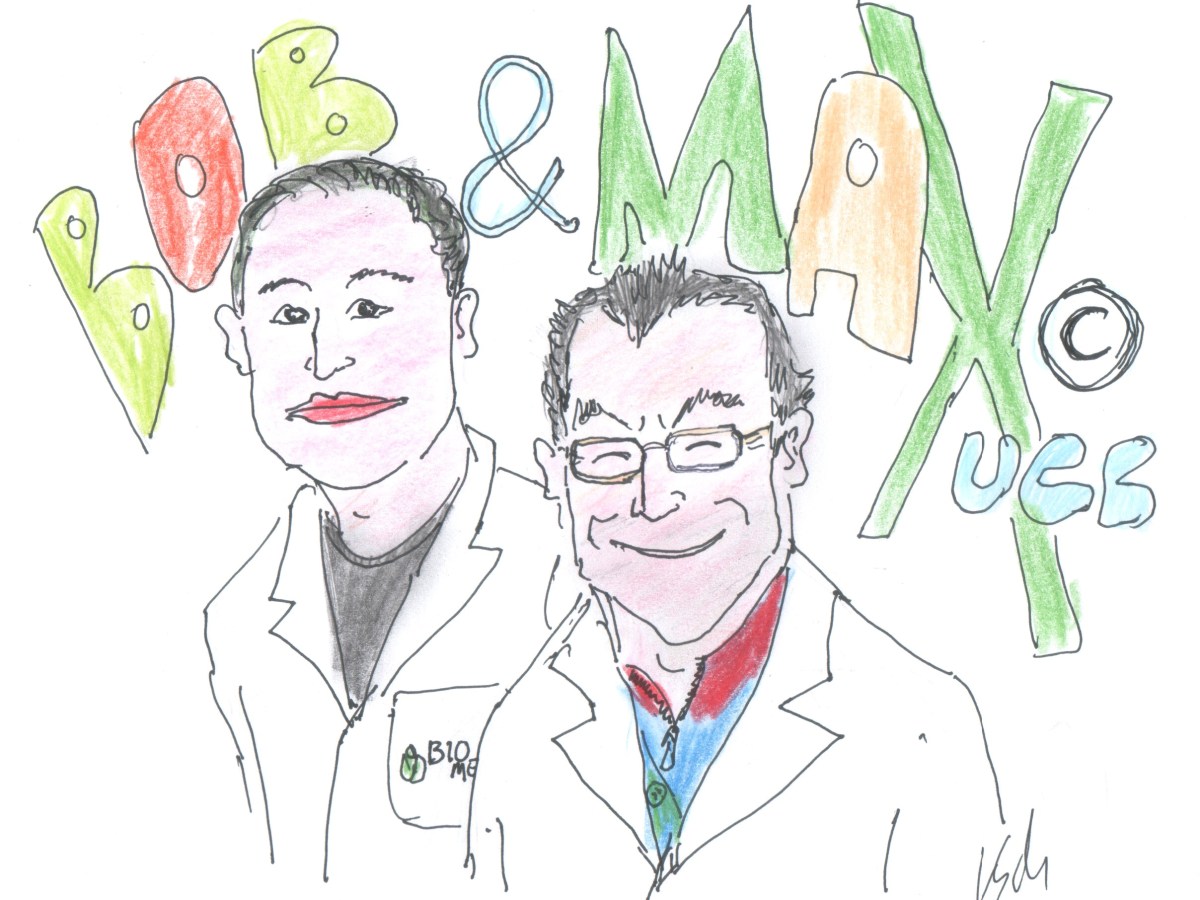
Robert Ryan’s mentor Maxwell Dow used the legal means of DMCA take-down to attack my reporting, pretending to act on behalf of his University College Cork. UCC remained silent and refused to apologise. Dow was later absolved of all suspicions of research misconduct.
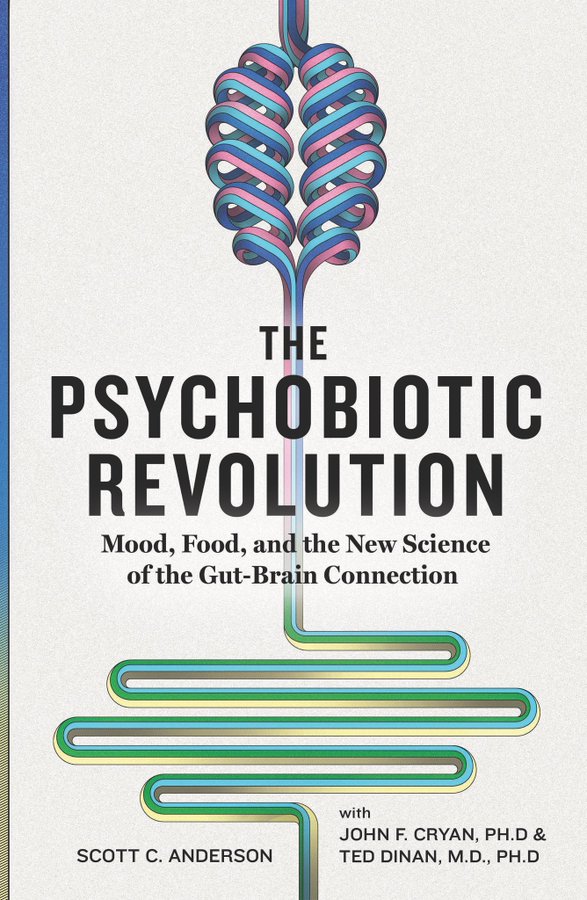
Now, this John Cryan previously claimed in Frontiers that gut microbiome is also responsible for autism and schizophrenia (Kelly et al 2017), later on he announced to be able to reverse Alzheimer’s and old age with stool transplants from healthy people (Boehme et al 2021, read earlier Friday Shorts). And this is how he does his research:
“This error does not impact the quantitative analysis presented in Fig. 2E-F Neuron/Astrocyte proportions, since the incorrect picture chosen in error by the researcher during the selection of representative images for the design of Fig. 2D was not involved in the analysis.
Both the authors and editors confirm these errors do not change the overall conclusions of the paper.”
One-Time
Monthly
I thank all my donors for supporting my journalism. You can be one of them! Make a one-time donation:
I thank all my donors for supporting my journalism. You can be one of them! Make a monthly donation:
“Berislav Zlokovic, Serbia-born Professor and Chair of the Department of Physiology & Neuroscience at the Keck School of Medicine at the University of Southern California (USC).”
‘I was just guessing at numbers and figures
Pulling the puzzles apart
Questions of science, science and progress
Do not speak as loud as my heart
But tell me you love me, come back and haunt me
Oh and I rush to the start’
…’The European Commission is giving money for this.
But many of the secondments from the LUMC appear to exist only on paper.’
In my experience, this practice is quite common. I’m aware of companies that assign staff with the specific task of identifying available grants for various research projects and, subsequently, ‘falsifying’ documentation to apply for them. I’ve always wondered why no one ever seems to inquire about the actual outcomes of those supposed ‘research’ endeavors.
I always figured it’s just another way the EU designed to funnel money into the pockets of private businesses.
On my first day at a company, someone from administration asked me to sign a statement asserting that I (will) work on a specific research project. However, I had never heard of such a project, and it wasn’t even within my field of expertise. Subsequently, my colleagues informed me, “Yeah, that’s just for EU grants. We don’t really engage in those projects.”
I am confused about the story on Queen Mary University of London and their response to SPM (Jesmond Dalli) fake science.
From the Queen Mary University of London statement:
“There was a finding related to the potential misinterpretation of an illustration as data which has been dealt with in correspondence with journals and senior authors. There were absolutely no findings of data falsification or fabrication of data.
…
Queen Mary University of London believes the matter to be now closed. Further allegations of a substantially similar nature will be treated as vexatious.”
Yet from Science we get this quote:
“But a source at QMUL familiar with its inquiry tells Science that the university’s research investigative panel did find evidence of misconduct. Science has also obtained an email sent by the QMUL vice principal of research and innovation stating that the panel “upheld all the allegations” against Dalli and a colleague at the school and that the matter “is now progressing to QMUL’s disciplinary process.”
This seems quite opposite. Is the matter closed at QMUL or not? Am I missing something? Or is QMUL lying?
In the Alzheimer’s rats studies, it’s not clear from the paper if the researchers performing the test knew or not which rat was being tested. It seems they knew, which, ahem, looks like a very big source of bias. I have never understood why in human medicine, you have to make double blind tests, but in all other field, you can ignore human confounding factors.
In the Alzheimer’s rats studies, it’s not clear from the paper if the researchers performing the test knew or not which rat was being tested. It seems they knew, which, ahem, looks like a very big source of bias. I have never understood why in human medicine, you have to make double blind tests, but in all other field, you can ignore human confounding factors.
I have always been told “Alzheimer is hard to cure because we don’t know much about the brain”. But I am starting to think the issue is just that most of the science about it is fake made by criminals who just want to pocket public money.



















![[Citation not needed]](https://forbetterscience.com/wp-content/uploads/2022/03/mv5bowfkmmy2njytyjdkms00njjklthkyjctmmrintm0n2y1mgvjxkeyxkfqcgdeqxvymtiwodk1ntq40._v1_1.jpg?w=1200&h=900&crop=1)



 For Better Science
“Berislav Zlokovic, Serbia-born Professor and Chair of the Department of Physiology & Neuroscience at the Keck School of Medicine at the University of Southern California (USC).”
He should have taken up tennis.
LikeLike
For Dave S.
‘I was just guessing at numbers and figures
Pulling the puzzles apart
Questions of science, science and progress
Do not speak as loud as my heart
But tell me you love me, come back and haunt me
Oh and I rush to the start’
@all Have a nice Weekend.
LikeLiked by 1 person
For WGT-Visitors – see you in Leipzig 🙂
LikeLike
…’The European Commission is giving money for this.
But many of the secondments from the LUMC appear to exist only on paper.’
In my experience, this practice is quite common. I’m aware of companies that assign staff with the specific task of identifying available grants for various research projects and, subsequently, ‘falsifying’ documentation to apply for them. I’ve always wondered why no one ever seems to inquire about the actual outcomes of those supposed ‘research’ endeavors.
I always figured it’s just another way the EU designed to funnel money into the pockets of private businesses.
On my first day at a company, someone from administration asked me to sign a statement asserting that I (will) work on a specific research project. However, I had never heard of such a project, and it wasn’t even within my field of expertise. Subsequently, my colleagues informed me, “Yeah, that’s just for EU grants. We don’t really engage in those projects.”
LikeLike
Presumably the only thing faster than dove press retraction speed is how quickly they accept nonsense papers.
LikeLiked by 1 person
I am confused about the story on Queen Mary University of London and their response to SPM (Jesmond Dalli) fake science.
From the Queen Mary University of London statement:
“There was a finding related to the potential misinterpretation of an illustration as data which has been dealt with in correspondence with journals and senior authors. There were absolutely no findings of data falsification or fabrication of data.
…
Queen Mary University of London believes the matter to be now closed. Further allegations of a substantially similar nature will be treated as vexatious.”
Yet from Science we get this quote:
“But a source at QMUL familiar with its inquiry tells Science that the university’s research investigative panel did find evidence of misconduct. Science has also obtained an email sent by the QMUL vice principal of research and innovation stating that the panel “upheld all the allegations” against Dalli and a colleague at the school and that the matter “is now progressing to QMUL’s disciplinary process.”
This seems quite opposite. Is the matter closed at QMUL or not? Am I missing something? Or is QMUL lying?
LikeLike
Consider the possibility that QMUL is run by idiots.
LikeLike
In the Alzheimer’s rats studies, it’s not clear from the paper if the researchers performing the test knew or not which rat was being tested. It seems they knew, which, ahem, looks like a very big source of bias. I have never understood why in human medicine, you have to make double blind tests, but in all other field, you can ignore human confounding factors.
LikeLike
In the Alzheimer’s rats studies, it’s not clear from the paper if the researchers performing the test knew or not which rat was being tested. It seems they knew, which, ahem, looks like a very big source of bias. I have never understood why in human medicine, you have to make double blind tests, but in all other field, you can ignore human confounding factors.
LikeLike
I have always been told “Alzheimer is hard to cure because we don’t know much about the brain”. But I am starting to think the issue is just that most of the science about it is fake made by criminals who just want to pocket public money.
LikeLike
If PLOS One is not convinced yet: elsewhere, at Elsevier, a paper by KittySack was just retracted for papermilling
Kittisak is now up to 8 retractions and one Expression of Concern.
http://retractiondatabase.org/RetractionSearch.aspx#?auth%3dkittisak
LikeLike
See Les Shaw at university of south Florida. Multiple papers containing data falsification and image manipulation
LikeLike