

Schneider Shorts of 7 July 2023 – MDPI internal file leaked, editors attempting to rat out whistleblowers, scientists proud of IAAM awards, Nobelitis strikes again, with cloning fraudster’s new business, biotech’s new anti-aging drug, bad rector in Sicily, and finally, one honest researcher demanding retraction of his own paper.
Table of Discontent
Scholarly Publishing
- No Action Required – leaked MDPI file reveals hilarious attitude to bad science
- Help you identifying the source – Jordi Muntane helped by liver society
- A formal due process to adjudicate allegations – whistleblower in Salvatore Cuzzocrea case hits editorial stonewall
- Many additional retractions are due – exemplary researcher Csaba Szabó retracts his paper with Cuzzocrea
Science Elites
- An honor that IAAM confers – UC Berkeley, UT Dallas and University of Lisbon proud about Ashutosh Tiwari’s fake awards
Science Breakthroughs
- Various barnyard animals – David Cyranoski on new career of cloning fraudster Hwang Woo-Suk
- A single injection of the klotho – Unity Biotechnology pushes new anti-aging drug
- Inherited from Neanderthals – Nobelitis-sufferer Svante Pääbo correlates yet another disease
Industry Giants
- FDA-compliant, IRB-approved, and NIH-registered – US stem cell company makes vision-impaired people blind
News in Brief
Scholarly Publishing
No Action Required
MDPI was caught on something very stupid. No, not publishing some fraudulent or even papermilled trash, this is their main business model.

MDPI and racism
In 2019, MDPI published a Special Issue “Beyond Thirty Years of Research on Race Differences in Cognitive Ability”, one year later its owner Shu-Kun Lin expressed admiration for Trump and said “Black Lives Matter. White Lives Matter. All Lives Matter.”

A source inside leaked to us a long list with MDPI’s past and open investigations of problematic publications, with their full details, types of the accusation, current status of editorial investigation and final decisions, names of MDPI editorial “experts” charged with investigation, etc. Most entries have PubPeer links included. I shall provide you with a sample now.
There are a large number of corrections, very few retractions and many cases with No Action Required. Like this:
Dolors Puigoriol-Illamola, Mirna Martínez-Damas, Christian Griñán-Ferré, Mercè Pallàs Chronic Mild Stress Modified Epigenetic Mechanisms Leading to Accelerated Senescence and Impaired Cognitive Performance in Mice International Journal of Molecular Sciences (2020) doi: 10.3390/ijms21031154


First of all, those Frankenblots are scientifically nonsense, but they passed peer review. And how stupid does one have to be to duplicate gel bands while creating such a crazy Frankenblot? But the Spanish first author Dolors Puigoriol-Illamola said on PubPeer everything is fine, so No Action Required.
Another Frankenblot, this time from Tel Aviv University in Israel:
Rive Sarfstein, Karthik Nagaraj , Derek LeRoith , Haim Werner Differential Effects of Insulin and IGF1 Receptors on ERK and AKT Subcellular Distribution in Breast Cancer Cells Cells (2019) doi: 10.3390/cells8121499
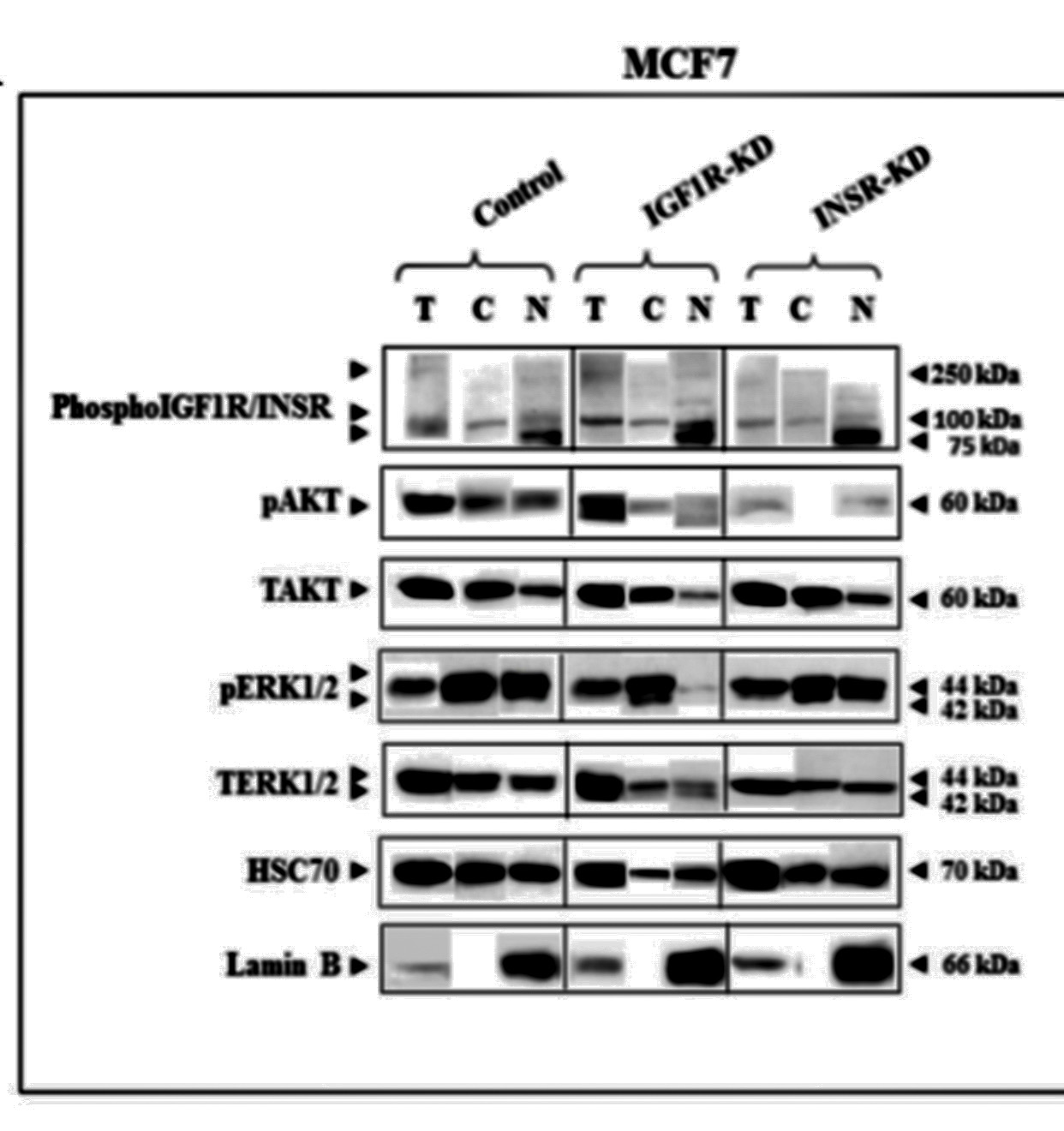
Because the first author mumbled something about “The original blots were sent to the journal cells“, MDPI determined that No Action Required.

The Name of the Foes
“I am Jorge de Burgos. I believe research should pause in searching for the progress of knowledge. Right now, we don’t need more papers, we rather need more knowledge by going through a continuous and sublime recapitulation to figure out what is true and what is fake” – Aneurus Inconstans

Here, the Italian authors around the mega-cheater Roberto Avola (read Aneurus’ article above) did not comment on PubPeer, but maybe they sent lawyers to talk to to MDPI:
Daniele Tibullo , Nunzia Caporarello , Cesarina Giallongo , Carmelina Daniela Anfuso , Claudia Genovese , Carmen Arlotta , Fabrizio Puglisi , Nunziatina L Parrinello, Vincenzo Bramanti , Alessandra Romano , Gabriella Lupo , Valeria Toscano, Roberto Avola , Maria Violetta Brundo , Francesco Di Raimondo, Salvatore Antonio Raccuia Antiproliferative and Antiangiogenic Effects of Punica granatum Juice (PGJ) in Multiple Myeloma (MM) Nutrients (2016) doi: 10.3390/nu8100611

No Action Required.
Another set of fraudsters was told the same reassuring thing.
Shailendra P. Singh , Menachem Greenberg , Yosef Glick , Lars Bellner , Gaia Favero , Rita Rezzani , Luigi Fabrizio Rodella , Kevin Agostinucci, Joseph I. Shapiro , Nader G. Abraham Adipocyte Specific HO-1 Gene Therapy is Effective in Antioxidant Treatment of Insulin Resistance and Vascular Function in an Obese Mice Model Antioxidants (2020) doi: 10.3390/antiox9010040


The intellectual leaps of Joe Shapiro
Charcoal as COVID-19 therapy? It may sound silly, but there is solid history of data fudging behind it, wandering western blots included!
A papermilled trash, “co-authored” by the Italian papermill customer Filippo Berto (read here) and a bunch of papermilling russians:
Sergey V. Panin , Dmitry G. Buslovich , Yuri V. Dontsov , Svetlana A. Bochkareva , Lyudmila A. Kornienko , Filippo Berto UHMWPE-Based Glass-Fiber Composites Fabricated by FDM. Multiscaling Aspects of Design, Manufacturing and Performance Materials (2021) doi: 10.3390/ma14061515

Berto explained:
“When characterizing the feedstock preparation procedure we showed a similar photo of the polymer powder, used for the composite fabrication“
Fabrication indeed, so No Action Required.

Russkiy Mir at Elsevier and MDPI
Alexander Magazinov presents you two russian professors whom Elsevier and MDPI consider respectable: a Lt Colonel of putin’s mass-murdering army, and a machine-gun totting rascist. Both buy from papermills.

Also the fraudster Naveed Ahmed was accommodated.
Muhammad Imran Asad, Dildar Khan, Asim Ur Rehman, Abdelhamid Elaissari , Naveed Ahmed Development and In Vitro/In Vivo Evaluation of pH-Sensitive Polymeric Nanoparticles Loaded Hydrogel for the Management of Psoriasis Nanomaterials (2021) doi: 10.3390/nano11123433

Ahmed kind of explained on PubPeer that because he and his mates digitally retouched some areas, the images are not identical anymore. MDPI eagerly agreed: No Action Required.
And here, from the Tenth People’s Hospital of Shanghai in China?
Hui Zhang , Yueyue Li , Linqiang Li , Hua Liu , Liangkai Hu , Ying Dai, Jianqing Chen, Shuqi Xu, Weimin Chen, Xiaorong Xu, Xuanfu Xu Propylene Glycol Alginate Sodium Sulfate Alleviates Cerulein-Induced Acute Pancreatitis by Modulating the MEK/ERK Pathway in Mice Marine Drugs (2017) doi: 10.3390/md15020045


Despite massive fraud and plagiarism: No Action Required!
Here a case where authors even admitted to have stolen the images:
Alfred Mensah , Yajun Chen , Narh Christopher , Qufu Wei Membrane Technological Pathways and Inherent Structure of Bacterial Cellulose Composites for Drug Delivery Bioengineering (2021) doi: 10.3390/bioengineering9010003

This is the answer by Qufu Wei which MDPI accepted as explanation:
“These are figures included in our review publication (adapted with permissions, and without any form of edits to the images), cited with reference to the original articles published by https://doi.org/10.1016/j.ijbiomac.2019.10.082 and https://doi.org/10.1016/j.btre.2017.07.002
All concerns with the said images should be addressed to the original authors of the papers in question.“
The image duplications arose because Wei et al digitally removed the original labelling from the data they stole from papers from Argentina and Thailand. Hence: No Action Required!
Even in those case where the authors admitted to image duplication, MDPI saw no reason to issue corrections. For example:
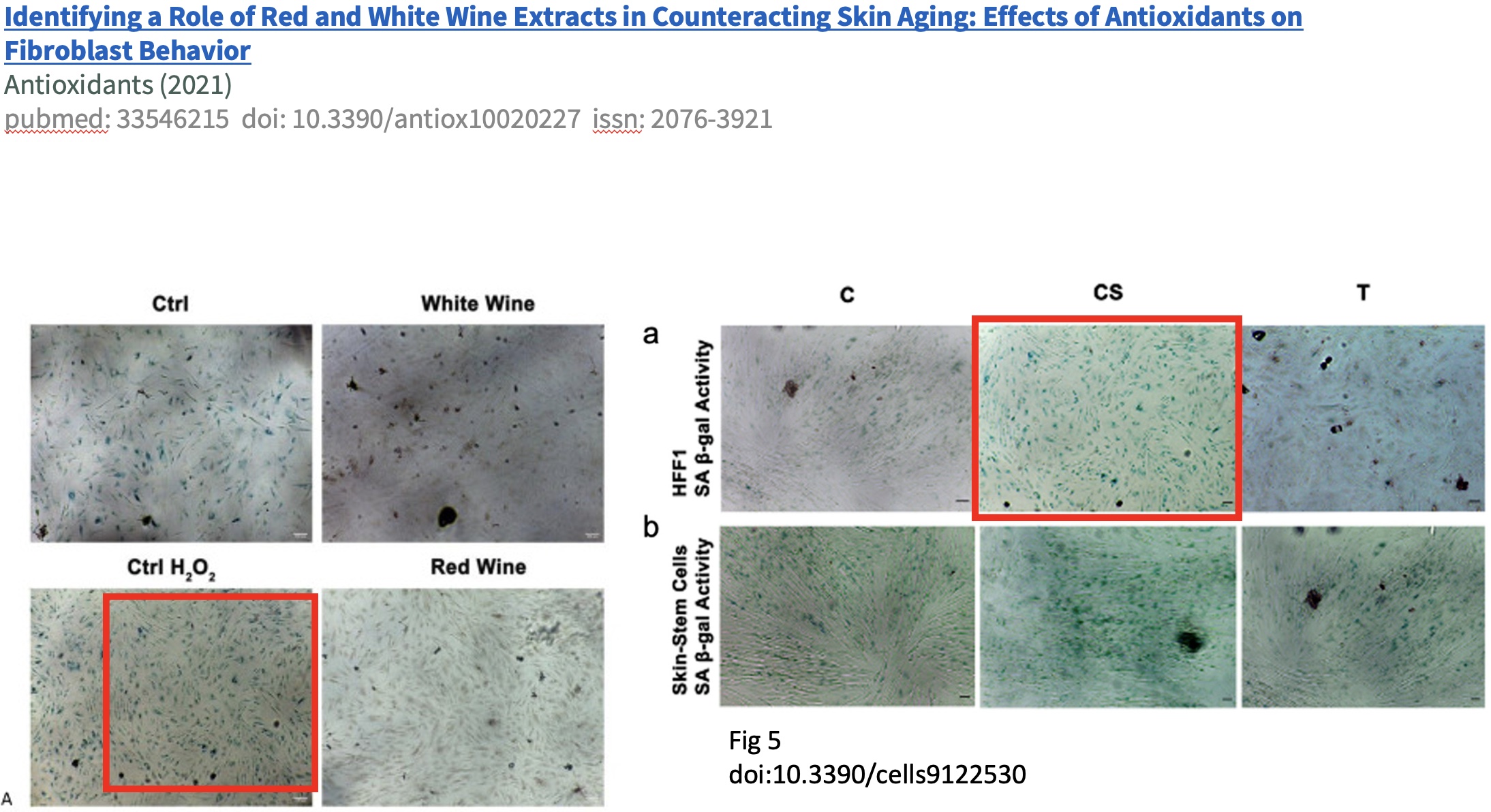

Maybe because the authors announced to have “promptly contacted the editorial office” and lamented their “unintended mistake“, MDPI decided that No Action Required.
And so on. To qualify for a correction, the evidence must look like this, flagged by Elisabeth Bik and affecting two papers from the same group of fraudsters from Pakistan:
Afsheen Mansoor , Zohaib Khurshid , Emaan Mansoor , Muhammad Talal Khan , Jithendra Ratnayake , Asif Jamal Effect of Currently Available Nanoparticle Synthesis Routes on Their Biocompatibility with Fibroblast Cell Lines Molecules (2022) doi: 10.3390/molecules27206972
Afsheen Mansoor , Muhammad Talal Khan , Mazhar Mehmood, Zohaib Khurshid , Muhammad Ishtiaq Ali , Asif Jamal Synthesis and Characterization of Titanium Oxide Nanoparticles with a Novel Biogenic Process for Dental Application Nanomaterials (2022) doi: 10.3390/nano12071078


The Molecules paper was fixed on 18 May 2023 with a Correction titled Error in Figure:
“In the original publication [1], there was a mistake in Figure 15 as published. Due to the extensive number of data included in this study, the images in Figure 15a–t were uploaded erroneously and contained repeated images. […] The authors state that the scientific conclusions are not affected by this correction. This correction was approved by the Academic Editor. The original publication has also been updated.”
Current status for the Nanomaterials paper, according to the leaked file:
“Authors want to replace Figure 9 in published paper”
Help you identifying the source
Jordi Muntané , a very questionable liver cancer researcher from Spain, started to post “raw data” on PubPeer to oppose the allegations of gel band duplications. There are two interestign aspects: the raw data doesn’t fit the published figure, and the outrageous reaction from the editors.
You can read about Muntane here:
Torturing Small Animals
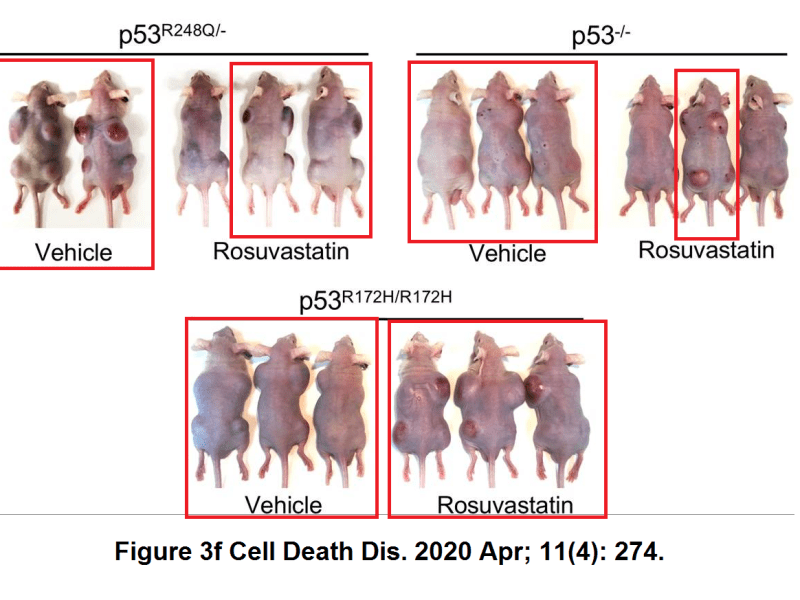
Animal abuse and bad science go hand in hand. Meet professors Ute Moll, Jordi Muntané, Sam W Lee and others.
Here is the paper where Muntane posted “raw data” and quoted an email from the editor:
Raúl González , Adolfo Cruz , Gustavo Ferrín , Pedro López-Cillero , Rubén Fernández-Rodríguez , Javier Briceño , Miguel A. Gómez , Sebastián Rufián , Manuel De La Mata , Antonio Martínez-Ruiz , Jose J.G. Marin , Jordi Muntané Nitric oxide mimics transcriptional and post-translational regulation during α-tocopherol cytoprotection against glycochenodeoxycholate-induced cell death in hepatocytes Journal of Hepatology (2011) doi: 10.1016/j.jhep.2010.10.022

I made a side-by-side comparison of Muntane’s “raw data” and the published figures with highlighted duplications. In Figure 4B, none of the gel bands in provided “raw data” seems to actually match the bands in the published figure. In Figures 5F and 10A, the bands flagged as duplicated look different in the “raw data” while the rest fits. Strange, no? As if someone faked raw data with modern Photoshop, as certain scientists routinely do these days when challenged.
Update: Muntane reacted to above comparison by posting a different “raw data” gel for Figure 4B, insiting:
“You can clearly see that lanes 2, 3, 5 and 6 correspond to different samples“
Turned out, both the published figure and the “raw data” were forged in Photoshop, see analysis by Aneurus Inconstans:

Now, the email from this society-owned journal which Muntane previously shared on PubPeer:
“Dear Prof. Muntané,
I am glad to inform you that the Editors have found your explanations satisfactory, and we consider this case now closed. We will inform the anonymous whistle blower accordingly.
I am afraid that I cannot help you identifying the source of the complaint, as it came from this email address: claire.francis[redacted], Clare Francis is a common pseudonym used in cases of whistle-blowing and it even has a Wikipedia entry: https://en.wikipedia.org/wiki/Clare_Francis_(science_critic). I would like to thank you for your impeccable collaboration in this investigation.
With kind regards,
Joël
Joël Walicki, PhD
Head of Publications European Association for the Study of the Liver 7 rue Daubin | 1203 Geneva | Switzerland”
On top of that incompetent whitewashing, these rotten liver society gits were obviously eager to rat out the whistleblower’s identity to Muntane. But failed. That’s why most whistleblowers prefer using anonymous email accounts.
A formal due process to adjudicate allegations
Aneurus Inconstans reported some fraudulent publications to the editors of an Wolters Kluwer-published journal, Shock. He received a shocking reply from its Editor-in-Chief, Daniel Remick, professor of pathology at Boston University, USA.
First, this paper, authored by the rector of University of Messina in Italy, Salvatore Cuzzocrea:
Maria Galuppo , Giuseppe Nocentini , Emanuela Mazzon , Simona Ronchetti , Emanuela Esposito , Luisa Riccardi , Rosanna Di Paola , Stefano Bruscoli , Carlo Riccardi , Salvatore Cuzzocrea GITR Gene Deletion and GITR-Fc Soluble Protein Administration Inhibit Multiple Organ Failure Induced by Zymosan Shock (2011) doi: 10.1097/shk.0b013e3182262c48

Now, the Magnificent Rector Cuzzocrea (who inherited the office from his father and whose family seems to be connected to the actual Sicilian mafia), has a massive record of fake science, see PubPeer and this article:
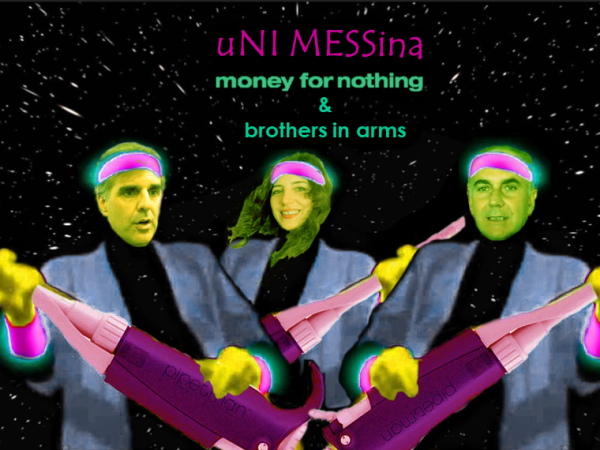
Uni Messina, money for nothing & brothers in arms
“The University of Messina was, in short, a good business that appealed to many, including organized crime on both sides of the Strait of Messina.” – Aneurus Inconstans
Aneurus added:
“IMPORTANT: it did not escape my notice that one Deputy editor of your journal, Dr Basilia Zingarelli, is a regular co-author of Dr Cuzzocrea and also studied in Messina, therefore she cannot be involved in any decision on these articles.”
To visualise this collaboration, here are two fake papers by Cuzzocrea and Basilia Zingarelli (University of Messina alumnus, now professor at Cincinnati Children’s Hospital Medical Center, USA), in different journals though:
Salvatore Cuzzocrea , Giuseppina Costantino , Basilia Zingarelli , Emanuela Mazzon , Antonio Micali, Achille P Caputi The protective role of endogenous glutathione in carrageenan-induced pleurisy in the rat European Journal of Pharmacology (1999) doi: 10.1016/s0014-2999(99)00200-9
Cuzzocrea , Caputi , Zingarelli Peroxynitrite‐mediated DNA strand breakage activates poly (ADP‐ribose) synthetase and causes cellular energy depletion in carrageenan‐induced pleurisy Immunology (1998) doi: 10.1046/j.1365-2567.1998.00409.x


Aneurus also reminded the editors of another massive fraud case, also from Messina, reported by Cheshire to the publisher over a year ago, in May 2022, and still not acted upon:
Letteria Minutoli, Domenica Altavilla , Alessandra Bitto, Francesca Polito, Ersilia Bellocco , Giuseppina Laganà , Daniela Giuliani , Tiziana Fiumara, Salvatore Magazù , Pietro Ruggeri , Salvatore Guarini , Francesco Squadrito THE DISACCHARIDE TREHALOSE INHIBITS PROINFLAMMATORY PHENOTYPE ACTIVATION IN MACROPHAGES AND PREVENTS MORTALITY IN EXPERIMENTAL SEPTIC SHOCK Shock (2007) doi: 10.1097/01.shk.0000235092.76292.bc

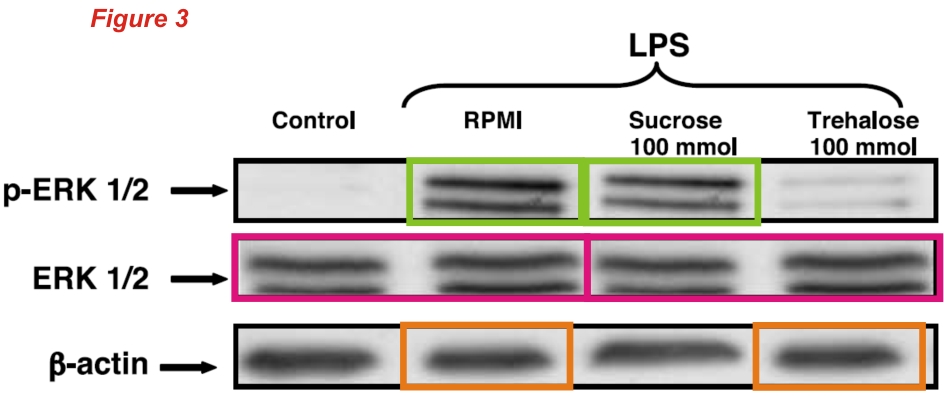

As you see, the authors are the Messina gang of Francesco Squadrito, read here:
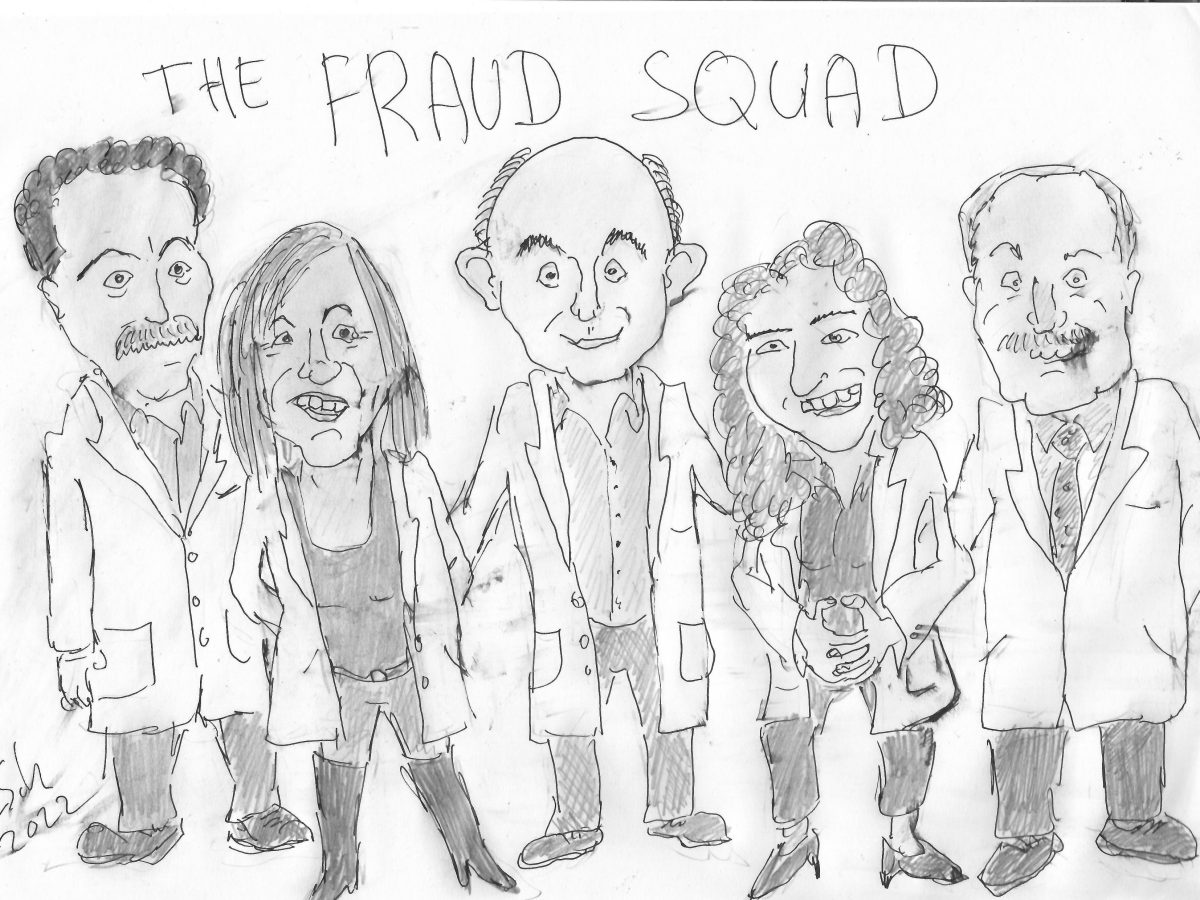
The Fraud Squad
Either a Muslim colleague or a retired technician did it. Or so these Sicilian professors insist.
Cheshire reported to the publisher one more problematic Squadrito paper in Shock, Altavilla et al 2005. On 6 May 2022, Cheshire received this email from Druanne Martin, executive at Wolters Kluwer:
“Thank you for bringing this to our attention. As Publisher, I will follow up. I can say due to the ages of these papers, they are long before I believe any of us were involved.”
Nothing happened, hence Aneurus’s reminder to the editors of Shock, with the new Cuzzocrea finding. Now the reply Aneurus received from the Editor-in-Chief Daniel Remick:
“This is to acknowledge receipt of your email. The Council On Publication Ethics (COPE) recommends a formal due process to adjudicate allegations in order to be fair to all parties. Here are the steps:
- You must write a formal signed letter of complaint delineating the specific ethical issues or violations (copyright infringement, dual publication, erroneous/fabricated data etc) and the evidence you have compiled for each specific complaint. Providing a link to a website is not sufficient evidence. Please provide a separate letter for each paper where you allege an ethical issue.
- An anonymized version of the complaint will be shared with the senior author asking her/him for a response.
- A formal independent review of the complaint, the author(s) response and the paper in question would then be performed by a committee of selected editors from the journal.
- Their findings and recommendations would then be reviewed by the Deputy Editors and the Editor-in-Chief. Note that Dr. Zingarelli has not published research with Dr. Cuzzocrea for more than 20 years and would not be considered to be in conflict.
- A final determination would be shared with you and the authors of the work in question.
If you wish to proceed at this time, please email a formal, signed letter of complaint that includes the evidence demonstrating each specific ethical violation of research or publication practices. “

There are many things which are just wrong in Remick’s inappropriate letter. The ongoing conflict of interest of Zingarelli with Cuzzocrea is the smallest concern here. The main problem: Remick orders Aneurus to reveal their identity, something which clearly is against COPE guidelines which Remick claims to adhere to. These are:
- “Inform the publisher and their communications team“
- “Respect whistleblower’s preference for anonymity“
Remick announced to do the opposite in both cases. As for the evidence of fraud, it is perfectly clear already as described on PubPeer. To demand an extra “formal signed letter of complaint delineating the specific ethical issues” is aggressive stonewalling.

Bologna cover-up at Oxford University Press
This is the second part of the Bologna whistleblower account. As the university was burying their own misconduct findings, Oxford University Press and their ignoble editor were busy punishing and gaslighting the whistleblower.
What editors like this one usually plan to do is this: a) rat out the whistleblower’s name to the accused (as you saw above), b) dismiss the formal report regardless how heavy the evidence, as it happened in the Bologna University case above. There will be always reasons to trash the report. Like, the whistleblower is not a professor, hence not qualified. If needed, play stupid and pretend still not to understand the allegations. Last resort: Zingarelli will investigate the papers of her dear friends at Messina, and you can imagine her expert verdict.
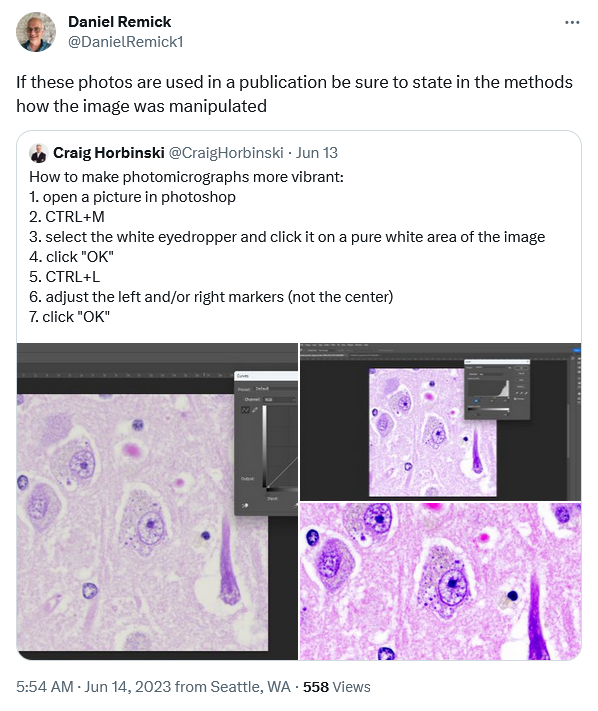
Oh look, Remick playing image integrity champion:
Many additional retractions are due
We remain on the topic of the Magnificent Rector of the University of Messina, Salvatore Cuzzocrea. And here you will meet one of those rare decent scientists who do the right thing. Csaba Szabó, Hungarian-born professor of pharmacology at the University of Fribourg, Switzerland, demanded a retraction of a quarter of a century old paper which he coauthored with that Sicilian cheater. As it happens, Zingarelli whom you also met above, is also a co-author there.
Salvatore Cuzzocrea , Basilia Zingarelli , Eli Gilad , Paul Hake , Andrew L Salzman , Csaba Szabó Protective effects of 3-aminobenzamide, an inhibitor of poly (ADP-ribose) synthase in a carrageenan-induced model of local inflammation European Journal of Pharmacology (1998) doi: 10.1016/s0014-2999(97)01417-9

The evidence was posted by Aneurus in June 2023, and Szabo immedatedly replied on PubPeer:
“You are 100% right there is a mistake in this figure. As last author I should have noticed this when these figures of the paper were put together by the first author. But I did not notice it. Because this paper is over 25 years old, I cannot recover the original images anymore from Cincinnati. So I will initiate the immediate retraction of the paper.“
Uni Messina, money for nothing & brothers in arms
“The University of Messina was, in short, a good business that appealed to many, including organized crime on both sides of the Strait of Messina.” – Aneurus Inconstans
On 26 June 2023, the retraction was already agreed with the Editor-in-Chief, who on 30 June forwarded the retraction to Elsevier for formal publication. Szabo provided me with this statement:
“This is all about a paper published 25 years ago. A few days ago Pubpeer notified me about an inconsistency in the immunohistochemistry figure, because part c turned out to be a higher magnification and rotated portion of part a. This is impossible: it is not consistent with the group designations. We can no longer determine if this was intentional misrepresentation or honest error since we cannot anymore go back to the source data because they are no longer kept after so many years. To be on the safe side we have decided to pull the entire paper. (Partial retractions are not possible.) I have contacted all authors – except the first author who was an exchange student at the time in my laboratory, on his way to defend his PhD thesis at the University of Messina; he was responsible for the immunohistochemistry work – who all agreed to the retraction. So I have contacted the Editor-In-Chief and we requested a retraction. The Editor-In-Chief has agreed and the retraction will be completed as soon as the publisher gets to it. I have also seen, with deep concern, the article in your blog about the activities of an entire group of investigators in Messina – including the same first author – and the more than 25 flagged papers of the same first author in Pubpeer; many of which contain various image duplications or copy-paste/photoshop work of Western blots. These papers were done after the first author has left my former laboratory in Cincinnati and returned to Messina. Seems to me that many additional retractions are due, but this is up to him and not me. I am deeply troubled by all of this. My recollection is that the first author was an enthusiastic, hard-working young scientist in Cincinnati and I am deeply concerned about all of the above situation.”
Szabo asked Aneurus to check another paper, and there was indeed something:
Jennifer Cross , Grant R Stenton , Curtis Harwig , Csaba Szabo , Tiziana Genovese , Rosanna Di Paola , Emanuale Esposito , Salvatore Cuzzocrea , Lloyd F Mackenzie AQX-1125, small molecule SHIP1 activator inhibits bleomycin-induced pulmonary fibrosis British Journal of Pharmacology (2017) doi: 10.1111/bph.13934

I asked Czaba if Cuzzocrea made this figure, and he confirmed.
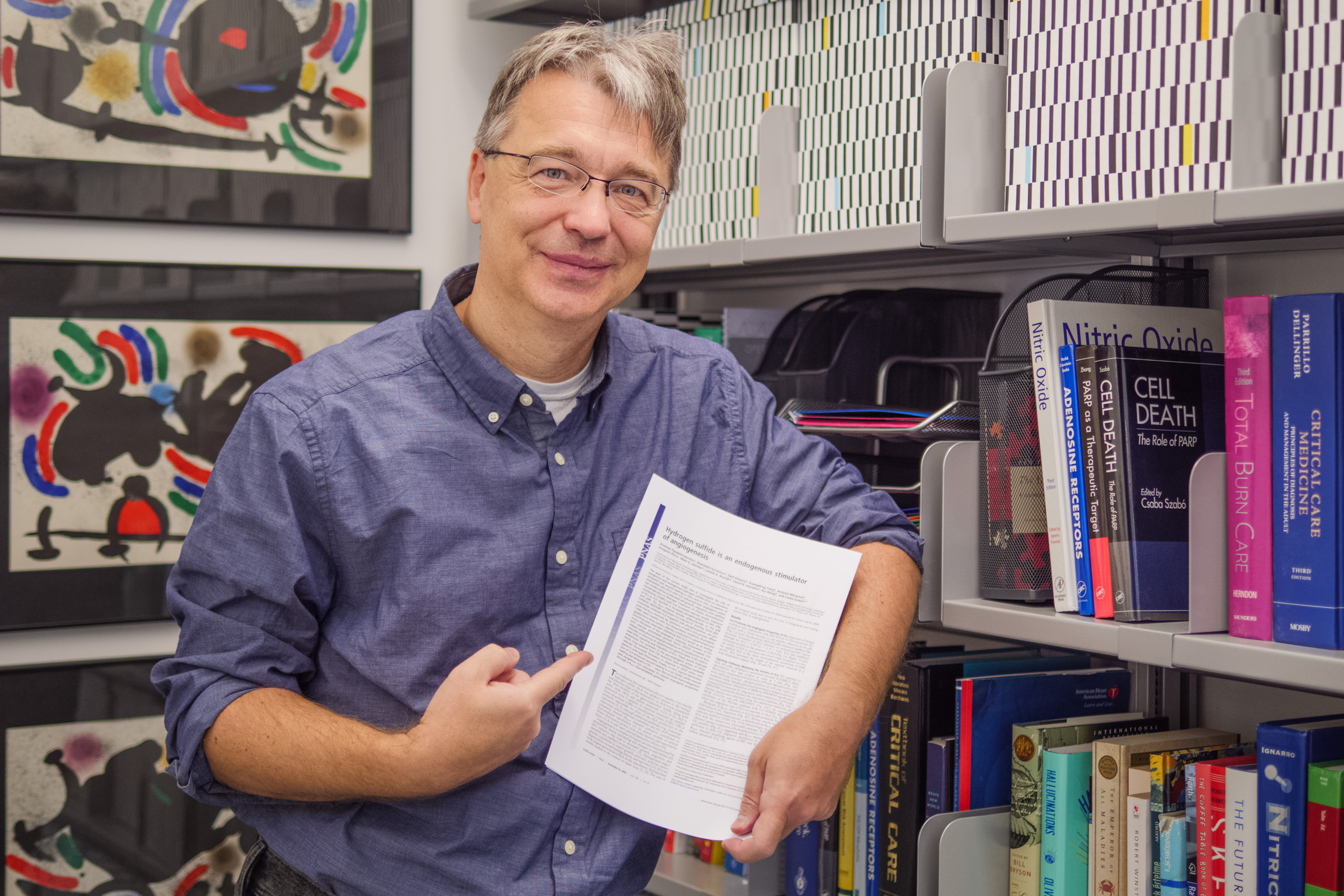
Science definitely needs more honest and integer researchers like Csaba Szabo. Those Messina fraudsters however must be thrown out on their arses, and explore alternative careers, in the mafia for all I care. And these pompous professorial nincompoops like Remick above should be put in their place, where they shut up, sit down and learn how science is supposed to work.
Science Elites
An honor that IAAM confers
If you read For Better Science, you know who the scamference fraudster Ashutosh Tiwari is, and what to think of his International Association of Advanced Materials (IAAM), a fictional “organisation” located in Tiwari’s home in the Swedish village of Ulrika. The business model is simple: send an email to random scientists informing them that they were chosen by a Swedish society to receive money from Gaddafi’s Nigerian relative a medal for their scientific achievements, all they have to do is to pay for a conference on a cruise ship. Since it is their university which pays, the medal recipient’s brain goes into the Nobel Prize mode.
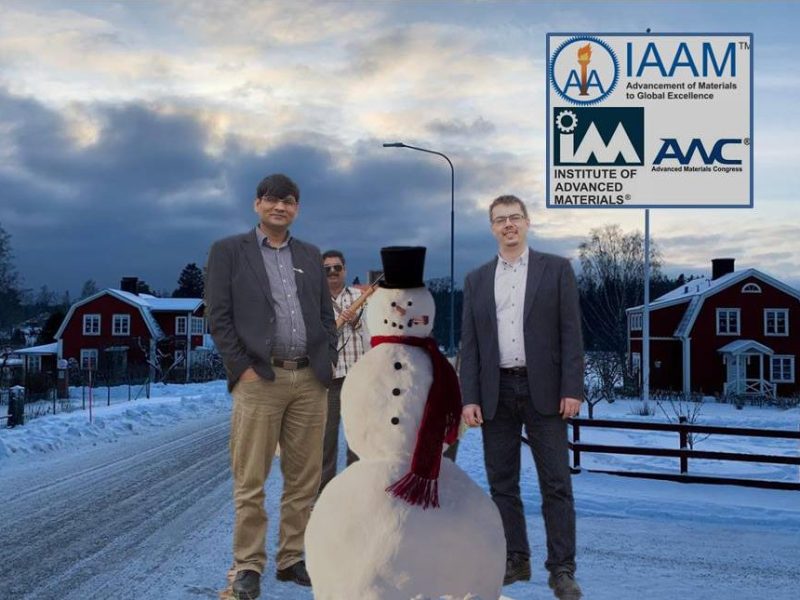
The Indefatigable Ashutosh Tiwari
Four years after Ashutosh Tiwari’s scamferences and research fraud were exposed, his impressive-sounding yet fictional “International Association of Advanced Materials”, or IAAM, still opens doors, hearts and wallets.
Rest assured that the following proud recipients of the IAAM medal knew they participate in a scam, but their vanity was stronger than their residual sense of basic decency. And no, those are not some Chinese or Indian academics proudly flaunting their black-market medals.
A BERKELEY press release from 13 May 2023:
“Dr. Claudia Ostertag, Professor and Vice-Chair of the Civil & Environmental Engineering Department at the University of California, Berkeley, received the IAAM Scientist Medal Award from the International Association of Advanced Materials (IAAM) in recognition of her contribution to Composites Engineering and Applications.
The IAAM Scientist Medal Award is an honor that IAAM confers upon distinguished researchers and scientists to recognize their distinct contributions to the sphere of Materials Science, Engineering, and Technology. Professor Ostertag, holder of the T.Y. and Margaret Lin Chair of Engineering, delivered the Scientist Medal Keynote Lecture at the Advanced Materials Congress in Orlando, Florida, in April 2023. “
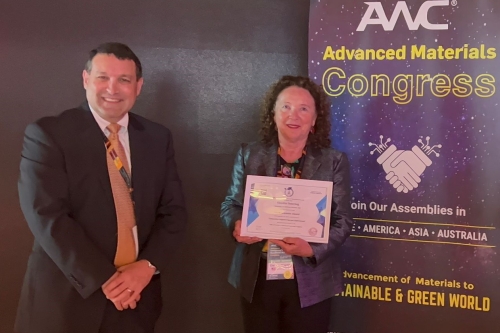
No idea who this dude is giving this German Berkeley professor her fake medal, maybe Tiwari was busy:
Another alleged elite US university, a press release by the University of Texas in Dallas from 26 April 2023:
“Dr. Orlando Auciello, professor of materials science and engineering and of bioengineering at The University of Texas at Dallas, has been selected to receive the 2023 International Association of Advanced Materials (IAAM) Scientist Medal, which recognizes scientists for notable breakthroughs and progress in advanced materials science, engineering and technology.
He will receive the award and deliver the Scientist Medal Lecture at the IAAM Fellow Summit in August in Stockholm.
“I am honored by the IAAM Scientist Medal recognition for ‘distinctive contributions toward interfacing the materials for multi-inter-transdisciplinary fields of science, engineering and technology,’” Auciello said.”
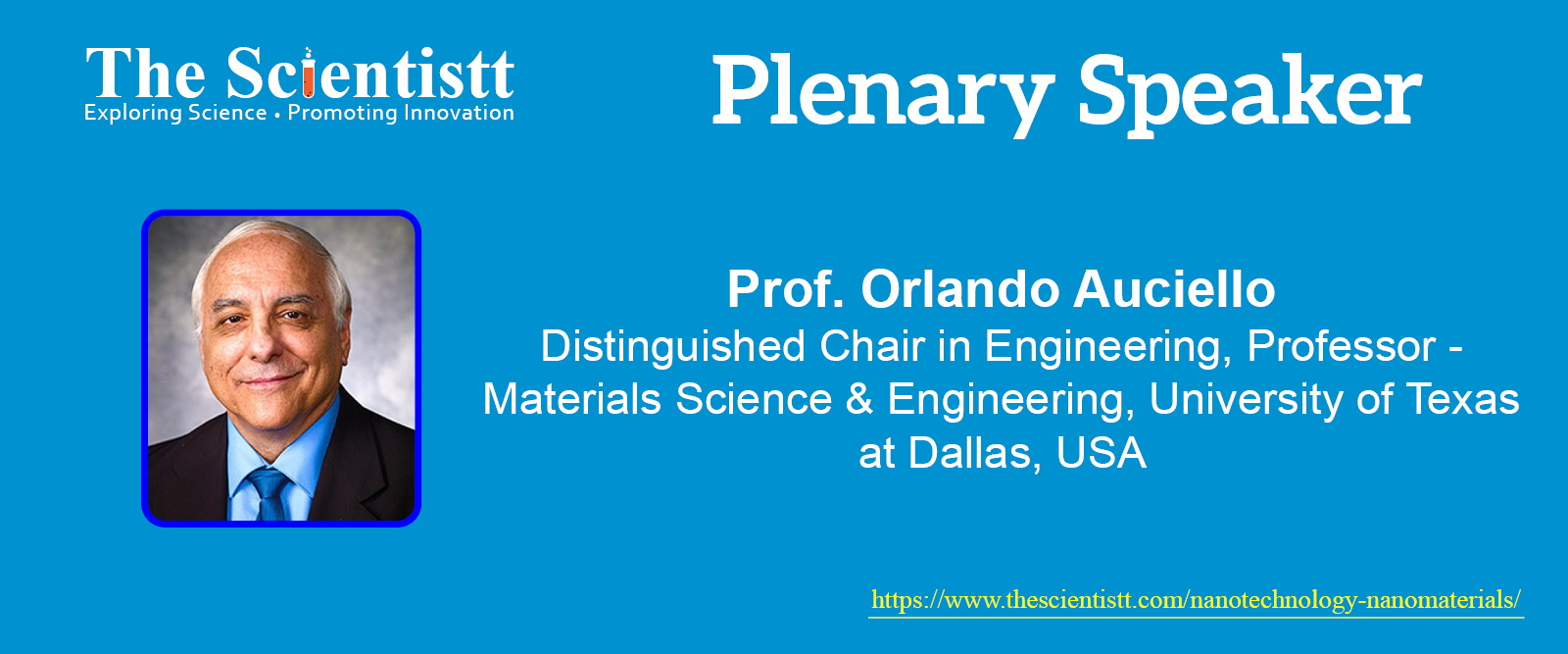
To be fair, Auciello seems to frequent even the trashiest among predatory conferences, and his UT Dallas pays for it. Here is this Italian Texan in 2021 at a scamference by the abysmally ridiculous “The Scientistt” (not a typo).
I received no reply from these two proud laureates or their fancy US universities.
The situation is also bad in Portugal. Here a press release from the University of Lisbon from February 2023 (Google-translated):
“Carlos Nieto de Castro , emeritus professor at the Department of Chemistry and Biochemistry and researcher at the Center for Structural Chemistry (CQE), was elected a Fellow of the International Association for Advanced Materials (IAAM), in recognition of his contribution in the field of Thermophysics of fluids and materials with energy applications. He is the second Portuguese researcher to obtain this distinction.
The distinction, which aims to reward scientists who have significantly contributed to the world of Science, Engineering and Technology of Advanced Materials, was awarded on June 27, 2022, after the presentation of the lesson “Thermophysical Properties of Fluids and Materials for Energy Applications. From Macro to Nano World”, a retrospective of the researcher’s career. The nomination was granted in person at the Advanced Materials World Congress , in October last year, in Stockholm, Sweden.”
Followed by praise for IAAM. And here is Nieto de Castro with Tiwari the Fraudster:

Source IAAM“
Nieto de Castro accidentally replied to me, meaning to write to his university colleagues only (translated):
“A surprise for me. I don’t know this journalist, and I don’t know what his intention is (fishing?).
I contacted the target, director of IAMM (Professor Ashutosh Tiwari, informing him of this email, and asking for his comments. As soon as I receive them, I will forward them for your information)
However, links to the organization’s page are:
https://www.iaamonline.org/fellow-of-iaam
The only other Portuguese who is an IAMM fellow, is on the previous page, and is Professor Rodrigo Martins, from Universidade Nova de Lisboa, and from CEMOP.
I am at your disposal to provide any clarification.
I would appreciate your maximum description [sic!], as it involves my name and that of FCUL, until the complete clarification of this matter.
Academic greetings
Carlos Nieto de Castro”
Yeah, I must the “fishing” fraudster here, you pompous IAAM Fellow.
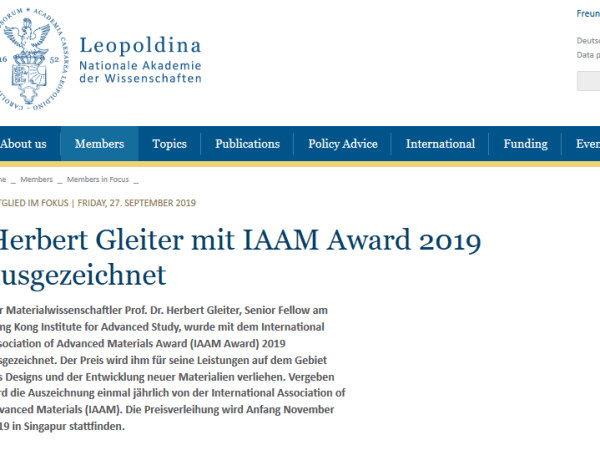
Leopoldina and Tiwari’s scamferences, or what’s the point of Academies
The German Academy of Sciences, Leopoldina, advertises for Ashutosh Tiwari’s predatory conferences. Occasion: Academician Herbert Gleiter won an IAAM Award.
Here is the 2020 announcement of Martins’ fellowship which his university simply copy-pasted from an email by Tiwari. It even proudly shares this bum-wipe:
Academics are intelligent people, they say.
Science Breakthroughs
Various barnyard animals
David Cyranoski, former Nature staff writer, writes in the New York Times:
“Science is known for rigorous self-policing by the research community, yet it can seem that scientific fraud is rampant. Why do frauds think they can get away with it?
The story of Hwang Woo-suk, a South Korean scientist who gained notoriety for claiming to clone human embryos, provides clues. […]
The apparent breakthrough won him widespread acclaim. South Korea named him a “supreme scientist” and released a postage stamp to celebrate his achievement.
But all was not well in the clone factory, as Dr. Hwang’s lab at Seoul National University had come to be known. As a journalist covering his ascendance for Nature, I was the first to report ethical breaches involving the team’s sourcing of human eggs.”
In 2005, Hwang forced two of his female students to donate their own oocytes to his human cloning research. And of course he also forged the results.
“By the following year, both of Dr. Hwang’s once-heralded papers were retracted, the cloning factory was shut down, and he was indicted on charges of fraud, violation of the country’s bioethics law and embezzlement.”

But after 1000 tries, a dog cloning attempt was successful, so Hwang founded a dog-cloning enterprise called Sooam Biotech Research Foundation. And this cloning of pets is what he now makes great money with, as Cyranoski writes:
“Over the next decade, Dr. Hwang’s name was associated with a string of animal cloning efforts, from various barnyard animals for ramped-up livestock breeding to the genetic rescue of nearly extinct species like the Ethiopian wolf to implausible attempts to bring extinct species such as the woolly mammoth back from the evolutionary graveyard.
Most of these projects seem to have fizzled. But they did return an air of authority to Dr. Hwang’s name.
In 2010 a beloved champion show camel in Abu Dhabi named Mabrokan suddenly died. Researchers in Dubai reported the first cloned camel the previous year, and veterinarians in Abu Dhabi had the foresight to cryopreserve some testicular tissue and skin in the hope that they could find some cloning help.
In 2021 a group led by Dr. Hwang produced 11 clones of Mabrokan. He now heads a state-of-the-art cloning laboratory in the desert around Abu Dhabi and lives in a villa on the grounds of a seven-star hotel where he takes daily swims.
Well, how do the paying customers know is that the clone they receive is really of their deceased pet? If it is even a clone. After all, Hwang is a fraudster.
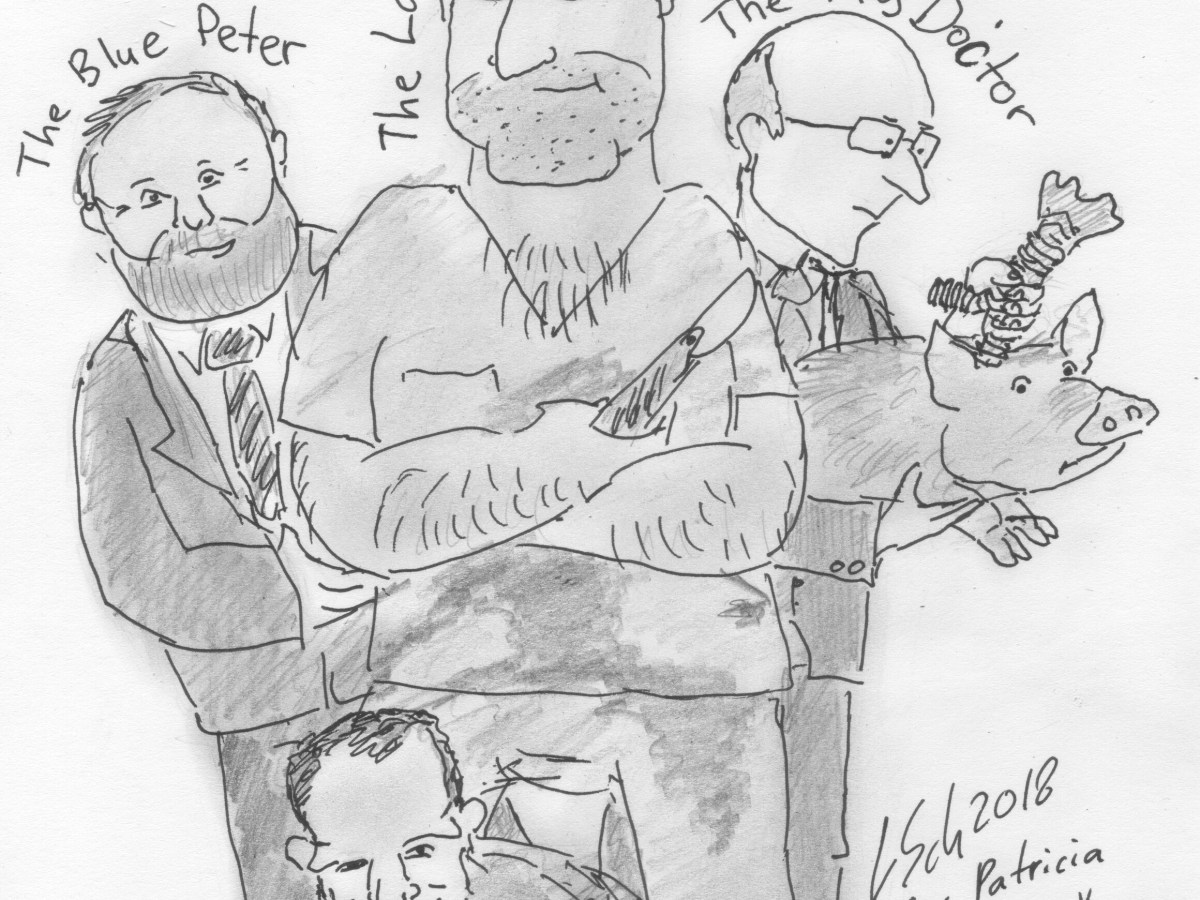
Time to retract Lancet paper on tissue engineered trachea transplants
Paolo Macchiarini affair: I reproduce the letter Patricia Murray, Raphael Levy, Peter Wilmshurst and myself published in The BMJ on 2 March 2022. I also publish Wilmshurst’s appeal to the UCL leadership.
This is very much to the point:
“There was another possible ending to this story — one in which Dr. Hwang’s fraudulent research was never retracted, he kept his academic post and he was remembered as the first to clone humans for therapeutic purposes. Science’s vaunted self-correcting mechanism, wherein other scientists try to replicate experiments and, if they fail, strike the findings from the record, did not work in this case. His low success rate with human eggs meant that a complete failure by another group could have been written off as inferior technique, poor egg quality or just bad luck.
Dr. Hwang’s first human therapeutic cloning paper could have joined the ranks of numerous other prominent stem cell claims that other scientists cannot replicate but also cannot disprove. Groundbreaking scientific claims await broad acceptance or rejection. Some never leave that state of limbo.
The Hwang saga is illustrative of the serious deficiencies in the self-regulation of science. His fraud was uncovered because of brave South Korean television reporters. Even those efforts might not have been enough, had Dr. Hwang’s team not been so sloppy in its fraud. The team’s papers included fabricated data and pairs of images that on close comparison clearly indicated duplicity.”
Well, actually, right now, Nature tries to convince everyone that irreproducible superconductive fraud by Ranga Dias is just technically very challenging and difficult to reproduce…

Superconductive Fraud: The Sequel
“After the huge box-office success of “Nature 2020: Room-temperature superconductivity in CSH” this March our Nature studios released a sequel with the same star-studded cast: “Nature 2023: Near-ambient superconductivity in N-doped LuHx”. – Maarten van Kampen

A single injection of the klotho
Ars Technica informs of a giant scientific breakthrough on the topic of anti-aging:
“In a study published today in the journal Nature Aging, researchers at Yale and the University of California, San Francisco found that a single injection of the klotho protein led to modest improvements in cognitive function in older monkeys and that the effects lasted for two weeks. The authors think the protein represents a promising avenue for researching the rejuvenation of brain function in older adults.
“Cognitive decline from aging is one of our most pressing biomedical problems without truly effective medicines,” says Dena Dubal, a professor of neurology at UCSF and the study’s senior author. After discovering—accidentally—in previous work that klotho boosts cognition in mice, she says, “it became important to test this in a brain like ours.”
Produced by the kidney, klotho circulates in the blood and has been linked to health and lifespan. Orson Moe, a kidney specialist and professor of internal medicine at the University of Texas Southwestern Medical Center, describes it as a housekeeper that helps regulate the kidneys and metabolism. “It protects us and keeps us healthy,” he says.”
This is the paper:
Stacy A. Castner , Shweta Gupta , Dan Wang , Arturo J. Moreno , Cana Park , Chen Chen , Yan Poon , Aaron Groen , Kenneth Greenberg , Nathaniel David , Tom Boone , Mark G. Baxter , Graham V. Williams , Dena B. Dubal Longevity factor klotho enhances cognition in aged nonhuman primates Nature Aging (2023) doi: 10.1038/s43587-023-00441-x
One coauthor is interesting: the biotech businessman Nathaniel David, who is not a scientist, but one of the founders of the anti-aging company Unity Biotechnology. Worth noting that the other three founders, Judith Campisi (Buck Institute for Research on Aging), Daohong Zhou (University of Texas at San Antonio) and a certain former Mayo Clinic researcher named Jan van Deursen, are not co-authors of this paper. I briefly wrote about the senolytics biotech Unity here:
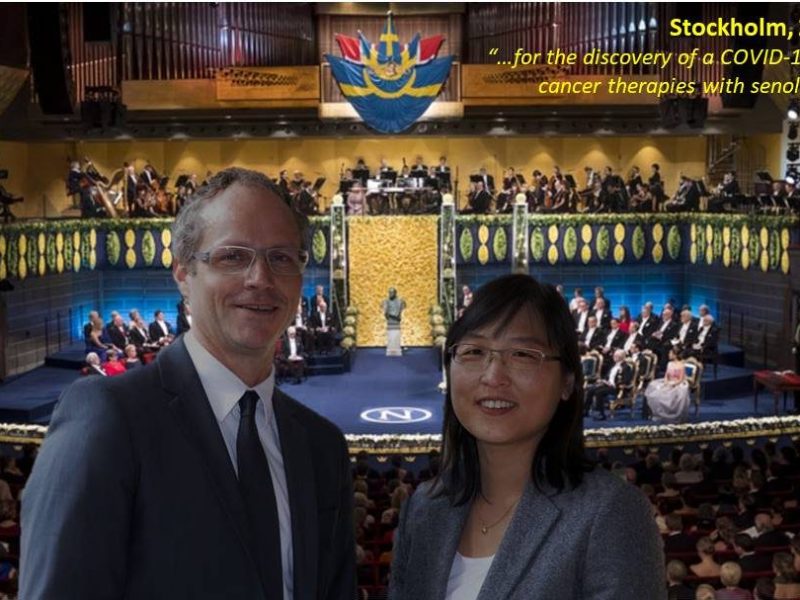
The conflicts of interests inform that the authors patented their Klotho (KL) therapy:
“The Regents of the University of California, Yale University and Unity Biotechnology have applied for a provisional patent application ‘Methods for improving cognition’ (inventors [Dena Dubal, Yan Poon, Kenneth Greenberg, Nathaniel David, Shweta Gupta and Graham Williams]) involving KL. [Stacy A. Castner, Tom Boone , Mark Baxter , Williams and Dubal] consulted for Unity Biotechnology. D.B.D. consulted for SV Health Investors. [Greenberg, Poon, David and Dubal] hold stock in Unity Biotechnology. [Poon & David] founded Jocasta Neuroscience to continue development of KL therapeutics.”
Basically, all the relevant authors are investors of David’s Unity and/or on Unity’s payroll. Obviously all other anti-aging “senolytics” drugs in Unity’s clinical trial pipeline got flushed down the drain for inefficiency, so the next one will be Klotho. Which is is indeed popular with greedy anti-aging scammers, even Marco Ruggiero had a dab:

The Marco Ruggiero Quackopedia
“Ruggiero is an old hand at this plausibly-deniable Tergiversation Tango, having perfected it with his just-asking-questions Antivax AIDS denial-cake, both eating and f**king it.” – Smut Clyde

To prove that Klotho makes old moneys smart, captive macaques were injected with Klotho protein subcutaneously and made to perform tasks.
“The researchers had the monkeys do the task several times over the course of two weeks, and the team saw that even though klotho gets broken down by the body within a couple days of injection, the cognitive-enhancing effect lasted the entire time. “The fact that it can be given once and last for two weeks seems great, although we don’t know at this point whether repeated administration would work again,” says Eric Verdin, CEO of the Buck Institute for Research on Aging, who wasn’t involved in the study.”
Verdin is Campisi’s boss, and yes, he has a PubPeer record, the worst stuff with C Roland Kahn.
C Ronald Kahn and The Problem of Irreproducible Bioscience Research
“not everyone in the research community accepts that the problem requires such attention; some believe it is overblown.” -Jeffrey Flier, emeritus dean of Harvard Medical School
Now you see why scientists demand for invasive primate research to continue. It is much needed to generate such trash papers to woo their investors. Because science is first and foremost a business.
Inherited from Neanderthals
A press release by the Karolinska Institutet in Stockholm, Sweden:
“Many men in northern Europe over the age of 60 suffer from the so-called Viking disease, which means that the fingers lock in a bent position. Now researchers at Karolinska Institutet, together with colleagues, have used data from over 7,000 affected individuals to look for genetic risk factors for the disease. The findings, which have been published in Molecular Biology and Evolution, show that three of the strongest risk factors are inherited from Neanderthals. […]
The researchers in the study, led by Hugo Zeberg from Karolinska Institutet and Svante Pääbo from Max Planck Institute for Evolutionary Anthropology, set out to investigate whether genetic variants inherited from Neanderthals are involved in the disease. […]
“Since Dupuytren’s contracture is rarely seen in individuals of African descent, we wondered whether gene variants from Neanderthals can partly explain why people outside of Africa are affected”, says Hugo Zeberg, assistant professor at the department of Physiology and Pharmacology, Karolinska Institutet.”
Zeberg is the protege of the 2022 Nobel Prize laureate and mega-bigwig of the Neanderthal research, Svante Pääbo, Max-Planck Institute director in Leipzig, Germany.

Svante Pääbo: Nobel Disease before Nobel Prize
Svante Pääbo, the father of paleogenomics, went funny before his Nobel Prize.
This is the paper:
Richard Ågren, Snehal Patil, Xiang Zhou, FinnGen. , Kristoffer Sahlholm, Svante Pääbo, Hugo Zeberg Major Genetic Risk Factors for Dupuytren’s Disease Are Inherited From Neandertals Molecular Biology and Evolution, (2023) doi: 10.1093/molbev/msad130
From the press release:
“The researchers used data from three large clinical cohorts in the US, UK, and Finland, which allowed them to compare the genomes of 7,871 sufferers and 645,880 healthy controls. They identified 61 genetic risk factors for Dupuytren’s contracture. The researchers found that three of these were inherited from Neanderthals, and these included the second and third most important risk factors.”
Wow. This kind of correlation-fishing is what students get shouted at for. But it’s different for Nobelists.
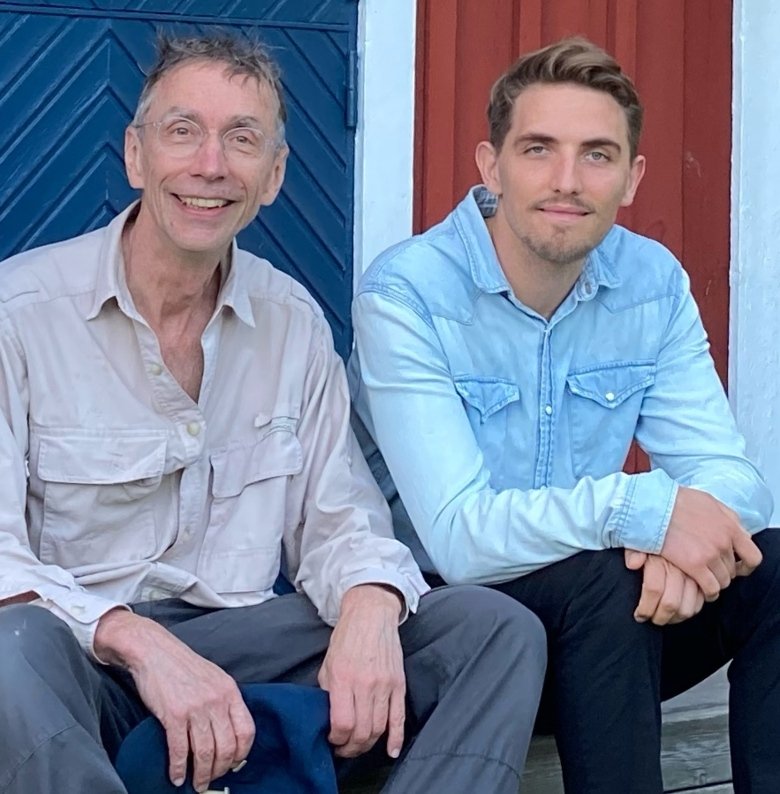
Previously, Pääbo and Zeberg proved in Nature that Neanderthal genes are also responsible for COVID-19 susceptibility, and also for “type 2 diabetes, Crohn’s disease, lupus, biliary cirrhosis, and smoking behavior“. And in another paper they proved Neanderthal heritage for higher pain sensitivity of white Europeans compared to Black Africans (yes, ugh indeed).
But this new discovery of yet another disease to blame Neanderthals for ended up in an less prominent journal. Why? Did Nature and other elite journals categorically refuse to publish it? I guess the editors of Molecular Biology and Evolution couldn’t say no to a Nobel Prize laureate.
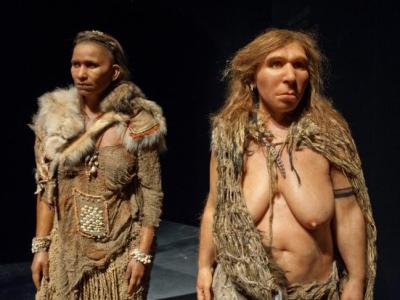
Dirty diseased Neanderthals
Who brought us COVID-19? The Neanderthals. The susceptibility to the SARS-CoV2 coronavirus, but also to diabetes, obesity, allergies, skin diseases, smoking and autism all happened because your great-[…]-great-grandfather could not keep his todger in his trousers many thousands of years ago.
Industry Giants
FDA-compliant, IRB-approved, and NIH-registered
A US stem cell quack company first charged patients with vision problems $20k and then made them completely blind, as MedPage Today reports:
“MD Stem Cells (then known as Retina Associates of South Florida), a business run by ophthalmologist Jeffrey Weiss, MD, and former ophthalmologist Steven Levy, MD […] purports to treat a wide array of conditions with adult bone marrow-derived stem cells — everything from degenerative eye diseases and paraplegia to neurological conditions including dementia, amyotrophic lateral sclerosis (ALS), and autism.
On top of that, the treatments are pitched as being part of a clinical trial, one that patients shell out as much as $20,000 to participate in. […]
Weiss and Levy assert that their stem cell treatments are done as part of “FDA-compliant, IRB-approved, and NIH-registered studies.” Yet all three points can be debated. […]
As for the quality of the trials and their contributions to stem cell science, MD Stem Cells’ first eye treatment trial, SCOTS, lists its enrollment at 300, but there are no papers on the collective group results. Listed results for SCOTS and its second iteration, SCOTS II, are generally small-group case studies, though some include up to 17 patients.
All of the MD Stem Cells trials listed on ClinicalTrials.gov are open-label, meaning there’s no formal control group. Indeed, in press release, the company has played up the appeal of a non-controlled study: with no placebo group, every patient gets to try the treatment.”
The victims are planning to sue the owners of MD Stem Cells. And what about the governmental oversight?
“The FDA has filed three high-profile cases against stem cell companies, winning two of them. The agency won its case against Regenerative Sciences in 2014, and against U.S. Stem Cell in 2019.
Last year, however, a federal judge ruled that stem cell treatments from another company, California Stem Cell Treatment Center, were exempt from FDA regulation, as they weren’t the same as pharmaceuticals. Knoepfler wrote on his blog that the decision might embolden other stem cell companies.”

Requiem for Celixir
How the Nobel Prize winner Sir Martin Evans and the lying crook Ajan Reginald almost succeeded, were it not for Patricia Murray.
News in Brief
Dear readers, there won’t be any News in Tweets anymore because of Elon Musk. The Musk Twitter now blocks all viewing access for unregistered users. This means, those of you without a Twitter account can’t see the embedded tweets anymore. But who needs them. Now it’s News in Brief, same thing but without the tweets.
- El Pais reports (Google-translated): “After almost 80 days of general silence in the affected Spanish institutions, the Royal Academy of Sciences has “unmitigatedly” condemned the Saudi plot dedicated to paying Spanish scientists to cheat in the ranking of the best universities in the world. “In science, as in any other human activity, not everything goes. Ethical behavior towards oneself, colleagues and society must govern scientific work,” the academy warned in a statement released on Tuesday.” The same Royal Academy previously viciously defended Spain’s fraudster saint, St Carlos of Oviedo (Carlos Lopez-Otin) and lashed out against his critics and against retraction-issuing journals. Now these old pompous hypocrites are investigating: “In addition to the chemist Damià Barceló, four other CSIC scientists have declared that they work in Saudi Arabia: the microbiologist Francisco Tomás Barberán , former director of the Segura Center for Pedology and Applied Biology, in Murcia; physicist Andrés Castellanos , from the Institute of Materials Science, in Madrid, and recent winner of the National Research Award for Young People; the biologist Pedro Rodríguez Egea , from the Institute of Plant Molecular and Cellular Biology, in Valencia; also a biologist Roberto Fernández Lafuente , from the Institute of Catalysis and Petrochemistry, in Madrid.” Pedro Rodriguez? We know him!
Científicos al borde de un ataque de nervios
Dead men don’t talk. A dead colleague, especially a foreigner, is a perfect scapegoat to blame for fake data in your papers. And in your own PhD thesis.
- The Fire reported on 7 June 2023: “On March 5, Mayo Clinic suspended professor Michael J. Joyner without pay. Why? Because he spoke to the press, which isn’t unusual for him. […] when Joyner made comments about convalescent plasma treatments for COVID-19 and sports performance research to CNN, The New York Times, and other media outlets, Mayo Clinic claimed he “failed to communicate in accordance with prescribed messaging.” According to administrators, that “reflect[ed] poorly on Mayo Clinic’s brand and reputation” and “caused the institution to question whether … [he is] able to appropriately represent Mayo Clinic in media interactions.” Yes, Mayo Clinic apparently sells convalescent plasma treatment for COVID-19, but the confusing bit is: Joyner has been promoting it since early in the pandemic and even now! See for example his STAT news op-ed from February 2023 (with Nigel Paneth and Arturo Casadevall)

The Redemption of Arturo Casadevall
Arturo Casadevall is probably the most recognized expert for research integrity, author of many peer reviewed papers on that topic. But now his own publications on microbiology and immunity are under scrutiny.
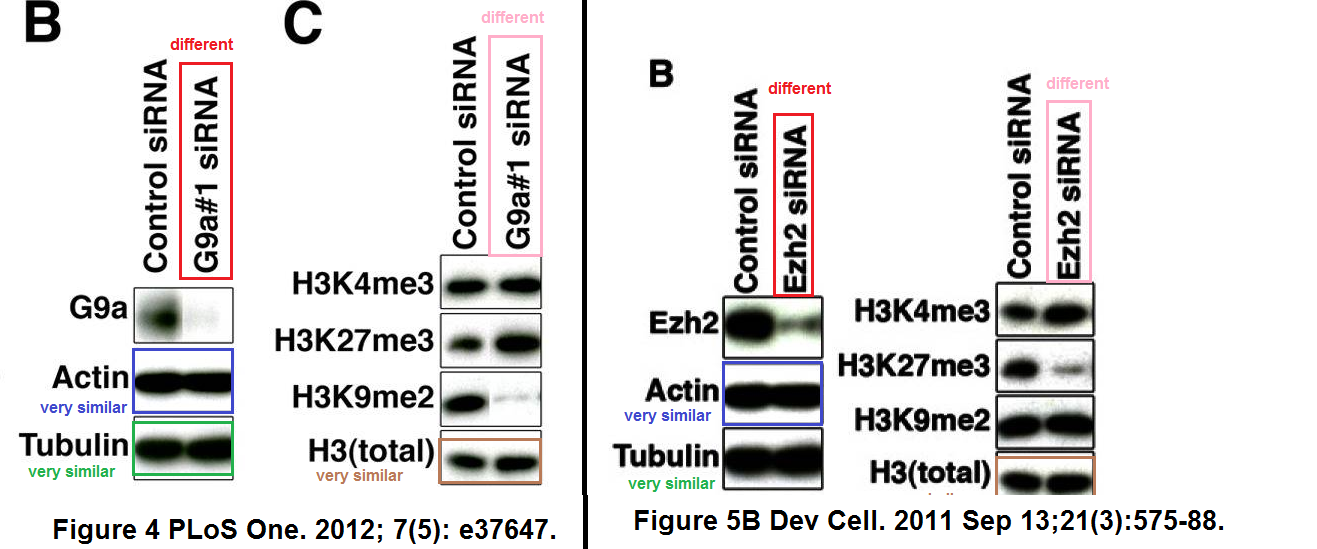
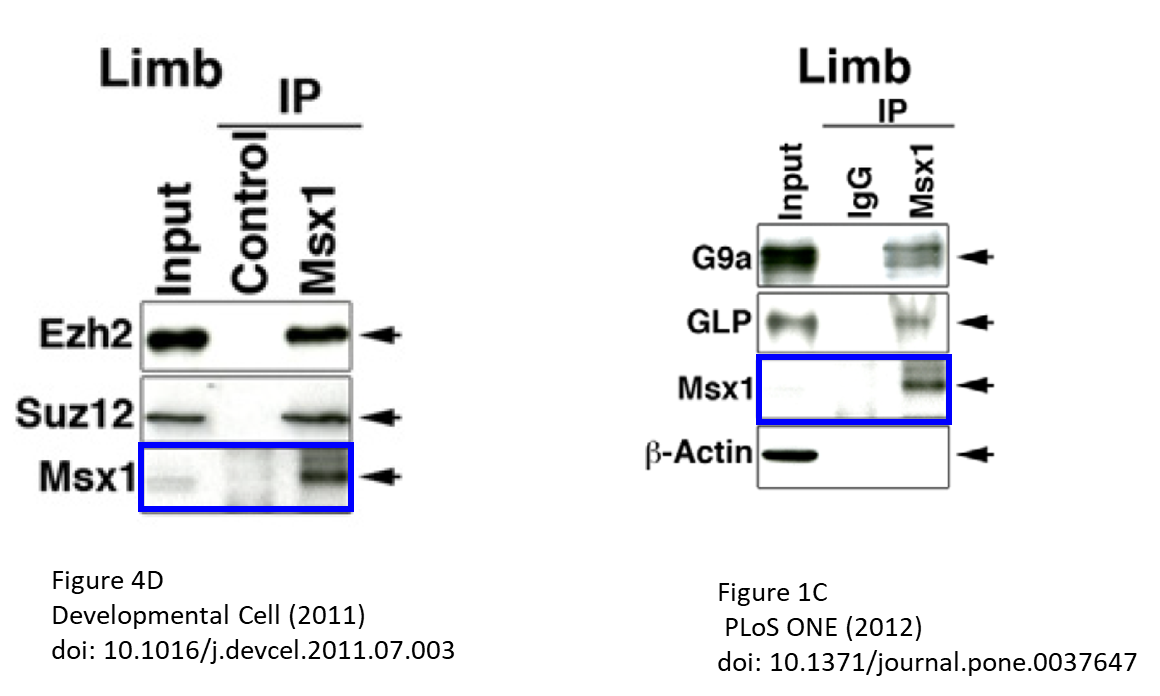
- PLOS One retracts a paper by Cory Abate-Shen, Professor of Pathology at Columbia University, USA (Wang & Abate-Shen The MSX1 homeoprotein recruits G9a methyltransferase to repressed target genes in myoblast cells PLoS ONE (2012) doi: 10.1371/journal.pone.0037647). In May 2023, Abate-Shen stated on PubPeer that the raw data was unavailable and “We have reached out to the journal to request that they provide an editors note; however, the journal has been unresponsive after several months of repeatedly trying to reach them.” The retraction from 5 July 2023 listed no less than 12 instances of image duplication. Abate-Shen has more problematic papers on PubPeer, some authored with her husband and fellow Columbia University professor Michael Shen. Some papers were already corrected or received editor’s notes.
- Retraction for the Italian cancer researcher Susanna Scarpa from University La Sapienza in Rome, and her rotten PhD mentees Ludovica Taglieri and Francesca De Iuliis (read about this case in earlier Friday Shorts) The retraction for (Taglieri, De Iuliis, Giuffrida, Giantulli, Silvestri, Scarpa Resistance to the mTOR inhibitor everolimus is reversed by the downregulation of survivin in breast cancer cells Oncology Letters (2017) doi: 10.3892/ol.2017.6597 ) arrived merely one month after the PubPeer evidence appared. The retraction note from 3 July 2023 referenced “a concerned reader” and stated: “After having conducted an independent investigation of these figures in the Editorial Office, the Editor of Oncology Letters has decided that this paper should be retracted from the Journal on account of a lack of confidence in the presented data. The authors were asked for an explanation to account for these concerns, but the Editorial Office did not receive a satisfactory reply.“


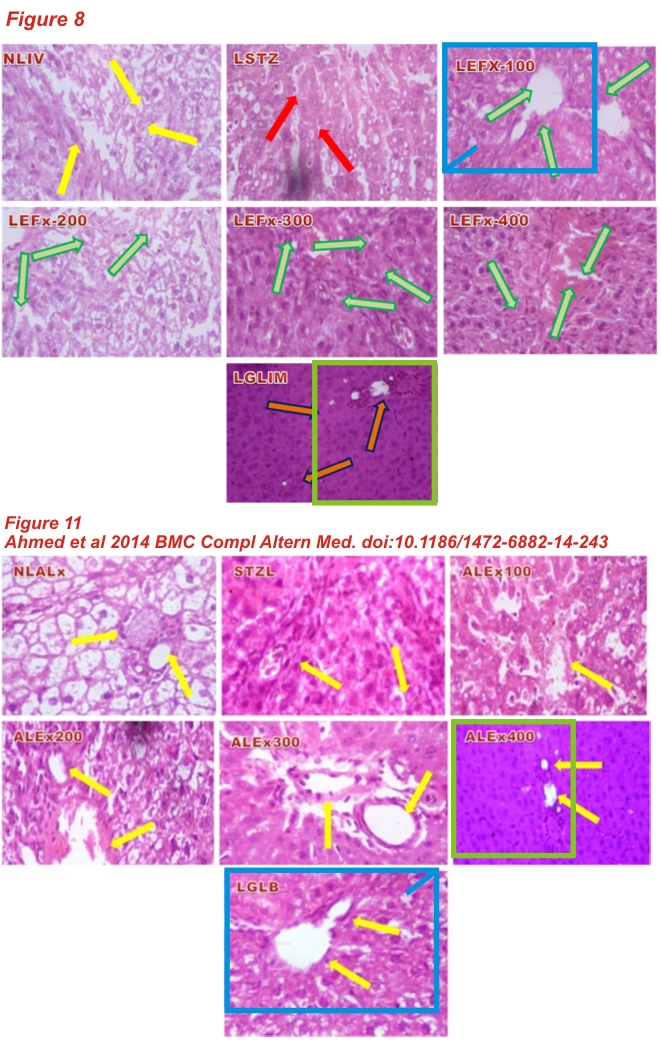
- Retraction for the Indian Ayurveda cheater Danish Ahmed (see PubPeer and article below). The affected paper (Ahmed, Kumar , Verma , Shukla , Sharma Antidiabetic, antioxidant, antihyperlipidemic effect of extract of Euryale ferox salisb. with enhanced histopathology of pancreas, liver and kidney in streptozotocin induced diabetic rats SpringerPlus (2015) doi: 10.1186/s40064-015-1059-7) was flagged on PubPeer in October 2021 and retracted on 1 July 2023: “Concerns were raised about a number of the images presented in Figs. 2, 10 and 11. The authors provided raw data; however, as there were inconsistencies in these data the Editor no longer has confidence in the results and conclusions presented. In addition, the authors have not provided evidence of appropriate ethical oversight of this study. Vikas Kumar disagrees with this retraction. Danish Ahmed, Amita Verma, Girja Shankar Shukla and Manju Sharma have not responded to correspondence from the Editor about this retraction.”

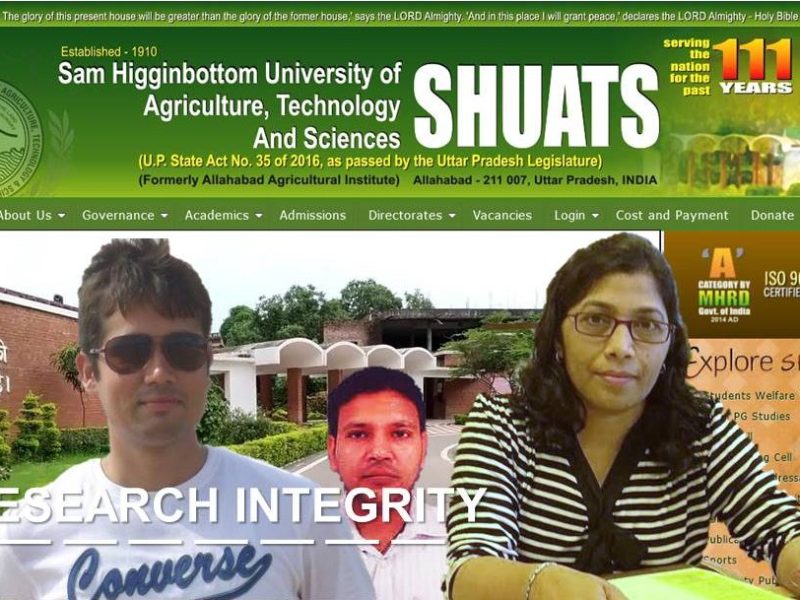
The curative plant extracts from Allahabad
Meet Danish Ahmed and other members of the Sam Higginbottom gang. I am not making those names up.
- The surprising benefits of being a Frontiers editor is that someone writes your editorials and publishes them without your input or even knowledge. Maybe also handles and peer-reviews papers in your name, all behind your back. As it happened to Carolin Charlotte Wendling, ecology professor at ETH Zürich in Switzerland, editor of a Frontiers special issue, and apparently author of this editorial (Sekyere, Kerdsin, Chopjitt, Wendling Editorial: Community series – characterization of mobile genetic elements associated with acquired resistance mechanisms, volume II Frontiers in Microbiology (2023) doi: 10.3389/fmicb.2023.1230730). Wendling protested on Twitter and on PubPeer: “I had been contacted by the journal in June 2022 and asked if I’d be interested in co-editing a Research Topic on “Characterisation of Mobile Genetic Elements Associated with Acquired Resistance Mechanisms”. I emailed them back and asked for more information which I was given. I had no more contact with the journal regarding this issue since then. I did not see this editorial prior submission, I was never in contact with any of the other authors, I did not approve of the editorial and was not made aware by the journal and found only out via research gate.”

I thank all my donors for supporting my journalism. You can be one of them!
Make a one-time donation:
I thank all my donors for supporting my journalism. You can be one of them!
Make a monthly donation:
Choose an amount
Or enter a custom amount
Your contribution is appreciated.
Your contribution is appreciated.


“The story of Hwang Woo-suk, a South Korean scientist who gained notoriety for claiming to clone human embryos, provides clues. […]”
From the Daily Telegraph’s court reporting:
https://www.telegraph.co.uk/news/uknews/1512377/I-didnt-clone-Dolly-the-sheep-says-prof.html
Turns out that the person widely credited with cloning Dolly the Sheep gave 66% of the credit to somebody else while he was sitting in the witness box.
LikeLike
I learn now from Leonid that that cheater of Pedro Rodriguez Egea gets money from the Saudis.
I digged out an old email from Rodriguez to Leonid, where the former stated:
“…Grants and promotions. Ok, in my case grants serve mostly to pay salaries (not mine). I am the only PI in my group, so people rely on new grants to maintain positions. Students and postdocs also get
promotions when they publish papers, so I have to check as well that pressure for publications does not lead to irreproducible results. My salary (32 years in science) is now 2-fold a postdoc salary (surprised? far from European standards?). Well, this is Spain, where Science is not a top job, mostly vocational.”
Right, vocational.
LikeLike
“PLOS One retracts a paper by Cory Abate-Shen”
“[T]he journal has been unresponsive after several months of repeatedly trying to reach them.”
Probably because the journal had decided to retract. Also, a journal not responding is not the cause of problematic data. Cory Abate-Shen deploys faulty logic/victimhood.
LikeLike
FYI some fireworks at PubPeer by Wen-Tsao Pan of School of business, Guangdong University of Foreign Studies, Guangzhou, China. He isn’t taking kindly to comments on several of his papers. I assume his posts will be removed, not sure how they made it there in the first place. For example:
https://pubpeer.com/publications/3FDBA83694E83816A871D9B77F7858#4
(Leonid – apologies if the language in the following is not allowed here, these are copy/pasted from PubPeer)
“Fuck your modded. Tell me you name? 幹你媽的!有種告訴我你的名字,龜孫子!”
“我詛咒你全家死光光,你生出的孩子沒屁眼 I curse your whole family to die, and the child you gave birth to has no asshole.”
“各位老師大家好,這位不知名人士一再的針對本人論文惡意攻擊,也不知道本人哪裡得罪了他,他一直躲在後面不出來面對解釋清楚,此外,這個網站跟他們系統聯絡人聯絡缺一直沒回應,縱容這個學術敗類一再作案,影響本人名譽,請大家不要理會這位敗類,倘若大家能幫忙揪出這位毀我名譽的人是誰,我願意出5萬人民幣給您當酬勞,共同遏止匿名黑函事件,影響學術界聲譽的事發生,謝謝大家! Hello, teachers. This unknown person has repeatedly maliciously attacked my thesis, and I don’t know where I offended him. He has been hiding behind and can’t come out to explain clearly. In addition, this website has not responded to the lack of contact with their system contacts. It condoned this academic scum to commit crimes repeatedly and affects my reputation. Please ignore this scum. If you can help find out who this person who ruined my reputation is, I am willing to pay you 50,000 yuan as a reward to jointly stop the anonymous blackmail incident and the incident that affects the reputation of the academic community. Thank you!!”
LikeLike
But it’s Schneider who uses disrespectful and inflammatory language! Not Professor Pan!
LikeLike
7th July 2023 retraction Oncogene.
https://www.nature.com/articles/s41388-023-02774-8
LikeLike
Enjoy!
https://www.longevitybiotech.org/about
https://www.longevitybiotech.org/members
https://www.longevitybiotech.org/collaborating-partners
Have a nice weekend!
LikeLike
Ah yes, Verdin is a member. And so is America’s second greatest scientist, David Sinclair.
But where’s America’s greatest scientist, George Church???
An anti-aging scam and Church is not part of it?
LikeLike
That threw me a loop too at first.
Guess he was put off by ‘a global non-profit organization’
LikeLiked by 1 person
” The authors of a November 2002 article (1) and the Journal were notified that image duplication and splicing may exist in western blots included in Figures 5, 6 and 7 of the article. In addition, duplication of western blot bands with those in another paper from the same laboratory were noted.
Due to the length of time since the original publication and the current unavailability of the original gels, the authors have decided that retraction of the article is the best course of action (not every author was able to be contacted). The authors state that they remain confident that the conclusions of the article are valid.”
I am sure the author of the fake Hitler diary was also confident that the conclusions remain valid.
LikeLike
Wow, rector Cuzzocrea has an impressive track record of recycled images on Pubpeer:
https://pubpeer.com/search?q=Salvatore+Cuzzocrea
LikeLike
2 retractions for Leo Otterbein, Harvard,
https://www.bidmc.org/research/research-by-department/surgery/transplant-surgery/leo-otterbein/leo-otterbein-lab
http://retractiondatabase.org/RetractionSearch.aspx?AspxAutoDetectCookieSupport=1#?AspxAutoDetectCookieSupport%3d1%26auth%3dOtterbein%252c%2bLeo%2bE
yet, nothing at all the matter with this publication in FASEB J.
.https://pubpeer.com/publications/3047BD7A42742A62F0FCEEFFC322F3
LikeLike
“Jordi Muntané , a very questionable liver cancer researcher from Spain, started to post “raw data” on PubPeer to oppose the allegations of gel band duplications. ”
25 April correction for Jordi Muntané.
https://onlinelibrary.wiley.com/doi/10.1111/liv.15576
In the article by Fouad et al,1 it has come to the authors’ attention that the bands were erroneously extracted from the original EMSA when preparing Figure 5.
Correction for
Role of NF-κB activation and nitric oxide expression during PGE1 protection against d-galactosamine-induced cell death in cultured rat hepatocytes
Dalia Fouad, Emilio Siendones, Guadalupe Costán, Jordi Muntané
Volume 24Issue 3Liver International pages: 227-236 First Published online: June 9, 2004
Pubpeer comments:
https://pubpeer.com/publications/70637A20B234AFAEB9AEEC831B38D4#null
Correction of figure 5 does not address figure 3B.
https://pubpeer.com/publications/70637A20B234AFAEB9AEEC831B38D4#1
LikeLike
Free Radic Res. 2007 Jan;41(1):50-61. doi: 10.1080/10715760600943918.
S-Nitrosation of proteins during D-galactosamine-induced cell death in human hepatocytes
Laura M López-Sánchez 1, Juan A Collado, Fernando J Corrales, Pedro López-Cillero, José L Montero, Enrique Fraga, Juan Serrano, Manuel De La Mata, Jordi Muntané, Antonio Rodríguez-Ariza
Affiliation
1Liver Research Unit, Hospital Universitario Reina Sofía, Córdoba, Spain.
PMID: 17164178
DOI: 10.1080/10715760600943918
Figure 3. Much more similar than expected.
LikeLike
Correction for Jordi Muntané.
https://www.ncbi.nlm.nih.gov/pmc/articles/PMC10257207/
The authors regret Fig. 4A of the original manuscript was incorrect. I would appreciate if you would accept to replace by the corrected Fig
The authors would like to apologise for any inconvenience caused
LikeLike