
Zombie fingers inside corroded nano-piecrusts
Smut Clyde is back with more fraudulent nanotechnology. This time, he presents the works of Dhanaraj Gopi, who designs fabricated surfaces for surgical implants. In Photoshop, or with a pencil.
By Leonid Schneider, on research integrity, biomedical ethics and academic publishing
Smut Clyde is back with more fraudulent nanotechnology. This time, he presents the works of Dhanaraj Gopi, who designs fabricated surfaces for surgical implants. In Photoshop, or with a pencil.
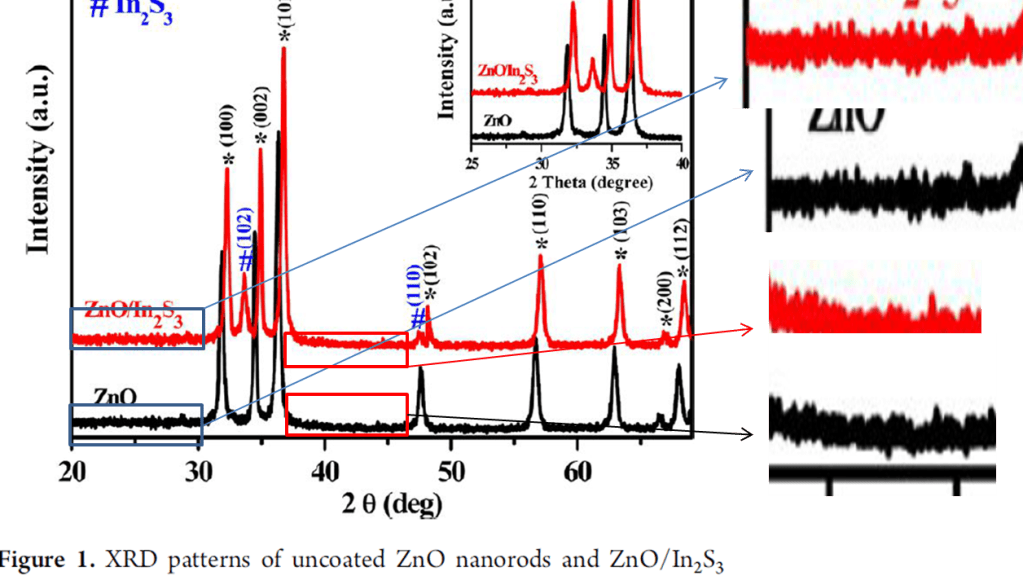
This guest post invites you to join the hunt for fabricated data in your science field of interest. Use Google image search to #CleanYourScience!
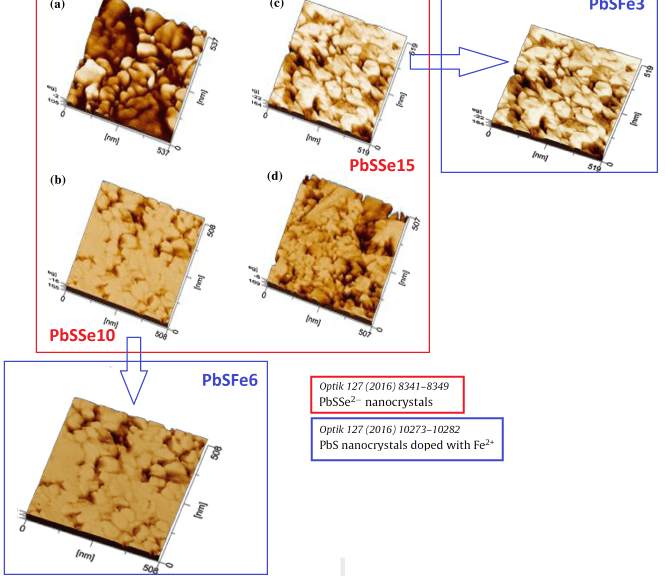
The Mexican potty-mouth Oscar Portillo Moreno dopes nanostructured thin films, or so he says. In reality it is not clear if he ever performed any experiments.

The German Academy of Sciences, Leopoldina, advertises for Ashutosh Tiwari’s predatory conferences. Occasion: Academician Herbert Gleiter won an IAAM Award.

Ashutosh Tiwari and his patron Tony Turner were found guilty of research misconduct by Linköping University. Turner is to be sacked as EiC of his Elsevier journal Biosensors and Bioelectronics, a paper he tried to correct there will be retracted. Meanwhile, Tiwari and his LiU colleague Mikael Syväjärvi started a new business: they offer heart surgeries in India.

Smut Clyde goes nanotechnology again and disagrees with Royal Society of Chemistry and the Chinese authorities on how honest a researcher Mi-Cong Jin is.

Professor Shukla is a bigwig in Indian toxicology because he uses fresh fruit, tea and curry spices to cure cancer. For maximum effect, his lab resorts to fabricating data in Photoshop.
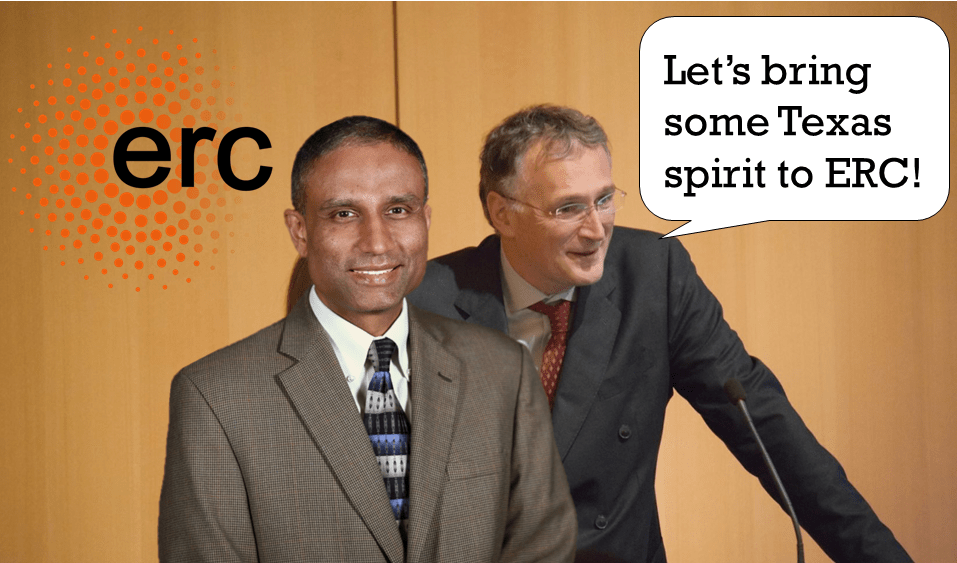
The new ERC President Mauro Ferrari used to closely collaborate with two very controversial cancer researchers at MD Anderson in Texas: Anil Sood and Gabriel Lopez-Beerestein. Will that experience affect ERC’s already wanting stance on research integrity?
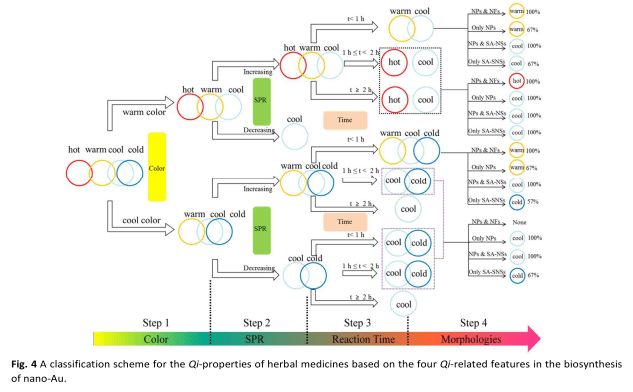
Royal Society of Chemistry published a research paper which unashamedly peddled TCM, under the title: “Probing the Qi of traditional Chinese herbal medicines by the biological synthesis of nano-Au”. Both Editor-in-Chief and publisher executive saw no problem there because the paper passed peer review.
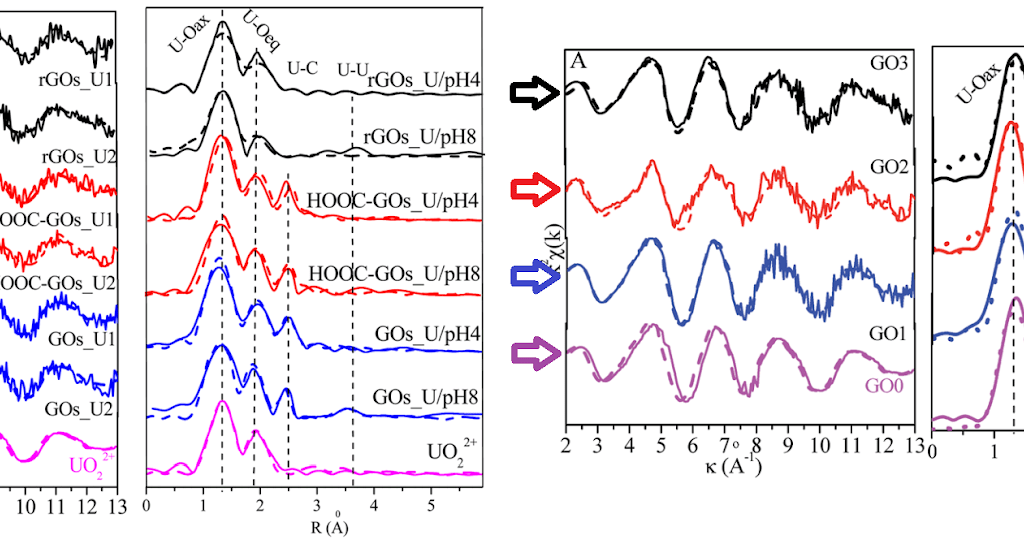
Smut Clyde and TigerBB8 investigate another case of nanotechnology research in China. Connected teams of authors pretended to work on cleaning up the environment of radioactive pollution, and instead released a toxic sludge of fraudulent data and citations.

 For Better Science