Preprinters of the World Unite
The following is a rant in praise of preprints. I blog of usefulness of preprints, open science and open access, how BioRxiv works and their Plan U.
By Leonid Schneider, on research integrity, biomedical ethics and academic publishing
The following is a rant in praise of preprints. I blog of usefulness of preprints, open science and open access, how BioRxiv works and their Plan U.
A scientifically subterranean topic at Frontiers leads to a discovery of cheater talents in Poland: a duo of EU-funded nanofabricators from Pakistan. Does any of their papers contain any actual research data, or is it all just made up?
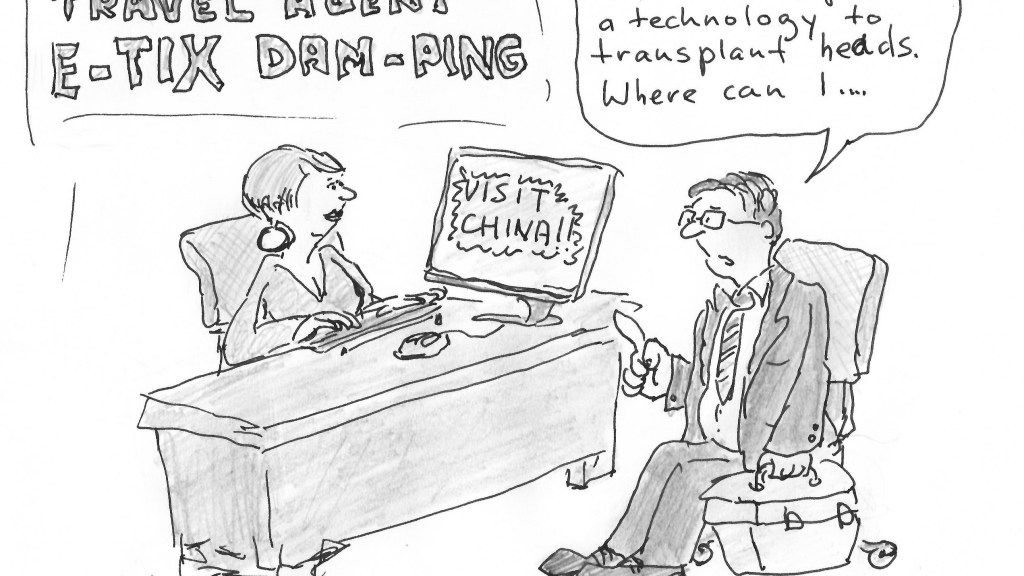
Manipulated data in 17 papers from one cancer research lab in China gets flagged on PubPeer. It ends with the university hospital in Wuhan issuing a secret statement accusing the US pharma giant a Merck of a conspiracy to slander a Chinese Academy member, Dr Ding Ma.
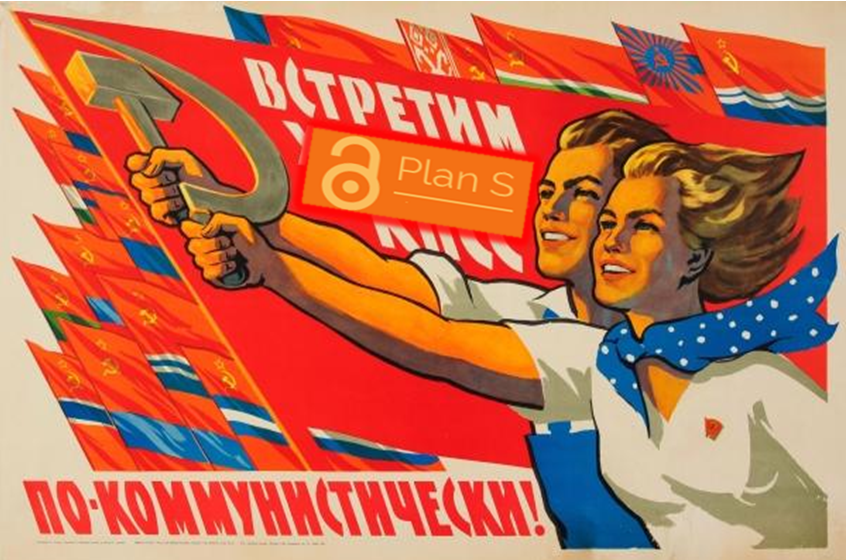
Plan S, designed by the former EU Commissioner Robert-Jan Smits, became a complete and chaotic mess where everyone, including the members of the signatory cOAlition S of research founders, does whatever they want. I learned all that while participating at the Academic Publishing Europe (APE) conference in Berlin, on 15-16 January.
The team around the paediatric oncologist Nabil Ahmed at Baylor College of Medicine in Houston, Texas, discovered a way to engineer T-leukocytes to bypass the blood-brain barrier at attack otherwise untreatable brain cancers. Their amazing technology to get this published in Nature was brazenly insolent data fakery.
Professor Ruben Plentz chose to focus his career on clinical medicine in Bremen, despite his tremendous academic achievements in cancer research. Was it because malicious critics harassed him with frivolous investigations and corrections, envious at all those peer-reviewed cancer cures the great doctor invented?
On 27 December 2018, I received an email from the Italian Office for Protection of Personal Data. A certain Professor Giorgio Zauli has reported me for publishing an official letter his University of Ferrara sent to me on his behalf.
Ariel University is a settlers’ university, located outside of legal Israel borders. What Ariel lacks in academic performance or even official recognition, it makes up in support from right-wing politicians. This post addresses the scientific qualifications of Ariel’s rector Michael Zinigrad. Or the pretence thereof.
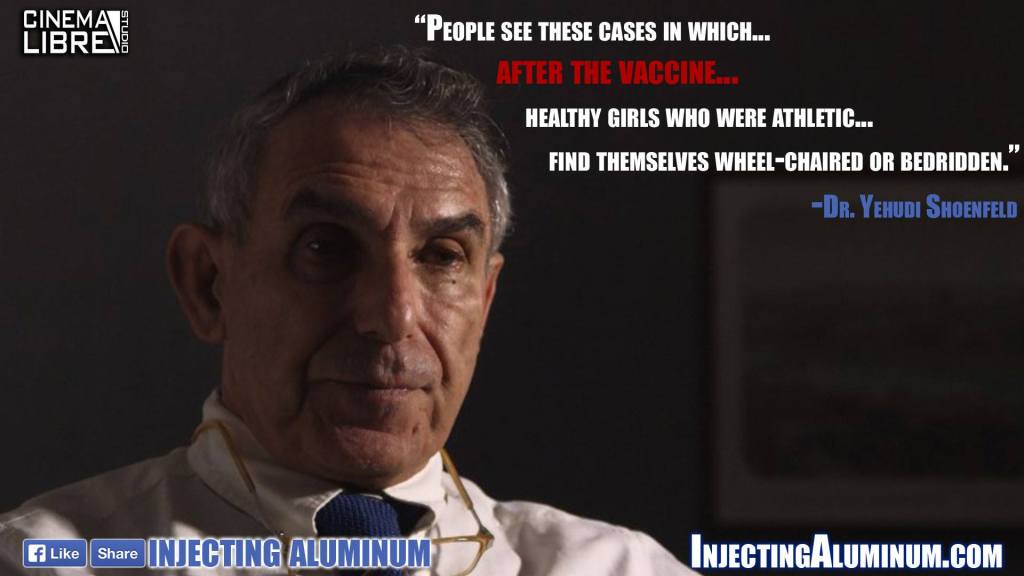
Frontiers is a somewhat unconventional open access publisher, which likes to have it both ways: playing scientific elite while accepting almost anything from paying customers. My regular contributor Smut Clyde will tell you below how some anti-vaccine scare-mongers managed to sneak in some rather dangerous works thanks to Frontiers’ unofficial “we don’t judge, we just charge” quasi-policy.
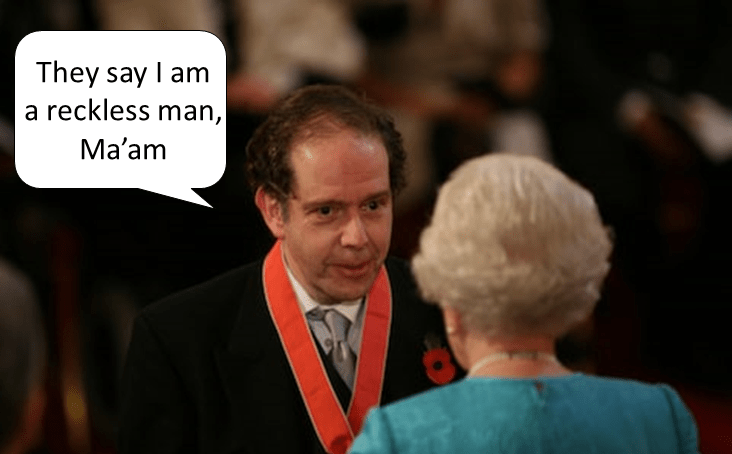
The 2015 Nature Cell Biology paper by the Spanish cancer researcher Carlos Lopez-Otin and his US partner George Q Daley, stem cell titan and dean of Harvard Medical School, is being retracted. First author and Lopez-Otin’s student Clara Soria-Valles caused Daley even more trouble: her next groundbreaking paper was meant to be already published, but it is not even submitted and might never be.