

Schneider Shorts of 16 January 2025 – Italian laser maker caught on patient abuse, Springer Nature solves fraud, ACS cracks down on some Pakistani, two Italian men finally lose a paper, with a PhD student from hell and finally, real men of cardiology trained in Zurich.
Table of Discontent
Science Elites
- A paradox to ponder – what Ulf Landmesser learned from his Swiss mentor
- Losing his job was in itself a form of punishment – a PhD student from hell
Scholarly Publishing
- A reduction in the number of animals suffering – Scientific Reports has special rules for British professors
- Let us know further updates – Springer Nature sends sleuths to enforce copyright
Retraction Watchdogging
- Ethical approval was not required – Italian laser company slapped with retractions
- Authors could not provide a satisfactory response – a setback for Andrea Cerutti and Paolo Casali
- A revolutionary work and a new history – ACS Omega retracts two papers from Pakistan
- After thorough investigation and careful consideration – ACS Omega retracts two more papers from Pakistan
Science Elites
A paradox to ponder
Meet a German superstar of medicine: Ulf Landmesser, professor and head of cardiology clinic at Charité Berlin, and director of the Friede Springer Cardiac Prevention Center at Charité, named after the widow of a rightwing publishing tycoon, Axel Springer.

Cancer at Charité
New season of the popular German TV series, ” Charité”, this time set in the early 21st century! Will Jürgen ever become professor? Will Bernd ever allow science to self-correct? Will Christoph ever catch his mechanical pursuer?

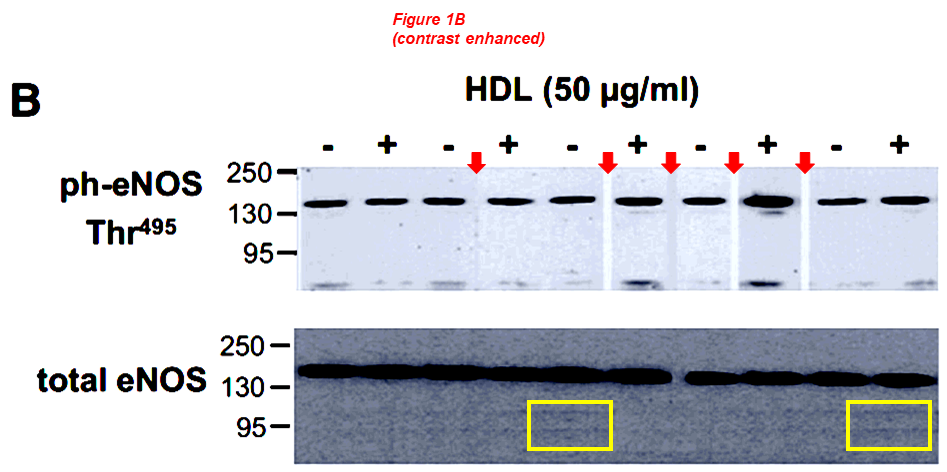
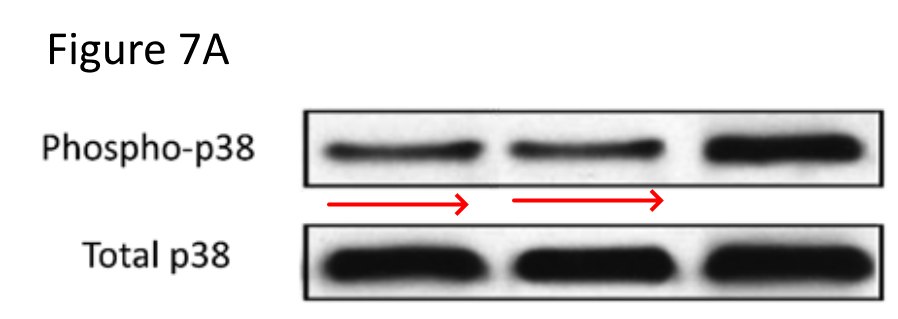
There isn’t that much for Landmesser on PubPeer yet, but what the sleuths posted is quality stuff. And he so far showed no reaction. Let’s start with this:
Volker Adams, Christian Besler , Tina Fischer , Meliana Riwanto , Friederike Noack , Robert Höllriegel , Andreas Oberbach , Nico Jehmlich , Uwe Völker , Ephraim B. Winzer , Karsten Lenk , Rainer Hambrecht , Gerhard Schuler , Axel Linke , Ulf Landmesser, Sandra Erbs Exercise training in patients with chronic heart failure promotes restoration of high-density lipoprotein functional properties Circulation Research (2013) doi: 10.1161/circresaha.113.301684
Now to something even more serious, which brings us to Landmesser’s pre-Charite career in Switzerland:
Christian Besler, Kathrin Heinrich, Lucia Rohrer, Carola Doerries , Meliana Riwanto , Diana M. Shih , Angeliki Chroni, Keiko Yonekawa, Sokrates Stein, Nicola Schaefer , Maja Mueller , Alexander Akhmedov , Georgios Daniil , Costantina Manes, Christian Templin, Christophe Wyss, Willibald Maier, Felix C. Tanner, Christian M. Matter , Roberto Corti, Clement Furlong, Aldons J. Lusis, Arnold Von Eckardstein, Alan M. Fogelman, Thomas F. Lüscher, Ulf Landmesser Mechanisms underlying adverse effects of HDL on eNOS-activating pathways in patients with coronary artery disease Journal of Clinical Investigation (2011) doi: 10.1172/jci42946
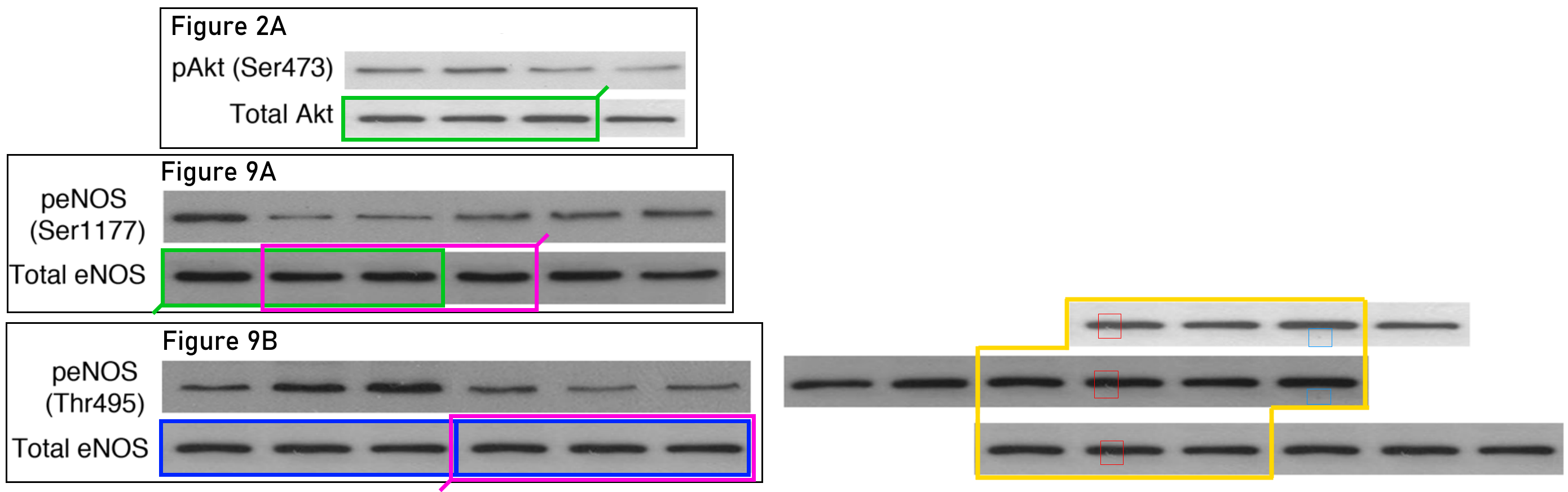

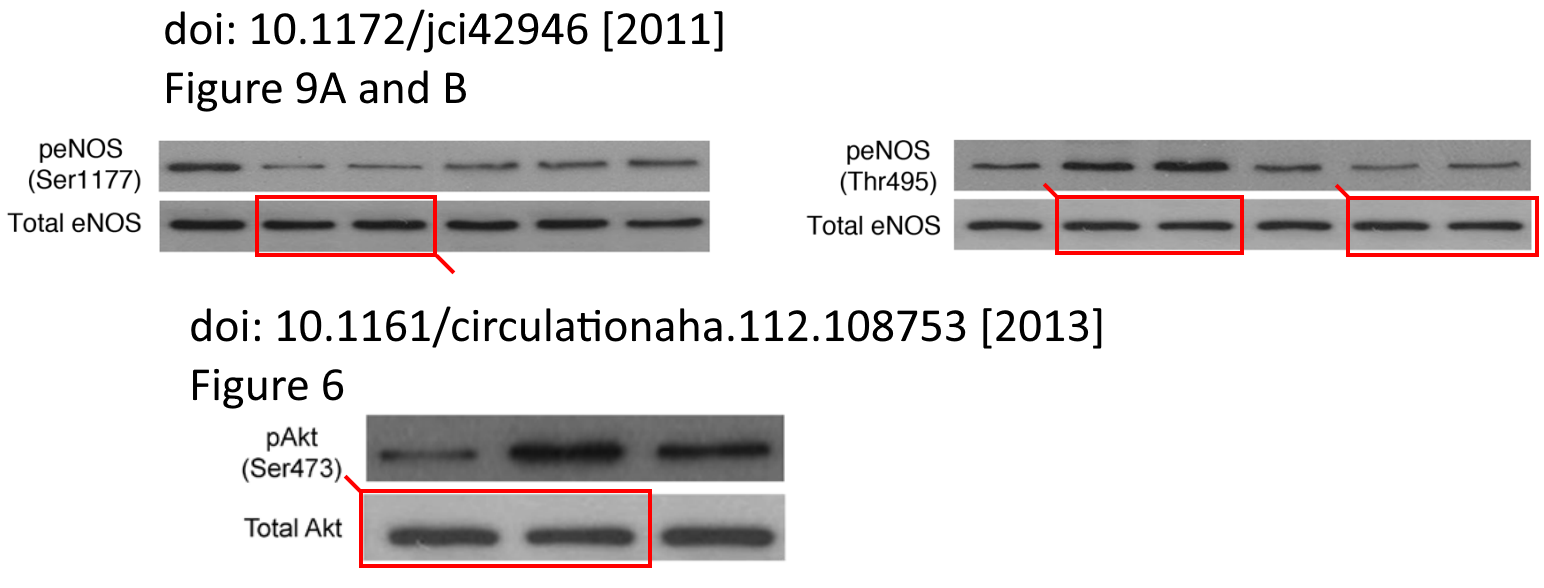
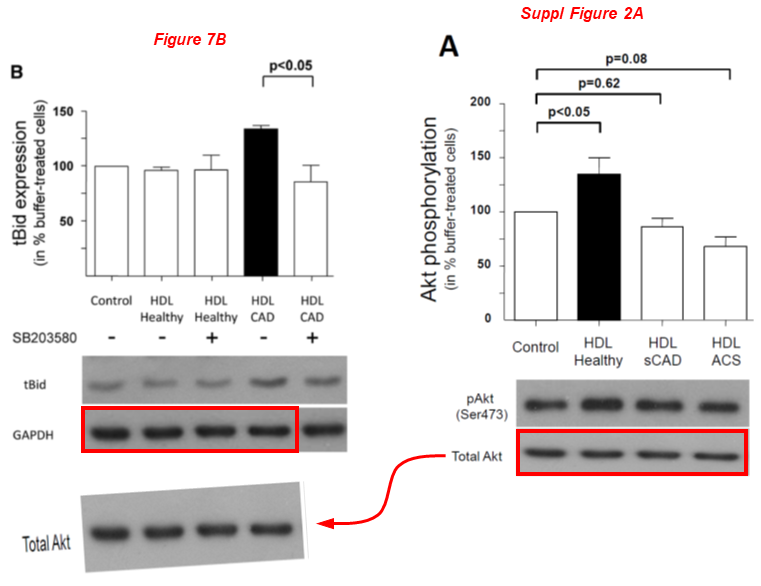
That 2013 paper from Landmesser’s former lab in Zurich has other problems:
Meliana Riwanto , Lucia Rohrer, Bernd Roschitzki, Christian Besler, Pavani Mocharla , Maja Mueller, Damir Perisa, Kathrin Heinrich, Lukas Altwegg, Arnold Von Eckardstein, Thomas F. Lüscher, Ulf Landmesser Altered Activation of Endothelial Anti- and Proapoptotic Pathways by High-Density Lipoprotein from Patients with Coronary Artery Disease Circulation (2013) doi: 10.1161/circulationaha.112.108753
Maybe you noticed a certain coauthor: Thomas Lüscher, Landmesser’s former boss at the University Hospital Zurich in Switzeland. Lüscher is the one who used huge grants from chocolate industry to postulate that dark chocolate prevent heart attack:
Chocolate health: advice by Thomas Lüscher and peer review by Jonas Malmstedt
Christmas season is the time to eat lots of chocolate. And as science teaches us, your confectionery is actually the superfood which will make you healthy, slim and clever. Good for you, good for the chocolate industry which often generously sponsors such scientists. In May 2016, I brought a story about chocolate health research and…
Lüscher’s totally unbiased Wikipedia page educates us about his views on the pandemic (“COVID-19 is ultimately an endothelial disease“) and nutrition: “he concluded that with regard to cardiovascular (CV) health, wine is at best neutral, and only if in moderation; up to four cups of coffee a day might be protective; and chocolate “is a joy for our CV system, if consumed in dark, bitter form”“. The latter was from Lüscher’s interview in The Guardian, based on his opinion paper Lüscher et al 2021 in his own European Heart Journal:

This alpha male of cardiology also published a bizarre German-language paper titled “A paradox to ponder” (Lüscher 2023), where he lamented that doctors nowadays are too spoiled by “work-life balance” to work 24/7 as his generation did, instead those snowflakes complain of “burnout”. Lüscher’s proposed solution to improve work moral and instill “resilience” is “leadership”, i.e. bullying by bosses like himself.
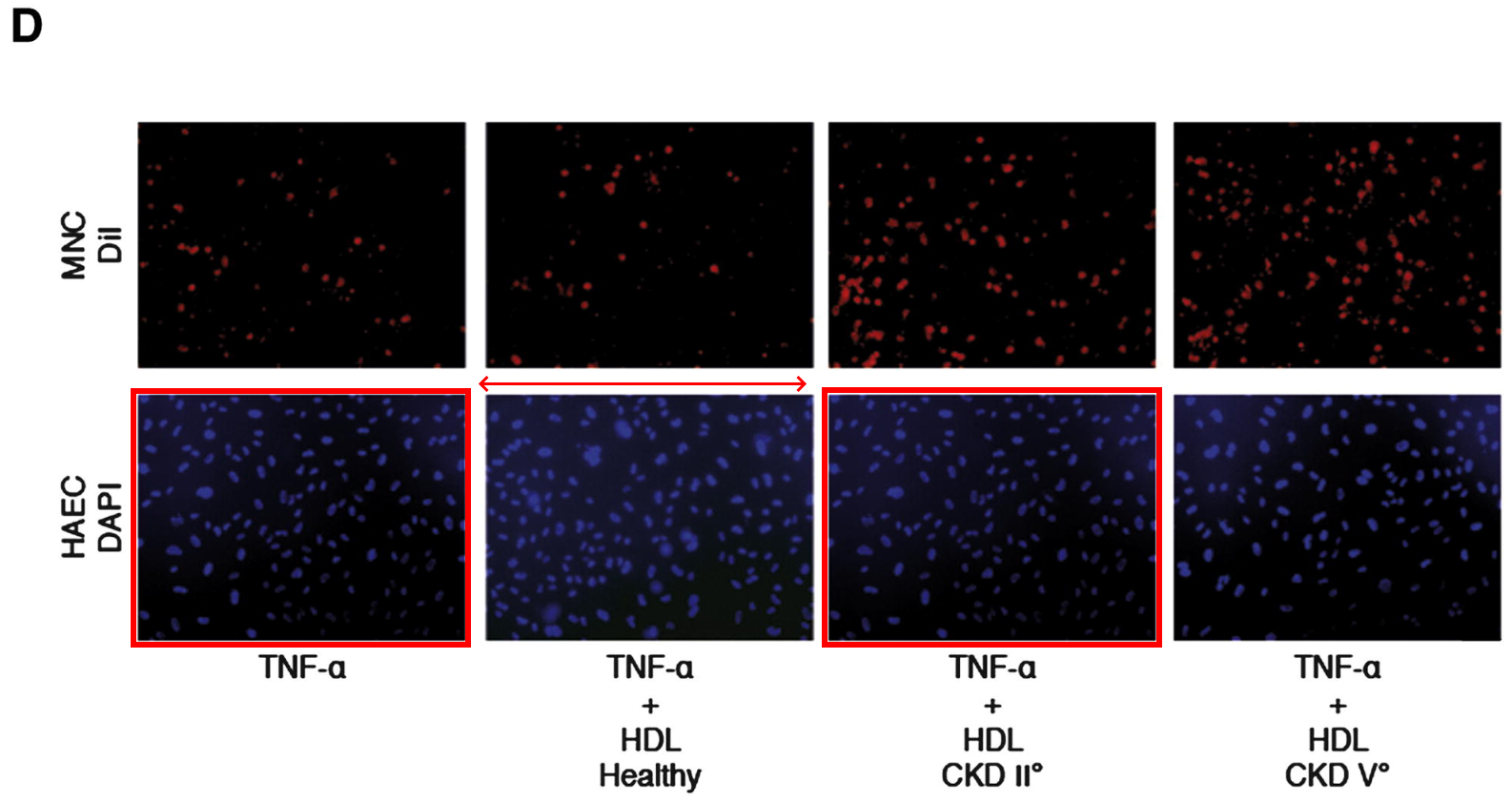
Landmesser obviously made his boss Lüscher very happy, otherwise he wouldn’t be where he is now. Here another paper by Landmesser and Lüscher, is this really just sloppiness:
Thimoteus Speer , Lucia Rohrer , Przemyslaw Blyszczuk , Rukshana Shroff , Kira Kuschnerus , Nicolle Kränkel , Gabriela Kania , Stephen Zewinger , Alexander Akhmedov , Yi Shi , Tina Martin , Damir Perisa , Stephan Winnik , Maja F. Müller , Urban Sester , Gabriel Wernicke , Andreas Jung , Ursula Gutteck , Urs Eriksson , Jürgen Geisel , John Deanfield, Arnold Von Eckardstein, Thomas F. Lüscher, Danilo Fliser, Ferdinand H. Bahlmann, Ulf Landmesser Abnormal High-Density Lipoprotein Induces Endothelial Dysfunction via Activation of Toll-like Receptor-2 Immunity (2013) doi: 10.1016/j.immuni.2013.02.009
In December 2017, Lüscher went to UK (while retaining his centre directorship in Zurich), to become the professor at Imperial College London and Royal Brompton hospital. Here are some other papers of his, with yet another mentee – Firat Duru, who earned himself a cardiology professorship at Lüscher’s Univeristy Hospital Zurich:
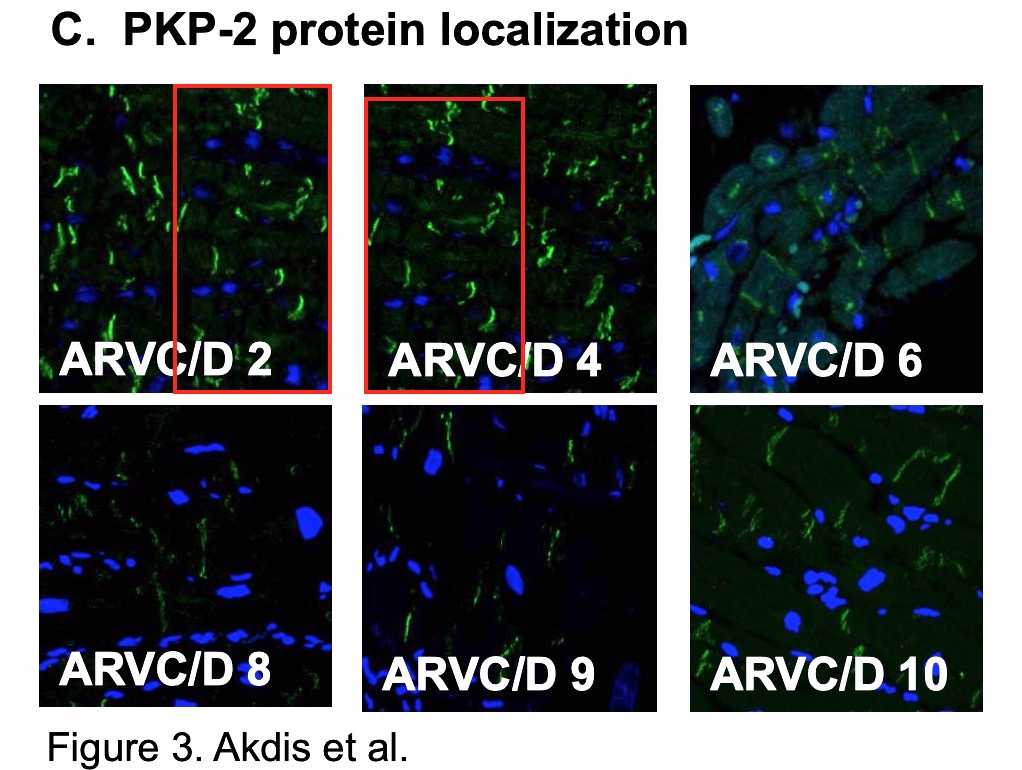
Fig 3
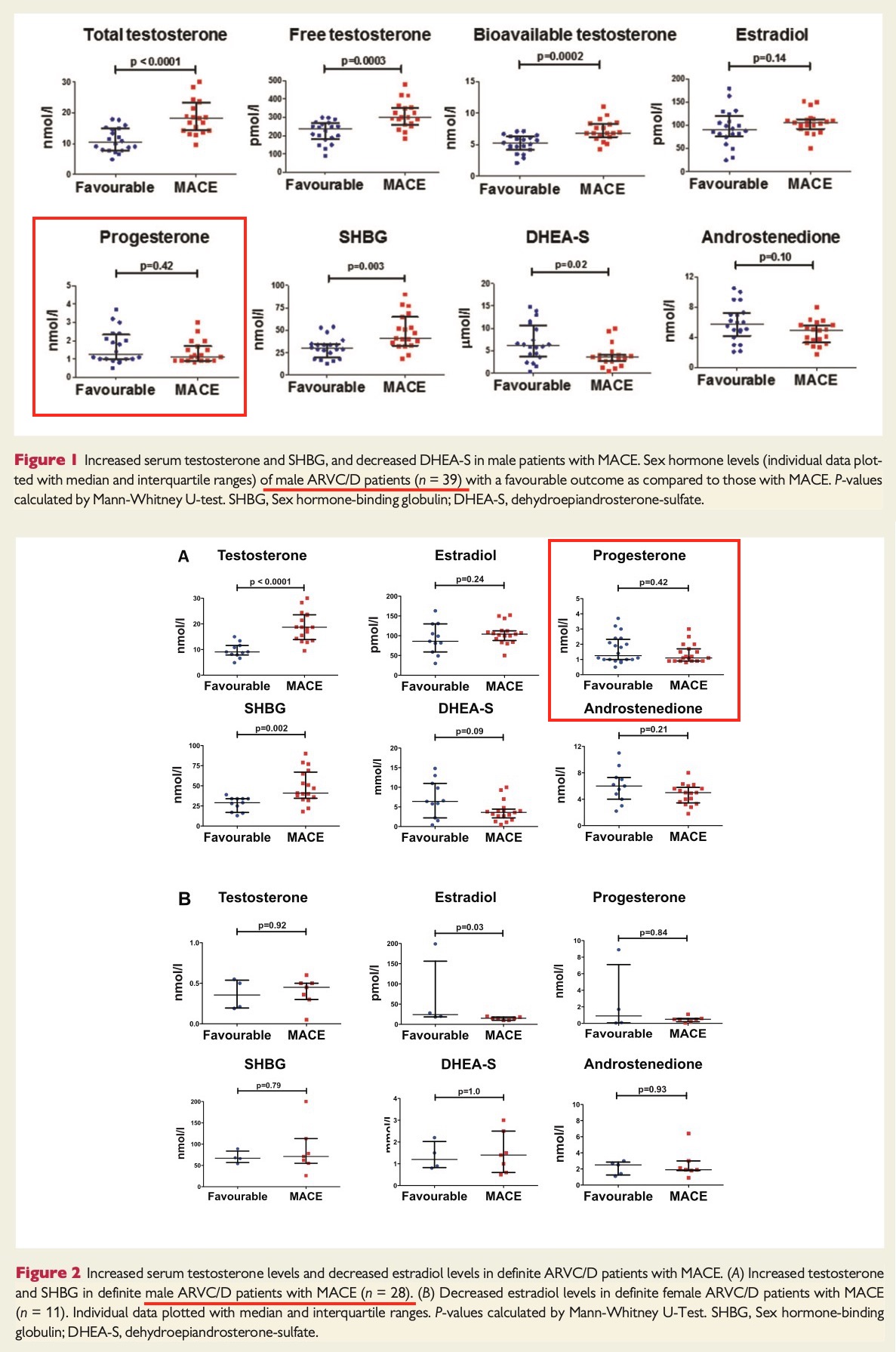
As reminder, Lüscher used to be Editor-in-Chief of European Heart Journal, so expect no action.In this regard, what do you think will this journal do to this paper by Lüscher with a former junior colleague of his at University Hospital Zurich, Francesco Cosentino, now professor at Karolinska Institutet in Sweden? Giannino Del Sal is on board also, and so is a certain Massimo Volpe, professor at Sapienza University of Rome (PubPeer record).
Francesco Paneni , Sarah Costantino , Lorenzo Castello , Rodolfo Battista , Giuliana Capretti , Sergio Chiandotto , Domenico D’Amario , Giuseppe Scavone , Angelo Villano , Alessandra Rustighi , Filippo Crea , Dario Pitocco , Gaetano Lanza , Massimo Volpe , Giannino Del Sal , Thomas F. Lüscher , Francesco Cosentino Targeting prolyl-isomerase Pin1 prevents mitochondrial oxidative stress and vascular dysfunction: insights in patients with diabetes European Heart Journal (2015) doi: 10.1093/eurheartj/ehu179
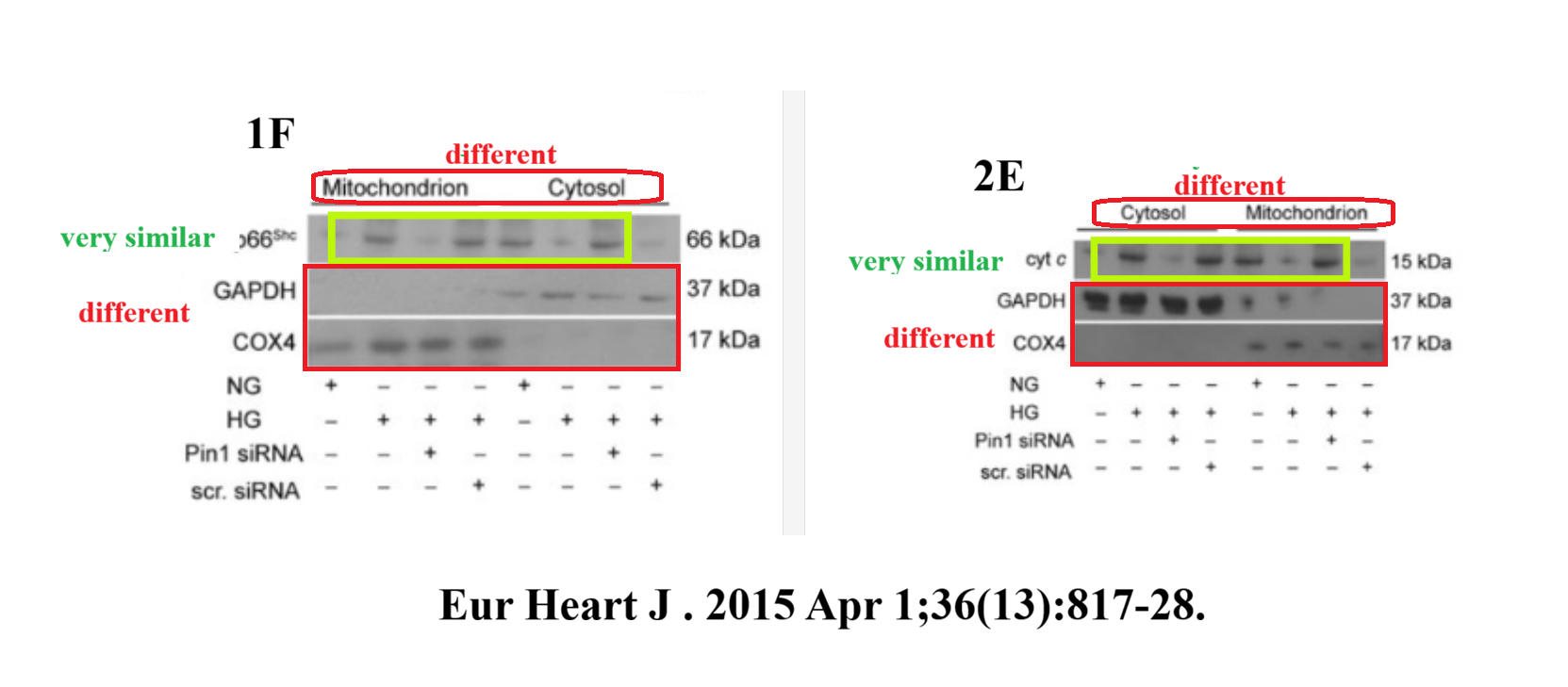
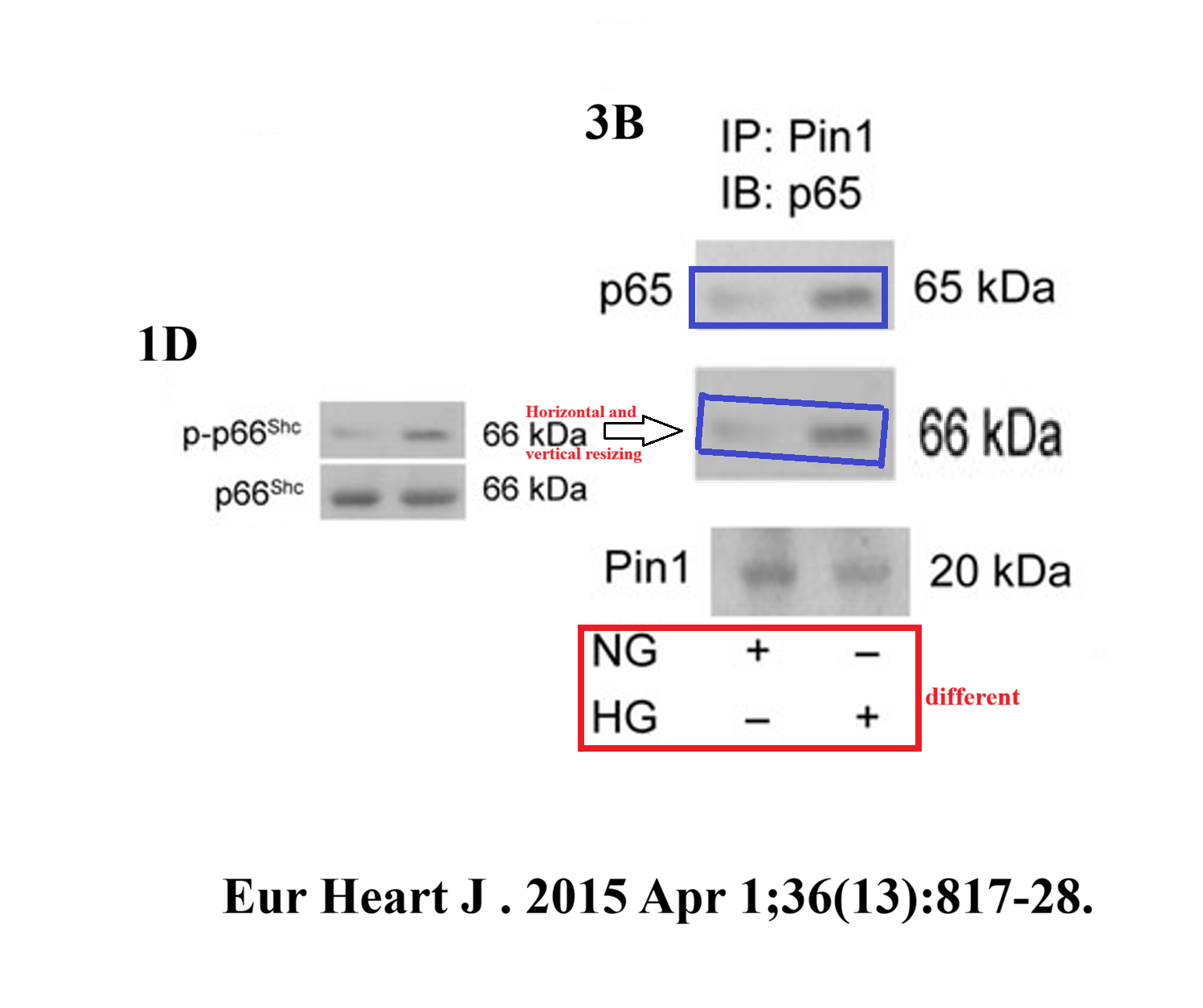
More papers by Lüscher and Cosentino. You might recognise their coauthors: Pier-Giuseppe Pelicci and the legendary mega-fraudster Piero Anversa.
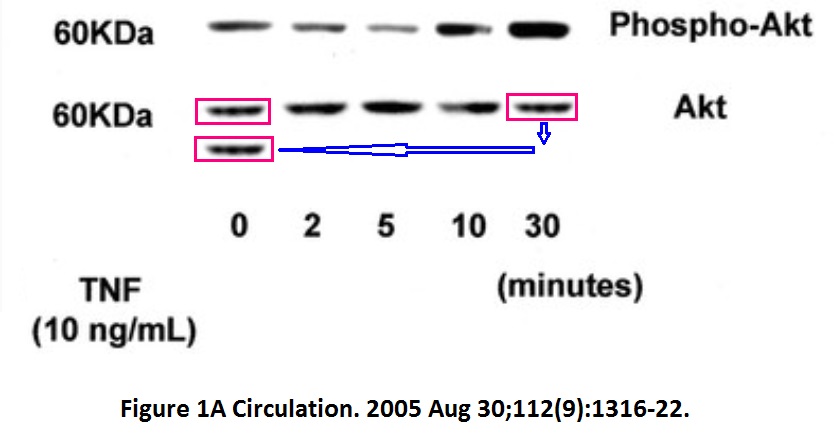
Fig 1A
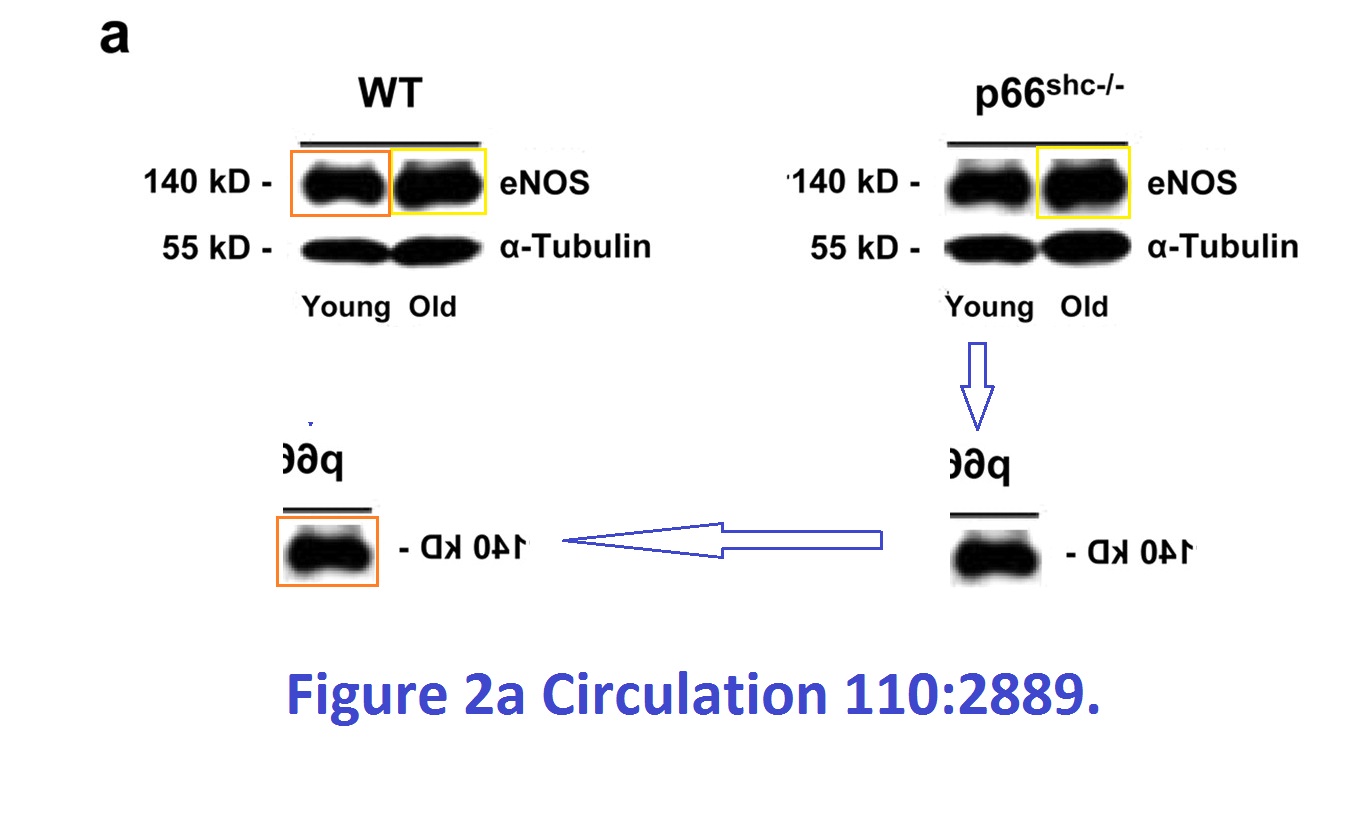
Fig 2a
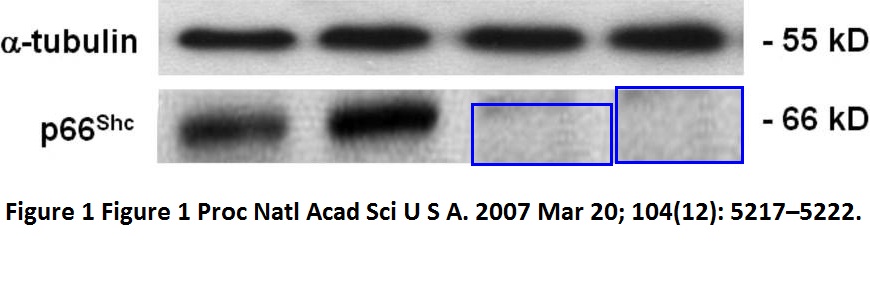
Fig 1
Great men of European cardiology, this lot.
Losing his job was in itself a form of punishment
If you run a research lab, here is a story of a PhD student from hell.
Between 2013 and 2015, Emad Kaky was a PhD student in the lab of Francis Gilbert, professor of ecology at the University of Nottingham in UK. They published a number of papers together, about the Iraqi animals goitered gazelle (Kaki et al 2023), wild goat (Kaky et al 2022) and the crested porcupine (Nolan et al 2022), but also about Egypt’s medicinal plants (Kaky & Gilbert 2016, Kaky & Gilbert 2017, Kaky & Gilbert 2019 and Kaky et al 2020). Gilbert’s lab page declares that Kaky was sponsored by “Kurdish Govt”, presumably by the Kurdish autonomy in Iraq.
But Kaky made headlines not for his studies of Iraqi animals and Egyptian medicinal plants. In 2024, he was convicted in a Nottingham court to 4.5 years imprisonment for conspiring to commit for female genital mutilation (FGM) in a child, and in 2025 his jail sentence was increased to 7 years. Here a UK government press release:
“Emad Kaky, 48, has had his sentence increased after it was referred to the Court of Appeal under the Unduly Lenient Sentence scheme.
The court heard that in June 2019 Kaky arranged for a young girl to travel to Iraq for an FGM procedure and to be forced into marriage.
Kaky’s plans were uncovered by a witness who arranged for the victim to travel back to the UK from Iraq and reported Kaky to the police.
Kaky was convicted of conspiracy to commit FGM and forced marriage.”
I wondered if someone used Kaky’s research publication record to defend him, and yes, his lawyer did, as quoted by The Guardian:
“The defence barrister Geraldine Kelly told the court Kaky’s academic accomplishments as a PhD student at the University of Nottingham were “respected” and “impressive”, and that losing his job was “in itself a form of punishment”.
The University of Nottingham said Kaky was a visiting scholar when the offences came to light.”
Scholarly Publishing
A reduction in the number of animals suffering
Scientific Reports corrected two papers. They are very fake, as the publisher openly admits, but you see, the lead author is a professor at a London university. Special rules for special people, you see, those occasional retractions are only for third-world riff-raff. The important man is Ken Suzuki, the cardiologist at the William Harvey Research Institute (WHRI) at Queen Mary University of London (QMUL), who featured here:

Ken Suzuki: The King of Hearts at QMUL
“The only difficult part might be deciding whether Ken has been intentionally deceptive or wildly incompetent, although the difference in practice doesn’t seem so important.” – Sholto David

Here the first correction:
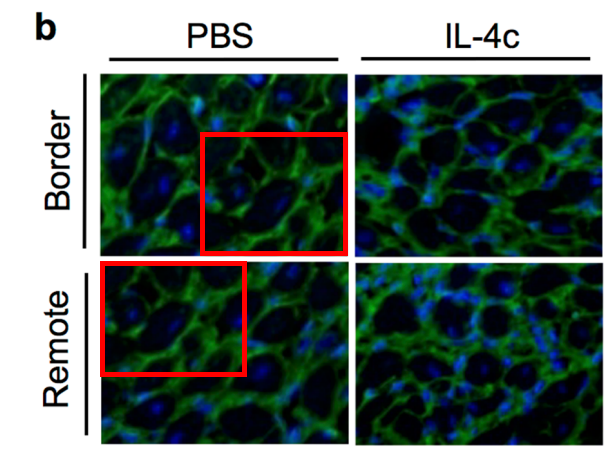
Yusuke Shintani , Tomoya Ito, Laura Fields , Manabu Shiraishi , Yuki Ichihara , Nobuhiko Sato , Mihai Podaru , Satoshi Kainuma , Hiroyuki Tanaka , Ken Suzuki IL-4 as a Repurposed Biological Drug for Myocardial Infarction through Augmentation of Reparative Cardiac Macrophages: Proof-of-Concept Data in Mice Scientific Reports (2017) doi: 10.1038/s41598-017-07328-z
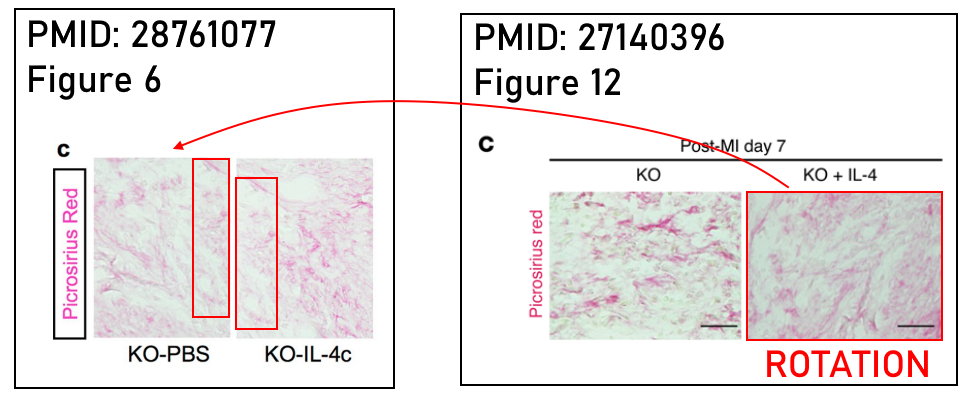
Manabu Shiraishi , Yasunori Shintani , Yusuke Shintani , Hidekazu Ishida , Rie Saba , Atsushi Yamaguchi , Hideo Adachi , Kenta Yashiro, Ken Suzuki Alternatively activated macrophages determine repair of the infarcted adult murine heart Journal of Clinical Investigation (2016) doi: 10.1172/jci85782
Suzuki announced to investigate everything in early 2023. On 1 September 2025, Springer Nature issued an enormous Author Correction (highlight mine):
“This Article contains errors.
In Figure 3b, as the images of the border and remote myocardial area of the PBS group were taken from a transition zone between the border and remote areas, there is a partial overlap between two image panels, where the same transitional region is captured in two images of different areas. […]
An inappropriate image is mistakenly presented in Figure 6c (KO-PBS group), due to an overlap in the use of raw data and/or tissue samples between this paper and another publication from the same authors (reference [9] in the original paper), where similar findings to Figure 6 have previously been reported. As a result, Figure 6 and its related text in the Methods, Results and Discussion should be revised as follows:
Figure 6 should be removed. […]”
The rest of the correction notice is about the changes in the results and discussion section to remove all references to the removed Figure 6, with its panels a till e, showing the results of many mouse experiments and their quantifications.
Suzuki’s coauthor on the next correction is Rakesh Uppal, another WHRI-QMUL professor who featured on this Ayurvedic COVID-19 scam:
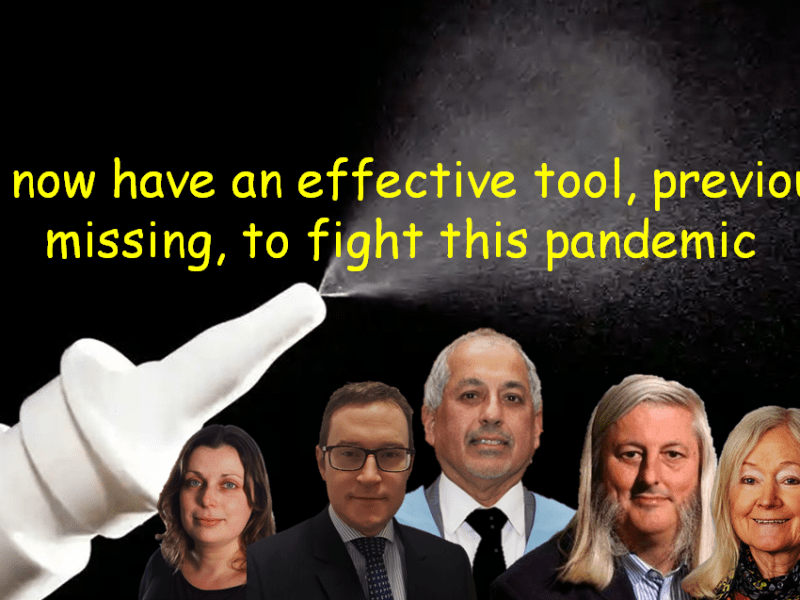
Ayurvedic nasal drop, dropped
How many English professors do you need to fake an Ayurvedic COVID-19 trial? At least 6, plus one Purdue Pharma exec!
Their common paper was also corrected, it recycled images from other fabrications by Suzuki and Uppal:
Kazuya Kobayashi , Yuki Ichihara , Nobuko Tano , Laura Fields , Nilaani Murugesu , Tomoya Ito, Chiho Ikebe , Fiona Lewis, Kenta Yashiro , Yasunori Shintani , Rakesh Uppal , Ken Suzuki Fibrin Glue-aided, Instant Epicardial Placement Enhances the Efficacy of Mesenchymal Stromal Cell-Based Therapy for Heart Failure Scientific Reports (2018) doi: 10.1038/s41598-018-27881-5
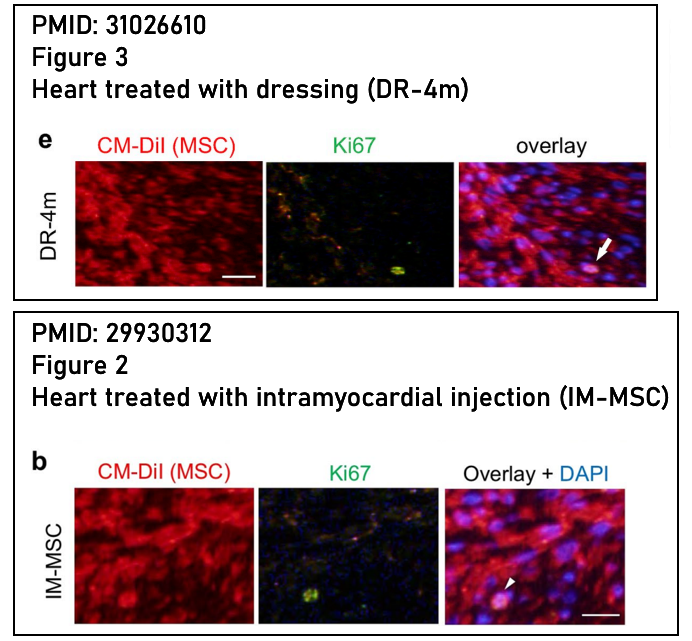
Kazuya Kobayashi , Yuki Ichihara , Nobuhiko Sato , Nobuyoshi Umeda , Laura Fields , Masafumi Fukumitsu , Yoshiyuki Tago , Tomoya Ito, Satoshi Kainuma , Mihai Podaru , Fiona Lewis-McDougall, Kenichi Yamahara, Rakesh Uppal, Ken Suzuki On-site fabrication of Bi-layered adhesive mesenchymal stromal cell-dressings for the treatment of heart failure Biomaterials (2019) doi: 10.1016/j.biomaterials.2019.04.014
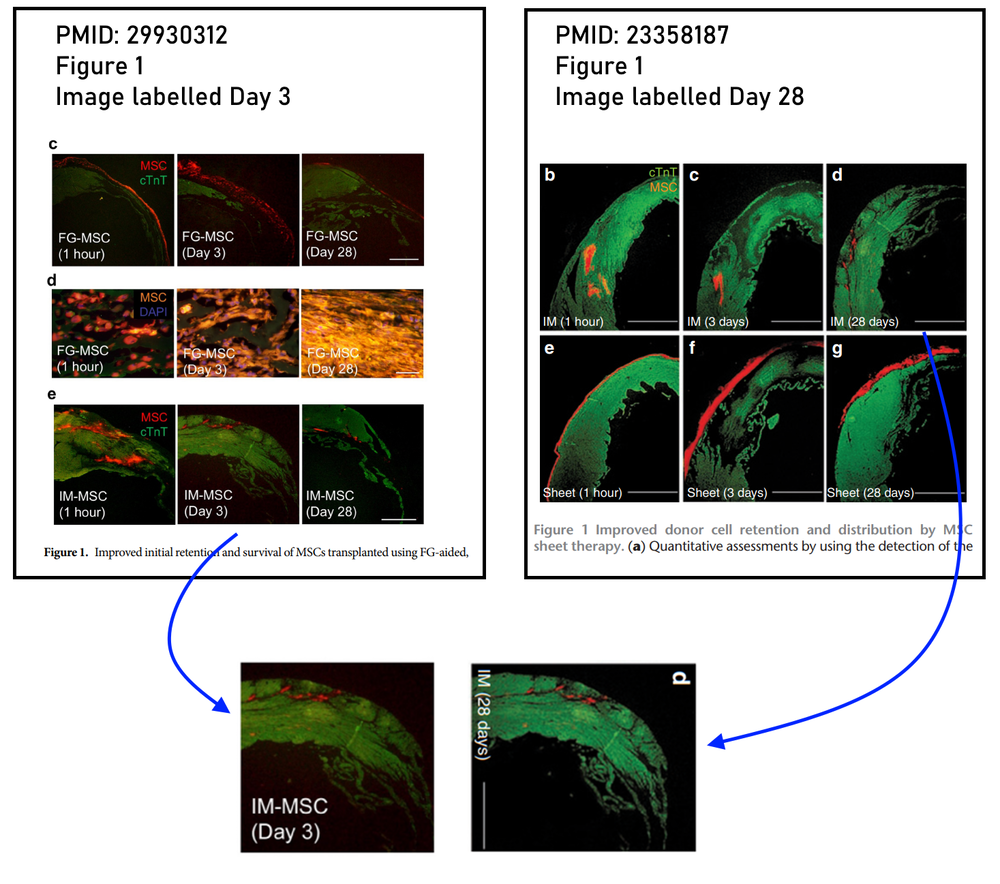
Takuya Narita , Yasunori Shintani , Chiho Ikebe , Masahiro Kaneko , Niall G Campbell , Steven R Coppen, Rakesh Uppal, Yoshiki Sawa , Kenta Yashiro , Ken Suzuki The use of scaffold-free cell sheet technique to refine mesenchymal stromal cell-based therapy for heart failure Molecular Therapy (2013) doi: 10.1038/mt.2013.9
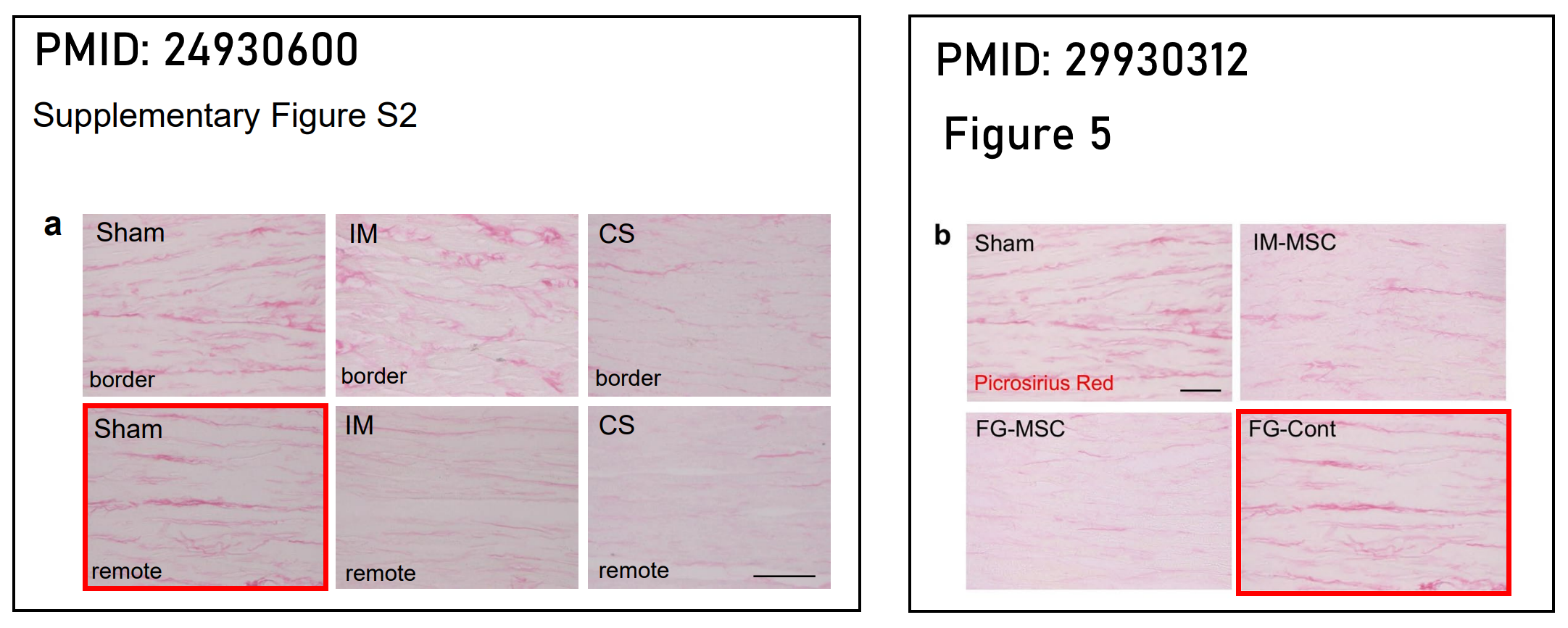
Nobuko Tano , Takuya Narita , Masahiro Kaneko , Chiho Ikebe , Steven R Coppen, Niall G Campbell , Manabu Shiraishi , Yasunori Shintani, Ken Suzuki Epicardial placement of mesenchymal stromal cell-sheets for the treatment of ischemic cardiomyopathy; in vivo proof-of-concept study Molecular Therapy (2014) doi: 10.1038/mt.2014.110
Here, the huge Author Correction appeared already in June 2025:
“As a result of an error during figure assembly, incorrect images are displayed in Figures 1e (IM-MSC, 1 h and Day 3), 2a (FG-MSC), 2b (IM-MSC and FG-MSC), 4a (IM-MSC and FG-Cont), 5b (Sham and FG-Cont), Supplementary Figure S1a (IM-MSC) and Supplementary Figure S1b (IM-MSC). Some of the microscopy images in this paper are present in other publications (references [2,3] in the original paper and references [i,ii] below) due to the reuse of control animals and/or confusion of the image data base. […]
This reuse allowed for a reduction in the number of animals suffering the substantial-severity procedure.””
Suzuki, who in the above correction trashed a pile of animal experiments for which many mice were experimented upon and sacrificed, now wants you to admire him for his compassion towards animals.
Yes, those people are sociopaths.
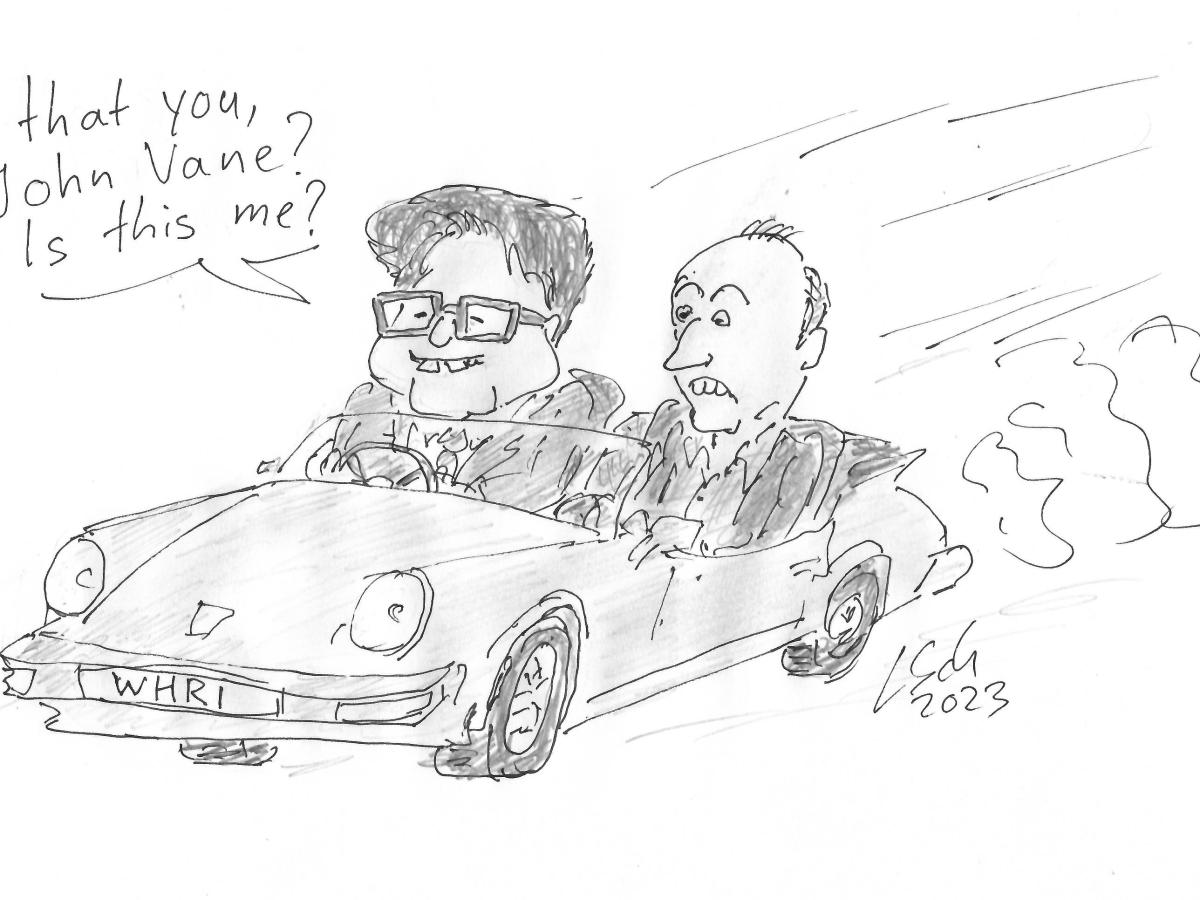
Queen Mary and John Vane’s Cowboys
Welcome to the the William Harvey Research Institute in London. Meet two proteges of its founder, the late Nobelist Sir John Vane: Chris Thiemermann and Mauro Perretti. Then meet their own rotten mentees, especially Salvatore Cuzzocrea and Jesmond Dalli.
Let us know further updates
We remain on the topic of Springer Nature and their enormous team of excellent experts. Here you can see how they operate when a sleuth contacts them with evidence.
On 12 January 2025, the pseudonymous Claire Francis wrote to Springer Nature about this paper from China, published in BioMedCentral:
Qiaofei Liu , Yuan Li, Zheyu Niu, Yi Zong, Mengyi Wang, Lutian Yao, Zhaohui Lu, Quan Liao, Yupei Zhao Atorvastatin (Lipitor) attenuates the effects of aspirin on pancreatic cancerogenesis and the chemotherapeutic efficacy of gemcitabine on pancreatic cancer by promoting M2 polarized tumor associated macrophages Journal of Experimental & Clinical Cancer Research (2016) doi: 10.1186/s13046-016-0304-4
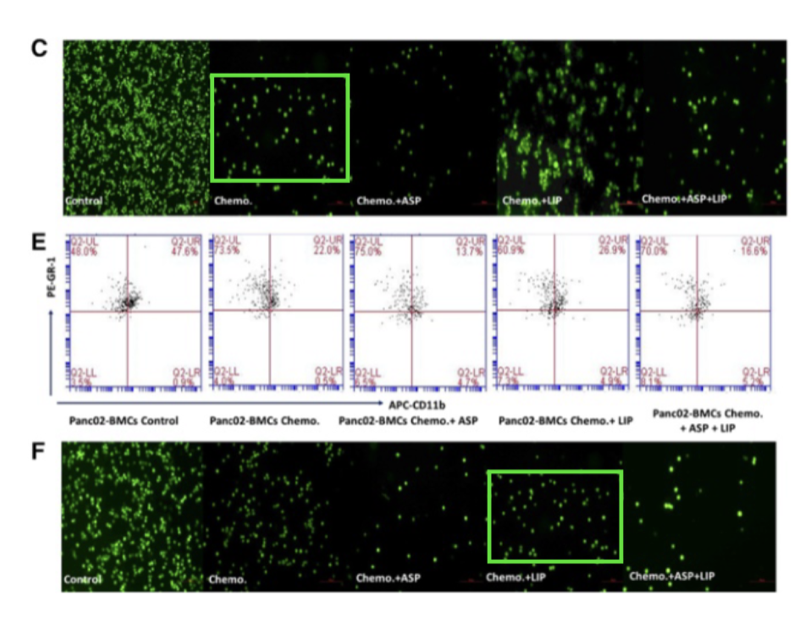
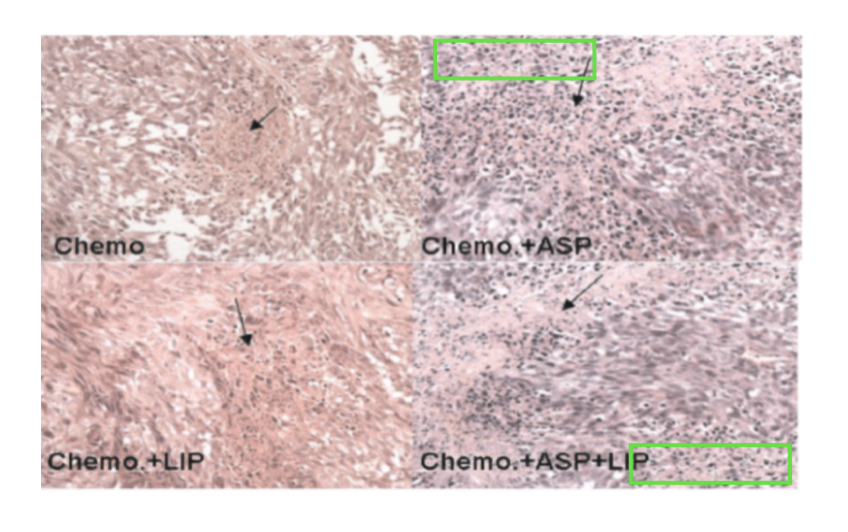
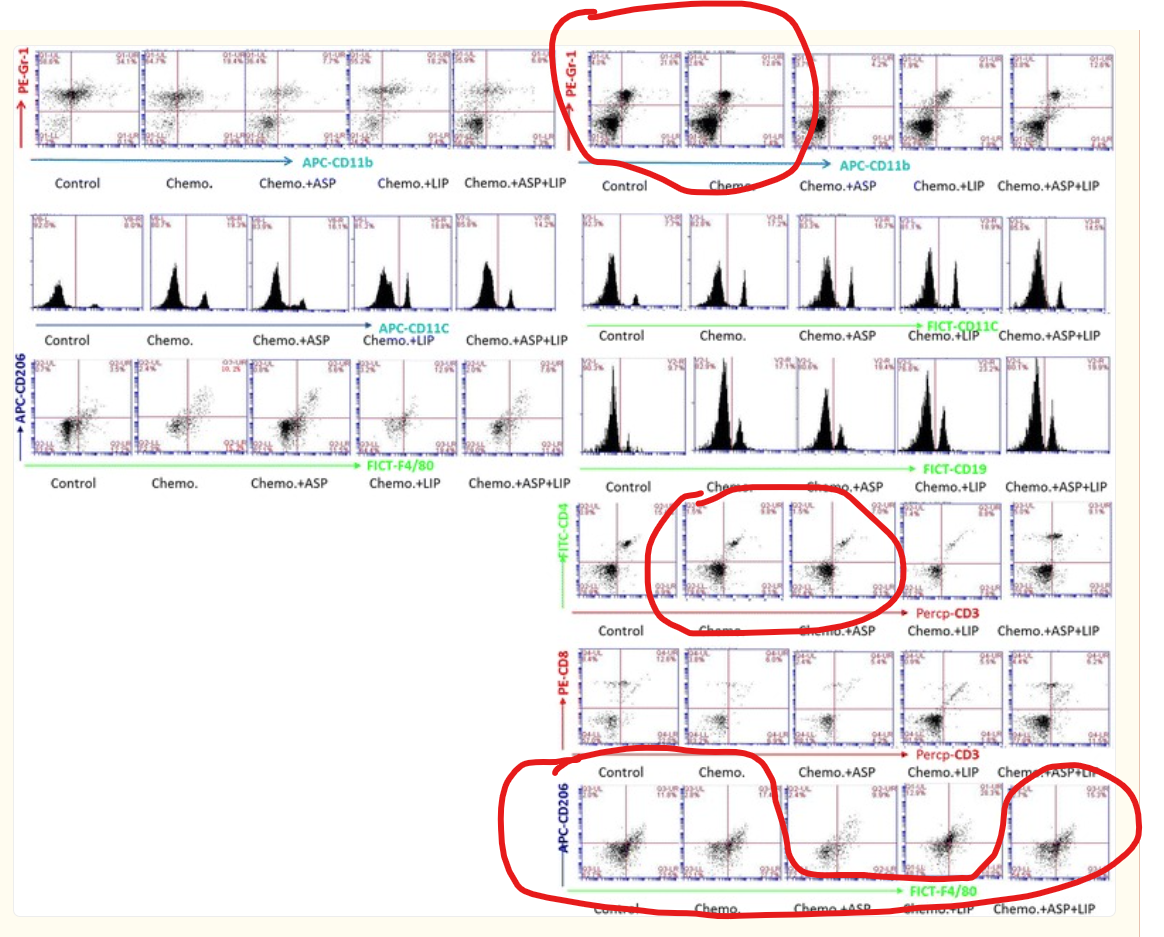
In April 2023, the author Qiaofei Liu thanked the sleuths on PubPeer and promised “make essential corrections and fix all the problems after providing all the primary material or repeat the experiments if necessary“. The sleuth Viola sheltonii also noted that the excised tumour xenografts shown in Figure 4B were on average “4755mm3, with the largest tumour at 7141.5mm3“, thus much “greater than what most animal ethics committees would consider a humane endpoint“. Liu replied with admitting that “China’s system is still developing compared to the U.S. standards.“
None of that was interesting for Springer Nature. Claire Francis focussed the notification of a case of plagiarism, where Italian authors stole a gel image from that Chinese study, and published it in Elsevier 4 years later:
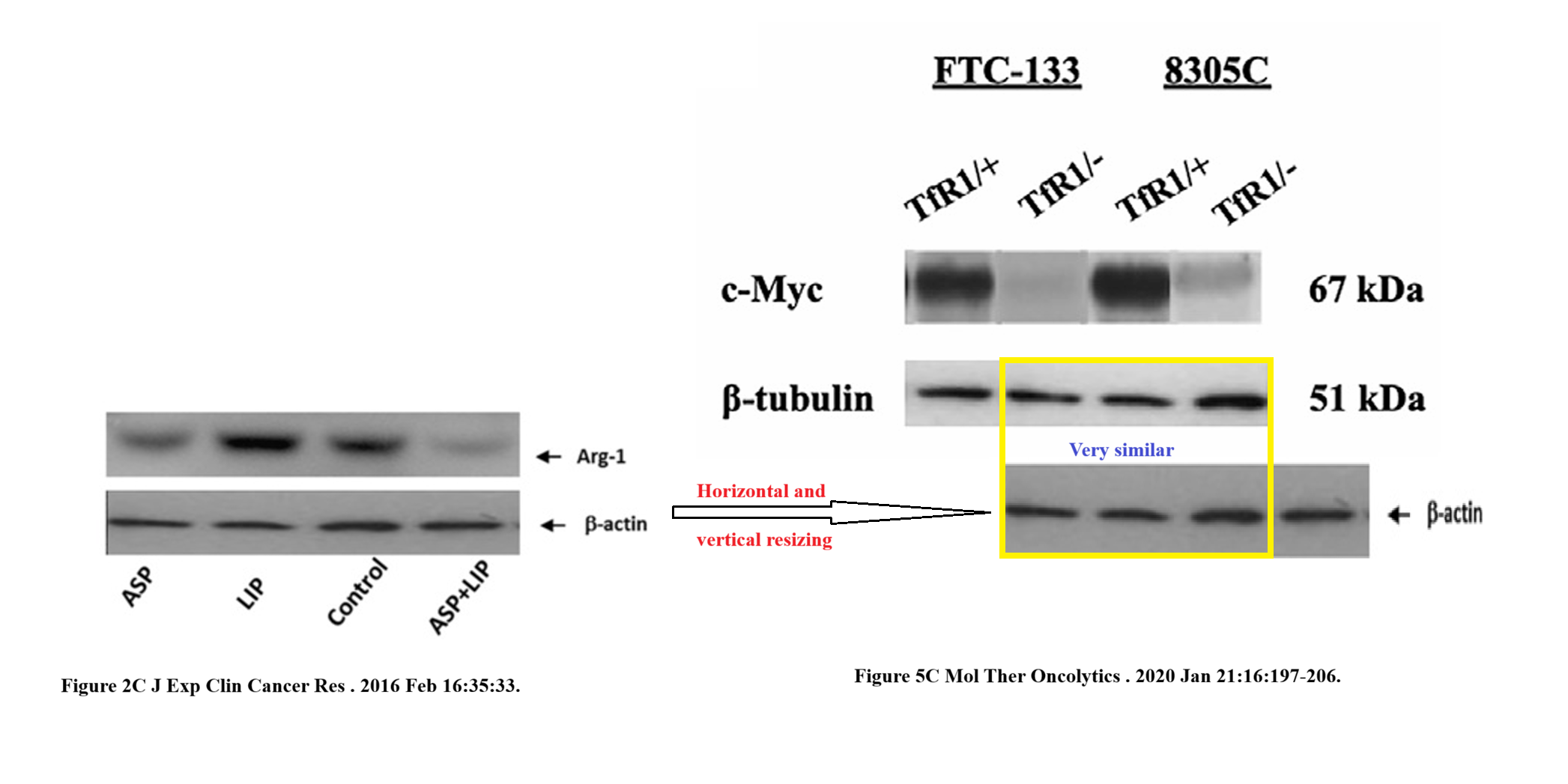
Agata Campisi , Roberta Bonfanti , Giuseppina Raciti , Gabriele Bonaventura , Laura Legnani , Gaetano Magro , Marzio Pennisi , Giulia Russo , Maria Assunta Chiacchio , Francesco Pappalardo , Rosalba Parenti Gene Silencing of Transferrin-1 Receptor as a Potential Therapeutic Target for Human Follicular and Anaplastic Thyroid Cancer Molecular Therapy — Oncolytics (2020) doi: 10.1016/j.omto.2020.01.003
The Italian paper has many more forgeries, and the lead author Rosalba Parenti of University of Catania has other fake papers on PubPeer. This is where Springer Nature reacted. The replied to the sleuth right away with this:
“Dear reporter,
The J Exp Clin Cancer Res . 2016 article seems to be submitted and accepted before the article in Mol Ther Oncolytics . 2020. Could you please communicate with the Research Integrity Team at Elsevier and let us know further updates?
Best Regards,
Springer Nature Research Integrity Group“
Ok, BioMedCentral papers are Open Access and thus CC-BY licenced. But the copyright for the following study, also by naughty Italians, was exclusively with Springer Nature.
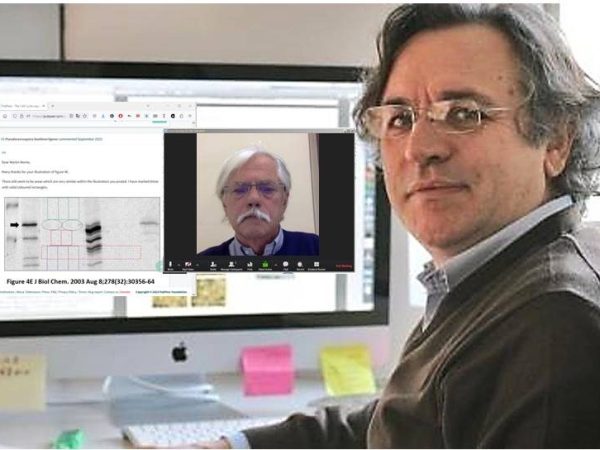
Claudio and Giannino evaluate and analyze
“together with my colleagues we are actively analyzing the points raised on pubpeer.” – Claudio Schneider “we will evaluate Pubpeer comments” – Giannino Del Sal
A coauthor is again Giannino Del Sal, about whom you can read above. Also here, the gel was reused in a Wiley paper, published however with a very short delay in the same year:
S Vilotti , M Biagioli , R Foti , M Dal Ferro , Z Scotto Lavina , L Collavin , G Del Sal , S Zucchelli , S Gustincich The PML nuclear bodies-associated protein TTRAP regulates ribosome biogenesis in nucleolar cavities upon proteasome inhibition Cell Death & Differentiation (2012) doi: 10.1038/cdd.2011.118
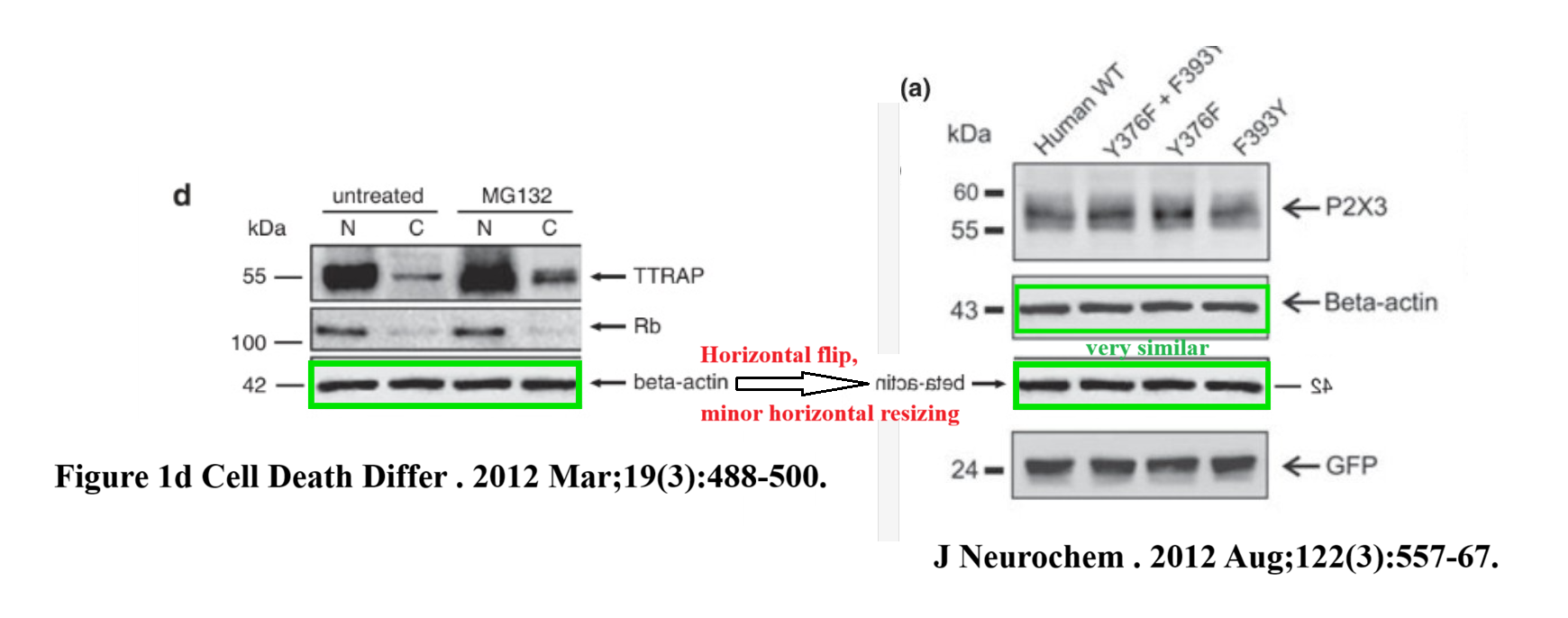
Mayya Sundukova , Sandra Vilotti , Rita Abbate , Elsa Fabbretti , Andrea Nistri Functional differences between ATP-gated human and rat P2X3 receptors are caused by critical residues of the intracellular C-terminal domain Journal of Neurochemistry (2012) doi: 10.1111/j.1471-4159.2012.07810.x
The only comon author here is some obscure Sandra Vilotti from SISSA in Trieste. The copyrighted data is being reused in another copyrighted paper by a different publisher, and for completely unrelated experiments from a different lab. The immediate reply from Springer Nature’s Research Integrity Group to the sleuth was:
“Dear reporter,
The CDD article seems to be submitted and accepted before the article in Wiley. Could you please communicate with the Research Integrity Team at Wiley and let us know further updates?”
Yes, Springer Nature expects the sleuths to enforce this publisher’s copyright with other publishers.
Retraction Watchdogging
Ethical approval was not required
A Wiley-published medical journal retracts 7 clinical studies from Italy, none of these was flagged on PubPeer before. The corresponding author on all retracted papers is a certain Irene Fusco, who works as scientific writer for the Italian company El.En and its subsidiary Deka M.E.L.A, the company manufactures and sells laser devices for medical use.
First, this clinical study about the use of El.En/Deka lasers in dermatology was retracted in summer 2025:
Ido Alter , Irene Fusco , Francesca Madeddu , Tiziano Zingoni Clinical application of 675 nm laser therapy for dorsal hand skin hyperpigmentation Skin Research and Technology (2023) doi: 10.1111/srt.13484
“The article was accepted for publication following an insufficient peer review process that does not meet the standards of the journal’s peer review policy. Furthermore, scientific inconsistencies were found. Finally, the article lacks a statement confirming that the study has been approved by an appropriate institutional review board or ethics committee. As a result, the editorial team cannot vouch for the study’s adherence to ethical research standards nor for the reliability of the study’s conclusions. Accordingly, the article has been retracted. The authors have been informed of this decision.”
Retraction 22 July 2025
Now, in January 2025, 6 more retractions arrived, all for other clinical studies with El.En/Deka lasers for various skin treatments. Fusco is again corresponding author, her El.En colleagues Francesca Madeddu and Tiziano Zingoni are again coauthors, other authors are owners or employees of skin clinics in Italy:
- Luigi Coricciati , Maddalena Gabellone , Pantalea Delle Donne , Irene Fusco , Tiziano Zingoni Assessment of the efficacy of 595 nm pulsed dye laser in the management of facial flat angiomas. Results of a case series Skin Research and Technology (2023) doi: 10.1111/srt.13494 Retraction 12 January 2026.
- Paolo Bonan , Irene Fusco , Nicola Bruscino , Francesca Madeddu , Michela Troiano , Alice Verdelli , Domenico Piccolo , Giuseppe Rampino Laser‐assisted blepharoplasty: An innovative safe and effective technique Skin Research and Technology (2023) doi: 10.1111/srt.13351 Retraction 10 January 2026.
- Benedetta Salsi , Federica Coli , Lara Ronconi , Irene Fusco , Tiziano Zingoni , Paolo Bonan Use of a microwave device for the treatment of cellulite and localized fat adiposity: a 1-year follow-up study Skin Research and Technology (2023) doi: 10.1111/srt.13408 Retraction 10 January 2026.
- Domenico Piccolo , Giuliana Crisman , Claudio Conforti , Irene Fusco , Paolo Bonan Efficacy of a multimodal approach of laser therapy for earlobe keloids management in dark population Skin Research and Technology (2023) doi: 10.1111/srt.13502 Retraction 10 January 2026.
- Domenico Piccolo , Tiziano Zingoni , Irene Fusco , Francesca Madeddu , Claudio Conforti A faster CO2 fractional scanner system mode for skin rejuvenation. A clinical study Skin Research and Technology (2024) doi: 10.1111/srt.13843 Retraction 10 January 2026.
- Massimo D. F. Vitale , Francesca Madeddu , Irene Fusco , Laura Pieri , Paolo Bonan , Tiziano Zingoni , Giada Magni , Francesca Rossi High‐powered 675‐nm laser: Safety and efficacy in clinical evaluation and in vitro evidence for different skin disorders Skin Research and Technology (2024) doi: 10.1111/srt.70019 , Retraction 10 January 2026.
All received a similar retraction notice, here for the last paper in the list:
“The article was accepted for publication following an insufficient peer review process that does not meet the standards of the journal’s peer review policy. As a result, the editorial team cannot vouch for the reliability of the study and its conclusions.
Furthermore, although the article states compliance with the Declaration of Helsinki, it has been determined that the research protocol underlying the study was not submitted to a research ethics committee for consideration before the research began. The authors state that ethical approval was not required for the research presented in the article in alignment with EU Medical Device Regulation (MDR) 2017/745 as the device(s) used carried CE marking at the time of the study and no activity nor any additional invasive or burdensome procedures were carried outside the scope of the intended purpose.
This retraction is issued as administrative due diligence to correct the scholarly record and alert readers to these deficiencies in the publication process. The authors disagree with this decision.”
Hopefully the Italians never did those clinical studies, and simply fabricated them. The alternative, that they experimented on patients without any ethics approval or informed consent, is not pleasant to consider.
The editorial board of Skin Research and Technology shows lists currently no Editor-in-Chief, just deputy and associate editors. Yet Wiley’s online records show that until now, a certain Alexander Zemtsov used to be the Editor-in-Chief. He operates a private clinic in USA which he called “University Dermatology Center“, where Zemtsov offers massages, botox injections, waxing, weight loss treatments, and platelet-rich plasma injections into the scalp for hair restoration, or into the genitals, advertised as as “Sexual Wellness” for male and female customers. Naturally, Zemtsov’s clinic also offers laser treatments, one of his papers in Skin Research and Technology (Zemtsov et al 2023) got cited by Fusco in the now retracted Puccolo et al 2023, seemingly outside of context.
Also, this former Wiley journal is run by three learned societies: International Society for Bioengineering and the Skin (ISBS), International Society for Skin Imaging (ISSI) and International Society for Digital Imaging of Skin (ISDIS), Zemtsov is the founder of the latter.
All this might provide clues as to why those El.En clinical studies were published in Zemtsov’s journal outside of peer review, why “ethical review and approval were waived” (as the manuscripts declared), and why Zemtsov now suddenly stopped being the Editor-in-Chief and abandoned the editorial board of Skin Research and Technology altogether.
Authors could not provide a satisfactory response
Hooray, Andrea Cerutti and Paolo Casali earned a retraction! Both are native Italians and close friends, the former used to be professor at Weill Cornell and Mount Sinai in New York, since 2022 he left USA and works full time at ICREA in Barcelona, Spain. Casali remains Distinguished Professor at University of Texas San Antonio (UTSA) in USA. Read about these very unpleasant men below:
How Andrea Cerutti molested and defiled Journal of Immunology
Spain is where dishonest research gets rewarded, with awards, grants and media fame. No wonder the New York-based immunologist Andrea Cerutti opened a second lab in Barcelona.
Casali also featured in September 2025 Shorts. This is apparently their first ever retraction, for a paper flagged on PubPeer in 2016. Presumably Springer Nature didn’t get the memo from the American Association of Immunologists that these two bully sociopaths were off-limits:
Andrea Cerutti , Edmund C. Kim , Shefali Shah , Elaine J. Schattner , Hong Zan , András Schaffer , Paolo Casali Dysregulation of CD30+ T cells by leukemia impairs isotype switching in normal B cells Nature Immunology (2001) doi: 10.1038/84254

Hong Zan is Casali’s protege who rose to associate professor at UTSA. The retraction from 9 January 2026 went:
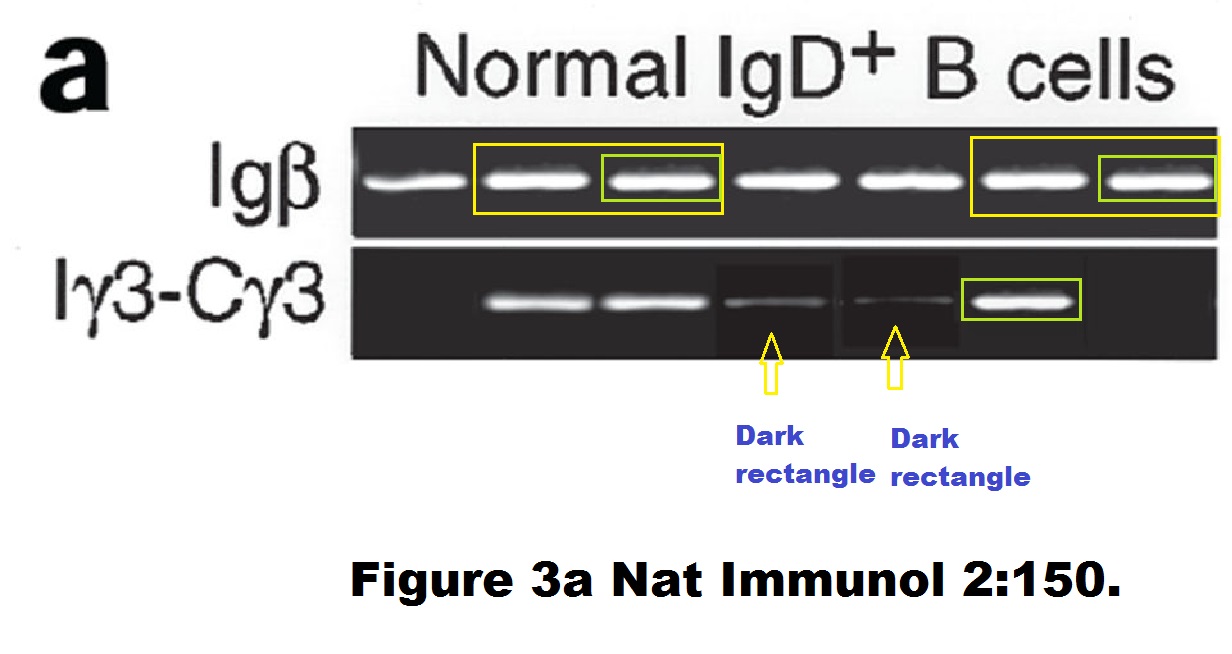
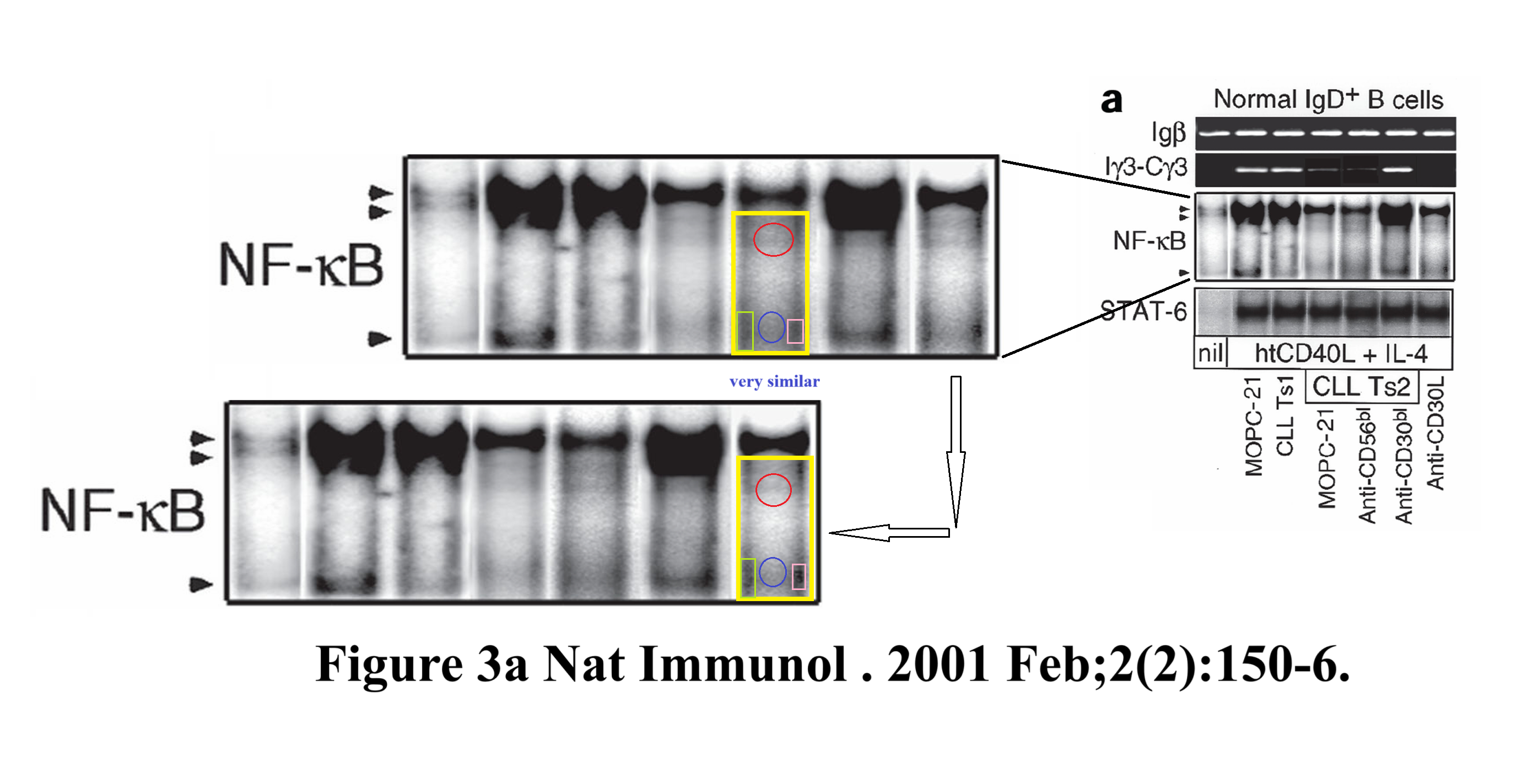
“The Editor has retracted this article. After publication, concerns were raised regarding some image irregularities within the article. Specifically:
- Fig.3A, Igβ, lanes 2-3 and lanes 6-7 appear to be highly similar
- Fig.3A, Iγ3-Cγ3 appears to present signs of digital editing
- Fig.3A, NF-kβ, lane 5 and lane 7 appear to be highly similar
- Fig.7, NF-kβ, lane 2 and lane 5 (small blot) appear to be highly similar
The original data are no longer available due to the age of the article. Upon request, the Authors could not provide a satisfactory response to the concerns raised. The Editor no longer has confidence in the results and conclusions of this article.
Andrea Cerutti, Elaine Schattner and Paolo Casali agree with this retraction.
Hong Zan did not respond to correspondence from the Publisher about this retraction.
Edmund C. Kim, Shefali Shah and András Schaffer could not be contacted by the Publisher.”
Casali’s and Cerutti’s other paper in Nature Immunology, Litinskiy et al 2002, is even worse. Hopefully it will also be retracted.
A revolutionary work and a new history
Gather around children, for something incredible happened. the American Chemical Society (ACS) retracted two fraudulent papers. Turns out, they know how to do, they just don’t want to do it to spite the sleuths.
The common author is Khalid Hussain Thebo (self-described as “An enthusiastic, energetic, adaptable and fast learning person“), a Pakistani who made it big in China. It is not clear why this study was accidentally retracted a year ago, it wasn’t even on PubPeer:
Akbar Ali , Faisal Rehman , Muhammad Ali Khan , Fida Hussain Memon , Faheeda Soomro , Muzaffar Iqbal , Jun Yang , Khalid Hussain Thebo Functionalized Graphene Oxide-Based Lamellar Membranes with Tunable Nanochannels for Ionic and Molecular Separation ACS Omega (2022) doi: 10.1021/acsomega.2c03907
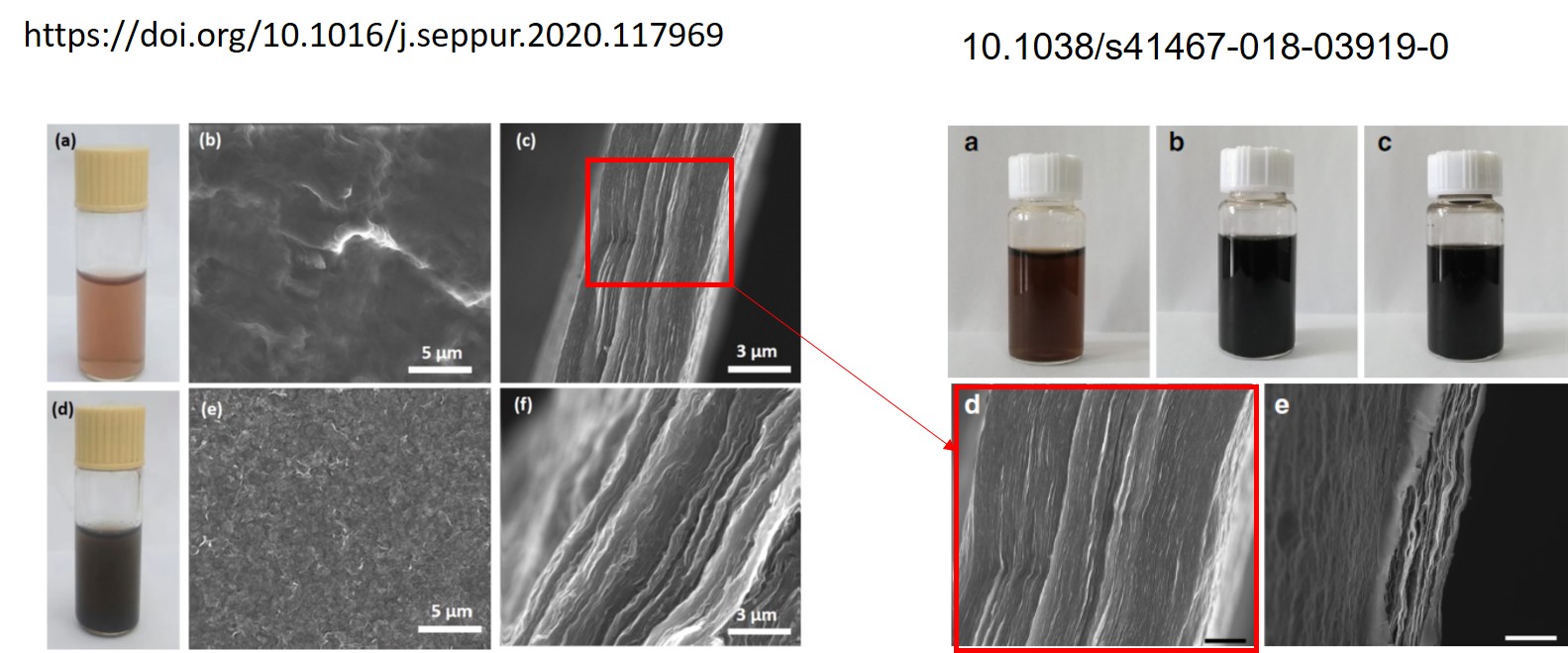
“The Editor retracts […] due to a high number of image duplications across publications and irregularities across them that resulted in a loss of confidence in the results. Figure 1e is duplicated from Figure 1d of 10.1038/s41467–018–03919–0 and Figure 1c of 10.1016/j.seppur.2020.117969. Similarly, Figure 1d was reused in 1e of 10.1039/D3RA00223C. While the materials presented are the same, the Methods in each paper point to distinct synthetic methods. Additionally, portions of Figure 1c have matching features to a section of Figure 1c in 10.1021/acsomega.2c07243, which is reported to be a different material. The reuse of identical experimental data sets to describe different samples corresponding to distinctly different preparatory conditions raises concerns about the integrity of the experimental setup and data management practices. When considered together, these issues resulted in a loss of confidence in the results presented. As such, this Article is being retracted.”
Retraction 1 January 2025
The second retracted paper, mentioned in the above notice, was flagged on PubPeer in February 2025:
Dahar Janwery , Fida Hussain Memon , Ayaz Ali Memon , Muzaffar Iqbal , Fakhar Nisa Memon , Wajid Ali , Kyung-Hyun Choi , Khalid Hussain Thebo Lamellar Graphene Oxide-Based Composite Membranes for Efficient Separation of Heavy Metal Ions and Desalination of Water ACS Omega (2023) doi: 10.1021/acsomega.2c07243
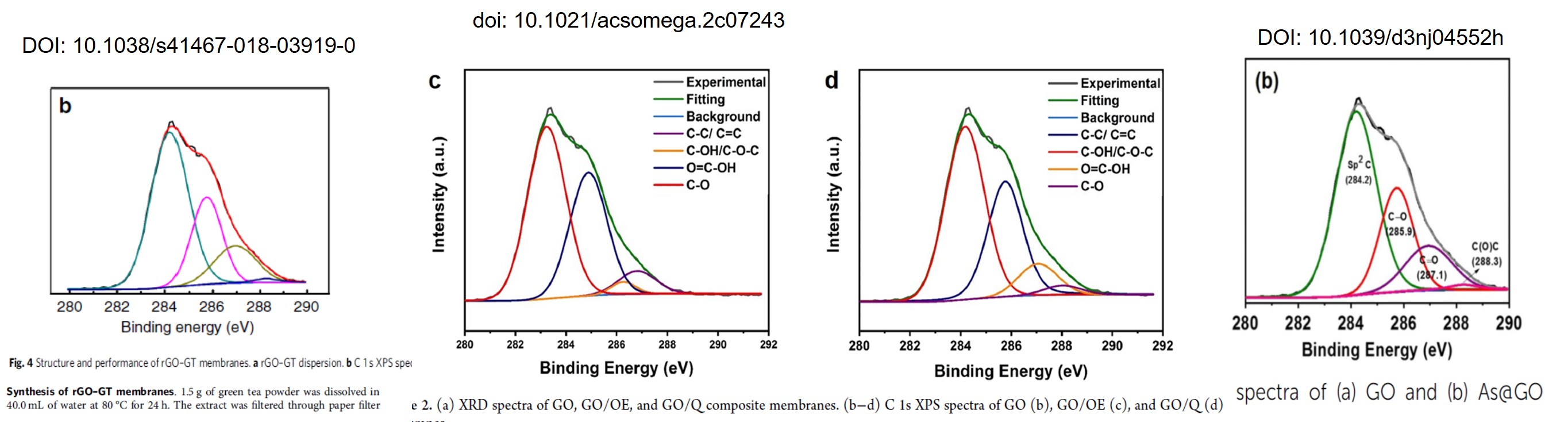
Thebo protested on PubPeer that the spectra were merely similar, while in reality they were identical, and featured in other papers of his, before and after:
- Khalid Hussain Thebo , Xitang Qian , Qing Zhang , Long Chen , Hui-Ming Cheng , Wencai Ren Highly stable graphene-oxide-based membranes with superior permeability Nature Communications (2018) doi: 10.1038/s41467-018-03919-0
- Ashique Hussain Jatoi , Akbar Ali , Ahmed Nadeem , Shah Nawaz Phulpoto , Muzaffar Iqbal , Ayaz Ali Memon , Jun Yang , Khalid Hussain Thebo High-performance asparagine-modified graphene oxide membranes for organic dyes and heavy metal ion separation New Journal of Chemistry (2024) doi: 10.1039/d3nj04552h
The unexpected Retraction appeared on 6 January 2026:
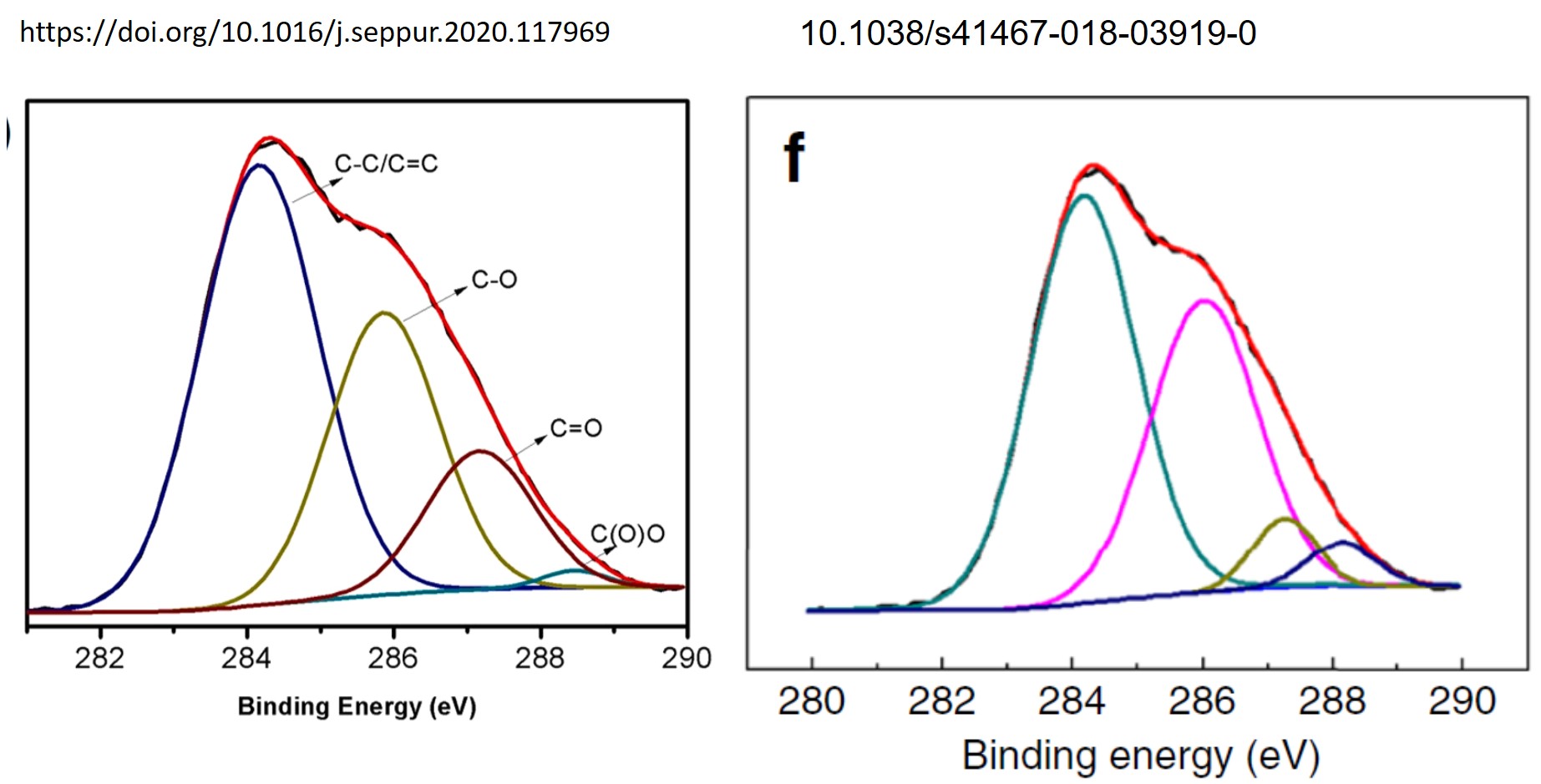
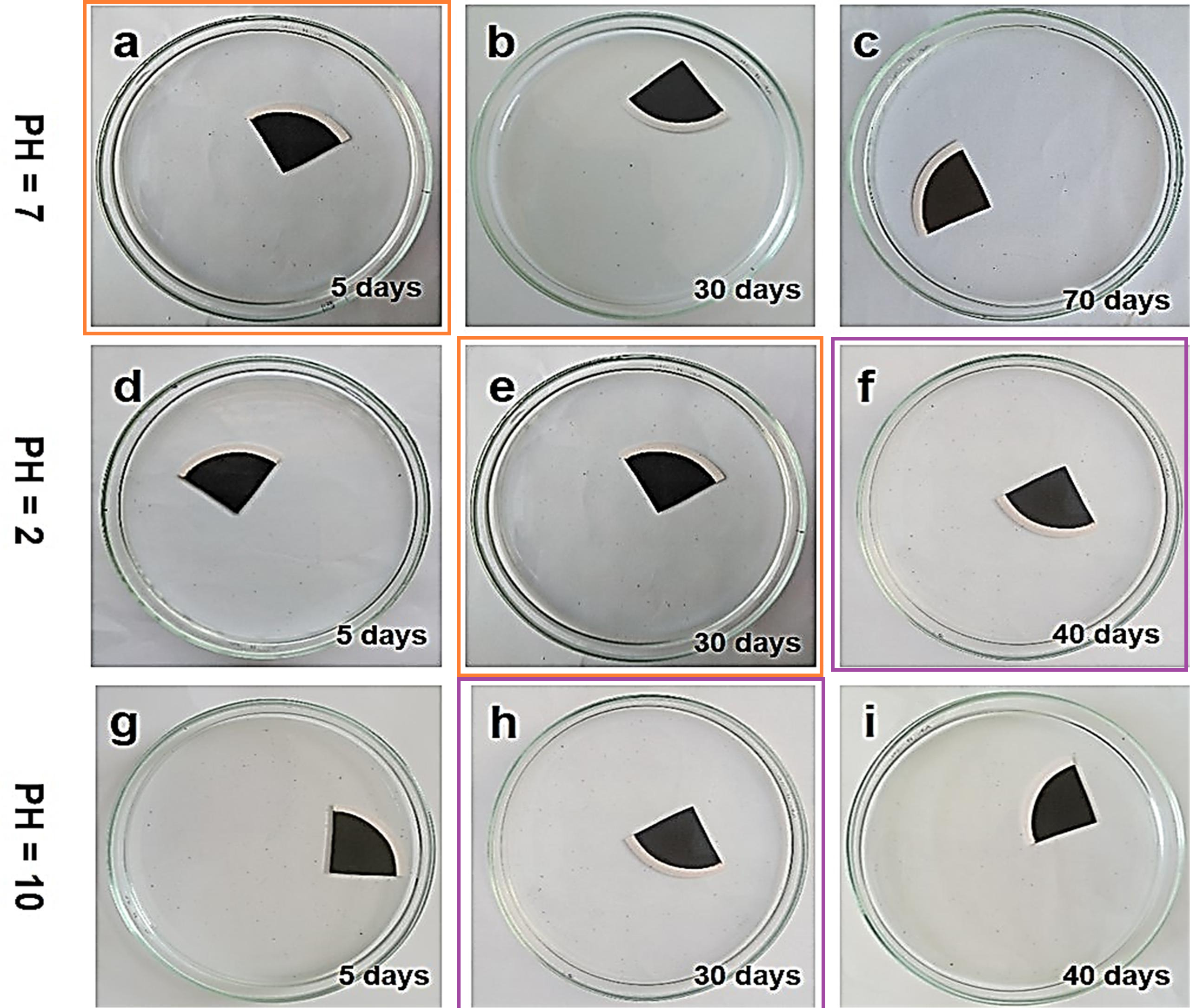
“The Editor retracts […] due to irregularities in the presented data and high number of image duplications across publications that resulted in a loss of confidence in the results. The XPS spectra in Figures 2c and 2d are inexplicably similar despite reporting different materials, and appear to be presenting the same data with different peak deconvolutions. The XPS spectra presented for graphene oxide in Figure 2b is highly similar or identical to GO XPS spectra in other publications (10.1039/d3nj04552h, 10.1016/j.seppur.2020.117969 and 10.1038/s41467–018–03919–0). The XPS spectra for GO/OE in Figure 2c is highly similar to the XPS of As@GO membranes in 3b of 10.1039/d3nj04552h. Figures 5a and 5g were found to be duplicated from 2d and 2j, respectively, in 10.1038/s41467–018–03919–0. The latter duplication presents a different pH and days of exposure. Lastly, Figure 1c has matching features to a section of Figure 1c in 10.1021/acsomega.2c03907, which is reported to be a different material. As such, this Article is being retracted.”
The sleuth found more forgeries were for the Nature Comms paper, which was in 2018 celebrated by the National Academy of Young Scientists in Pakistan:
“It is great honor for Pakistani nation that Dr. Khalid Thebo made a revolutionary work and has created a new history in the field of 2D materials based filtration membranes. This revolutionary discovery have been published in world most renowned journal “Nature communication”. This is first time that any Pakistani has published article in “Nature communication” as first author.“
Maybe that why Springer Nature ignored all emails by the sleuth. Another paper also reused data from that revolutionary Nature Comms paper, and there Thebo achieved a correction:
Farooque Ahmed Janjhi, Imamdin Chandio , Ayaz Ali Memon, Zubair Ahmed , Khalid Hussain Thebo, Azhar Ali Ayaz Pirzado , Ayaz Ali Hakro , Muzaffar Iqbal Functionalized graphene oxide based membranes for ultrafast molecular separation Separation and Purification Technology (2021) doi: 10.1016/j.seppur.2020.117969
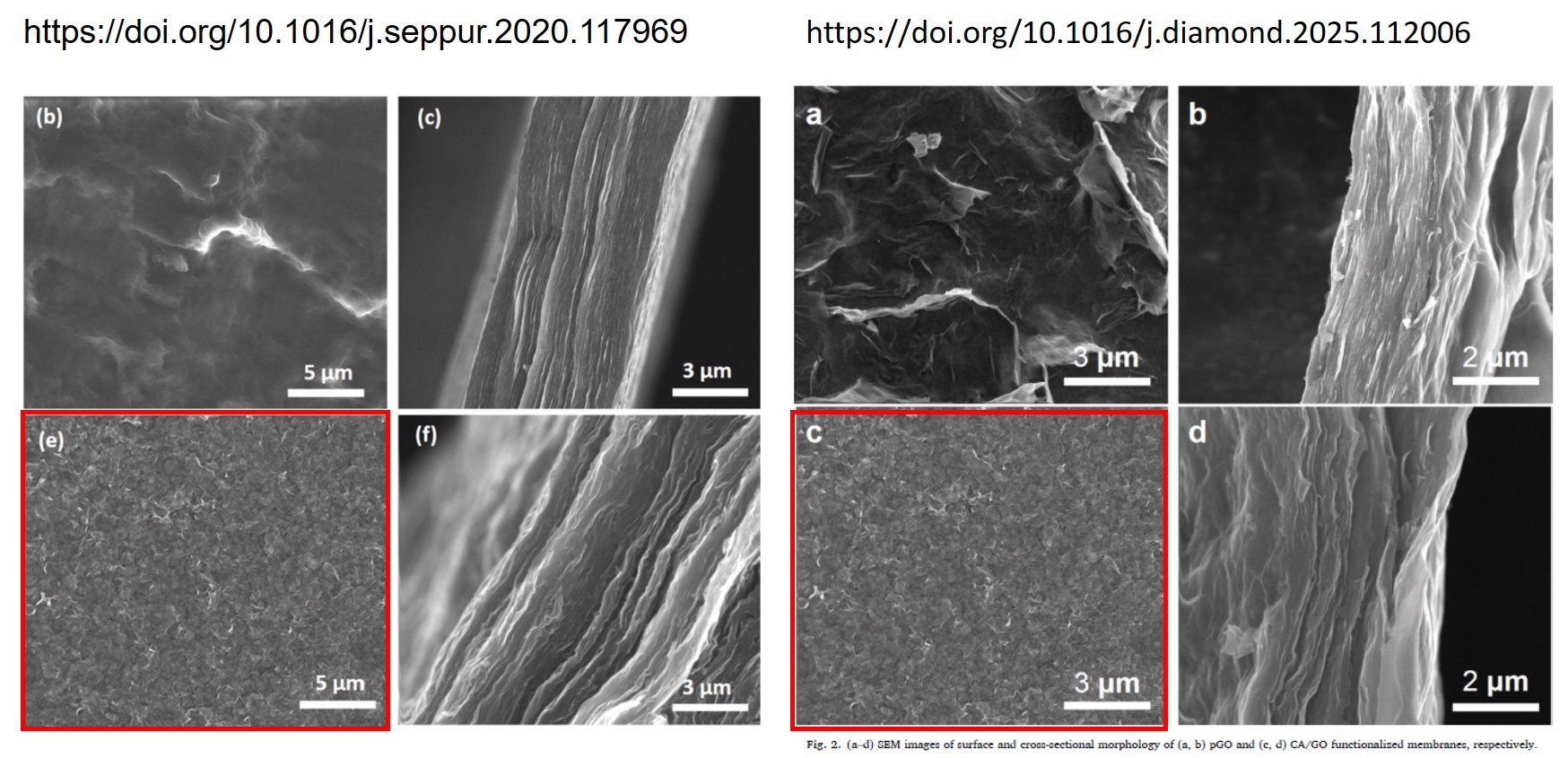
Saiqa Rubab , Muhammad Misbah Ur Rehman, Khalid Hussain Thebo, Ahmed Nadeem Highly permeable carminic acid functionalized graphene oxide-based membranes for dye separation and desalination Diamond and Related Materials (2025) doi: 10.1016/j.diamond.2025.112006
Elsevier issued a Corrigendum on 11 September 2025, but only for Figure 1:
“The authors express their regret for not identifying the errors that occurred during the revisions of the aforementioned manuscript. We recognize that Fig. 1c and Fig. 1e are not suitable for reported membranes in this manuscript and cannot explain the perfect surface morphology of the as-fabricated membranes, which were added by mistake. […]
The authors would like to apologise for any inconvenience caused. We would like to extend our heartfelt appreciation to the reader for their diligence.”
The above mentioned Rubab et al 2025 paper was, as Smut Clyde discovered, not just a papermill product, but a massive citation delivery vehicle. In fact, it is clear that Thebo is an avid papermill user. This is aptly titled “fabrication”:
Inamullah Mahar , Faraz Khan Mahar , Nasrullah Mahar , Ayaz Ali Memon, Azhar Ali Ayaz Pirzado, Zeeshan Khatri , Khalid Hussain Thebo , Ayaz Ali Fabrication and characterization of MXene/carbon composite-based nanofibers (MXene/CNFs) membrane: An efficient adsorbent material for removal of Pb+2 and As+3 ions from water Chemical Engineering Research and Design (2023) doi: 10.1016/j.cherd.2023.02.005
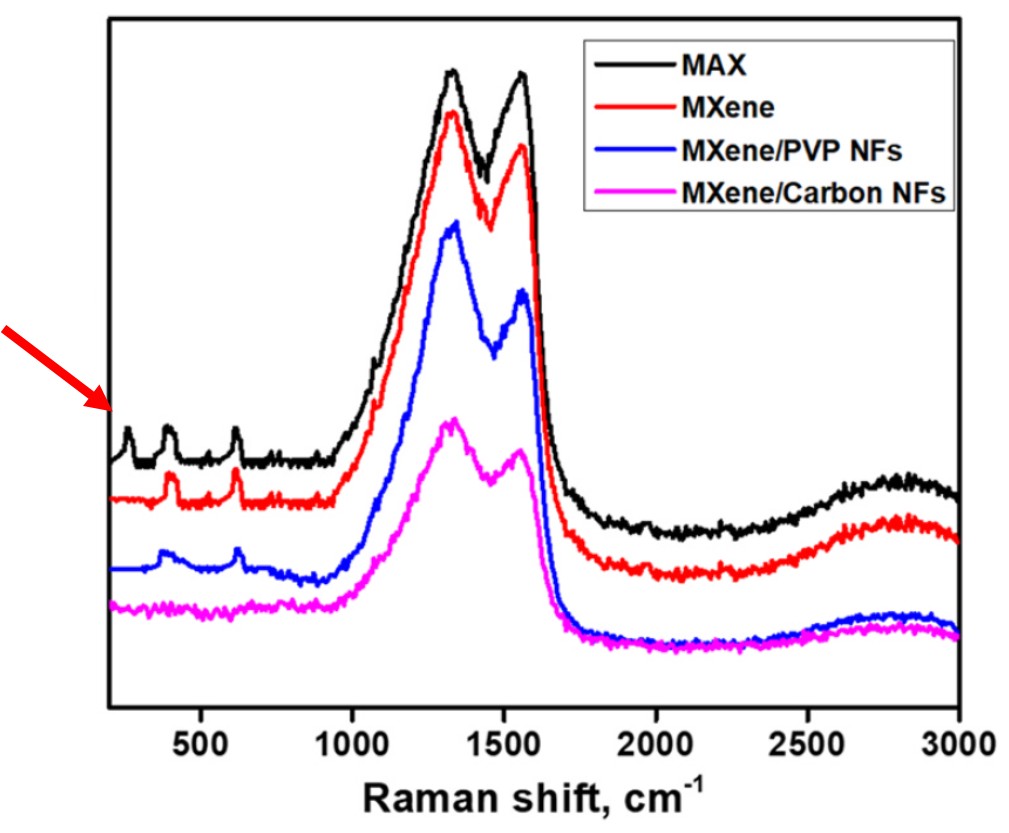
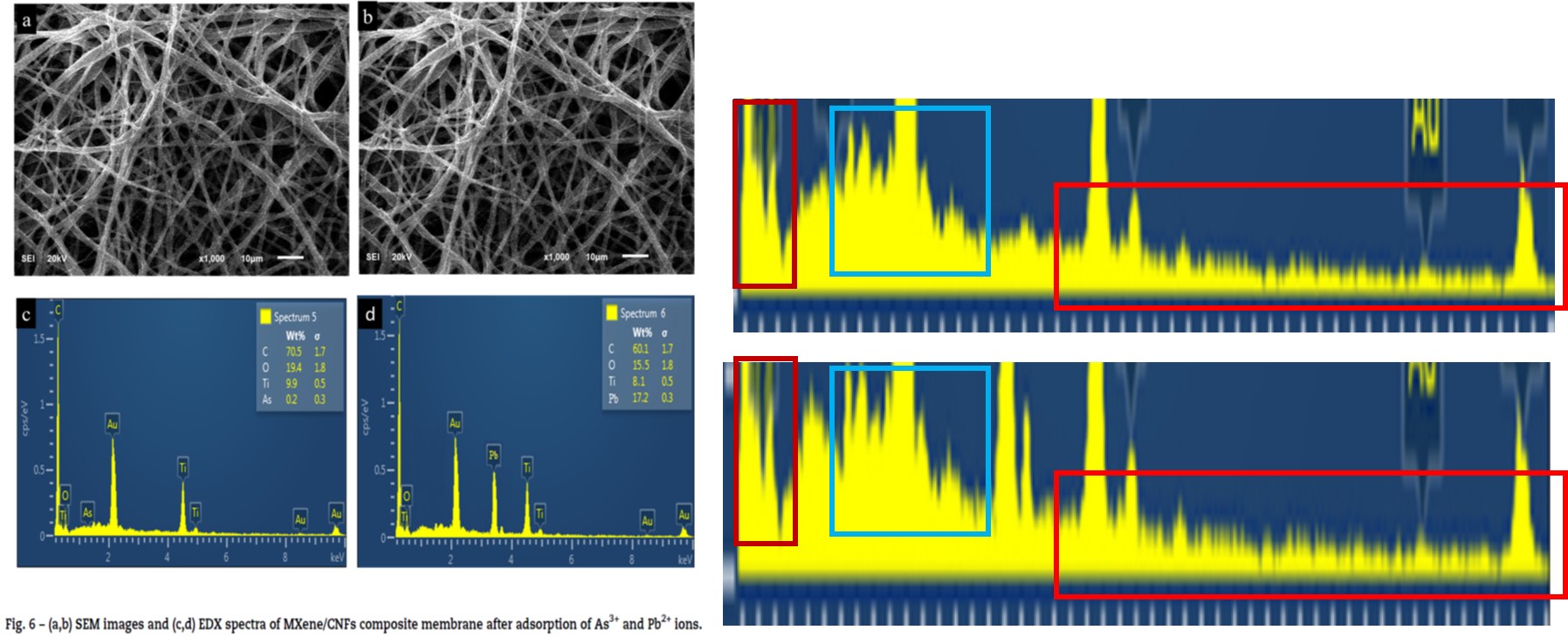
Thebo has currently 16 fraudulent papermill products on PubPeer. This study is not on PubPeer though, but look where Thebo has published:
Xitang Qian , Long Chen , Lichang Yin , Zhibo Liu , Songfeng Pei , Fan Li , Guangjin Hou , Shuangming Chen , Li Song , Khalid Hussain Thebo , Hui-Ming Cheng , Wencai Ren CdPS nanosheets-based membrane with high proton conductivity enabled by Cd vacancies Science (2020) doi: 10.1126/science.abb9704
Yes, Science. I am sure these nanoshits nanosheets are perfectly reliable and trustworthy.
And will you believe it, the last author on this Science masterpiece and the “revolutionary” Nature Comms paper, Thebo’s former mentor at Shenyang National Laboratory for Materials Science in China, Wencai Ren, has other fraud on PubPeer, here without Thebo:
Songfeng Pei , Qinwei Wei , Kun Huang , Hui-Ming Cheng , Wencai Ren Green synthesis of graphene oxide by seconds timescale water electrolytic oxidation Nature Communications (2018) doi: 10.1038/s41467-017-02479-z
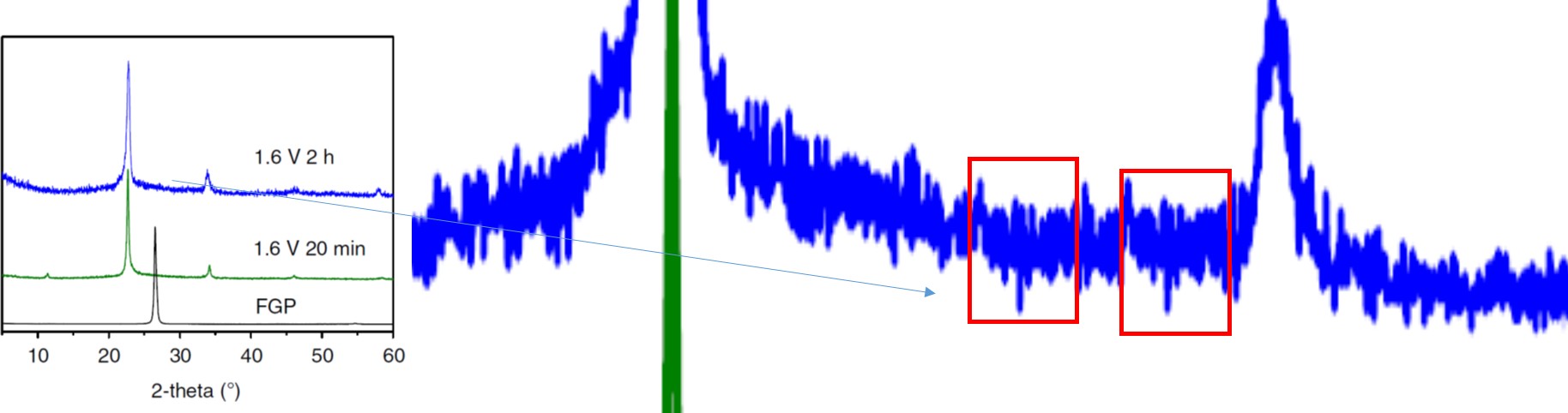
Springer Nature fixed that with a Correction on 17 October 2025:
“After concerns were raised about this publication, we informed the Journal that the original article contains an unintentional error in Fig. 3b, where the processed X-ray diffraction (XRD) spectrum of a deintercalated graphite paper sample for internal comparison was inadvertently used as the spectrum of graphite paper after 2 h intercalation (see more details in the Supporting Information below). The original source data was provided to the Journal and independently assessed by an external expert. The correct version of Fig. 3b (shown below) is updated in both the HTML and pdf version of the article. This change does not affect the results, interpretation and conclusions of the paper.”
After thorough investigation and careful consideration
Indeed, something weird is happening at ACS Omega. They now retracted two other papers, also from Pakistan and more than 4 years after a sleuth reported them (right after these studies were published in 2021).
The two studies are from two same Pakistan authors: Alamgeer (associate professor at University of Punjab, with a declared objective “To excel in the sacred Profession of Pharmacy and to pursue my research voyage in the area of Pharmacology“), and his mentee Sumera Qasim. Their coauthors are probably paying customers of the papermill. Both papers share the same data, but for different experiments:
- Sumera Qasim , Alamgeer, Saima Kalsoom , Muhammad Shahzad , Ishfaq Ali Bukhari , Fahim Vohra , Sibtain Afzal Rosuvastatin Attenuates Rheumatoid Arthritis-Associated Manifestations via Modulation of the Pro- and Anti-inflammatory Cytokine Network: A Combination of and Studies ACS Omega (2021) doi: 10.1021/acsomega.0c05054
- Sumera Qasim, Alamgeer, Muhammad Saleem , Nasser Hadal Alotaibi, Syed Nasir Abbas Bukhari , Khalid Saad Alharbi , Hafiz Muhammad Irfan , Rukhsana Anwar Appraisal of the Antiarthritic Potential of Prazosin via Inhibition of Proinflammatory Cytokine TNF-α: A Key Player in Rheumatoid Arthritis ACS Omega (2021) doi: 10.1021/acsomega.0c05698
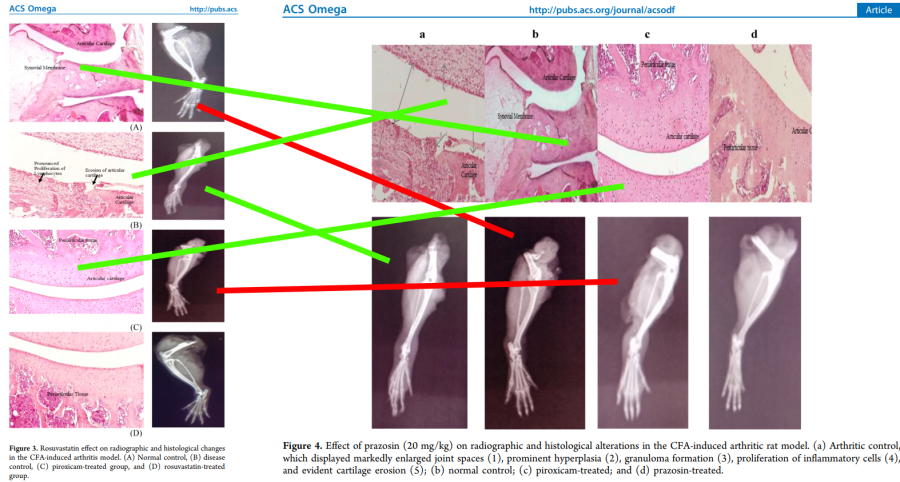
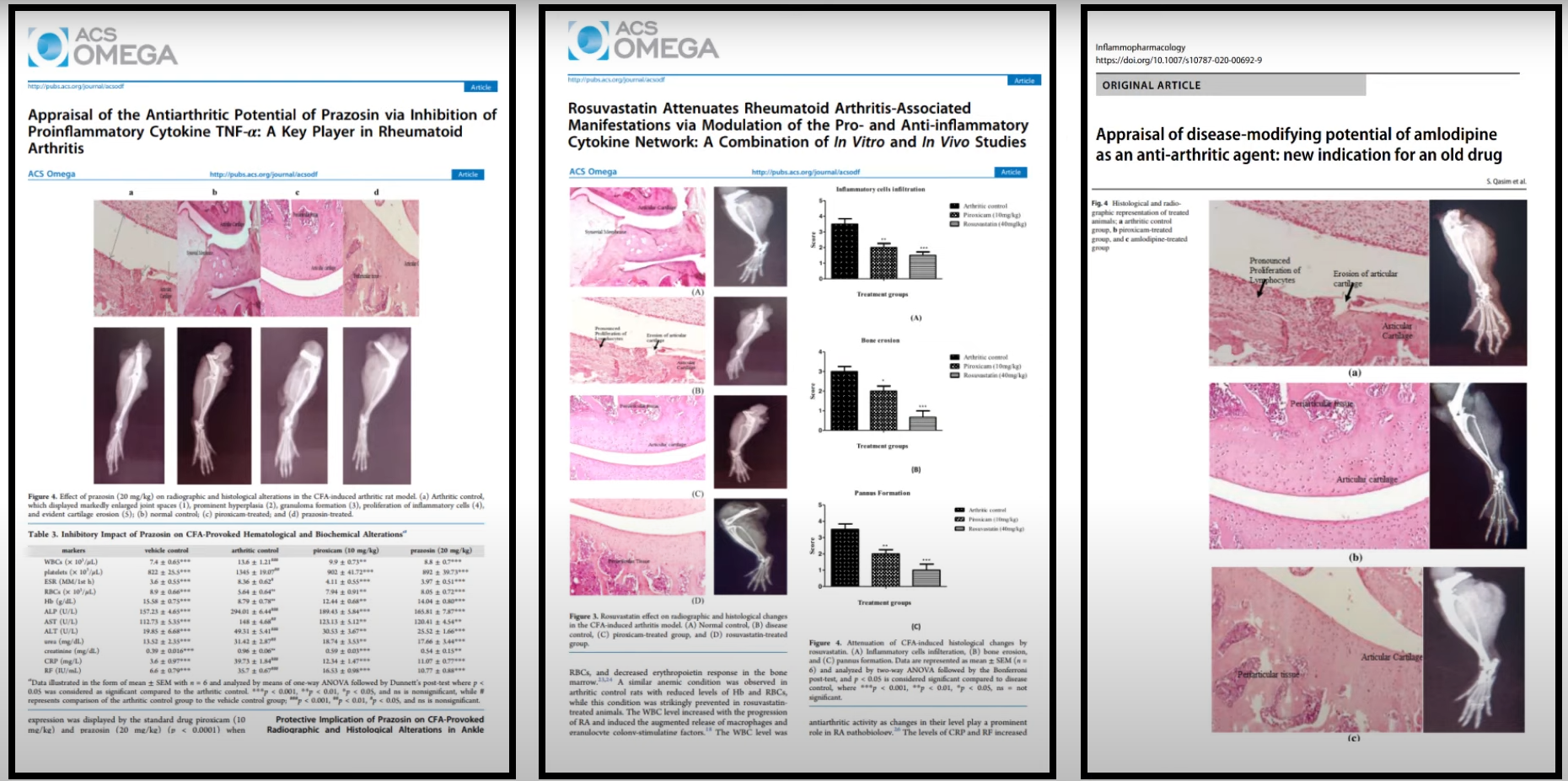
Sholto David notified ACS Omega editors in October 2021. Right away, he received a reply from their Development Editor: “We will examine and investigate it as per the COPE guidelines and follow up with suitable action.” In between, Sholto found out that the pictures appeared in yet another paper by Alamgeer and Qasim, in Springer Nature:
Nothing happened for over 4 years. Only on 13 January 2026, the ACS Omega Managing Team sent an update: “After thorough investigation and careful consideration of the matter, we have reached a resolution that we believe best serves the scientific community and ensures the reliability of the published record. The articles have been retracted.”
The Retraction for the first paper was issued on 6 January 2026:
“The Editor retracts […] due raw data that could not be verified, the radiographic image in Figure 3c (identified as piroxicam-treated) was found to be a duplication to Figure 4b (identified as normal control) in 10.1021/acsomega.0c05698, and the radiographic image in Figure 3a (normal control) was found to be duplicated from Figure 4c (amlodipine-treated group) in 10.1007/s10787-020-00692-9. In addition, the controls were reused across these three experiments, which raises concerns about proper experimental set up and therefore the reliability of the results presented. As such, the article is being retracted.
The Retraction for the second paper was similarly worded and was also published on 6 January 2026.

Zombie fingers inside corroded nano-piecrusts
Smut Clyde is back with more fraudulent nanotechnology. This time, he presents the works of Dhanaraj Gopi, who designs fabricated surfaces for surgical implants. In Photoshop, or with a pencil.

Alamgeer 8sometimes known as Alamgeer Yuchi) has almost 30 papers on PubPeer. At least two have been previously retracted by Elsevier: Ahsan et al 2021a, retracted in July 2022 for reusing images from Ahsan et al 2021b (with Alamgeer, retracted in July 2025) and Ahsan et al 2021c (without Alamgeer, retracted in November 2025), and Yousuf et al 2024, retracted in November 2025 for being a copy of an older study by a totally unrelated team of authors (Klein et al 2018). This Alamgeer is totally shameless in his papermilling:
Muhammad Asif , Mohammad Saleem , Sobia Yousaf , Malik Saadullah , Memoona Zafar , Rizwan Ullah Khan , Alamgeer Yuchi Antidiabetic activity of aqueous extract of Sigesbeckia orientalis (St. Paul’s Wort) in alloxan-induced diabetes model Brazilian Journal of Pharmaceutical Sciences (2019) doi: 10.1590/s2175-97902019000218408
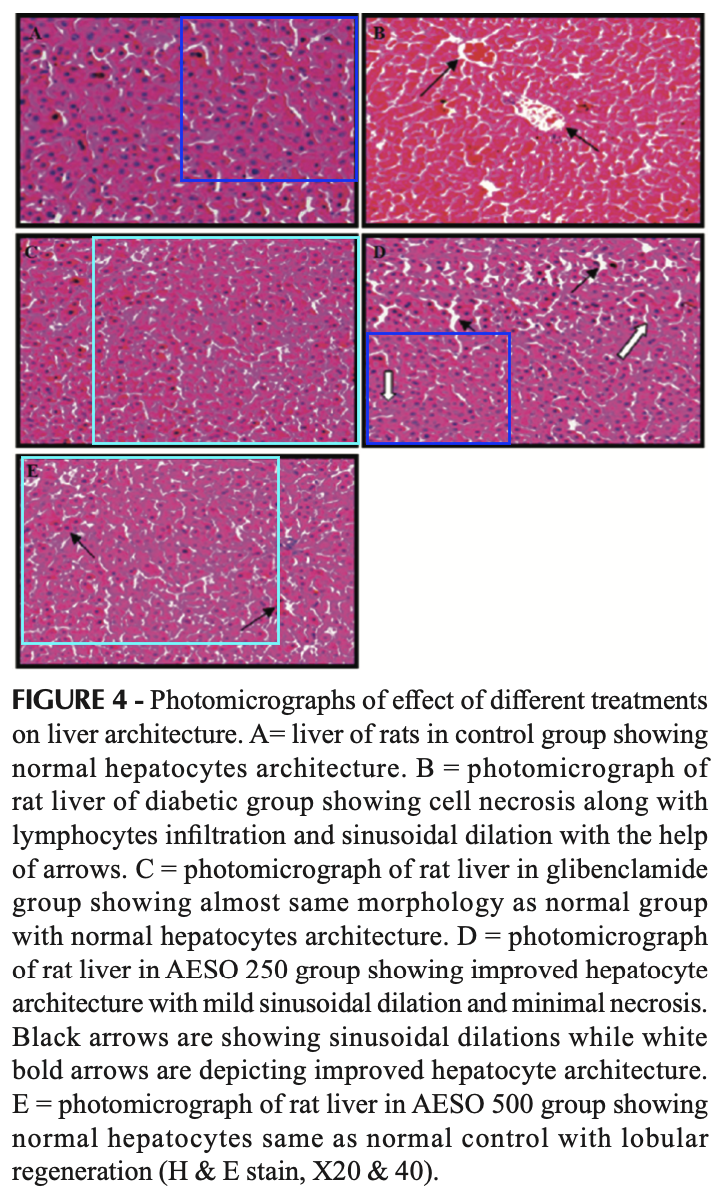
Archasia belfragei: “multiple images have been reused / used multiple times to create figure 4 of this paper. Specifically, there is large overlapping regions between figure 4 C and E and between A and D”
So why all these sudden retractions at ACS Omega? Maybe the almighty ACS is a bit worried that people found out that their publishing branch is nothing but a massive avalanche of fraud? So they decided to retract some fake papers of which ACS knew for years? But only a few, and only by non-white authors, ideally from Pakistan.
PS: This ACS journal is still most keen to make money with papermill fraud. Here is a massive f***-you from ACS Omega to everyone in academia, from India:
Shalu Goyal , Swati Rani , Pamthingla Ragui , Ved Prakash Meena , Ritika Hassija Narula , Subhash Kaushik , Sweta Singh , Sheetal Budhiraja , Rakesh Kumar Sharma Homeopathic Medicine: An Intrinsic Nanomaterial for Synthesis of AgNPs for Environmental and Biomedical Applications ACS Omega (2025) doi: 10.1021/acsomega.5c04977
The abstract starts with: “This study aims to furnish scientific evidence that the effectiveness of homeopathic medicine is attributable to the existence of active components in the nanoform“
Yes, homeopathy. But with nanoparticles! And with nonsense references, because papermill. The corresponding author Rakesh Kumar Sharma, professor at University of Delhi, has a record of fraud on PubPeer, some briefly mentioned here:
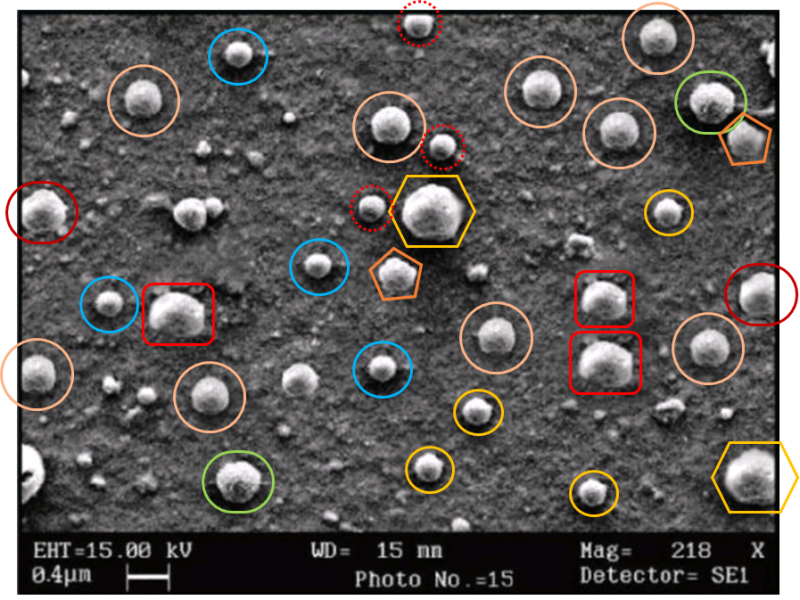
Fake vaccine research: new low for science fraud
COVID-19 pandemic is a good occasion to reassess our attitude to research fraud. Smut Clyde will show you some nanotechnologists who specialise on fabricating vaccine research data in Photoshop.
Donate!
If you are interested to support my work, you can leave here a small tip of $5. Or several of small tips, just increase the amount as you like (2x=€10; 5x=€25). Your generous patronage of my journalism will be most appreciated!
€5.00

 For Better Science
Wow, “an insufficient peer review process”, who could have thought about that?! Is it possible to get a glimpse at this editor’s malpractice?
LikeLike
Guess where the 1st author of the Sep. Pur. Tech. paper, Faroooque Ahmed Janjhi works now?
https://mostwiedzy.pl/en/farooque-ahmed-janjhi,1380253-1
He appears to be a PhD student of Grzegorz Boczkaj or Roberto Castro-Munoz.
What a small world…
LikeLiked by 1 person
+Thebo with Boczkaj: https://mostwiedzy.pl/en/publication/mxene-based-materials-as-adsorbents-photocatalysts-membranes-and-sensors-for-detection-and-removal-o,164204-1
LikeLiked by 1 person
As usual, Grzegorz alone among 15 co-authors from Asia, Probably his contribution was similar to this retracted one:
“Dr. Bilal asked me for help to perform the corrections at the revision stage. I’ve done my contribution with full care and in good faith. […] I feel unfairly accused of bad practices.“
Nobelium Bilalski, a Gdansk papermiller – For Better Science
LikeLike
Faroooque Ahmed Janjhi, Ihsanullah Ihsanullah, Muhammad Bilal, Roberto Castro-Muñoz, Grzegorz Boczkaj, Fausto Gallucci
PubPeer – MXene-based materials for removal of antibiotics and heavy m…
Submitted as a letter of concern to Water Resources and Industry on 17.12.2024. No response so far.
LikeLiked by 2 people
You can try emailing them again cc’ing Elsevier’s ethicsexpert[at]elsevier.com
I found it sometimes works (not too often, ofc, it’s Elsevier after all 😛 ) to keep reminding EiC about concerns.
LikeLiked by 1 person
Actually a month ago Maarten sent a letter to Prof. Spanjers (who was the Dutch co-EiC of Water Resources and Industry then) and Prof. Zhang. So, I thought I would wait a while. Surprisingly however, today Prof. Spanjers is no longer the co-EiC. A year ago the EiC was Prof. Thomas Wintgens from Germany. So, it seems that they change EiCs more frequently than gloves. But Grzegorz is still firmly rooted in the Editorial Board, despite 2 retractions. I think we will have to work harder.
Editorial board – Water Resources and Industry | ScienceDirect.com by Elsevier
LikeLiked by 1 person
Here the data fabrication is so obvious that it’s just unthinkable it wasn’t retracted yet:
https://pubpeer.com/publications/7DDAE63D5FBC3A5EADDB9BBAE1E480
LikeLike
You should check out Amit Bhatnager. Also not the cleanest out there. It seems the journal has more than a few rotten apples on board.
LikeLike
Maarten reported this one in December, so if Olearia ramulosa didn’t do it earlier, it will take some time to get any reaction.
PubPeer – Solar light driven degradation of norfloxacin using as-synth…
LikeLike
Aaa, Amit Bhatnagar, friend of Ashok Pandey and Mukesh Kumar Awasthi. Great company.
The Retraction Watch Leaderboard – Retraction Watch
RETRACTED: Emerging challenges for the agro-industrial food waste utilization: A review on food waste biorefinery – ScienceDirect
LikeLike
Just checked the last one on the list – Muhammad Zeeshan. Really amazing journal. Now I understand why no action against Boczkaj was taken.
Retraction Watch Database
LikeLike
RC-M lost a paper: https://onlinelibrary.wiley.com/doi/10.1002/fsn3.71412
LikeLike
I am saddened on behalf of Prof Castro-Munoz and his Gdansk University of Technology that cancer can’t be cured with mango smoothies.
Dang.
LikeLike
Nano-homeopathy?
Behold pharmaceutical picomaterials: https://www.sciencedirect.com/science/article/pii/S0753332219344038
LikeLiked by 1 person
Credit in research goes hand in hand with responsibility
Feel like its time for a Julian Downward retrospective. Perfect title would be “Downward Spiral”
LikeLike
Yeah right, both The Crick and Nature say Downward is an innocent victim of an evil foreigner!
Maybe Reform UK was in charge of investigation?
LikeLike
If Reform get they will rename the place they work to the “James Watson Institute” although its possible that some of Watson’s ideas were too extreme for UKIP/Reform..
LikeLiked by 1 person
Maybe the mango smoothie would work if you add some weeds? https://pubpeer.com/publications/9A53B42E9BC86CE2BD3403947FD95B
LikeLiked by 1 person